Upgrade to Pro — share decks privately, control downloads, hide ads and more …

Megateam Vs. The Codenado

Sponsored · SiteGround - Reliable hosting with speed, security, and support you can count on. →

Megateam Vs. The Codenado

Working on a large team can be crazy. "Why are we wasting all of our time in meetings?" "Who wants to respond to this email from the client?" "Will bringing this new person onboard slow us down so we miss our deadline?" "Whose turn is it to make sure the build goes out to the client this week?" "Why are we doing the same things over and over and not getting any better?"

At Detroit Labs, one of our largest project teams consists of 20 people - a designer, QA, Android and iOS developers, and a delivery lead - yet we all manage to work as a cohesive group and have fun doing it. We’ll talk about how we manage to keep small team performance and agility while gaining advantages of scale. From hiring to onboarding, keeping work flowing, QAed, and delivered, even how we choose our music, we’ll share our experiences about what keeps the Megateam going strong.

Avatar for William Hinchman

William Hinchman

May 29, 2015

Other Decks in Programming

Transcript

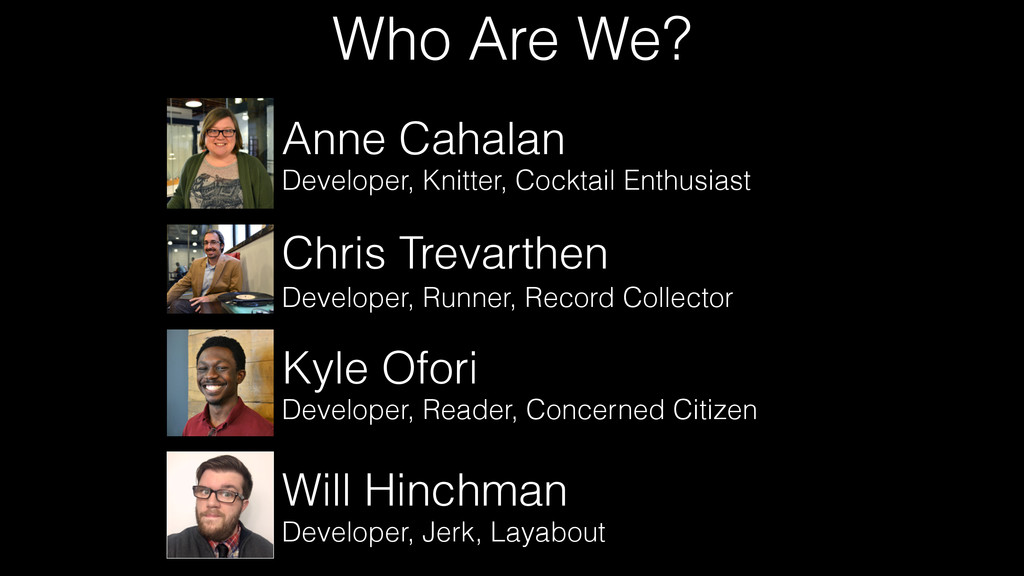
  1. Who Are We? Anne Cahalan Developer, Knitter, Cocktail Enthusiast Chris

    Trevarthen Developer, Runner, Record Collector Kyle Ofori Developer, Reader, Concerned Citizen Will Hinchman Developer, Jerk, Layabout
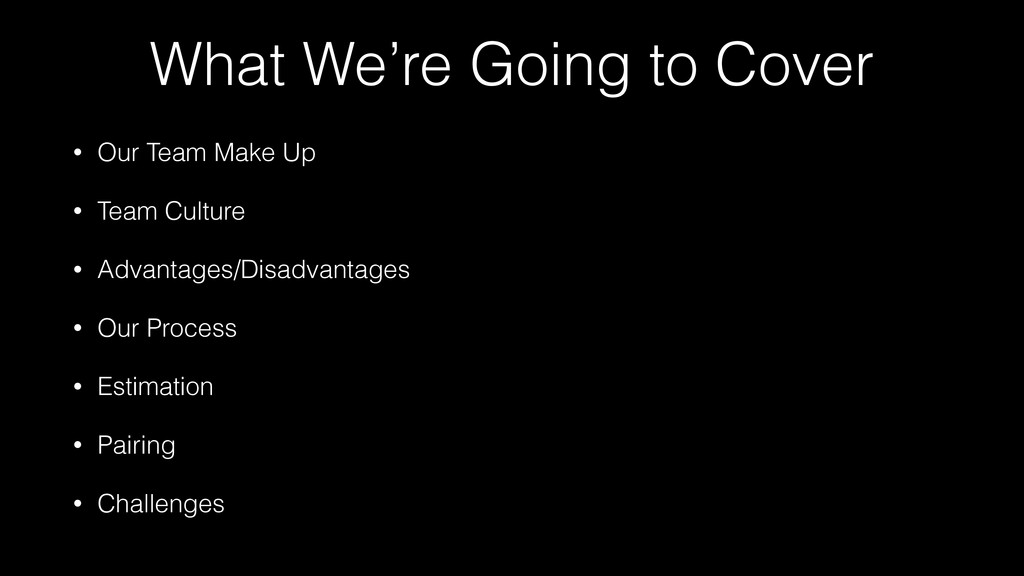
  2. What We’re Going to Cover • Our Team Make Up

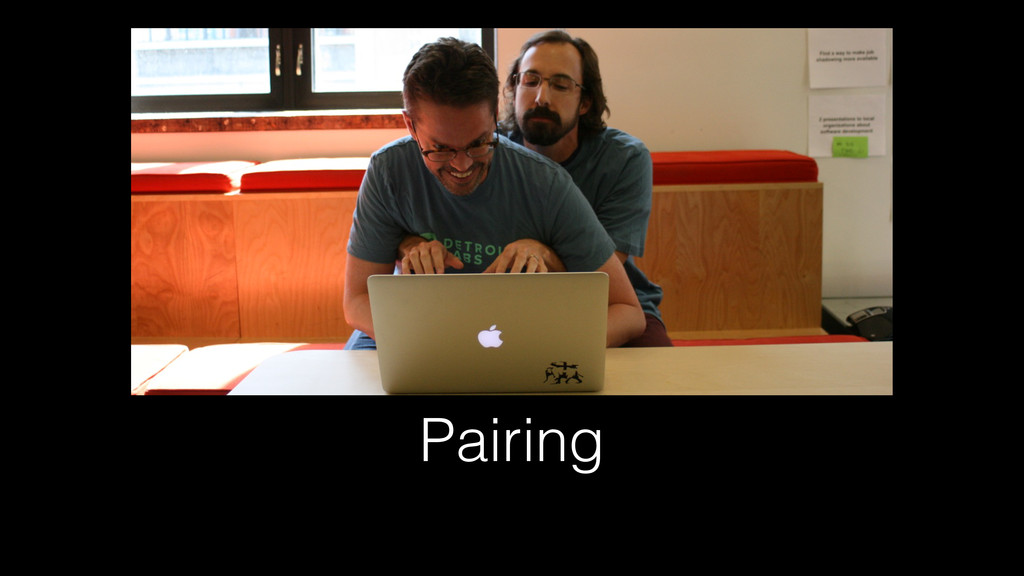
    • Team Culture • Advantages/Disadvantages • Our Process • Estimation • Pairing • Challenges
  3. Why Megateam? • Most teams at Detroit Labs are 5-6

    people • Megateam is currently 18 people • It was also the first large team in Detroit Labs history
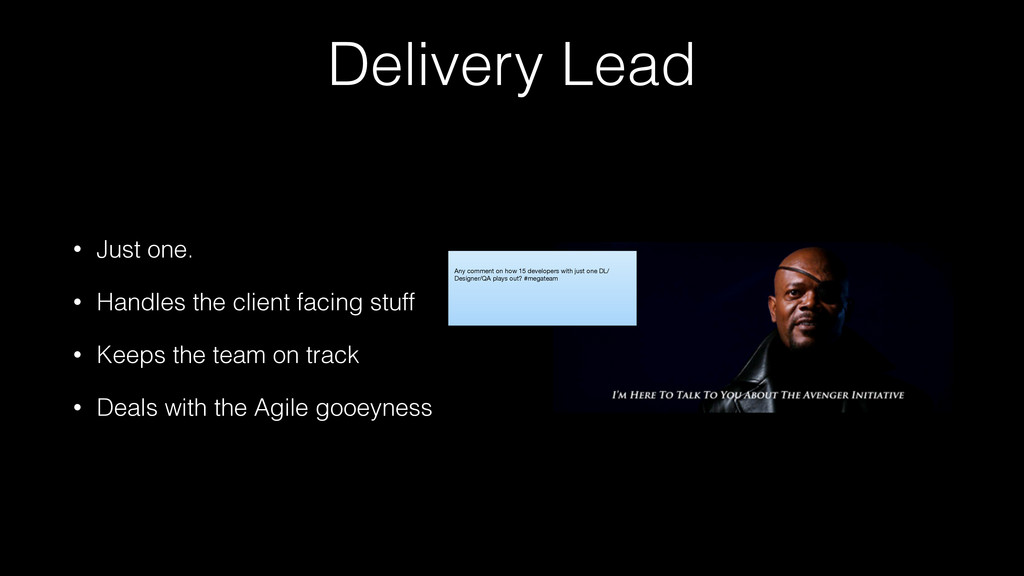
  4. Delivery Lead • Just one. • Handles the client facing

    stuff • Keeps the team on track • Deals with the Agile gooeyness Any comment on how 15 developers with just one DL/ Designer/QA plays out? #megateam
  5. Quality Assurance • 1 or more as needed • Managing

    testing • Making test cases • Managing automated testing • Everyone is responsible for testing, though.
  6. Design • 1 or more, as needed • UI/UX •

    Asset Creation • Making everything look great
  7. Product Owner • Nice, if you can get it. •

    Handles feature decisions. • Preferably, just one (more on that later).
  8. Culture • Labs has a culture, and makes a big

    deal of it • MegaTeam’s culture exists within the context of Labs’ culture, but is its own thing as well • Some of these are things we do on purpose, some things just started organically
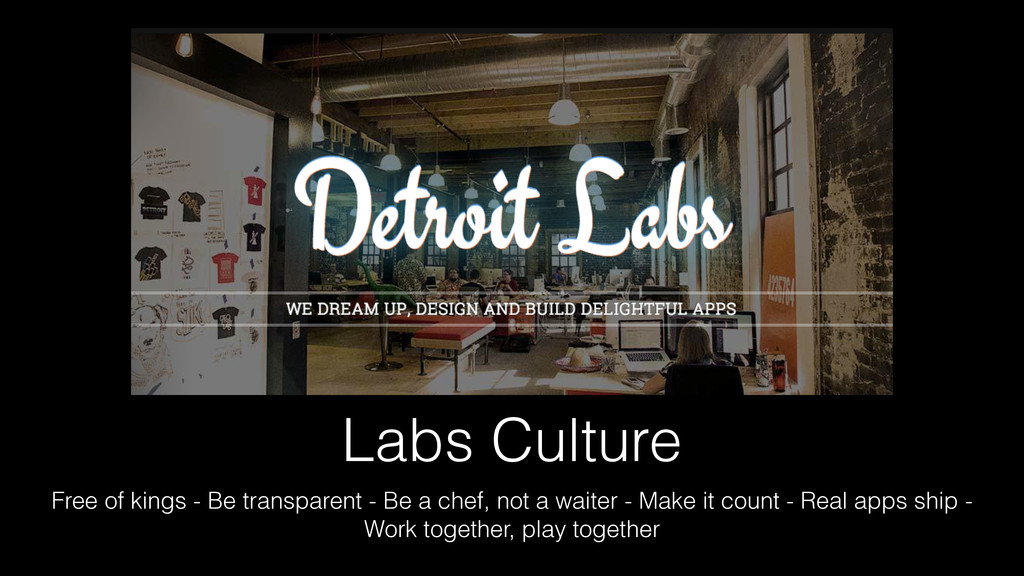
  9. Labs Culture Free of kings - Be transparent - Be

    a chef, not a waiter - Make it count - Real apps ship - Work together, play together
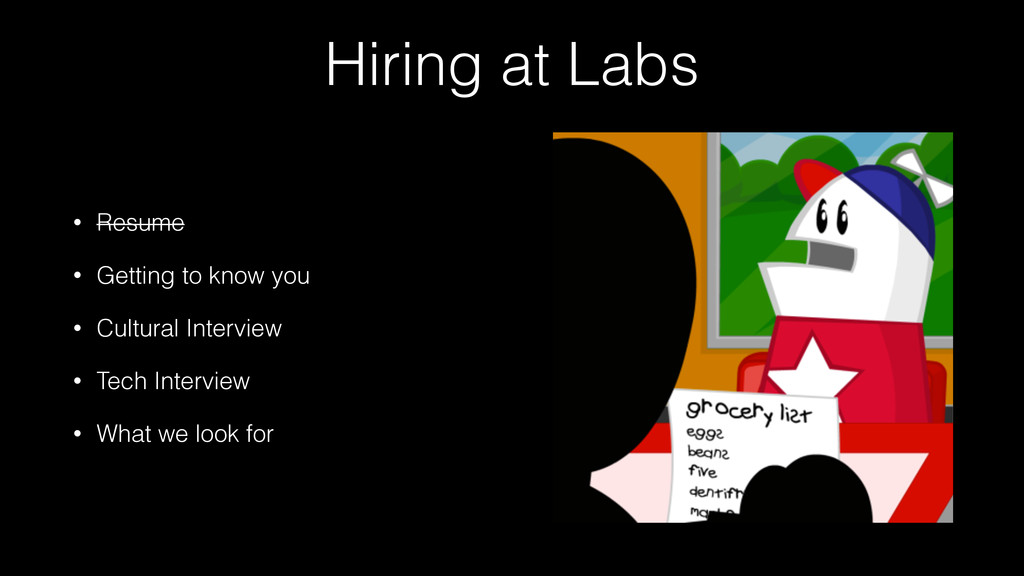
  10. Hiring at Labs • Resume • Getting to know you

    • Cultural Interview • Tech Interview • What we look for
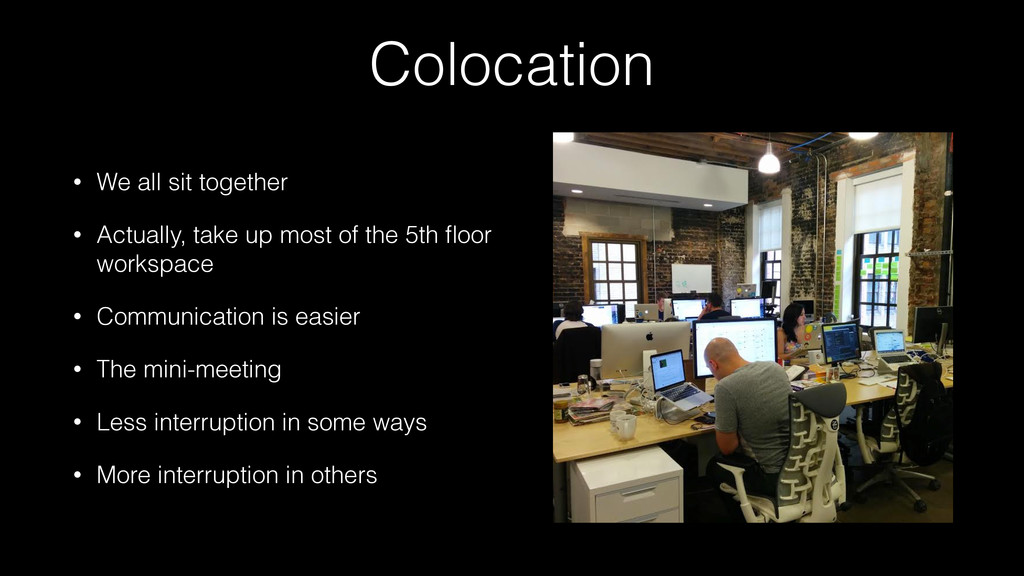
  11. Colocation • We all sit together • Actually, take up

    most of the 5th floor workspace • Communication is easier • The mini-meeting • Less interruption in some ways • More interruption in others
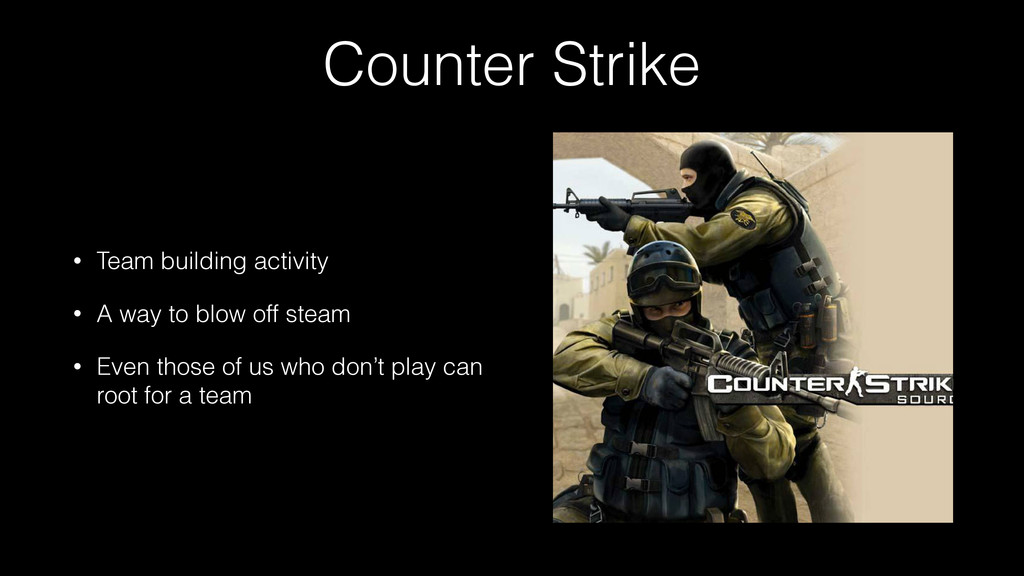
  12. Counter Strike • Team building activity • A way to

    blow off steam • Even those of us who don’t play can root for a team
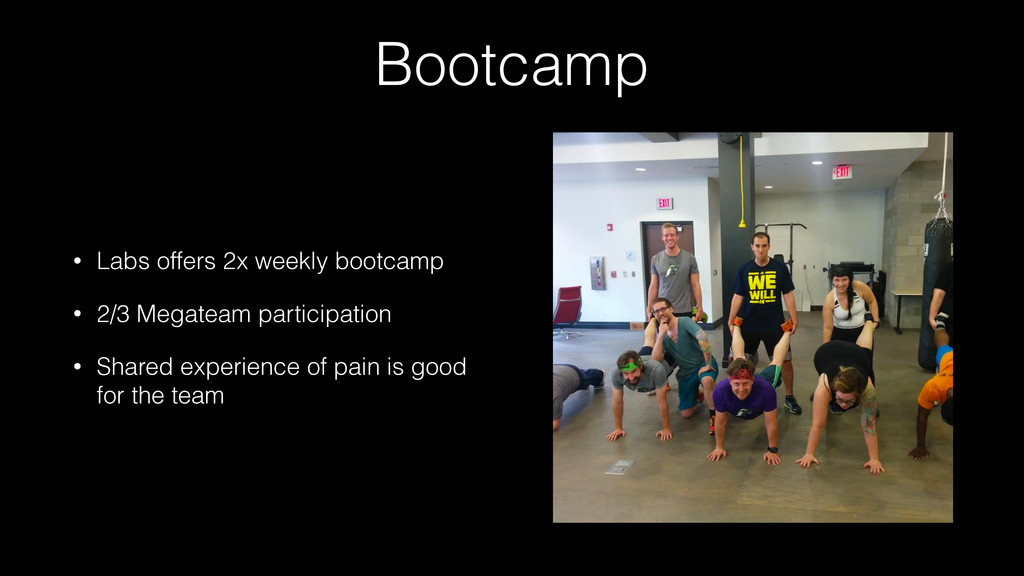
  13. Bootcamp • Labs offers 2x weekly bootcamp • 2/3 Megateam

    participation • Shared experience of pain is good for the team
  14. Dojo • Lab time project • Crowdsourced playlist • Everyone

    contributes, at the same time • Dojo Logo Could emphasize how this is a fairly equitable solution for an 18-person team, since we have differences in preferences? #megateam
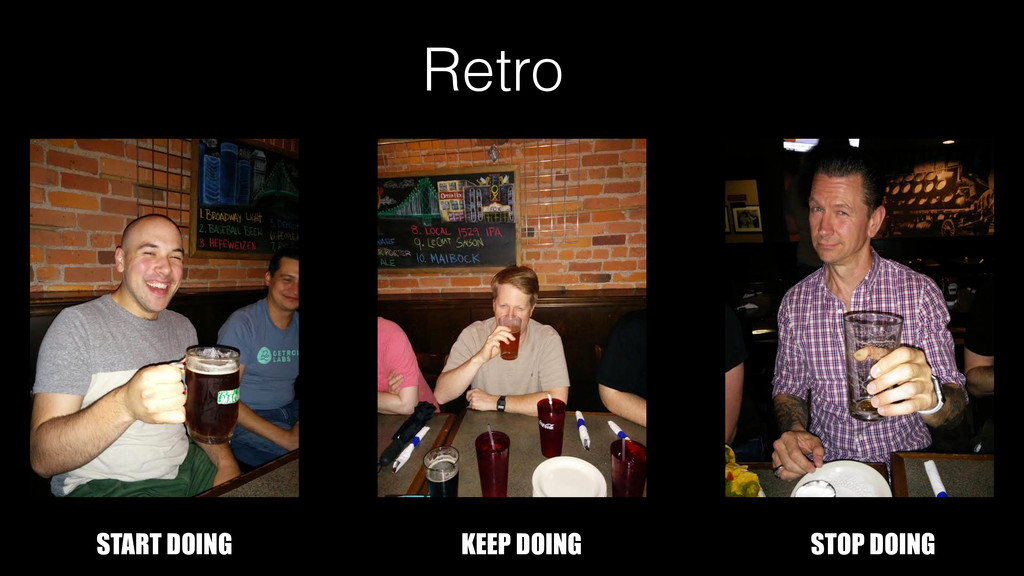
  15. Retro • Meet once a week to review • Out

    of the office - no distractions • No business until beer I imagine drive-bys would have gotten worse and worse as the team got larger, with people distractible by different things… #megateam
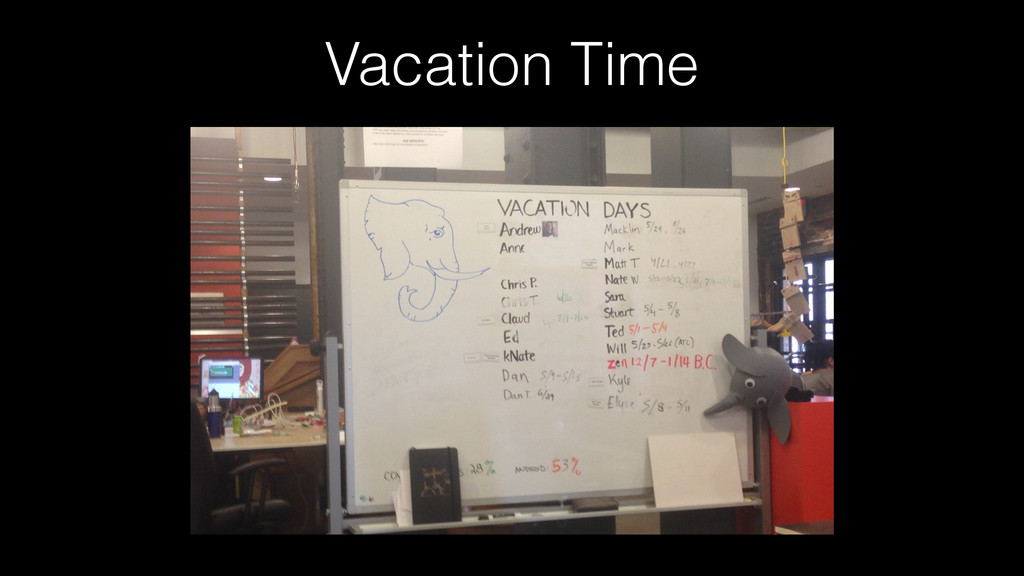
  16. Vacation Time • You can always take a vacation when

    you need one • Just give your teammates advance notice
  17. Hack Time • Fridays are Hack Days • This applies

    just as well on a big team • You can even join up with teammates to hack • We stagger hack days to keep capacity up through the week
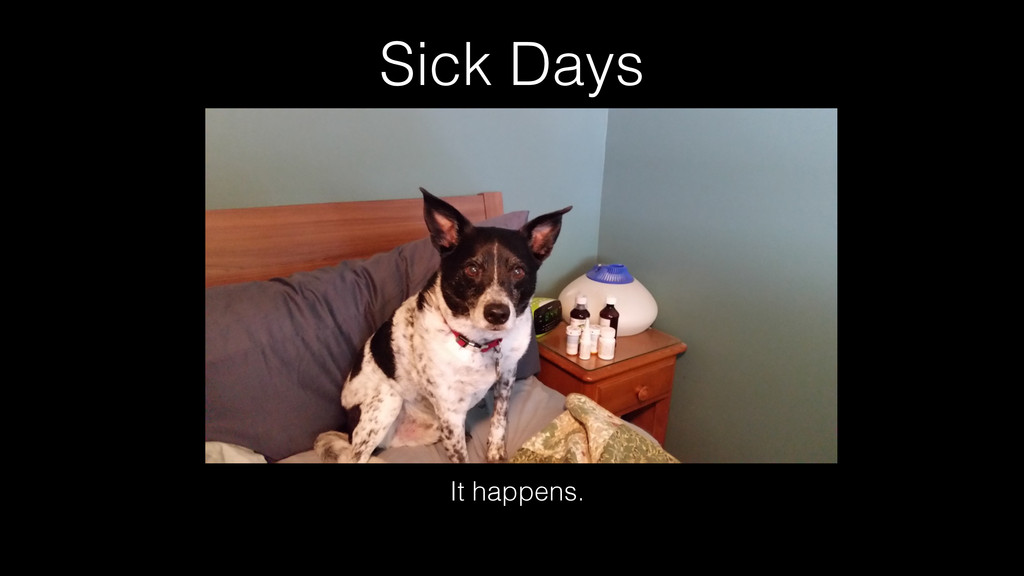
  18. Sick Days • On a big team, there will be

    people to help out if you are out of commission • Unfortunately, sickness moves around quickly
  19. Onboarding • Our app is never really finished • New

    folks join at any stage of development • Onboarding experiences vary based on when you join team
  20. Onboarding • We use a team manual to help with

    onboarding • Also have a project wiki
  21. Onboarding • Challenges include: • Communicating best time/best way for

    new team member to take on challenges • Pairing and/or mentorship • Realizing what we may not have documented
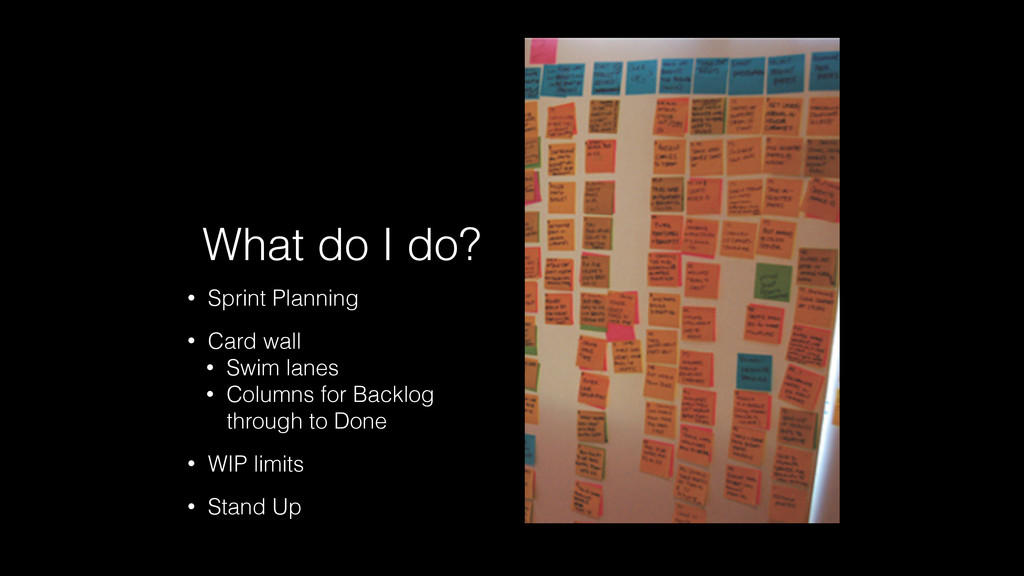
  22. What do I do? • Sprint Planning • Card wall
    • Swim lanes • Columns for Backlog through to Done • WIP limits • Stand Up
  23. How do I do it? • Forking • Feature branches

    • Code reviews/pull requests
  24. When is it done? • Definition of done: • Unit

    tests pass locally • Analytics added • No new warnings • Screenshot & testing steps in the PR • PR has been peer-reviewed • Passed QA
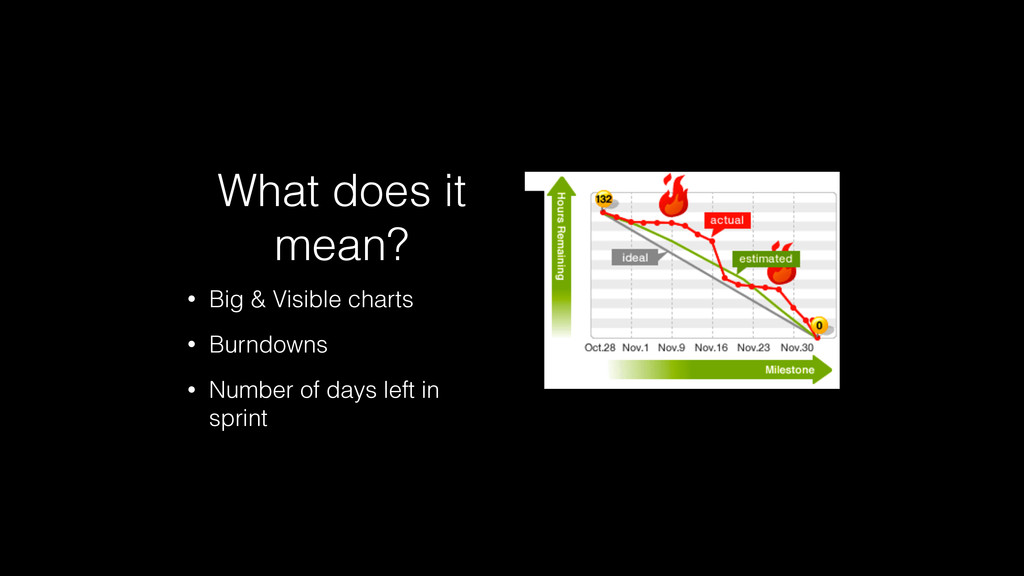
  25. What does it mean? • Big & Visible charts •

    Burndowns • Number of days left in sprint
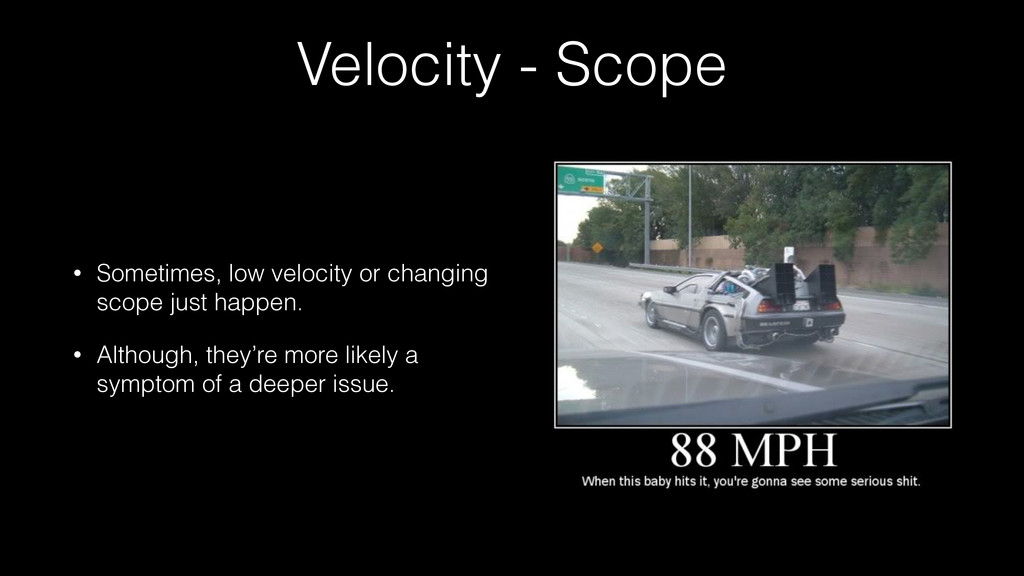
  26. Velocity - Scope • Sometimes, low velocity or changing scope

    just happen. • Although, they’re more likely a symptom of a deeper issue.
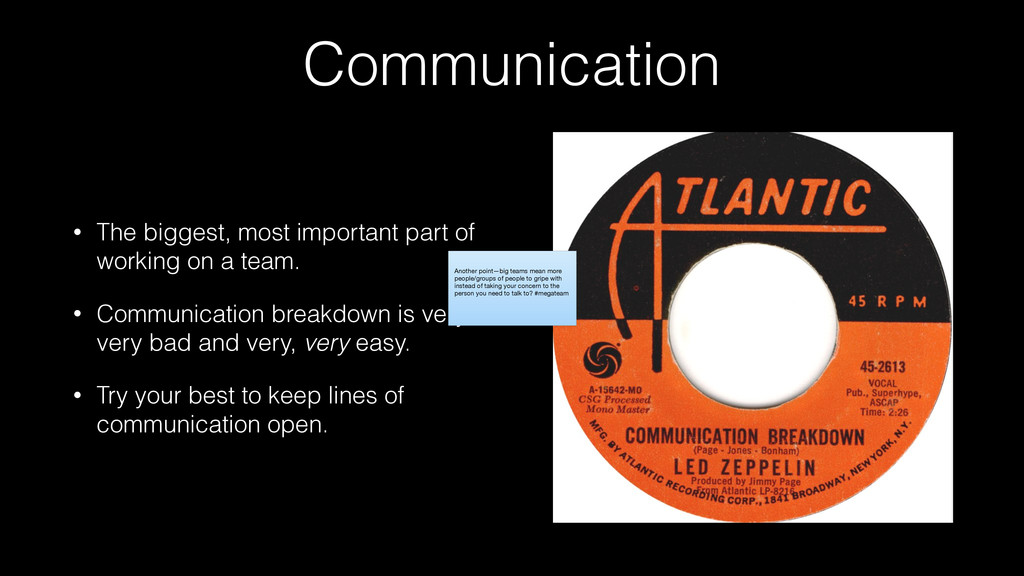
  27. Communication • The biggest, most important part of working on

    a team. • Communication breakdown is very, very bad and very, very easy. • Try your best to keep lines of communication open. Another point—big teams mean more people/groups of people to gripe with instead of taking your concern to the person you need to talk to? #megateam
  28. Rogue Work • Making sure all work is visible. •

    No one is an island, need team buy in on architectural direction. • Every decision made effects the team as a whole. TALK THROUGH THINGS.
  29. Interpersonal • People are people. Sometimes they’re annoying, wrong, etc.

    • Telling people the truth, although hard, is usually the best route. • But! Don’t invalidate others feelings. • Try to re-frame your perspective - “Every villain is the hero of their own story” PS - Y’all iOS folks have been doing a beautiful job of communication, if you ask me. There have been problems, but there are also now many solutions. Don’t put this in the presentation.
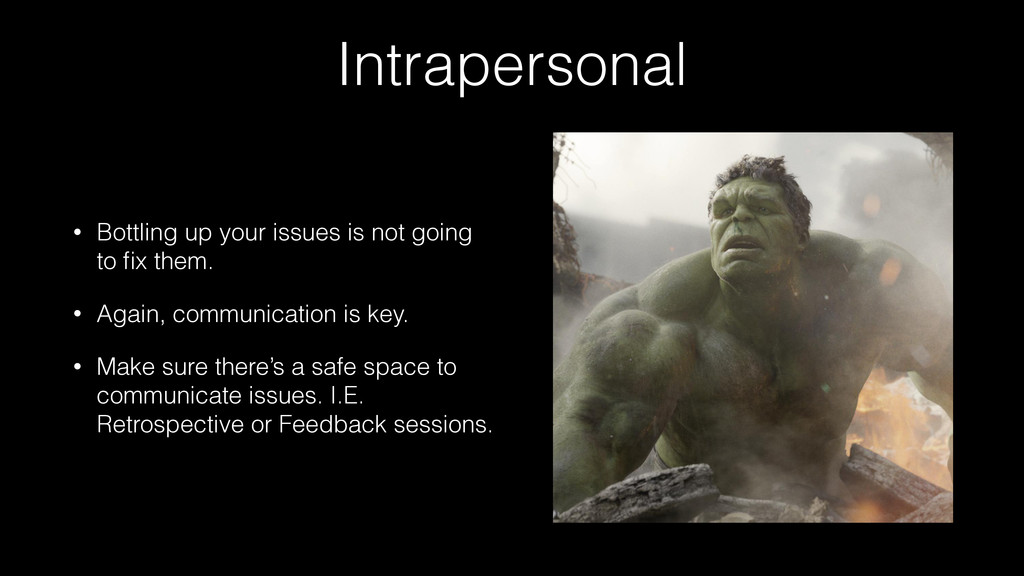
  30. Intrapersonal • Bottling up your issues is not going to

    fix them. • Again, communication is key. • Make sure there’s a safe space to communicate issues. I.E. Retrospective or Feedback sessions.