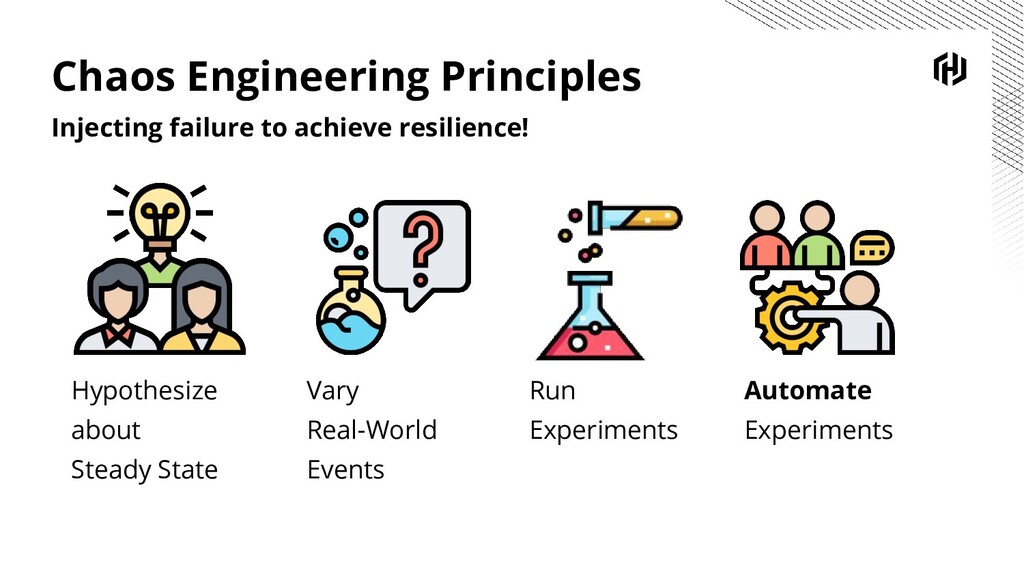
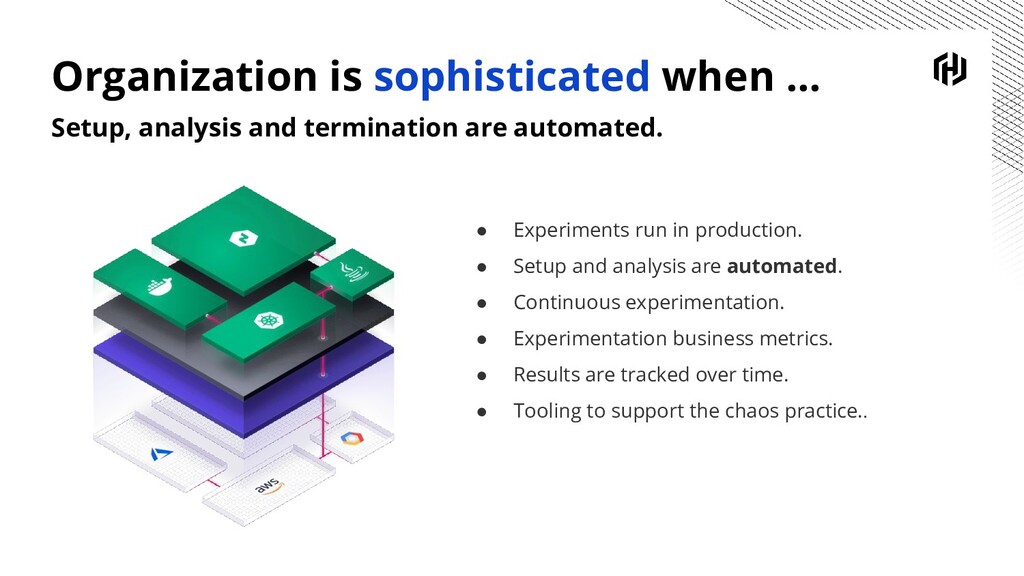
automated. • Experiments run in production. • Setup and analysis are automated. • Continuous experimentation. • Experimentation business metrics. • Results are tracked over time. • Tooling to support the chaos practice..
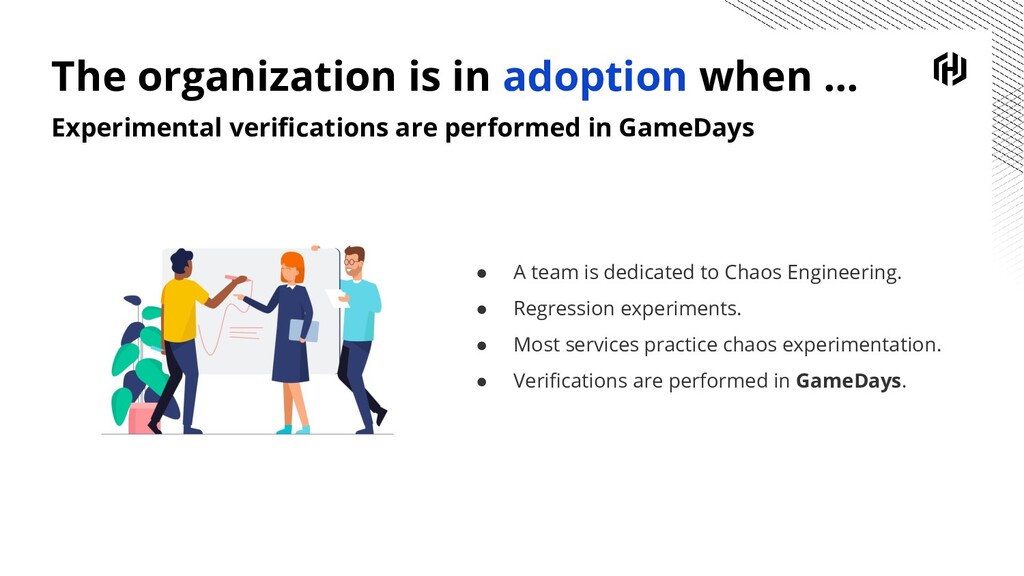
performed in GameDays • A team is dedicated to Chaos Engineering. • Regression experiments. • Most services practice chaos experimentation. • Verifications are performed in GameDays.
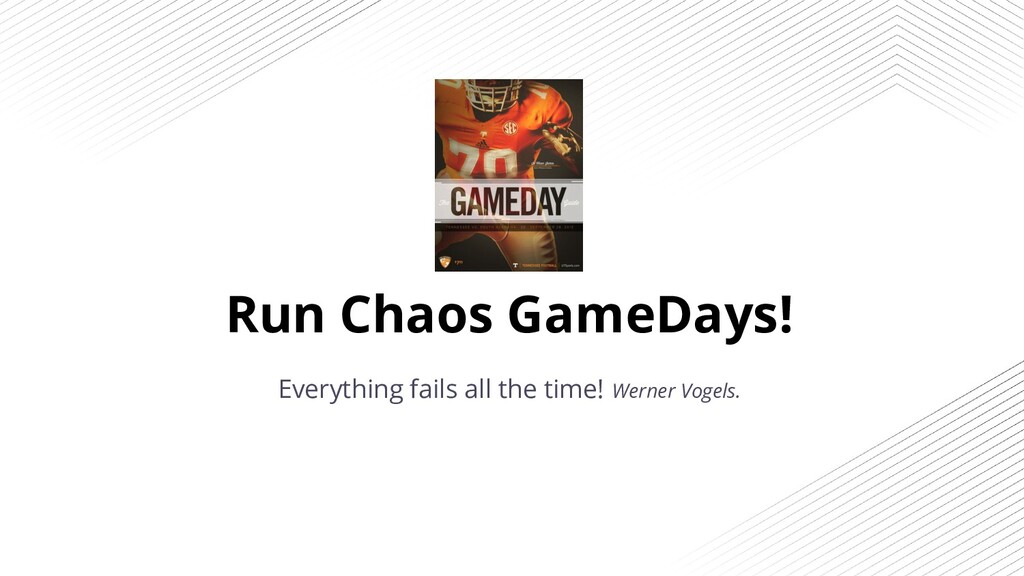
players a chance to put their skills in a technology to test. GameDays were created by Jesse Robbins inspired by his experience & training as a firefighter. GameDays are ...
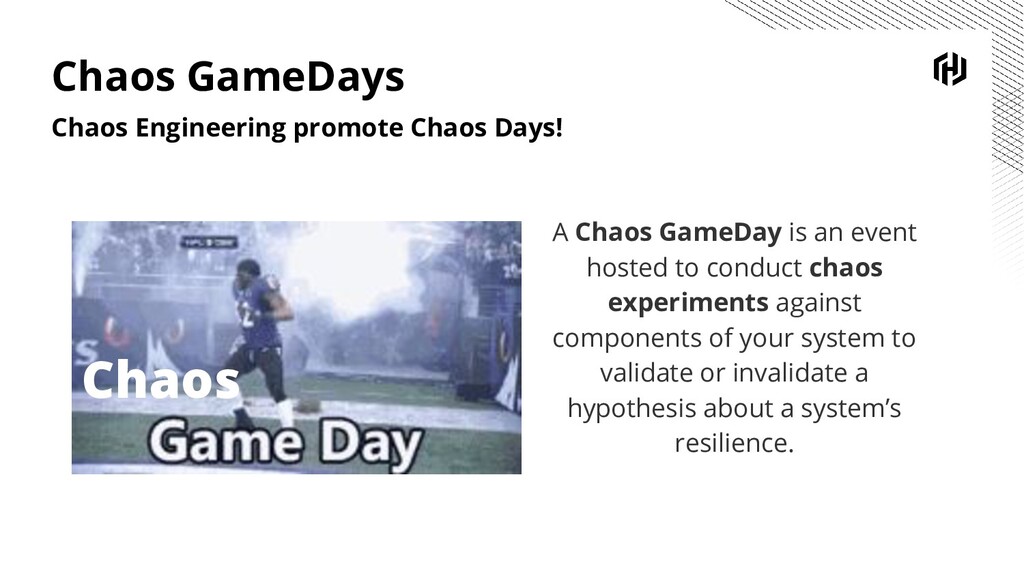
is an event hosted to conduct chaos experiments against components of your system to validate or invalidate a hypothesis about a system’s resilience. Chaos
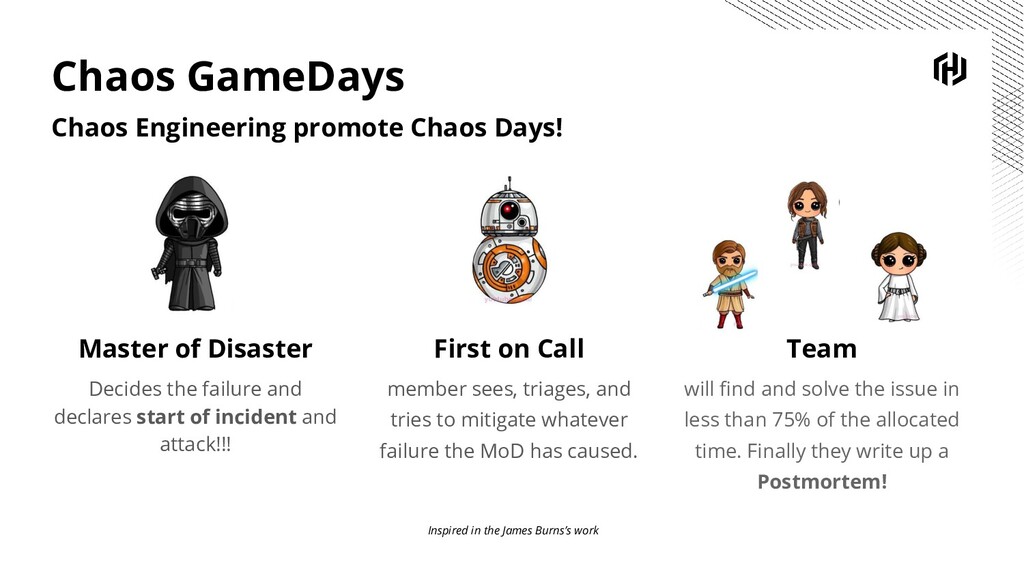
member sees, triages, and tries to mitigate whatever failure the MoD has caused. Master of Disaster Decides the failure and declares start of incident and attack!!! Team will find and solve the issue in less than 75% of the allocated time. Finally they write up a Postmortem! Inspired in the James Burns’s work
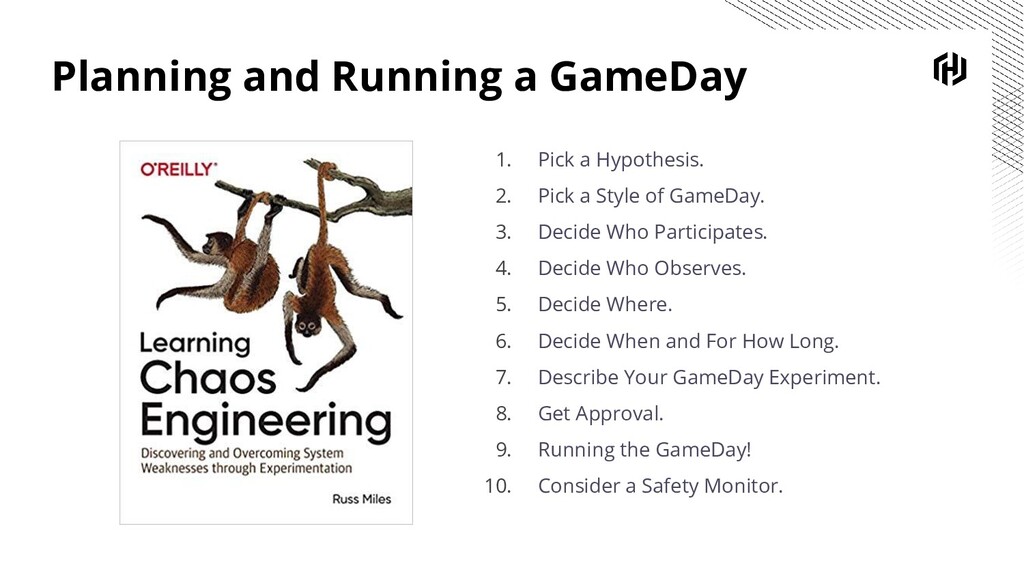
Pick a Style of GameDay. 3. Decide Who Participates. 4. Decide Who Observes. 5. Decide Where. 6. Decide When and For How Long. 7. Describe Your GameDay Experiment. 8. Get Approval. 9. Running the GameDay! 10. Consider a Safety Monitor.
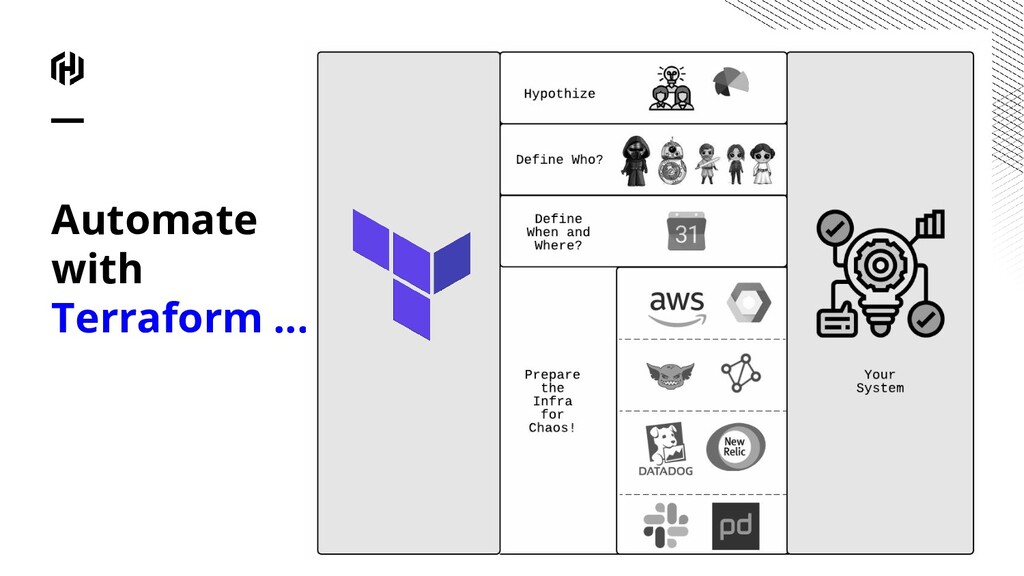
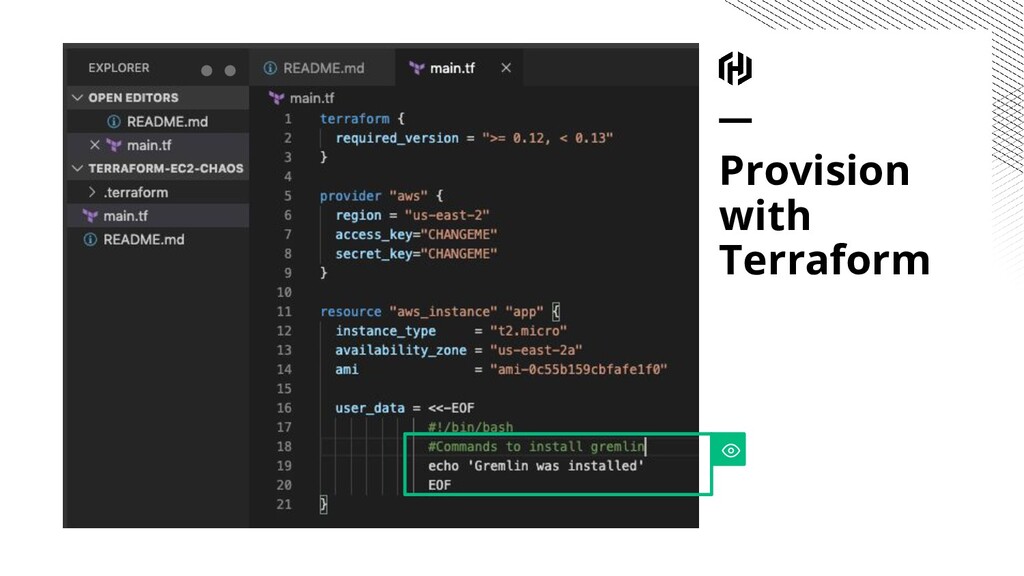
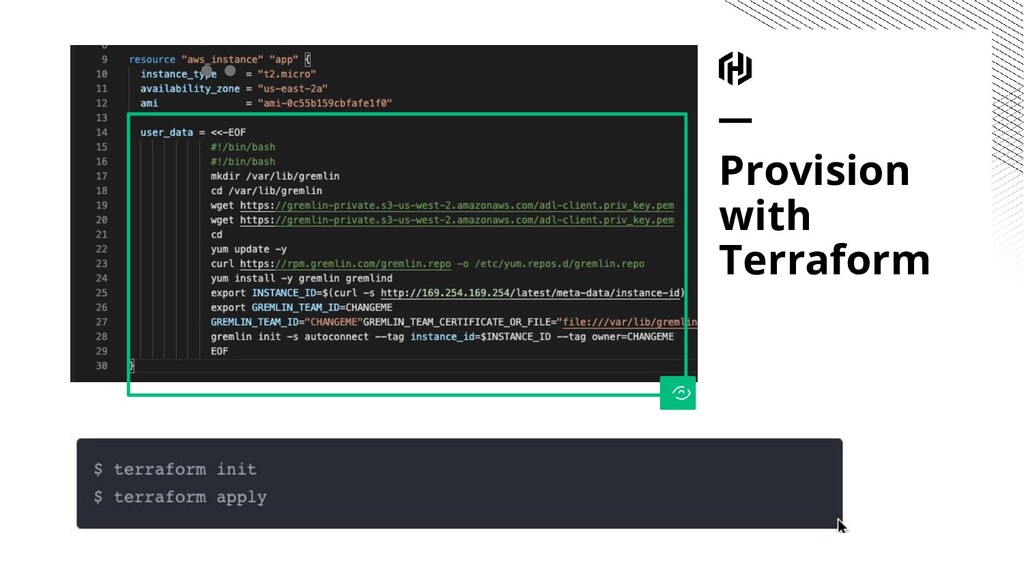
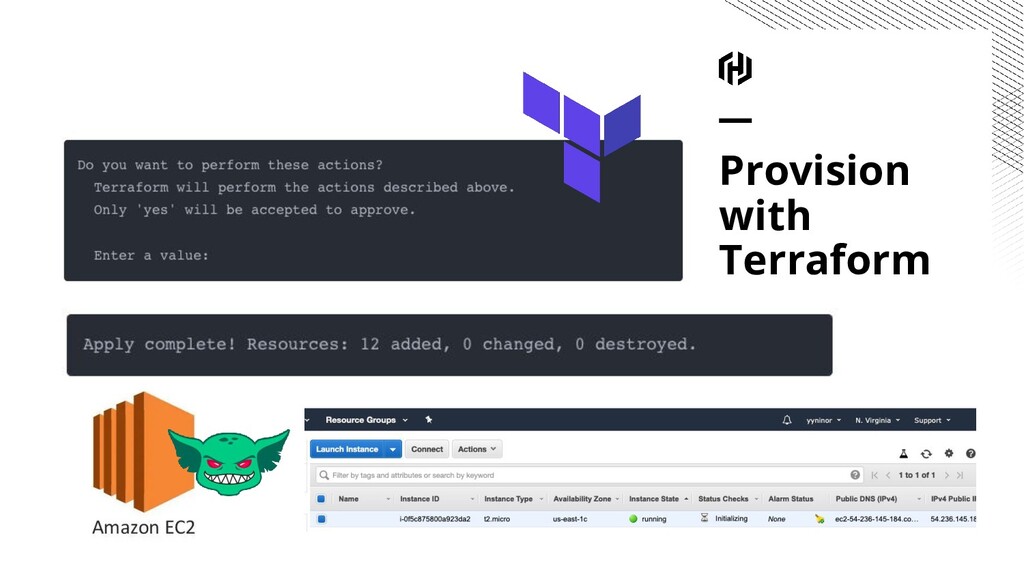
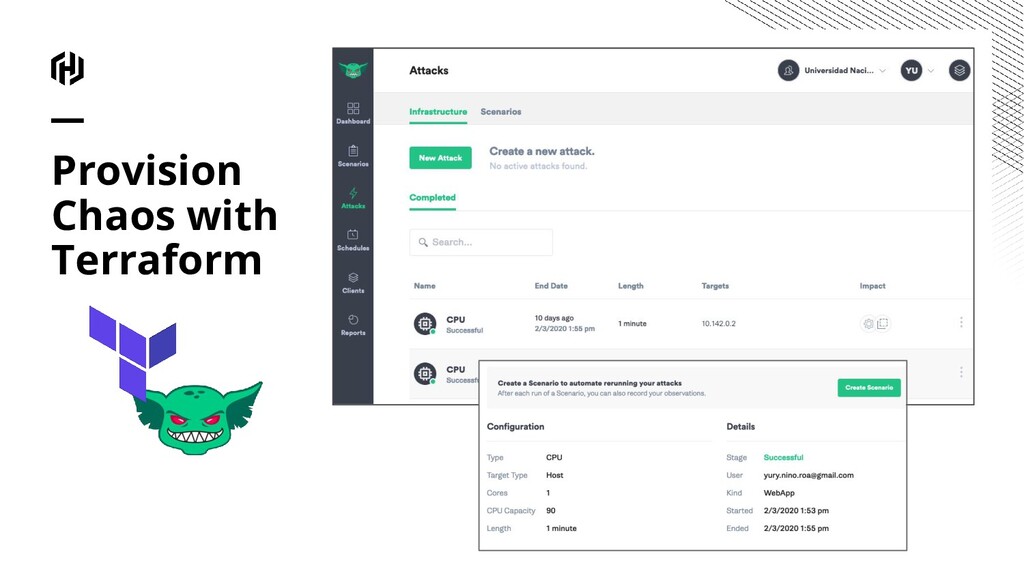
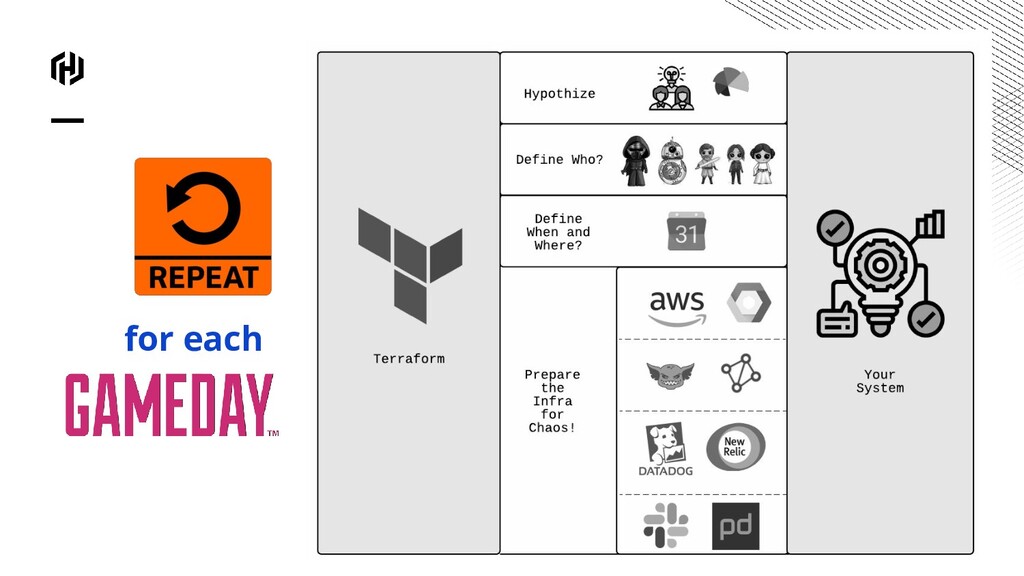
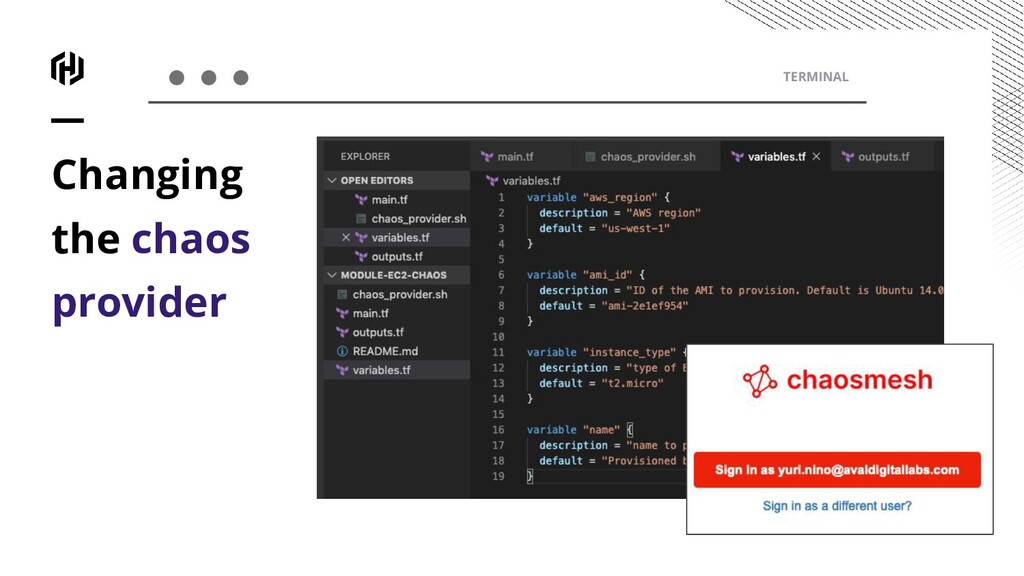
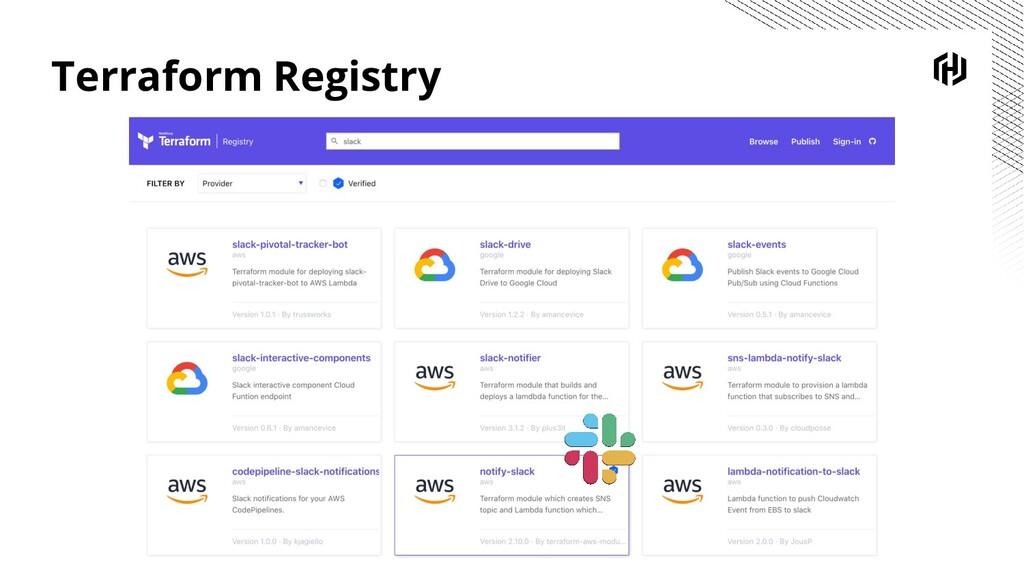
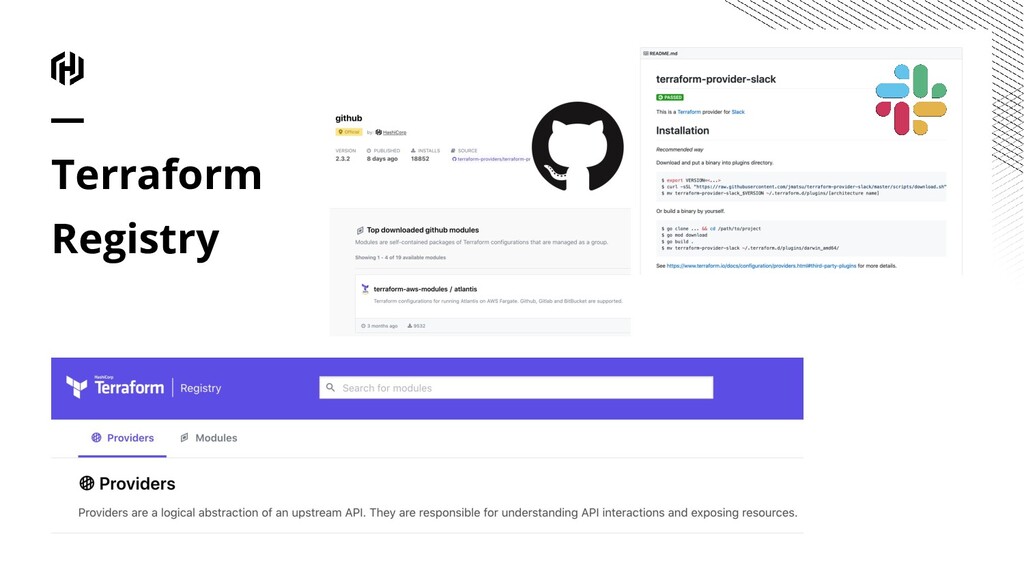
Change, and Version Control your infrastructure. Automation Is the most powerful tool that the developers we have! Under the hood ... Terraform makes API calls on your behalf to one or more providers, such as AWs, Azure, Google Cloud, Datadog and Chaos Agents!
Change, and Version Control your infrastructure. Automation Is the most powerful tool that the developers we have! Under the hood ... Terraform can do API calls to any technology that allow to CRUD resources through an API.
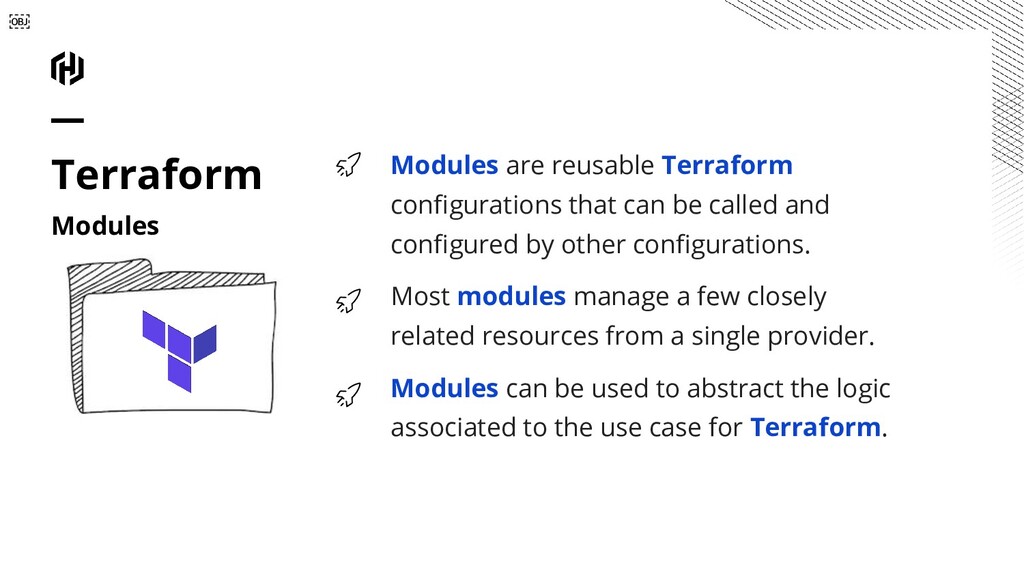
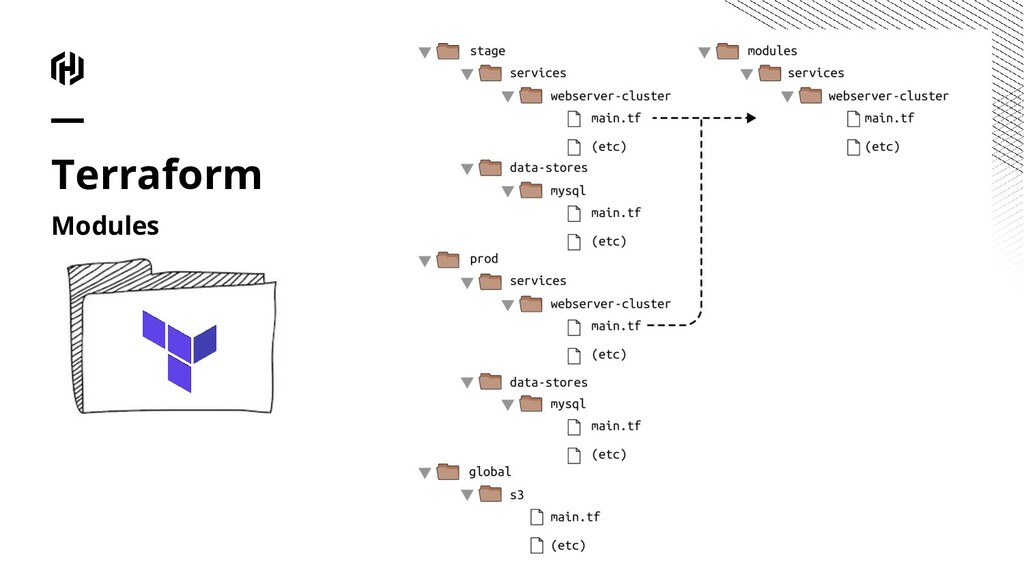
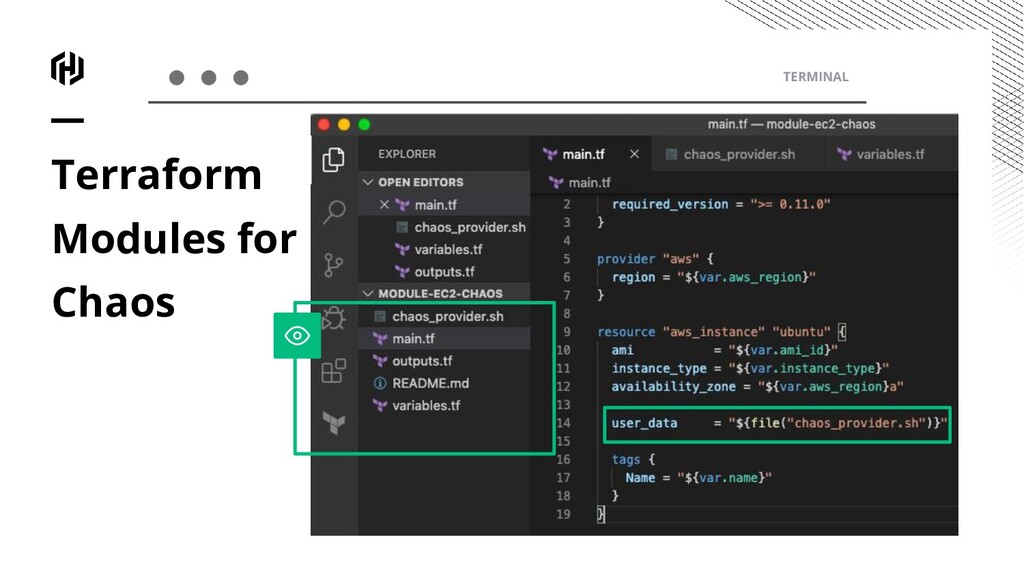
configured by other configurations. Most modules manage a few closely related resources from a single provider. Modules can be used to abstract the logic associated to the use case for Terraform. Terraform Modules 


 yurynino
 kentarofujii
 kakehashi
 ivry_presentationmaterials
 glaforge
 satomasahiro2005
 kaminashi
 taketakekaho
 tomokusaba
 sansantech
 ama_ch
 pfn
pfn
 yamanoku
 speakerdeck
 addyosmani
 katarinadahlin
 reverentgeek
 ryanjones
 cromwellryan
 tammyeverts
 raygrieselhuber
 bcantrill
 garrettdimon
 jonoalderson
 inesmontani