Upgrade to PRO for Only $50/Year—Limited-Time Offer! 🔥

Patch What Matters: Rethinking Vulnerability Pr...

Avatar for Ali Yazdani Ali Yazdani
December 03, 2025

Patch What Matters: Rethinking Vulnerability Prioritization

This presentation tackles the critical challenge of vulnerability alert fatigue in modern DevSecOps. With enterprises facing 10,000+ vulnerabilities per month and false-positive rates exceeding 60%, traditional CVSS-based prioritization fails to address real-world risk.
This talk introduces a risk-based prioritization framework that combines EPSS (Exploit Prediction Scoring), CISA's KEV catalog, and reachability analysis to focus on vulnerabilities that actually matter. Through technical deep-dives into SAST, SCA, and container scanning, attendees will learn:

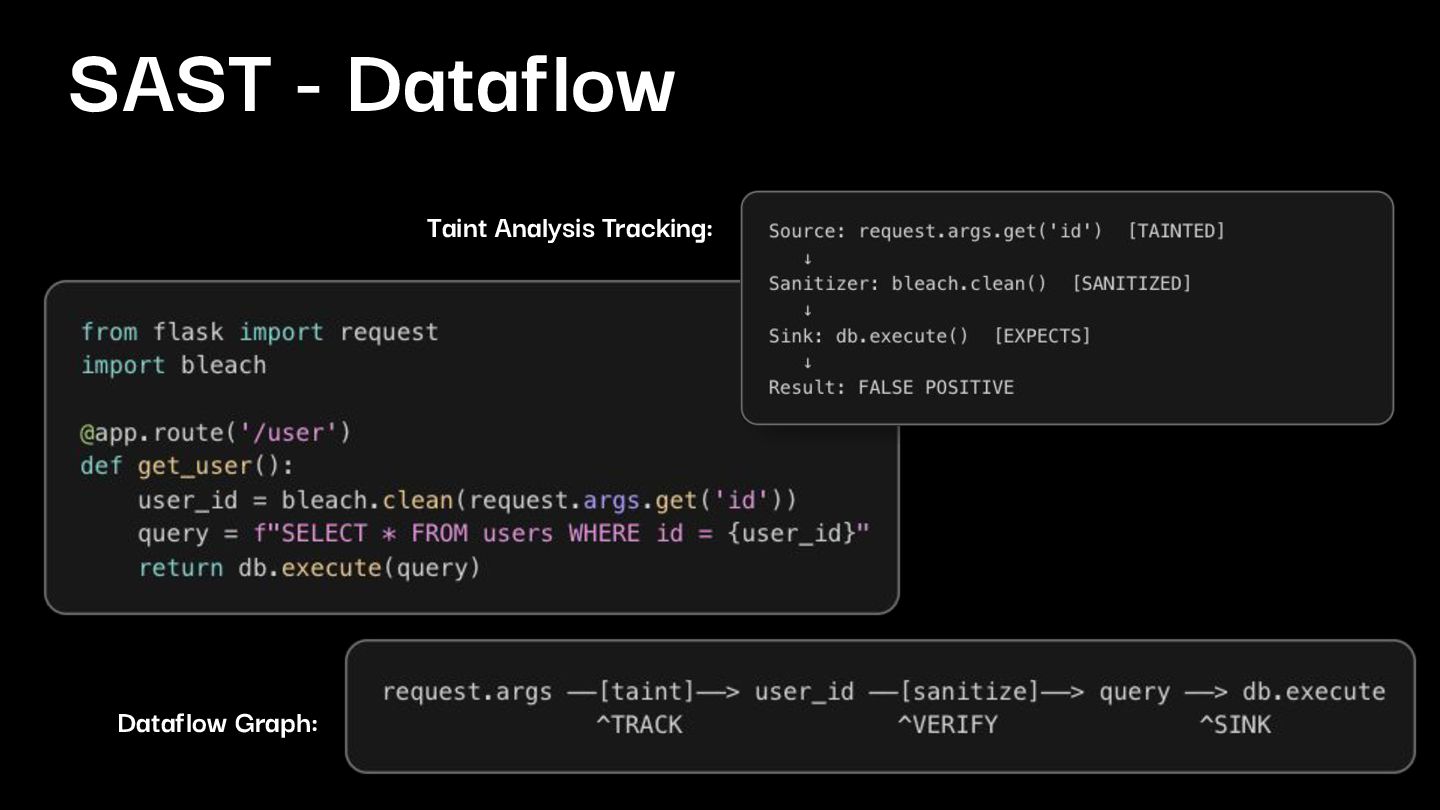
SAST: How dataflow analysis, call graphs, and Tree-sitter reduce false positives from 70% to <20%
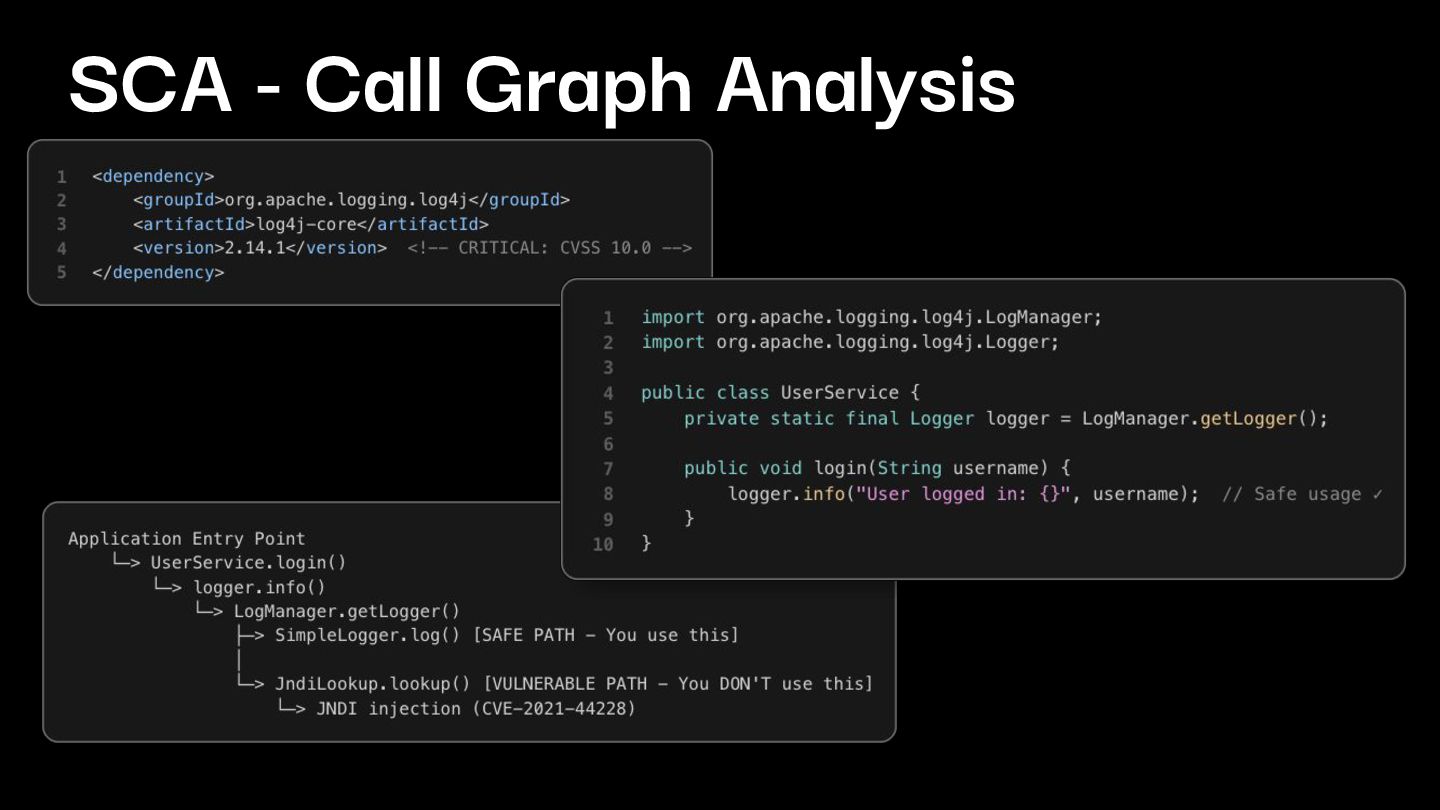
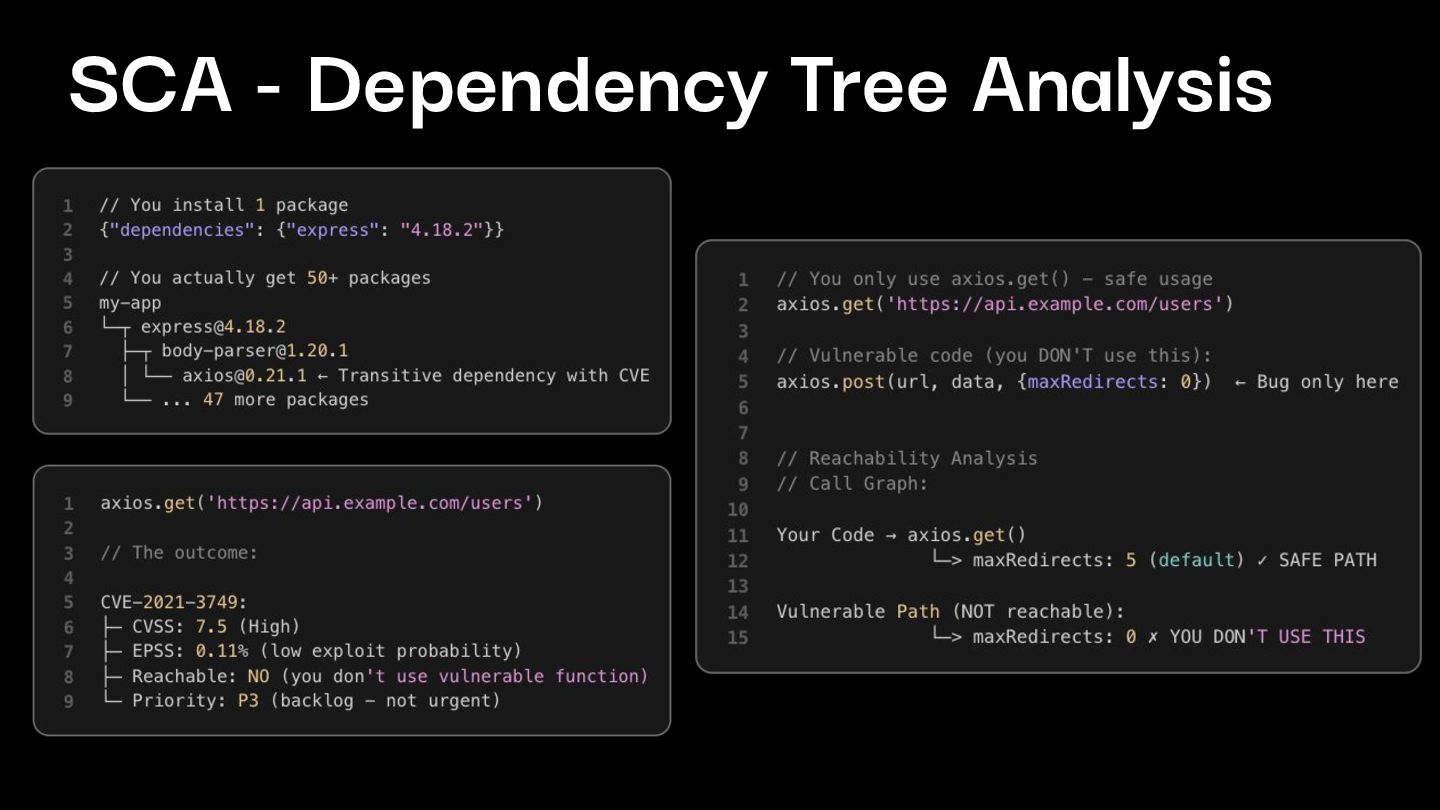
SCA: Using call graph reachability analysis to identify which dependency vulnerabilities actually affect your code paths (Log4Shell and Node.js examples)
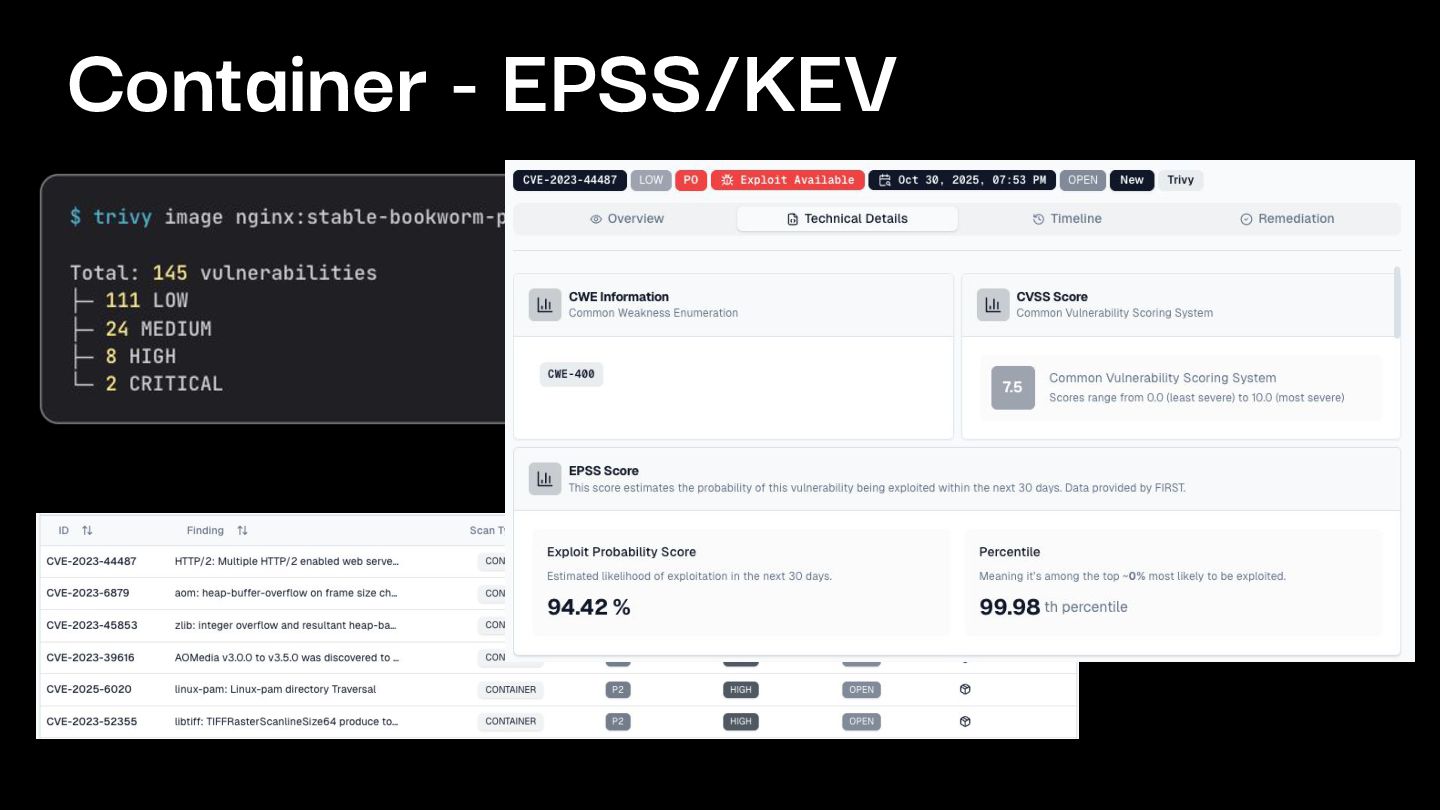
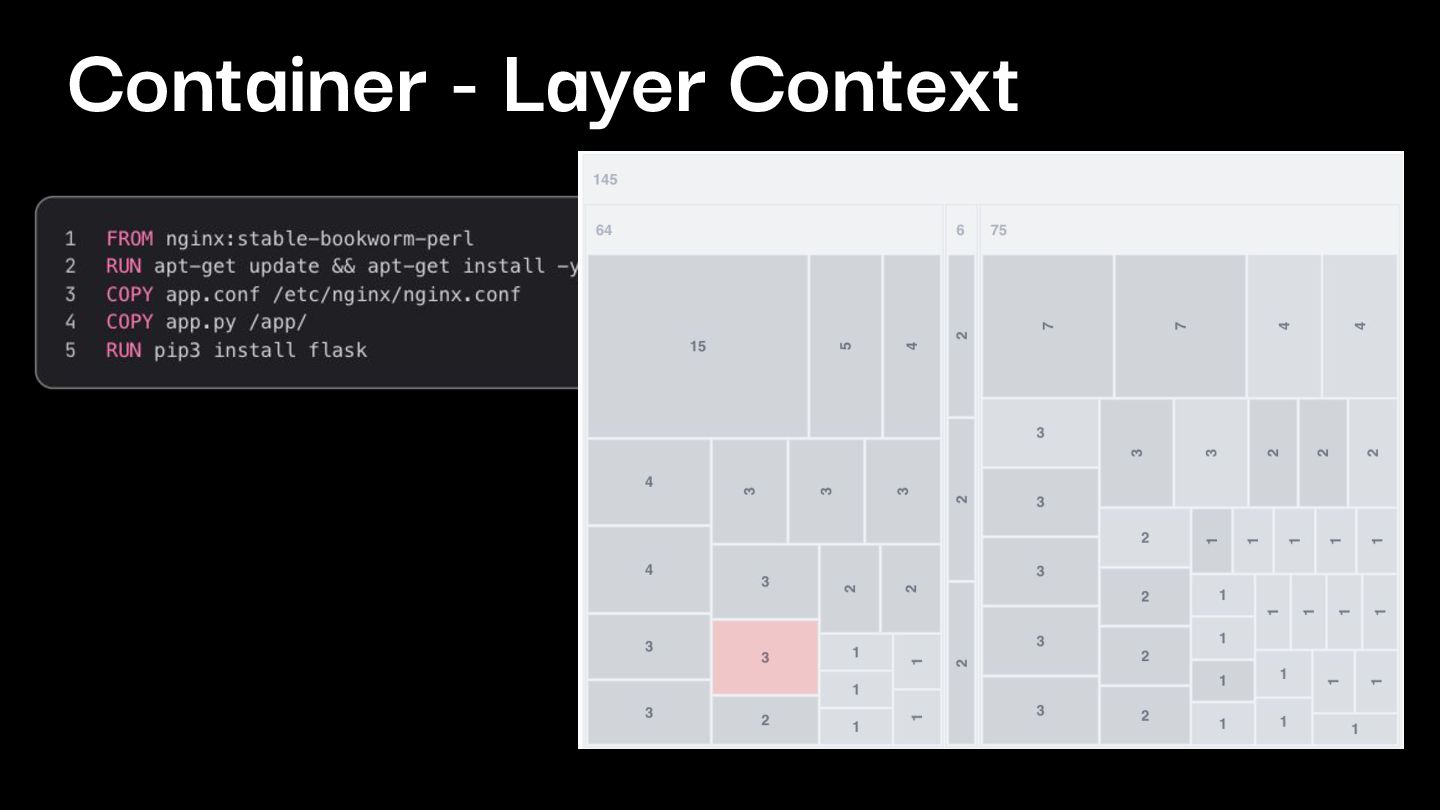
Container Scanning: Why CVSS alone fails—demonstrated through nginx:stable-bookworm-perl with CVE-2023-44487 (CVSS 5.3 LOW, but EPSS 94.42% and KEV=true makes it P0)

Real-world impact: 91% reduction in alert noise, 80% time savings for security teams, and <48-hour MTTR for genuine critical issues. Includes practical tooling recommendations (Trivy, Semgrep, Snyk) and implementation guidance for CI/CD integration.

Key Takeaway: Stop treating all "Critical" CVEs equally. Context + EPSS + Reachability = Actionable prioritization.

Avatar for Ali Yazdani

Ali Yazdani

December 03, 2025
Tweet

More Decks by Ali Yazdani

Other Decks in Technology

Transcript

  1. Readme Ali Yazdani • A Security Engineer • +10 years

    of security experience • OWASP MSTG Contributor • OWASP DevSecOps Guideline Project Lead https://www.youtube.com/@SecurityTalks https://scandog.io https://asecurityengineer.com
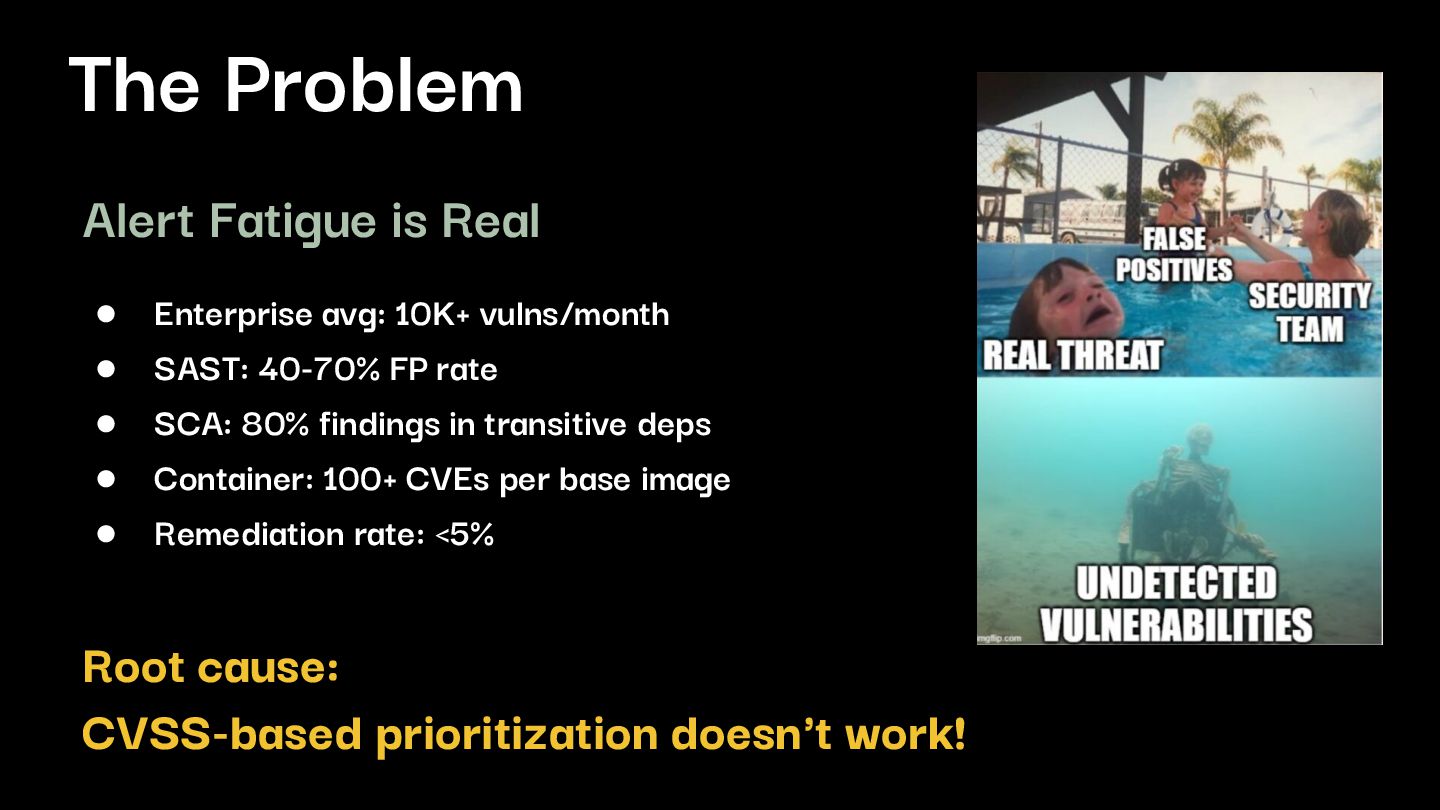
  2. The Problem Alert Fatigue is Real • Enterprise avg: 10K+

    vulns/month • SAST: 40-70% FP rate • SCA: 80% findings in transitive deps • Container: 100+ CVEs per base image • Remediation rate: <5% Root cause: CVSS-based prioritization doesn't work!
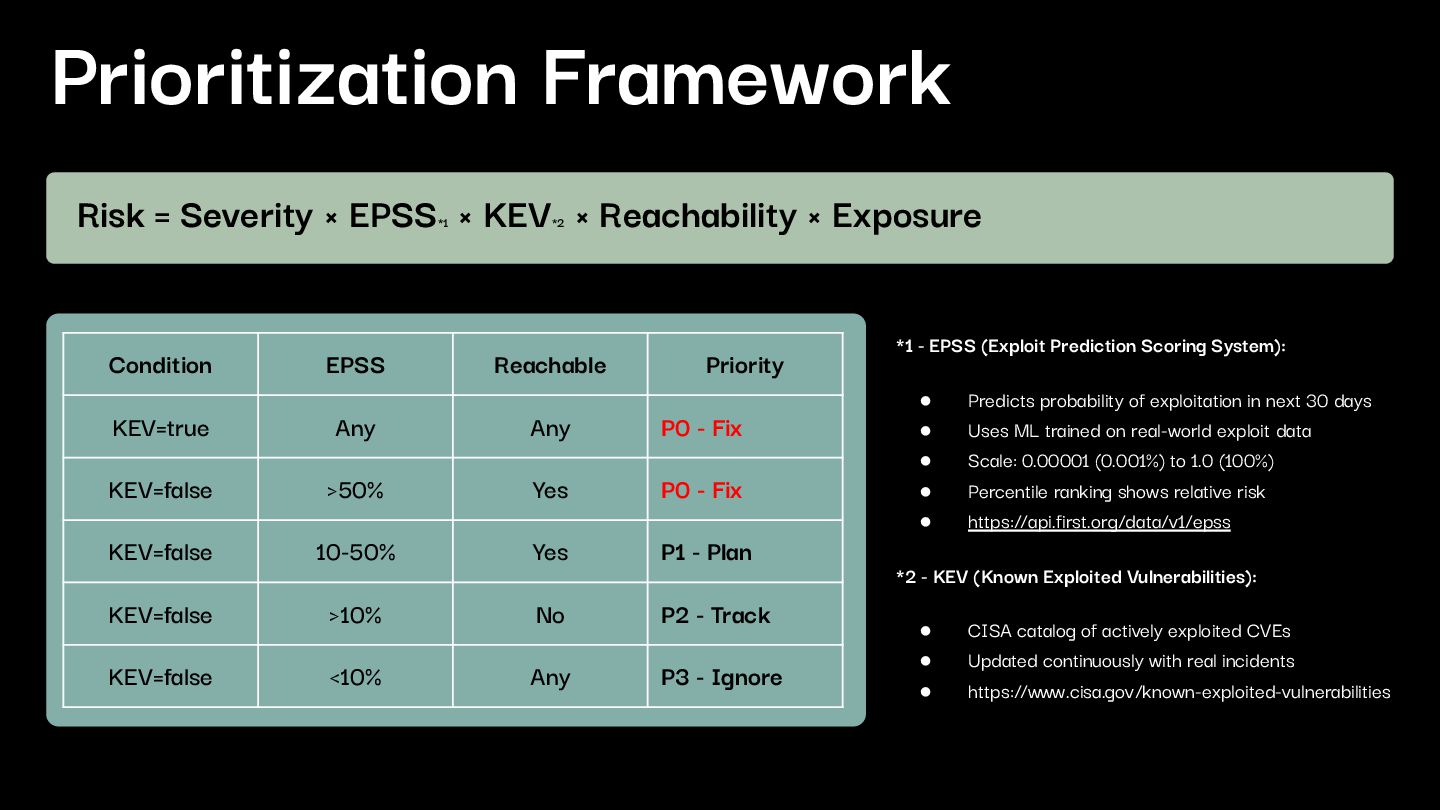
  3. 4 Prioritization Framework Risk = Severity × EPSS*1 × KEV*2

    × Reachability × Exposure Condition EPSS Reachable Priority KEV=true Any Any P0 - Fix KEV=false >50% Yes P0 - Fix KEV=false 10-50% Yes P1 - Plan KEV=false >10% No P2 - Track KEV=false <10% Any P3 - Ignore *1 - EPSS (Exploit Prediction Scoring System): • Predicts probability of exploitation in next 30 days • Uses ML trained on real-world exploit data • Scale: 0.00001 (0.001%) to 1.0 (100%) • Percentile ranking shows relative risk • https://api.first.org/data/v1/epss *2 - KEV (Known Exploited Vulnerabilities): • CISA catalog of actively exploited CVEs • Updated continuously with real incidents • https://www.cisa.gov/known-exploited-vulnerabilities
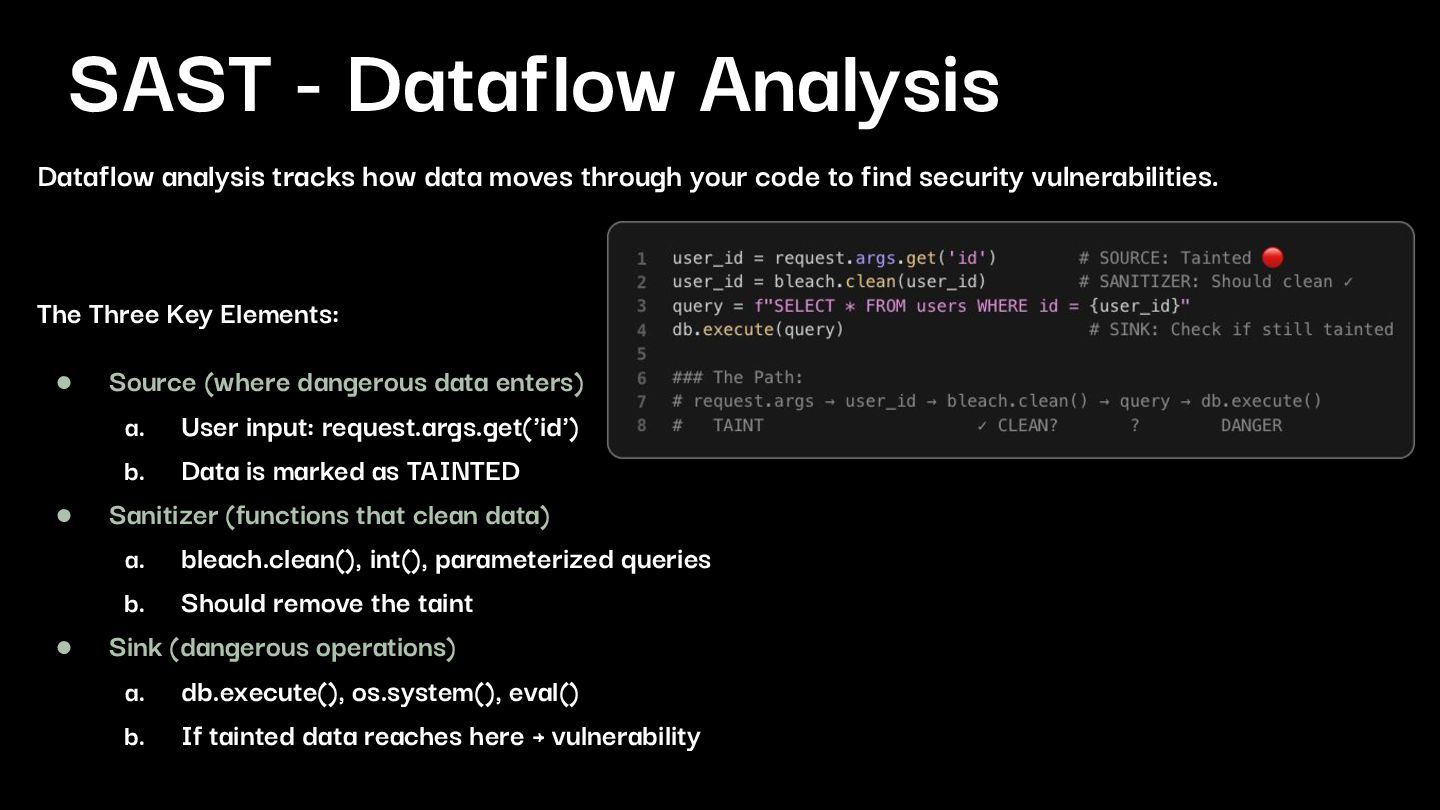
  4. SAST - Dataflow Analysis Dataflow analysis tracks how data moves

    through your code to find security vulnerabilities. The Three Key Elements: • Source (where dangerous data enters) a. User input: request.args.get('id') b. Data is marked as TAINTED • Sanitizer (functions that clean data) a. bleach.clean(), int(), parameterized queries b. Should remove the taint • Sink (dangerous operations) a. db.execute(), os.system(), eval() b. If tainted data reaches here → vulnerability
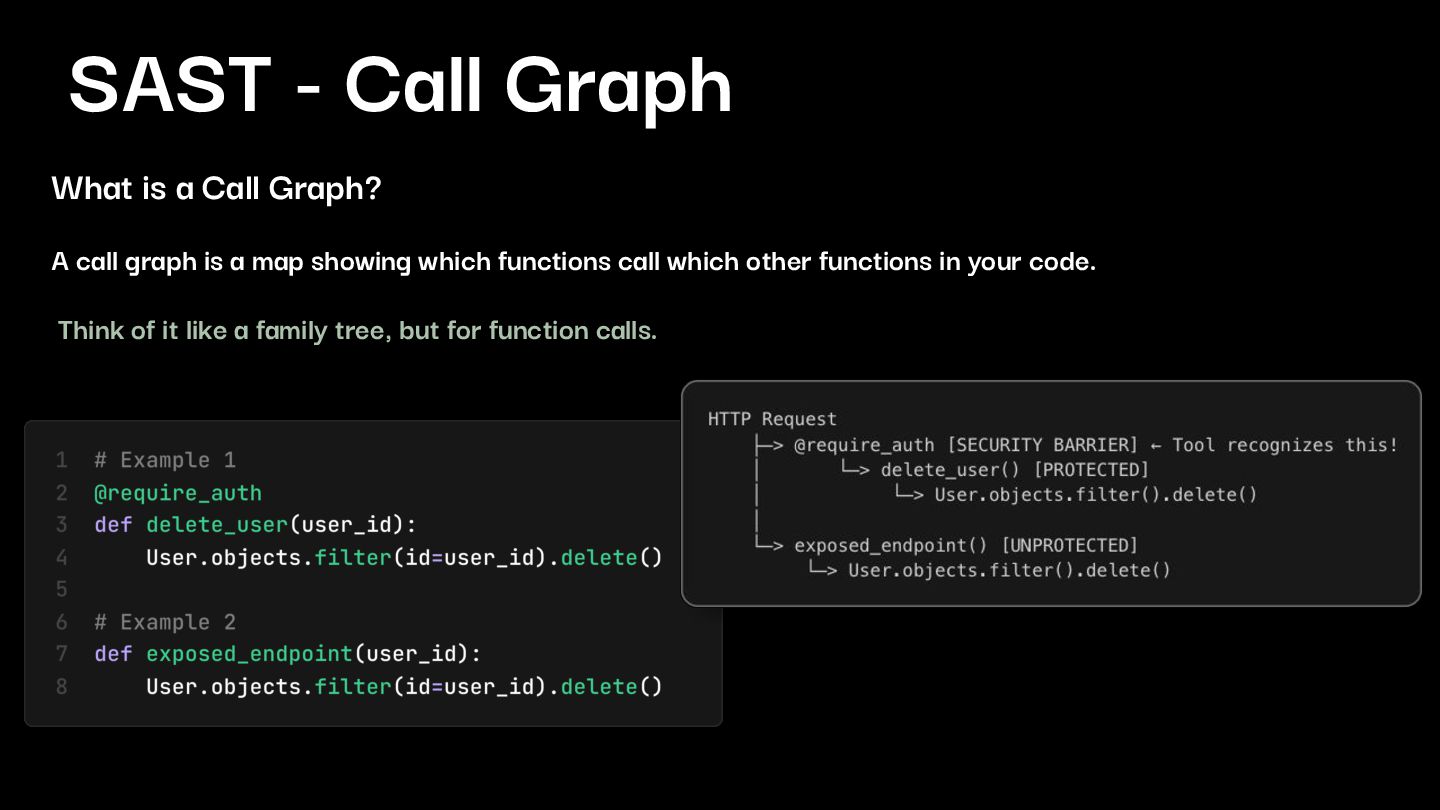
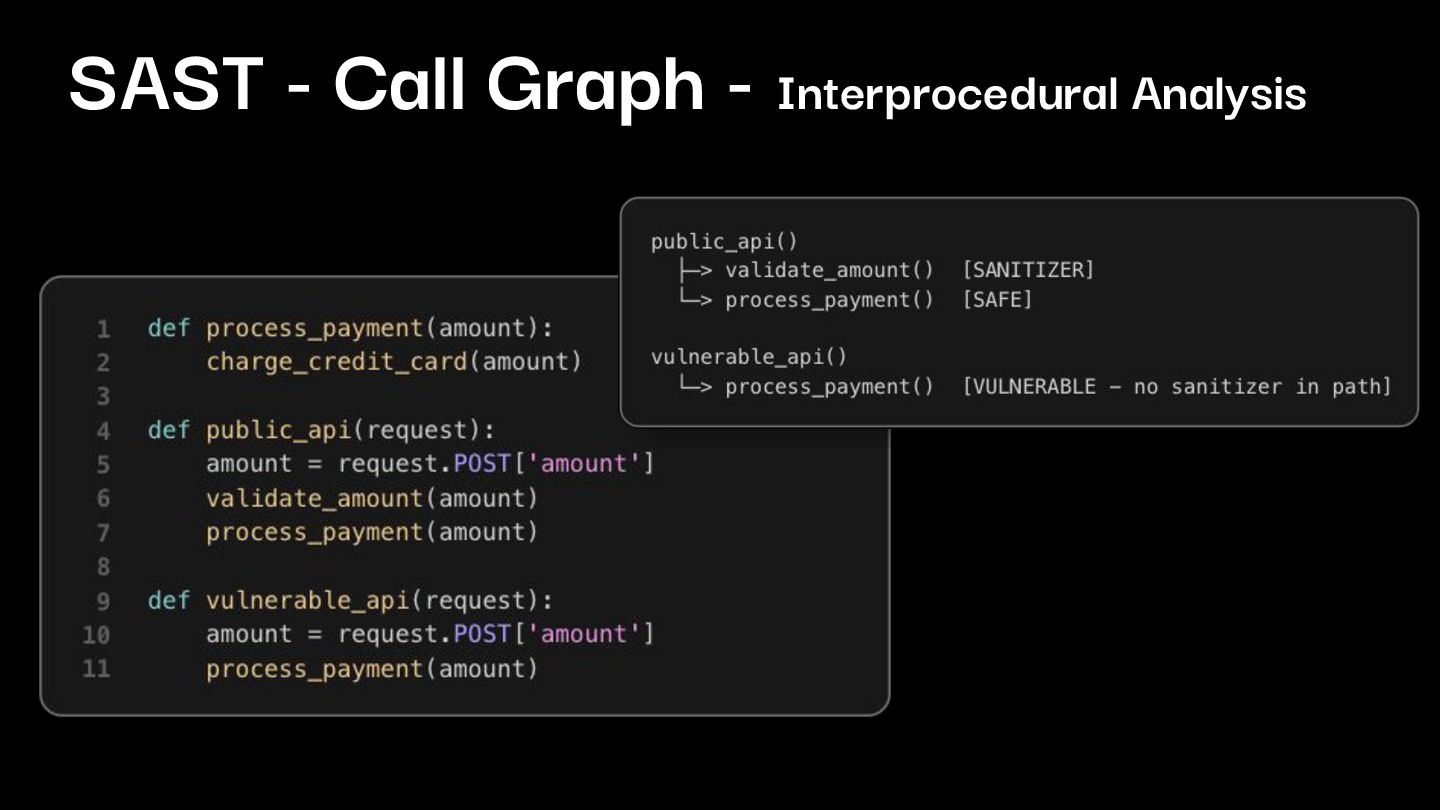
  5. What is a Call Graph? A call graph is a

    map showing which functions call which other functions in your code. Think of it like a family tree, but for function calls. SAST - Call Graph
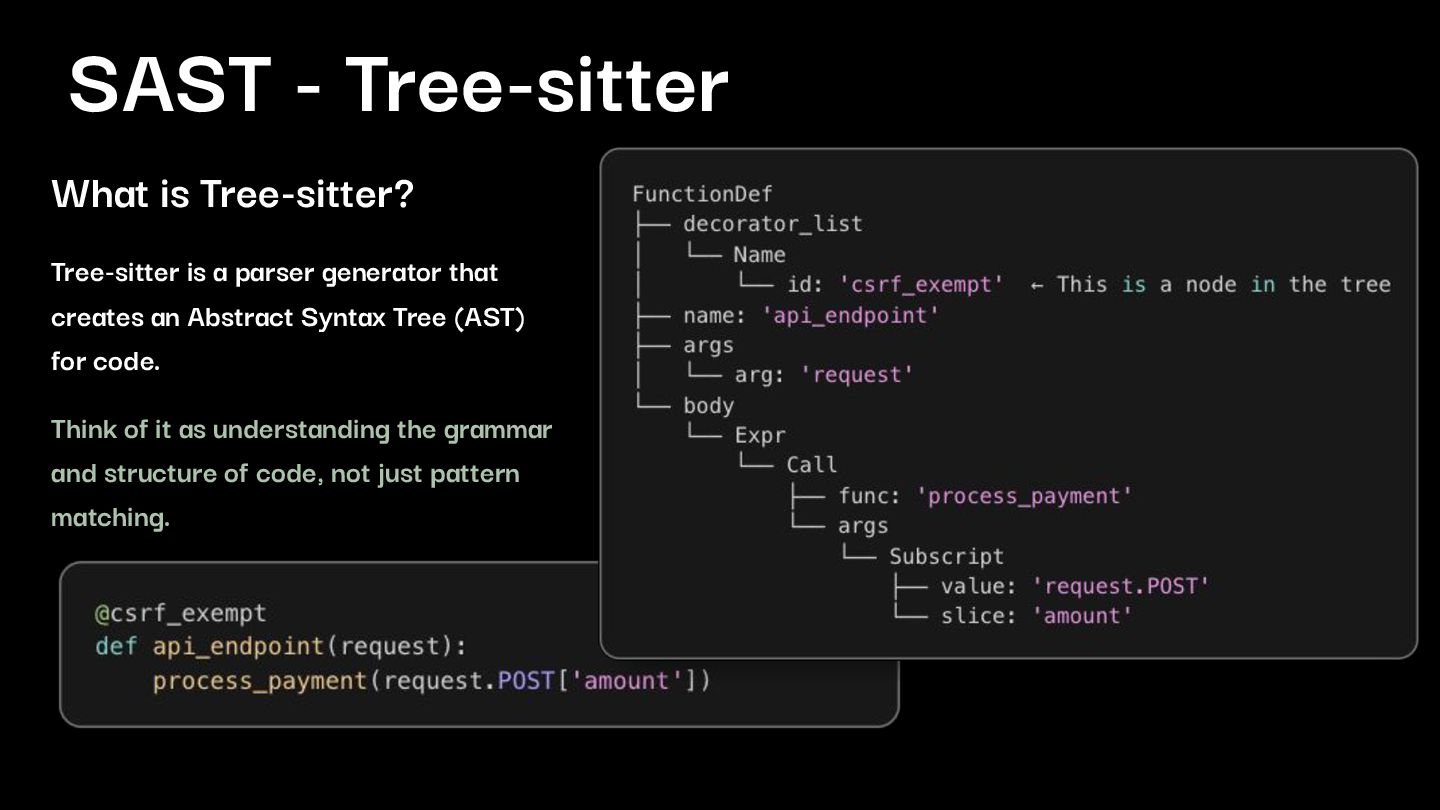
  6. What is Tree-sitter? Tree-sitter is a parser generator that creates

    an Abstract Syntax Tree (AST) for code. Think of it as understanding the grammar and structure of code, not just pattern matching. SAST - Tree-sitter
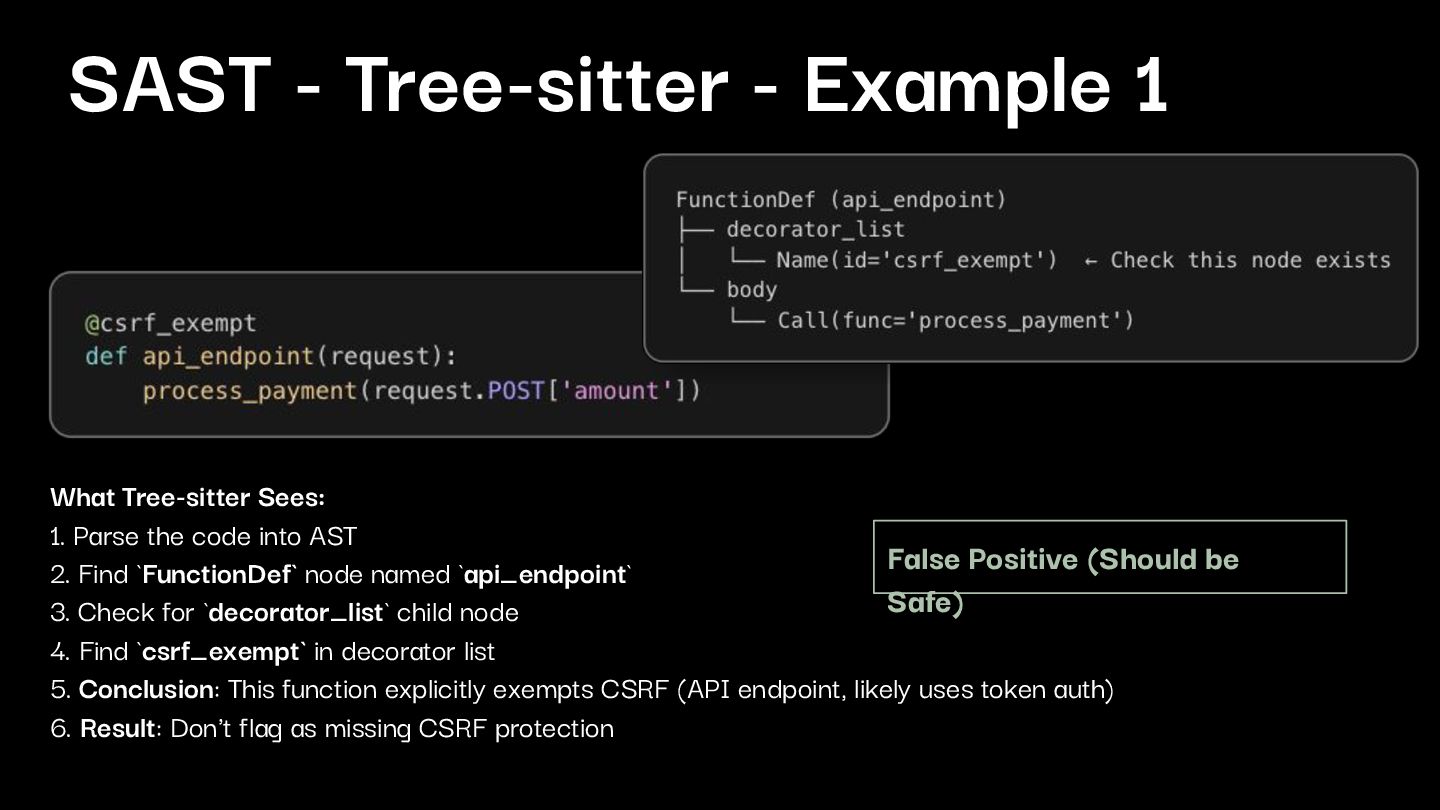
  7. SAST - Tree-sitter - Example 1 What Tree-sitter Sees: 1.

    Parse the code into AST 2. Find `FunctionDef` node named `api_endpoint` 3. Check for `decorator_list` child node 4. Find `csrf_exempt` in decorator list 5. Conclusion: This function explicitly exempts CSRF (API endpoint, likely uses token auth) 6. Result: Don't flag as missing CSRF protection False Positive (Should be Safe)
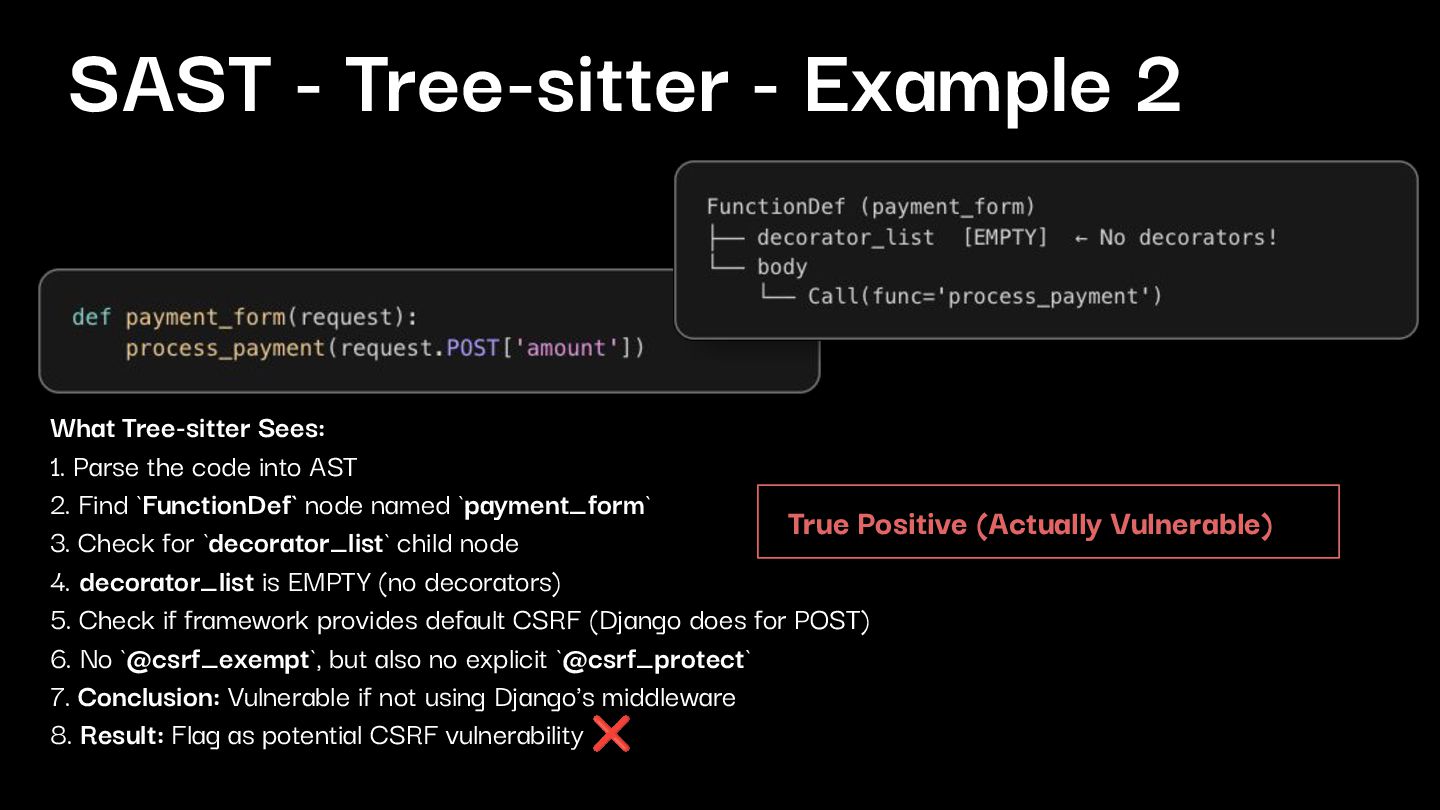
  8. SAST - Tree-sitter - Example 2 What Tree-sitter Sees: 1.

    Parse the code into AST 2. Find `FunctionDef` node named `payment_form` 3. Check for `decorator_list` child node 4. decorator_list is EMPTY (no decorators) 5. Check if framework provides default CSRF (Django does for POST) 6. No `@csrf_exempt`, but also no explicit `@csrf_protect` 7. Conclusion: Vulnerable if not using Django's middleware 8. Result: Flag as potential CSRF vulnerability ❌ True Positive (Actually Vulnerable)
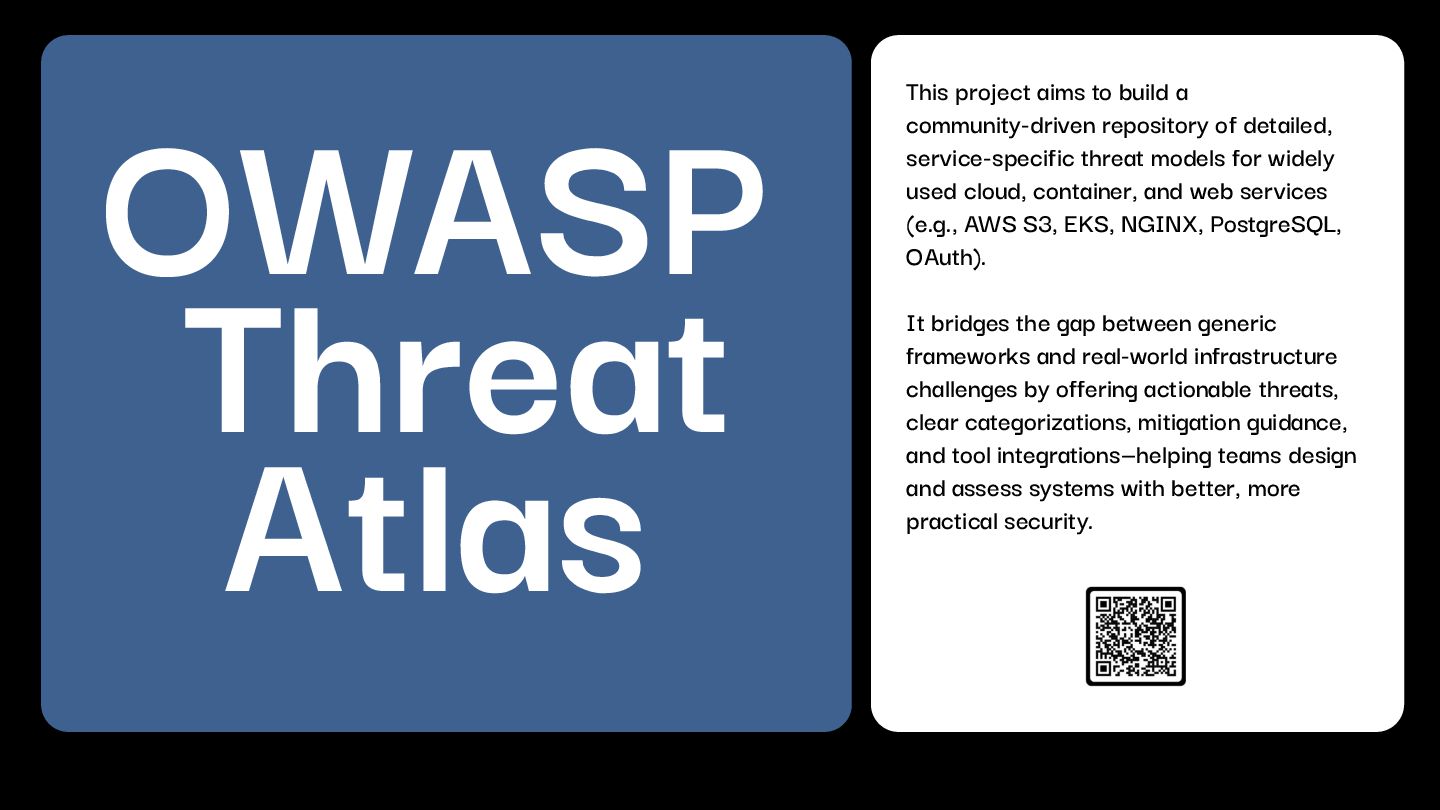
  9. 18 This project aims to build a community-driven repository of

    detailed, service-specific threat models for widely used cloud, container, and web services (e.g., AWS S3, EKS, NGINX, PostgreSQL, OAuth). It bridges the gap between generic frameworks and real-world infrastructure challenges by offering actionable threats, clear categorizations, mitigation guidance, and tool integrations—helping teams design and assess systems with better, more practical security. OWASP Threat Atlas