Presented at Chandigarh University in collaboration with IEEE and IEEE DataPort, April 2026.
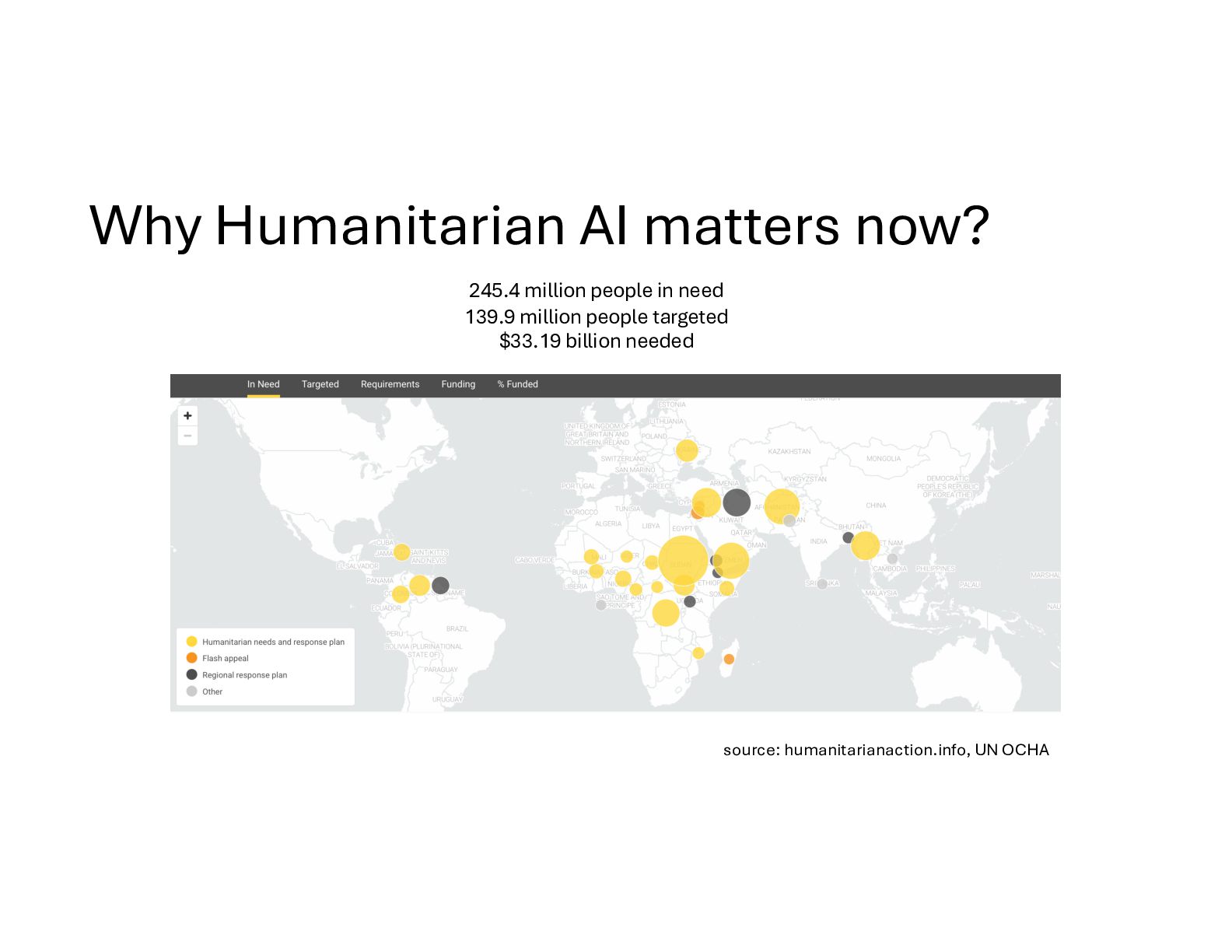
Humanitarian crises affect 245 million people worldwide, and AI has the potential to accelerate response, but only if the data layer is solid. This talk explores how IEEE DataPort can serve as the foundation for building secure, data-driven humanitarian AI solutions.
Topics covered:
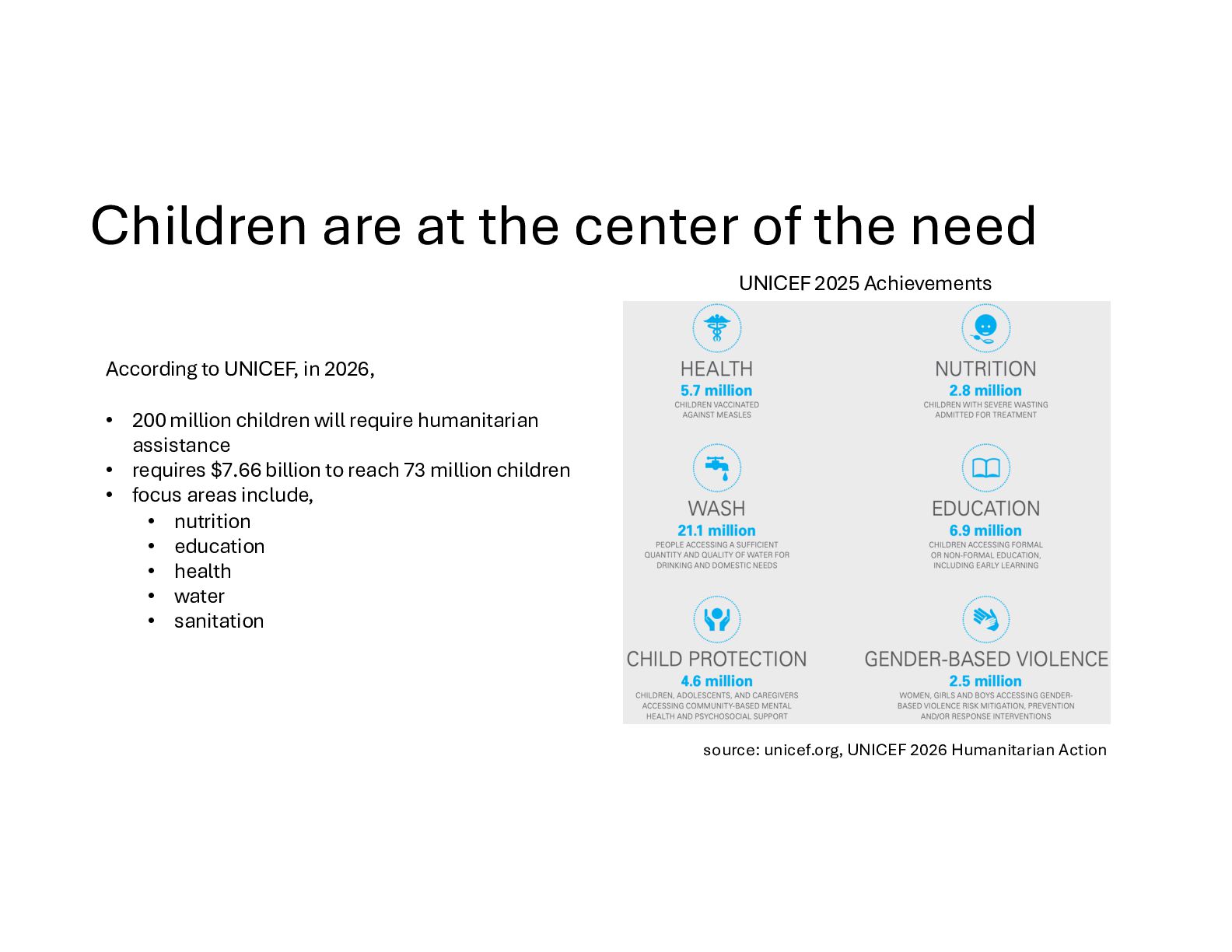
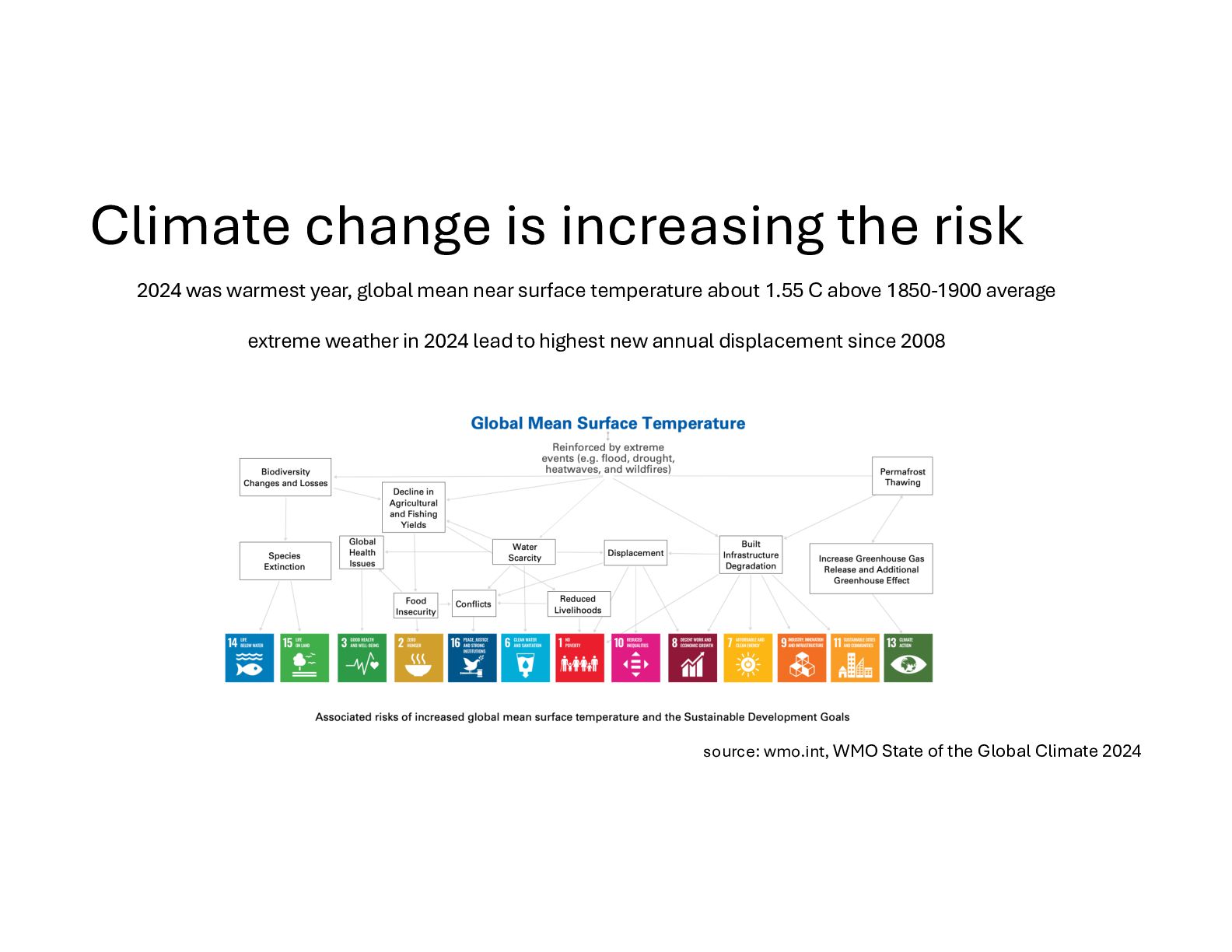
- Why humanitarian AI matters now — scale of need (UNICEF, UN OCHA, WMO data)
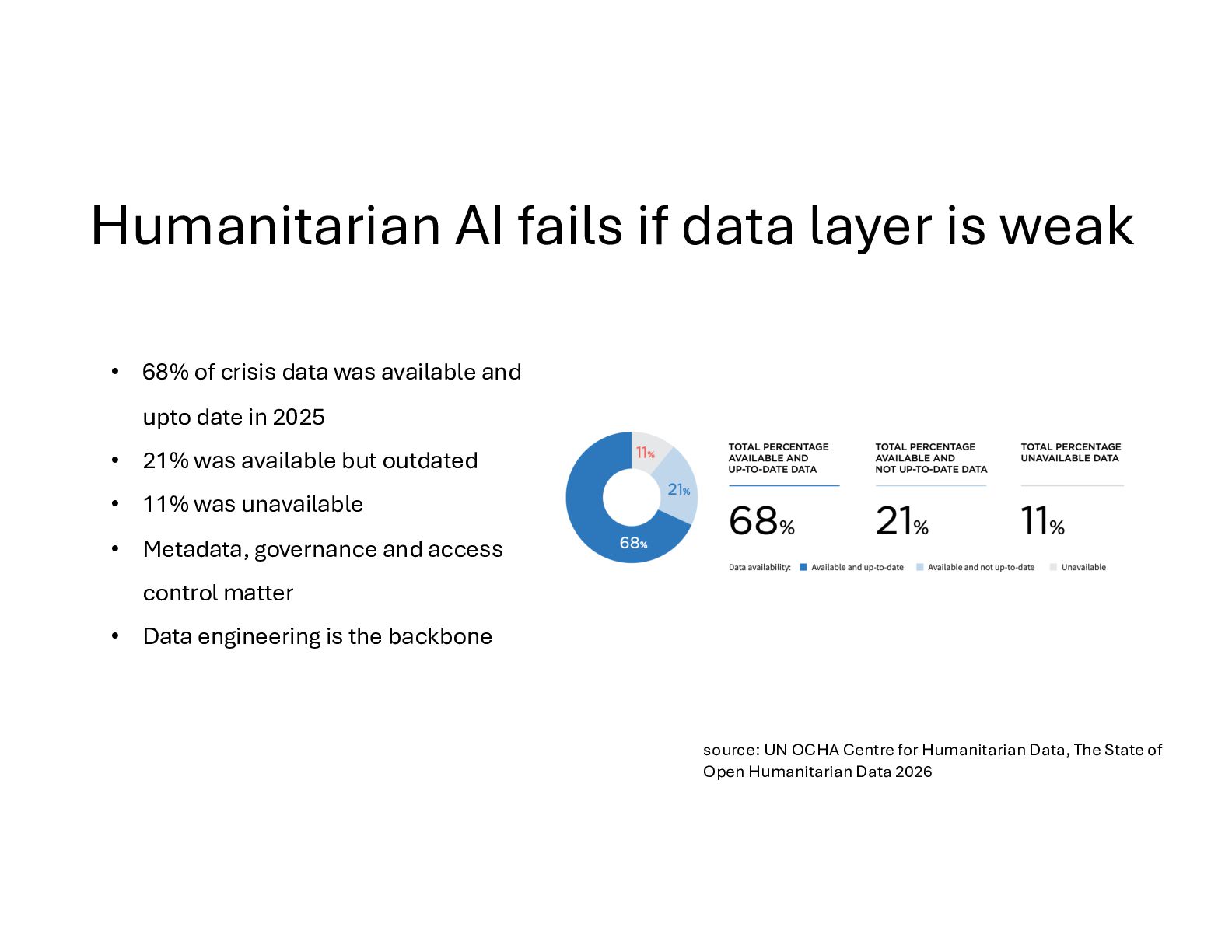
- Why AI fails when the data layer is weak — 32% of crisis data is outdated or unavailable
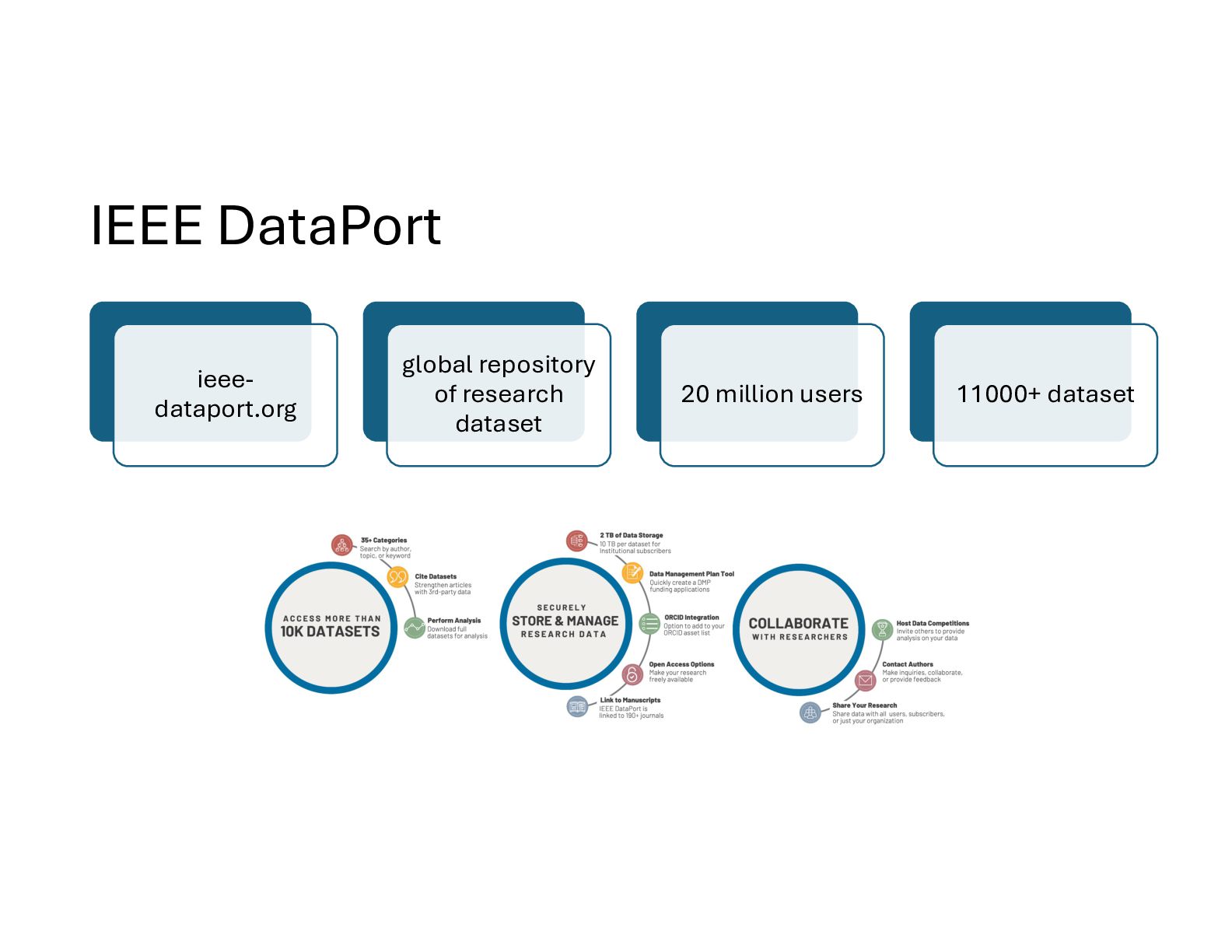
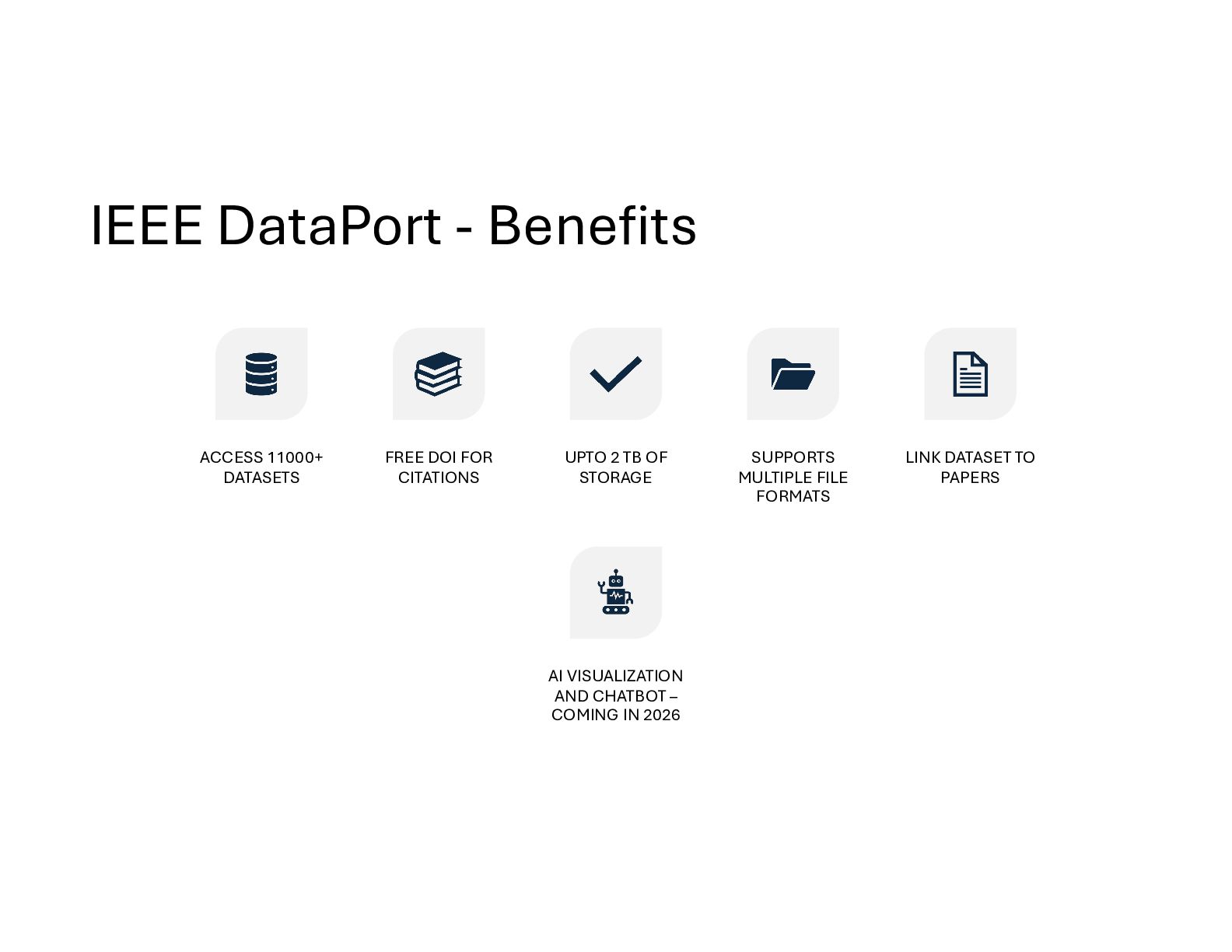
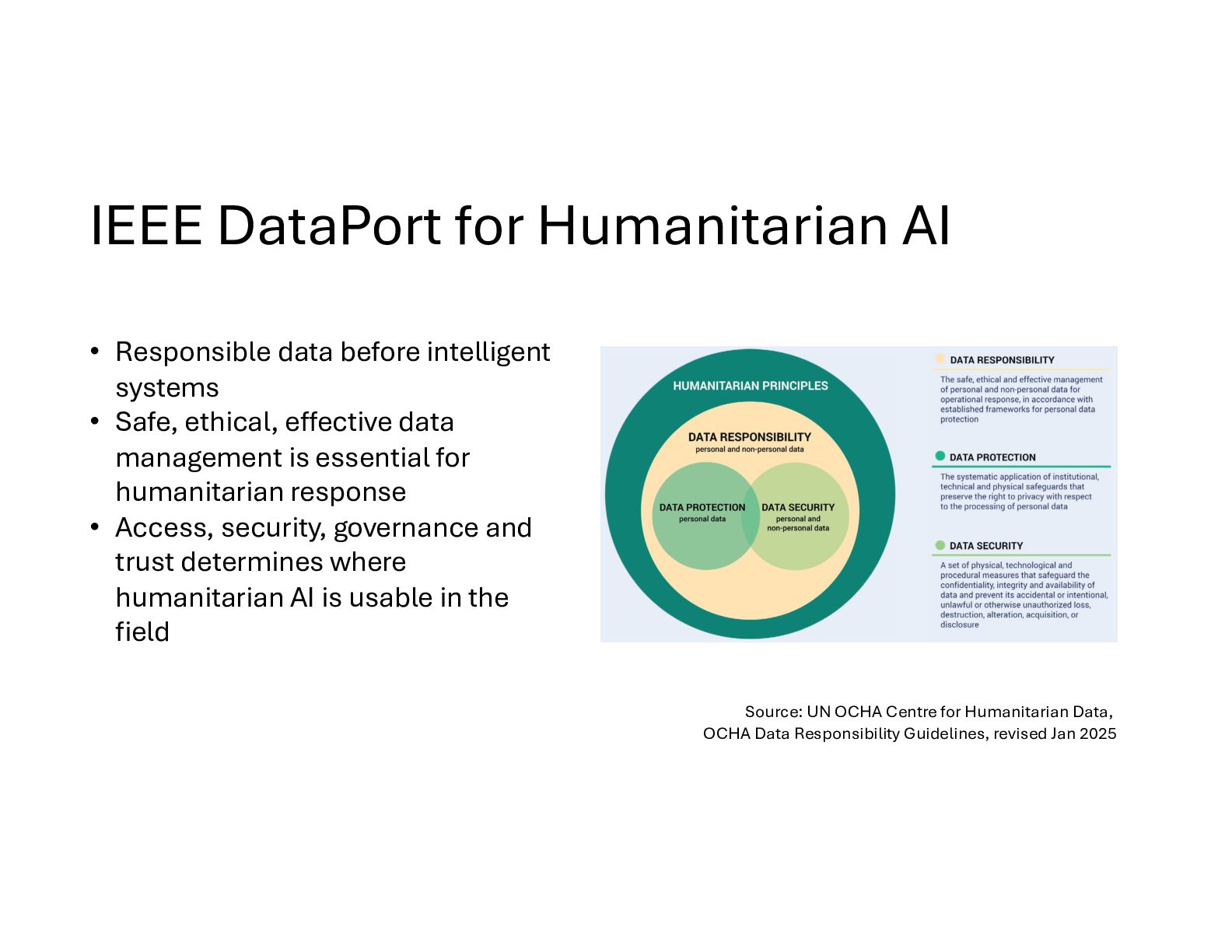
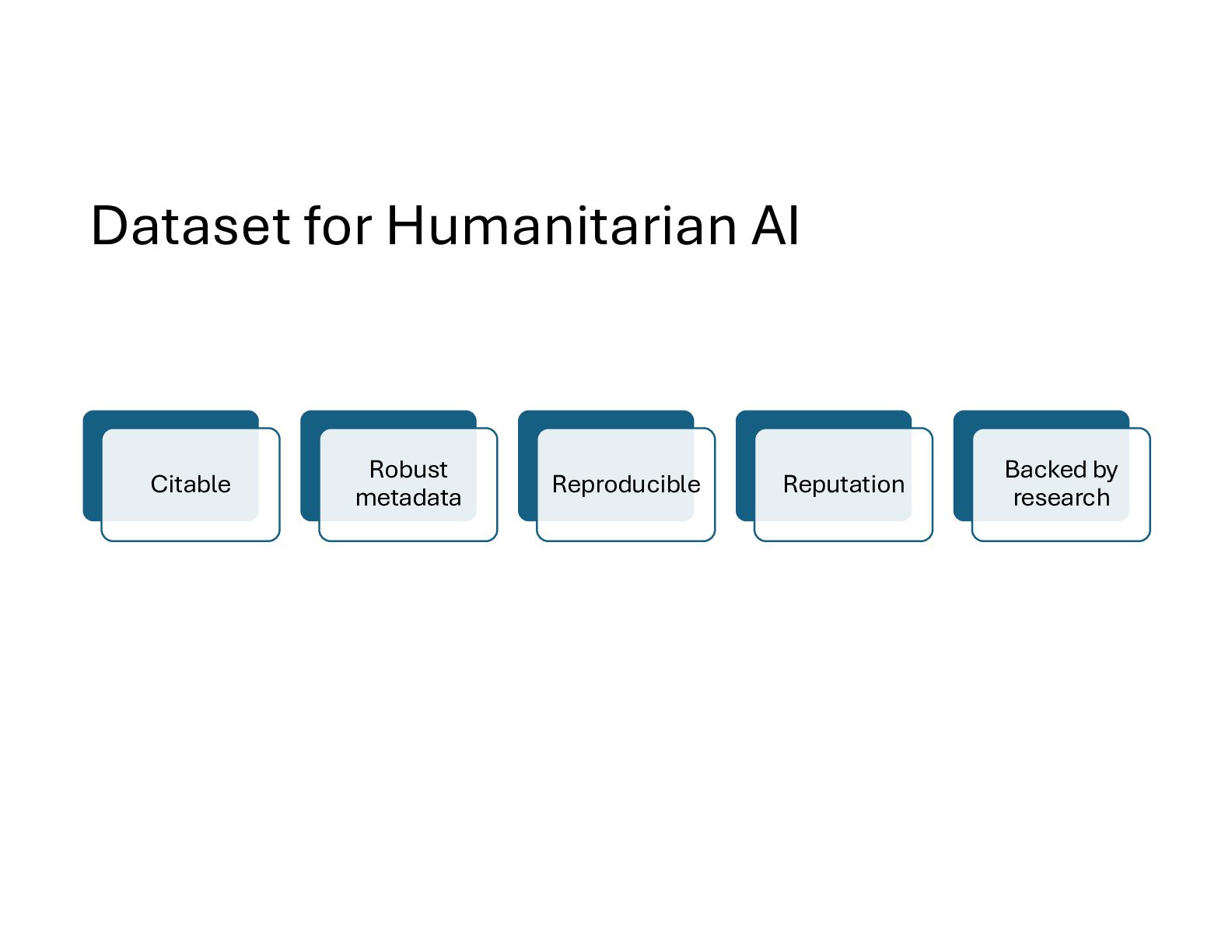
- IEEE DataPort as a platform for citable, reproducible, governed research datasets
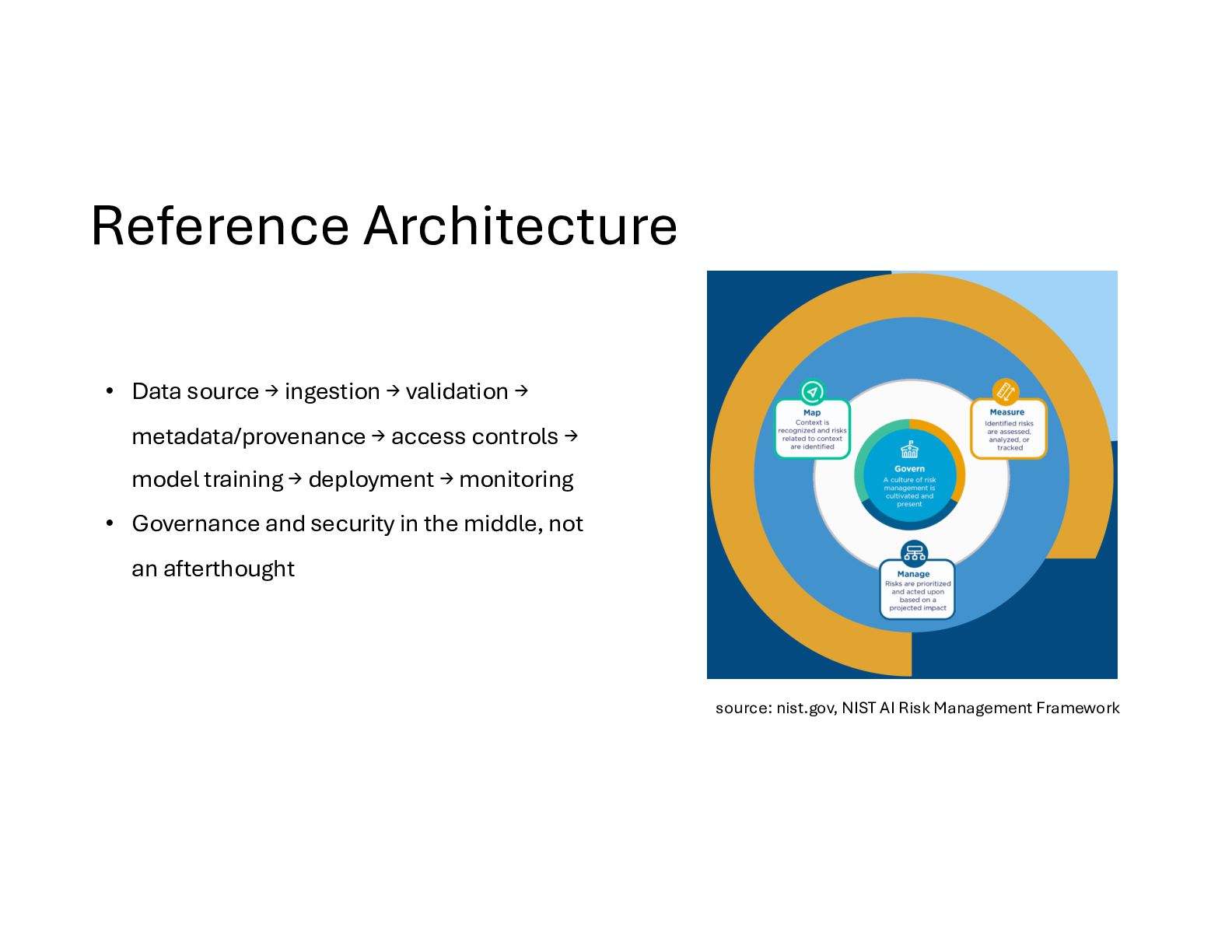
- Reference architecture for humanitarian AI pipelines aligned with NIST AI Risk Management Framework
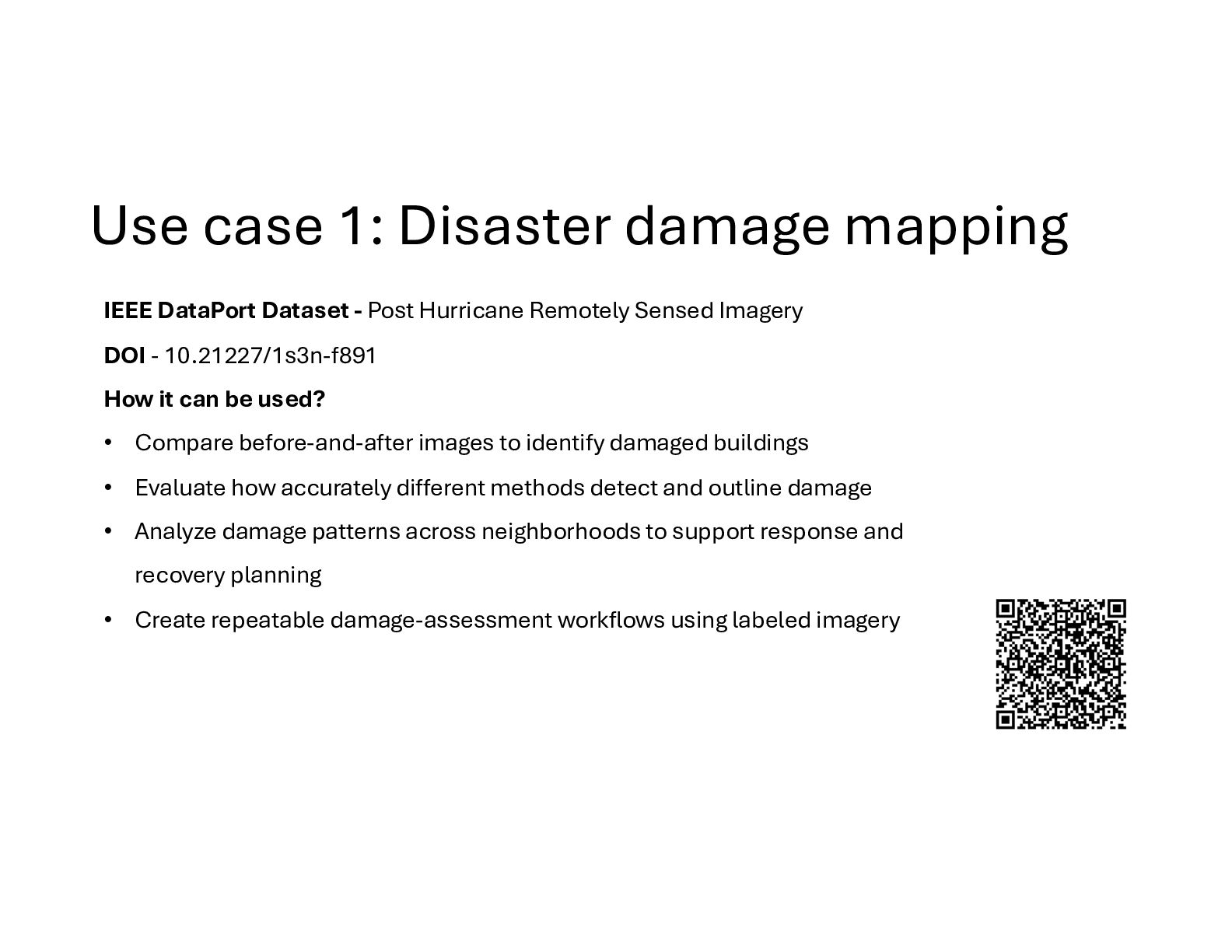
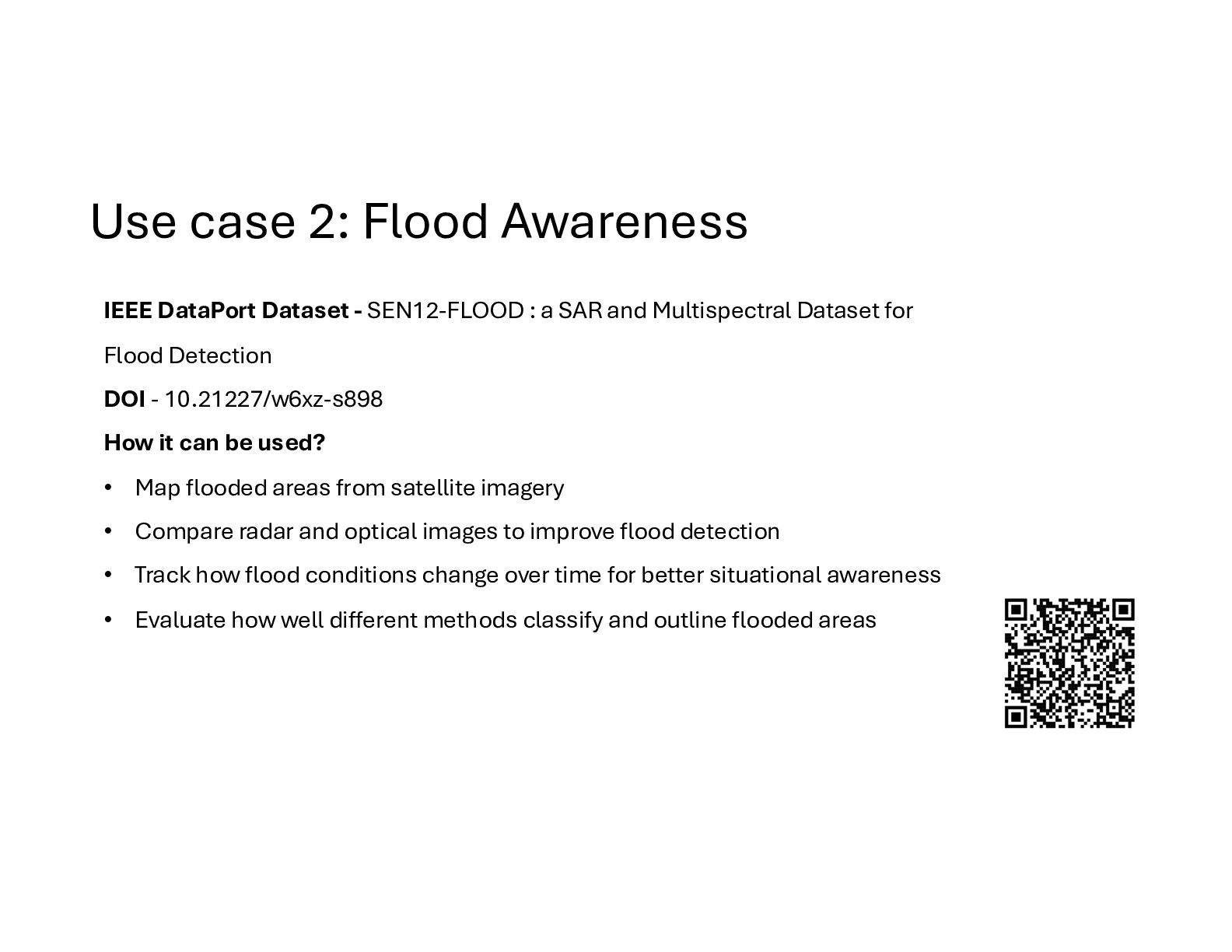
- Real-world use cases: disaster damage mapping and flood detection using IEEE DataPort datasets
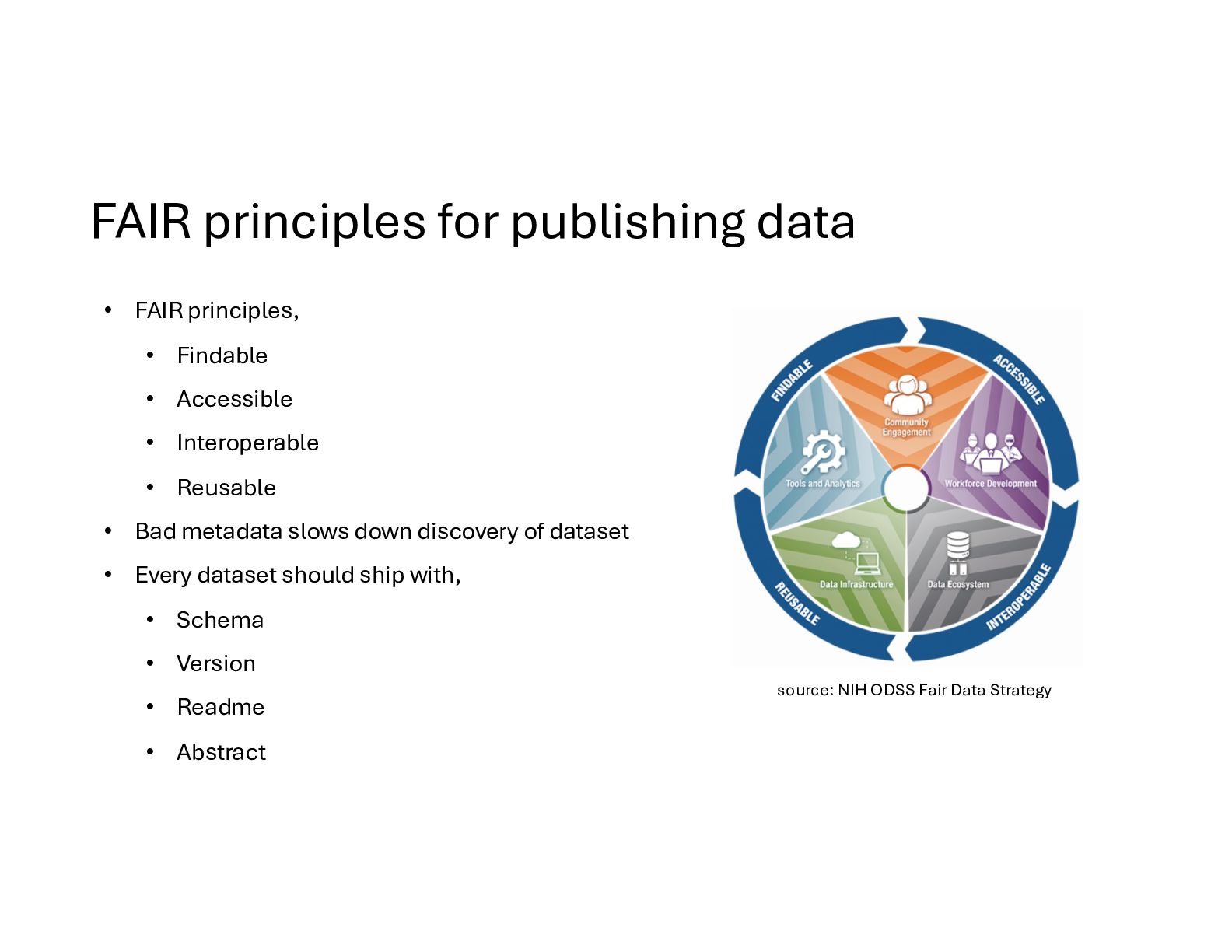
- FAIR principles (Findable, Accessible, Interoperable, Reusable) for publishing humanitarian data
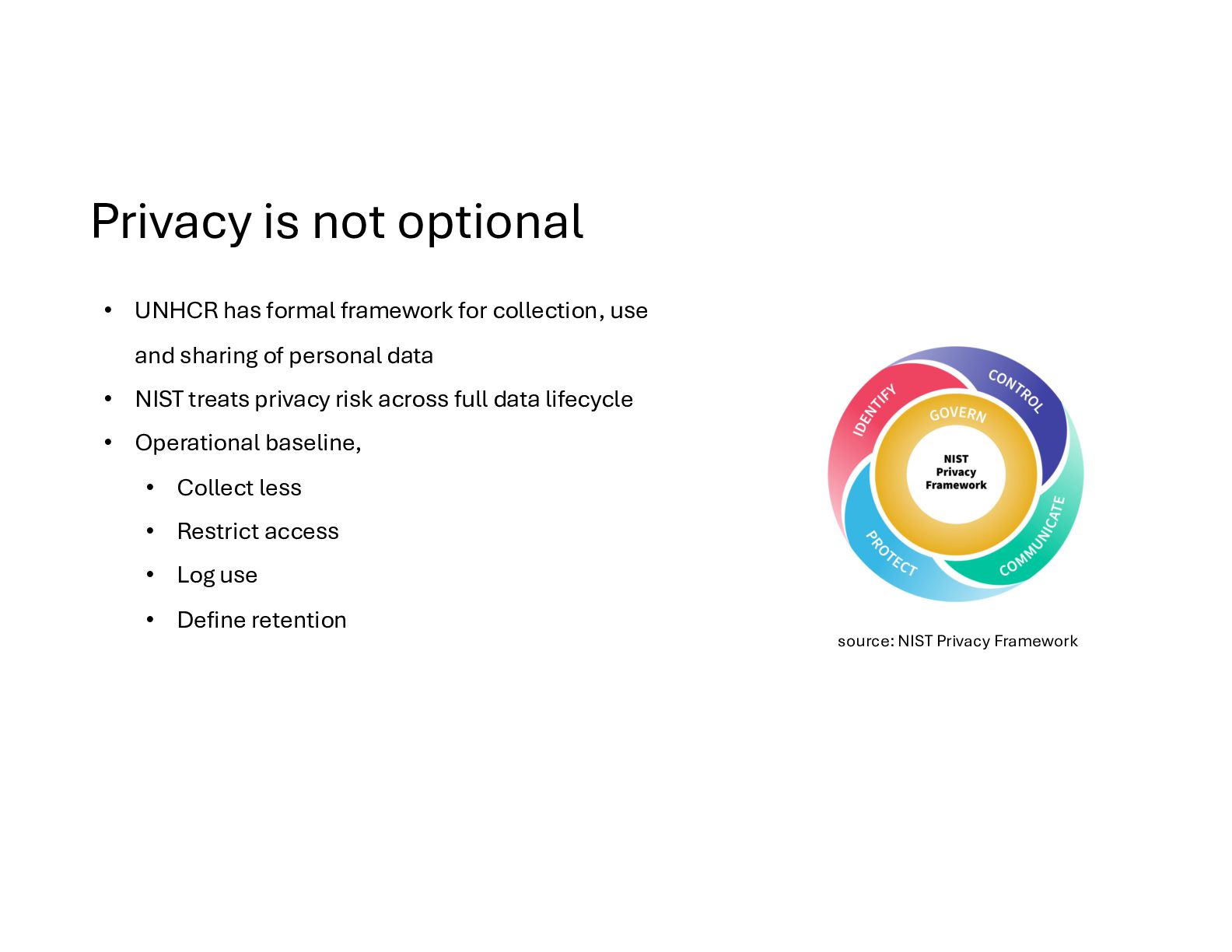
- Privacy as a non-negotiable — UNHCR data protection frameworks and NIST Privacy Framework


 aloktibrewala
 keeg
keeg
 colopl
 camiha
 persolserverworks
 maimyyym
 raspython3
 kworkdev
 ivry_presentationmaterials
 onk
onk
 genda
genda
 akhino
 yahonda
 marketingsoph
 brettharned
 axbom
axbom
 jonyablonski
 reverentgeek
 palkan
 shpigford
 tomoyanonymous
 jeffersonlam
 pedronauck
 sstephenson
 danielanewman