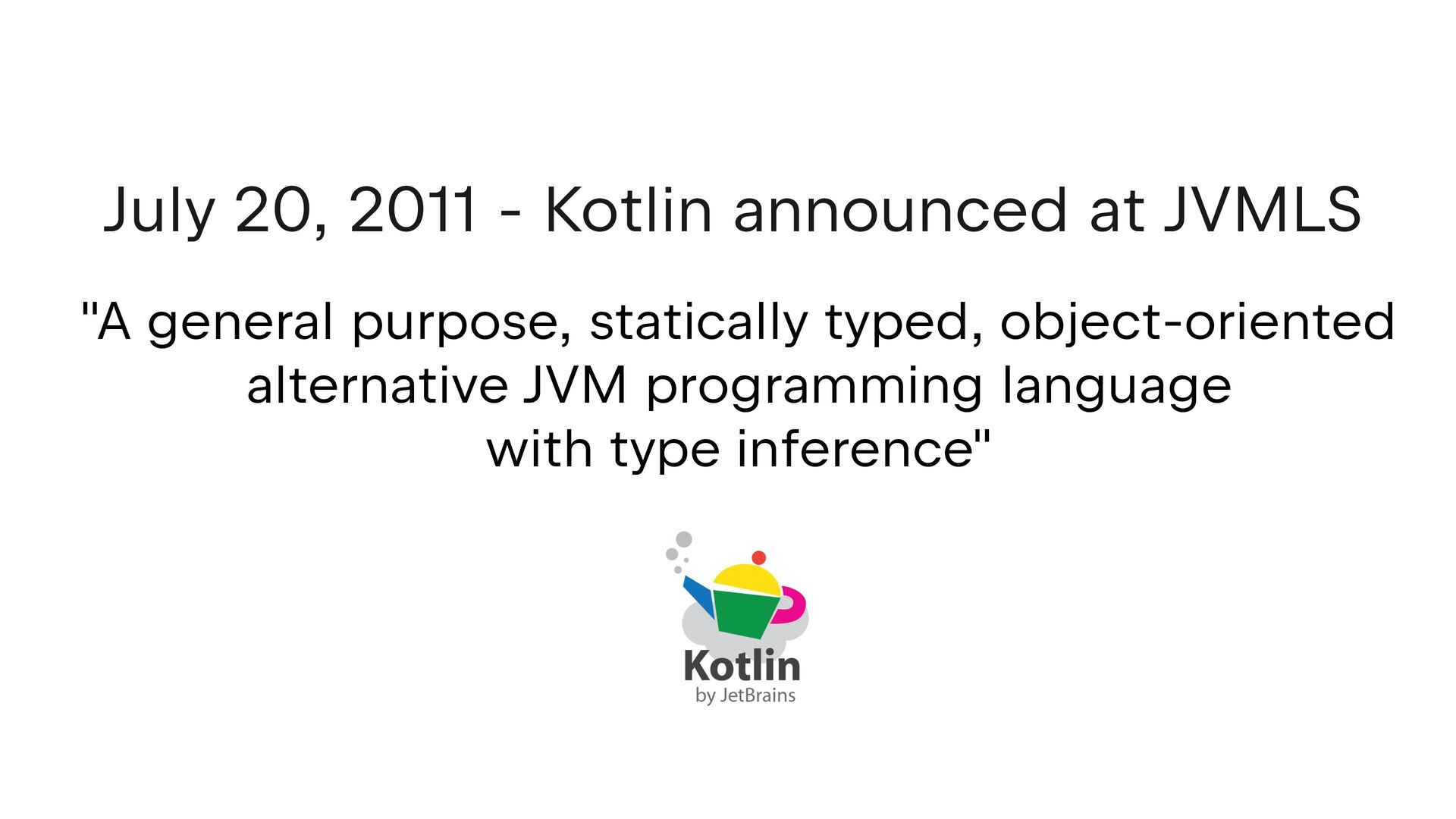
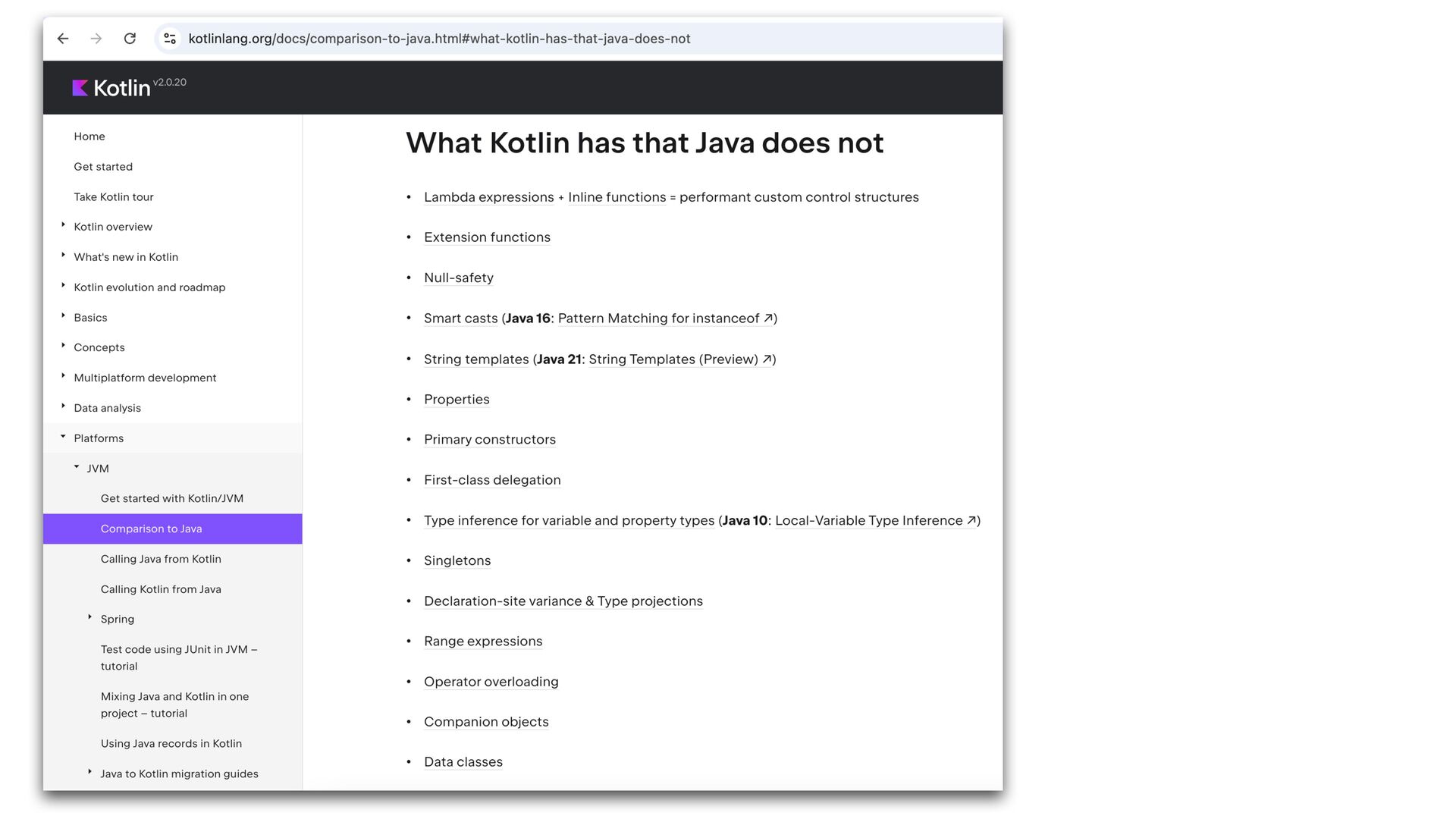
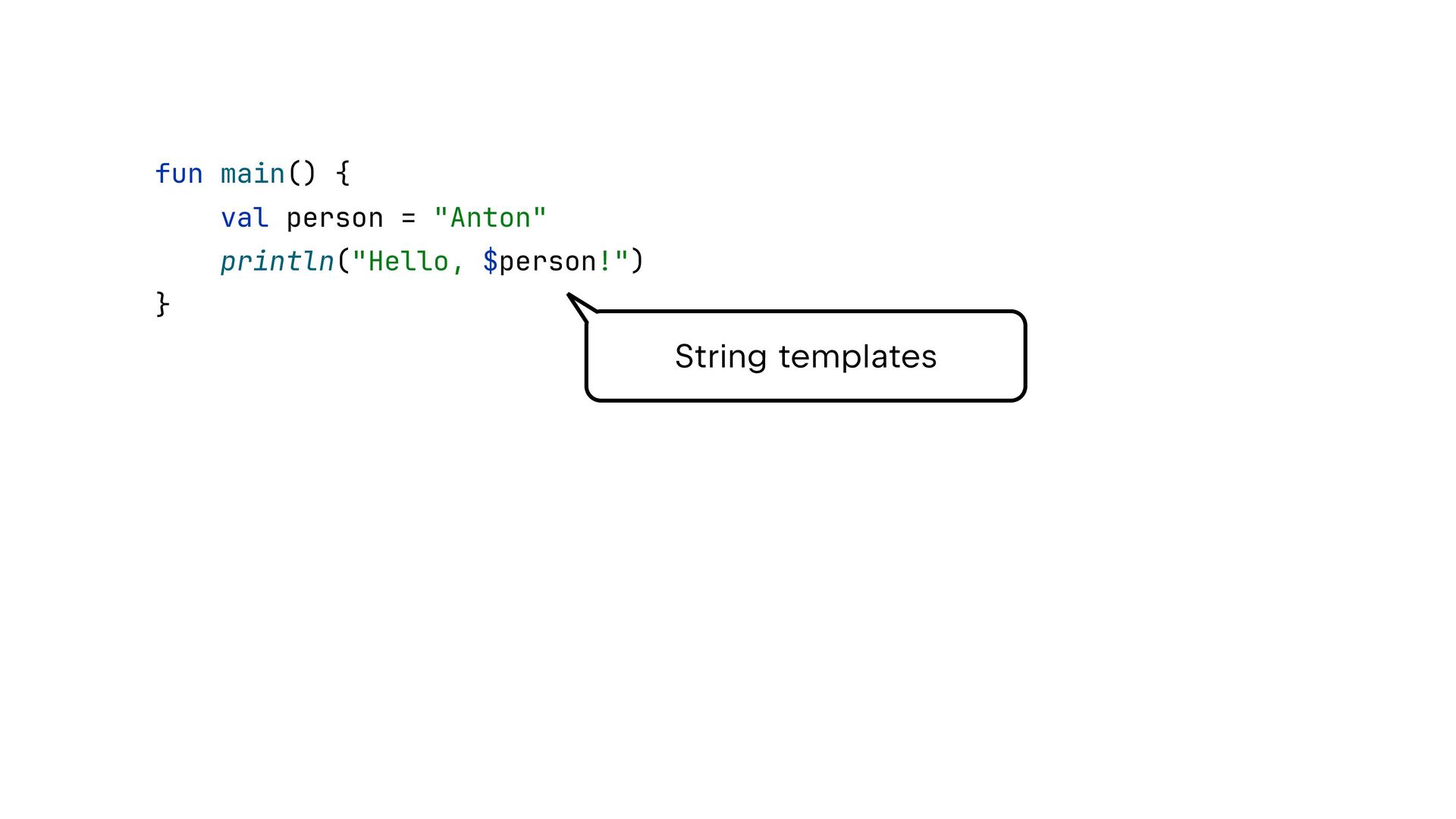
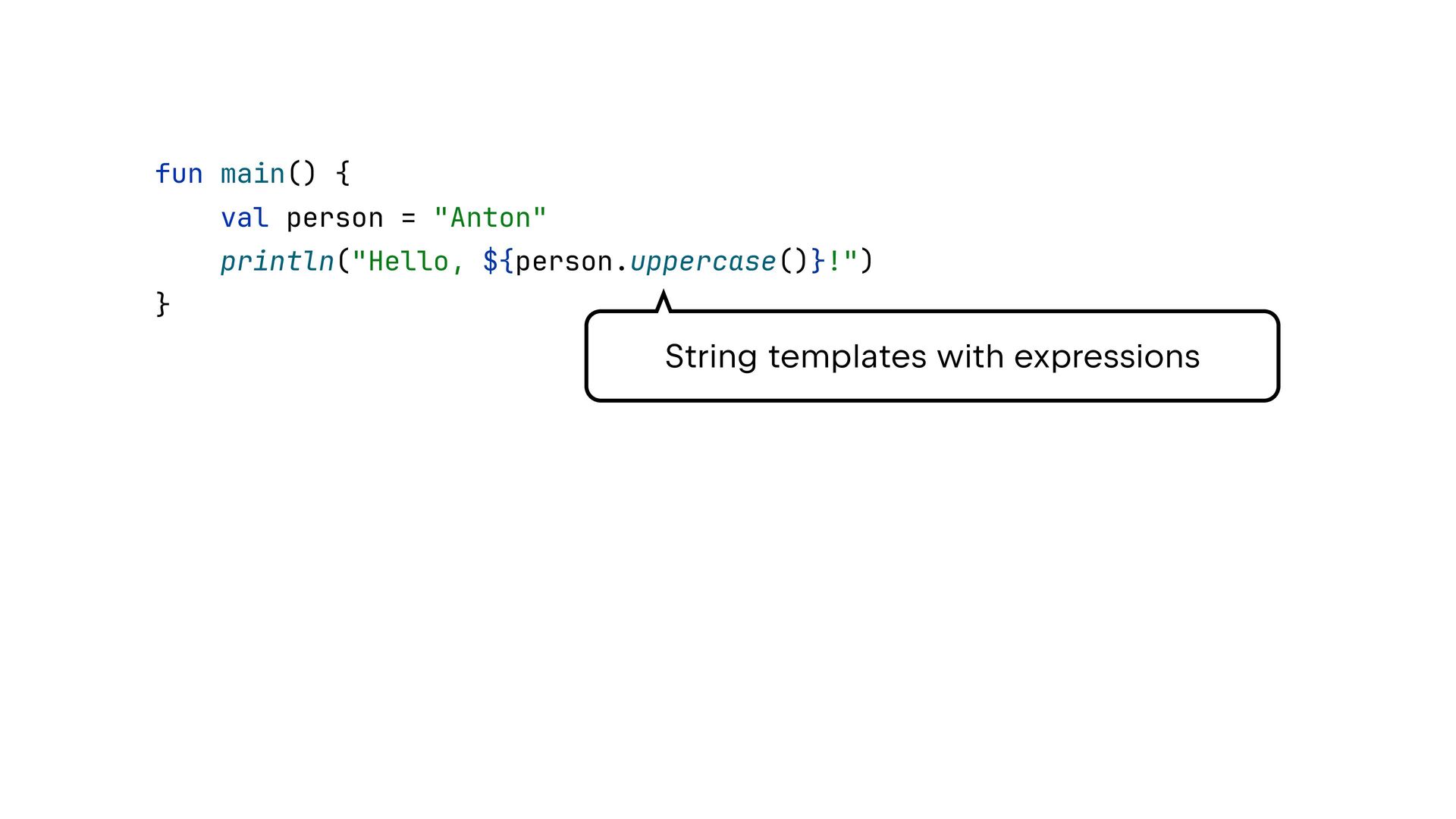
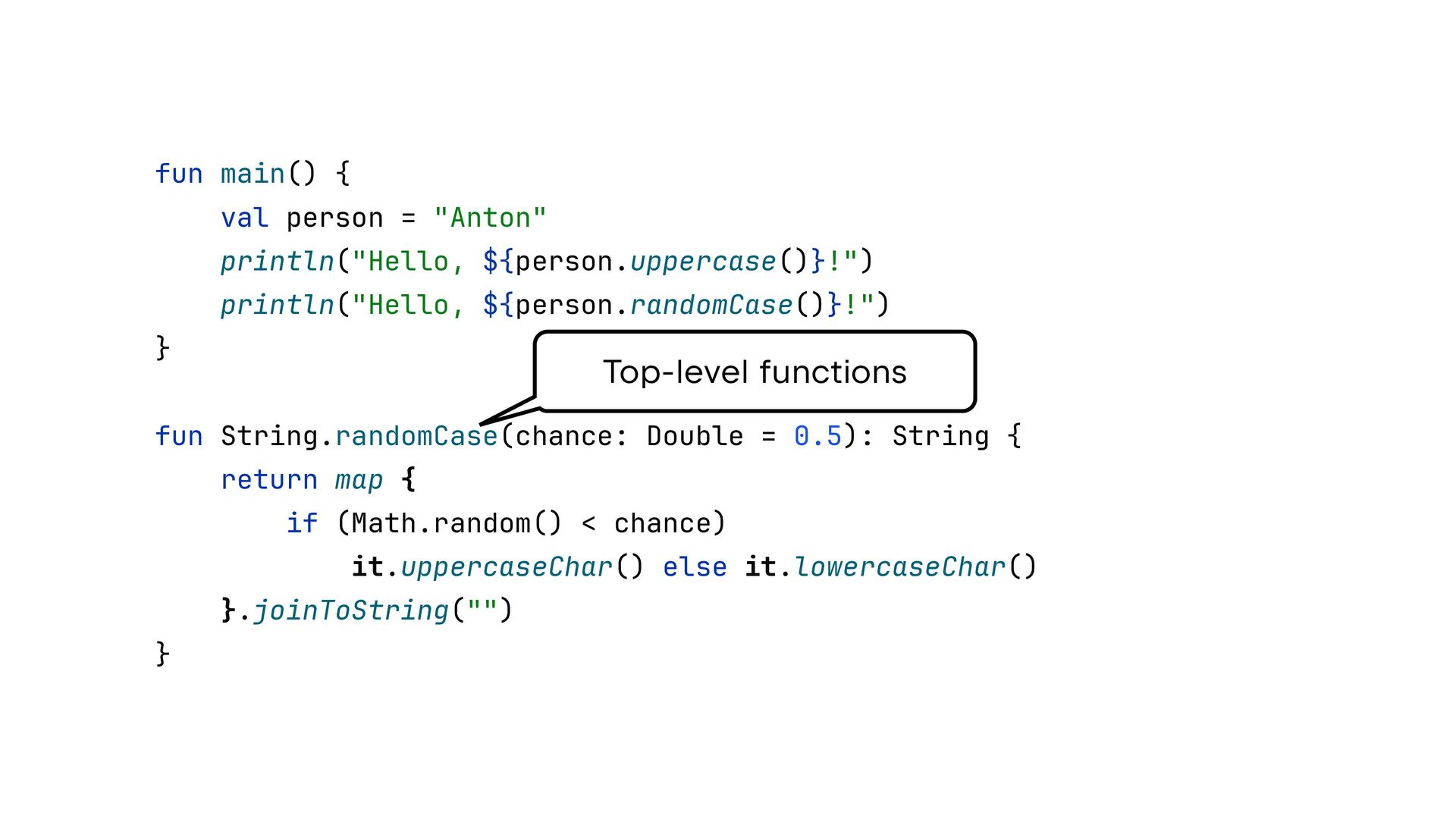
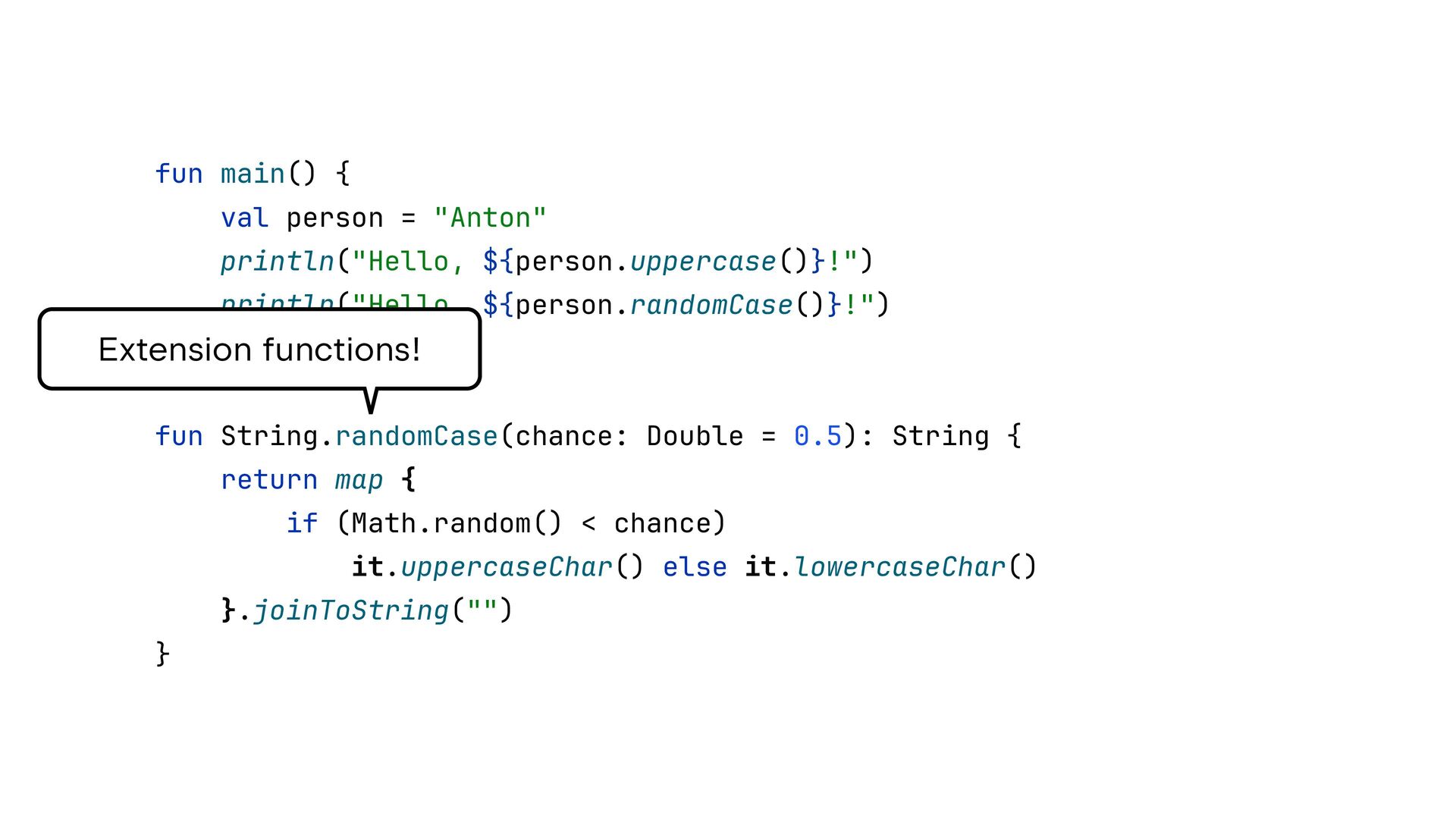
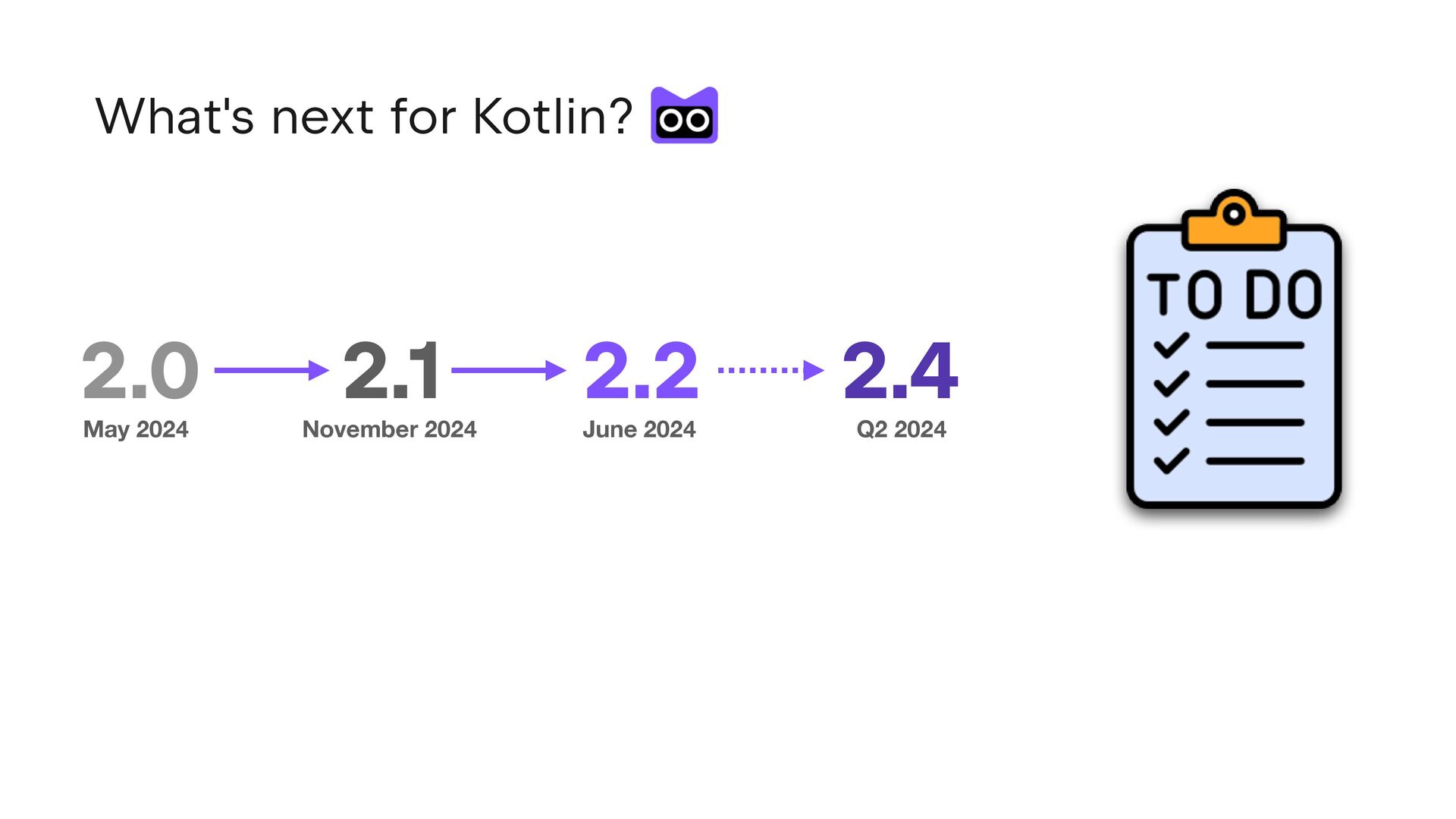
2016 - Kotlin 1.0 May 21, 2024 - Kotlin 2.0 "A general purpose, statically typed, object-oriented alternative JVM programming language with type inference"
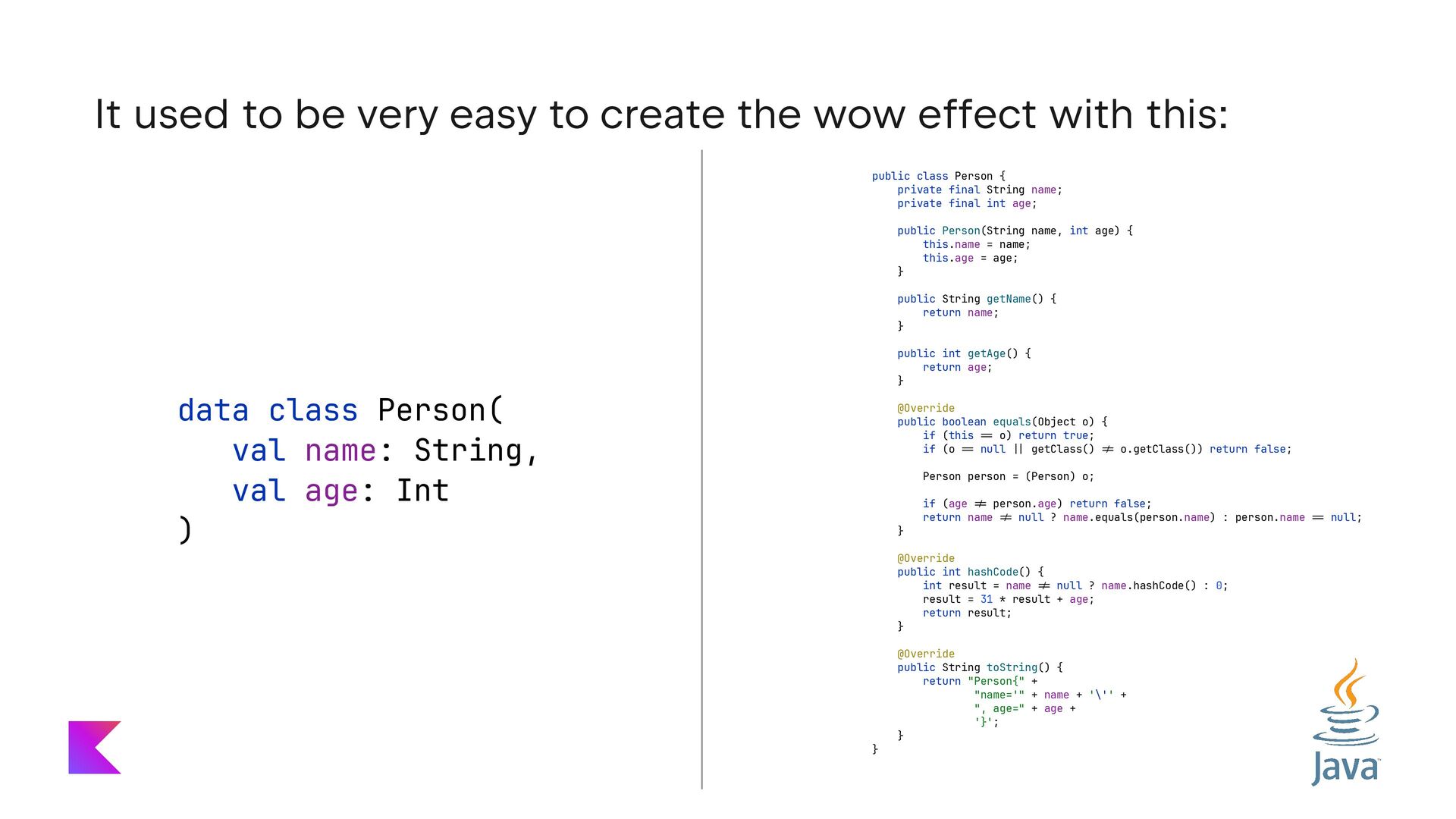
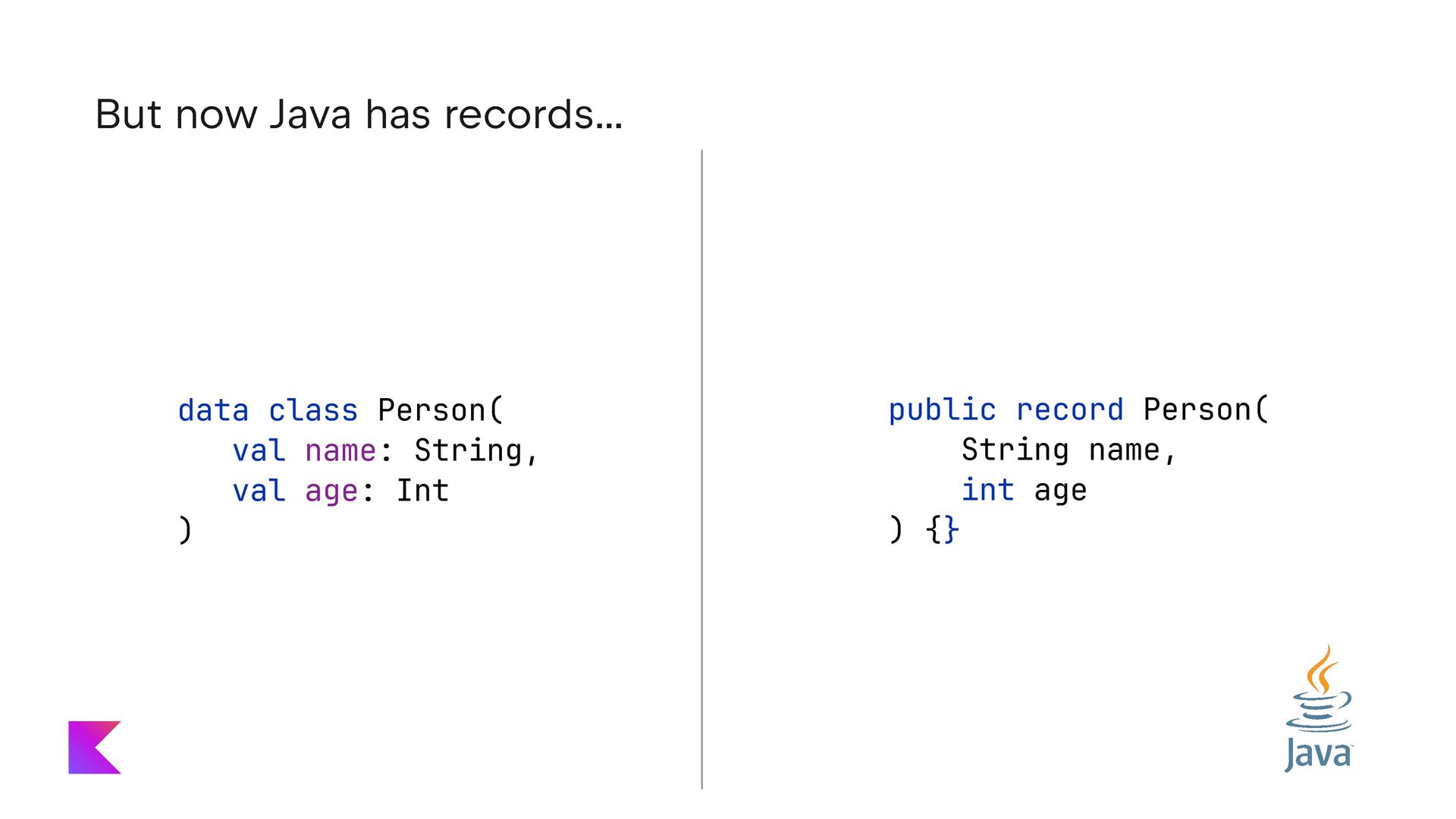
int age; public Person(String name, int age) { this.name = name; this.age = age; } public String getName() { return name; } public int getAge() { return age; } @Override public boolean equals(Object o) { if (this = = o) return true; if (o == null | | getClass() ! = o.getClass()) return false; Person person = (Person) o; if (age != person.age) return false; return name != null ? name.equals(person.name) : person.name == null; } @Override public int hashCode() { int result = name != null ? name.hashCode() : 0; result = 31 * result + age; return result; } @Override public String toString() { return "Person{" + "name='" + name + '\'' + ", age=" + age + '}'; } } data class Person( val name: String, val age: Int ) It used to be very easy to create the wow effect with this:
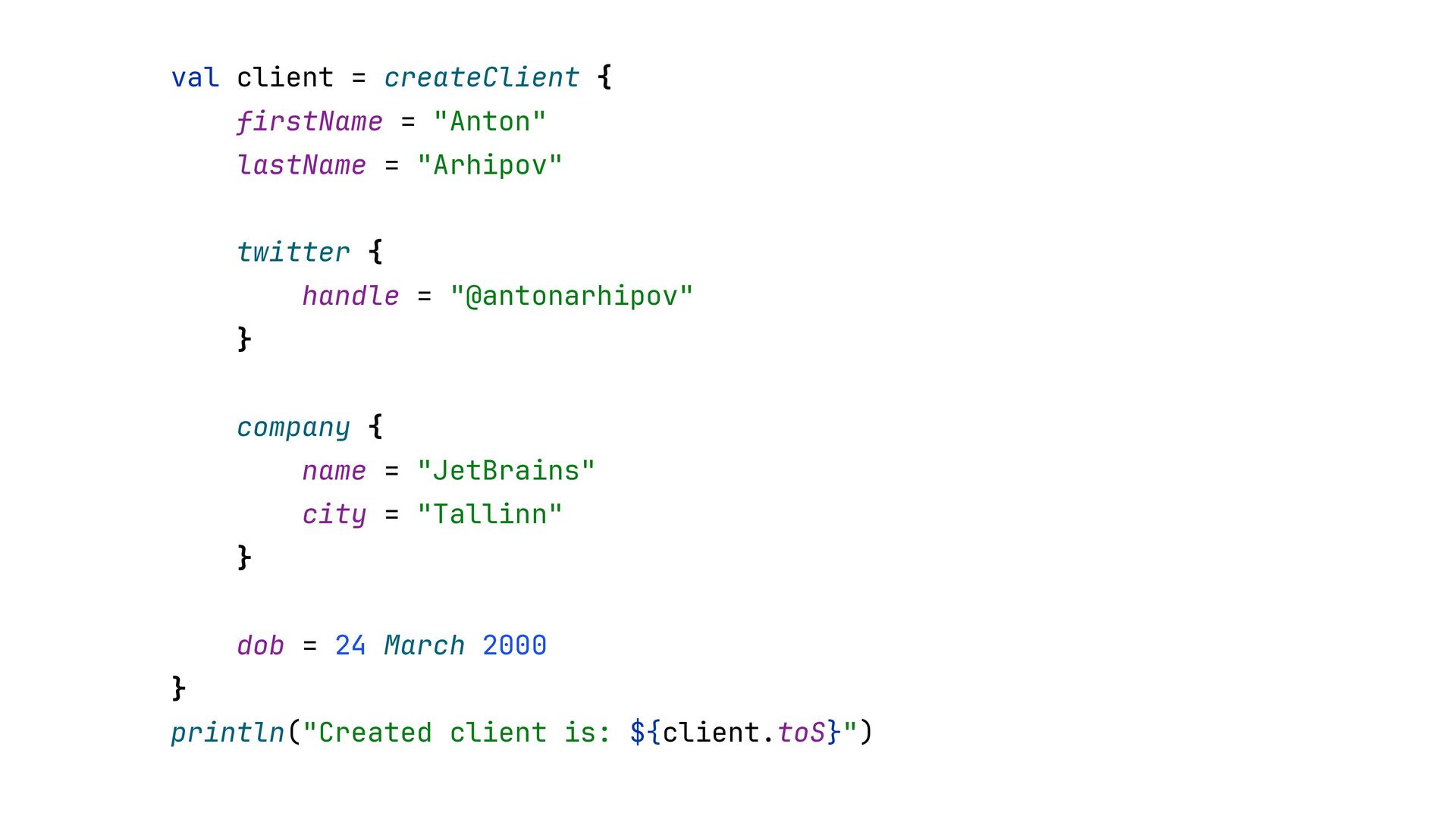
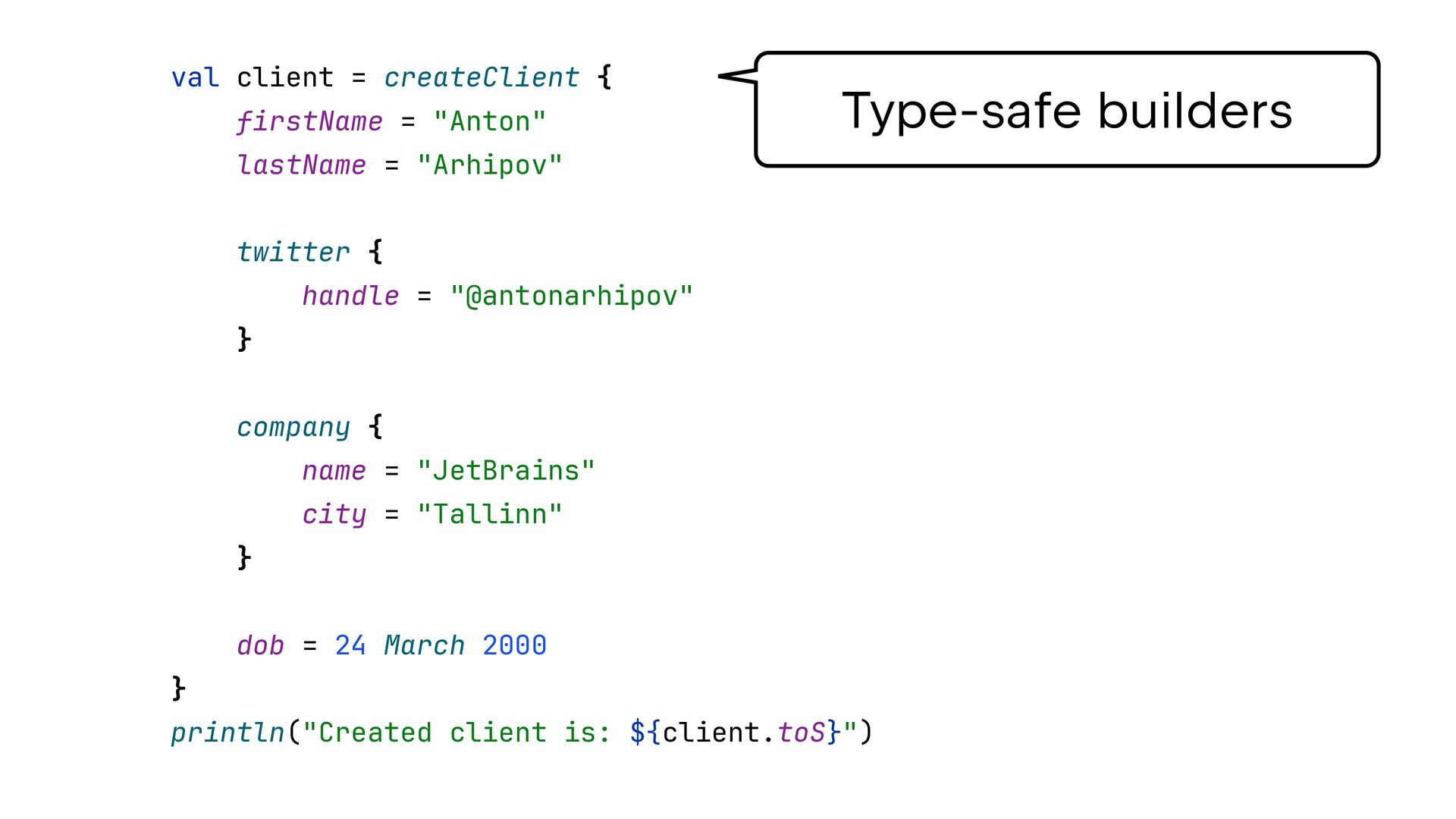
"Arhipov" twitter { handle = "@antonarhipov" } company { name = "JetBrains" city = "Tallinn" } dob = 24 March 2000 } println("Created client is: ${client.toS}")
lastName = "Arhipov" twitter { handle = "@antonarhipov" } company { name = "JetBrains" city = "Tallinn" } dob = 24 March 2000 } println("Created client is: ${client.toS}")
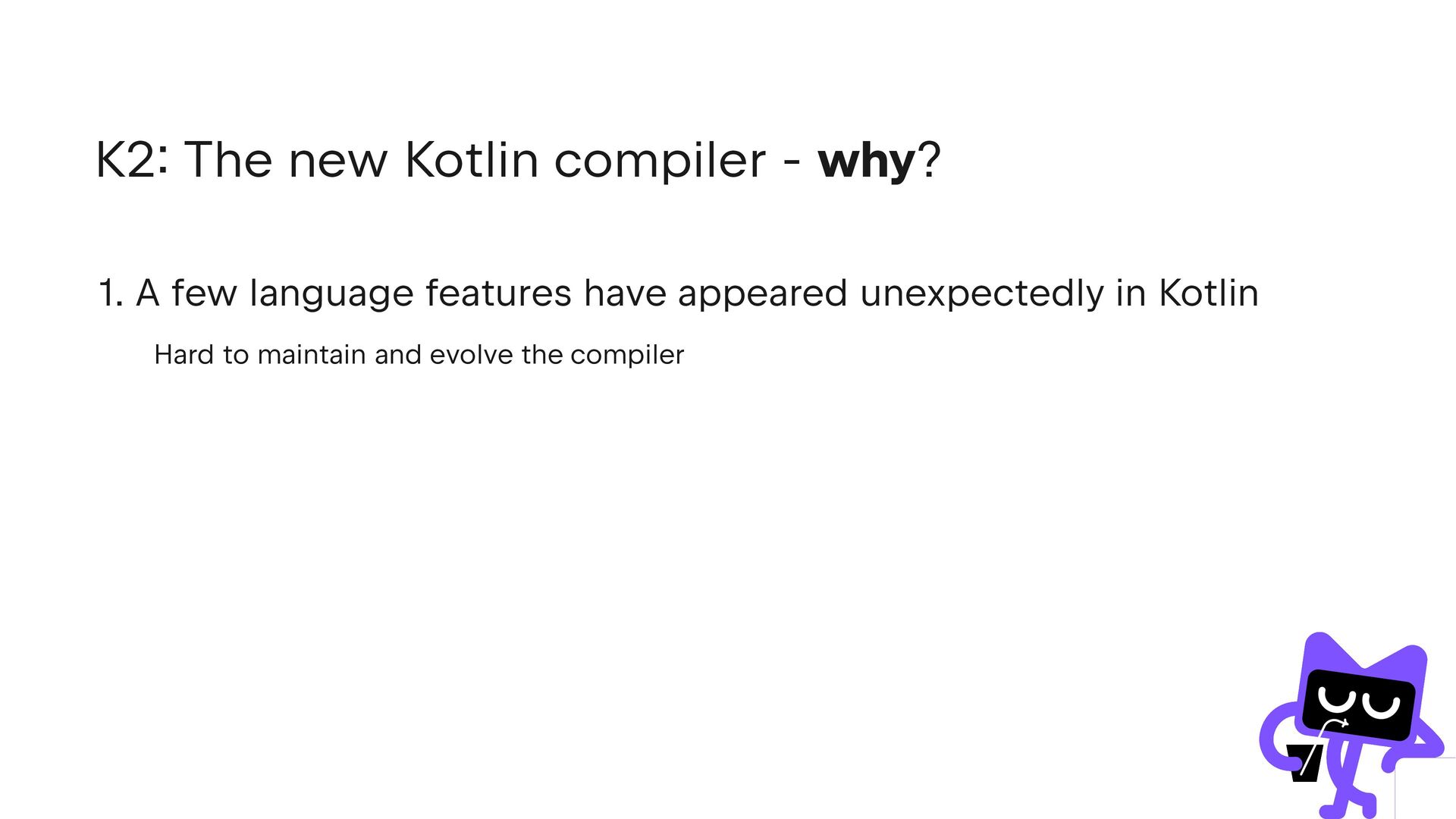
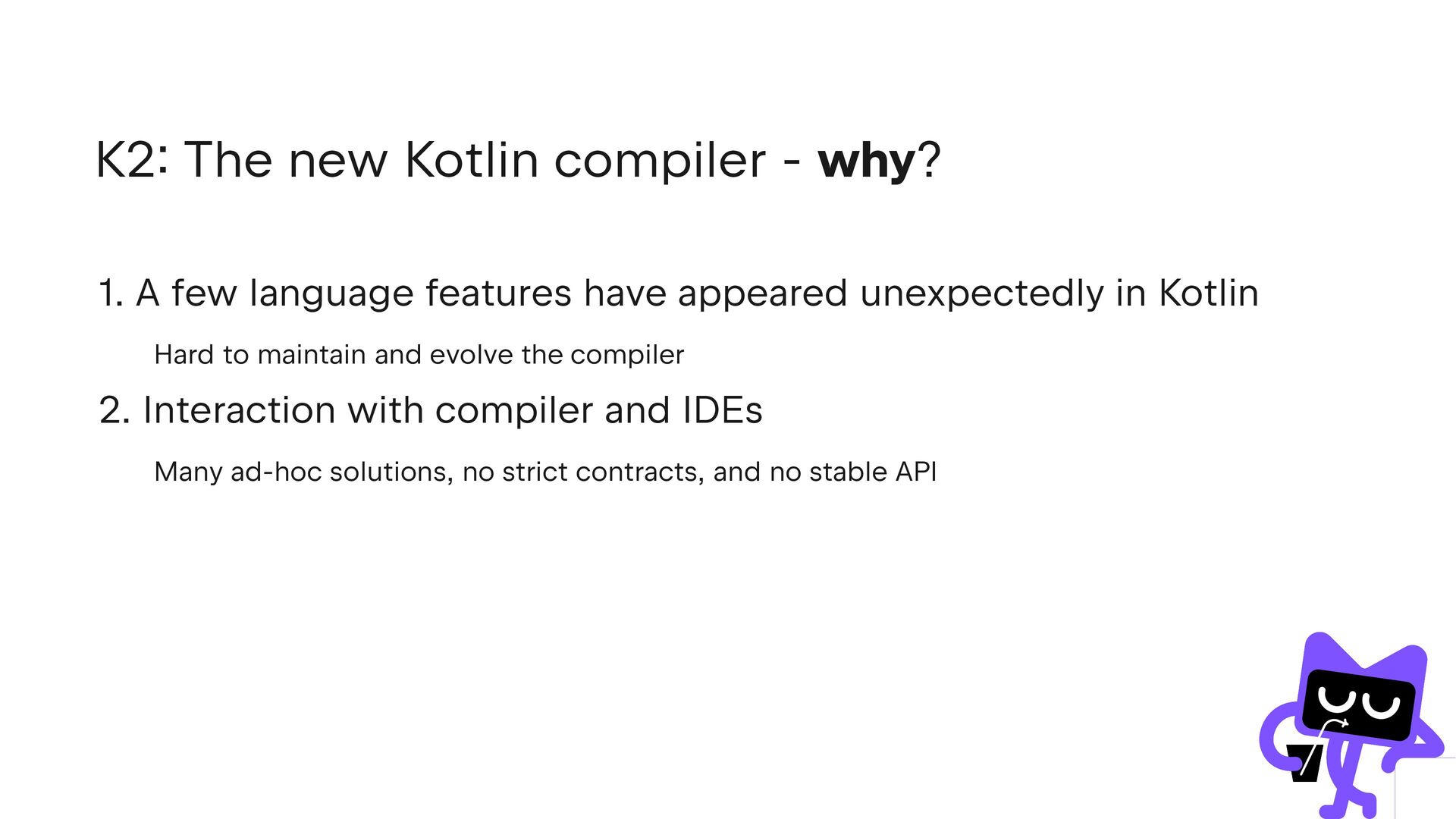
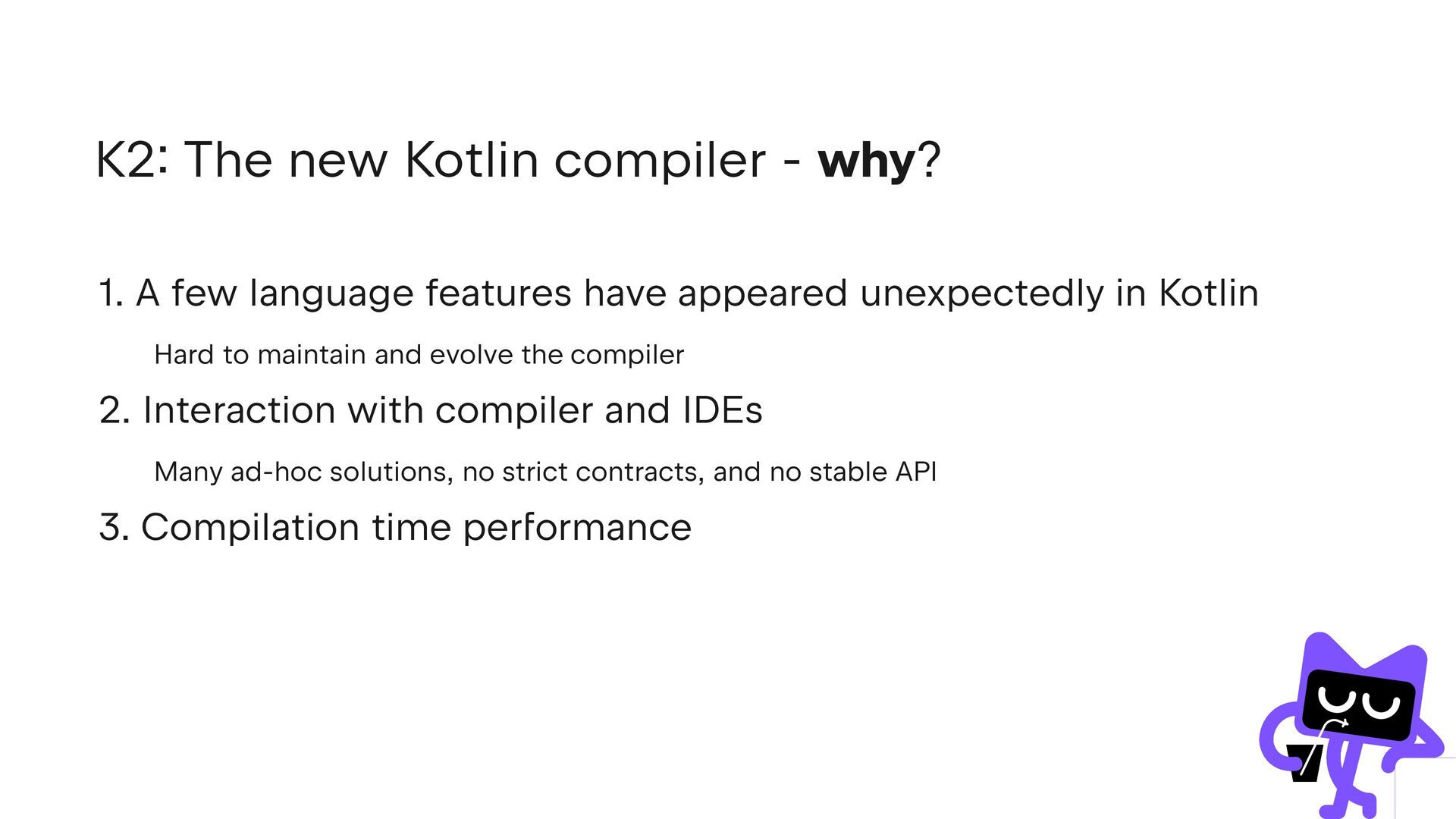
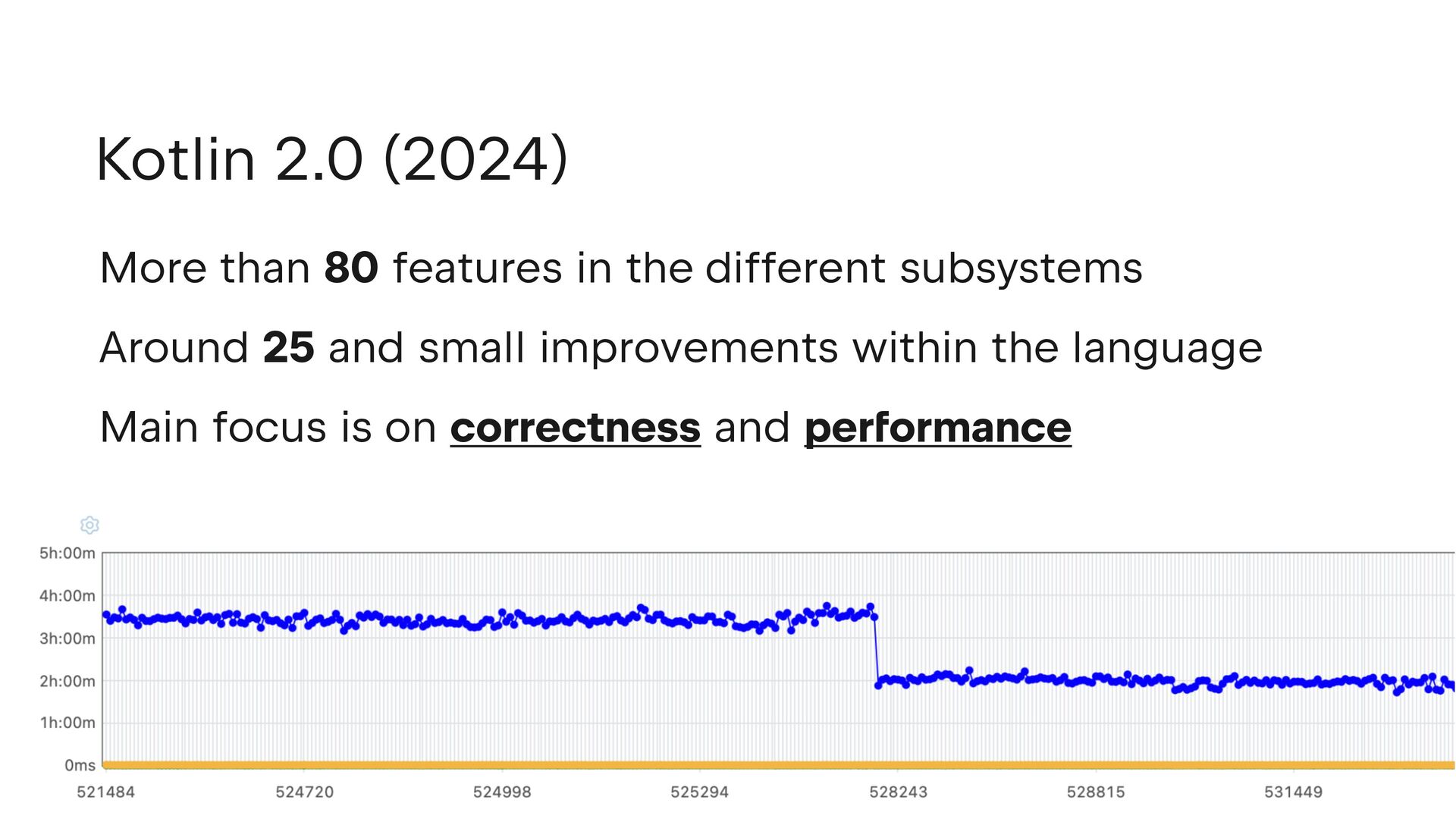
few language features have appeared unexpectedly in Kotlin Hard to maintain and evolve the compiler 2. Interaction with compiler and IDEs Many ad-hoc solutions, no strict contracts, and no stable API 3. Compilation time per f ormance
few language features have appeared unexpectedly in Kotlin Hard to maintain and evolve the compiler 2. Interaction with compiler and IDEs Many ad-hoc solutions, no strict contracts, and no stable API 3. Compilation time per f ormance
few language features have appeared unexpectedly in Kotlin Hard to maintain and evolve the compiler 2. Interaction with compiler and IDEs Many ad-hoc solutions, no strict contracts, and no stable API 3. Compilation time per f ormance
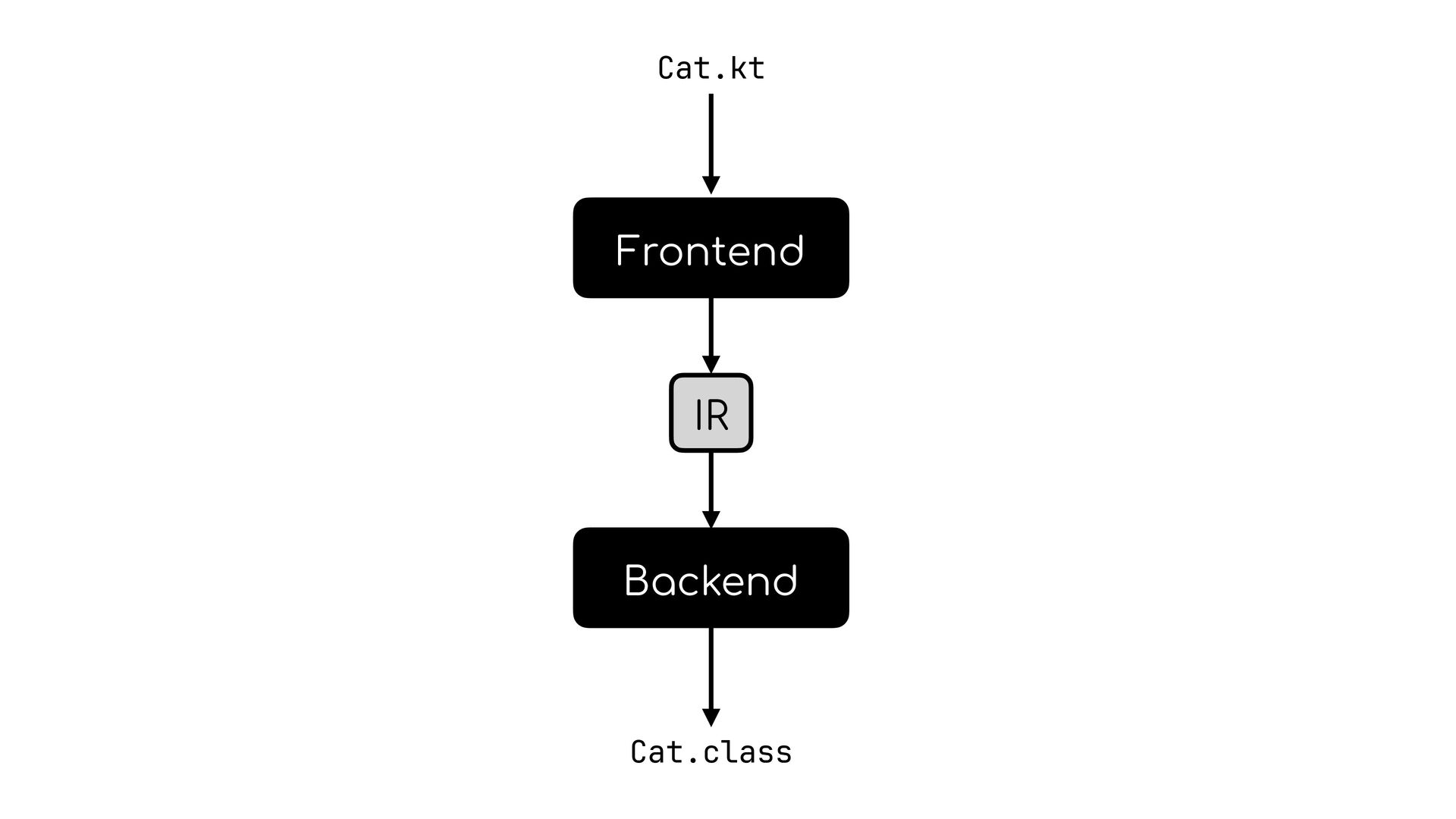
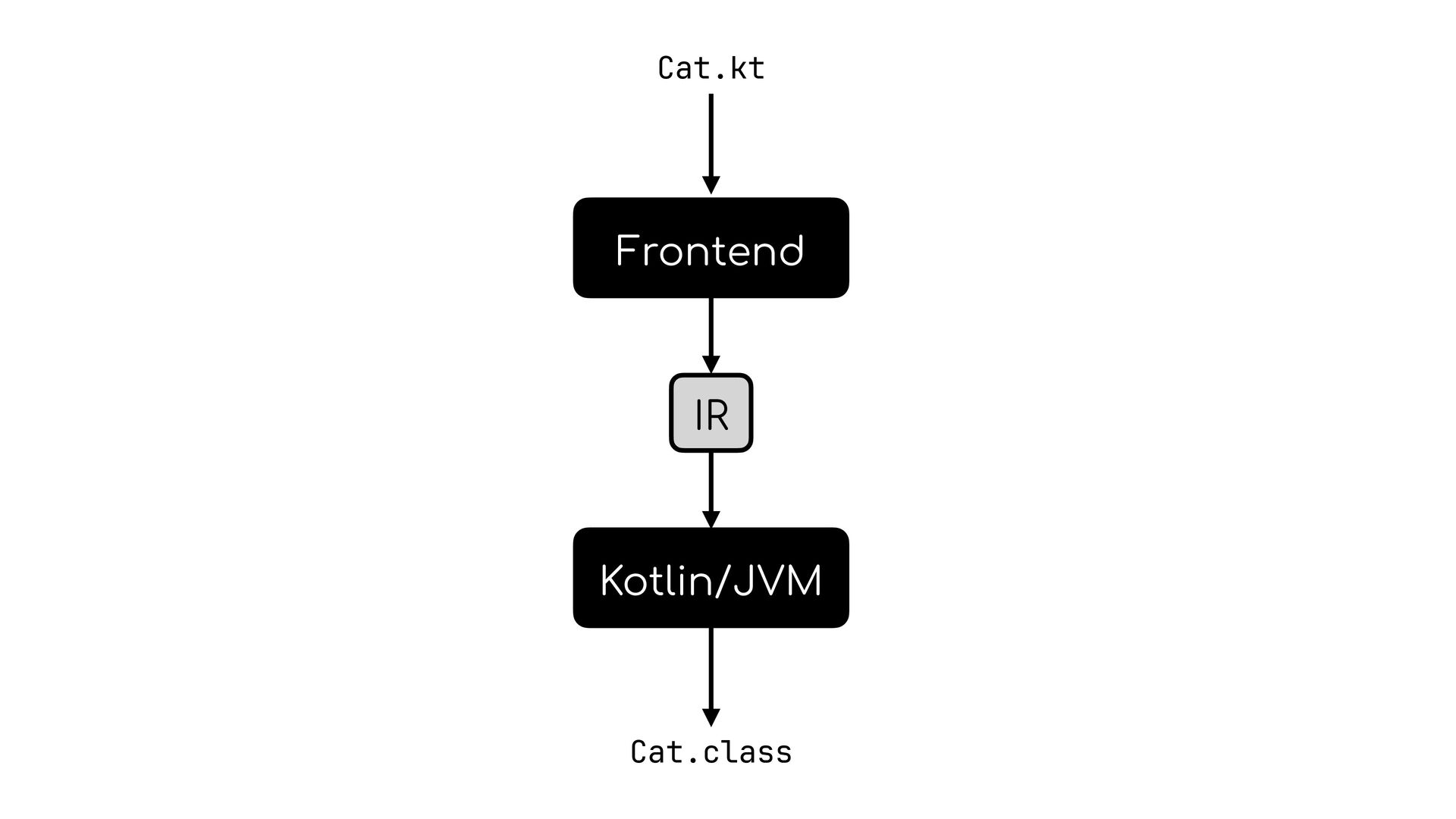
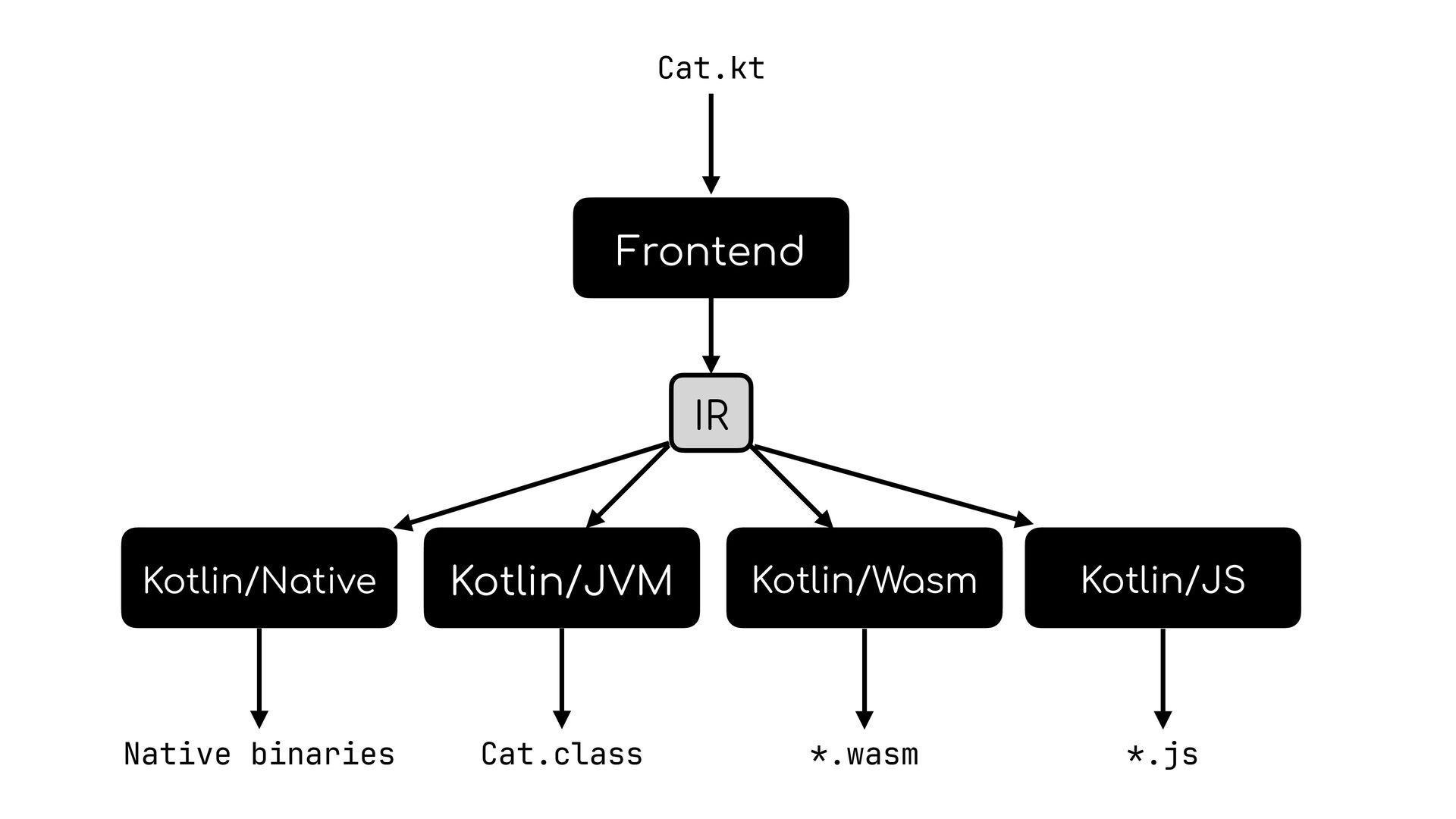
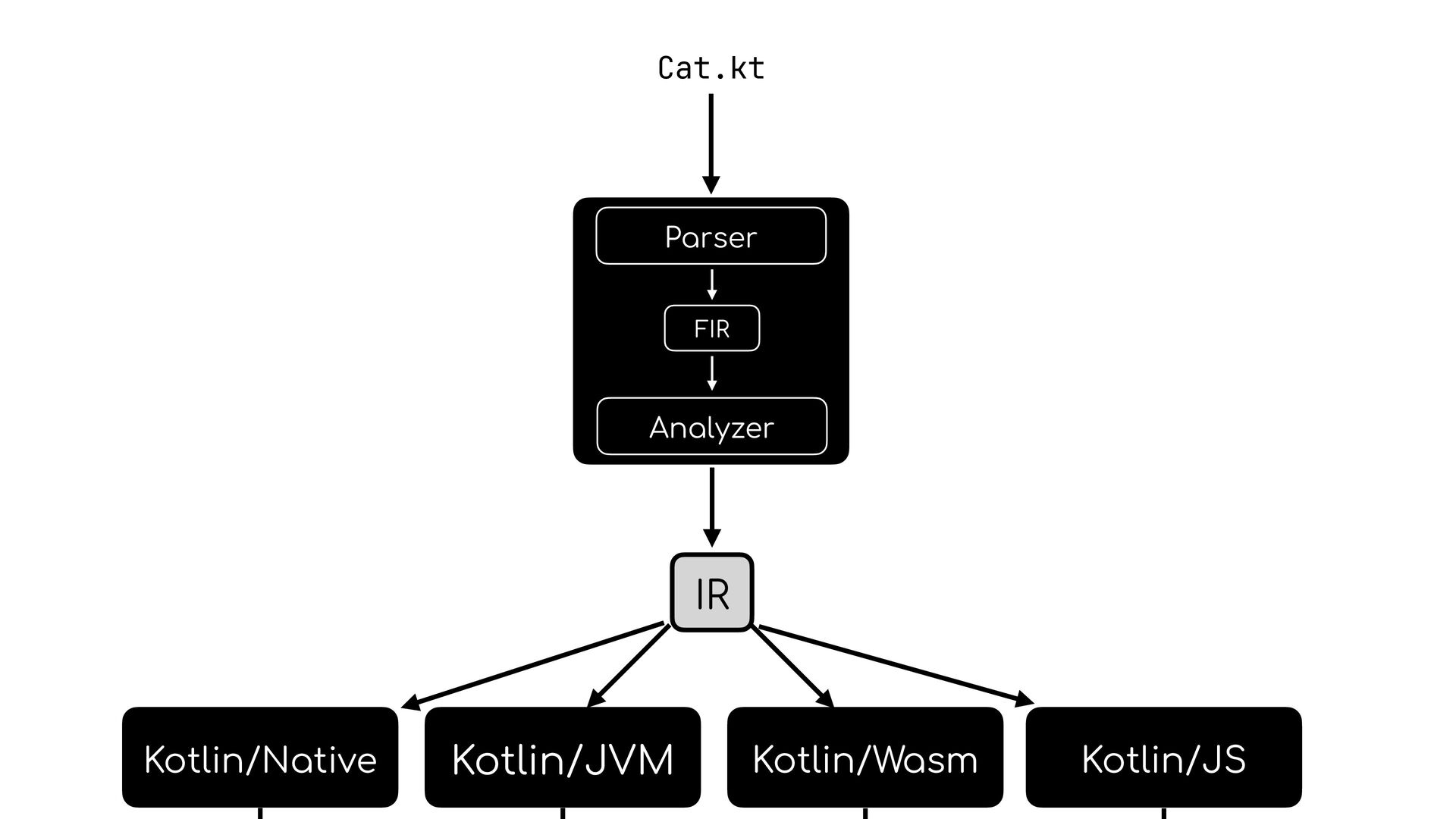
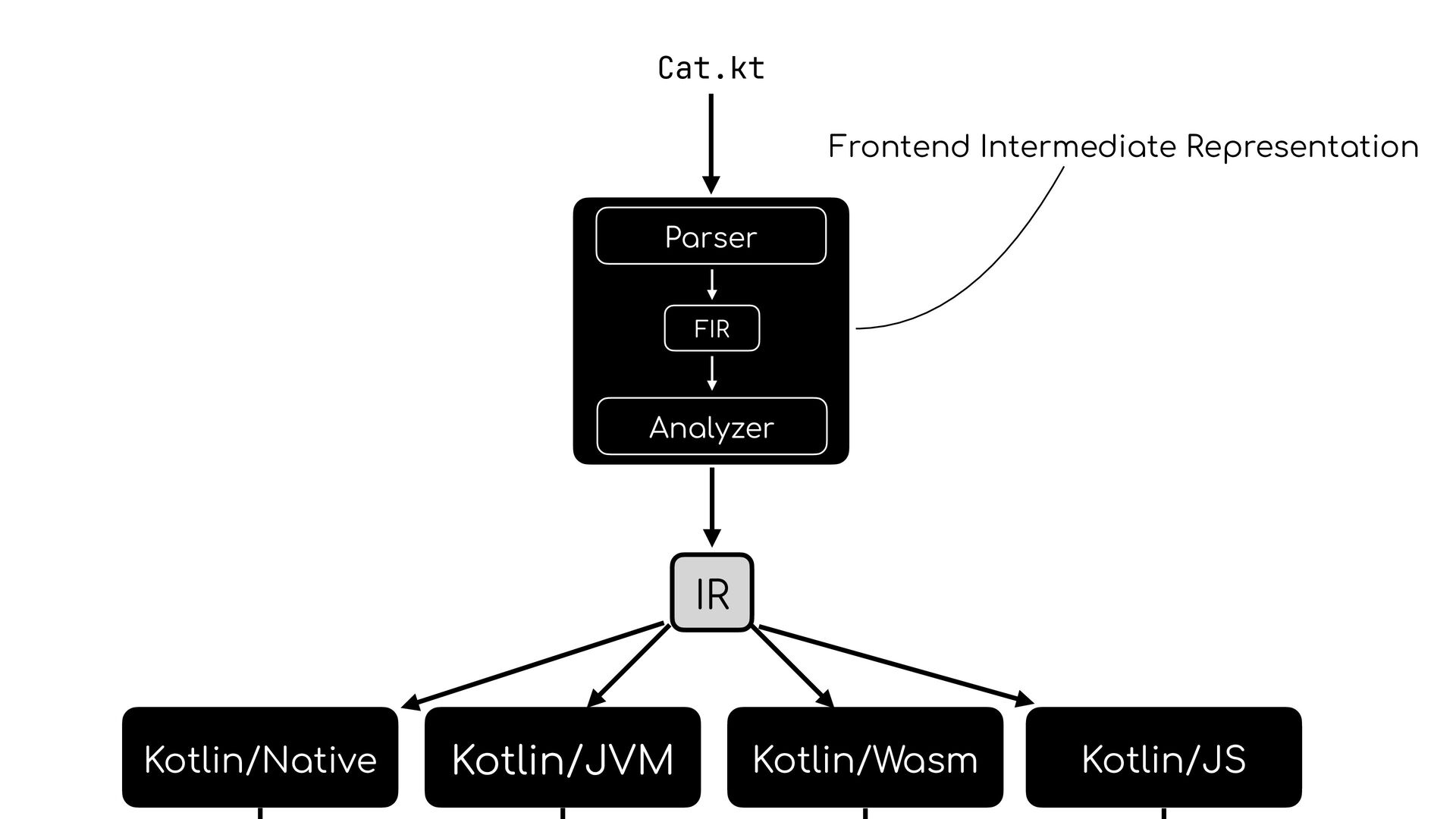
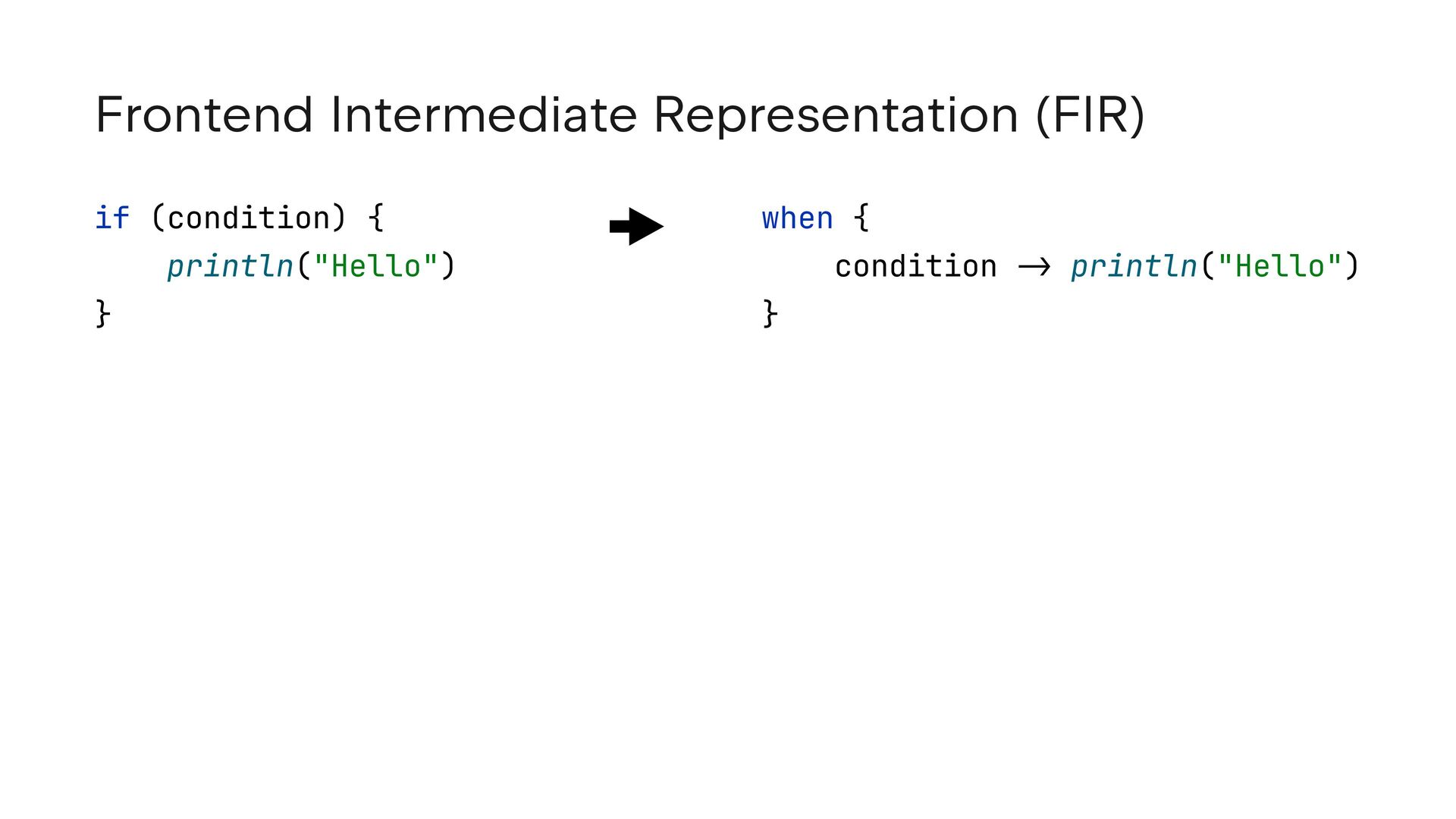
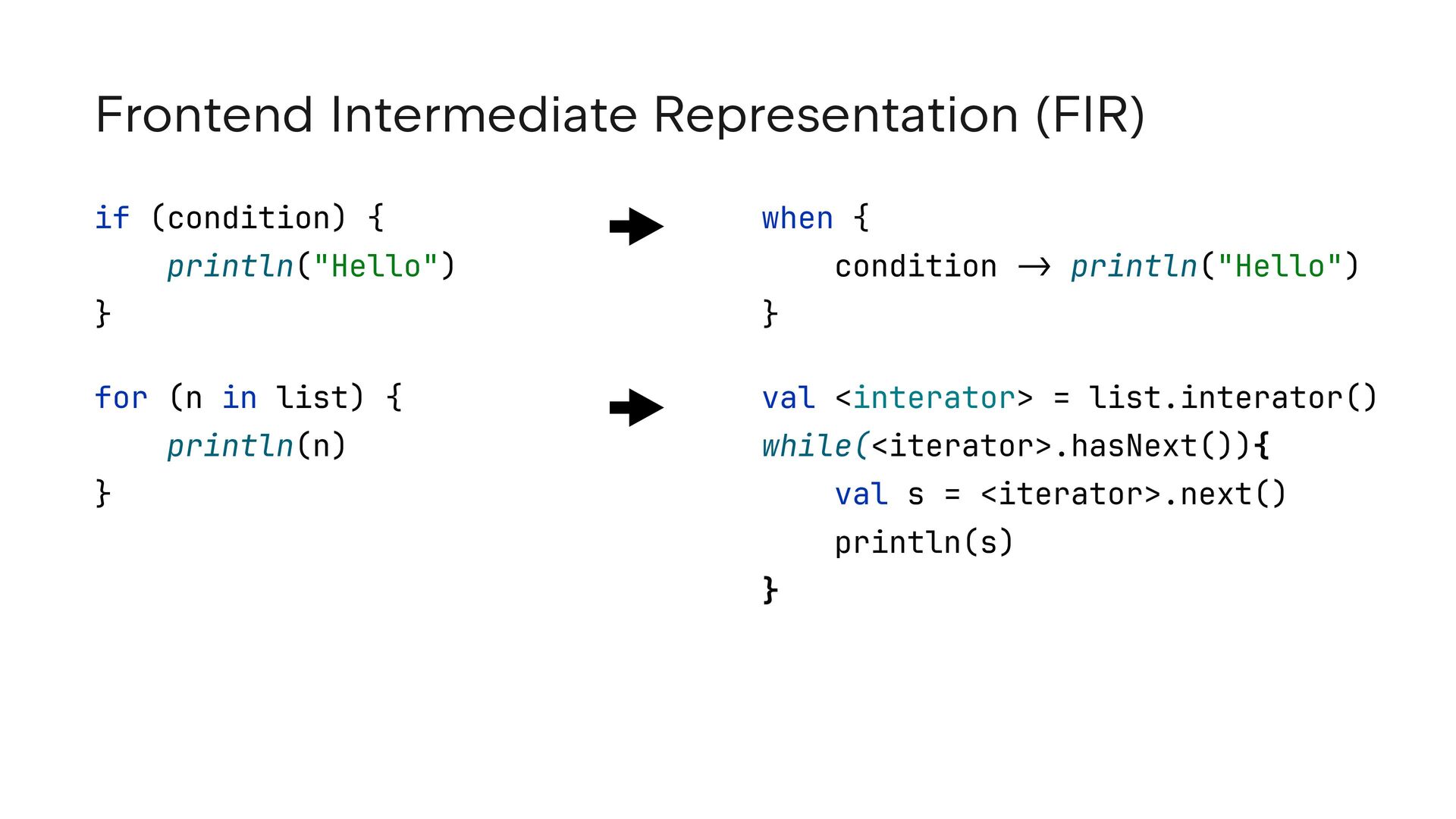
} for (n in list) { println(n) } val <interator> = list.interator() while(<iterator>.hasNext()){ val s = <iterator>.next() println(s) } Frontend Intermediate Representation (FIR)
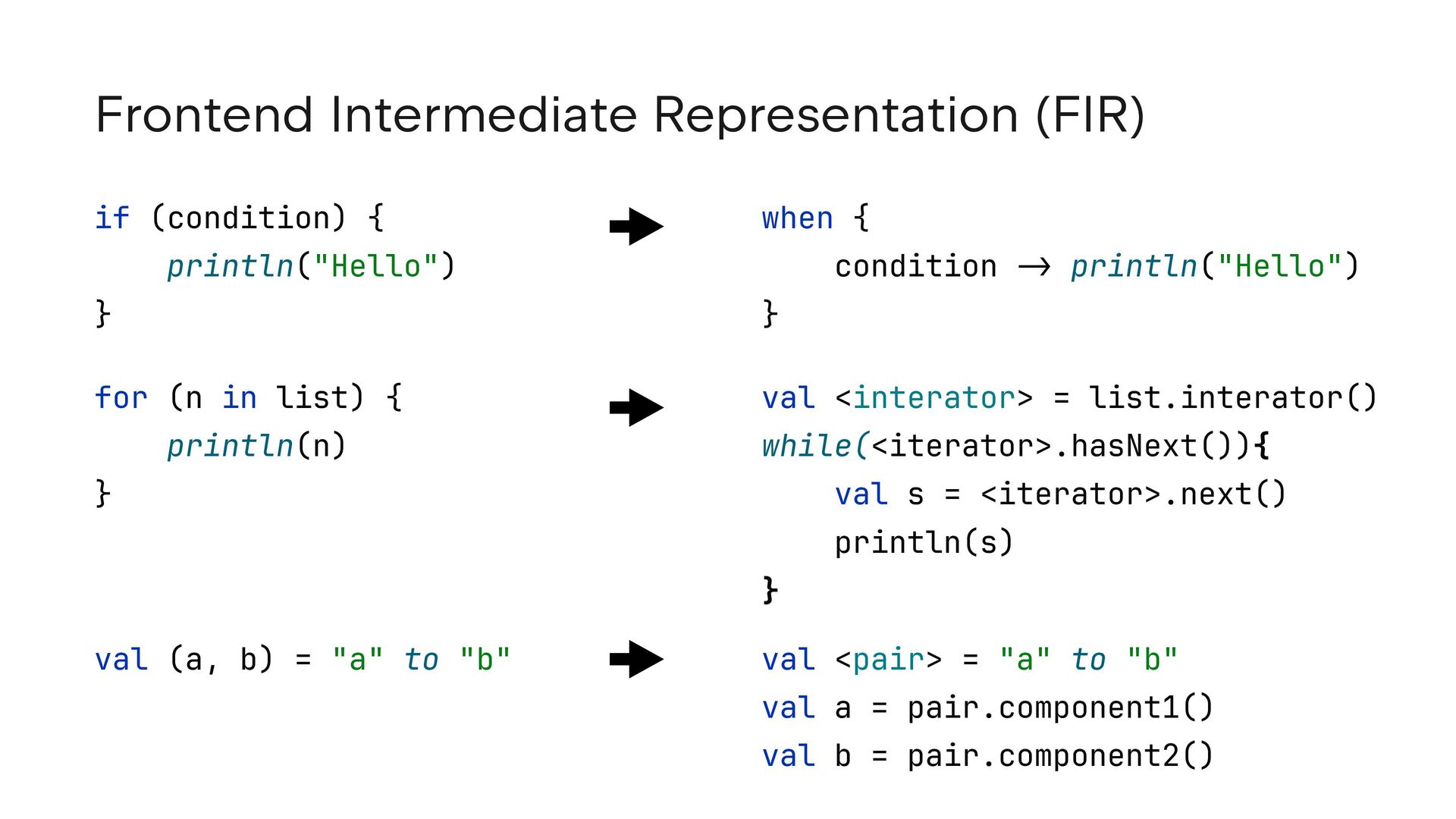
} for (n in list) { println(n) } val <interator> = list.interator() while(<iterator>.hasNext()){ val s = <iterator>.next() println(s) } val (a, b) = "a" to "b" val <pair> = "a" to "b" val a = pair.component1() val b = pair.component2() Frontend Intermediate Representation (FIR)
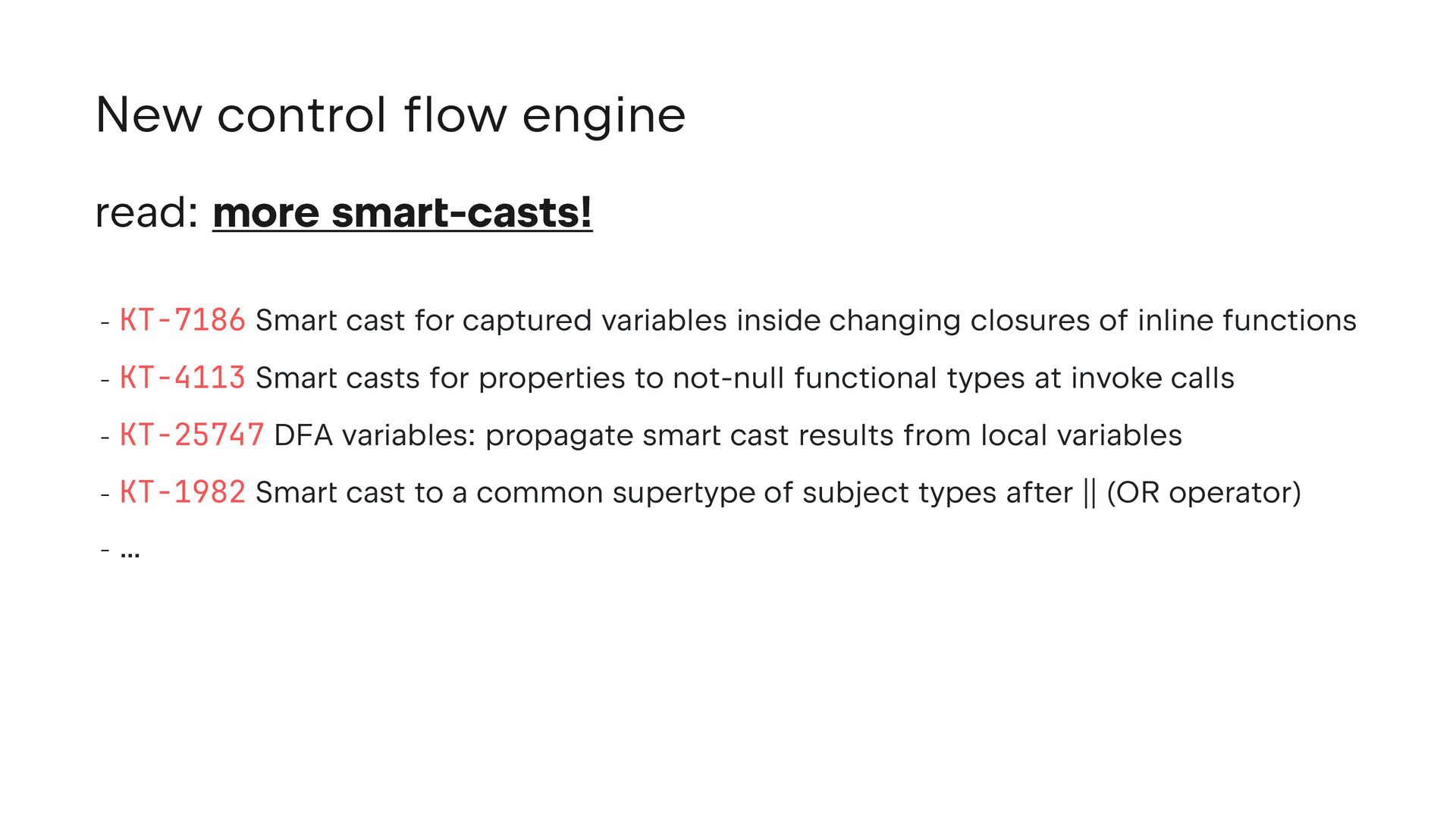
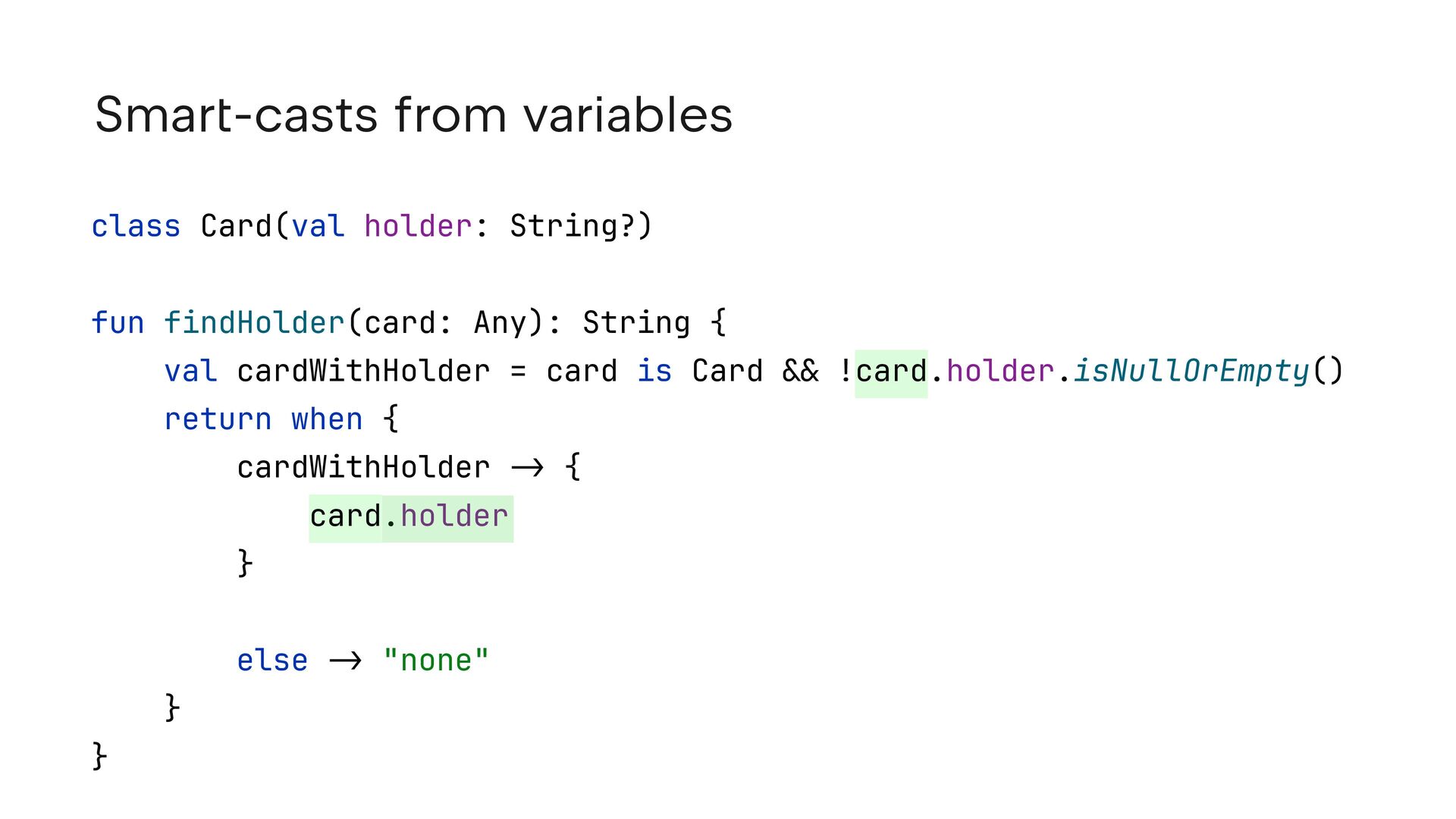
KT-7186 Smar t cast for captured variables inside changing closures of inline functions - KT-4113 Smar t casts for proper t ies to not-null functional types at invoke calls - KT-25747 DFA variables: propagate smar t cast results from local variables - KT-1982 Smar t cast to a common super t ype of subject types after || (OR operator) - .
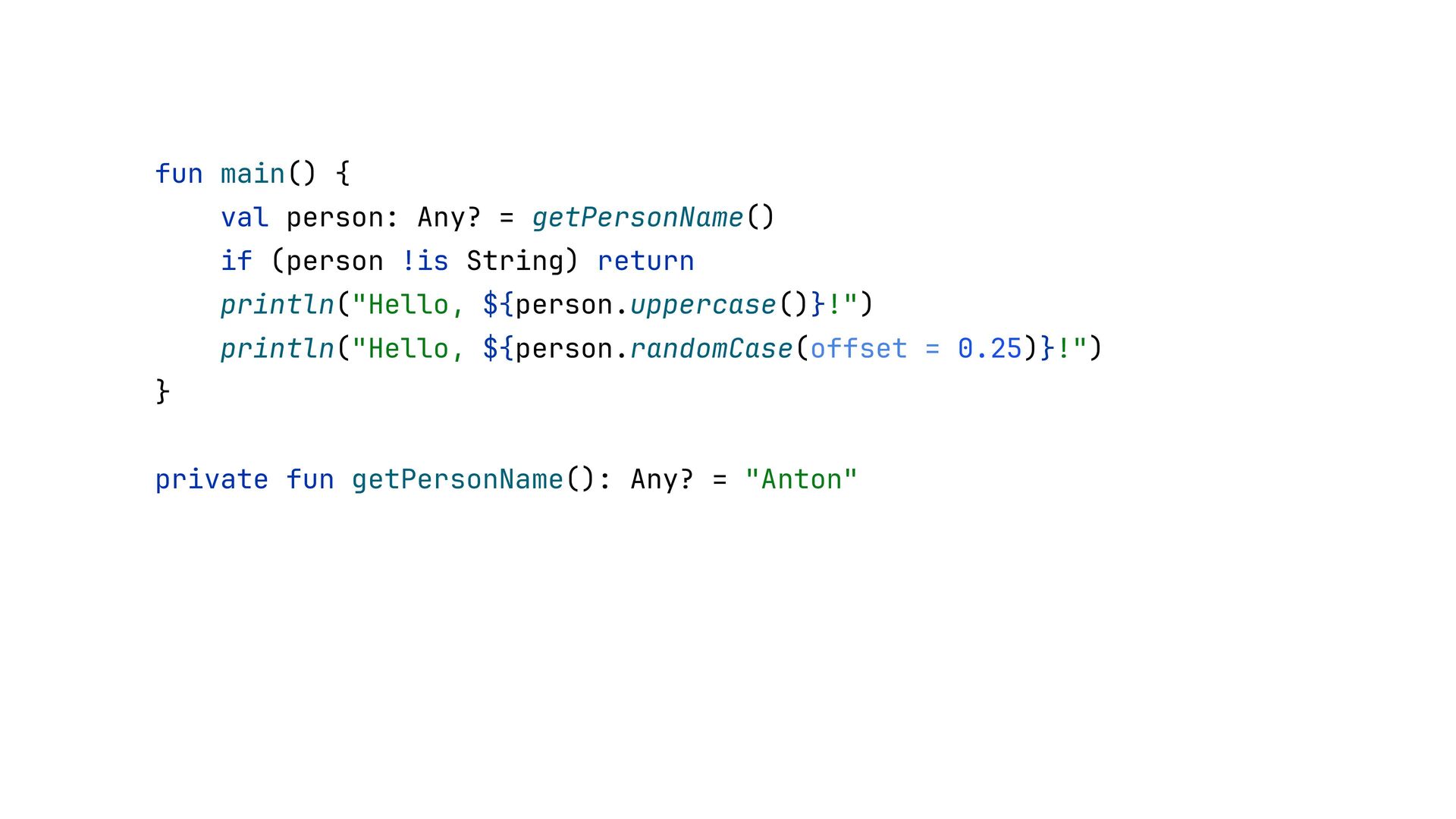
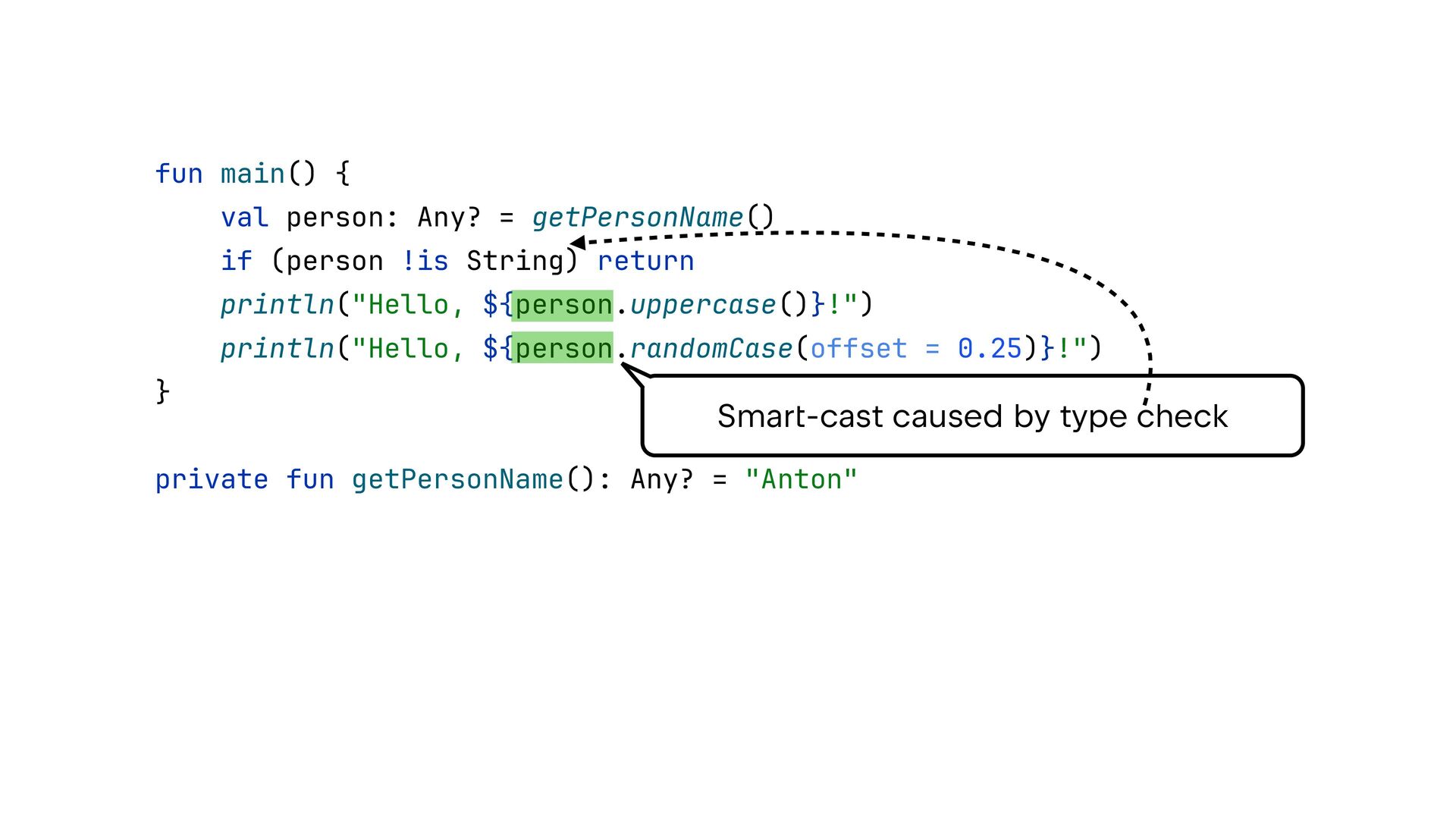
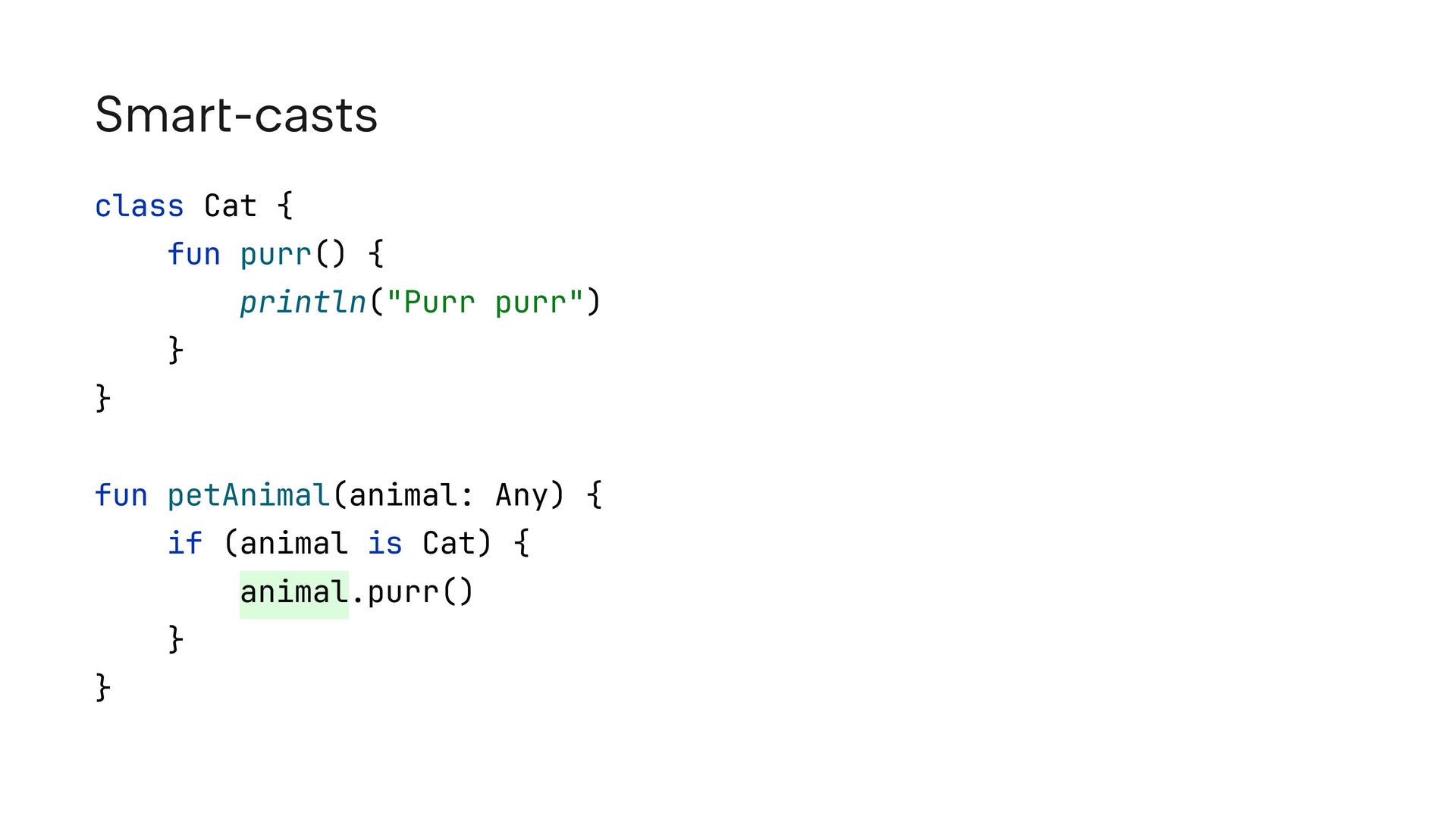
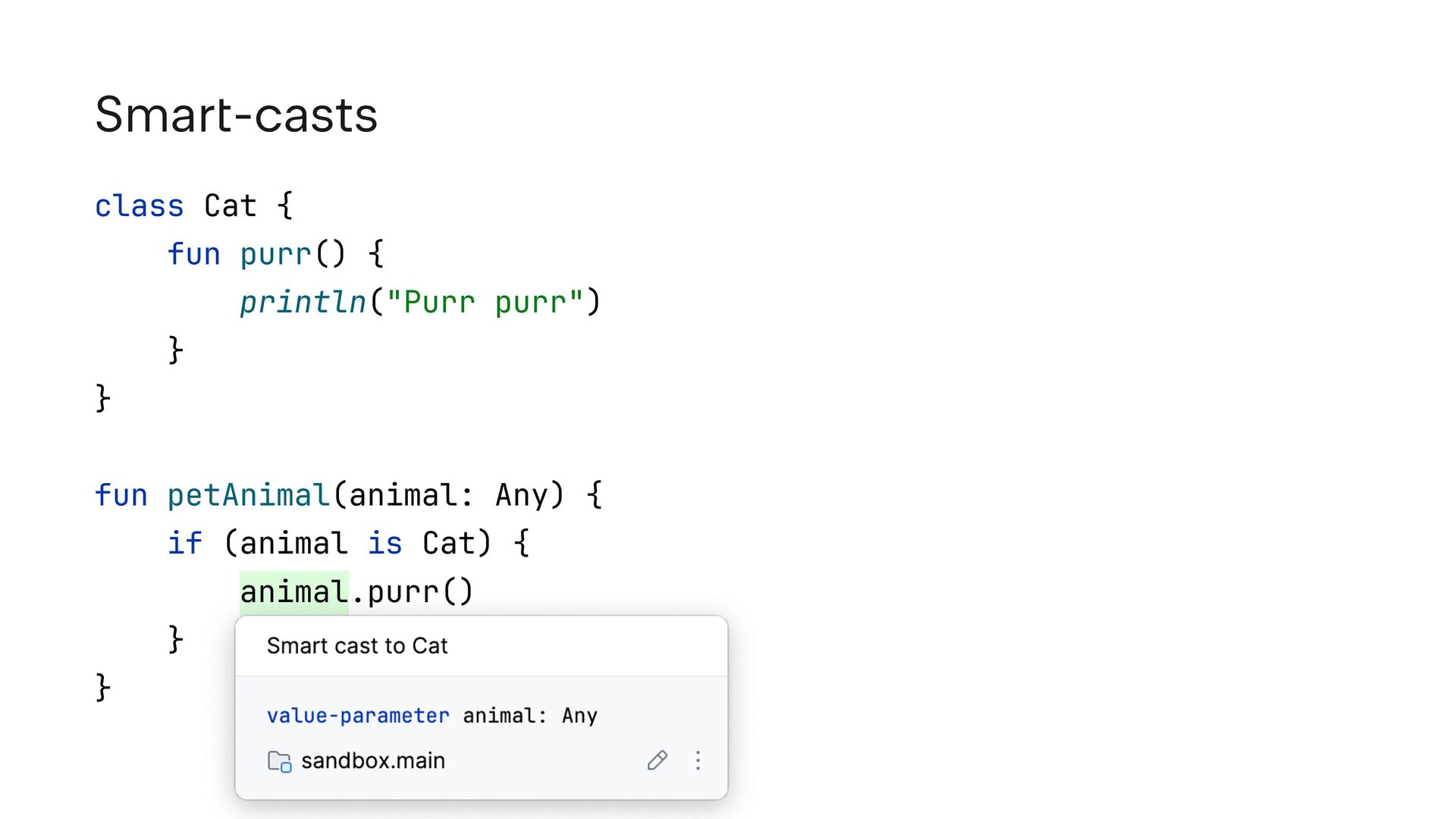
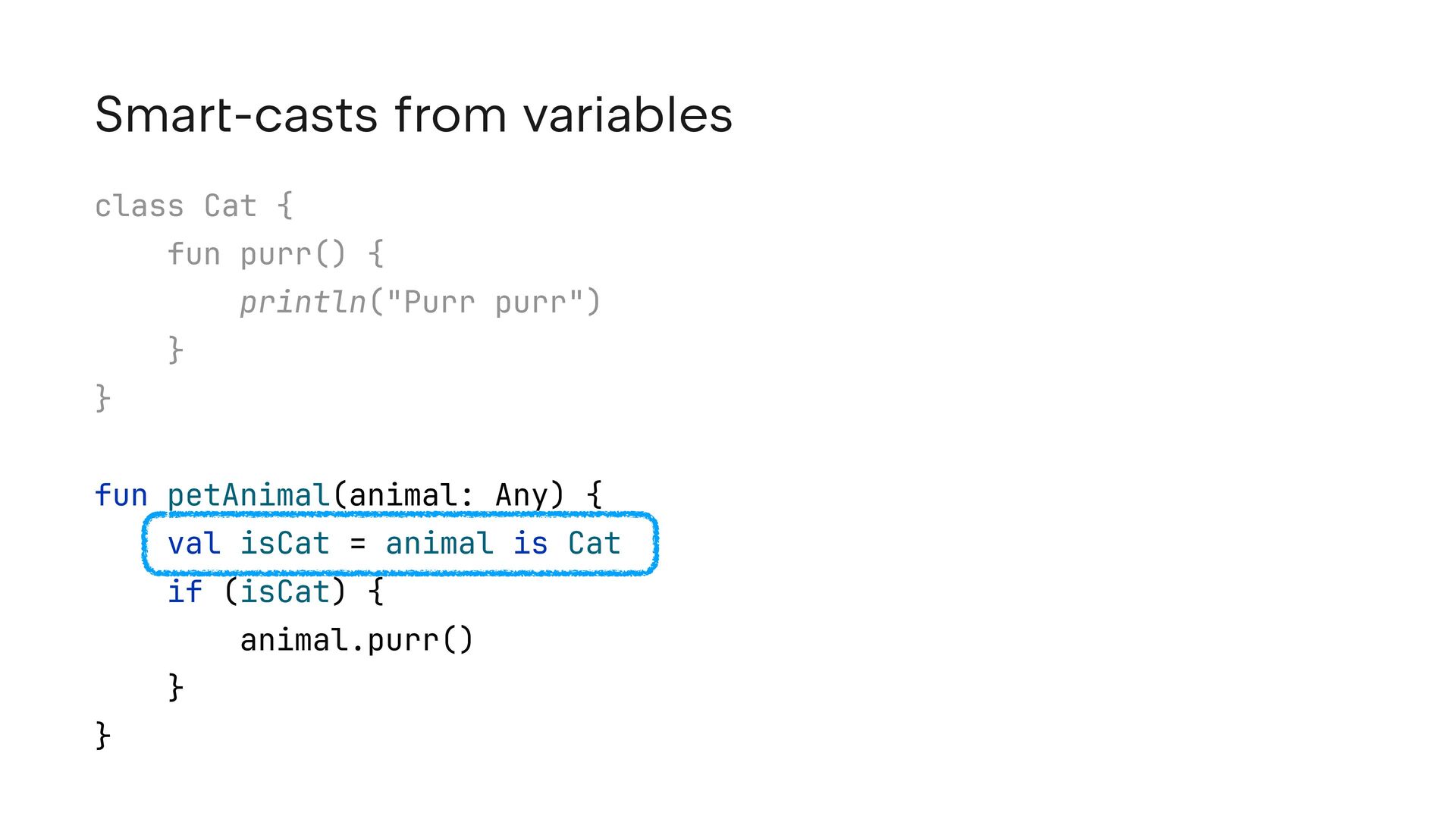
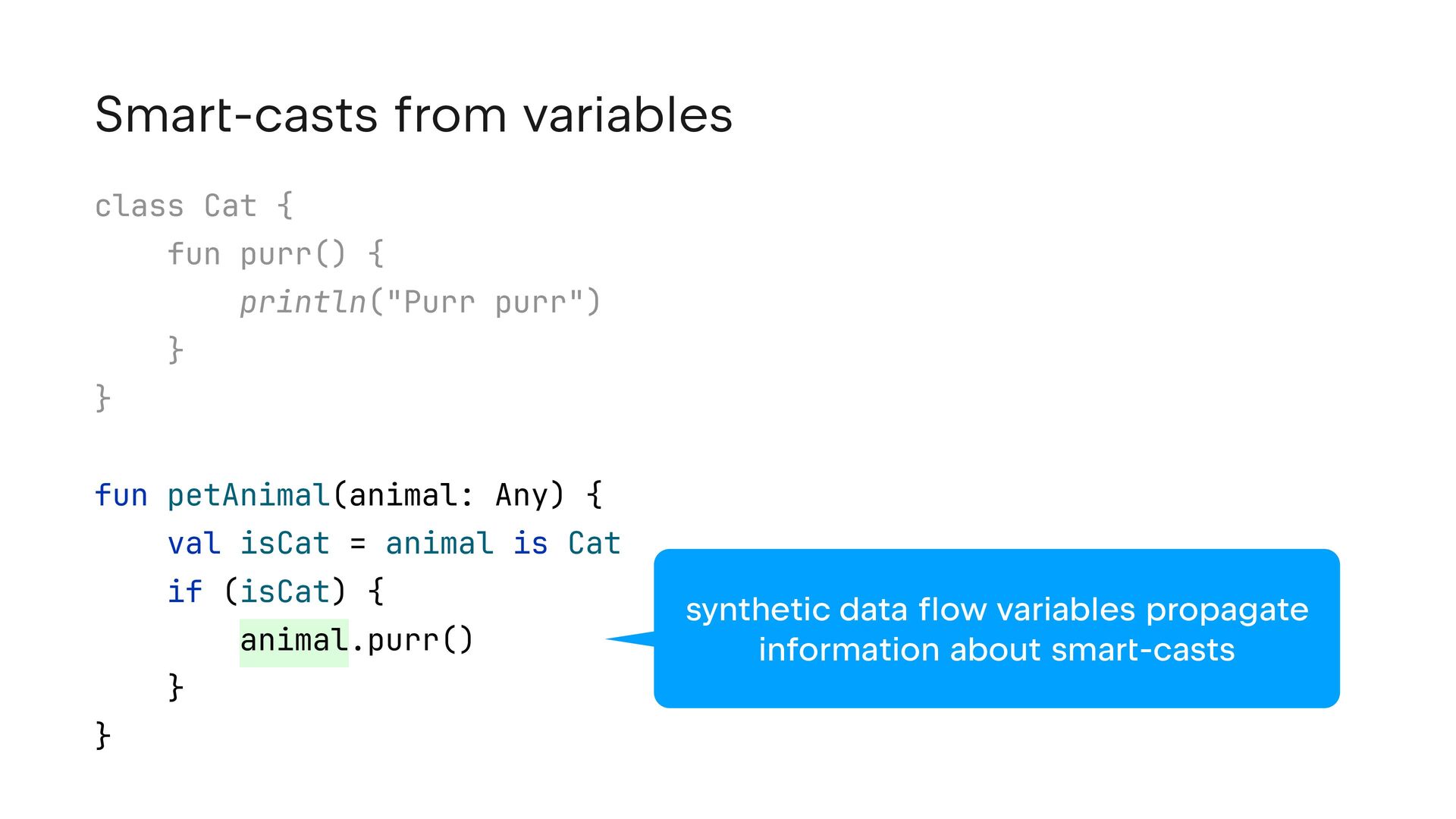
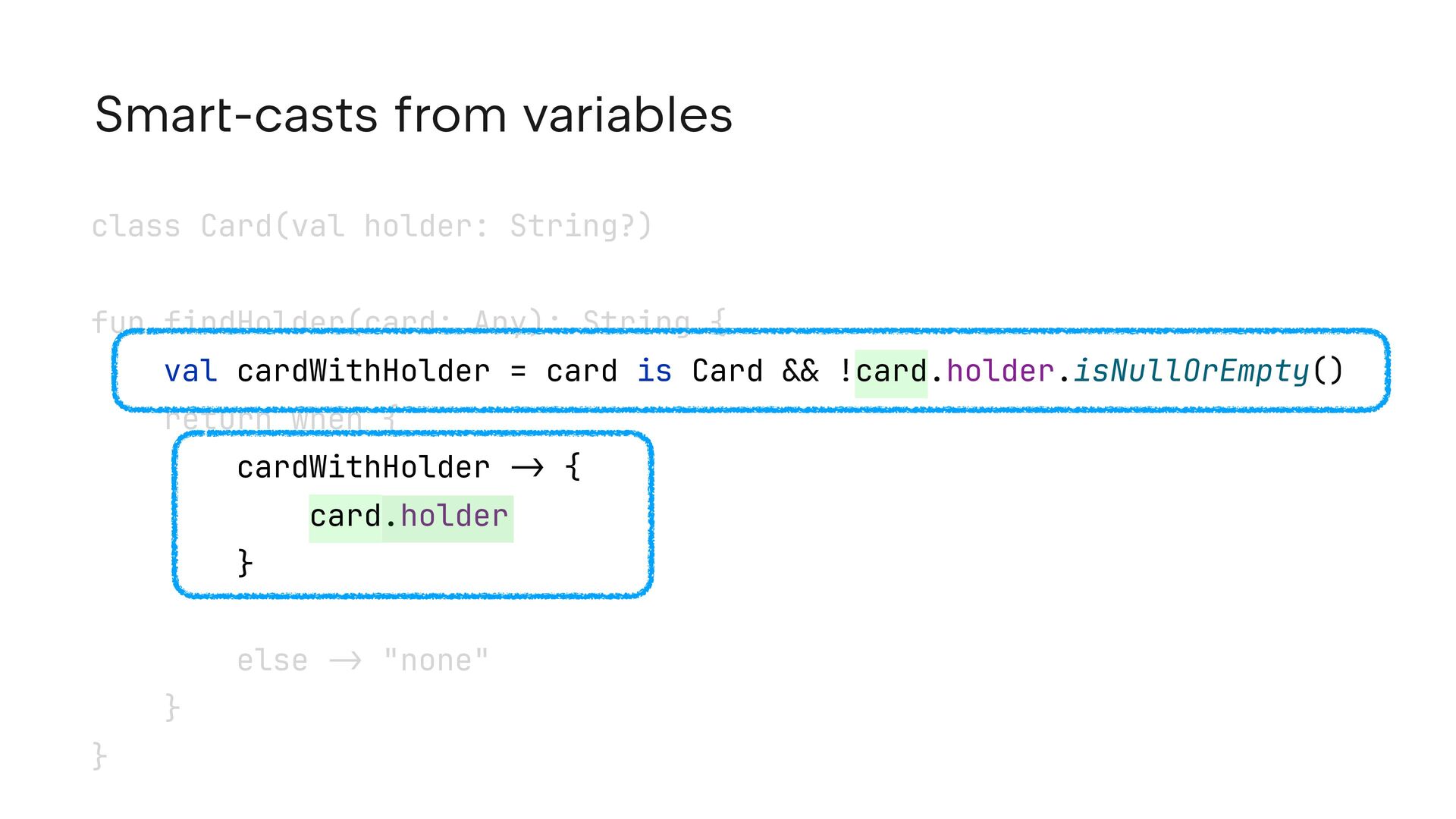
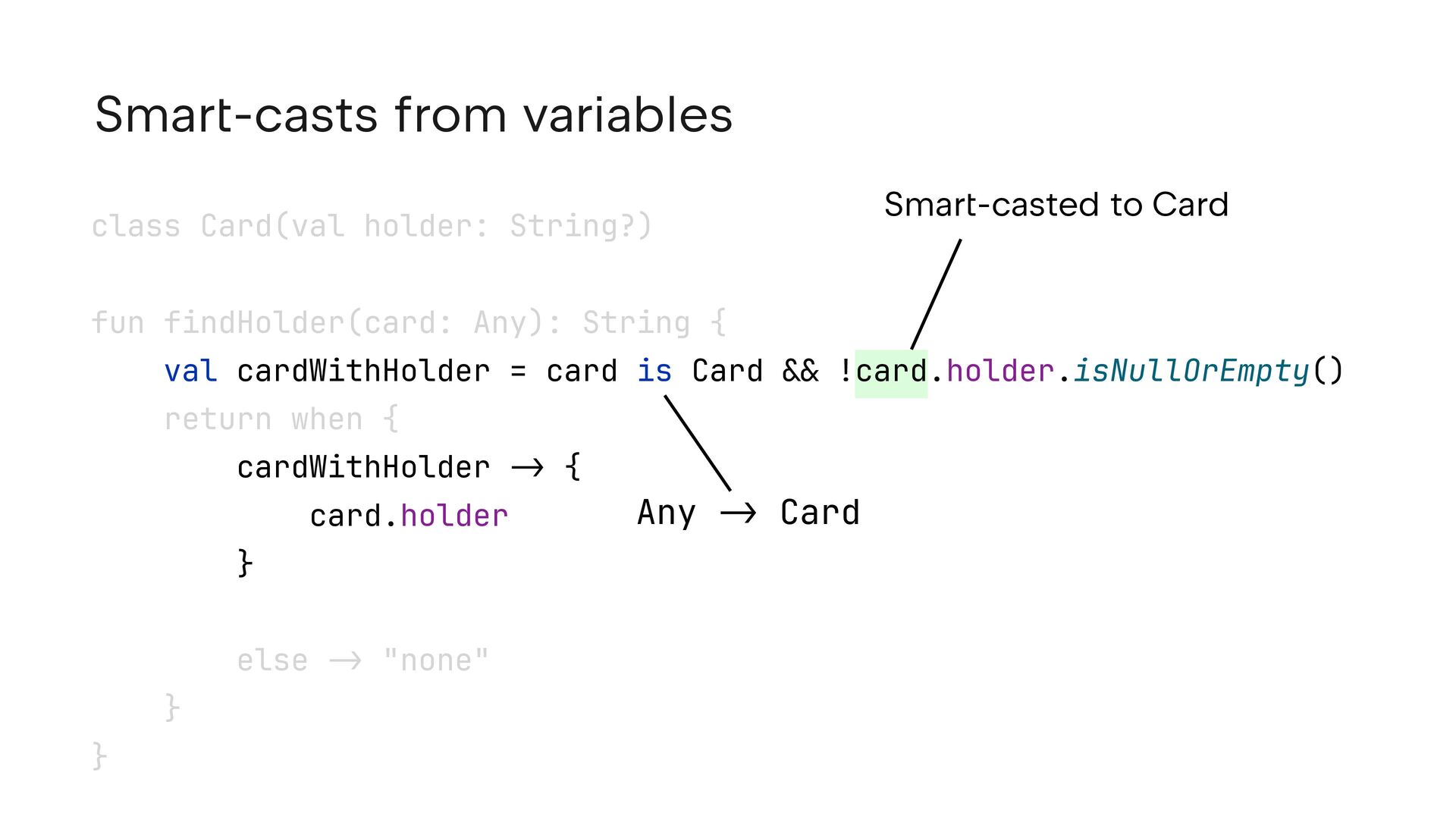
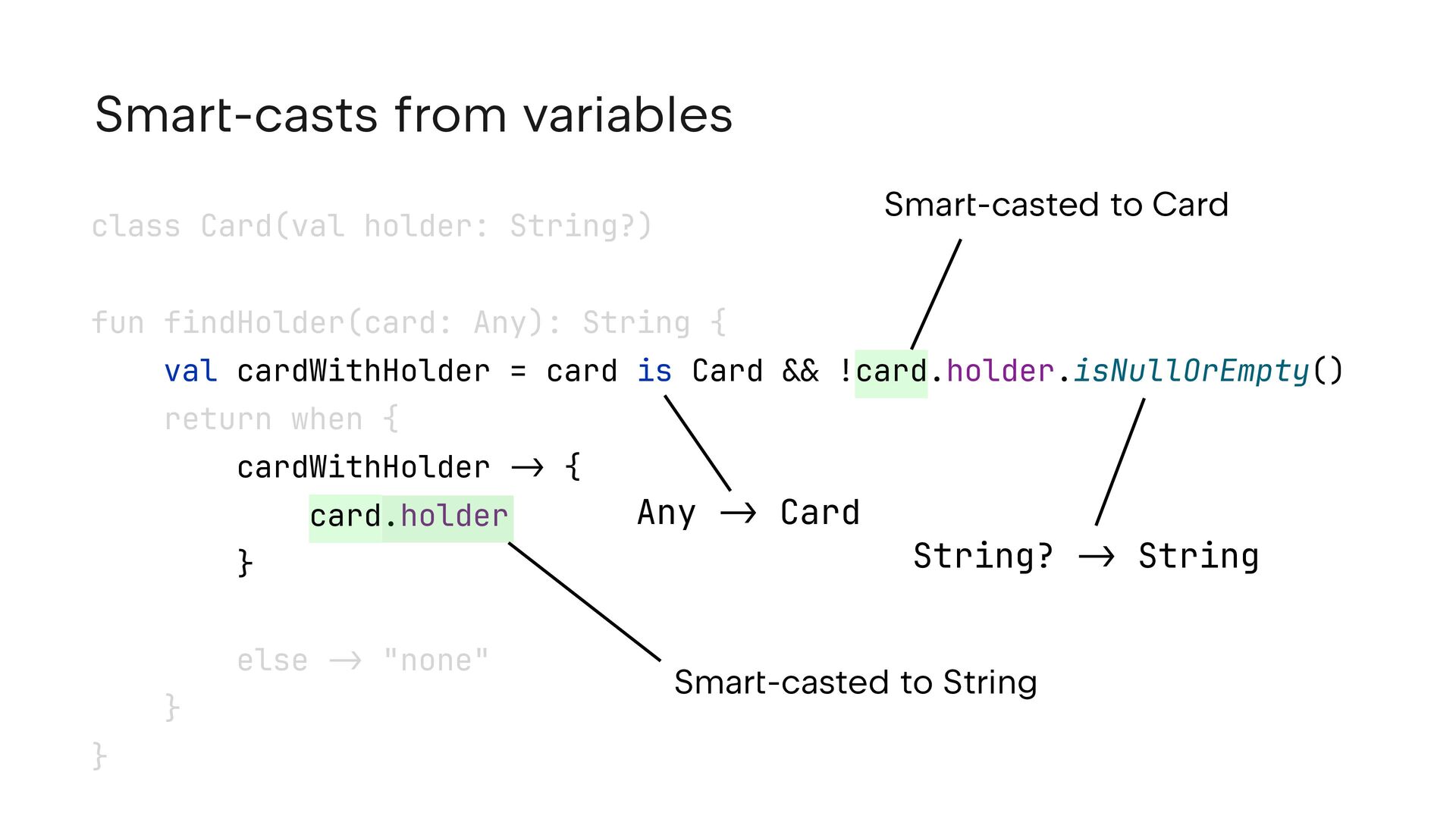
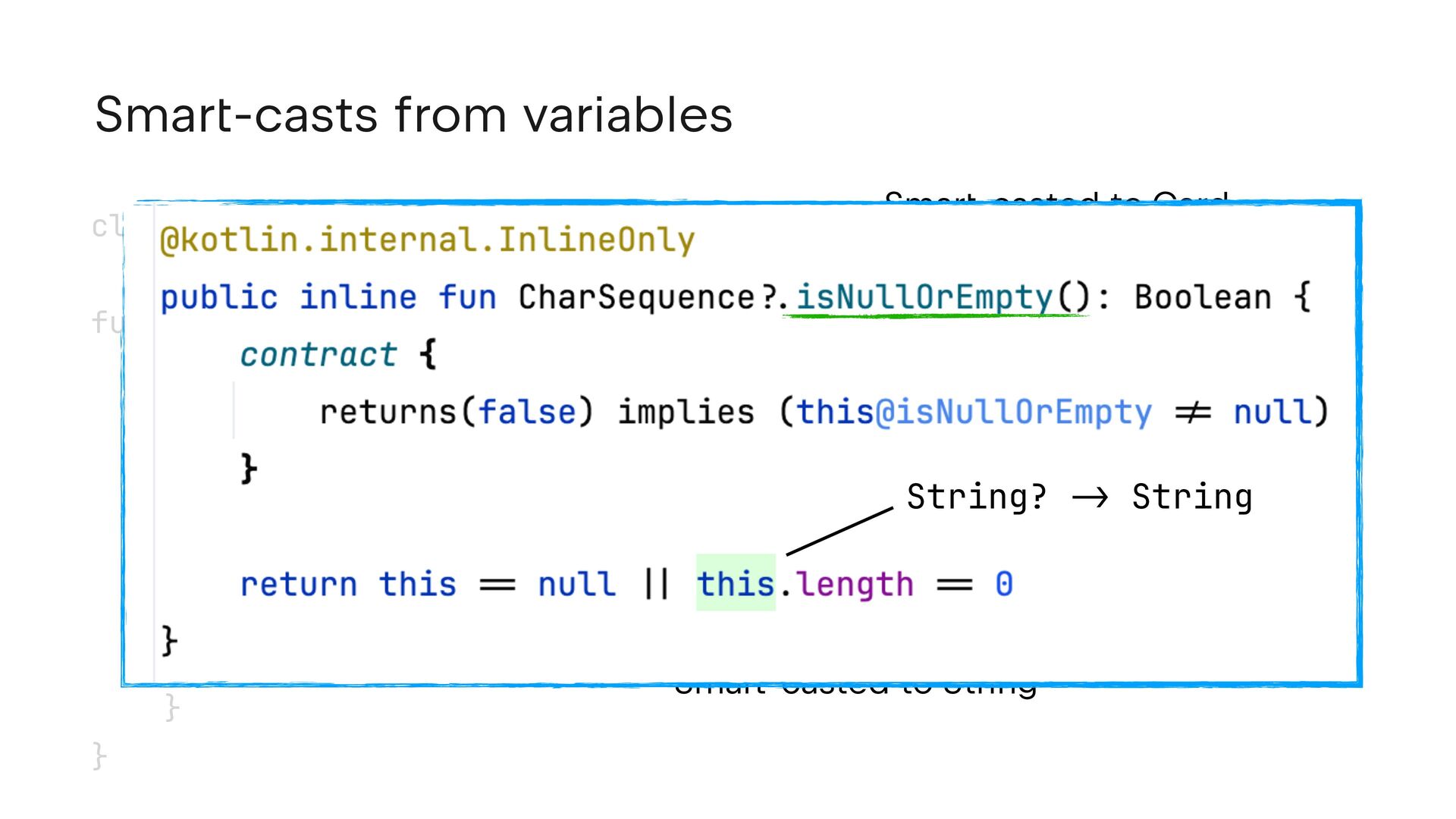
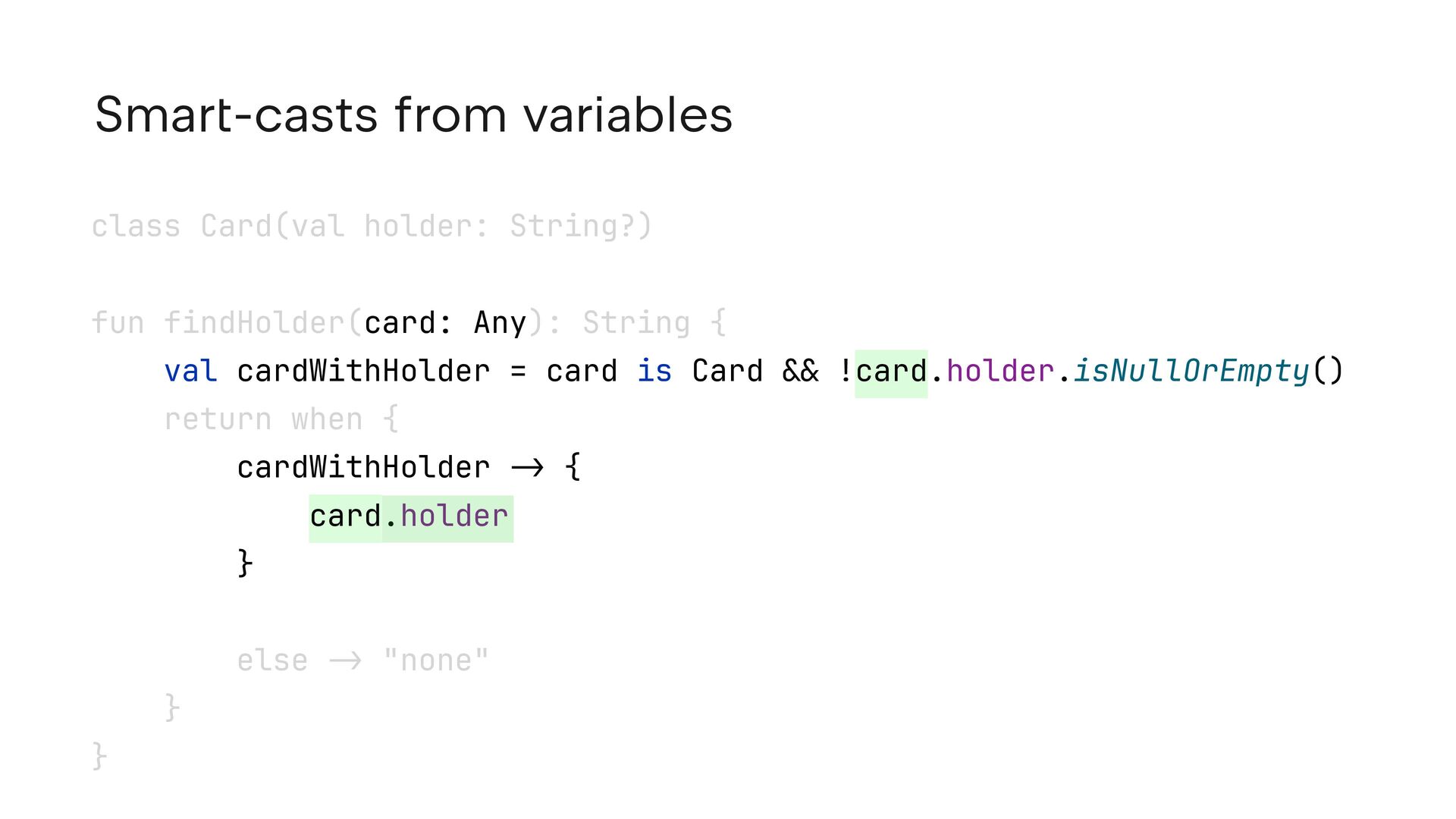
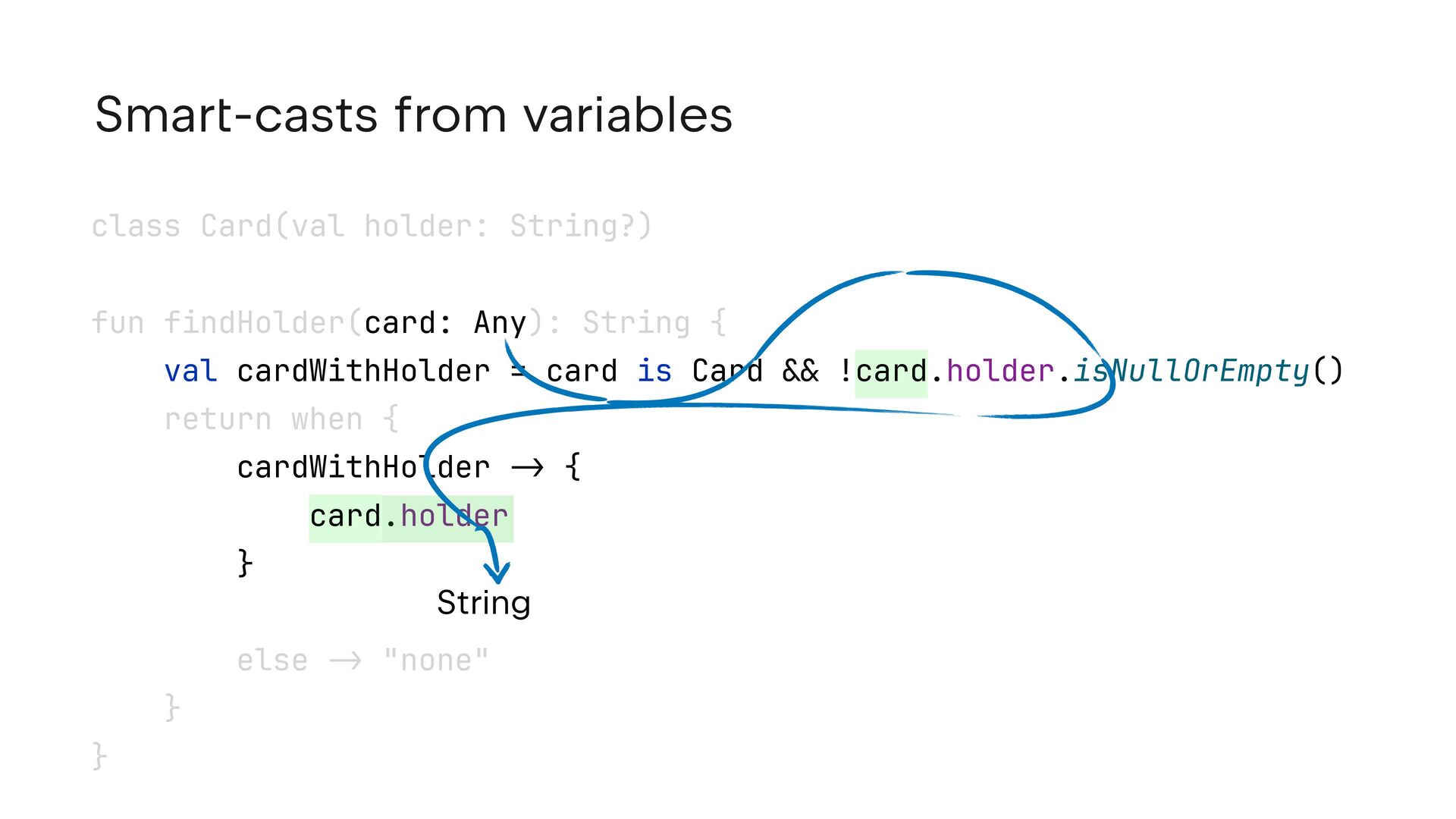
fun petAnimal(animal: Any) { val isCat = animal is Cat if (isCat) { animal.purr() } } Smar t -casts from variables synthetic data flow variables propagate information about smar t -casts
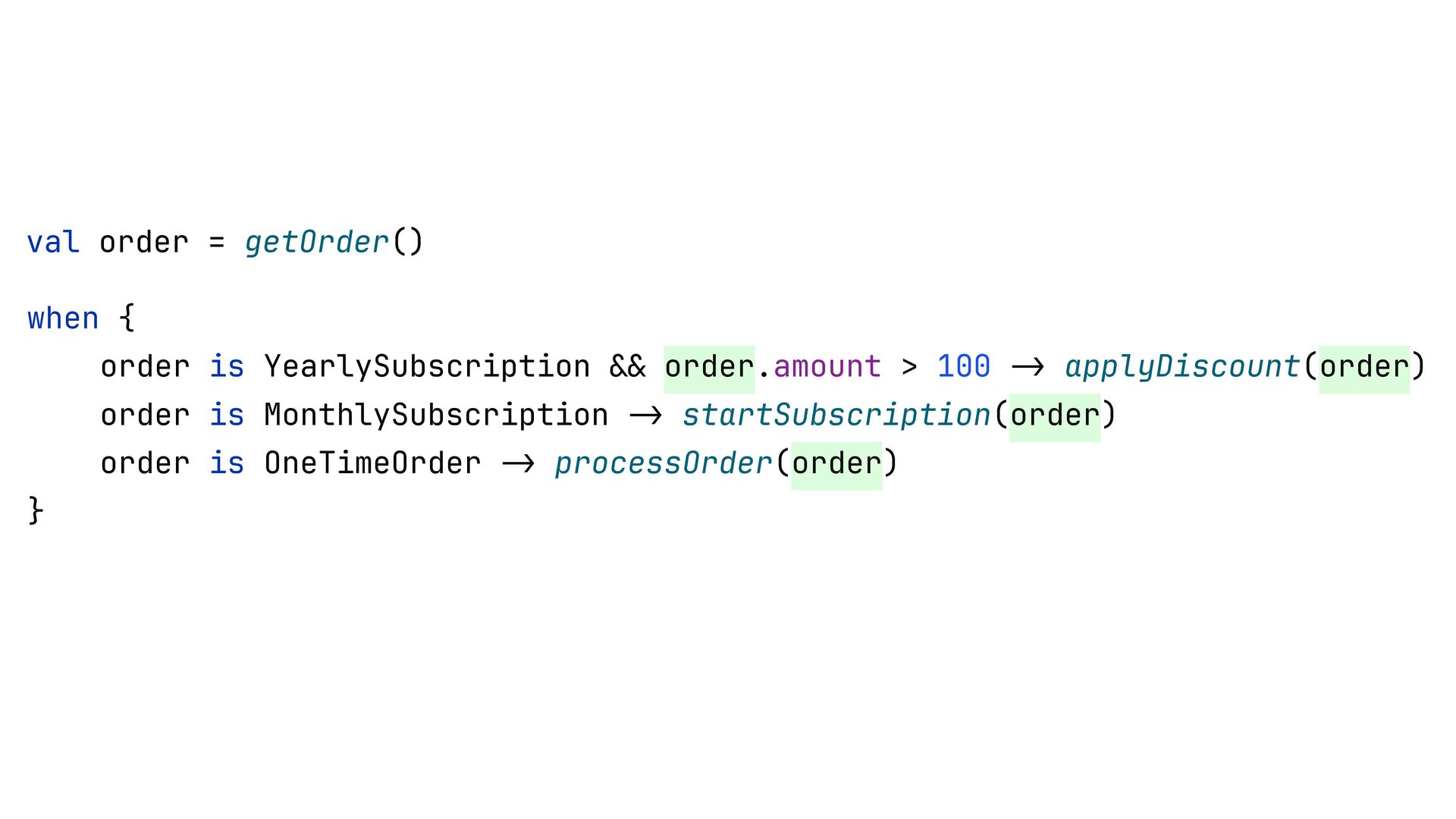
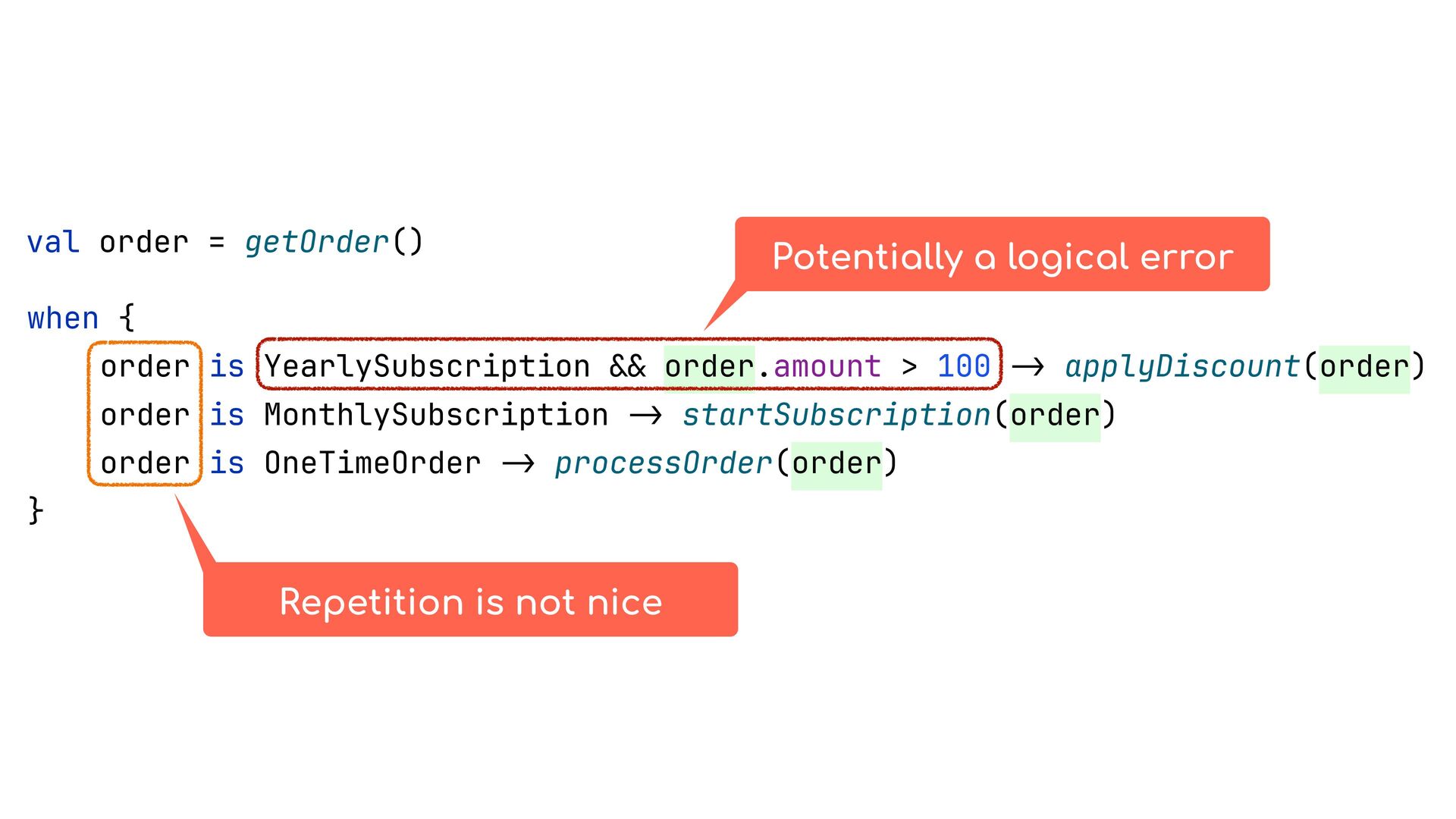
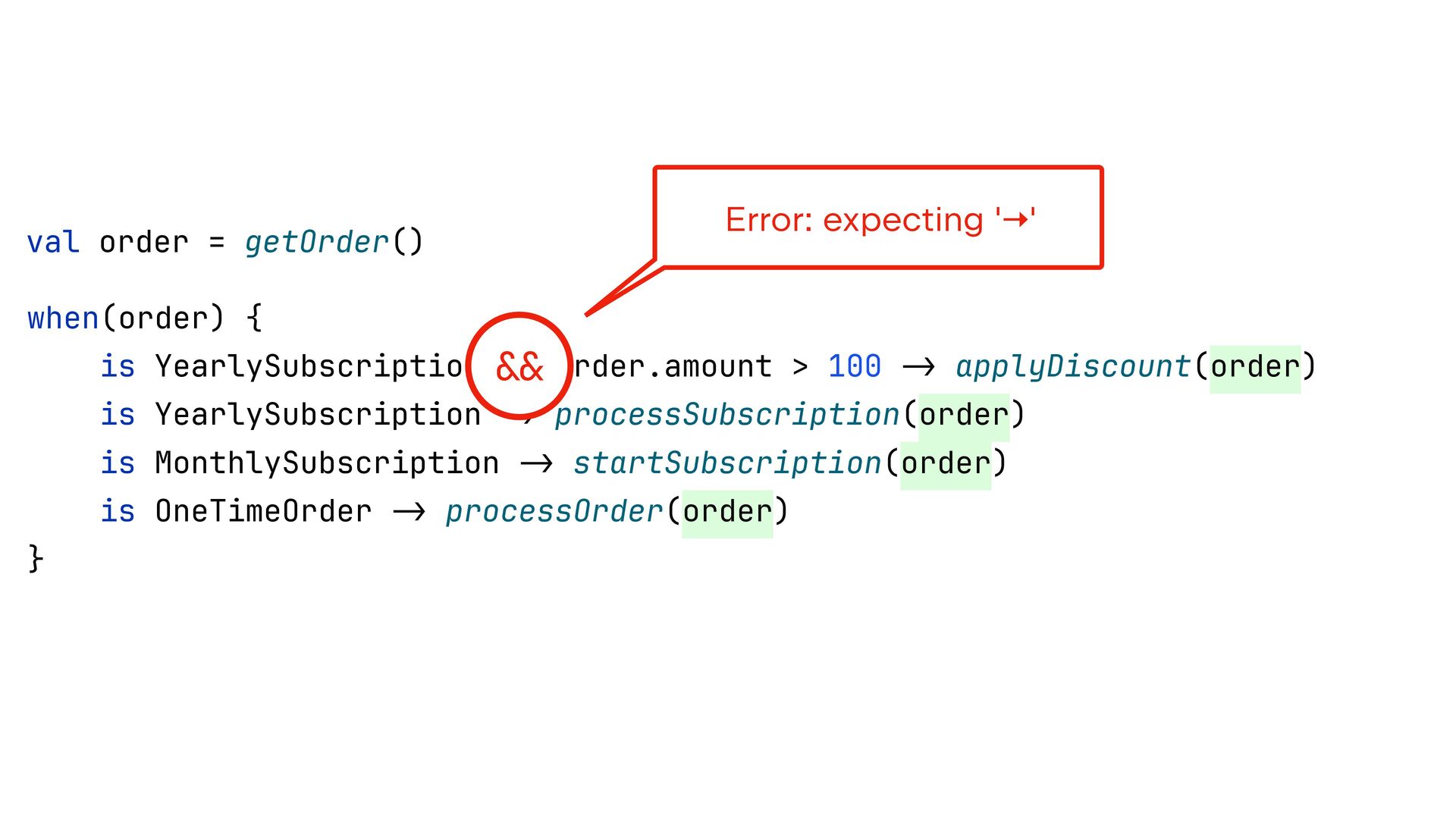
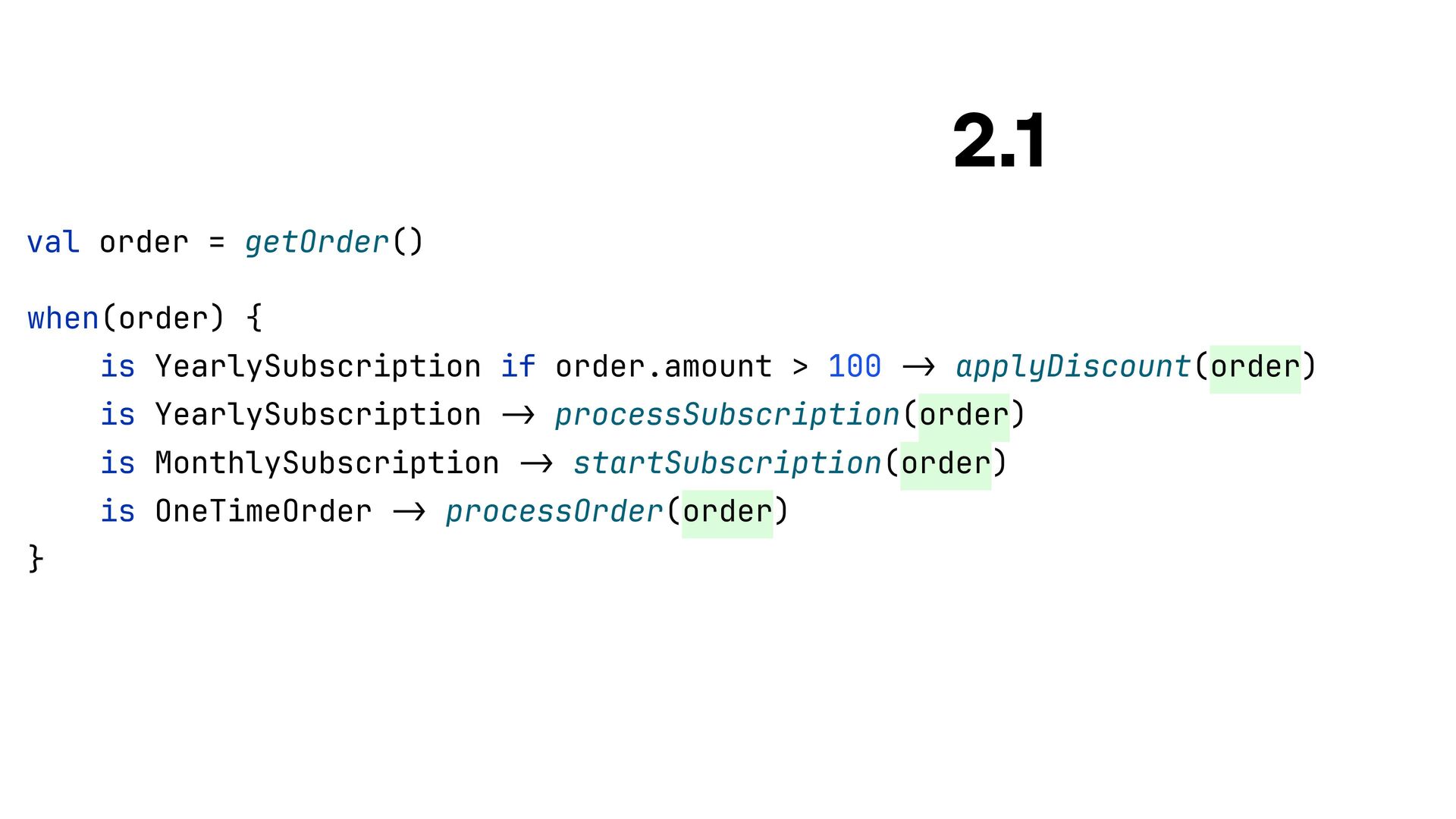
applyDiscount(order) order is MonthlySubscription -> startSubscription(order) order is OneTimeOrder -> processOrder(order) } val order = getOrder() Potentially a logical error Repetition is not nice
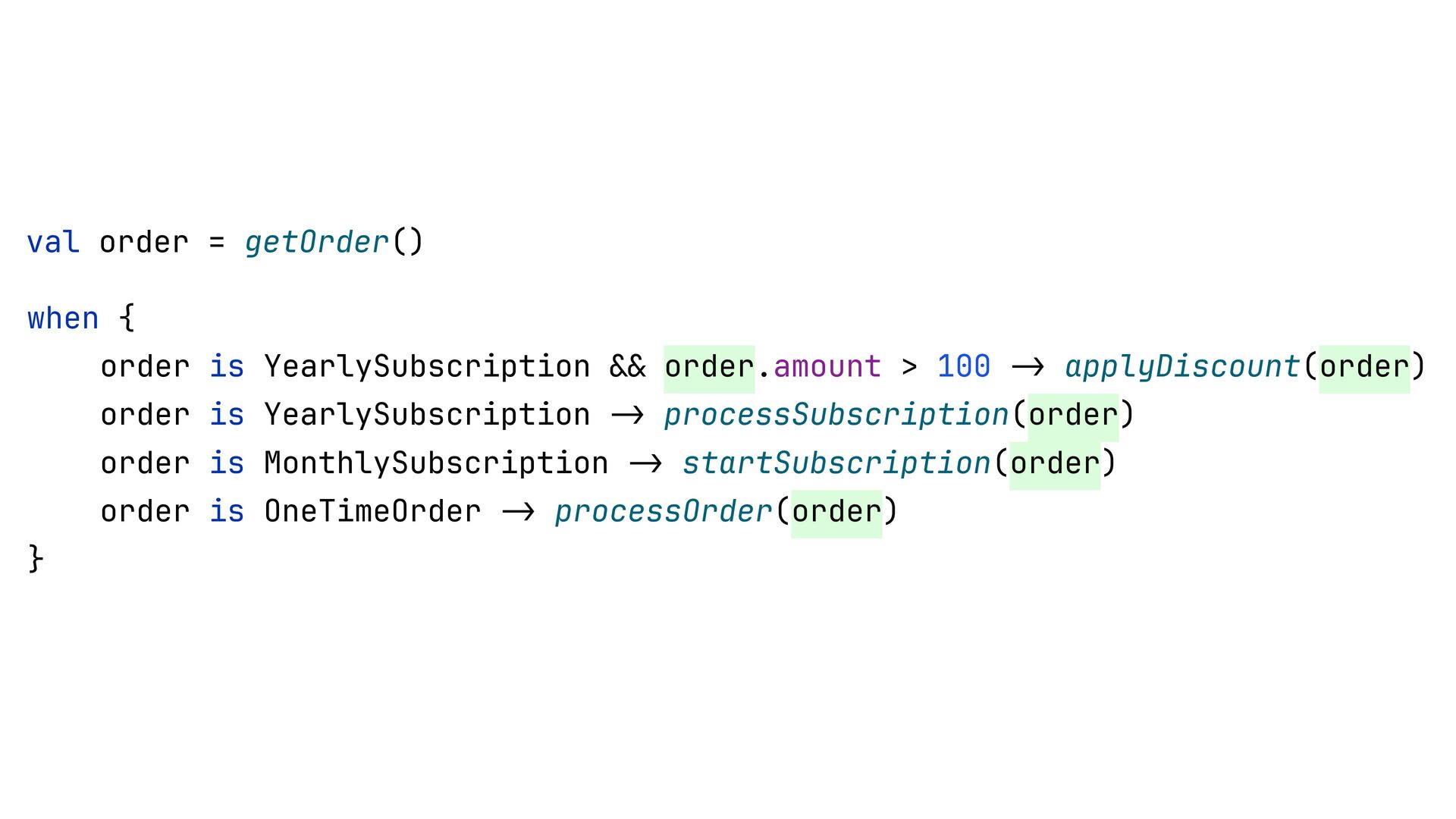
applyDiscount(order) order is YearlySubscription -> processSubscription(order) order is MonthlySubscription -> startSubscription(order) order is OneTimeOrder -> processOrder(order) } val order = getOrder()
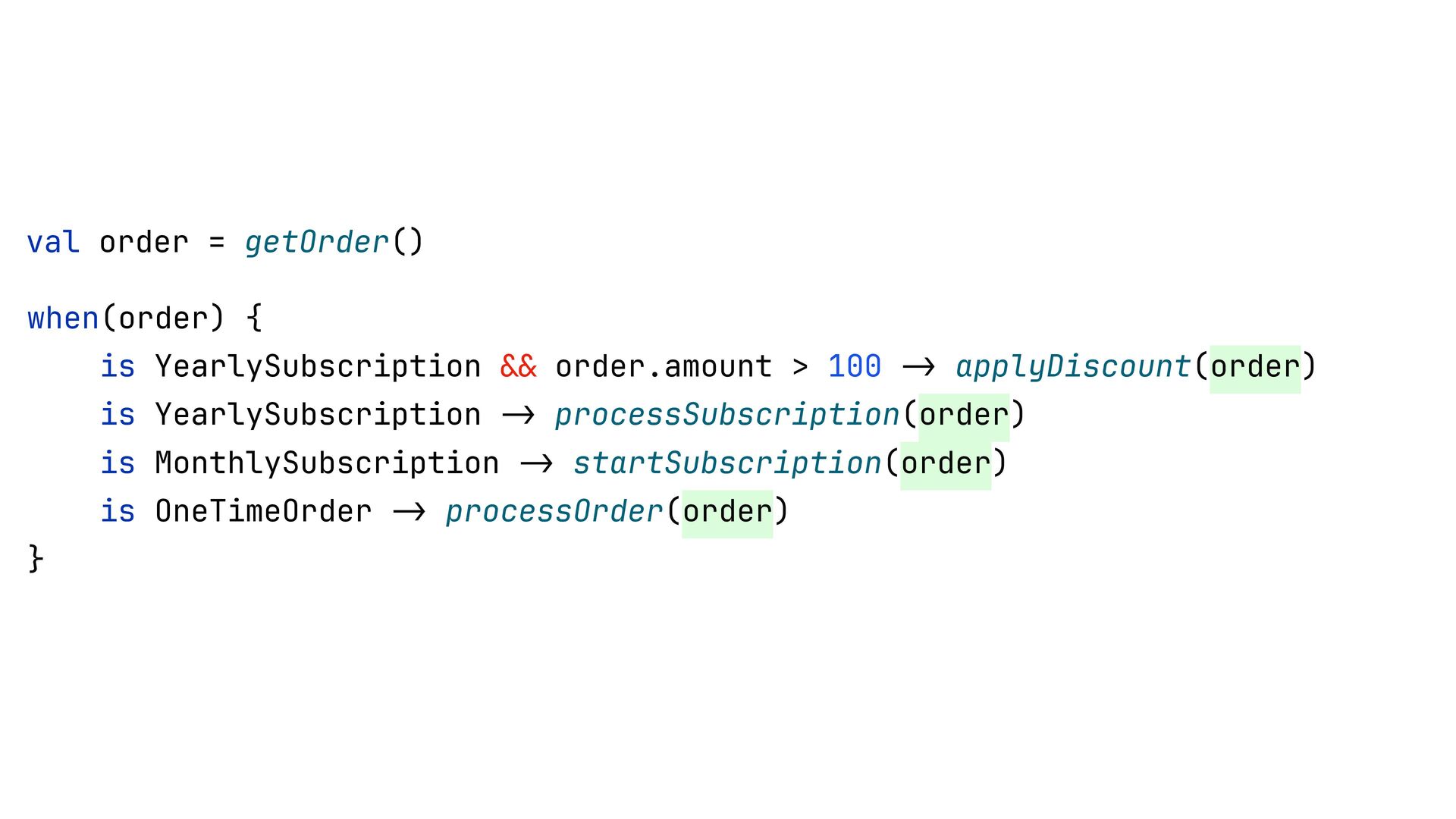
is YearlySubscription -> processSubscription(order) is MonthlySubscription -> startSubscription(order) is OneTimeOrder -> processOrder(order) } val order = getOrder()
is YearlySubscription -> processSubscription(order) is MonthlySubscription -> startSubscription(order) is OneTimeOrder -> processOrder(order) } val order = getOrder() Error: expecting ' -> ' &&
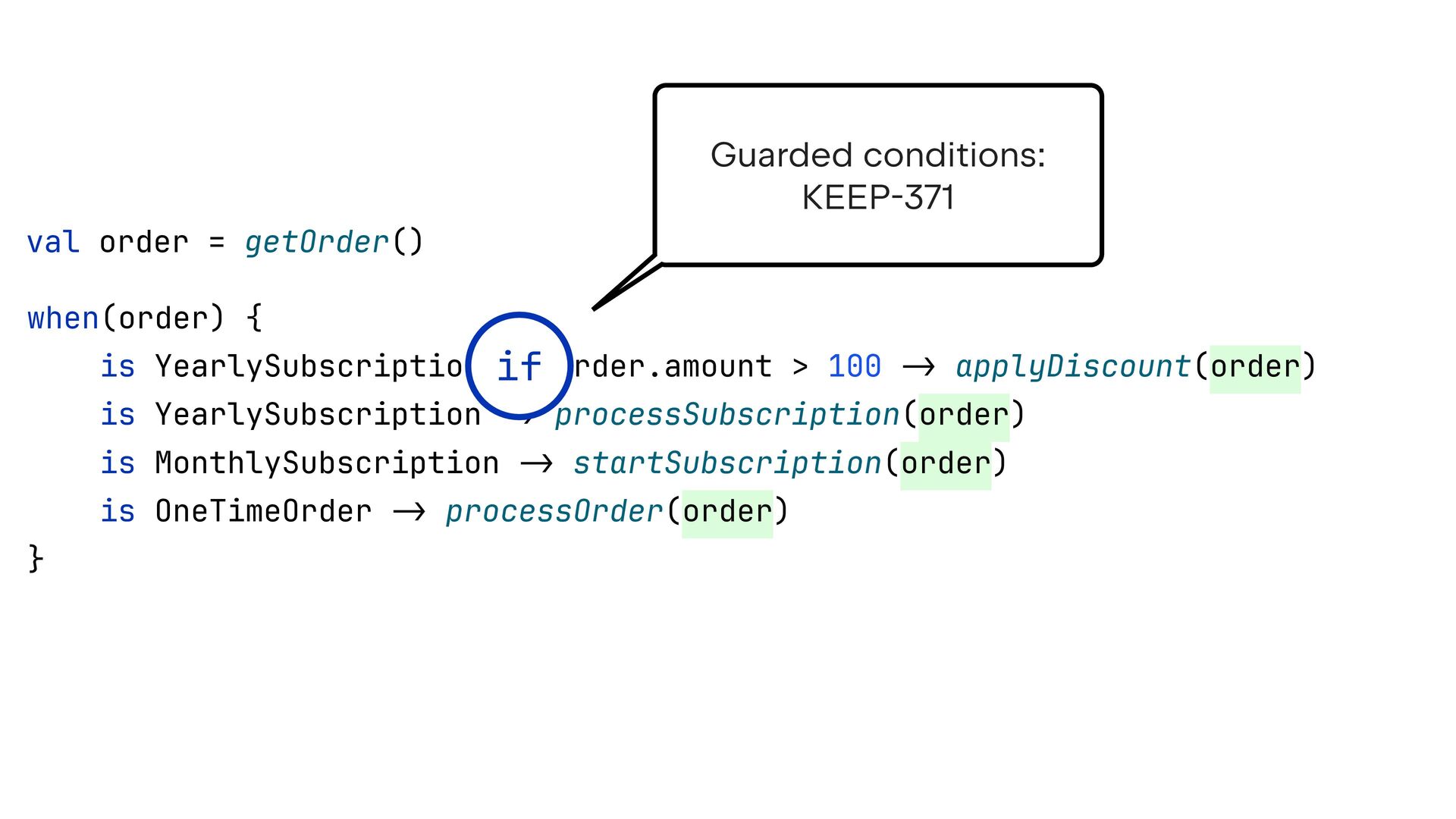
is YearlySubscription -> processSubscription(order) is MonthlySubscription -> startSubscription(order) is OneTimeOrder -> processOrder(order) } val order = getOrder() Guarded conditions: KEEP - 371 if
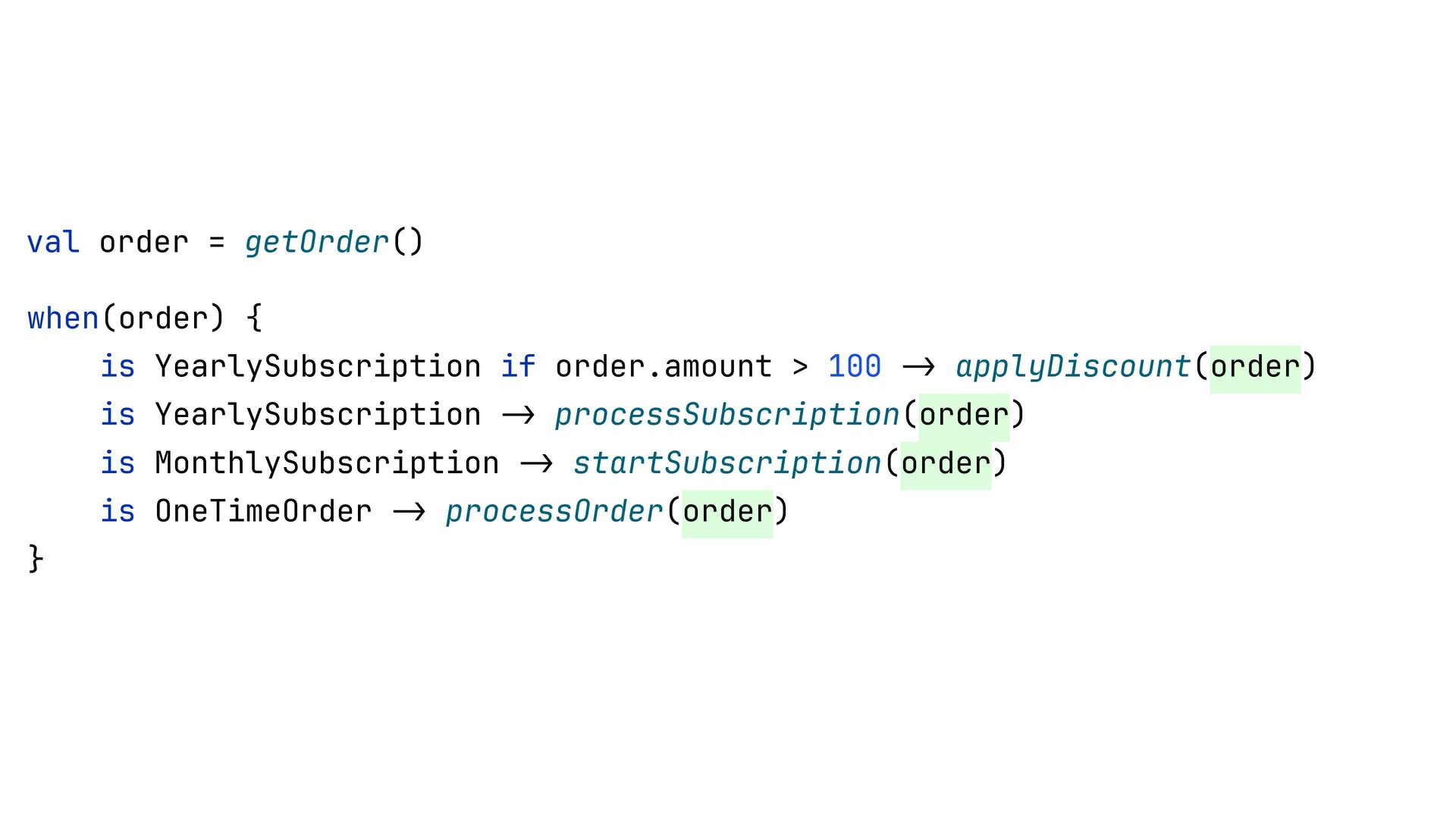
is YearlySubscription -> processSubscription(order) is MonthlySubscription -> startSubscription(order) is OneTimeOrder -> processOrder(order) } val order = getOrder()
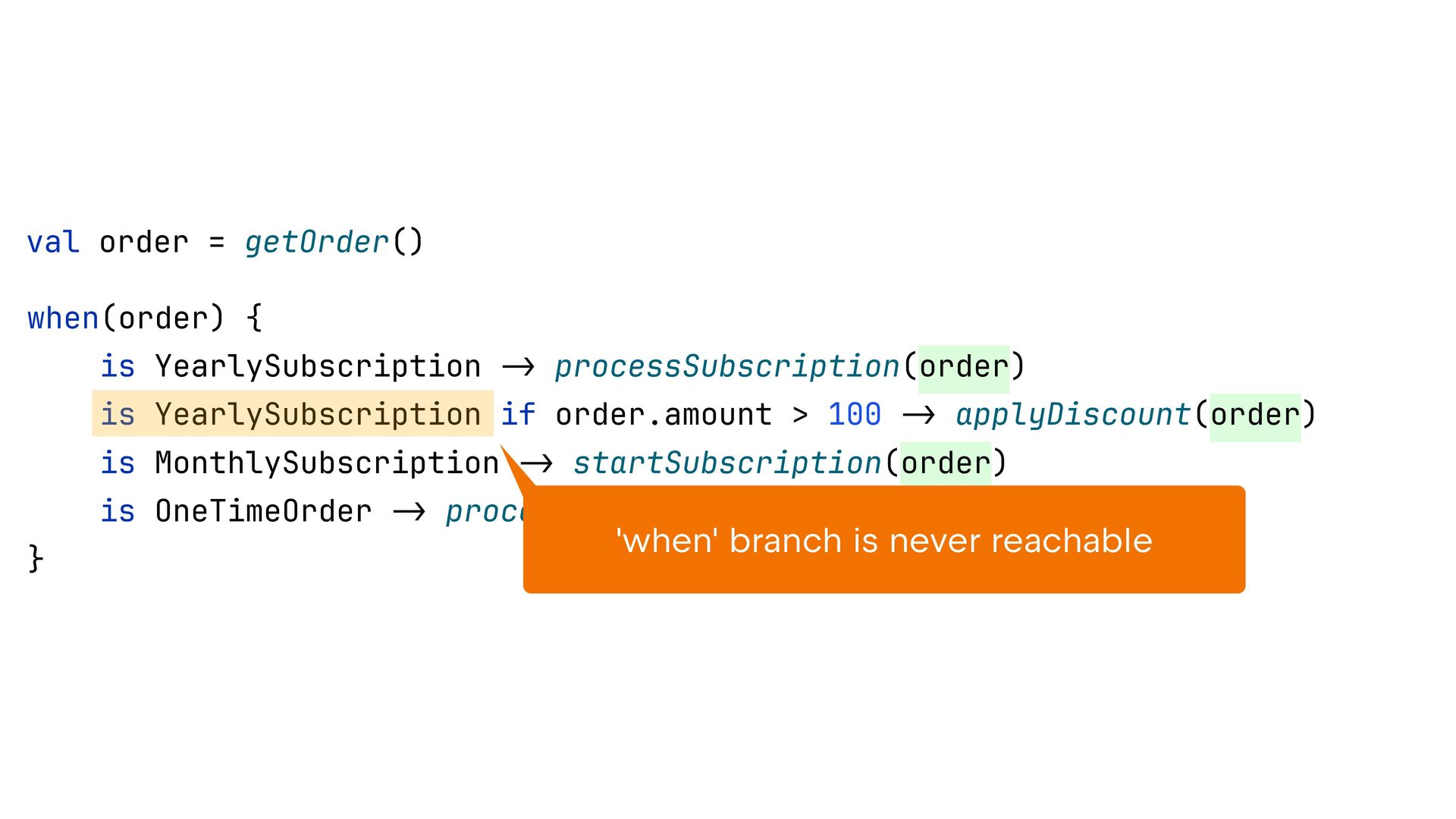
> 100 -> applyDiscount(order) is MonthlySubscription -> startSubscription(order) is OneTimeOrder -> processOrder(order) } val order = getOrder() 'when' branch is never reachable
is YearlySubscription -> processSubscription(order) is MonthlySubscription -> startSubscription(order) is OneTimeOrder -> processOrder(order) } val order = getOrder() 2.1
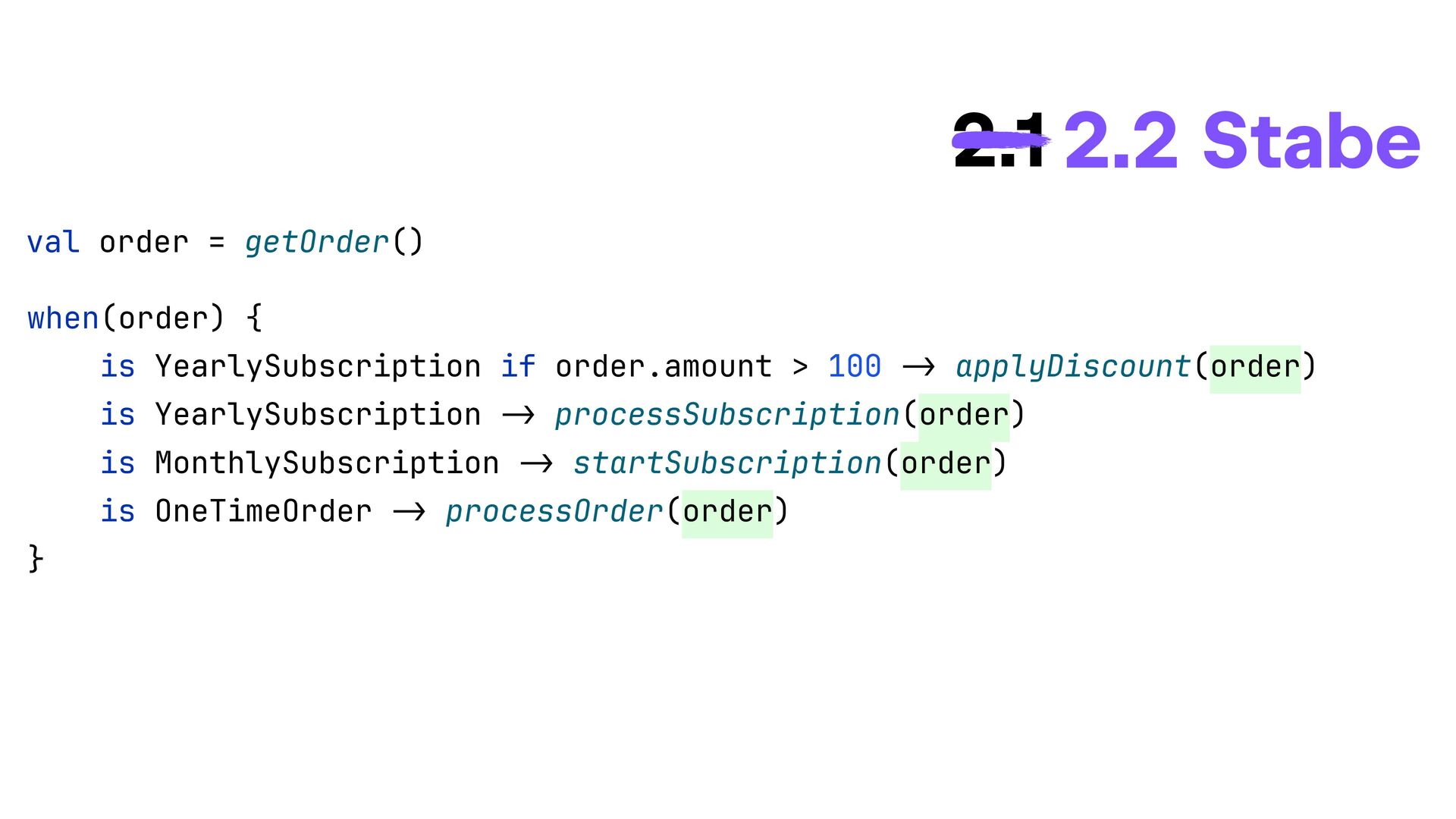
is YearlySubscription -> processSubscription(order) is MonthlySubscription -> startSubscription(order) is OneTimeOrder -> processOrder(order) } val order = getOrder() 2.1 2.2 Stabe
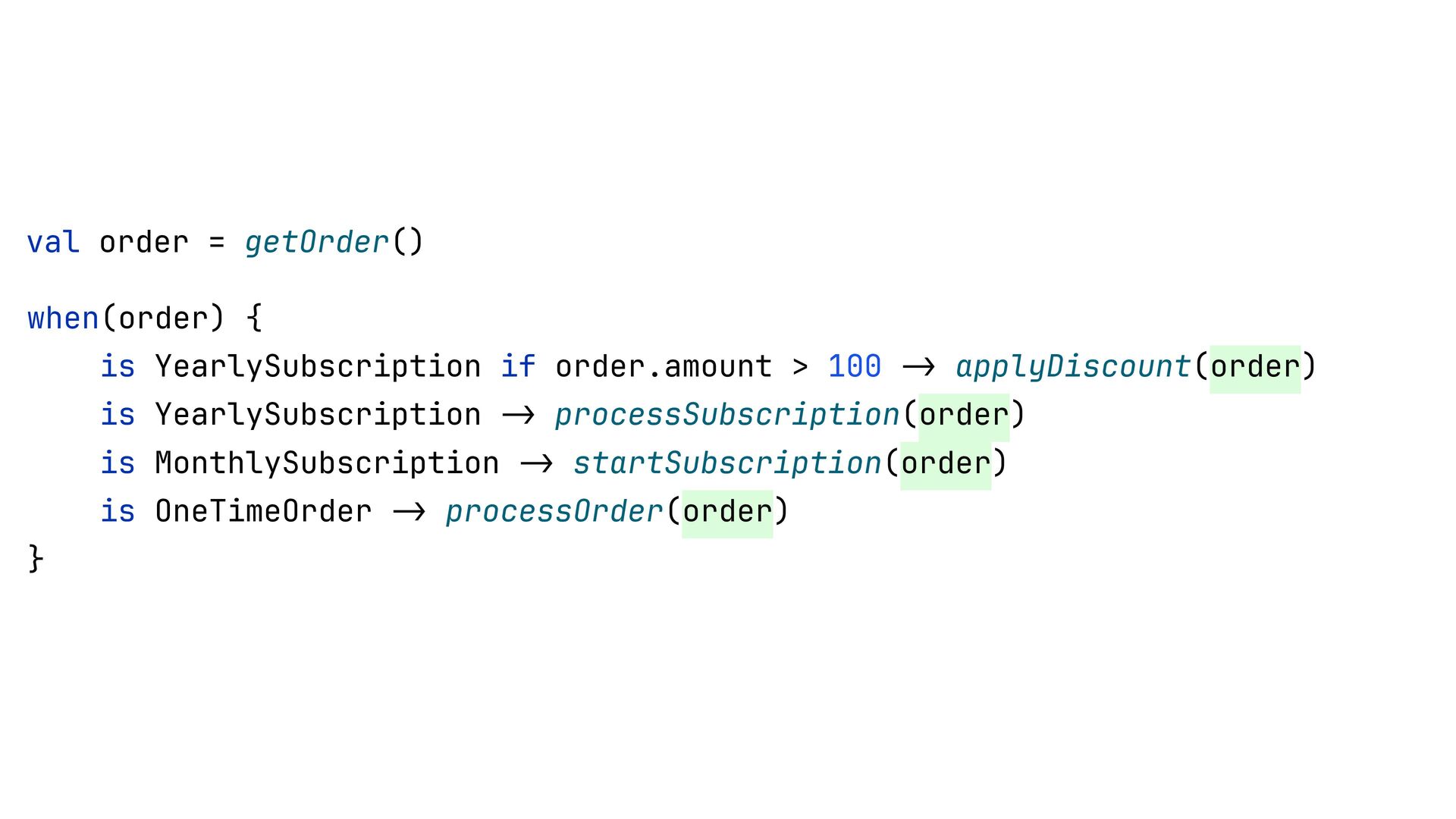
is YearlySubscription -> processSubscription(order) is MonthlySubscription -> startSubscription(order) is OneTimeOrder -> processOrder(order) } val order = getOrder()
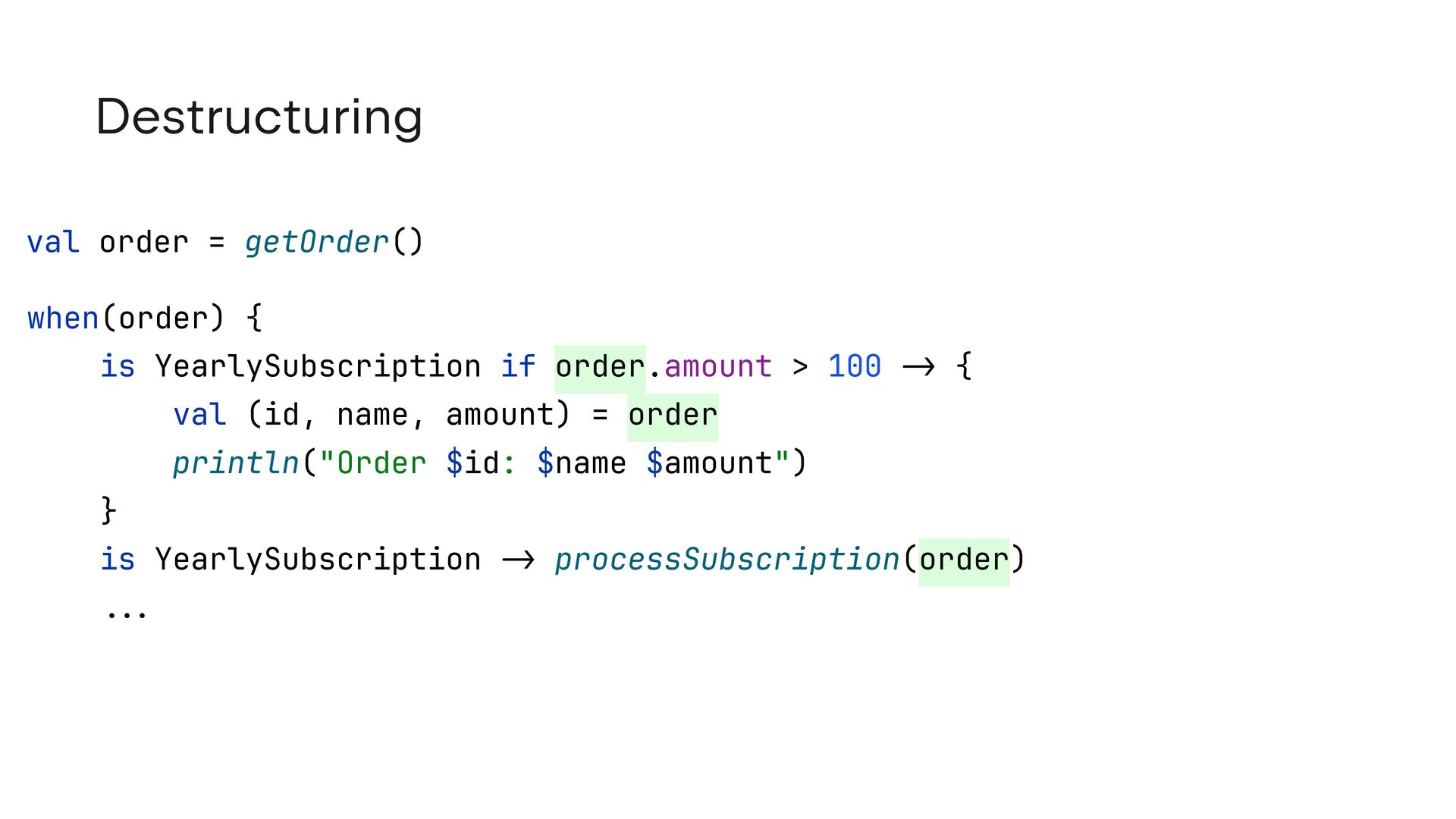
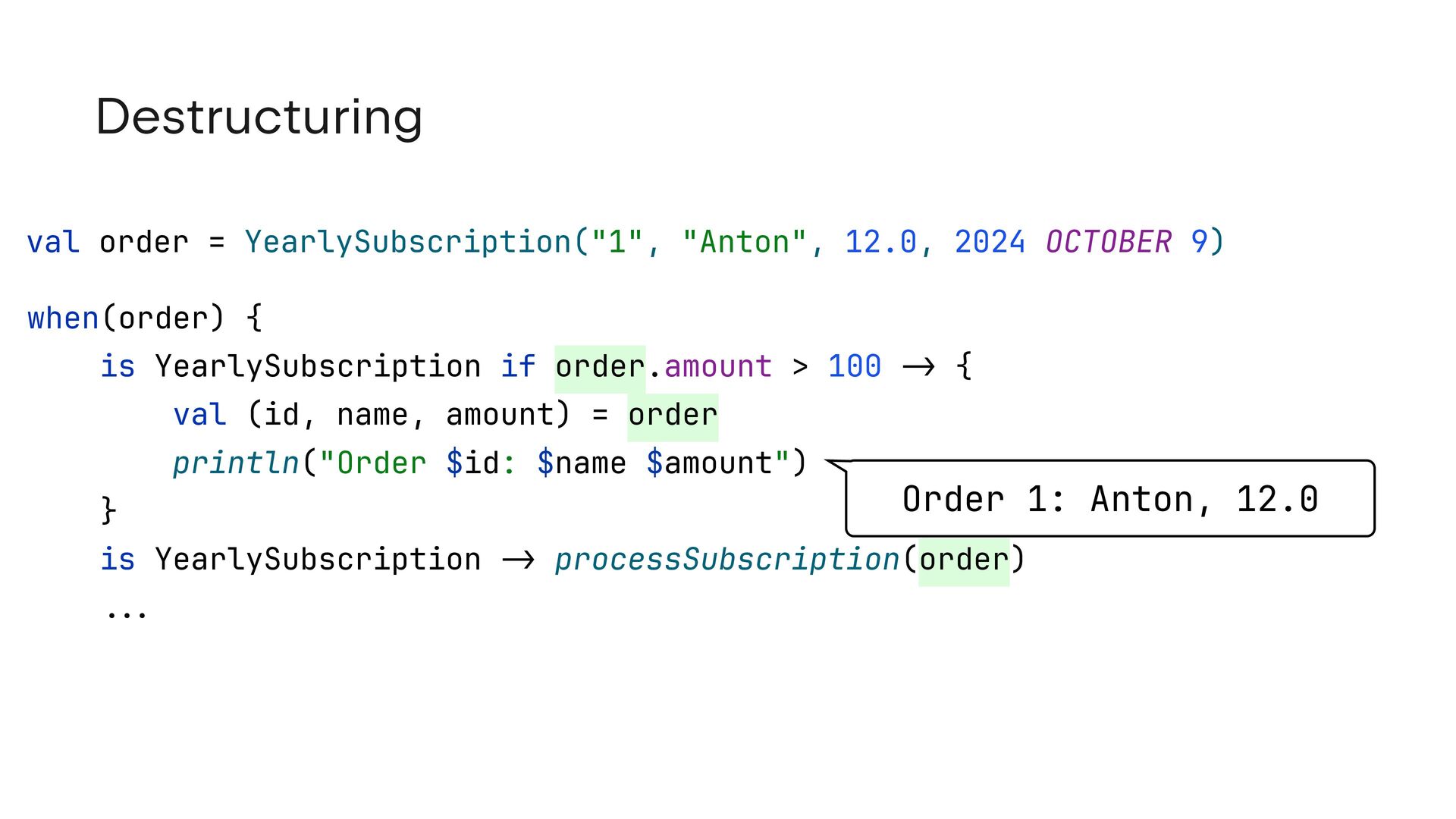
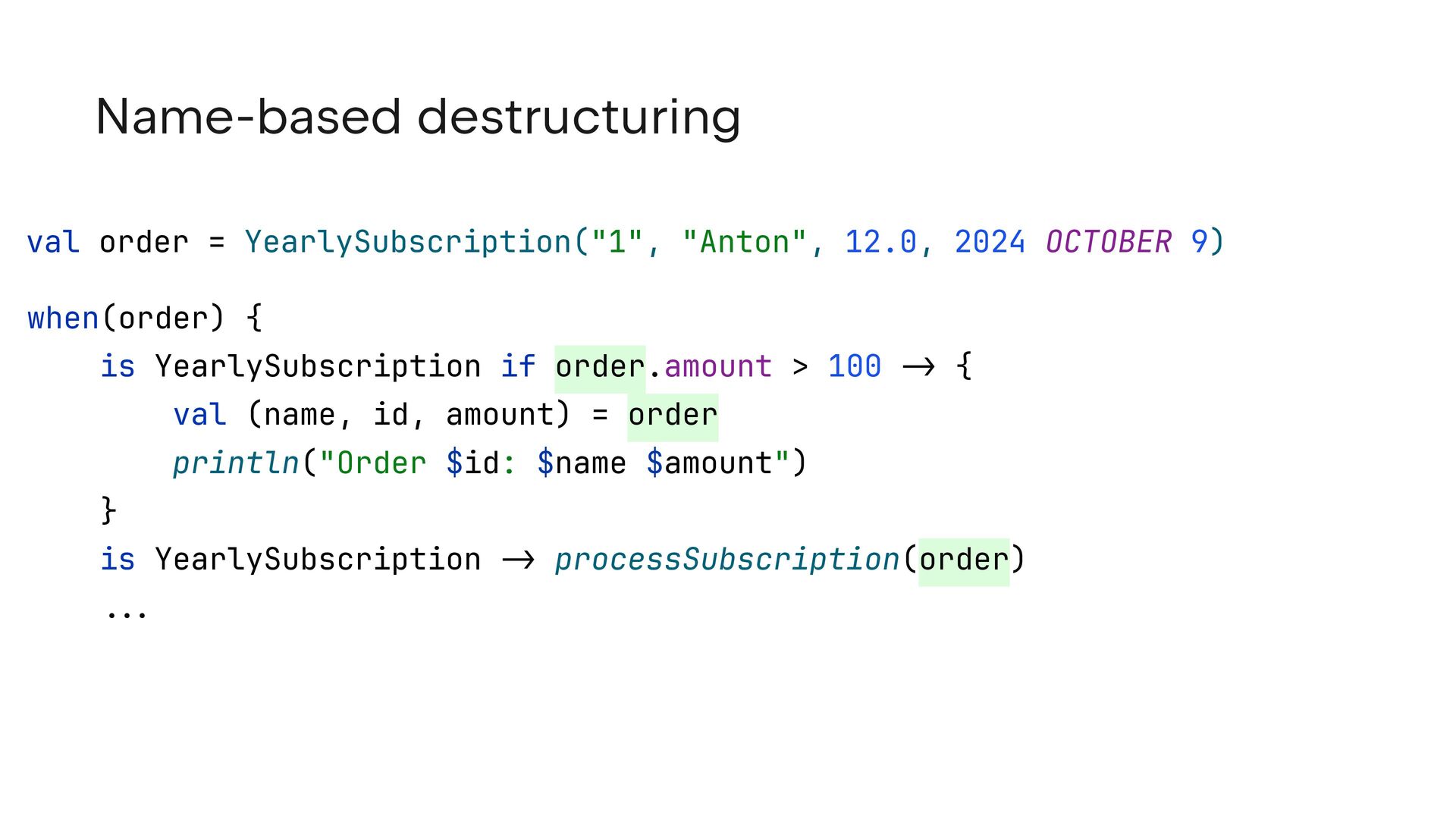
val (id, name, amount) = order println("Order $id: $name $amount") } is YearlySubscription -> processSubscription(order) ... val order = getOrder() Destructuring
val (id, name, amount) = order println("Order $id: $name $amount") } is YearlySubscription -> processSubscription(order) ... val order = YearlySubscription("1", "Anton", 12.0, 2024 OCTOBER 9) Destructuring Order 1: Anton, 12.0
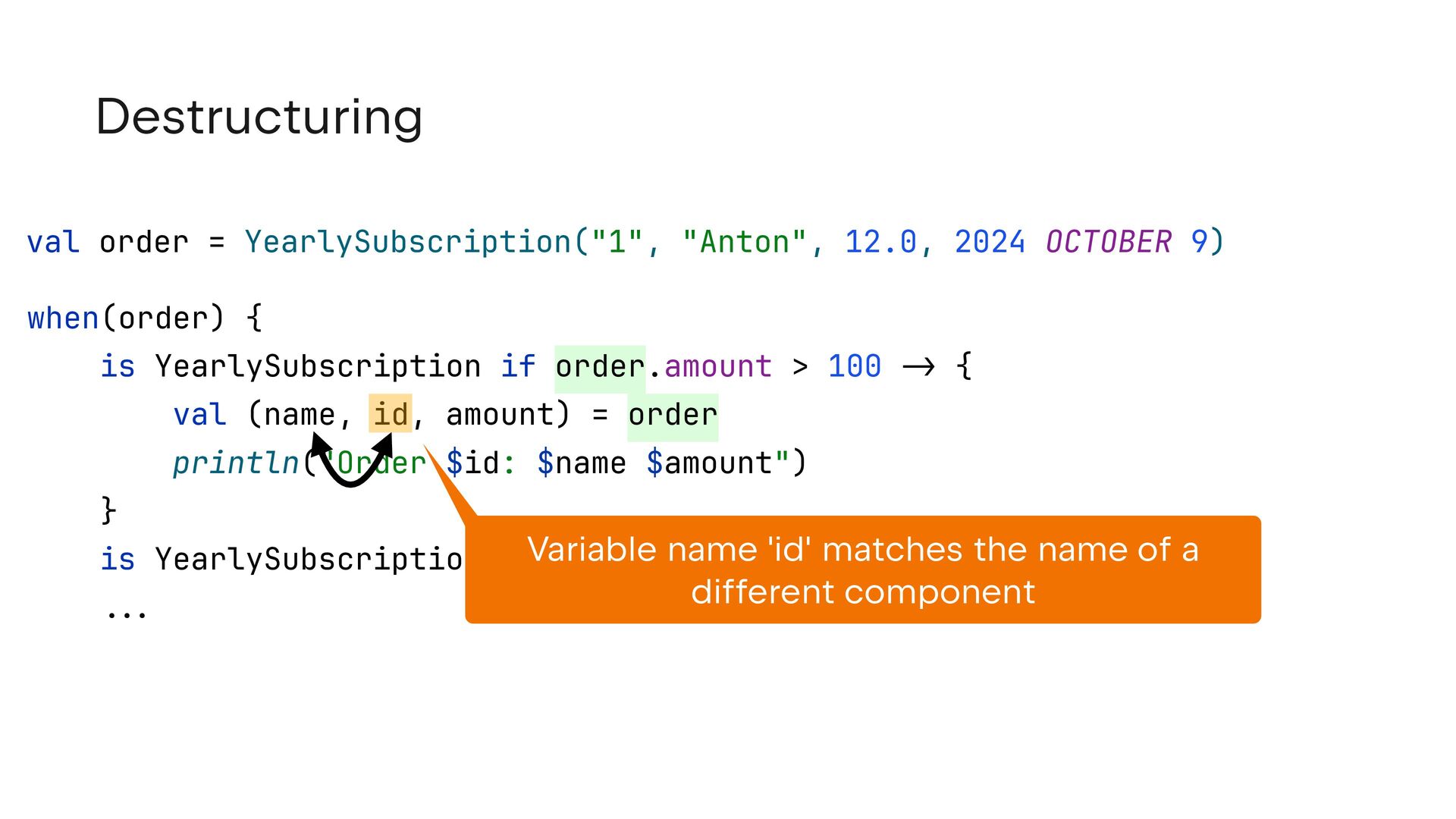
val (name, id, amount) = order println("Order $id: $name $amount") } is YearlySubscription -> processSubscription(order) ... val order = YearlySubscription("1", "Anton", 12.0, 2024 OCTOBER 9) Variable name 'id' matches the name of a different component Destructuring
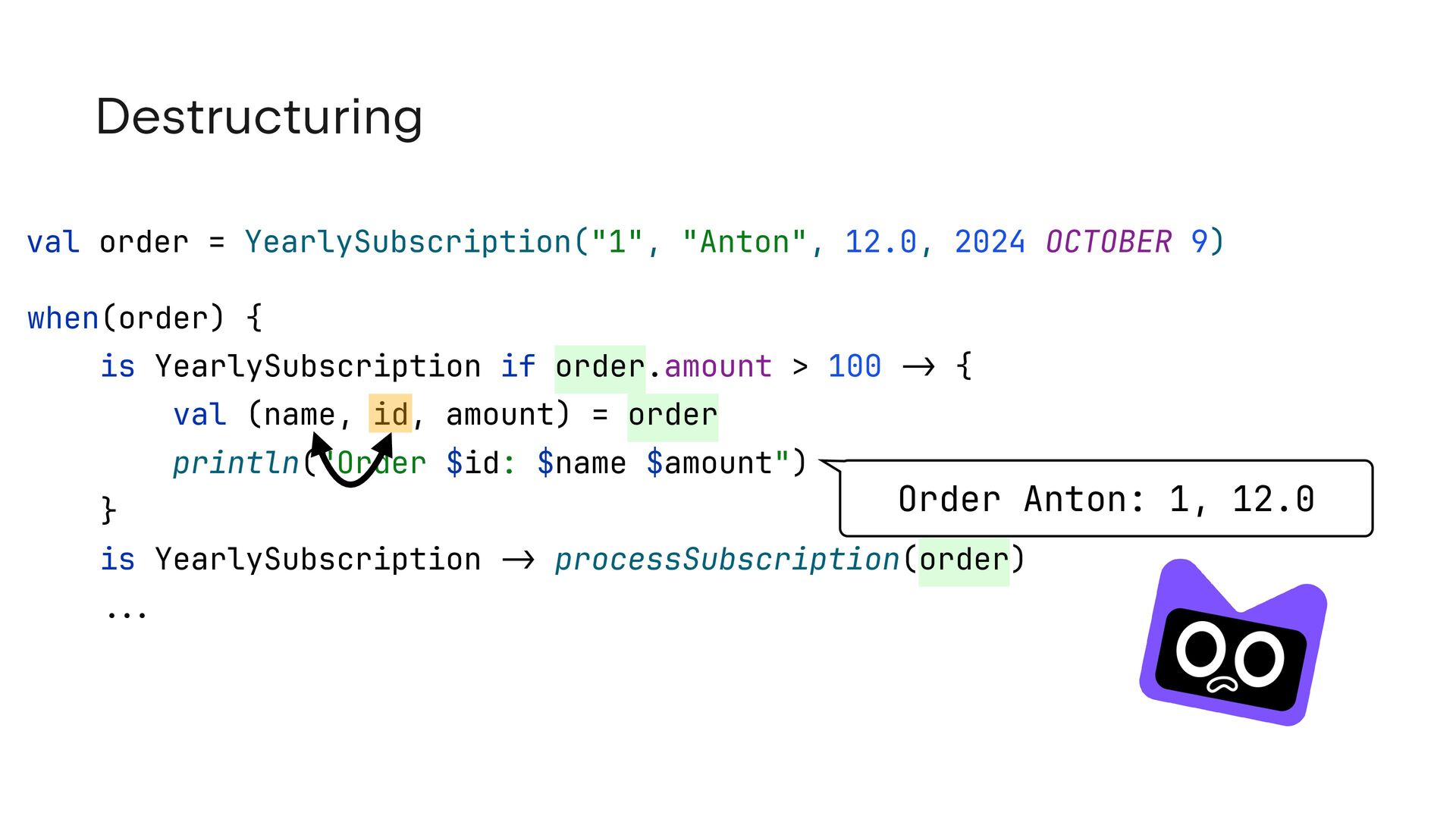
val (name, id, amount) = order println("Order $id: $name $amount") } is YearlySubscription -> processSubscription(order) ... val order = YearlySubscription("1", "Anton", 12.0, 2024 OCTOBER 9) Order Anton: 1, 12.0 Destructuring
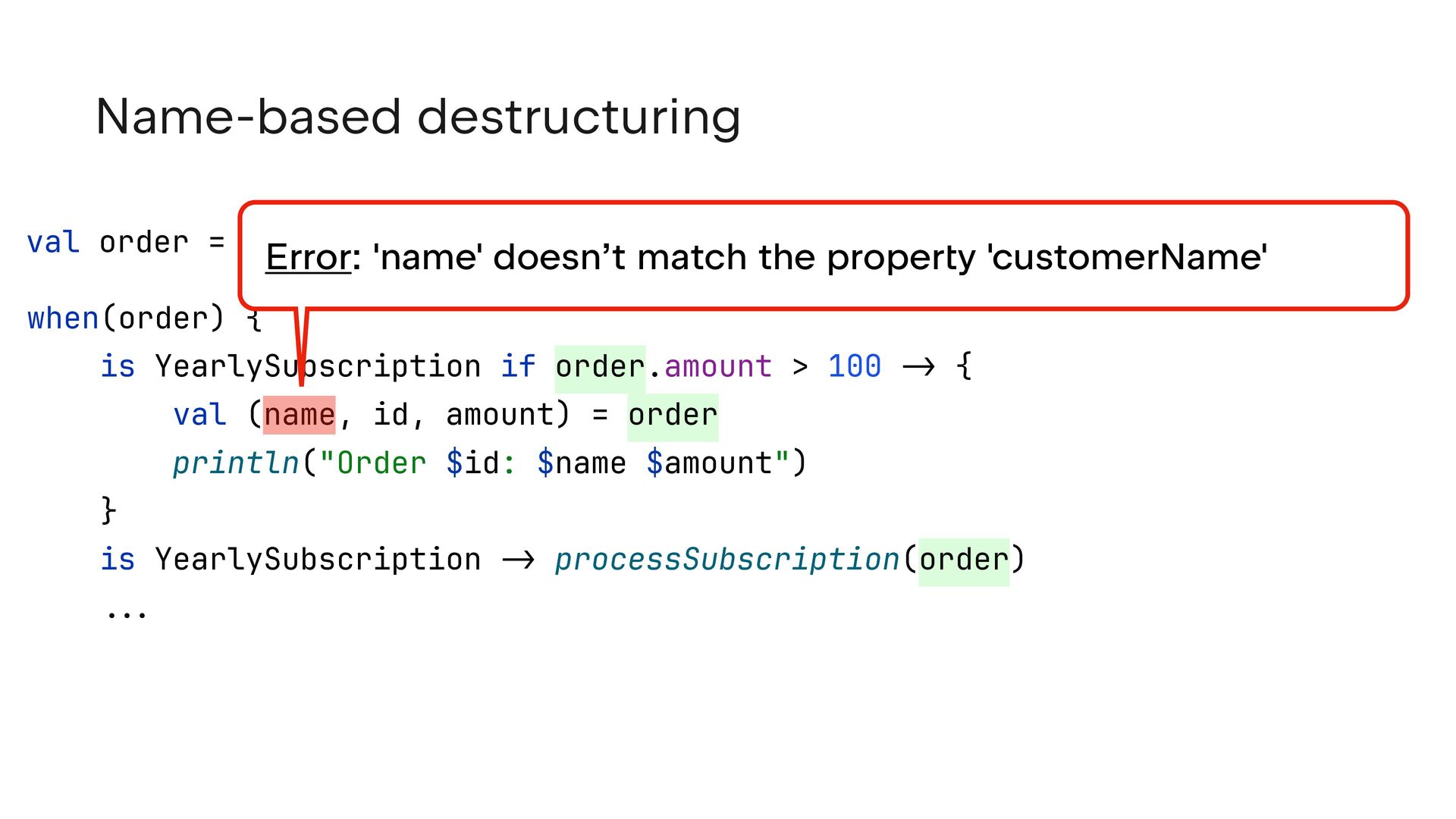
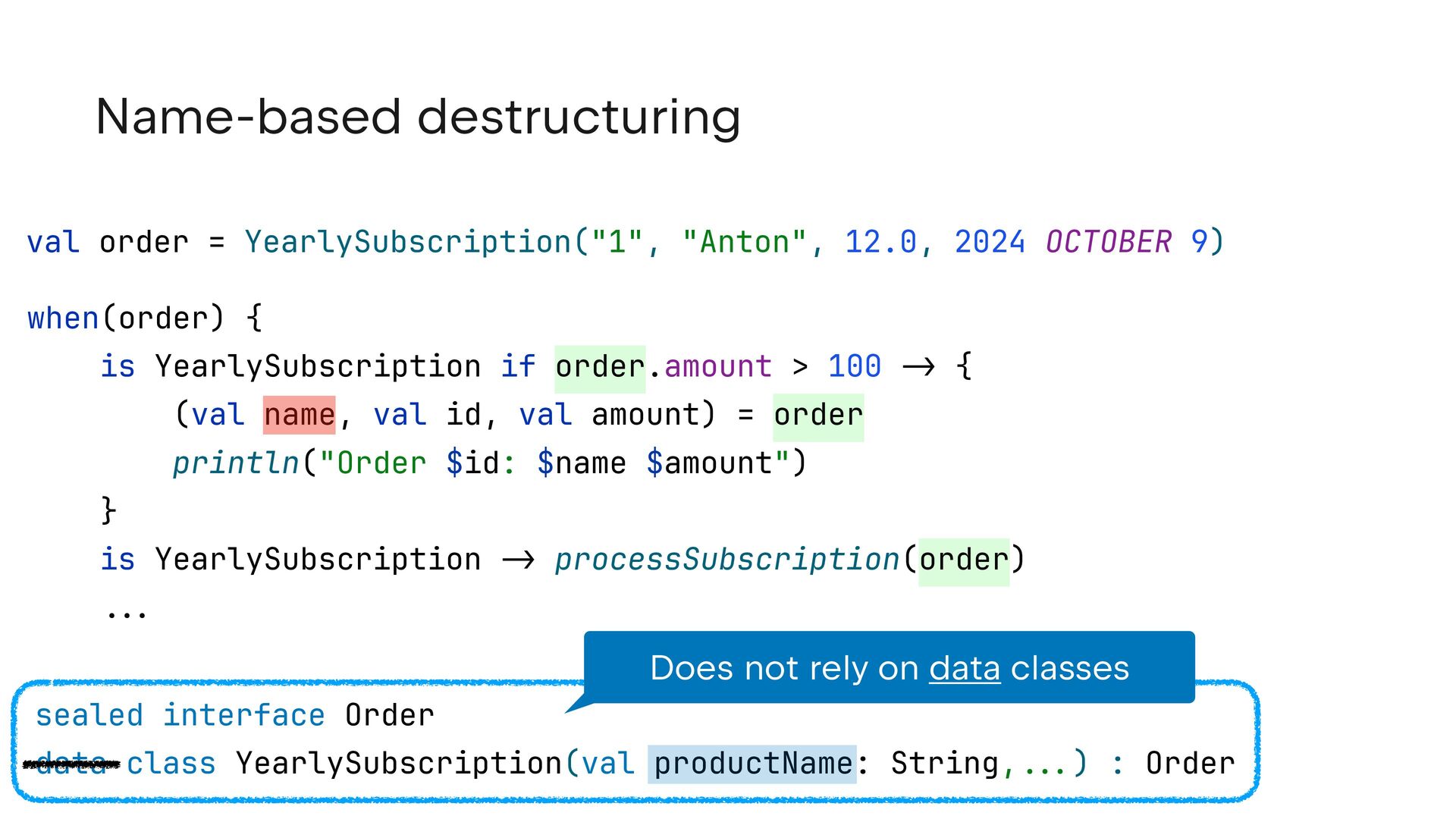
val (name, id, amount) = order println("Order $id: $name $amount") } is YearlySubscription -> processSubscription(order) ... val order = YearlySubscription("1", "Anton", 12.0, 2024 OCTOBER 9) Error: 'name' doesn’t match the proper t y 'customerName' Name-based destructuring
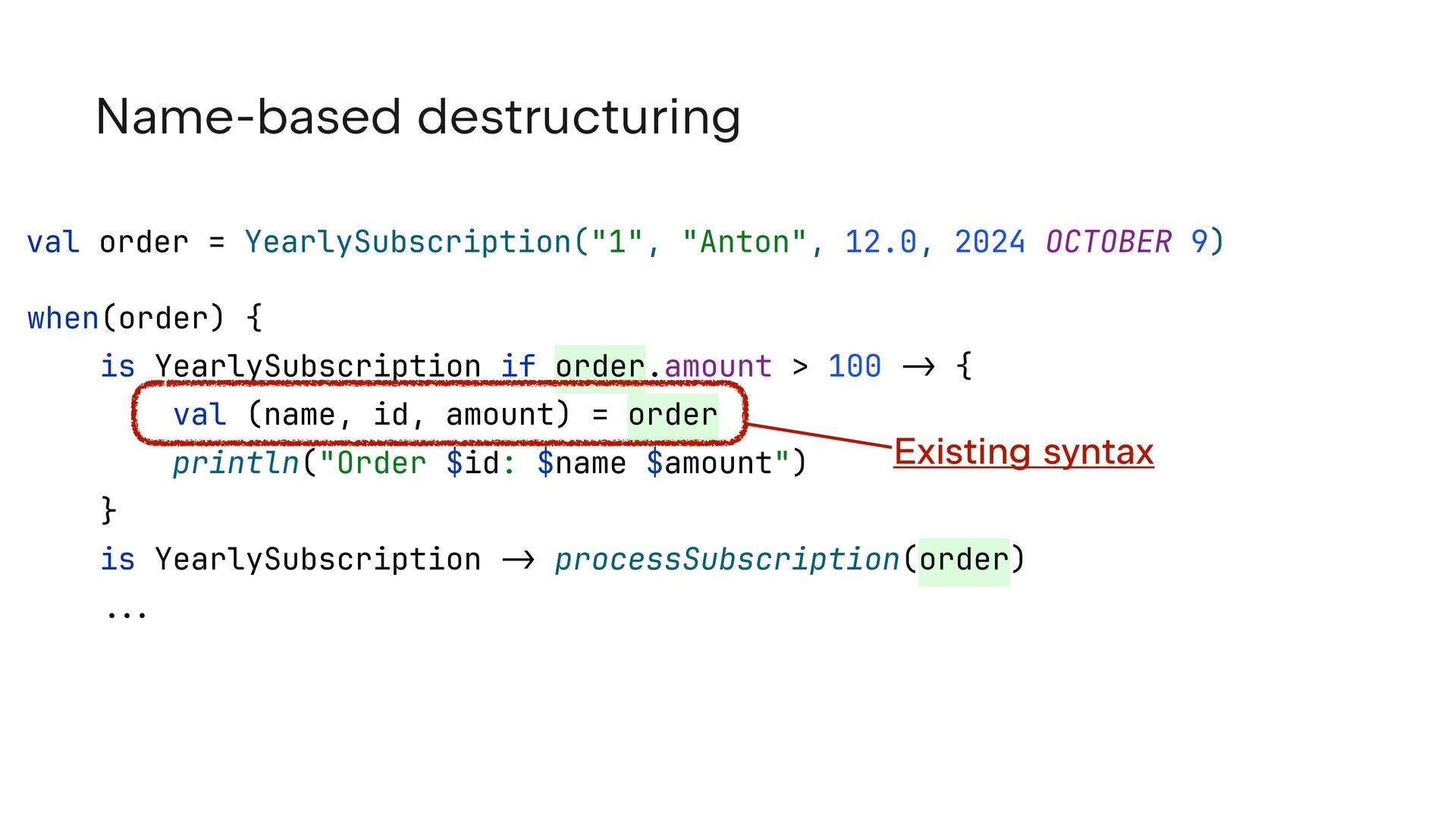
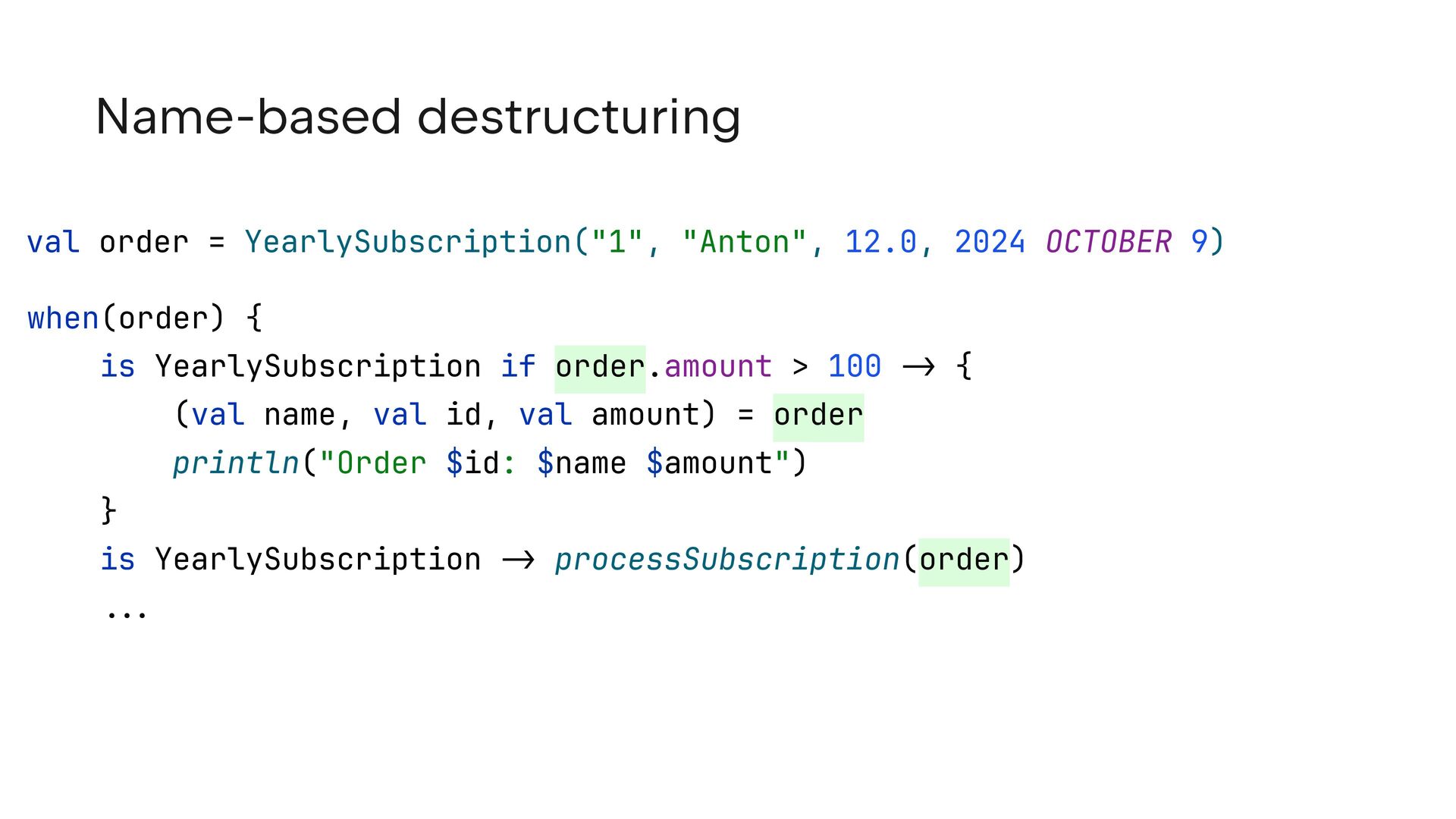
val (name, id, amount) = order println("Order $id: $name $amount") } is YearlySubscription -> processSubscription(order) ... val order = YearlySubscription("1", "Anton", 12.0, 2024 OCTOBER 9) Name-based destructuring
val (name, id, amount) = order println("Order $id: $name $amount") } is YearlySubscription -> processSubscription(order) ... val order = YearlySubscription("1", "Anton", 12.0, 2024 OCTOBER 9) Name-based destructuring Existing syntax
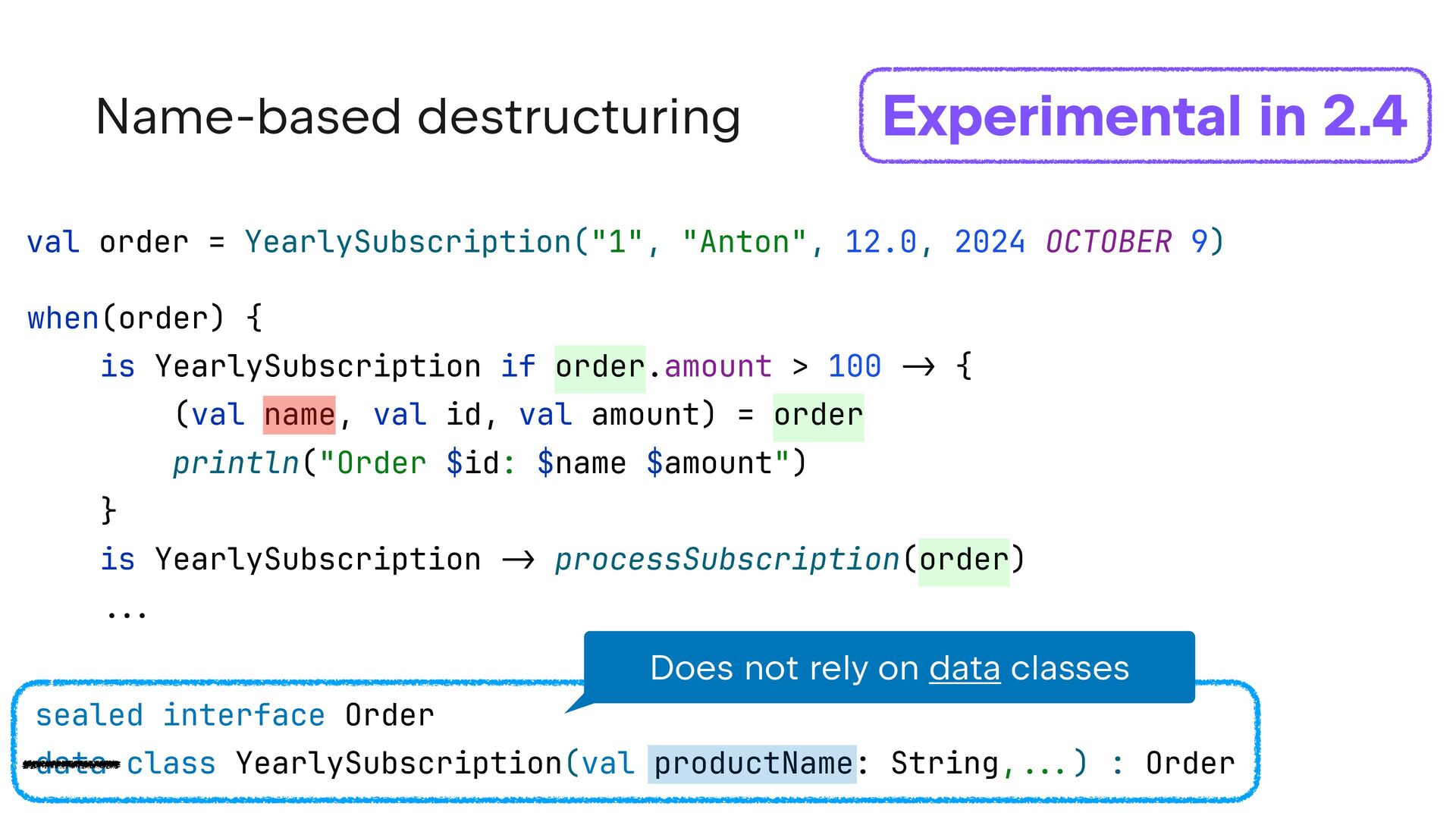
(val name, val id, val amount) = order println("Order $id: $name $amount") } is YearlySubscription -> processSubscription(order) ... val order = YearlySubscription("1", "Anton", 12.0, 2024 OCTOBER 9) Name-based destructuring
(val name, val id, val amount) = order println("Order $id: $name $amount") } is YearlySubscription -> processSubscription(order) ... val order = YearlySubscription("1", "Anton", 12.0, 2024 OCTOBER 9) Name-based destructuring sealed interface Order data class YearlySubscription(val productName: String, ... ) : Order Does not rely on data classes
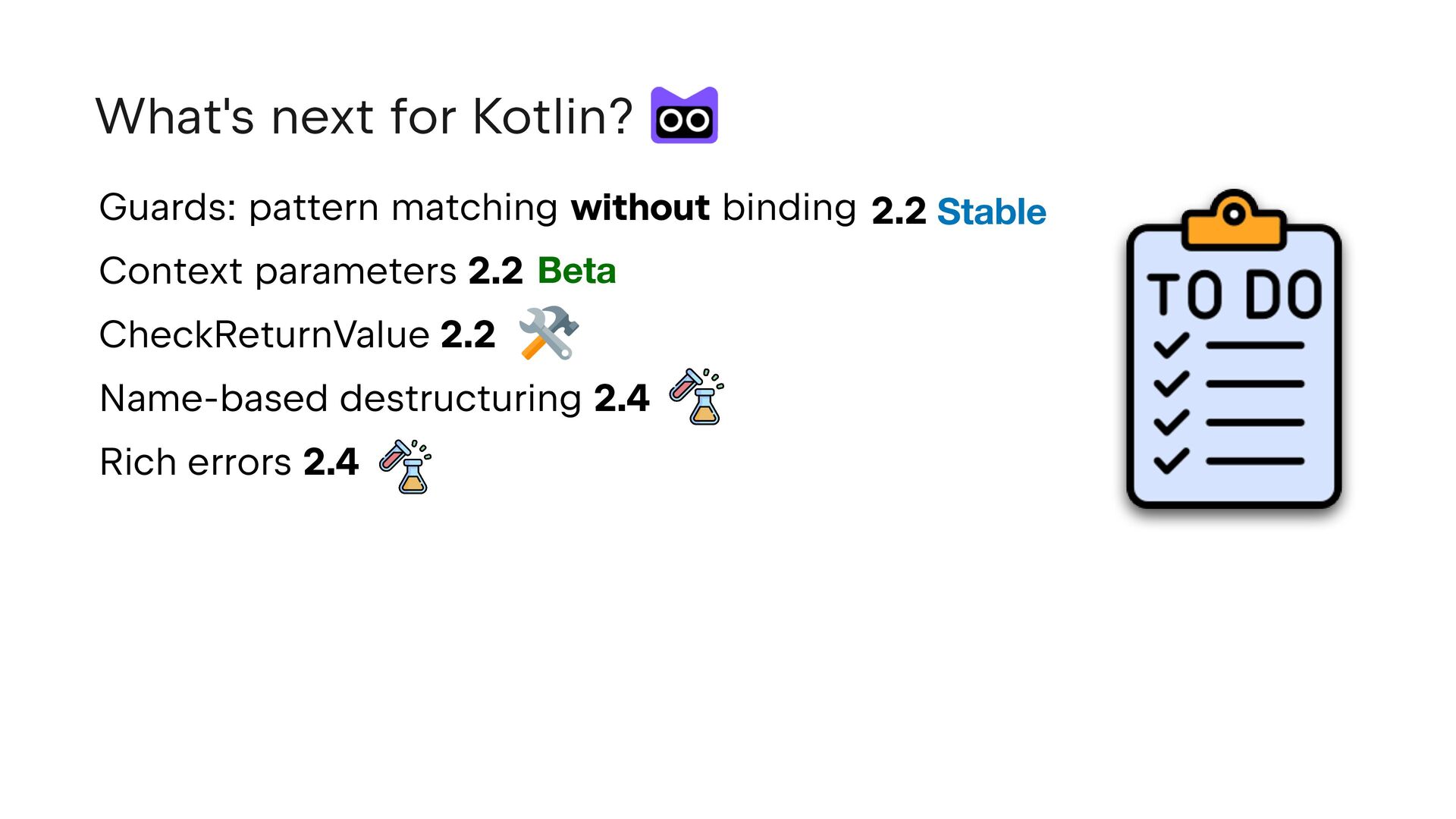
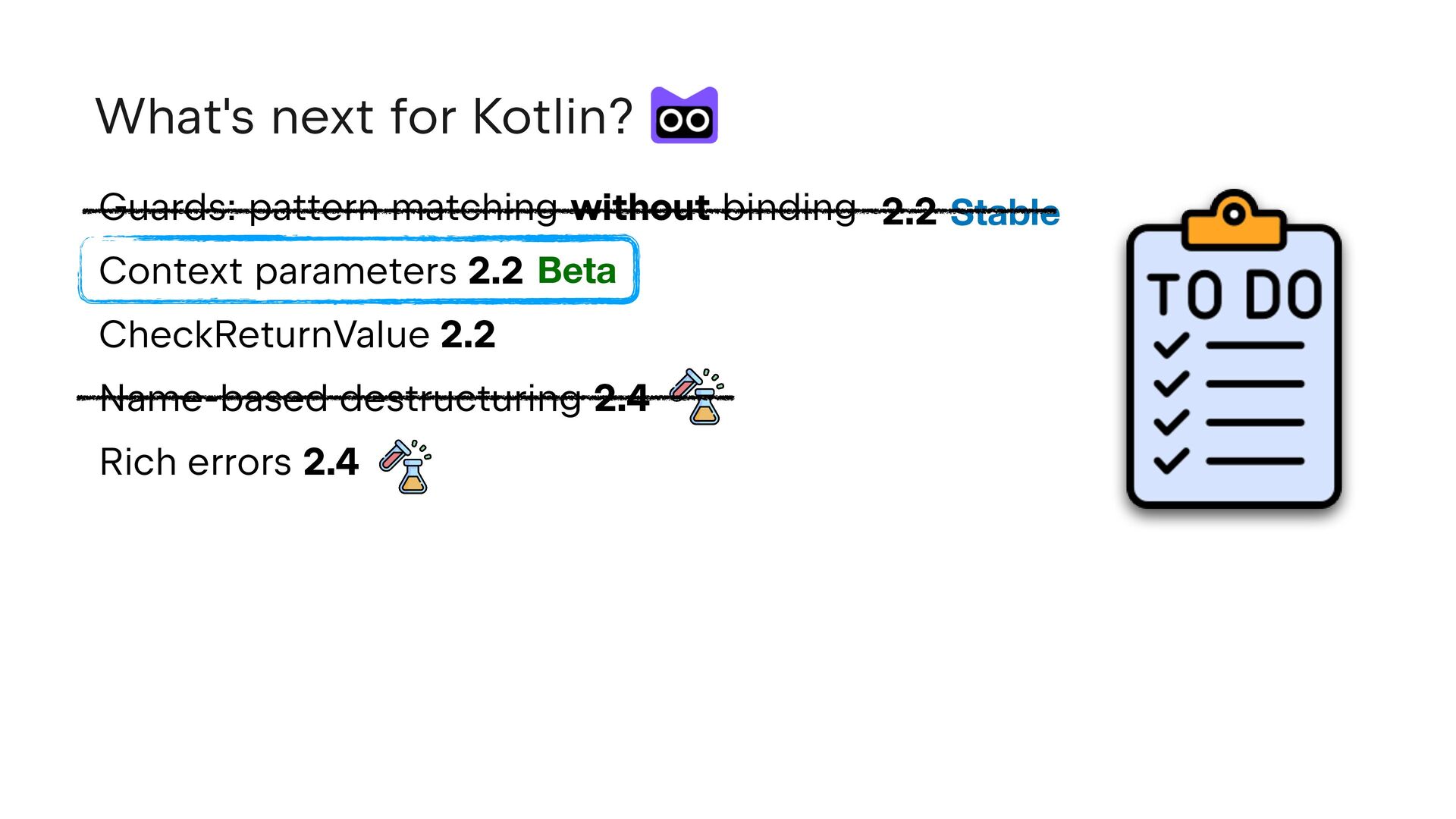
(val name, val id, val amount) = order println("Order $id: $name $amount") } is YearlySubscription -> processSubscription(order) ... val order = YearlySubscription("1", "Anton", 12.0, 2024 OCTOBER 9) Name-based destructuring sealed interface Order data class YearlySubscription(val productName: String, ... ) : Order Experimental in 2.4 Does not rely on data classes
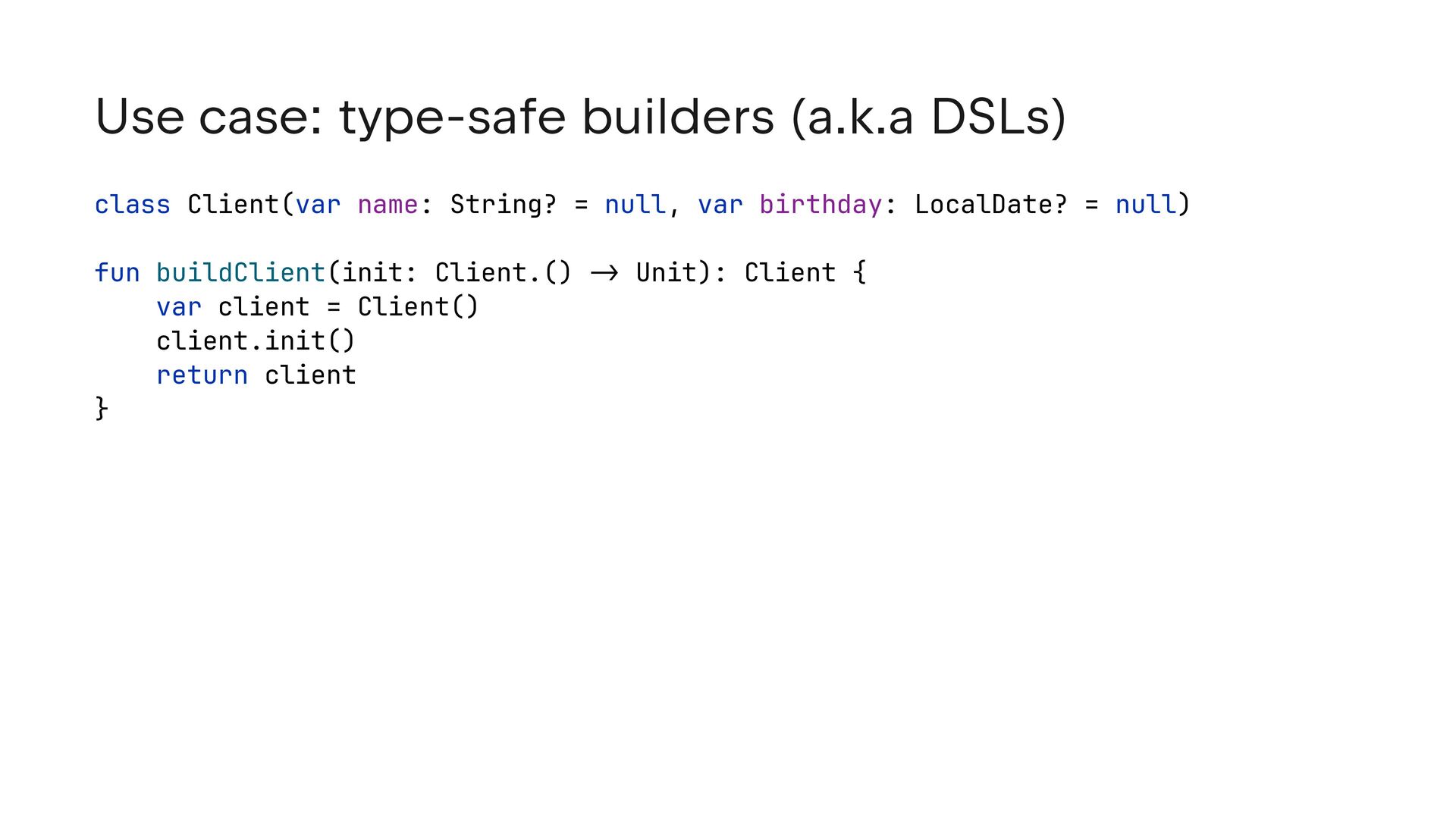
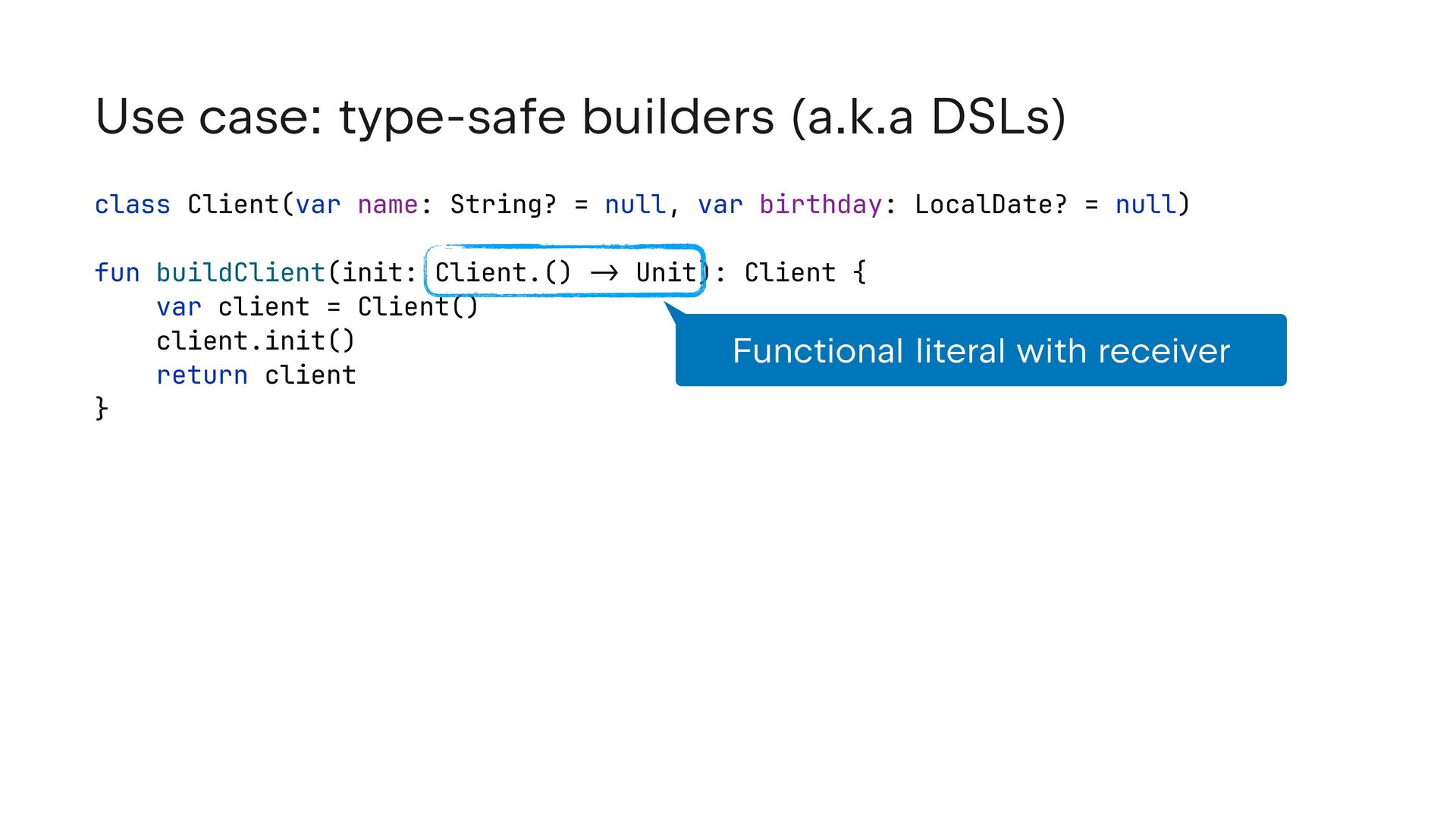
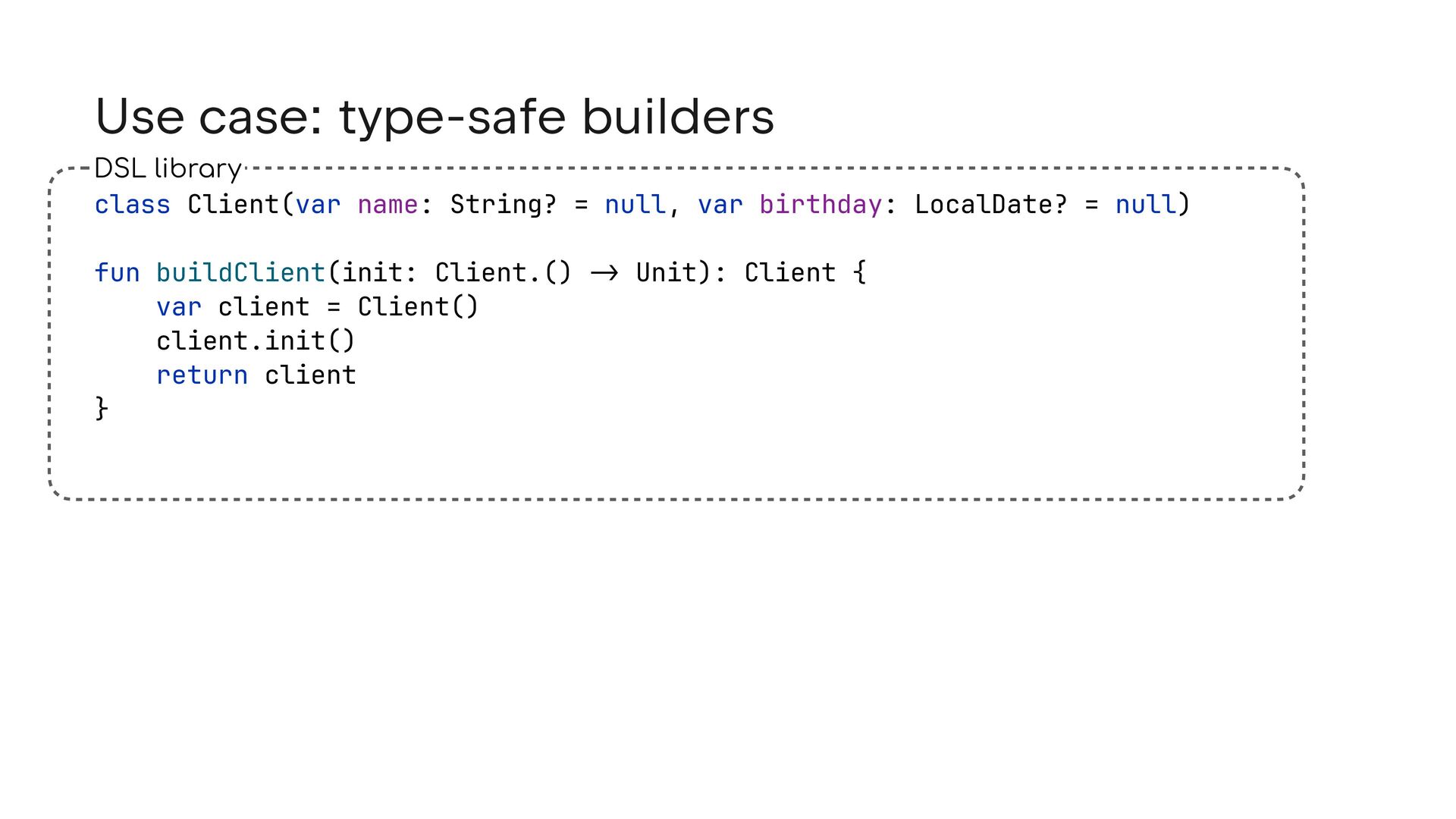
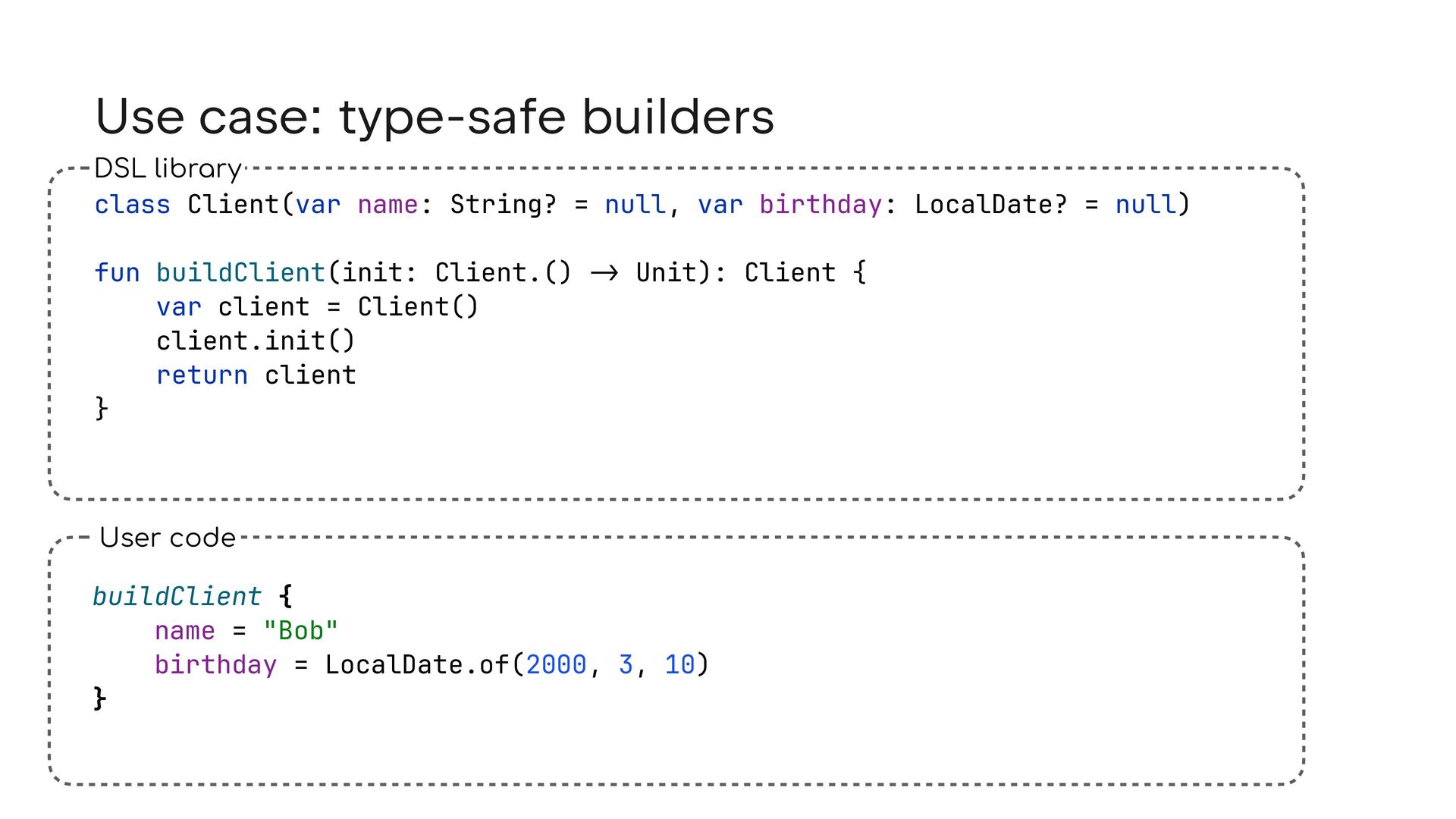
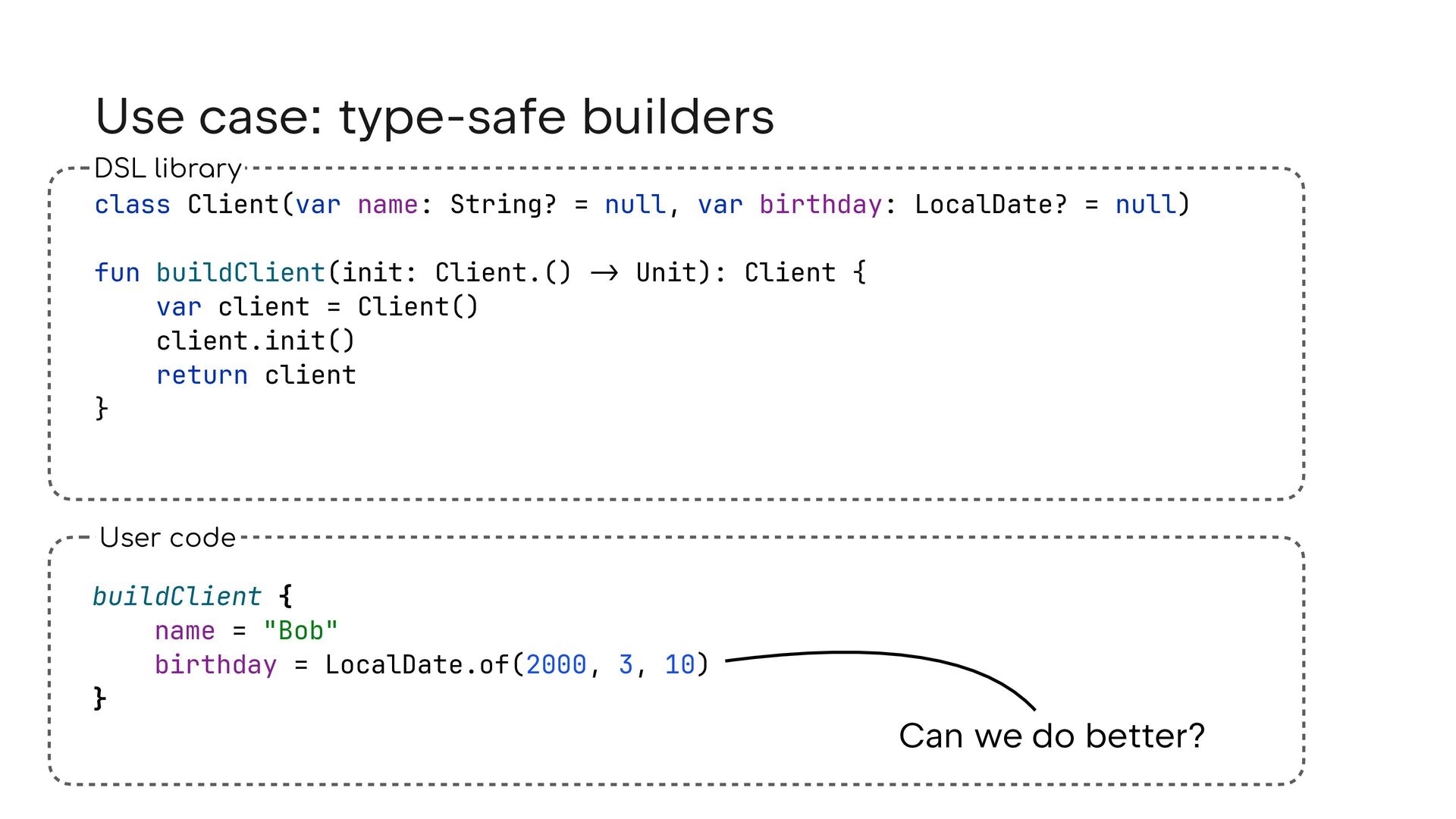
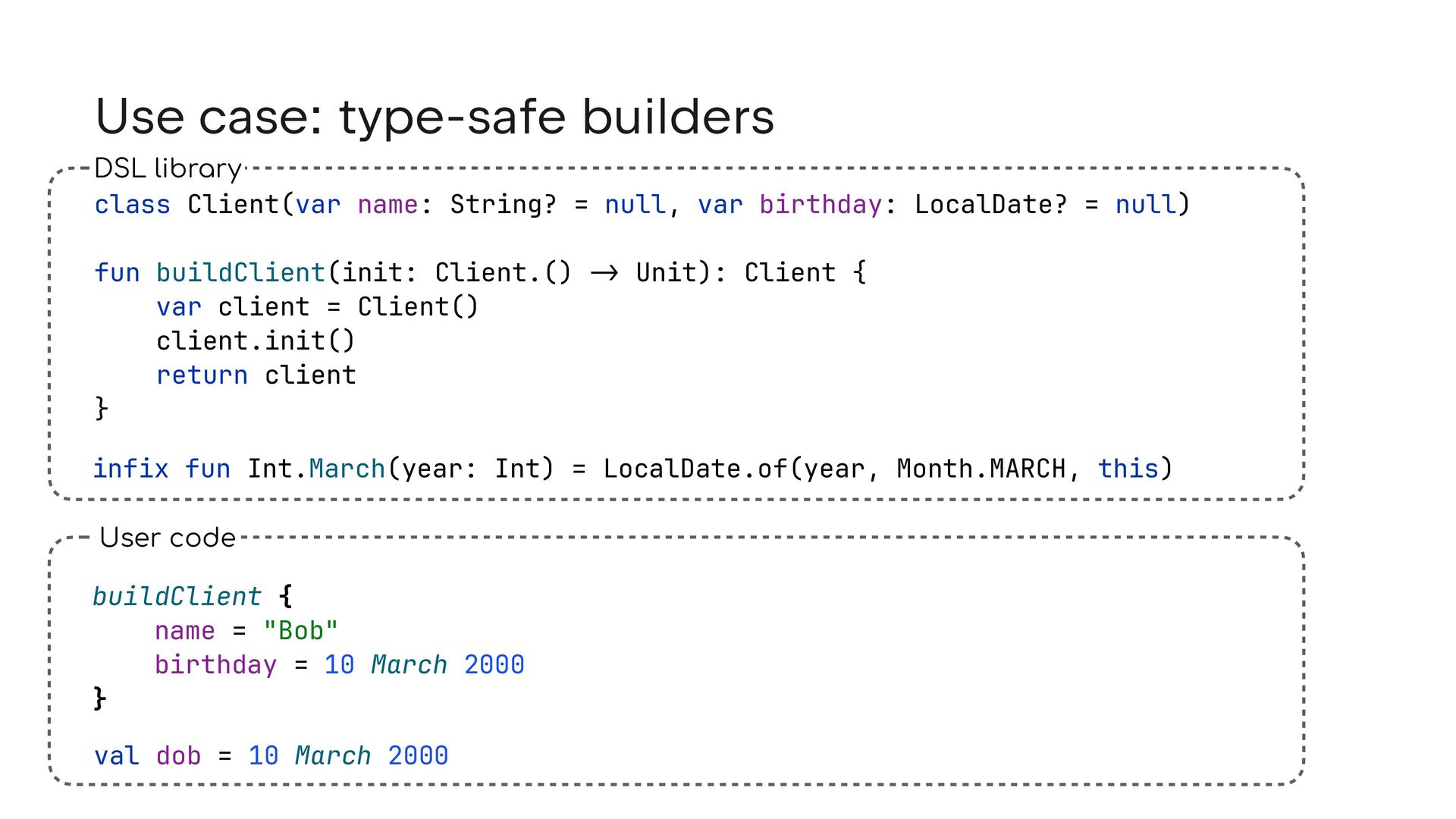
null) fun buildClient(init: Client.() - > Unit): Client { var client = Client() client.init() return client } Use case: type-safe builders DSL library buildClient { name = "Bob" birthday = LocalDate.of(2000, 3, 10) } User code Can we do better?
null) fun buildClient(init: Client.() - > Unit): Client { var client = Client() client.init() return client } Use case: type-safe builders DSL library buildClient { name = "Bob" birthday = 10 March 2000 } User code infix fun Int.March(year: Int) = LocalDate.of(year, Month.MARCH, this) val dob = 10 March 2000
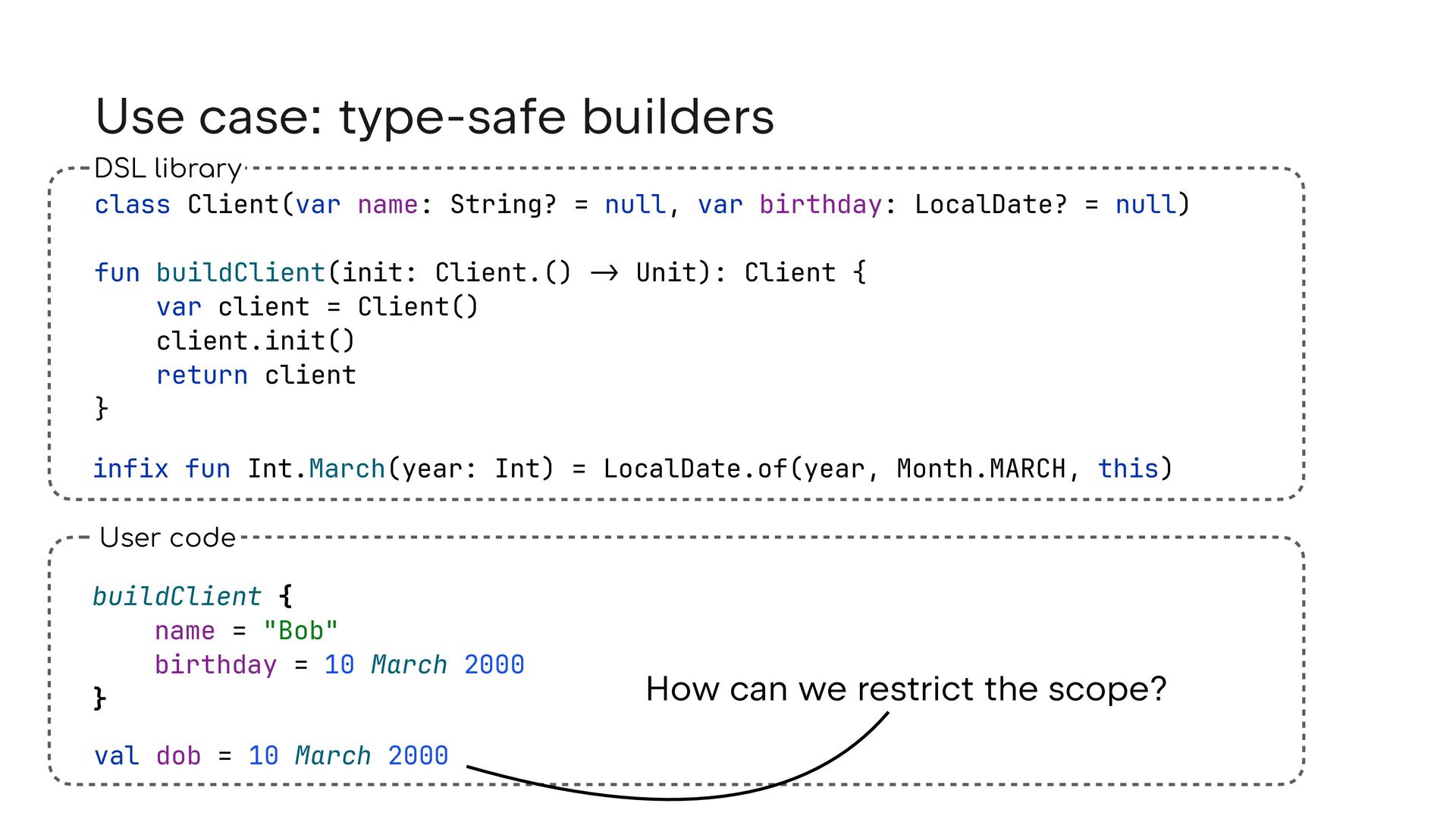
null) fun buildClient(init: Client.() - > Unit): Client { var client = Client() client.init() return client } Use case: type-safe builders DSL library buildClient { name = "Bob" birthday = 10 March 2000 } User code infix fun Int.March(year: Int) = LocalDate.of(year, Month.MARCH, this) val dob = 10 March 2000 How can we restrict the scope?
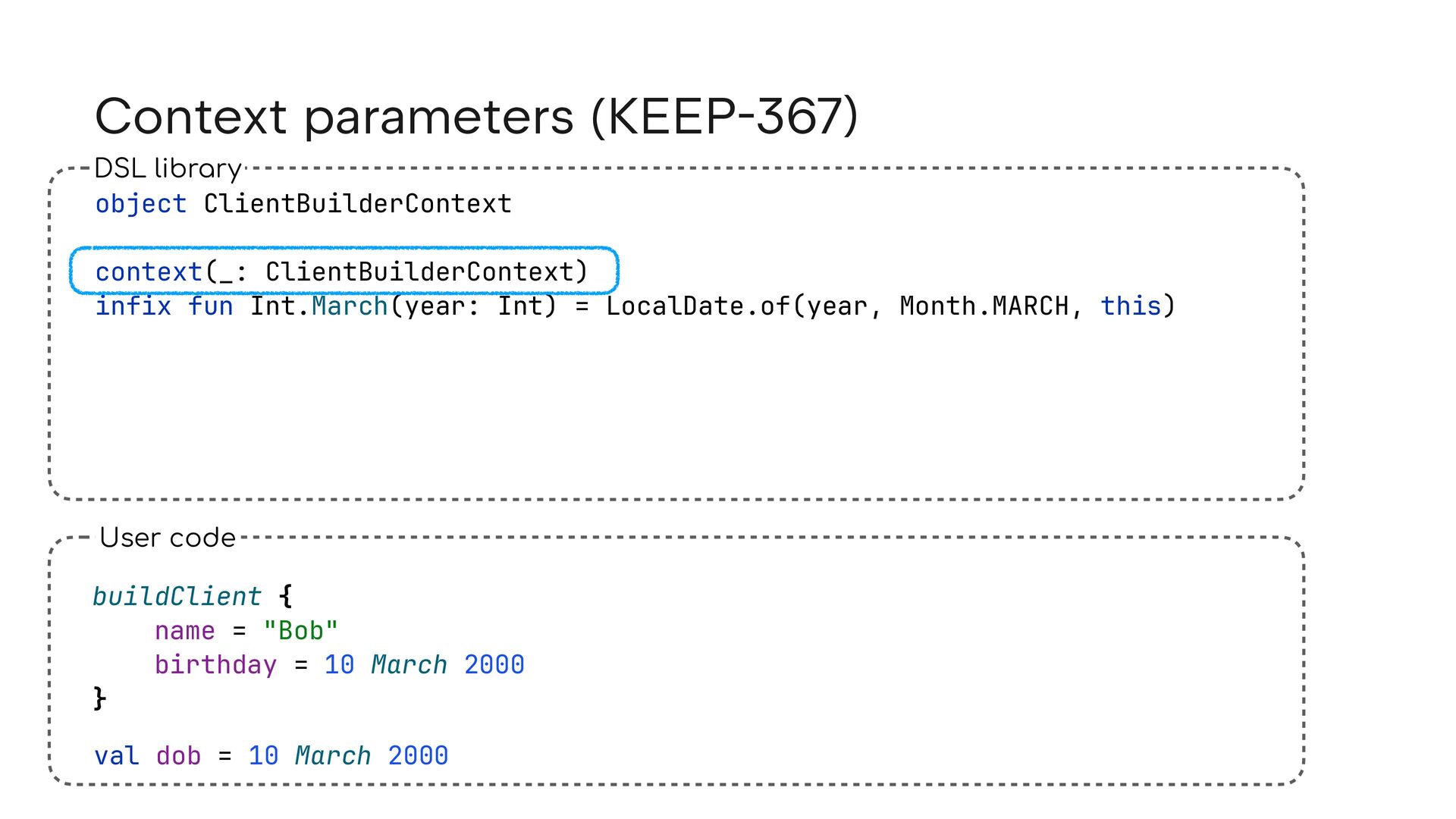
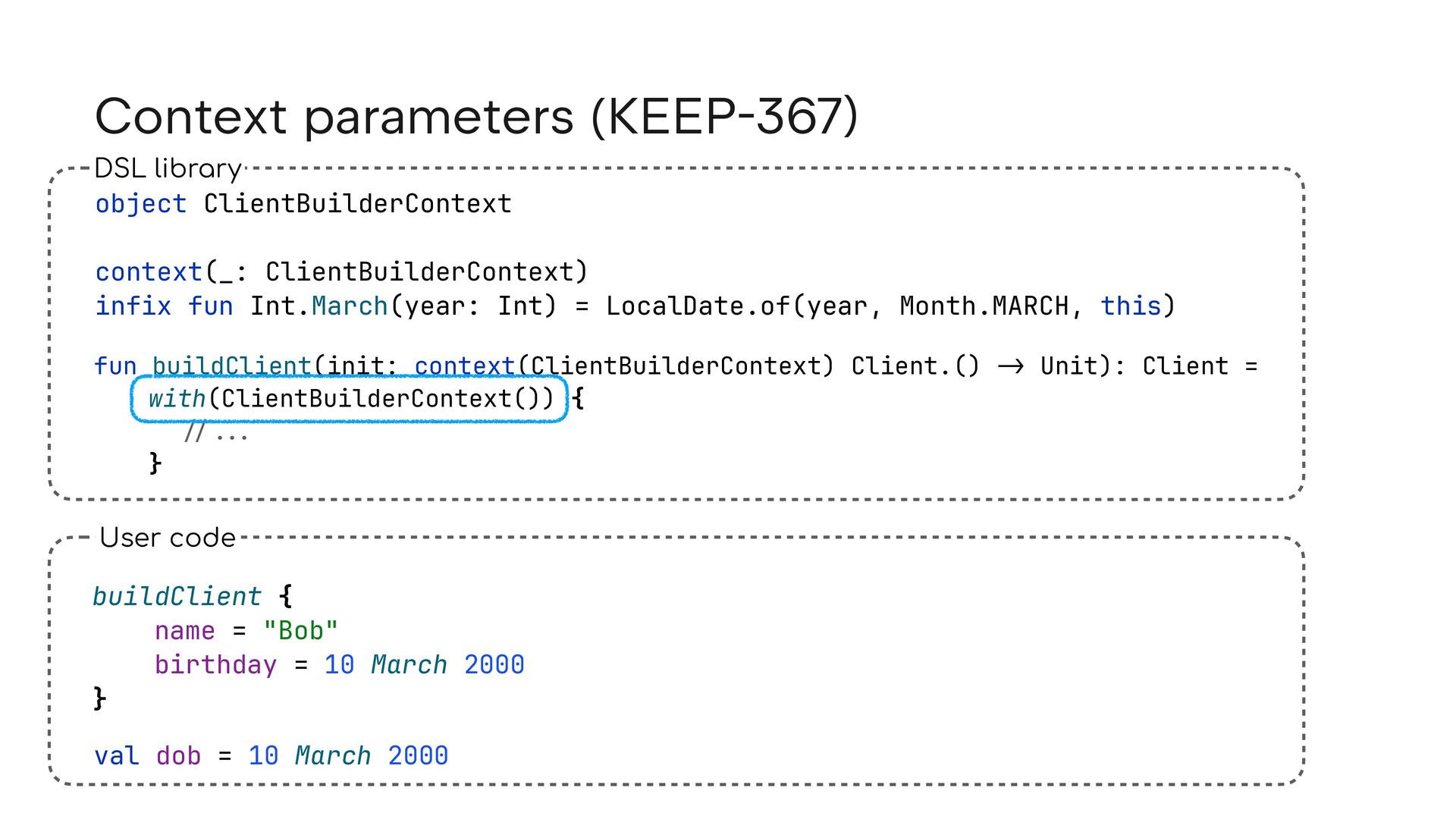
Month.MARCH, this) DSL library buildClient { name = "Bob" birthday = 10 March 2000 } User code val dob = 10 March 2000 Context parameters (KEEP - 367 )
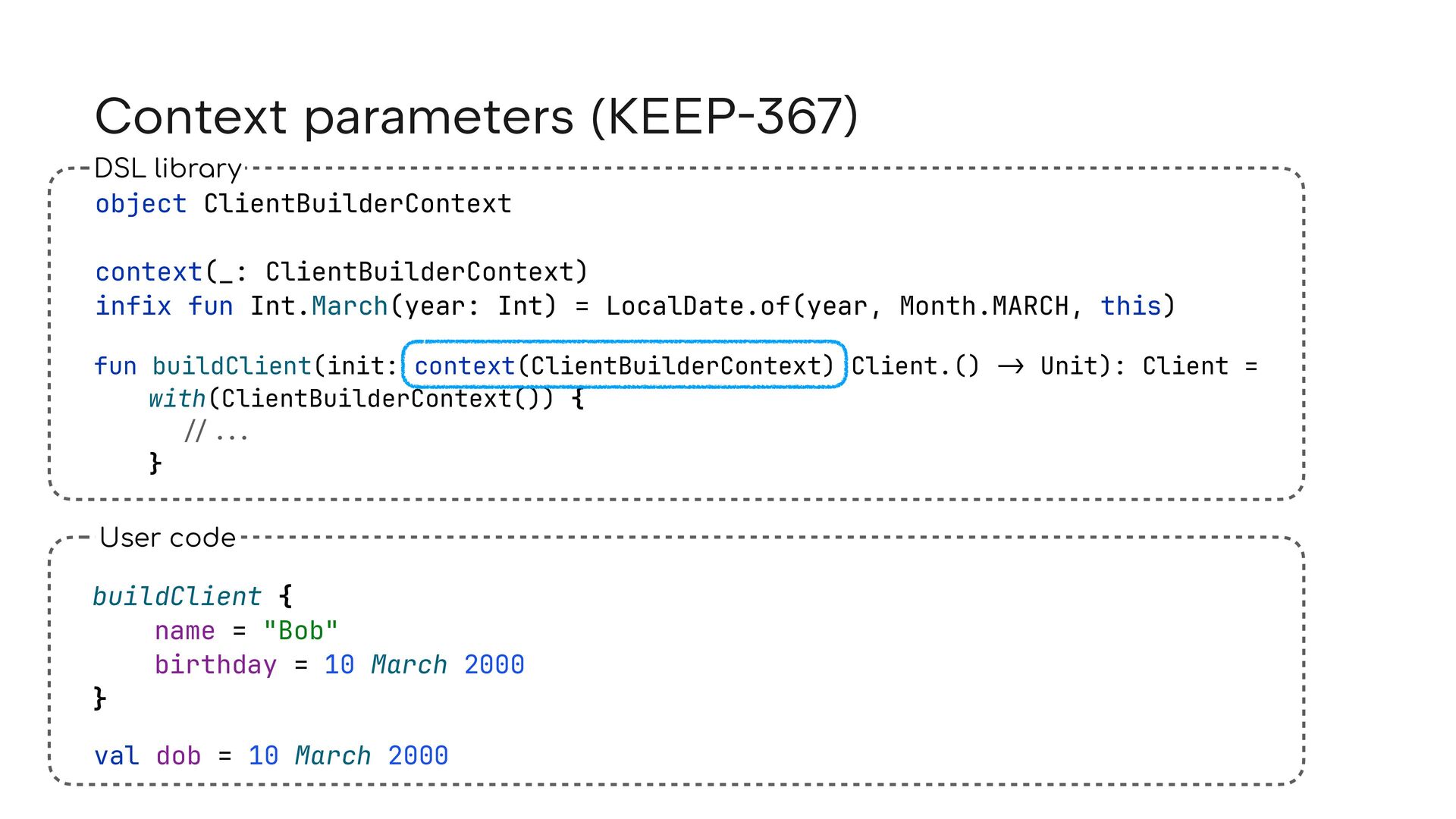
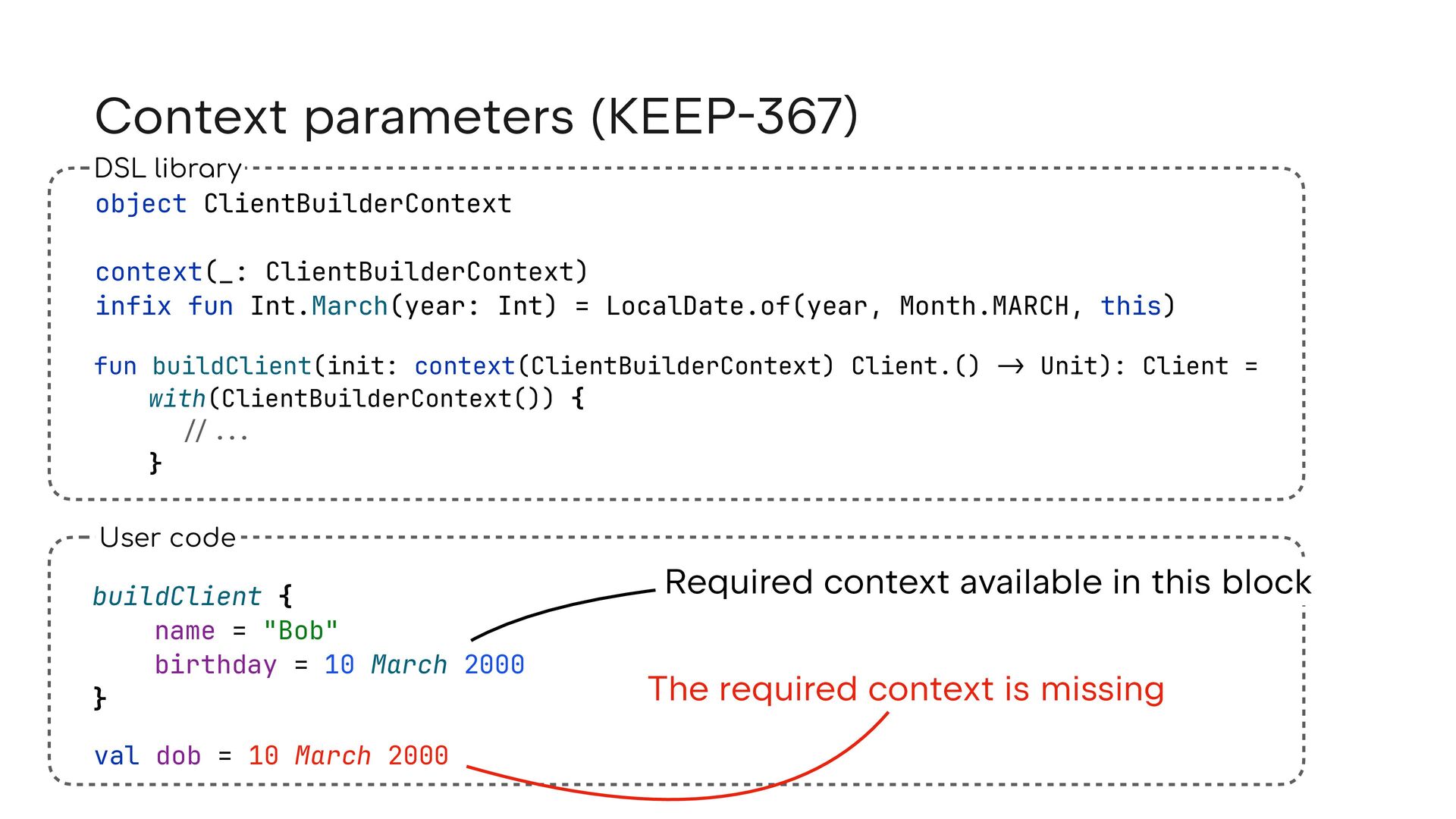
March 2000 } User code val dob = 10 March 2000 fun buildClient(init: context(ClientBuilderContext) Client.() - > Unit): Client = with(ClientBuilderContext()) { //. .. } object ClientBuilderContext context(_: ClientBuilderContext) infix fun Int.March(year: Int) = LocalDate.of(year, Month.MARCH, this) The required context is missing Required context available in this block Context parameters (KEEP - 367 )
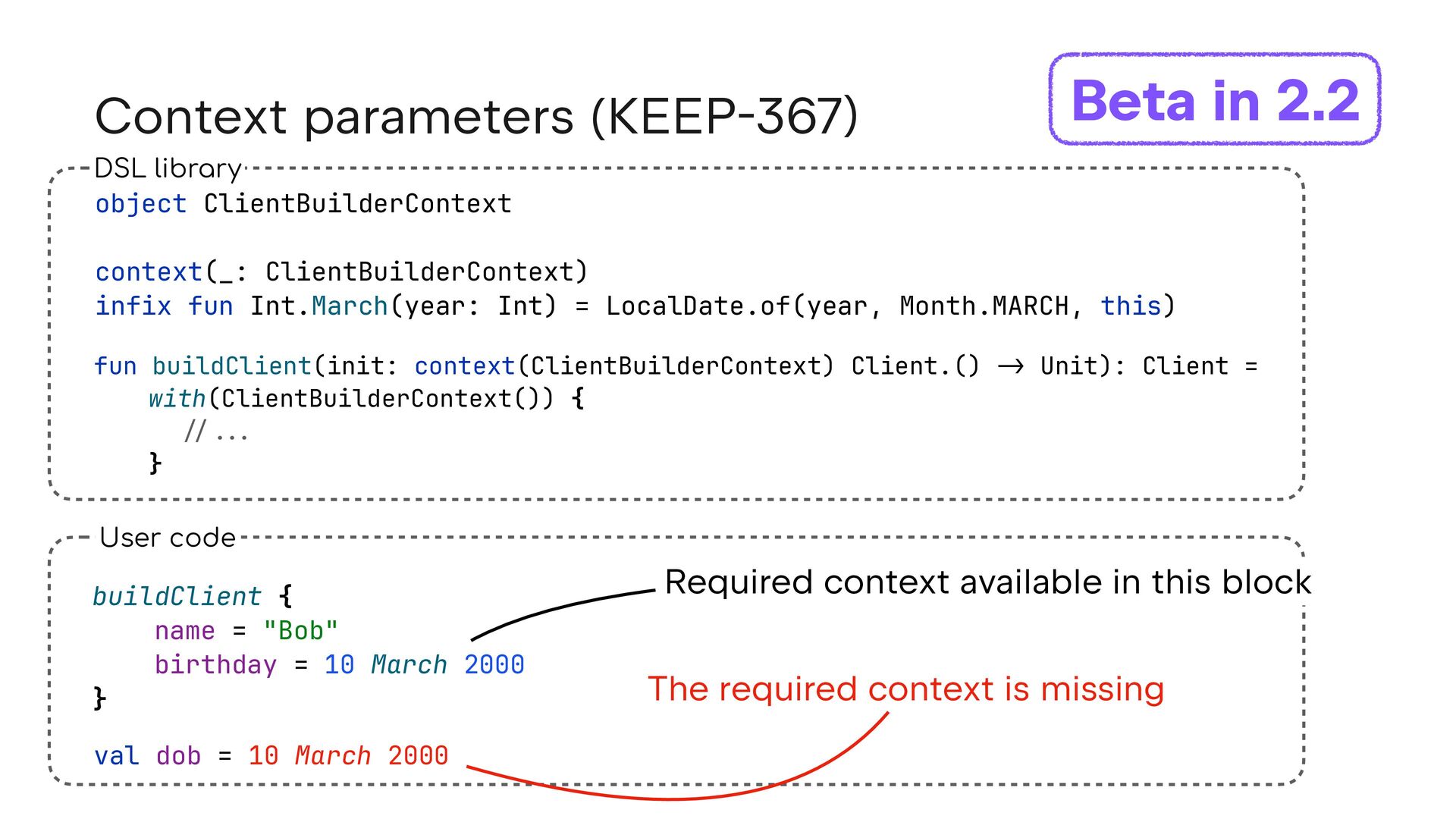
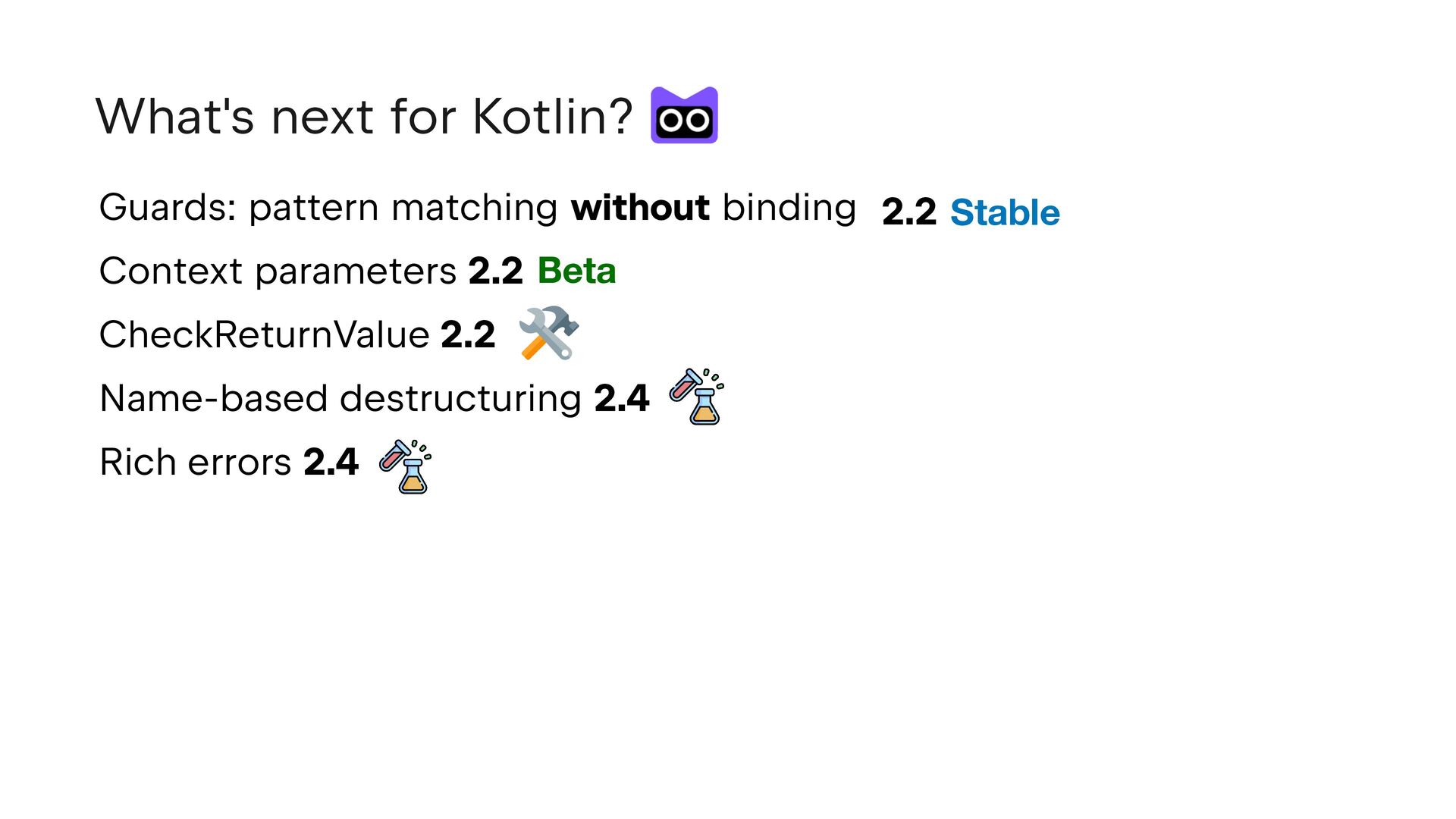
March 2000 } User code val dob = 10 March 2000 fun buildClient(init: context(ClientBuilderContext) Client.() - > Unit): Client = with(ClientBuilderContext()) { //. .. } object ClientBuilderContext context(_: ClientBuilderContext) infix fun Int.March(year: Int) = LocalDate.of(year, Month.MARCH, this) The required context is missing Required context available in this block Context parameters (KEEP - 367 ) Beta in 2.2
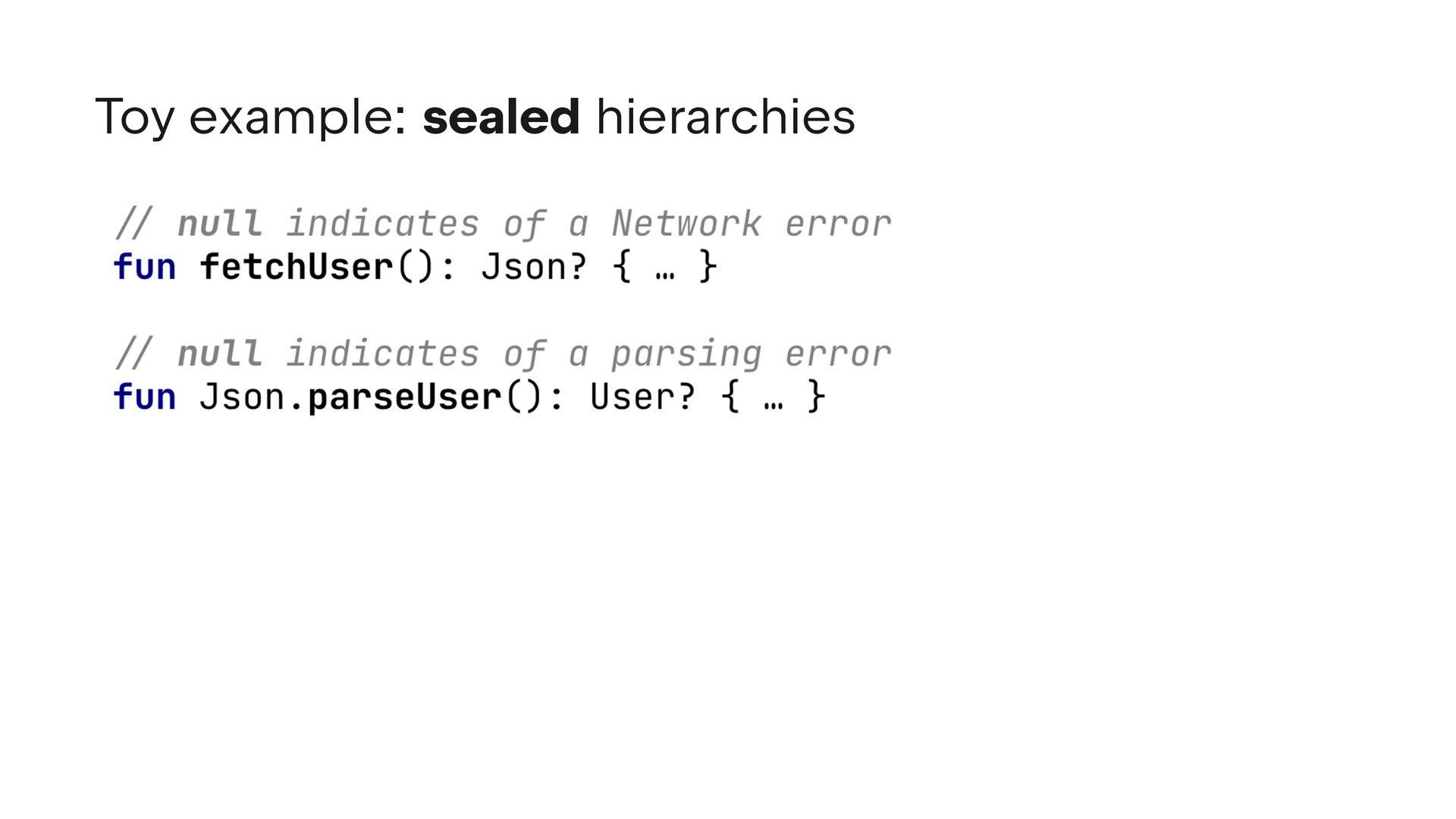
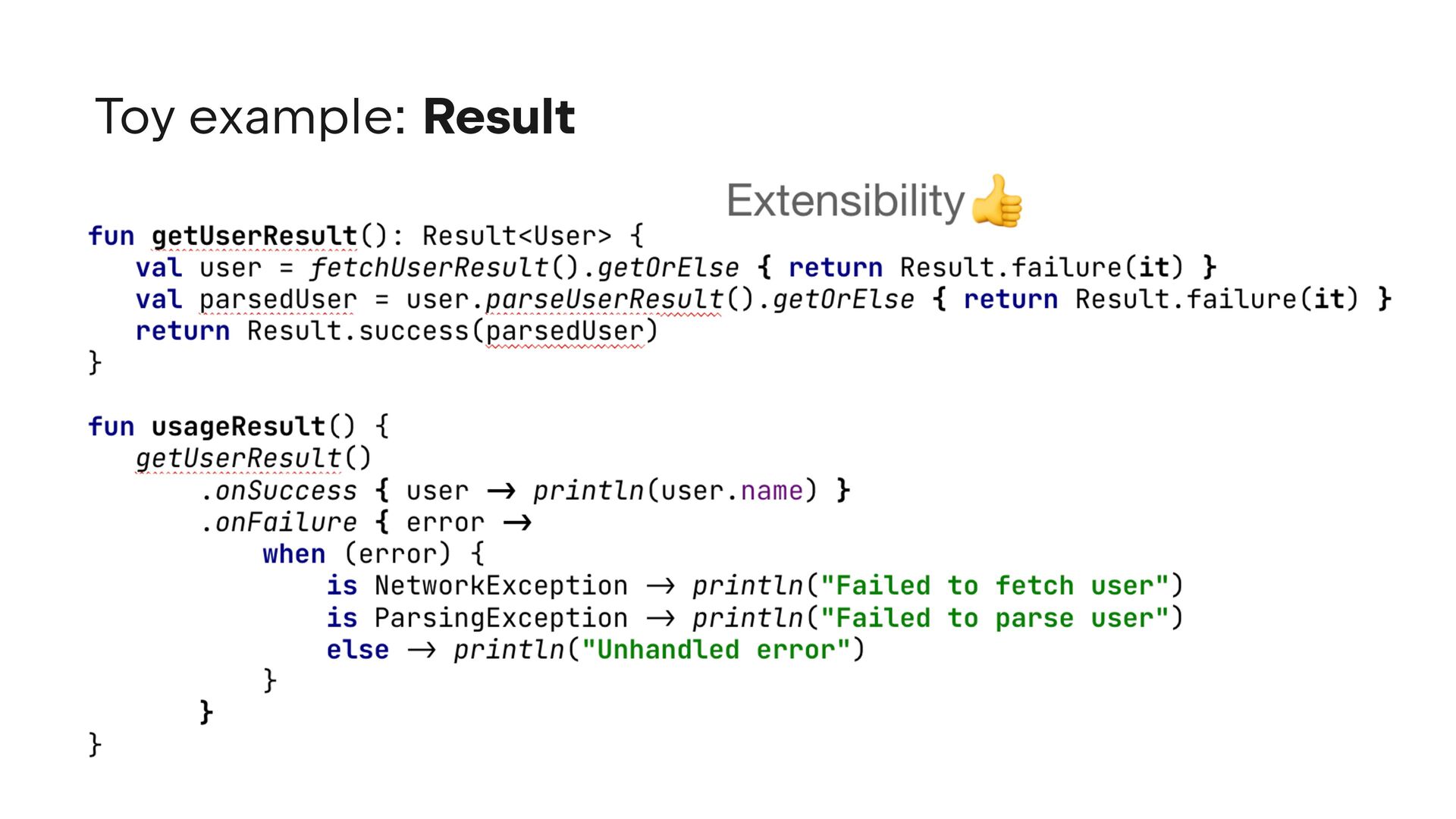
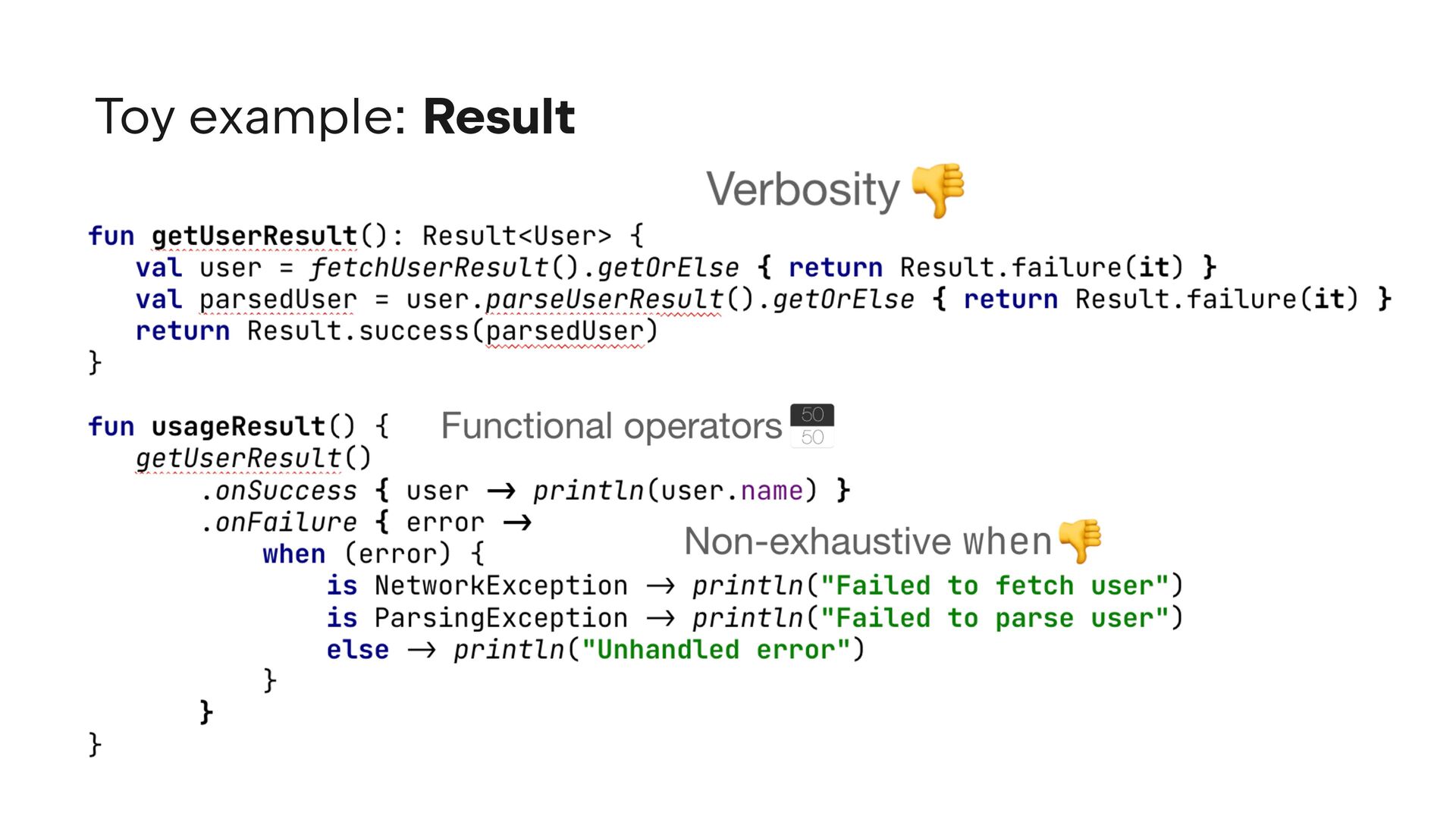
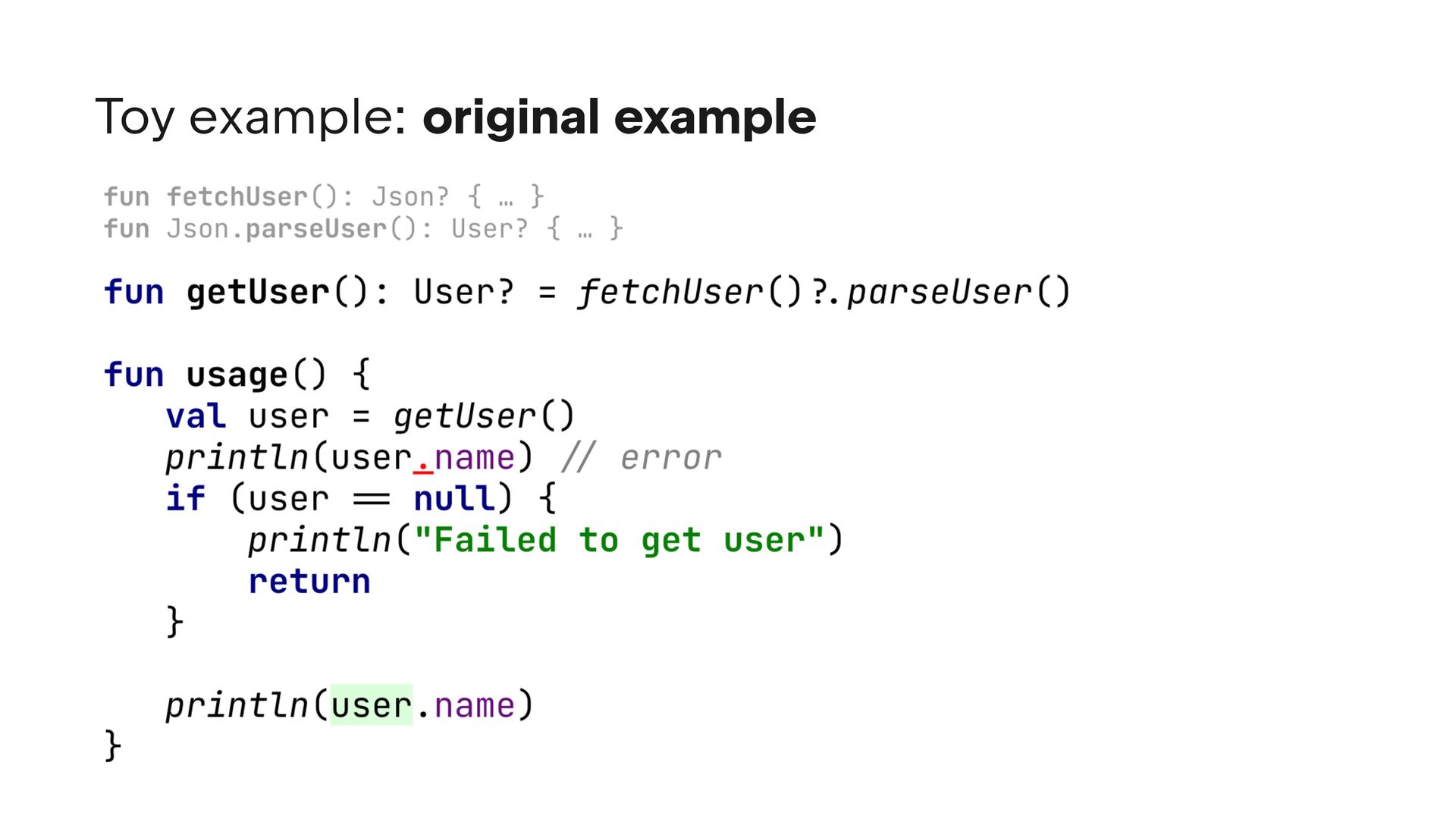
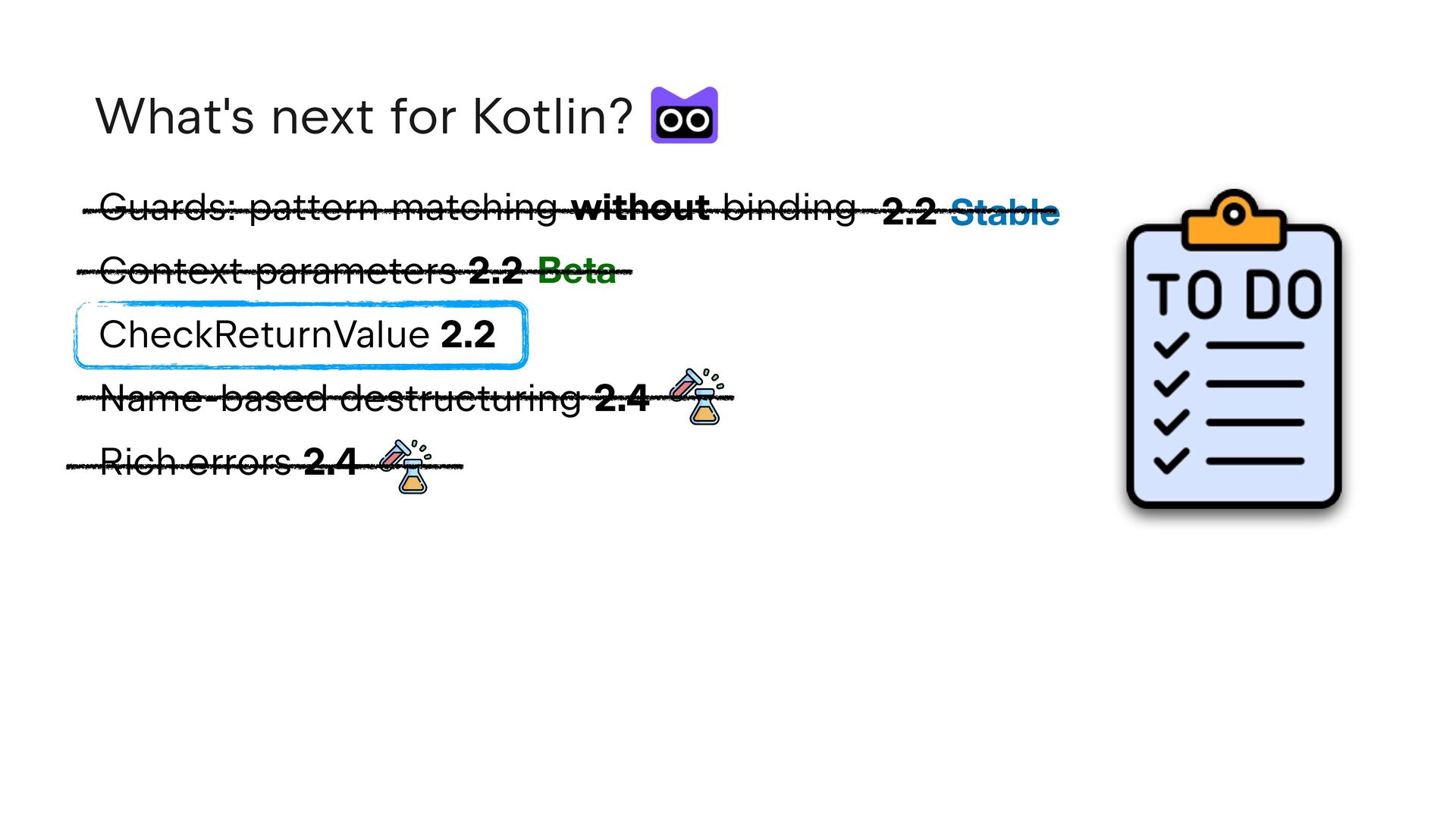
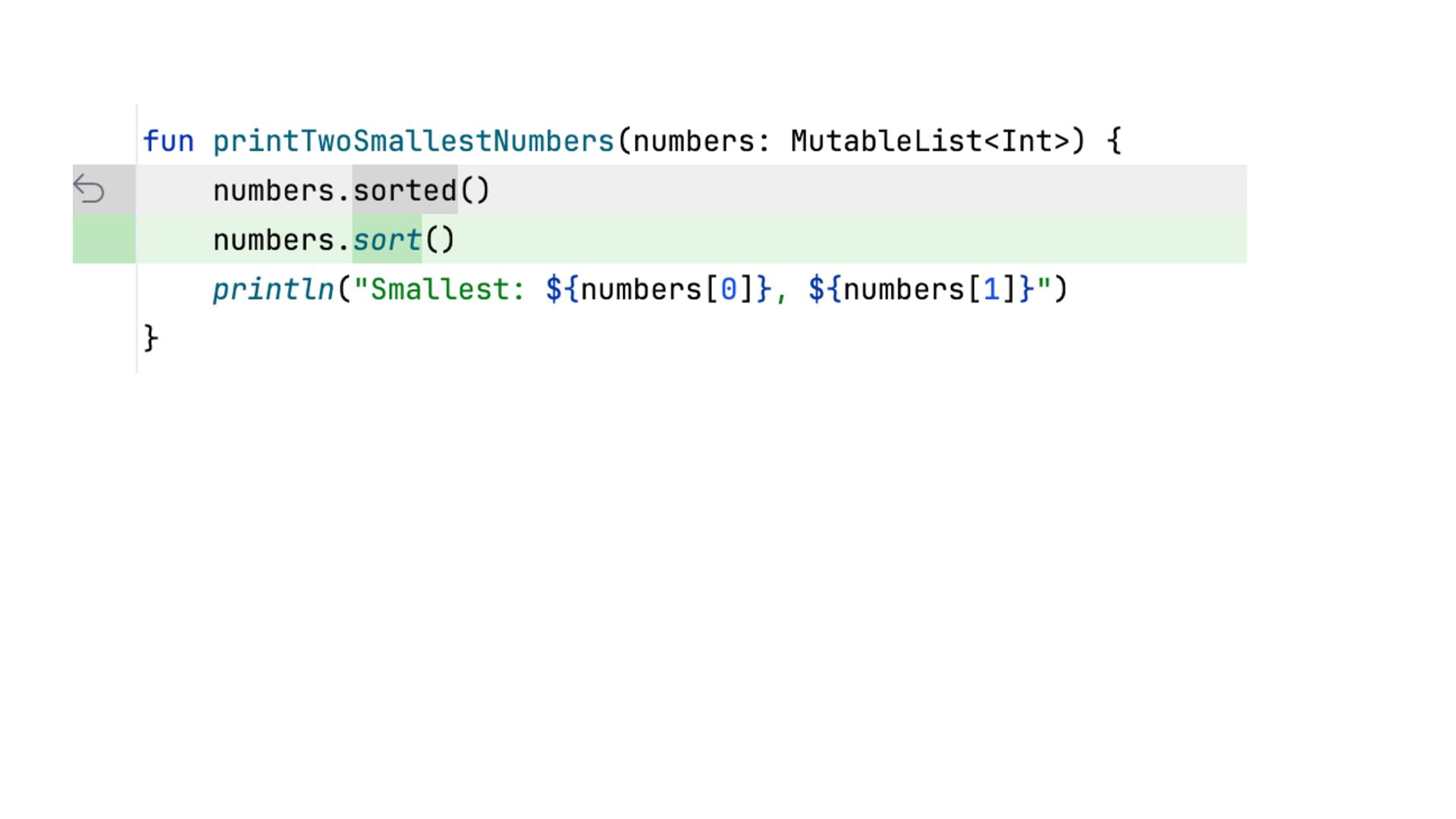
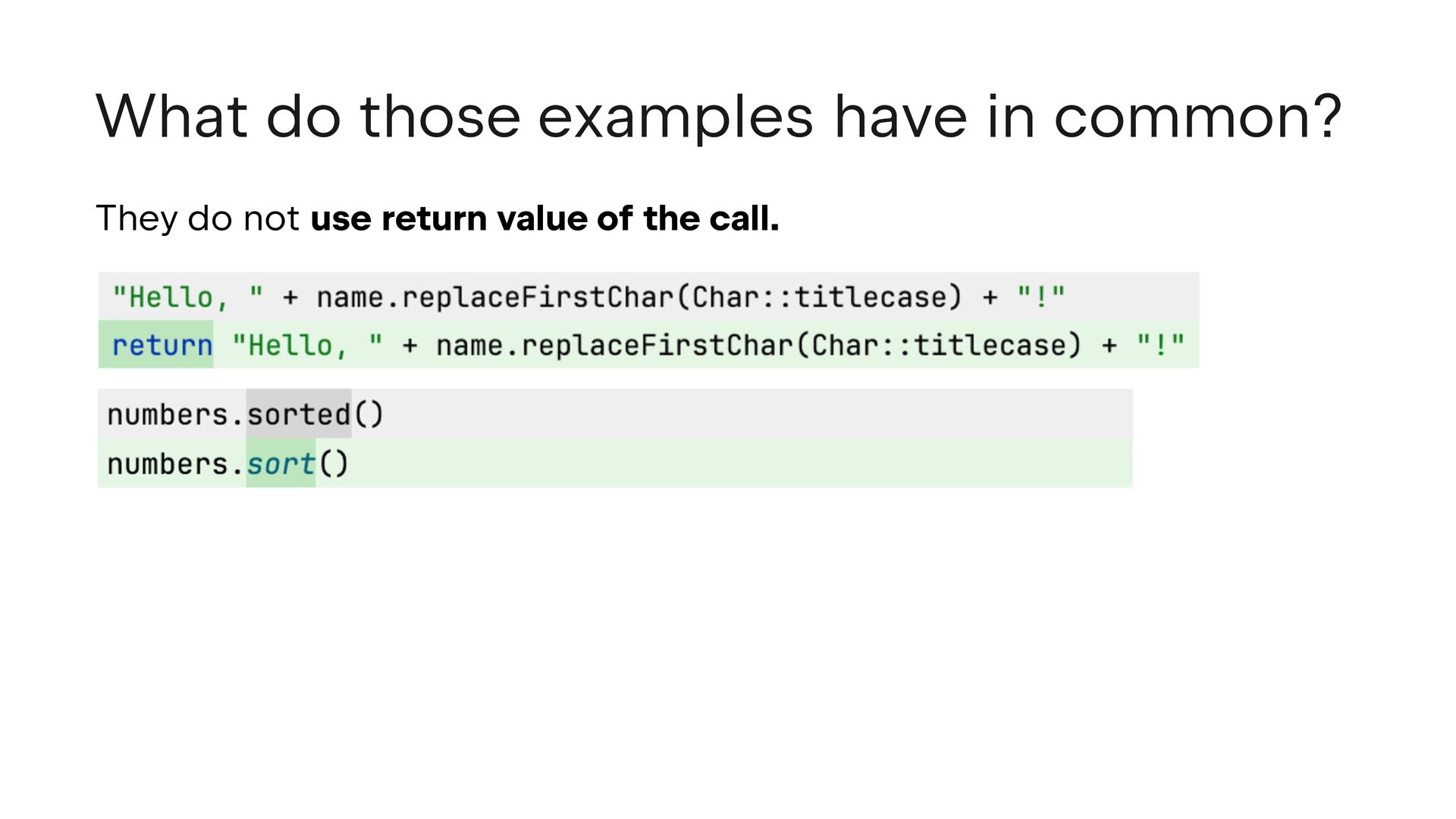
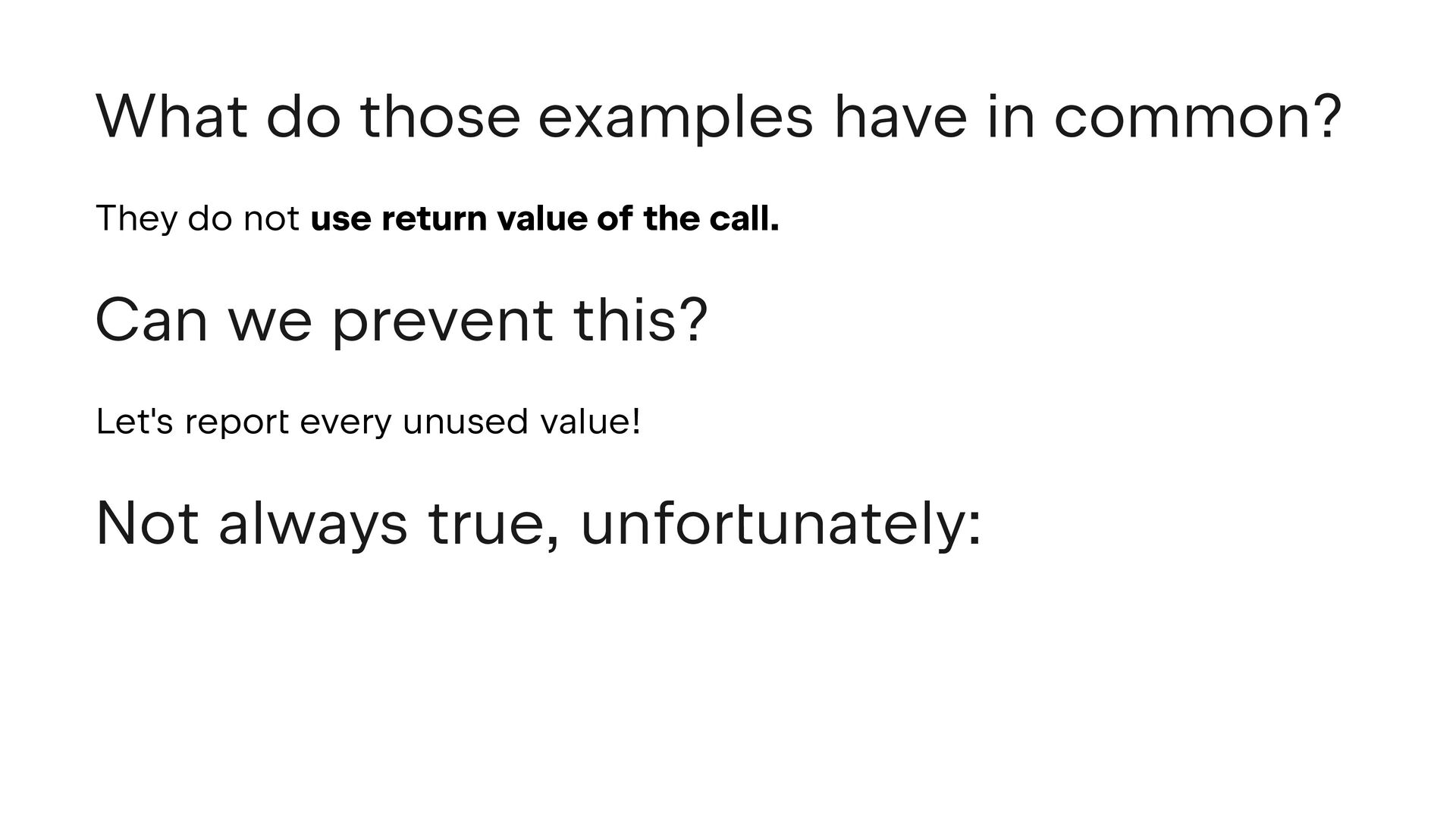
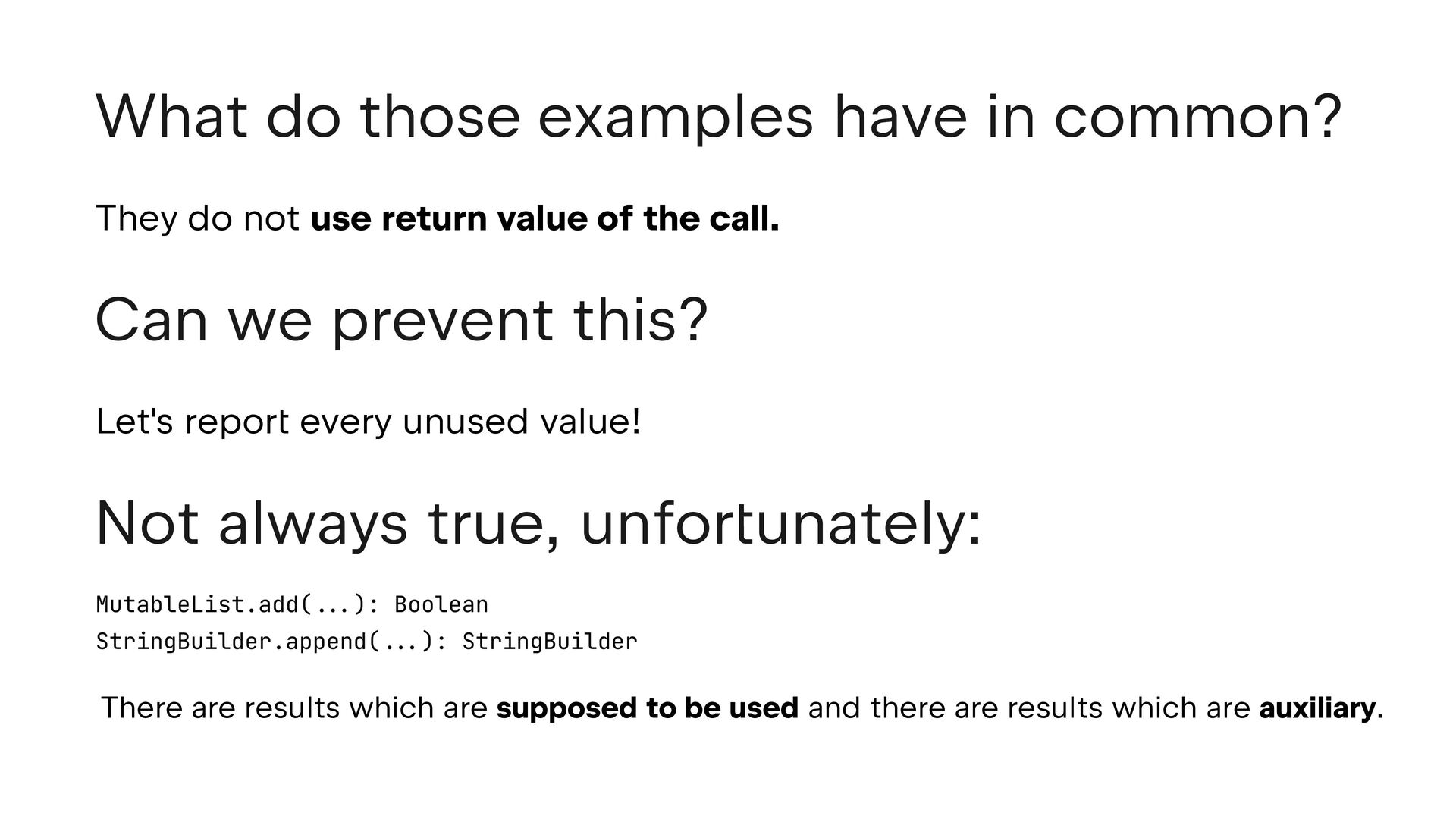
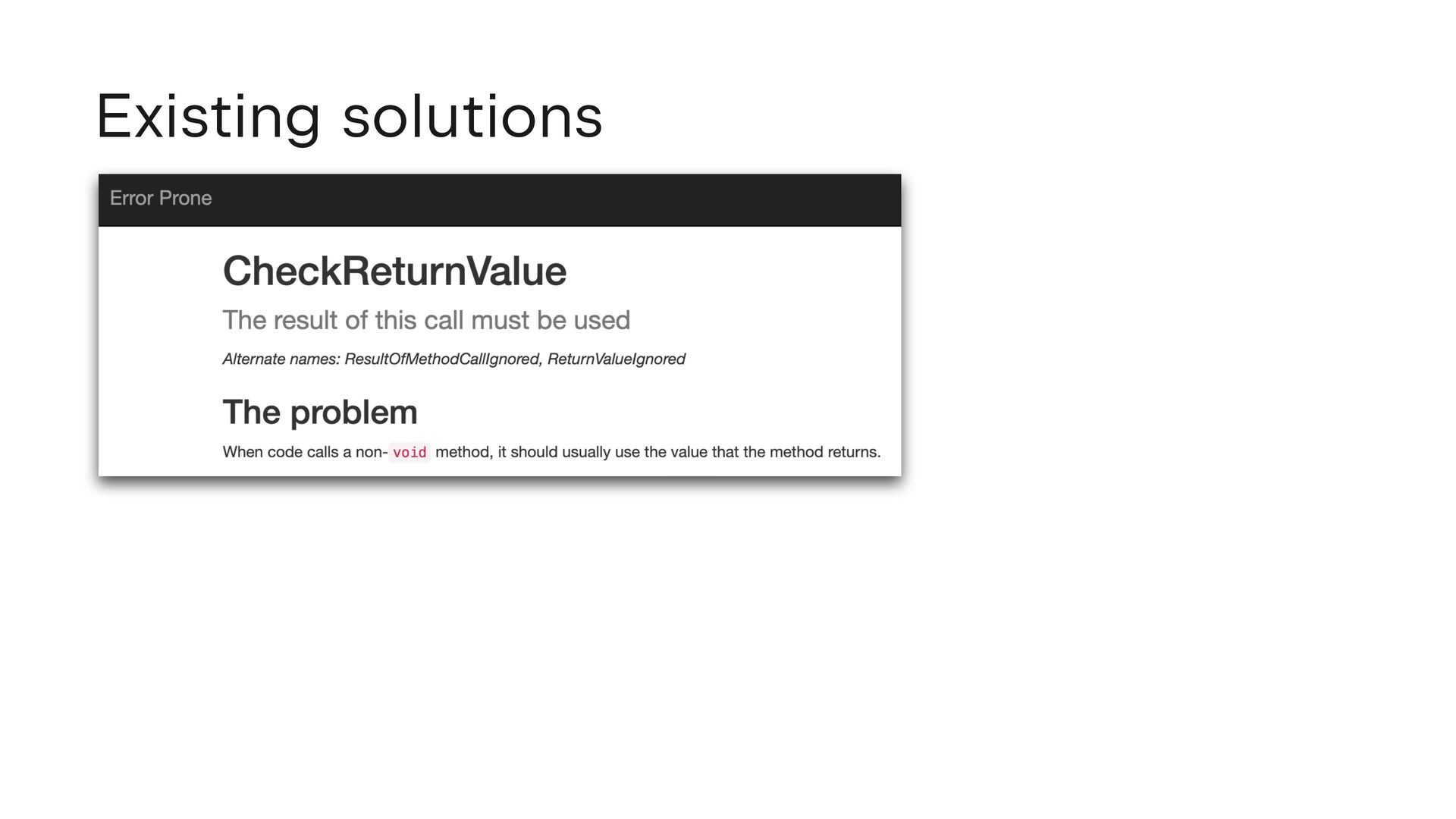
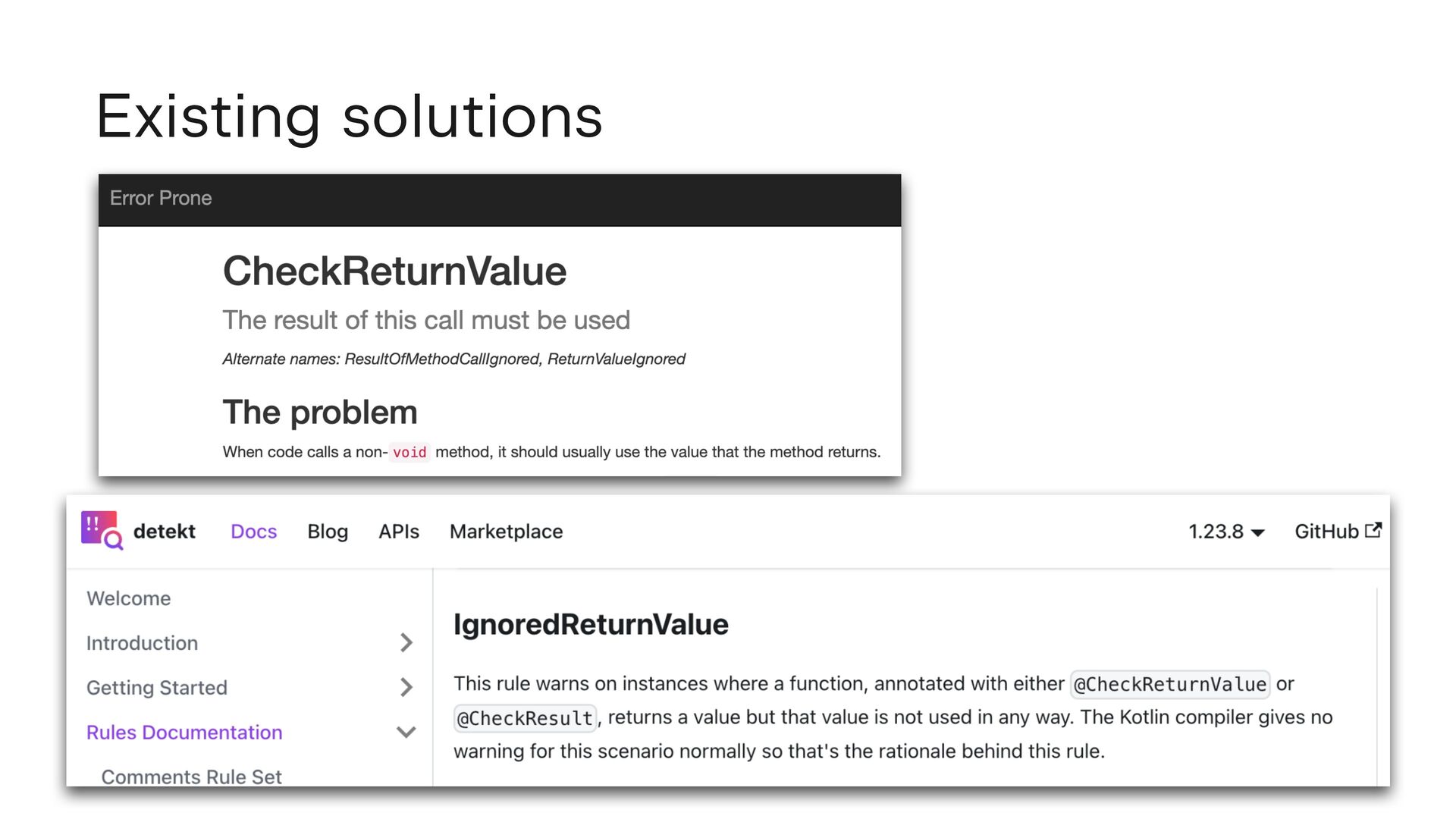
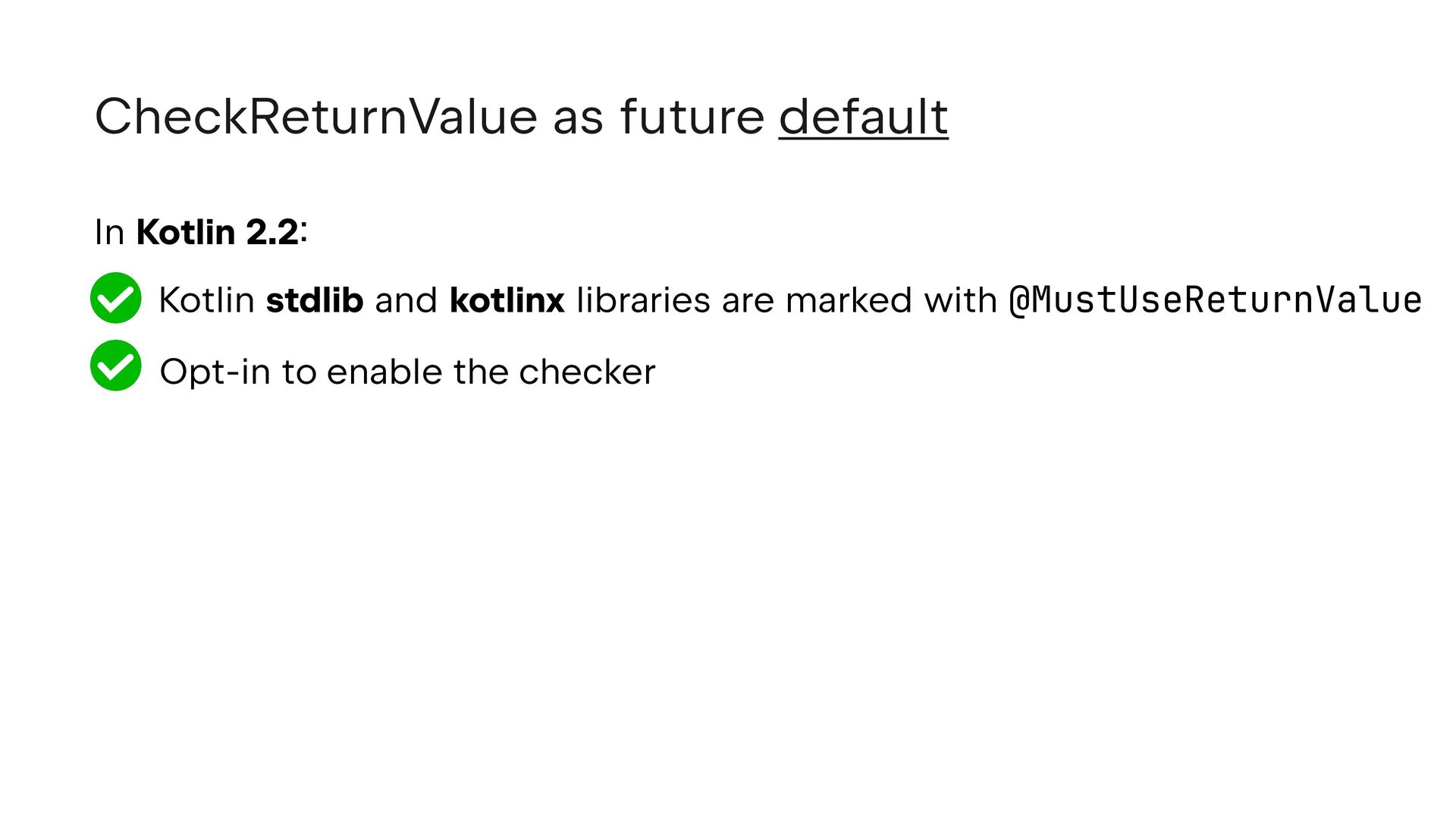
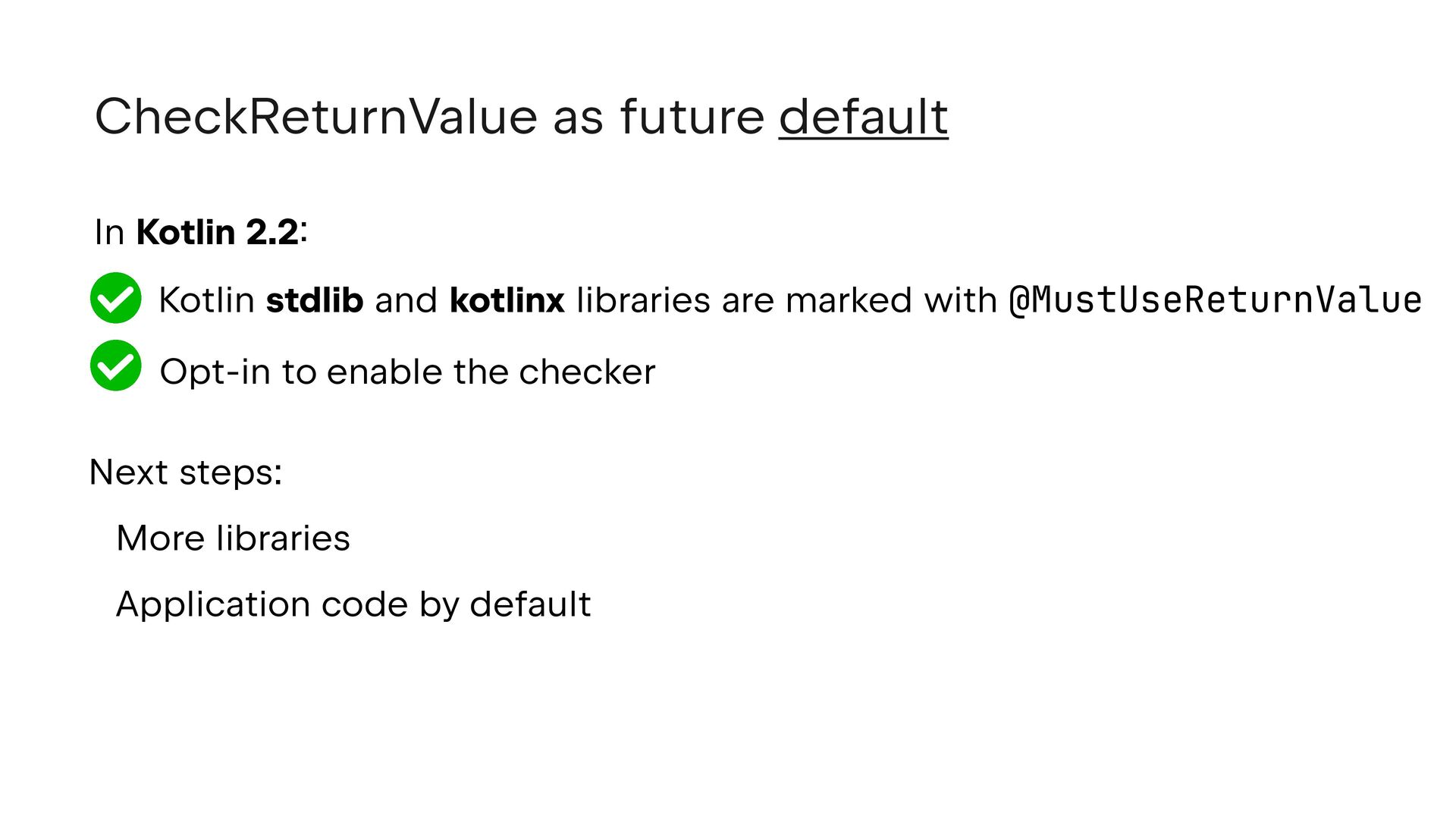
do those examples have in common? Can we prevent this? Let's repor t every unused value! Not always true, unfor t unately: There are results which are supposed to be used and there are results which are auxiliary.
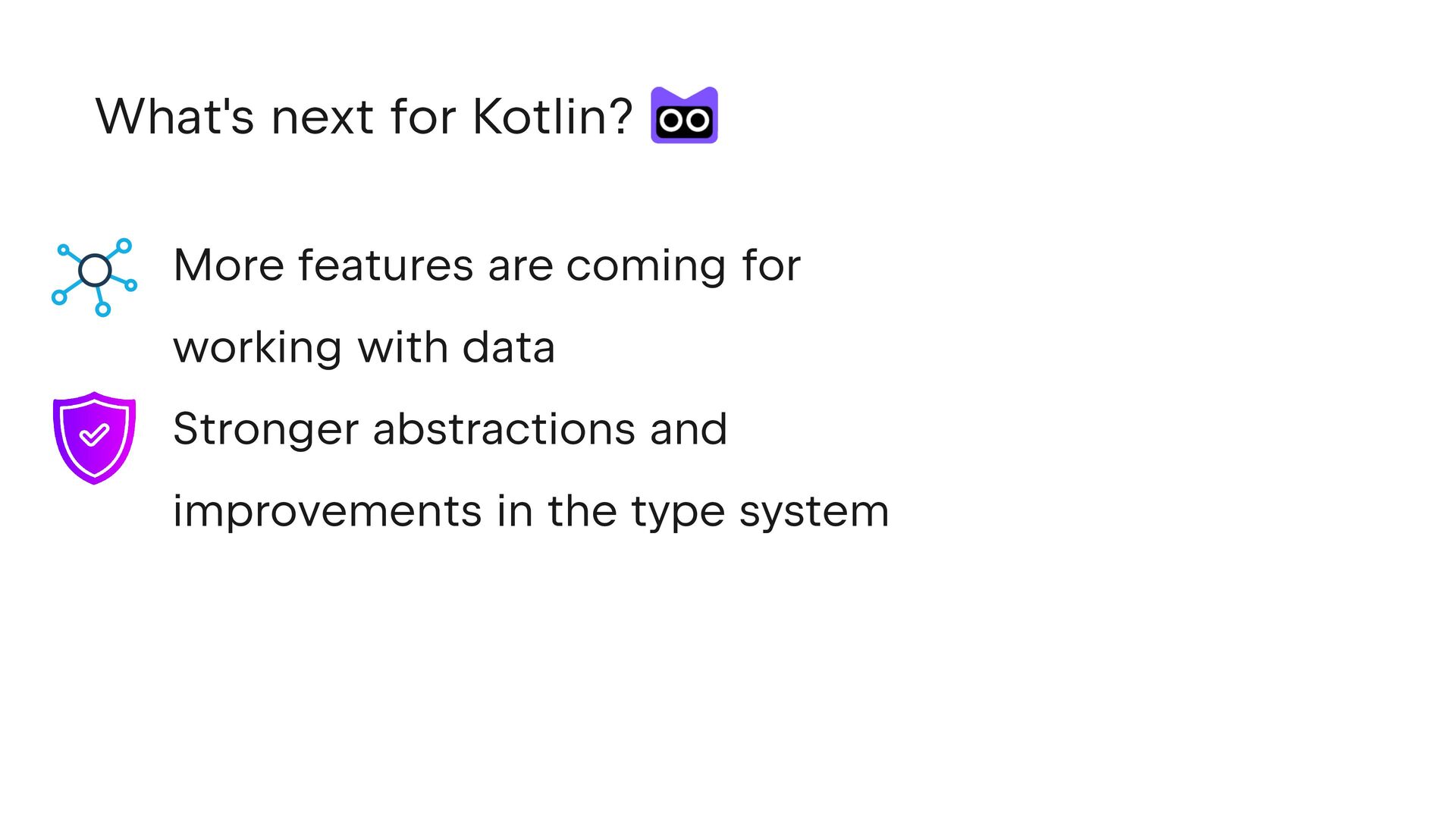
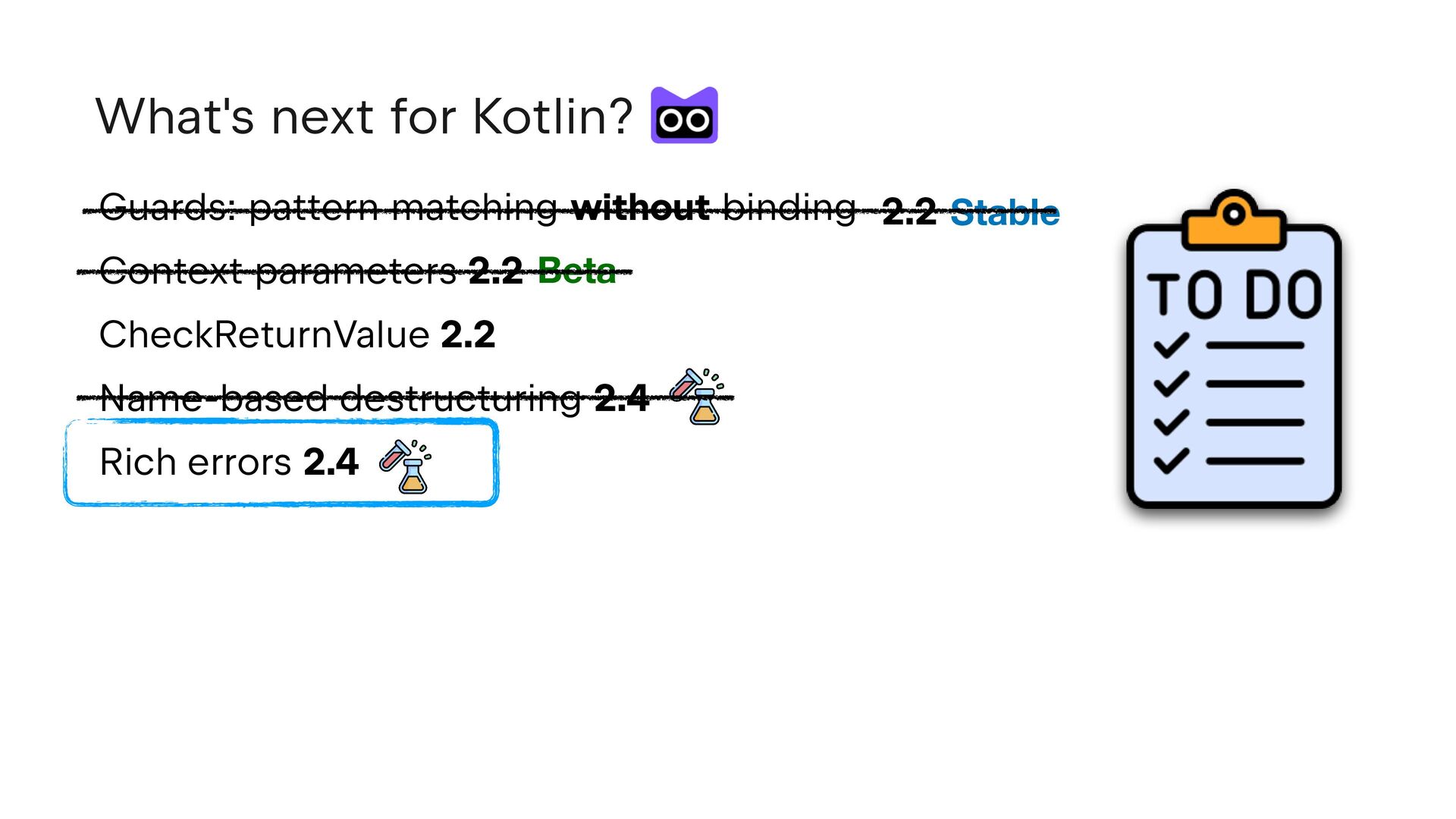
er features More features are coming for working with data Stronger abstractions and improvements in the type system https://speakerdeck.com/antonarhipov


 antonarhipov
 kishida
 florets1
 takai
takai
 n_takehata
 y0hgi
y0hgi
 rollbear
 seike460
.jpg) yumnumm
yumnumm
 ivargrimstad
 sylph01
 timakin
 akihisaikeda
 nwiizo
 honzajavorek
 sferik
 tonyrice
 watany
 mclloyd
 minecr
 colly
colly
 ipullrank
 kastner
 mongodb