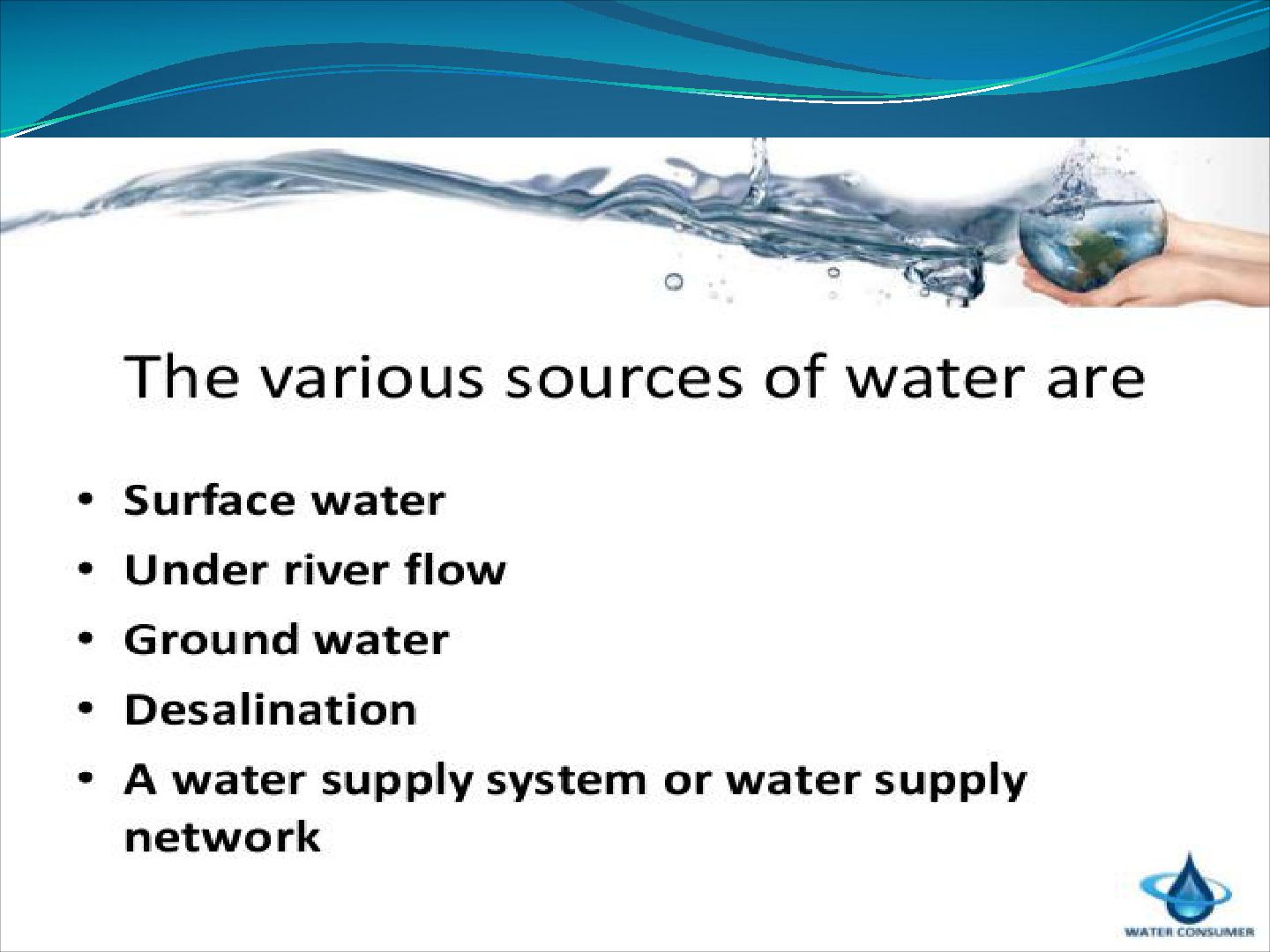
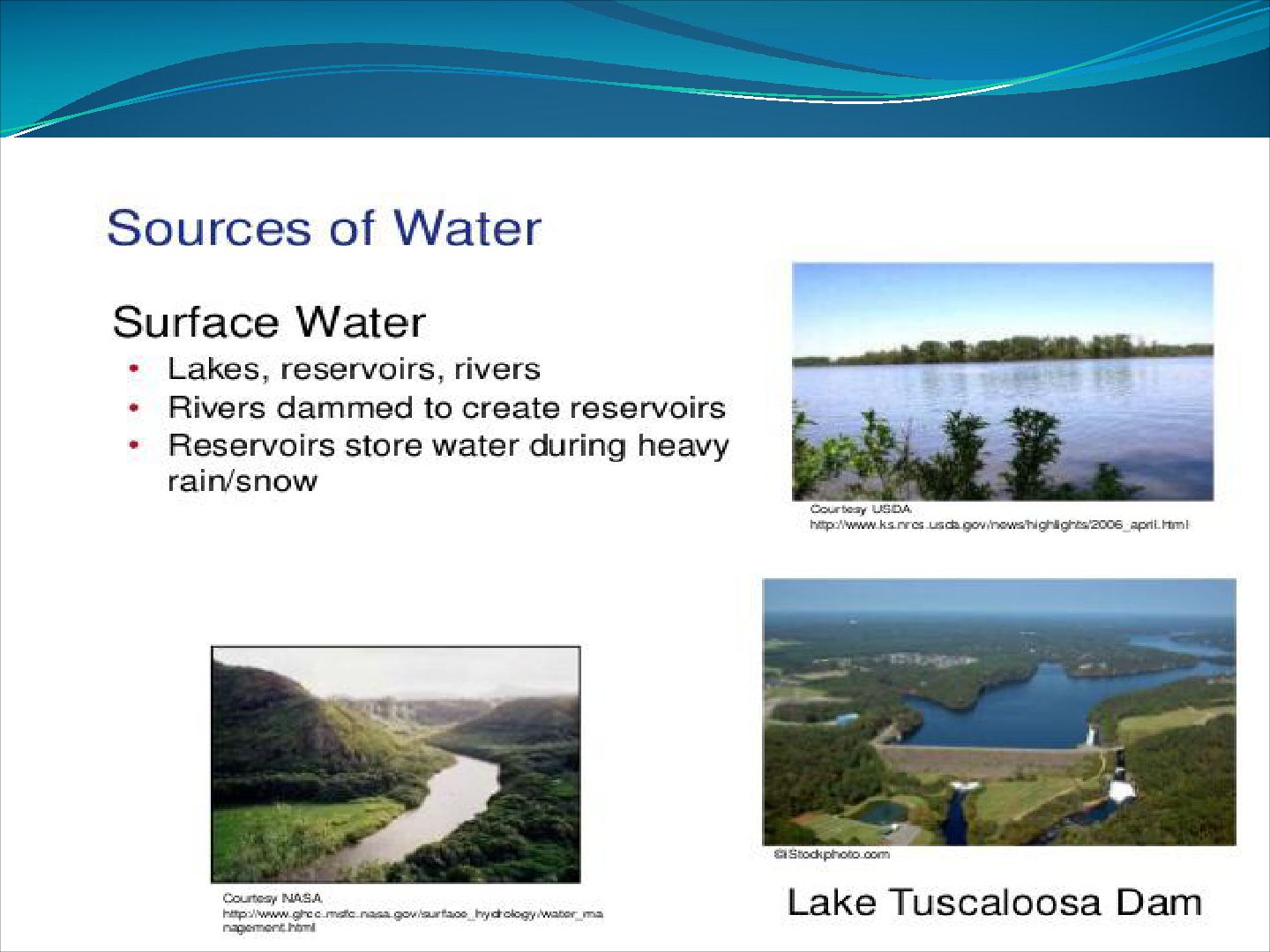
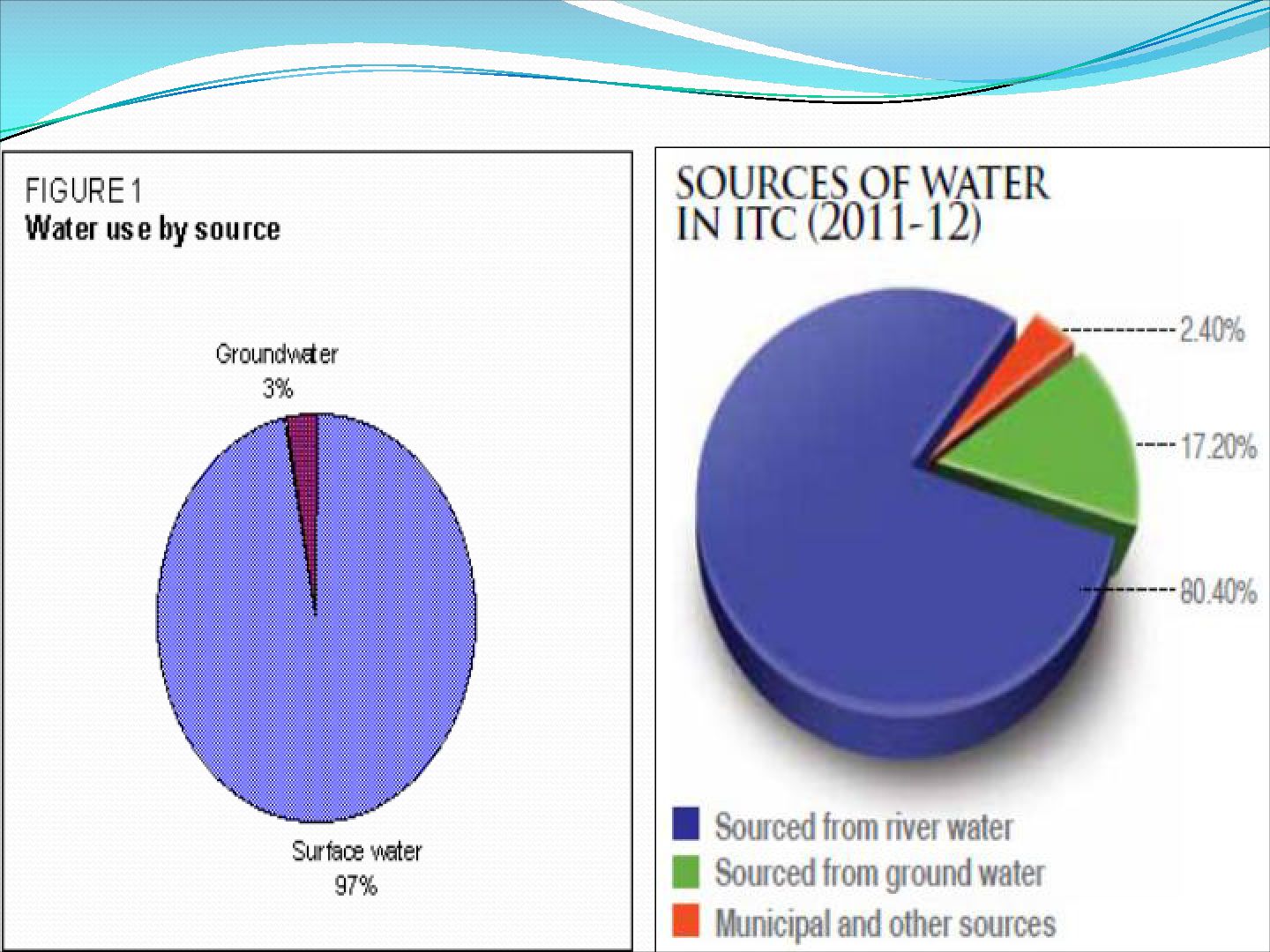
Irrigation water can come from groundwater (extracted from springs or by using wells), from surface water (withdrawn from rivers, lakes or reservoirs) or from non-conventional sources like treated wastewater, desalinated water, drainage water, or fog collection. Irrigation can be supplementary to rainfall, which is common in many parts of the world as rainfed agriculture, or it can be full irrigation, where crops rarely rely on any contribution from rainfall. Full irrigation is less common and only occurs in arid landscapes with very low rainfall or when crops are grown in semi-arid areas outside of rainy seasons.
The environmental effects of irrigation relate to the changes in quantity and quality of soil and water as a result of irrigation and the subsequent effects on natural and social conditions in river basins and downstream of an irrigation scheme. The effects stem from the altered hydrological conditions caused by the installation and operation of the irrigation scheme. Amongst some of these problems is depletion of underground aquifers through overdrafting. Soil can be over-irrigated due to poor distribution uniformity or management wastes water, chemicals, and may lead to water pollution. Over-irrigation can cause deep drainage from rising water tables that can lead to problems of irrigation salinity requiring watertable control by some form of subsurface land drainage.


 avijitsushil3
 ainischool
 uchi8977
 signer
 2720japanoke
 pawan_pharm
 cbtlibrary
 matleenalaakso
 jdbedics
 hiola
hiola
 sachag
 eitanlees
 3n
3n
 reverentgeek
 rkaga
rkaga
 katarinadahlin
 cassininazir
 davetheseo
 szymonslowik
 morganepeng
 tmiket
 orderedlist