Upgrade to Pro
— share decks privately, control downloads, hide ads and more …
Speaker Deck
Sign up for free
Menu
Search
Features
All features
Private URLs
Password Protection
Custom URLS
Scheduled publishing
Remove Branding
Restrict embedding
Deck Collections
Notes
Features
All features
Private URLs
Password Protection
Custom URLS
Scheduled publishing
Remove Branding
Restrict embedding
Deck Collections
Notes
Explore
Featured decks
Featured speakers
Programming
Technology
Storyboards
Explore
Featured decks
Featured speakers
Programming
Technology
Storyboards
Pricing
Search
Sign in
Sign up for free
UNDERSTANDING SPEECH: APPROACHES TO VOICE INPUT...
Search
Christina Moulton, iOS Dev
April 27, 2019
Programming
38
0
Share
Embed
Copy iframe code
Copy JS code
Copy link
Start on current slide
UNDERSTANDING SPEECH: APPROACHES TO VOICE INPUT IN IOS APPS
Presented at NSNorth 2019 in Montreal
Christina Moulton, iOS Dev
April 27, 2019
More Decks by Christina Moulton, iOS Dev
See All by Christina Moulton, iOS Dev
Let Them Say What They Want: Adding Siri Shortcuts
cmoulton
0
99
Other Decks in Programming
See All in Programming
phperだってパンチカードでコーディングしたい
o0h
PRO
0
340
気持ちぃ〜角丸 Squircle
ryu1013
0
310
When benchmarks go bad - what I learned from measuring performance wrong
hollycummins
0
220
Jetpack Compose Mechanisms
skydoves
3
820
Herb in Rails 8.2: Your ERB views, now HTML-aware @ Rails World 2026, Austin, Texas
marcoroth
0
220
動作中のプログラムの中身をリアルタイムに覗く / Realtime Debugger for CSharp with Roslyn
prota
1
1.9k
複雑なUIコンポーネントとの ⻑い付き合い⽅:波及するバグからテスト戦略を経て、安全な再設計へ
mixplace
0
430
個人開発者よ、Honoを使え(おじさんver)
tanahiro2010
2
260
Railsのためのパスキー実践入門 〜マルチテナントSaaSでの意思決定〜
utakaha
2
650
パズルゲームの作り方 / how to make puzzle games
kaityo256
PRO
2
300
iOS 27でニュースアプリはどう変わる!? 〜日経電子版の新機能対応と、開発事例から〜
lynnswap
7
13k
[JA] Domain Modeling with Vanilla Rails: 「操作」から再考するRailsの設計論
yasaichi
2
390
Featured
See All Featured
Leading Effective Engineering Teams in the AI Era
addyosmani
9
2.7k
AI Search: Where Are We & What Can We Do About It?
aleyda
0
8.1k
A Modern Web Designer's Workflow
chriscoyier
699
190k
個人開発の失敗を避けるイケてる考え方 / tips for indie hackers
panda_program
123
22k
SEO for Brand Visibility & Recognition
aleyda
0
4.8k
Effective software design: The role of men in debugging patriarchy in IT @ Voxxed Days AMS
baasie
1
570
How STYLIGHT went responsive
nonsquared
100
6.3k
Git: the NoSQL Database
bkeepers
PRO
433
67k
DevOps and Value Stream Thinking: Enabling flow, efficiency and business value
helenjbeal
2
410
Claude Code どこまでも/ Claude Code Everywhere
nwiizo
68
59k
Helping Users Find Their Own Way: Creating Modern Search Experiences
danielanewman
31
3.4k
So, you think you're a good person
axbom
PRO
2
2.2k
Transcript
UNDERSTANDING SPEECH: APPROACHES TO VOICE INPUT IN IOS APPS C
H R I S T I N A M O U LTO N TEAK MOBILE INC. TEAKMOBILE.COM GROKSWIFT.COM @ C H R I S T I N A M LT N
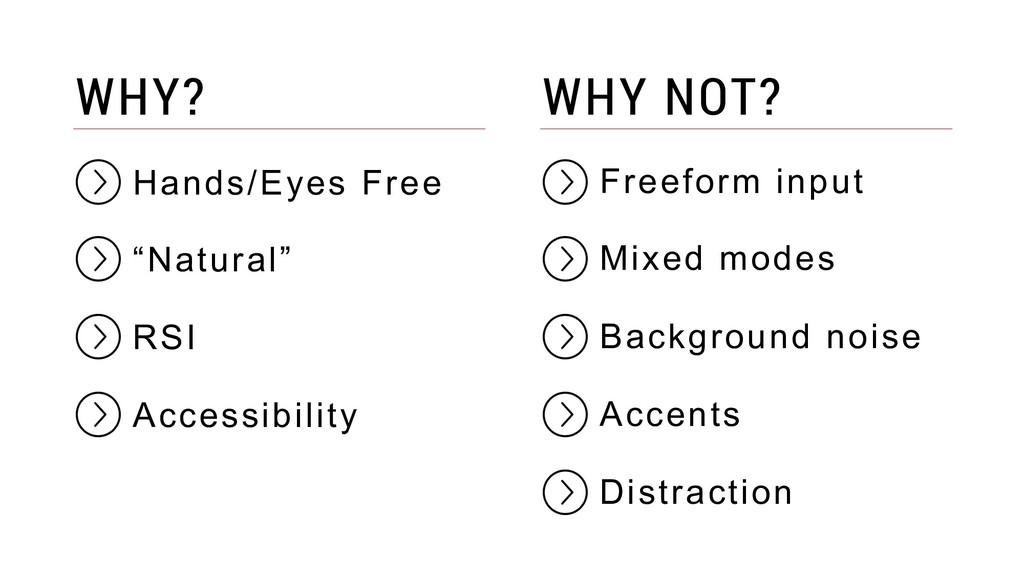
WHY NOT? Freeform input Mixed
modes Background noise Accents Distraction WHY? Hands/Eyes Free “Natural” RSI Accessibility
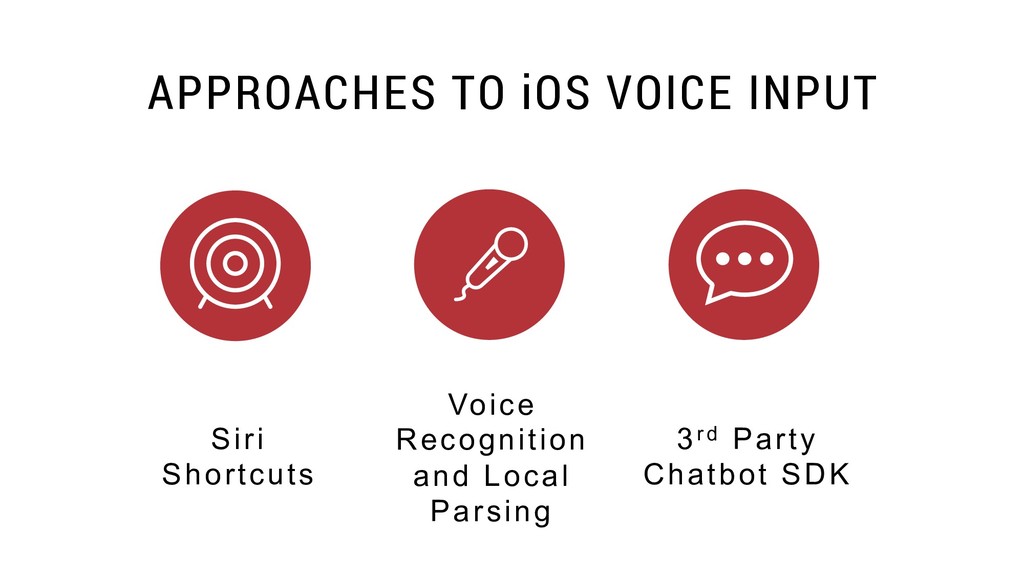
APPROACHES TO iOS VOICE INPUT Siri Shortcuts Voice Recognition and
Local Parsing 3r d Party Chatbot SDK
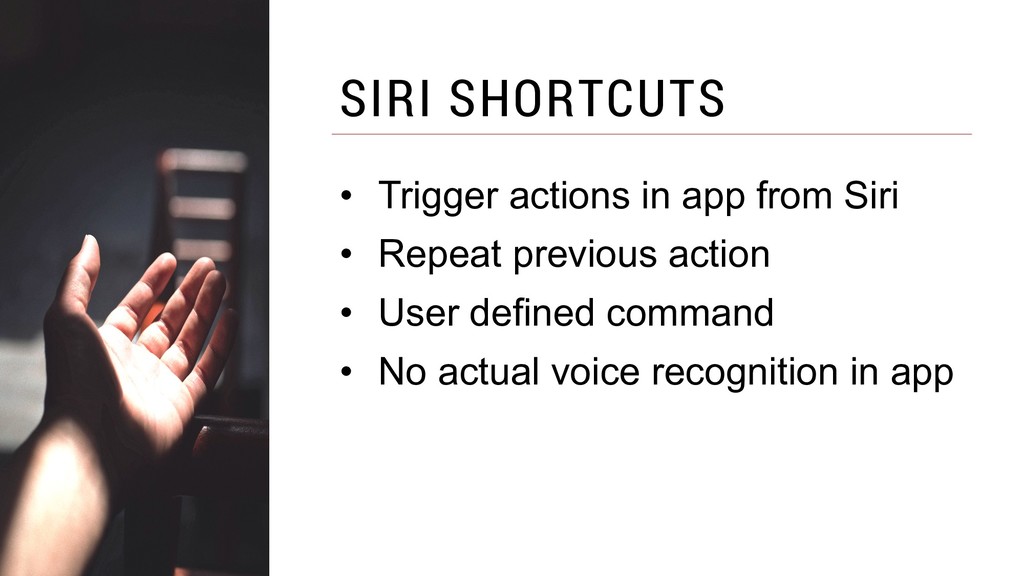
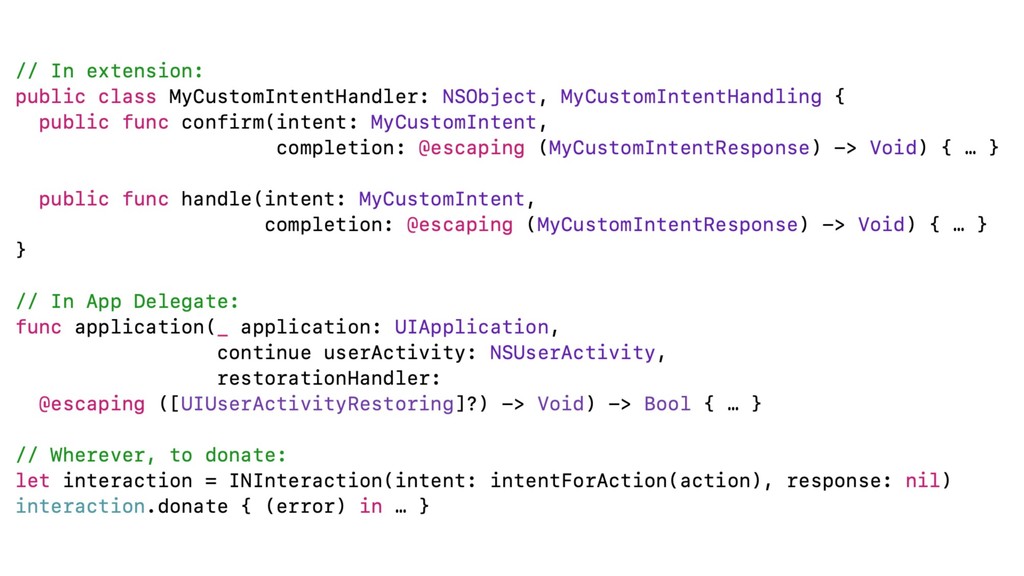
SIRI SHORTCUTS • Trigger actions in app from Siri •
Repeat previous action • User defined command • No actual voice recognition in app
None
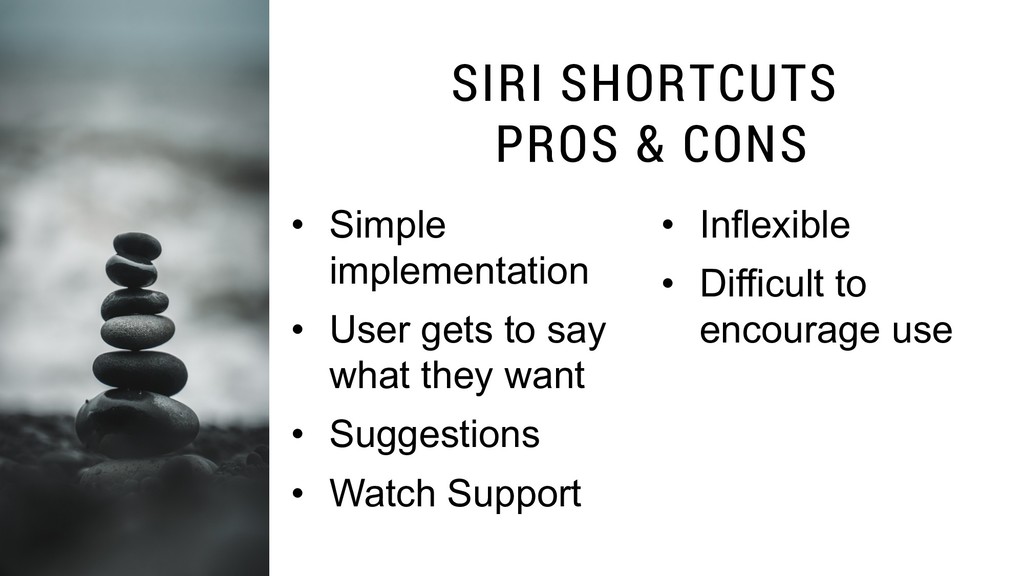
SIRI SHORTCUTS PROS & CONS • Simple implementation • User
gets to say what they want • Suggestions • Watch Support • Inflexible • Difficult to encourage use
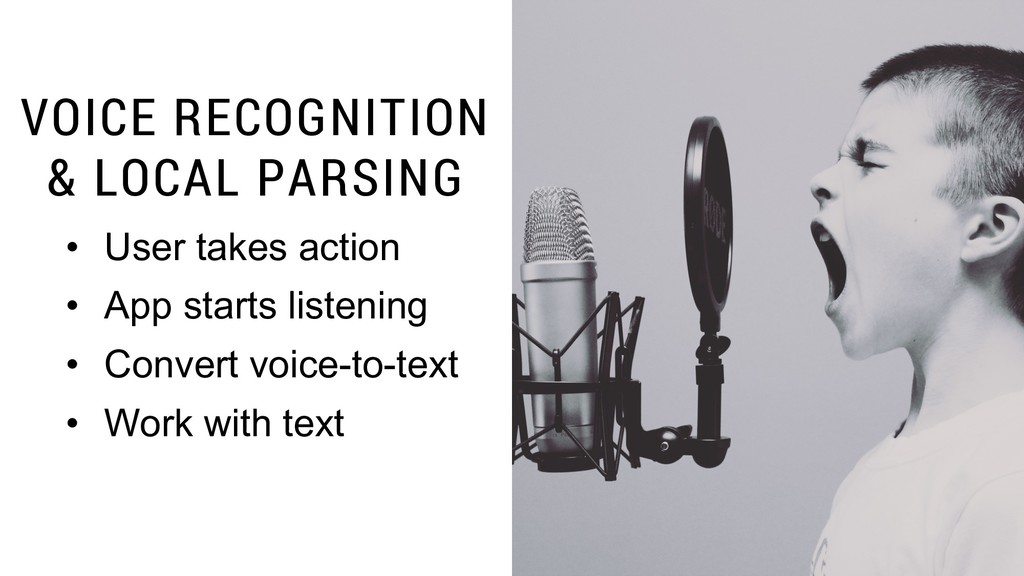
VOICE RECOGNITION & LOCAL PARSING • User takes action •
App starts listening • Convert voice-to-text • Work with text
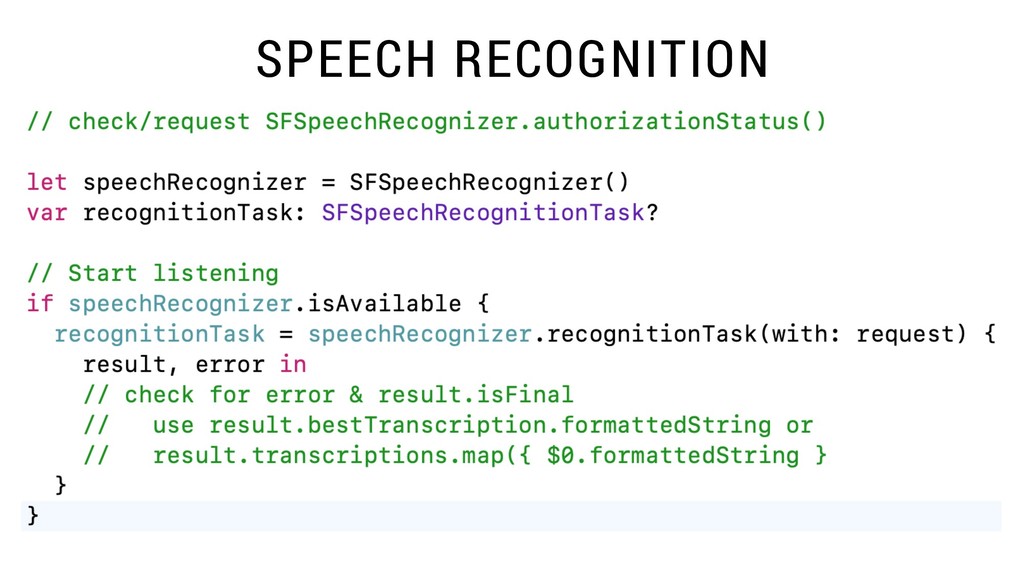
SPEECH RECOGNITION
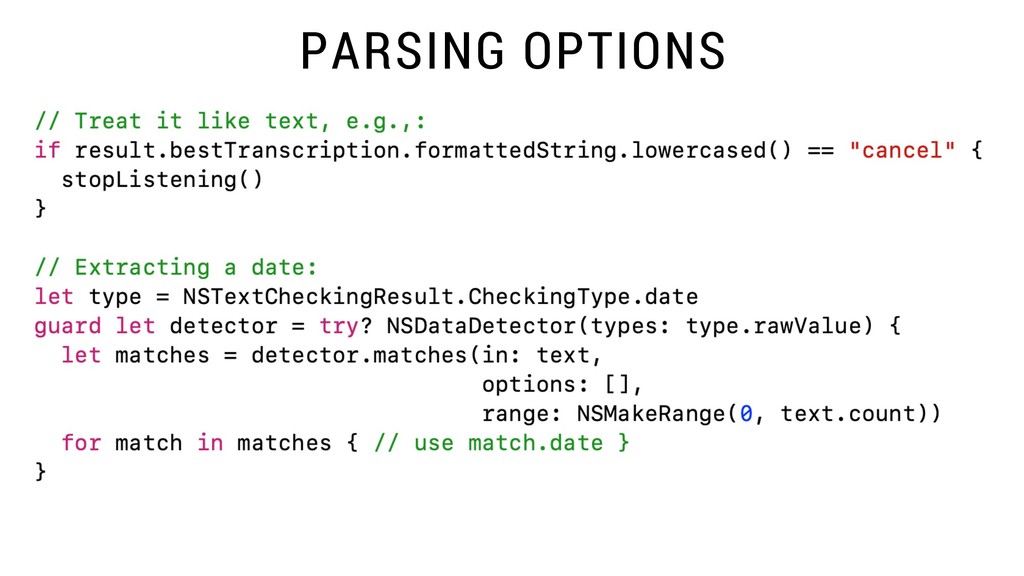
PARSING OPTIONS
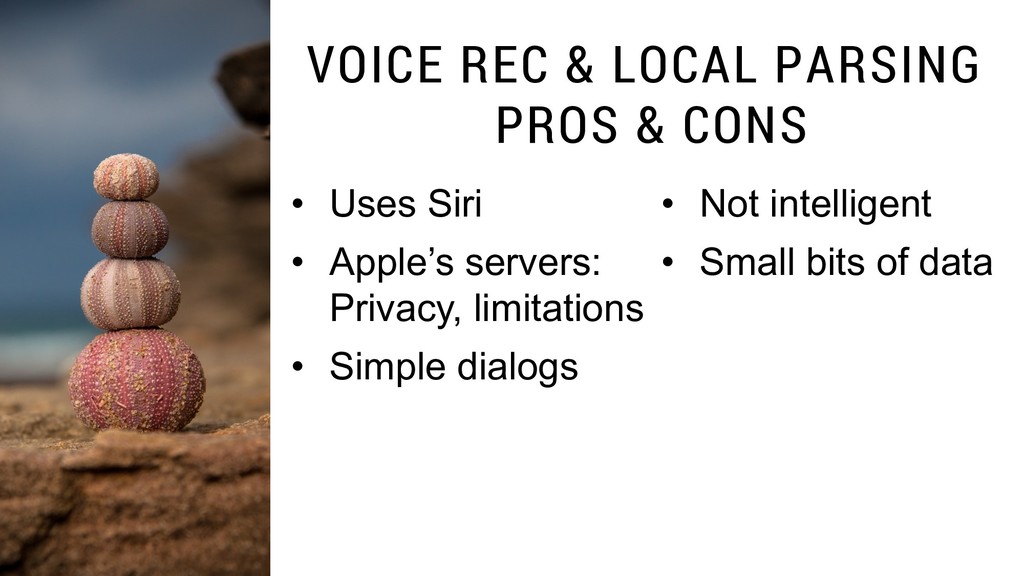
VOICE REC & LOCAL PARSING PROS & CONS • Uses
Siri • Apple’s servers: Privacy, limitations • Simple dialogs • Not intelligent • Small bits of data
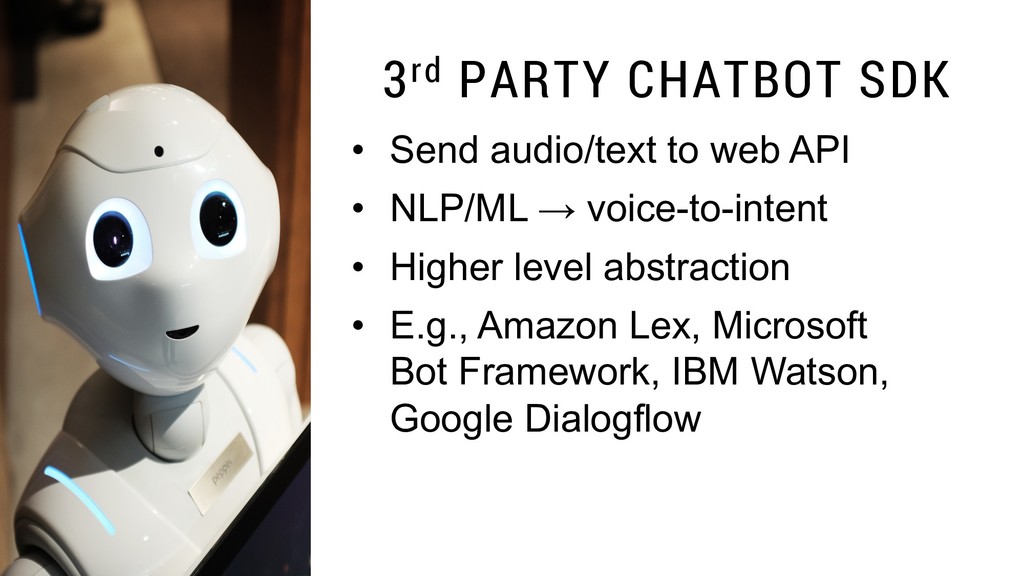
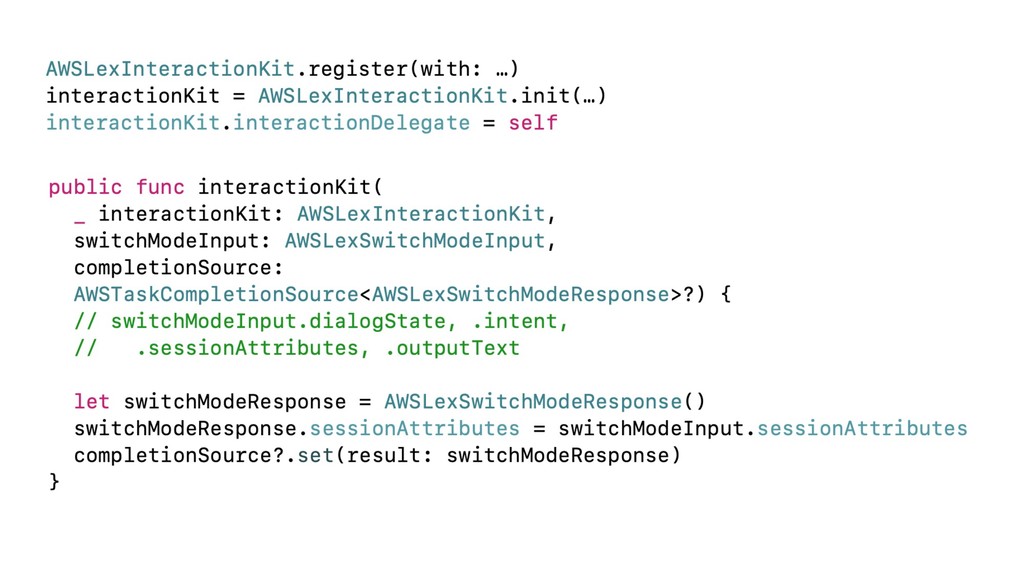
3rd PARTY CHATBOT SDK • Send audio/text to web API
• NLP/ML → voice-to-intent • Higher level abstraction • E.g., Amazon Lex, Microsoft Bot Framework, IBM Watson, Google Dialogflow
None
None
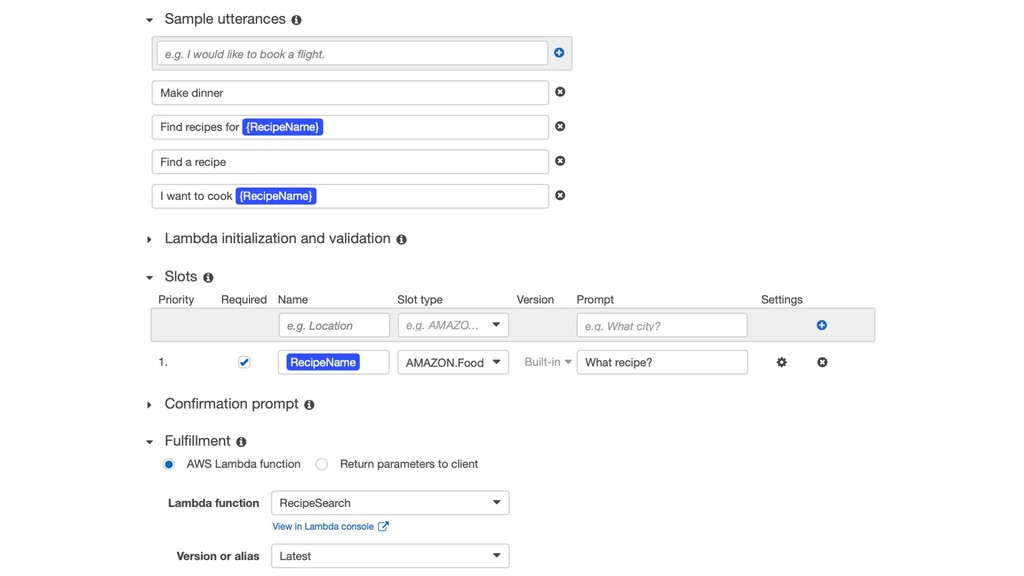
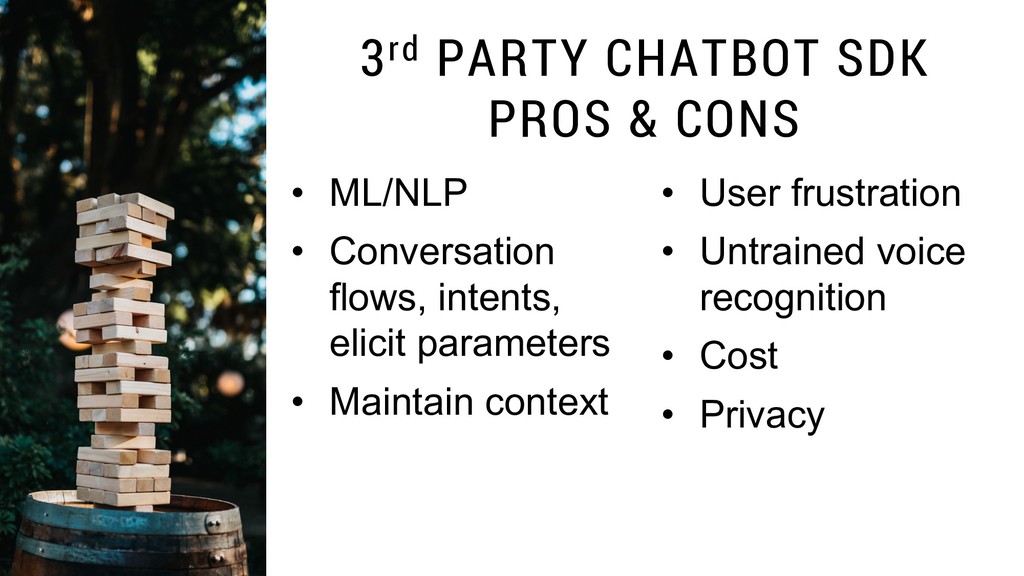
3rd PARTY CHATBOT SDK PROS & CONS • ML/NLP •
Conversation flows, intents, elicit parameters • Maintain context • User frustration • Untrained voice recognition • Cost • Privacy
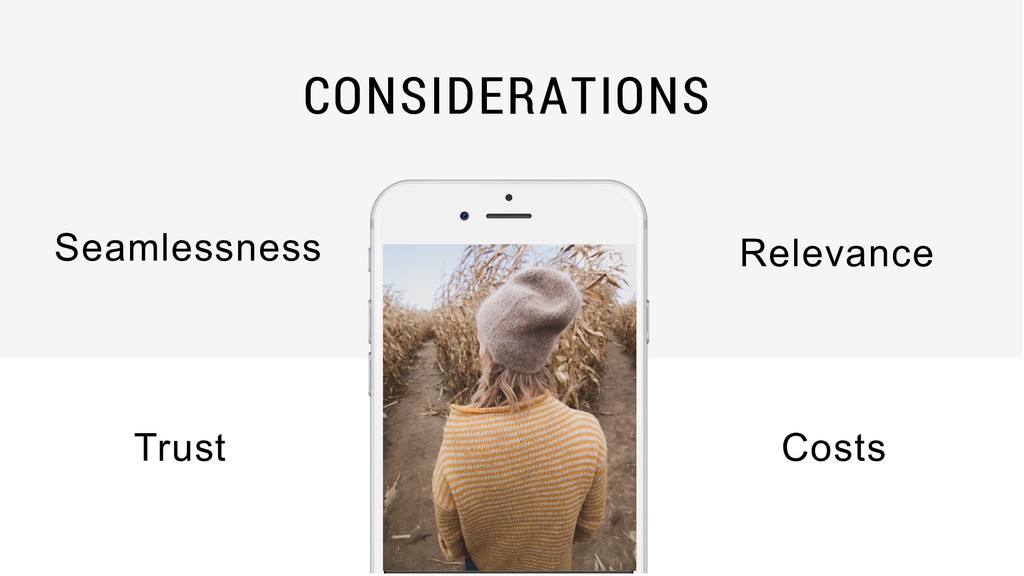
Seamlessness Relevance Trust Costs CONSIDERATIONS
UNDERSTANDING SPEECH: APPROACHES TO VOICE INPUT IN IOS APPS C
H R I S T I N A M O U LTO N TEAK MOBILE INC. TEAKMOBILE.COM GROKSWIFT.COM @ C H R I S T I N A M LT N


 cmoulton
 o0h
 ryu1013
 hollycummins
 skydoves
 marcoroth
 prota
 mixplace
 tanahiro2010
 utakaha
 kaityo256
 lynnswap
 yasaichi
 addyosmani
 aleyda
 chriscoyier
 panda_program
 baasie
 nonsquared
 bkeepers
 helenjbeal
 nwiizo
 danielanewman
 axbom