• The Court met its annual target of issuing opinions in all cases argued during the Term • The total number of opinions was well in line with recent Terms (~70 cases decided) • Might be years before the reduction in the number of bench/jury trials percolates up; emergency petitions might fill any gap
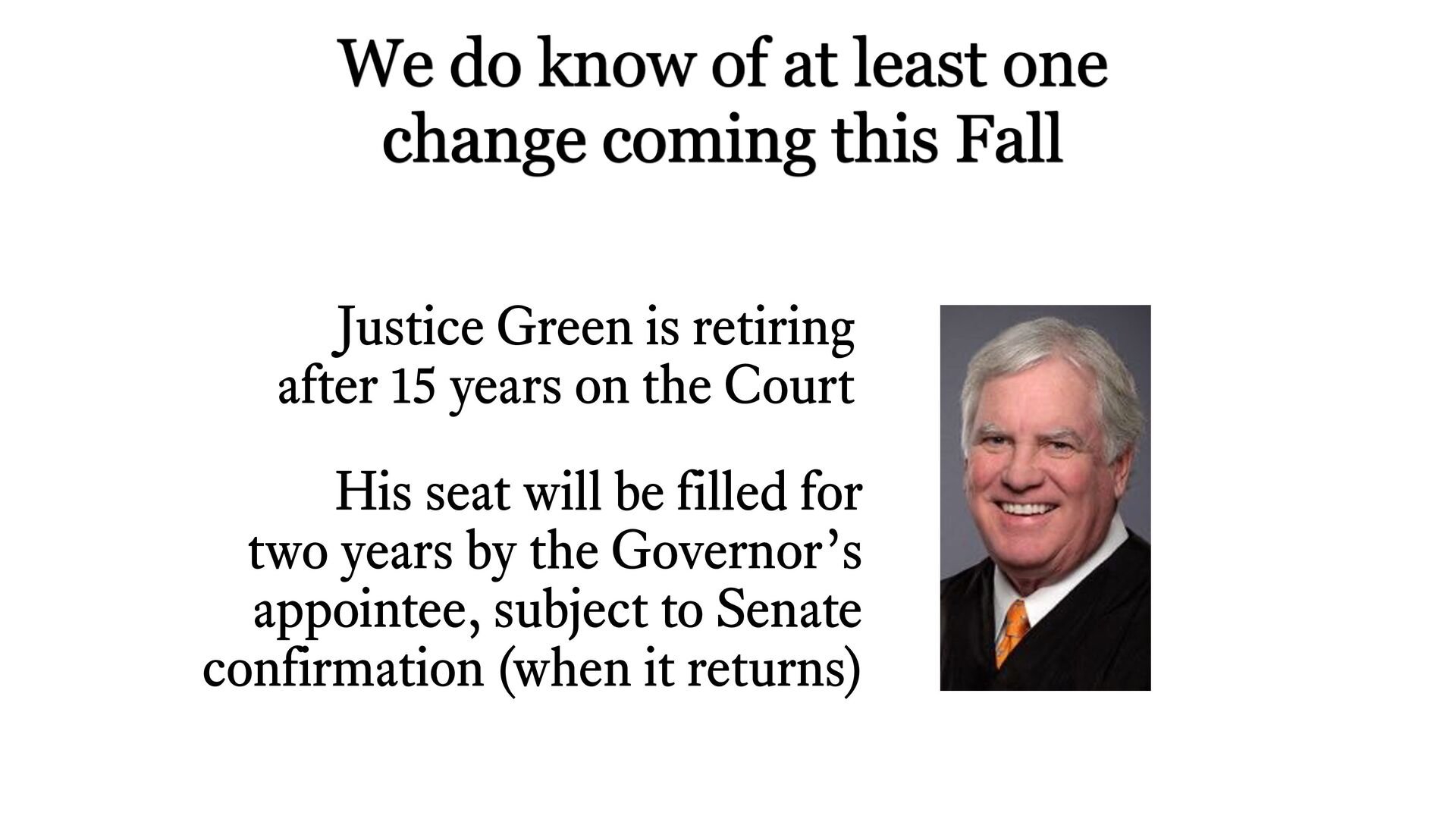
Fall Justice Green is retiring after 15 years on the Court His seat will be filled for two years by the Governor’s appointee, subject to Senate confirmation (when it returns)
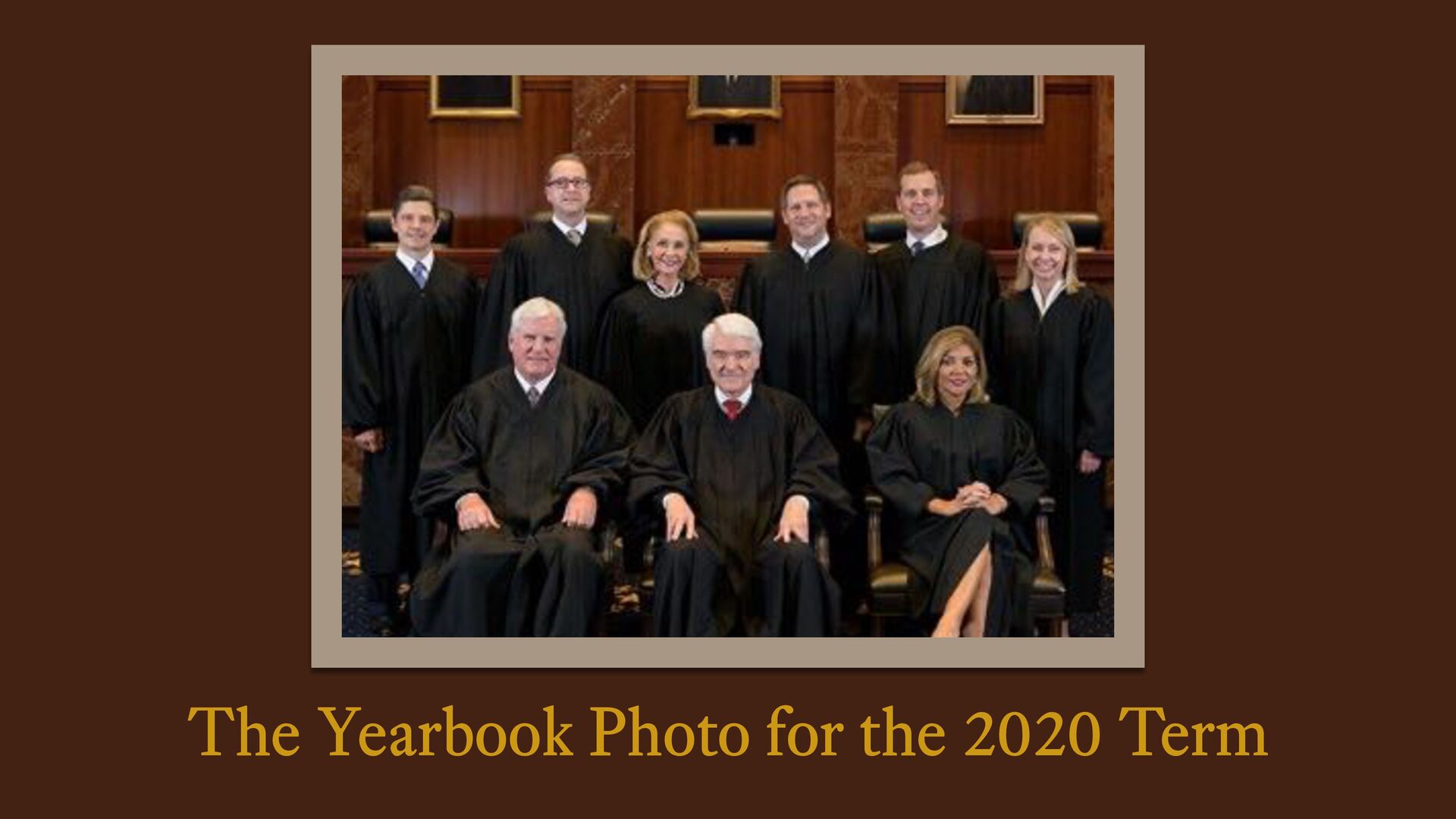
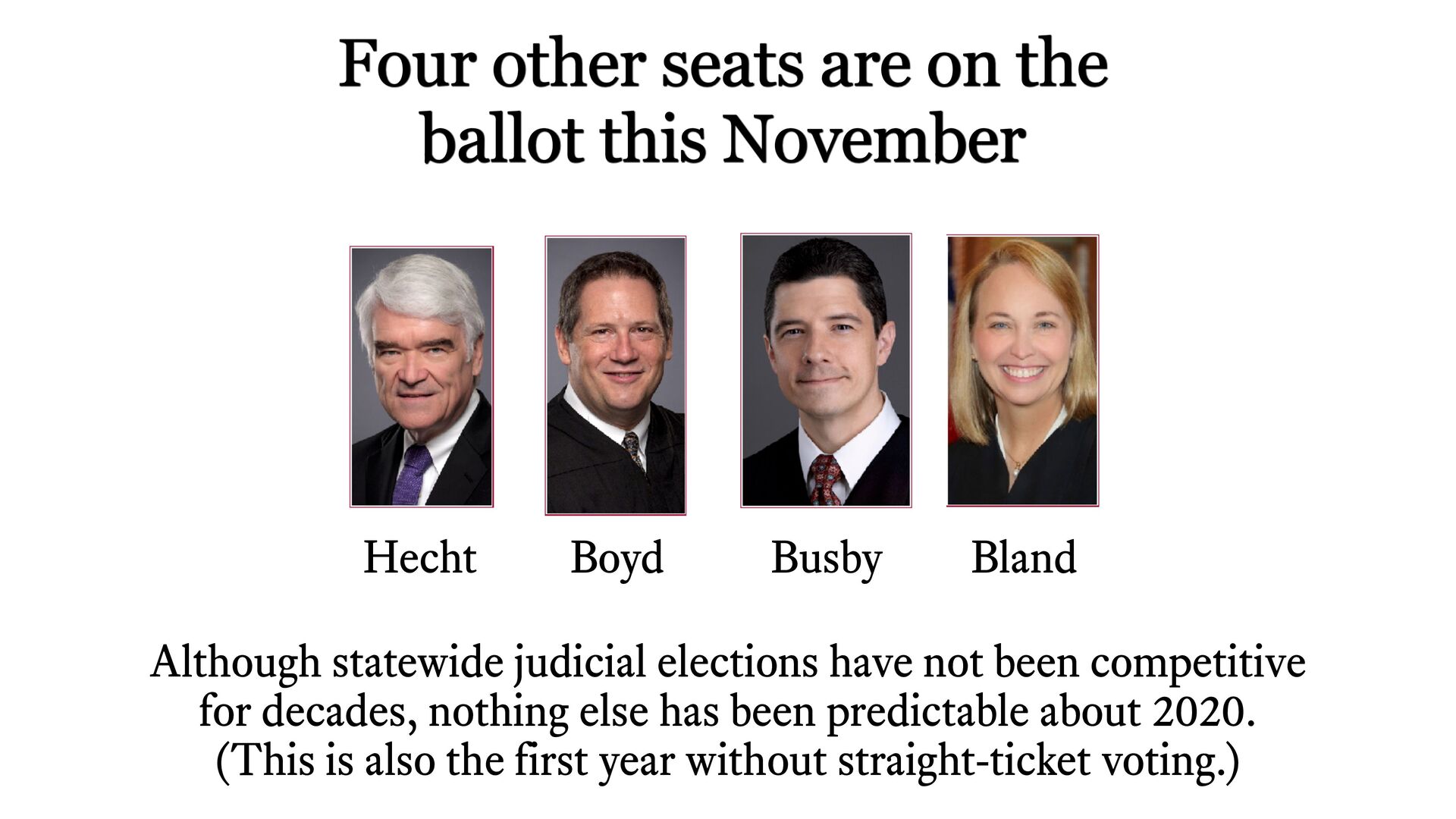
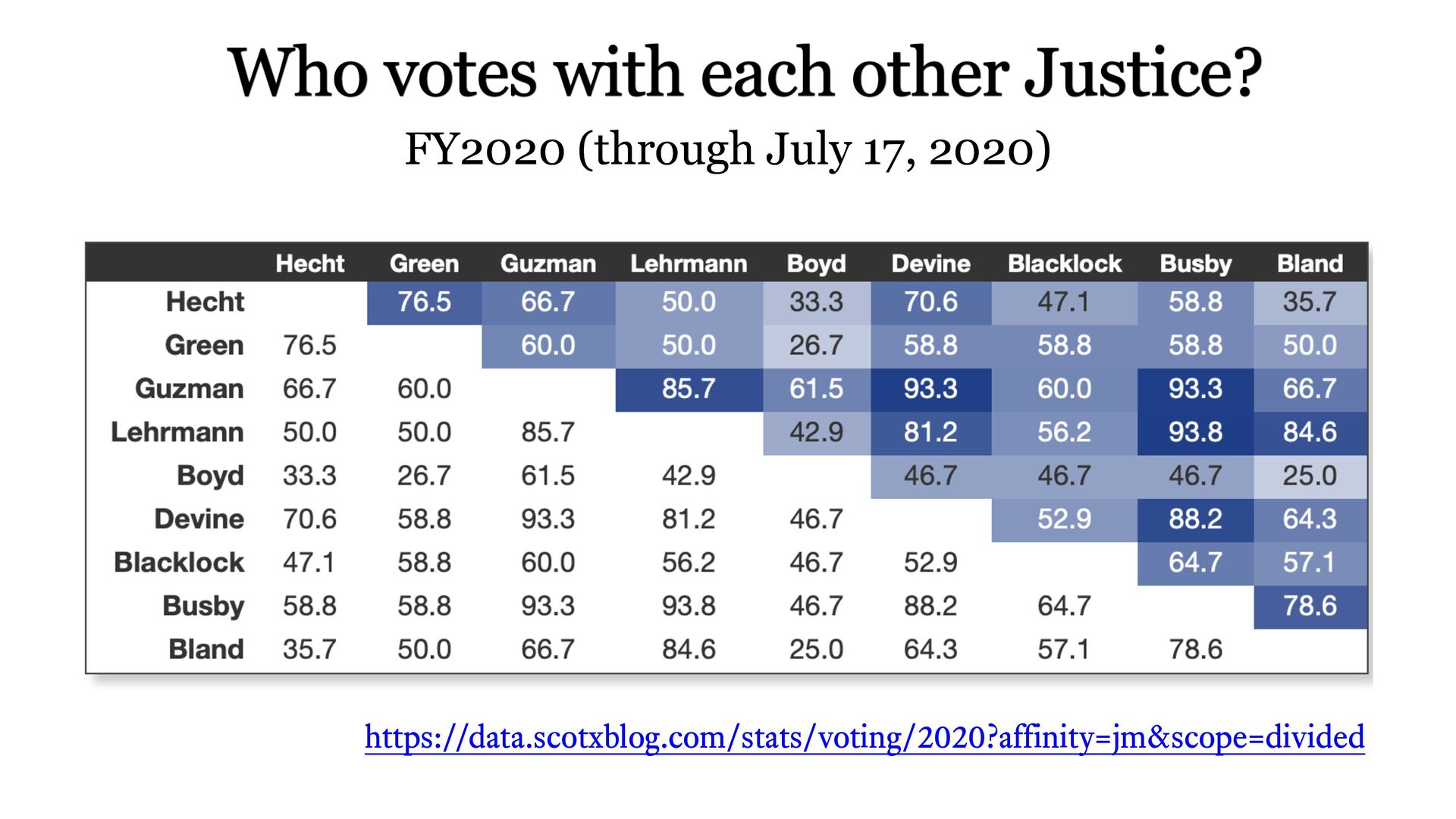
statewide judicial elections have not been competitive for decades, nothing else has been predictable about 2020. (This is also the first year without straight-ticket voting.) Hecht Boyd Busby Bland
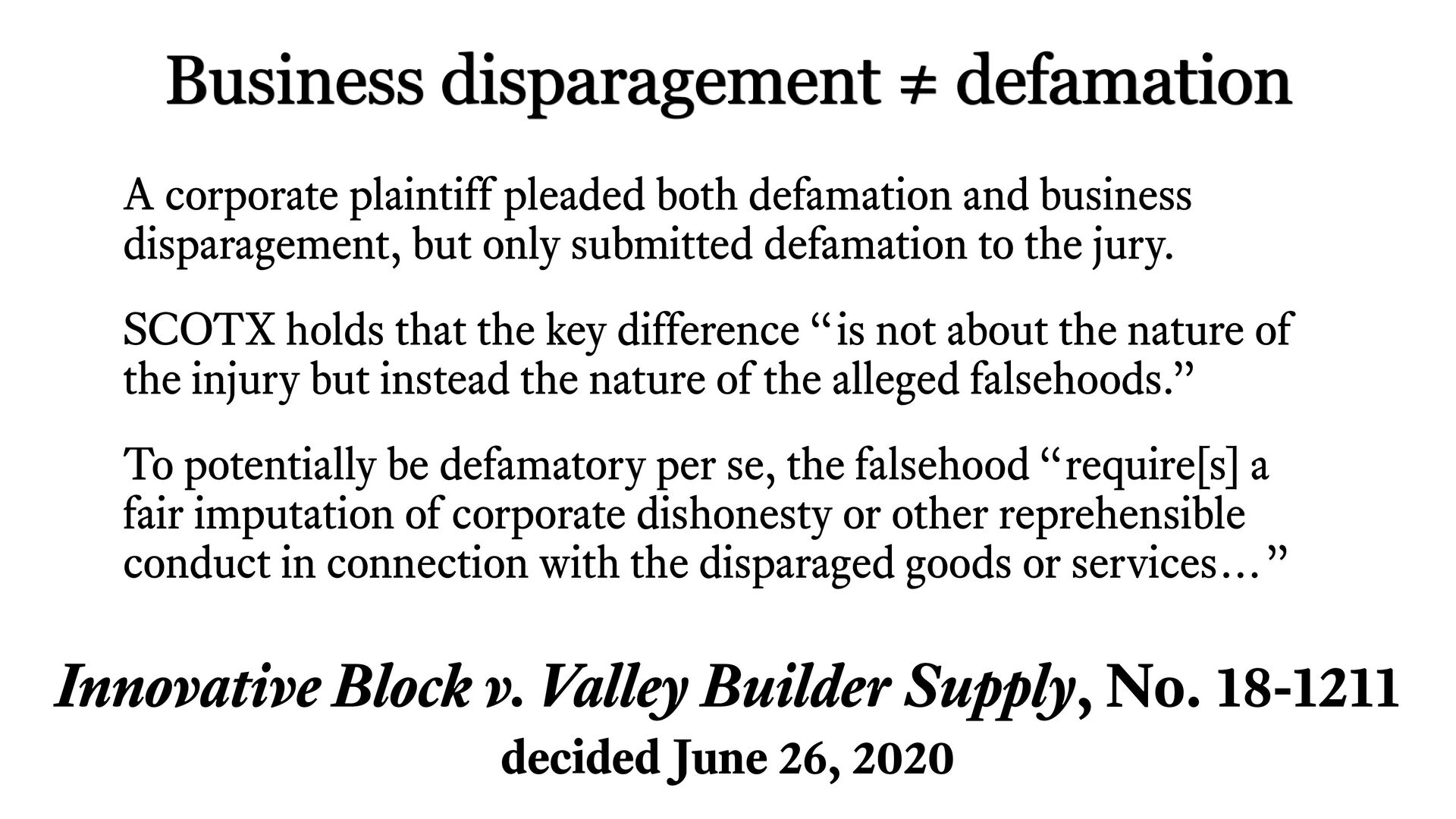
No. 18-1211 decided June 26, 2020 A corporate plaintiff pleaded both defamation and business disparagement, but only submitted defamation to the jury. SCOTX holds that the key difference “is not about the nature of the injury but instead the nature of the alleged falsehoods.” To potentially be defamatory per se, the falsehood “require[s] a fair imputation of corporate dishonesty or other reprehensible conduct in connection with the disparaged goods or services…”
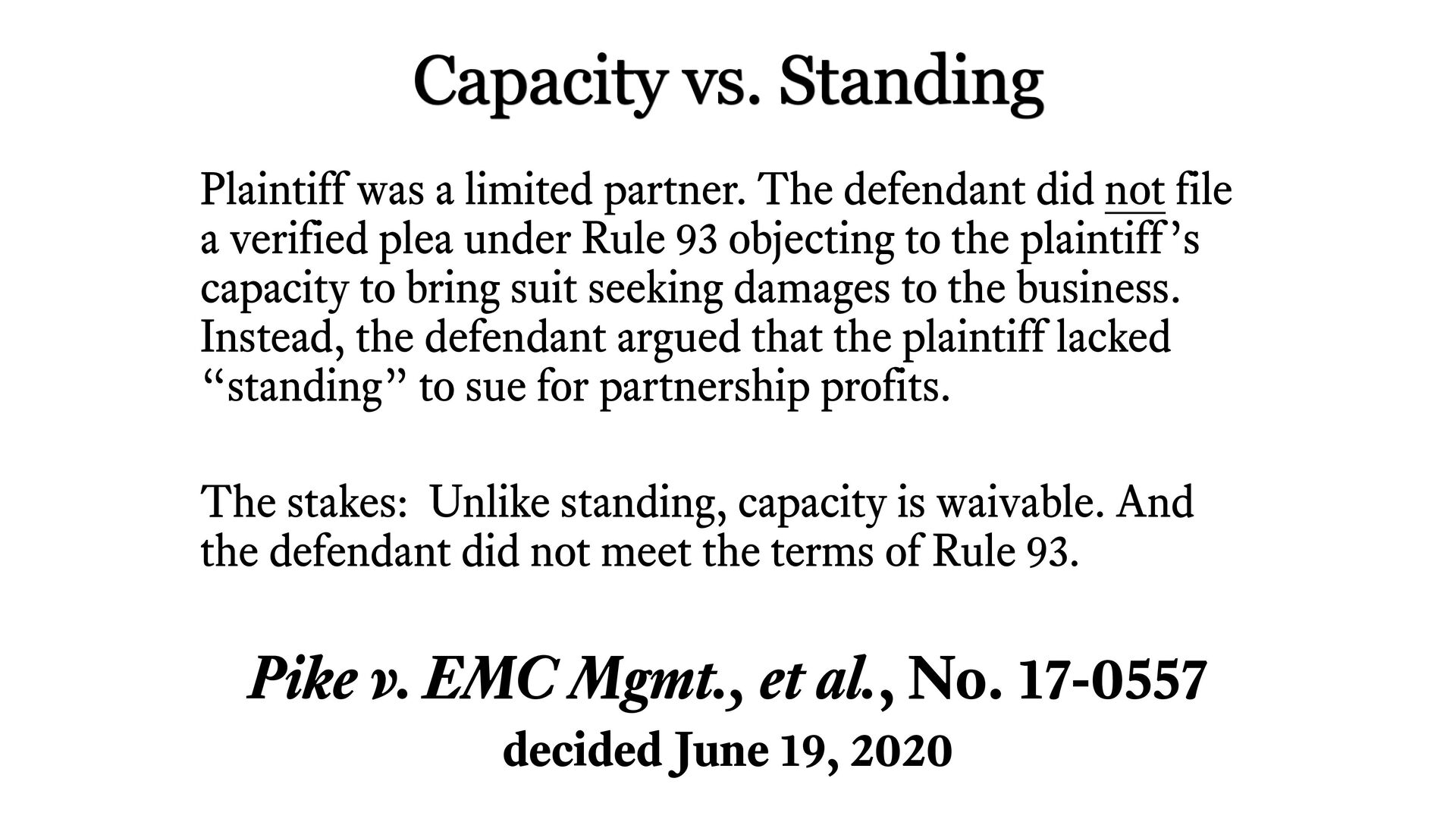
17-0557 decided June 19, 2020 Plaintiff was a limited partner. The defendant did not file a verified plea under Rule 93 objecting to the plaintiff’s capacity to bring suit seeking damages to the business. Instead, the defendant argued that the plaintiff lacked “standing” to sue for partnership profits. The stakes: Unlike standing, capacity is waivable. And the defendant did not meet the terms of Rule 93.
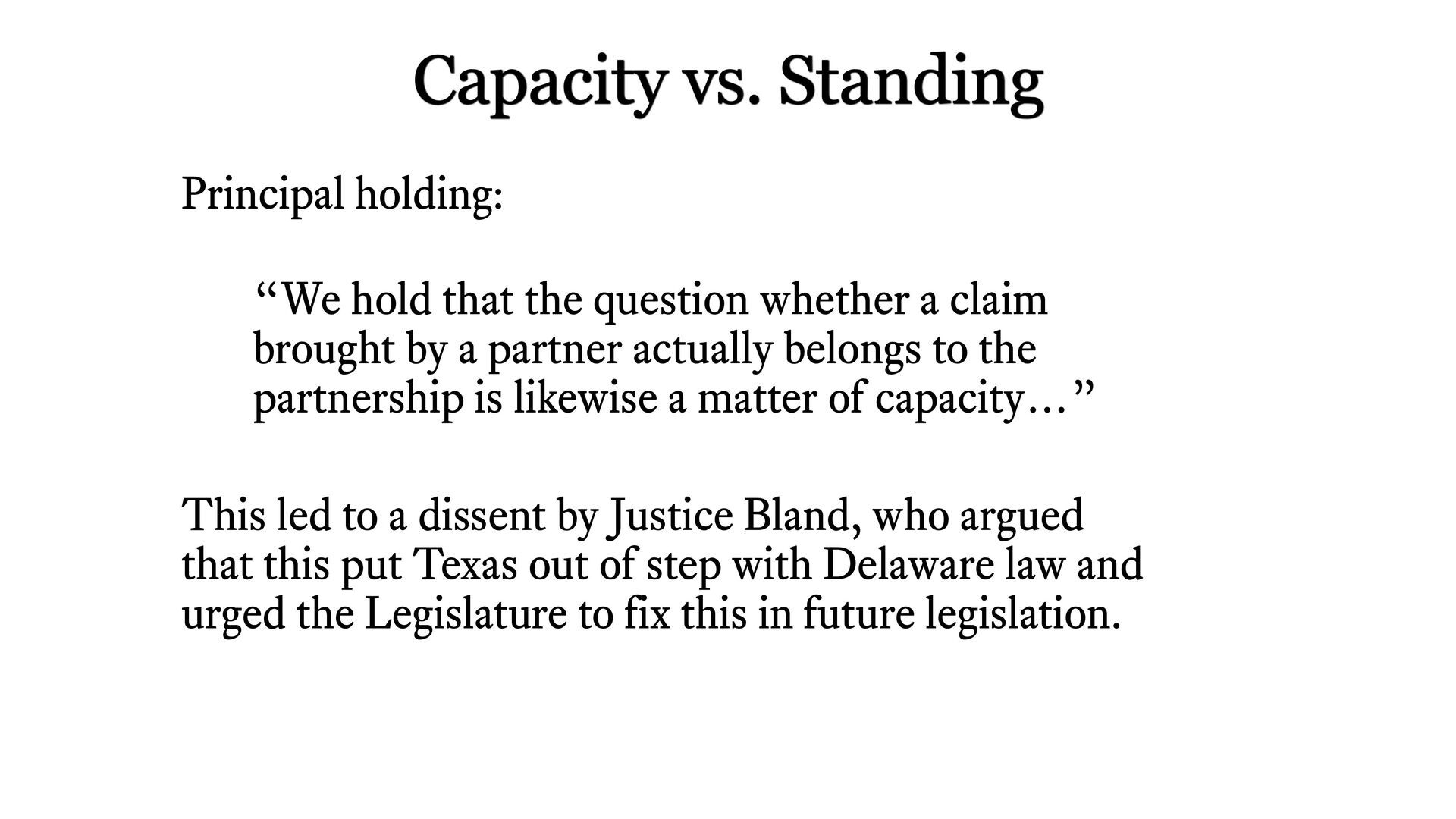
a partner actually belongs to the partnership is likewise a matter of capacity…” Principal holding: This led to a dissent by Justice Bland, who argued that this put Texas out of step with Delaware law and urged the Legislature to fix this in future legislation. Capacity vs. Standing
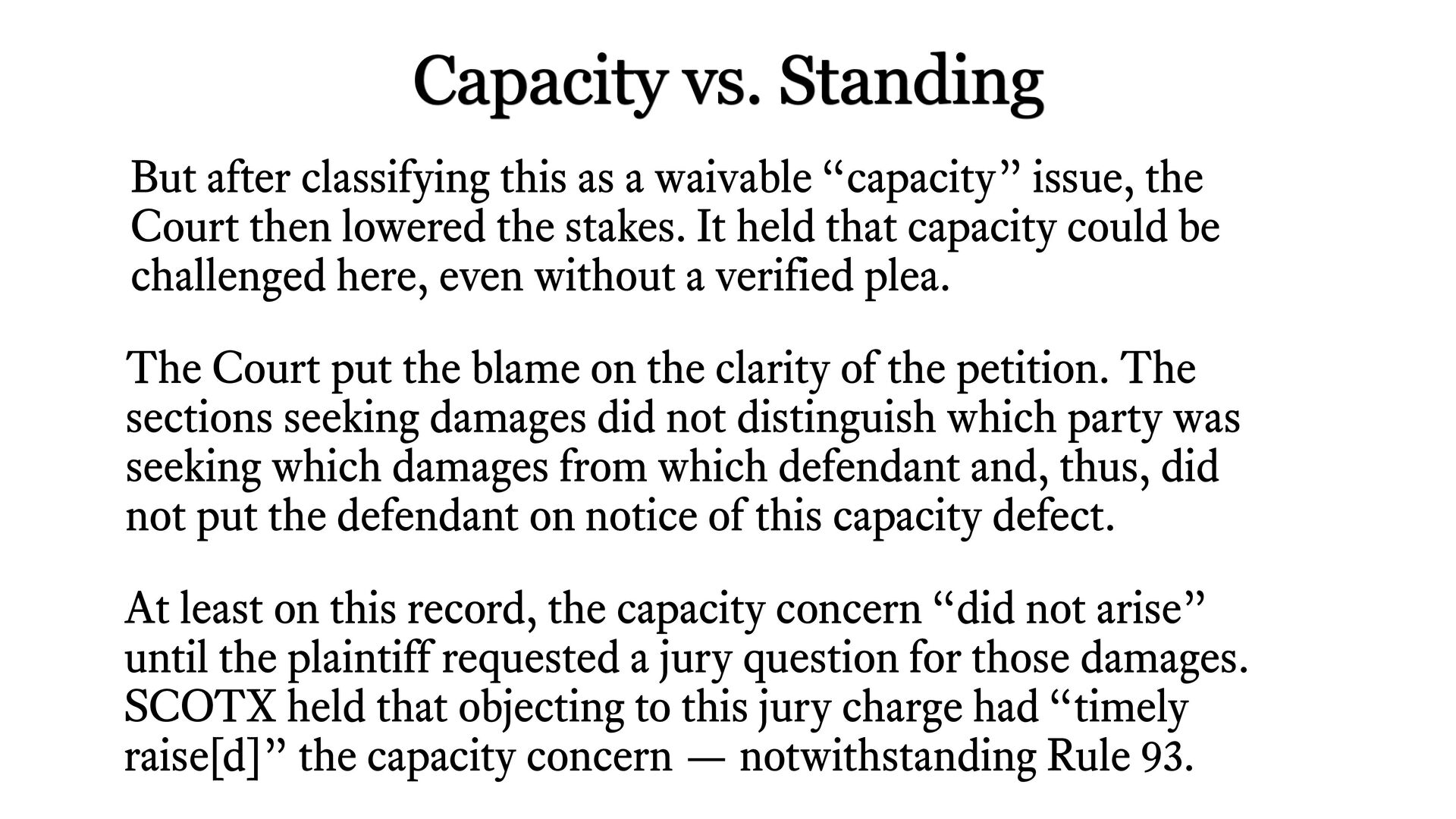
Court then lowered the stakes. It held that capacity could be challenged here, even without a verified plea. The Court put the blame on the clarity of the petition. The sections seeking damages did not distinguish which party was seeking which damages from which defendant and, thus, did not put the defendant on notice of this capacity defect. At least on this record, the capacity concern “did not arise” until the plaintiff requested a jury question for those damages. SCOTX held that objecting to this jury charge had “timely raise[d]” the capacity concern — notwithstanding Rule 93. Capacity vs. Standing
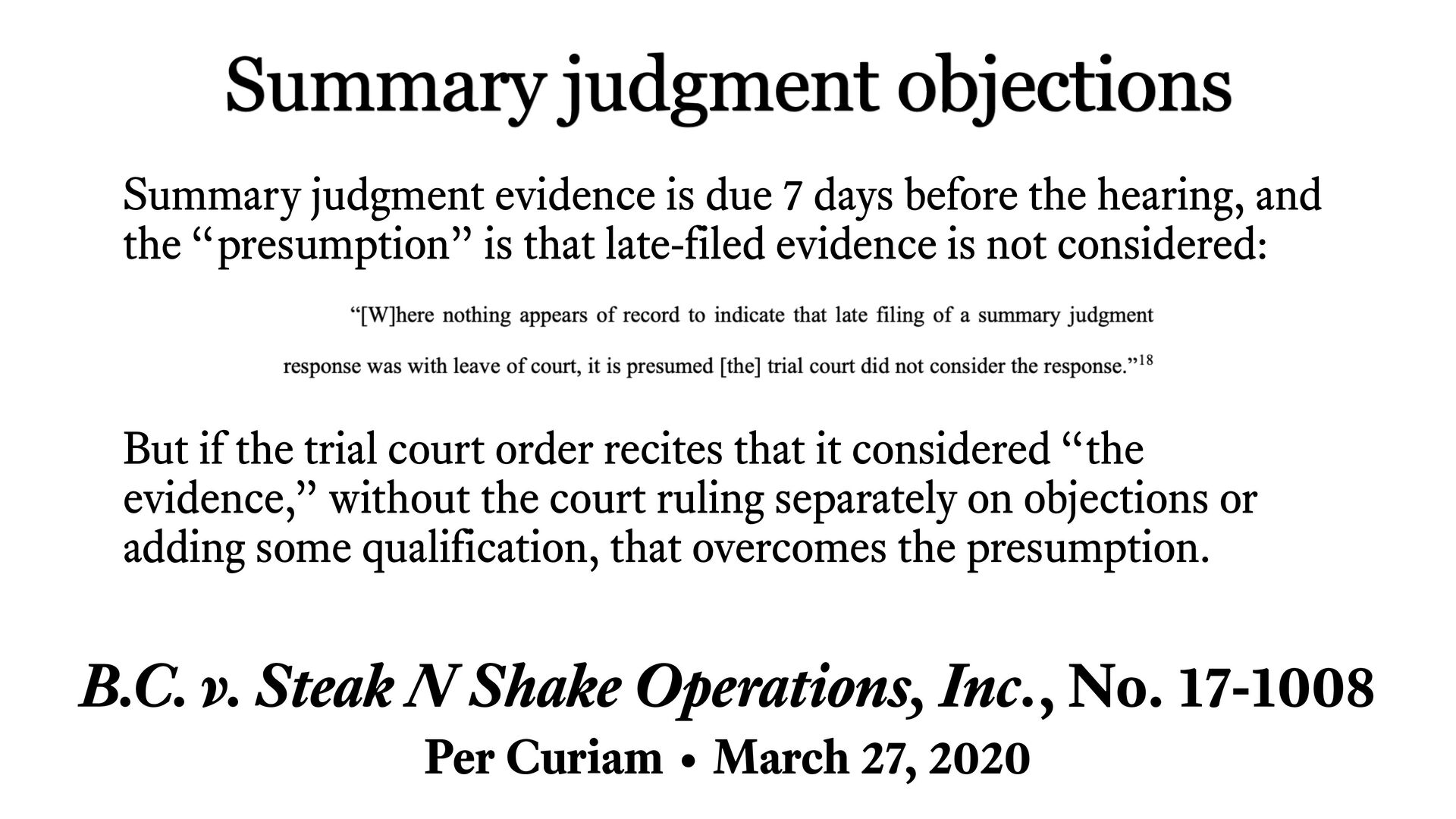
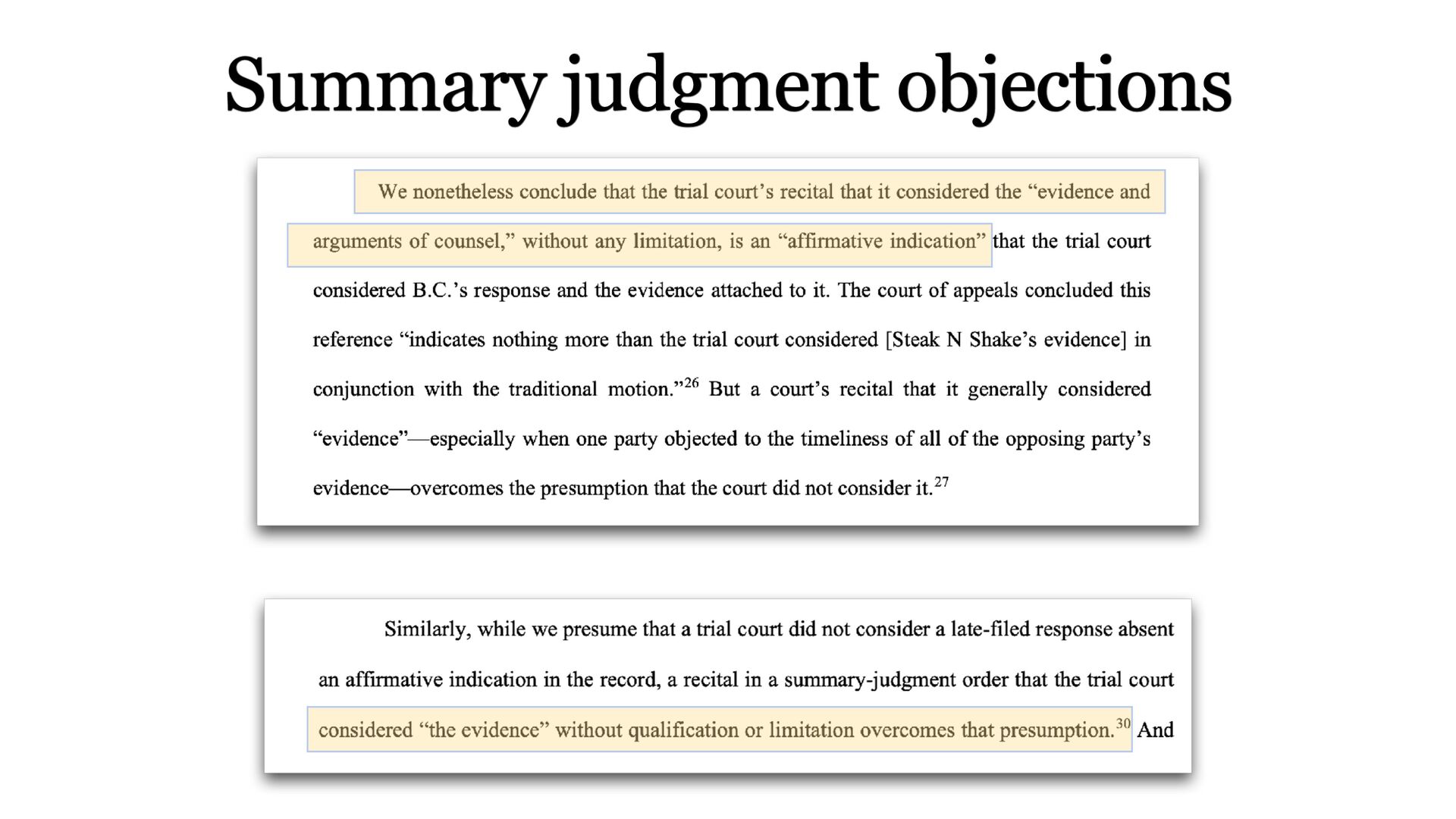
No. 17-1008 Per Curiam • March 27, 2020 Summary judgment evidence is due 7 days before the hearing, and the “presumption” is that late-filed evidence is not considered: But if the trial court order recites that it considered “the evidence,” without the court ruling separately on objections or adding some qualification, that overcomes the presumption.
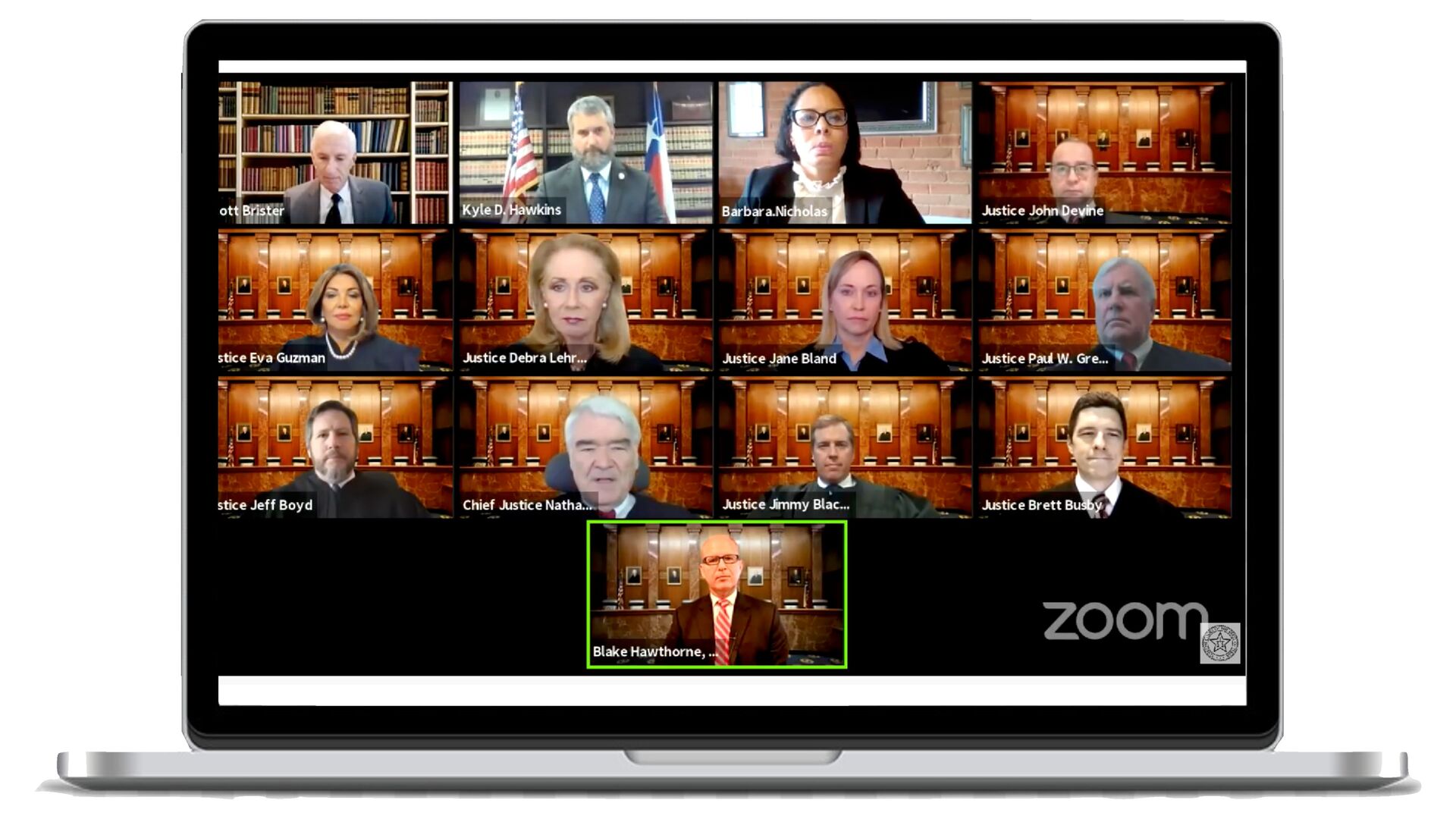
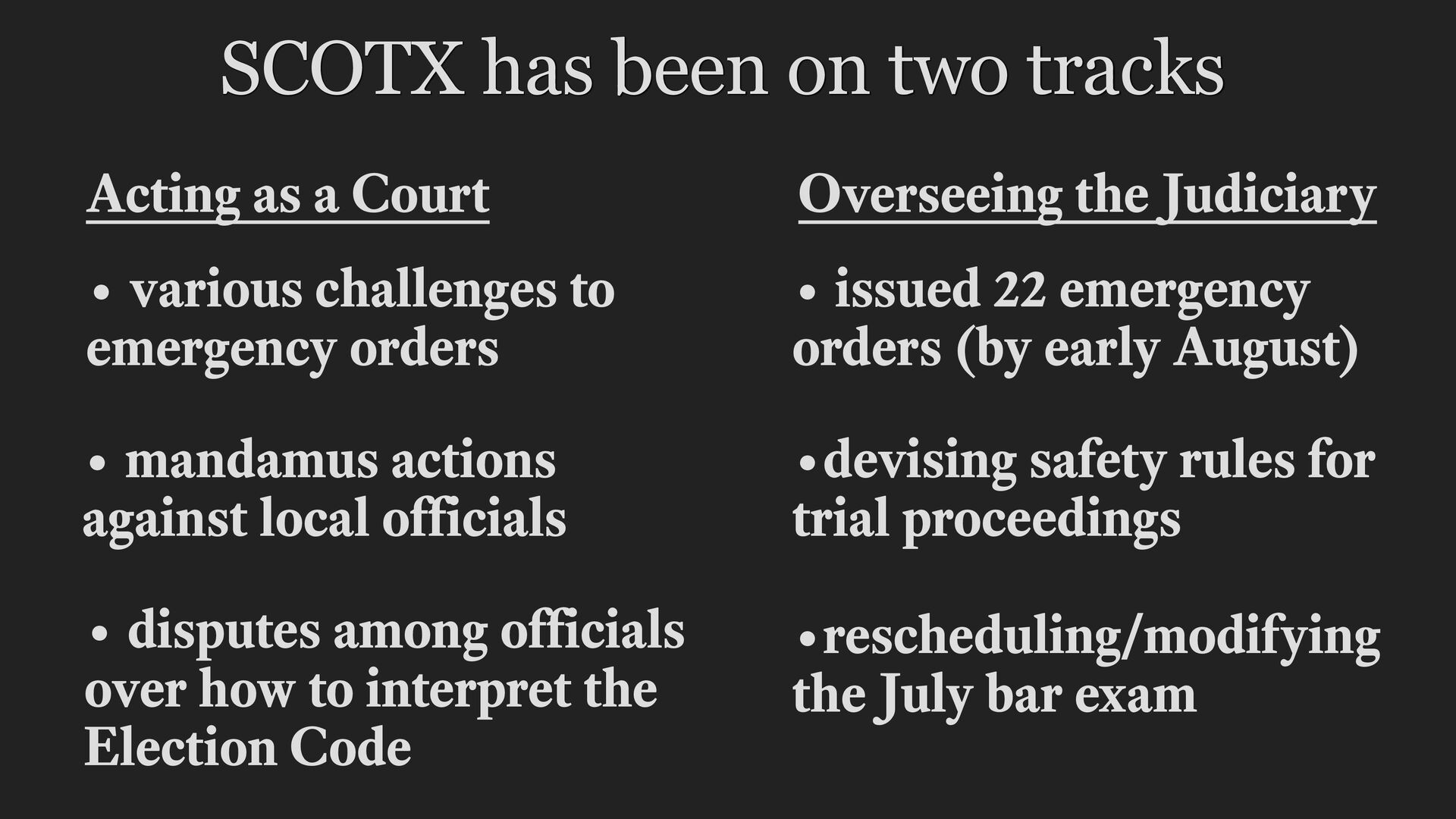
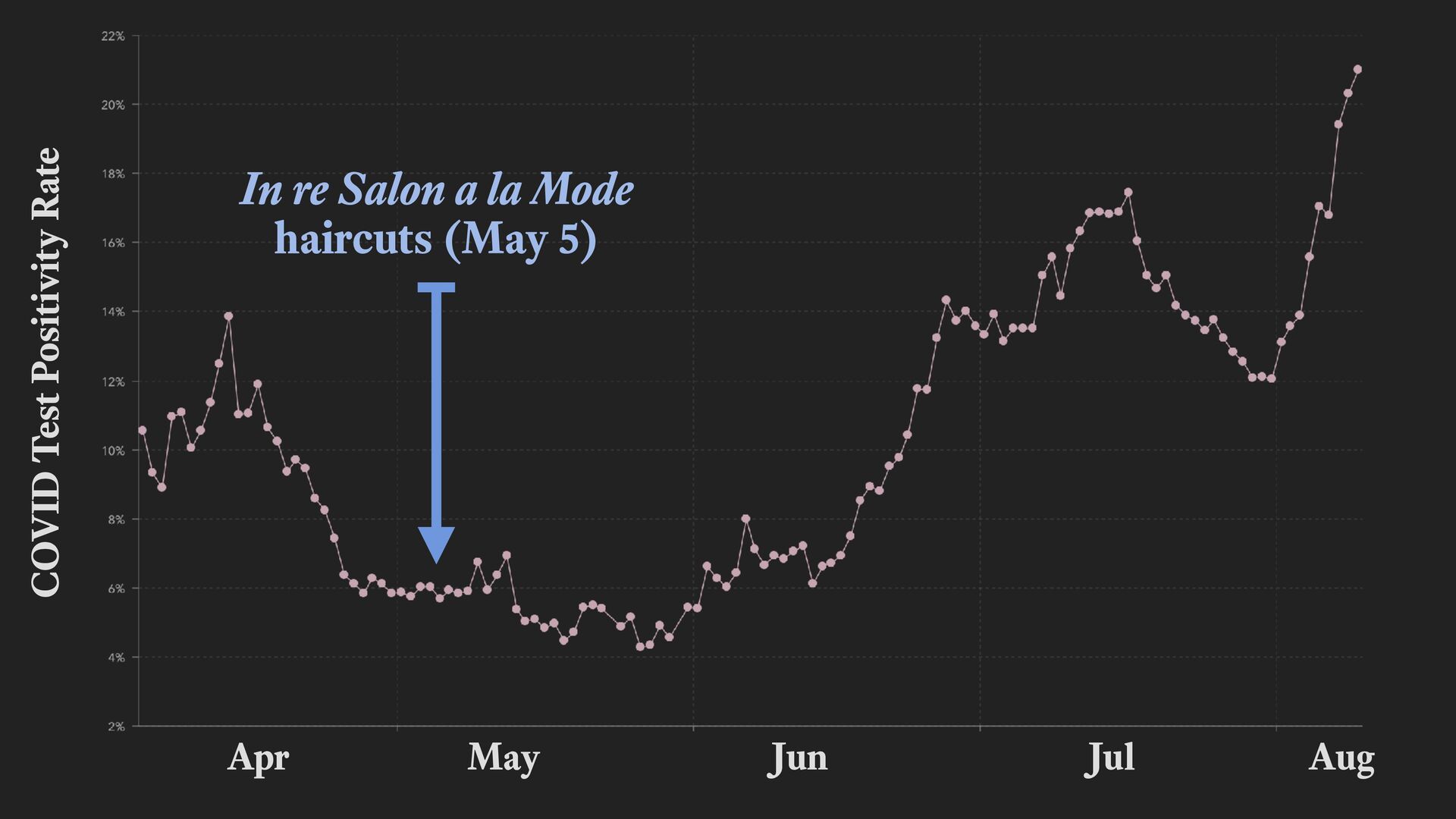
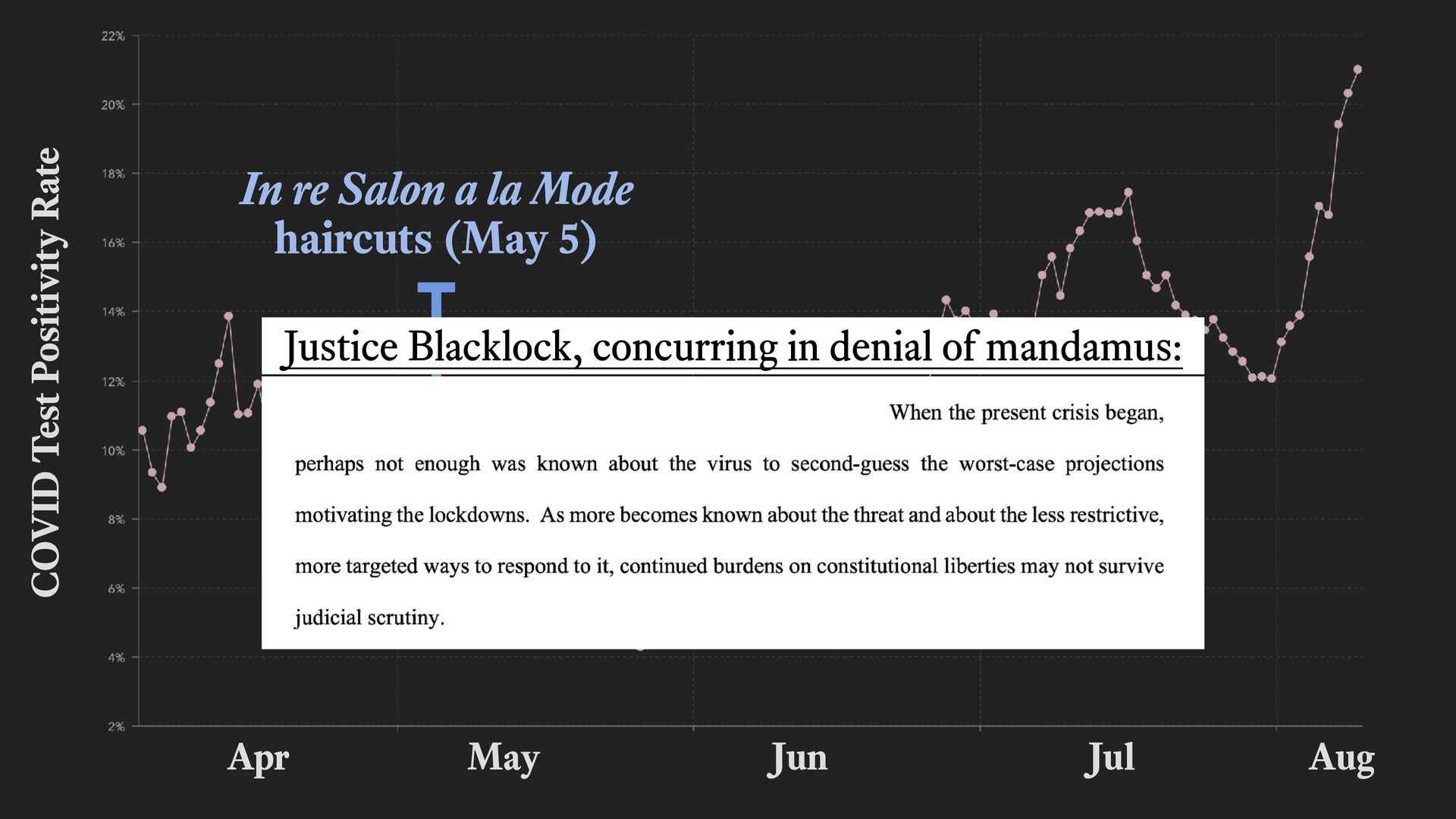
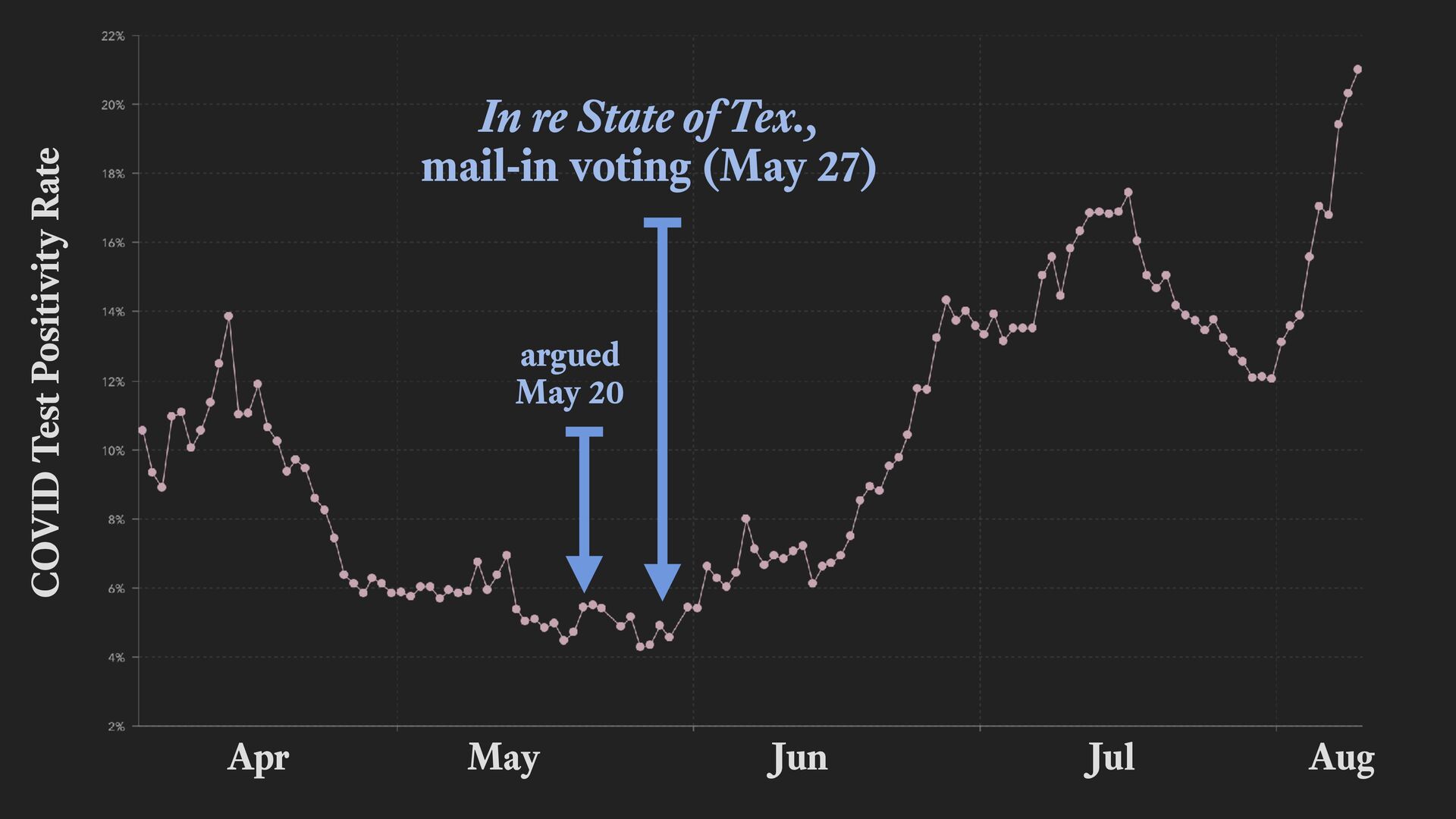
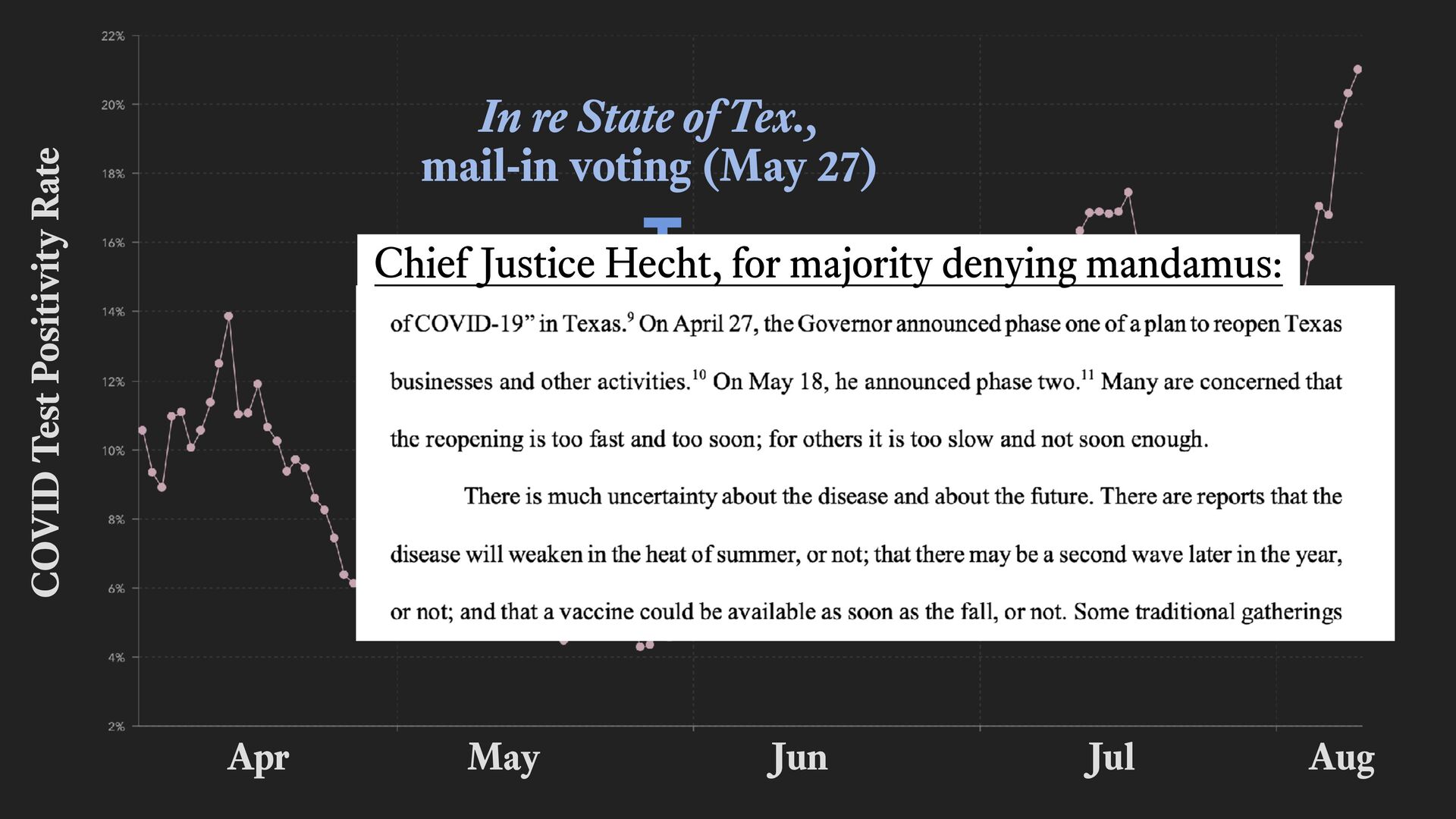
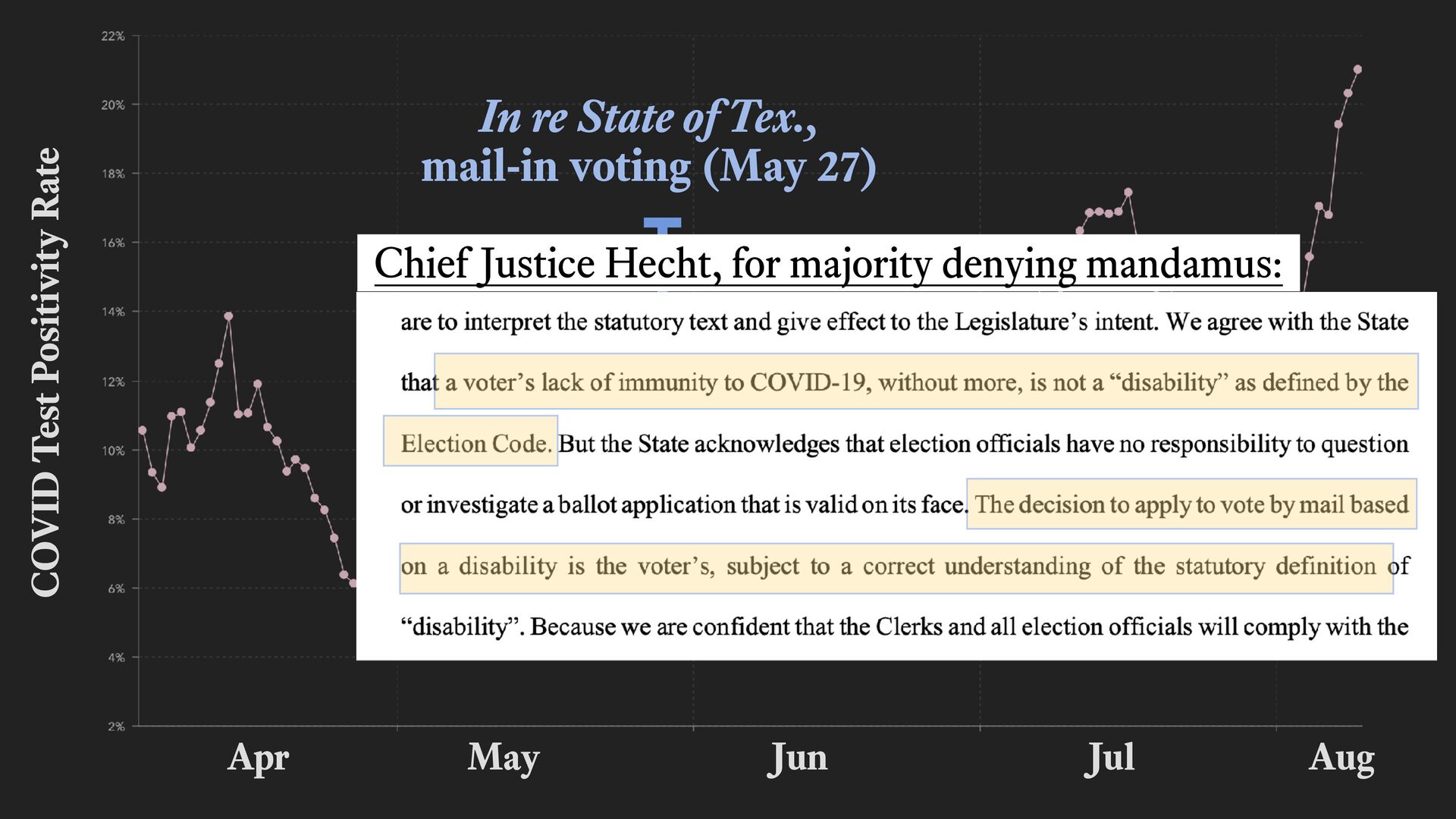
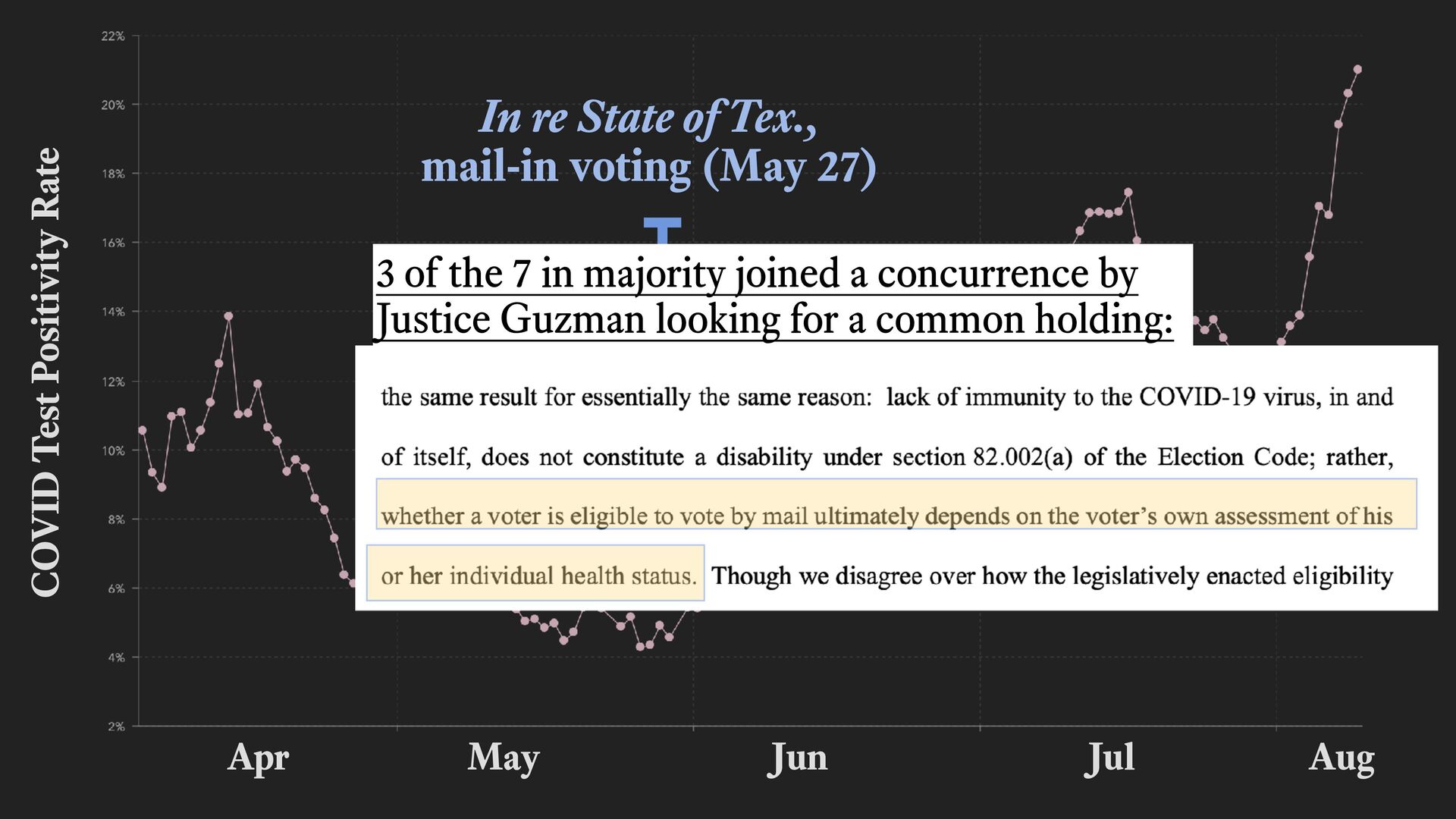
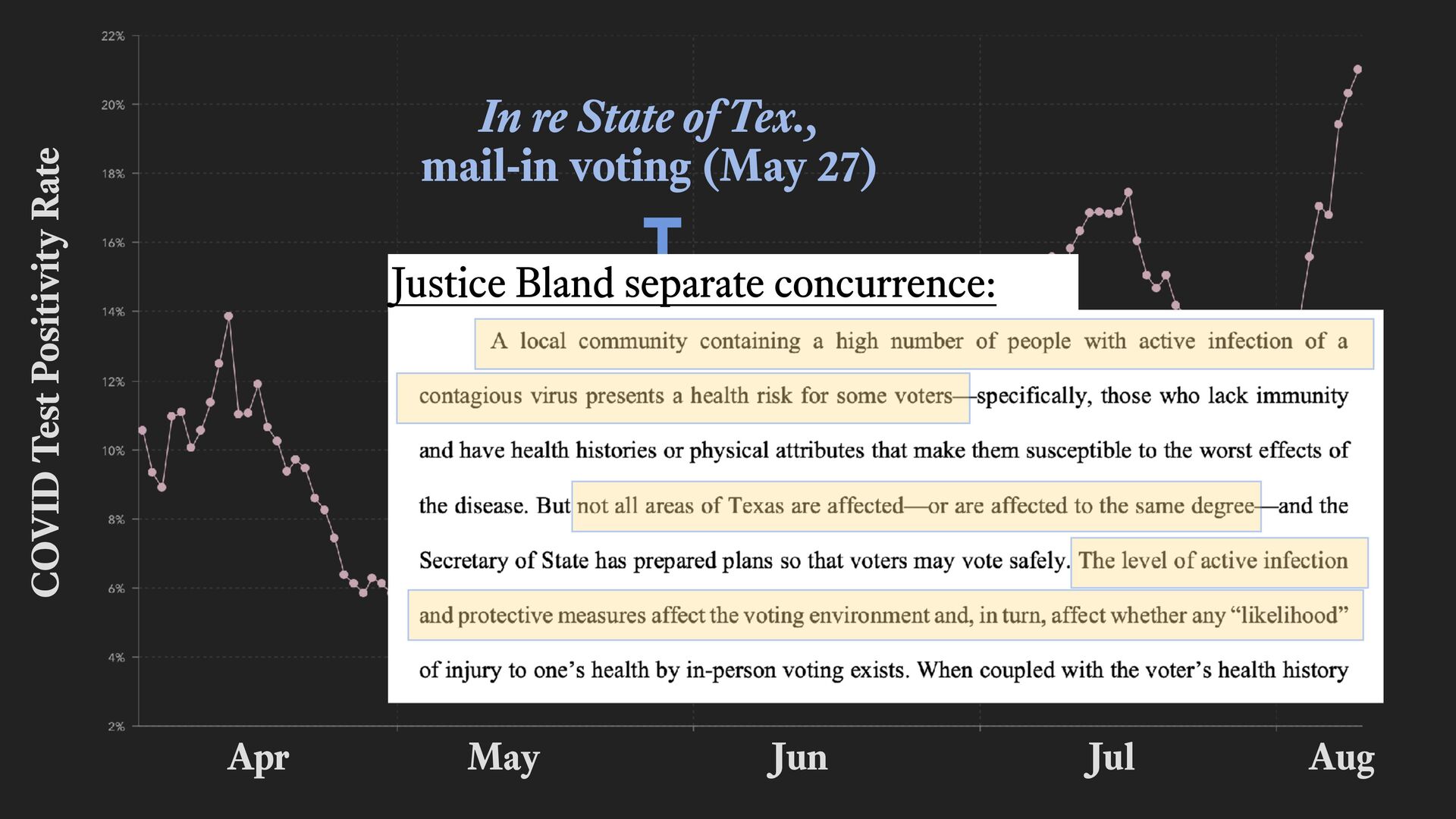
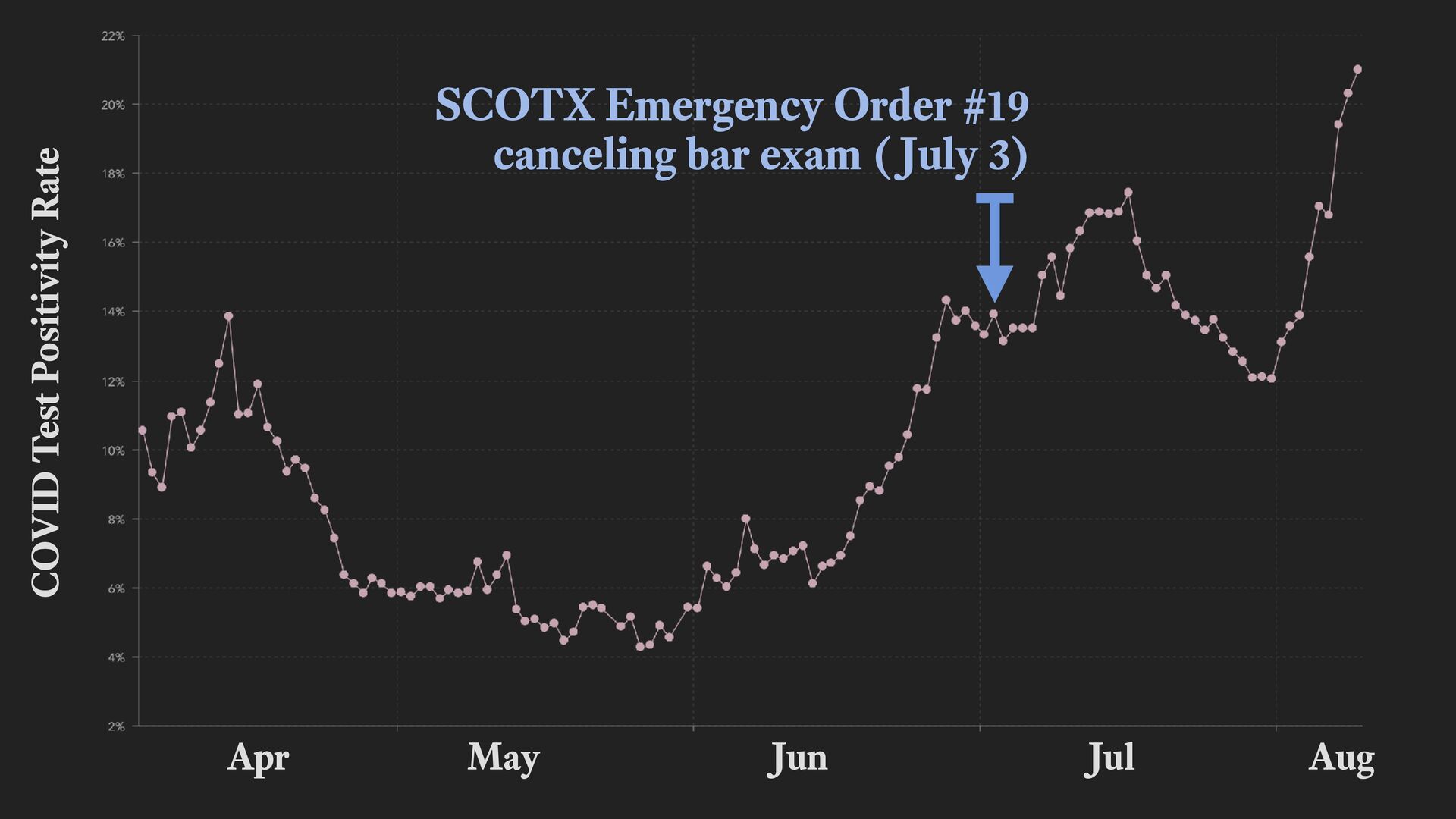
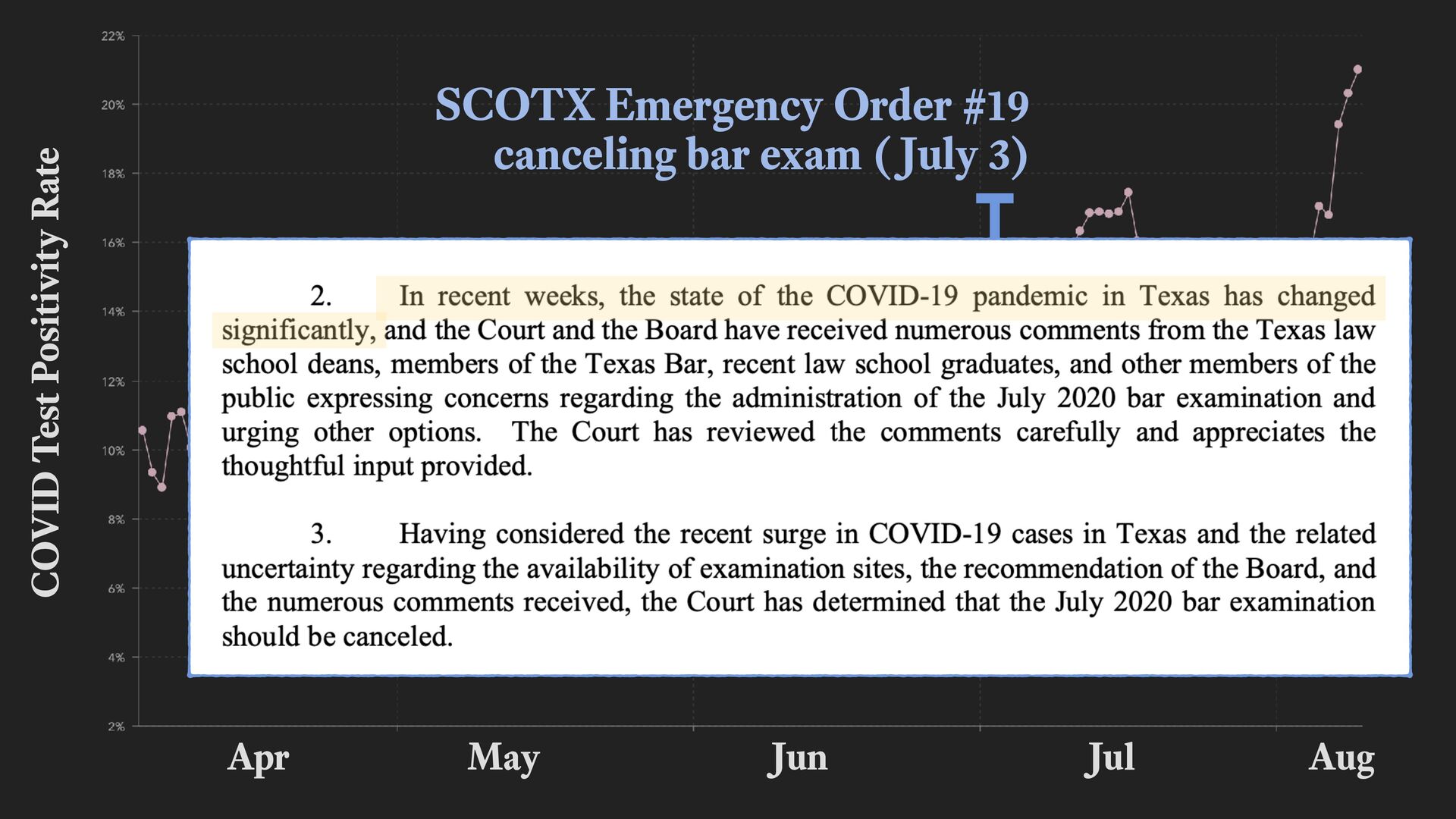
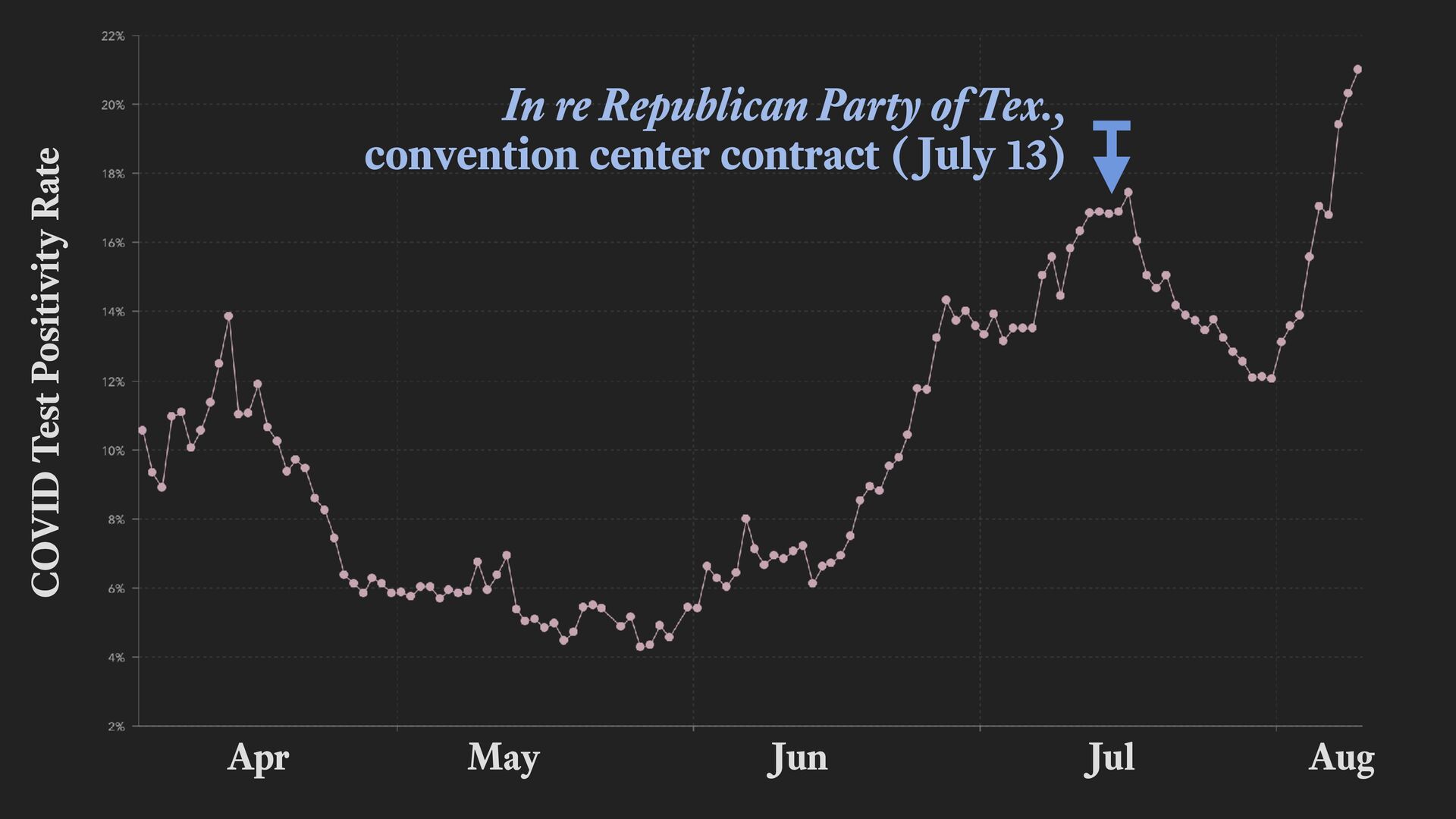
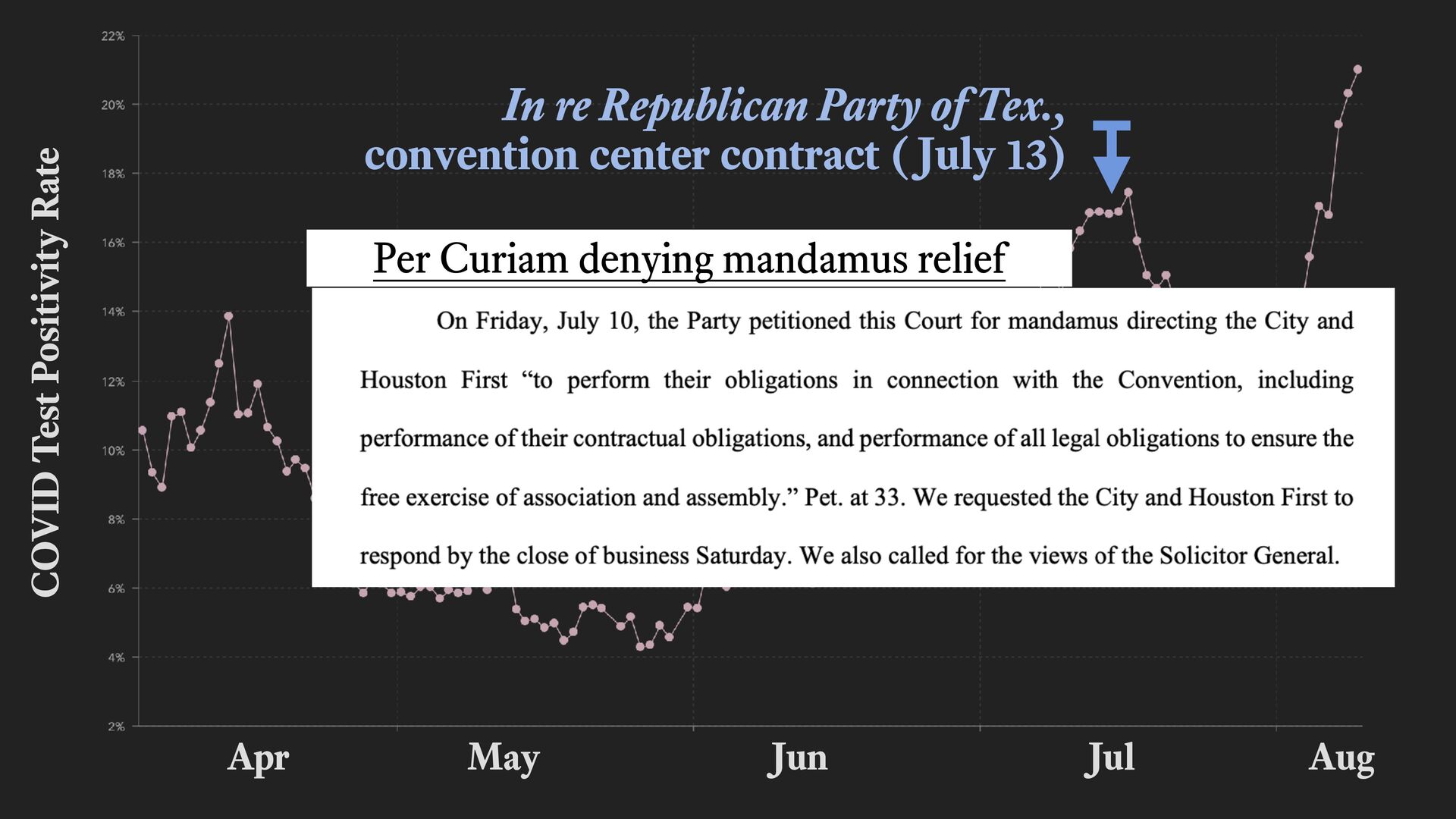
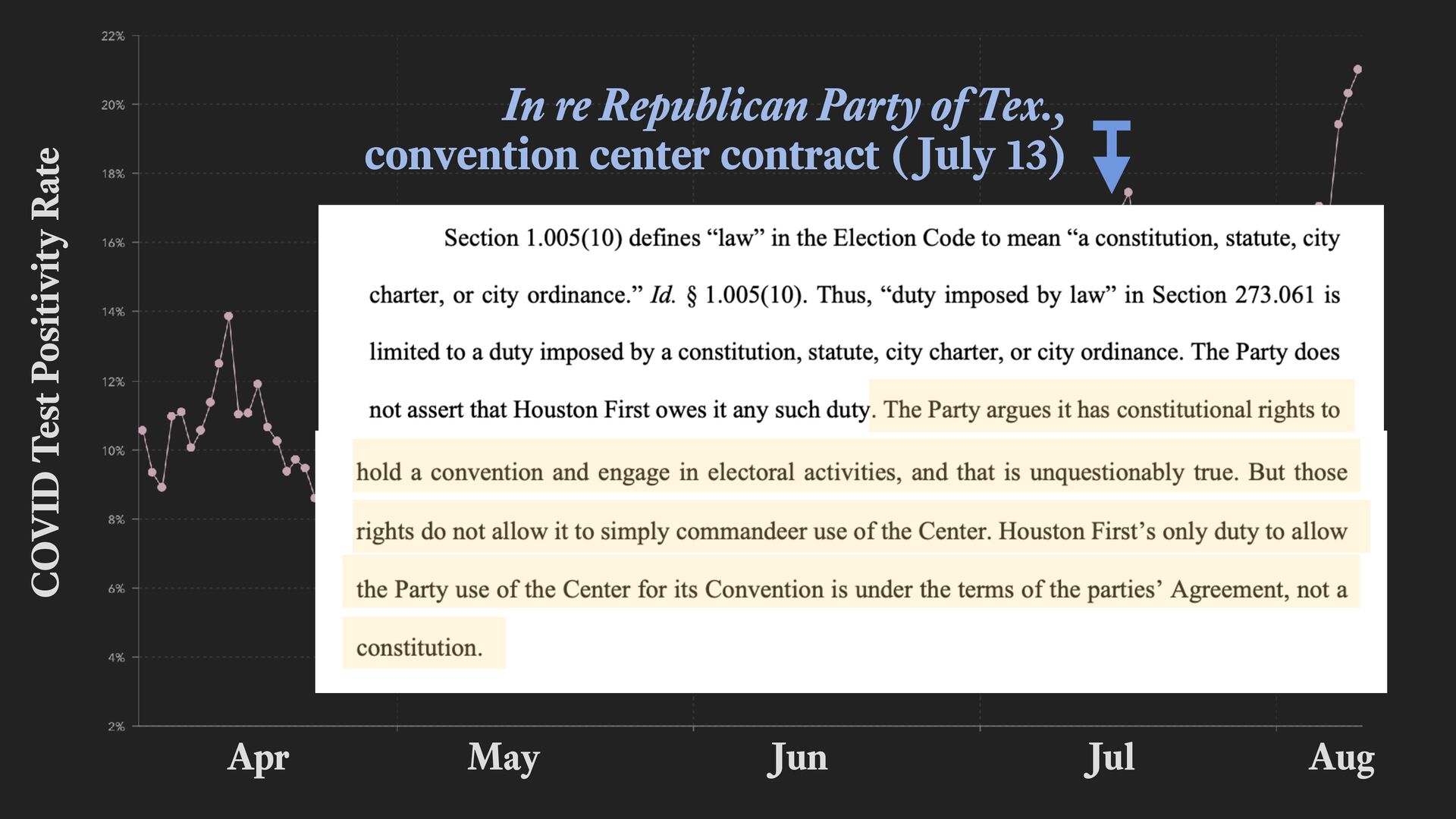
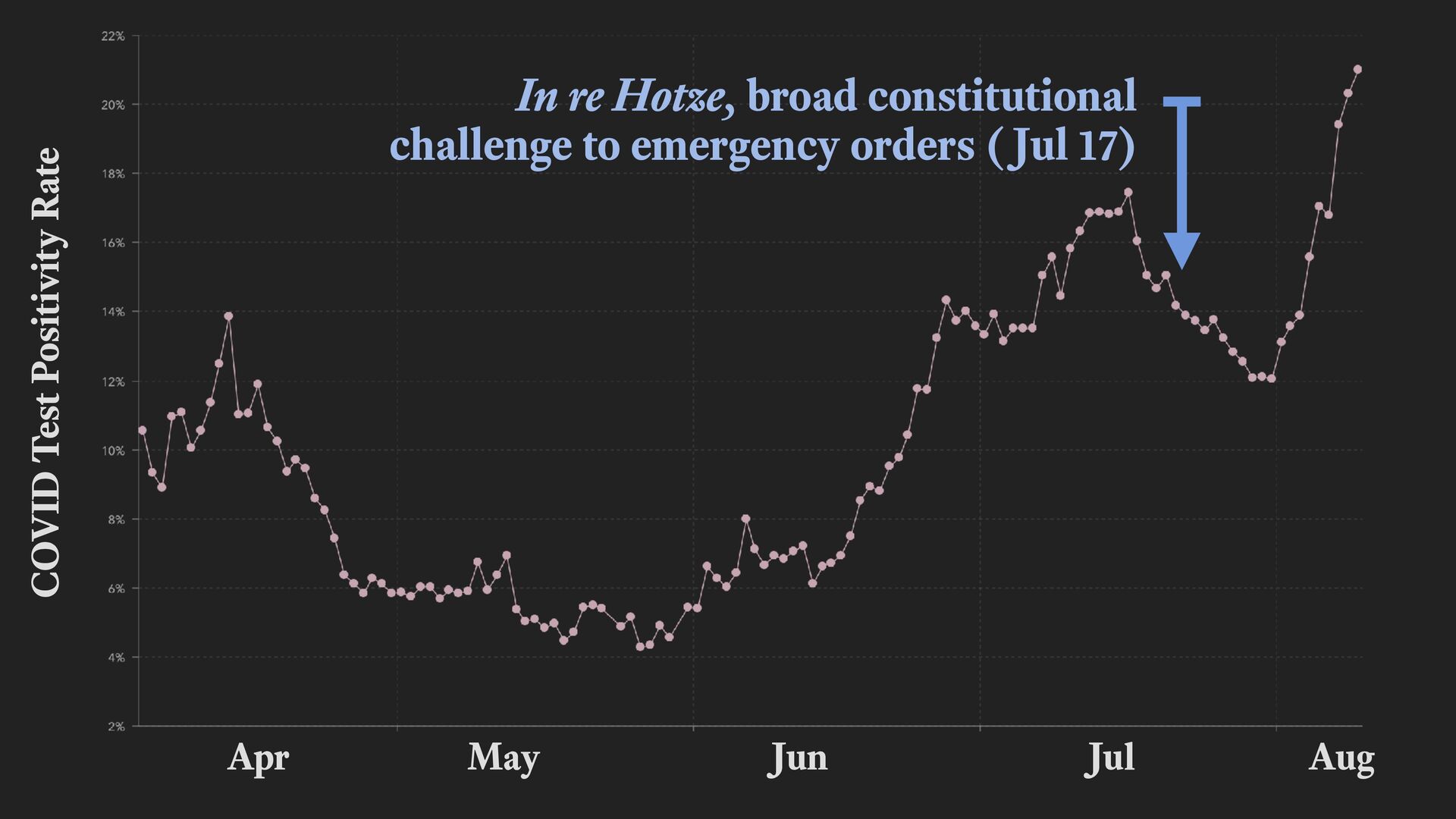
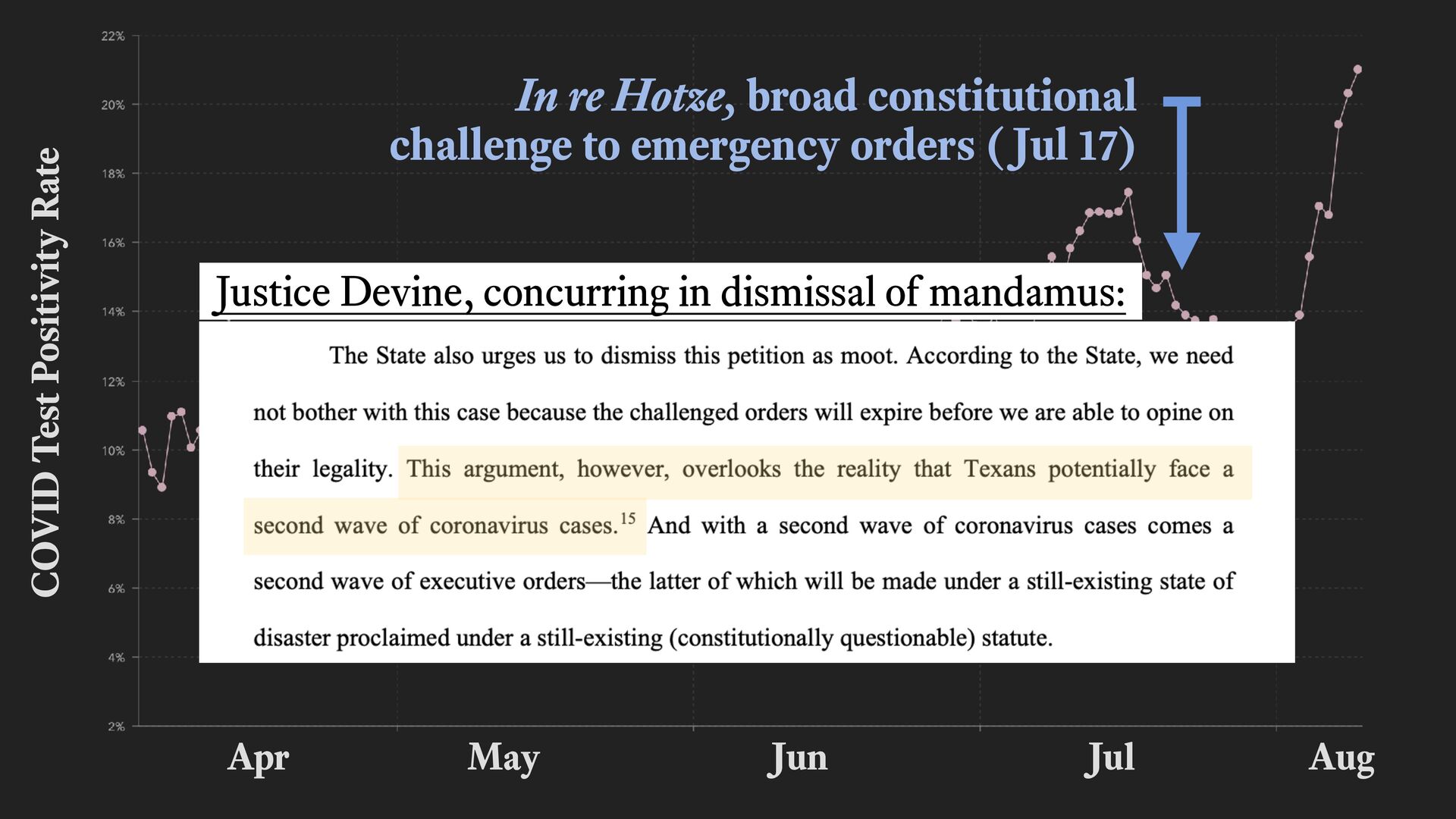
Overseeing the Judiciary • various challenges to emergency orders • mandamus actions against local officials • disputes among officials over how to interpret the Election Code • issued 22 emergency orders (by early August) •devising safety rules for trial proceedings •rescheduling/modifying the July bar exam
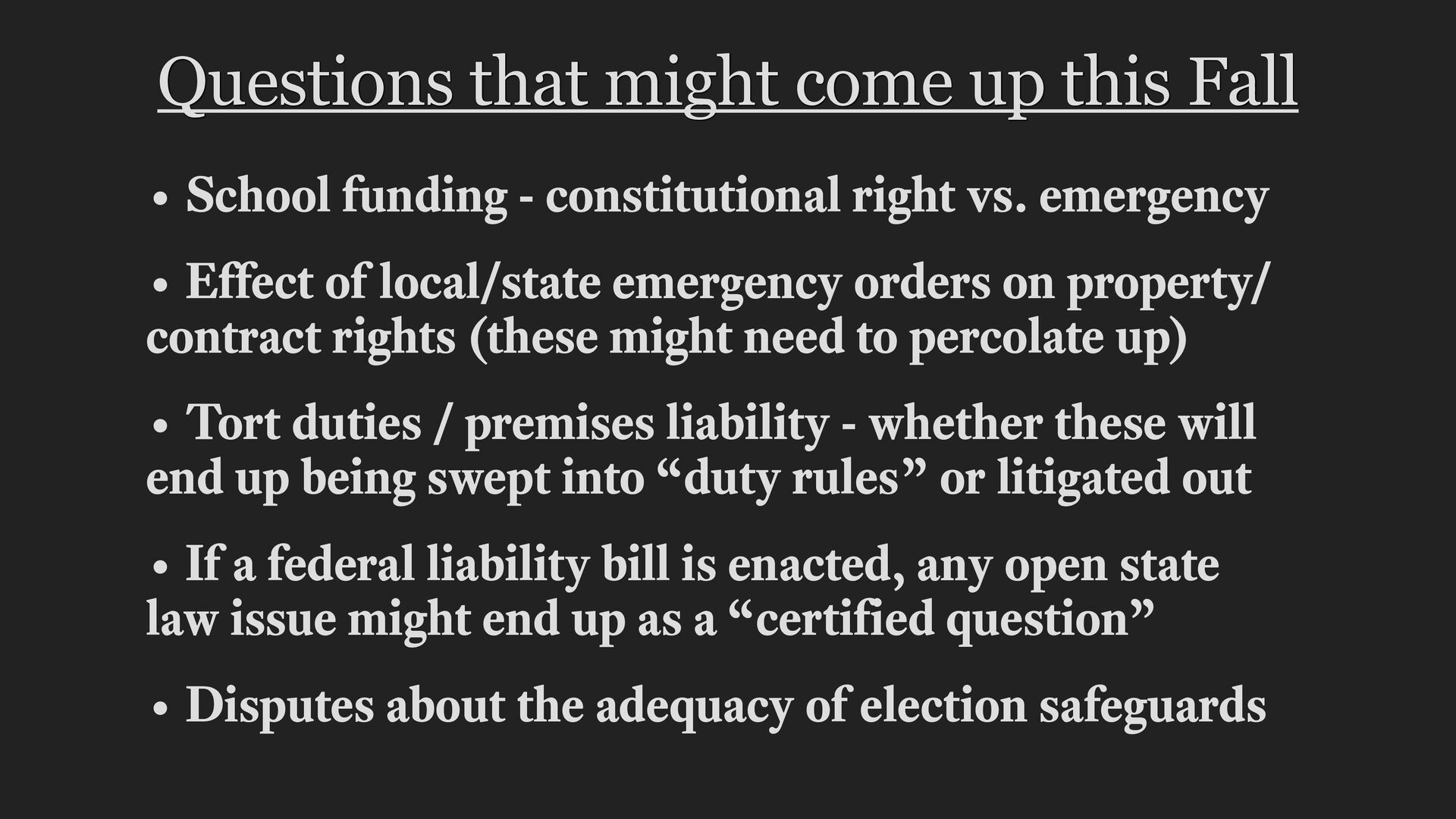
- constitutional right vs. emergency • Effect of local/state emergency orders on property/ contract rights (these might need to percolate up) • If a federal liability bill is enacted, any open state law issue might end up as a “certified question” • Disputes about the adequacy of election safeguards • Tort duties / premises liability - whether these will end up being swept into “duty rules” or litigated out
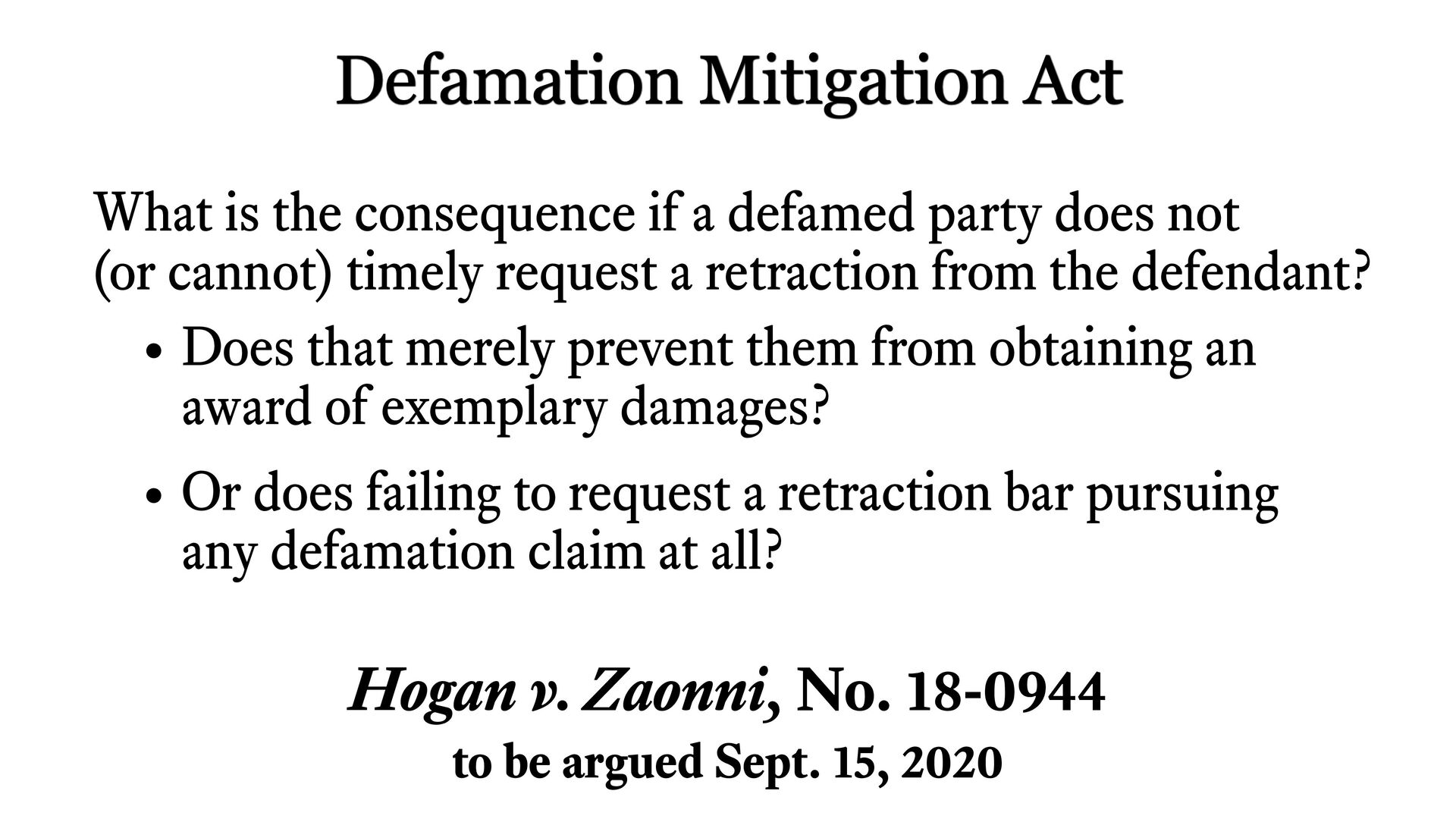
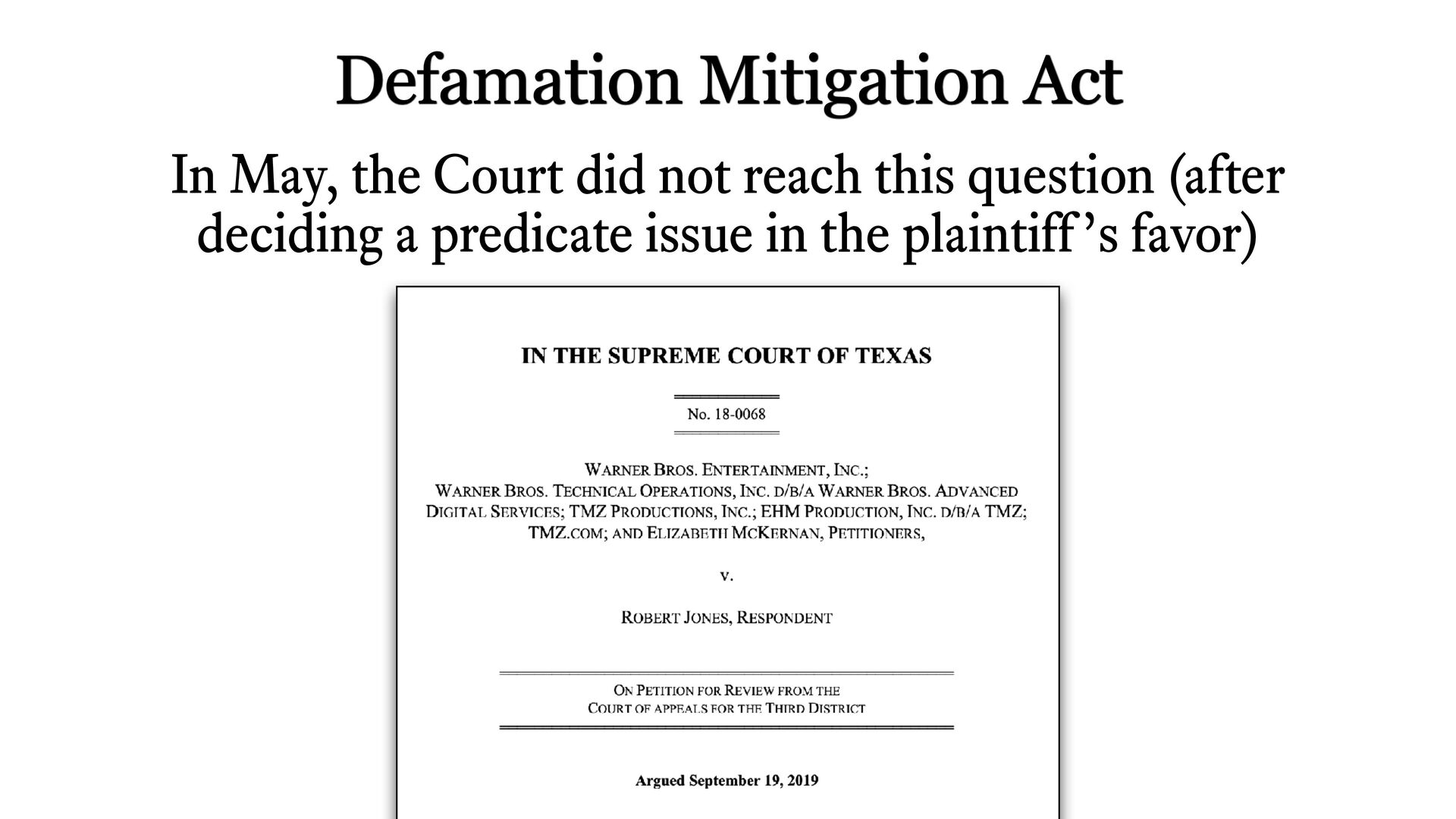
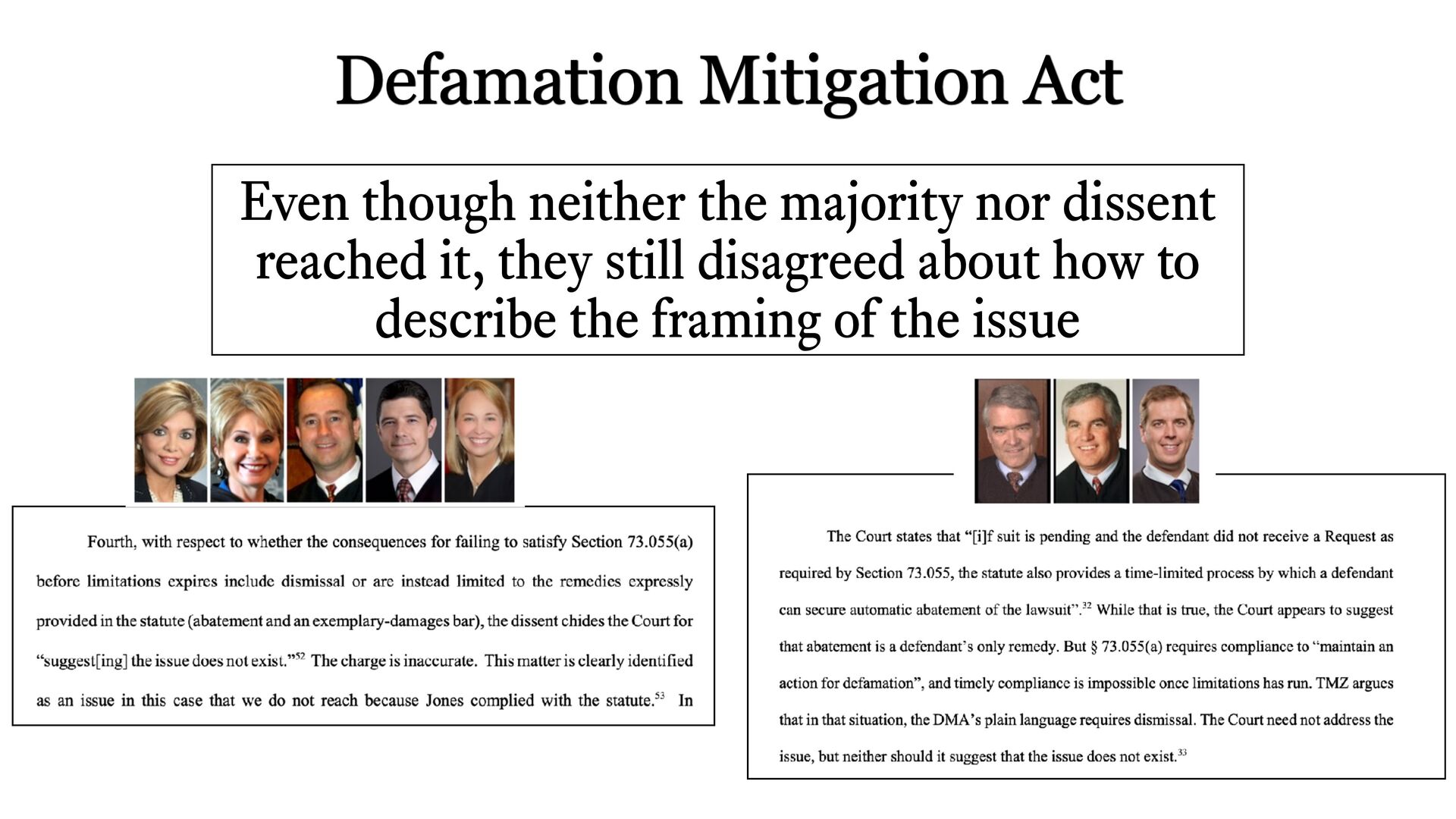
(or cannot) timely request a retraction from the defendant? Hogan v. Zaonni, No. 18-0944 to be argued Sept. 15, 2020 Defamation Mitigation Act • Does that merely prevent them from obtaining an award of exemplary damages? • Or does failing to request a retraction bar pursuing any defamation claim at all?
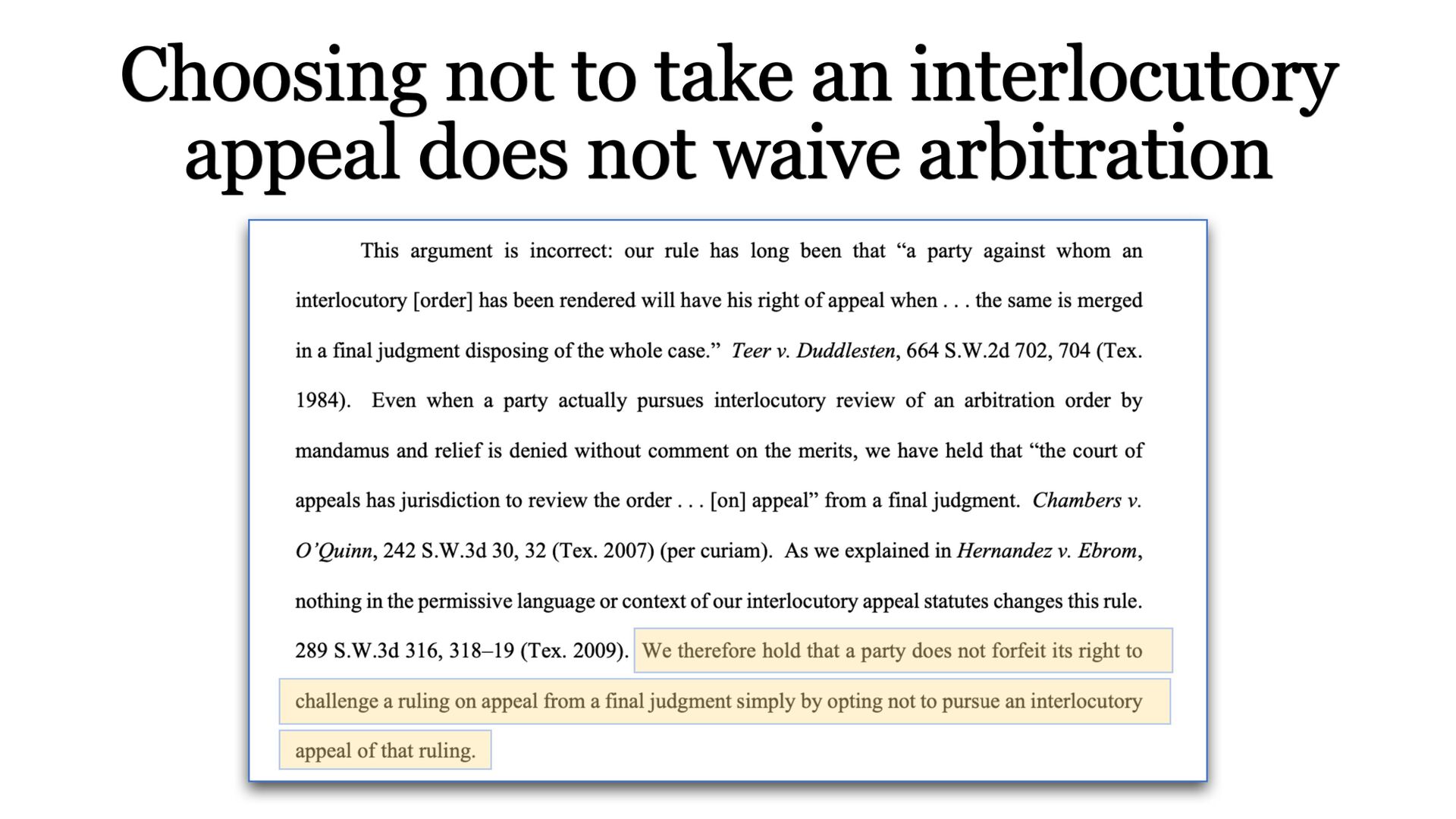
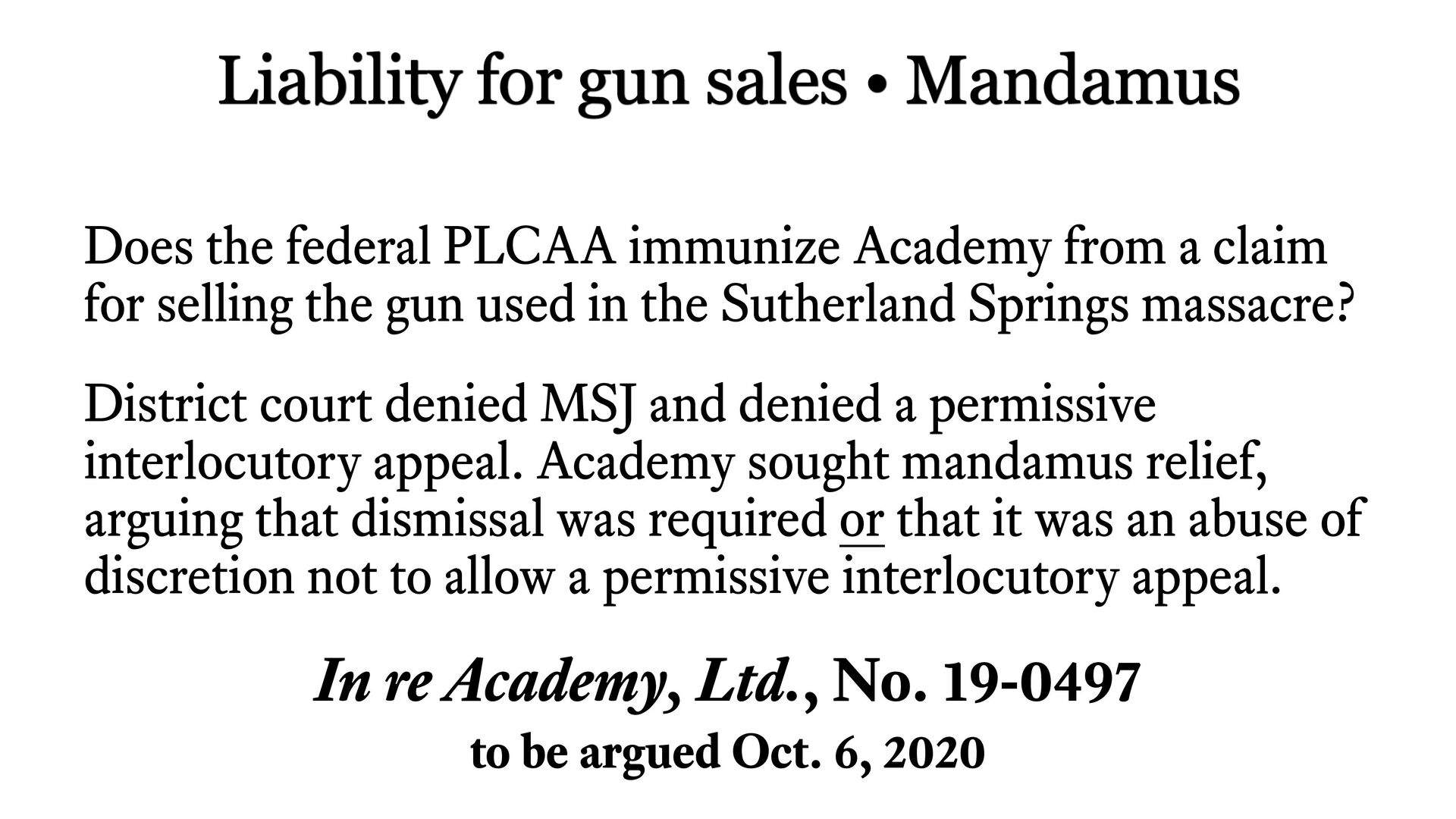
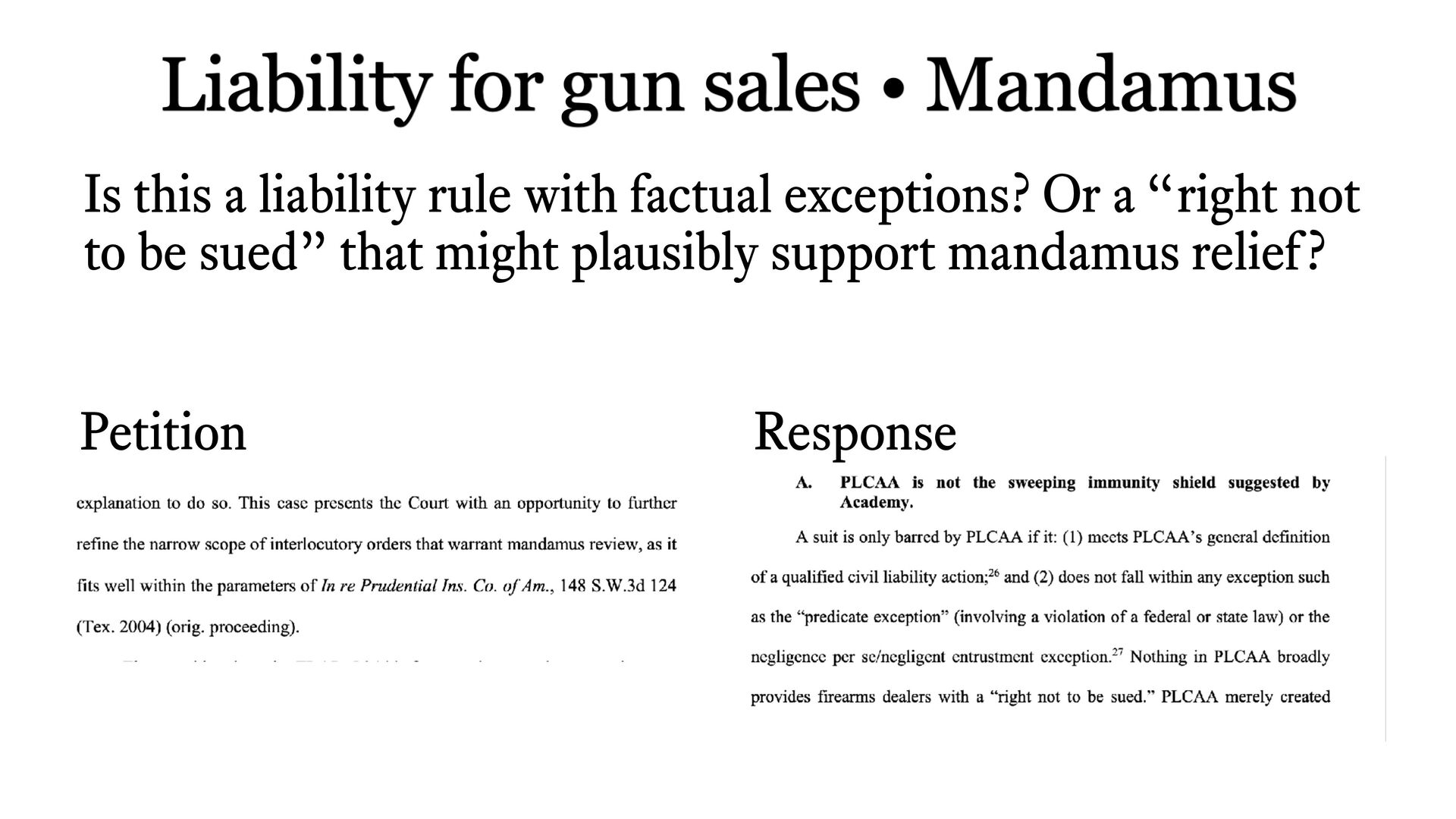
6, 2020 Liability for gun sales • Mandamus Does the federal PLCAA immunize Academy from a claim for selling the gun used in the Sutherland Springs massacre? District court denied MSJ and denied a permissive interlocutory appeal. Academy sought mandamus relief, arguing that dismissal was required or that it was an abuse of discretion not to allow a permissive interlocutory appeal.

 Your Podcast. Everywhere. Effortlessly.


 doncruse
 robintux
 spring_aki
 hiola
hiola
 juanmartin2026
 uranoken
 arnoknobbe
 suisan
 yasslab
 2720japanoke
 mutomasa
 pawan_pharm
 matleenalaakso
 ammeep
.png) helenjbeal
helenjbeal
 tanoku
 khoart
 rkendrick25
 marketingsoph
 lauravandoore
 frankvandijk
 afnizarnur
 jct
jct
 mojombo
 mclloyd


![Don Cruse 512-853-9100 Law Office of Don Cruse [email protected]](https://files.speakerdeck.com/presentations/ed959f8fc17c44d780a3d108f61a3a6d/slide_49.jpg)