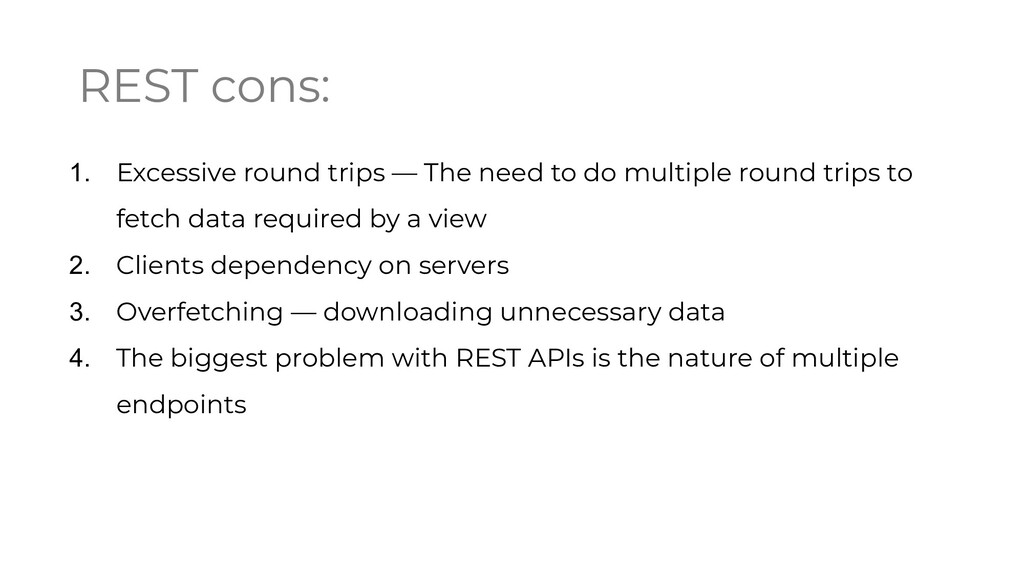
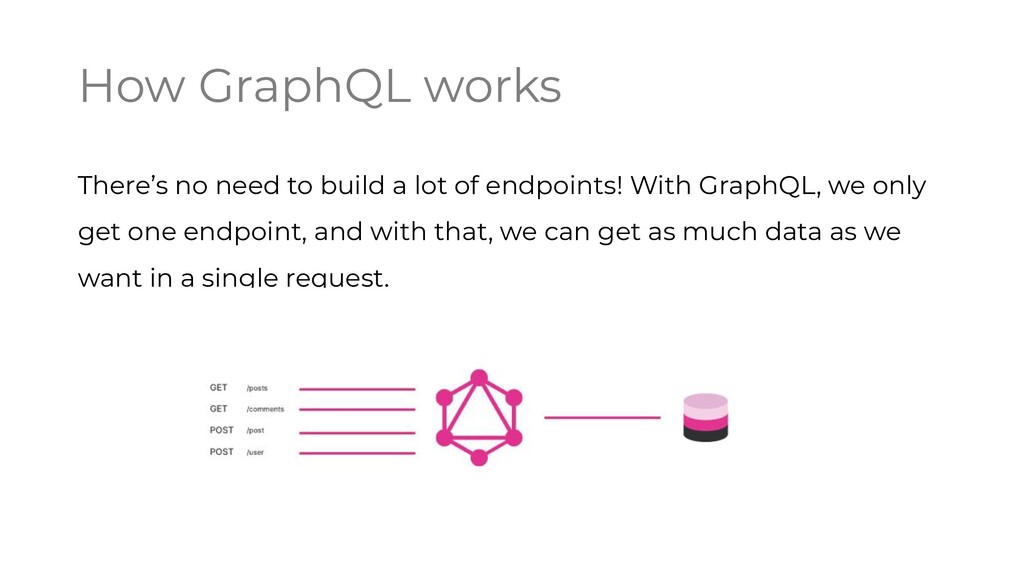
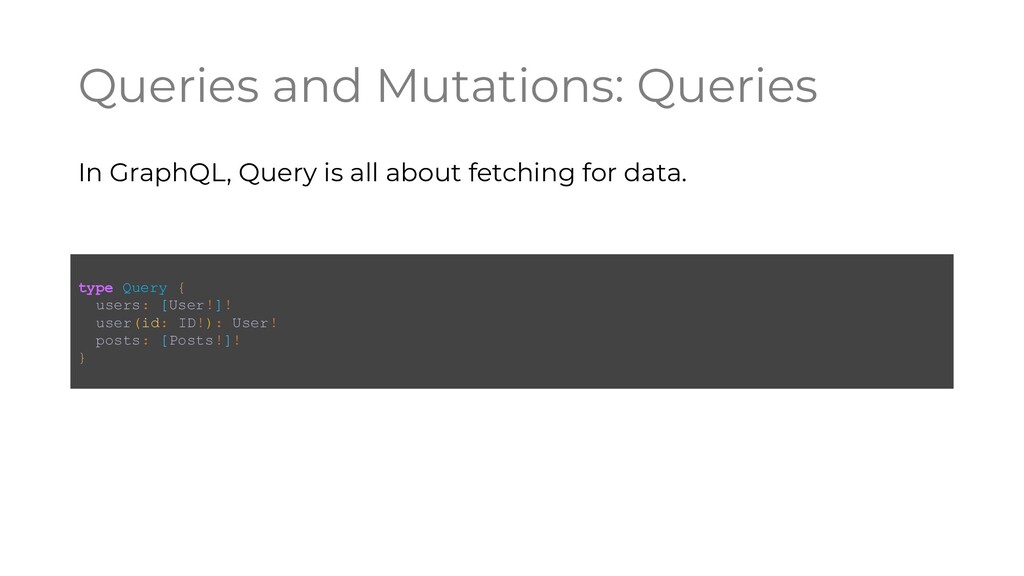
do multiple round trips to fetch data required by a view 2. Clients dependency on servers 3. Overfetching — downloading unnecessary data 4. The biggest problem with REST APIs is the nature of multiple endpoints
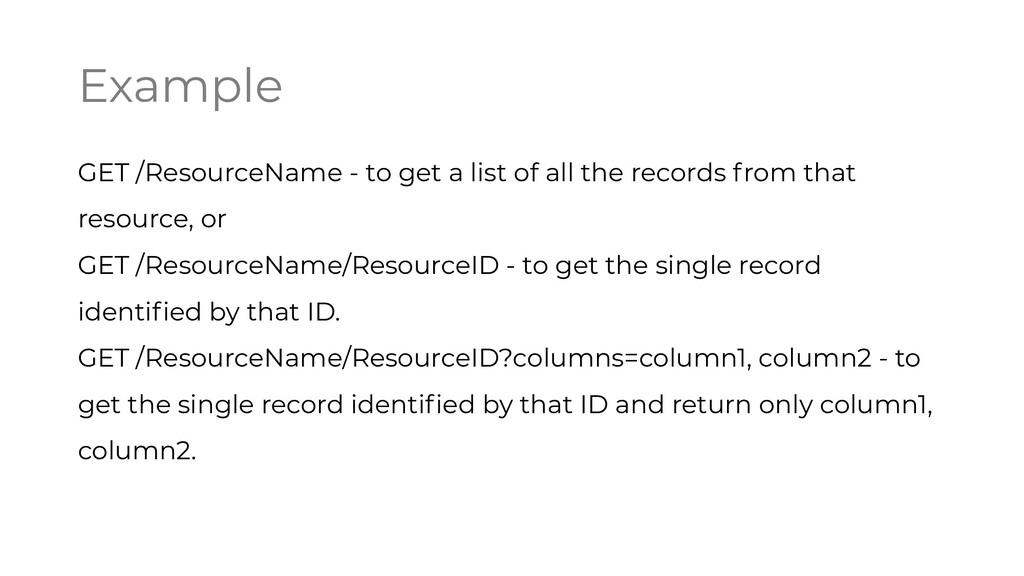
the records from that resource, or GET /ResourceName/ResourceID - to get the single record identified by that ID. GET /ResourceName/ResourceID?columns=column1, column2 - to get the single record identified by that ID and return only column1, column2.
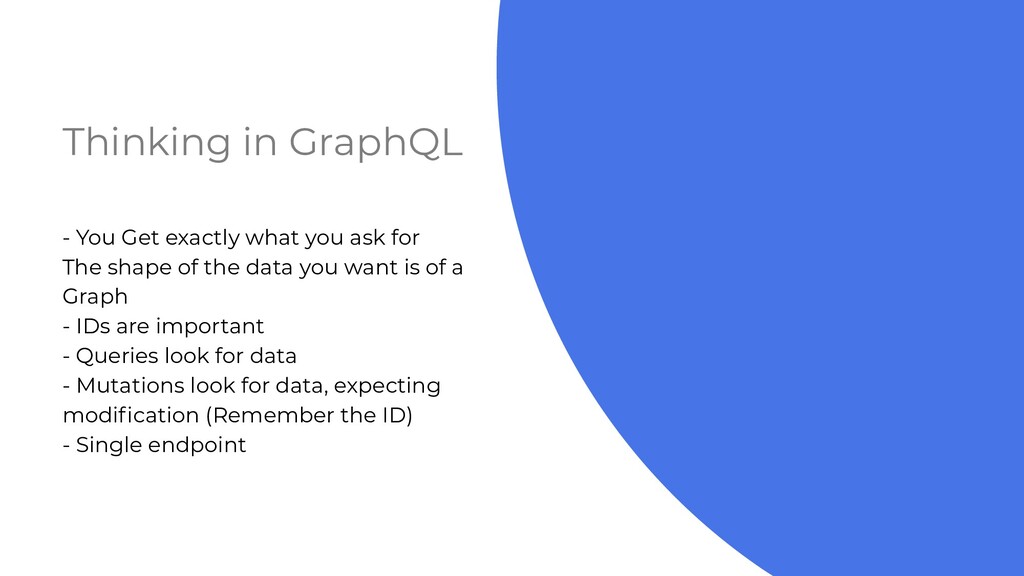
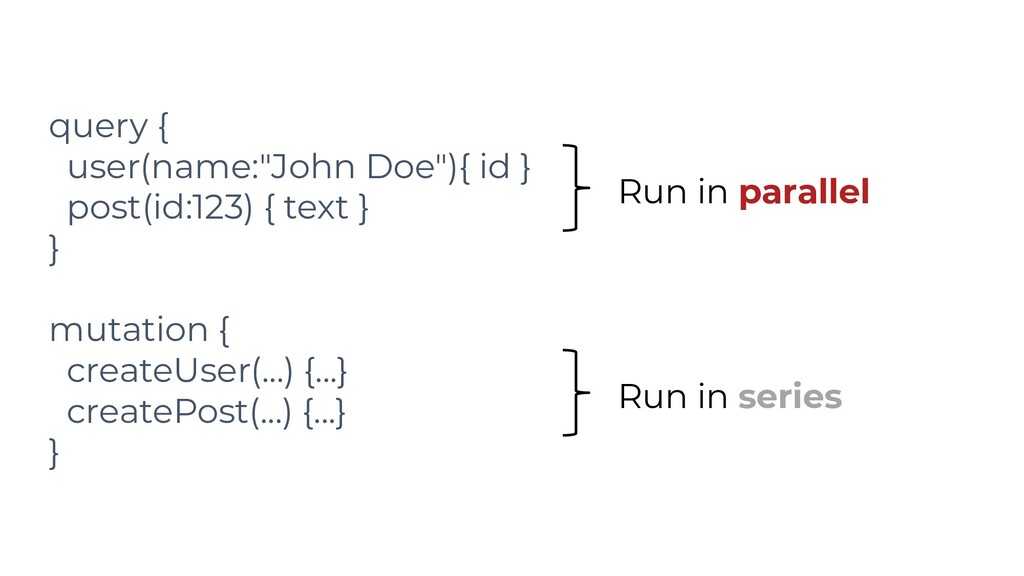
of the data you want is of a Graph - IDs are important - Queries look for data - Mutations look for data, expecting modification (Remember the ID) - Single endpoint Thinking in GraphQL
of language that’s used to write schemas. This is a human-readable schema syntax called Schema Definition Language (SDL). The SDL will be the same, no matter what technology you’re using — you can use this with any language or framework that you want.
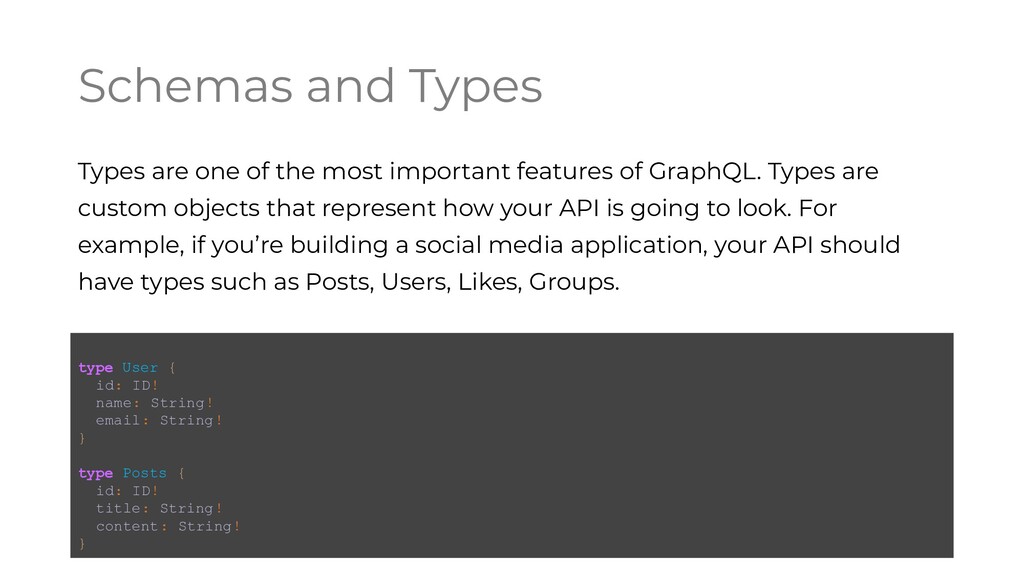
features of GraphQL. Types are custom objects that represent how your API is going to look. For example, if you’re building a social media application, your API should have types such as Posts, Users, Likes, Groups. type User { id: ID! name: String! email: String! } type Posts { id: ID! title: String! content: String! }
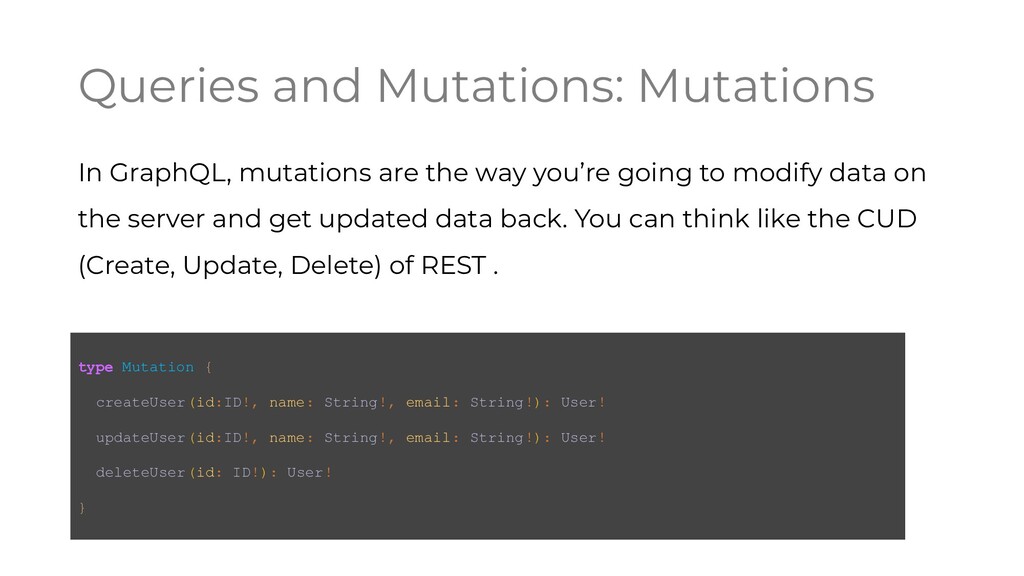
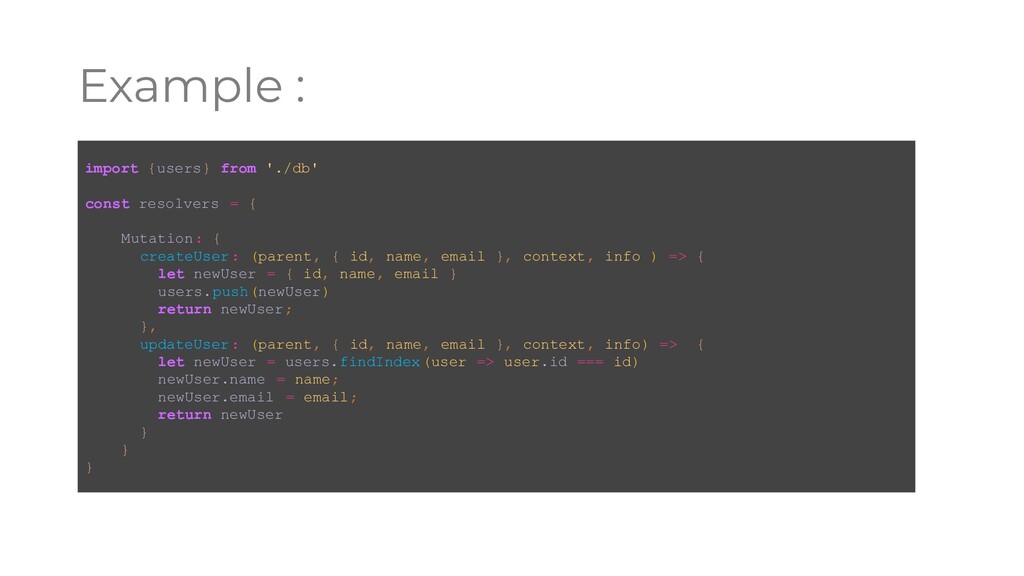
you’re going to modify data on the server and get updated data back. You can think like the CUD (Create, Update, Delete) of REST . type Mutation { createUser(id:ID!, name: String!, email: String!): User! updateUser(id:ID!, name: String!, email: String!): User! deleteUser(id: ID!): User! }
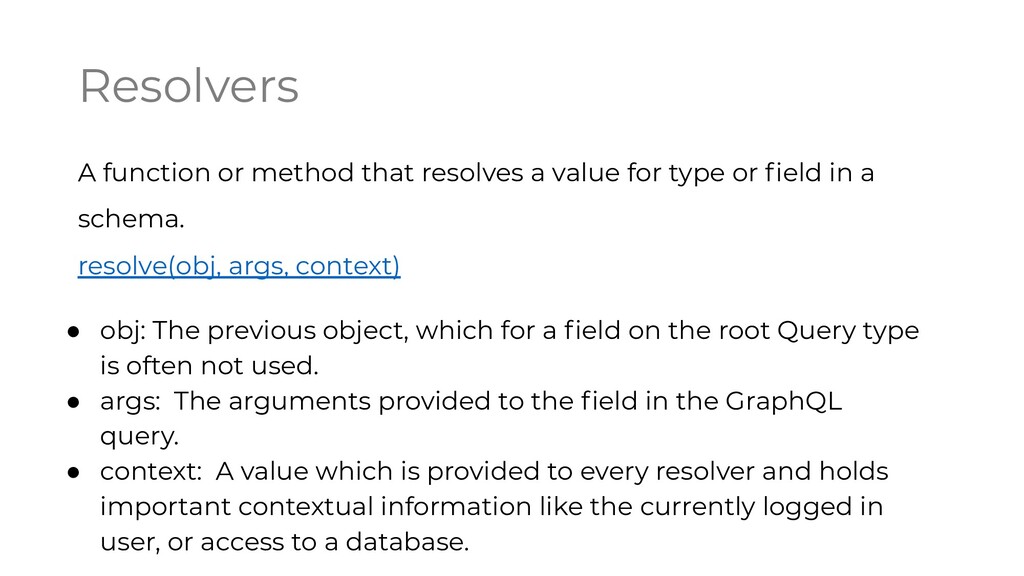
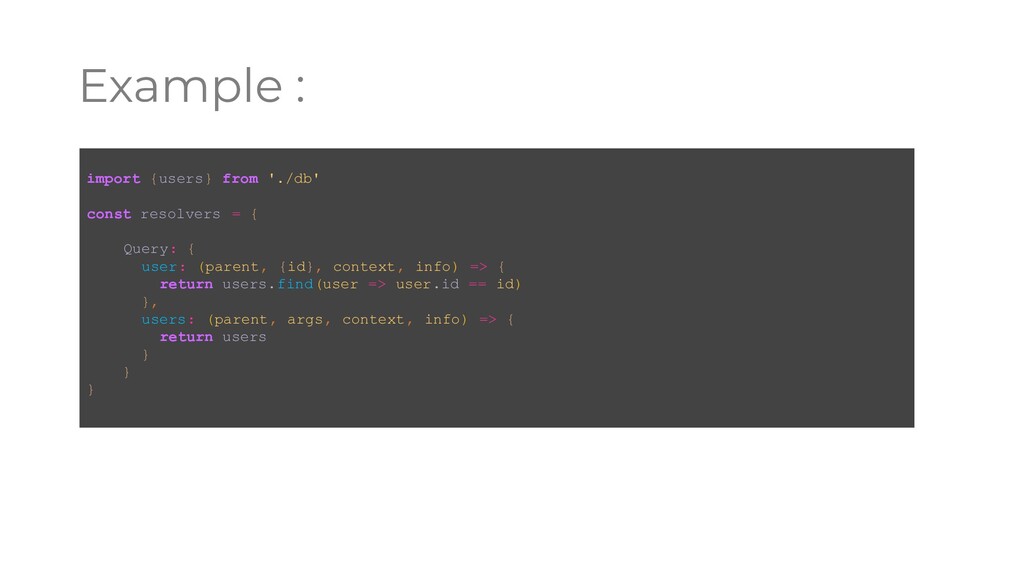
type or field in a schema. resolve(obj, args, context) • obj: The previous object, which for a field on the root Query type is often not used. • args: The arguments provided to the field in the GraphQL query. • context: A value which is provided to every resolver and holds important contextual information like the currently logged in user, or access to a database.
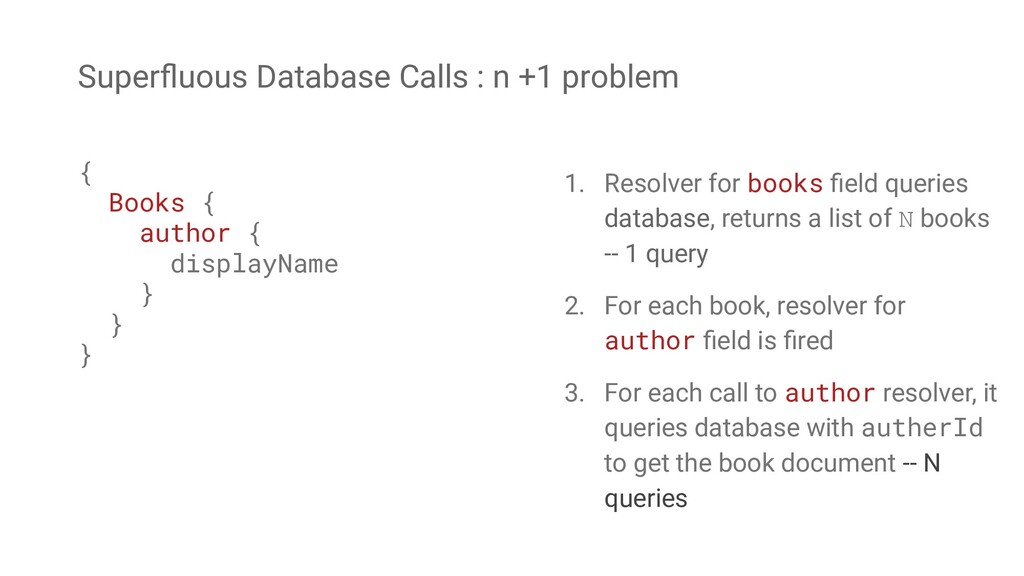
author { displayName } } } 1. Resolver for books field queries database, returns a list of N books -- 1 query 2. For each book, resolver for author field is fired 3. For each call to author resolver, it queries database with autherId to get the book document -- N queries


 sorah
 hollycummins
 akit37
 moro
 ivargrimstad
 a_matsuda
 n_takehata
 sylph01
 neuecc
 gam0022
 ryu1013
 texmeijin
 marketingsoph
 inesmontani
 axbom
 panda_program
 aarron
 twada
 stephenakadiri
 tammyeverts
 jonrohan
 ryanjones
 eileencodes
 addyosmani