Upgrade to Pro — share decks privately, control downloads, hide ads and more …

4 rules for happier objects

Avatar for Hugh Noble Hugh Noble
November 21, 2018

4 rules for happier objects

Having a good code structure helps your software to be maintainable and flexible well into the future. As software developers it’s our job to ensure the software is maintainable and refactorable.

The structure of code can make a big difference to how fragile and prone to bugs an application is. By embracing some simple guidelines and patterns we can write software that's more maintainable, flexible, less bug prone, and more fun to work with.

Avatar for Hugh Noble

Hugh Noble

November 21, 2018

Other Decks in Technology

Transcript

  1. Why should we care about our objects? • Having a

    good code structure helps your software to be maintainable and flexible well into the future. • As software developers it’s our job to ensure the software is maintainable and refactorable.
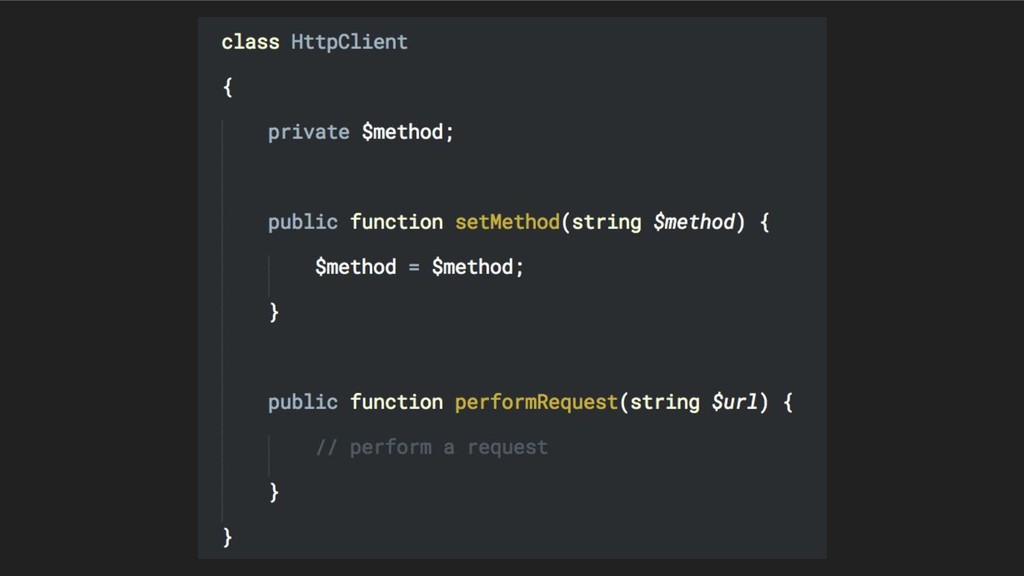
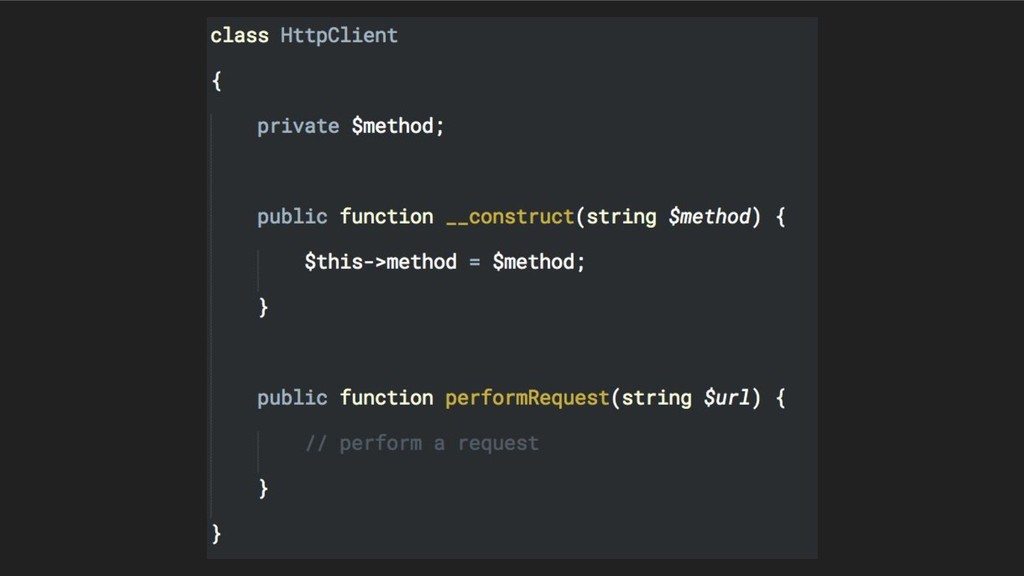
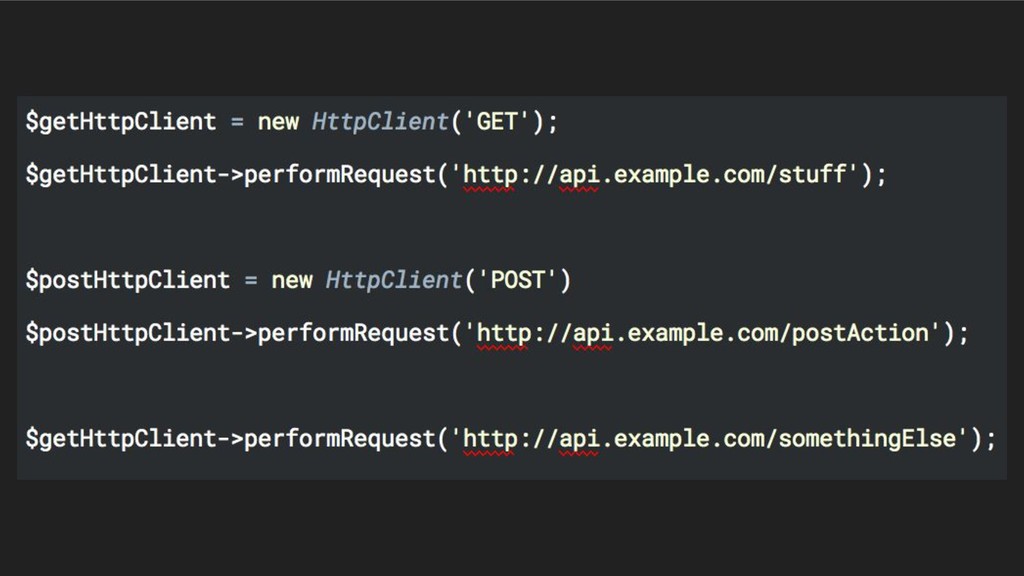
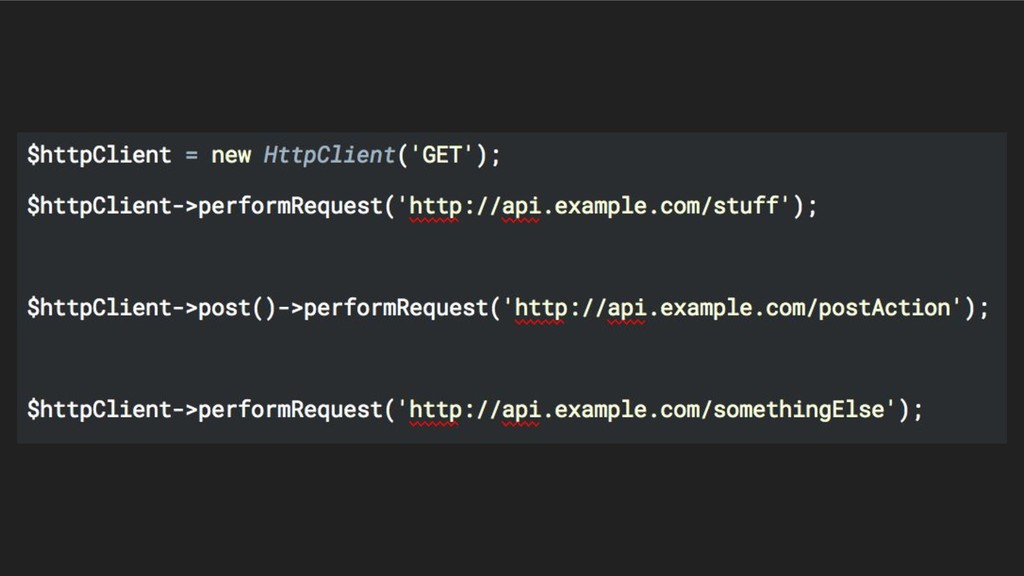
  2. What does this mean? • Once an immutable object is

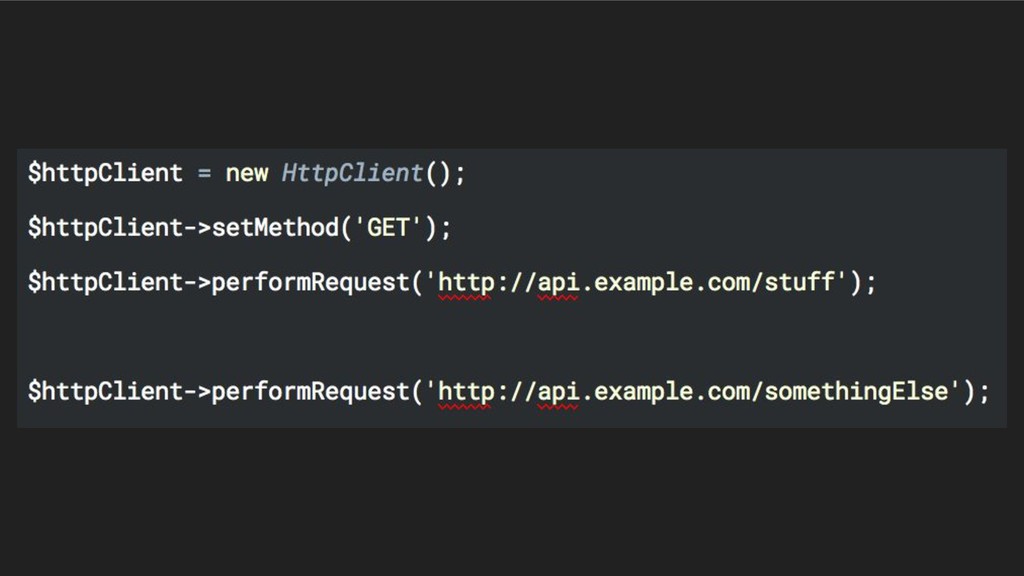
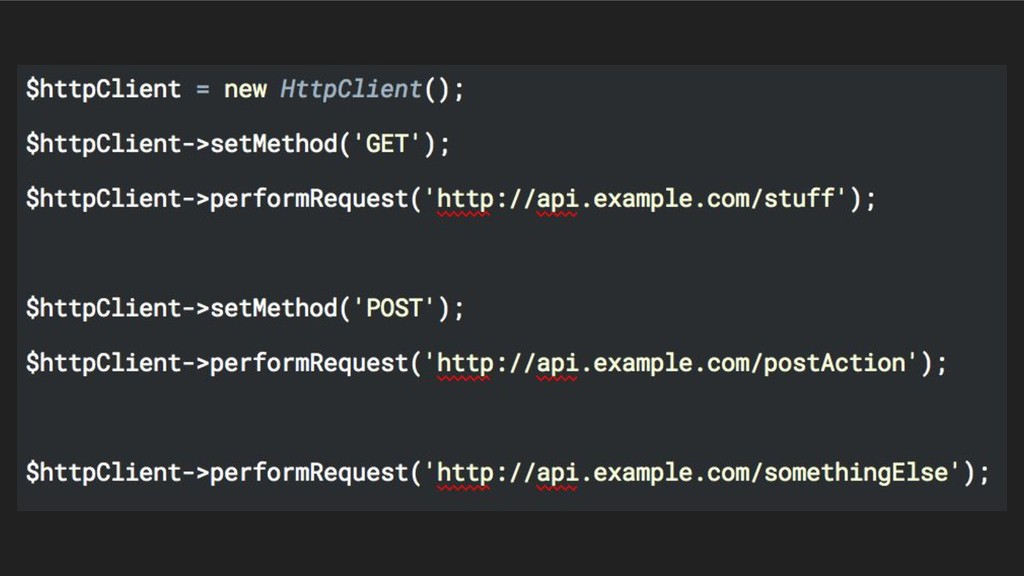
    constructed it is not possible to change its state. • No setters. • No public properties. • No properties which are changed by methods. • Running one method won’t change the functionality of another.
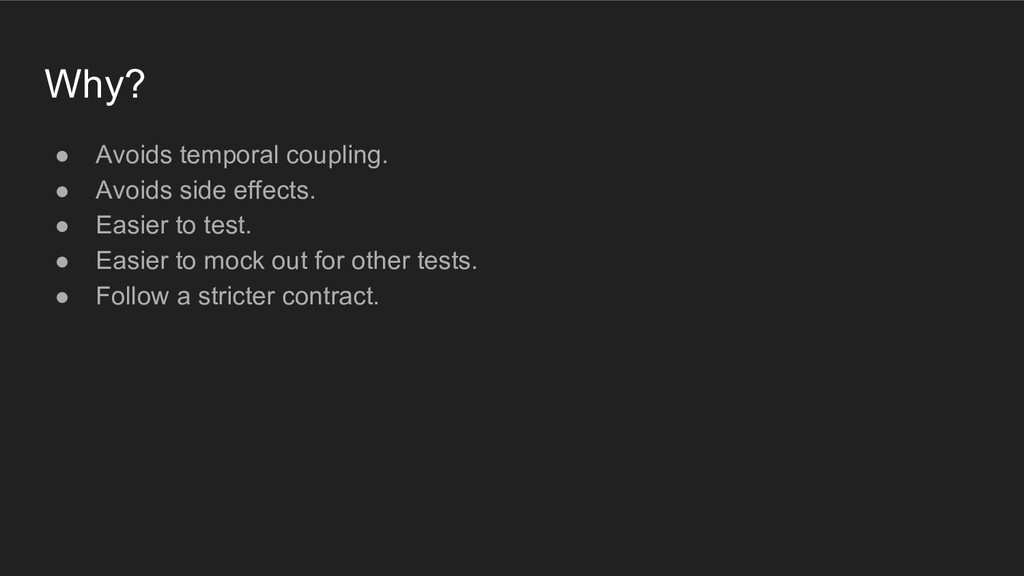
  3. Why? • Avoids temporal coupling. • Avoids side effects. •

    Easier to test. • Easier to mock out for other tests. • Follow a stricter contract.
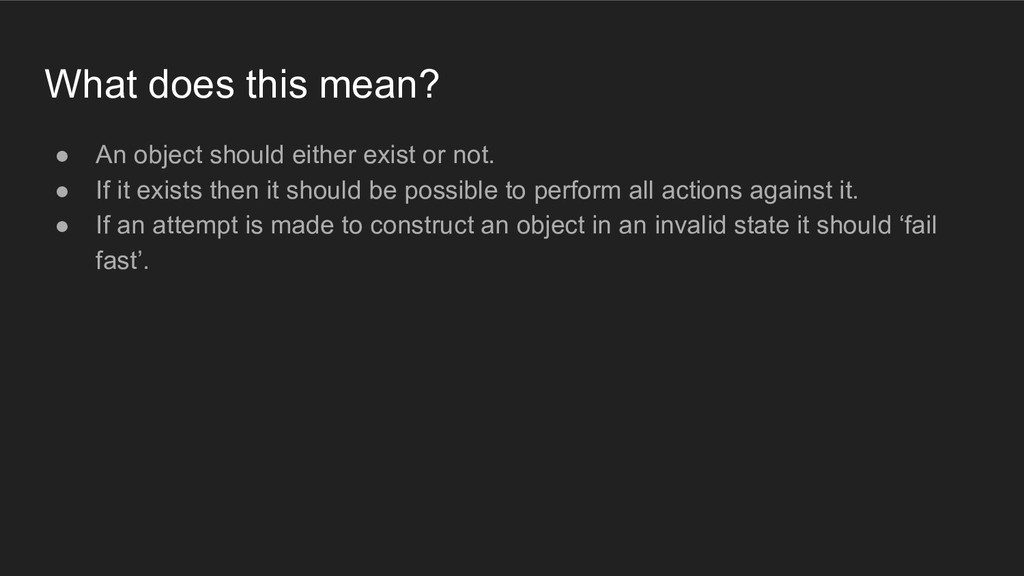
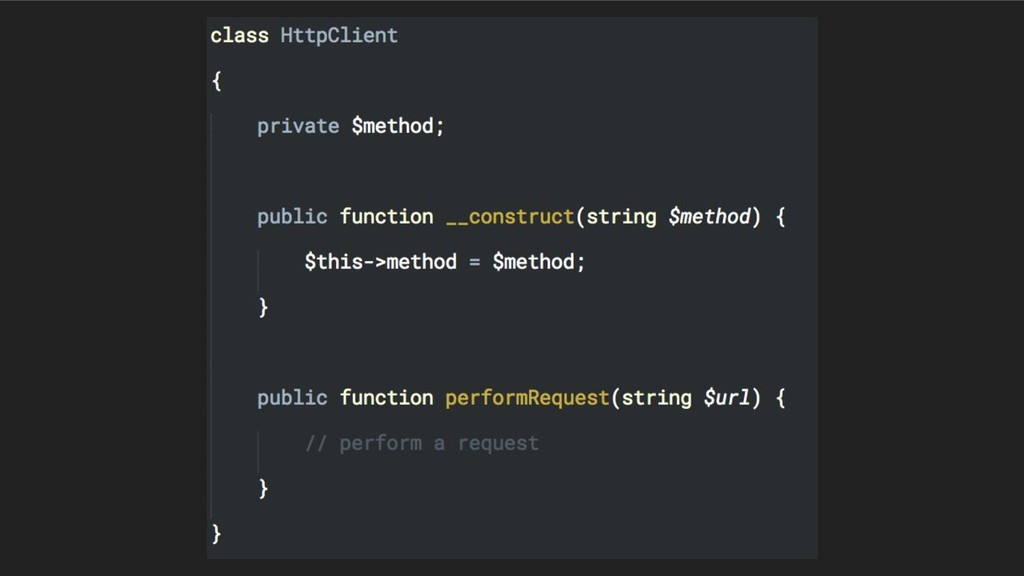
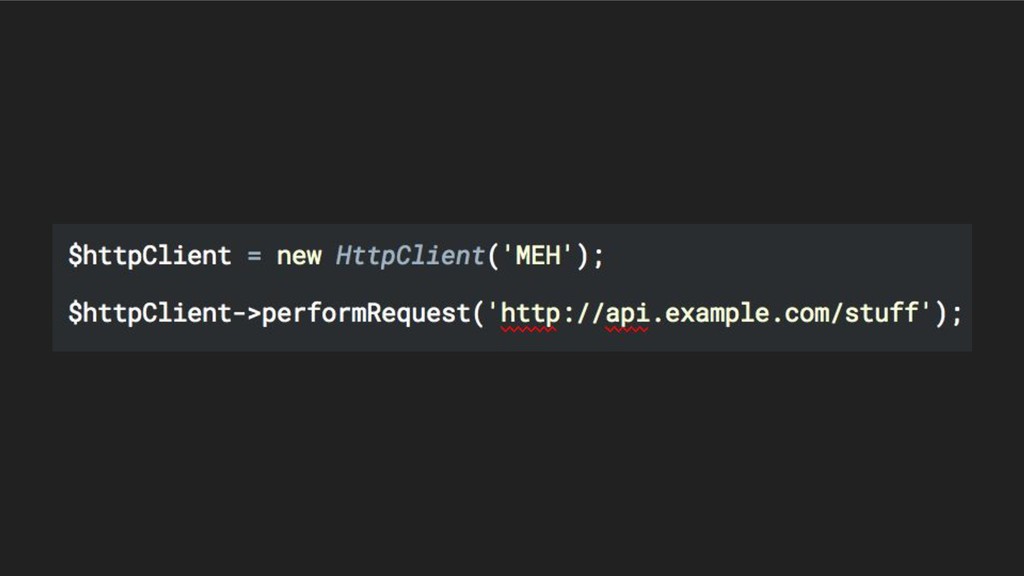
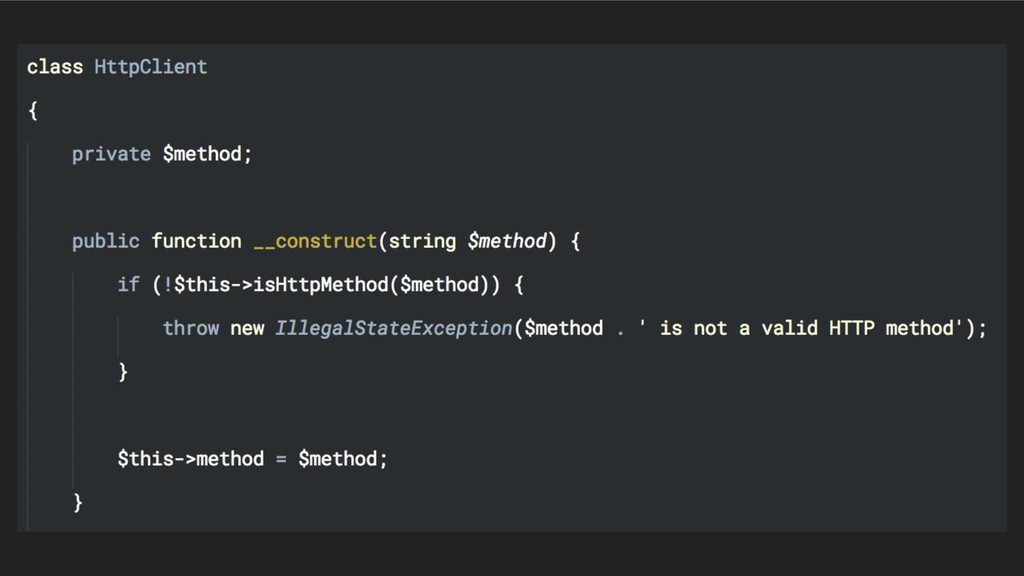
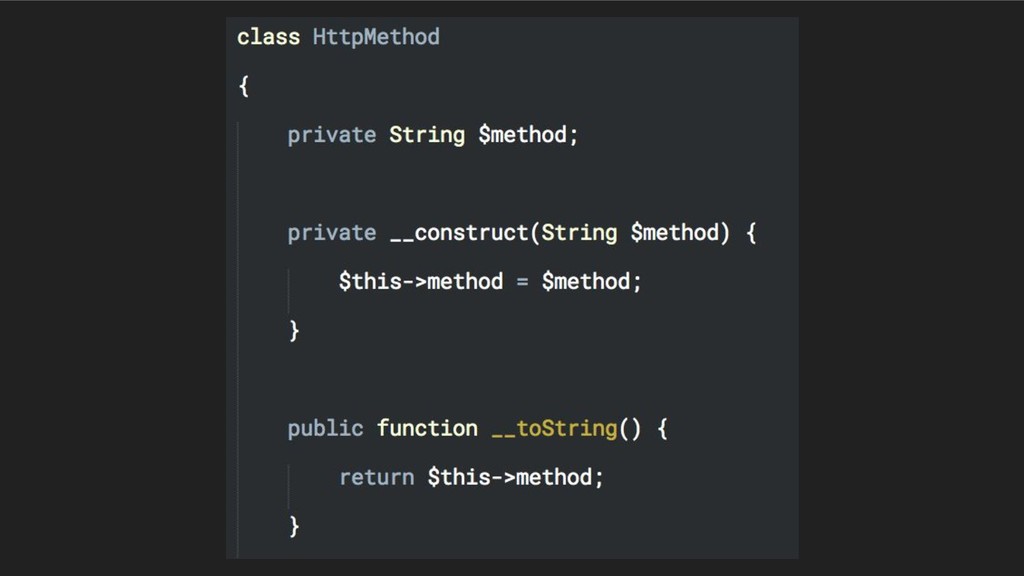
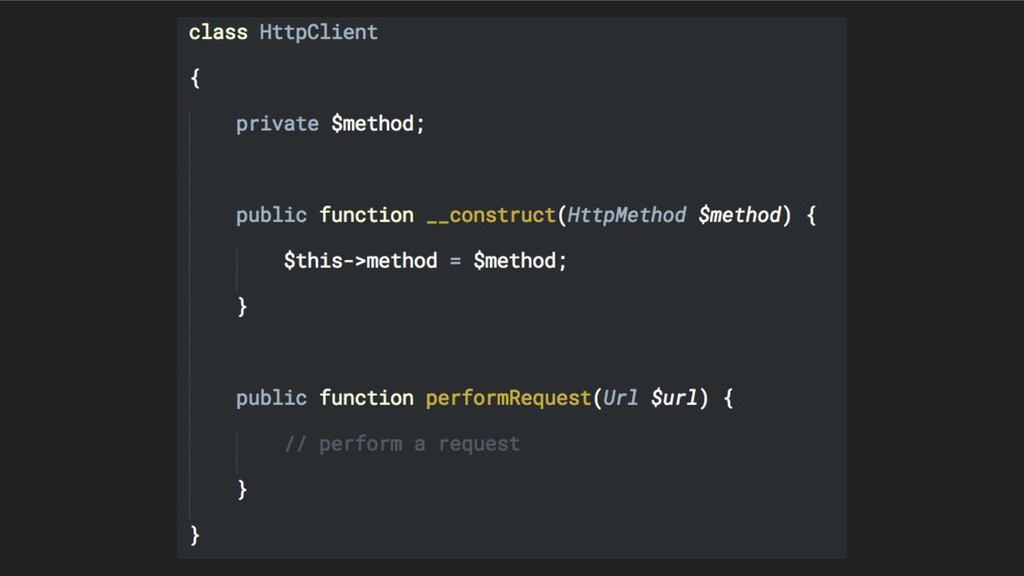
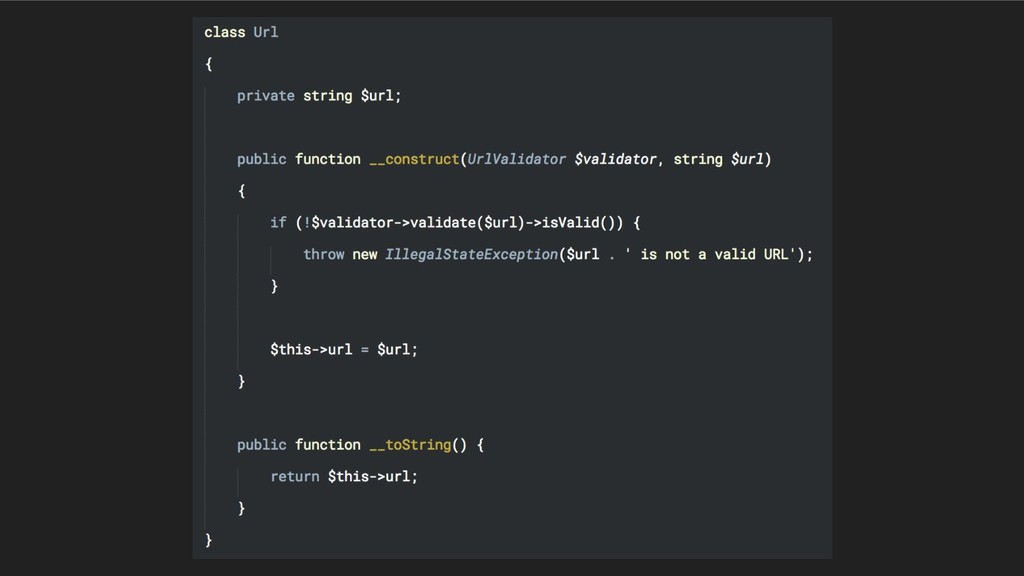
  4. What does this mean? • An object should either exist

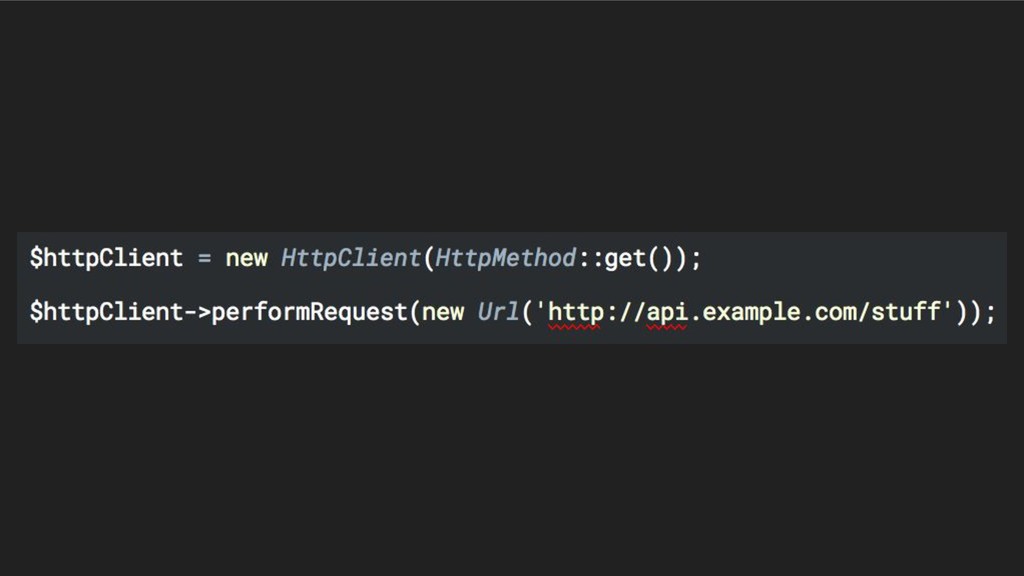
    or not. • If it exists then it should be possible to perform all actions against it. • If an attempt is made to construct an object in an invalid state it should ‘fail fast’.
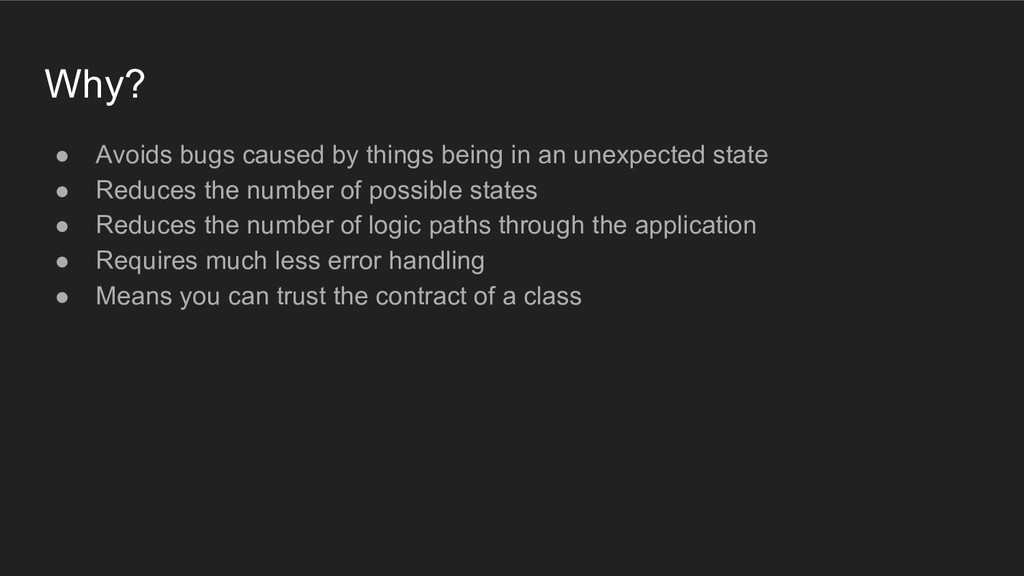
  5. Why? • Avoids bugs caused by things being in an

    unexpected state • Reduces the number of possible states • Reduces the number of logic paths through the application • Requires much less error handling • Means you can trust the contract of a class
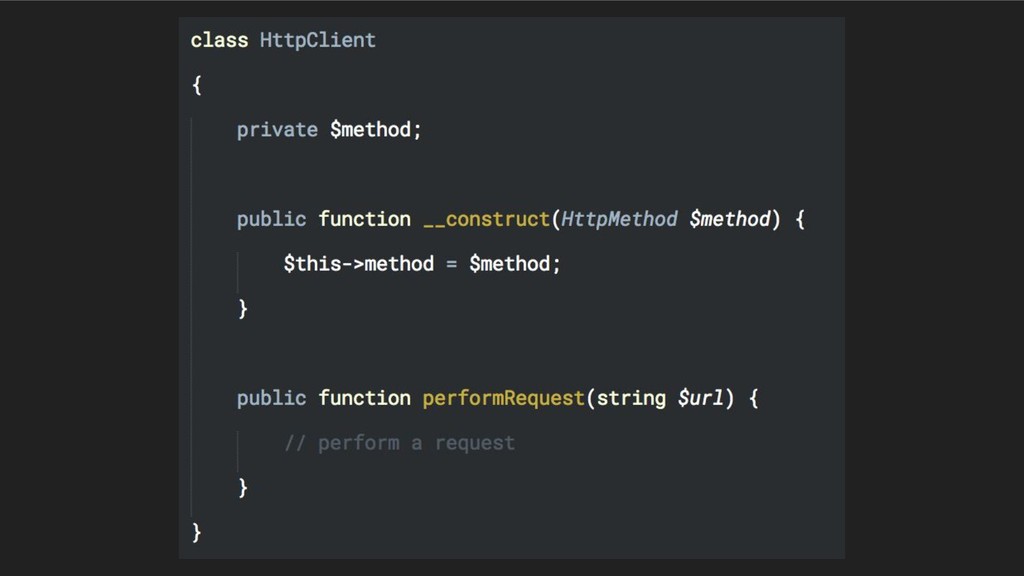
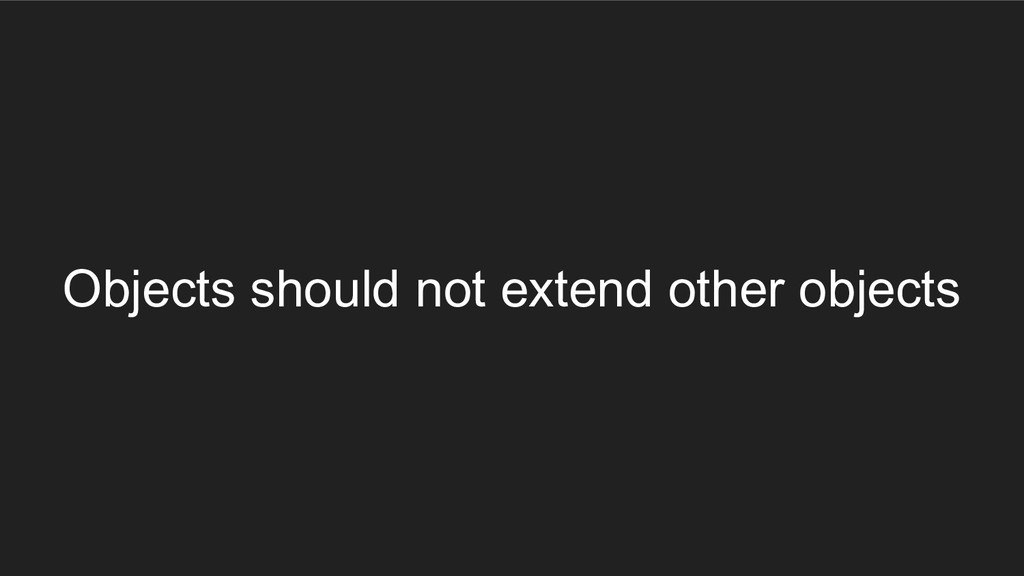
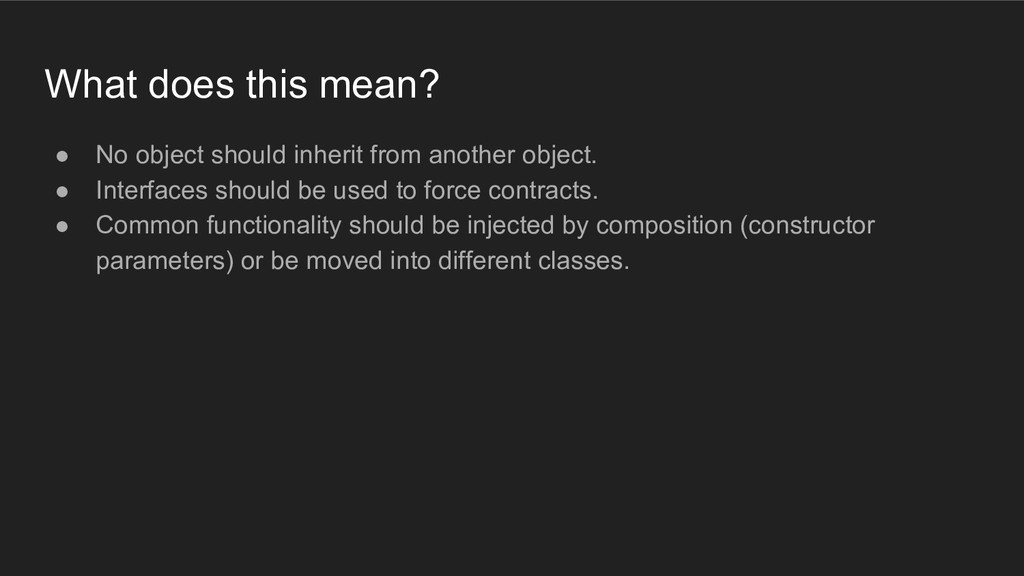
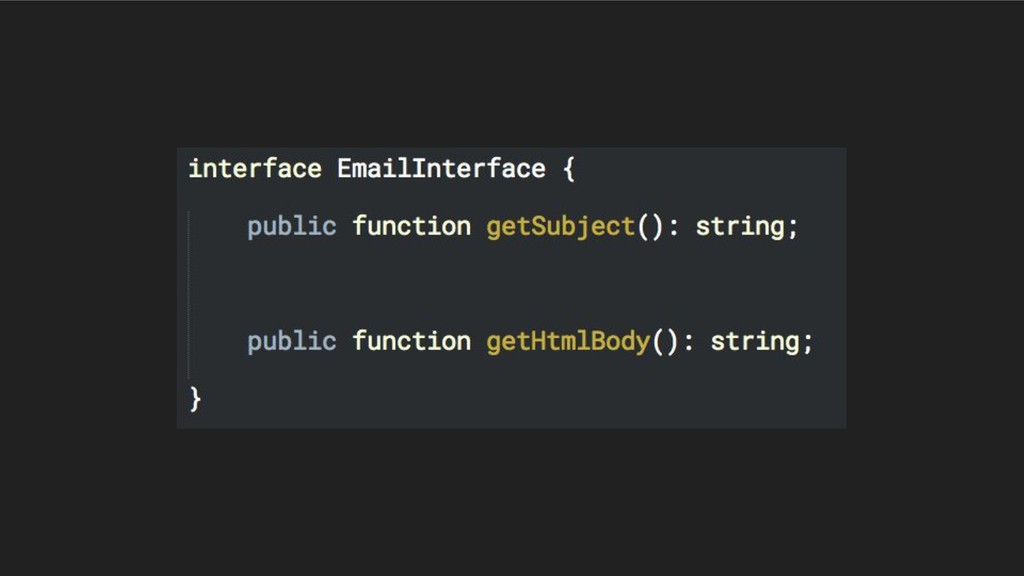
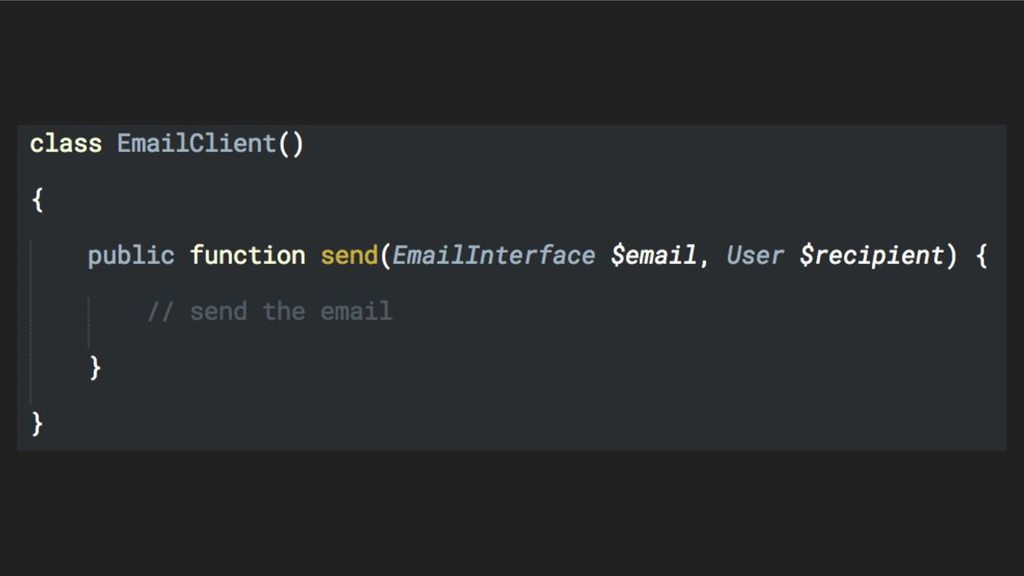
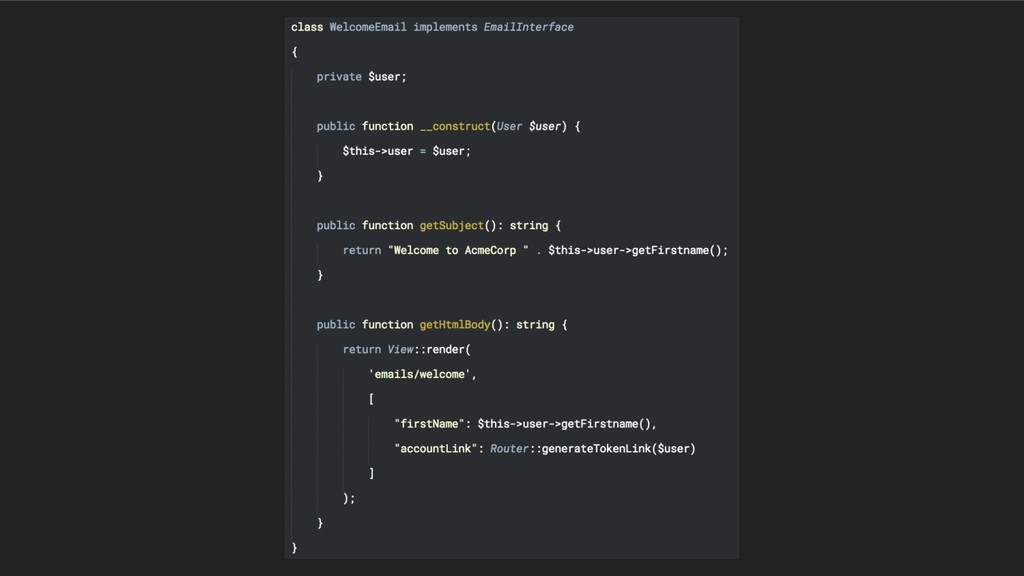
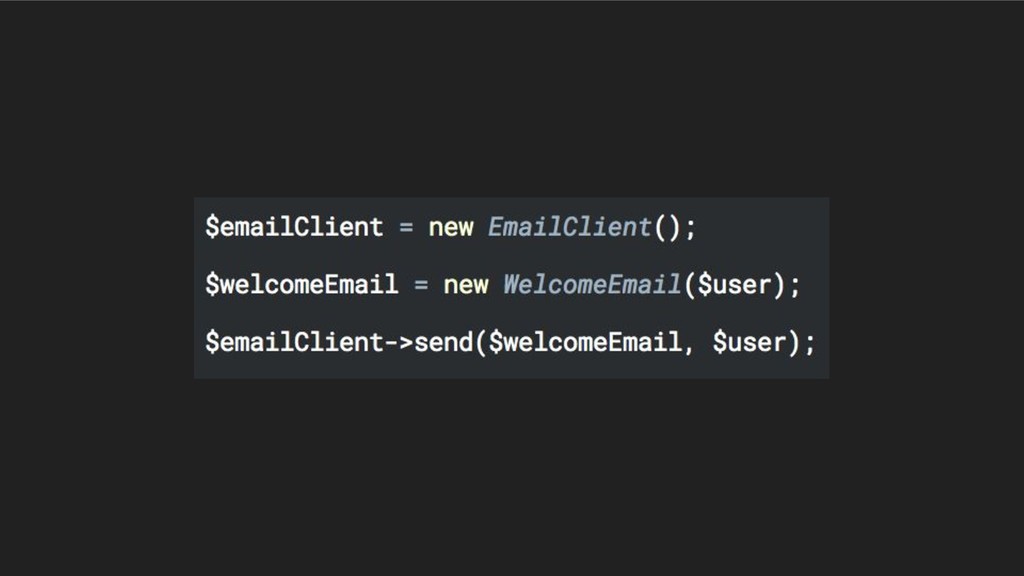
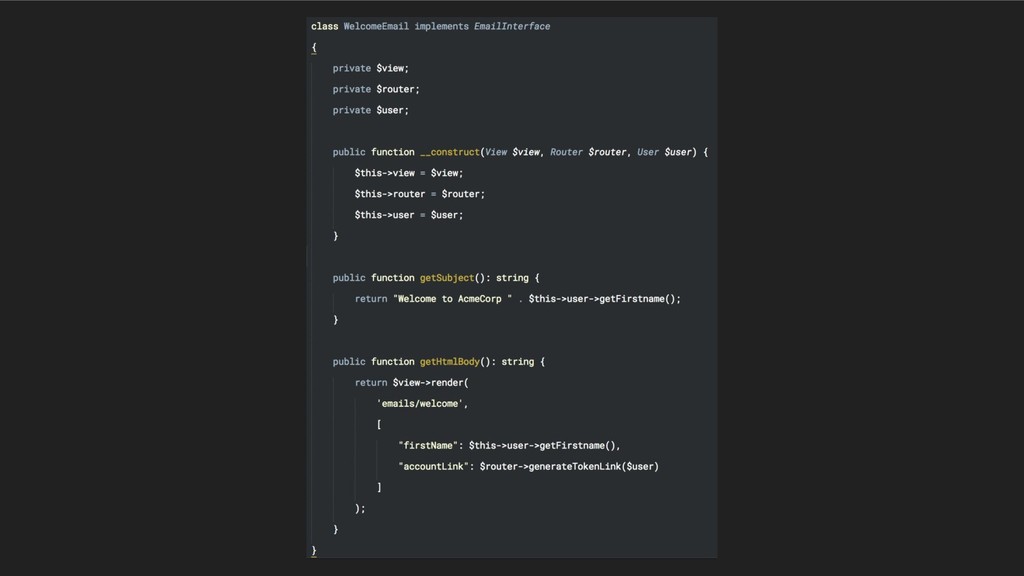
  6. What does this mean? • No object should inherit from

    another object. • Interfaces should be used to force contracts. • Common functionality should be injected by composition (constructor parameters) or be moved into different classes.
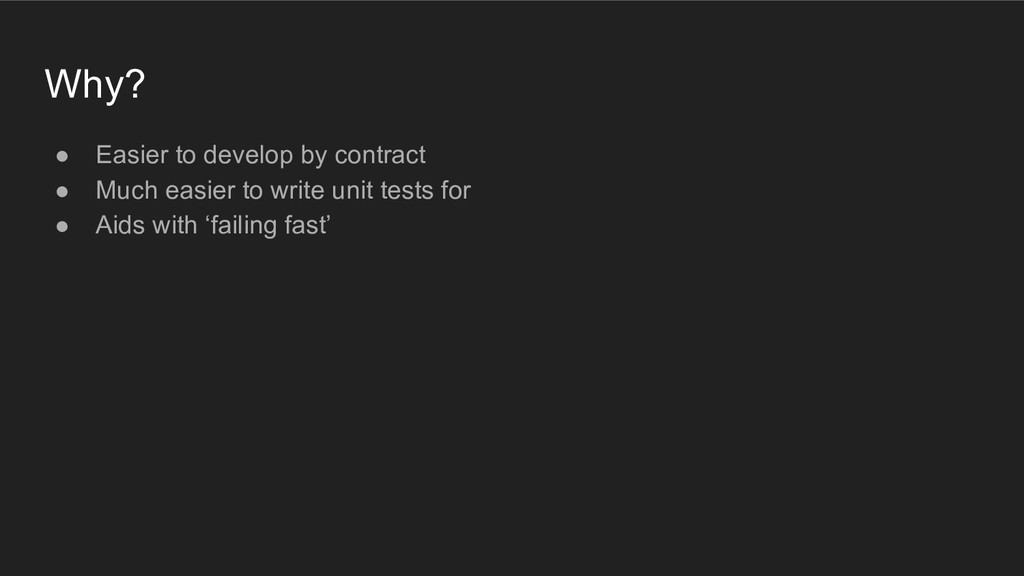
  7. Why? • Easier to develop by contract • Much easier

    to write unit tests for • Aids with ‘failing fast’
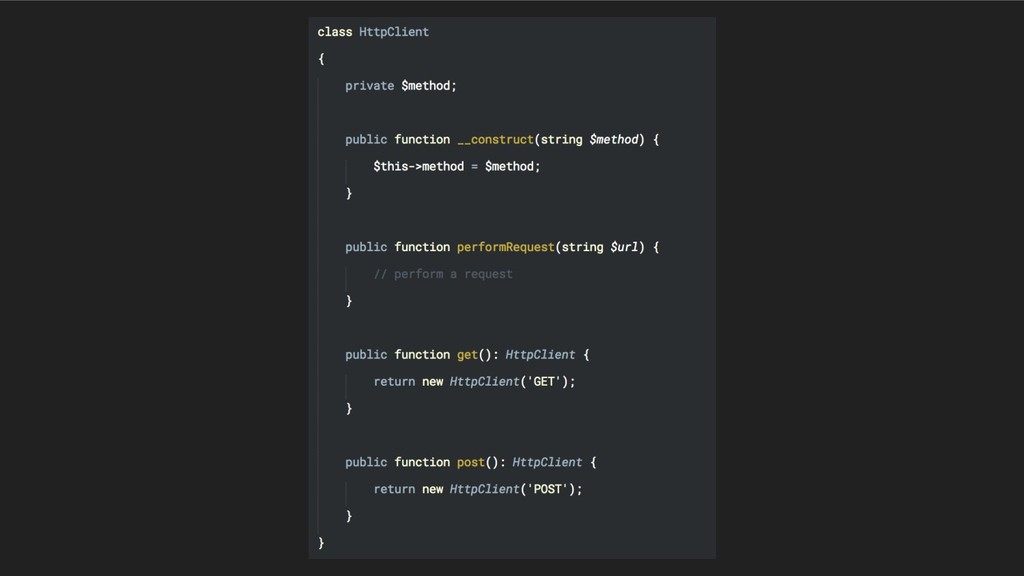
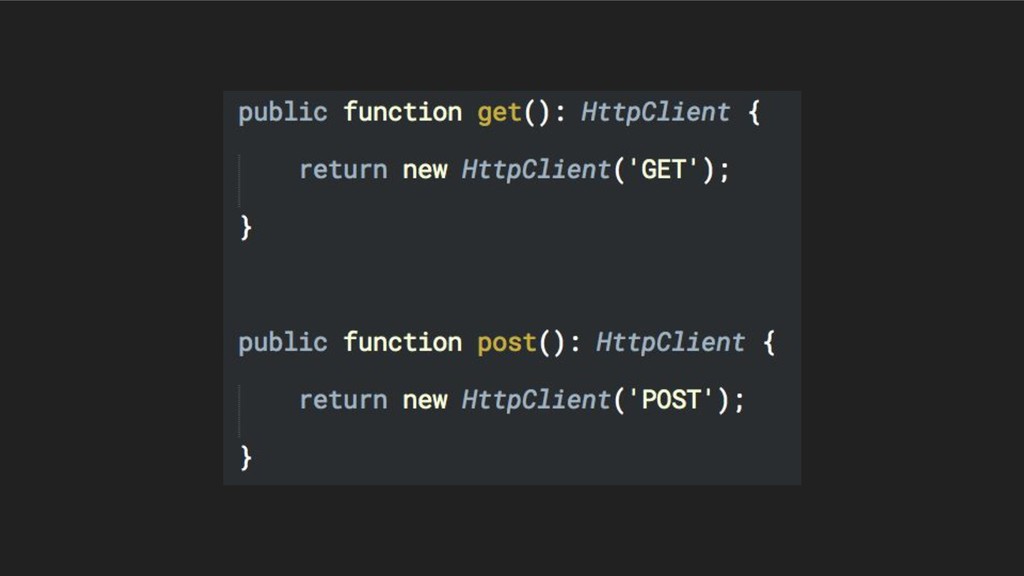
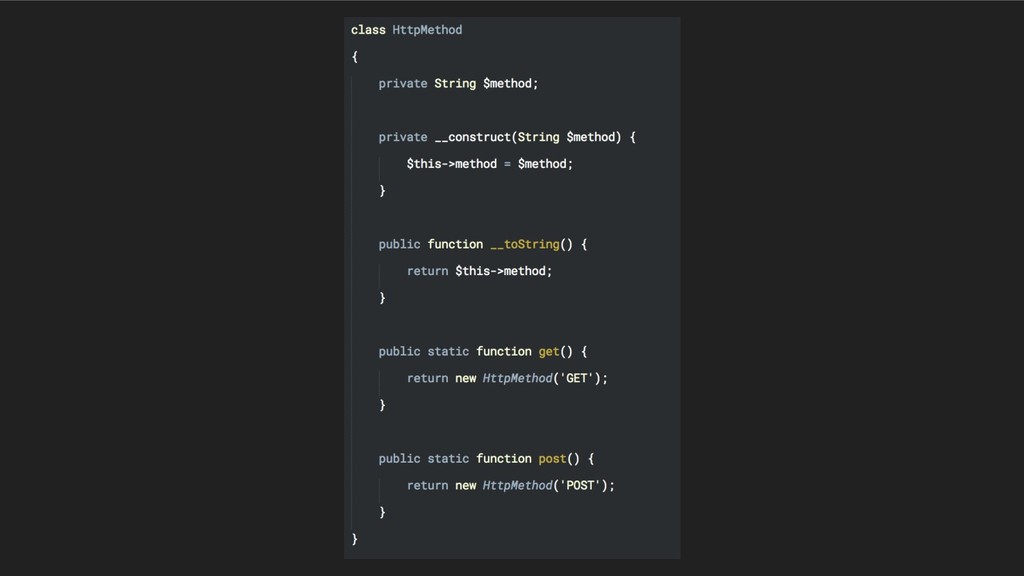
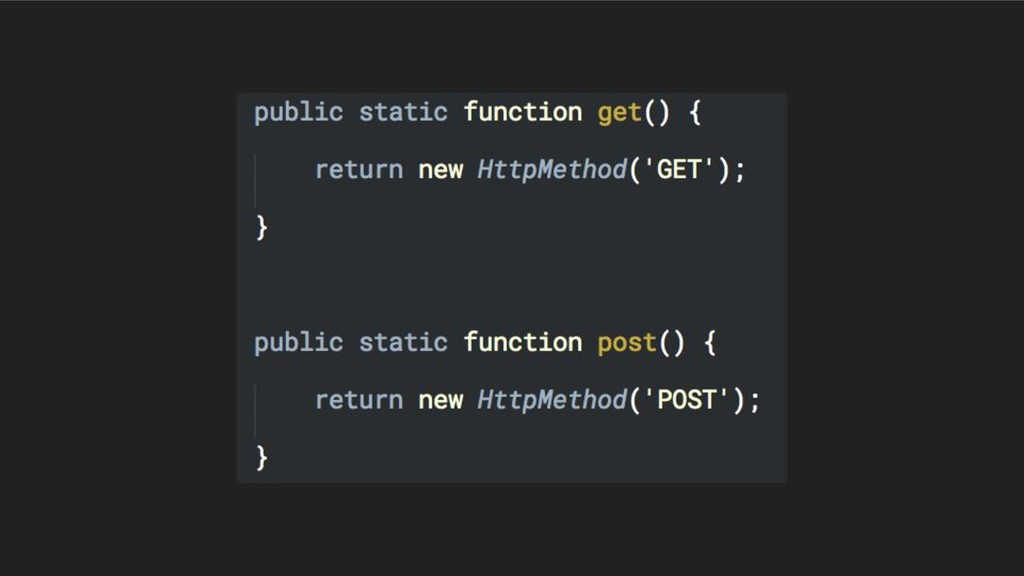
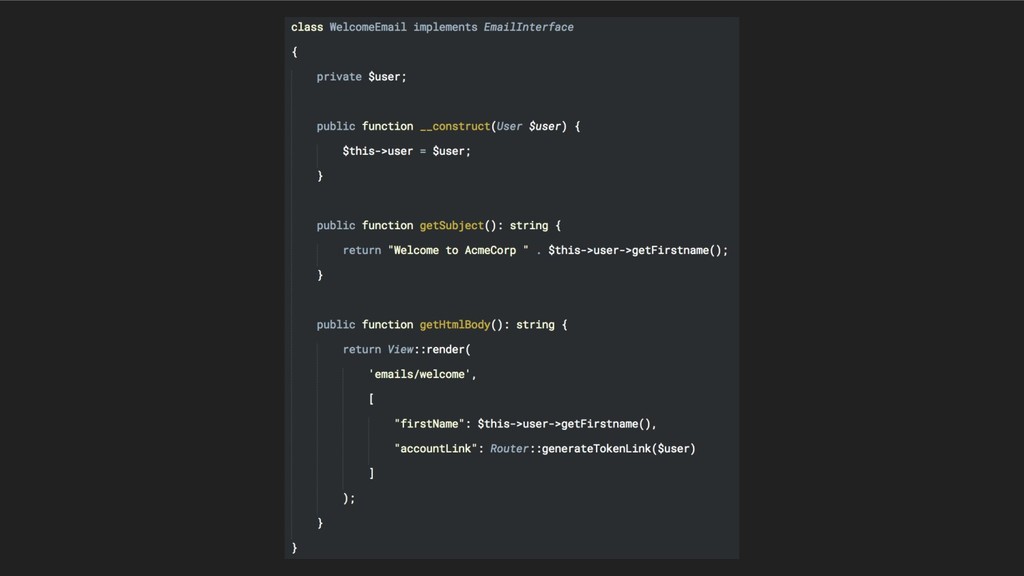
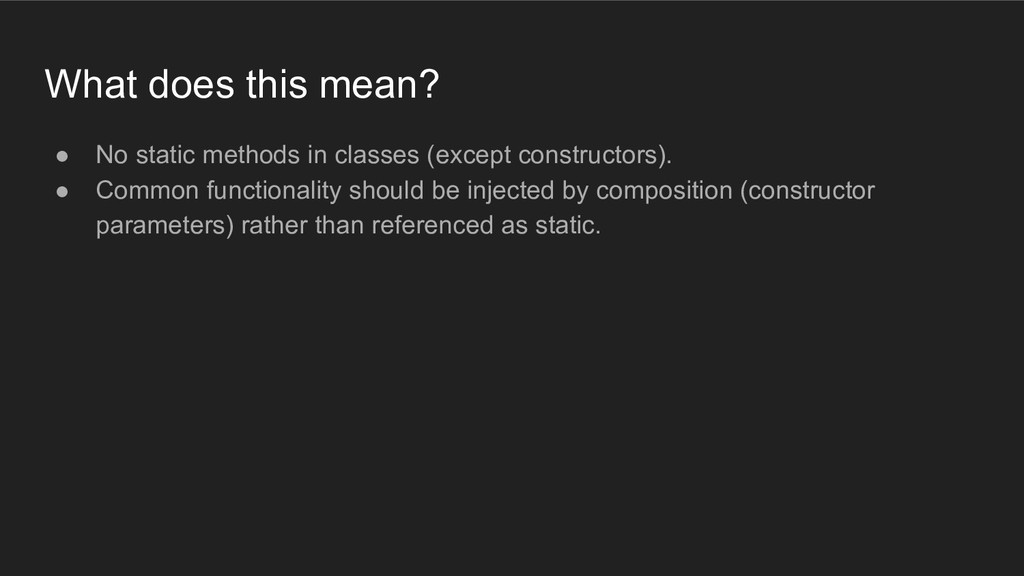
  8. What does this mean? • No static methods in classes

    (except constructors). • Common functionality should be injected by composition (constructor parameters) rather than referenced as static.
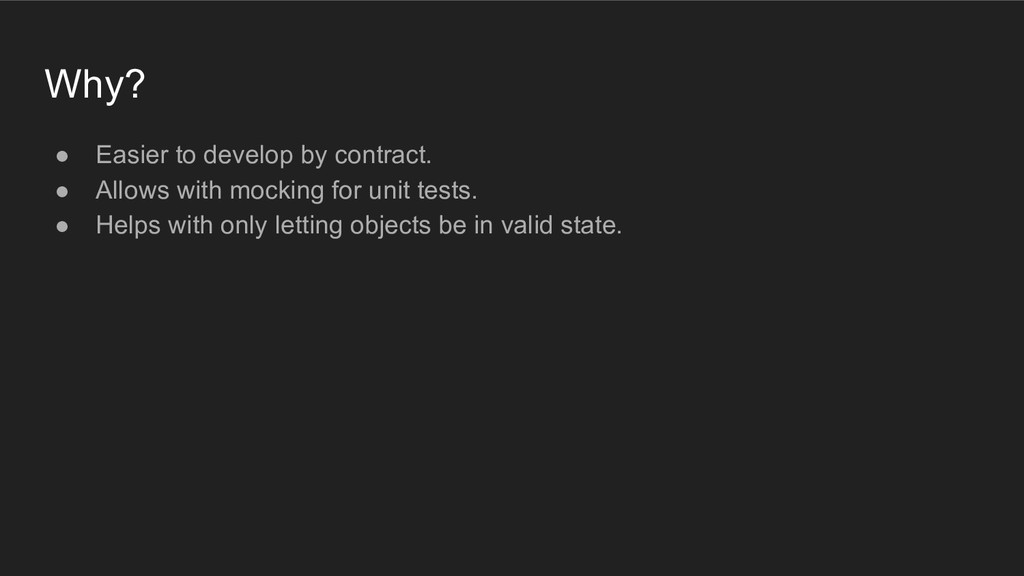
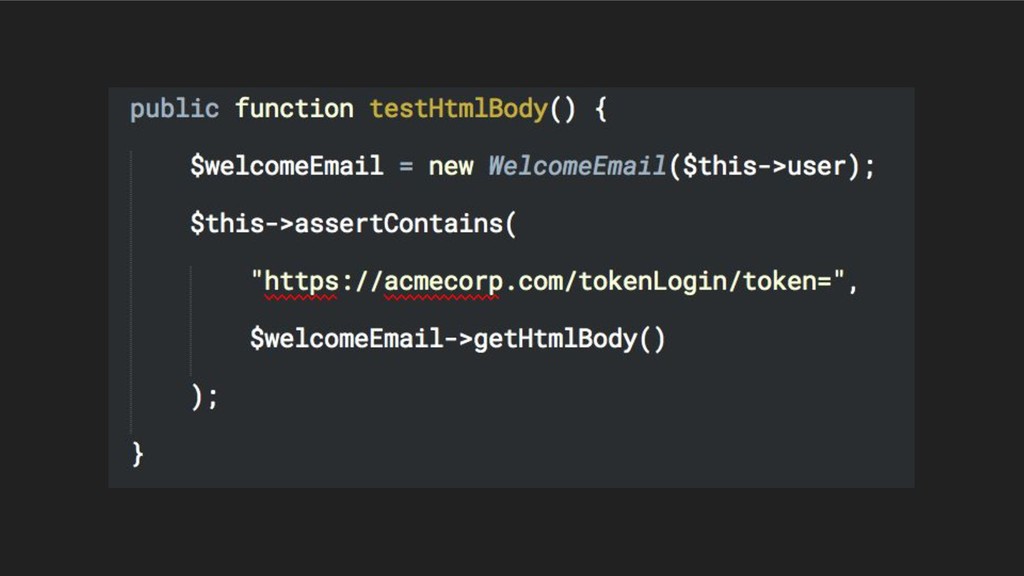
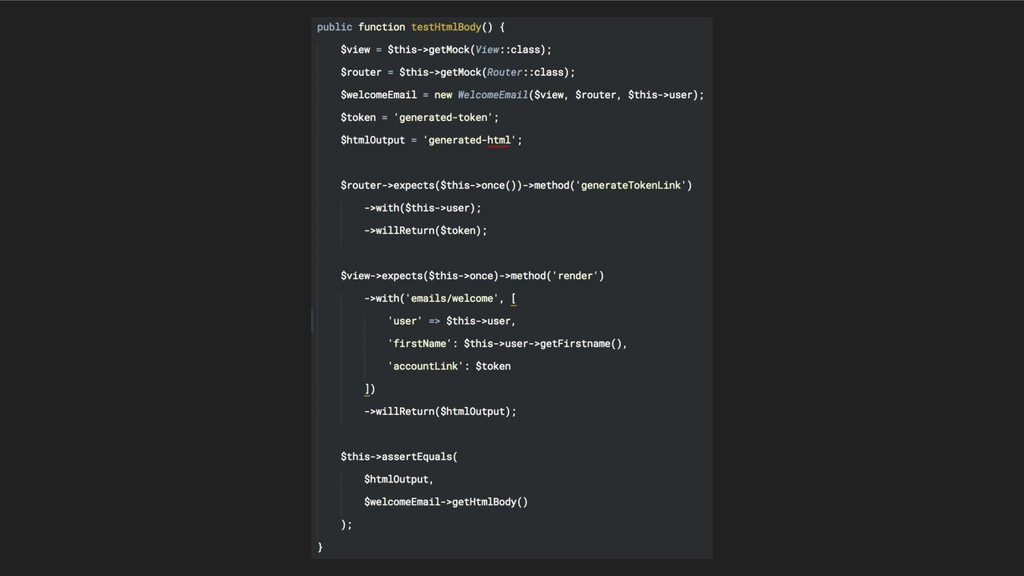
  9. Why? • Easier to develop by contract. • Allows with

    mocking for unit tests. • Helps with only letting objects be in valid state.
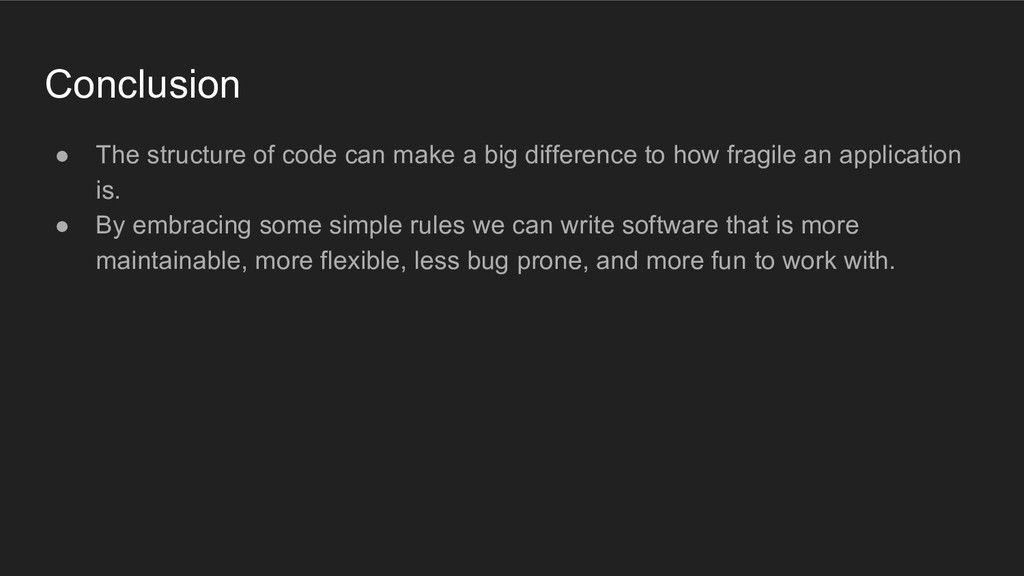
  10. Conclusion • The structure of code can make a big

    difference to how fragile an application is. • By embracing some simple rules we can write software that is more maintainable, more flexible, less bug prone, and more fun to work with.