Share
Embed
Advanced technologies for Climate-Resilient, Water- Efficient, and Self-Sustainable Agri-Food Systems
Maria Rita PALATTELLA, LIST - Luxembourg
IPFevents
May 21, 2026
Transcript
16 slides
-
Advanced technologies for Climate-Resilient, Water- Efficient, and Self-Sustainable Agri-Food Systems
Presenter: Dr. Maria Rita PALATTELLA Principal R&T Scientist Luxembourg Institute of Science and Technology (LIST) WORKING GROUP 3 - Life Support System & Circularity 24.04.2026 -
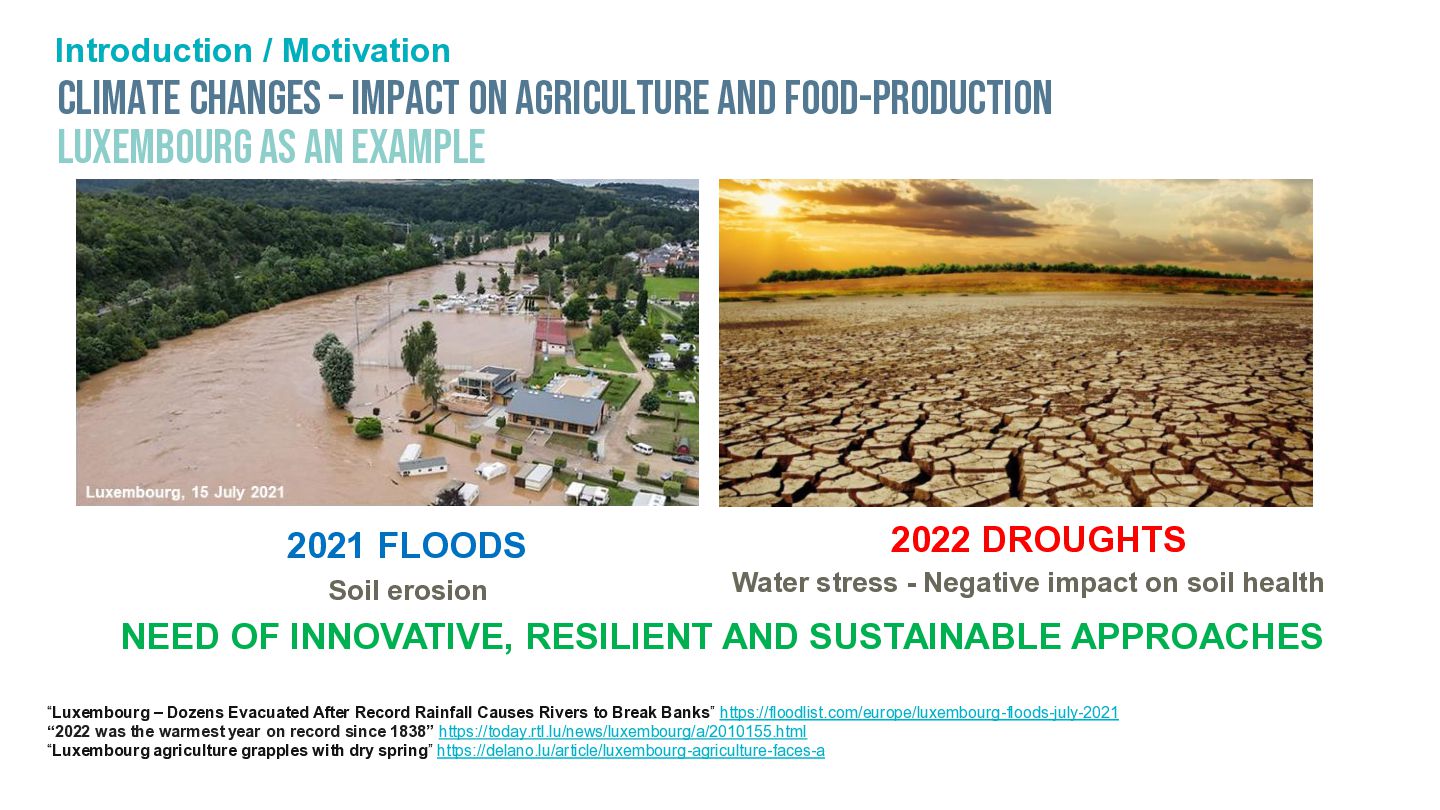
Introduction / Motivation 2 CLIMATE CHANGES – IMPACT on AGRICULTURE
AND FOOD-Production LUXEMBOURG as an example “Luxembourg – Dozens Evacuated After Record Rainfall Causes Rivers to Break Banks” https://floodlist.com/europe/luxembourg-floods-july-2021 “2022 was the warmest year on record since 1838” https://today.rtl.lu/news/luxembourg/a/2010155.html “Luxembourg agriculture grapples with dry spring” https://delano.lu/article/luxembourg-agriculture-faces-a 2021 FLOODS 2022 DROUGHTS NEED OF INNOVATIVE, RESILIENT AND SUSTAINABLE APPROACHES Soil erosion Water stress - Negative impact on soil health -
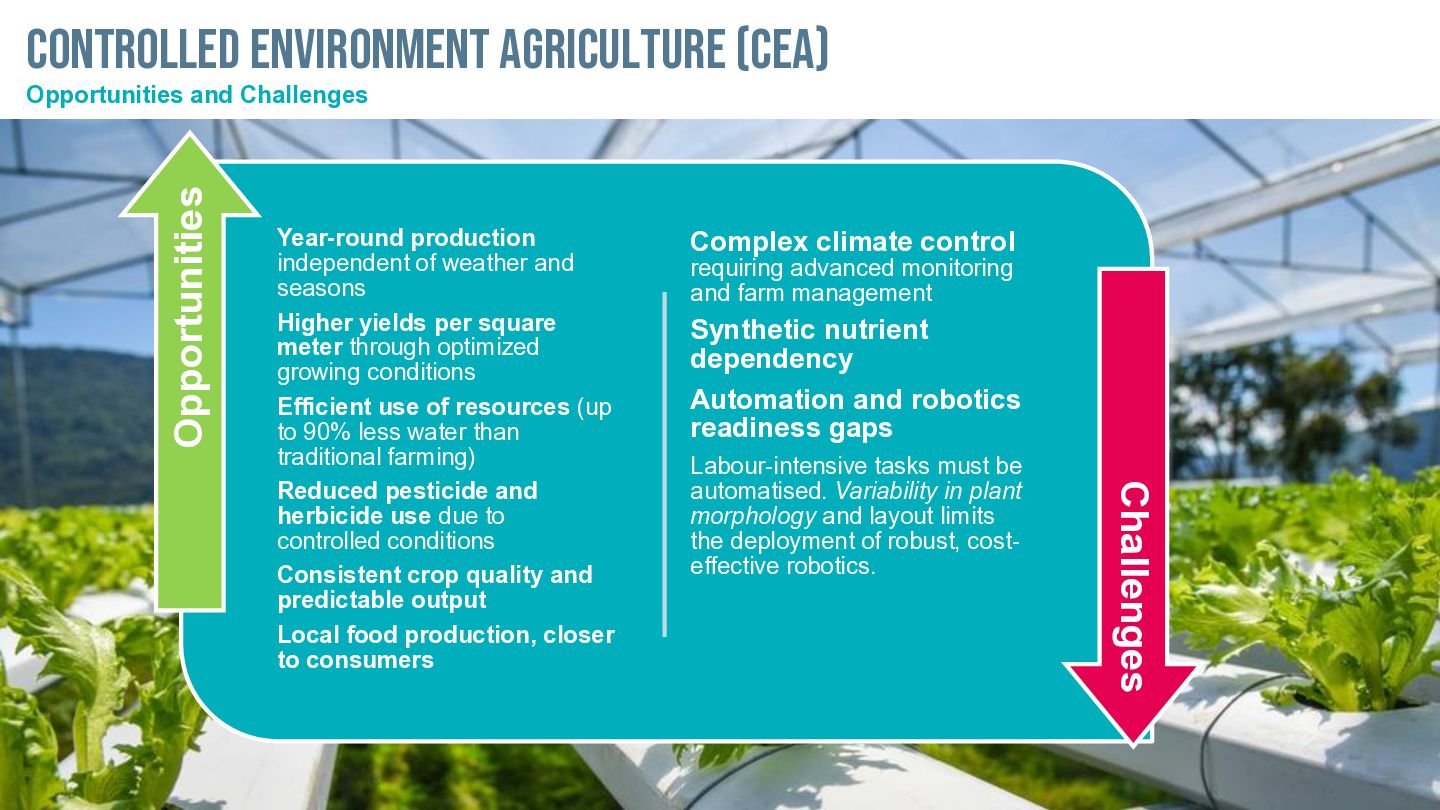
CONTROLLED ENVIRONMENT AGRICULTURE (CEA) Opportunities and Challenges Year-round production independent
of weather and seasons Higher yields per square meter through optimized growing conditions Efficient use of resources (up to 90% less water than traditional farming) Reduced pesticide and herbicide use due to controlled conditions Consistent crop quality and predictable output Local food production, closer to consumers Complex climate control requiring advanced monitoring and farm management Synthetic nutrient dependency Automation and robotics readiness gaps Labour-intensive tasks must be automatised. Variability in plant morphology and layout limits the deployment of robust, cost- effective robotics. Opportunities Challenges -
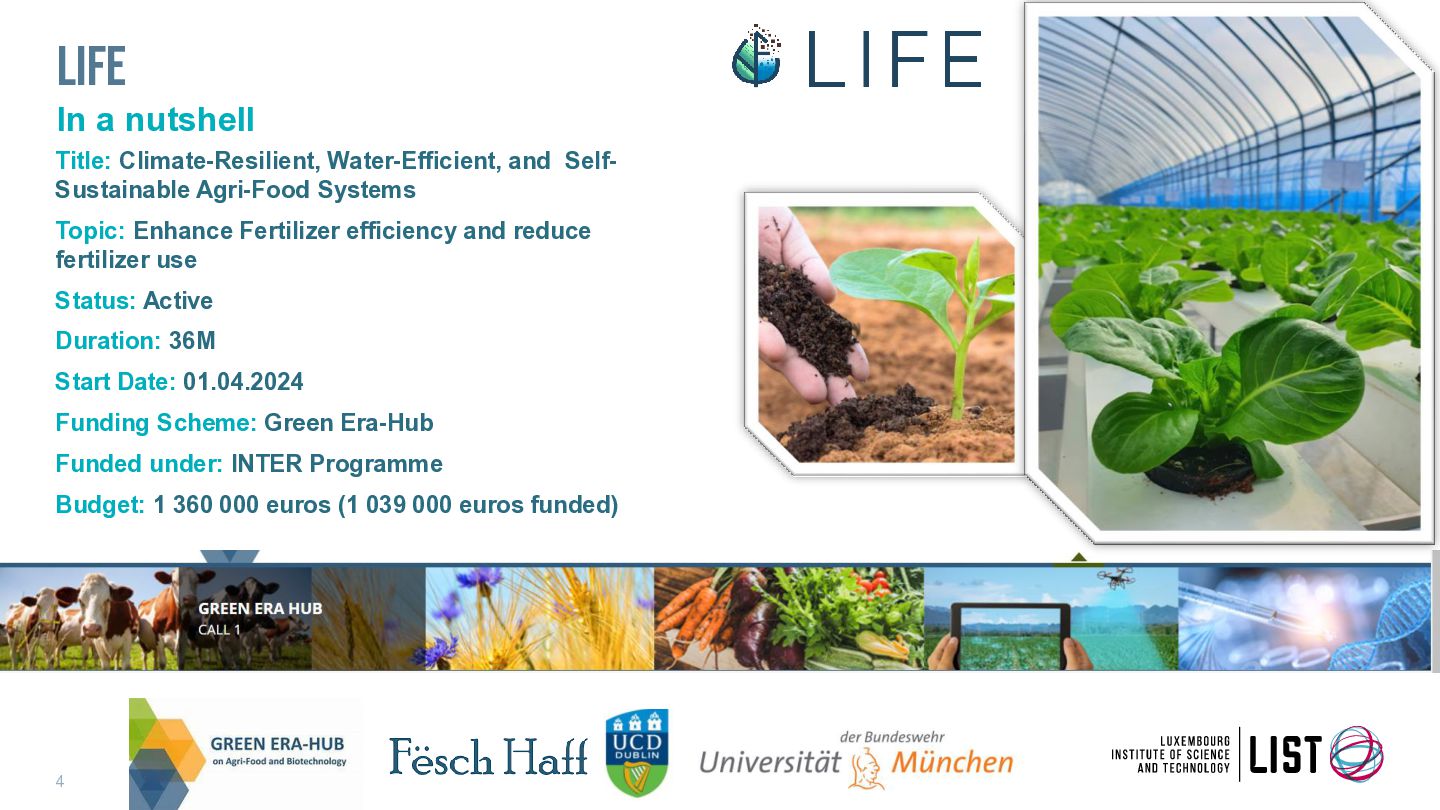
LIFE In a nutshell 4 Title: Climate-Resilient, Water-Efficient, and Self-
Sustainable Agri-Food Systems Topic: Enhance Fertilizer efficiency and reduce fertilizer use Status: Active Duration: 36M Start Date: 01.04.2024 Funding Scheme: Green Era-Hub Funded under: INTER Programme Budget: 1 360 000 euros (1 039 000 euros funded) -
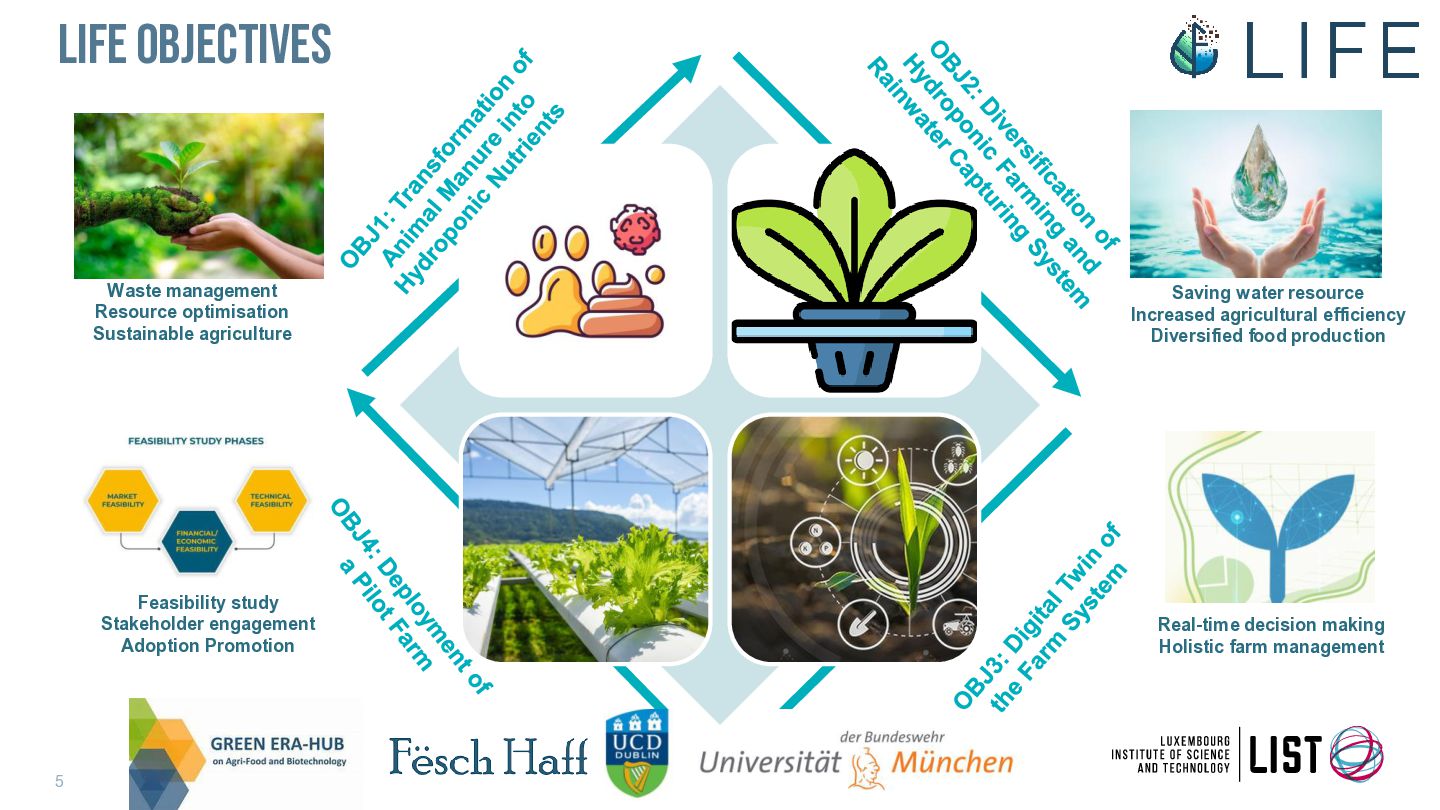
5 Waste management Resource optimisation Sustainable agriculture Saving water resource
Increased agricultural efficiency Diversified food production Real-time decision making Holistic farm management Feasibility study Stakeholder engagement Adoption Promotion LIFE OBJECTIVES -
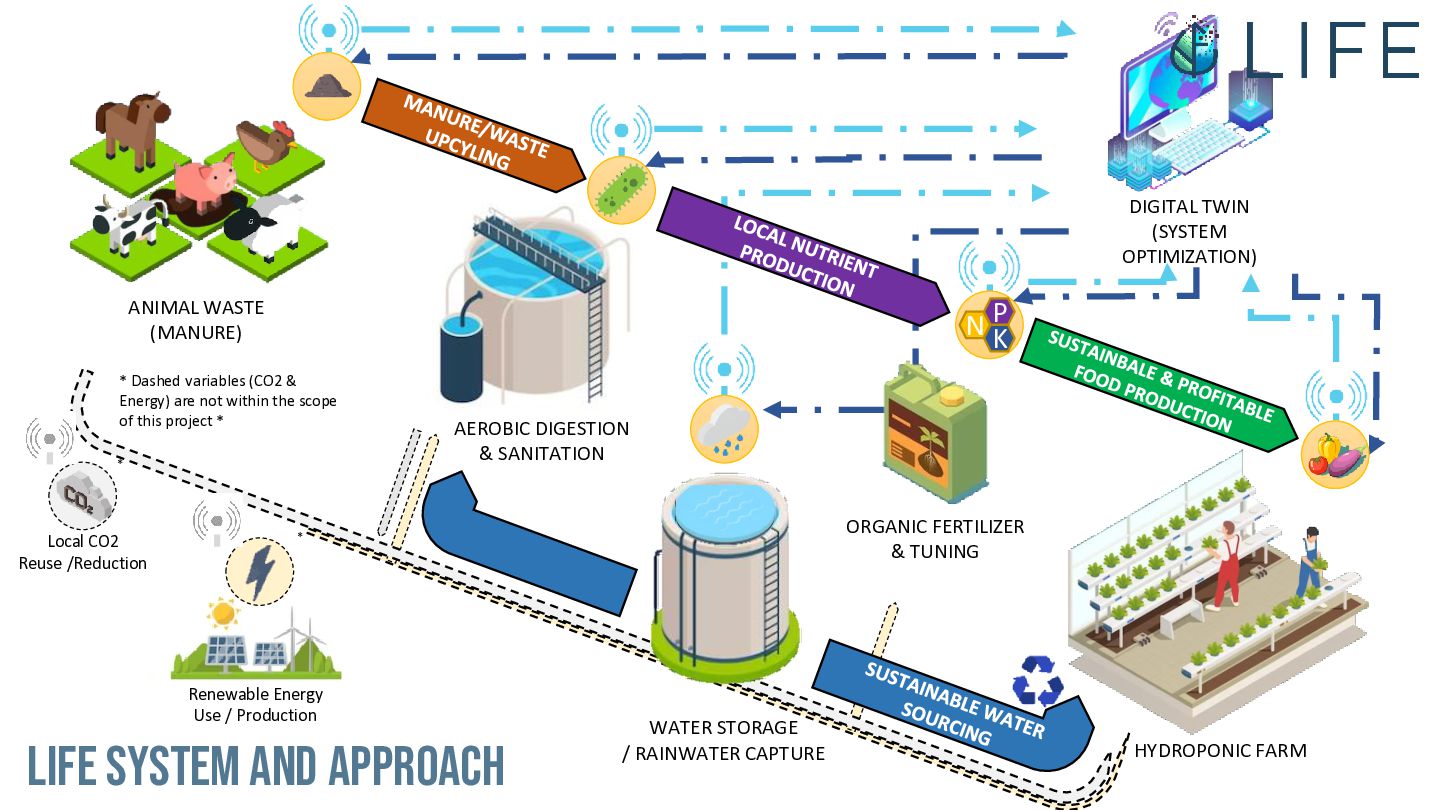
AEROBIC DIGESTION & SANITATION ANIMAL WASTE (MANURE) ORGANIC FERTILIZER &
TUNING N P K Renewable Energy Use / Production * * * Dashed variables (CO2 & Energy) are not within the scope of this project * WATER STORAGE / RAINWATER CAPTURE HYDROPONIC FARM DIGITAL TWIN (SYSTEM OPTIMIZATION) Local CO2 Reuse /Reduction LIFE SYSTEM AND APPROACH -
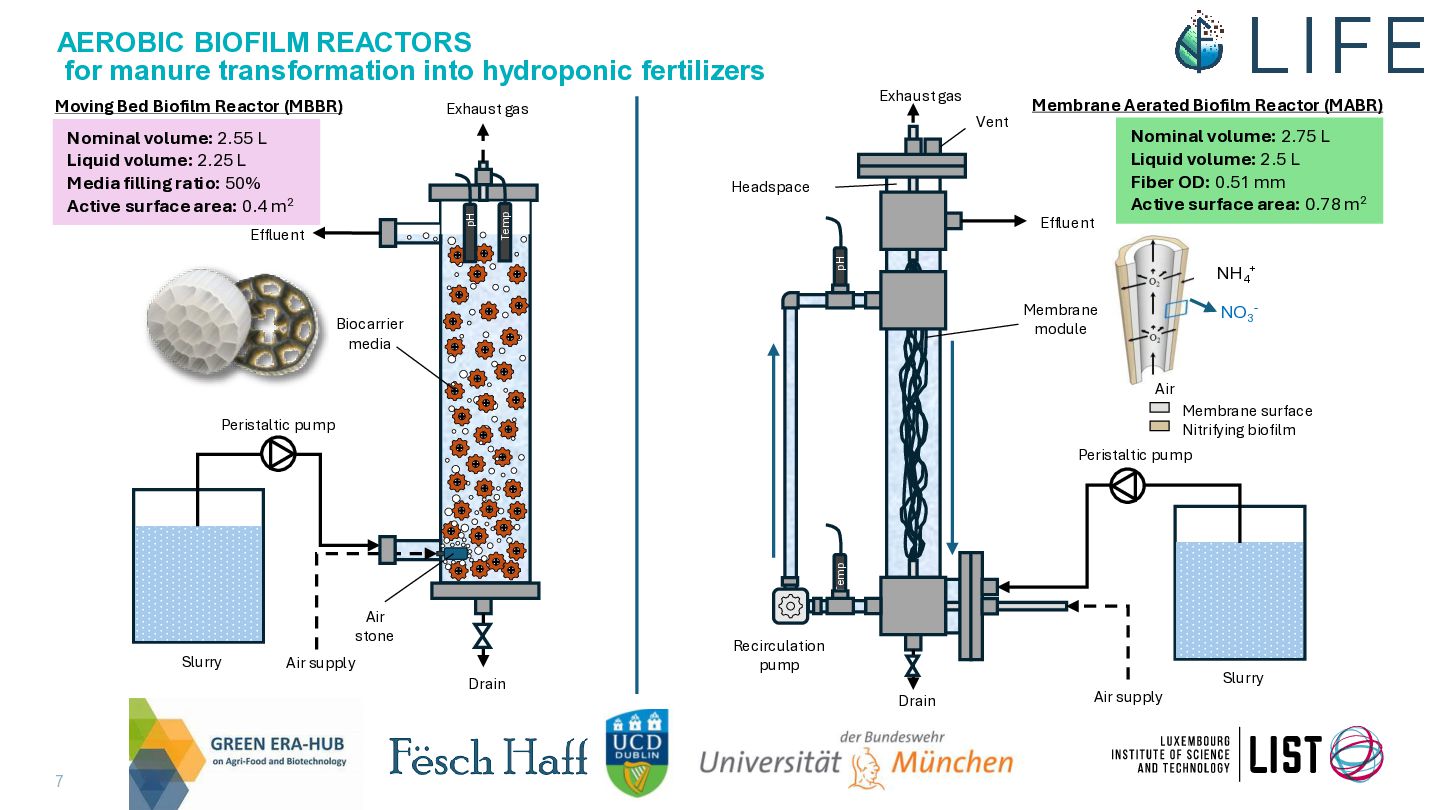
7 Air supply Drain Moving Bed Biofilm Reactor (MBBR) Membrane
Aerated Biofilm Reactor (MABR) Air supply Slurry Effluent Drain Temp pH Air stone Nominal volume: 2.55 L Liquid volume: 2.25 L Media filling ratio: 50% Active surface area: 0.4 m2 Peristaltic pump Biocarrier media Exhaust gas Temp pH Exhaust gas Slurry Effluent Vent Headspace Recirculation pump Membrane module Peristaltic pump Nominal volume: 2.75 L Liquid volume: 2.5 L Fiber OD: 0.51 mm Active surface area: 0.78 m2 NH 4 + NO 3 - Nitrifying biofilm Membrane surface Air AEROBIC BIOFILM REACTORS for manure transformation into hydroponic fertilizers -
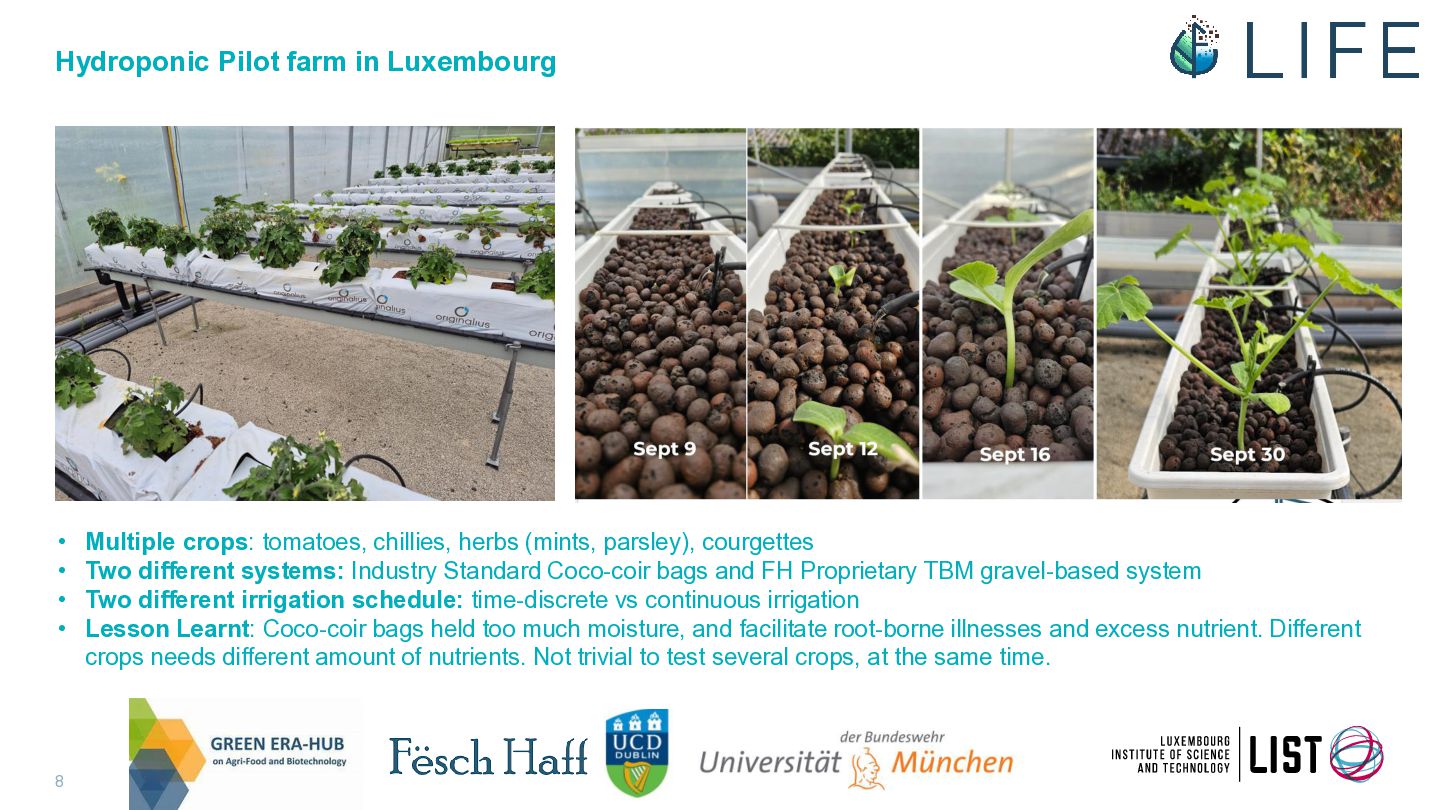
Hydroponic Pilot farm in Luxembourg 8 • Multiple crops: tomatoes,
chillies, herbs (mints, parsley), courgettes • Two different systems: Industry Standard Coco-coir bags and FH Proprietary TBM gravel-based system • Two different irrigation schedule: time-discrete vs continuous irrigation • Lesson Learnt: Coco-coir bags held too much moisture, and facilitate root-borne illnesses and excess nutrient. Different crops needs different amount of nutrients. Not trivial to test several crops, at the same time. -
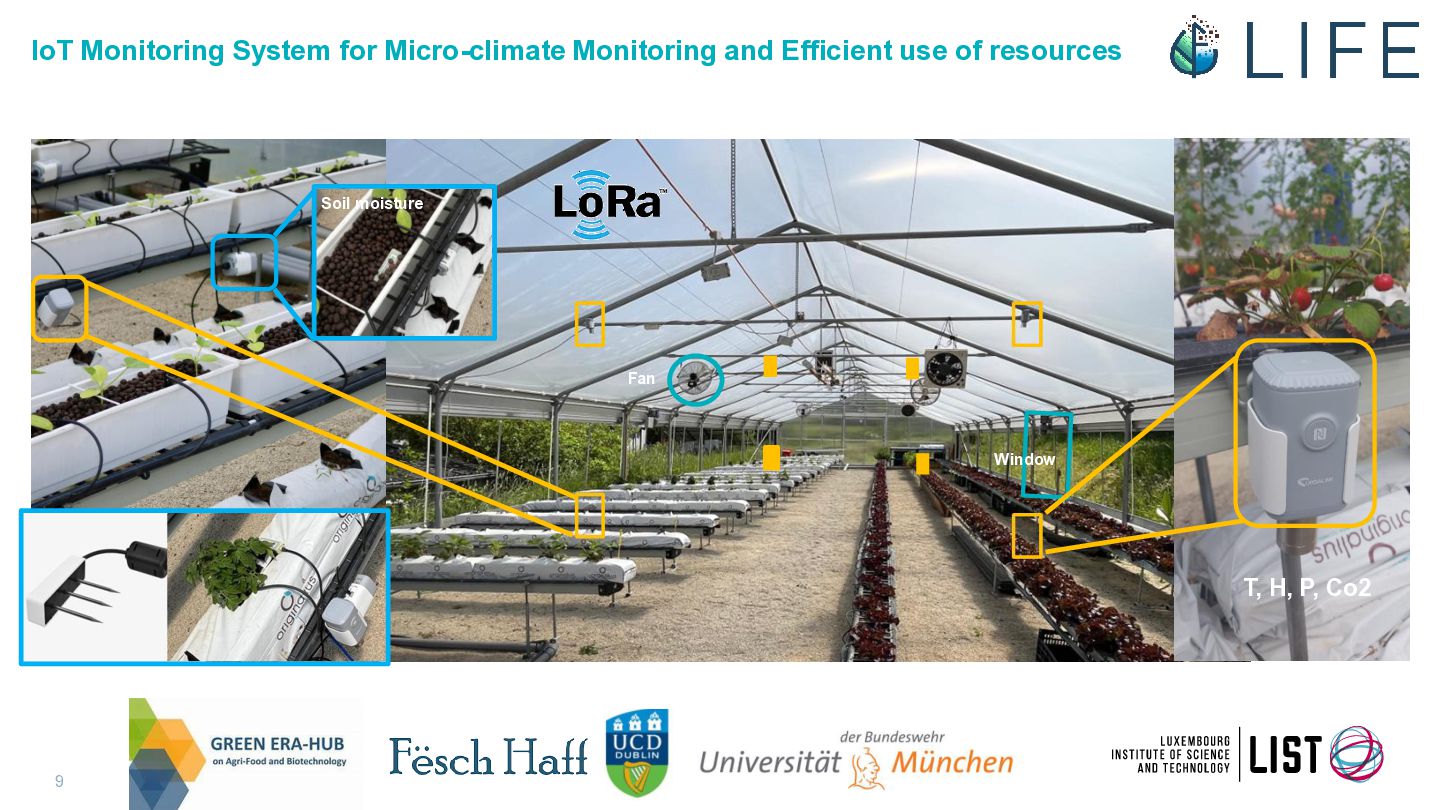
9 IoT Monitoring System for Micro-climate Monitoring and Efficient use
of resources Soil moisture T, H, P, Co2 Fan Window -
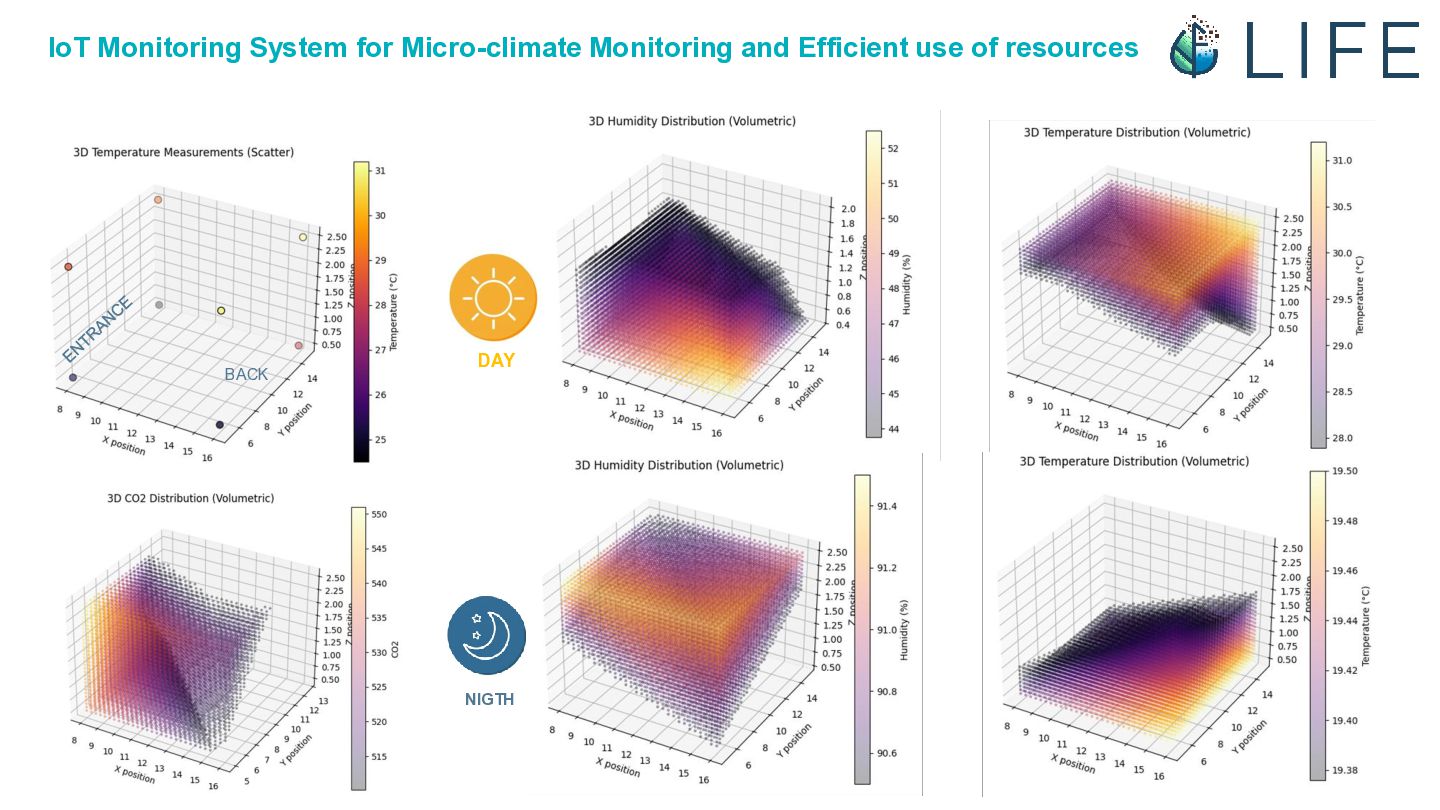
10 IoT Monitoring System for Micro-climate Monitoring and Efficient use
of resources BACK NIGTH DAY -
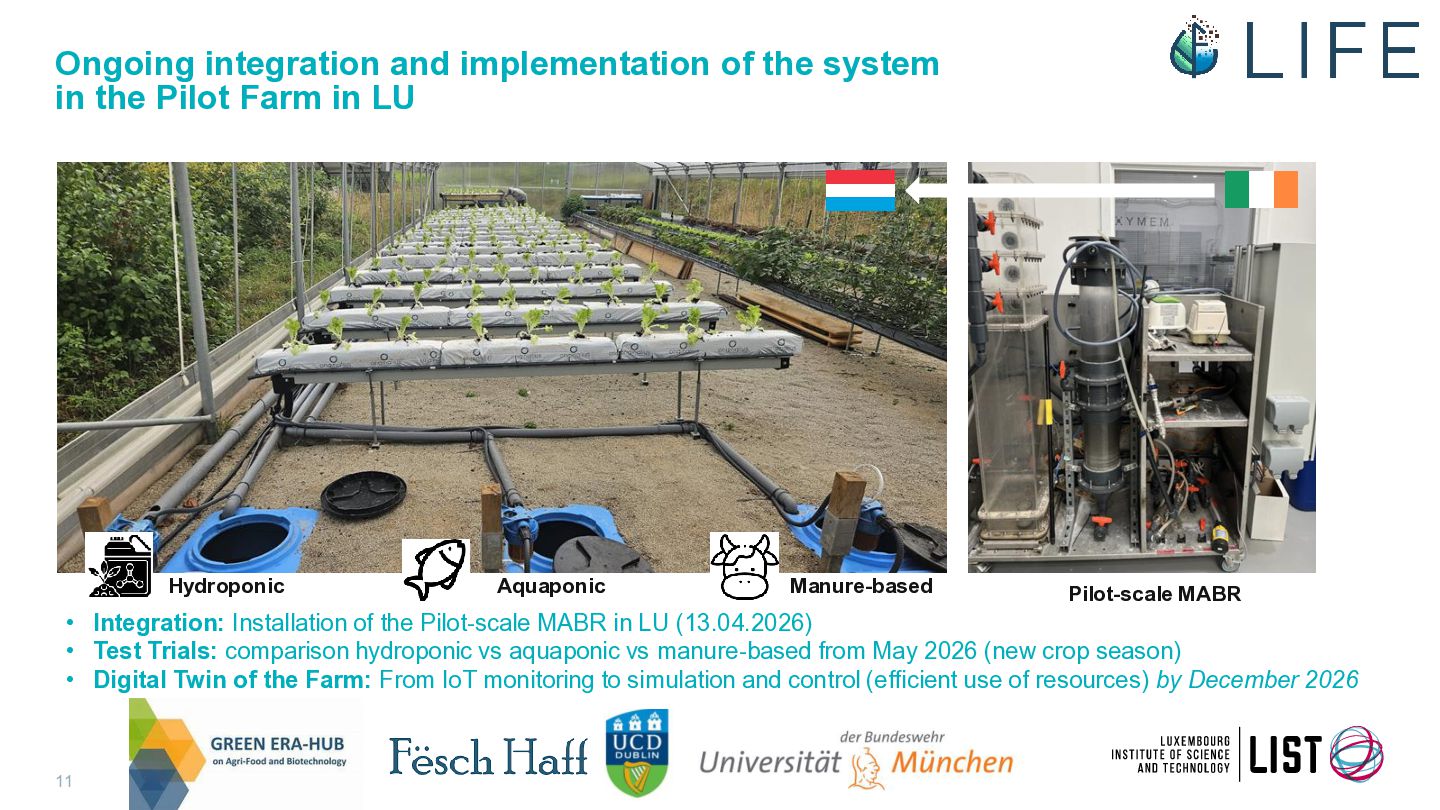
Ongoing integration and implementation of the system in the Pilot
Farm in LU 11 Pilot-scale MABR Hydroponic Aquaponic Manure-based • Integration: Installation of the Pilot-scale MABR in LU (13.04.2026) • Test Trials: comparison hydroponic vs aquaponic vs manure-based from May 2026 (new crop season) • Digital Twin of the Farm: From IoT monitoring to simulation and control (efficient use of resources) by December 2026 -
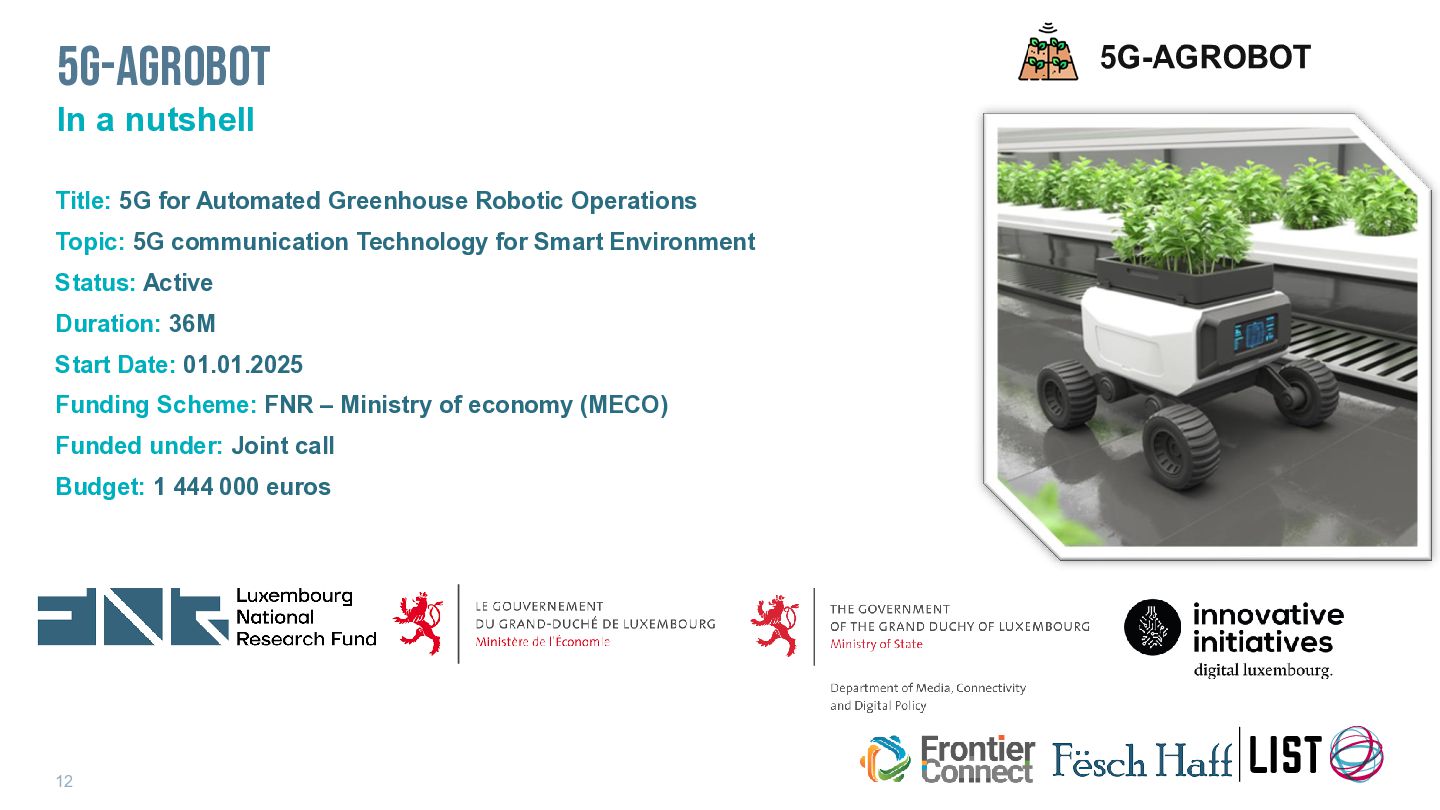
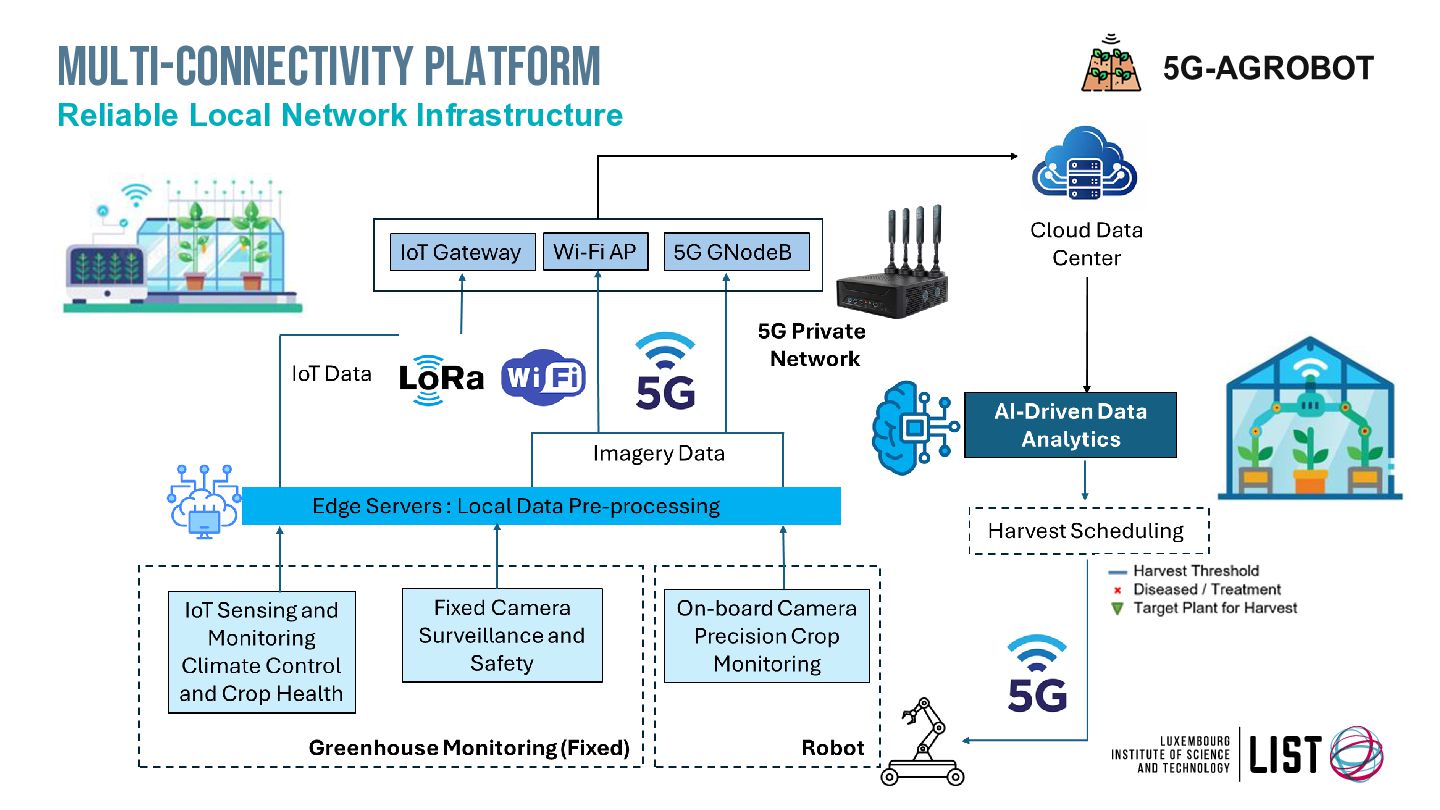
5G-AGROBOT In a nutshell 12 Title: 5G for Automated Greenhouse
Robotic Operations Topic: 5G communication Technology for Smart Environment Status: Active Duration: 36M Start Date: 01.01.2025 Funding Scheme: FNR – Ministry of economy (MECO) Funded under: Joint call Budget: 1 444 000 euros -
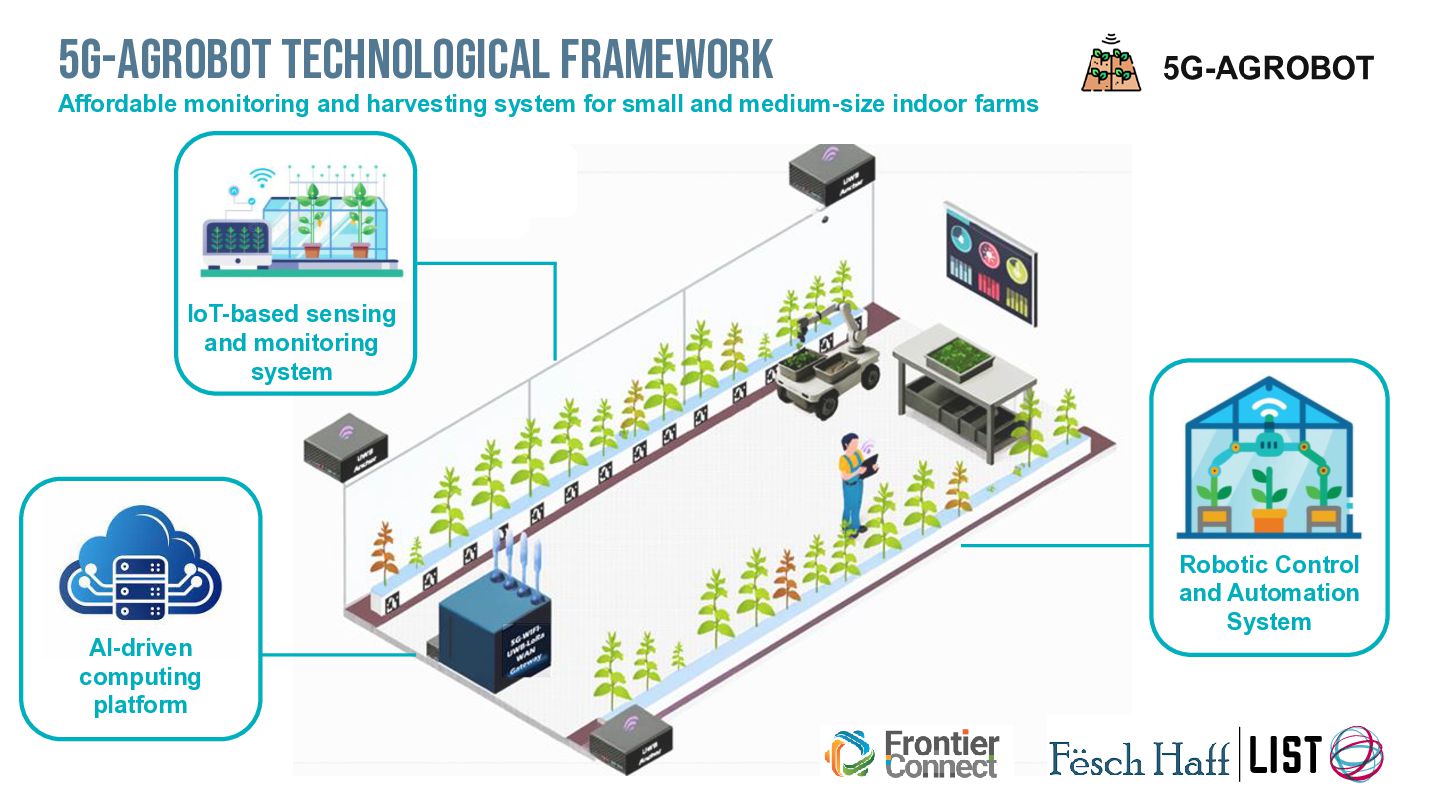
5G-AGROBOT Technological FRAMEWORK Affordable monitoring and harvesting system for small
and medium-size indoor farms IoT-based sensing and monitoring system AI-driven computing platform Robotic Control and Automation System -
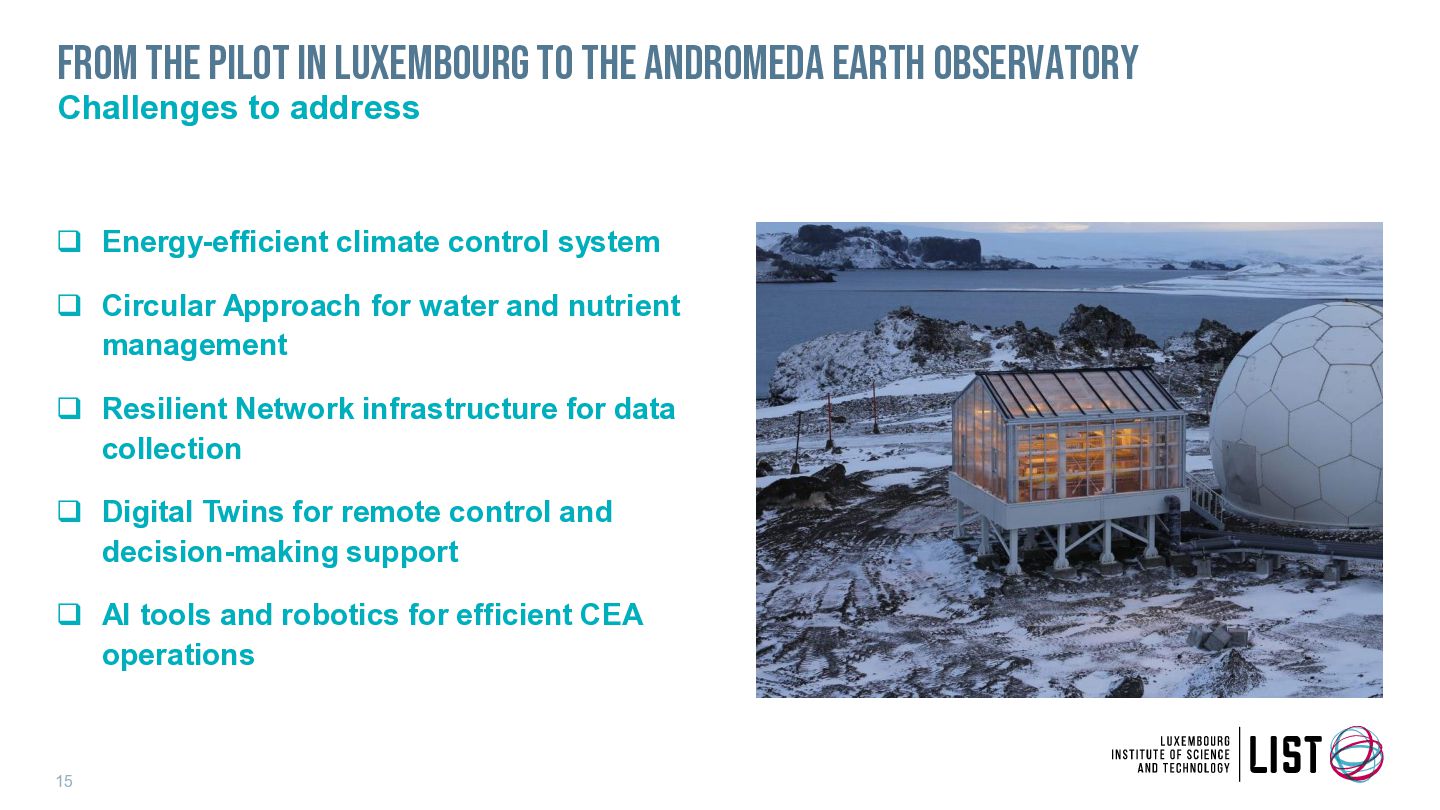
From the pilot in Luxembourg to THE ANDROMEDA EARTH OBSERVATORY
❑ Energy-efficient climate control system ❑ Circular Approach for water and nutrient management ❑ Resilient Network infrastructure for data collection ❑ Digital Twins for remote control and decision-making support ❑ AI tools and robotics for efficient CEA operations Challenges to address 15 -
16 Thank you for your attention! Contact: Dr. Maria Rita
PALATTELLA [email protected] Luxembourg Institute of Science and Technology (LIST) Website: https://www.geh-life.com/ Join our LinkedIn Group https://www.linkedin.com/groups/13011421/ Website: https://researchportal.list.lu/ projects/detail/5g-agrobot