AGVs, and Machine Learning for Multi-Robot Coordination AI24 – Lamarr Institute September 5th, 2024 Session 5: AI and Simulation Technologies in Intralogistics (Workshop Room 5)
are tools to help solve specific challenges. • To understand how to use the right tool for the job, we need to clearly define the job. • The job in question is related to Intralogistics. • Problem Definition: Given a number of robots tasked to autonomously transport goods inside a logistics facility, we need to coordinate their behavior by • Assigning the right task to the right robot, to accomplish them at the correct time, in the correct sequence while minimizing total travel time. • Assigning a route per robot so that each robot safely reaches its destination in the fastest time possible while avoiding potential congestions. • Ensure the maximum availability of robots while warranting an extended battery lifetime. 2
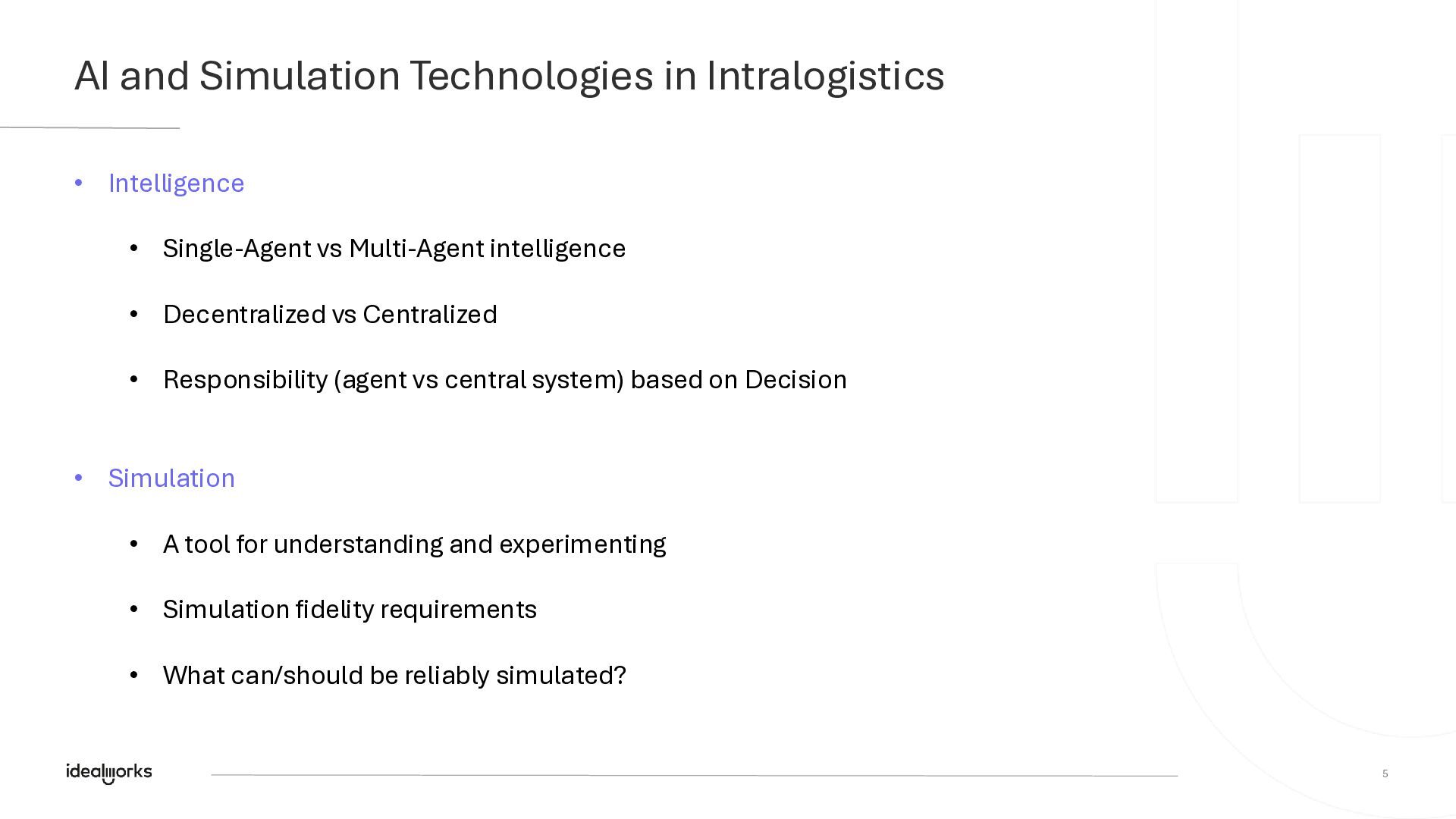
vs Multi-Agent intelligence • Decentralized vs Centralized • Responsibility (agent vs central system) based on Decision • Simulation • A tool for understanding and experimenting • Simulation fidelity requirements • What can/should be reliably simulated? 5
AGVs, and Machine Learning for Multi-Robot Coordination and how AI and Simulation can help AI24 – Lamarr Institute September 5th, 2024 Session 5: AI and Simulation Technologies in Intralogistics (Workshop Room 5) Challenges of
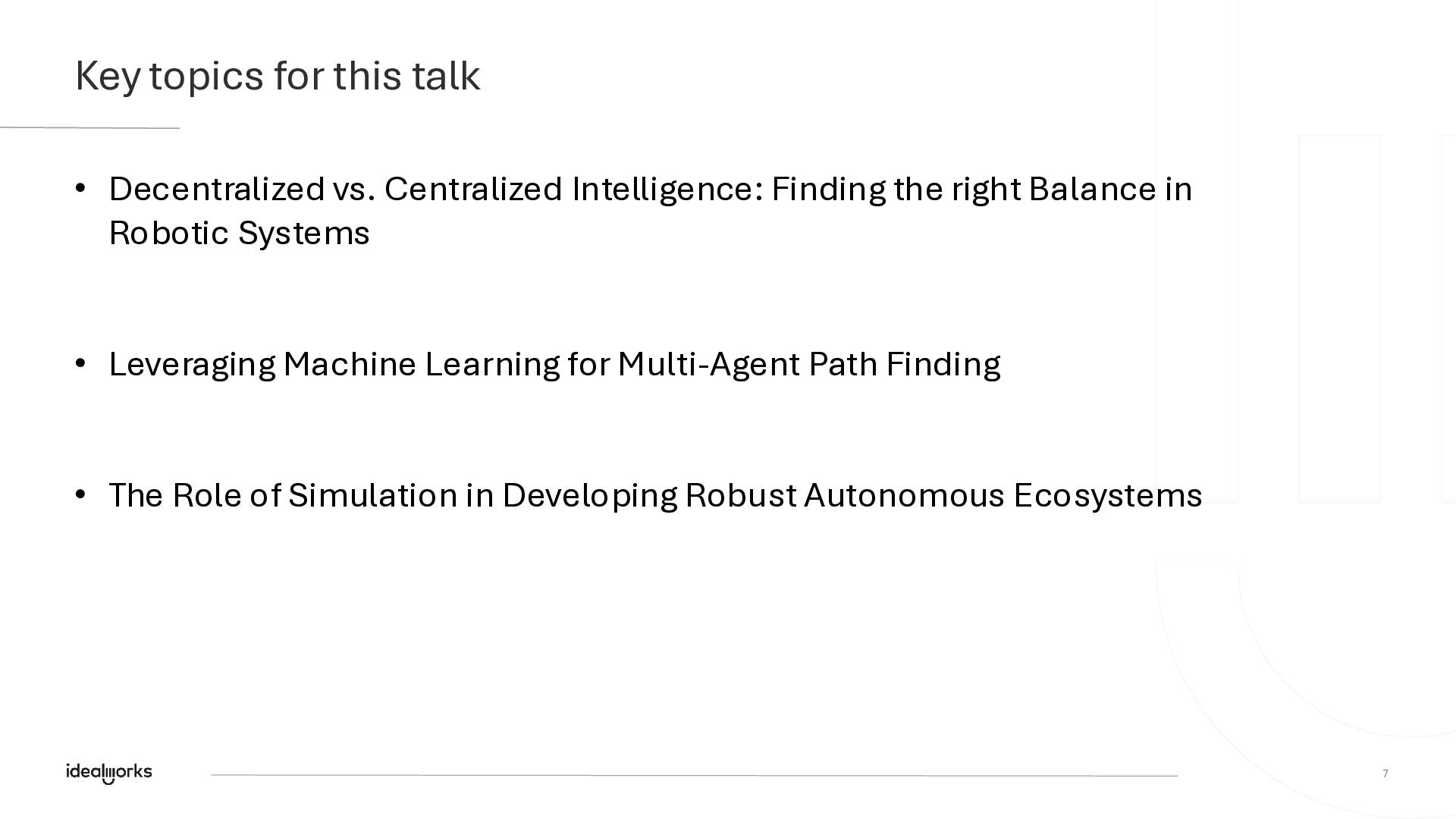
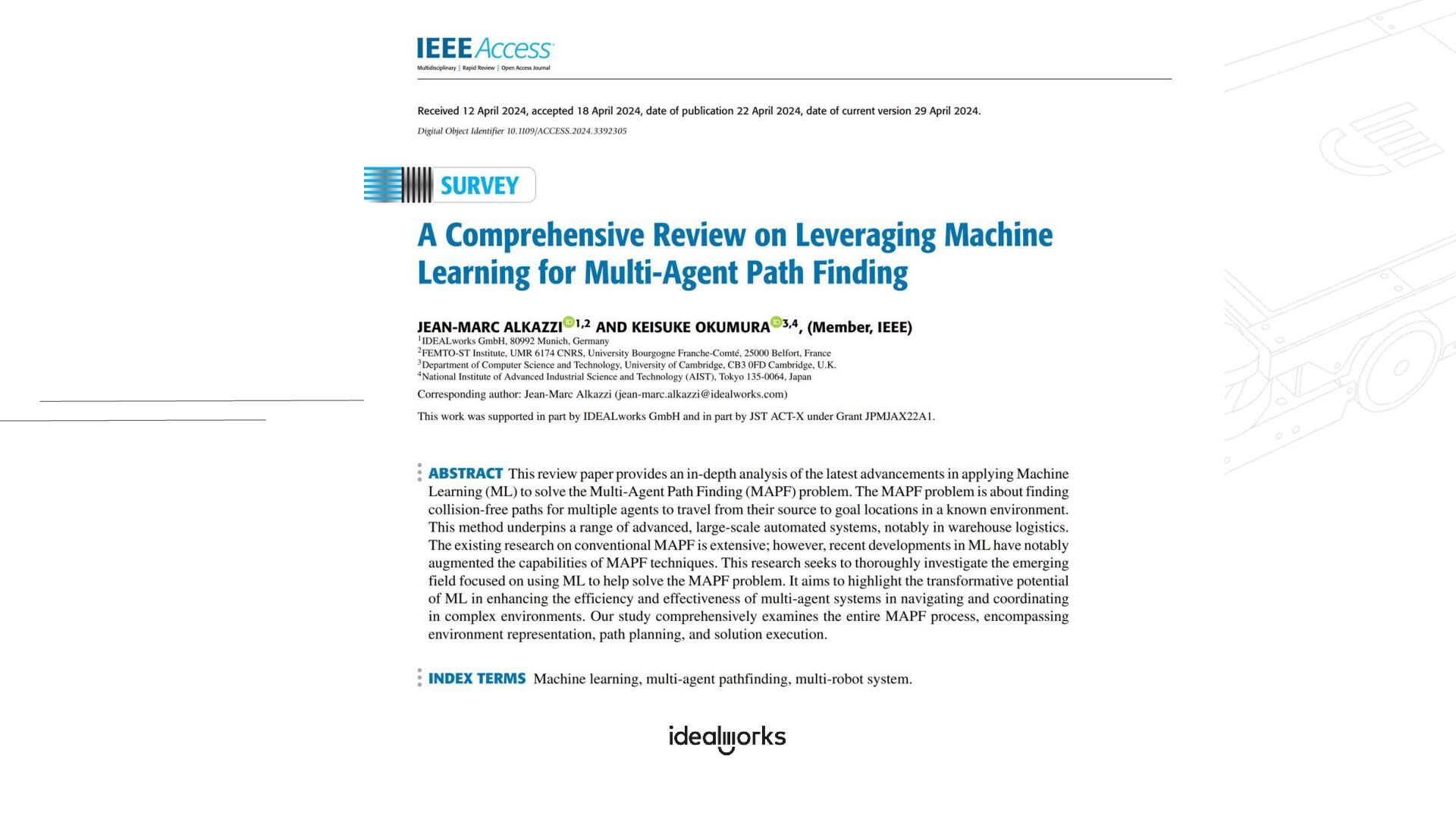
Finding the right Balance in Robotic Systems • Leveraging Machine Learning for Multi-Agent Path Finding • The Role of Simulation in Developing Robust Autonomous Ecosystems 7
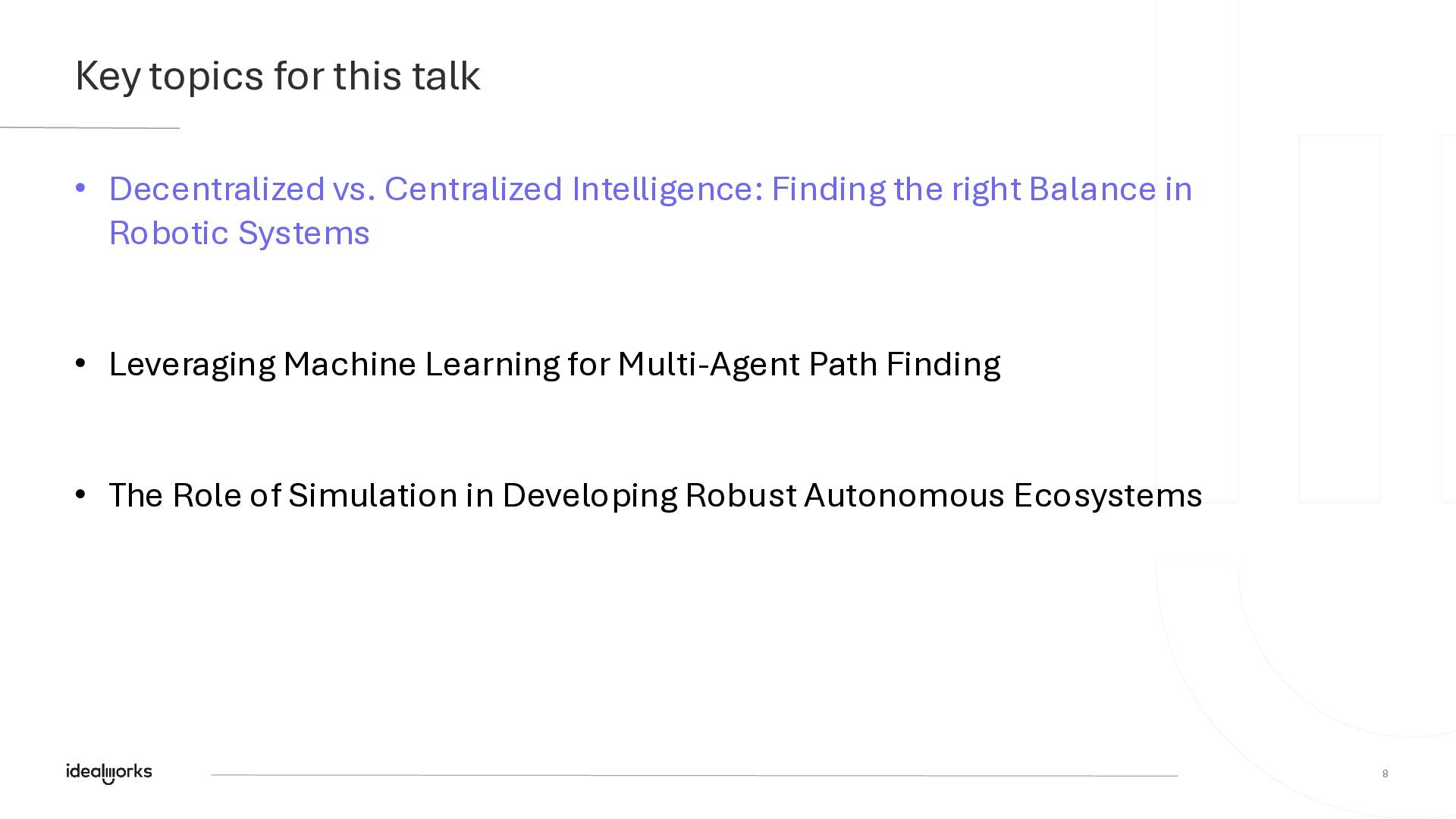
Finding the right Balance in Robotic Systems • Leveraging Machine Learning for Multi-Agent Path Finding • The Role of Simulation in Developing Robust Autonomous Ecosystems 8
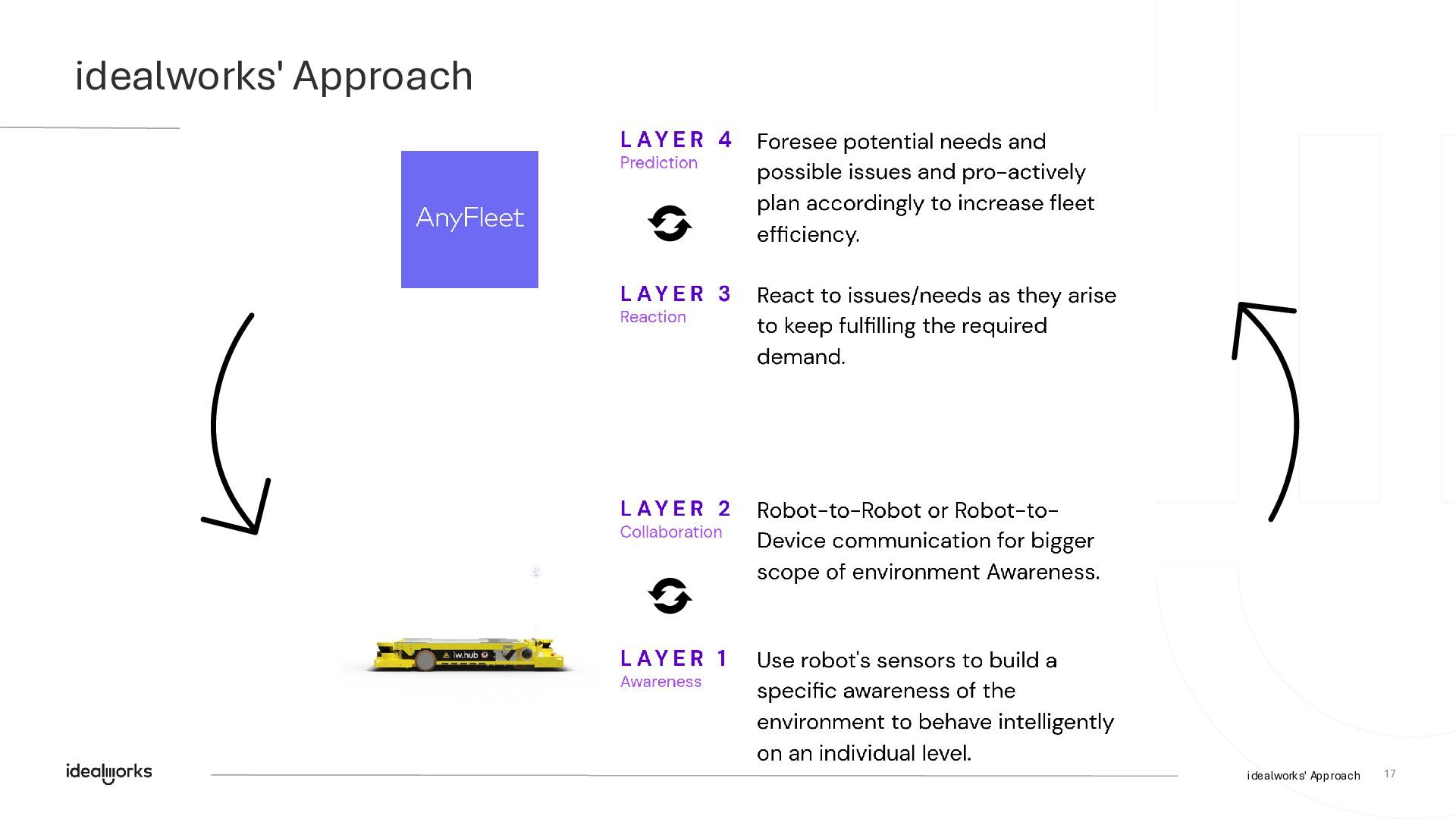
problem, an orchestrating system is used. At idealworks, it is AnyFleet. • The Fleet Management System (FMS) is responsible for deciding • Which robot is assigned to which task • Which route should each robot take to achieve its task • When should each robot go to a charging/parking spot to ensure 24/7 operation • … 9
intelligence based on the decision to be made? • When should the robot decide on its own, when should it ask for permission, and how to decide on the required responsibilities? 10
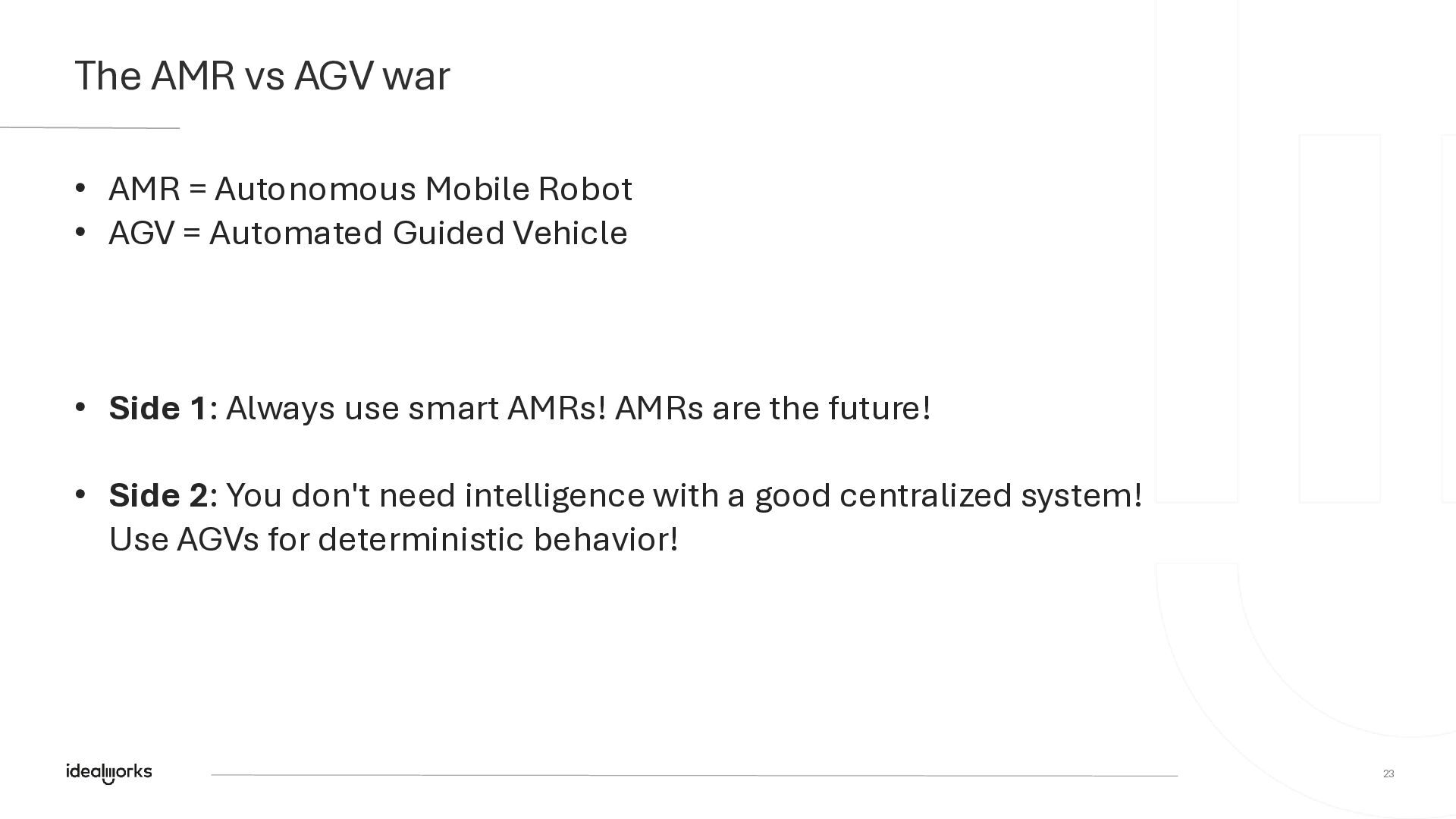
Robot • AGV = Automated Guided Vehicle • Side 1: Always use smart AMRs! AMRs are the future! • Side 2: You don't need intelligence with a good centralized system! Use AGVs for deterministic behavior! 23
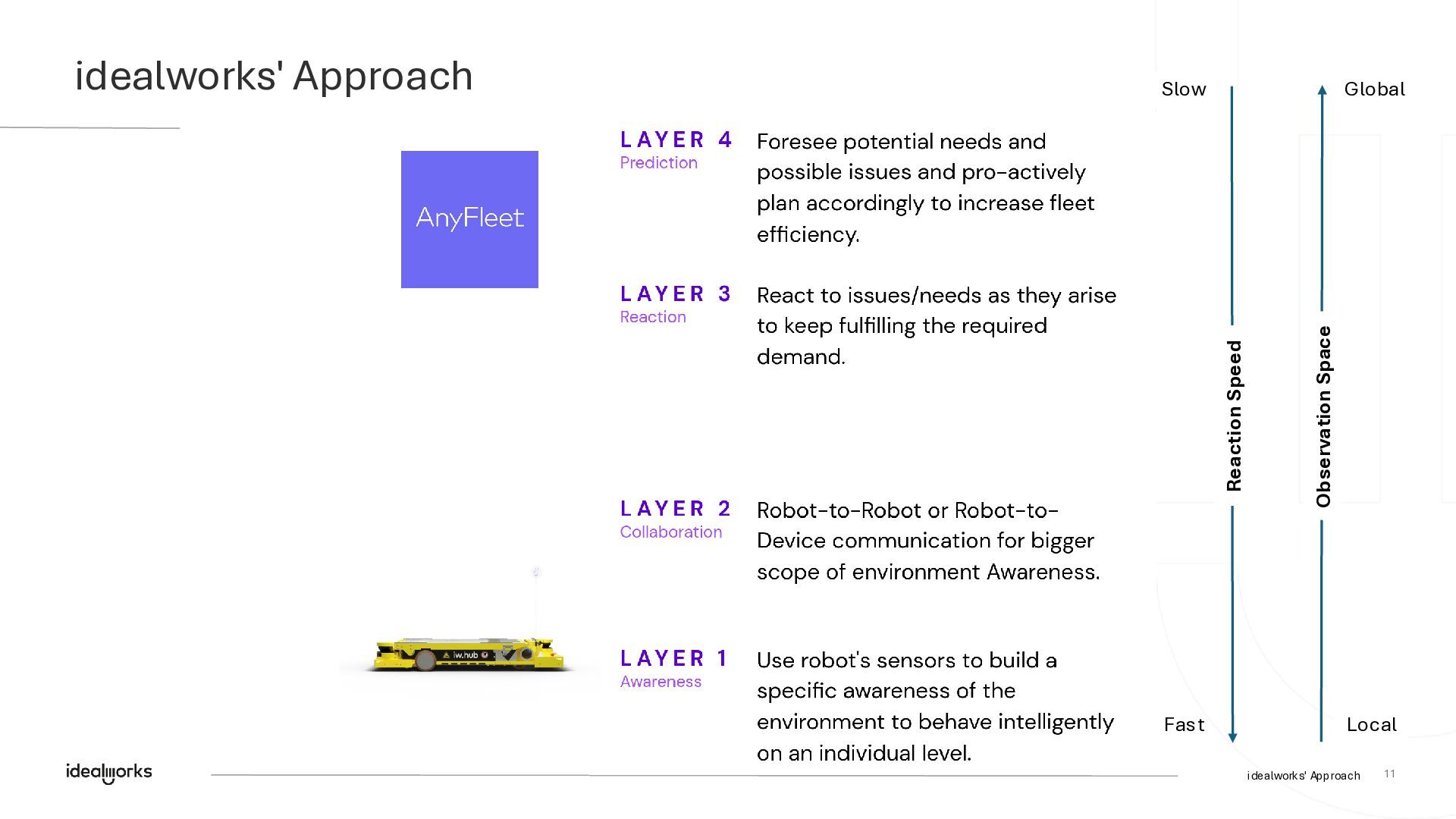
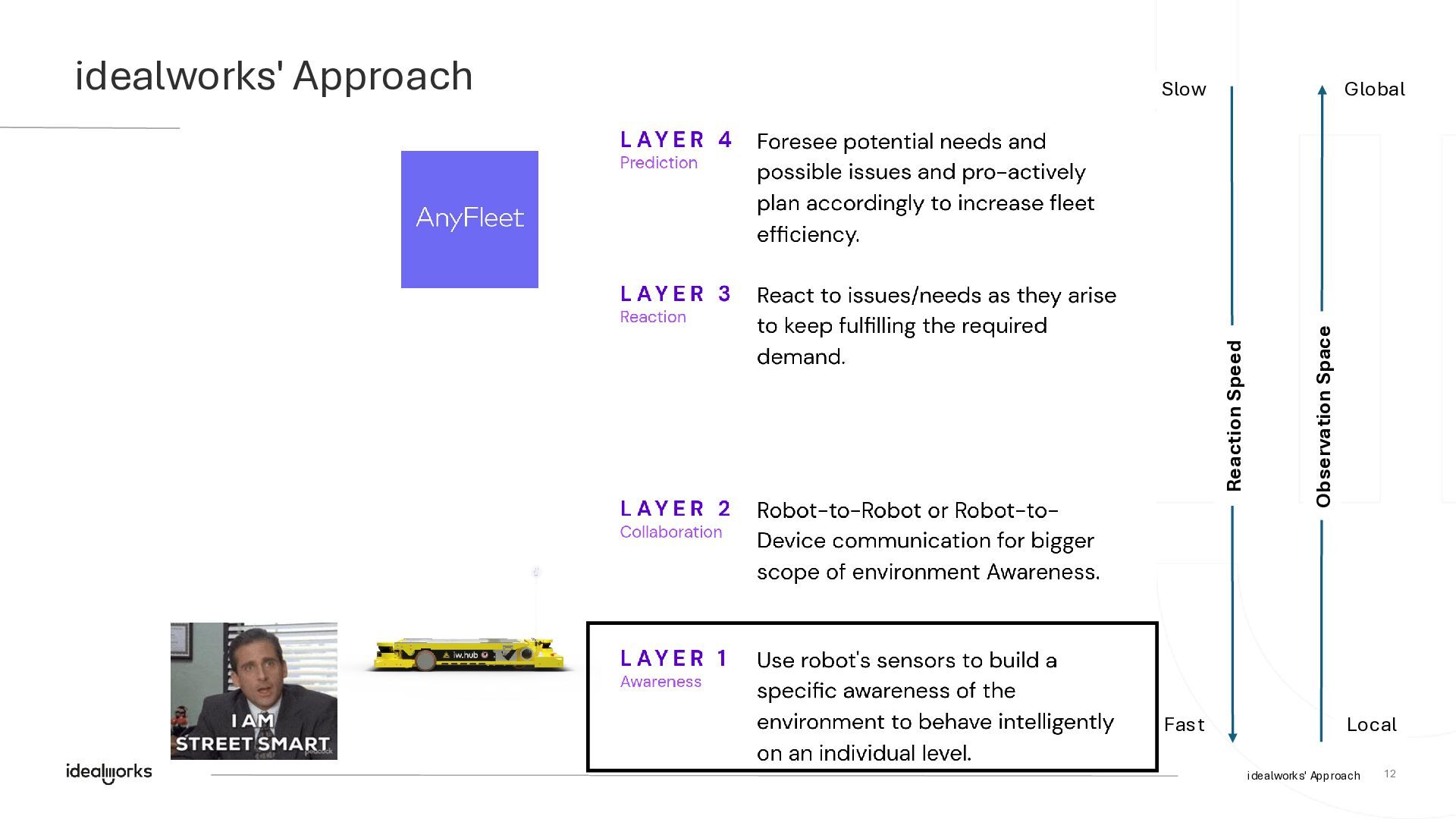
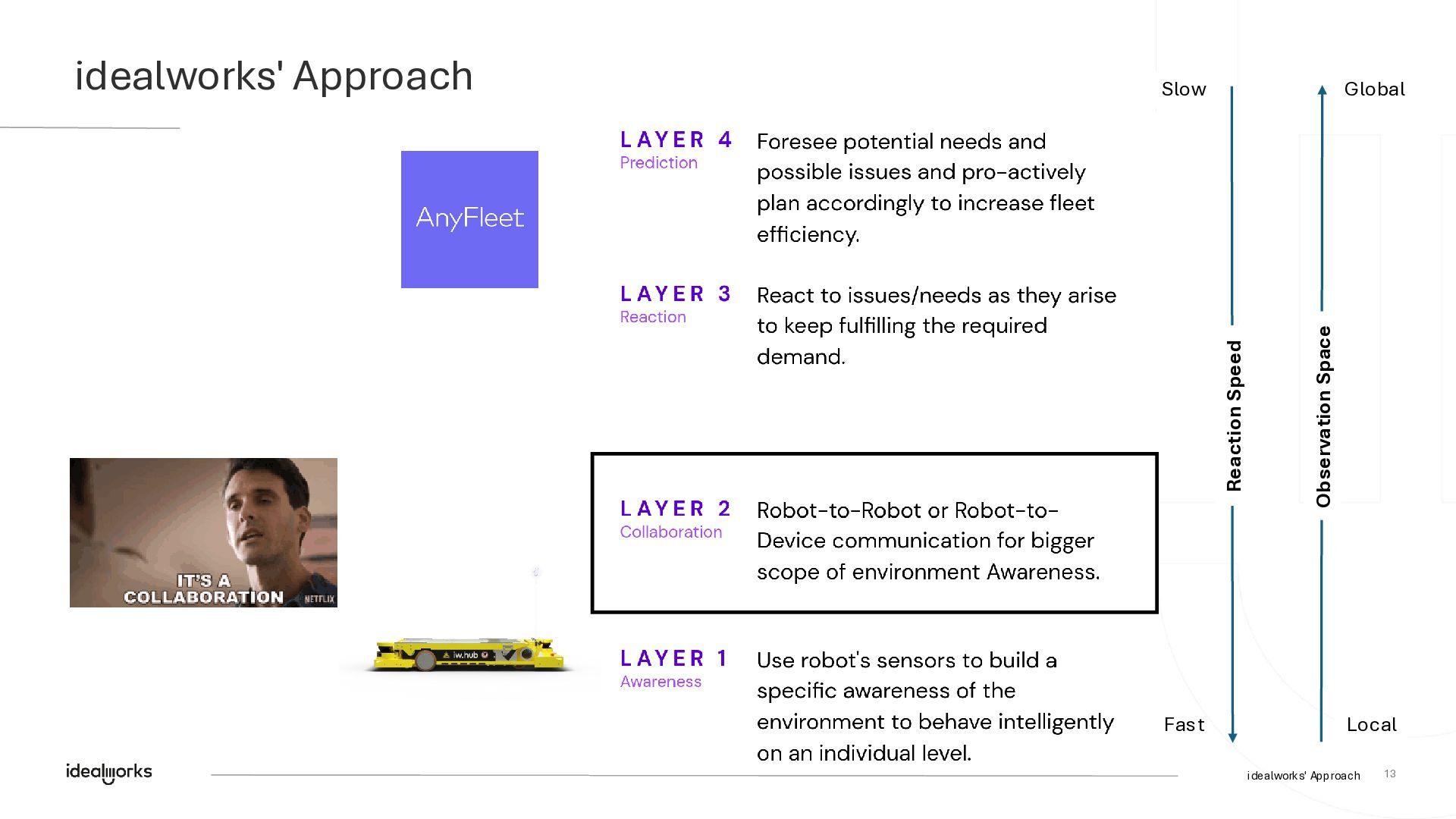
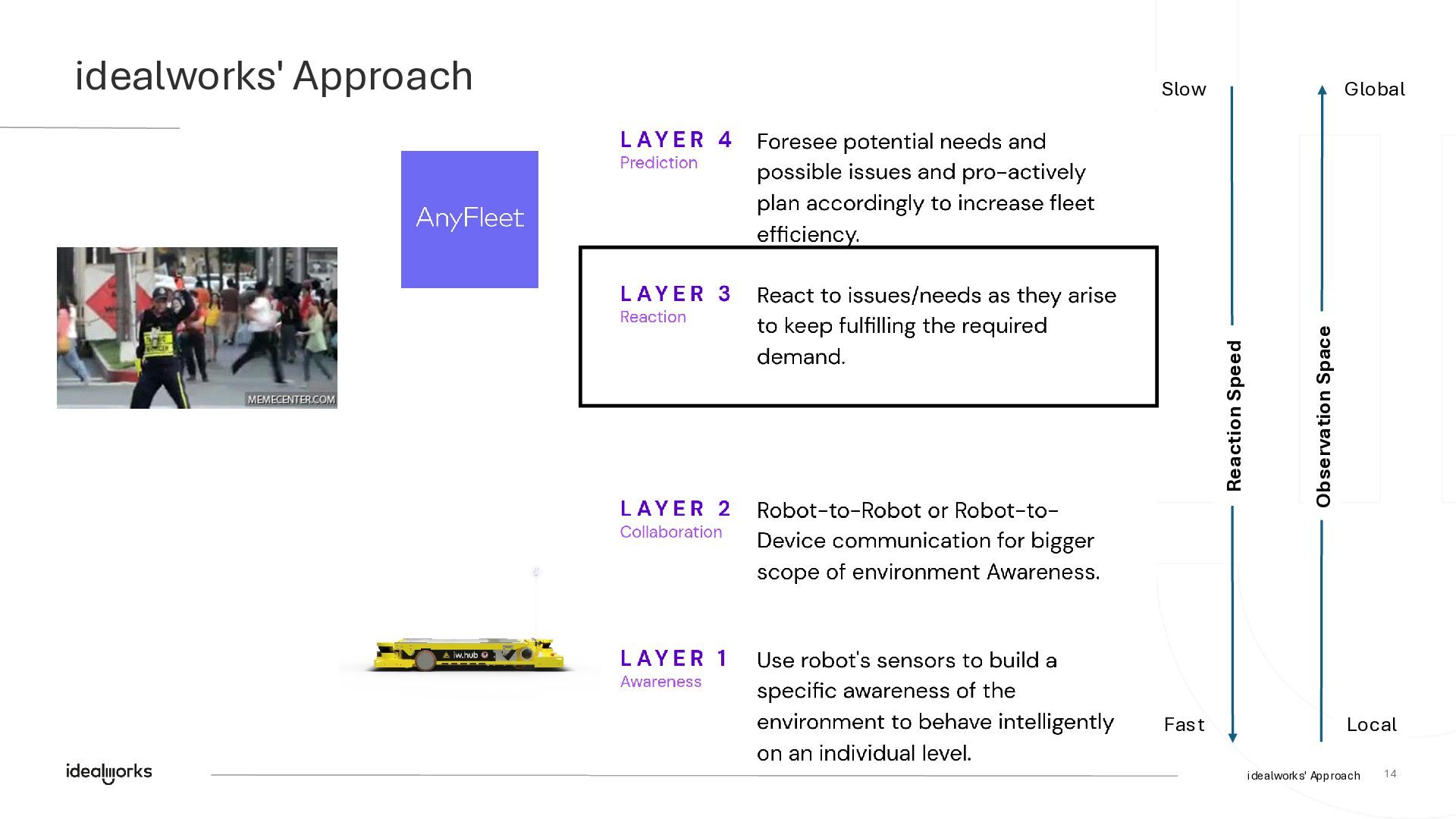
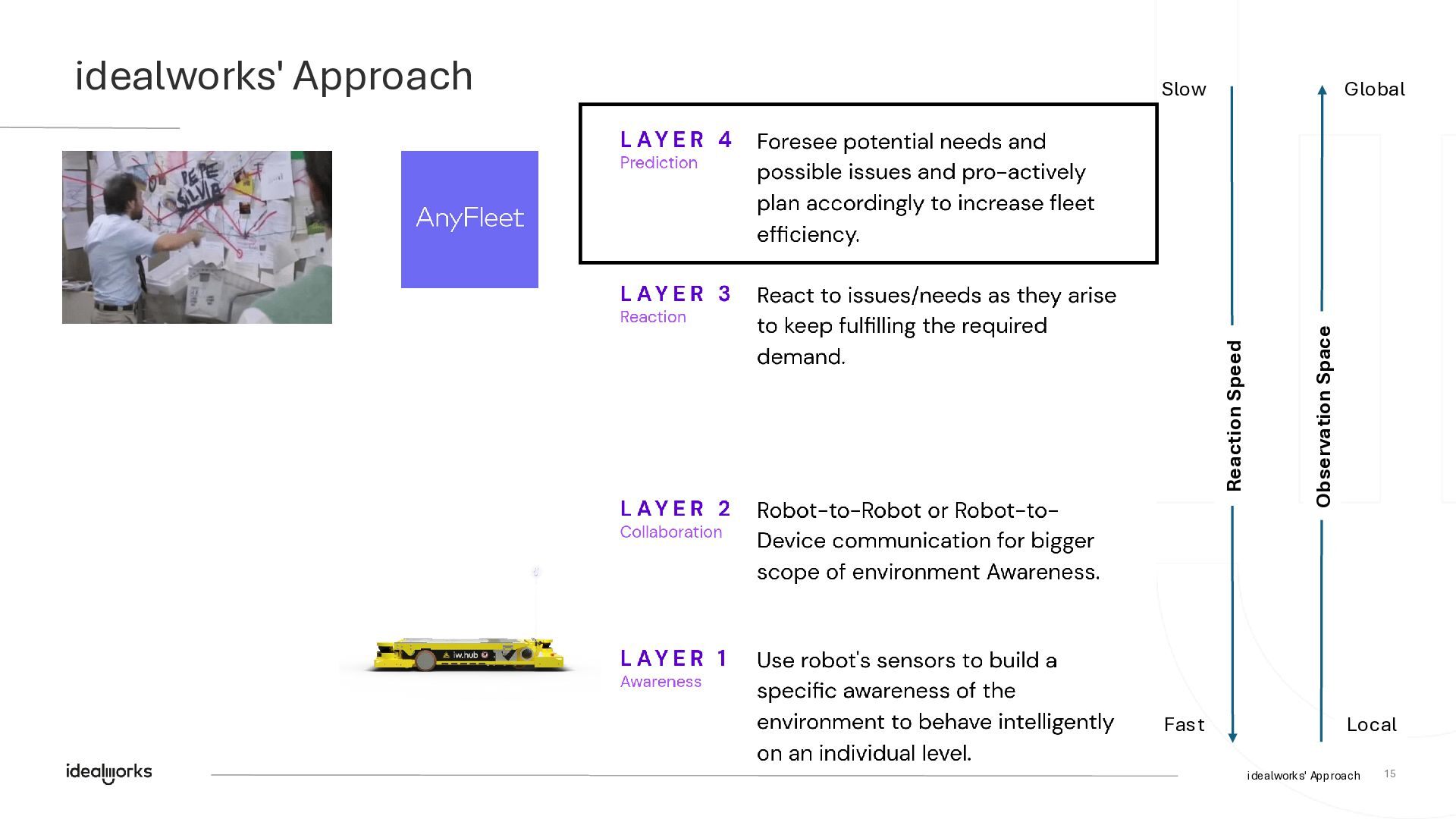
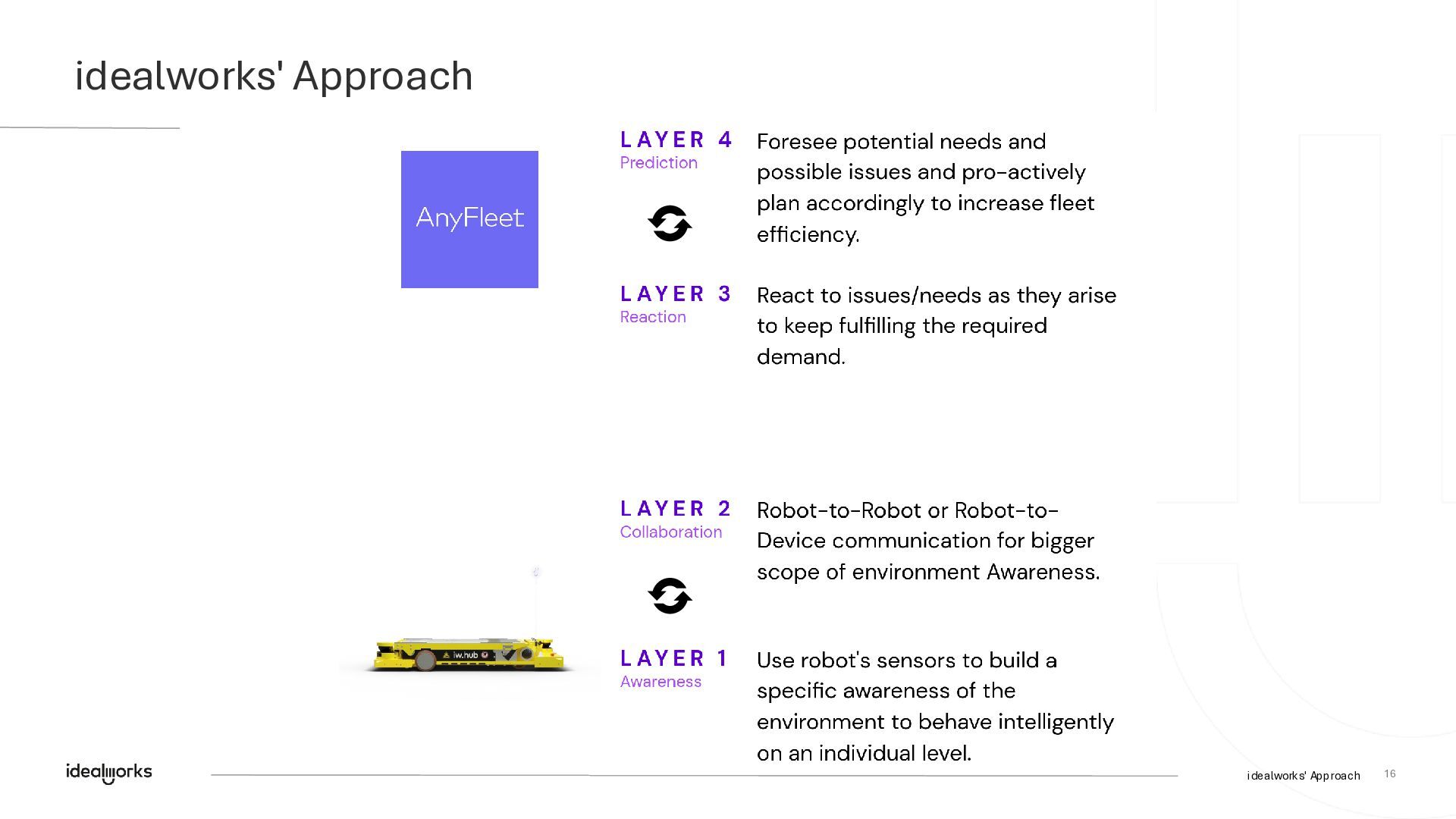
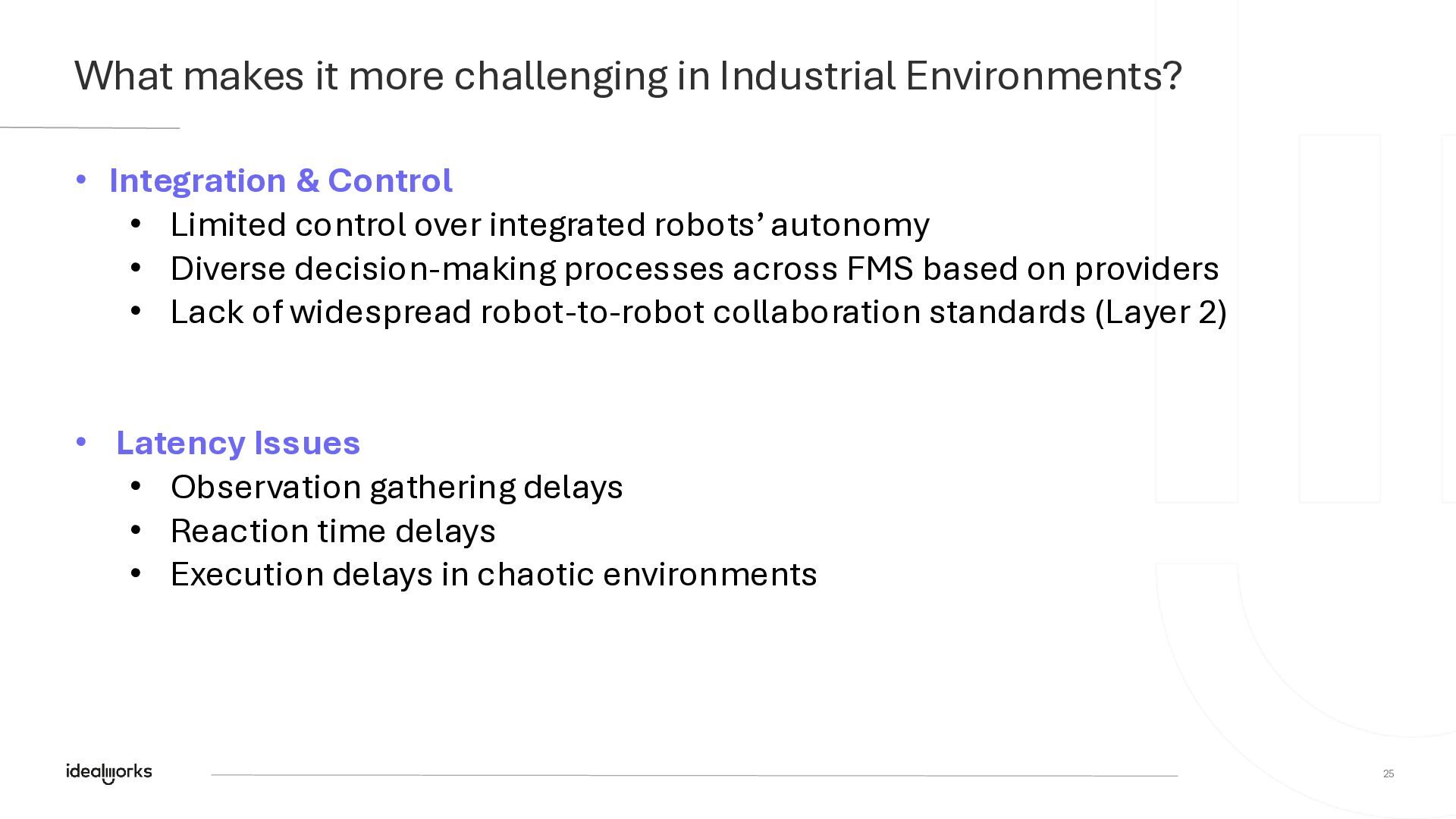
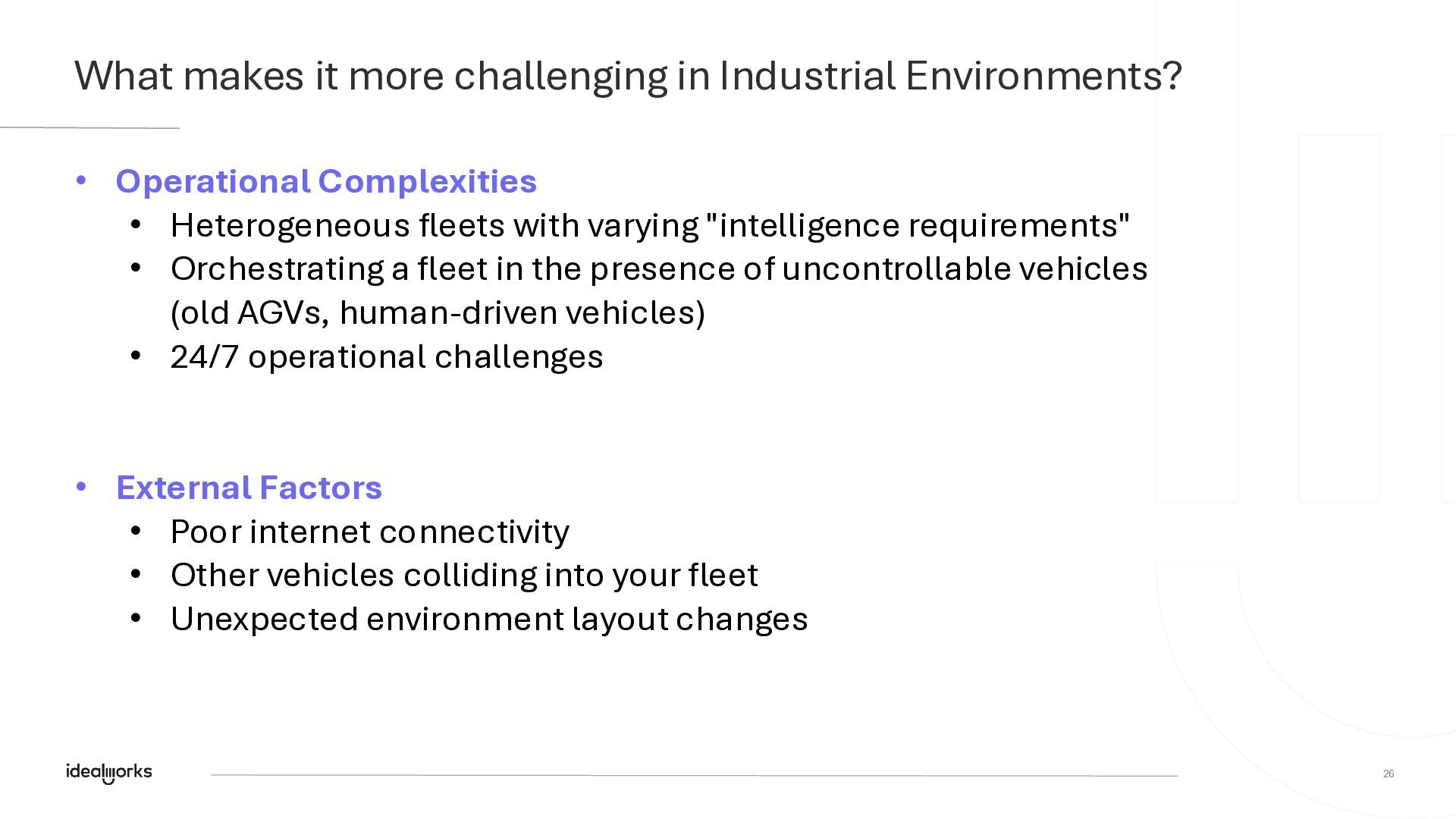
& Control • Limited control over integrated robots’ autonomy • Diverse decision-making processes across FMS based on providers • Lack of widespread robot-to-robot collaboration standards (Layer 2) • Latency Issues • Observation gathering delays • Reaction time delays • Execution delays in chaotic environments 25
Finding the right Balance in Robotic Systems • Leveraging Machine Learning for Multi-Agent Path Finding • The Role of Simulation in Developing Robust Autonomous Ecosystems 27
Finding the right Balance in Robotic Systems • Leveraging Machine Learning for Multi-Agent Path Finding • The Role of Simulation in Developing Robust Autonomous Ecosystems 38
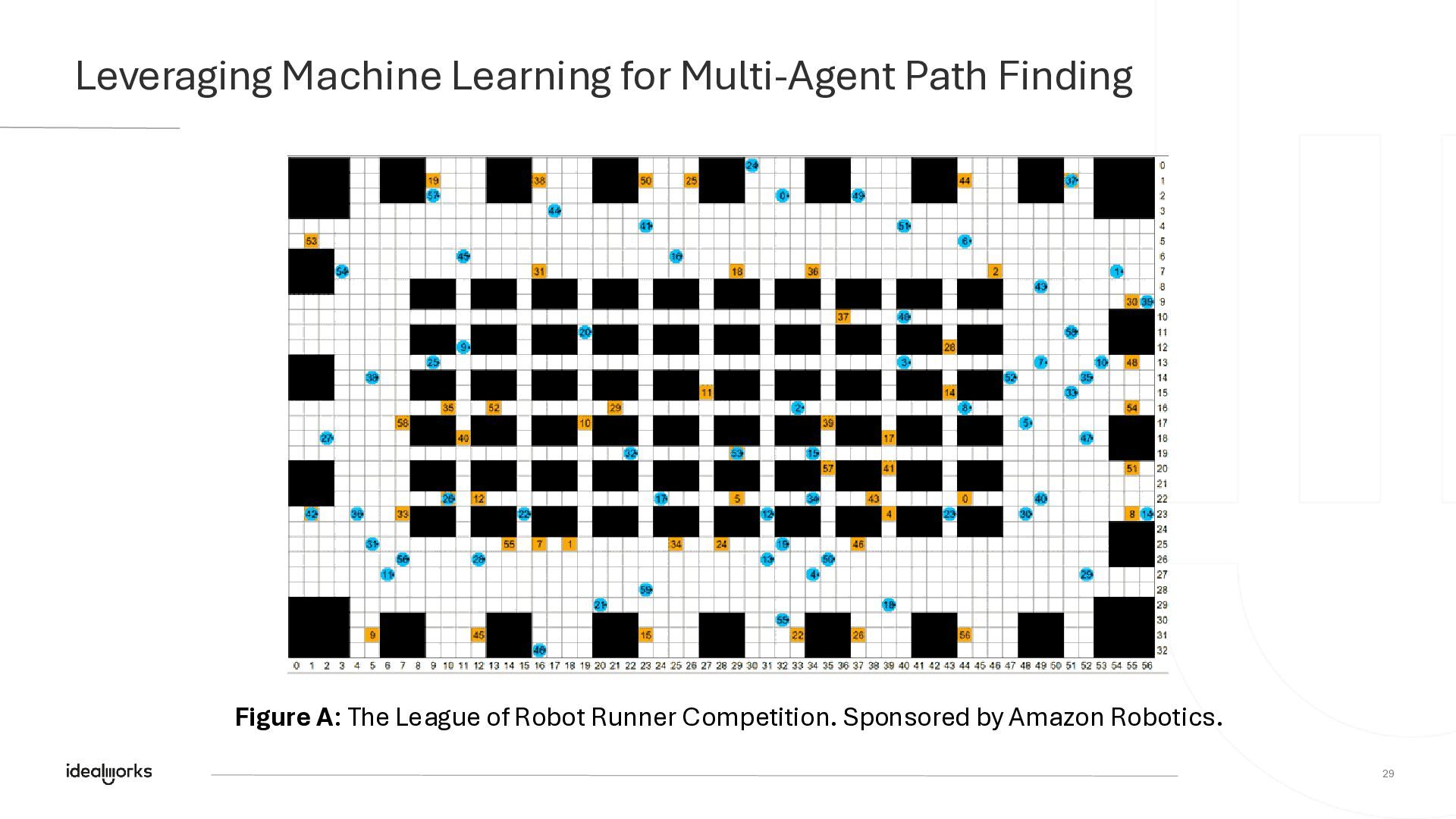
Testing any hypothesis we previously discussed is time/resource consuming. • To stay ahead, we need to increase our development iteration speed. • Grid simulation helps you test faster, but does not reflect the real world (unless you have a structured field e.g., Amazon Robotics with floor QR codes) • We need to simulate what makes our problem challenging • Delays (Observation, Reaction, Execution) • Chaos • Sudden failures of robots or FMS services • … 39
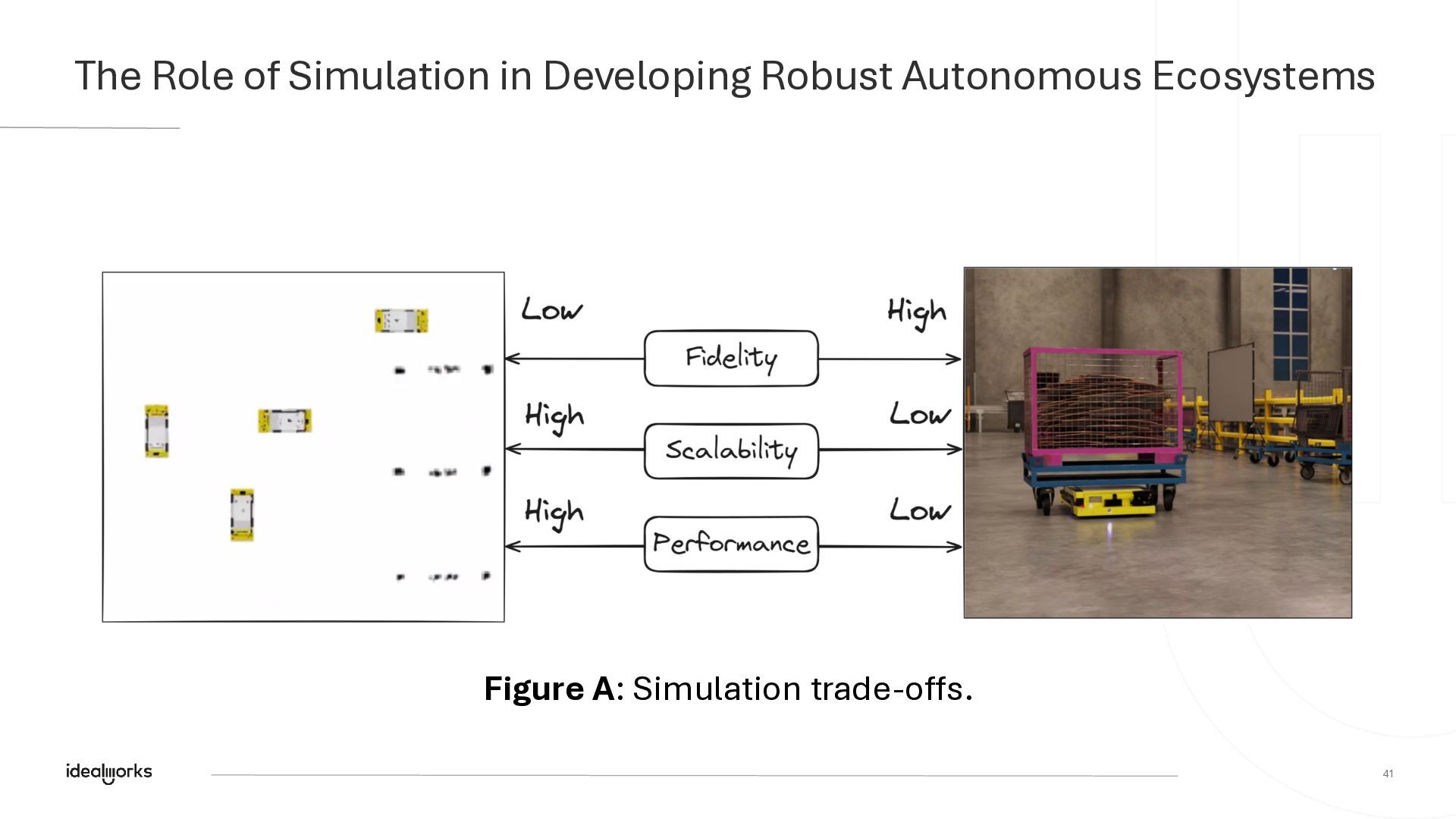
approach to using Simulation • Statistically modelling the environment • Simple but scalable 2D Simulation (Focus on testing AnyFleet Services) • Complex but realistic 3D Simulation (Focus on testing robots and final e2e) ALL of them are important! 40
fun writing sometimes at https://blog.jeremarc.com where you can also find links to other talks. Not a social media fan, but I use Twitter @jeanmarcalkazzi 45


 jeanmarcalkazzi
 riyaamemiya
 maimyyym
 oikon48
 sudoakiy
 ykanoh
 onk
onk
 makocchi
 tomokusaba
 pfn
pfn
 shugo
shugo
 yu23ki14
 willnet
 codingconduct
 takai
takai
 aleyda
 lfama
lfama
 destraynor
 cassininazir
 mza
mza
 katarinadahlin
 inesmontani
 greggifford
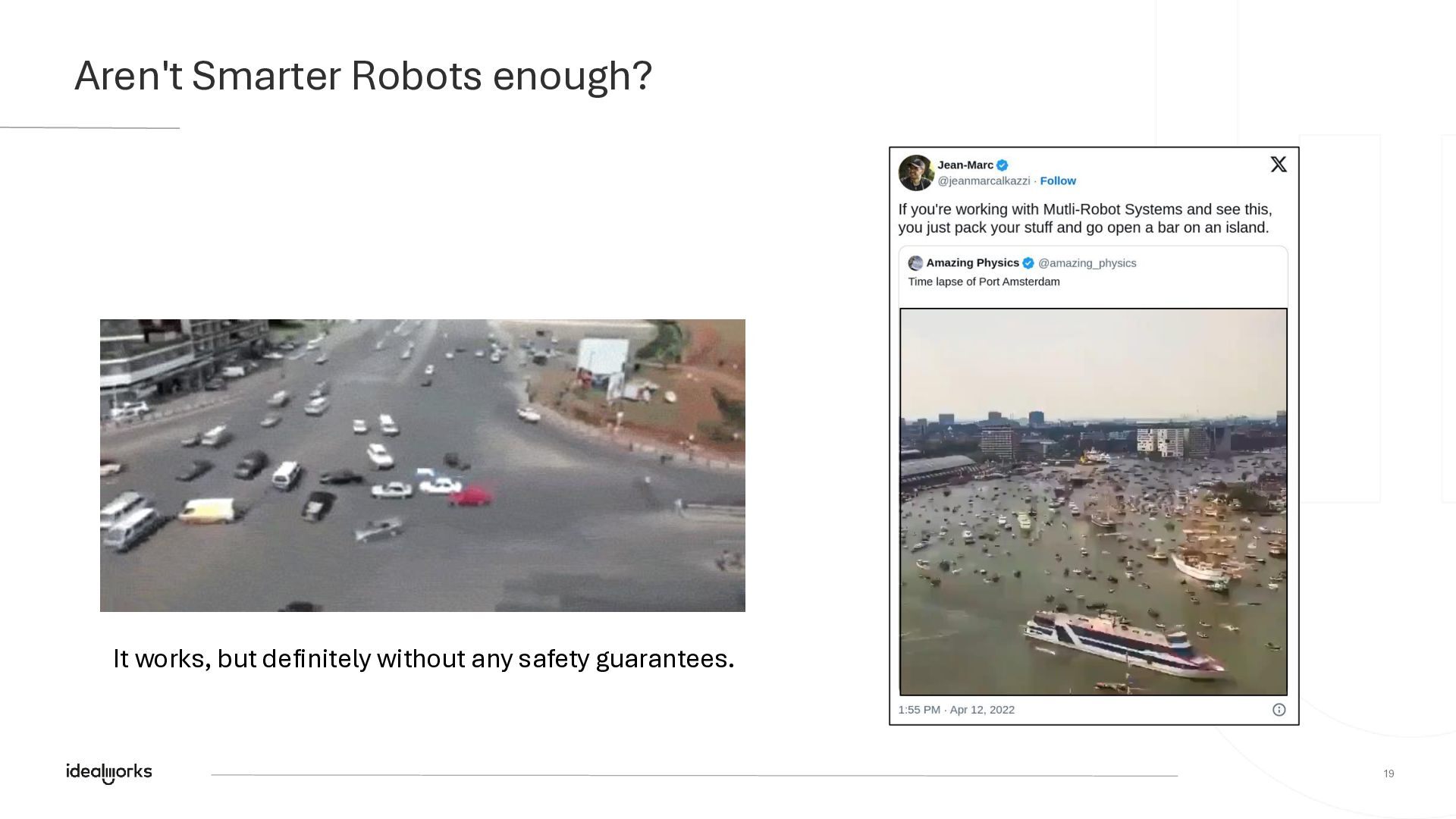
![Aren't Smarter Robots enough? 20 [2024] Waymo Self-Driving Cars Humans](https://files.speakerdeck.com/presentations/d468da93a3d64db78ef854cedbf21b74/slide_19.jpg)
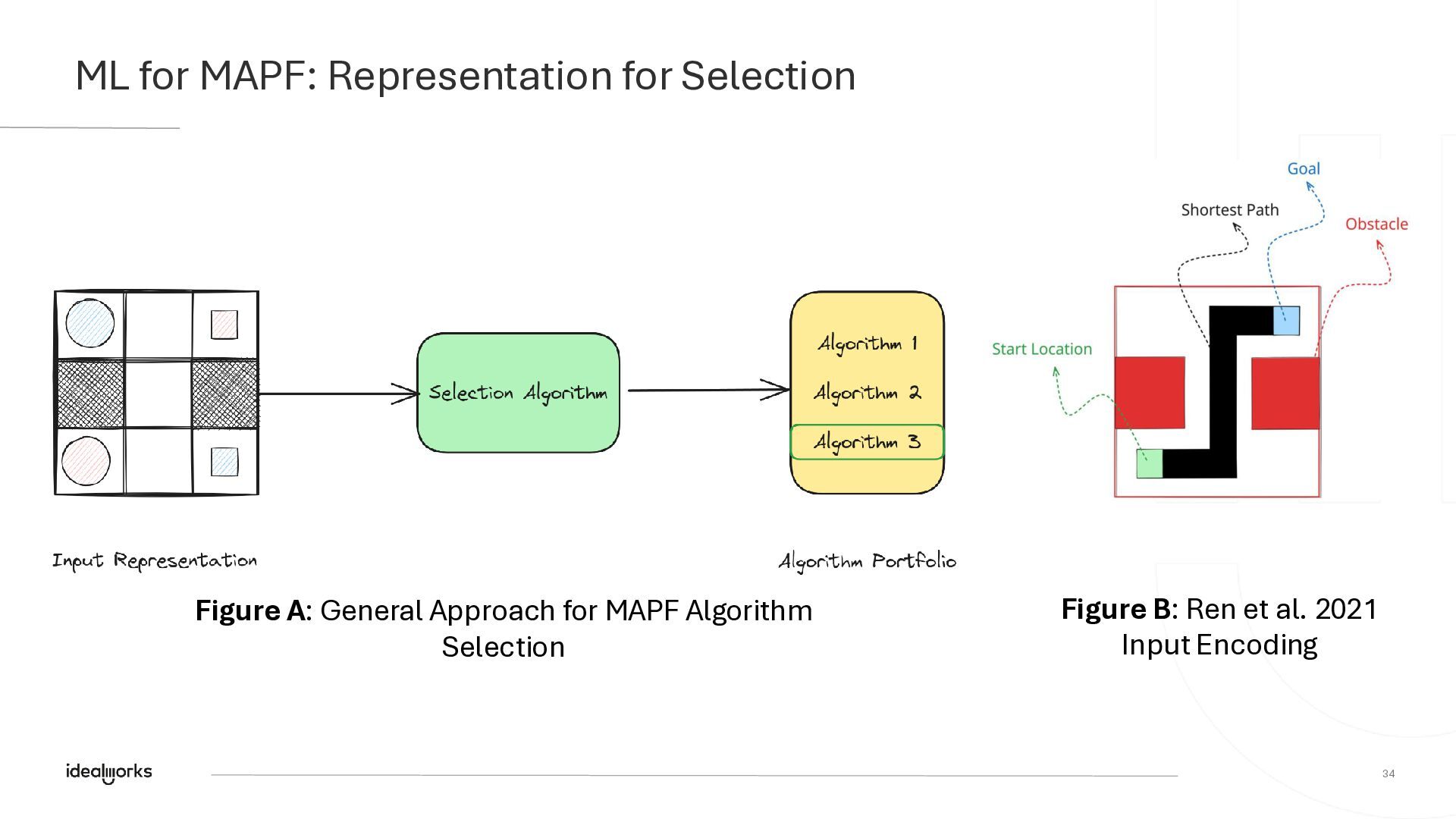
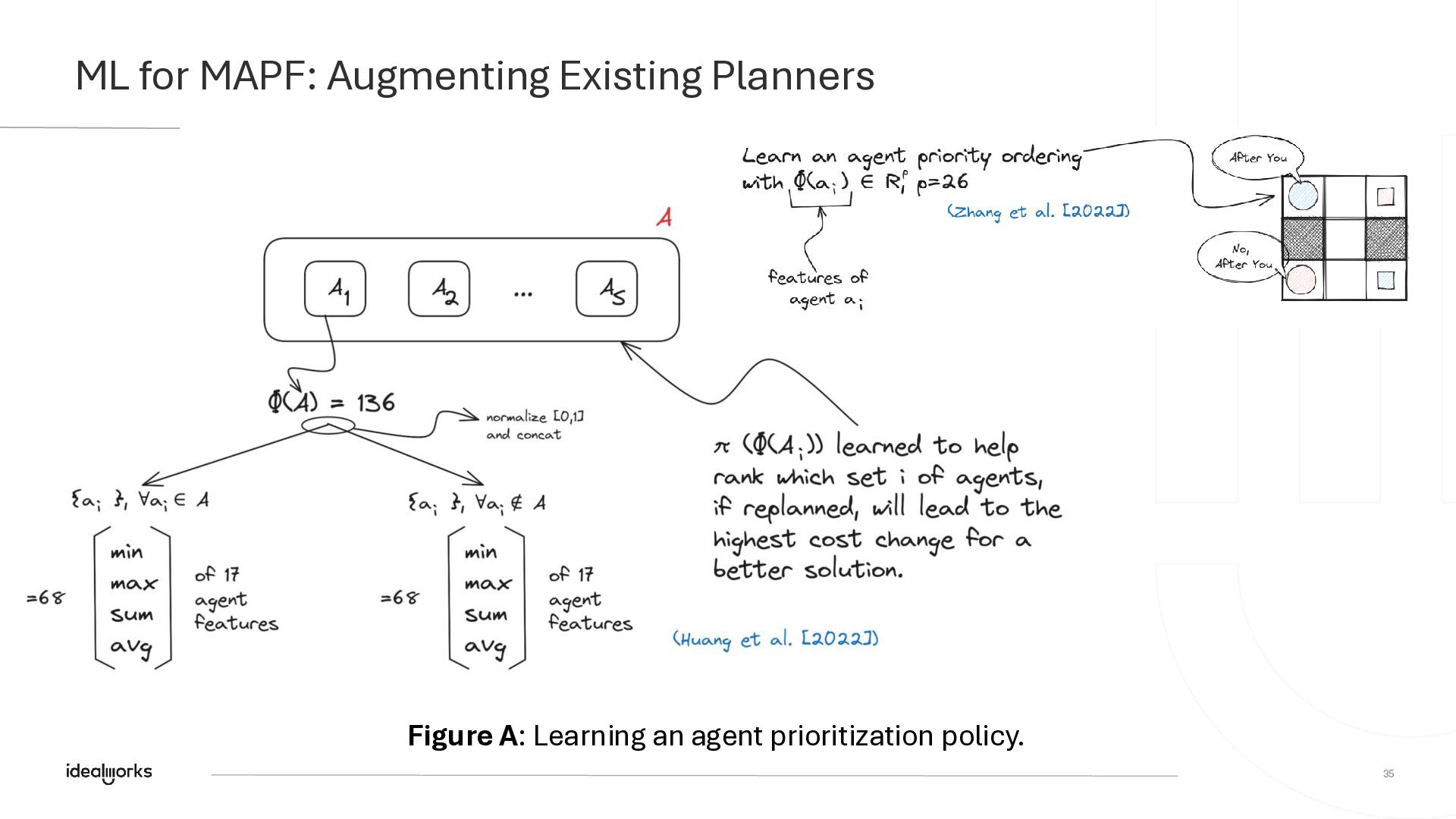
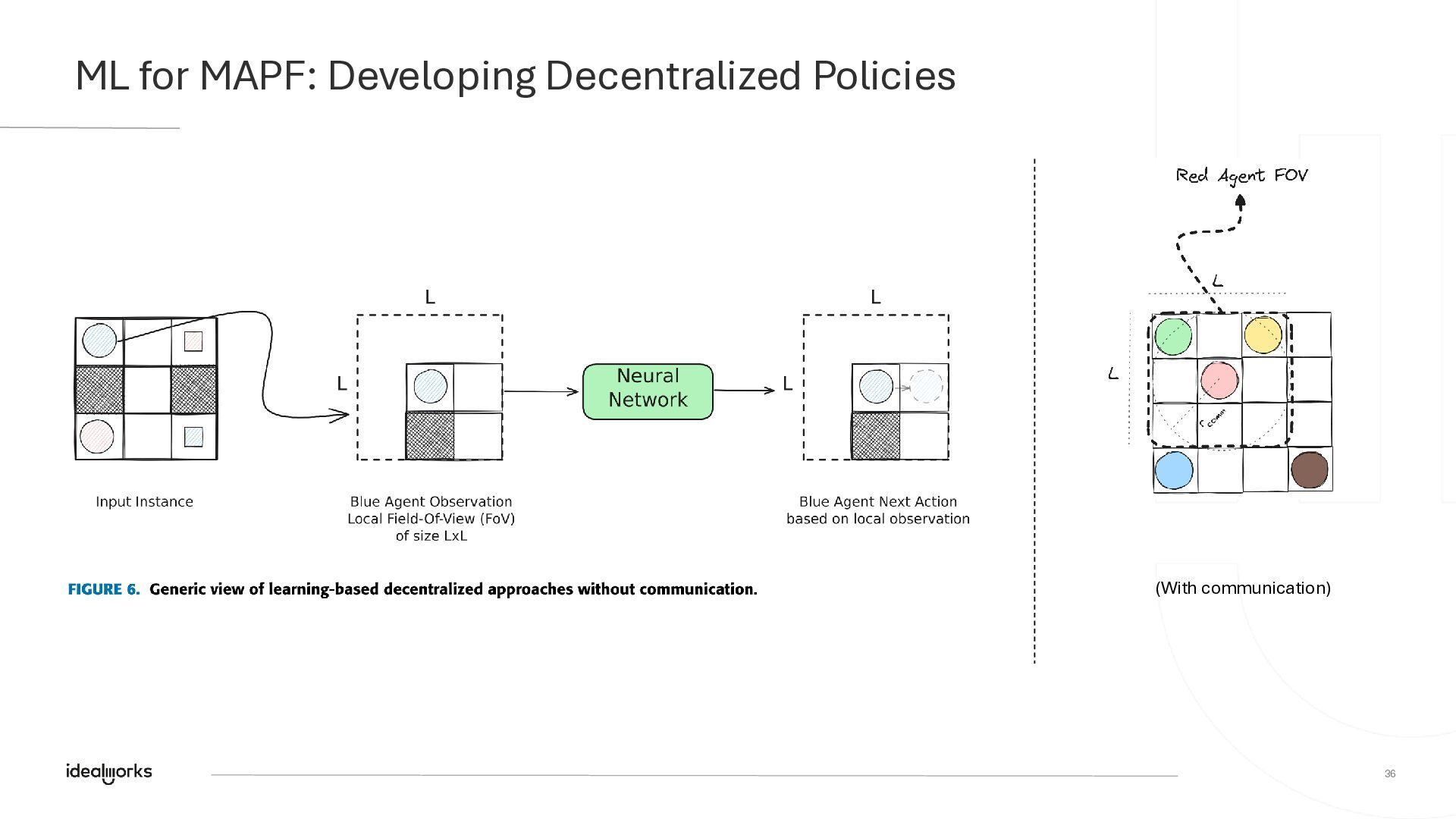
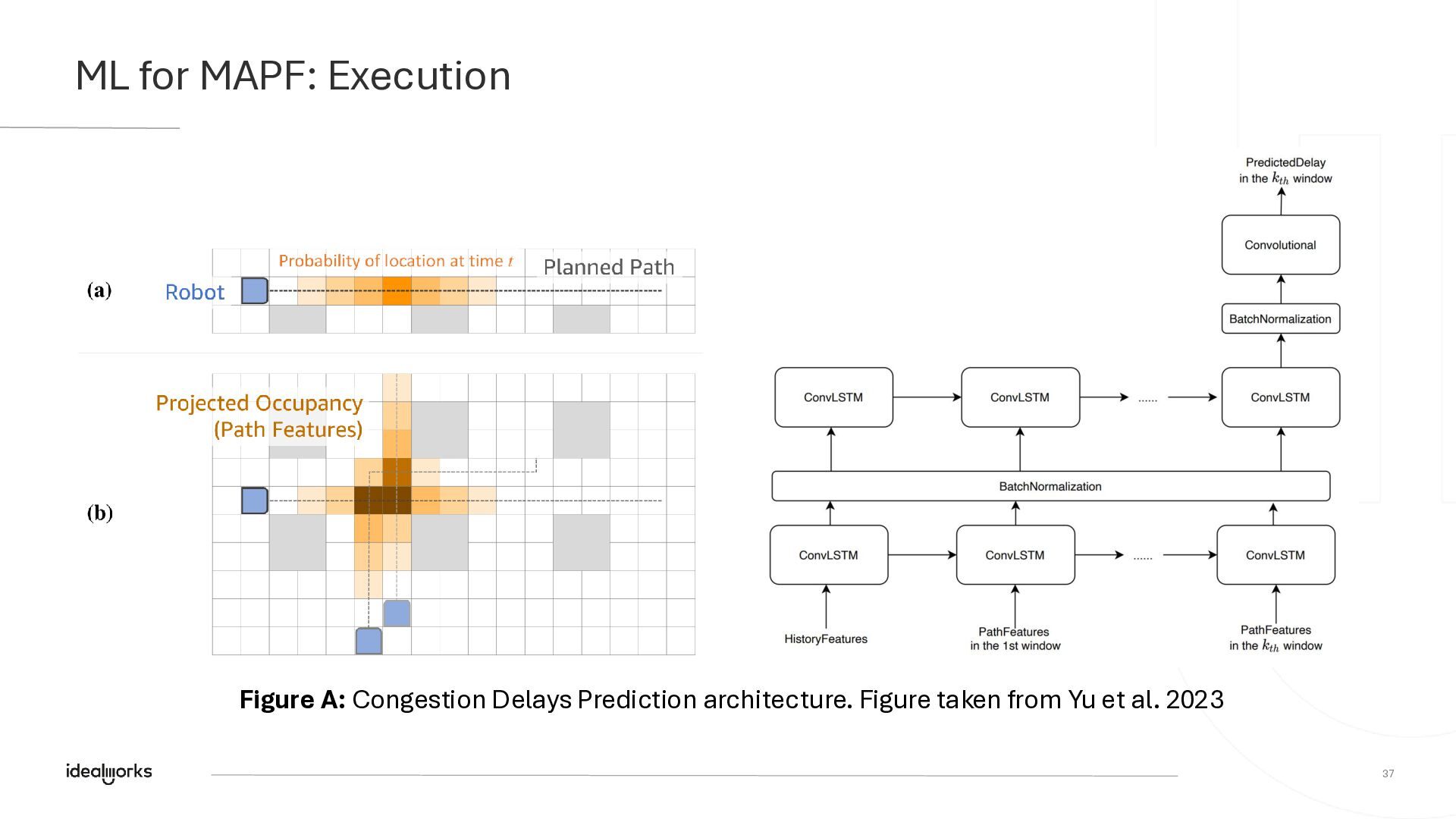

![Where can you find more? [Stay for the Panel Discussion!]](https://files.speakerdeck.com/presentations/d468da93a3d64db78ef854cedbf21b74/slide_43.jpg)
![How to stay in touch? Let's collaborate! [email protected] I have](https://files.speakerdeck.com/presentations/d468da93a3d64db78ef854cedbf21b74/slide_44.jpg)