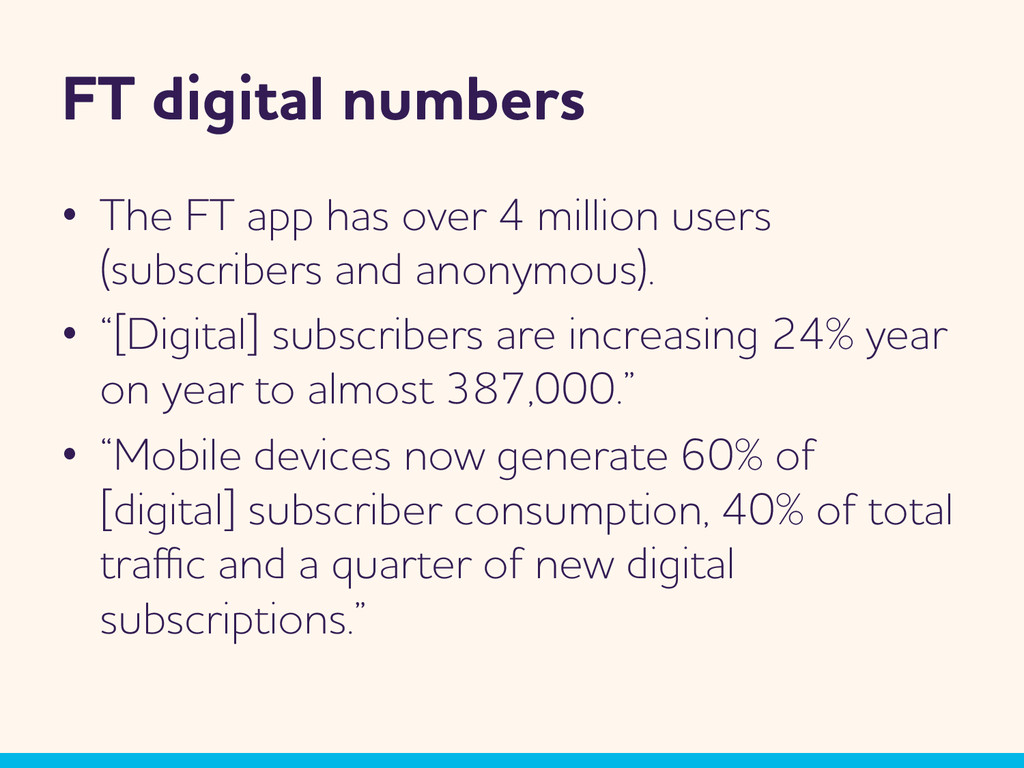
million users (subscribers and anonymous). • “[Digital] subscribers are increasing 24% year on year to almost 387,000.” • “Mobile devices now generate 60% of [digital] subscriber consumption, 40% of total traffic and a quarter of new digital subscriptions.”
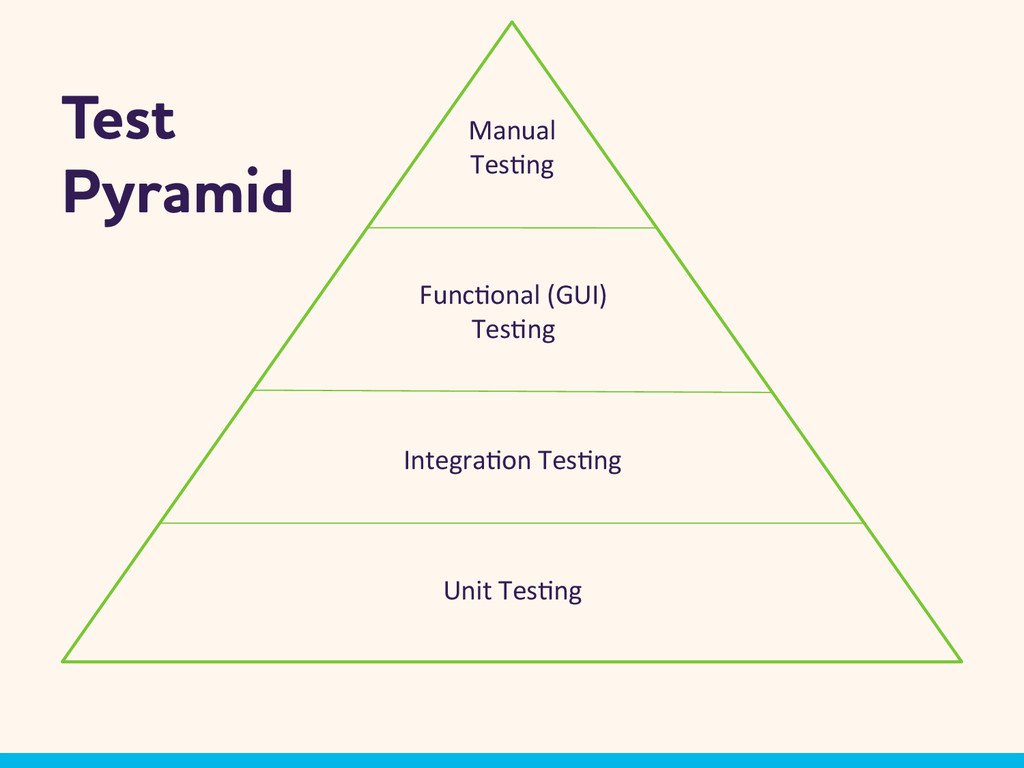
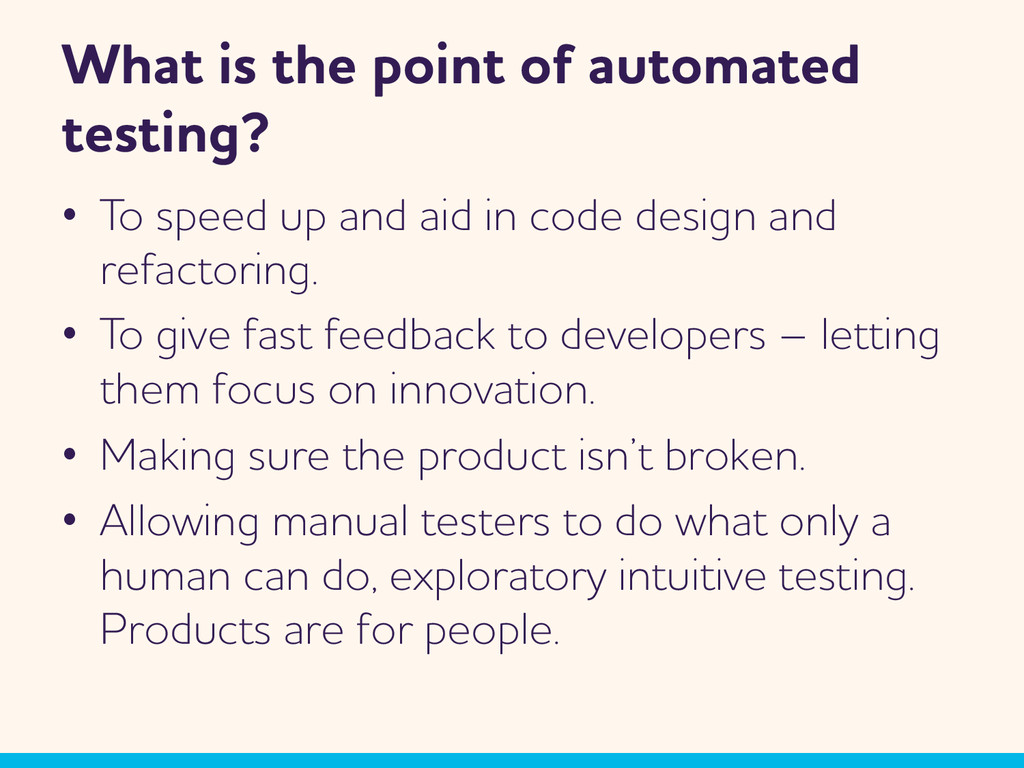
up and aid in code design and refactoring. • To give fast feedback to developers – letting them focus on innovation. • Making sure the product isn’t broken. • Allowing manual testers to do what only a human can do, exploratory intuitive testing. Products are for people.
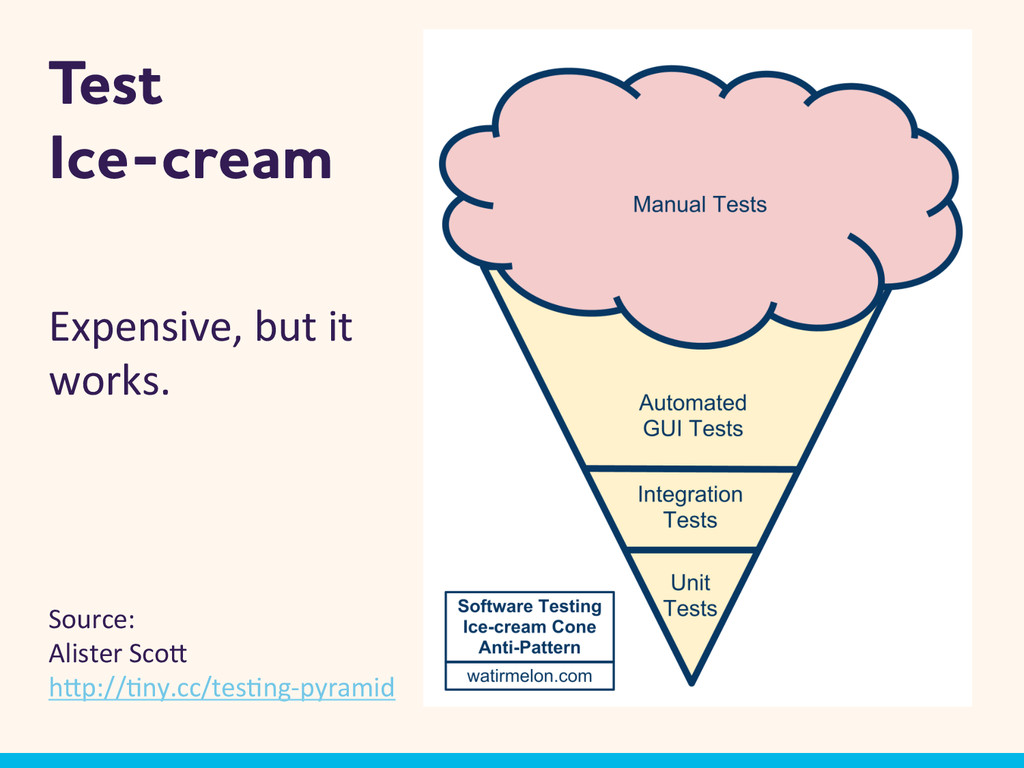
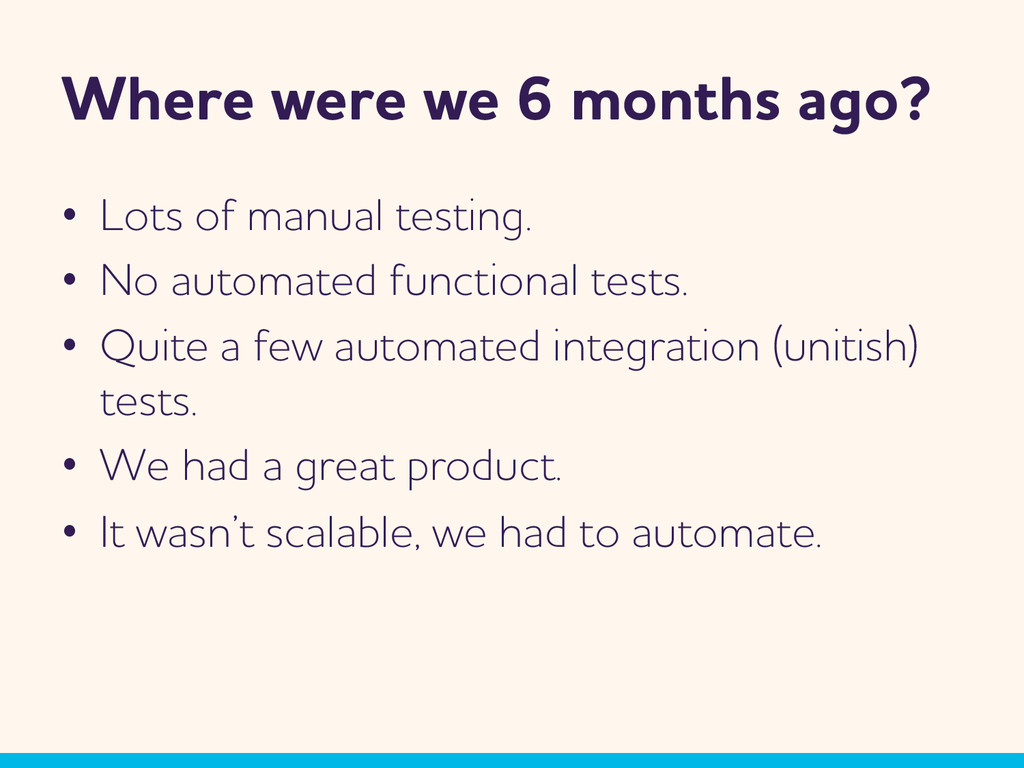
testing. • No automated functional tests. • Quite a few automated integration (unitish) tests. • We had a great product. • It wasn’t scalable, we had to automate.
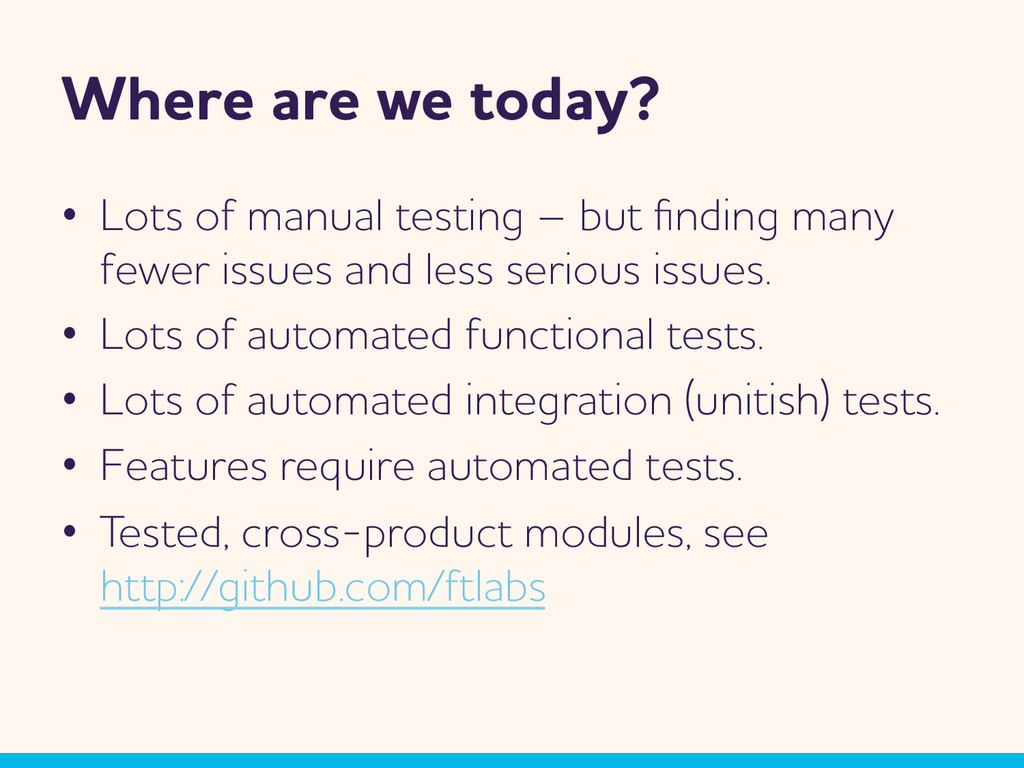
but finding many fewer issues and less serious issues. • Lots of automated functional tests. • Lots of automated integration (unitish) tests. • Features require automated tests. • Tested, cross-product modules, see http://github.com/ftlabs
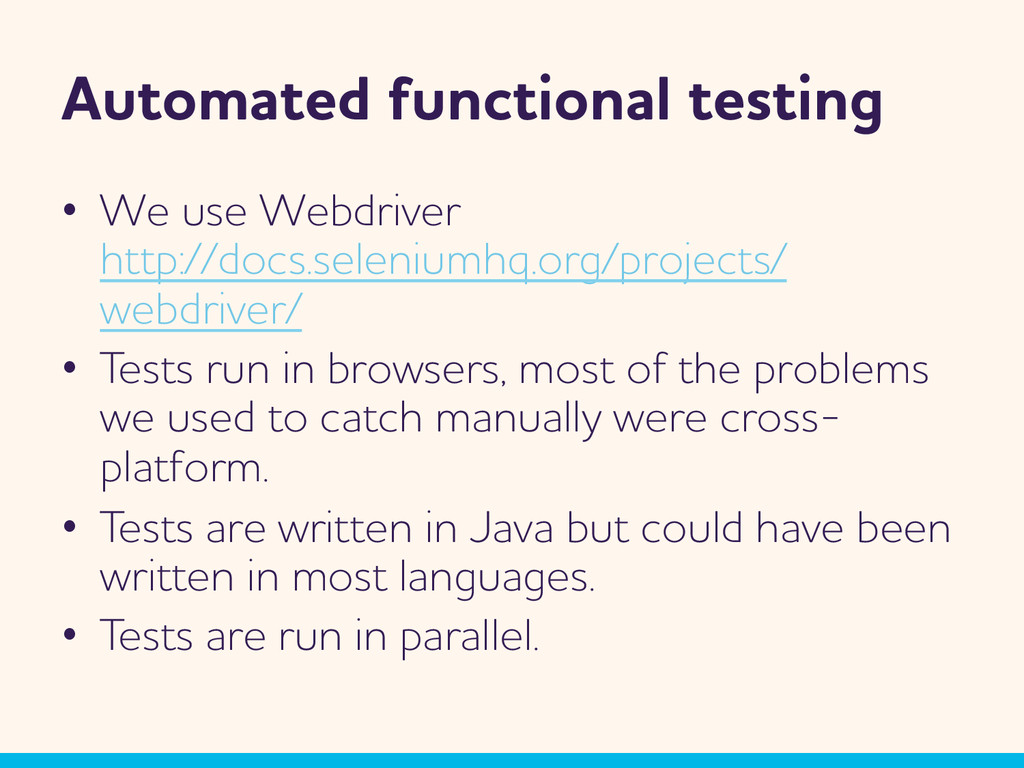
Tests run in browsers, most of the problems we used to catch manually were cross- platform. • Tests are written in Java but could have been written in most languages. • Tests are run in parallel.
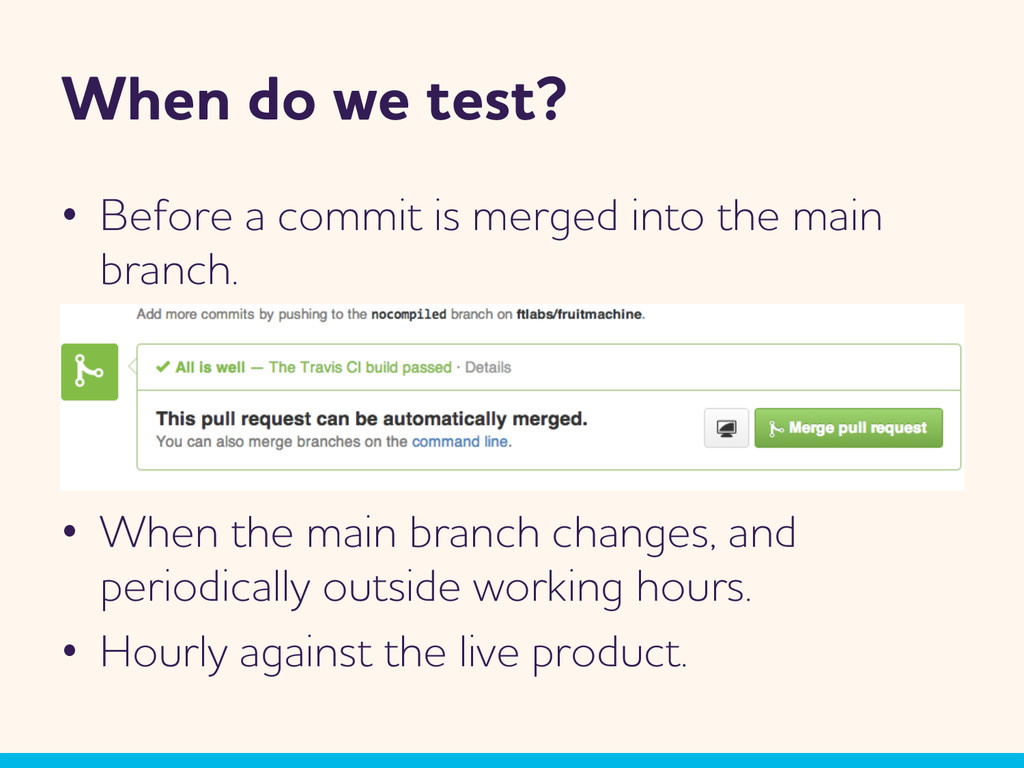
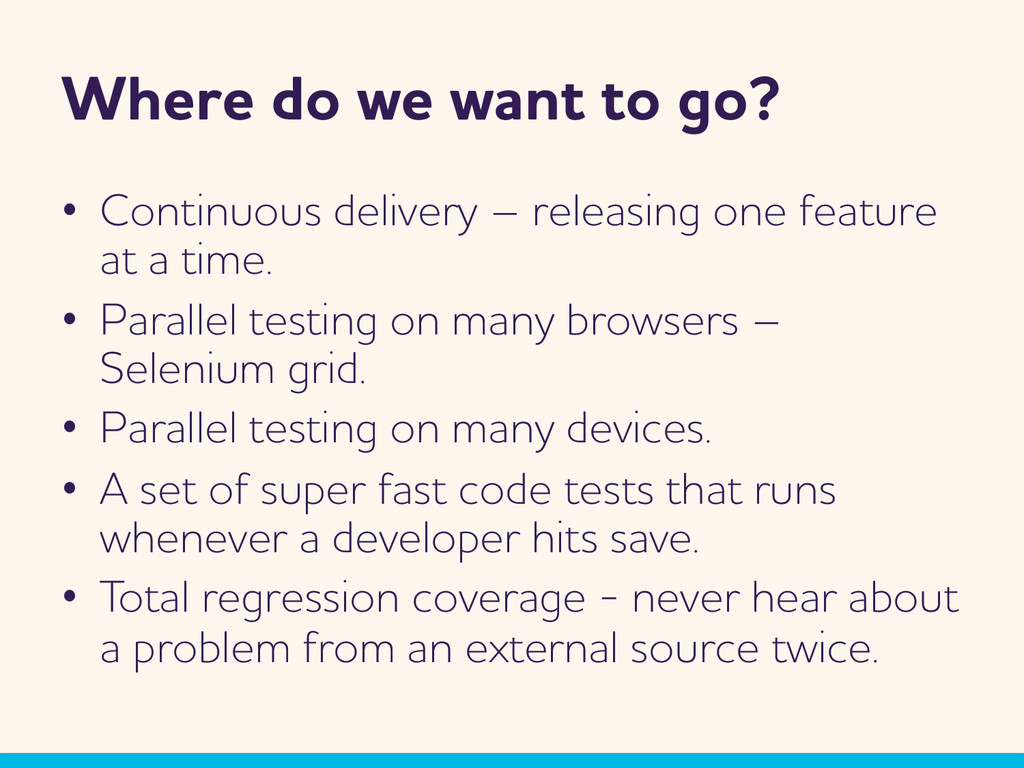
releasing one feature at a time. • Parallel testing on many browsers – Selenium grid. • Parallel testing on many devices. • A set of super fast code tests that runs whenever a developer hits save. • Total regression coverage - never hear about a problem from an external source twice.
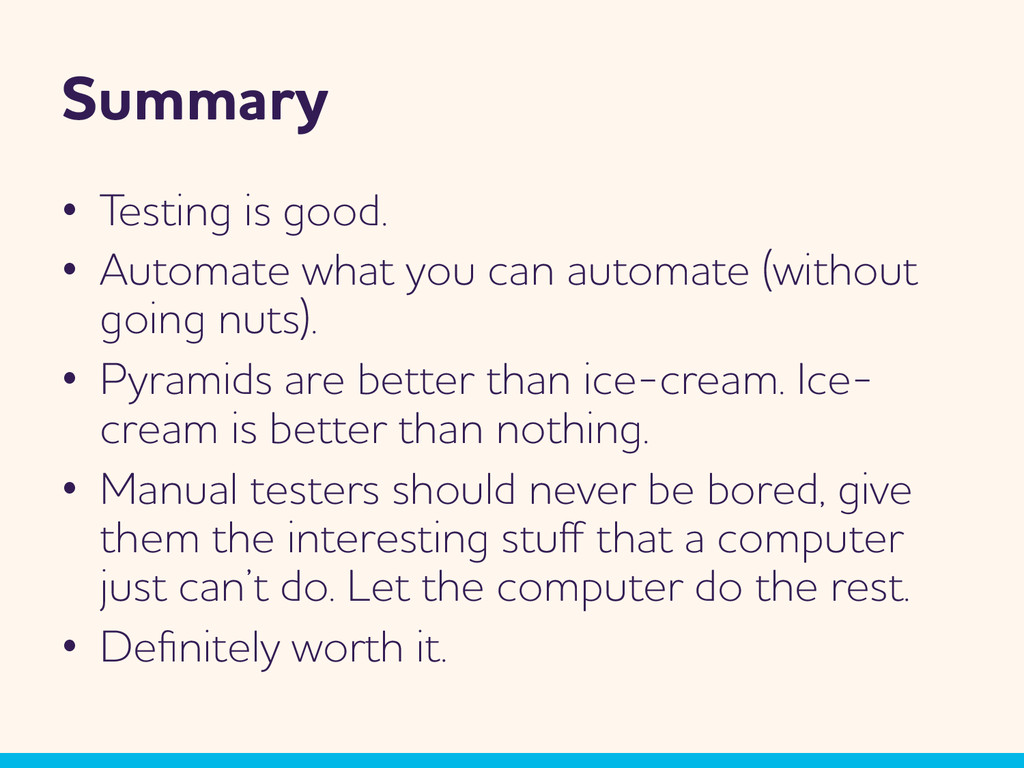
automate (without going nuts). • Pyramids are better than ice-cream. Ice- cream is better than nothing. • Manual testers should never be bored, give them the interesting stuff that a computer just can’t do. Let the computer do the rest. • Definitely worth it.


 kinopeee
 takai
 kishida
 dske104
 clockmaker
 falcon8823
 satoshi256kbyte
 kmars0605
 taiseiue
 siroemk
 kenjiyoneyama
 iwatsukayura
 aleyda
 samtorres
 tammyeverts
 jonoalderson
 keathley
 lara
 kimpetersen
 helenjbeal
 mza
 morganepeng
 sarafernandez
 akihiro_kokubo