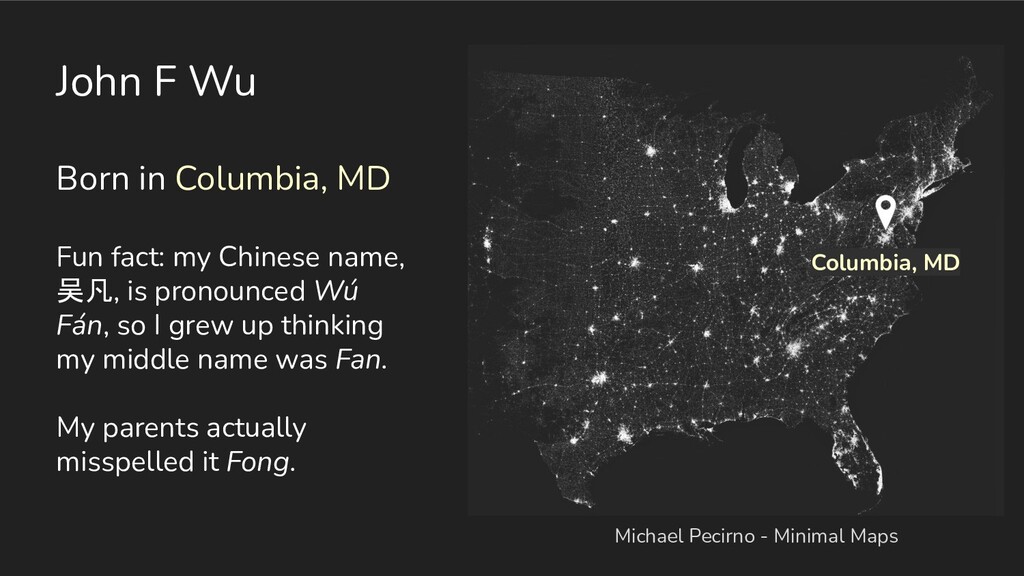
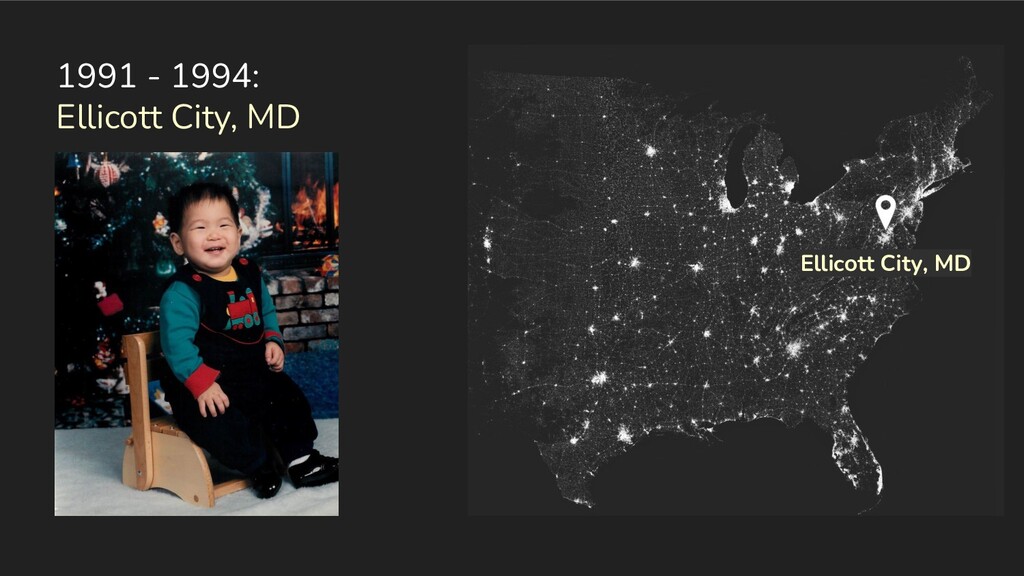
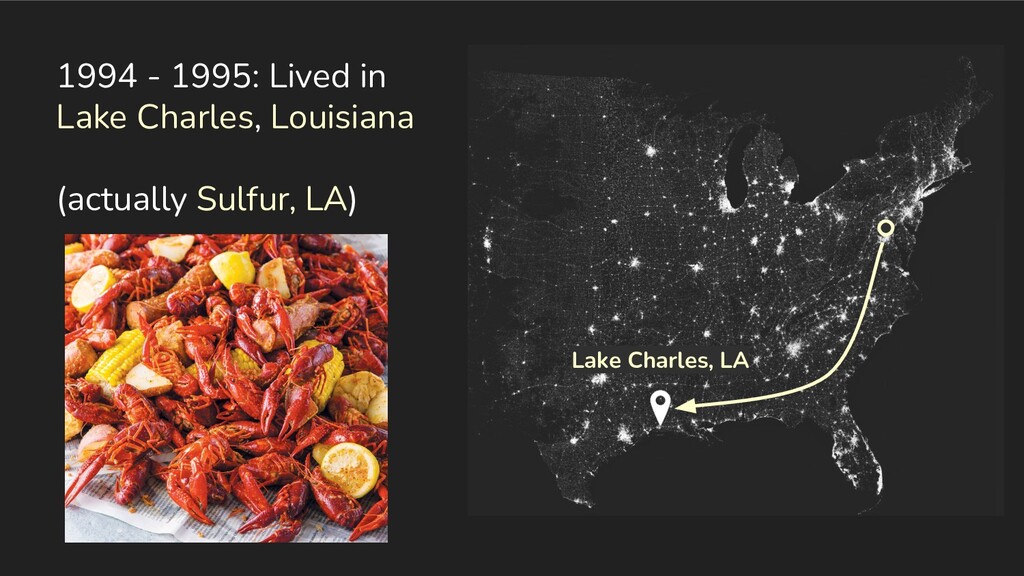
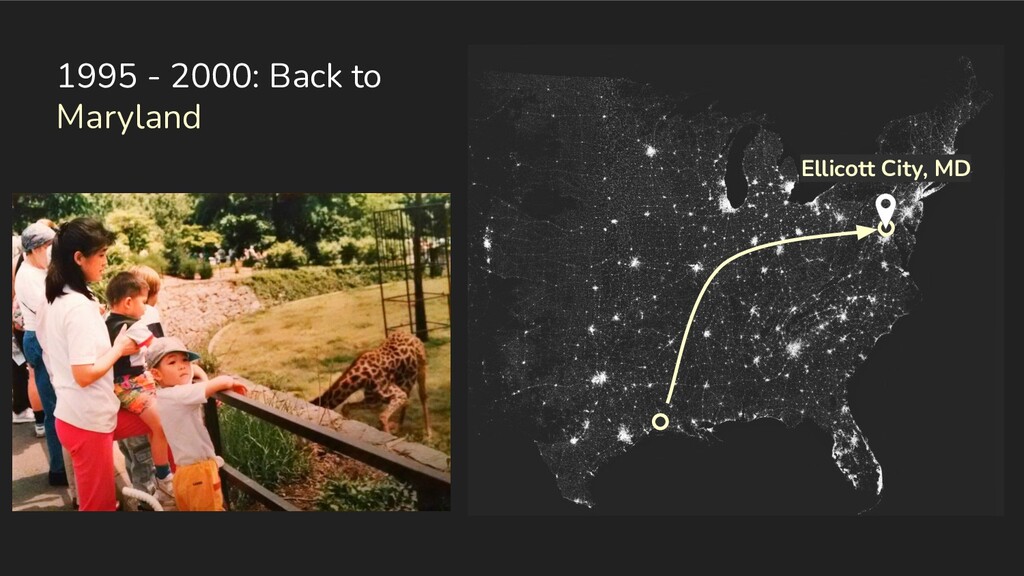
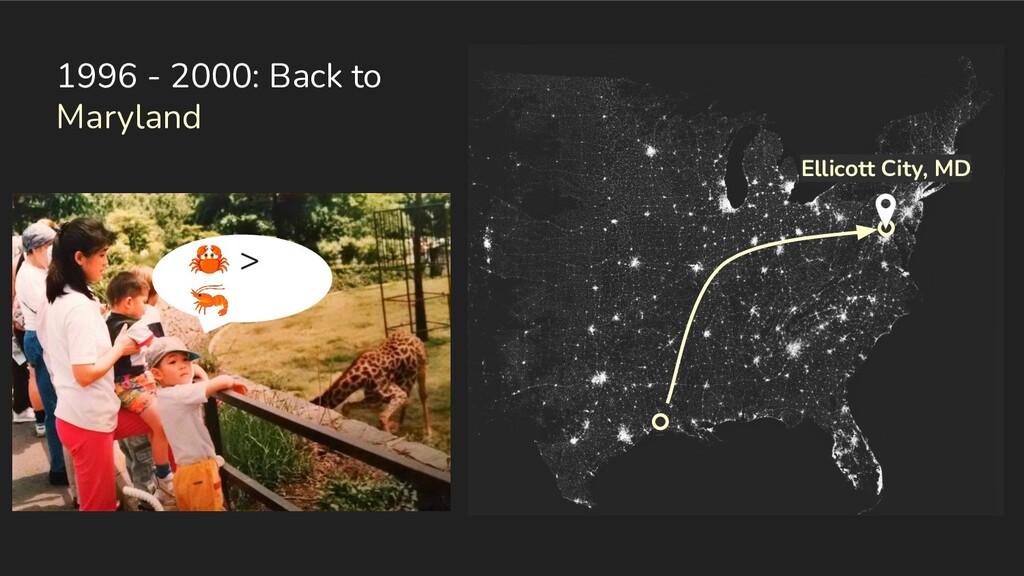
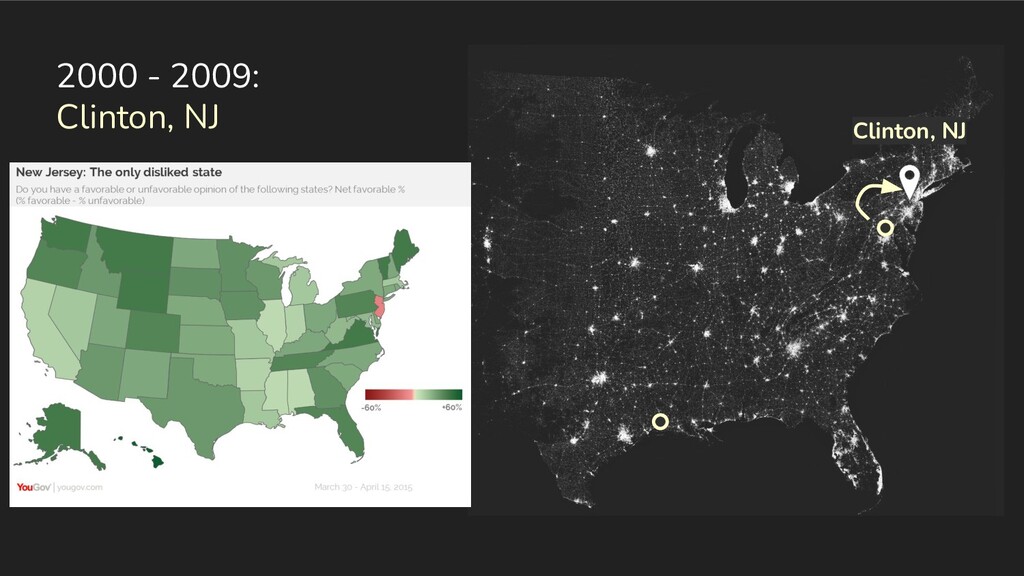
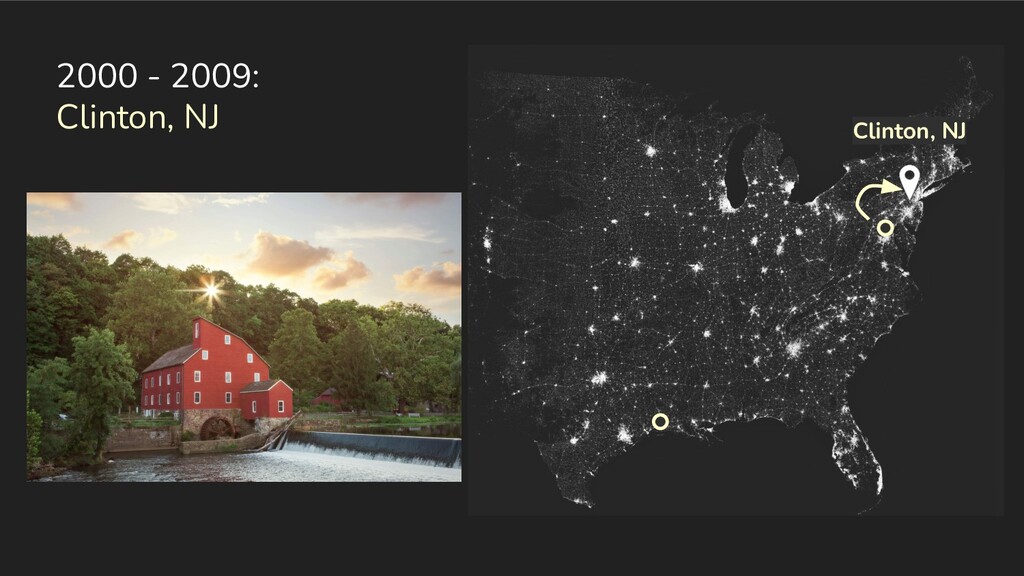
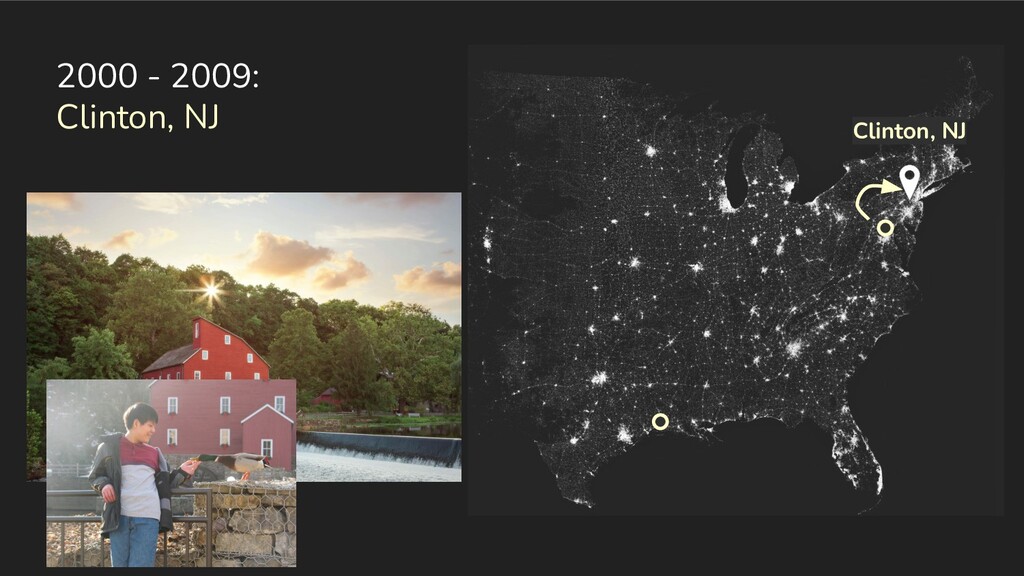
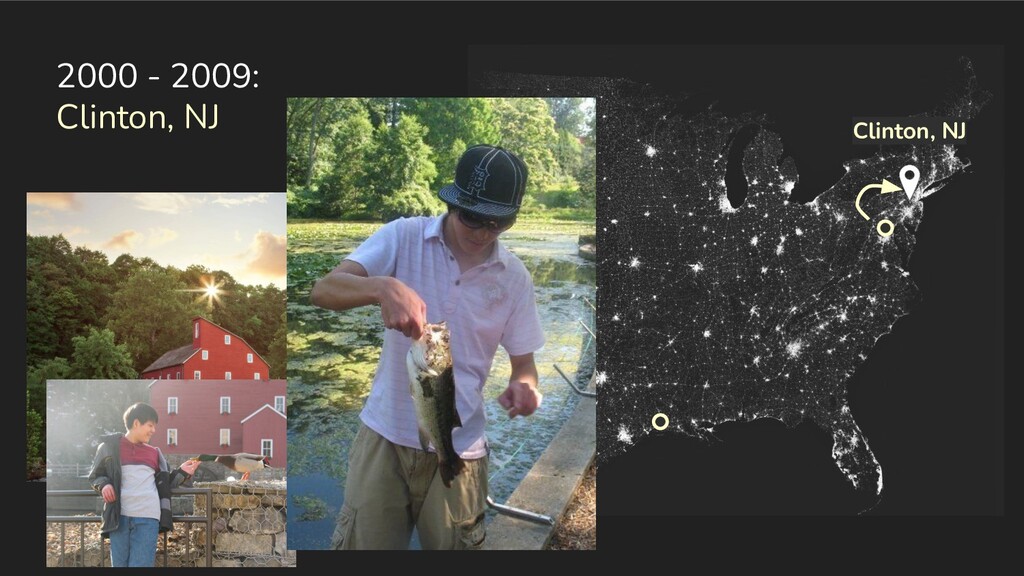
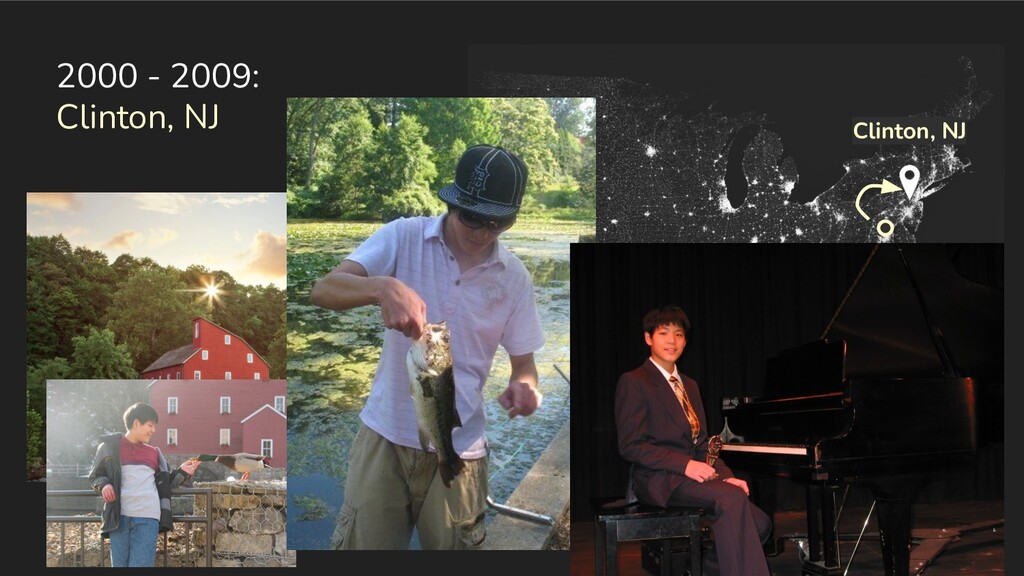
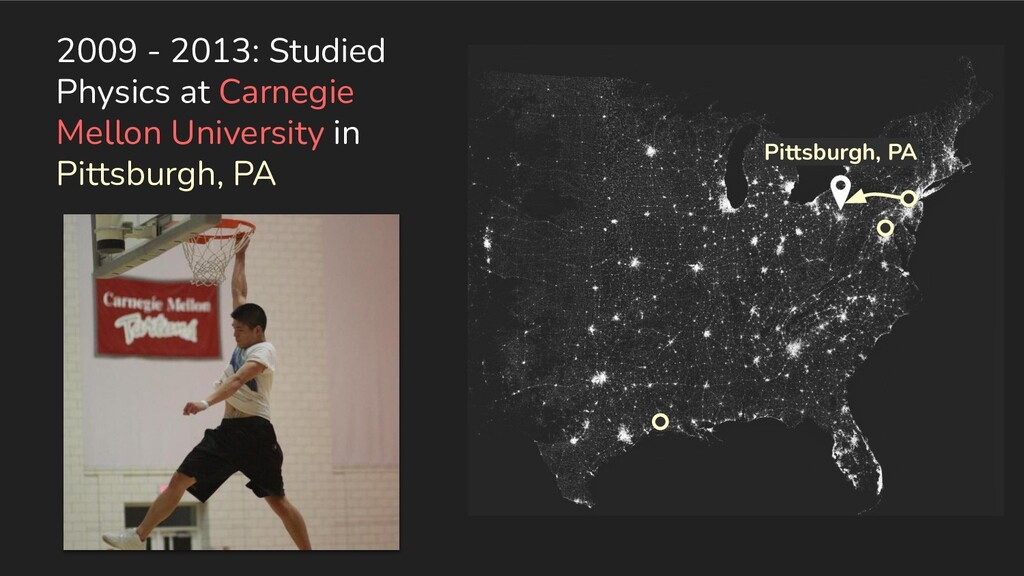
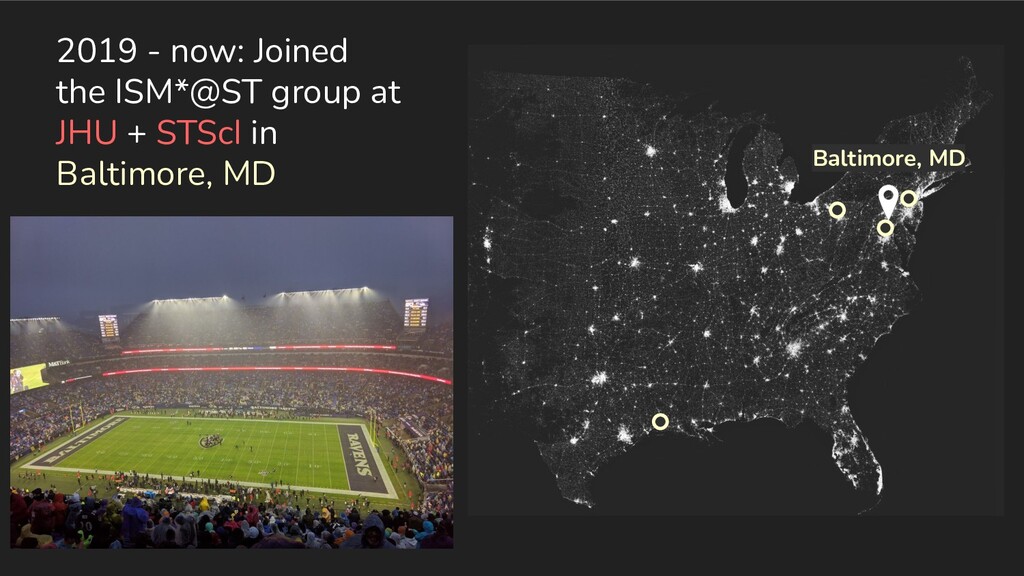
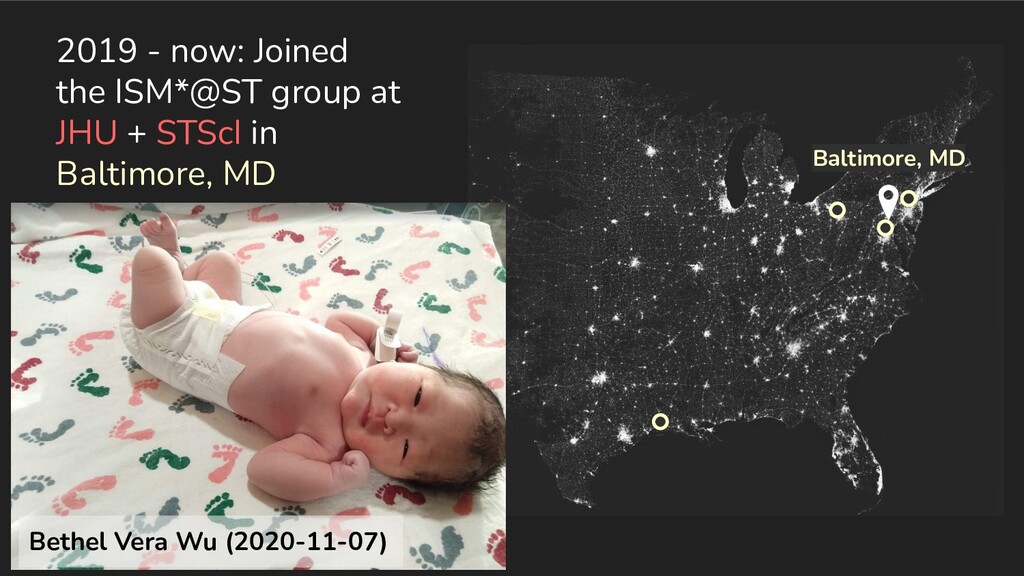
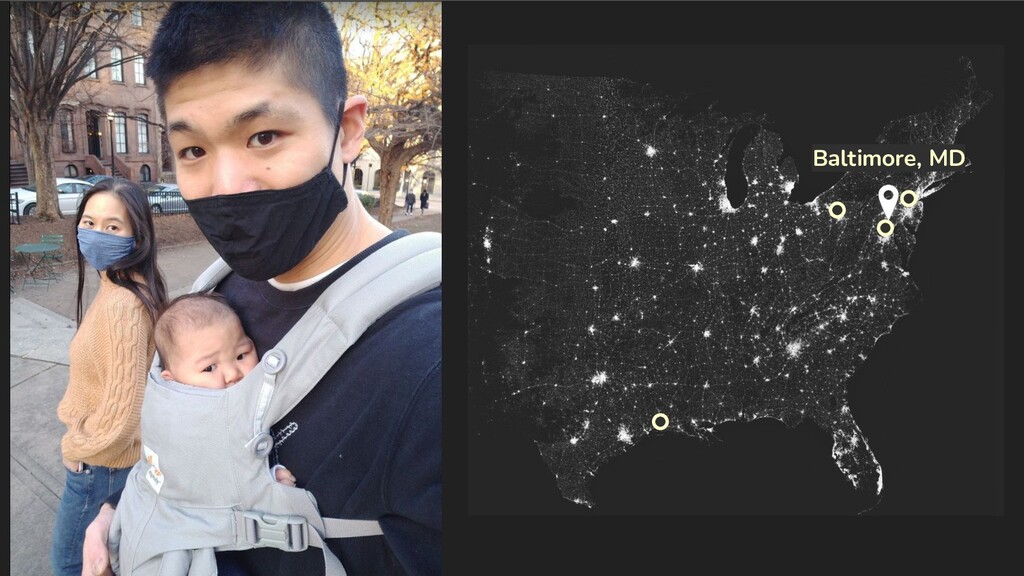
Chinese name, 吴凡, is pronounced Wú Fán, so I grew up thinking my middle name was Fan. My parents actually misspelled it Fong. Michael Pecirno - Minimal Maps Columbia, MD
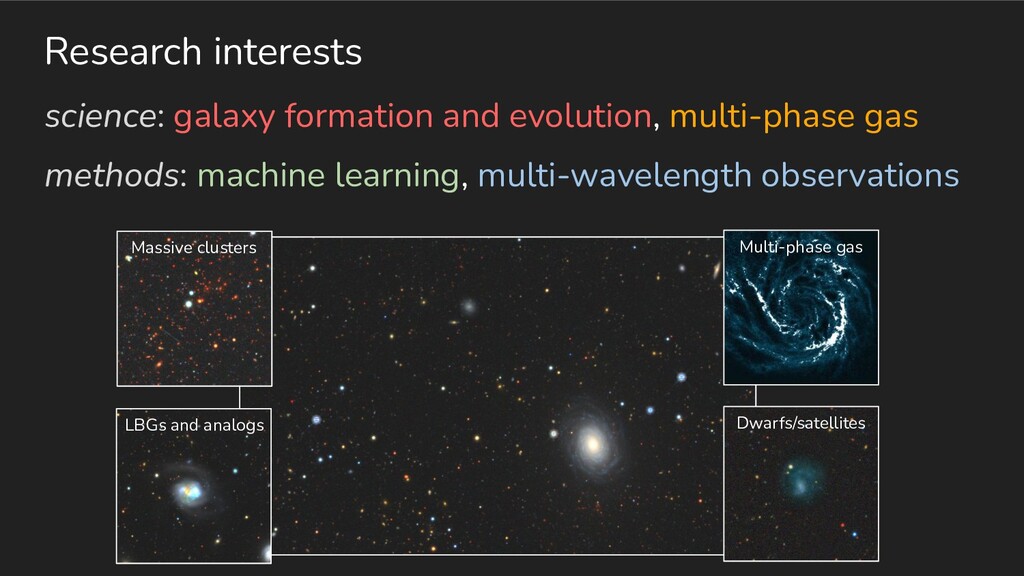
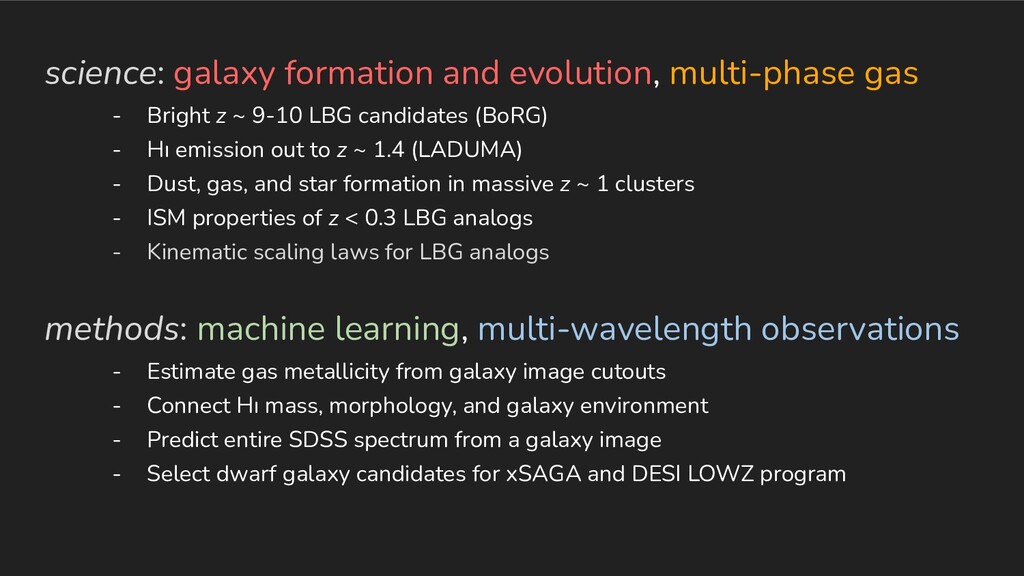
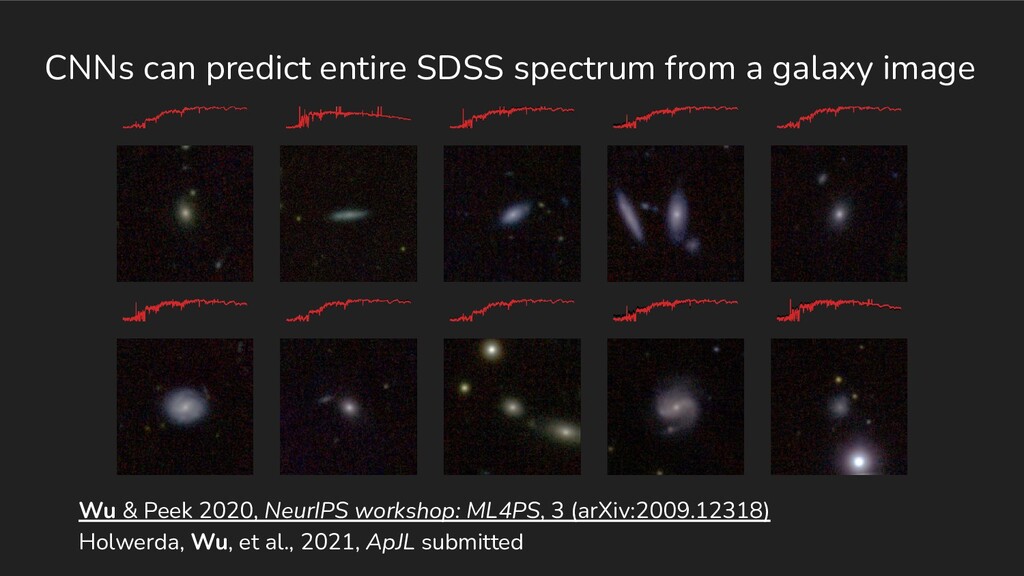
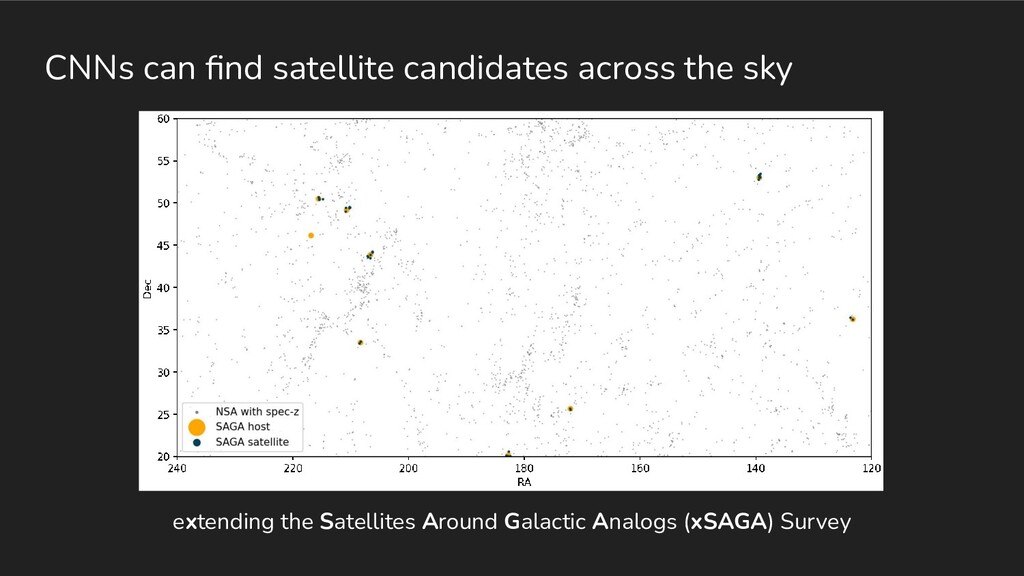
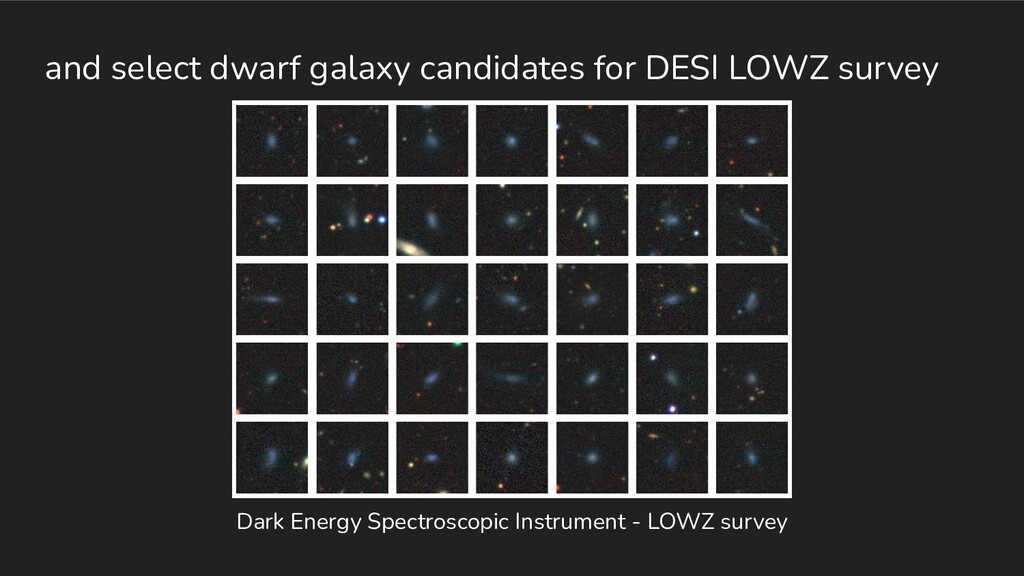
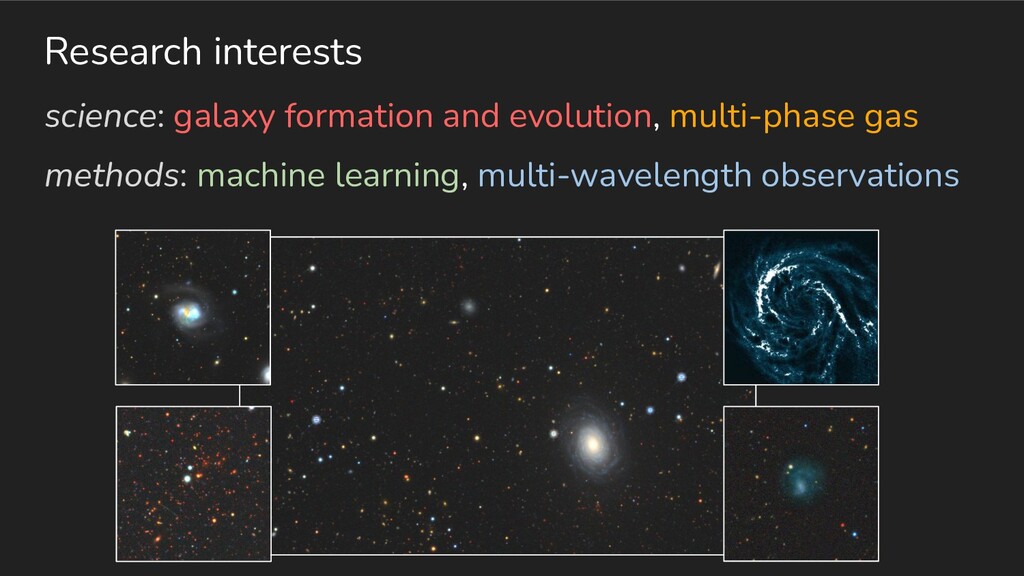
multi-wavelength observations - Bright z ~ 9-10 LBG candidates (BoRG) - Hı emission out to z ~ 1.4 (LADUMA) - Dust, gas, and star formation in massive z ~ 1 clusters - ISM properties of z < 0.3 LBG analogs - Kinematic scaling laws for LBG analogs - Estimate gas metallicity from galaxy image cutouts - Connect Hı mass, morphology, and galaxy environment - Predict entire SDSS spectrum from a galaxy image - Select dwarf galaxy candidates for xSAGA and DESI LOWZ program
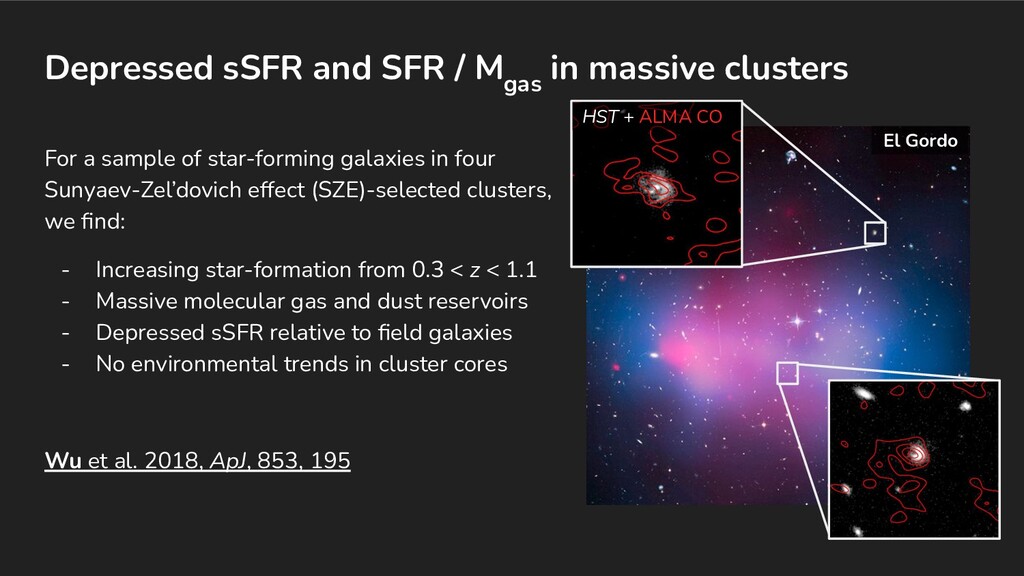
massive clusters For a sample of star-forming galaxies in four Sunyaev-Zel’dovich effect (SZE)-selected clusters, we find: - Increasing star-formation from 0.3 < z < 1.1 - Massive molecular gas and dust reservoirs - Depressed sSFR relative to field galaxies - No environmental trends in cluster cores Wu et al. 2018, ApJ, 853, 195 HST + ALMA CO
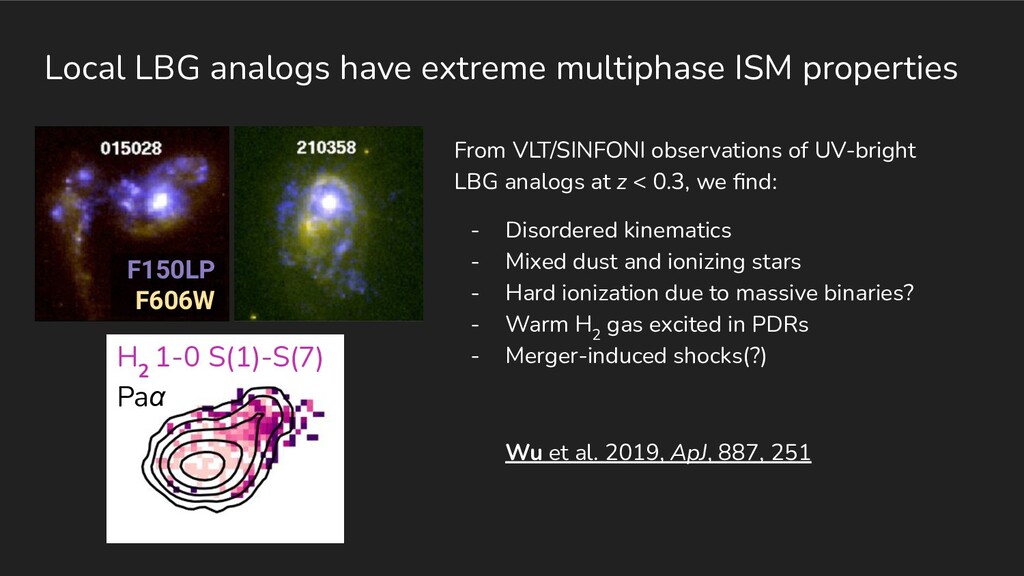
observations of UV-bright LBG analogs at z < 0.3, we find: - Disordered kinematics - Mixed dust and ionizing stars - Hard ionization due to massive binaries? - Warm H 2 gas excited in PDRs - Merger-induced shocks(?) Wu et al. 2019, ApJ, 887, 251 F150LP F606W H 2 1-0 S(1)-S(7) Paα
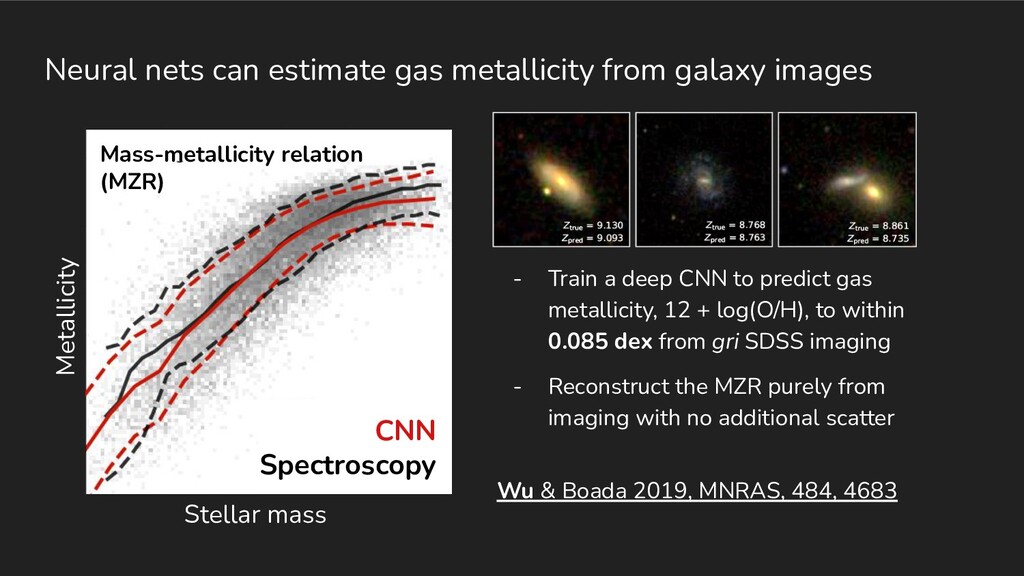
Train a deep CNN to predict gas metallicity, 12 + log(O/H), to within 0.085 dex from gri SDSS imaging - Reconstruct the MZR purely from imaging with no additional scatter Wu & Boada 2019, MNRAS, 484, 4683 Metallicity Stellar mass Mass-metallicity relation (MZR) CNN Spectroscopy
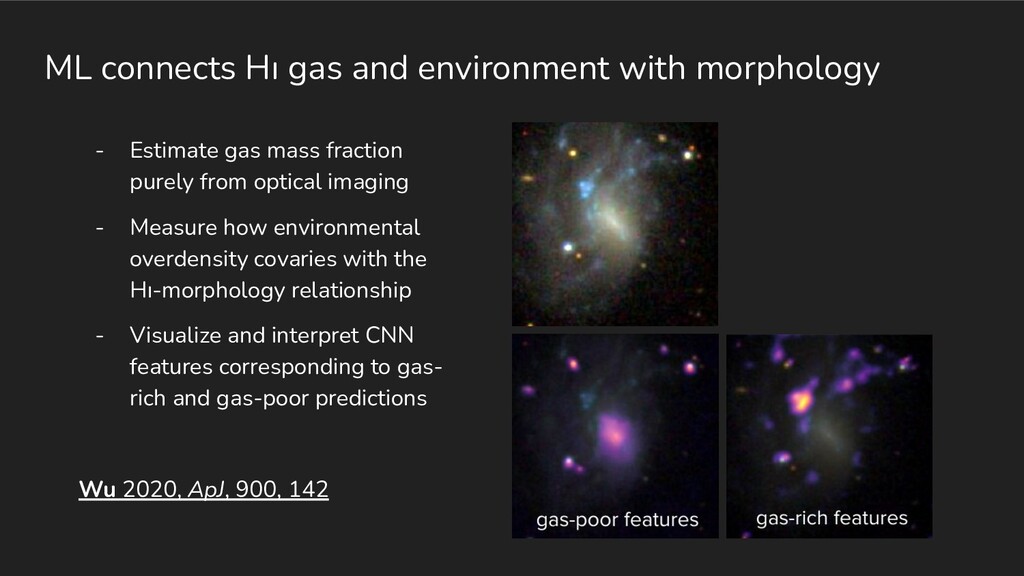
gas mass fraction purely from optical imaging - Measure how environmental overdensity covaries with the Hı-morphology relationship - Visualize and interpret CNN features corresponding to gas- rich and gas-poor predictions Wu 2020, ApJ, 900, 142


 jwuphysics
 takehaya
.png) satai
satai
 hotchpotch
 kinoue_smarthr
 beale
beale
 kentaitakura
 stktu
stktu
 koide3
 institutdelelevage
 eileencodes
 akademiya2063
 jnunemaker
 madoxten
 ryanjones
 shpigford
 techseoconnect
 michaelherold
 mfonobong
 marcelosomers