Upgrade to Pro — share decks privately, control downloads, hide ads and more …

Speech Therapy for ASD Child - Jewel AUTISM

Avatar for keerthana keerthana
January 07, 2022

Speech Therapy for ASD Child - Jewel AUTISM

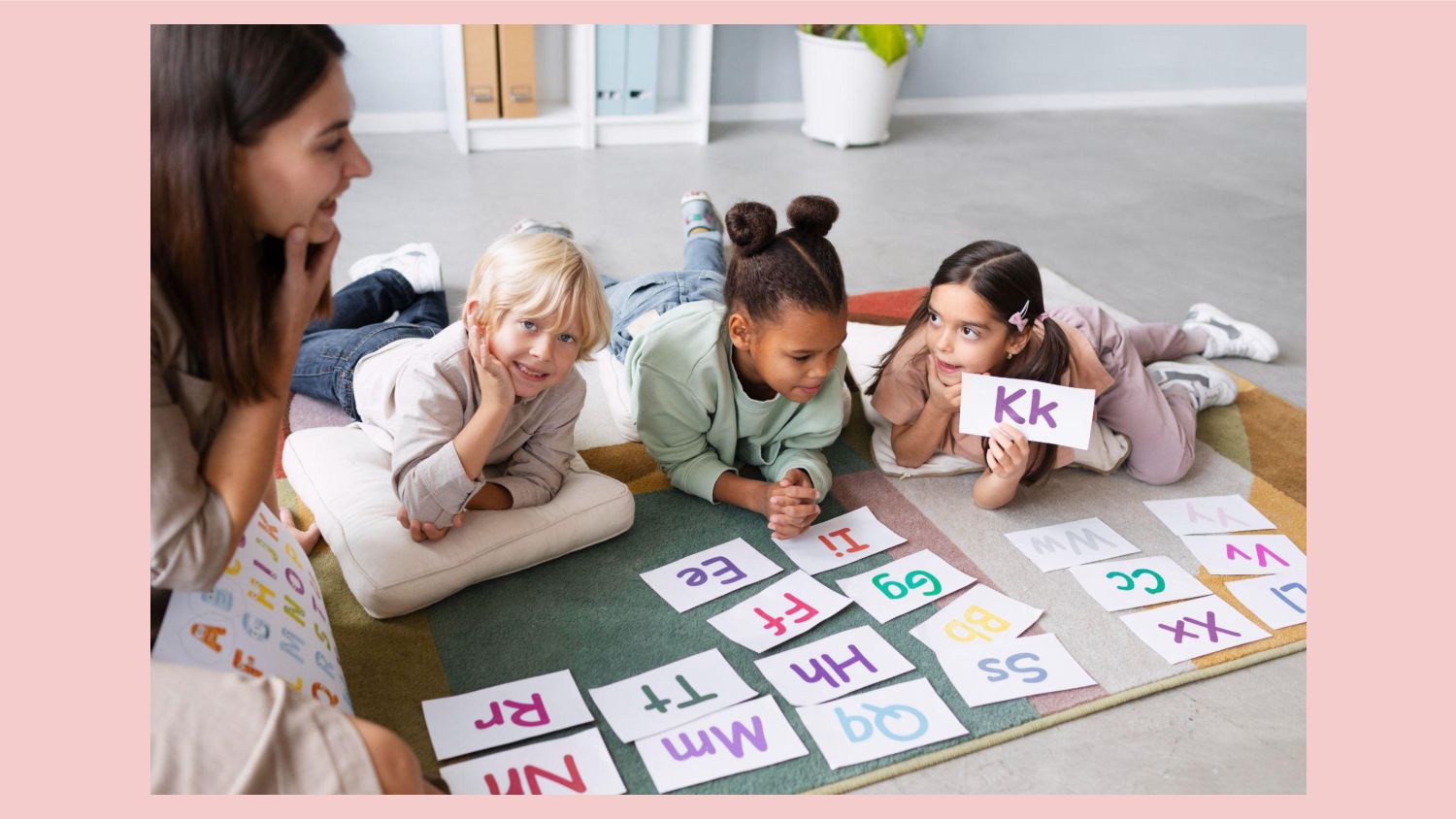
Speech and Language Therapy is an integral part of treatment for autism. Autism and speech disorders have a strong association and a person with autism can show various speech and communication problems. In addition to learning to speak, the person must also learn to use verbal and nonverbal cues in language for communication.

Avatar for keerthana

keerthana

January 07, 2022

Other Decks in Education

Transcript

  1. What is Speech Therapy? Speech and Language Therapy is an

    integral part of treatment for autism. Autism and speech disorders have a strong association and a person with autism can show various speech and communication problems. In addition to learning to speak, the person must also learn to use verbal and nonverbal cues in language for communication. Given that autism is such a broad spectrum, different people will face different issues to varying degrees which makes proper diagnosis very critical to treatment. Speech Therapy and Audiology can play a major role in diagnosing the problems. Children typically say their first words between 18 and 24 months, and start forming very basic sentences in their second year. Early detection (before the age of 3) of speech delays is important to fully benefit from speech therapy exercises.
  2. After early identification and intervention, providing speech therapy for children

    can have high impact with many children being able to communicate better. Throughout therapy, the speech-language pathologist also works closely with the family, school, and other professionals. Being able to communicate better is the key benefit of speech therapy for autism and this makes it possible for people with autism to improve their ability to form relationships and better function in their daily life.
  3. Speech & Language Pathologist’s Role Speech and language pathologists provide

    a wide range of individualized services but they also support individuals, families, support groups, and provide information to the general public. Speech services begin with initial screening for communication, swallowing disorders and continue with assessment and diagnosis, consultation for the provision of advice regarding management, intervention, and treatment, provide counseling and other follow up services for these disorders. Jewel’s Speech Language pathologist deals with disorders in communication, evaluation, diagnosis, and rehabilitation of speech and language disorders. Speech therapist integrates all aspects of speech and language development which includes receptive and expressive language, articulation respiration and fluency.
  4. • Cognitive aspects of communication (e.g., attention, memory, problem-solving &

    executive functions). • Speech (e.g., phonation, articulation, fluency, resonance & voice). • Language including comprehension & expression in oral, written, graphic and manual modalities, language processing, pre literacy, & language-based literacy skills, phonological awareness. • Swallowing or other upper aerodigestive functions such as infant feeding & aeromechanical events. • Sensory awareness related to communication, swallowing, or other upper aerodigestive functions.
  5. Speech & Language Therapy Benefits Speech therapy can improve overall

    communication. This makes it possible for people with autism to improve their ability to form relationships and function in day-to-day life. Specific goals of speech therapy include helping the individual with autism: • Articulate words well. • Communicate both verbally and nonverbally. • Start communication without prompting from others. • Understand verbal & nonverbal communication, and what other people mean in different settings.
  6. • Know the appropriate time and place to communicate something;

    for example, when to say "good morning". • Grow conversation skills. • Exchange ideas. • Communicate in ways to develop relationships. • Enjoy communicating, playing, and interacting with other. • Learn self-control.
  7. Best Time to Start Speech Therapy The earlier speech therapy

    is started, the better. Autism spectrum disorder is usually clear before age 3. Language delays can be noticed as early as 18 months of age. In some cases, autism can be identified as early 10 to 12 months of age. It is very important to start speech therapy as early as possible, when it can have the biggest effect. Some telltale signs like repetitive activities, echolalia, resistance to changes in routines, and the inability to interact socially with others belonging to the same age group may confirm autism diagnosis in younger children.
  8. Parents of children with autism can begin speech therapy for

    autism at home as soon as they receive a formal diagnosis from a speech-language pathologist, psychologist, or pediatrician. Although it’s a life-long condition, some individuals show the ability to improve and acquire social communication skills as they grow older. Research shows those who improve the most are often those who receive the most speech therapy.
  9. What role does speech therapy play in the treatment of

    autism? Speech-language pathologists are a key part of the autism treatment team. With early screening and detection, speech therapists often lead the way in helping with the diagnosis of autism and making referrals to other specialists. Once autism is diagnosed, speech therapists figure out the best ways to improve communication. The speech-language pathologist works closely with the family, school, and other professionals. If someone with autism is nonverbal or has major trouble with speech, the speech therapist may introduce alternatives to speech, including:
  10. • Electronic "talkers" • Signing or typing • Using pictures

    instead of words to help a child learn to communicate • Improving articulation of speech by massaging or exercising lips or facial muscles • Having people sing songs that match the rhythm, emphasis, and flow of sentences Some of these methods are supported more by research than others. Be sure to discuss them thoroughly with the speech-language pathologist and your child's pediatrician.
  11. Speech Therapy Exercises For Children With Autism • Teach Them

    The Essential Words • Present Them With Multiple Choices • Play Sorting Games • Read Short Stories With Your Kid • Use Communication Boards • Teach Them Facial Expressions • Engage In Sensory Activities • Provide Positive Reinforcement
  12. Can Your Child “Grow Out” of Autism? The likely answer

    is “no”. However, there is a possibility of improvement through the correct therapy and exercises. It is impossible to predict which children will “grow out” of ASD. Nonetheless, early diagnosis & intervention increase a child’s chances of becoming a healthy, functional, and independent adult. Children on the autism spectrum face varying degrees of difficulty in communicating. The exercises can strengthen your child's logical & analytical thinking, problem-solving attitude, & social communication skills. Your child may be entirely non-verbal or shows severe aversion towards ordinary sounds, lighting, and textures. In that cases, it may be necessary to consult with a behavioral therapist and special educator immediately.
  13. To know more from Jewel Autism: Please visit: https://www.jewelautismcentre.com/ To

    know more of Jewel Speech Therapy Department: Please visit: https://youtu.be/RbBjeEbkcl0