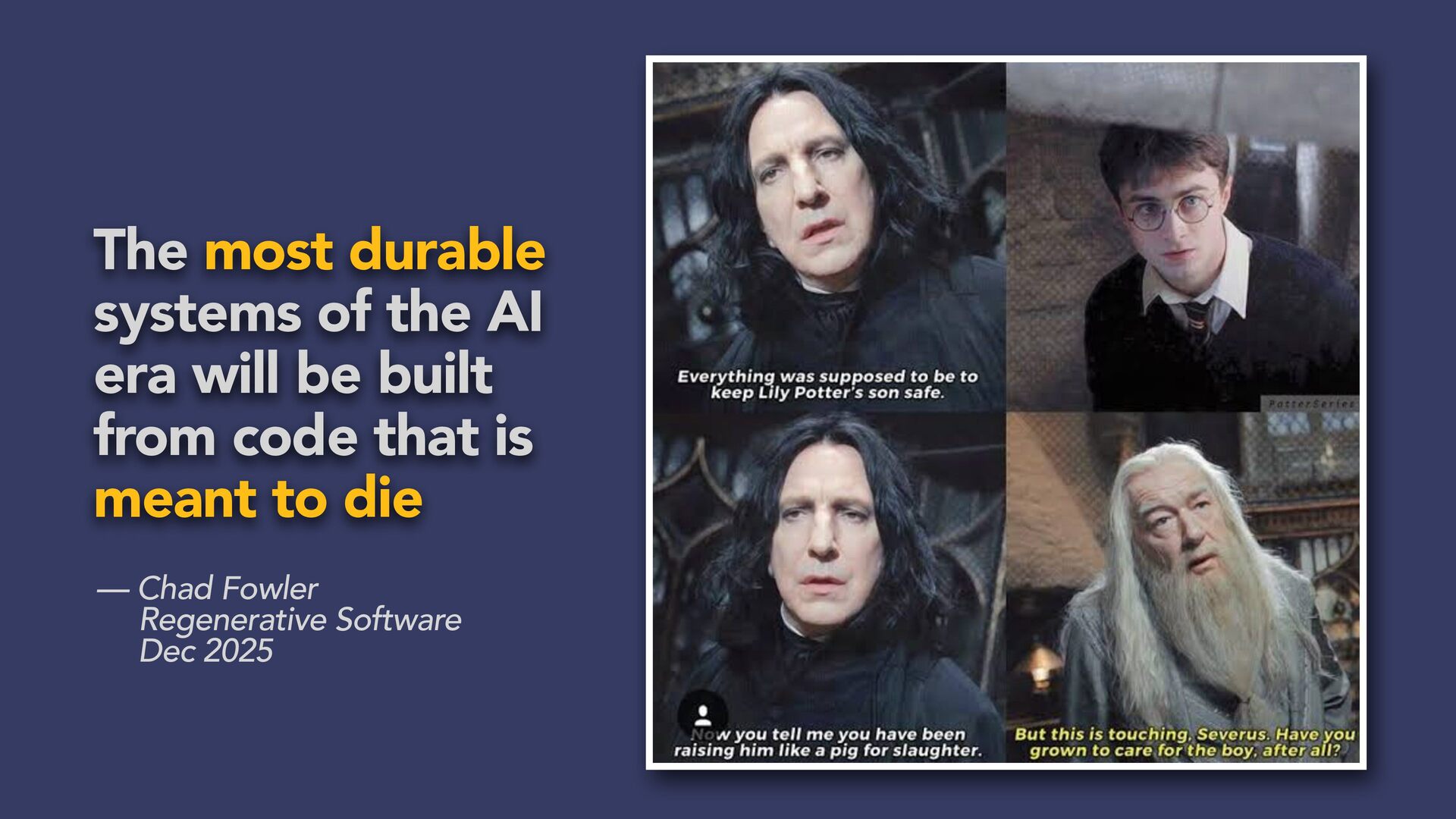
Would you delete a working module today?
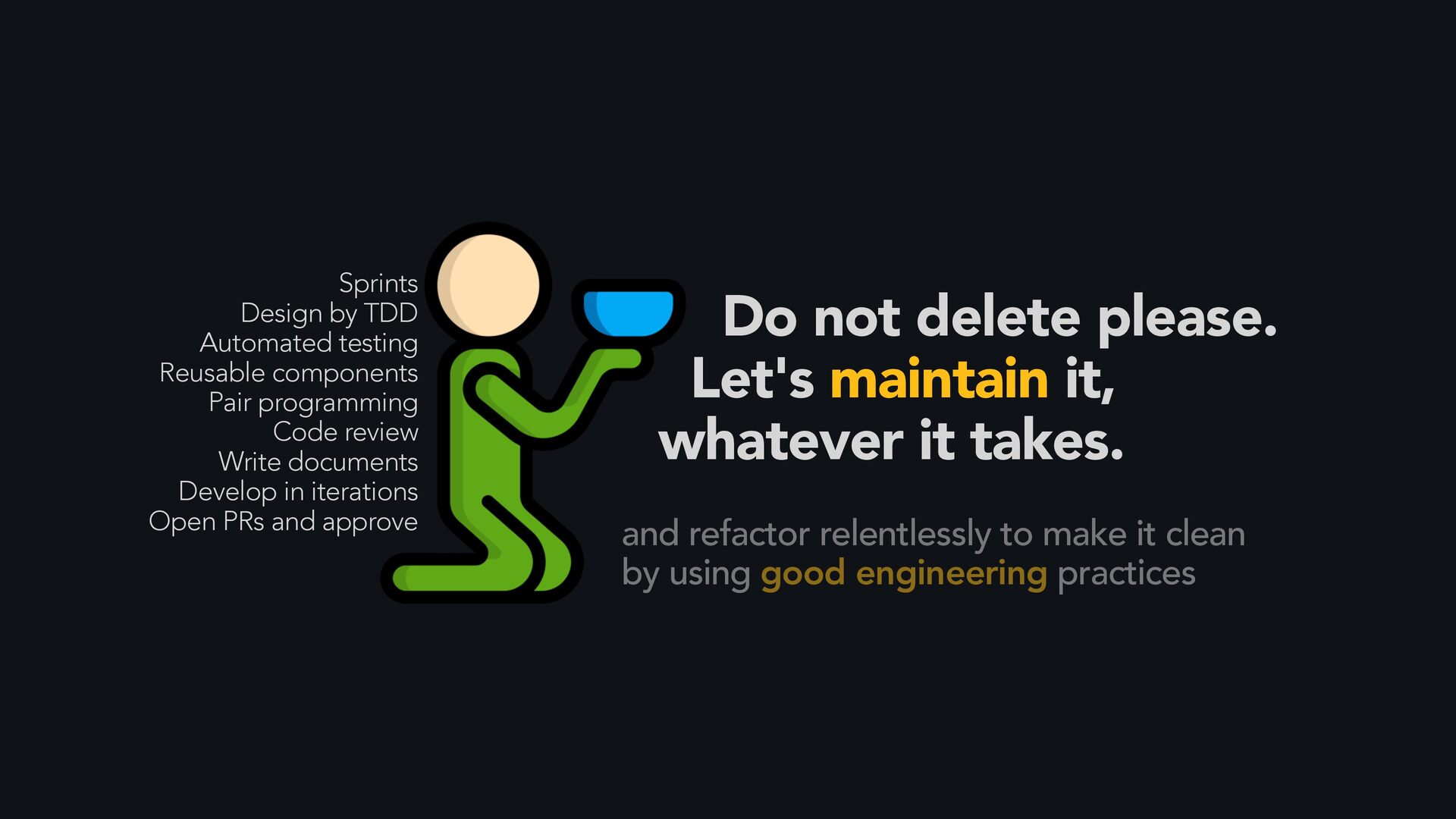
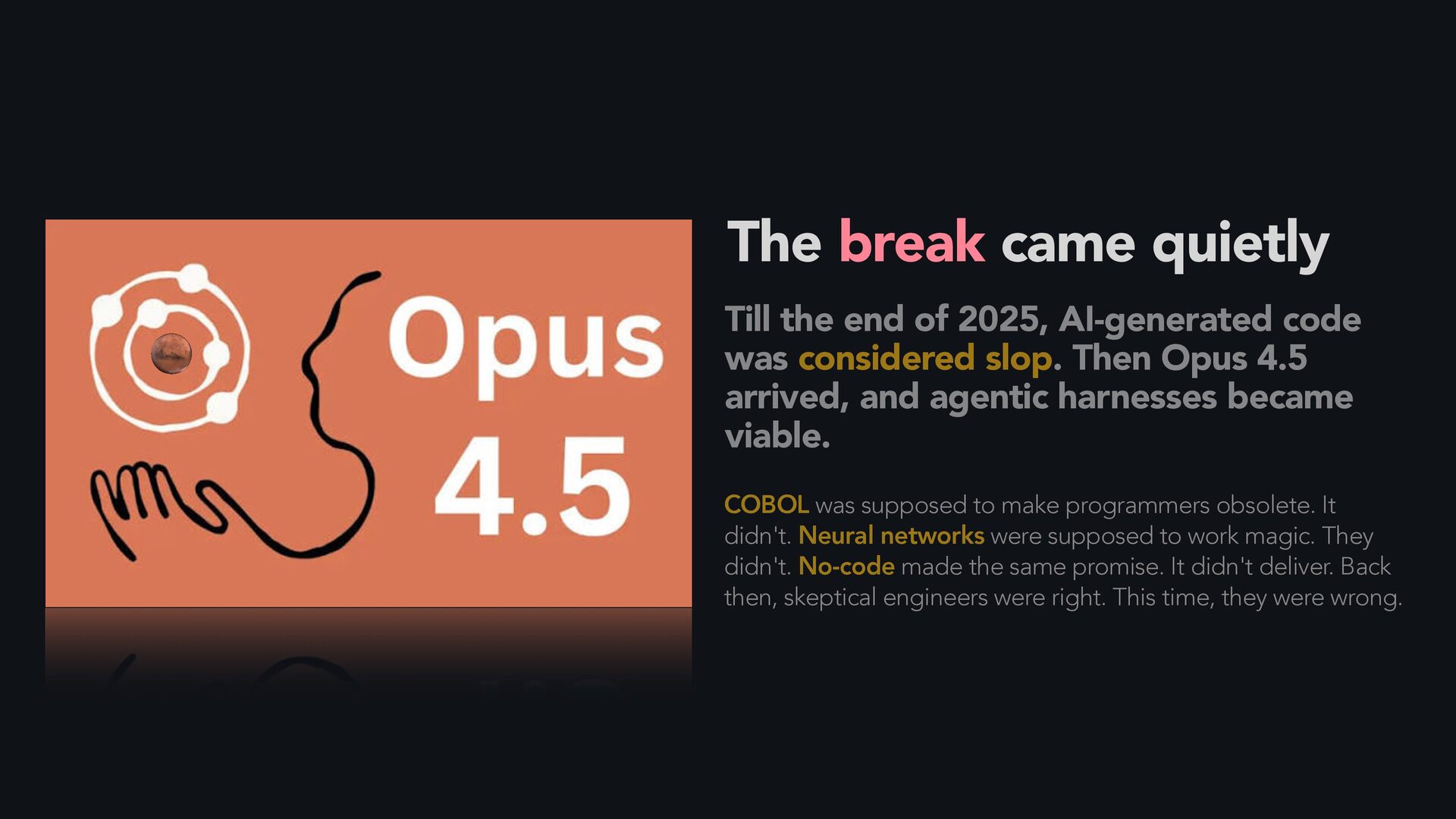
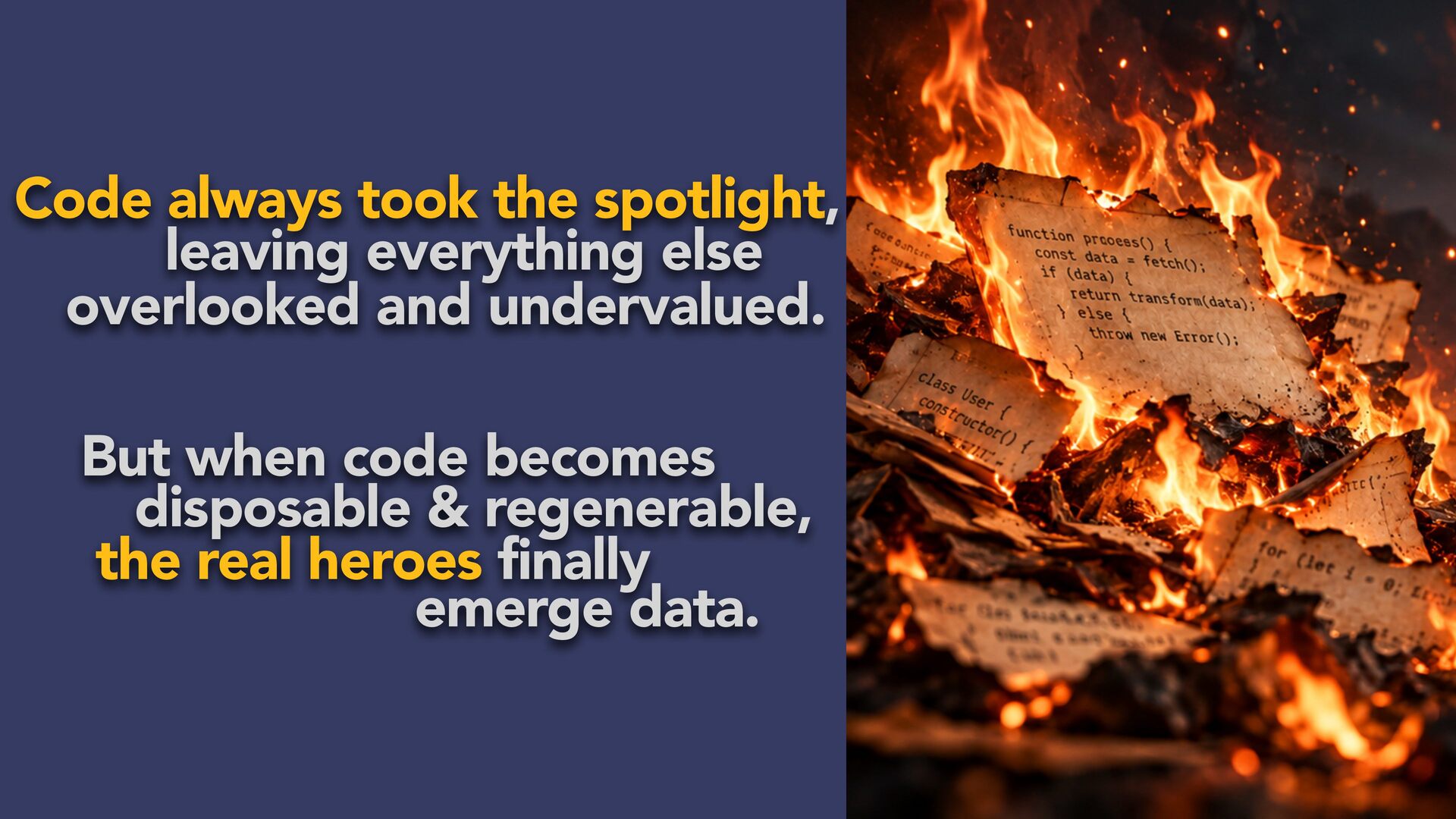
For decades, software engineering has been built around one assumption: code is expensive to write, so we must preserve, maintain, and carefully evolve it. But AI is changing the economics of software development. Writing code is becoming cheaper than understanding it, and trusting it is becoming even harder.
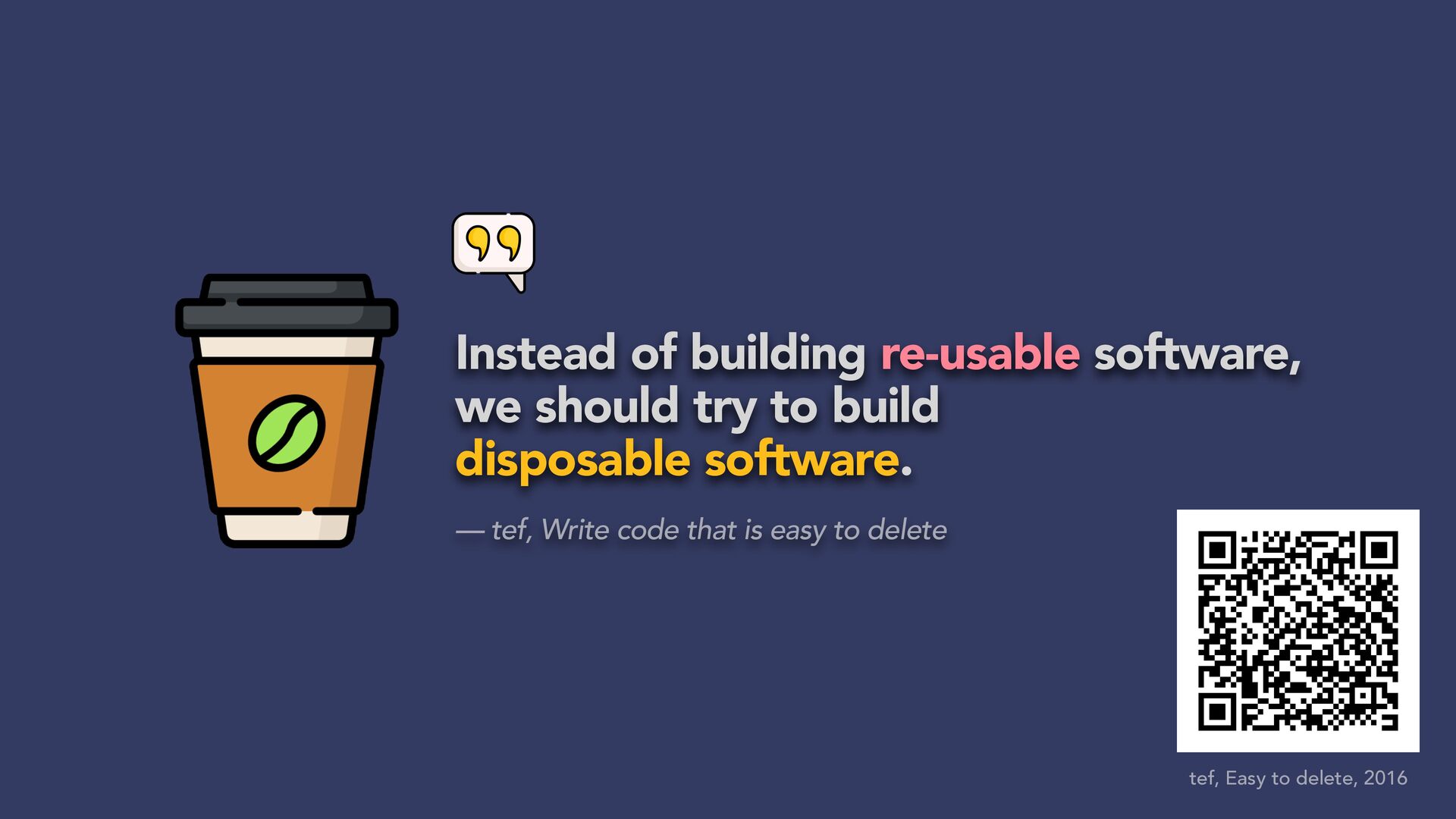
What happens when code becomes disposable?
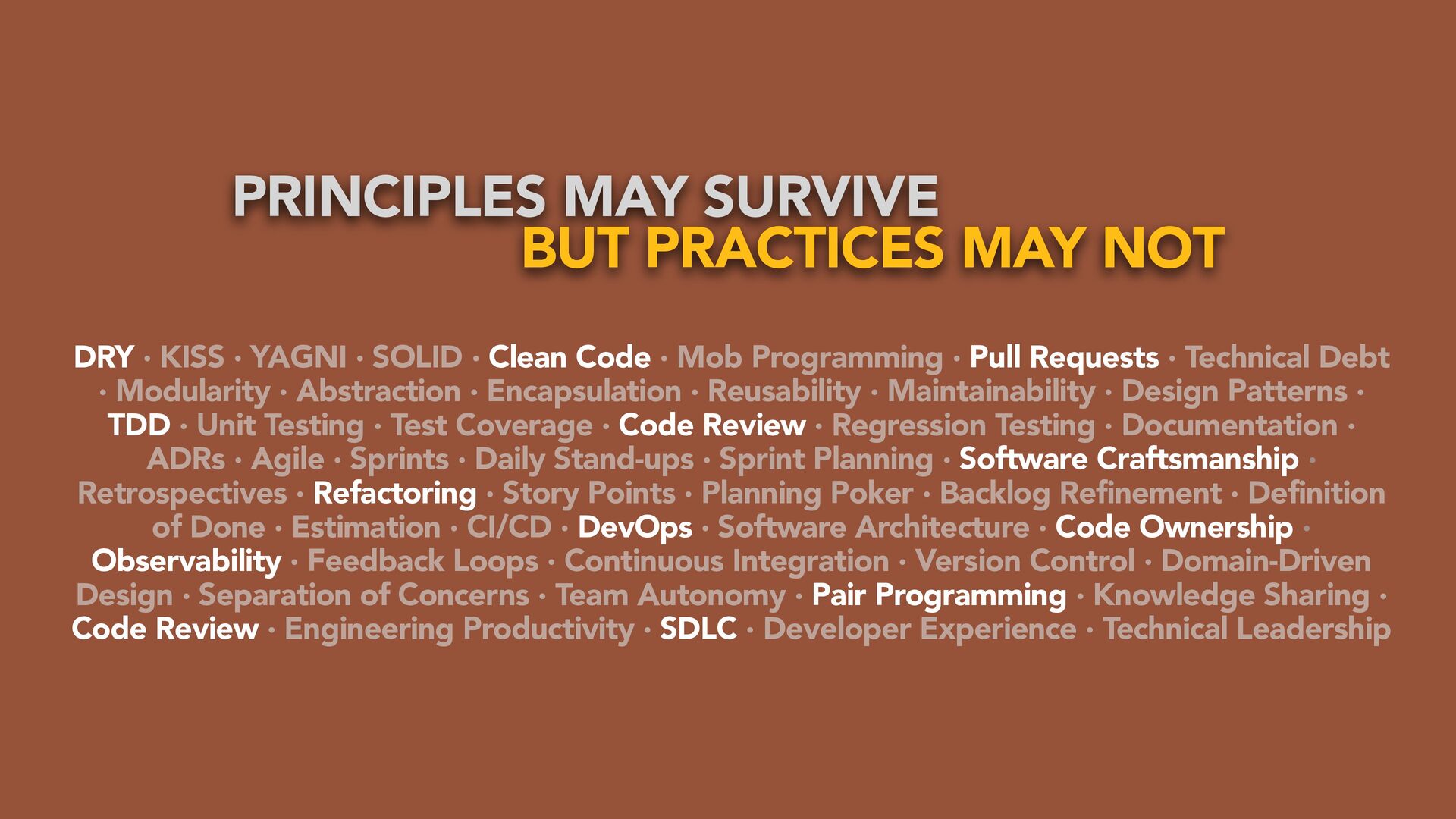
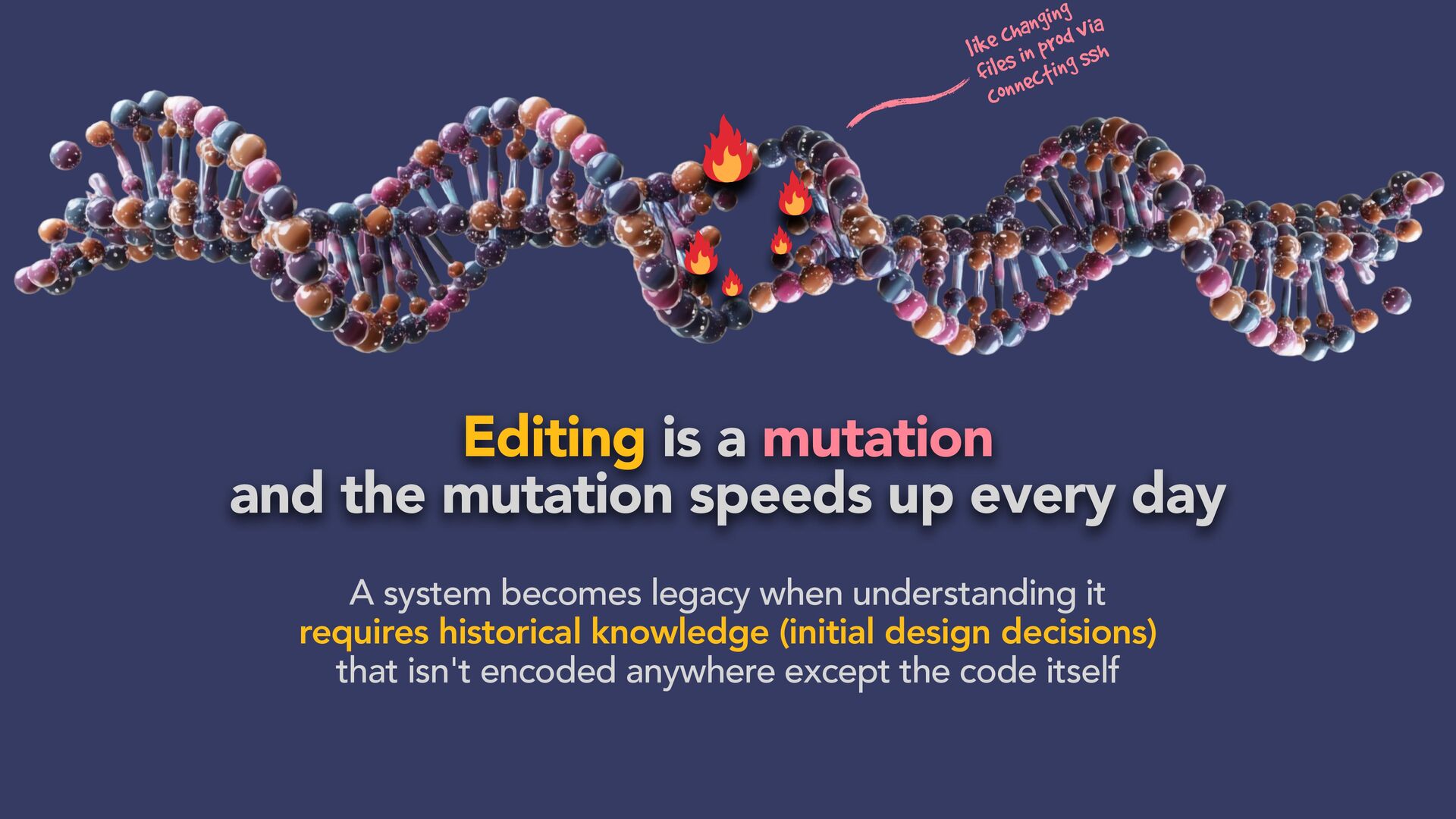
This talk challenges some of our deepest beliefs about software engineering. From clean code and refactoring to testing, code reviews, and ownership, many practices we consider essential were designed for a world where humans write and maintain code.
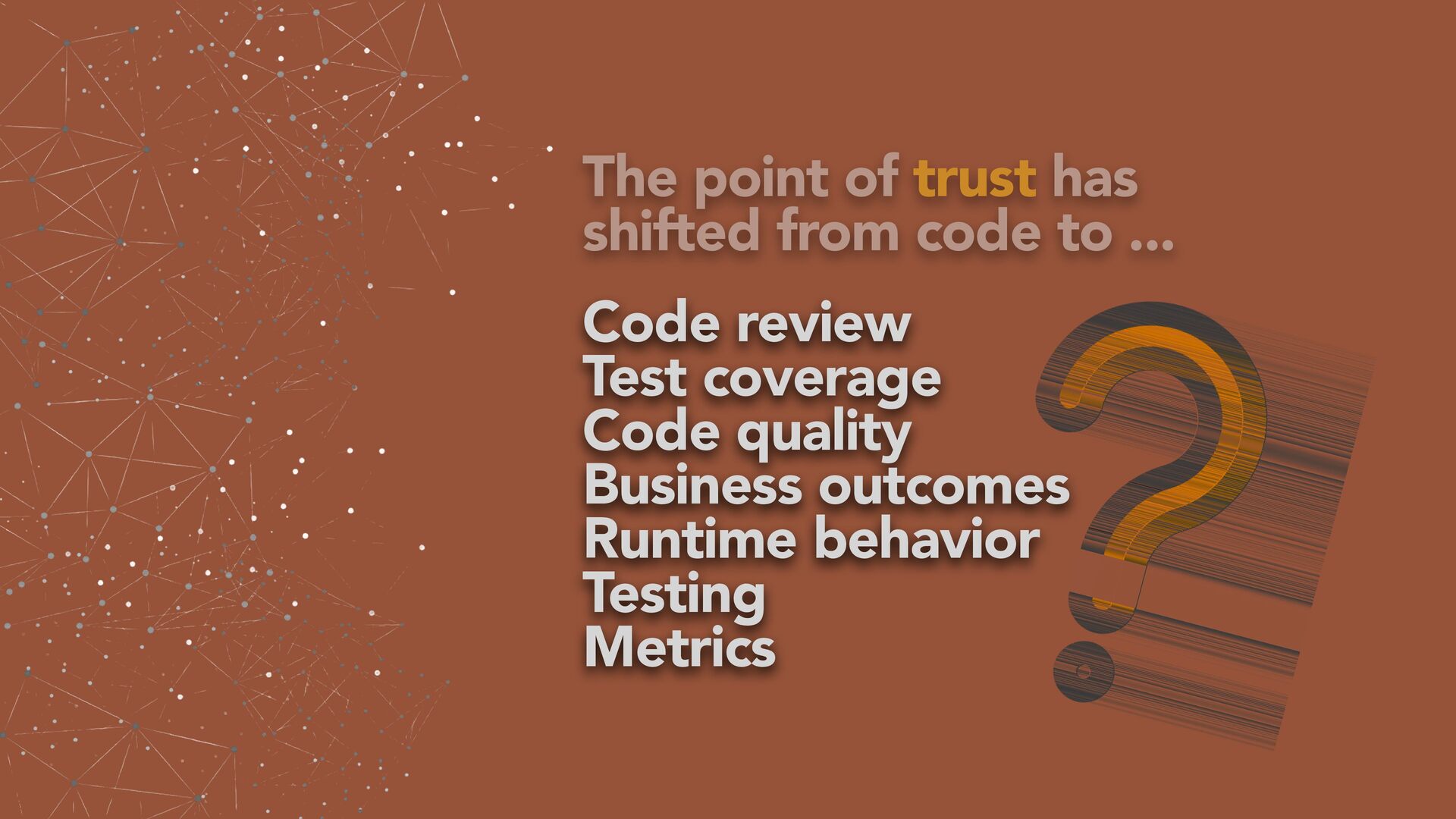
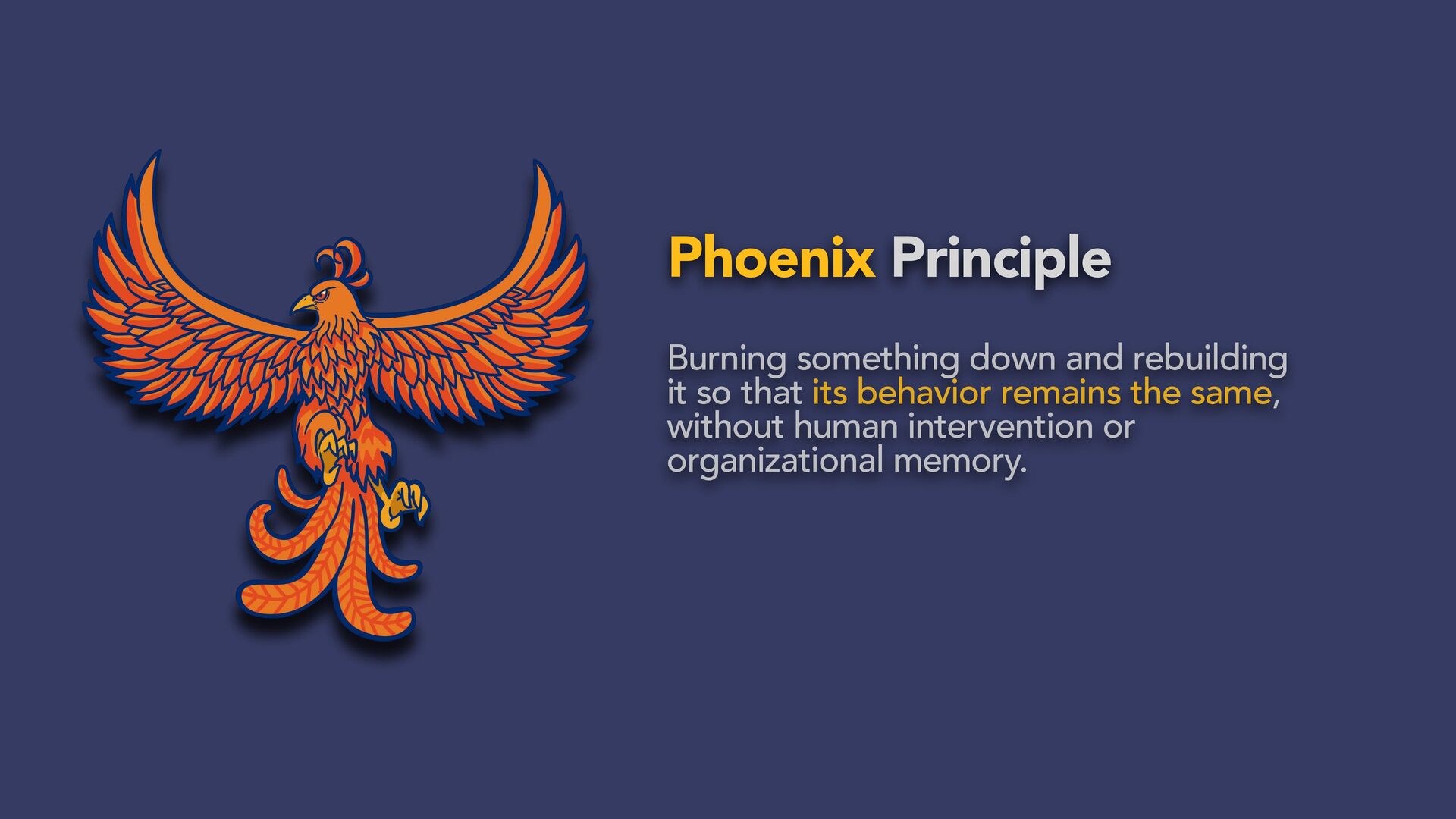
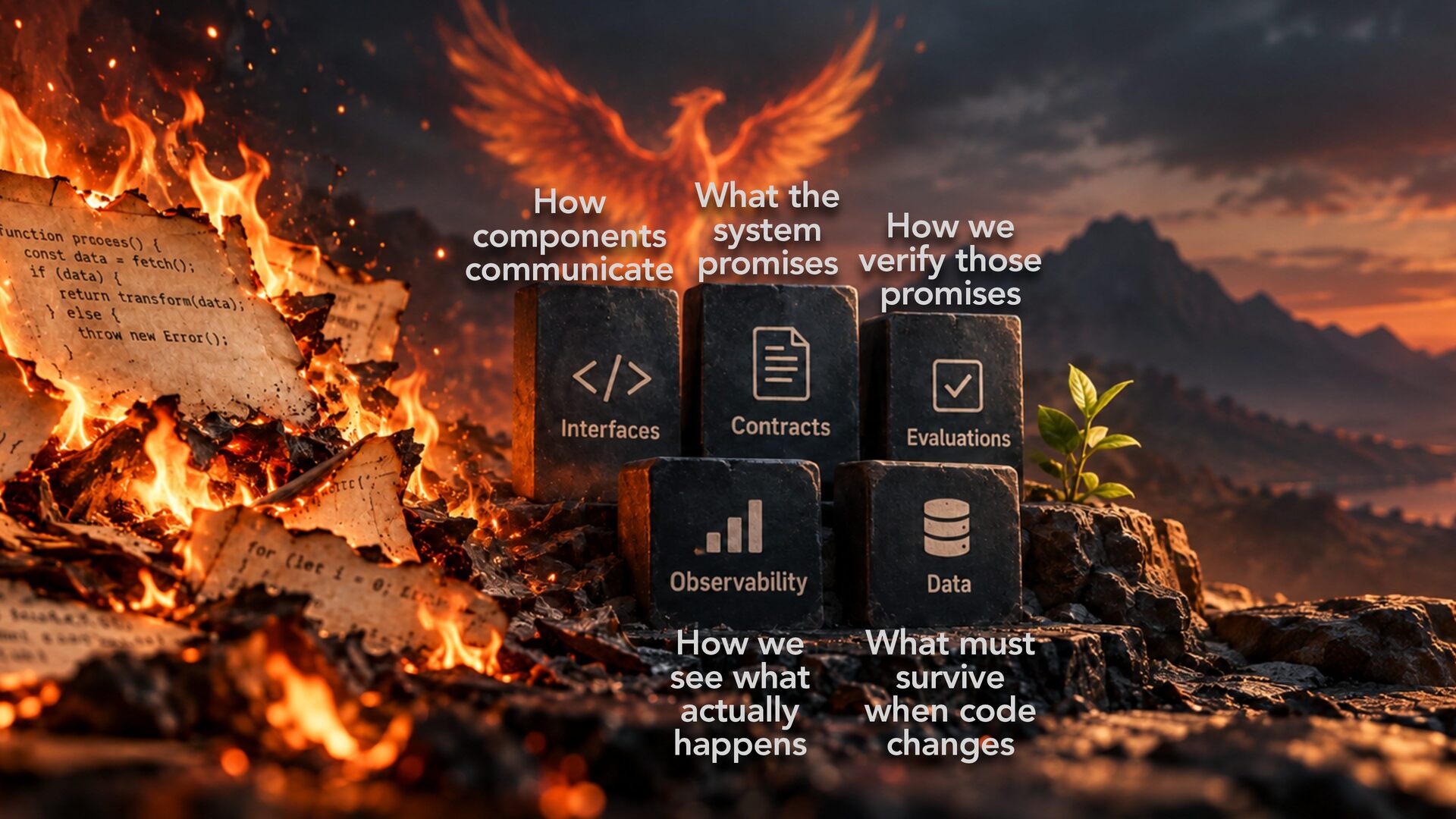
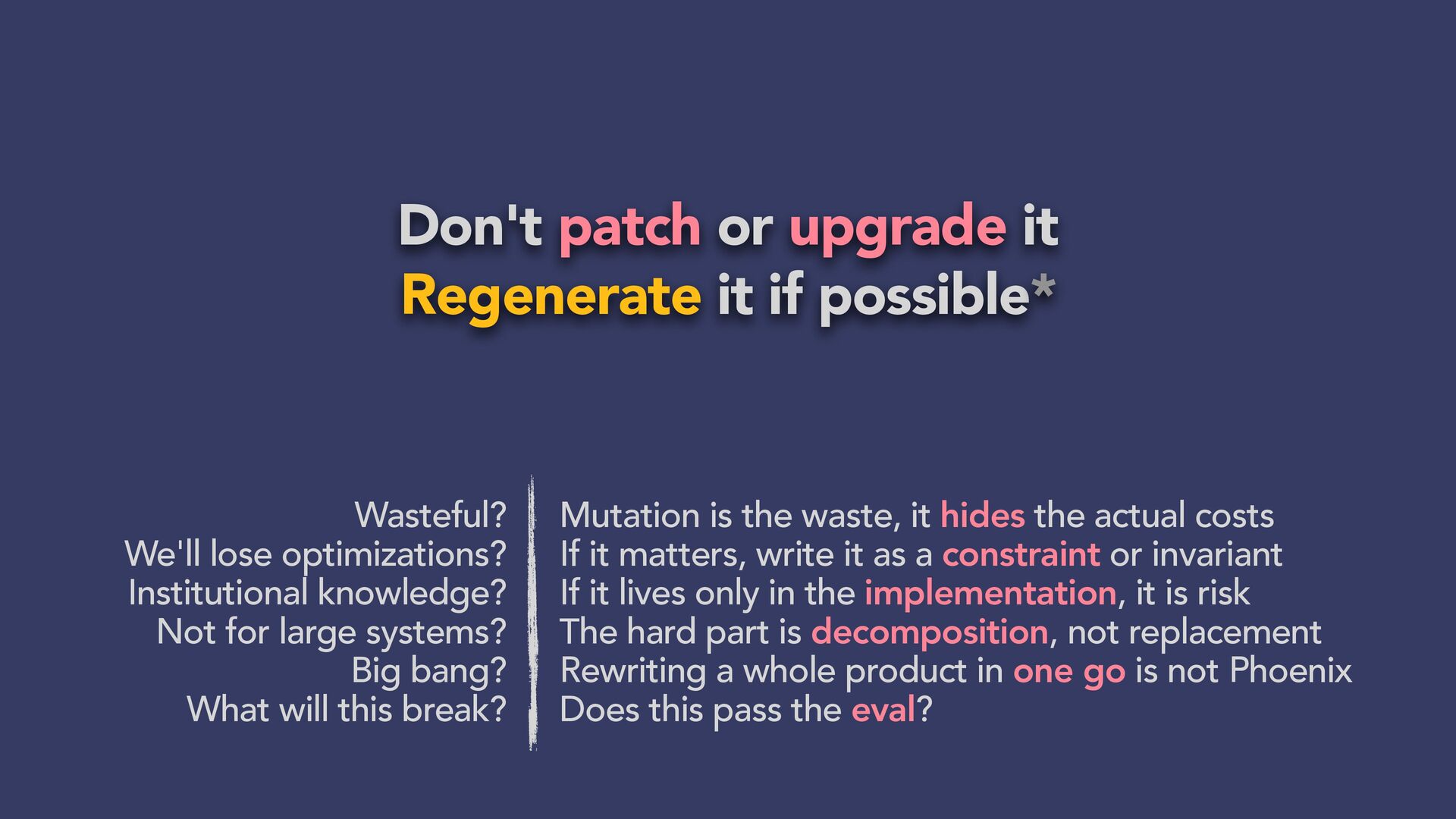
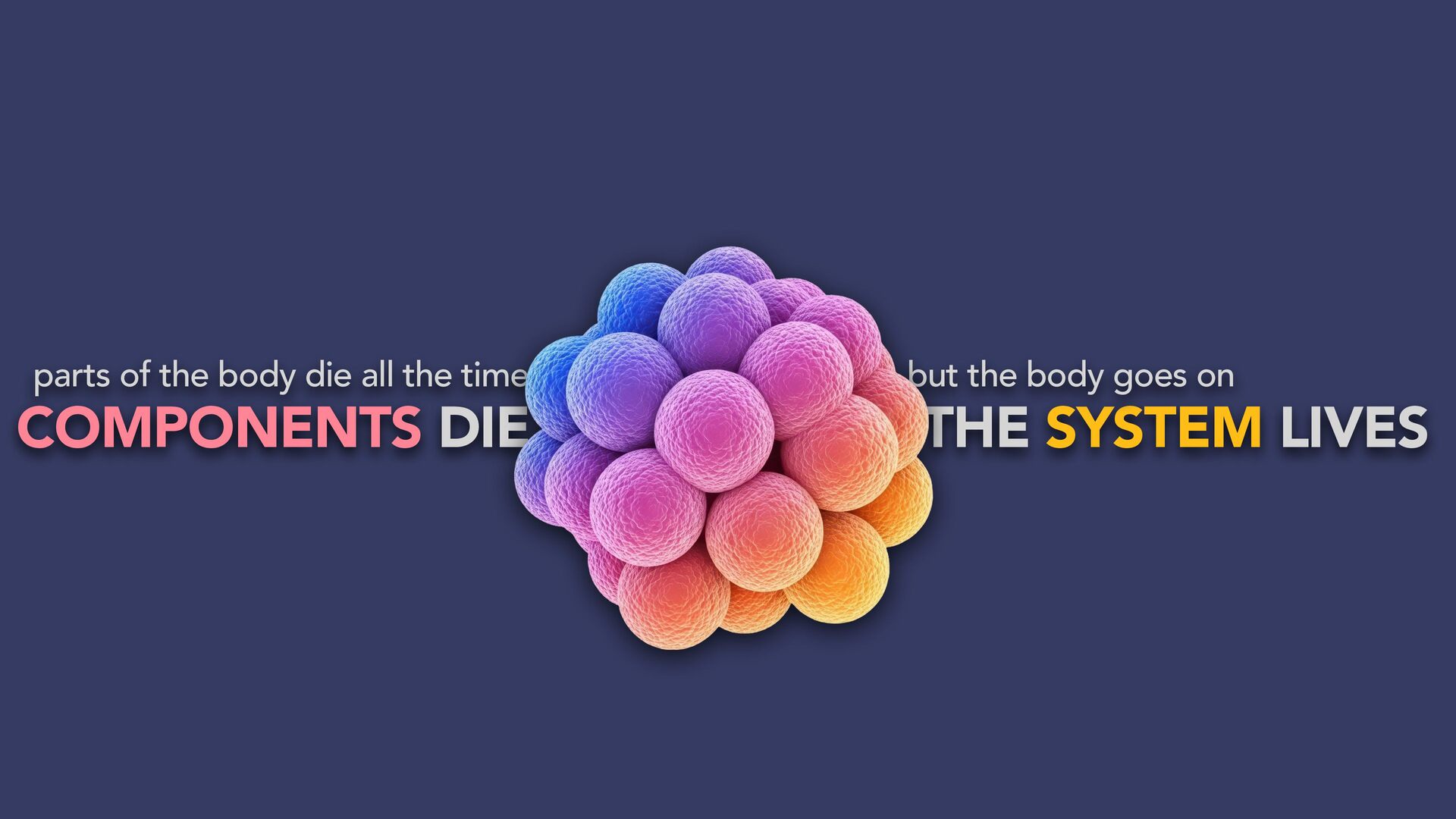
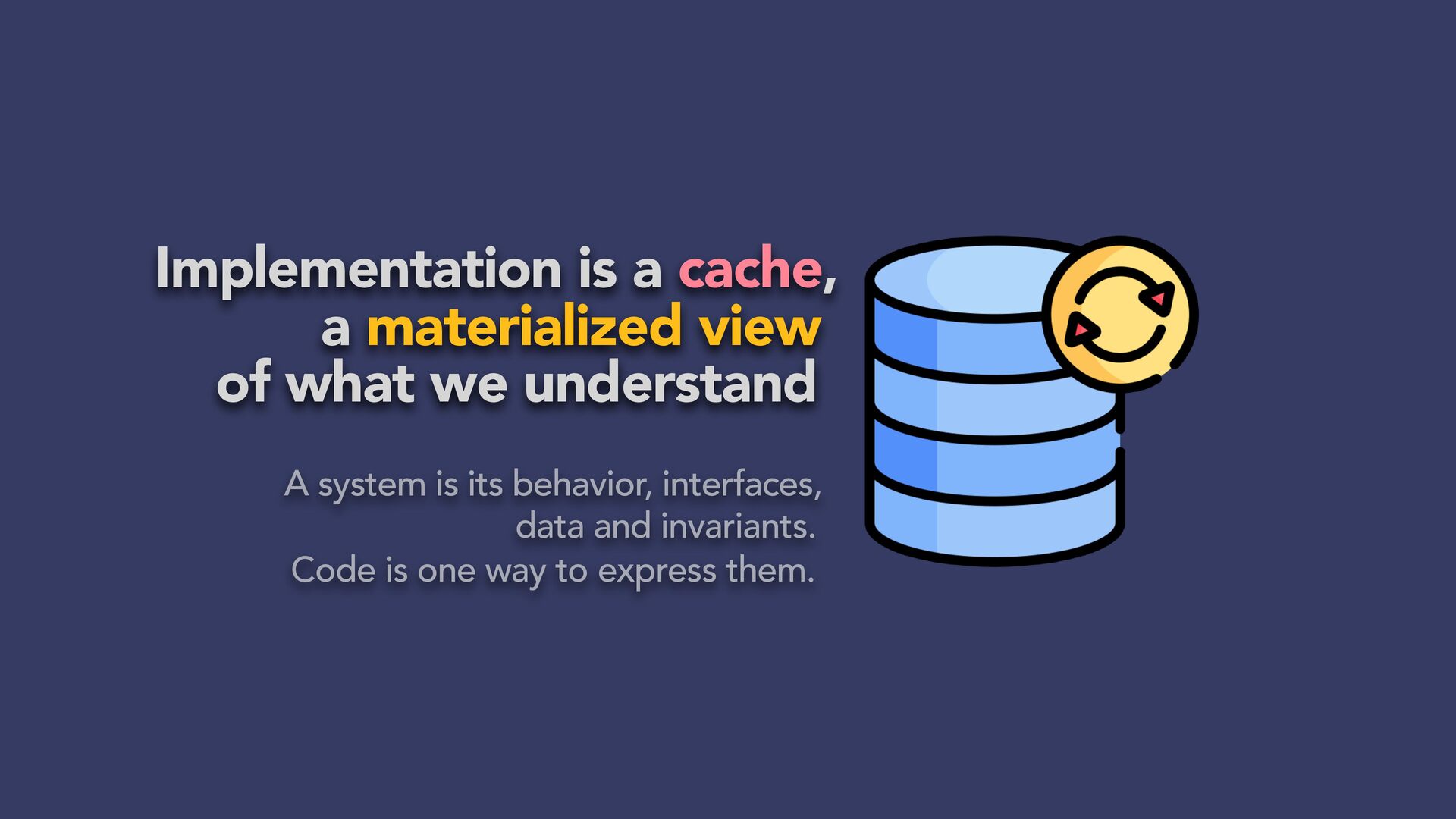
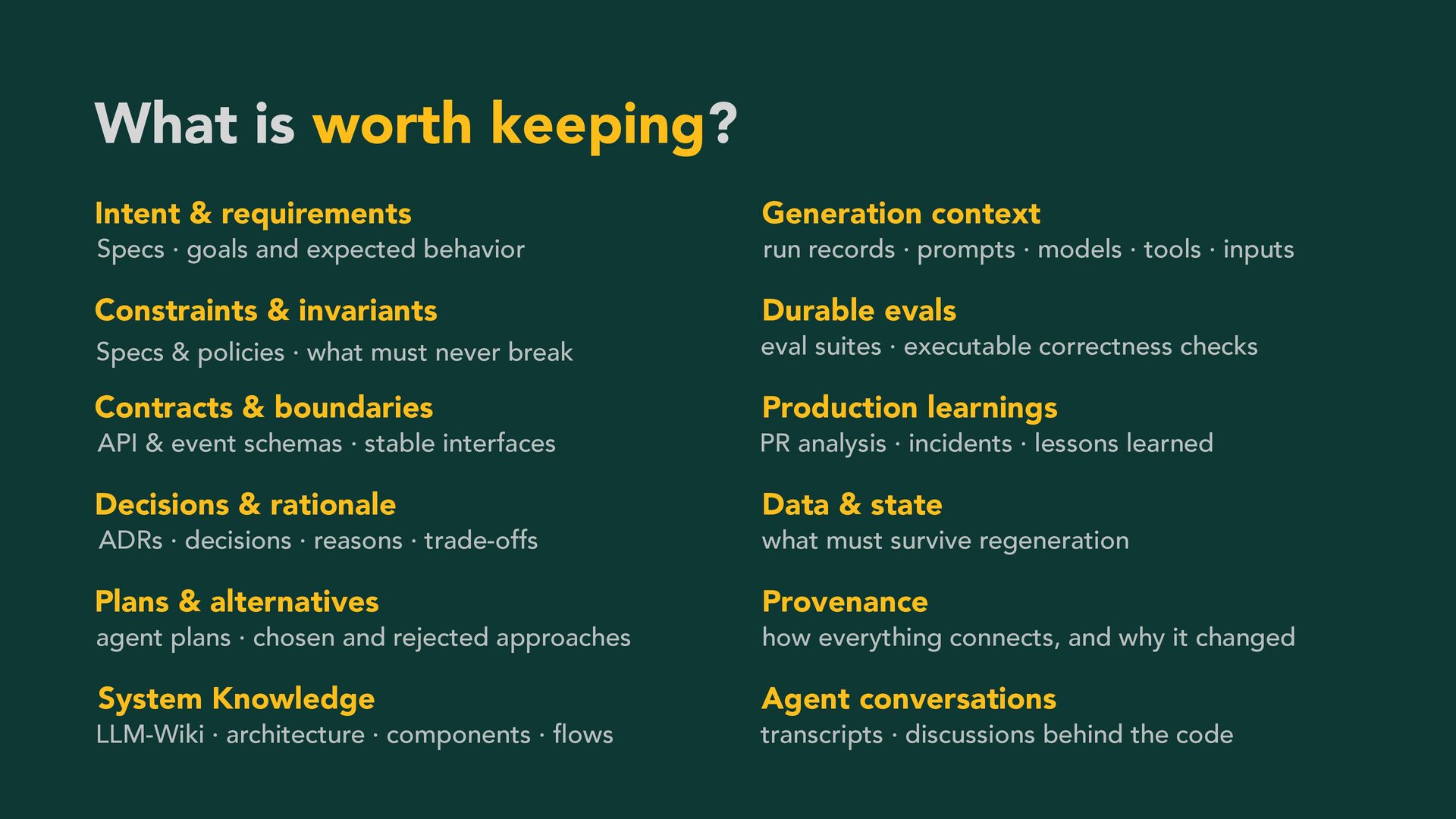
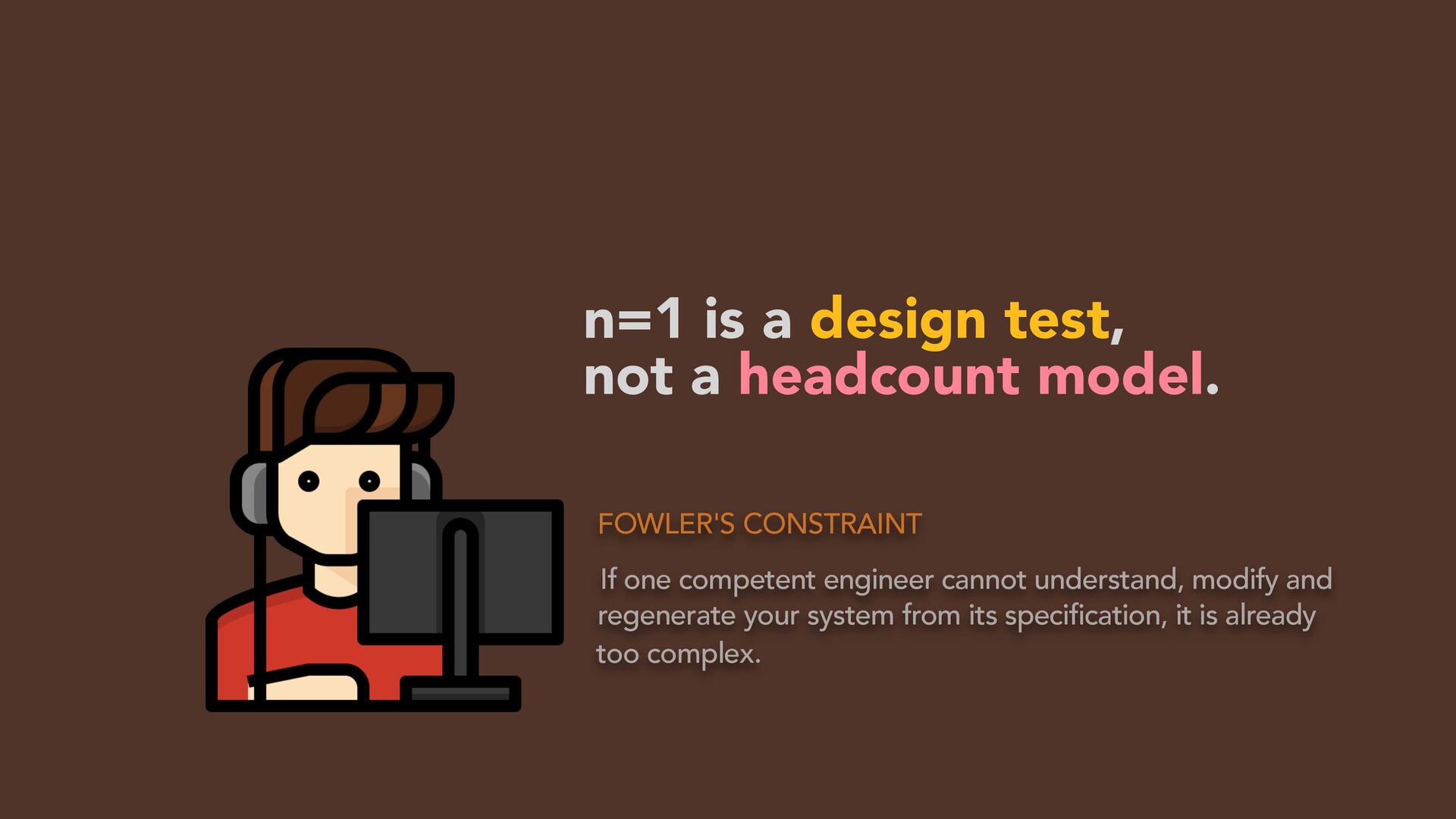
We’ll explore the emerging idea of regenerative software, where implementations can be deleted and rebuilt while the system's behavior, contracts, and guarantees survive. We'll examine why evaluations, architectural decisions, provenance, and institutional knowledge may become more valuable than the code itself.
This isn't about the death of programming. It's about rethinking what software engineering means when code is no longer the most valuable asset.
We spent decades learning how to write code worth keeping. Now we must learn how to build systems where code is safe to delete.


 lemiorhan
 sergeychernyshev
 gurzu
gurzu
 pedronauck
 stuffmc
 danielanewman
 baasie
 tamaranovitovic
 aleyda
 mza
mza
 axbom
axbom
 jonoalderson