Magdalena Matito Silvero September 2nd| 2024 Supervisor: Maria Sabater Lleal, Genomics of Complex Diseases Unit, Research Institute of Hospital Sant Pau Academic tutor: Mireia Olivella García, Faculty of Science, Technology, and Engineering, University of Vic – Central University of Catalonia
on activated partial thromboplastin time (aPTT) to uncover genetic factors influencing coagulation, using data from over 83,000 individuals from the CHARGE and TOPMED Consortia.
coagulation test that assesses the clotting time from the activation of factor XII to the formation of a stable fibrin clot. Clinically, aPTT test is used to detect deficiencies in coagulation factors: kininogen, prekallikrein, factors XII, XI, IX, VIII, X, V, prothrombin, and fibrinogen. Useful in the recognition of hemophilia and the hemophilioid states and less common disorders of hemostasis: von Willebrand disease, screening heparin therapy, venous thromboembolism (VTE).
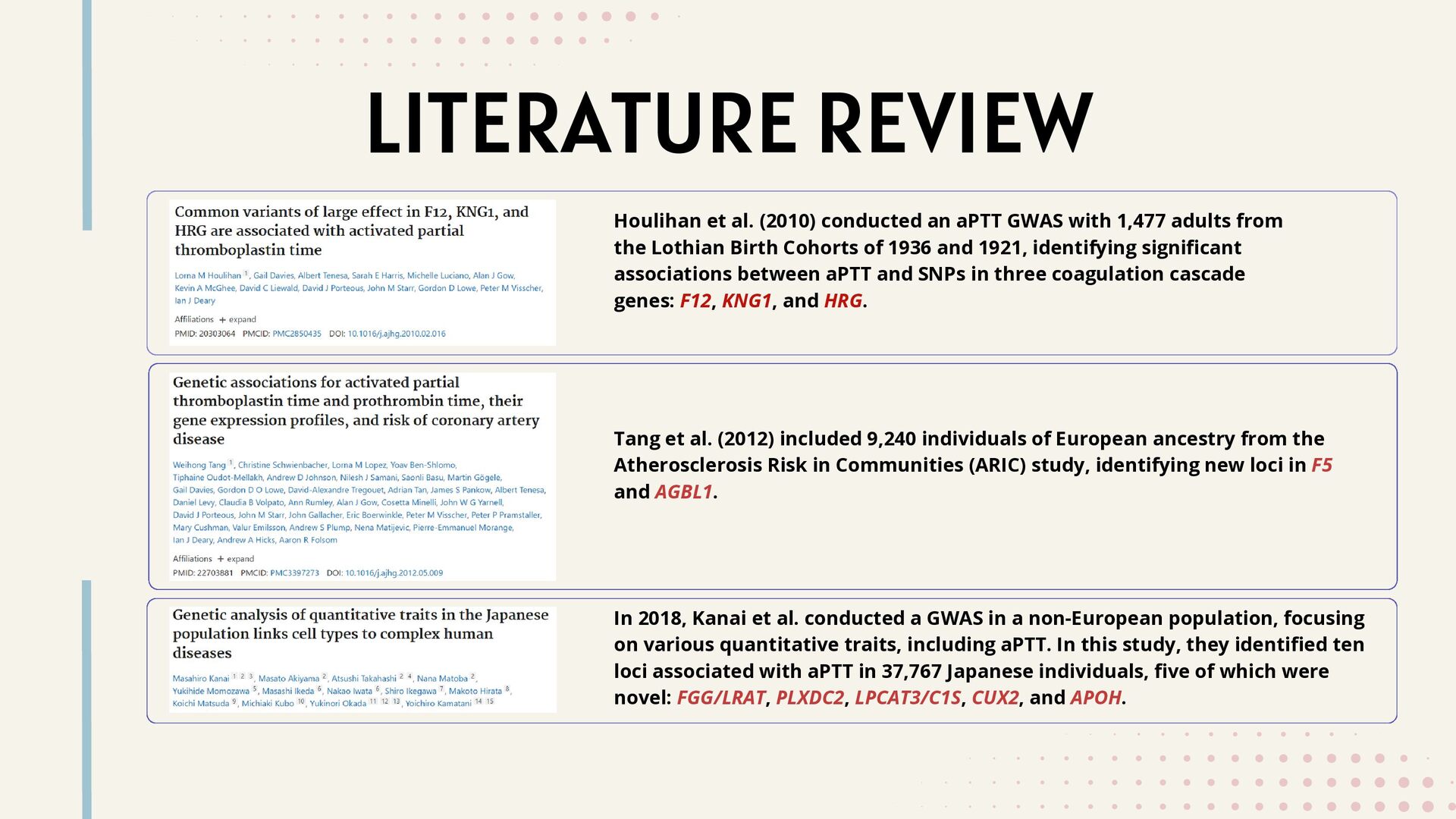
with 1,477 adults from the Lothian Birth Cohorts of 1936 and 1921, identifying significant associations between aPTT and SNPs in three coagulation cascade genes: F12, KNG1, and HRG. Tang et al. (2012) included 9,240 individuals of European ancestry from the Atherosclerosis Risk in Communities (ARIC) study, identifying new loci in F5 and AGBL1. In 2018, Kanai et al. conducted a GWAS in a non-European population, focusing on various quantitative traits, including aPTT. In this study, they identified ten loci associated with aPTT in 37,767 Japanese individuals, five of which were novel: FGG/LRAT, PLXDC2, LPCAT3/C1S, CUX2, and APOH.
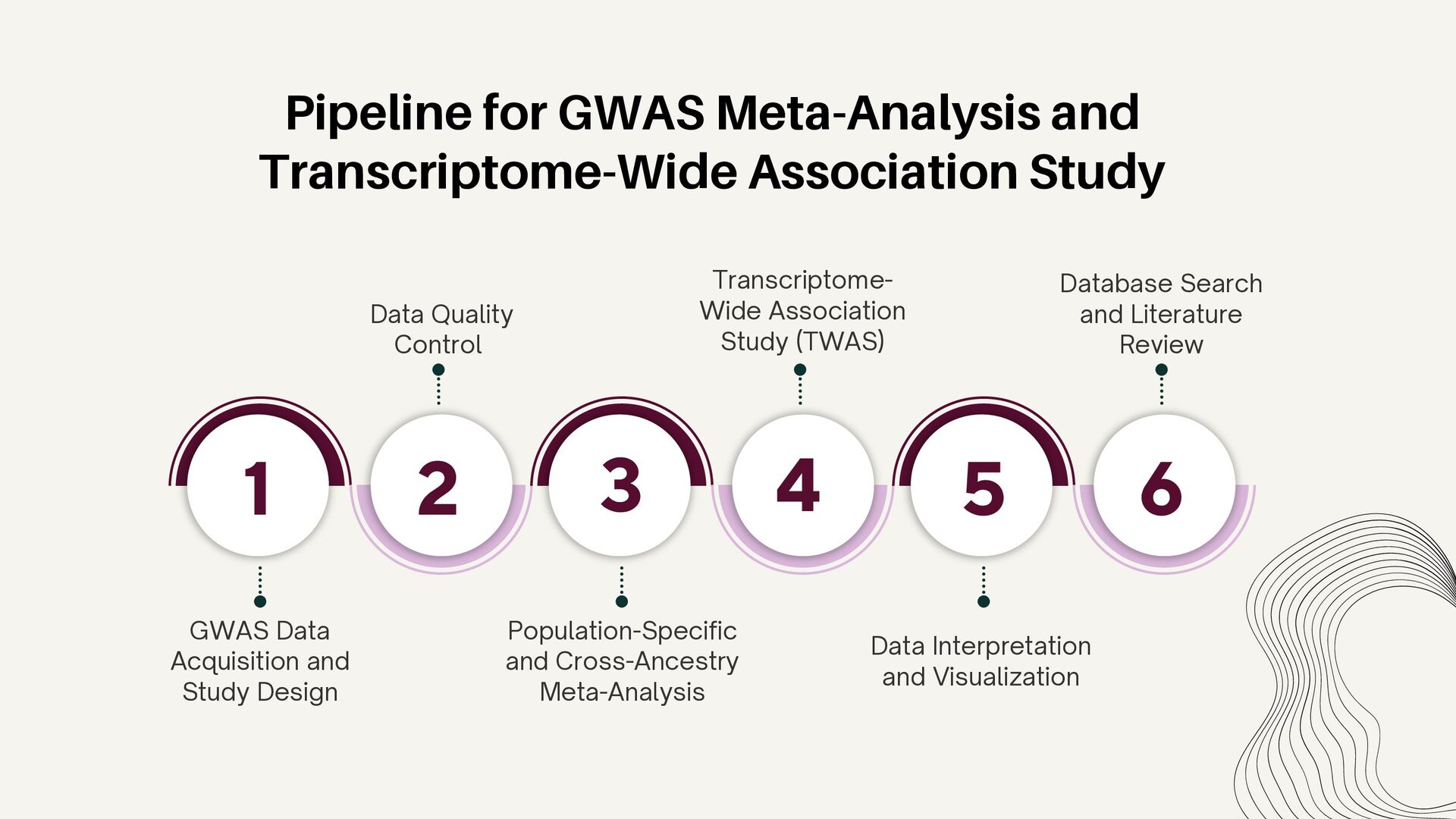
Acquisition and Study Design Data Quality Control Population-Specific and Cross-Ancestry Meta-Analysis Transcriptome- Wide Association Study (TWAS) Data Interpretation and Visualization Database Search and Literature Review 1 2 3 4 5 6
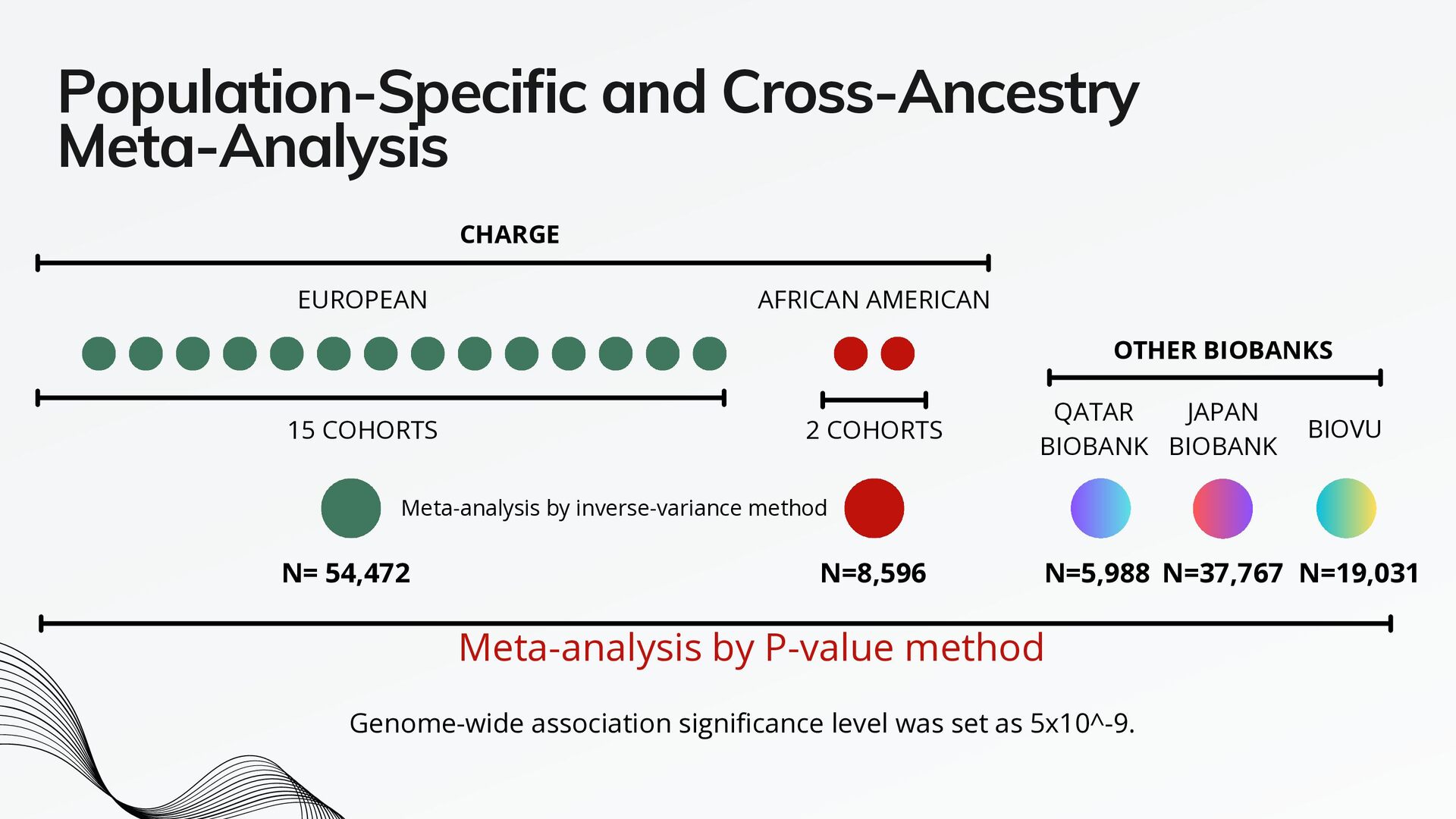
JAPAN BIOBANK BIOVU OTHER BIOBANKS N=5,988 N=37,767 N=19,031 N= 54,472 N=8,596 Meta-analysis by P-value method Meta-analysis by inverse-variance method Population-Specific and Cross-Ancestry Meta-Analysis Genome-wide association significance level was set as 5x10^-9.
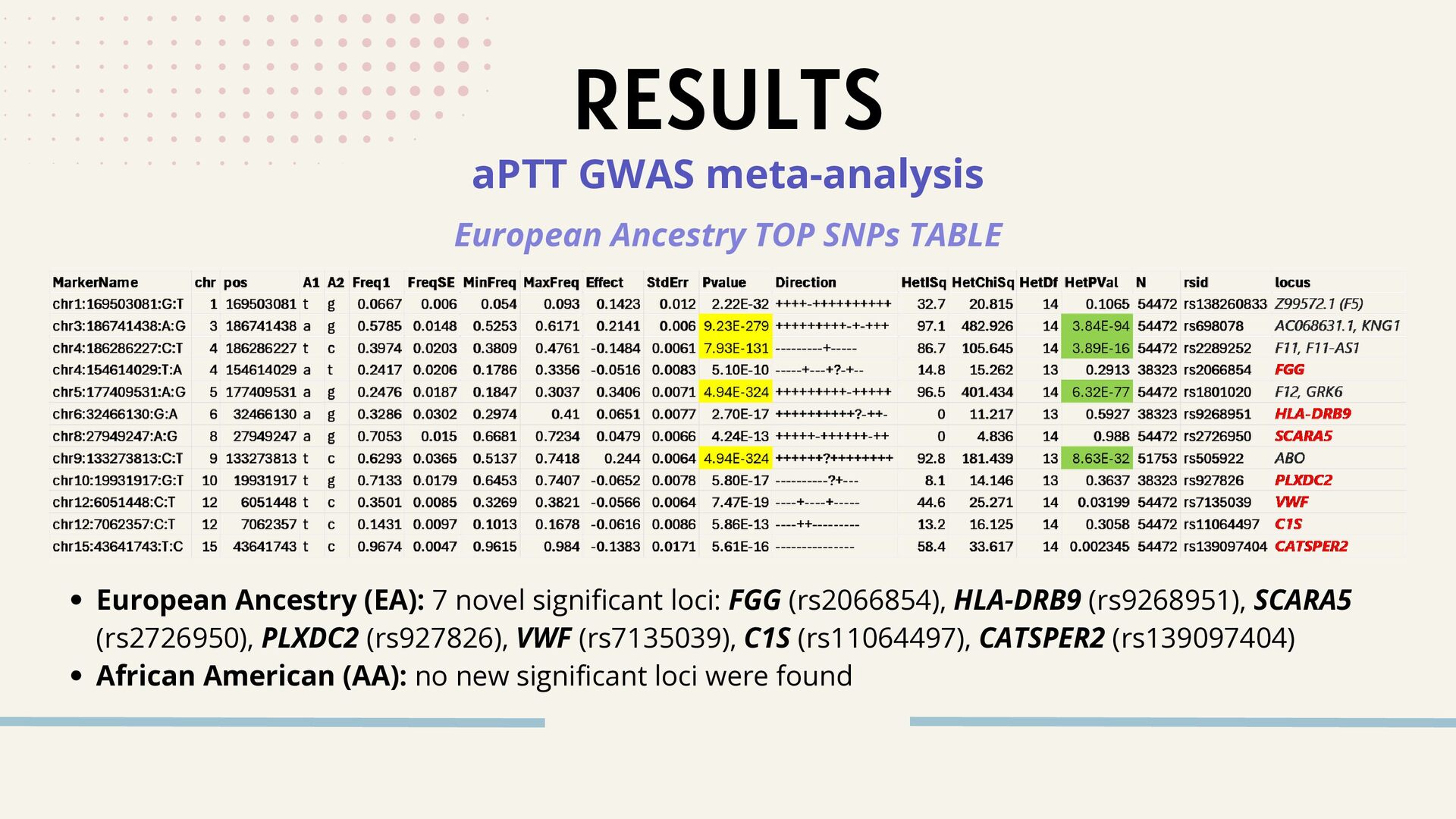
Ancestry (EA): 7 novel significant loci: FGG (rs2066854), HLA-DRB9 (rs9268951), SCARA5 (rs2726950), PLXDC2 (rs927826), VWF (rs7135039), C1S (rs11064497), CATSPER2 (rs139097404) African American (AA): no new significant loci were found
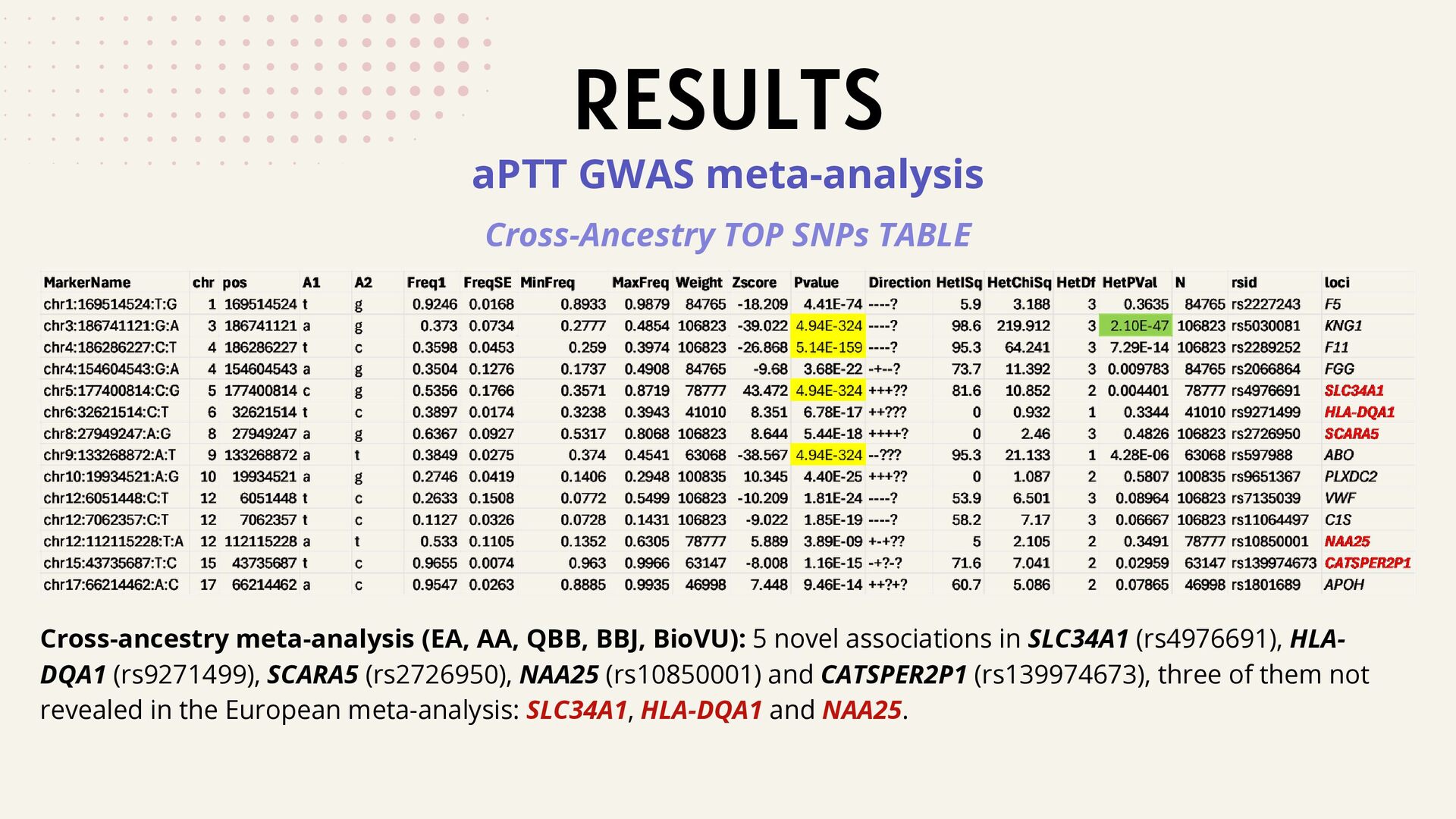
(EA, AA, QBB, BBJ, BioVU): 5 novel associations in SLC34A1 (rs4976691), HLA- DQA1 (rs9271499), SCARA5 (rs2726950), NAA25 (rs10850001) and CATSPER2P1 (rs139974673), three of them not revealed in the European meta-analysis: SLC34A1, HLA-DQA1 and NAA25.
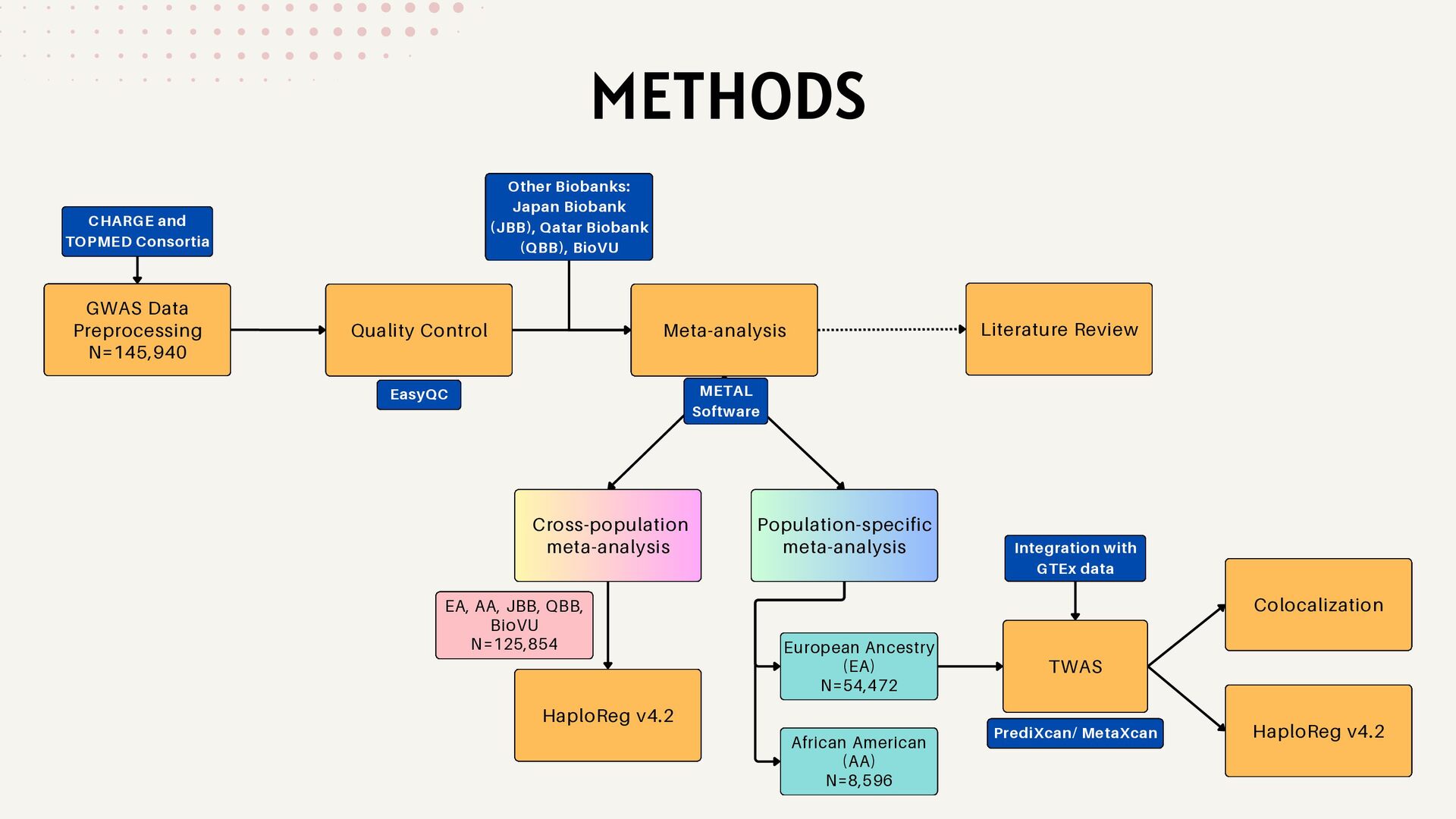
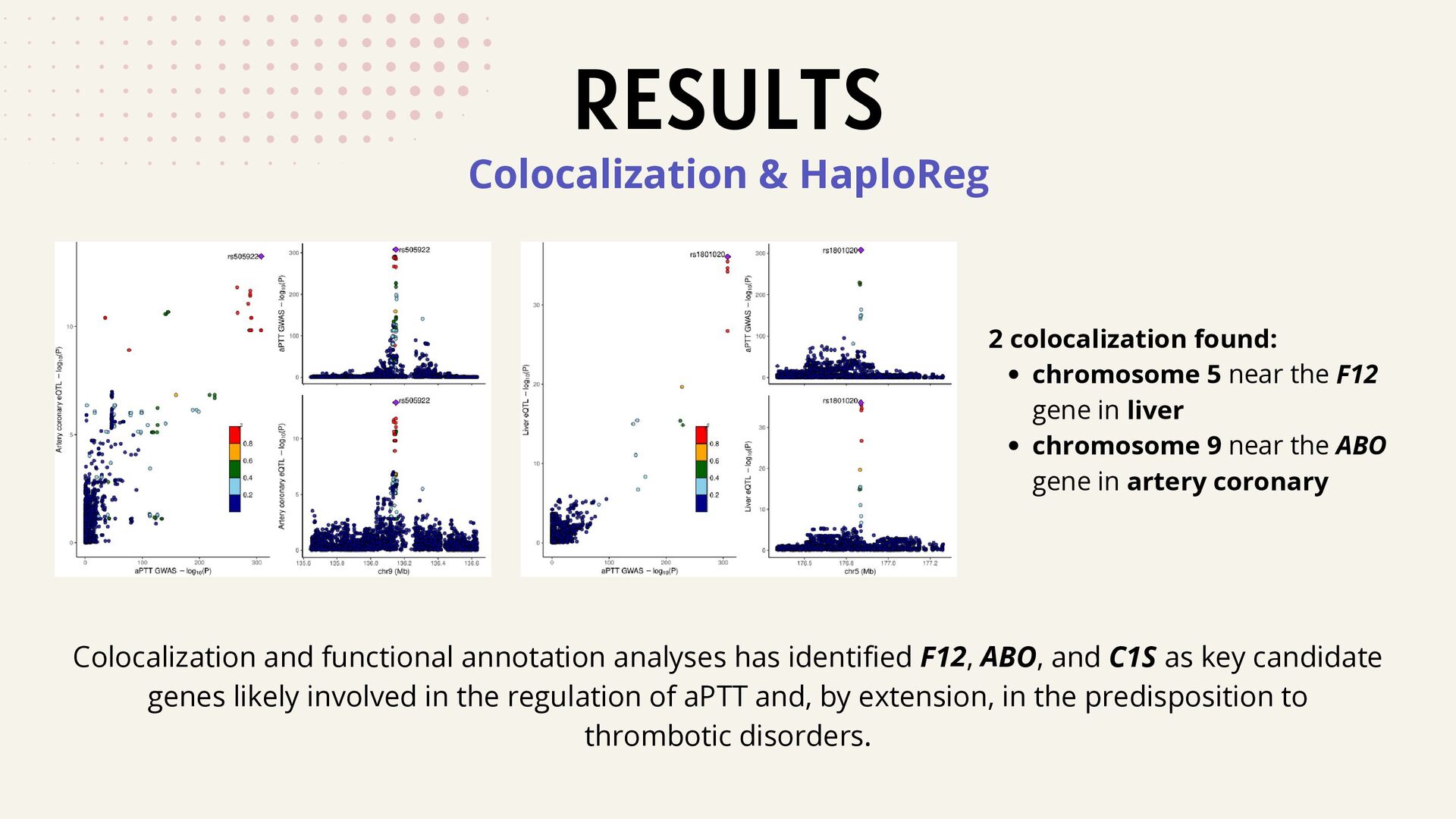
the F12 gene in liver chromosome 9 near the ABO gene in artery coronary Colocalization and functional annotation analyses has identified F12, ABO, and C1S as key candidate genes likely involved in the regulation of aPTT and, by extension, in the predisposition to thrombotic disorders.
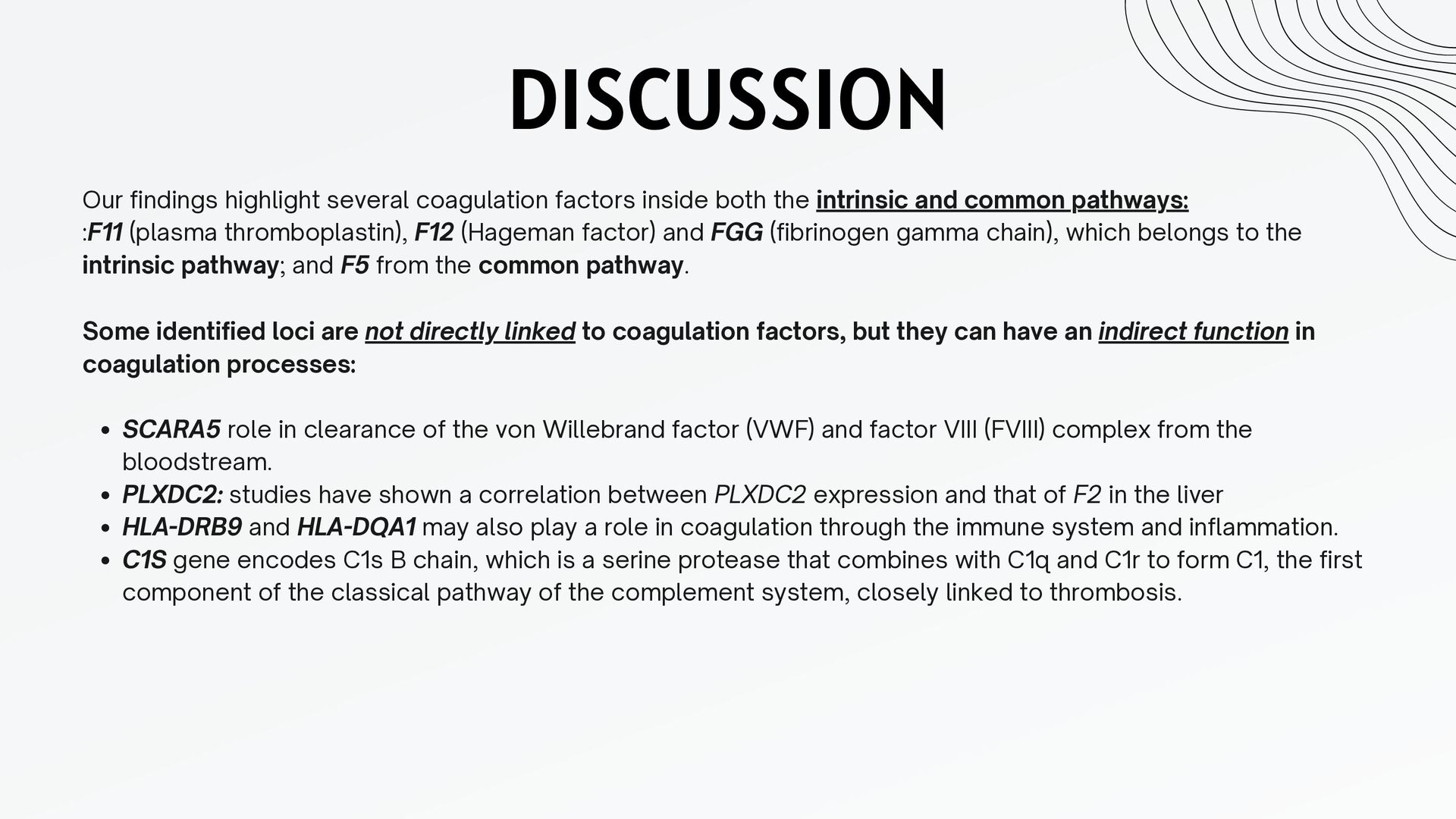
and common pathways: :F11 (plasma thromboplastin), F12 (Hageman factor) and FGG (fibrinogen gamma chain), which belongs to the intrinsic pathway; and F5 from the common pathway. Some identified loci are not directly linked to coagulation factors, but they can have an indirect function in coagulation processes: SCARA5 role in clearance of the von Willebrand factor (VWF) and factor VIII (FVIII) complex from the bloodstream. PLXDC2: studies have shown a correlation between PLXDC2 expression and that of F2 in the liver HLA-DRB9 and HLA-DQA1 may also play a role in coagulation through the immune system and inflammation. C1S gene encodes C1s B chain, which is a serine protease that combines with C1q and C1r to form C1, the first component of the classical pathway of the complement system, closely linked to thrombosis. DISCUSSION
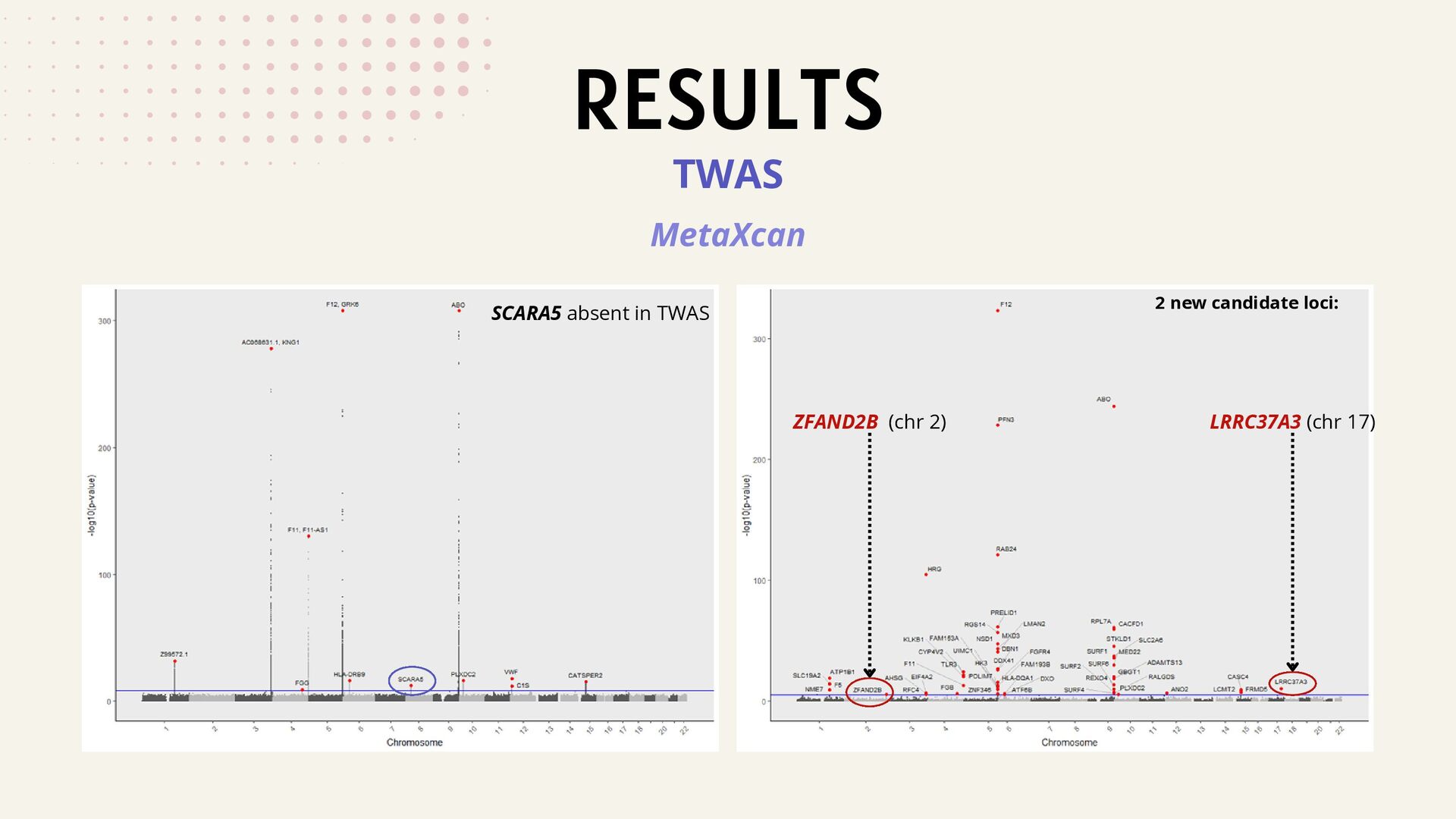
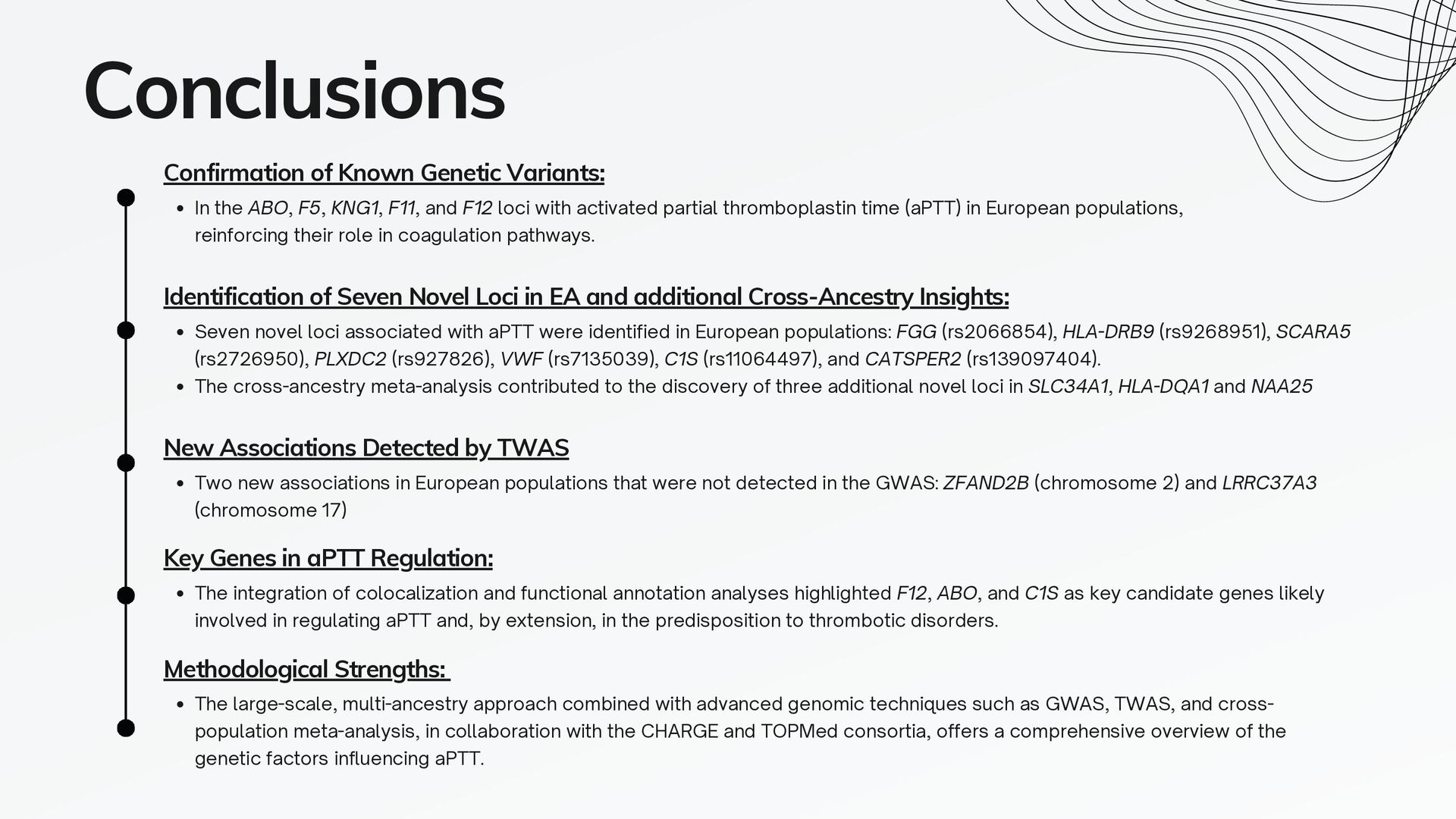
F11, and F12 loci with activated partial thromboplastin time (aPTT) in European populations, reinforcing their role in coagulation pathways. Conclusions Identification of Seven Novel Loci in EA and additional Cross-Ancestry Insights: Seven novel loci associated with aPTT were identified in European populations: FGG (rs2066854), HLA-DRB9 (rs9268951), SCARA5 (rs2726950), PLXDC2 (rs927826), VWF (rs7135039), C1S (rs11064497), and CATSPER2 (rs139097404). The cross-ancestry meta-analysis contributed to the discovery of three additional novel loci in SLC34A1, HLA-DQA1 and NAA25 New Associations Detected by TWAS Two new associations in European populations that were not detected in the GWAS: ZFAND2B (chromosome 2) and LRRC37A3 (chromosome 17) Key Genes in aPTT Regulation: The integration of colocalization and functional annotation analyses highlighted F12, ABO, and C1S as key candidate genes likely involved in regulating aPTT and, by extension, in the predisposition to thrombotic disorders. Methodological Strengths: The large-scale, multi-ancestry approach combined with advanced genomic techniques such as GWAS, TWAS, and cross- population meta-analysis, in collaboration with the CHARGE and TOPMed consortia, offers a comprehensive overview of the genetic factors influencing aPTT.


 magdasmat1
 mickey_0226
 institutdelelevage
 kinoue_smarthr
 rikkabotan7
 polipoli
 reokashiwa
 junkashihara
 takasehideki
 kobayashi31
 junkurihara
 palkan
 thekraken
 aleyda
 frankvandijk
 reverentgeek
 addyosmani
 kneath
 jakevdp
 rasmusluckow
 tessaabrams
 baasie