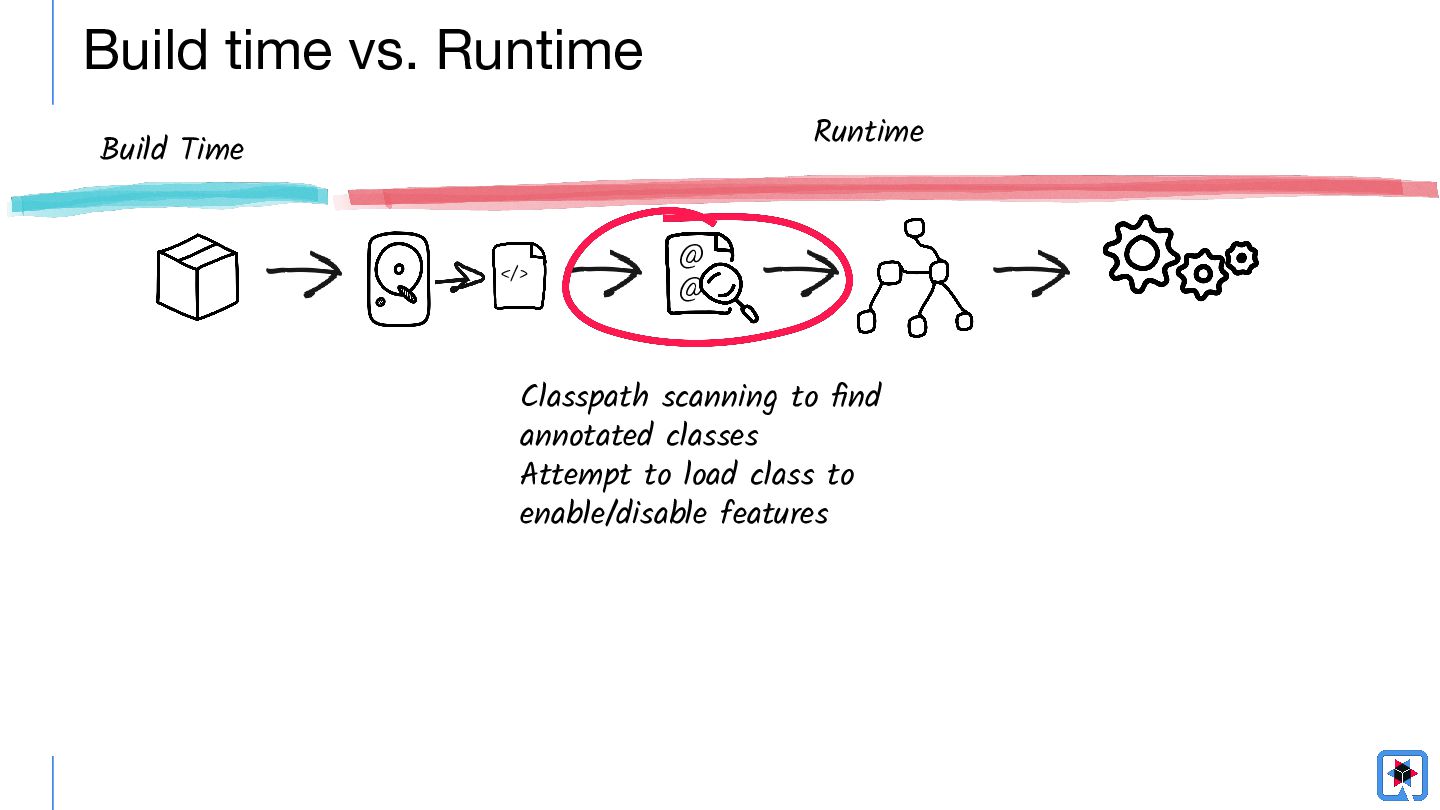
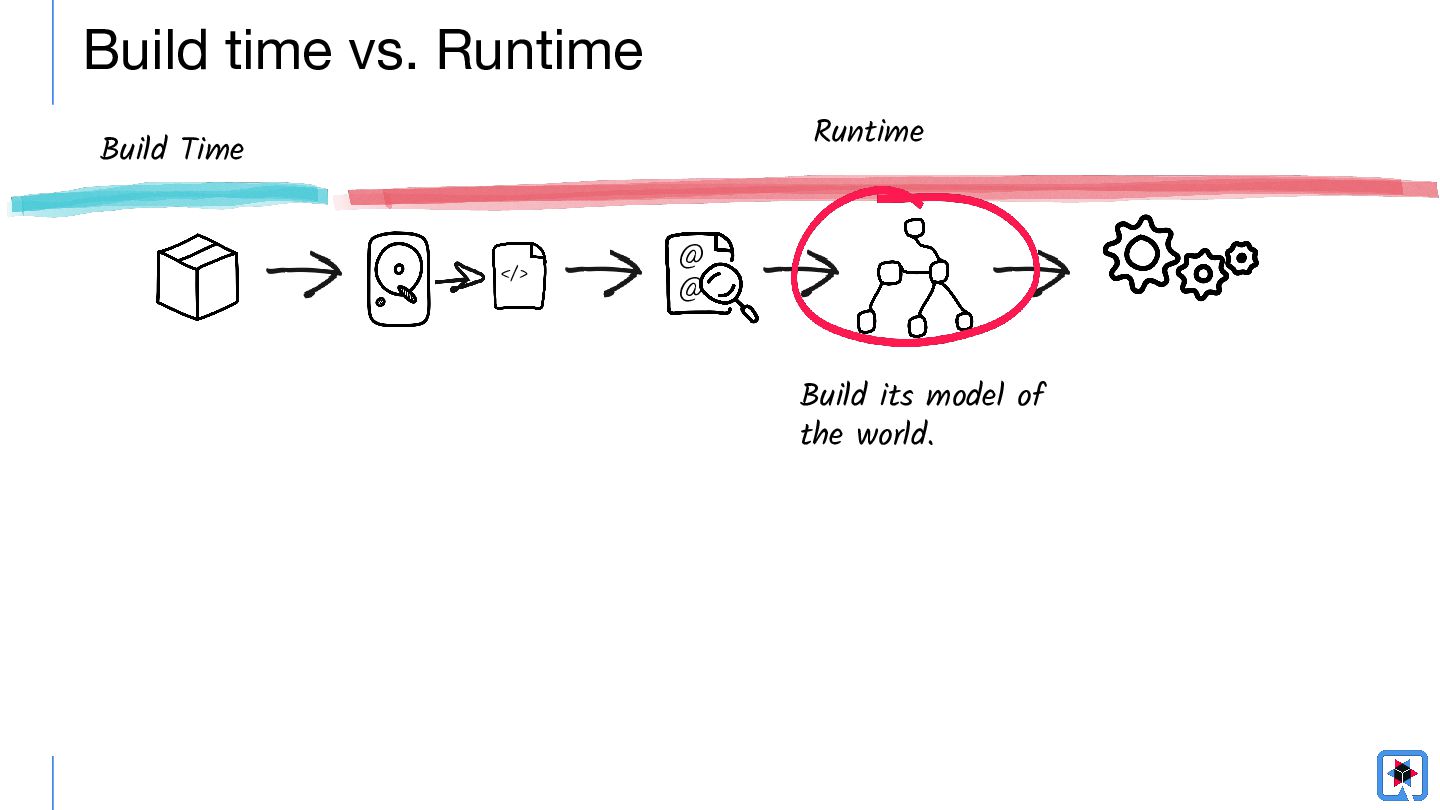
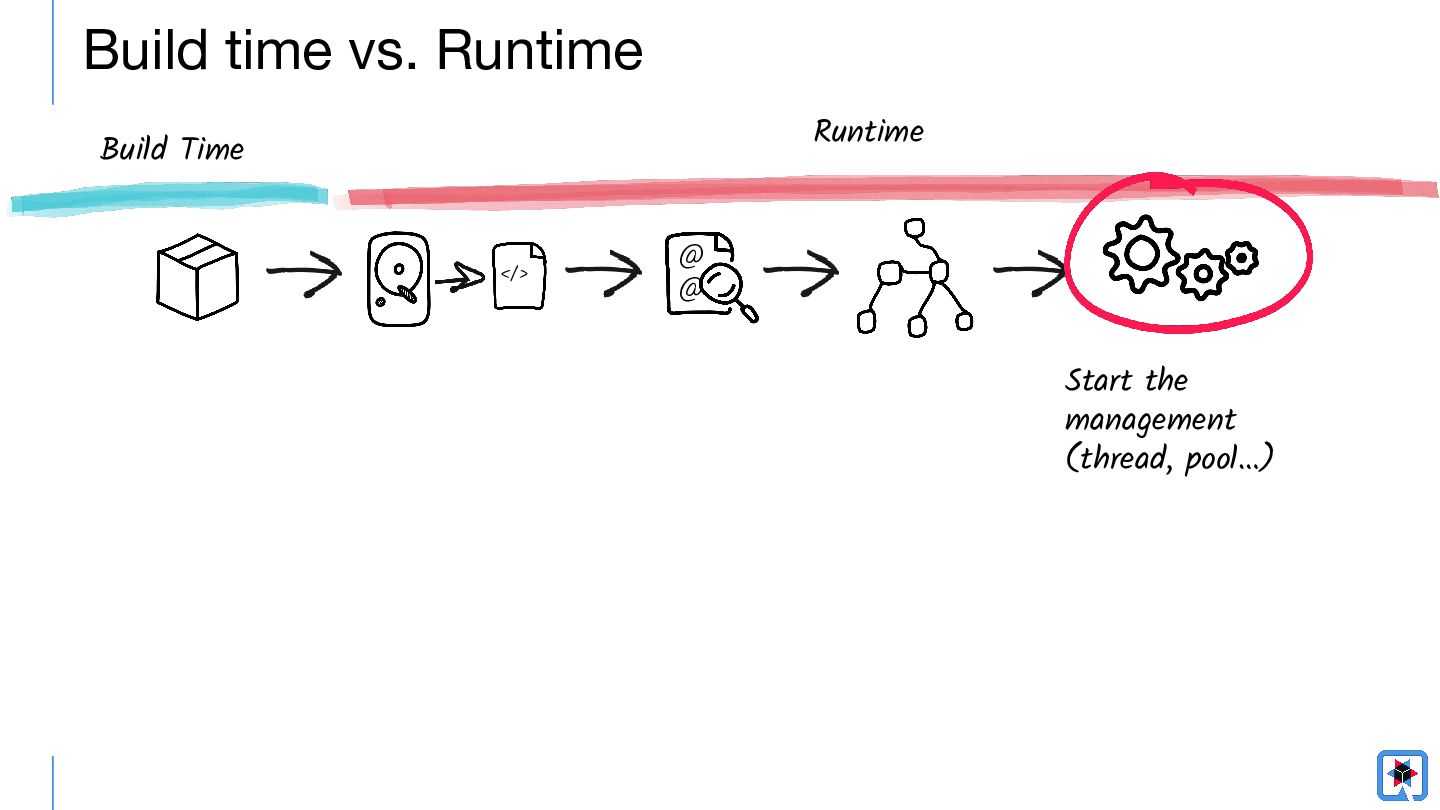
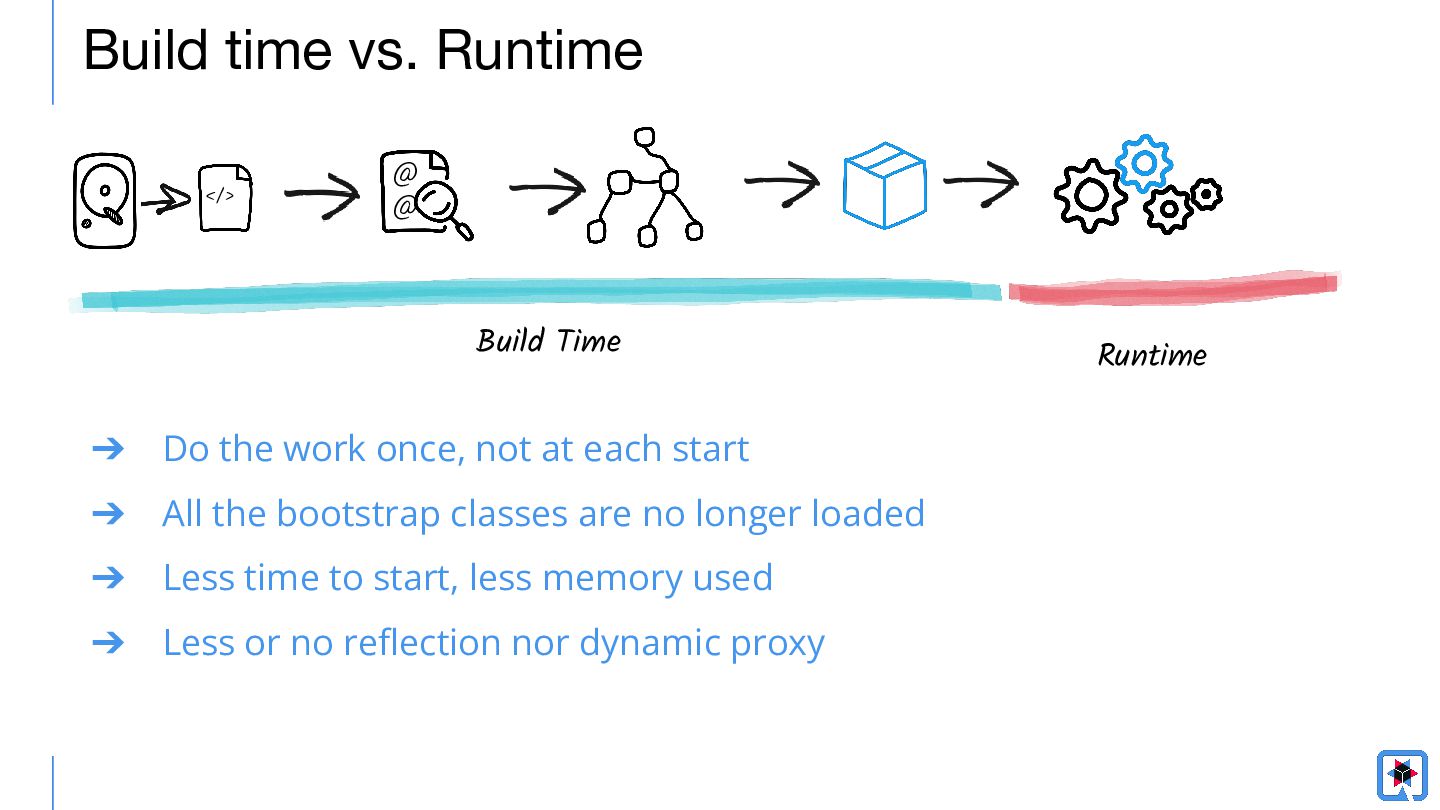
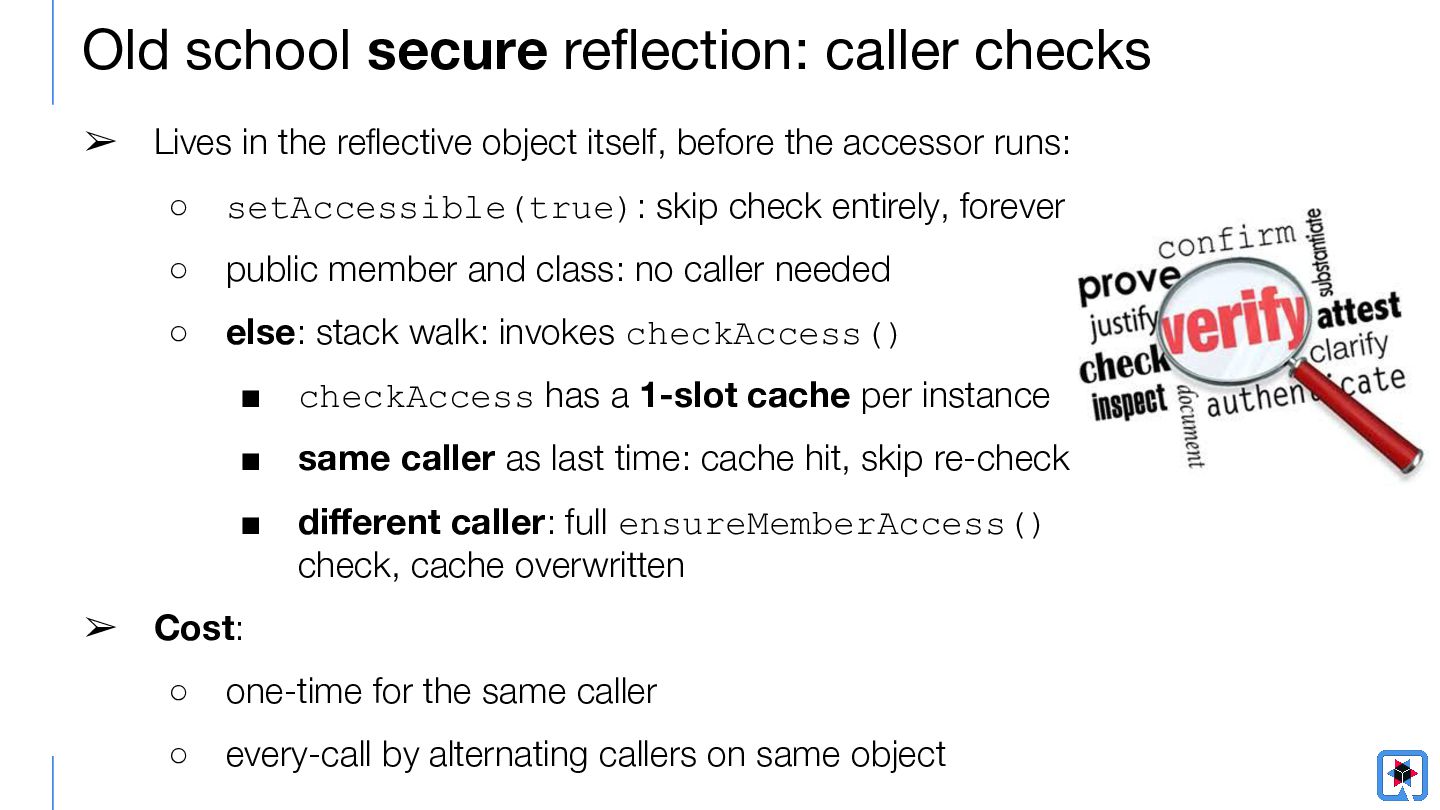
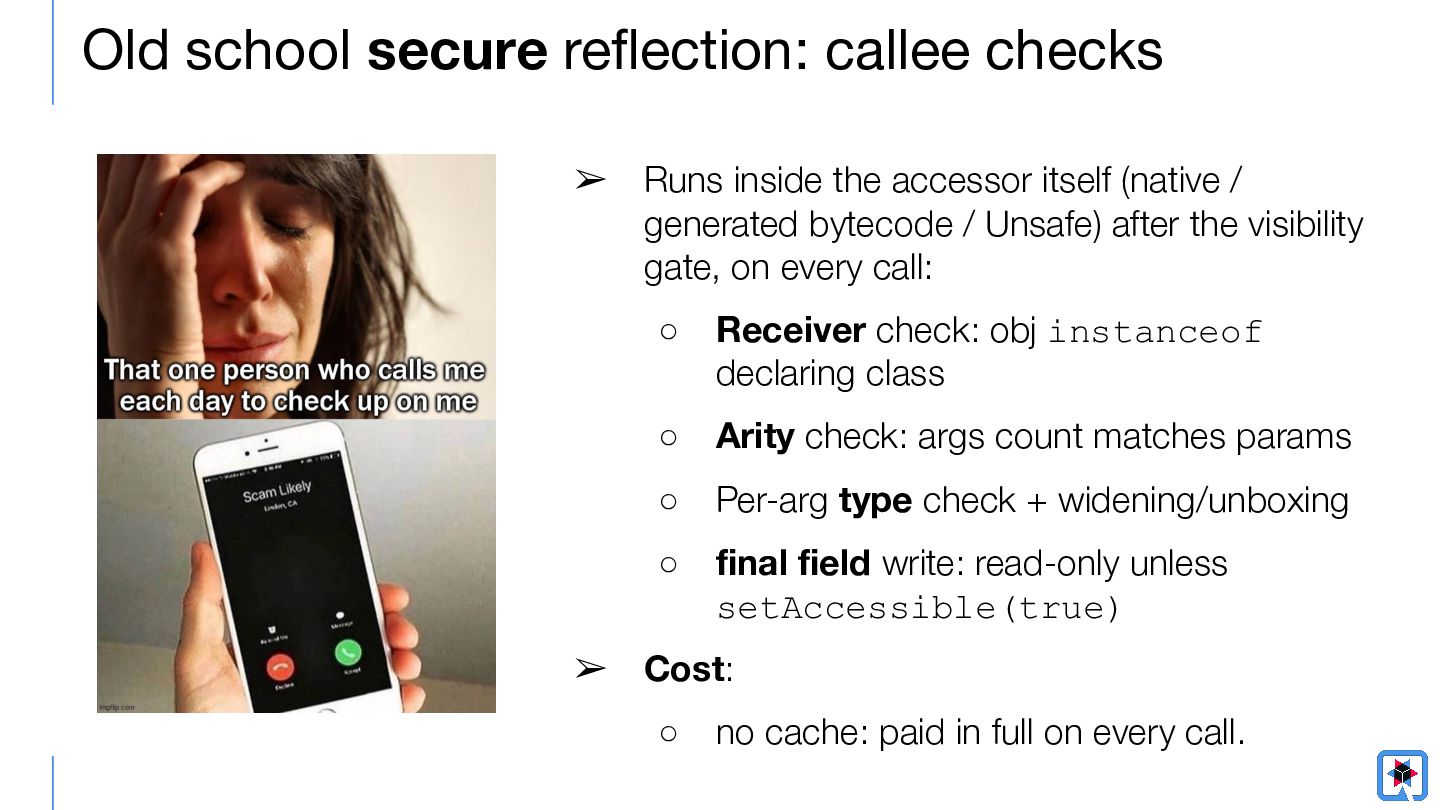
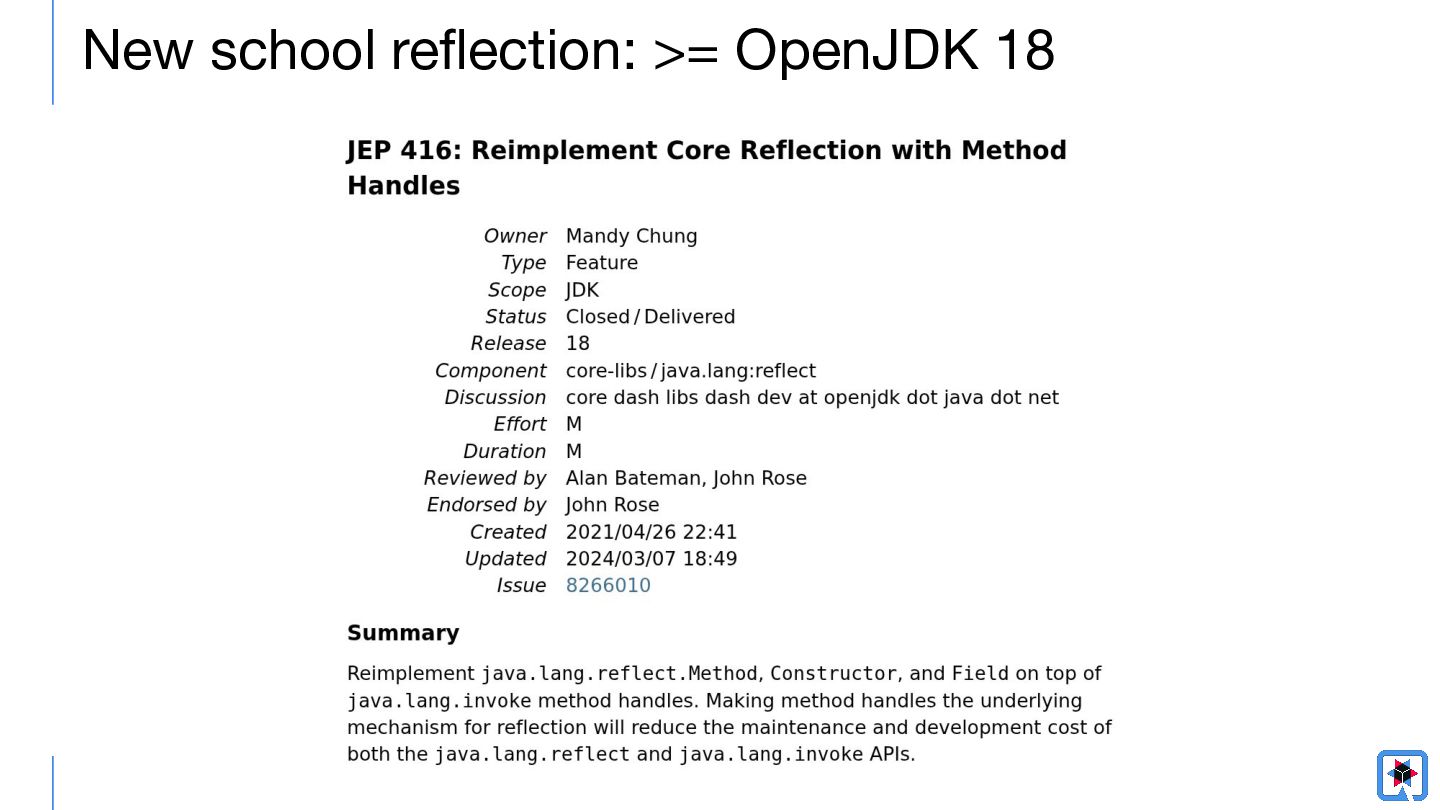
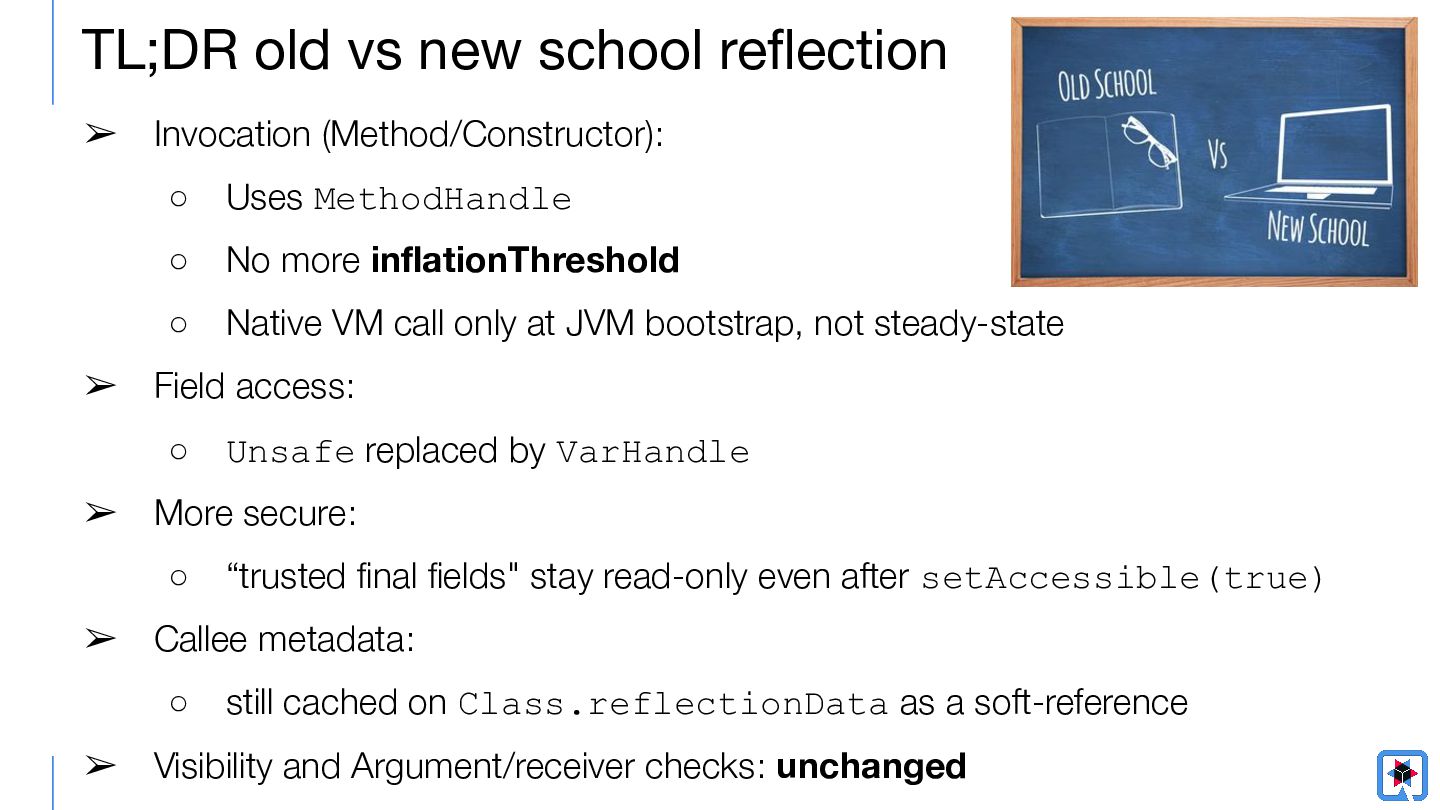
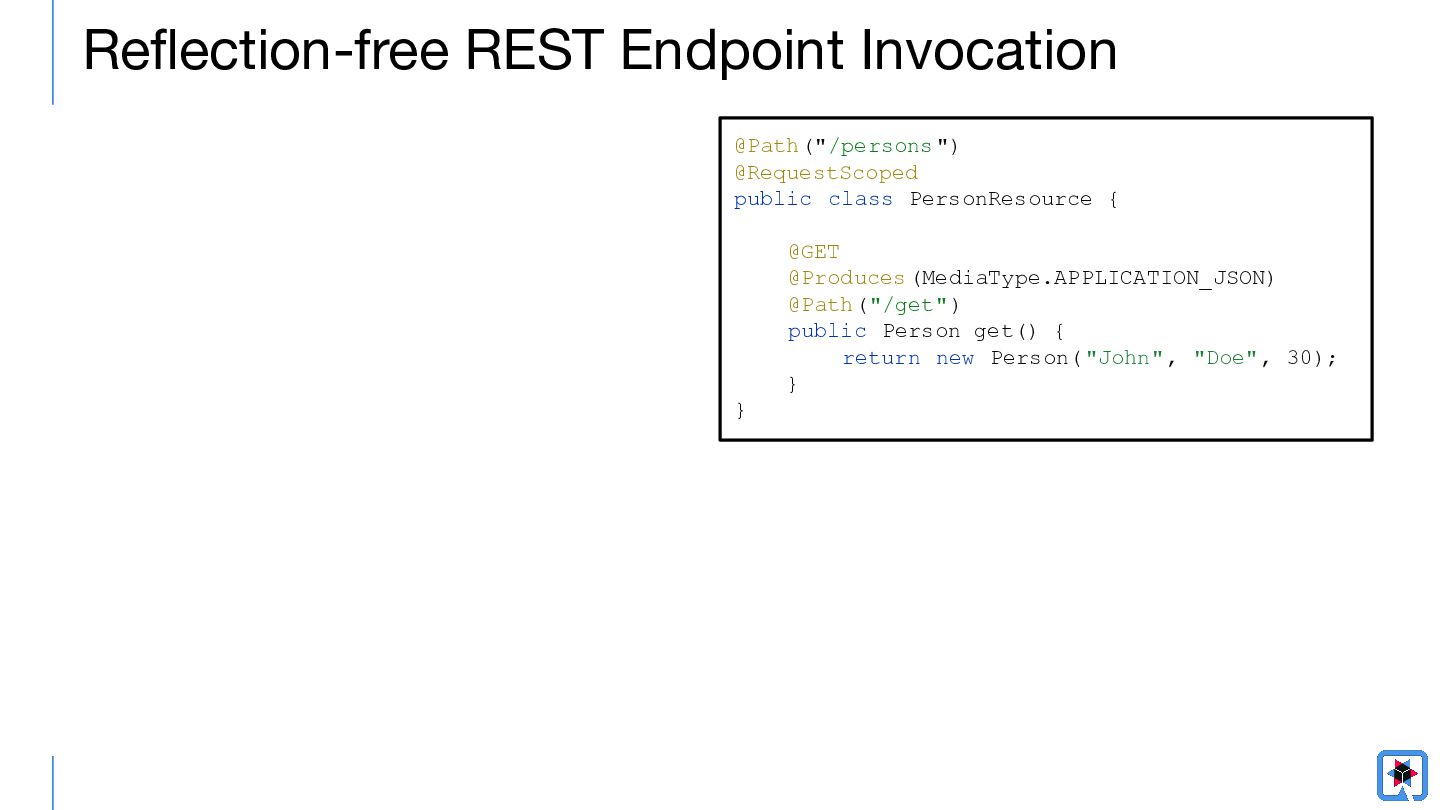
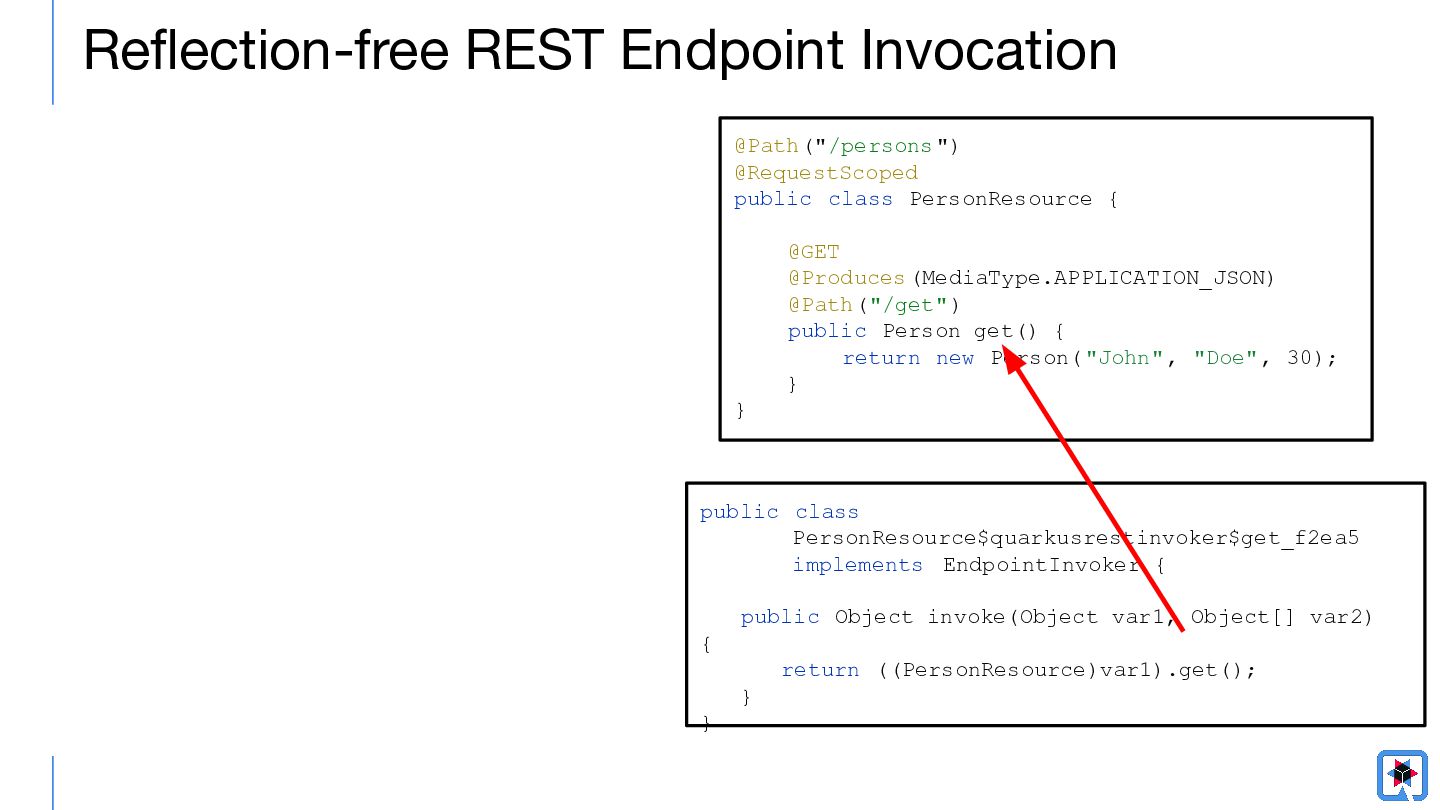
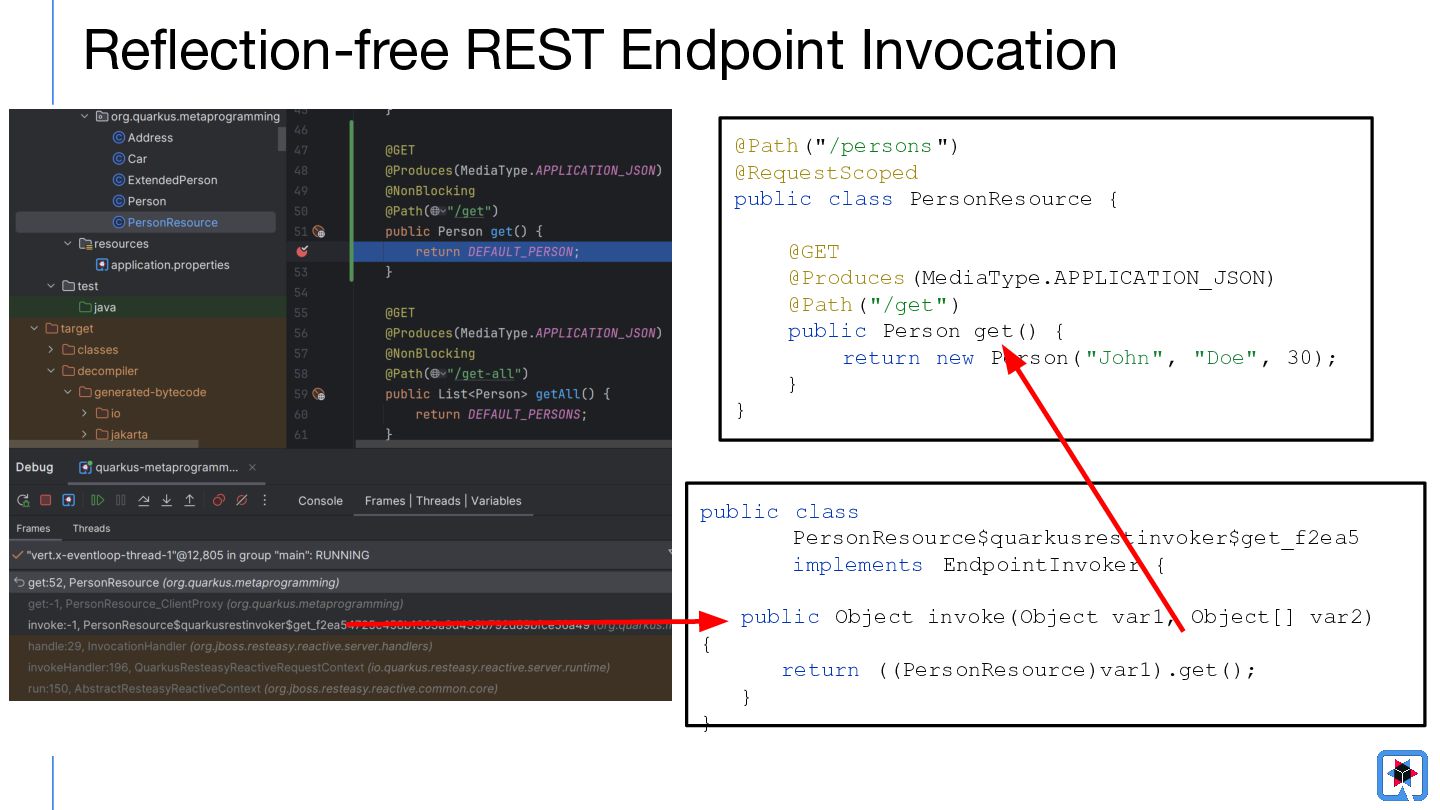
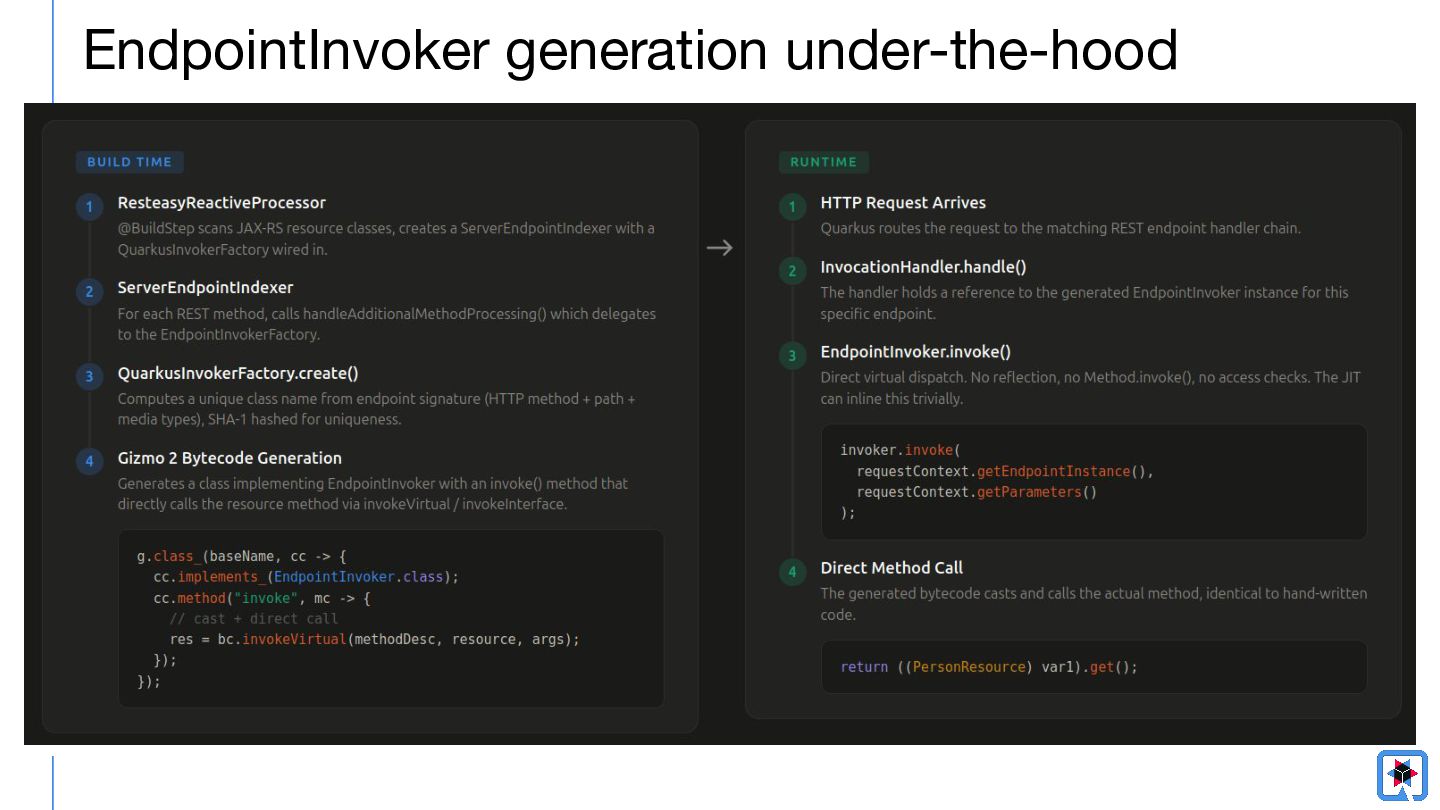
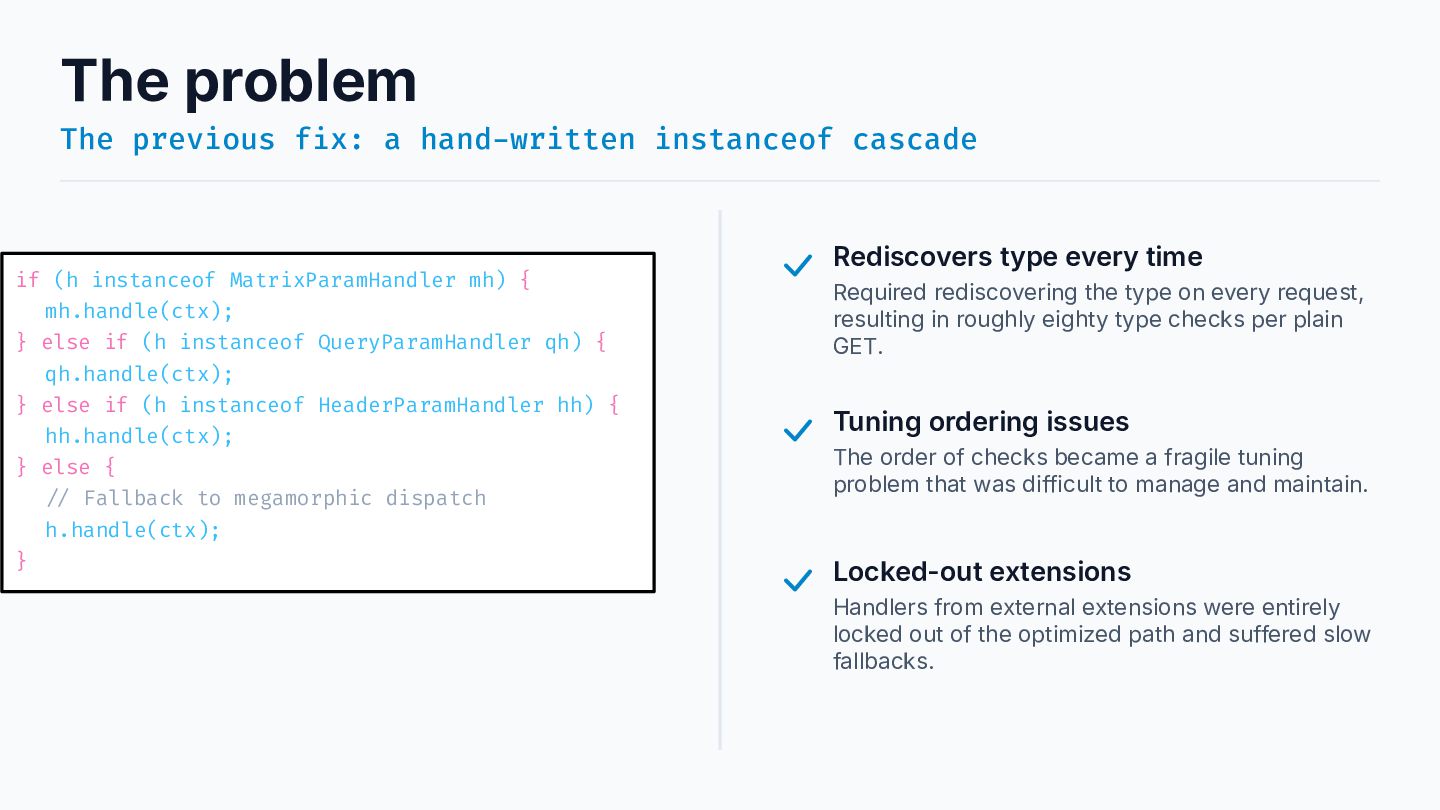
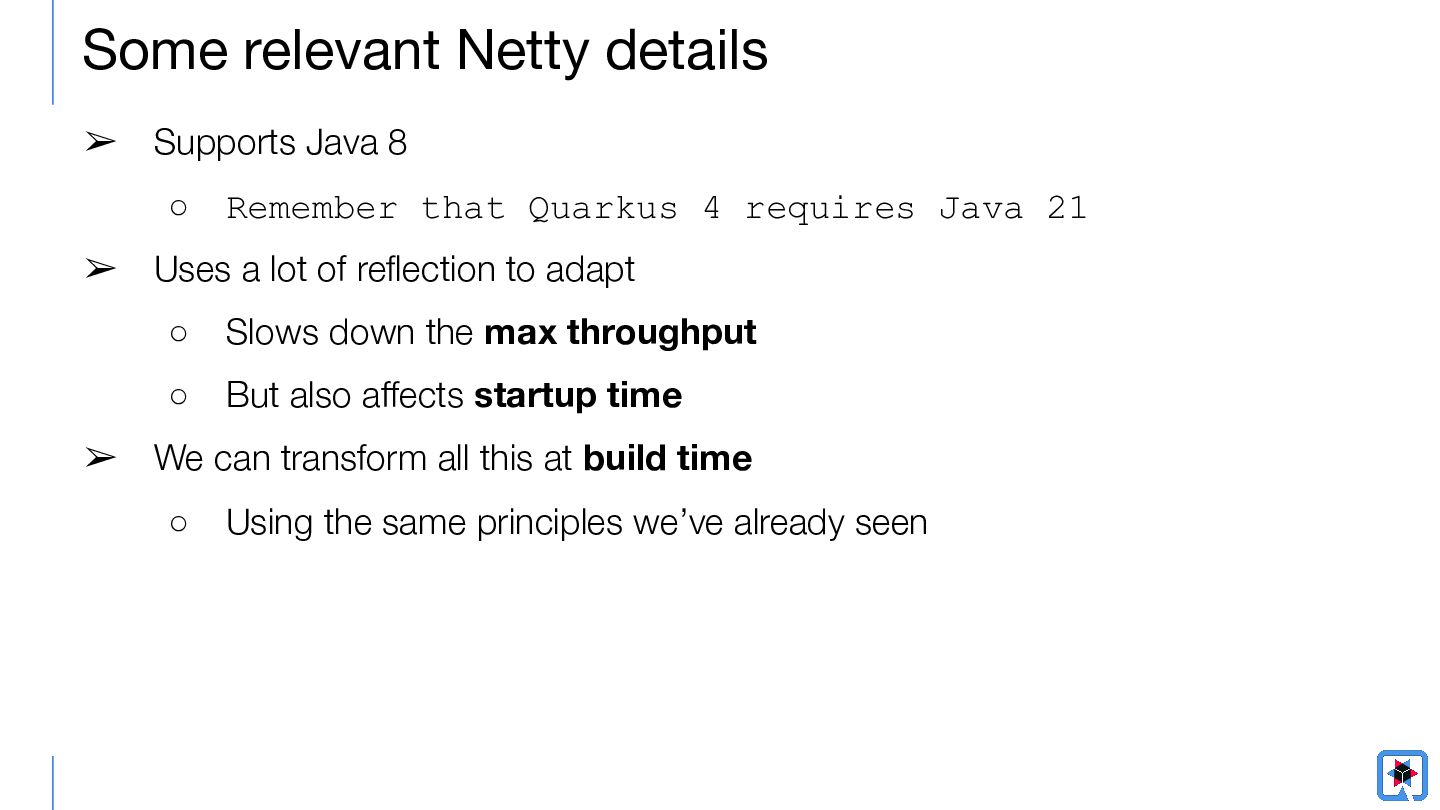
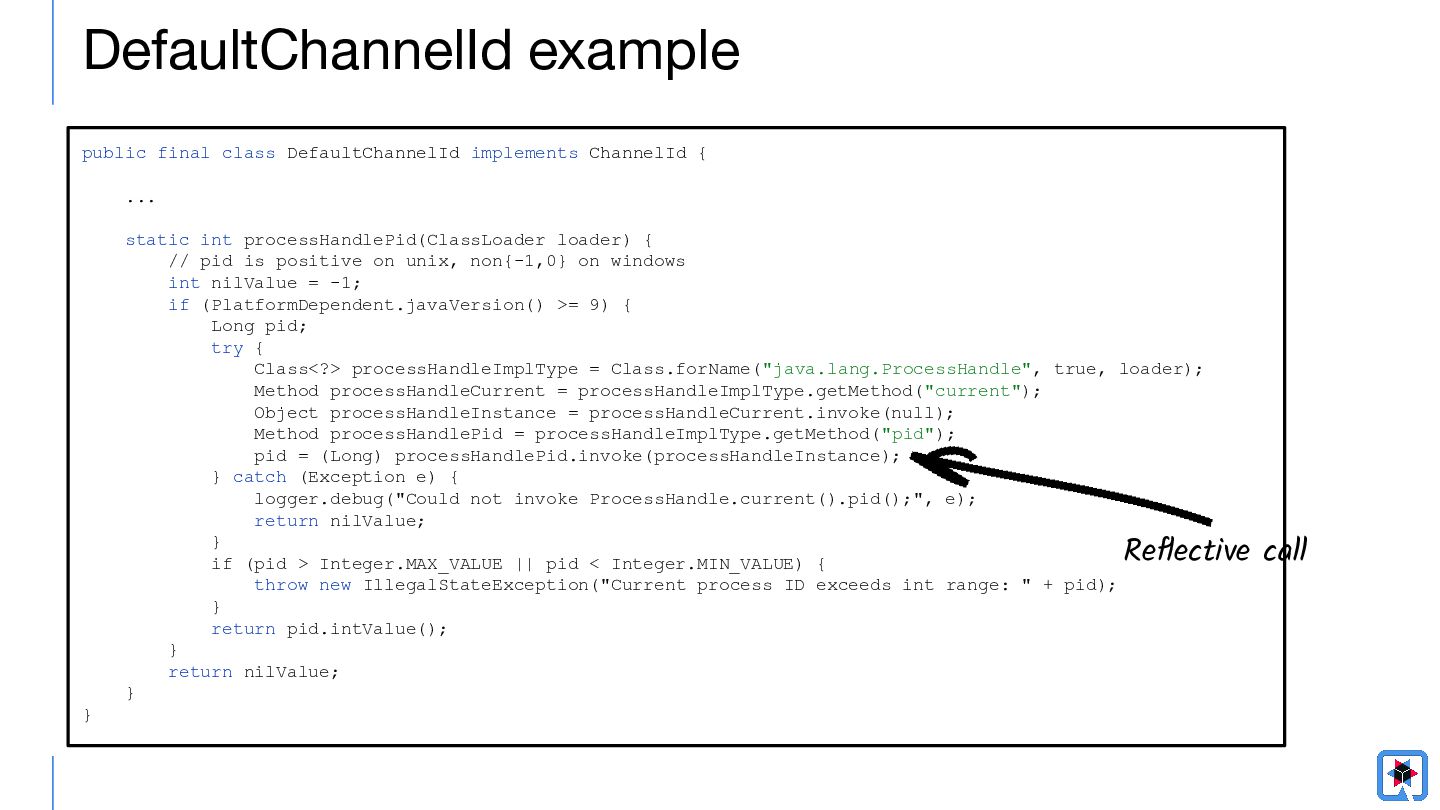
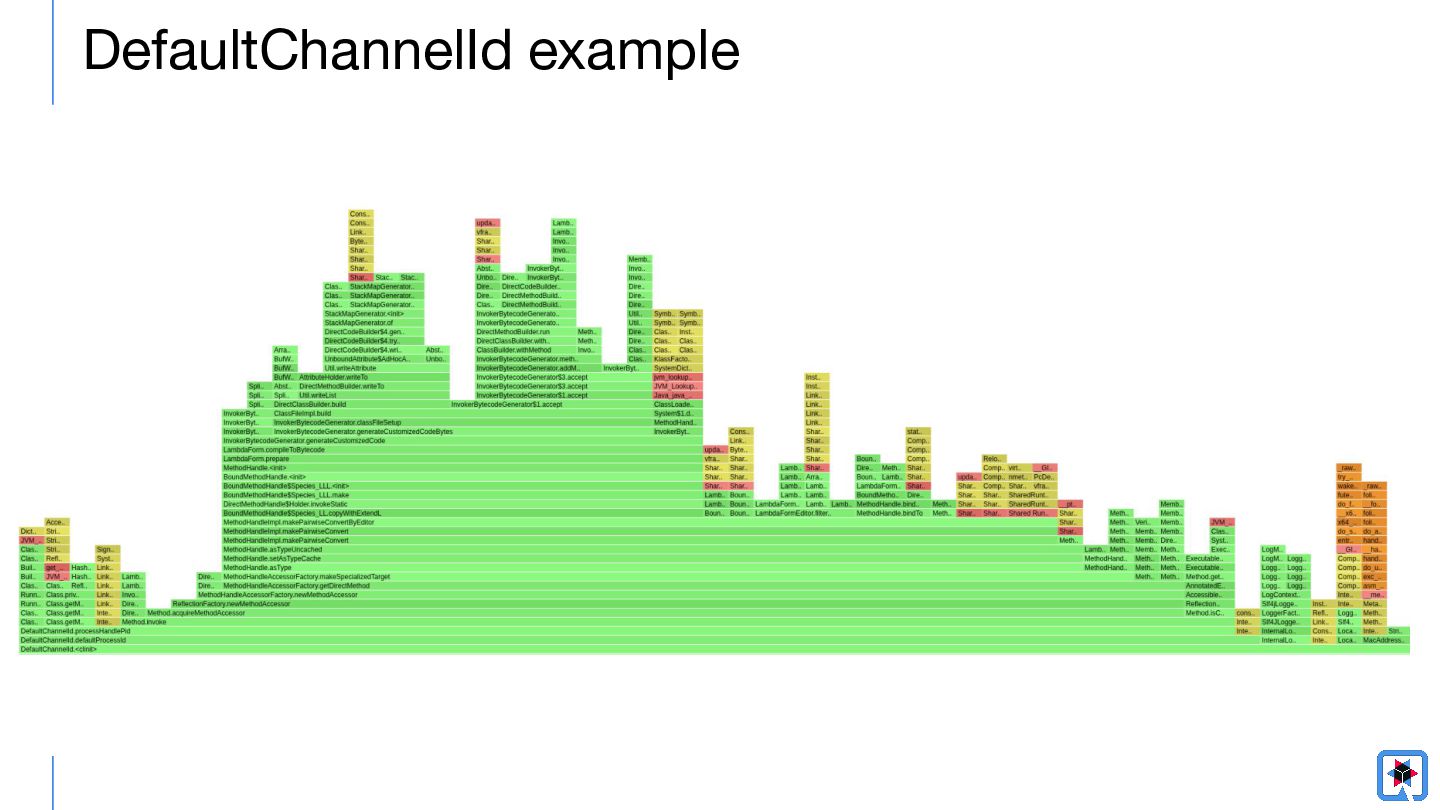
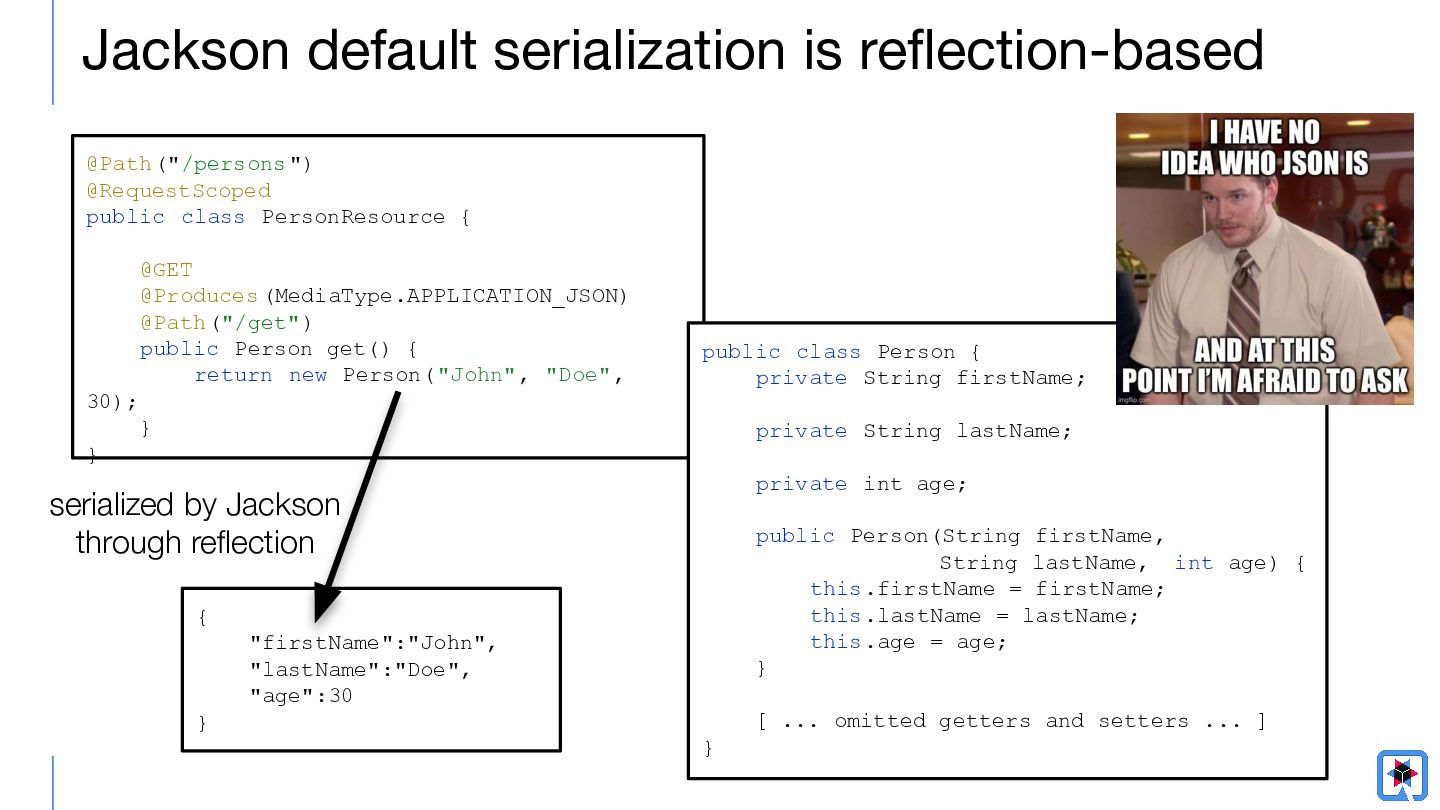
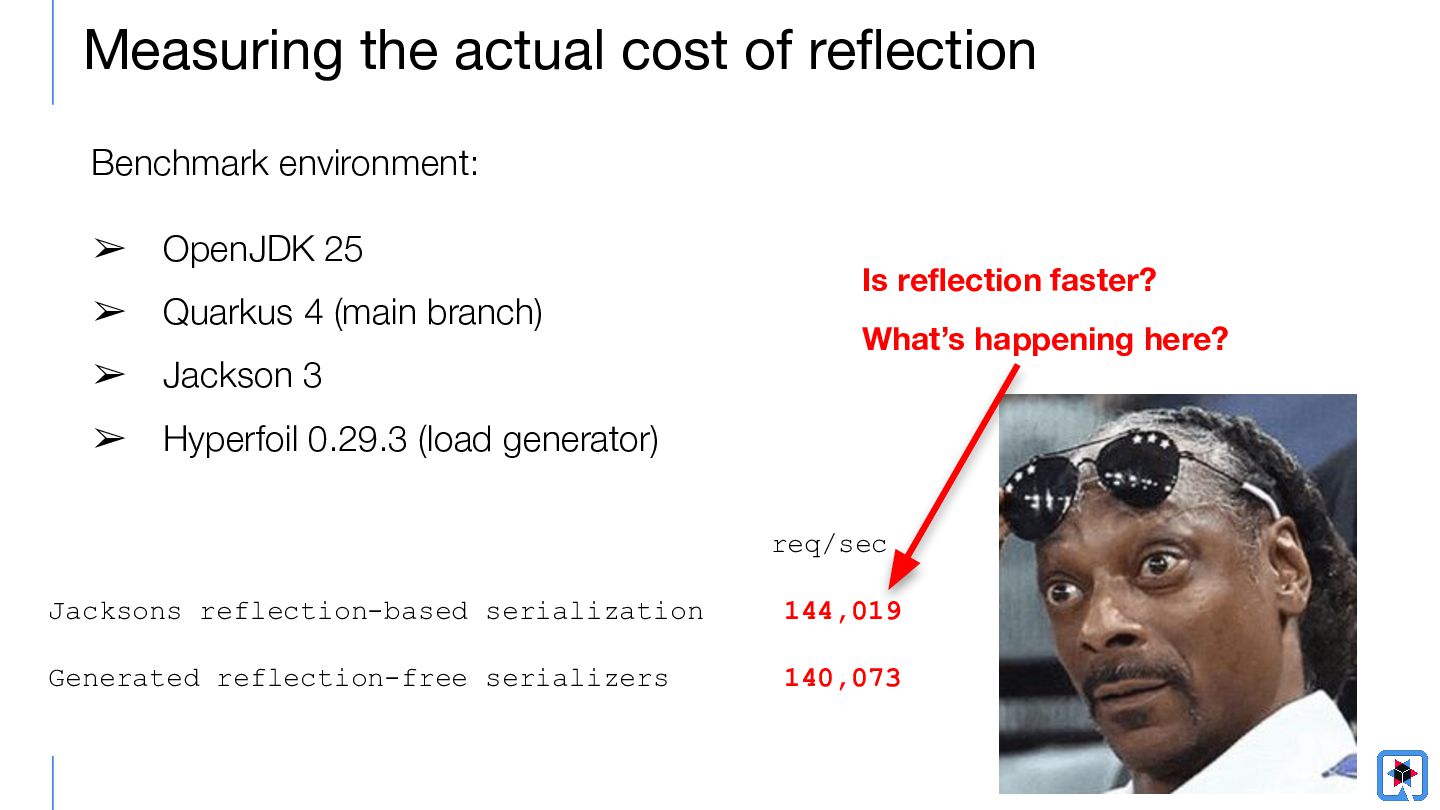
Java frameworks have long relied on reflection, classpath scanning and runtime dynamism to deliver flexibility, but at a significant cost in terms of startup time, memory footprint, and raw throughput. The main goal of this talk is demonstrating with a recently introduced practical optimization how the radically different architecture of Quarkus unlocks performance gains that traditional frameworks simply cannot achieve.
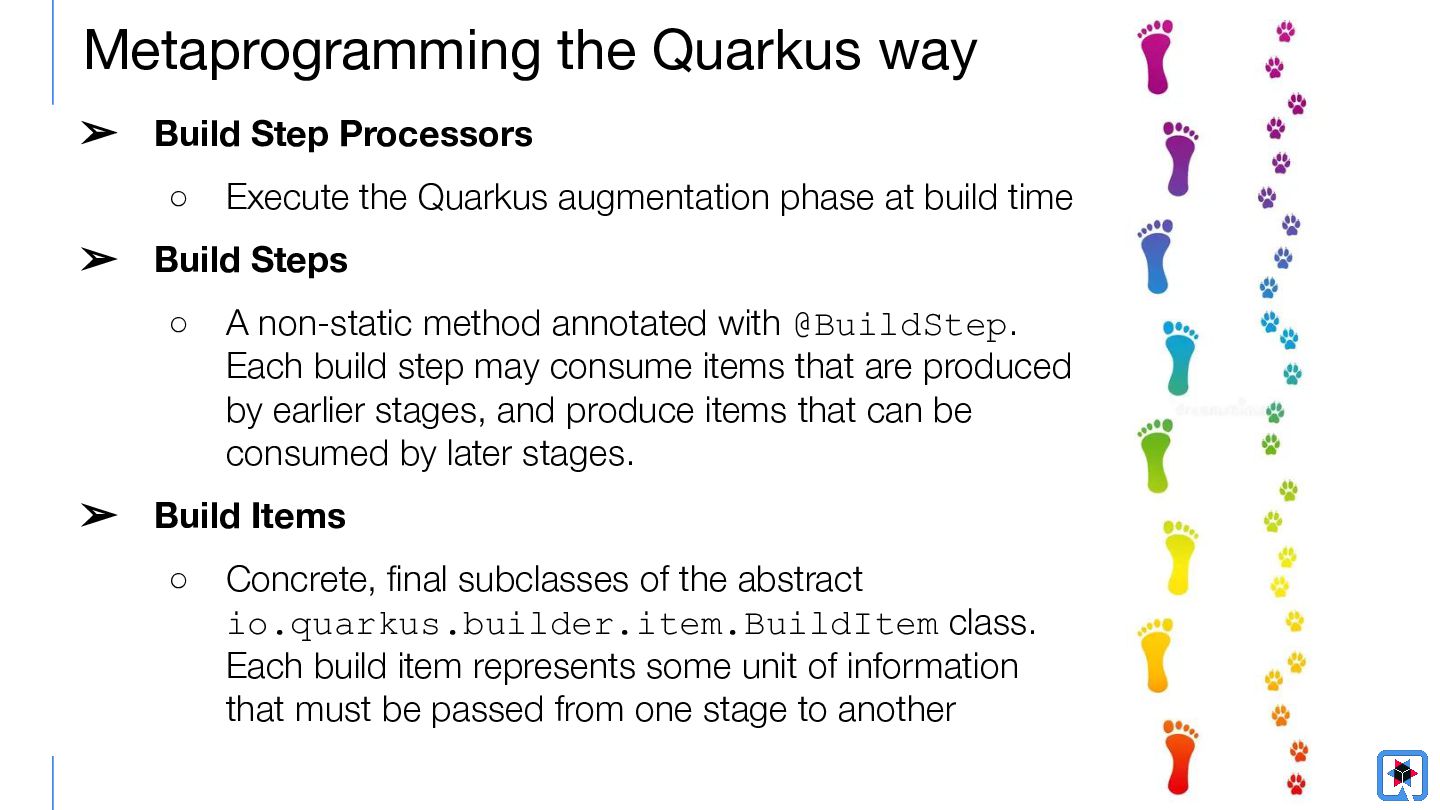
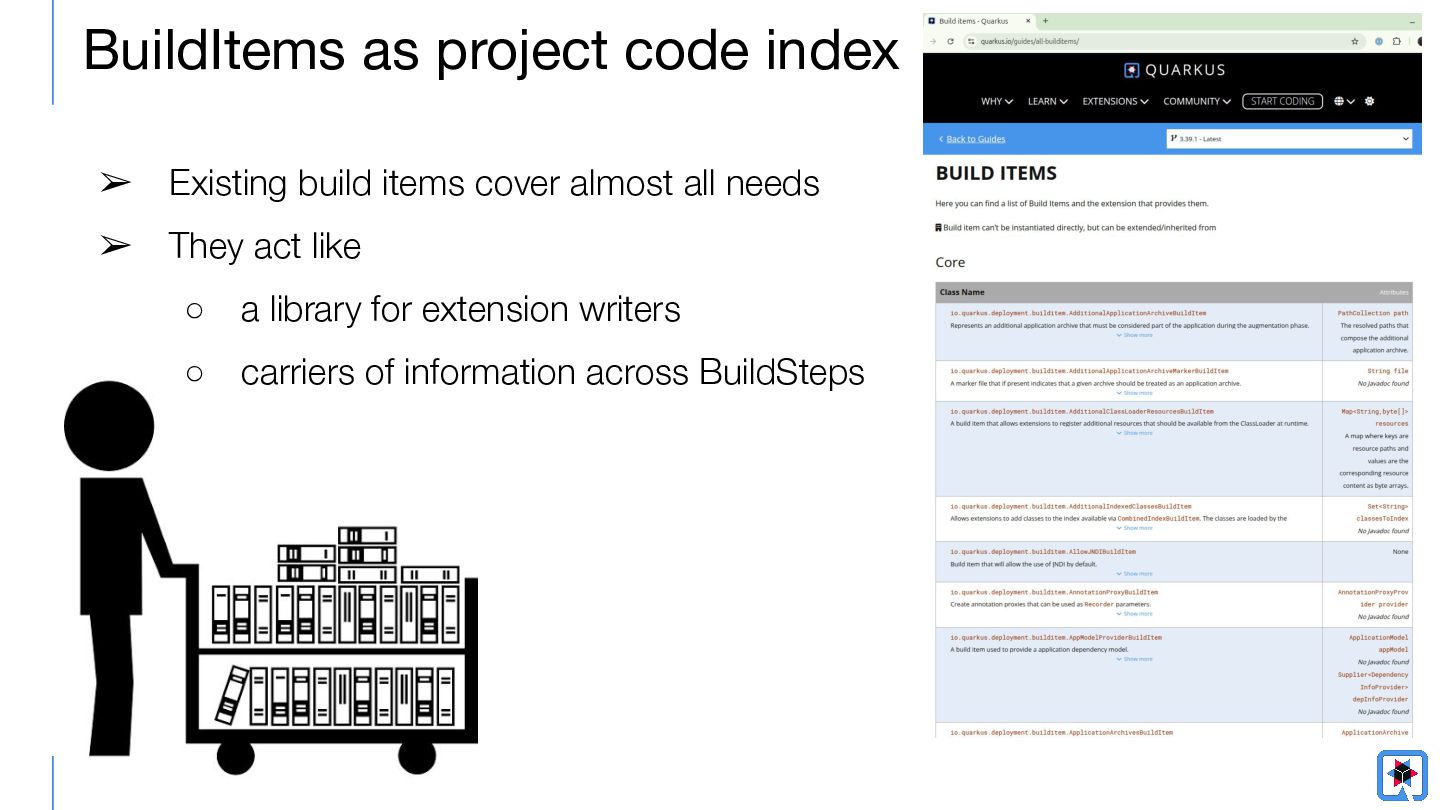
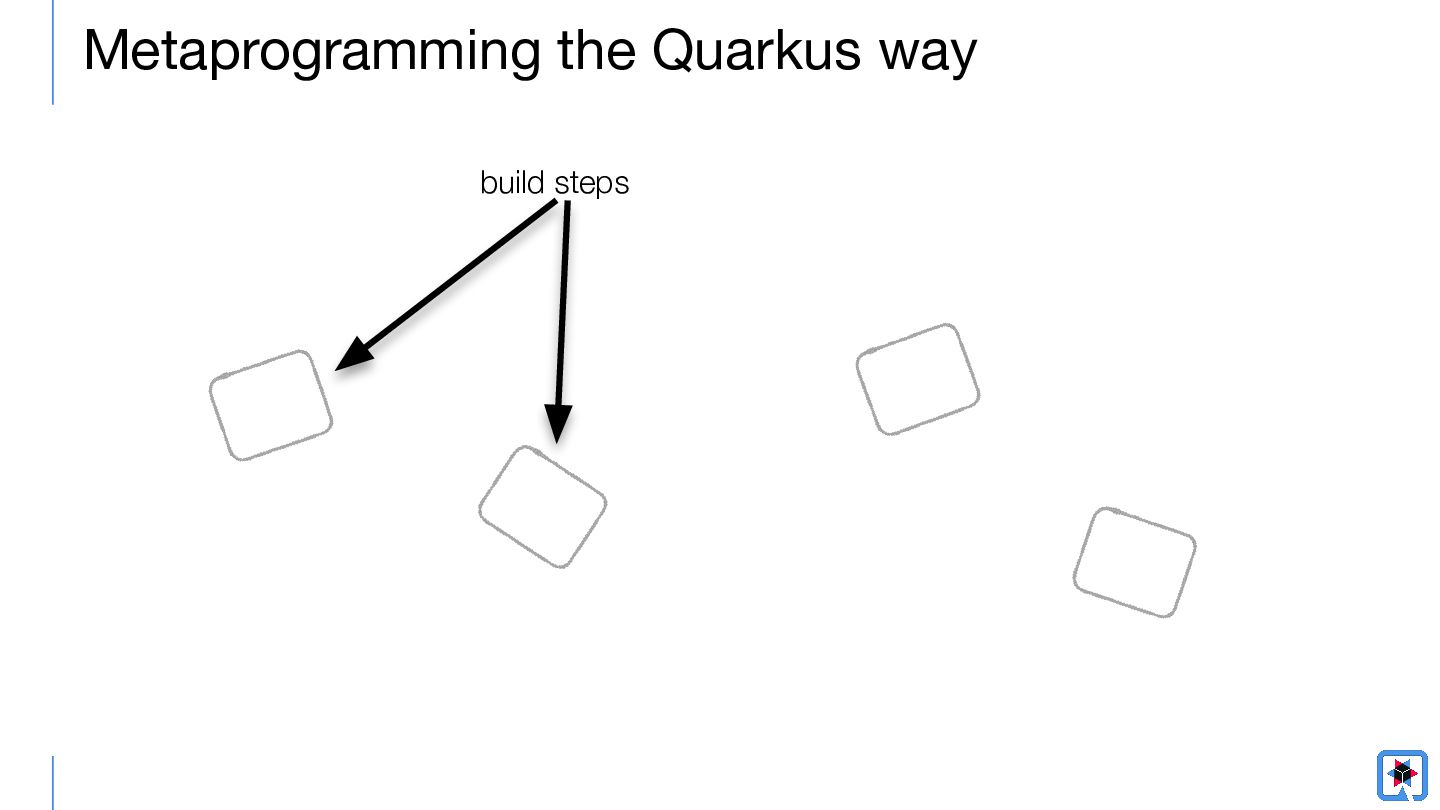
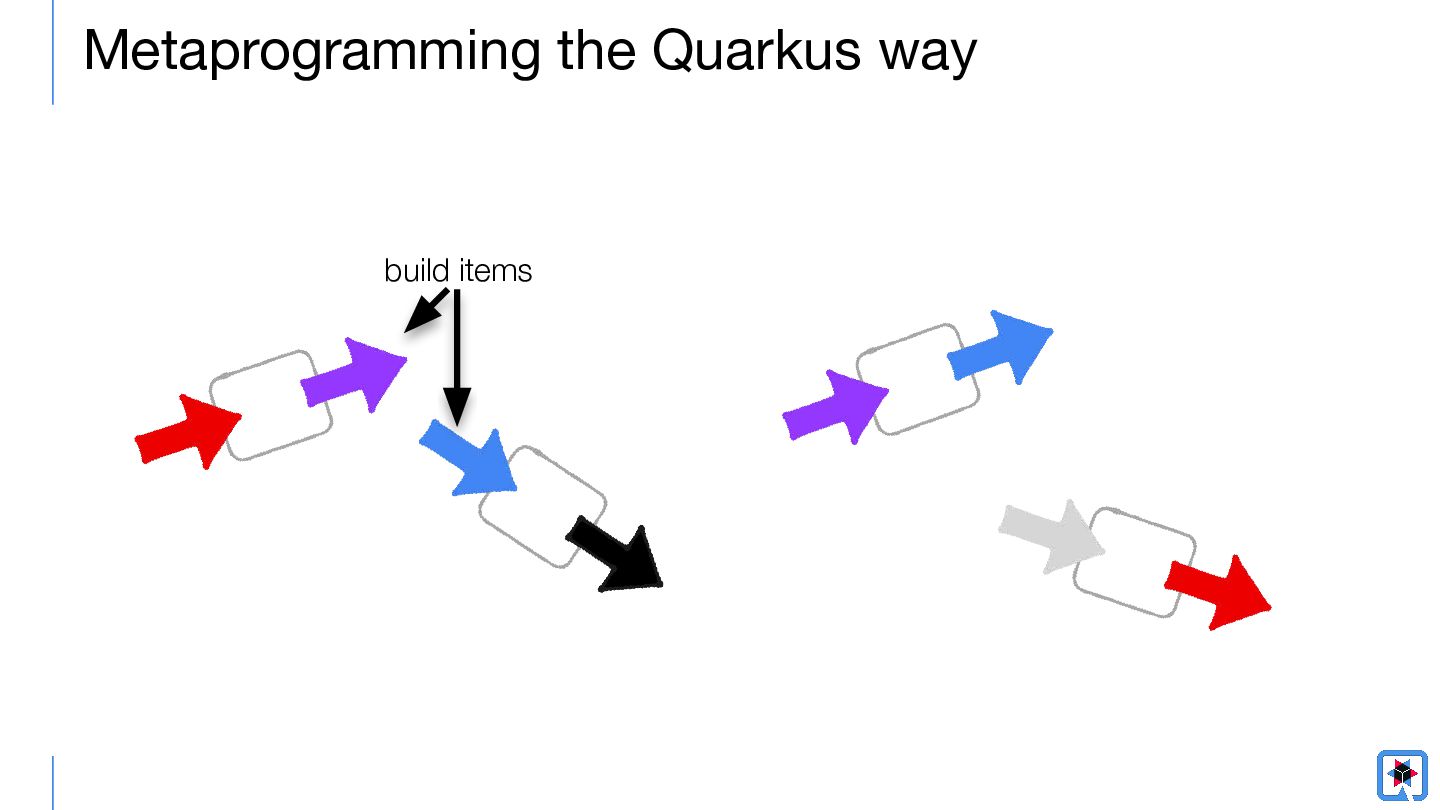
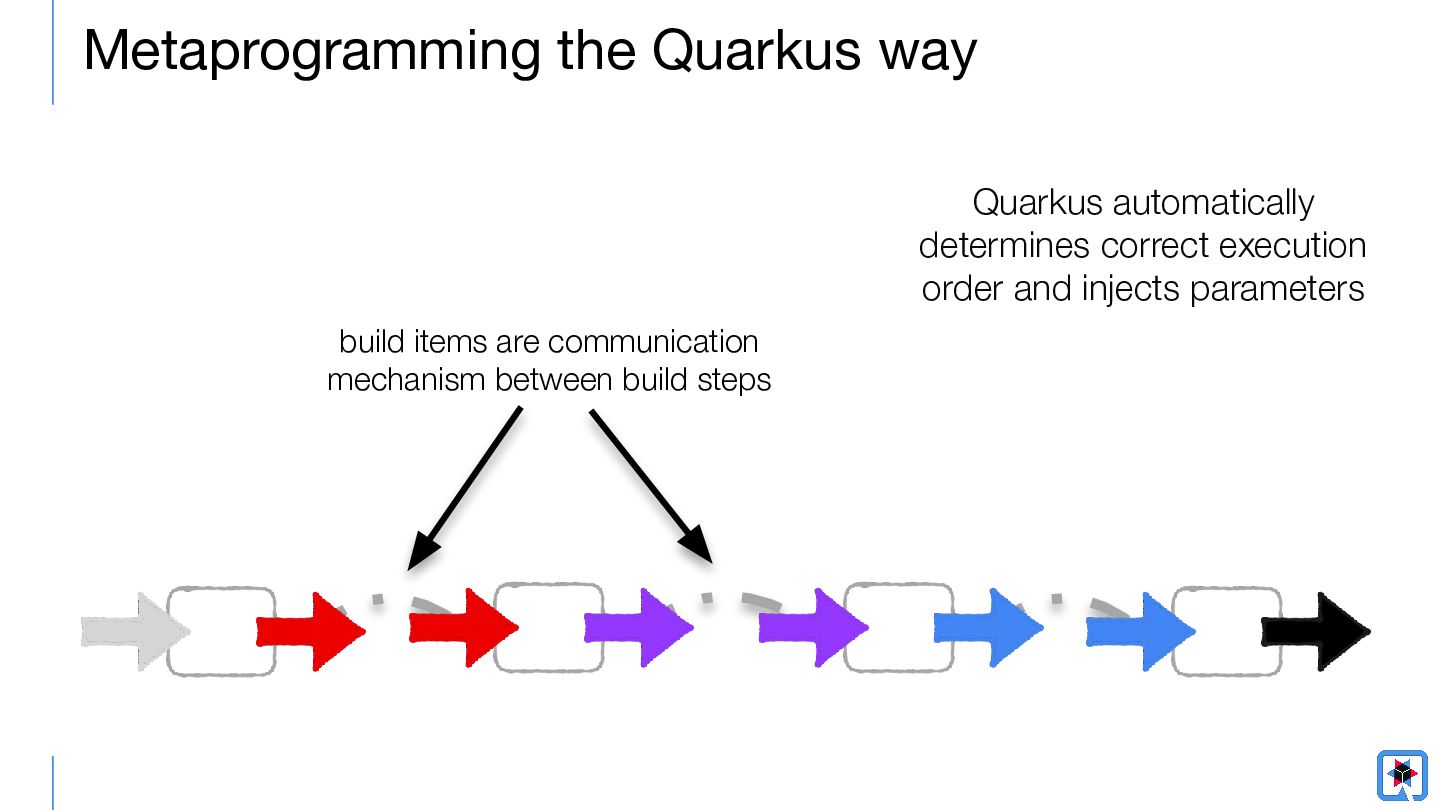
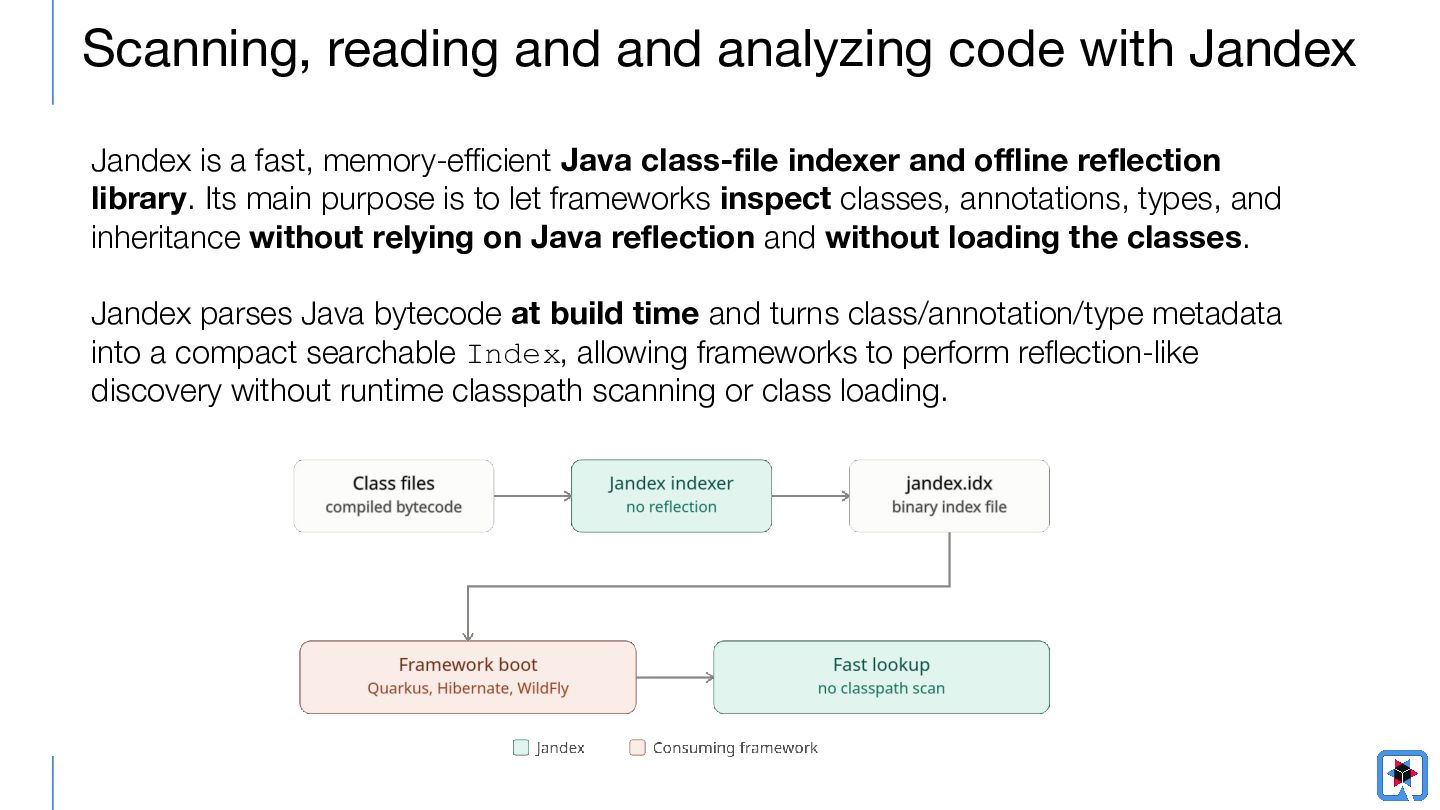
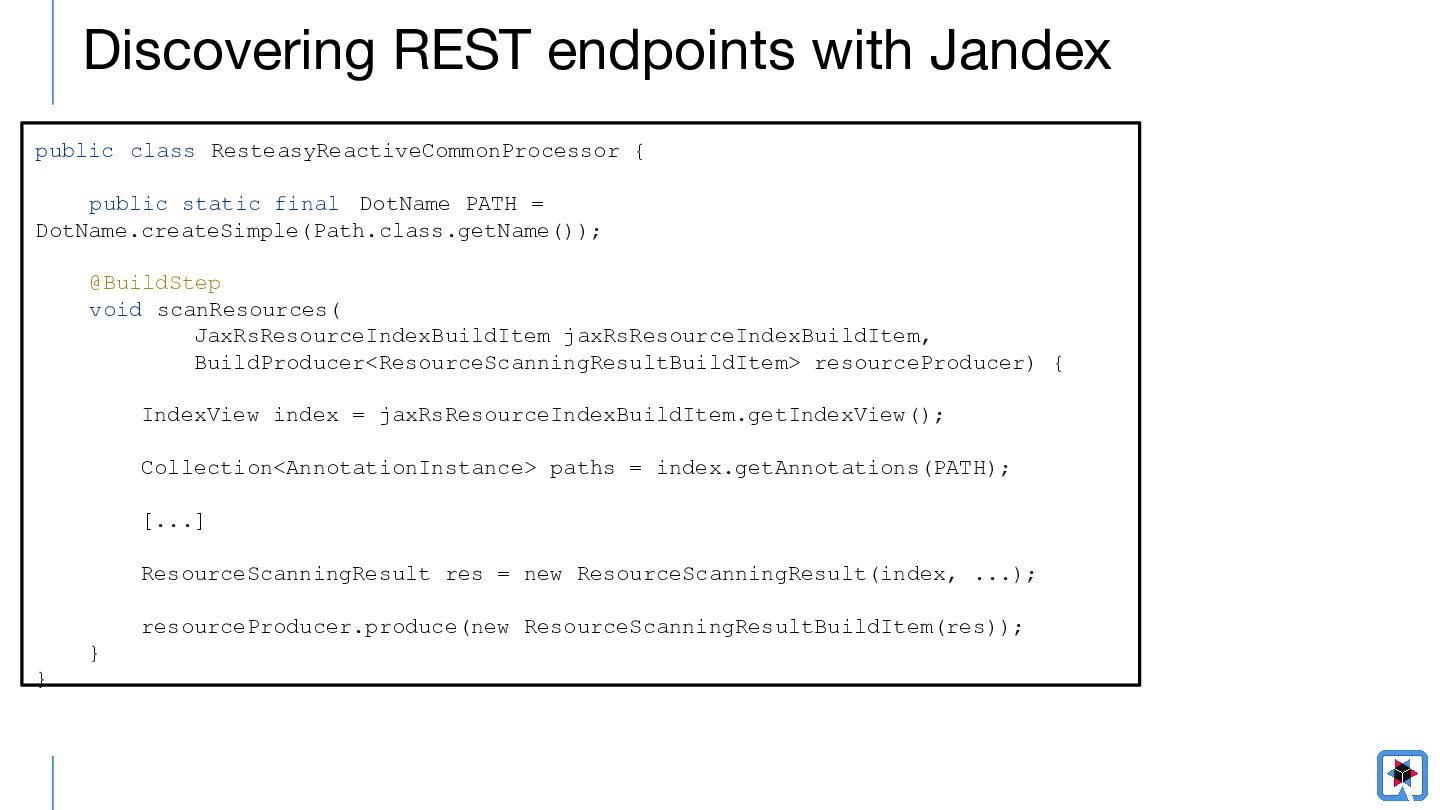
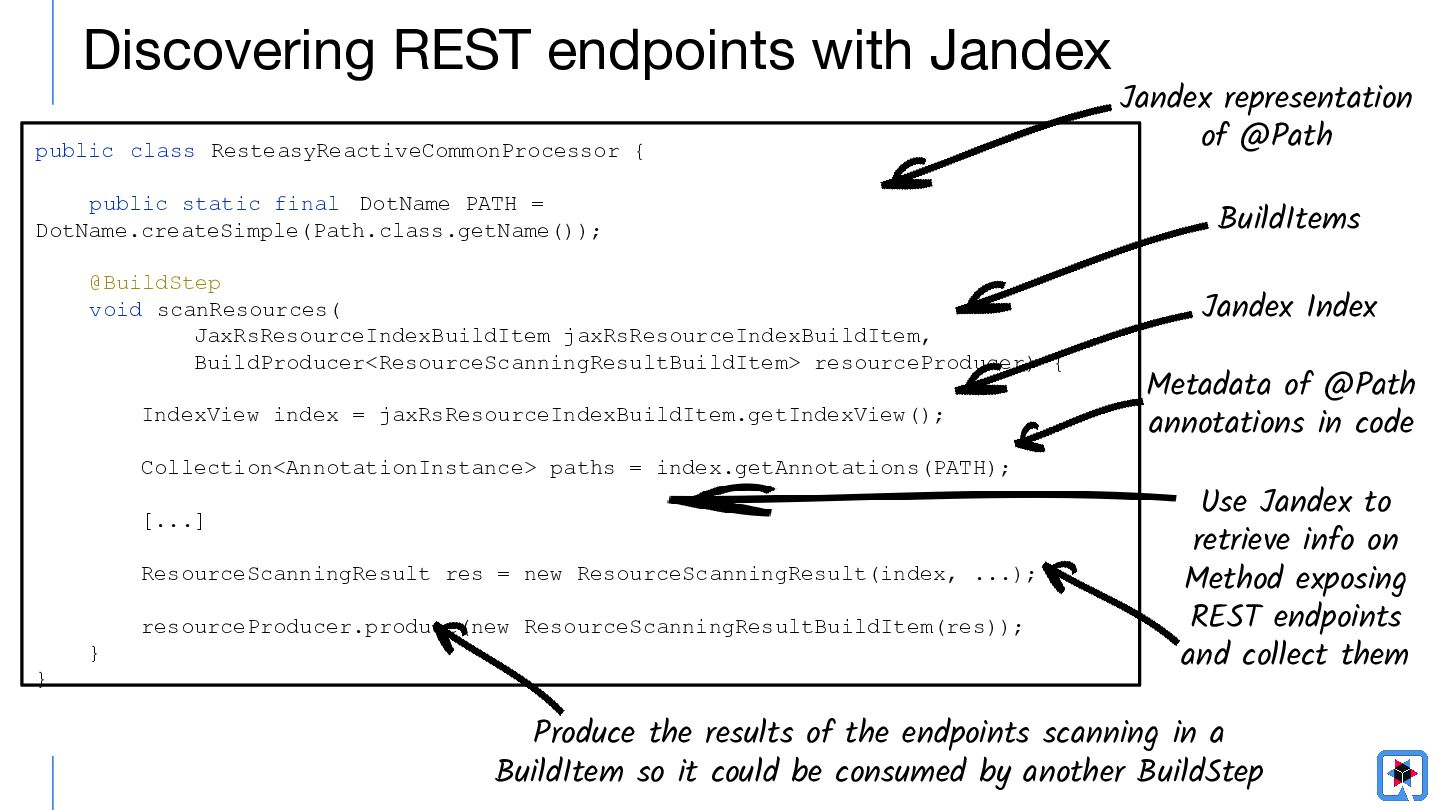
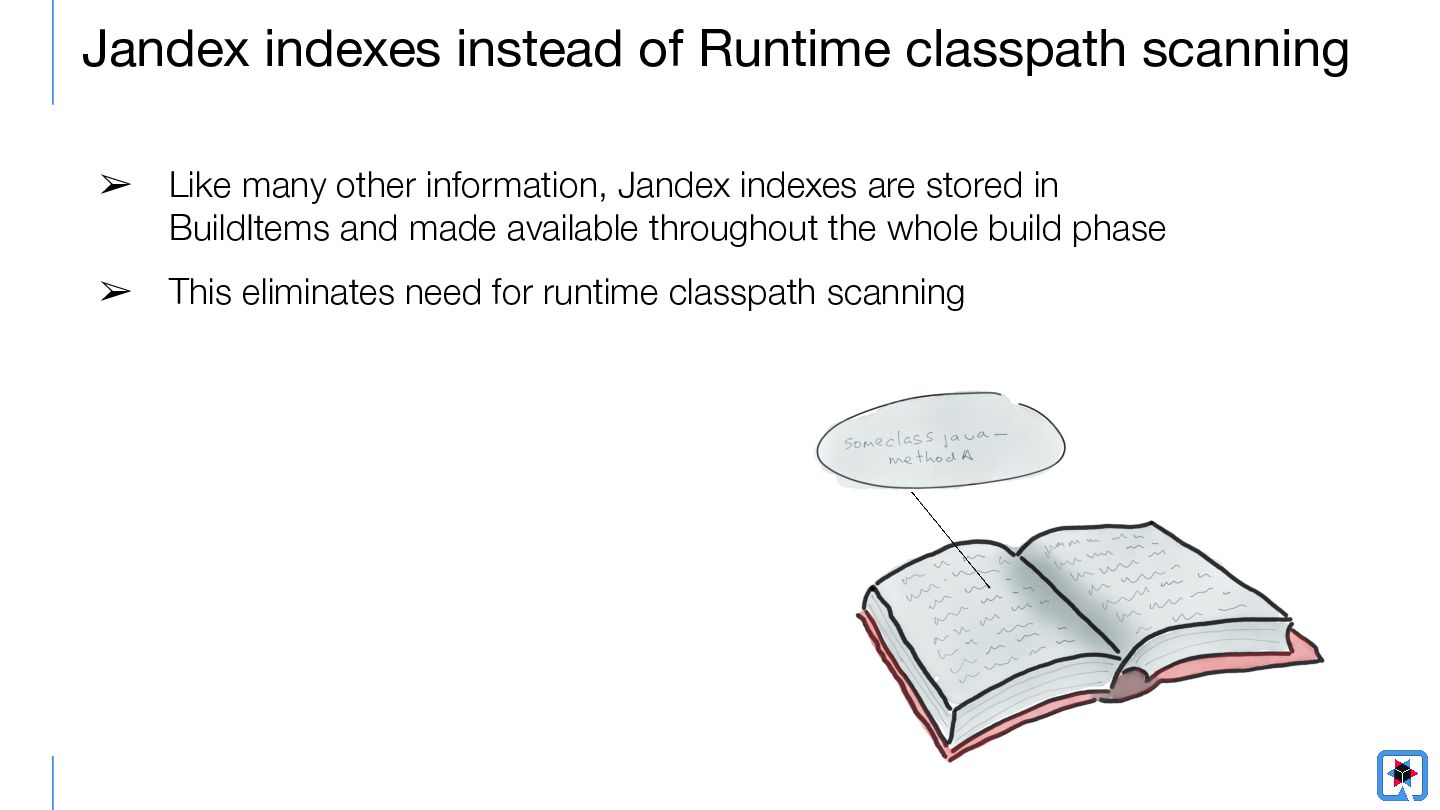
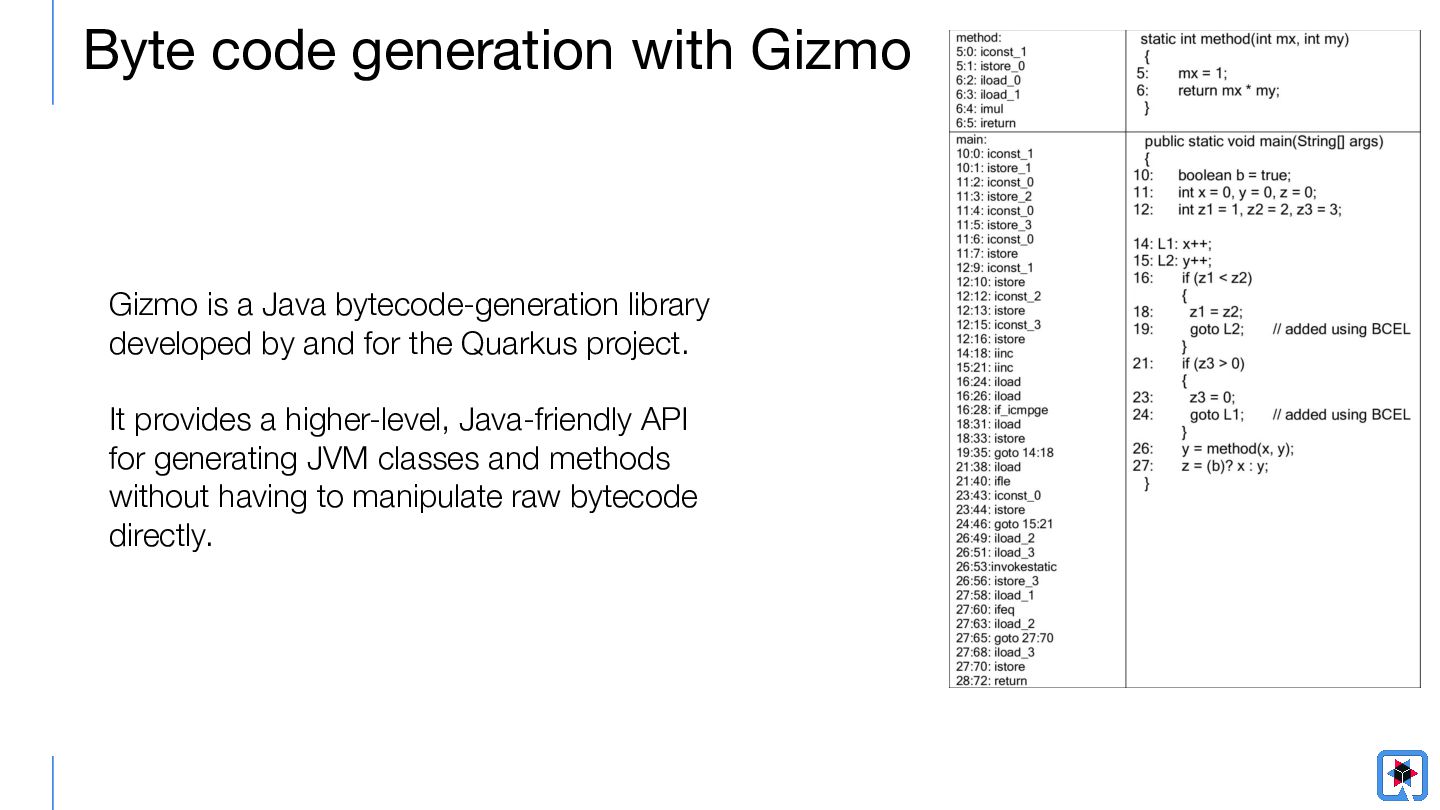
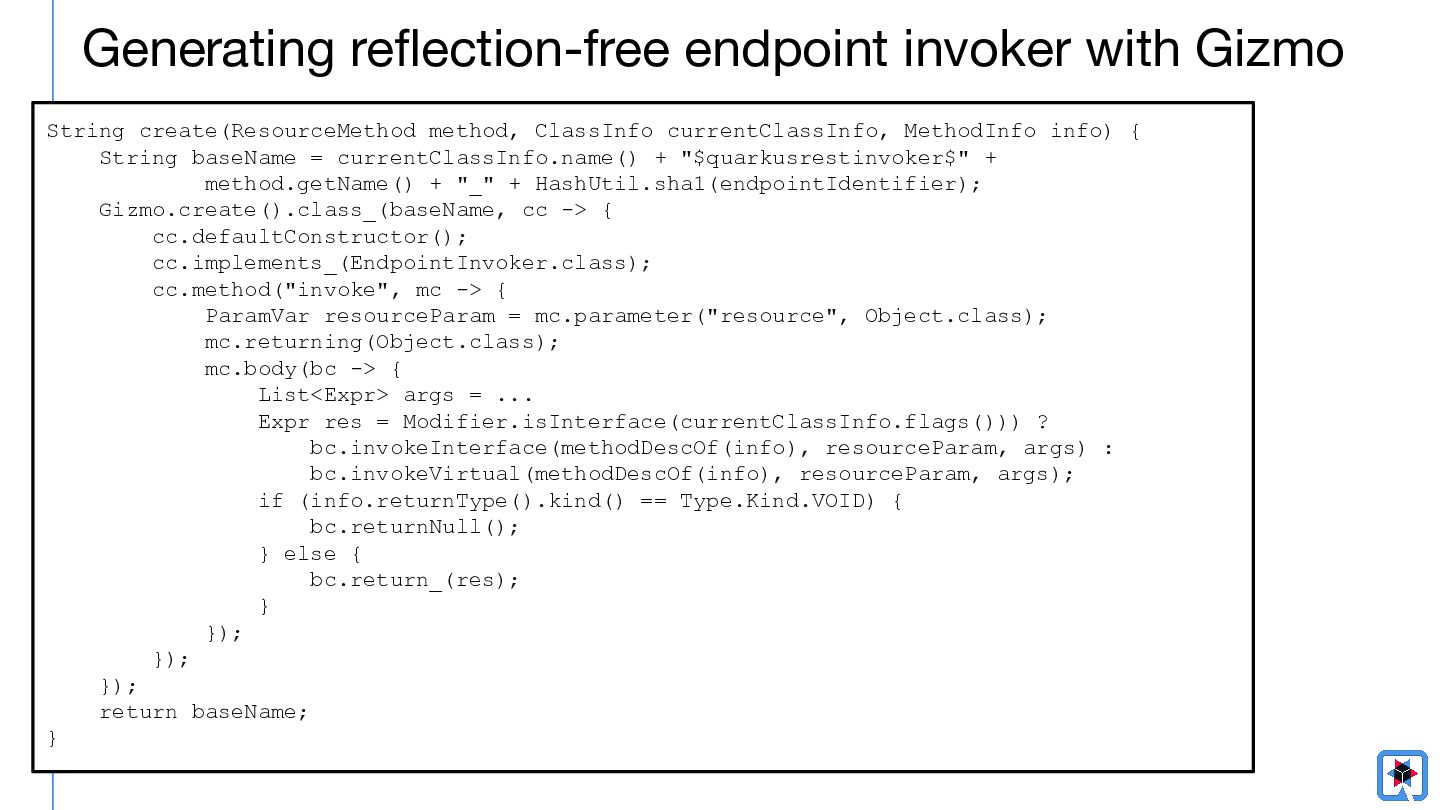
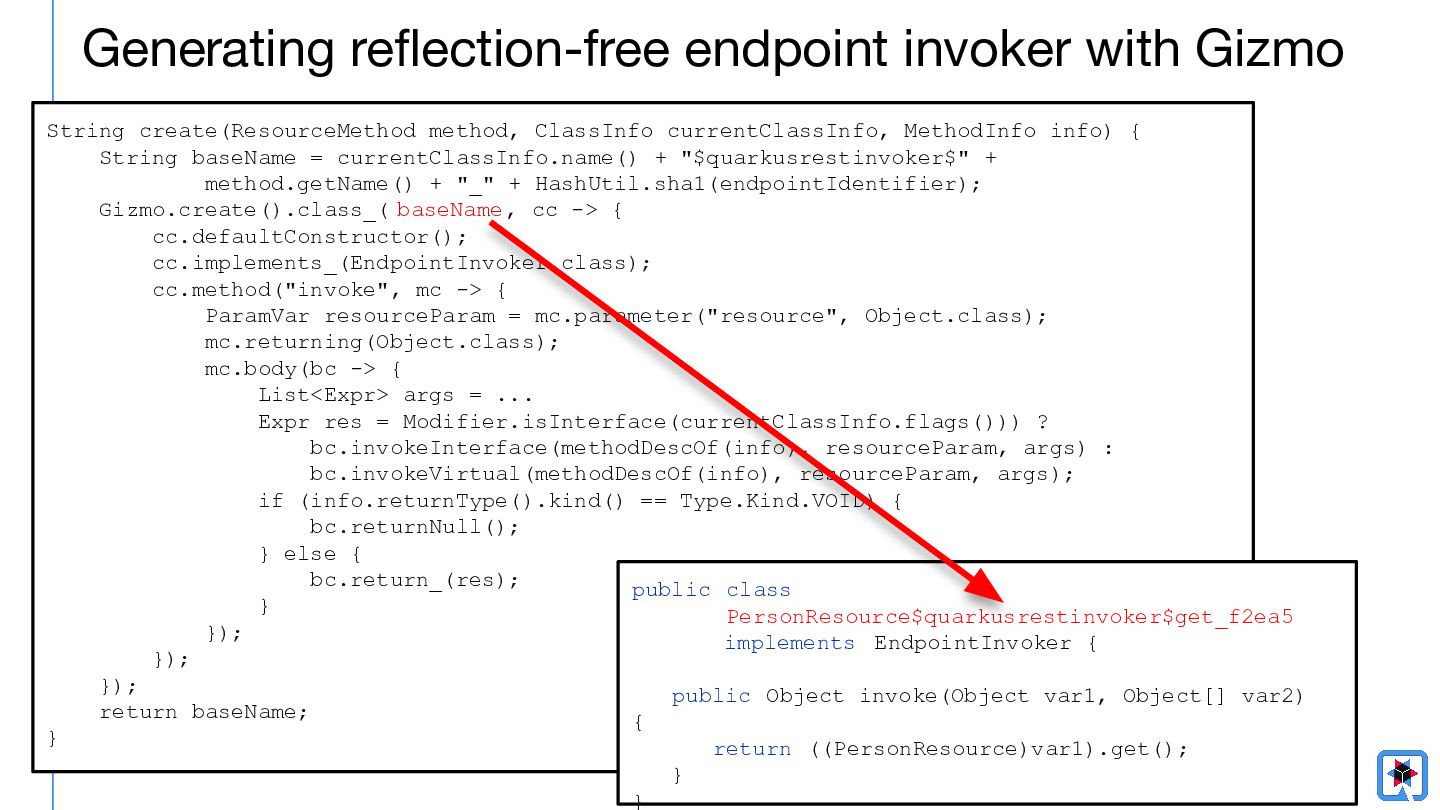
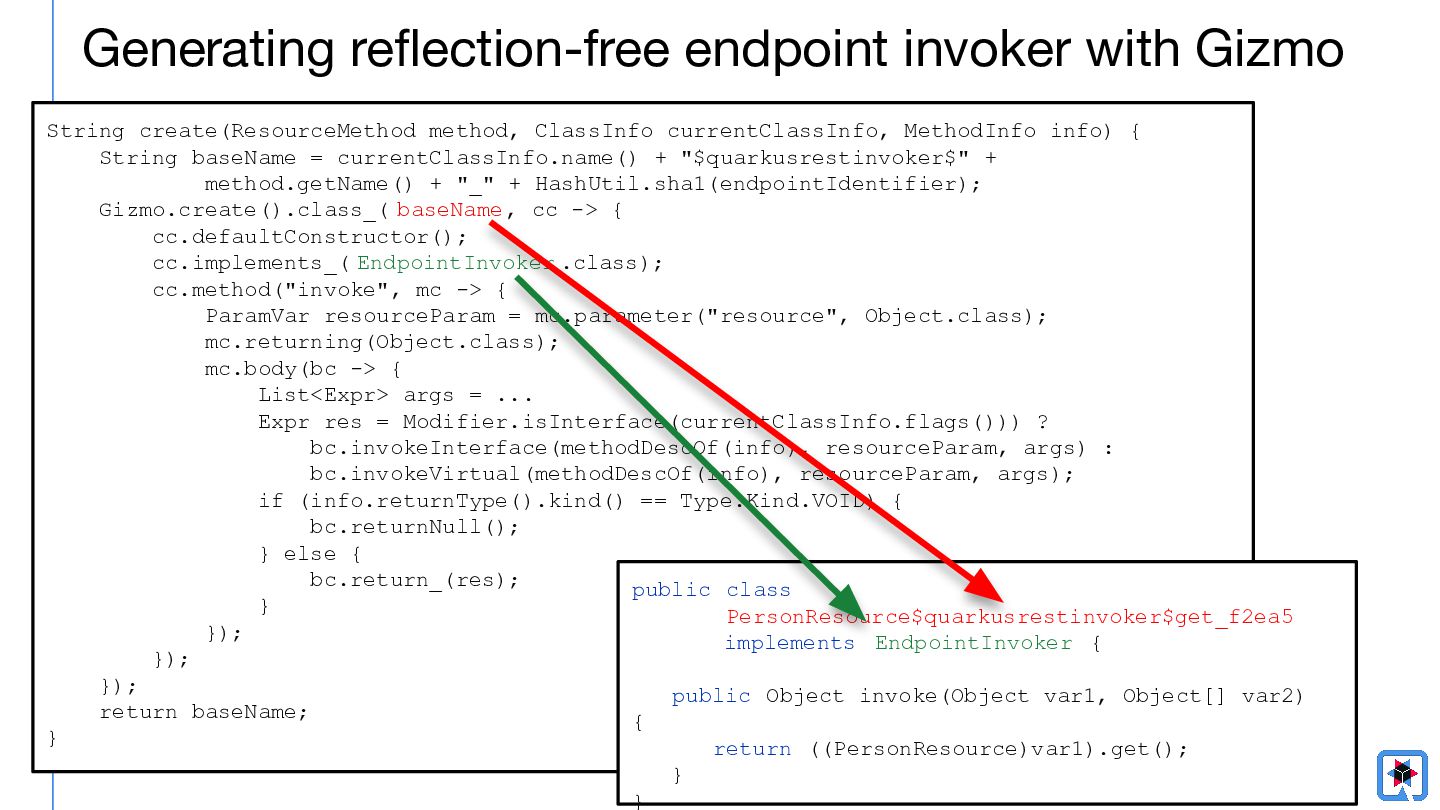
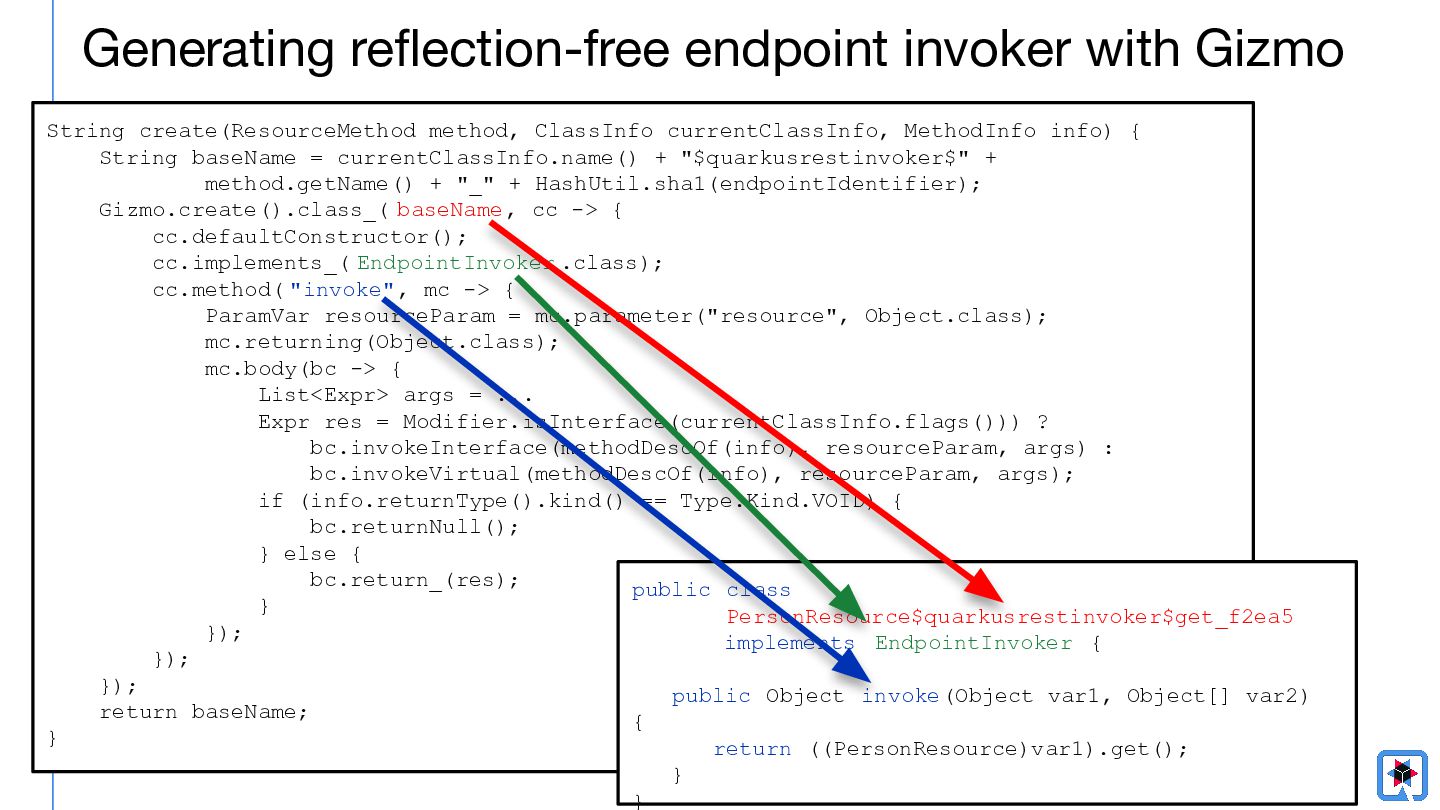
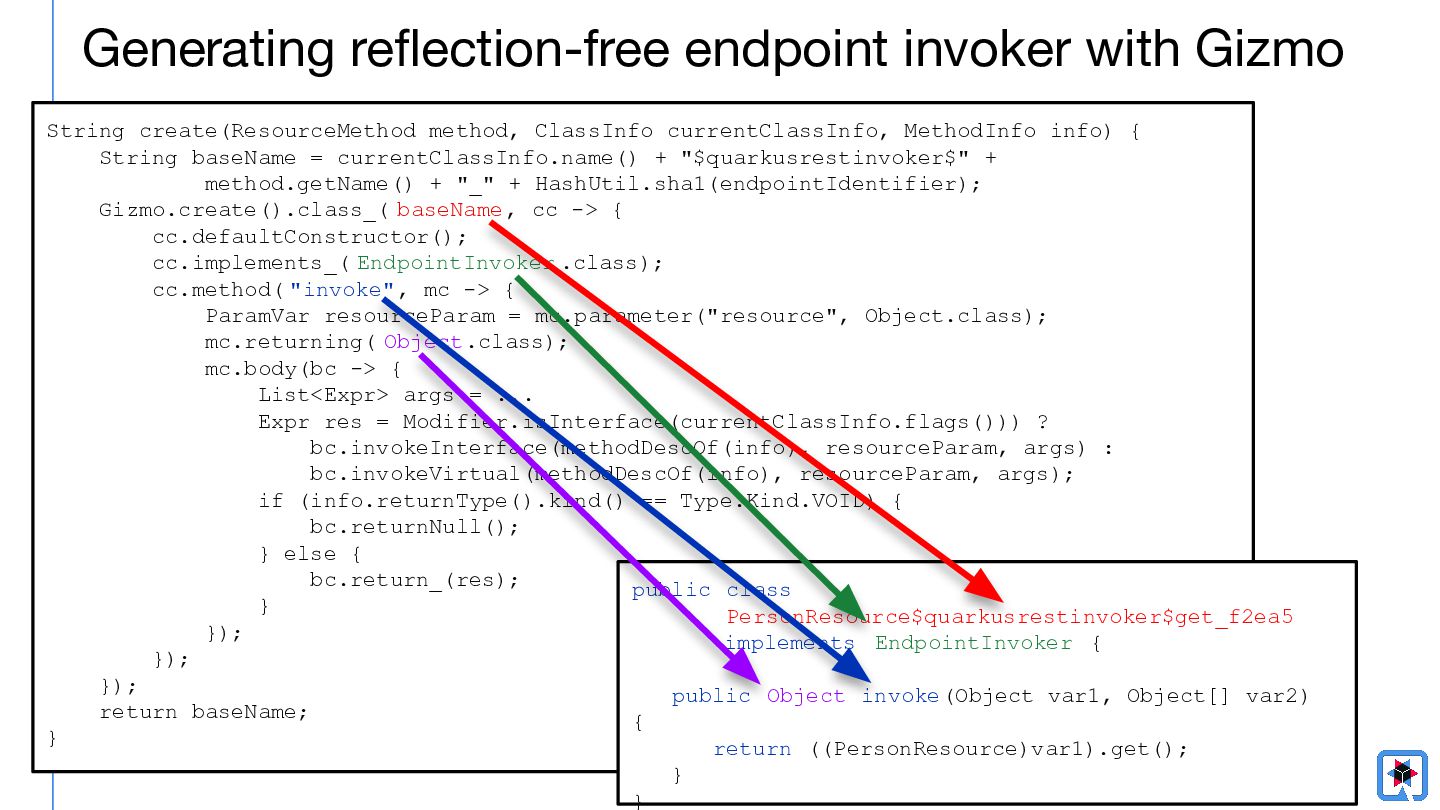
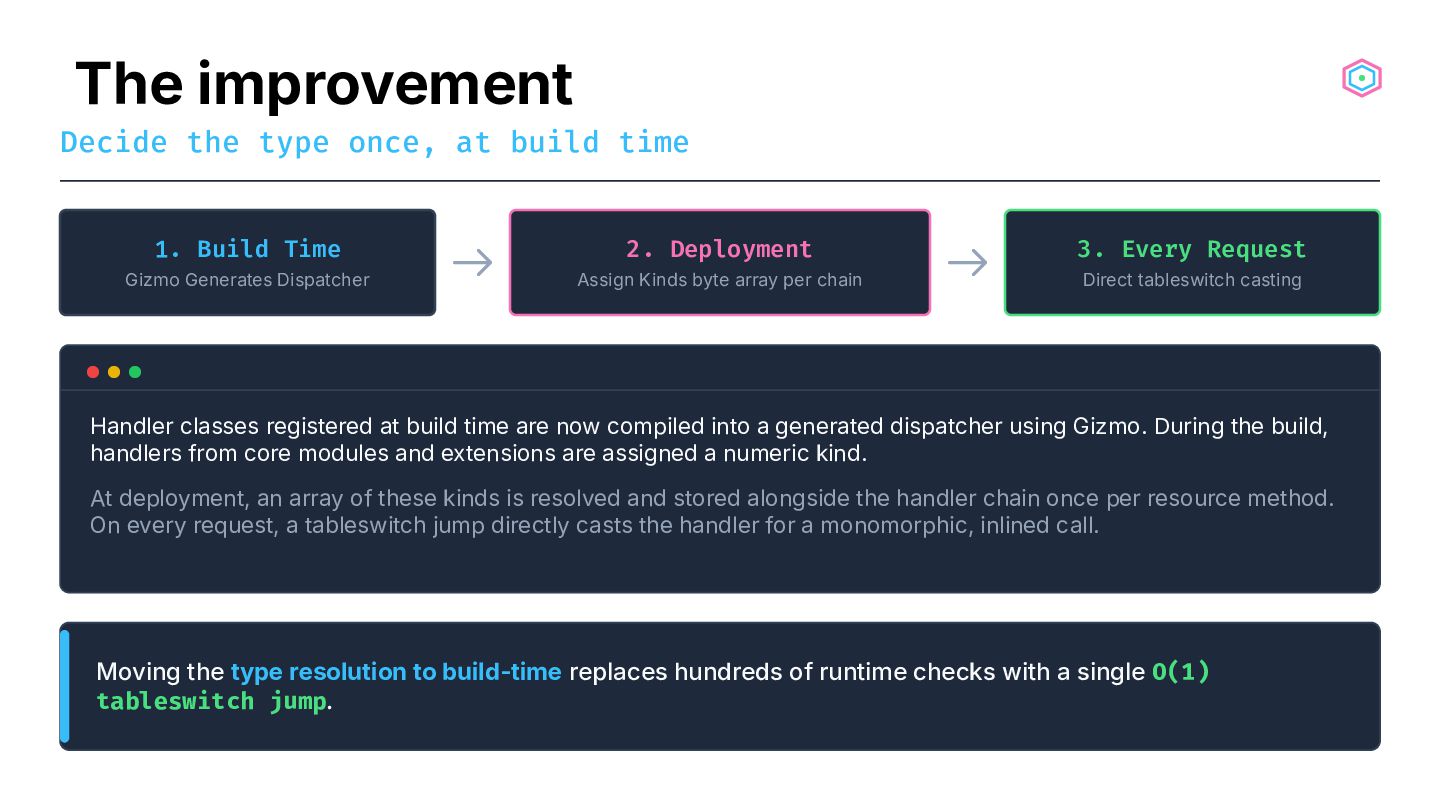
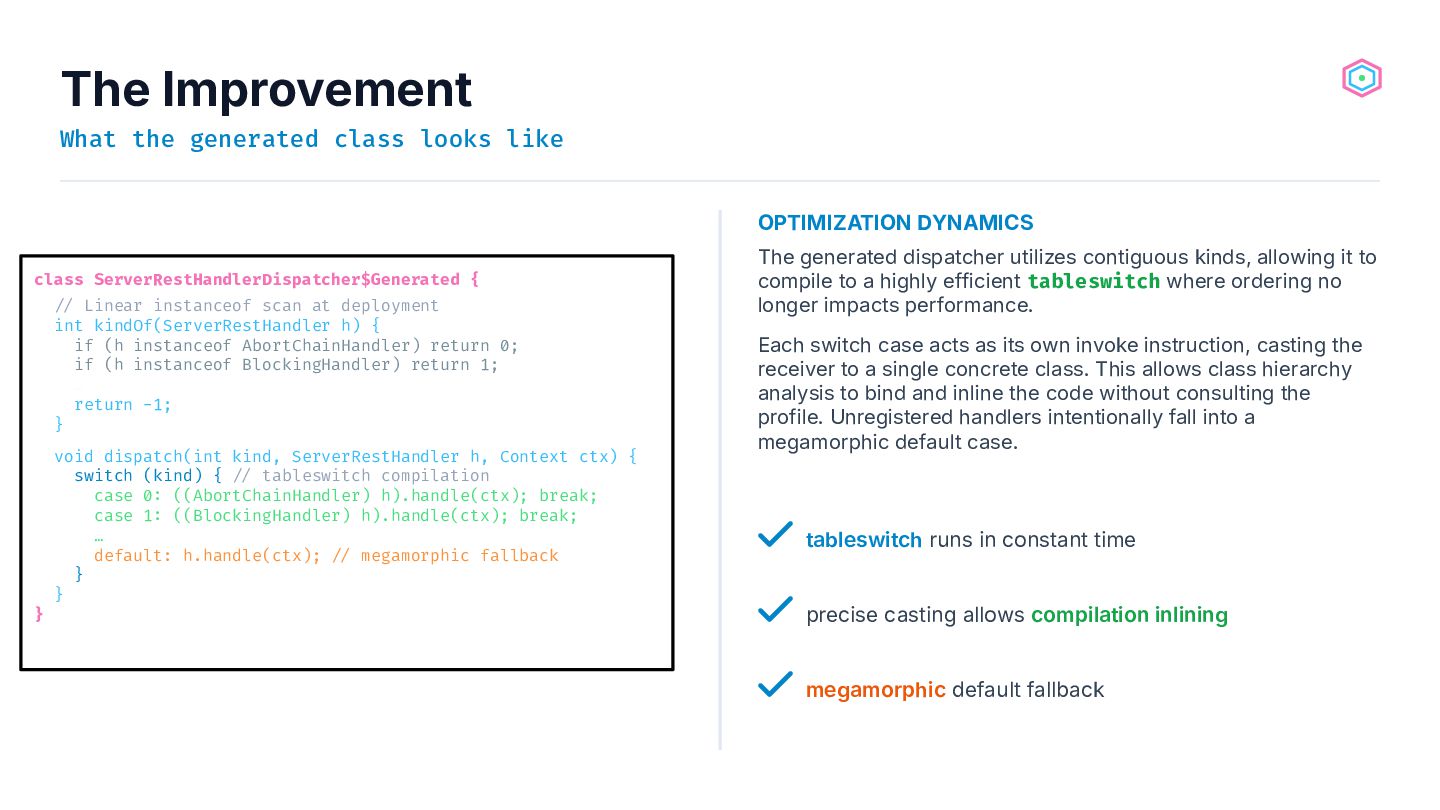
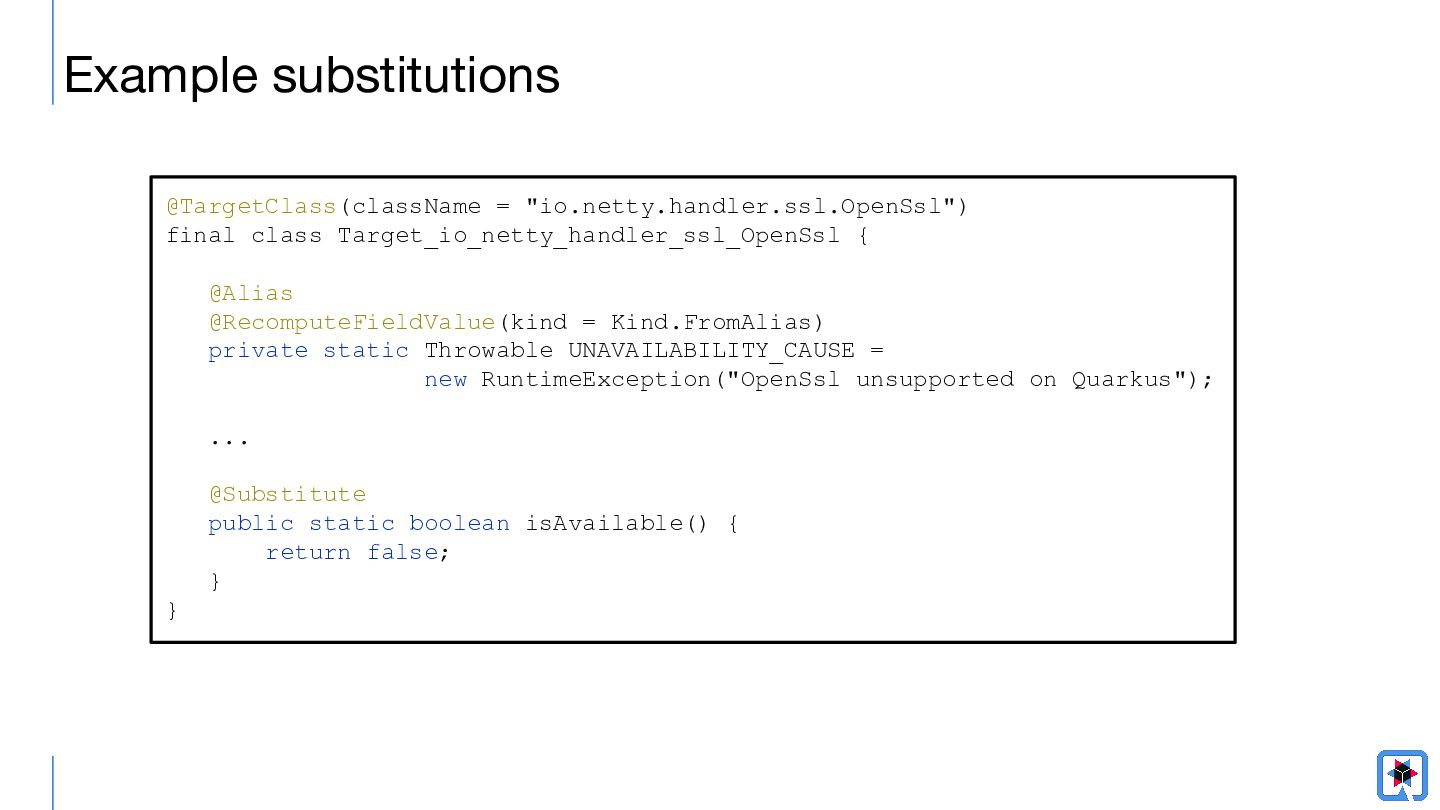
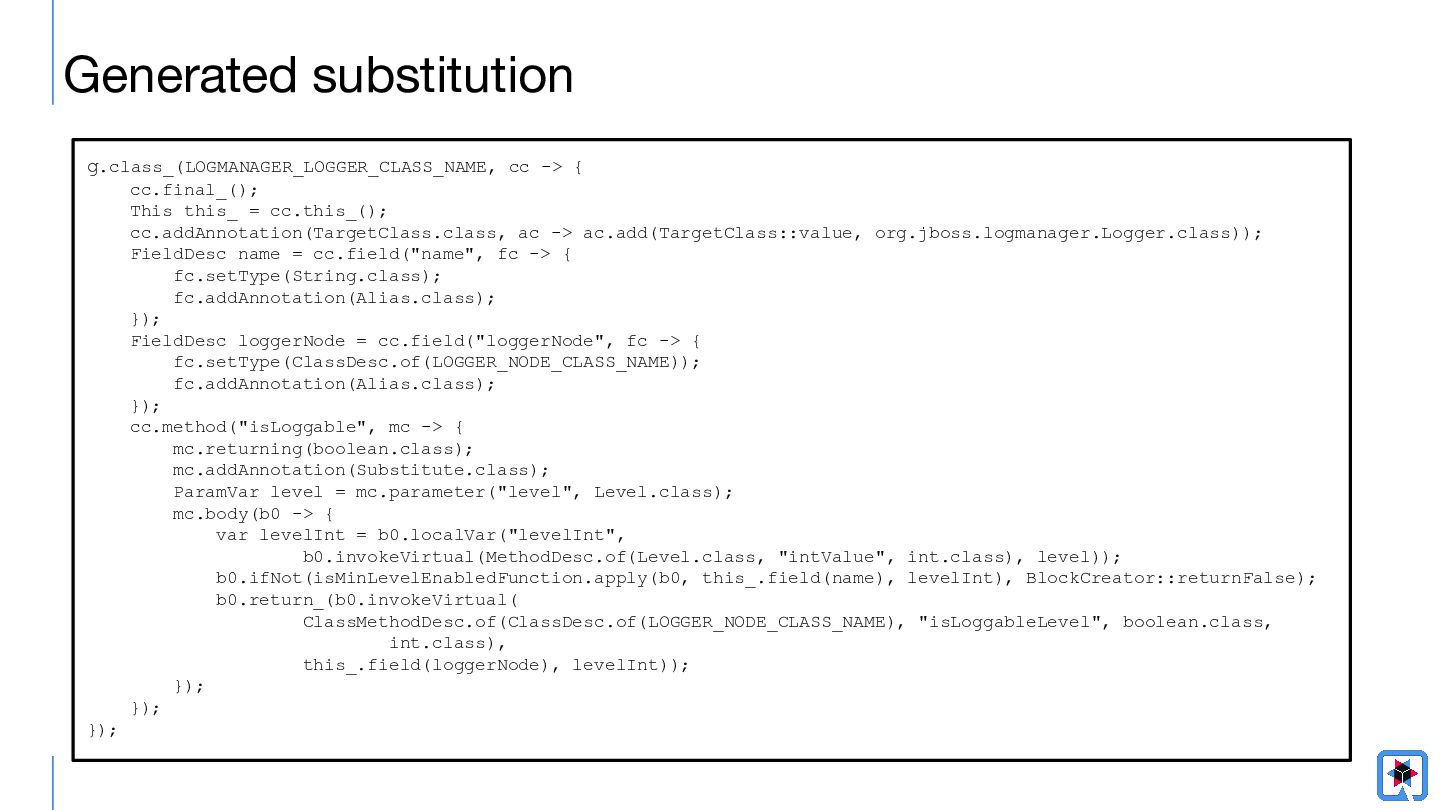
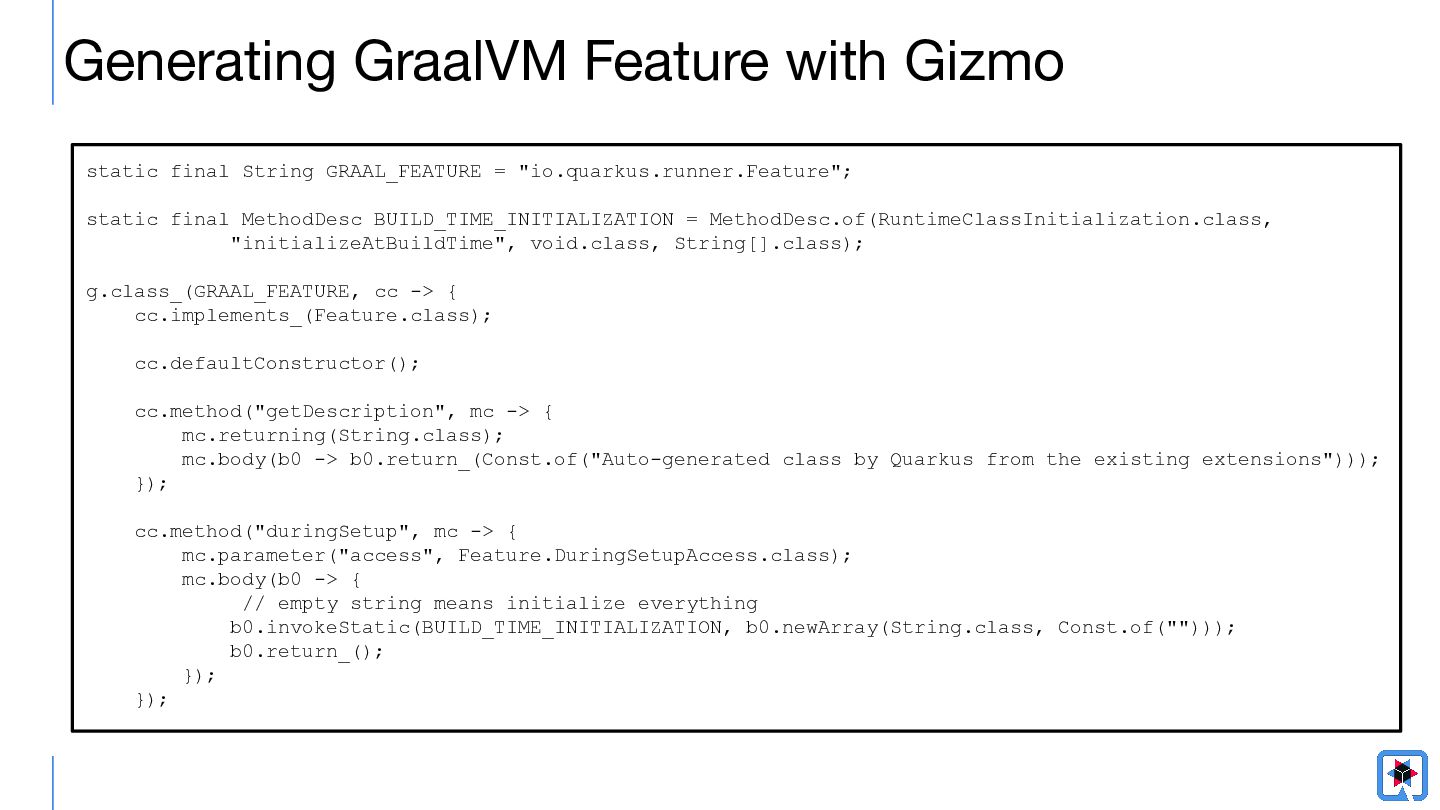
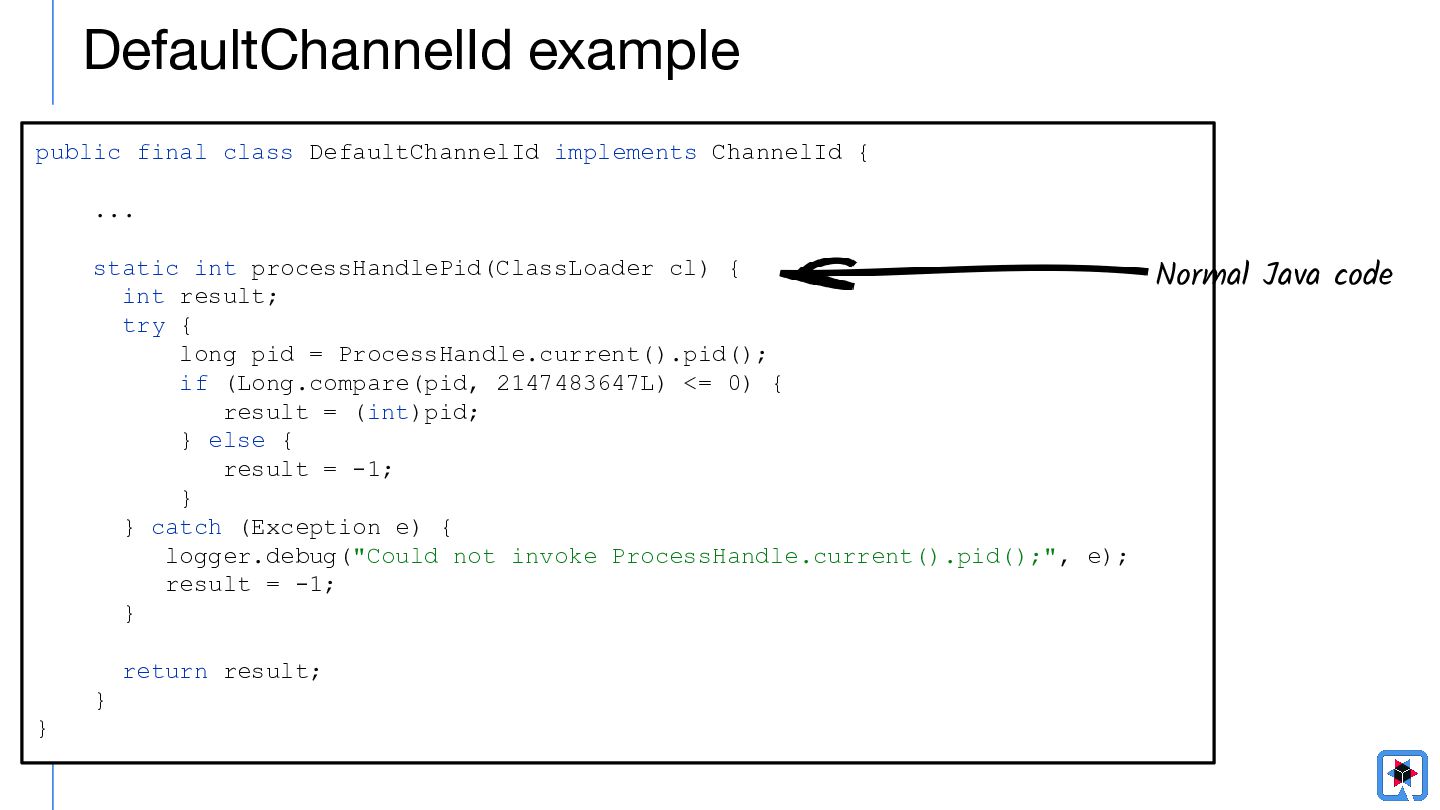
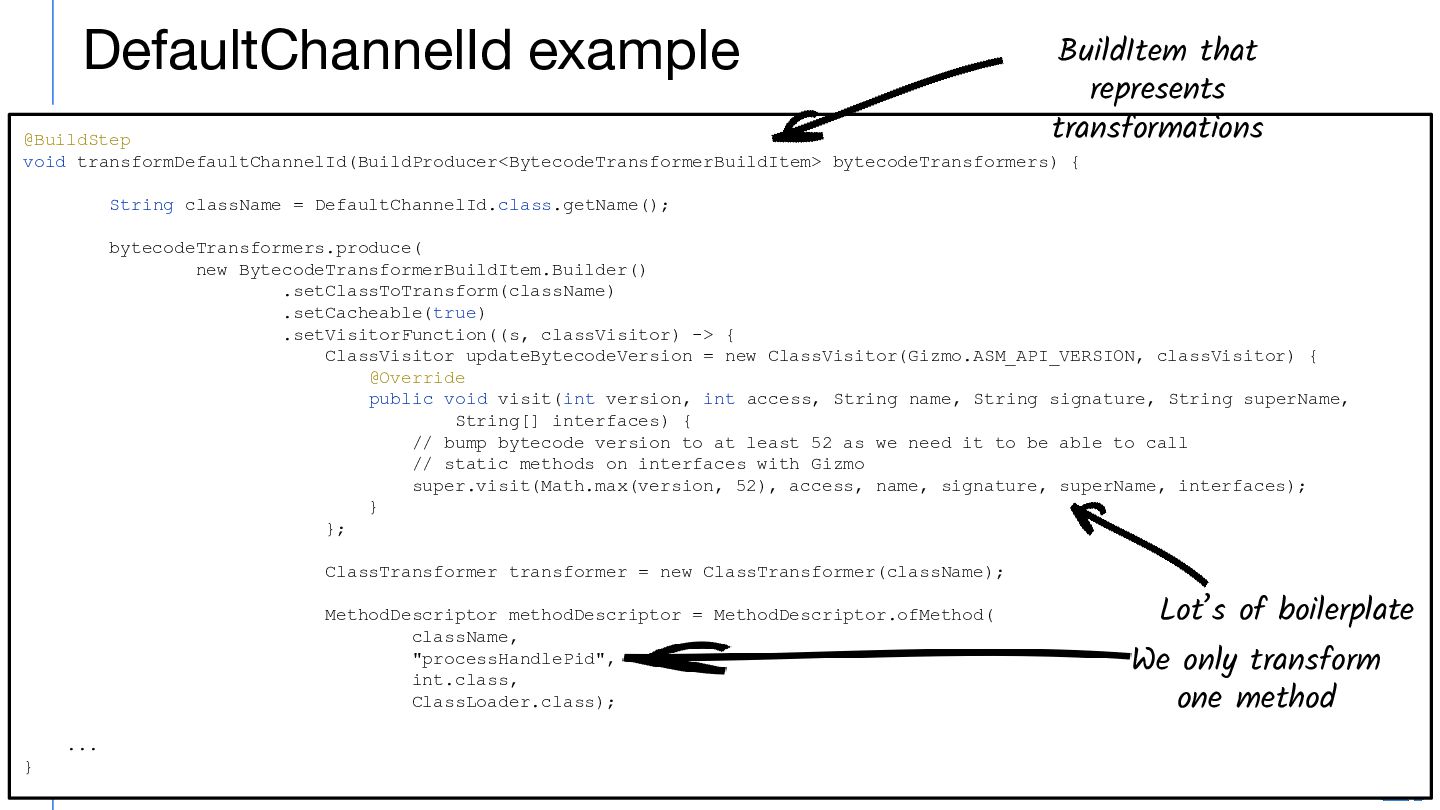
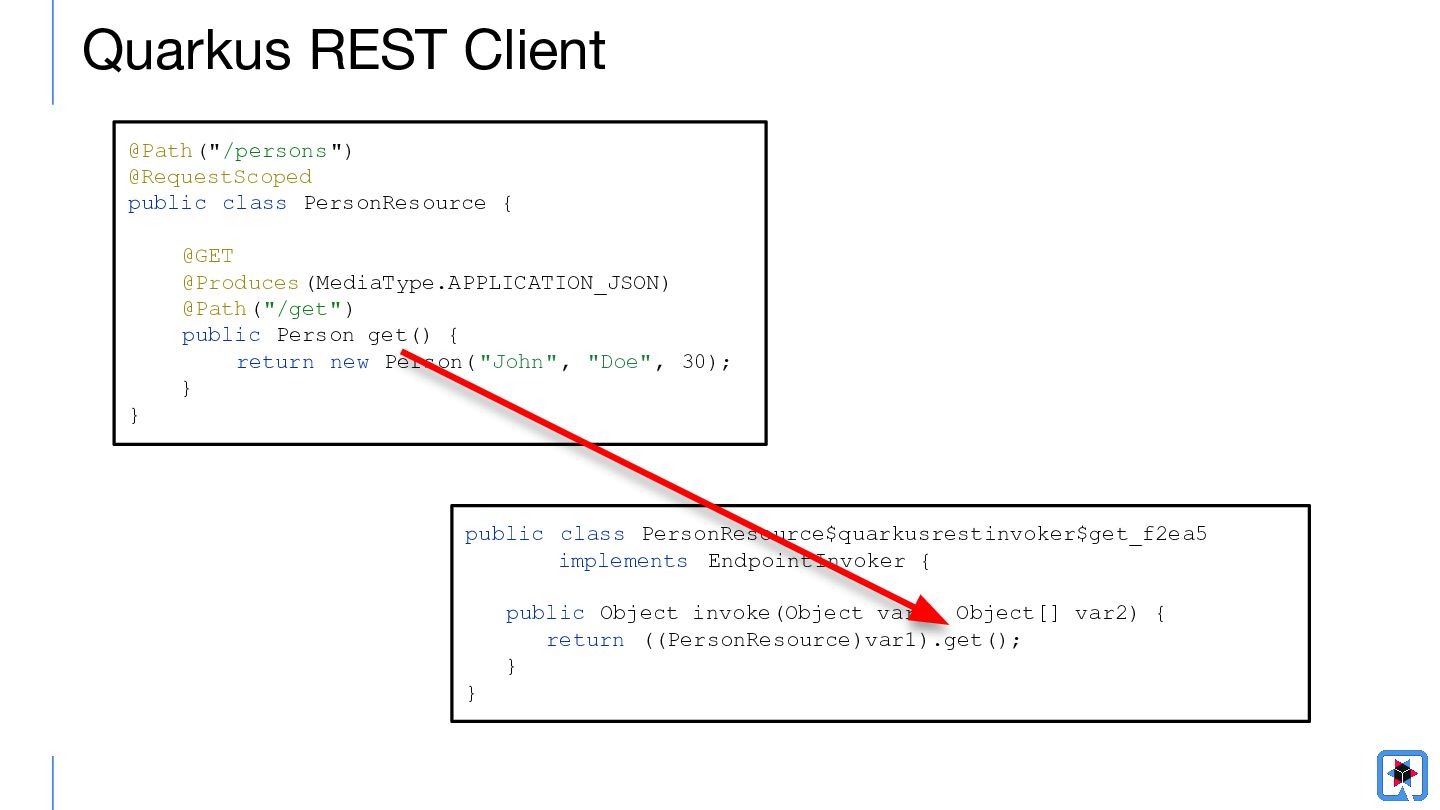
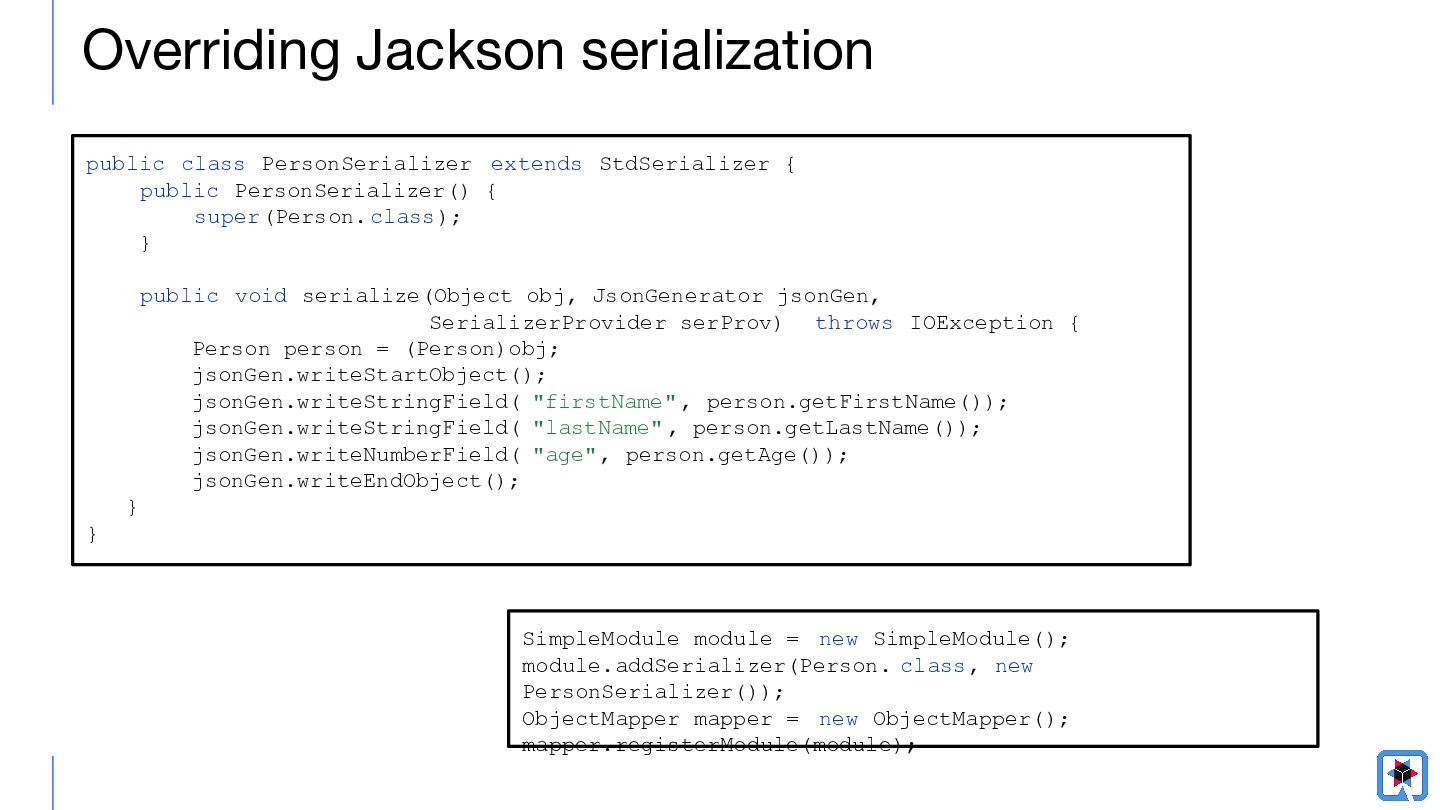
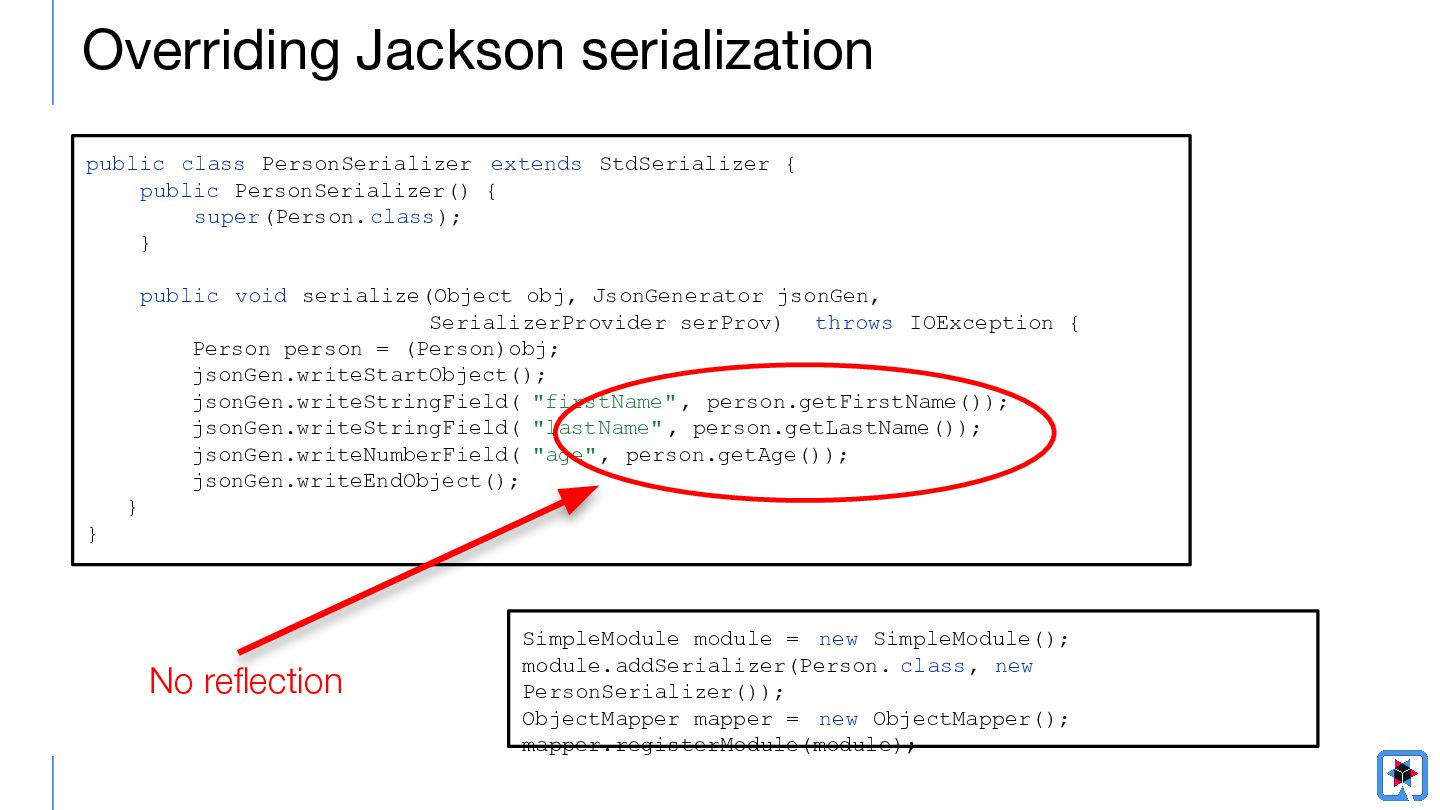
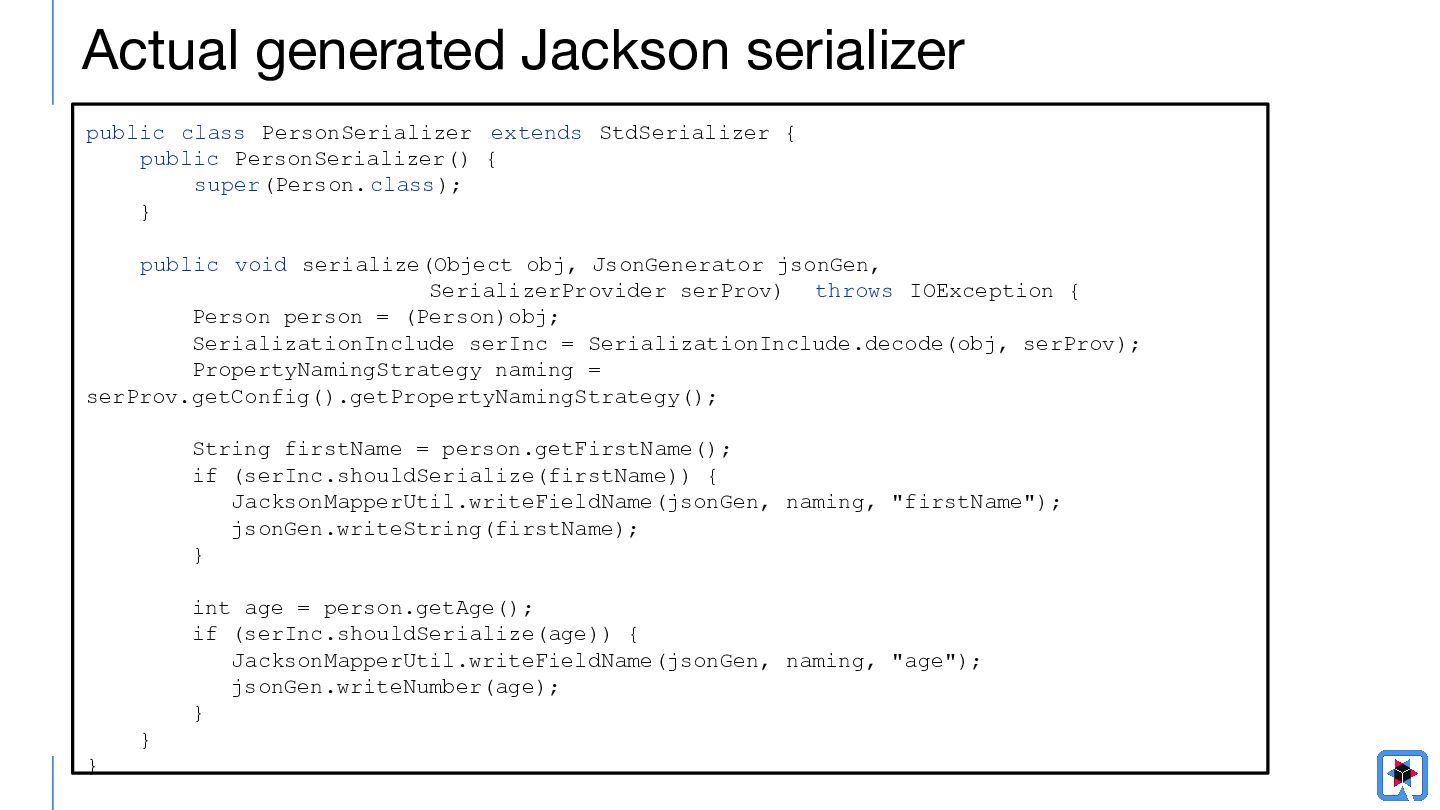
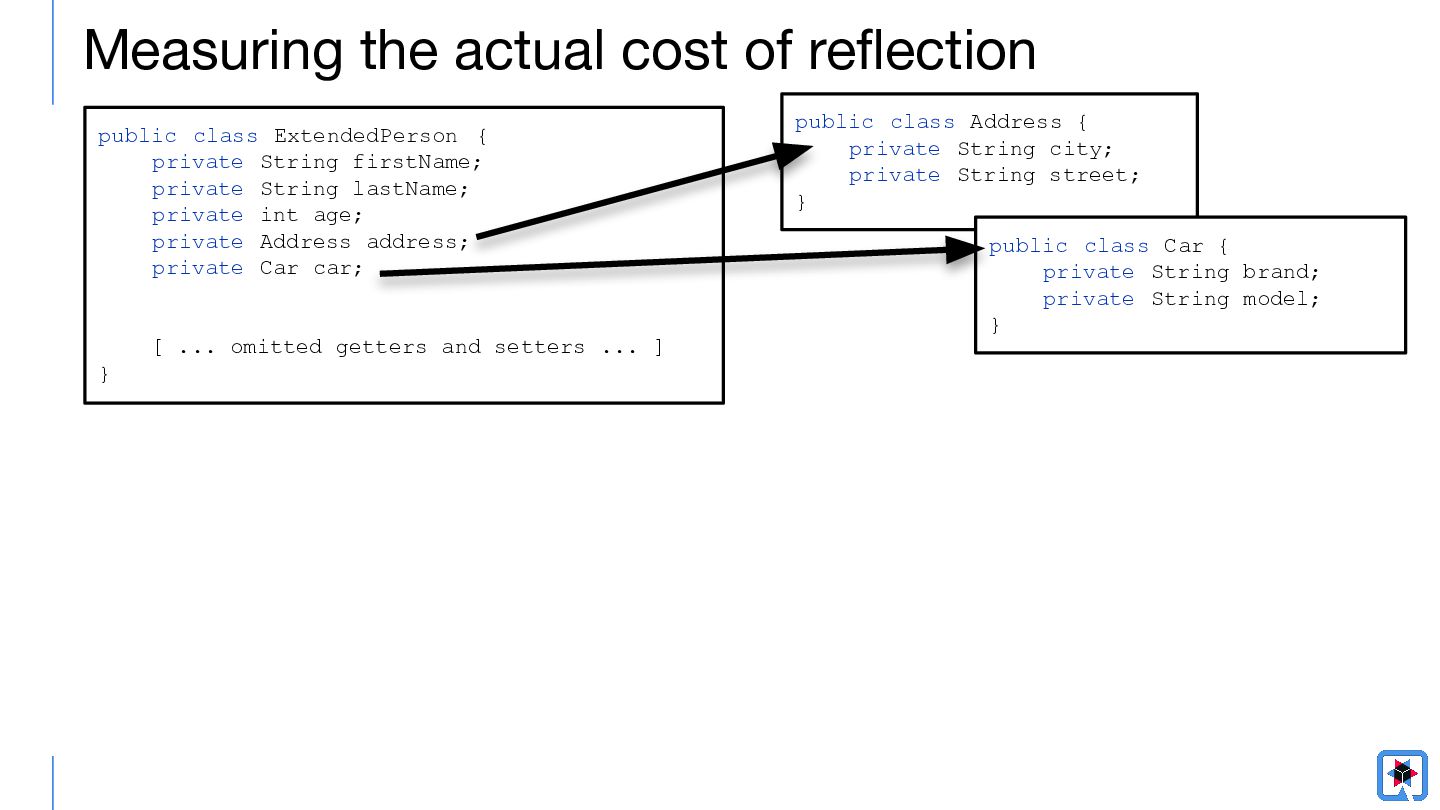
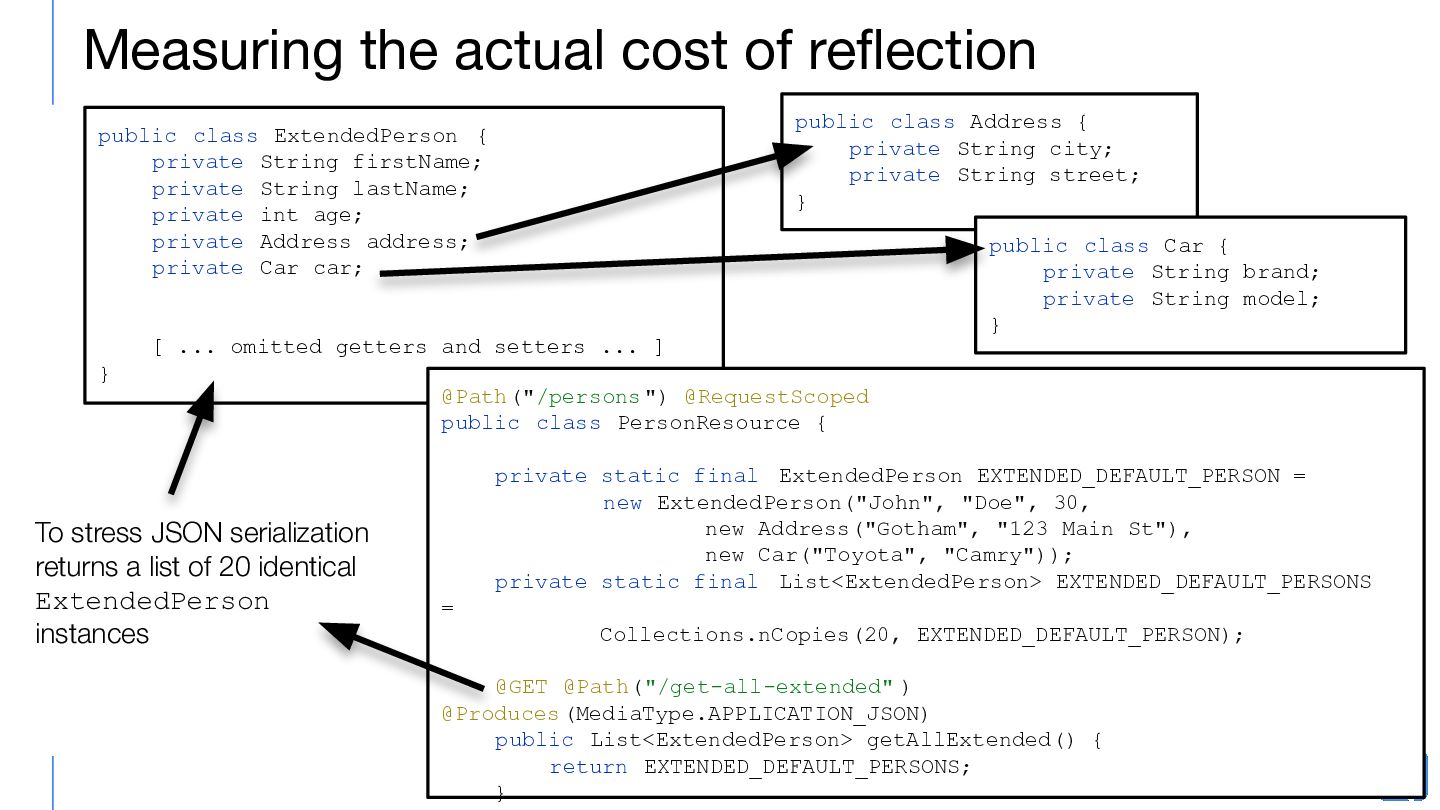
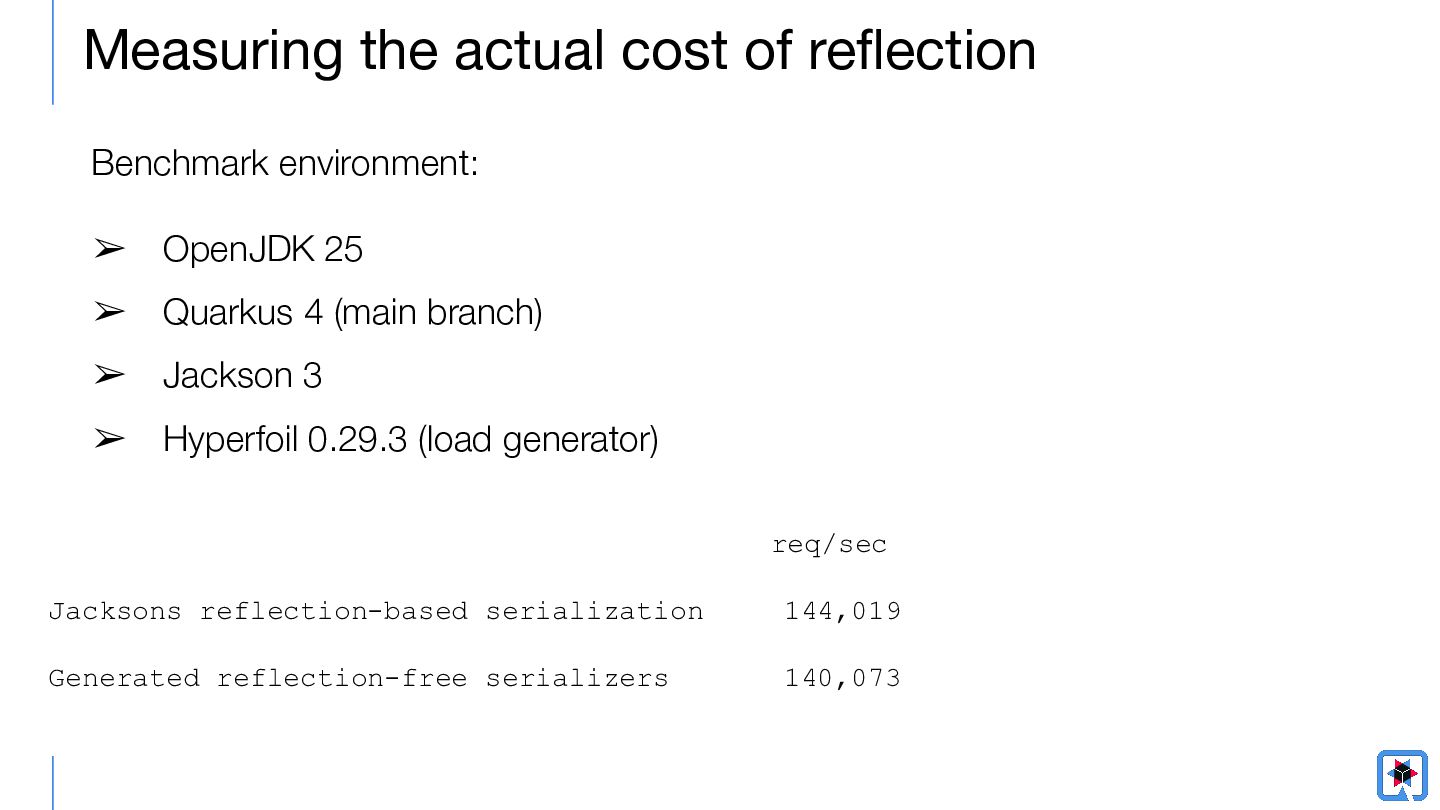
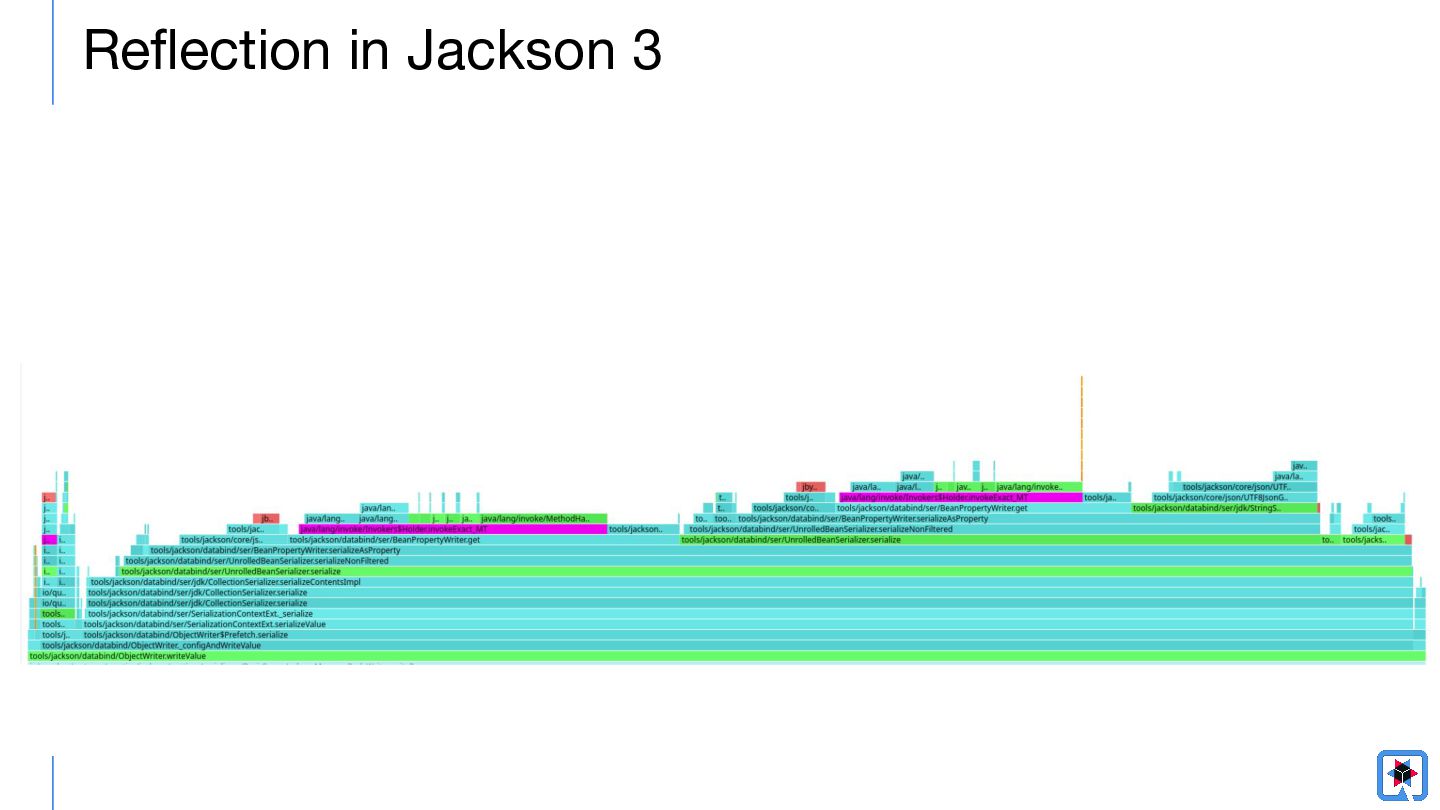
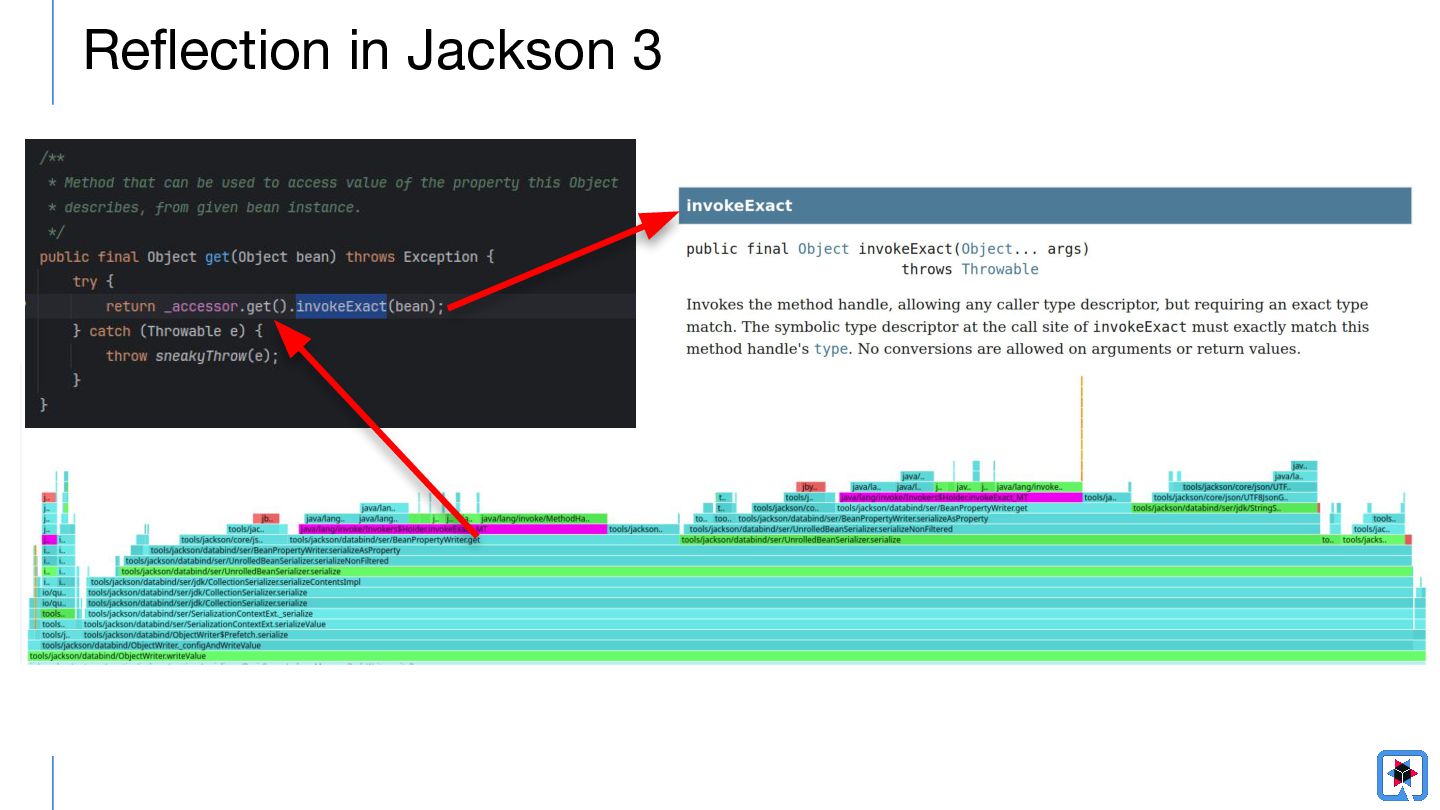
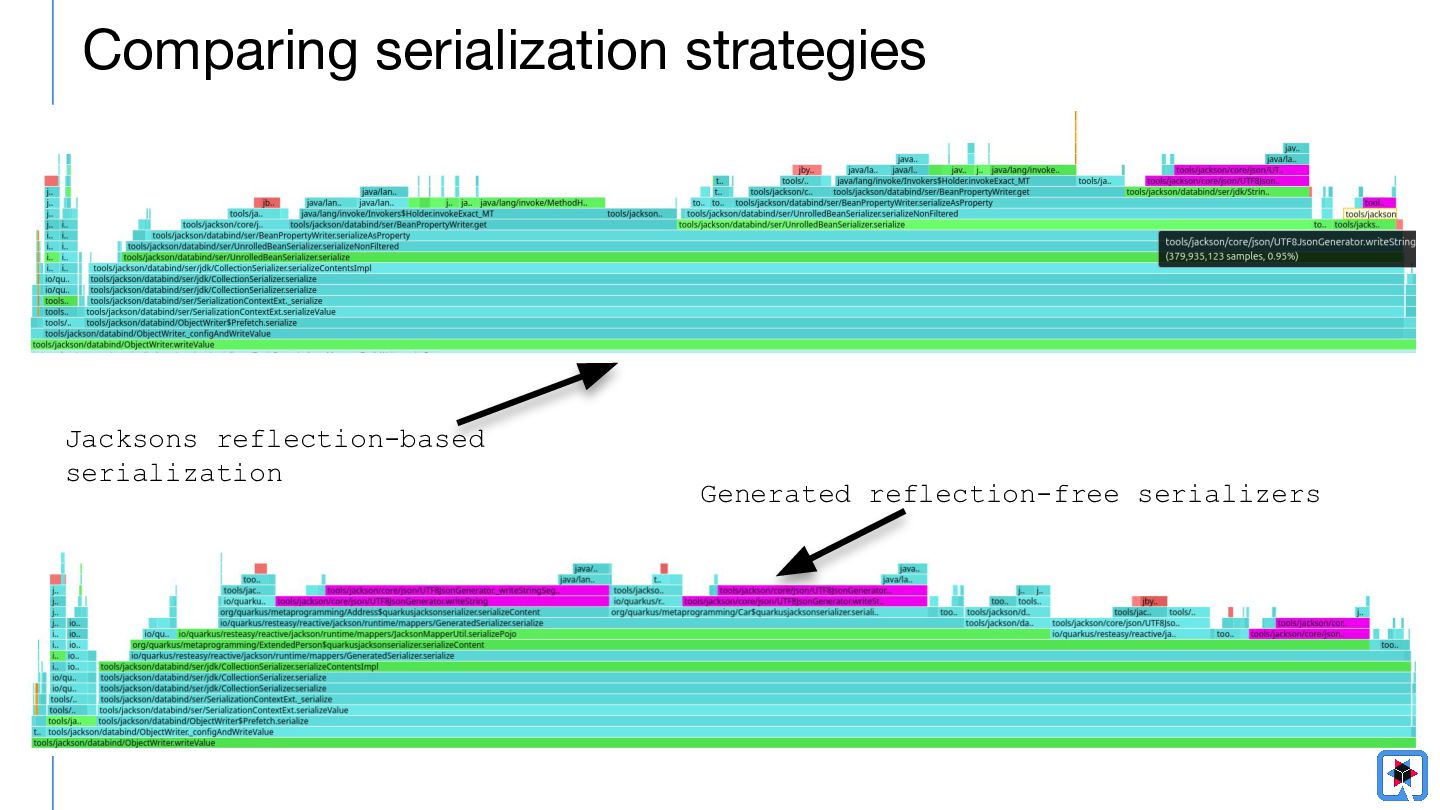
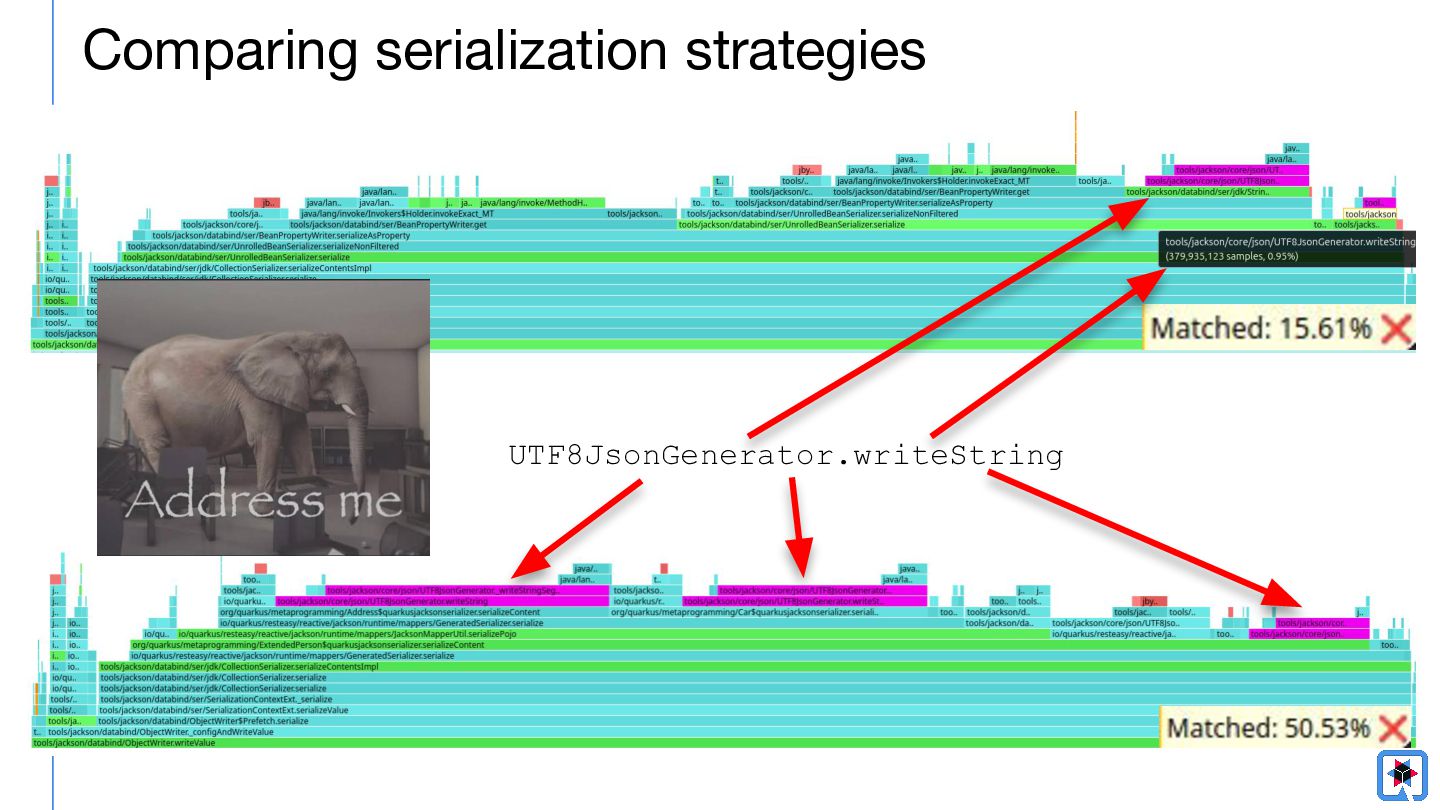
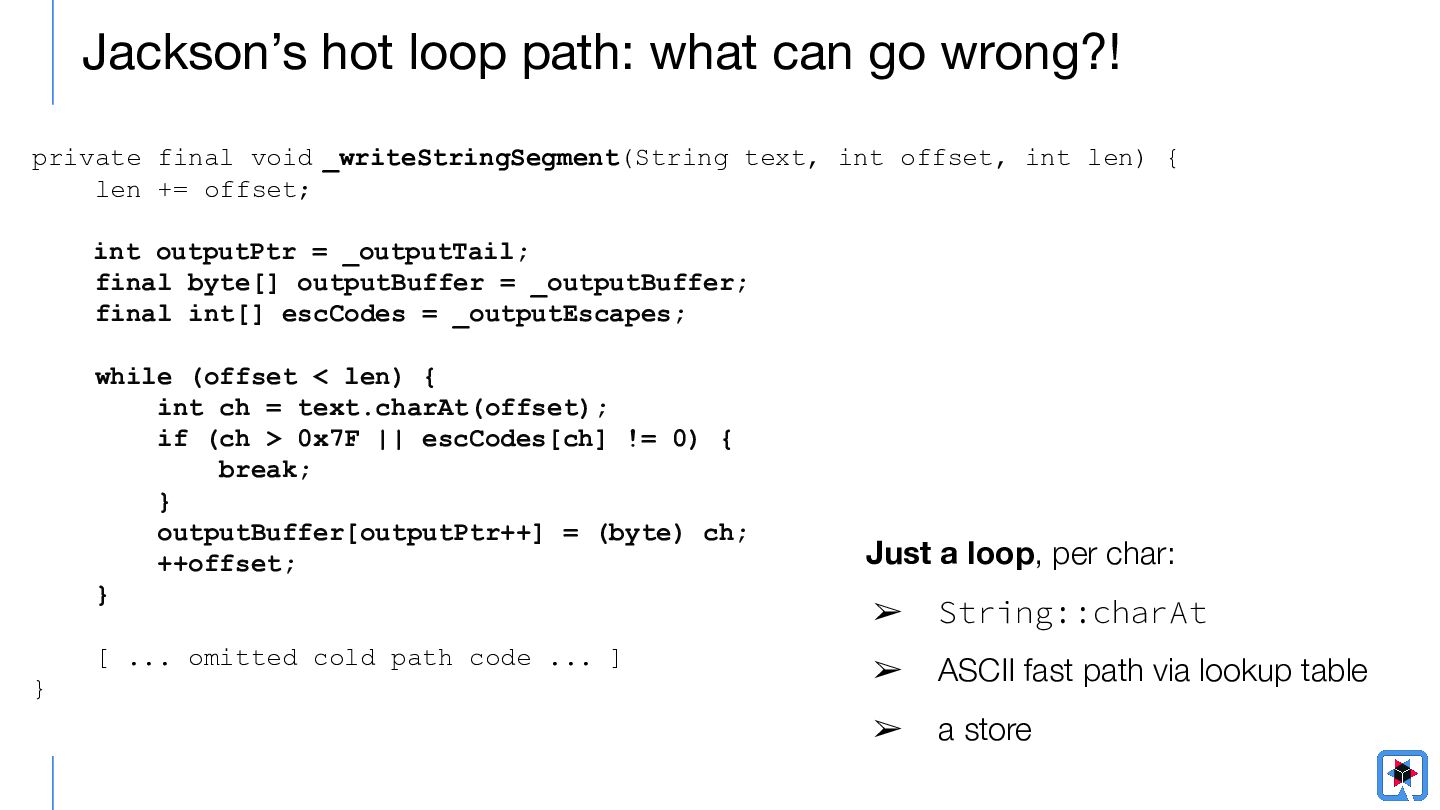
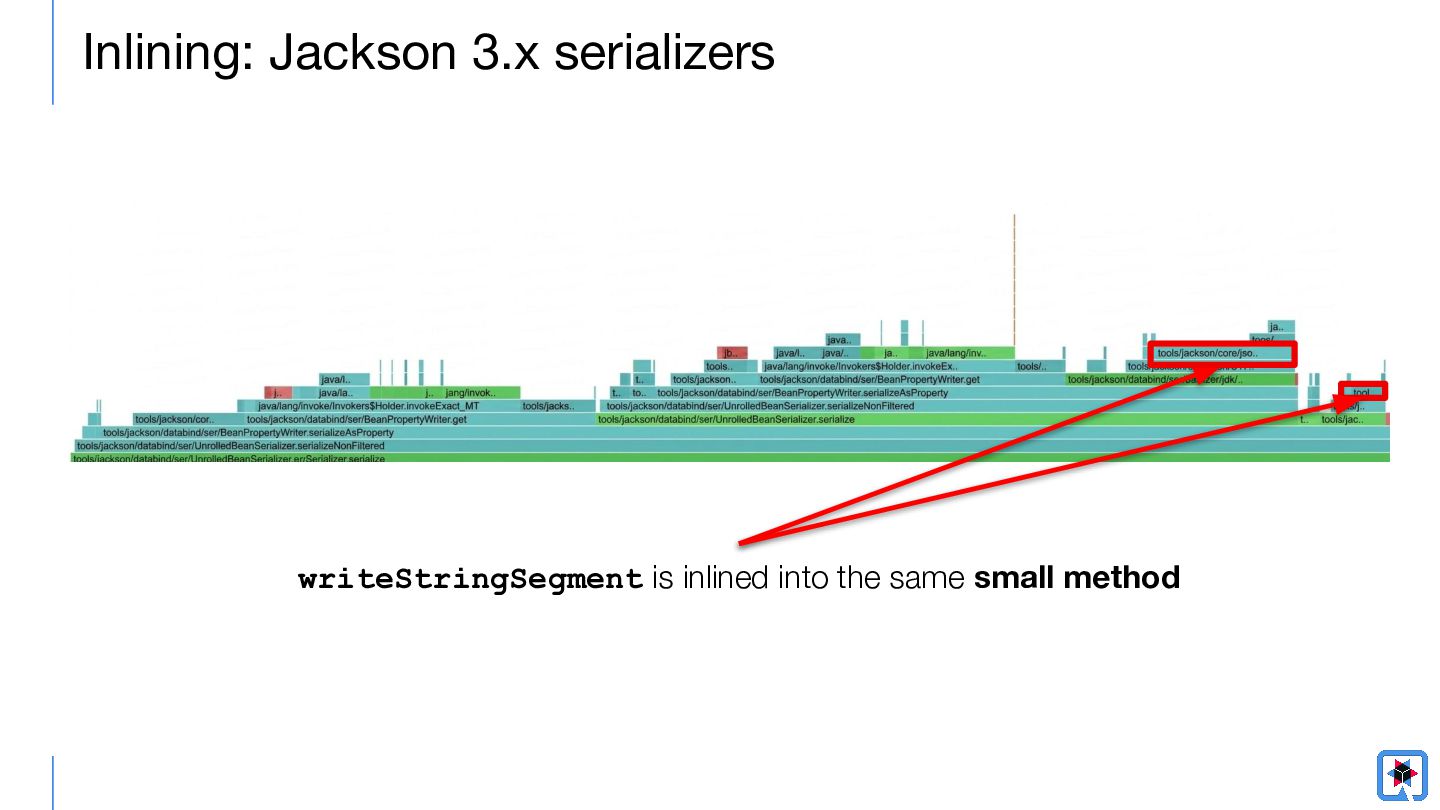
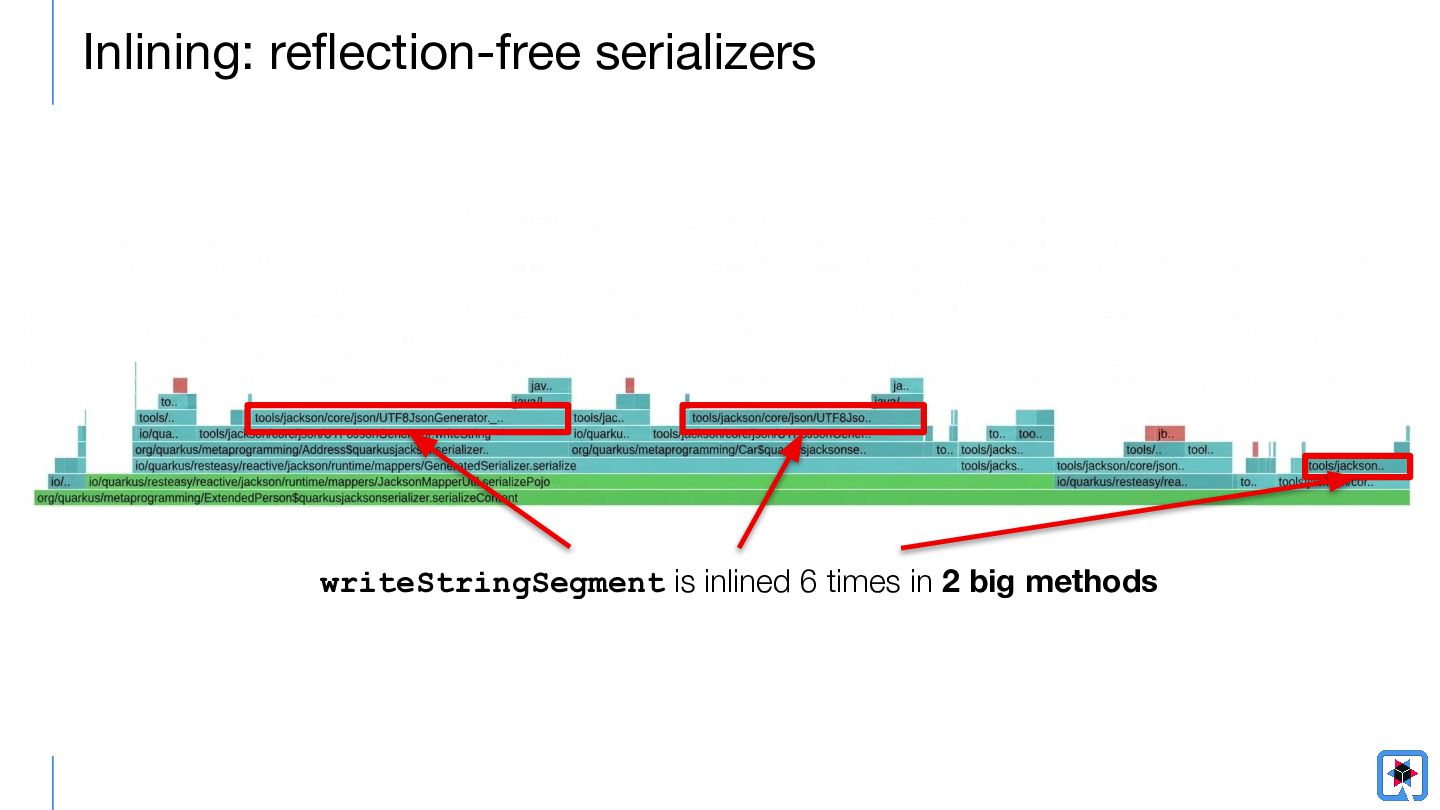
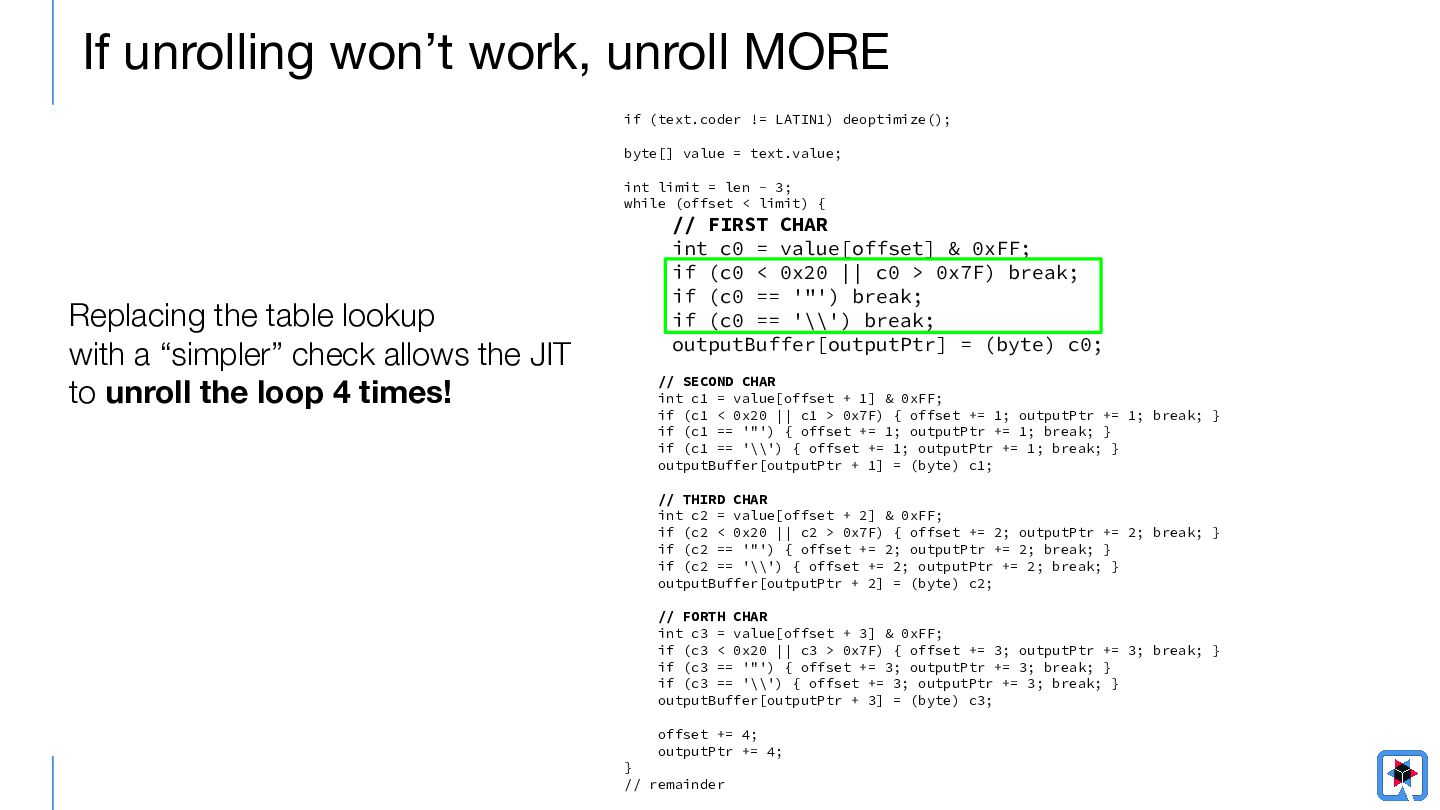
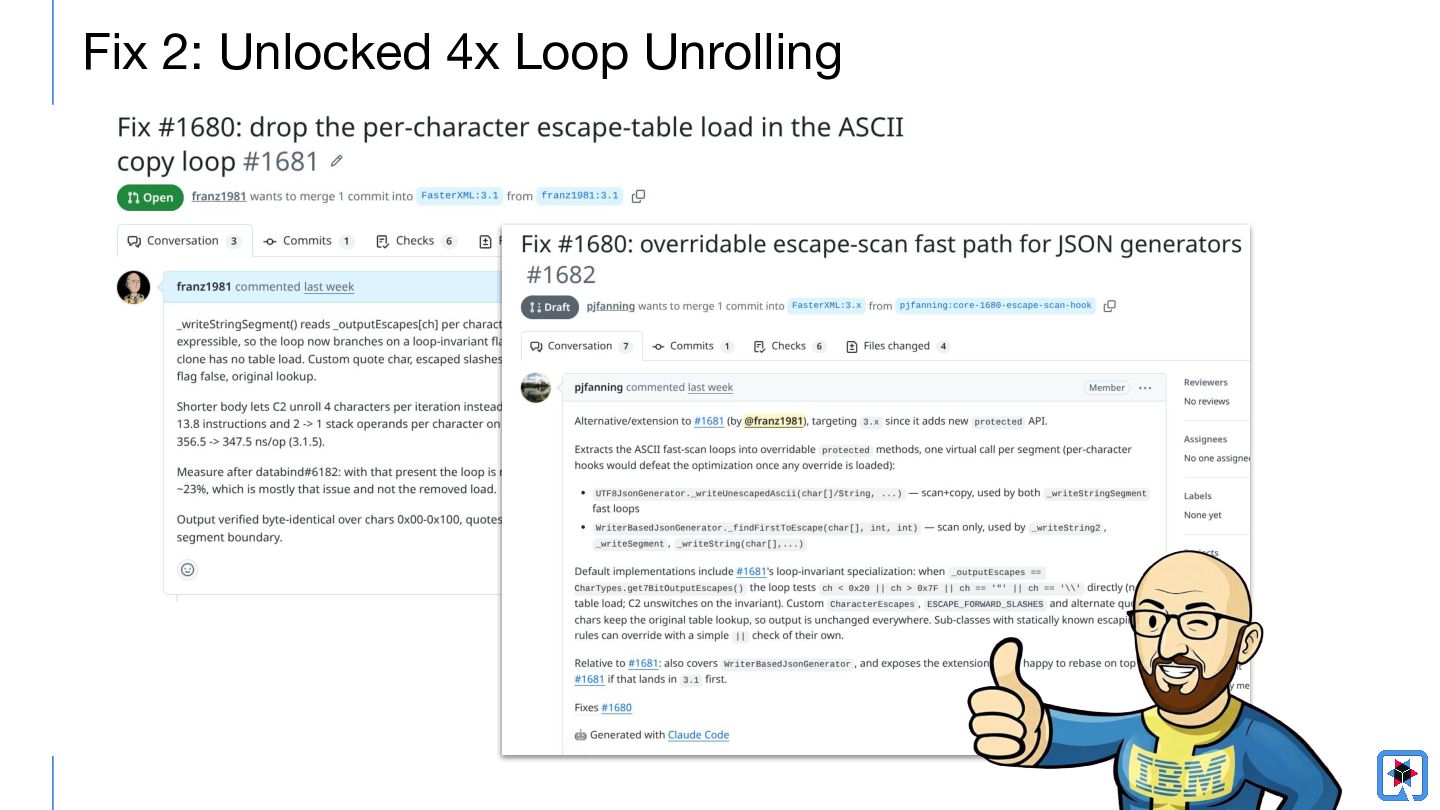
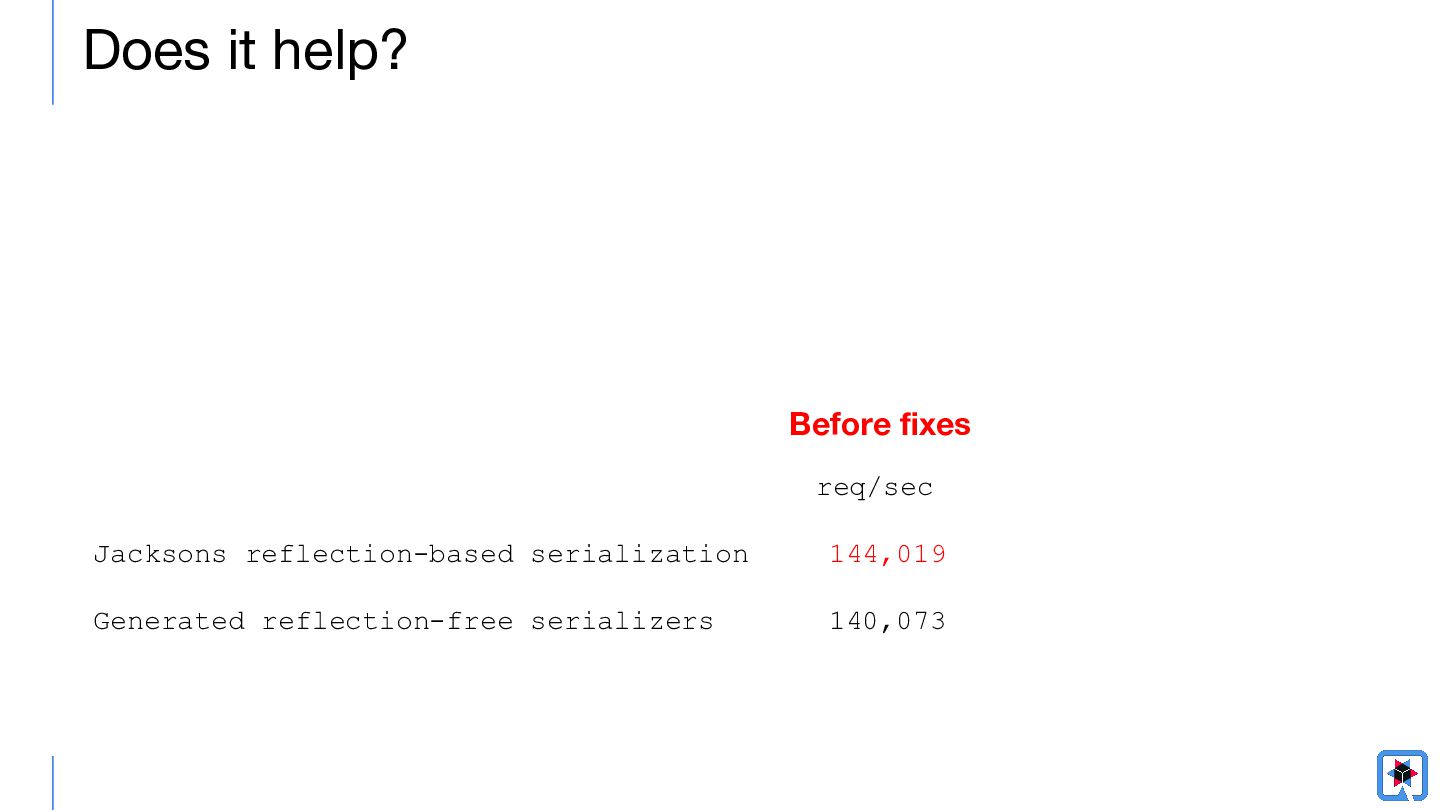
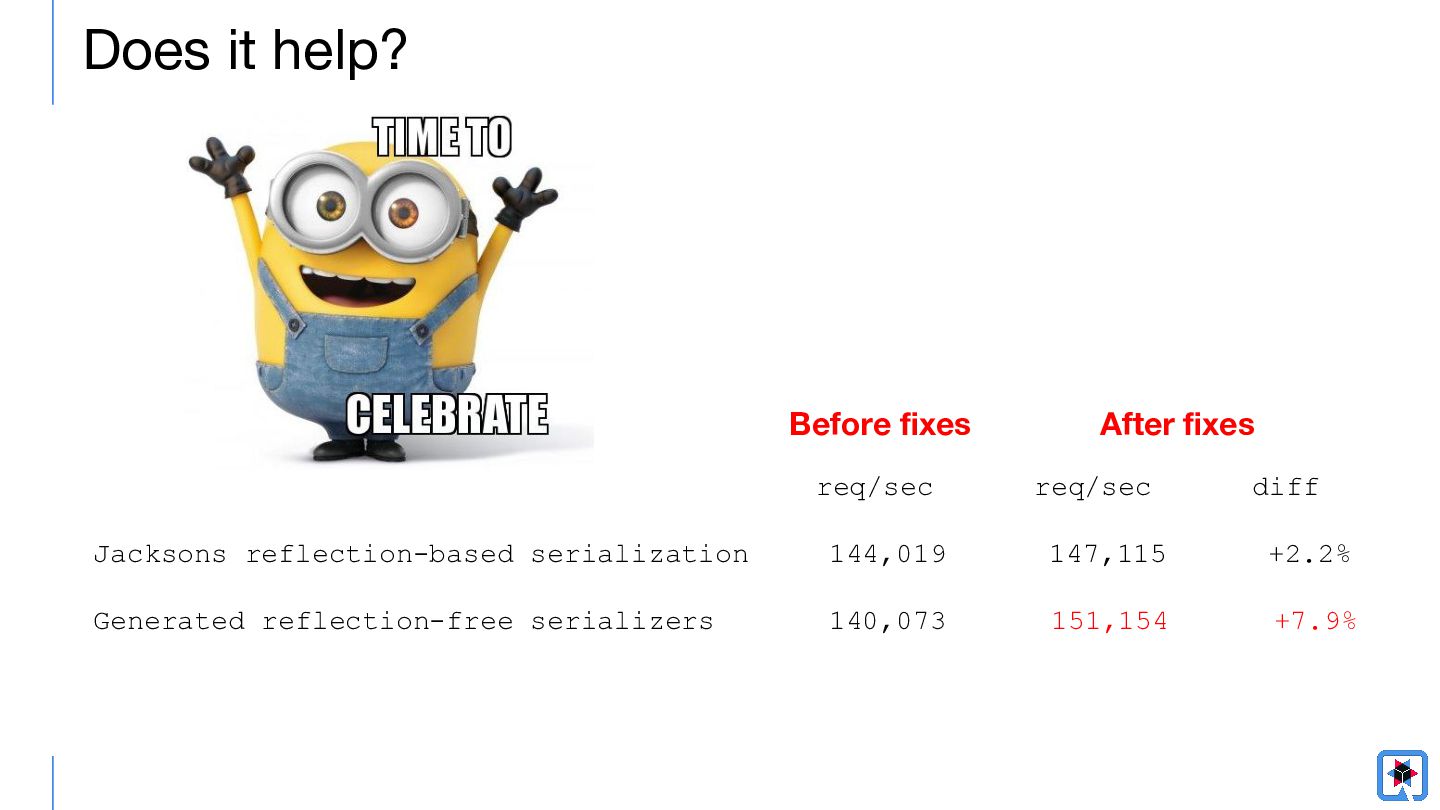
Using the case studies of JSON serialization, REST Client and Quarkus LangChain4j we will walk through how a Quarkus extension can leverage Quarkus's build-time indexing to identify and inspect the application's domain model at build time, and Gizmo to generate optimized bytecode that completely replaces Jackson's reflection-heavy serialization machinery. The result is not just cleaner execution, but measurable performance improvements—demonstrating double-digit throughput gains while reducing latency and runtime overhead.
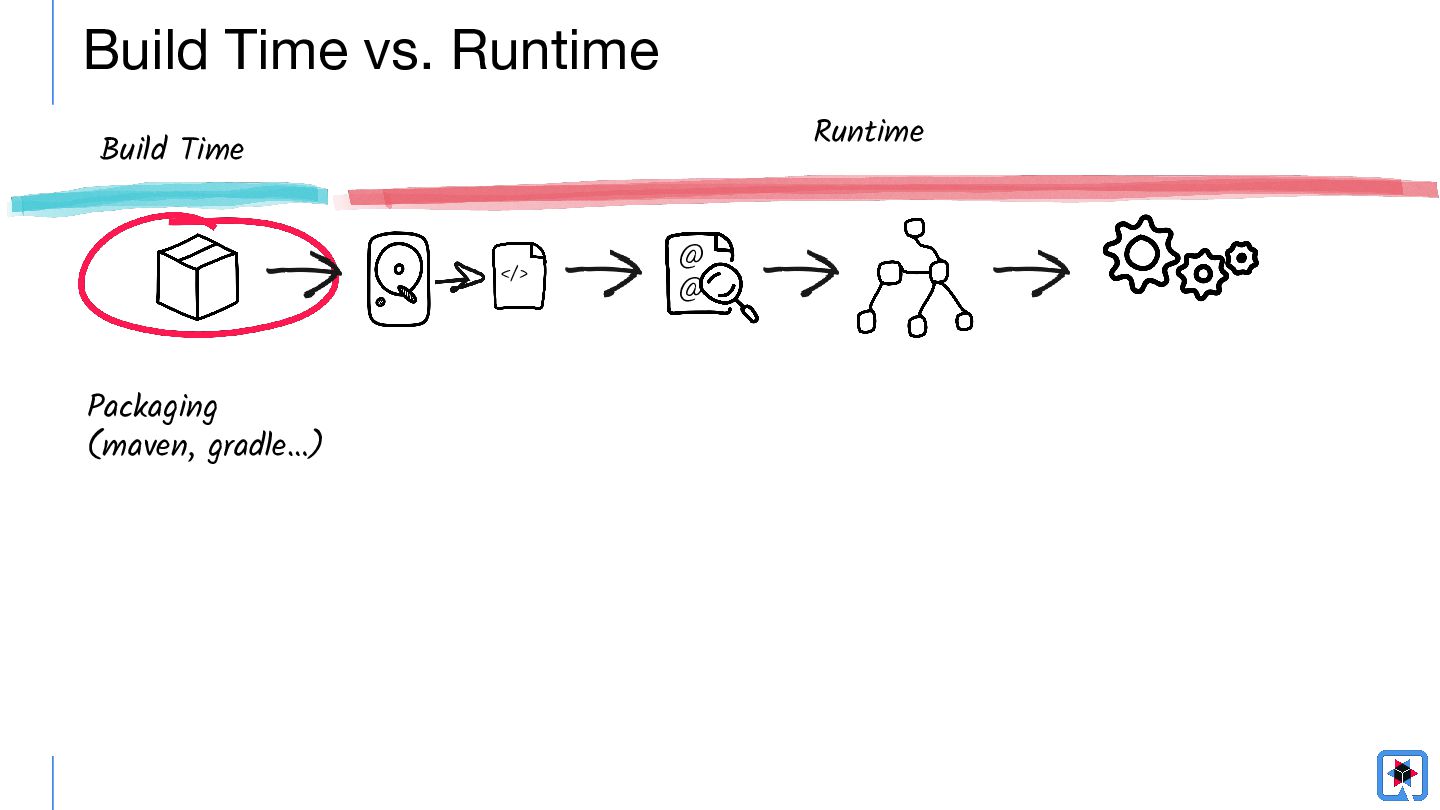
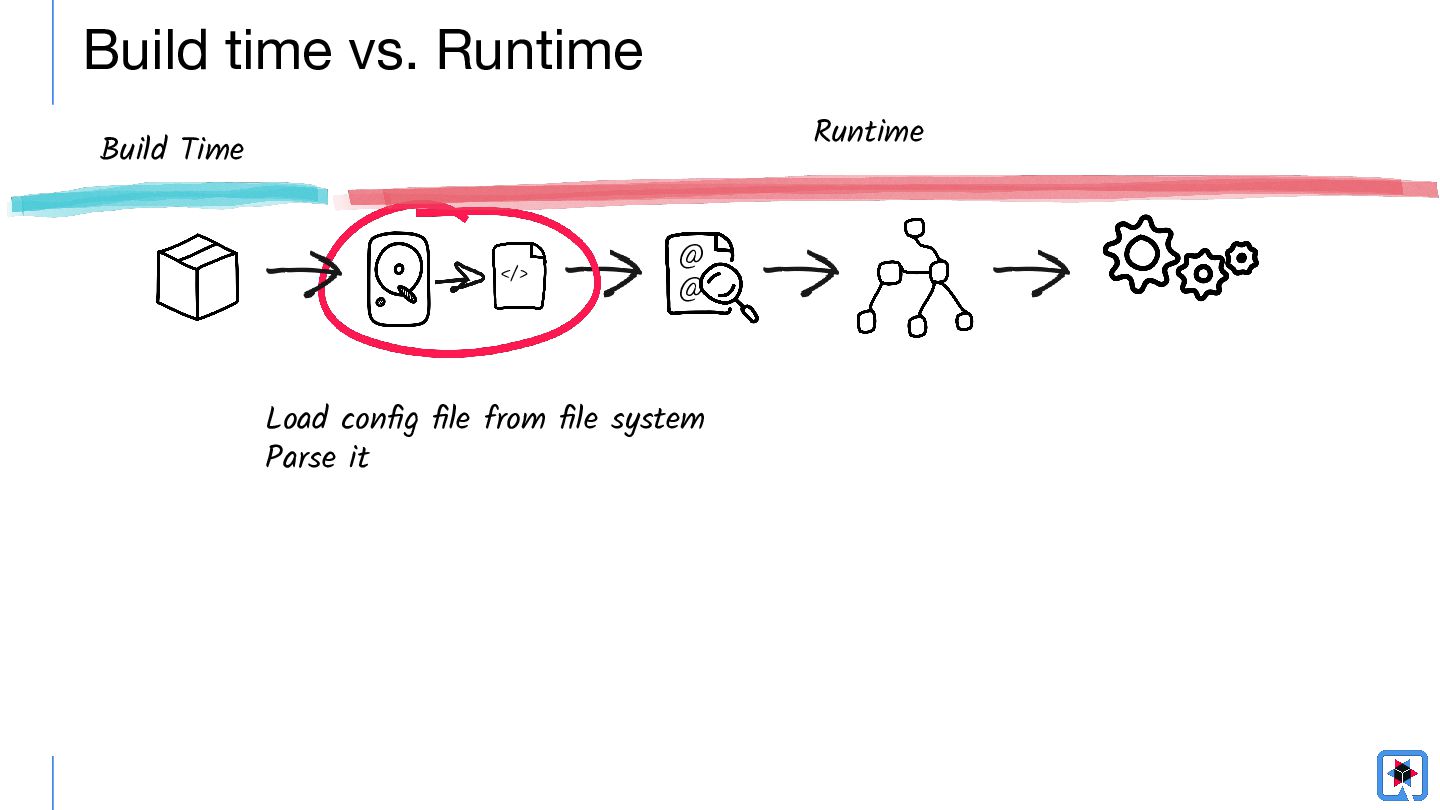
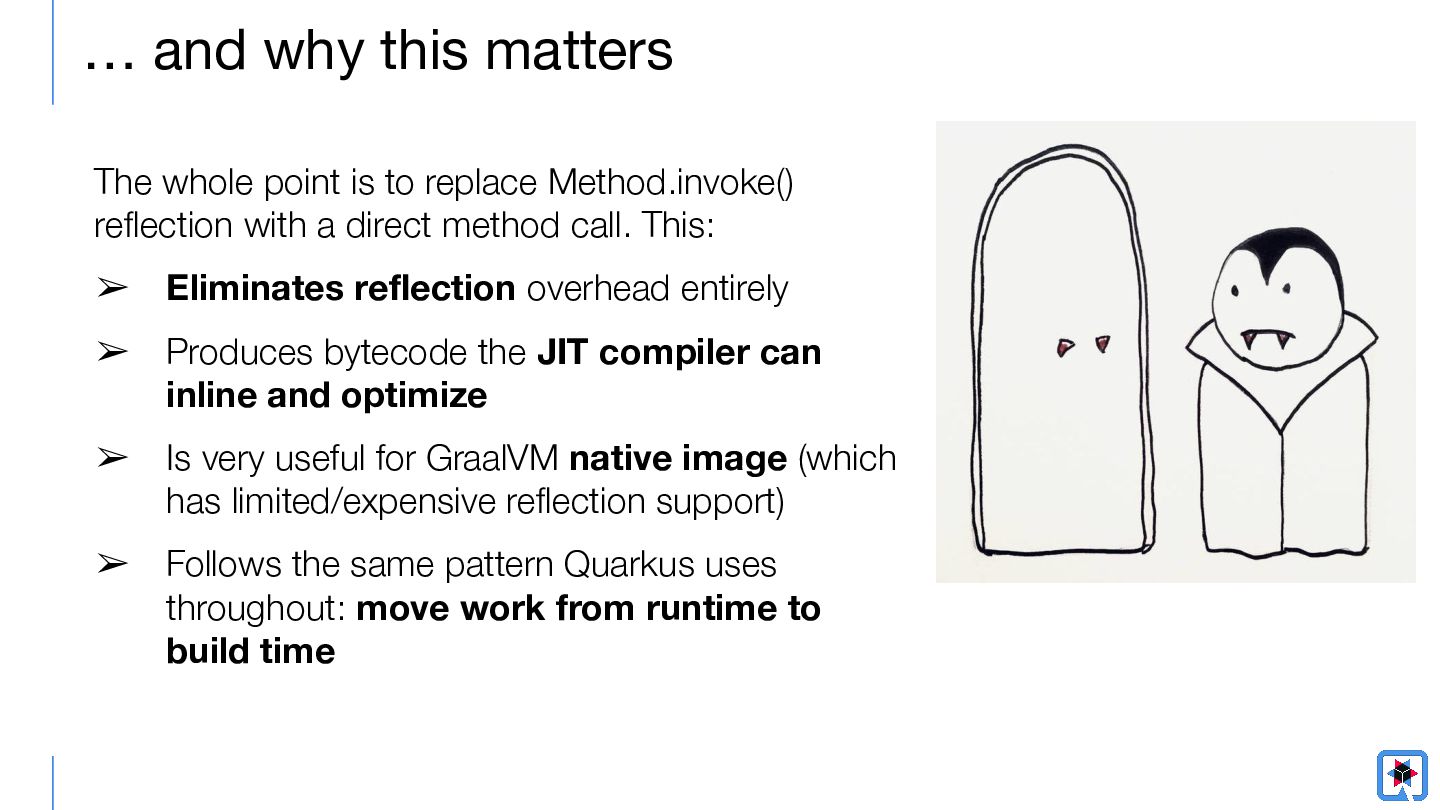
Beyond the specific optimization, this talk reveals a deeper insight: many “dynamic” features in Java are only necessary because frameworks lack build-time knowledge. By embracing ahead-of-time metaprogramming, Quarkus redefines what is possible in the JVM ecosystem.
Attendees will leave with a clear mental model of Quarkus’ architecture, a practical understanding of build-time metaprogramming, and a fresh perspective on how rethinking the boundary between build and runtime can unlock entirely new performance and footprint frontiers.


 mariofusco
 gam0022
 shihochan
 moro
moro
 a_matsuda
 akit37
 ichirokano2
 eed3si9n
 n_takehata
 siroemk
 giljongyu
 optim
optim
 ryu1013
 morganepeng
 speakerdeck
 rakko
rakko
 lara
lara
 akihiro_kokubo
 techseoconnect
 sarafernandez
 wjessup
 twada
twada
 marktimemedia
 coloredviolet