Upgrade to Pro — share decks privately, control downloads, hide ads and more …

AGILE, DevOps And You

AGILE, DevOps And You

Avatar for Marvin Collins Hosea

Marvin Collins Hosea

July 26, 2019

More Decks by Marvin Collins Hosea

Other Decks in Programming

Transcript

  1. Marvin Collins Hosea LEAD APPS:LAB KE ANDELA LCA ELDORET |

    ORGANIZER ANDROID254, droidconKE | Deliver food @letafood
  2. Discussions 1. What is Agile? 2. What is DevOps? 3.

    You As a Developer 4. Questions and Answers
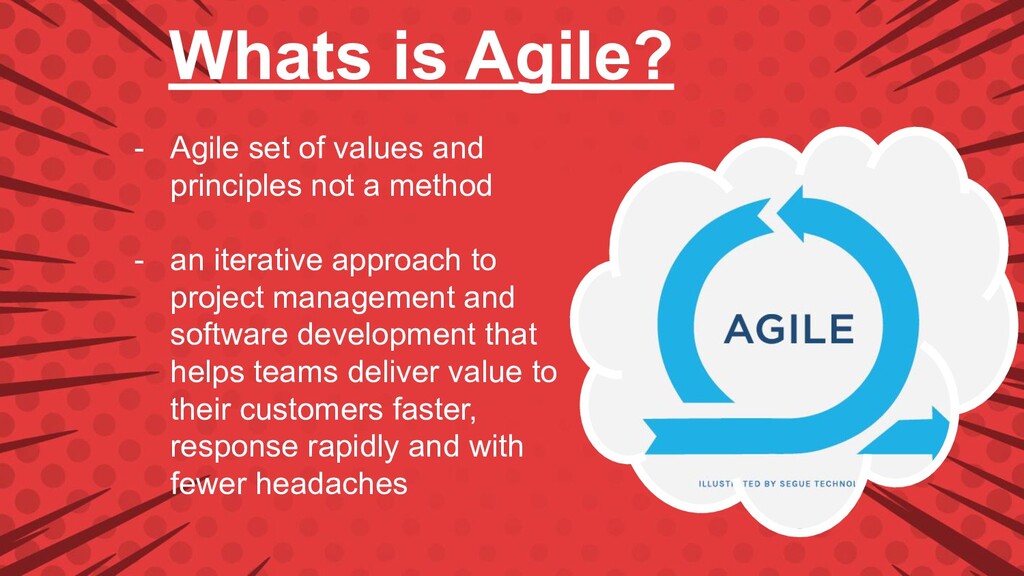
  3. - Agile set of values and principles not a method

    - an iterative approach to project management and software development that helps teams deliver value to their customers faster, response rapidly and with fewer headaches Whats is Agile?

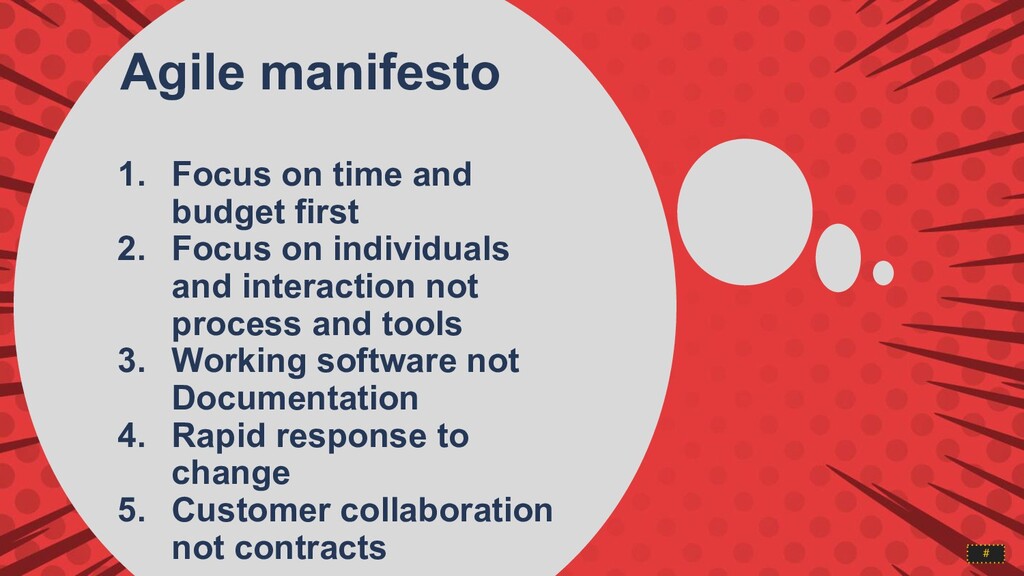
  4. # Agile manifesto 1. Focus on time and budget first

    2. Focus on individuals and interaction not process and tools 3. Working software not Documentation 4. Rapid response to change 5. Customer collaboration not contracts
  5. 12 Key Principles of Agile 1. Highest priority is to

    satisfy the customer through early and continuous delivery of working software
  6. 12 Key Principles of Agile 2. Welcome changing requirements, even

    late in development. a. For the customer’s competitive advantage b. Your team should not burn out while accepting changes.
  7. 12 Key Principles of Agile 3. Deliver working software frequently,

    from couple of weeks to a couple of months by using time-box method. a. Faster feedback
  8. 12 Key Principles of Agile 4. Collaboration - Customer, developers

    and business people must work together throughout the project.
  9. 12 Key Principles of Agile 5. Build projects around motivated

    individuals a. Trust them to get the job done b. Give them the support they need c. Give them conducive environment
  10. 12 Key Principles of Agile 7. Working software is the

    primary measure of progress a. A software is finished when it is tested and accepted by the end user not the developer
  11. 12 Key Principles of Agile 11. Self-organizing teams a. Don’t

    require a manager to do the work b. Collaboration c. Teamwork d. Growth e. Commitment
  12. 12 Key Principles of Agile 12. At regular intervals, the

    team reflects on how to become more effective. a. Bring continues improvement b. Increase productivity
  13. AGILE PRACTICES 1. Daily Standup meetings 2. User Stories 3.

    Automated test and build 4. Agile Planning: Release, Iteration and Task 5. Pair Programming 6. Continuous Integration 7. Retrospectives
  14. 1. Stakeholder Engagement and Satisfaction 2. Transparency 3. Early and

    Predictable Delivery 4. Predictable Costs and Schedule 5. Flexible Prioritization 6. Improves Quality 7. It gives your team Purpose Benefits of Agile Software Development
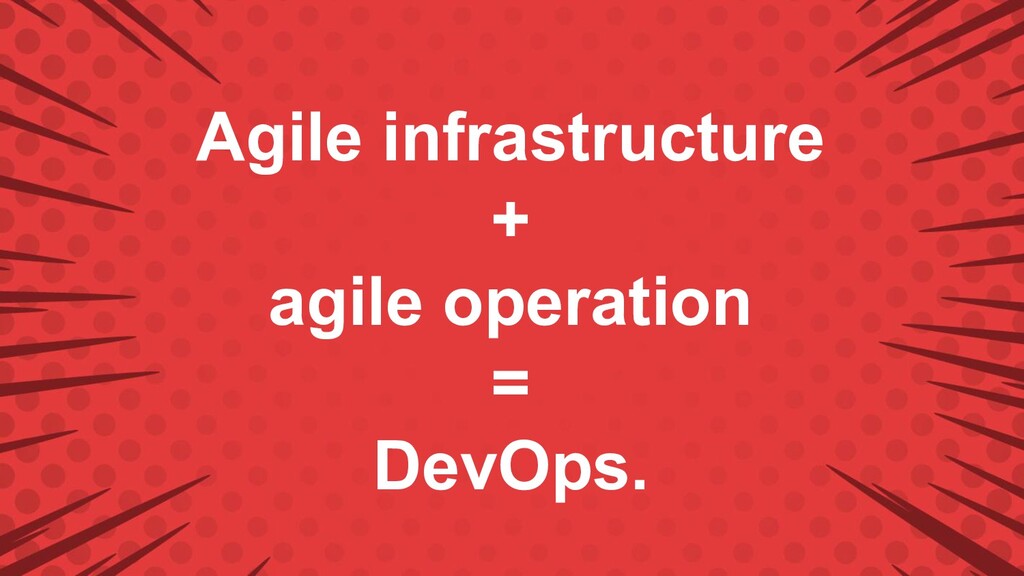
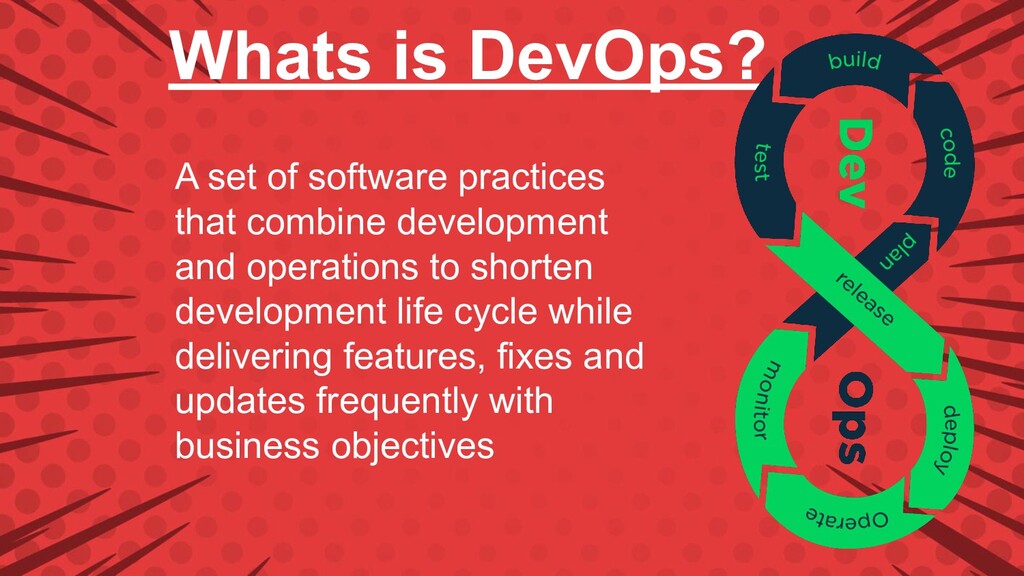
  15. A set of software practices that combine development and operations

    to shorten development life cycle while delivering features, fixes and updates frequently with business objectives Whats is DevOps?
  16. - it’s a culture - it’s a practice - it’s

    tools - it’s business - it’s operations - it’s productivity
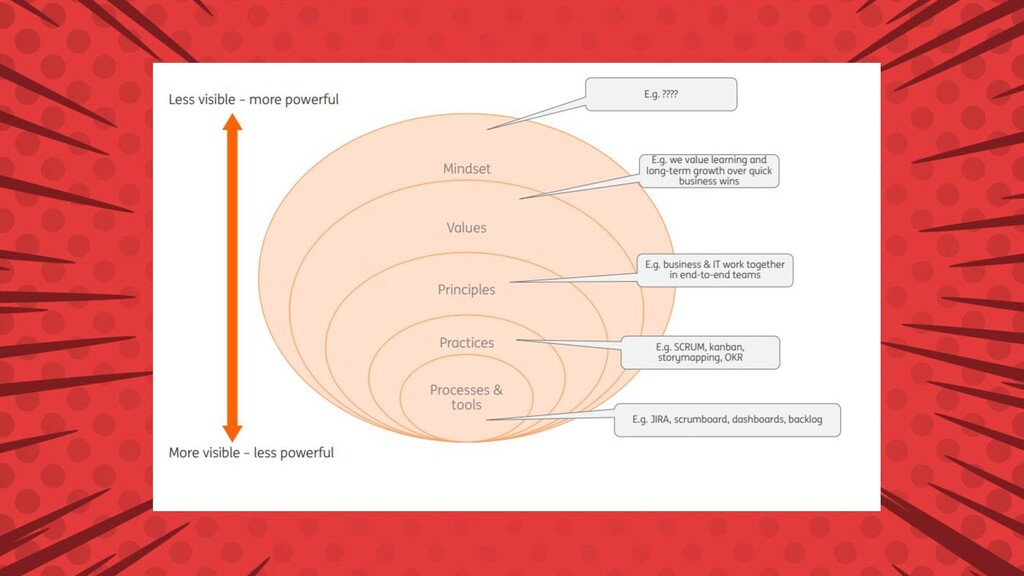
  17. DevOps Models 1. DevOps Cultural Philosophy a. it’s a mindset

    b. decreasing silos c. increase collaboration d. shared responsibility
  18. DevOps Models 2. DevOps Values and Principle a. customer first

    b. embrace failure c. automate everything d. demand diversity e. focus on result
  19. DevOps Models 3. DevOps Practices Explained - a. continuous integration

    (ci) b. continuous delivery/deployment(cd) c. microservices d. infrastructure as code {configuration management,policy as code} e. monitoring and logging f. communication and collaboration
  20. DevOps Models 1. DevOps Cultural Philosophy 2. DevOps Values 3.

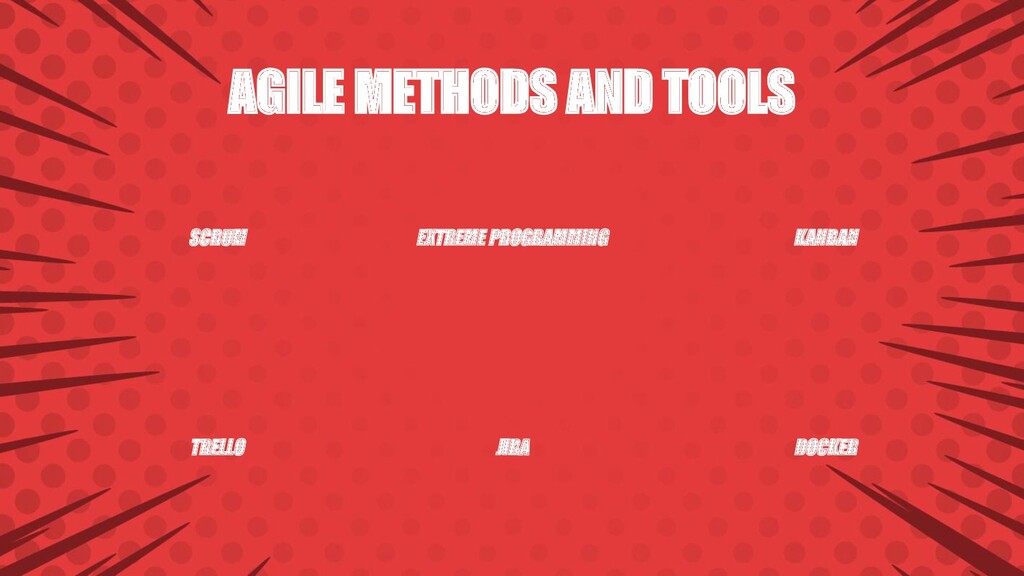
    DevOps Practices Explained 4. DevOps methods - Scrum, Kanban 5. DevOps Tools - Trello, Docker, Confluence, jira, bitbucket,, Bamboo,
  21. NOW YOU’RE READY • Apply Agile principles • Do a

    lot with little - automate • Documentation and commenting • Have experience with server admin and server hardware • Learn to capture clients instructions. • Learn infrastructure as code • Do proactive development • Containerization containerization • Have soft and hard skills in your resume