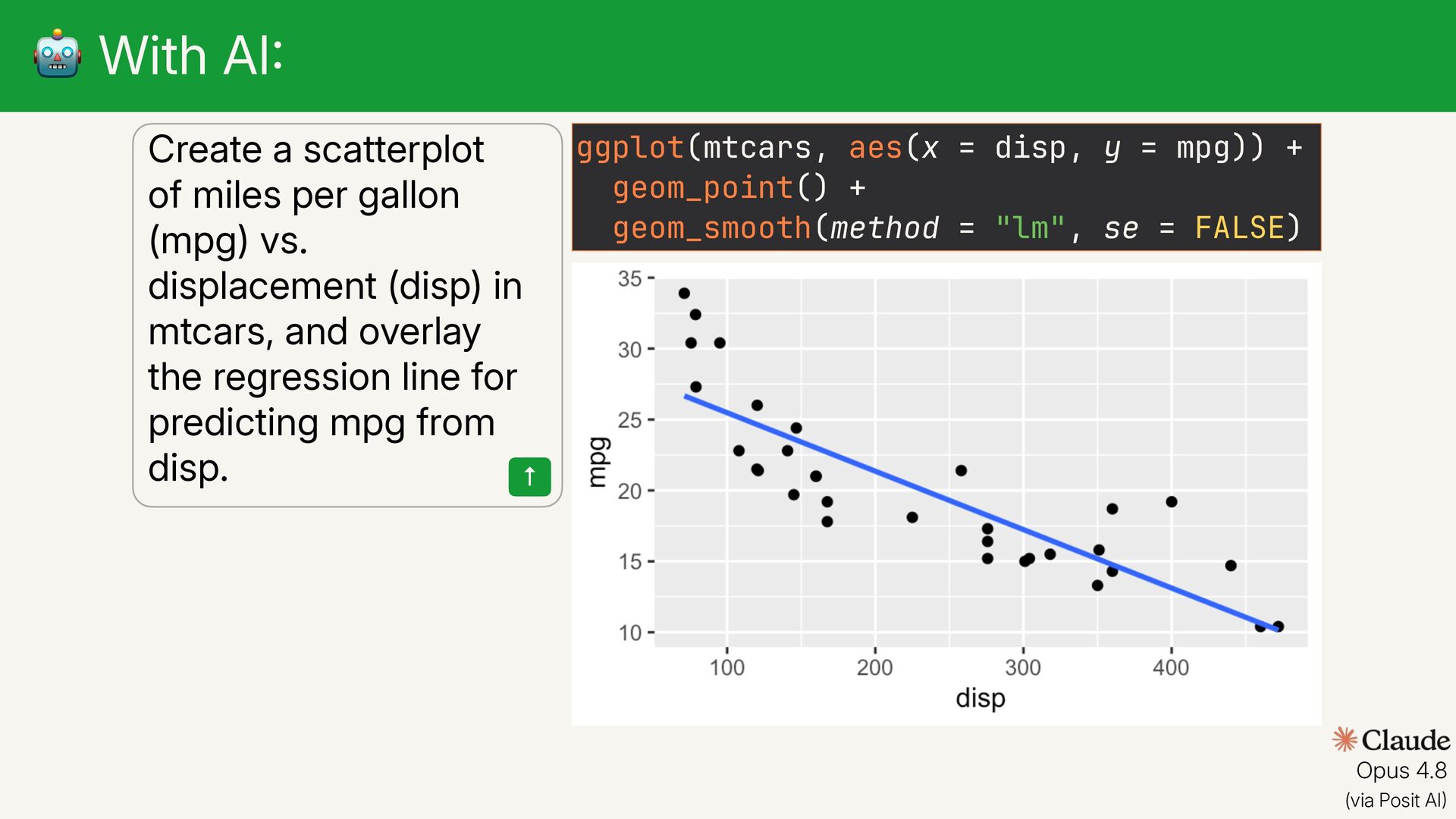
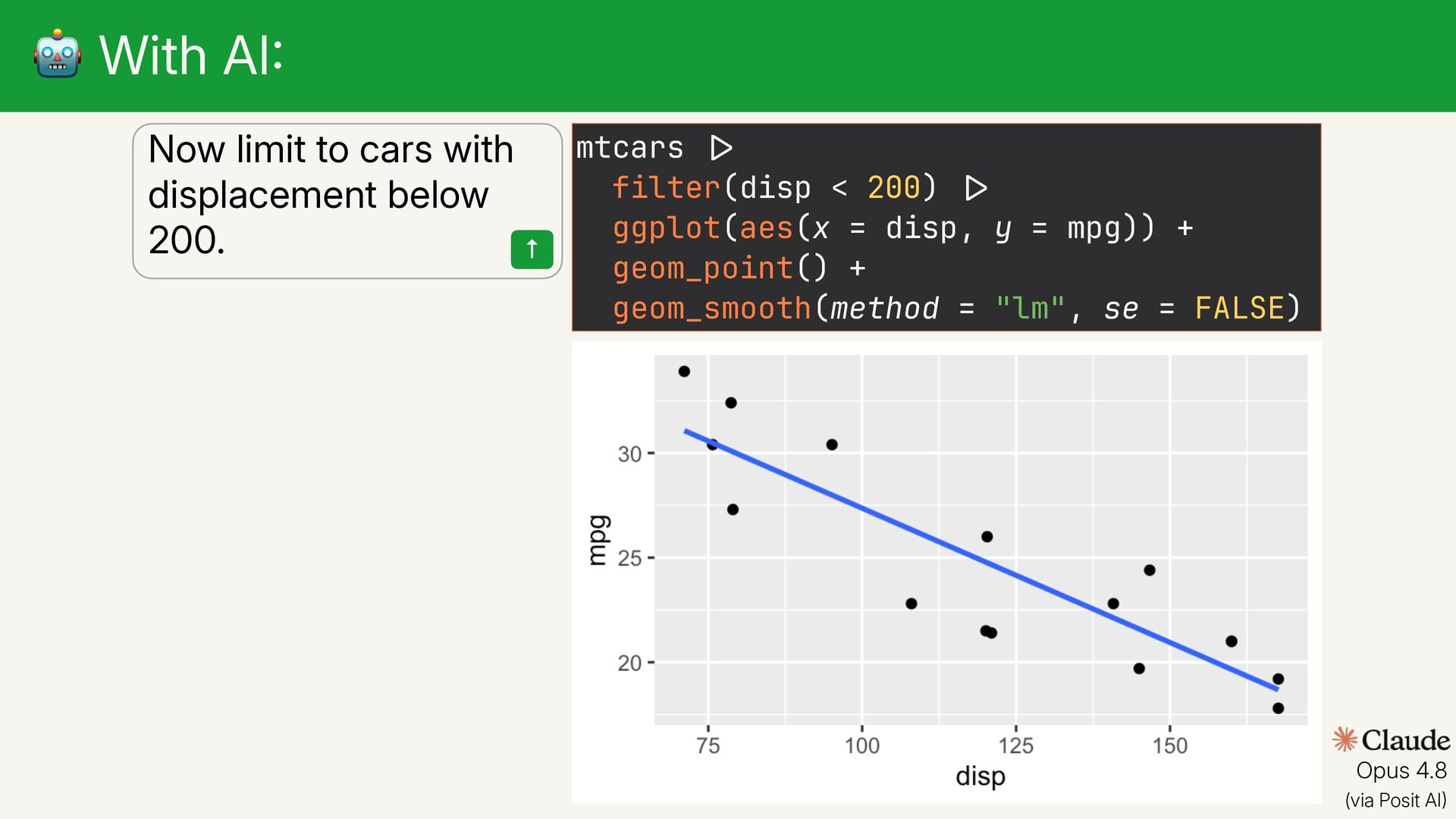
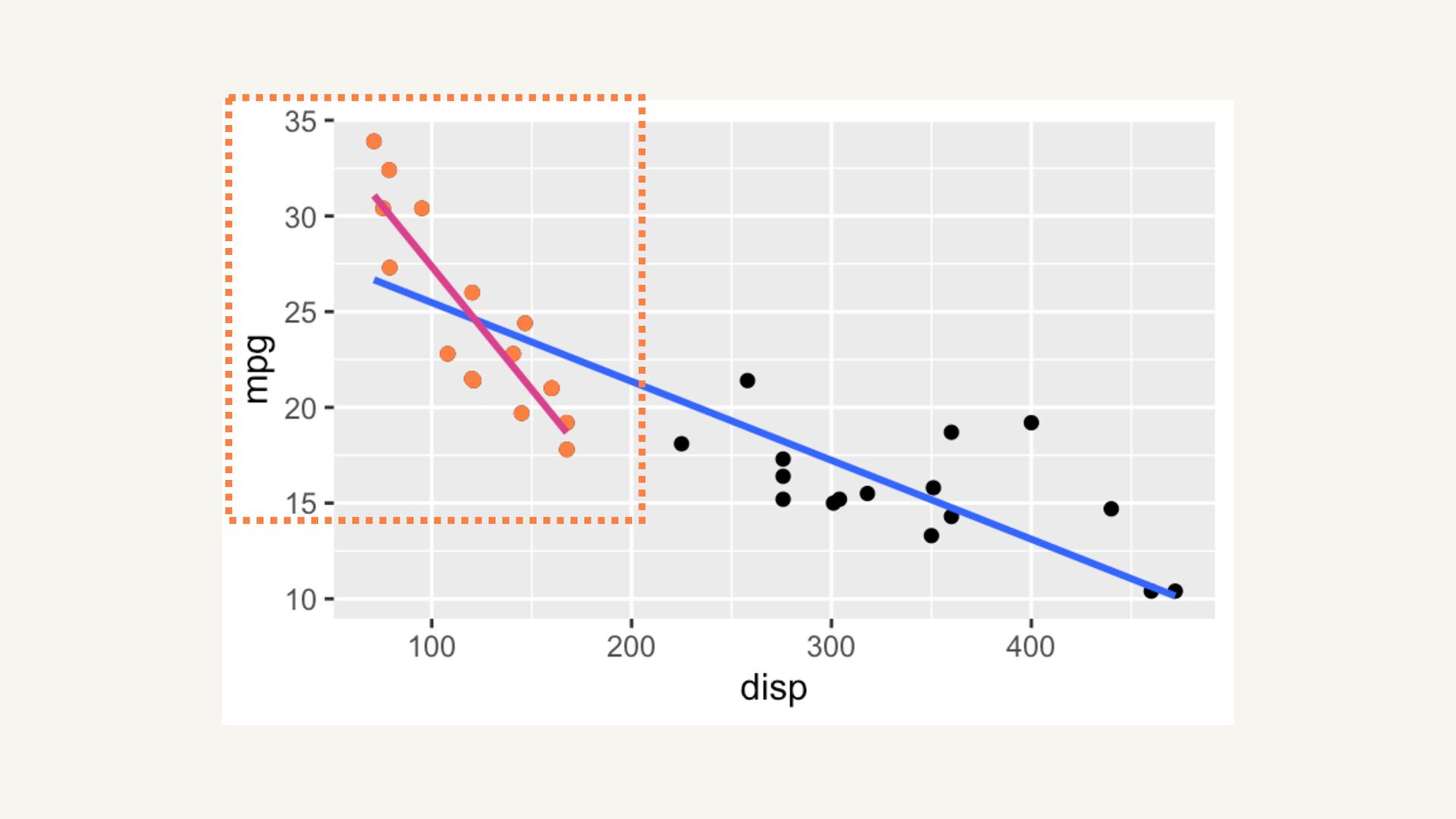
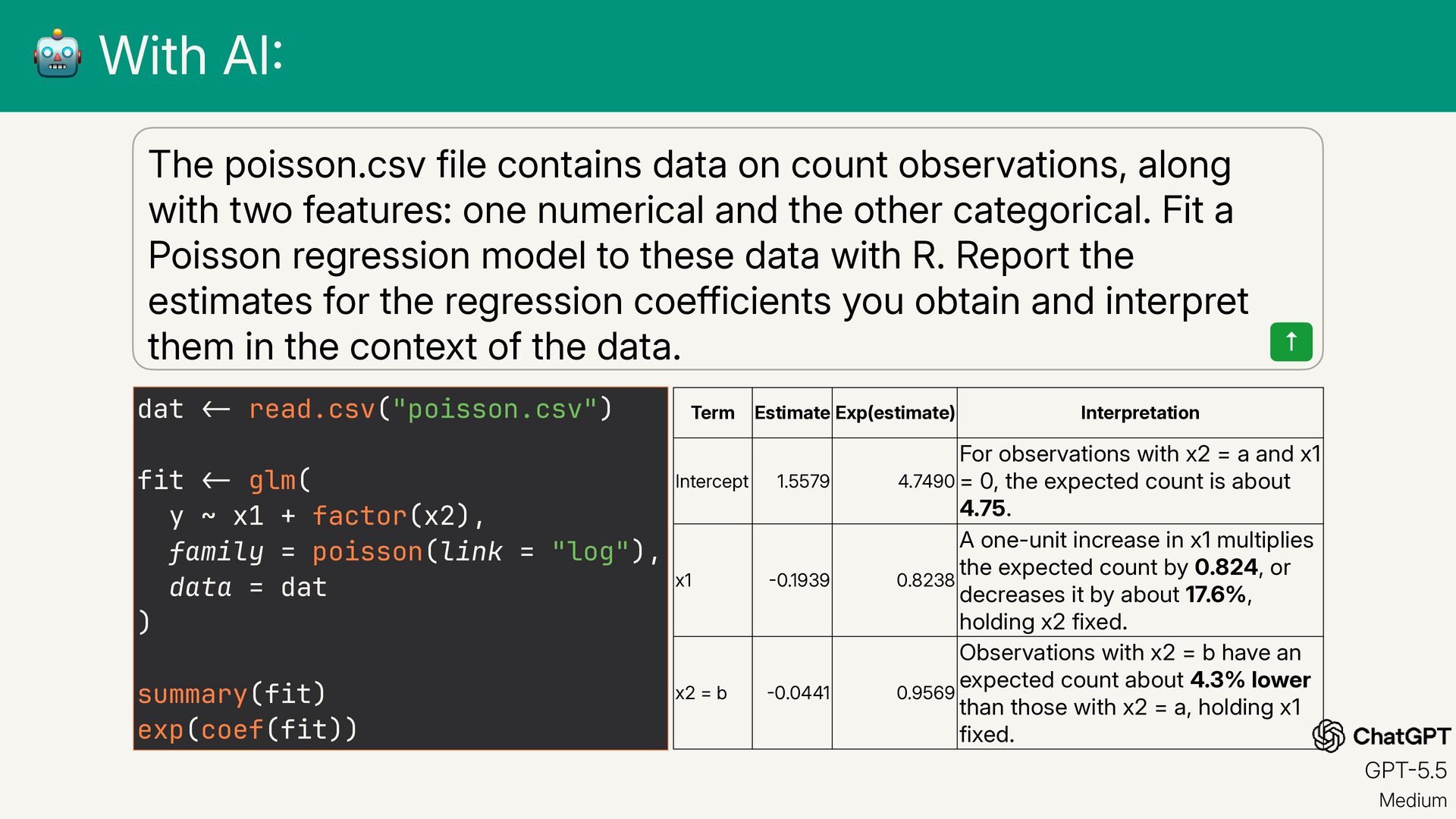
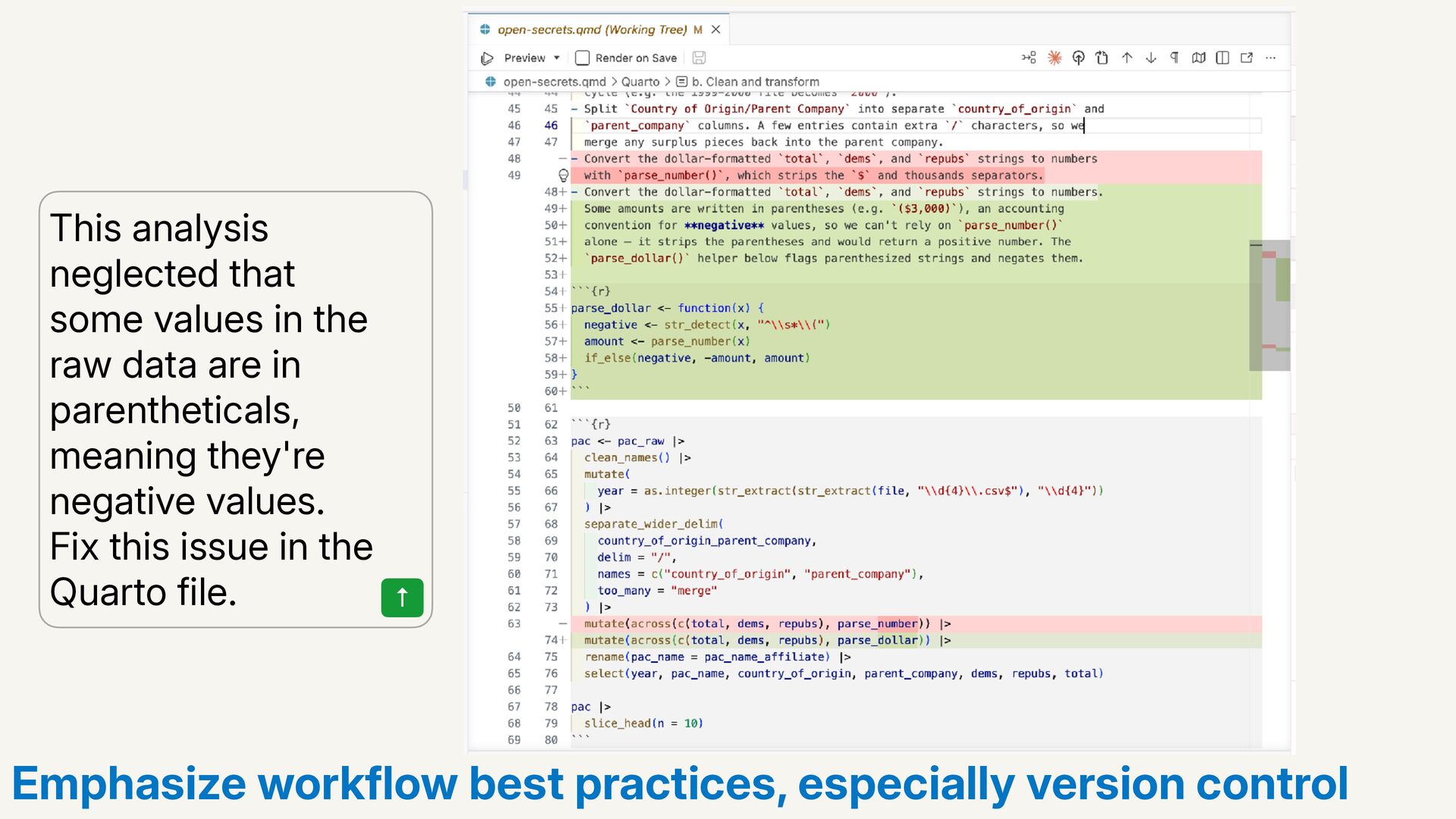
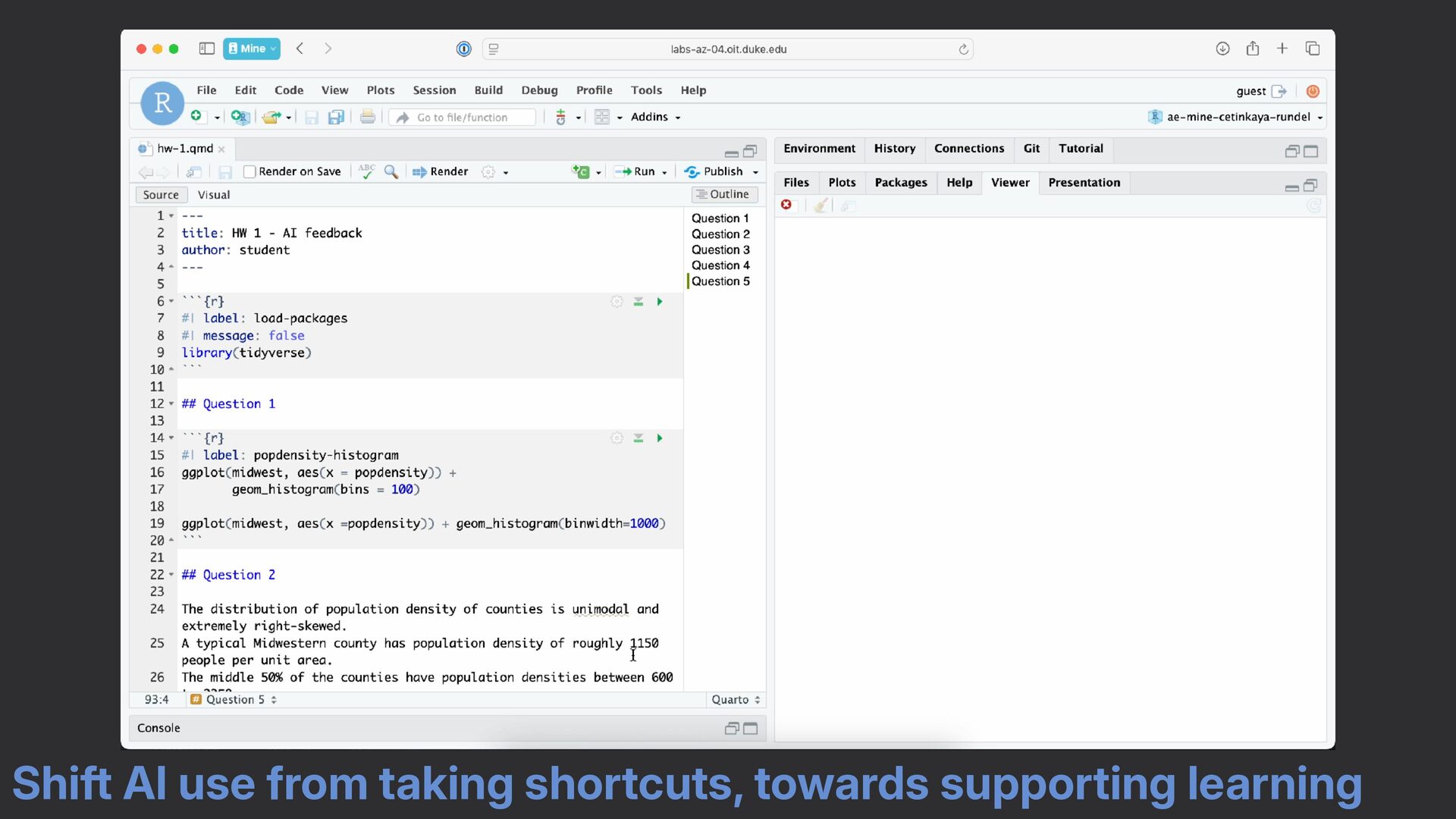
AI tools can now generate a polished ggplot in seconds, scaffold an entire Quarto report from a prompt, and debug a dplyr pipeline faster than most students can type. This raises a reasonable question for statistics and data science educators: should we still be asking students to learn to do these things themselves?
I argue yes — and that the case for teaching programming and reproducible workflows is stronger than ever. When AI produces code freely, mastery becomes the differentiator: the ability to read a generated script and assess whether it is doing what you think it is doing, to recognize when a pipeline quietly produces the wrong answer, and to structure an analysis so that every step can be followed and verified. Beyond code correctness, learning modern data science workflows teaches students to think with data — to ask sharper questions, notice what a dataset can and cannot answer, and build the habits of mind that underpin rigorous reasoning about uncertainty and statistical modeling. These are the foundations of statistical thinking; the code is how we practice them. Reproducibility, in this framing, is not a technical nicety but a cornerstone of scientific integrity — and tools like version control that enforce it turn out to be essential for working productively with AI as well.
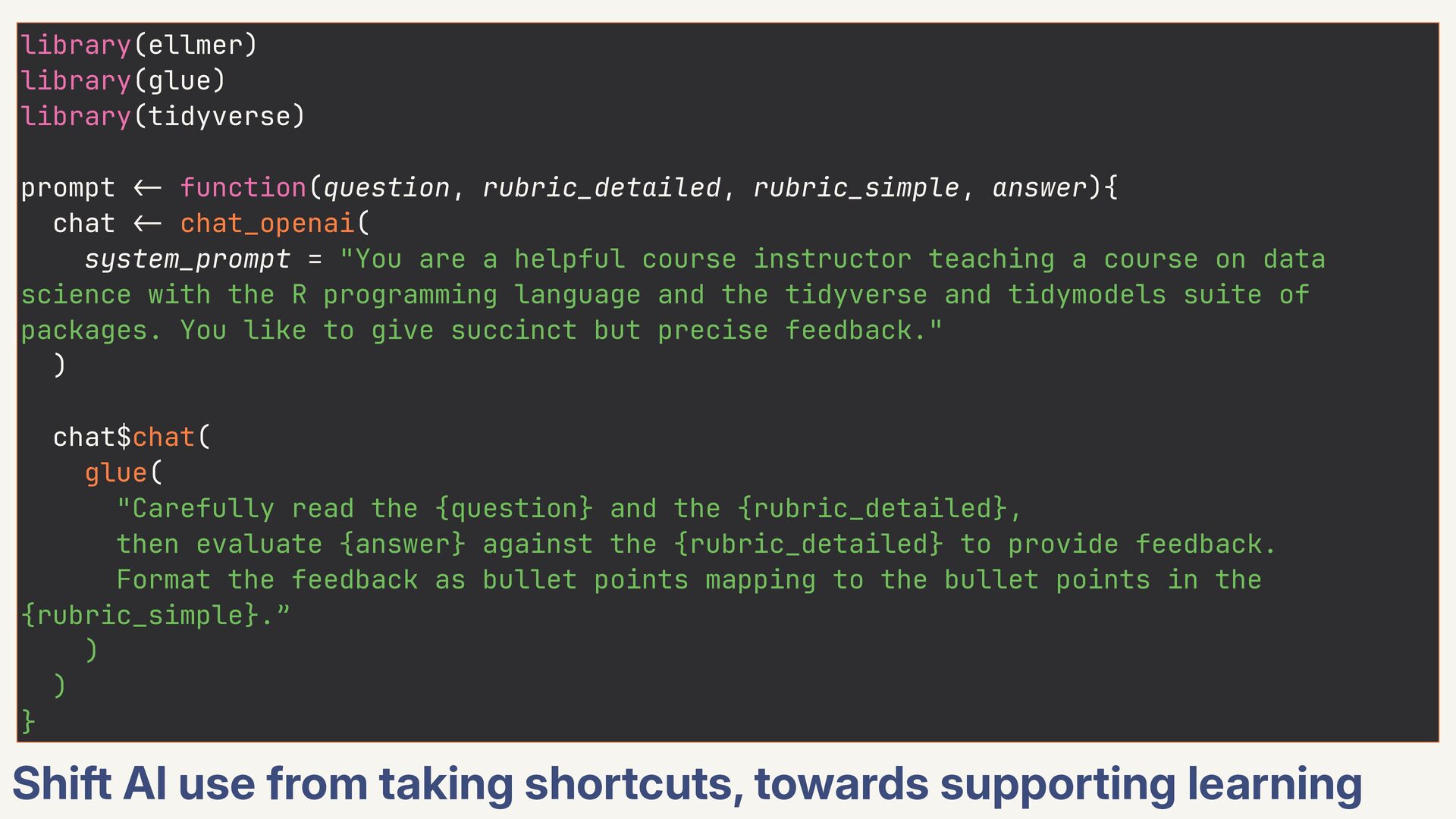
Drawing on experience designing introductory data science courses and curricula, this talk presents a case for reframing programming instruction in the AI era — not as syntax acquisition, but as a pathway to statistical thinking. It features concrete code and workflow examples alongside ideas for assignments and assessments designed for a moment when a plausible-looking answer is only a prompt away, and where the real pedagogical challenge is crafting tasks that reward genuine understanding over fluent generation. The goal is not to keep AI out of the classroom, but to produce graduates who can do more than write a good prompt and hope for the best.


 minecr
 jdbedics
 ssmedikasda
 hiola
hiola
 soudai
 signer
 akiraasano
 bvr7352
 masakiokuda
 dragon2
 suisan
 juanmartin2026
 matleenalaakso
 chrislema
 sonatard
 reverentgeek
 inesmontani
 axbom
axbom
 kimpetersen
 frankvandijk
 gurzu
gurzu
 codingconduct
 pauljervisheath
 mojombo
 ryanjones

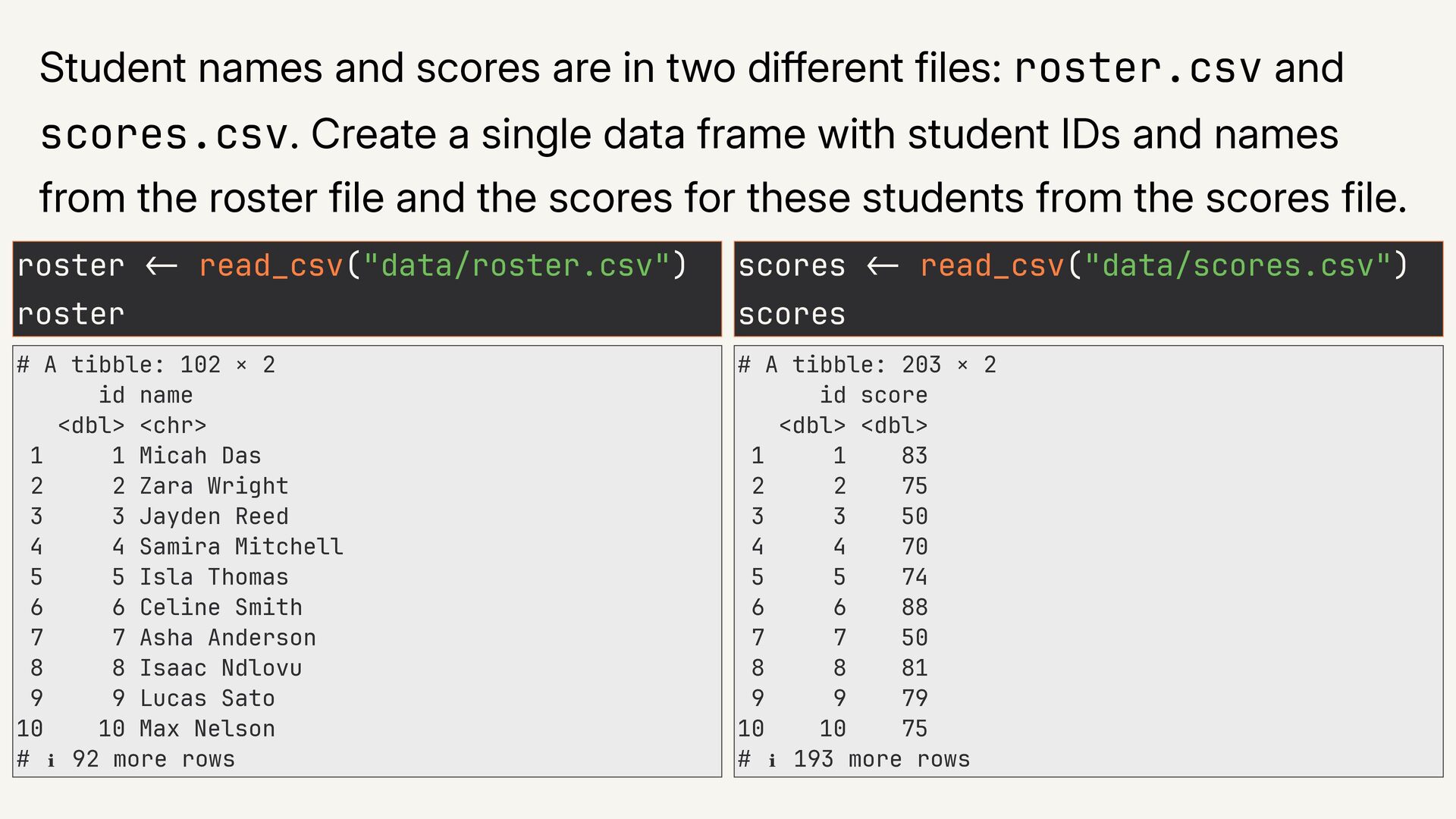
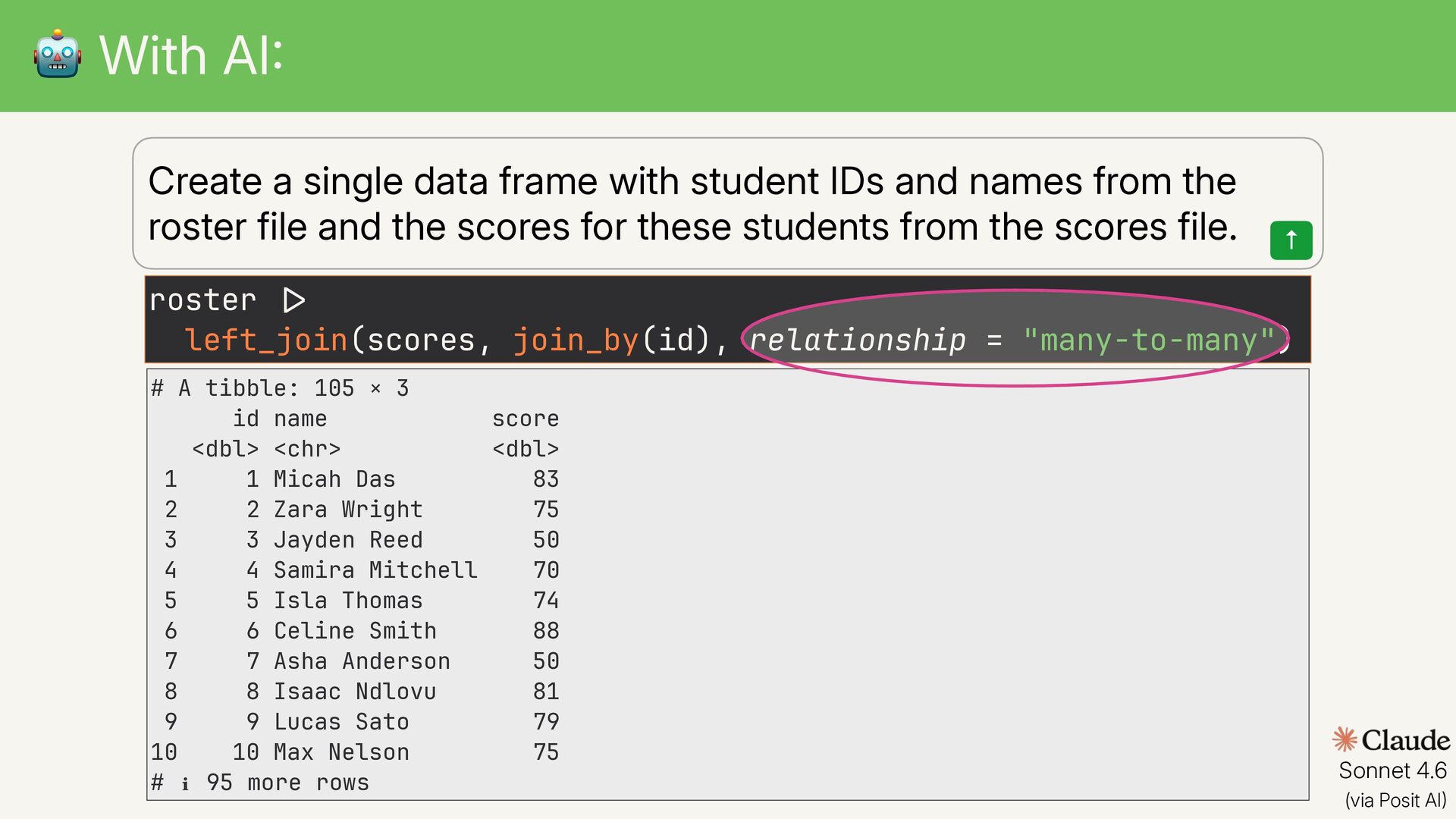
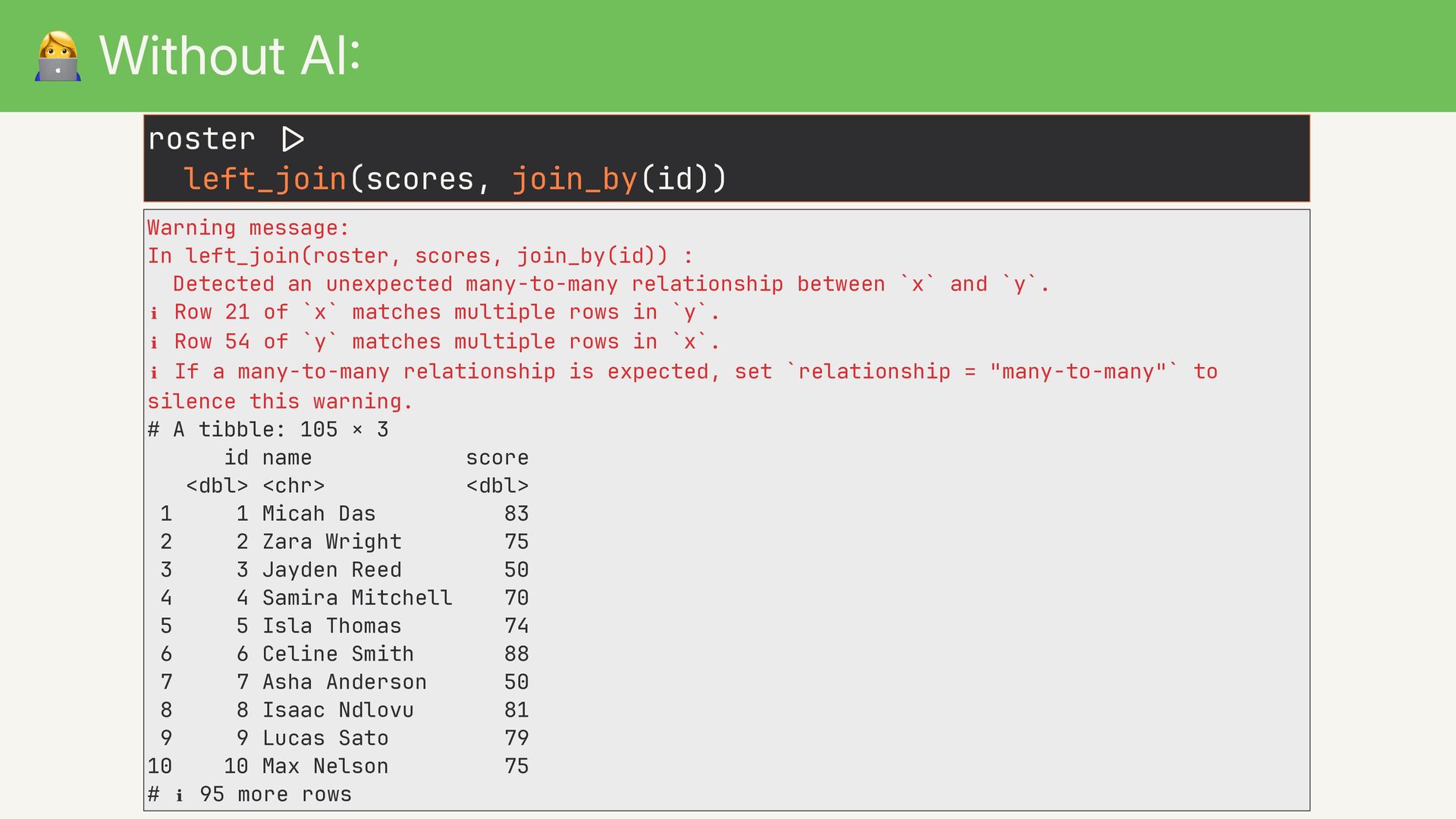
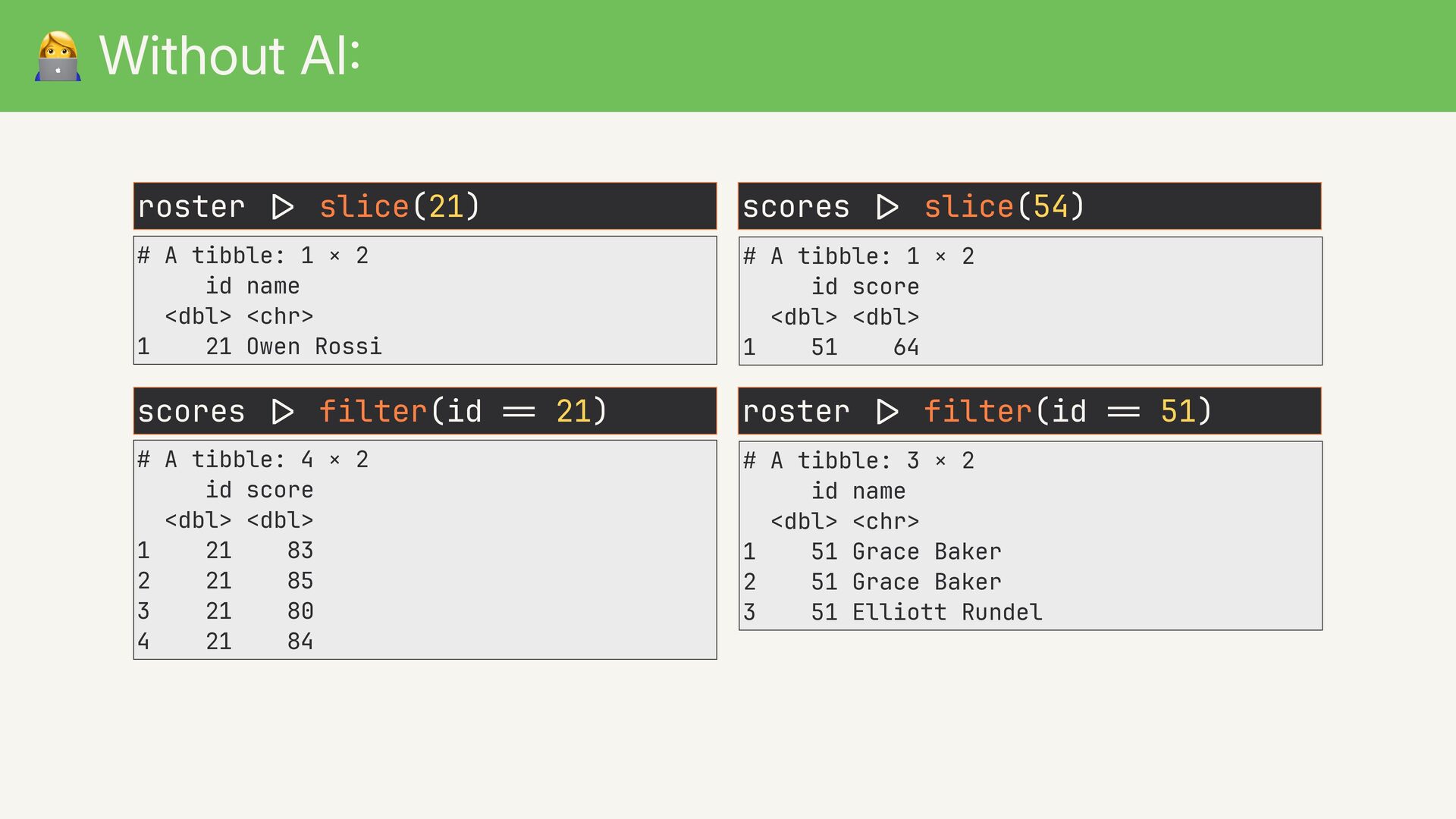
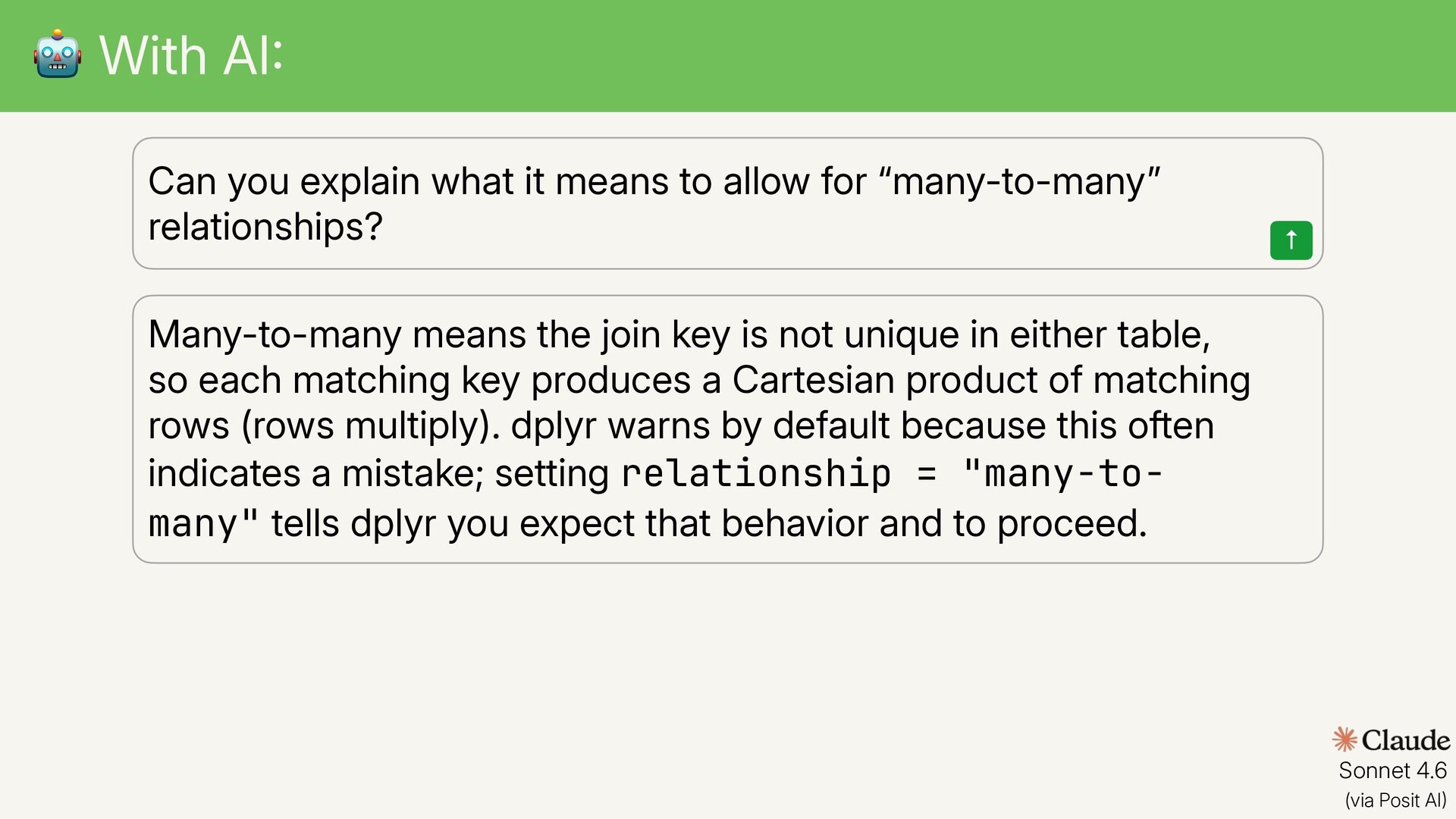

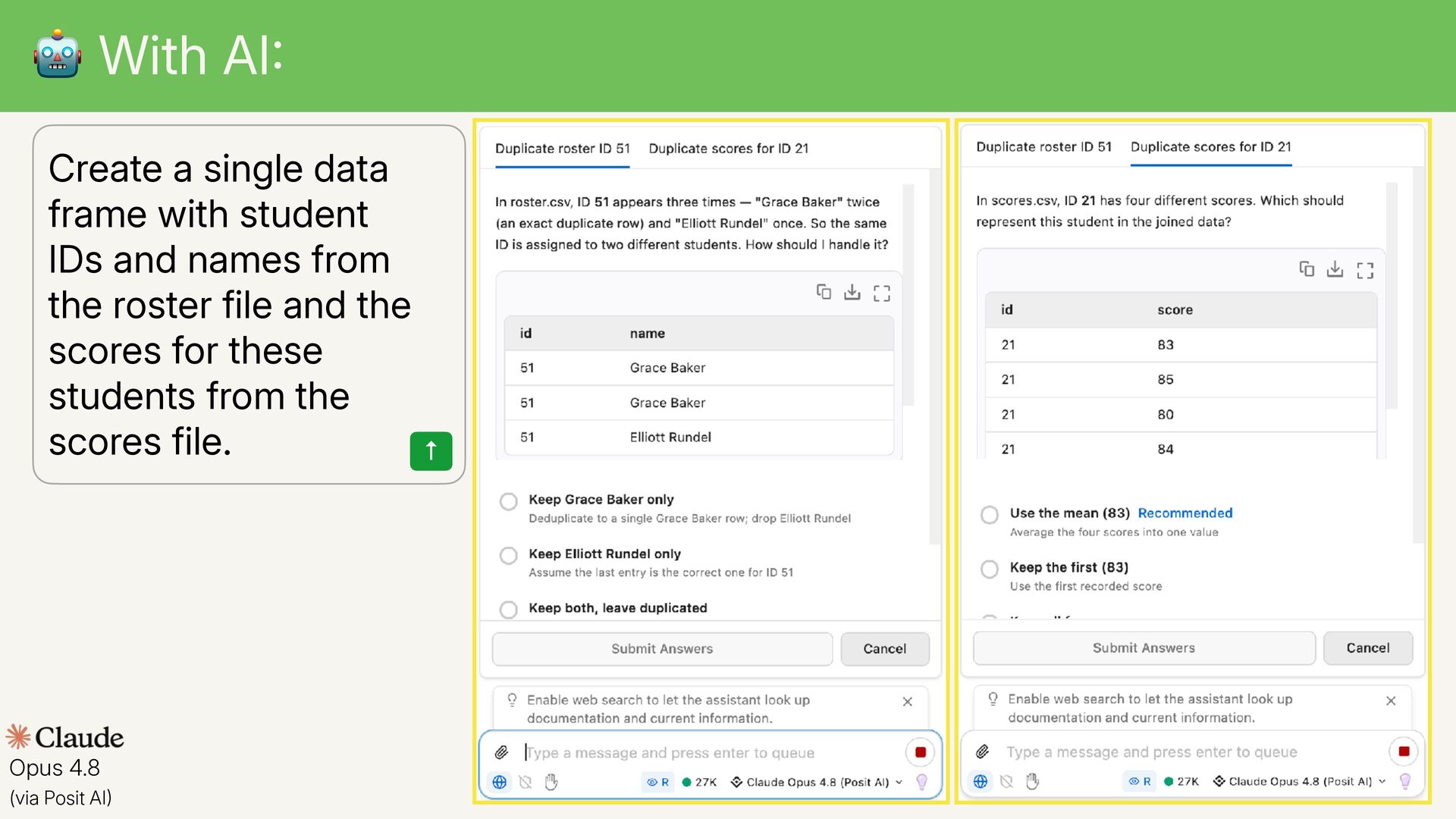
![🤖 With AI : […] Two data quirks worth knowing](https://files.speakerdeck.com/presentations/cc1472a5a04d4b269e3df9006bd08a3b/slide_15.jpg)