Upgrade to Pro — share decks privately, control downloads, hide ads and more …

Memory Retention

Sponsored · Your Podcast. Everywhere. Effortlessly. Share. Educate. Inspire. Entertain. You do you. We'll handle the rest. →
nabihanowrin
November 03, 2026

Memory Retention

𝗥𝗲𝘁𝗲𝗻𝘁𝗶𝗼𝗻: 𝗪𝗵𝘆 𝗪𝗲 𝗥𝗲𝗺𝗲𝗺𝗯𝗲𝗿 𝗦𝗼𝗺𝗲 𝗧𝗵𝗶𝗻𝗴𝘀 𝗮𝗻𝗱 𝗙𝗼𝗿𝗴𝗲𝘁 𝗢𝘁𝗵𝗲𝗿𝘀 | 𝗧𝗲𝗮𝗺 𝗙𝗹𝗼𝘄𝗲𝗿𝘀 | 𝗖𝗨 𝗘𝗘𝗘

A song you heard years ago can stay in your head forever, but a maths formula you studied last week is already gone. Why?

This was a five-minute, TED-style talk we gave for our first-year English course. We chose memory retention as our topic and looked at how people remember things, and what makes some memories last.

𝗪𝗵𝗮𝘁 𝘄𝗲 𝗰𝗼𝘃𝗲𝗿:
• What retention is, and how repetition affects it
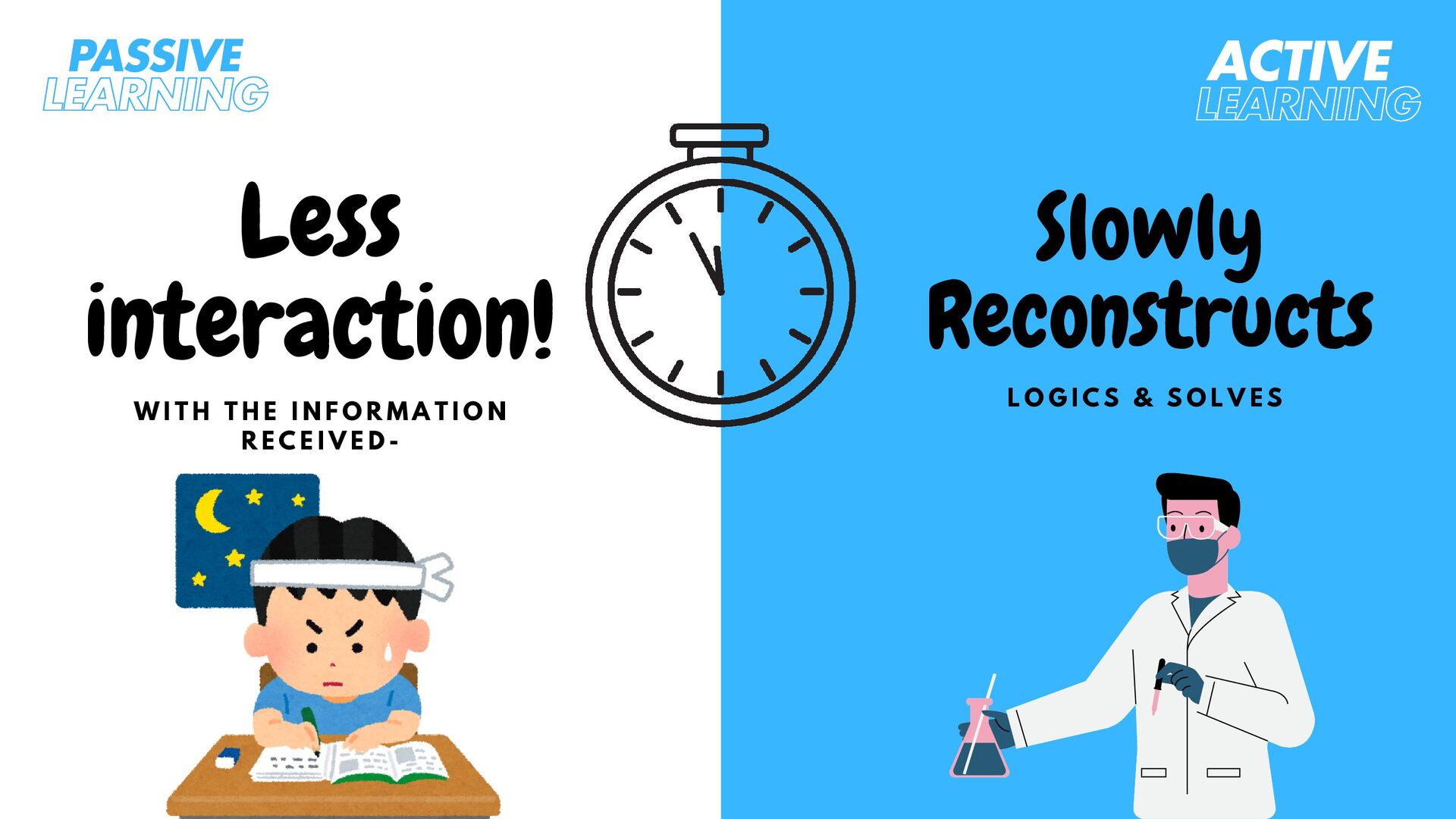
• Solving vs. remembering: why we remember what we work out ourselves
• Active vs. passive learning, through a study on learning methods
• Spaced repetition and how it strengthens memory
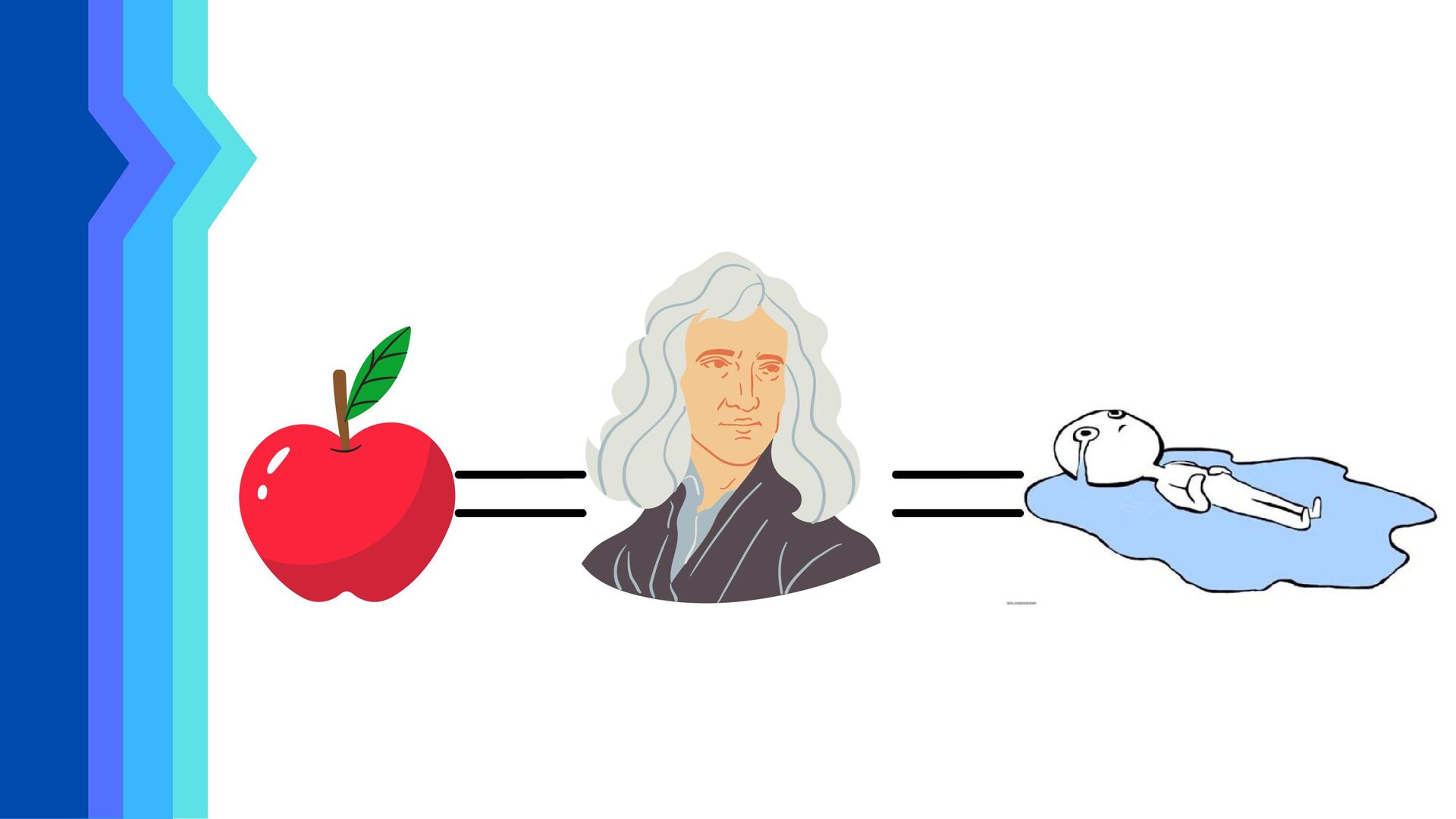
• Arousal and distinctiveness: why emotional and unusual things stick
• Two students, two study habits: who has the upper hand?
• Strategies for better memory retention

𝗛𝗼𝘄 𝘄𝗲 𝗽𝗿𝗲𝘀𝗲𝗻𝘁𝗲𝗱 𝗶𝘁:
• Designed and animated in Canva
• Told as a story, starting from a family car ride and a song everyone remembers
• Everyday examples, a short quiz round and a comparison of two students

Department of Electrical and Electronic Engineering, University of Chittagong

#Retention #Memory #Learning #StudyTips #SpacedRepetition #ActiveLearning #TEDStyleTalk #Canva #UniversityOfChittagong

Youtube link- https://youtu.be/xp8gOUGnTxA?si=3_8du69fCq2ScPeW

nabihanowrin

November 03, 2026

Transcript

54 slides
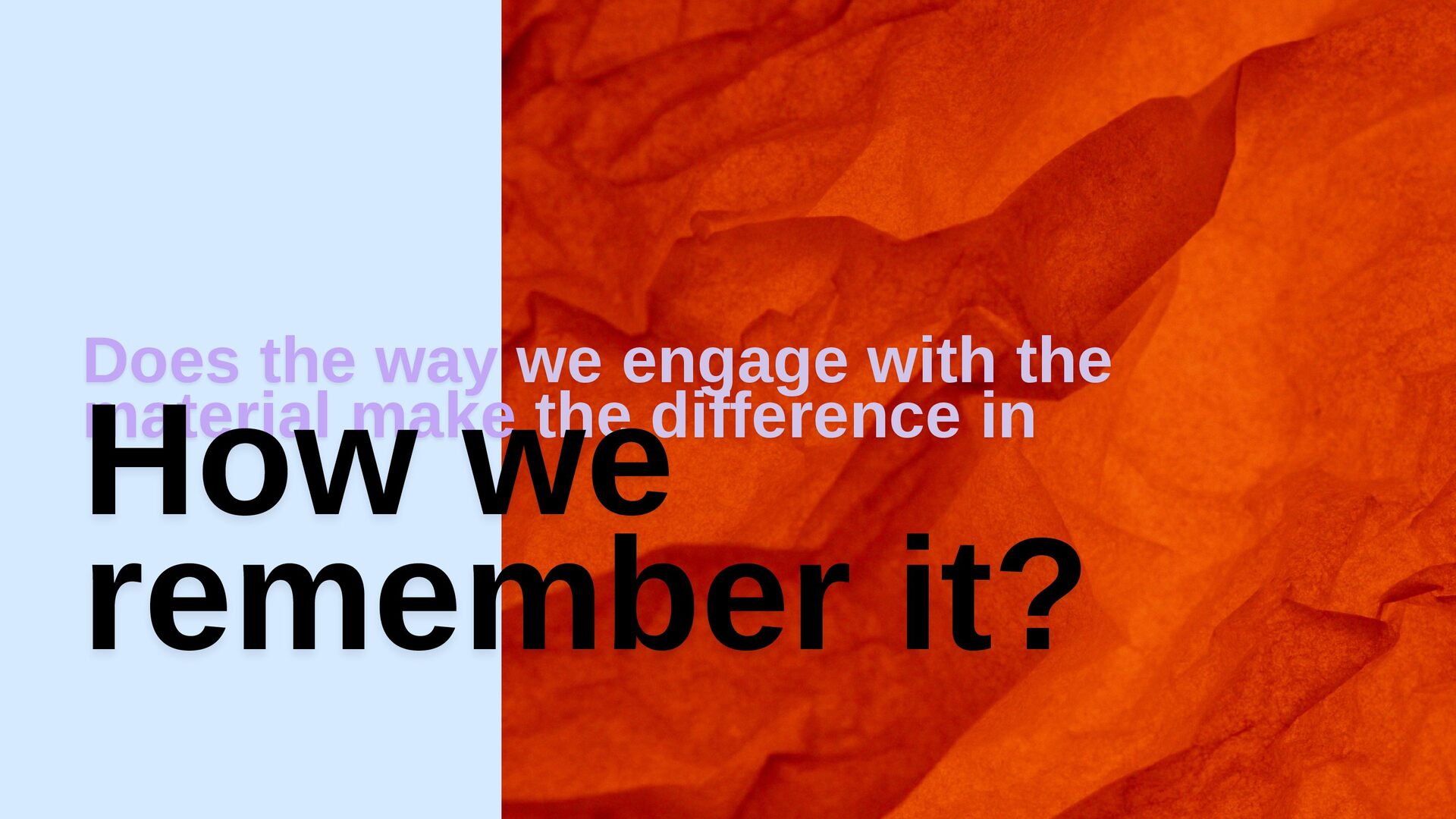
  1. Does the way‌ way we engage with the material make‌

    make the difference in‌ in How we remember it?
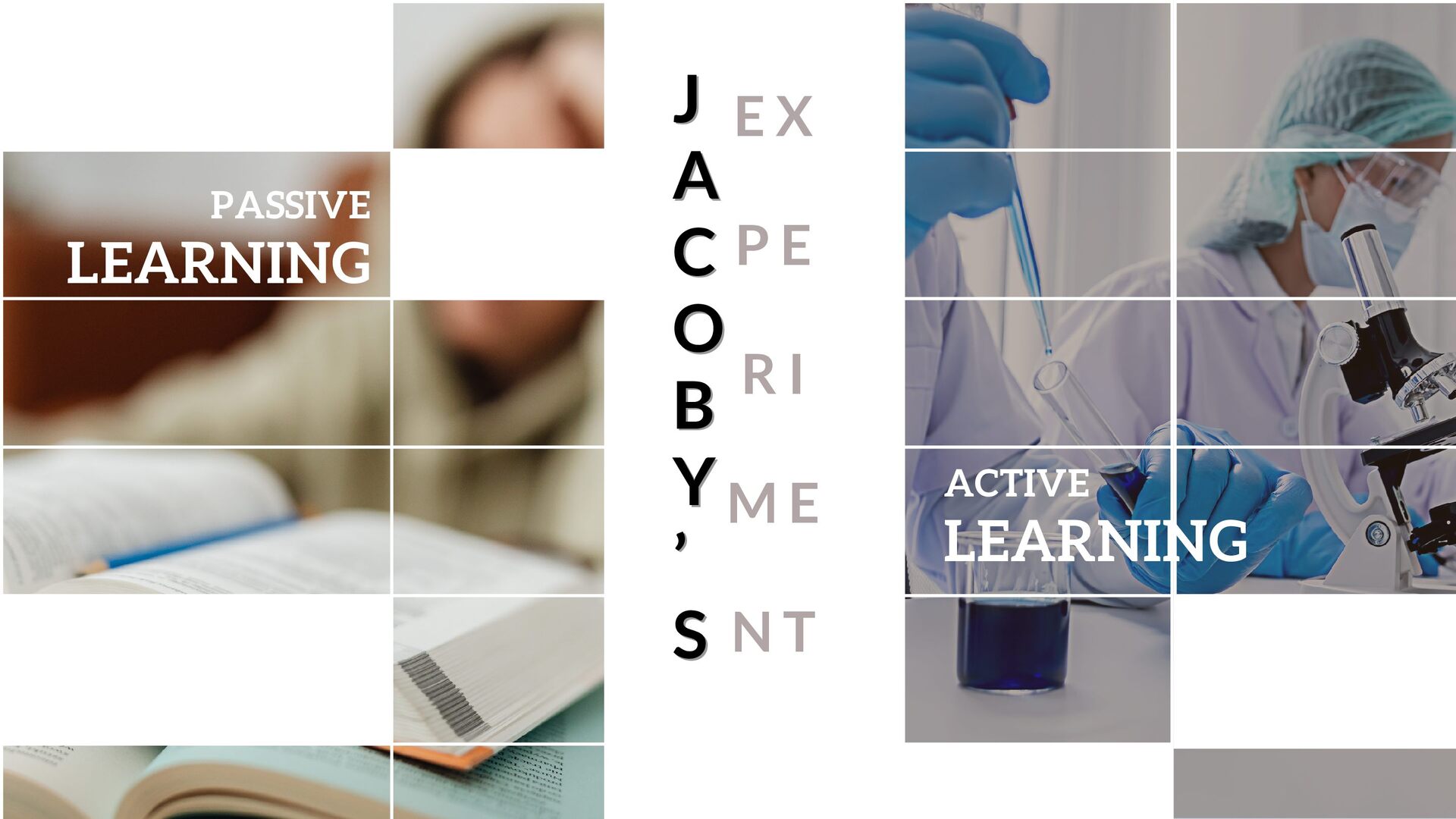
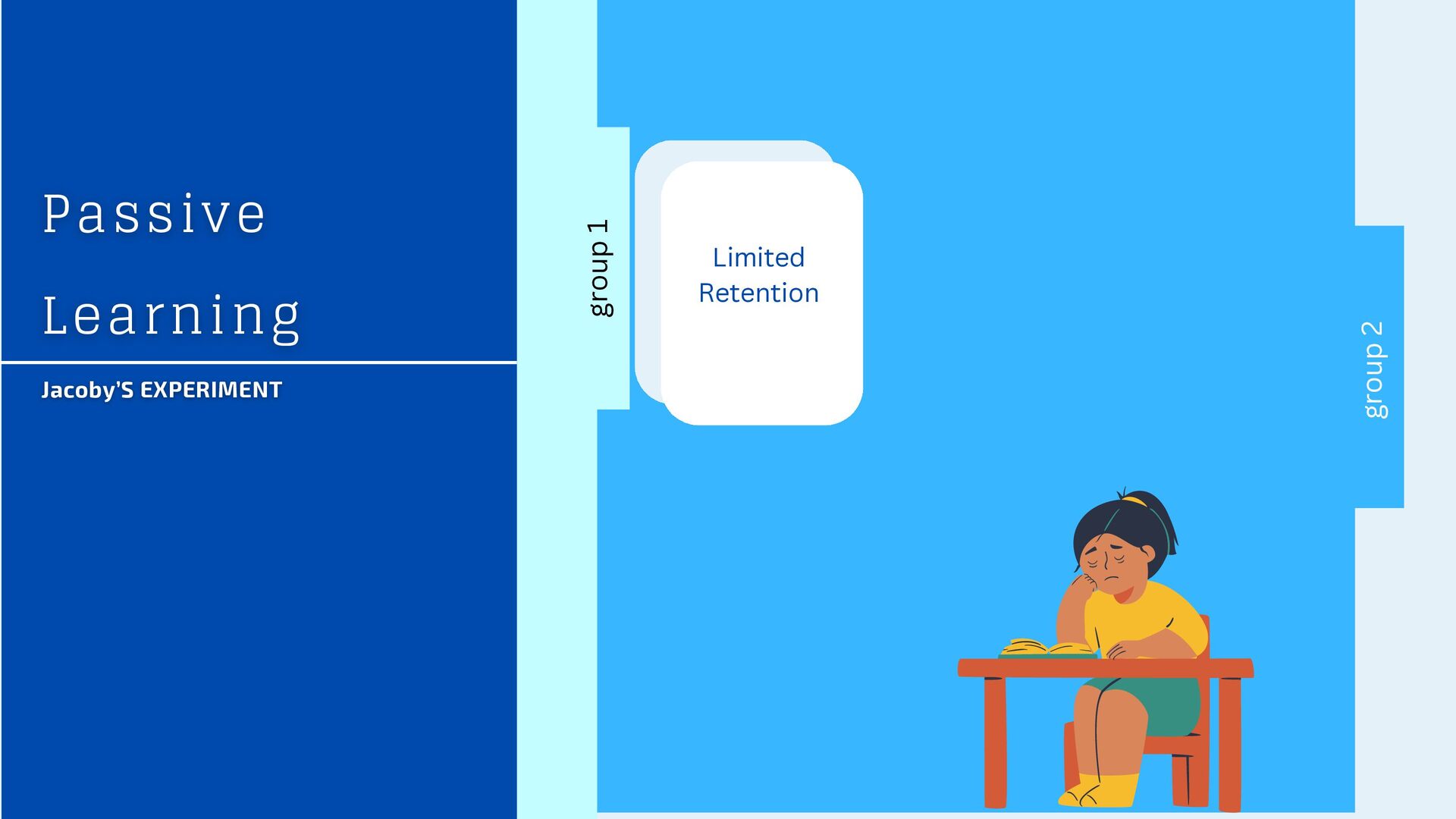
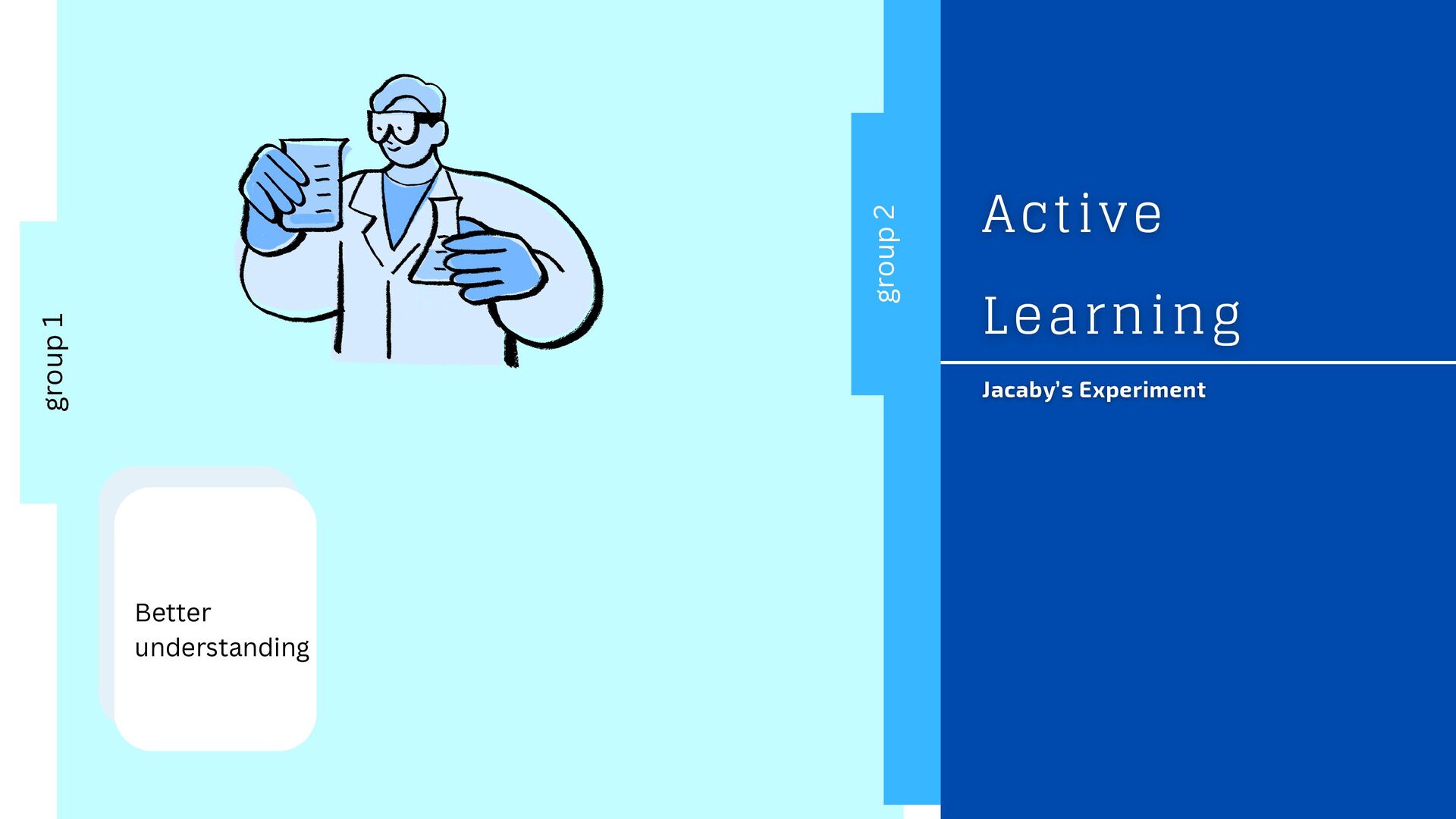
  2. PASSIVE LEARNING J EX A C PE O RI B

    YME ’ S NT ACTIVE LEARNING
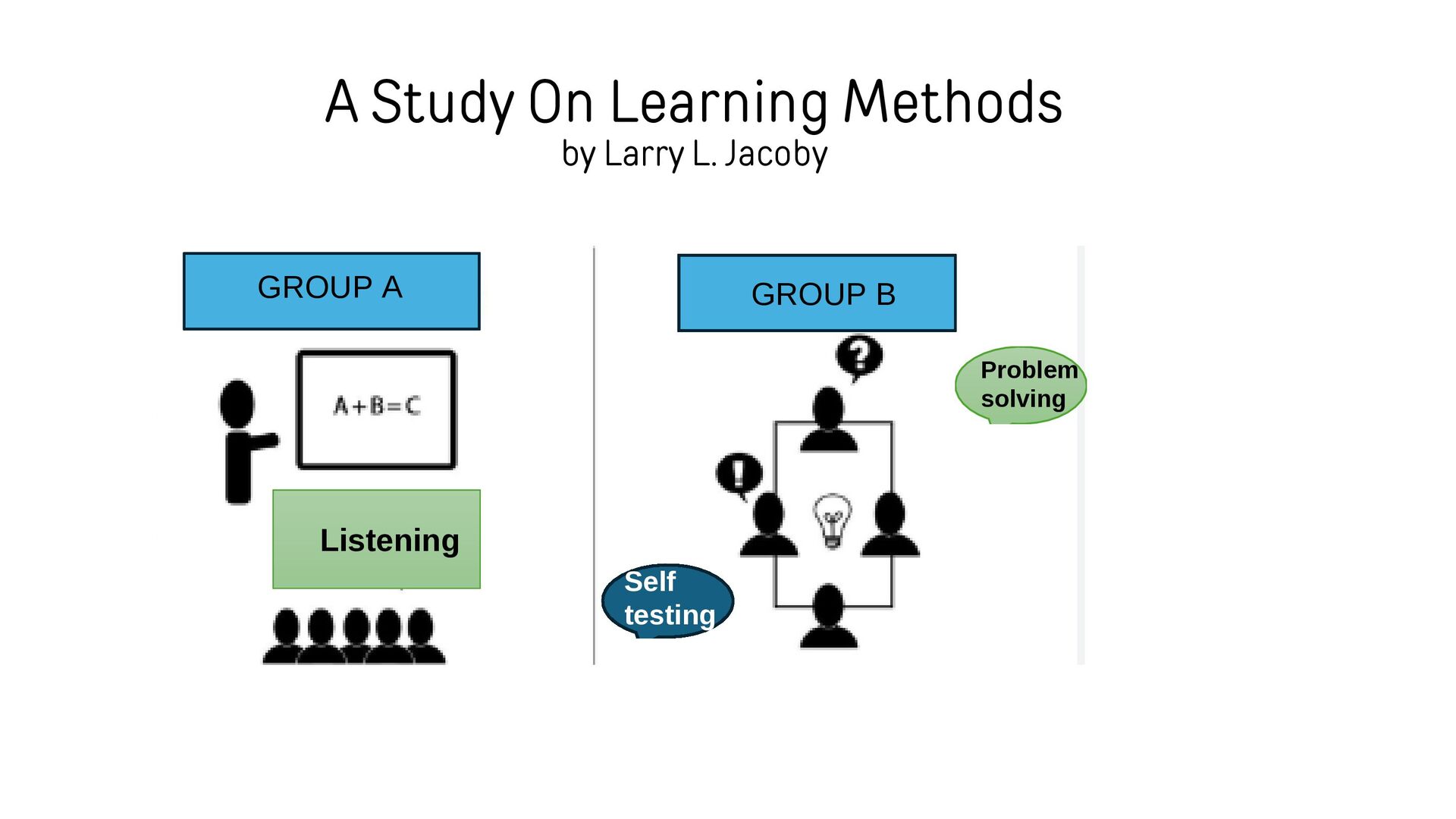
  3. A Study On Learning Methods by Larry L. Jacoby GROUP

    A GROUP B Problem solving Listening Self testing
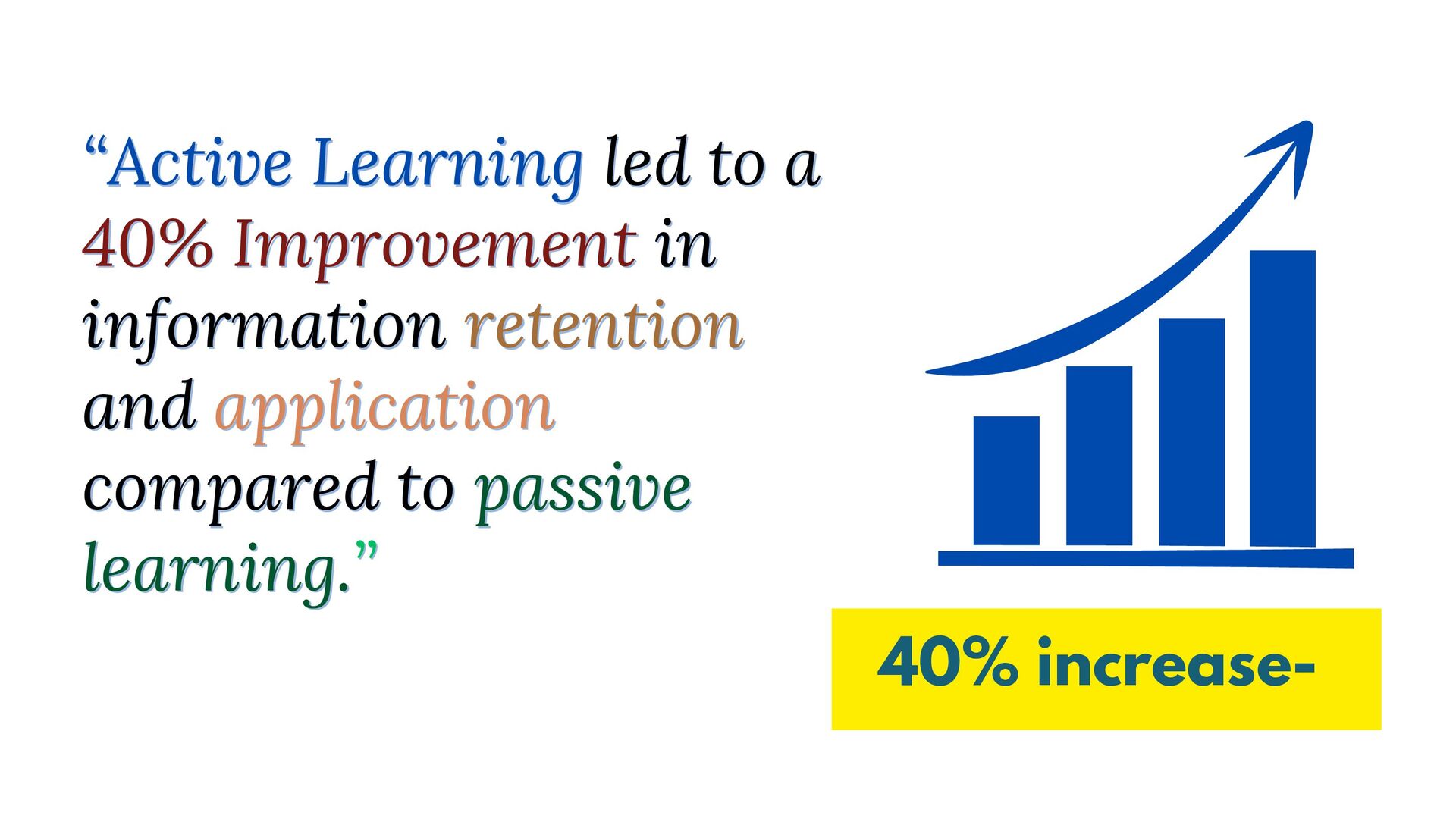
  4. “Active Learning led to a 40% Improvement in information retention
    and application compared to passive learning.” learning.” 40% increase-
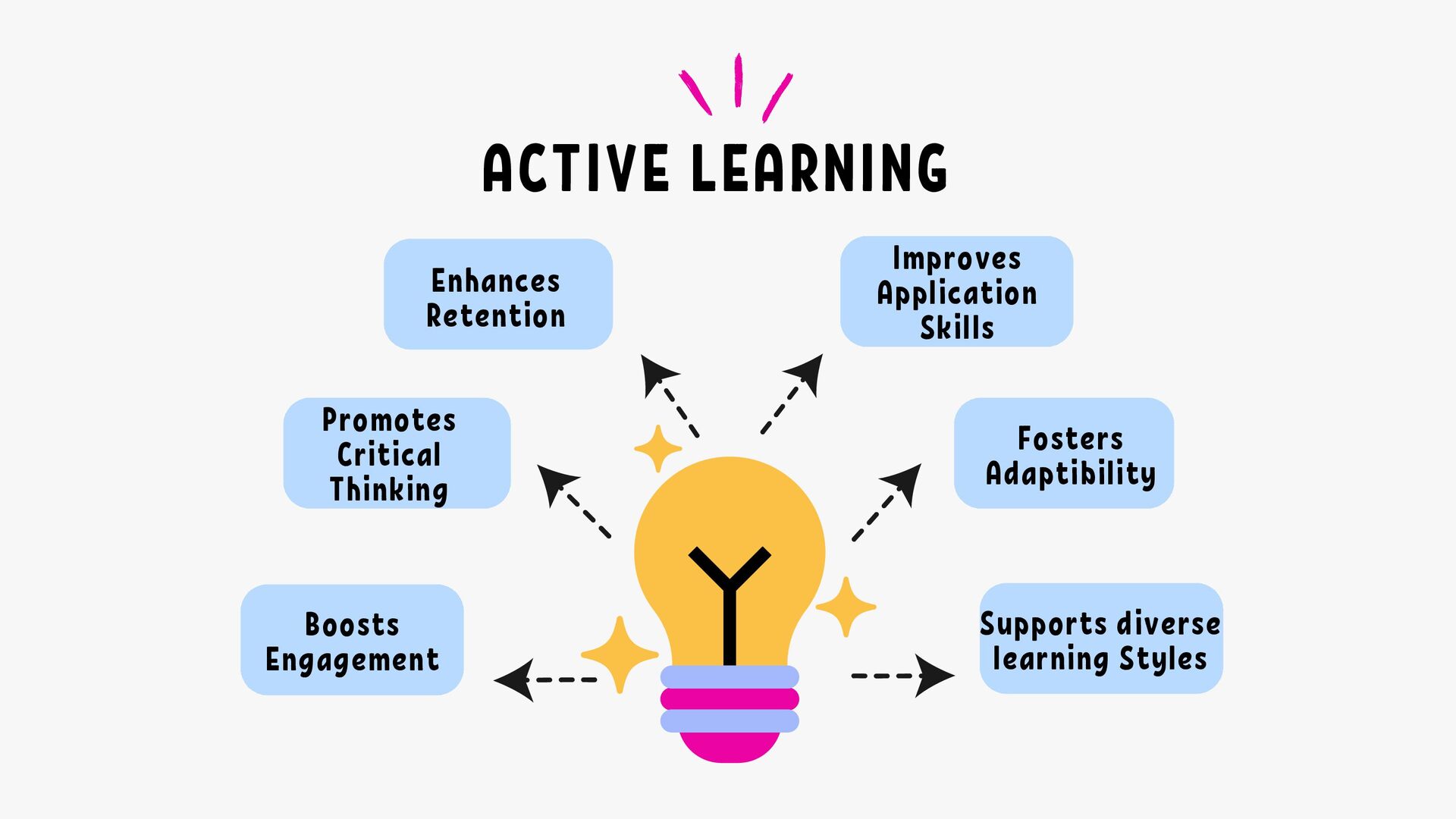
  5. ACTIVE LEARNING Enhances Retention Promotes Critical Thinking Boosts Engagement Improves

    Application Skills Fosters Adaptibility Supports diverse learning Styles
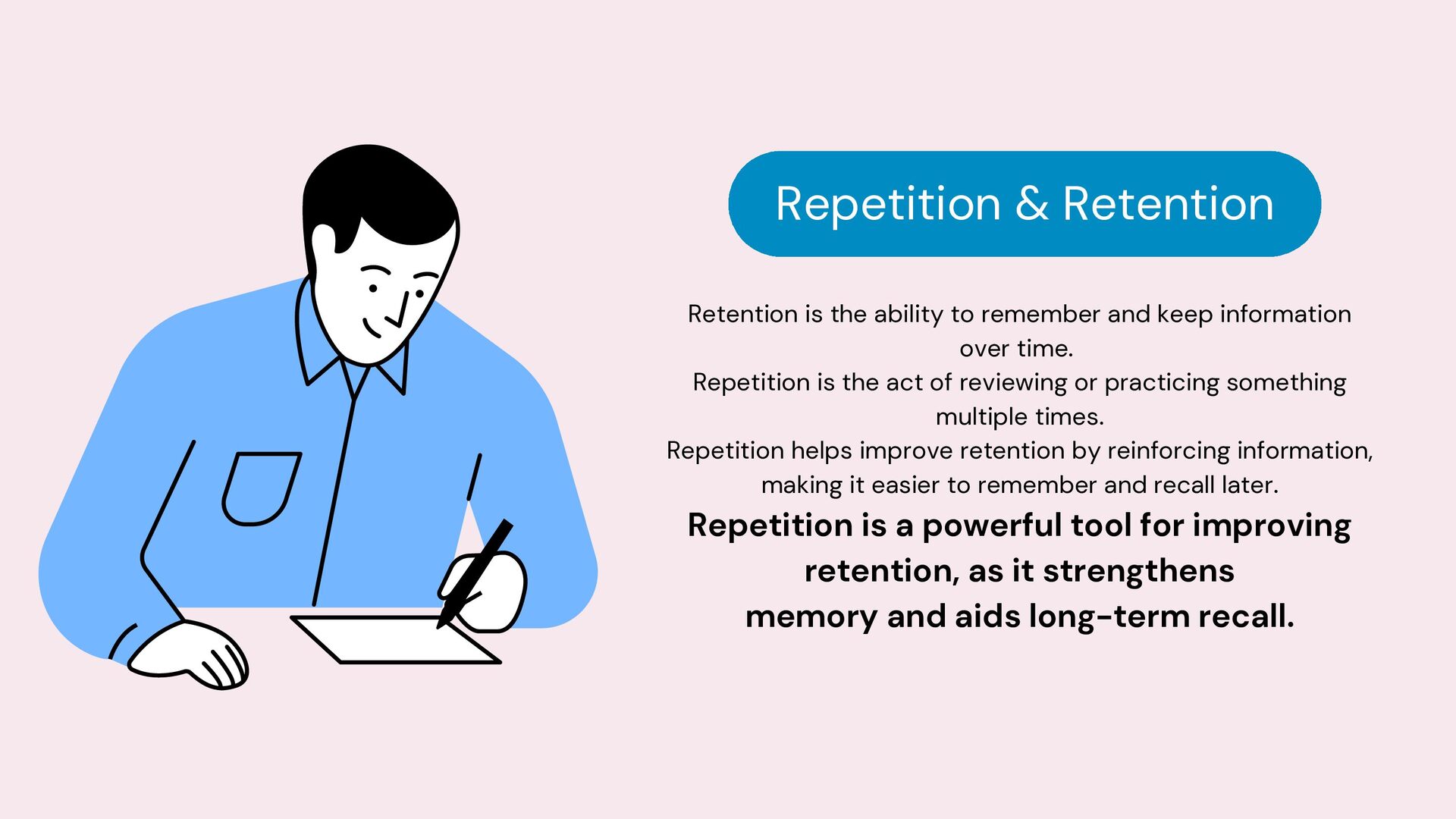
  6. Repetition & Retention Retention is the ability to remember and

    keep information over time. Repetition is the act of reviewing or practicing something multiple times. Repetition helps improve retention by reinforcing information, making it easier to remember and recall later. Repetition is a powerful tool for improving retention, as it strengthens memory and aids long-term recall.
  7. CD

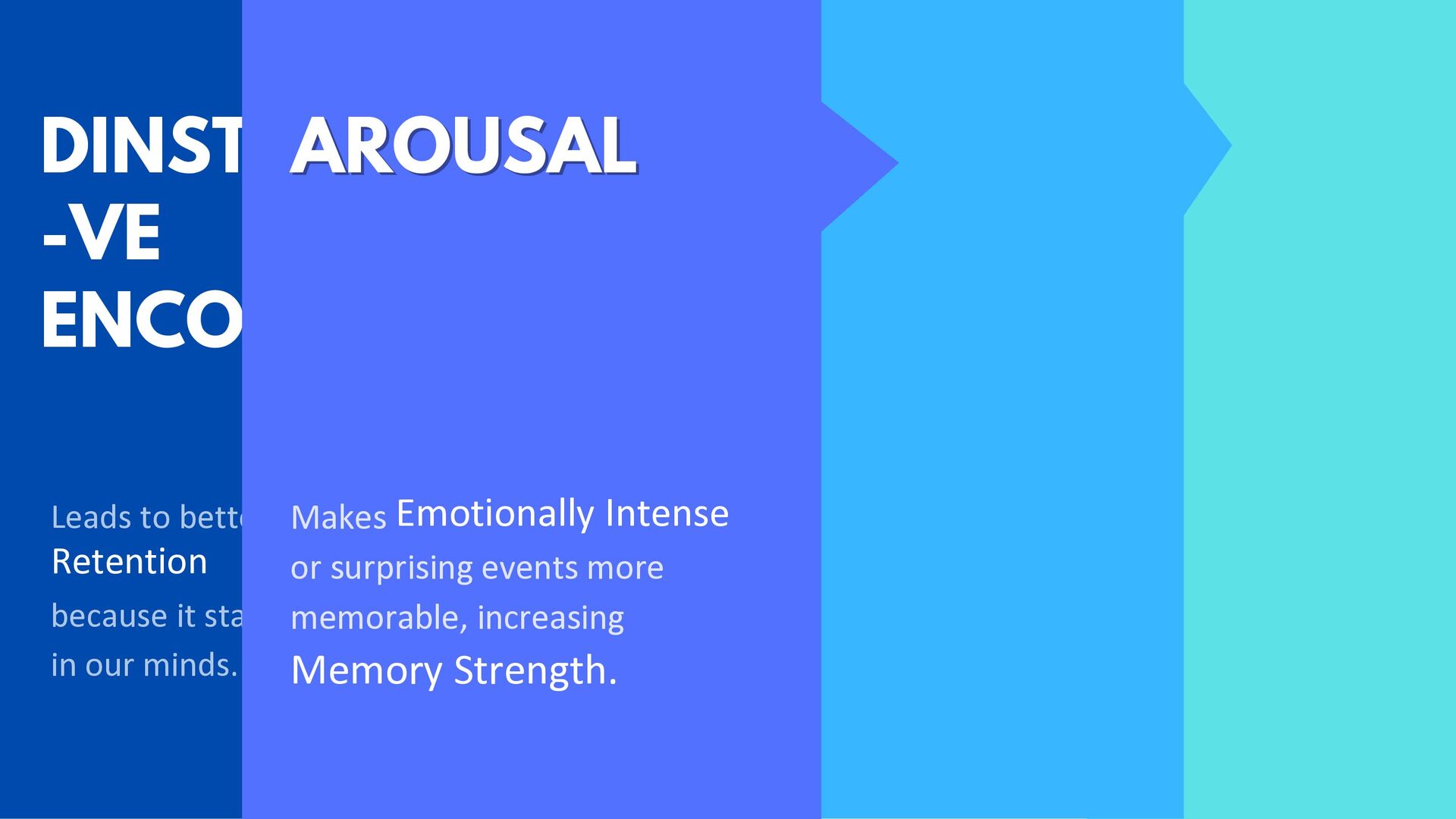
  8. DINSTINCTI AROUSAL -VE ENCODING Leads to better Leads to better

    Makes Emotionally Intense retention Retention or surprising events more because it stands because it standsmemorable, out increasing out in our in our minds. Memory Strength. minds.
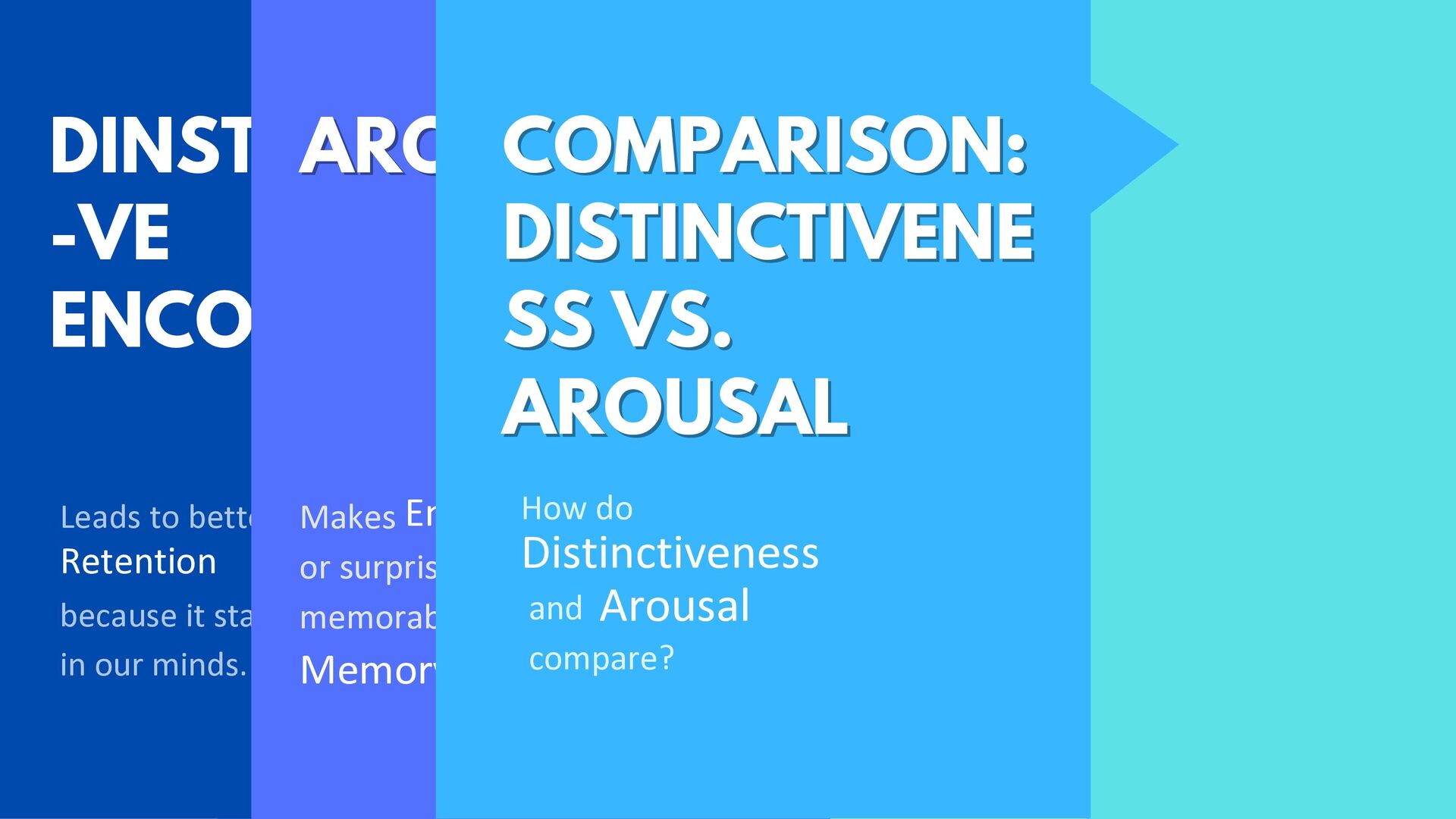
  9. COMPARISON: DINSTINCTI AROUSAL AROUSAL DISTINCTIVENE -VE ENCODING SS VS. AROUSAL

    Leads to better Leads to to better betterMakes How intense do or Emotionally Intense Leads MakesEmotionally retention Retention because Distinctiveness surprising events moremore Retention or surprising events because it stands it standsitout inmemorable, our and Arousal because stands out memorable, increasing out in our minds. Memory compare? Strength. in our minds. increasing Memory Strength. minds.
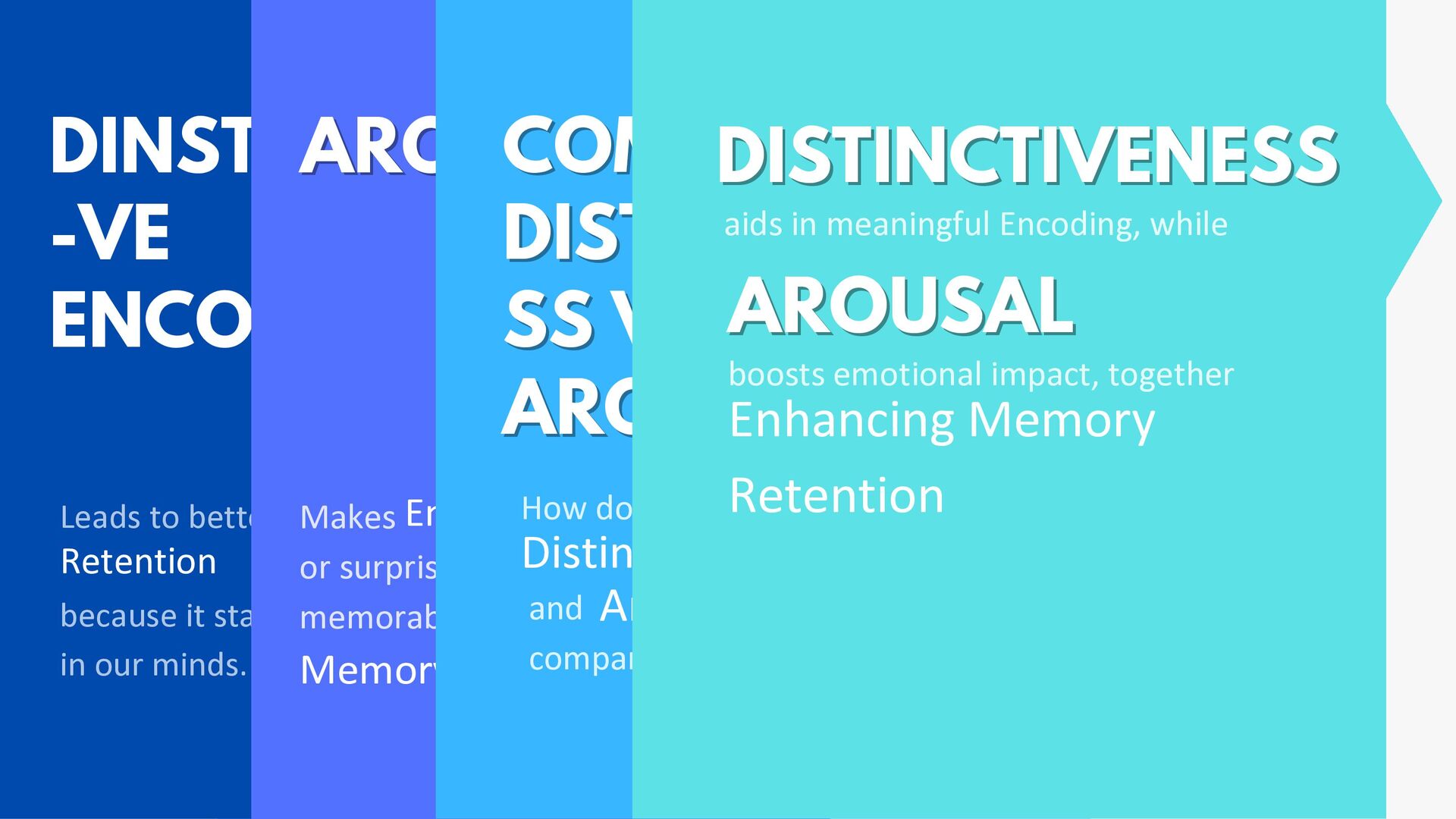
  10. COMPARISON: DINSTINCTI AROUSAL AROUSAL DISTINCTIVENESS aids in meaningful Encoding, while

    DISTINCTIVENE -VE ENCODING SS VS.AROUSAL boosts emotional impact, together AROUSAL Enhancing Memory Leads to better Retention Leads to better Makes Emotionally How intense do or Emotionally Intense Leads to better Makes retention Retention because Distinctiveness surprising events Distinctiveness moremore Retention or surprising events because it stands it standsitout inmemorable, our and andArousal Arousal because stands out memorable, increasing out in our minds. Memory compare? compare? Strength. in our minds. increasing Memory Strength. minds.
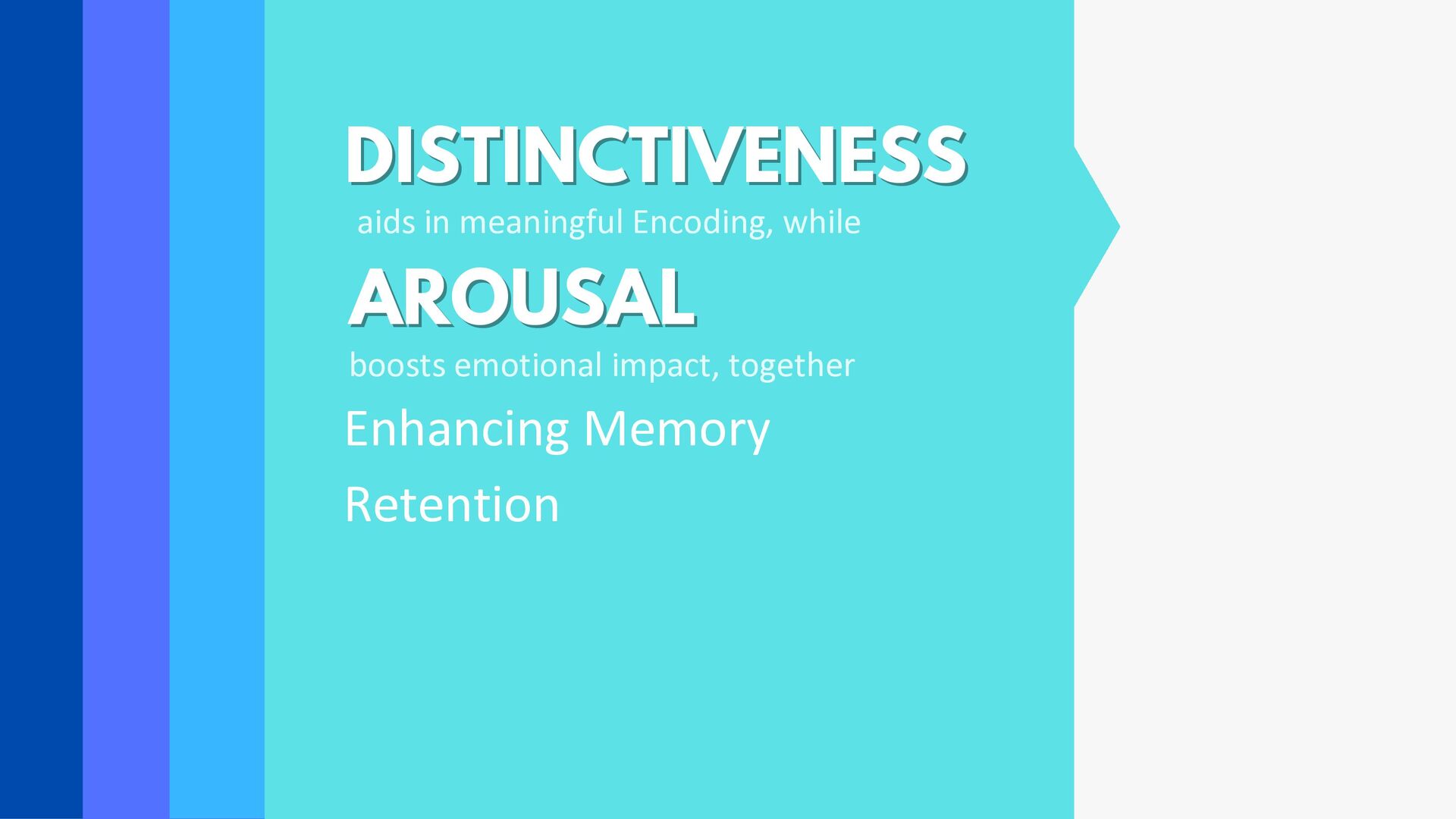
  11. COMPARISON: NSTINCTI DINSTINCTI AROUSAL AROUSAL DISTINCTIVENESS COMPARISON: aids in meaningful

    Encoding, while DISTINCTIVENE VE -VE DISTINCTIVENE AROUSAL SS VS. NCODING ENCODING SS VS. boosts emotional impact, together AROUSAL AROUSAL Enhancing Memory s to better s to better Leads Makes to better Emotionally Makes Emotionally How intense do How or intense do or Retention Emotionally Intense ntion ntionRetention because because surprising surprising eventsDistinctiveness more eventsDistinctiveness more use it stands ands out it stands inmemorable, ourout inmemorable, our and Arousal and Arousal n our ds. minds.increasing increasing Memory compare? Memory Strength. compare? Strength. Memory Strength. ds.
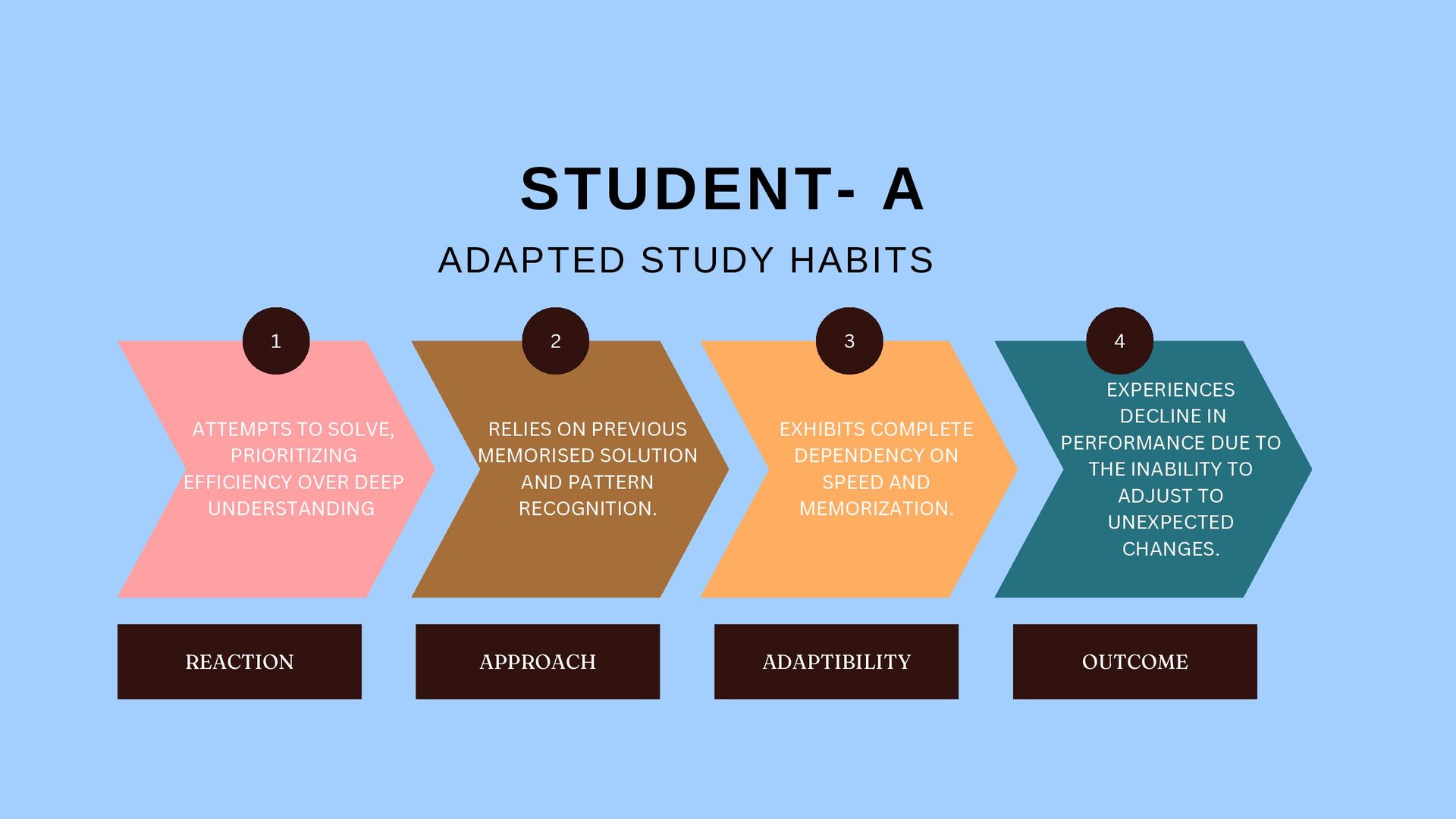
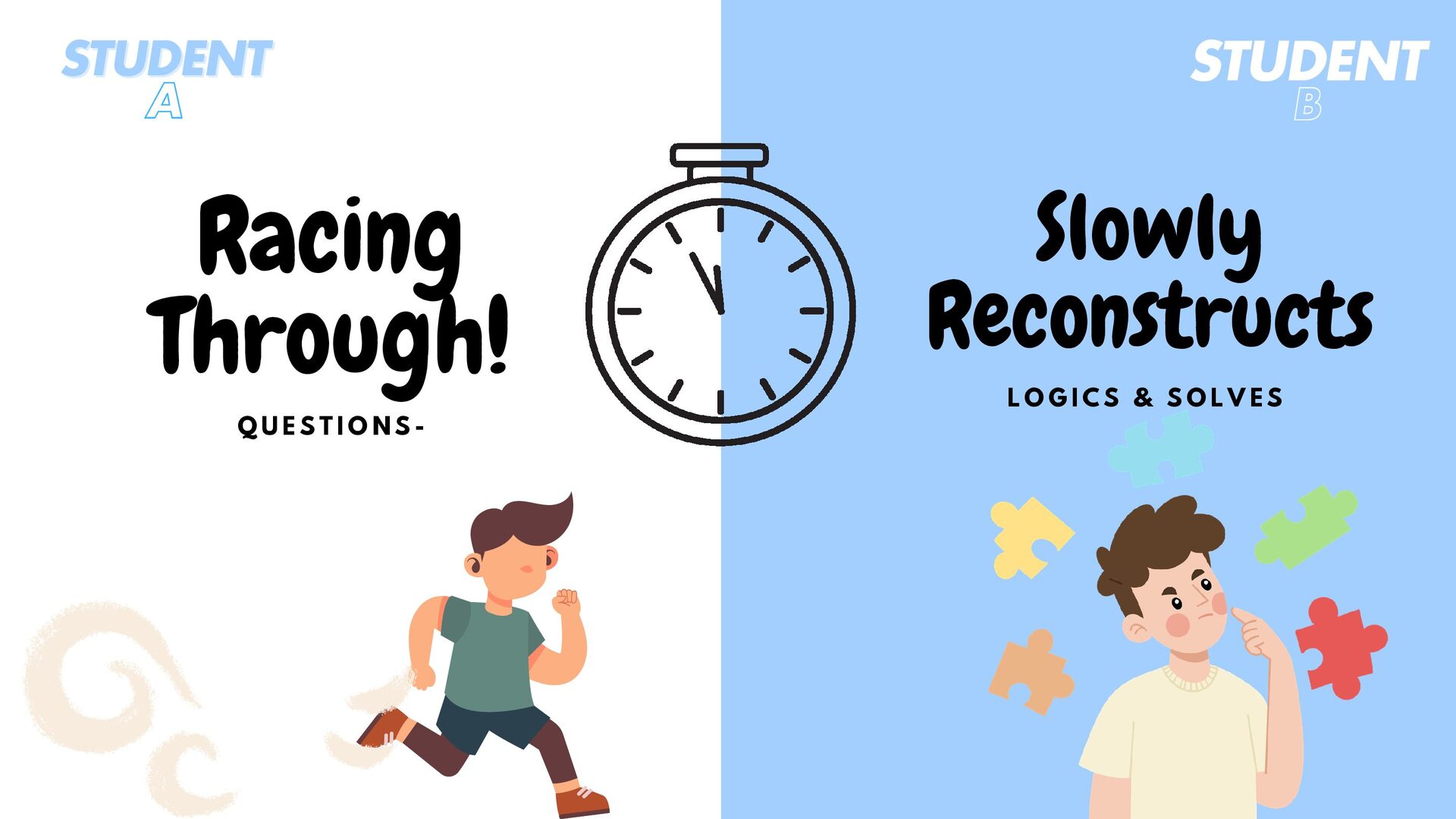
  12. STUDENT- A ADAPTED STUDY HABITS 1 2 ATTEMPTS TO SOLVE,

    PRIORITIZING EFFICIENCY OVER DEEP UNDERSTANDING RELIES ON PREVIOUS MEMORISED SOLUTION AND PATTERN RECOGNITION. REACTION APPROACH 3 EXHIBITS COMPLETE DEPENDENCY ON SPEED AND MEMORIZATION. ADAPTIBILITY 4 EXPERIENCES DECLINE IN PERFORMANCE DUE TO THE INABILITY TO ADJUST TO UNEXPECTED CHANGES. OUTCOME
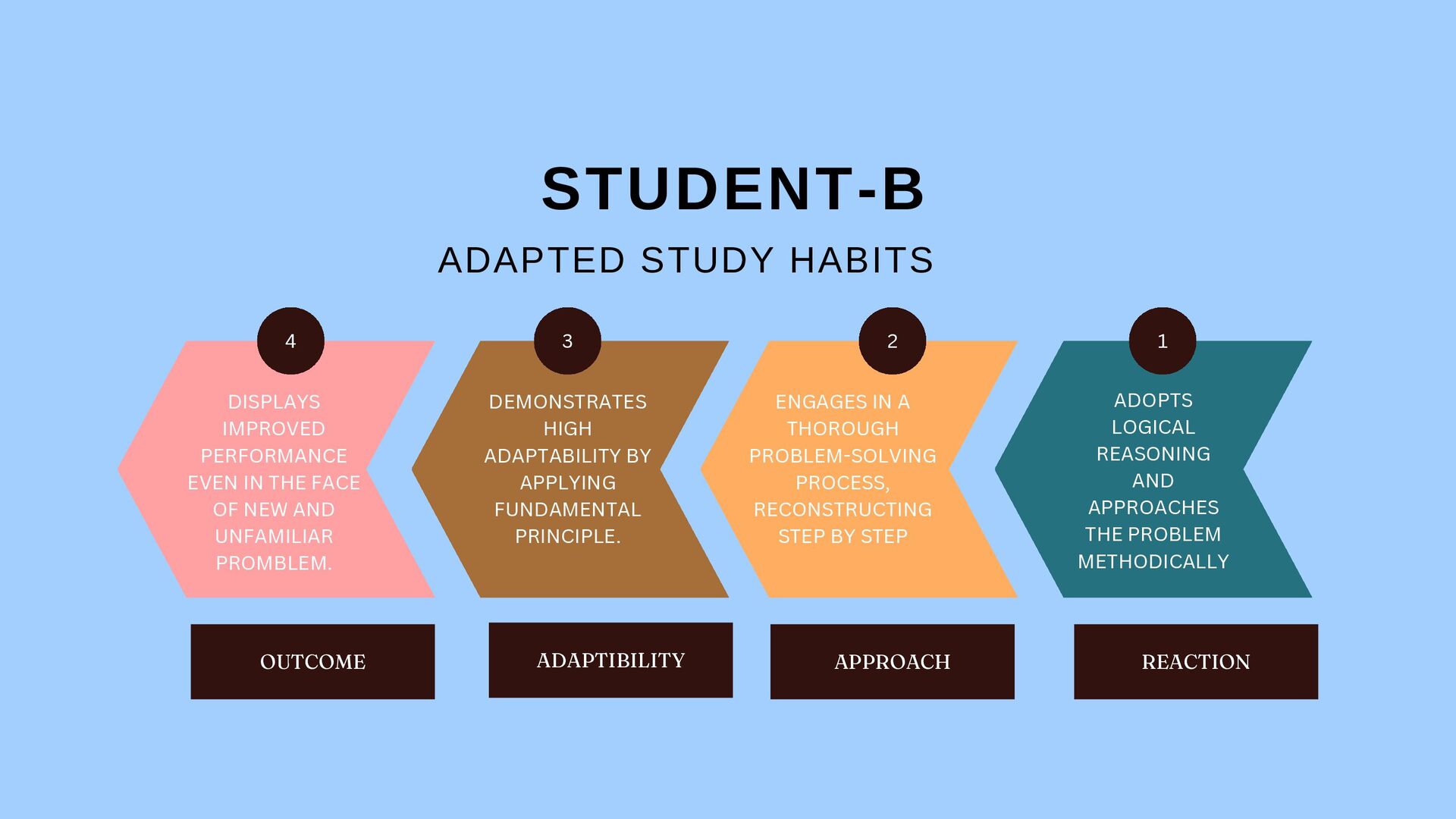
  13. STUDENT-B ADAPTED STUDY HABITS 4 DISPLAYS IMPROVED PERFORMANCE EVEN IN

    THE FACE OF NEW AND UNFAMILIAR PROMBLEM. OUTCOME 3 DEMONSTRATES HIGH ADAPTABILITY BY APPLYING FUNDAMENTAL PRINCIPLE. ADAPTIBILITY 2 ENGAGES IN A THOROUGH PROBLEM-SOLVING PROCESS, RECONSTRUCTING STEP BY STEP APPROACH 1 ADOPTS LOGICAL REASONING AND APPROACHES THE PROBLEM METHODICALLY REACTION
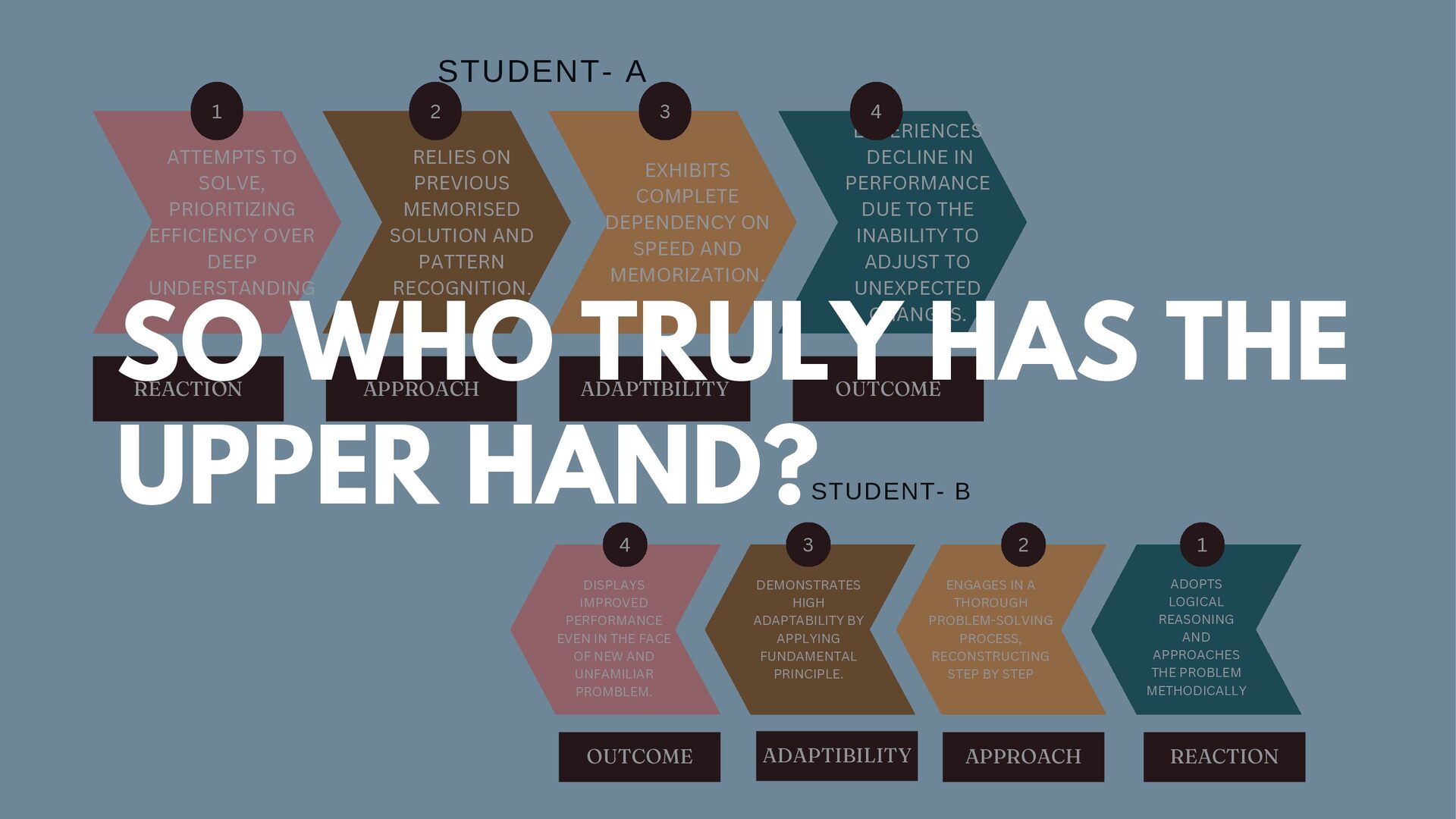
  14. STUDENT- A 1 ATTEMPTS TO SOLVE, PRIORITIZING EFFICIENCY OVER DEEP

    UNDERSTANDING 2 RELIES ON PREVIOUS MEMORISED SOLUTION AND PATTERN RECOGNITION. 3 4 EXPERIENCES DECLINE IN PERFORMANCE DUE TO THE INABILITY TO ADJUST TO UNEXPECTED CHANGES. EXHIBITS COMPLETE DEPENDENCY ON SPEED AND MEMORIZATION. SO WHO TRULY HAS THE UPPER HAND? REACTION APPROACH ADAPTIBILITY OUTCOME STUDENT- B 4 DISPLAYS IMPROVED PERFORMANCE EVEN IN THE FACE OF NEW AND UNFAMILIAR PROMBLEM. OUTCOME 3 DEMONSTRATES HIGH ADAPTABILITY BY APPLYING FUNDAMENTAL PRINCIPLE. ADAPTIBILITY 2 ENGAGES IN A THOROUGH PROBLEM-SOLVING PROCESS, RECONSTRUCTING STEP BY STEP APPROACH 1 ADOPTS LOGICAL REASONING AND APPROACHES THE PROBLEM METHODICALLY REACTION
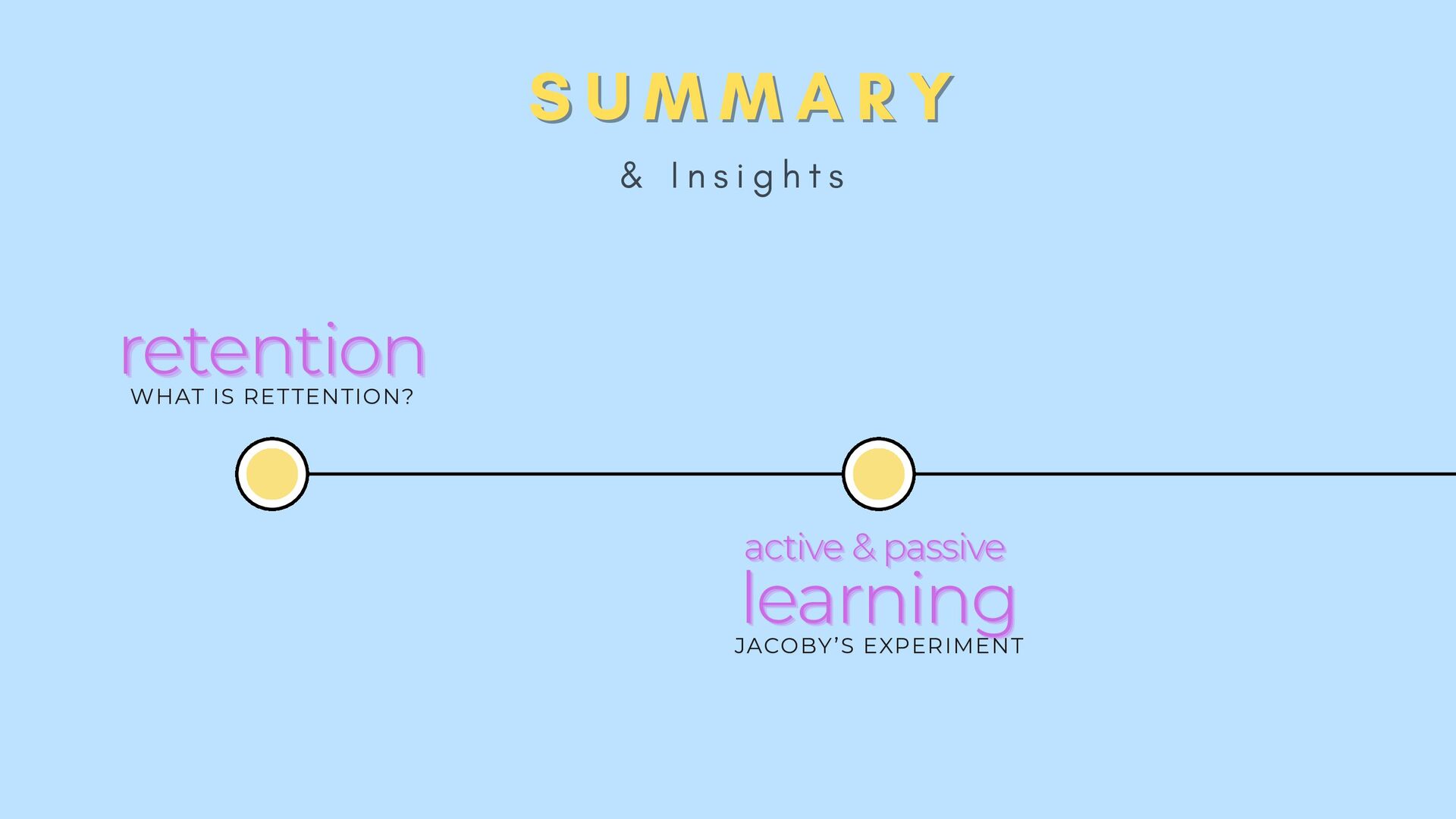
  15. SUMMARY & Insights retention WHAT IS RETTENTION? active & ‌p

    passive assive‌ learning JACOBY ’S EXPERIMENT
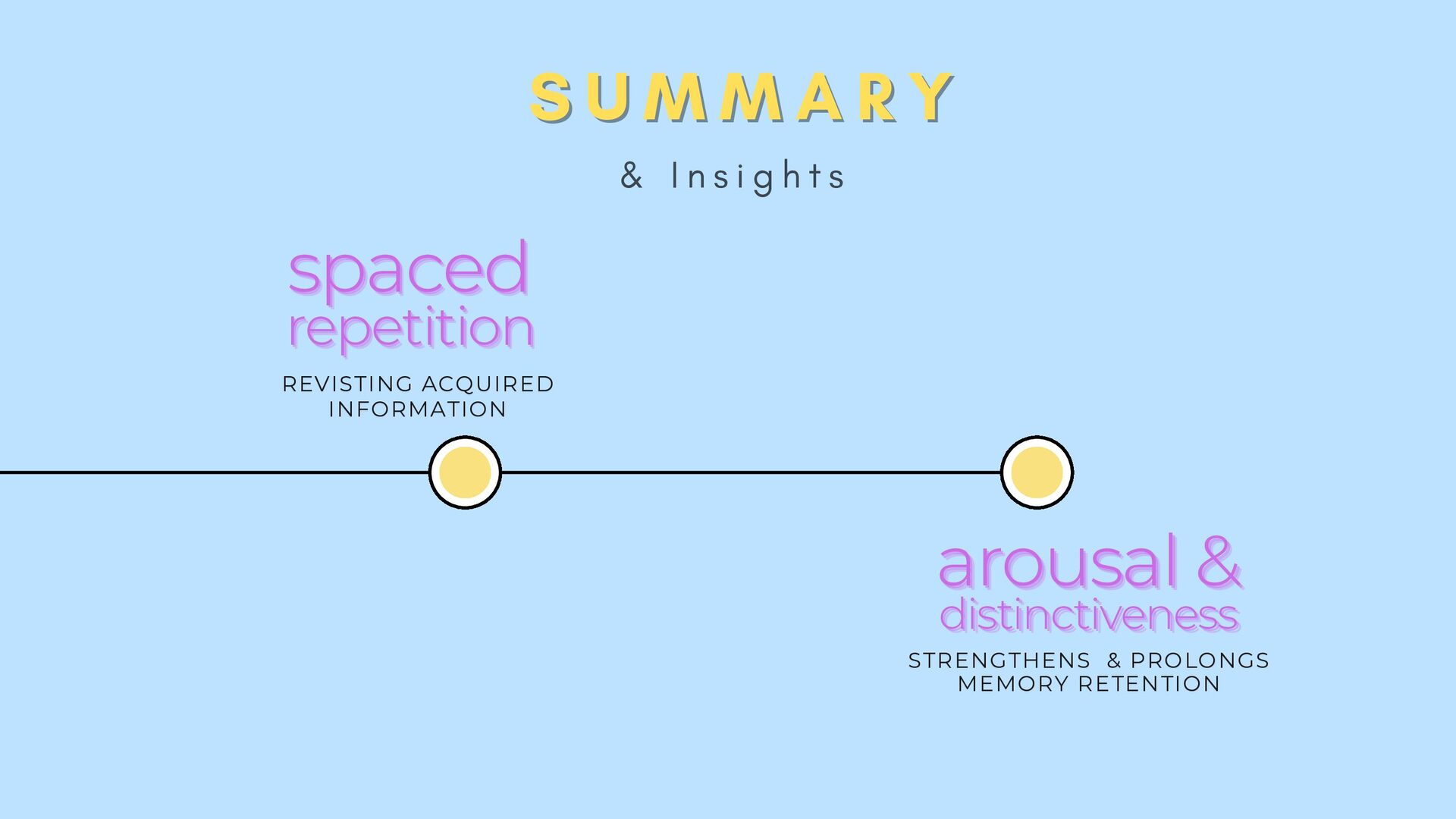
  16. SUMMARY & Insights spaced‌ spaced repetition‌ repetition REVISTING ACQUIRED INFORMATION

    arousal & distinctiveness distinctiveness STRENGTHENS‌ ‌& PROLONGS STRENGTHENS MEMORY ‌R RETENTION ETENTION
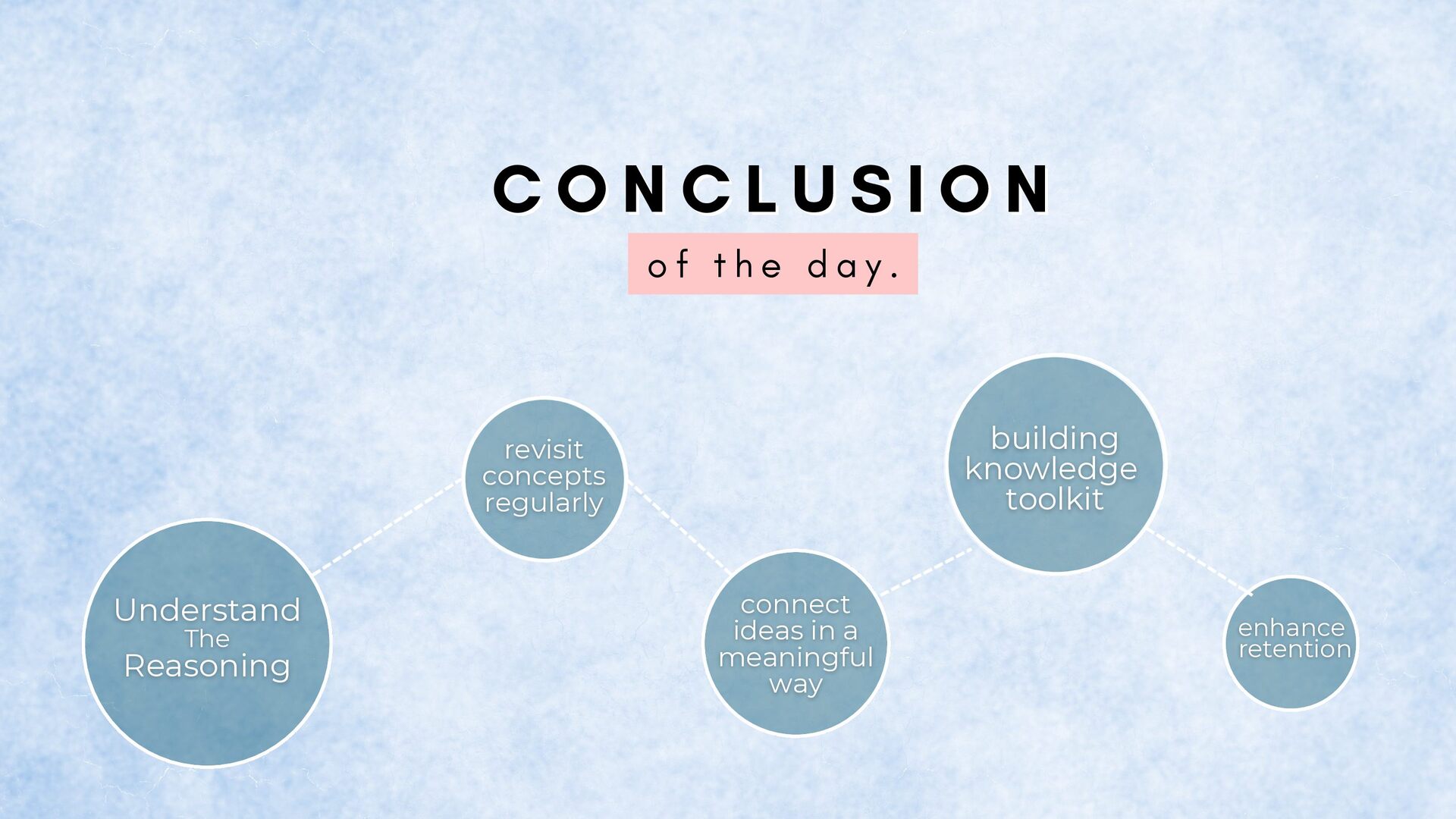
  17. CONCLUSION of the day. building knowledge toolkit revisit concepts regularly

    Understand The Reasoning connect ideas in a meaningful way enhance retention

More Decks by nabihanowrin

Other Decks in Research