Upgrade to Pro — share decks privately, control downloads, hide ads and more …

Emotional Storytelling in User Experience

Avatar for Paul N Paul N
October 18, 2018

Emotional Storytelling in User Experience

The human brain wants stories. Marketers use this. Advertisers use this. We should also use this in the way we design software, using psychology to create attachments that run deeper than just increasing engagement. Additionally, there's one huge software arena where this is done extremely well - video games. How can we use lessons from gaming to evoke emotional responses and understanding in our user experiences? In this talk I'll explore the psychological roots of emotion in user experiences, give examples and techniques used in product and game UI, and describe how all of us can use these ideas to create software experiences that move beyond the mechanical.

Avatar for Paul N

Paul N

October 18, 2018

Other Decks in Design

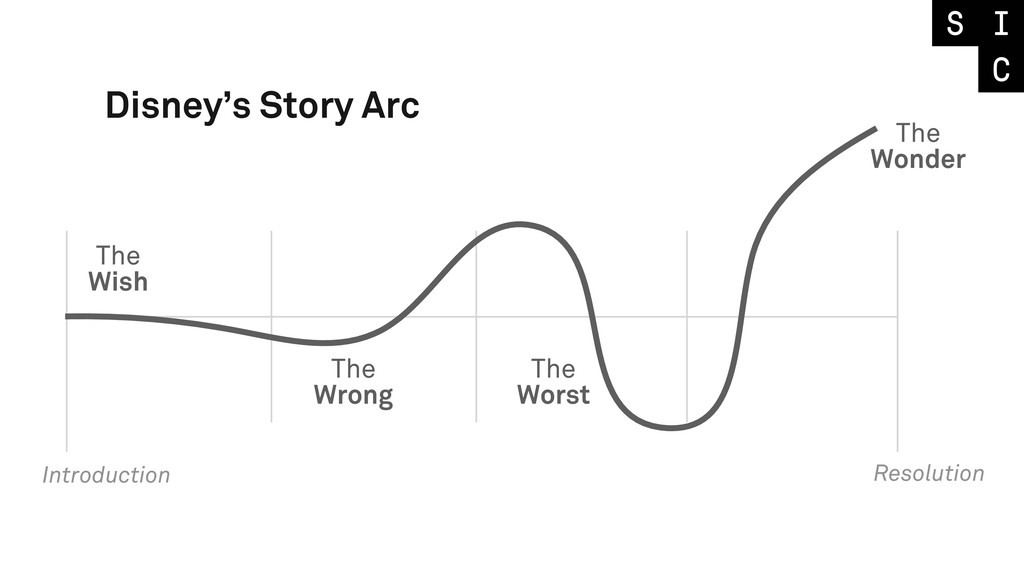
Transcript

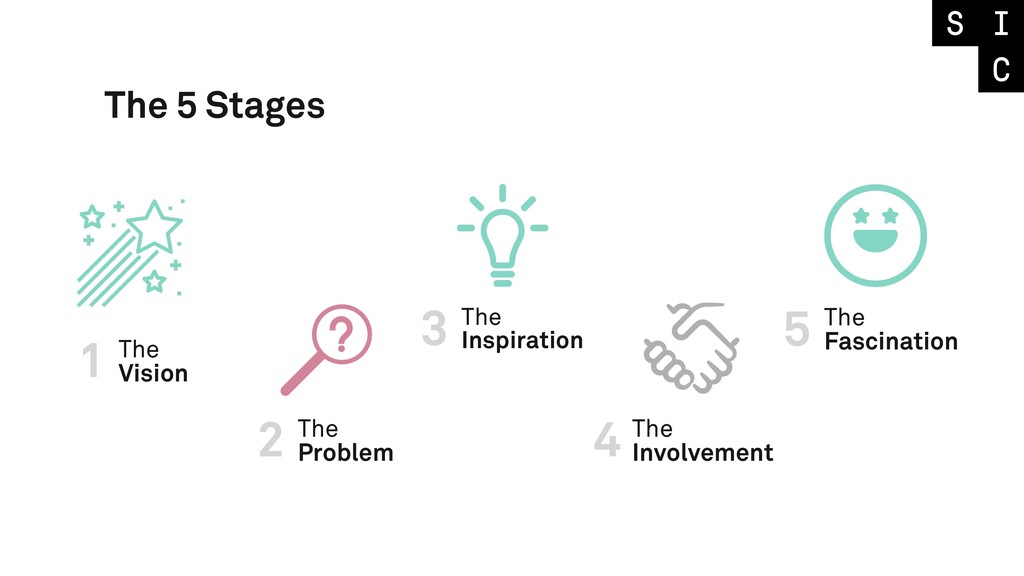
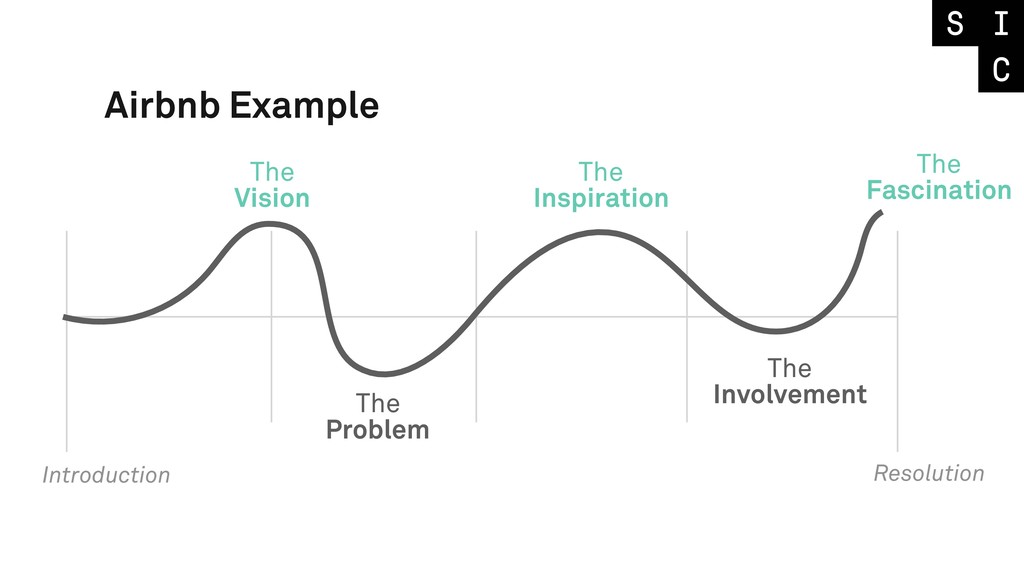
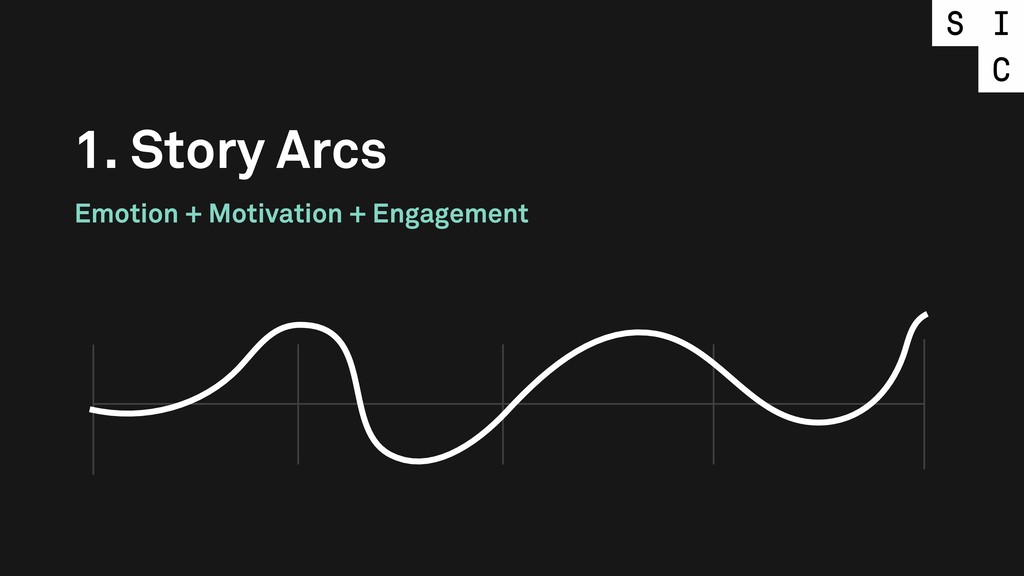
  1. Hi, I’m Paul. I’m a designer with a background in

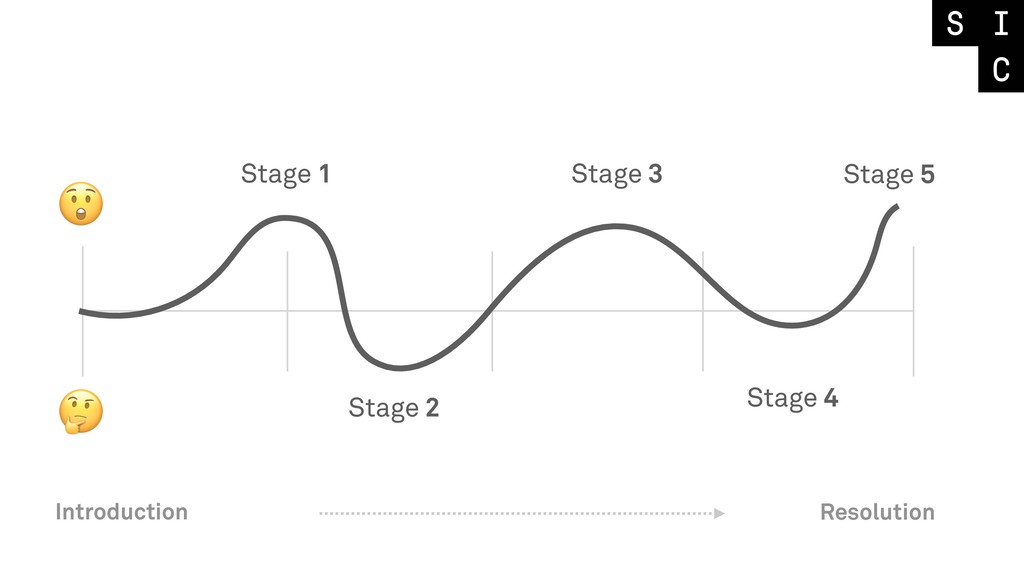
    games, interactive media, and products.
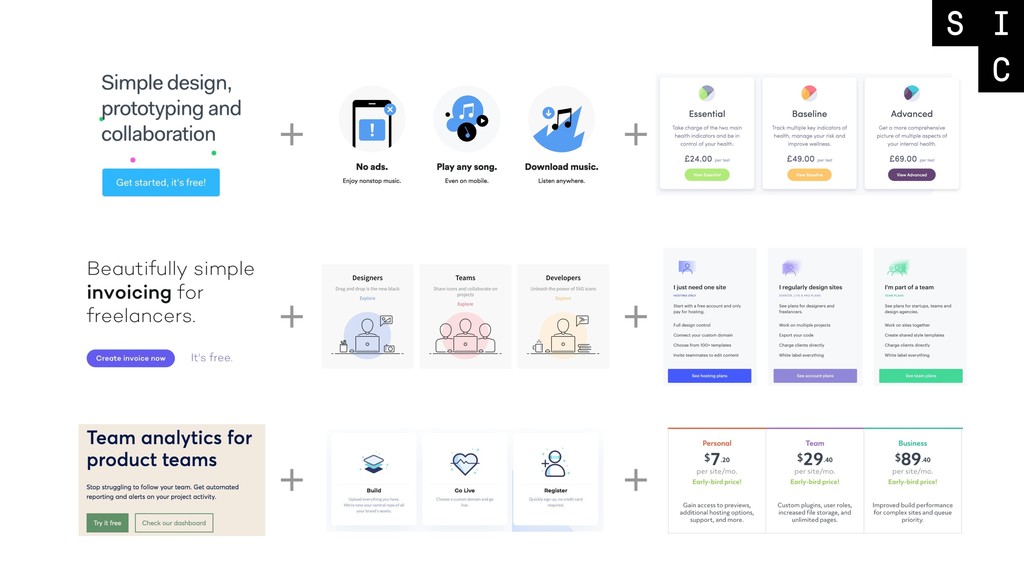
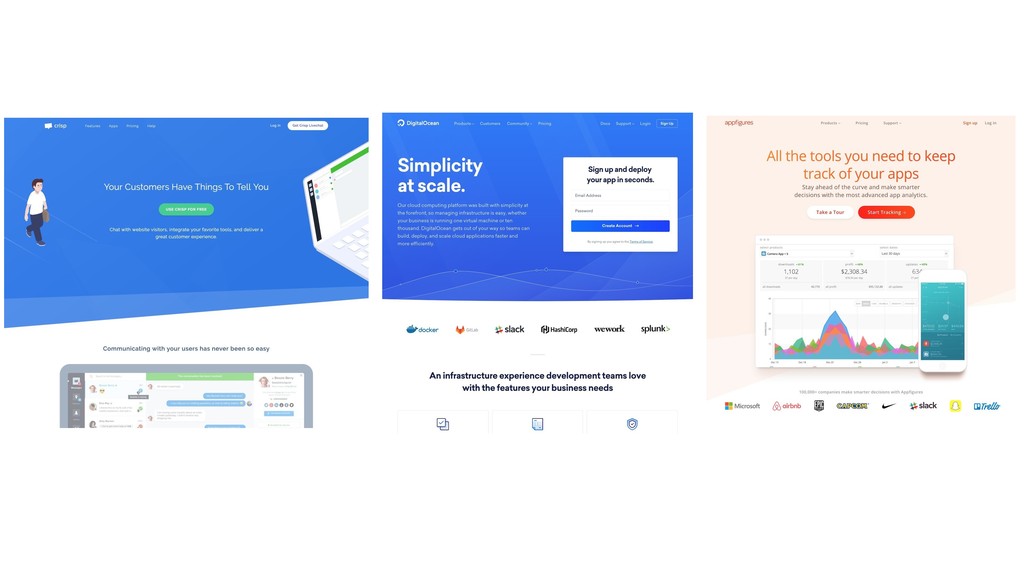
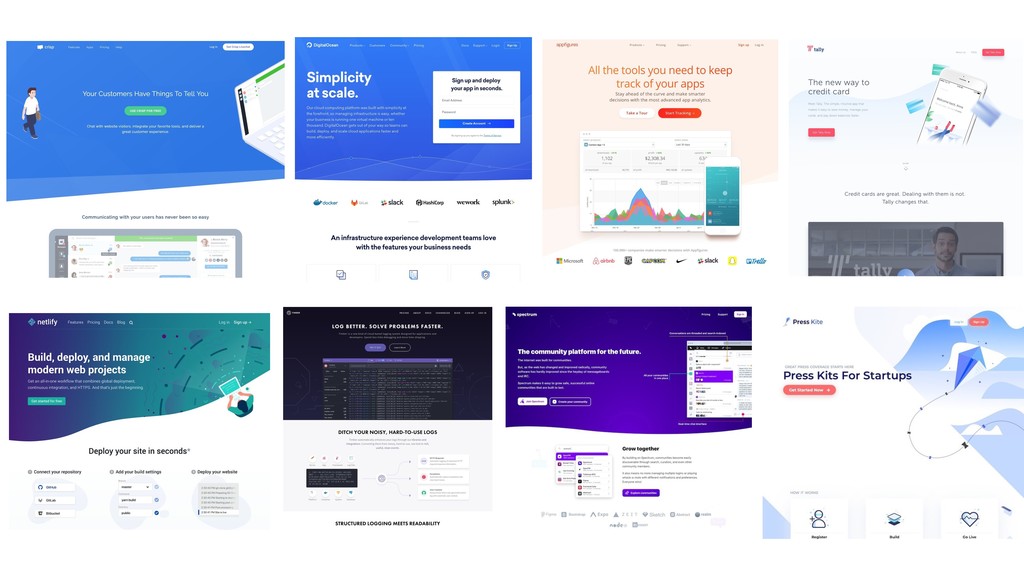
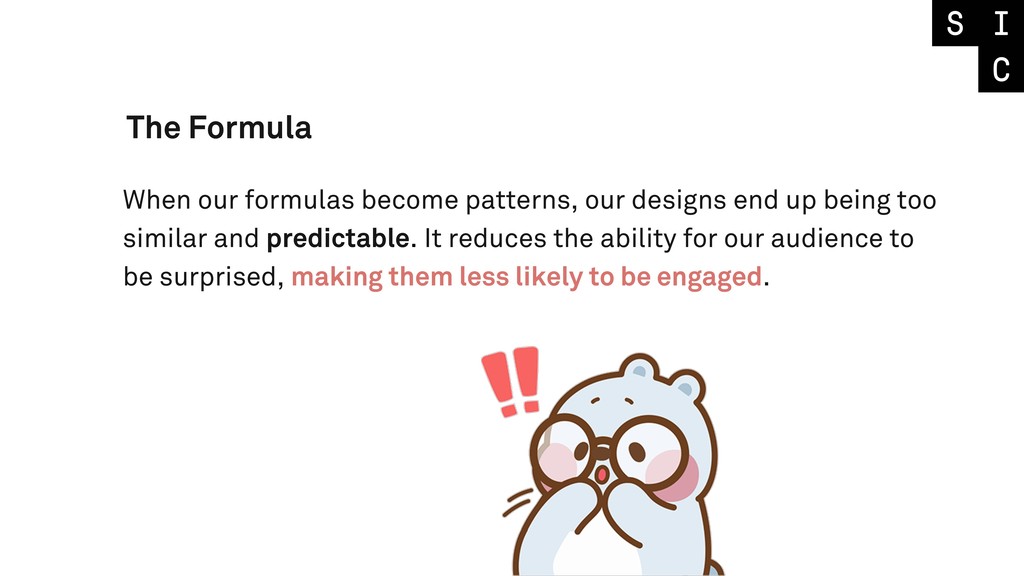
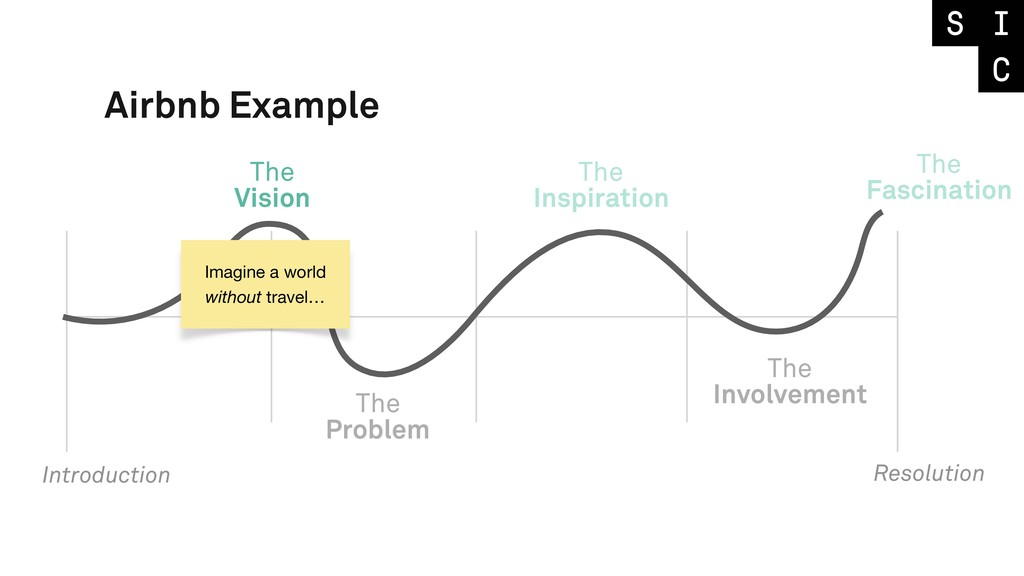
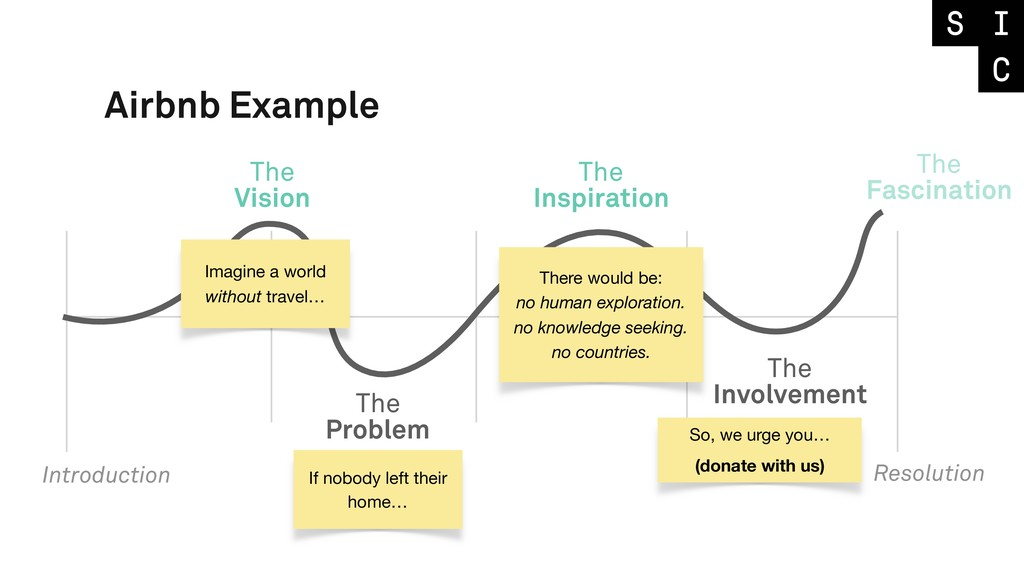
  2. When our formulas become patterns, our designs end up being

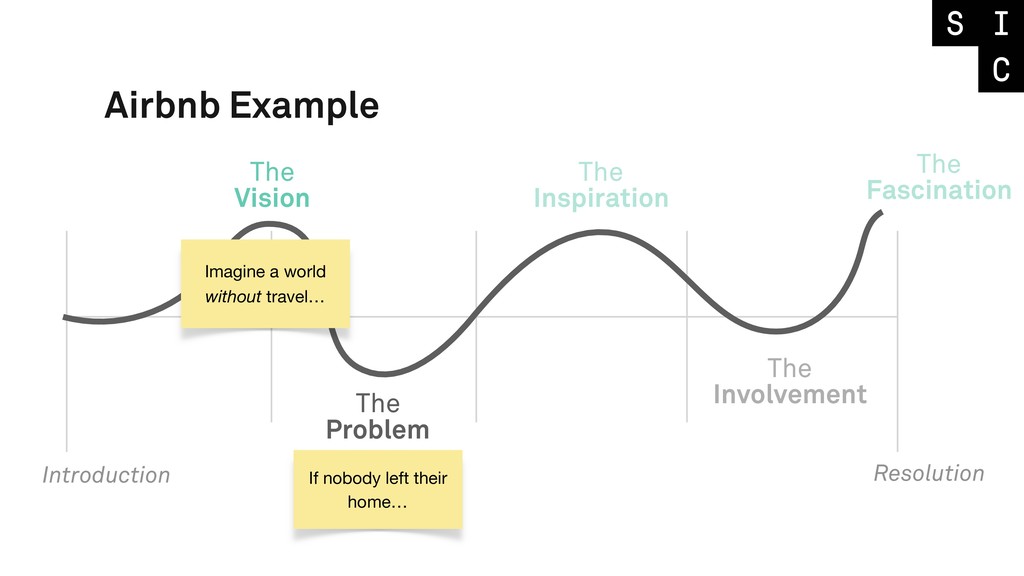
    too similar and predictable. It reduces the ability for our audience to be surprised, making them less likely to be engaged. The Formula
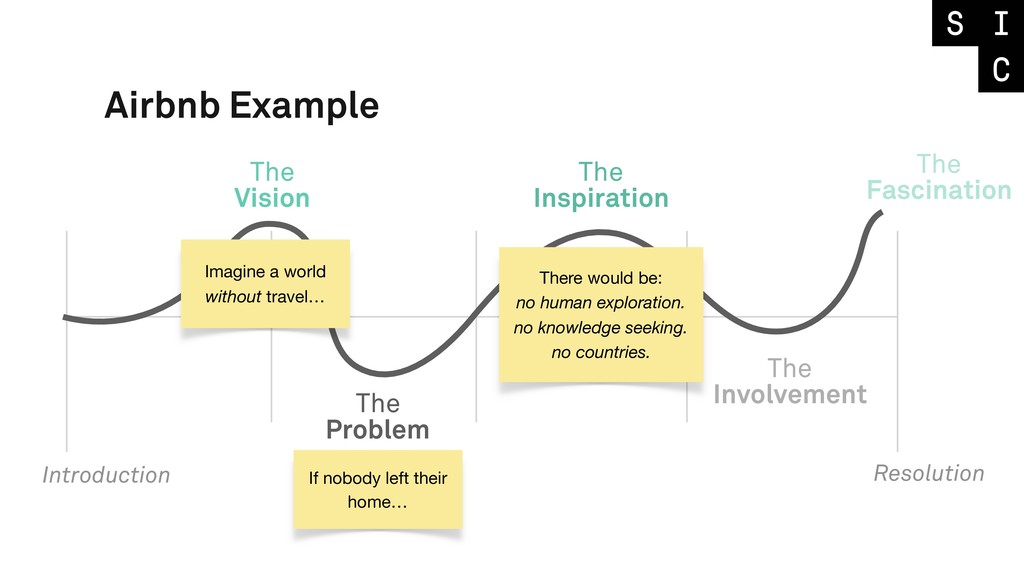
  3. But When our audience is surprised and delighted, they will
    be engaged, making them more likely to listen to what we have to say.
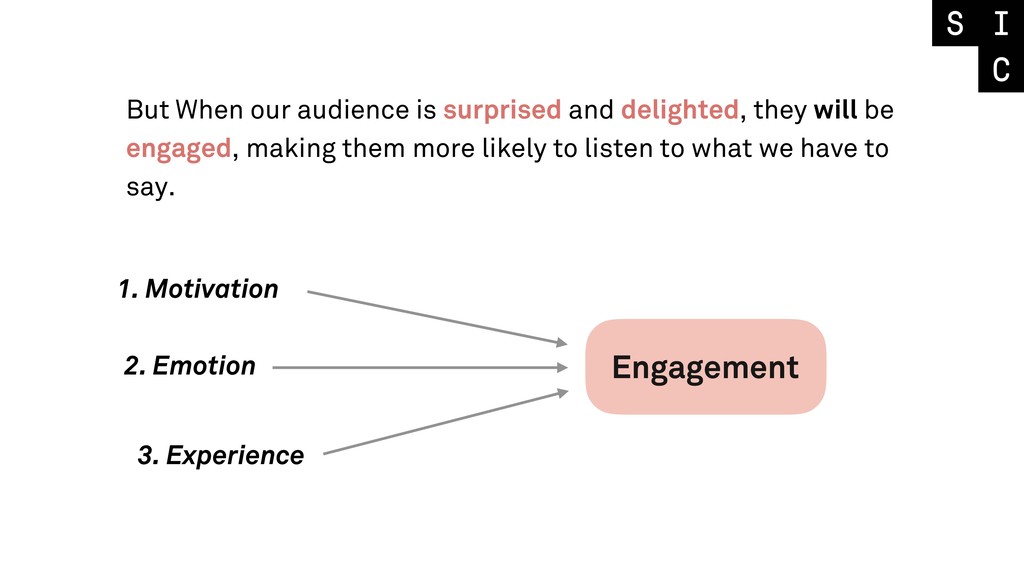
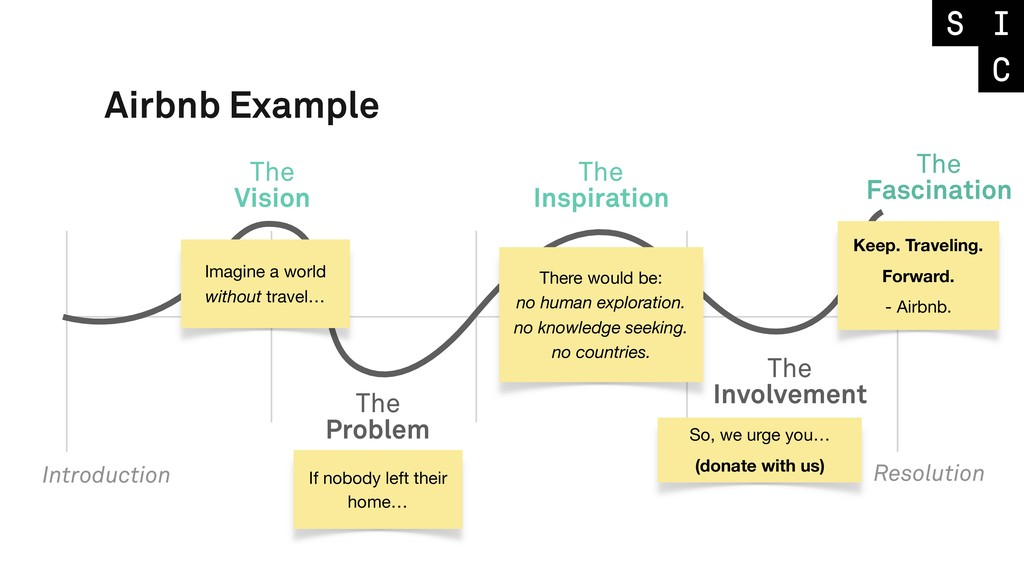
  4. Engagement 1. Motivation 2. Emotion 3. Experience But When our

    audience is surprised and delighted, they will be engaged, making them more likely to listen to what we have to say.
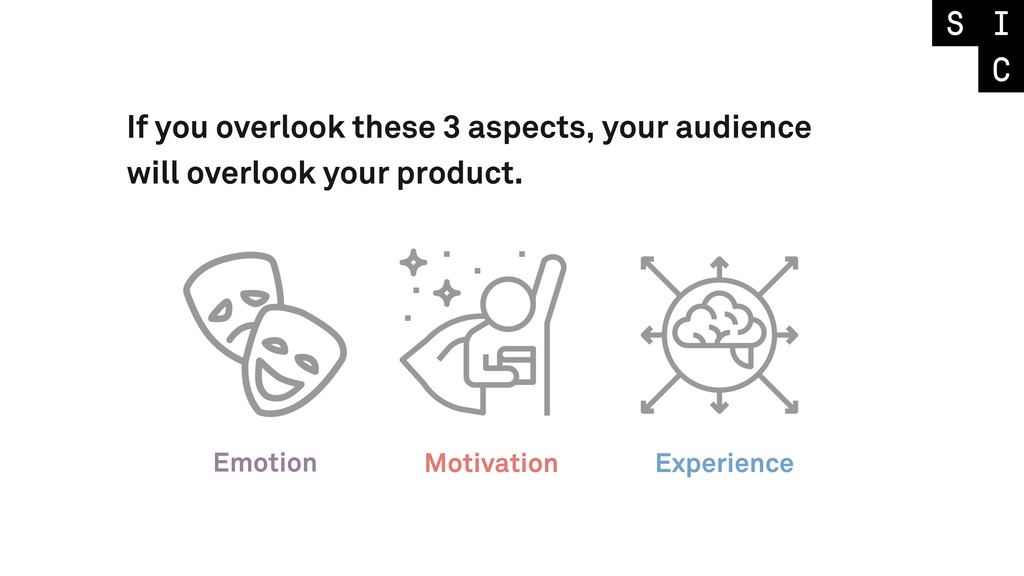
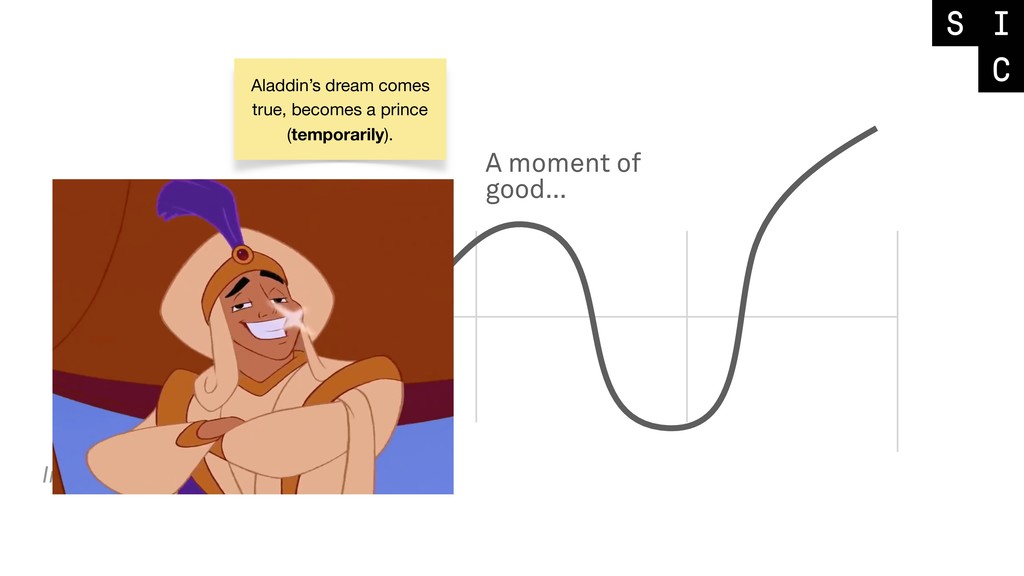
  5. If you overlook these 3 aspects, your audience will overlook

    your product. Experience Motivation Emotion
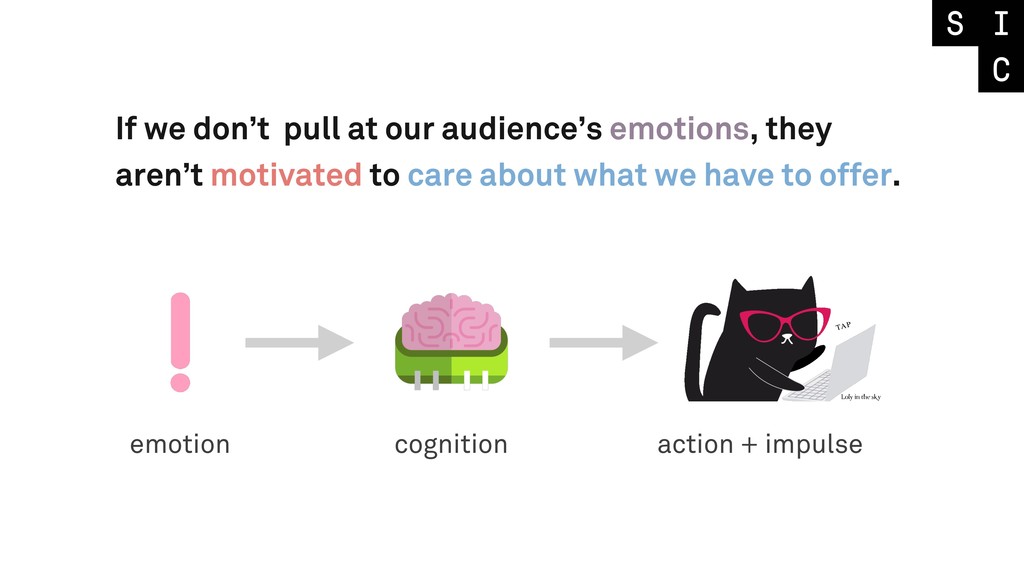
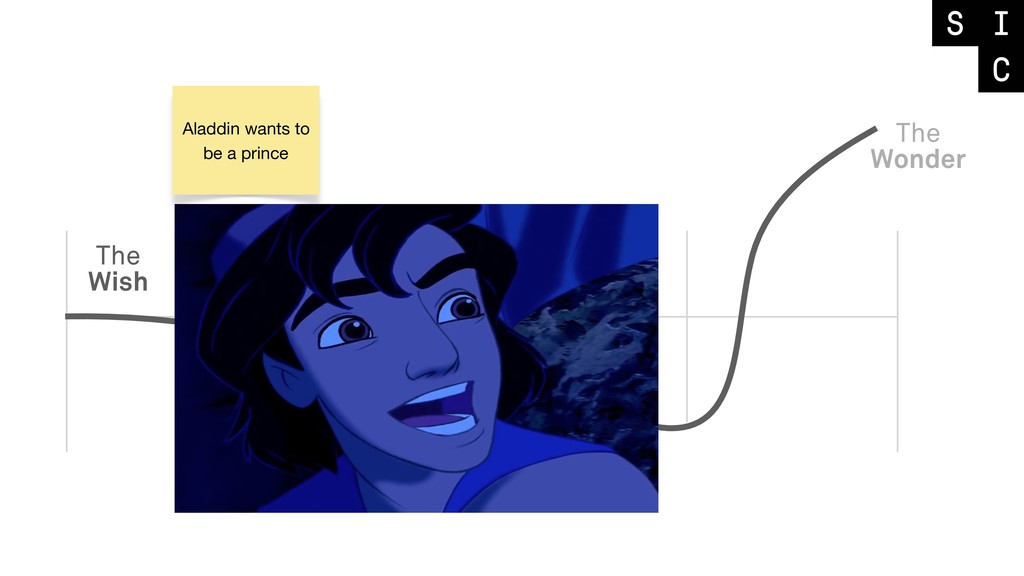
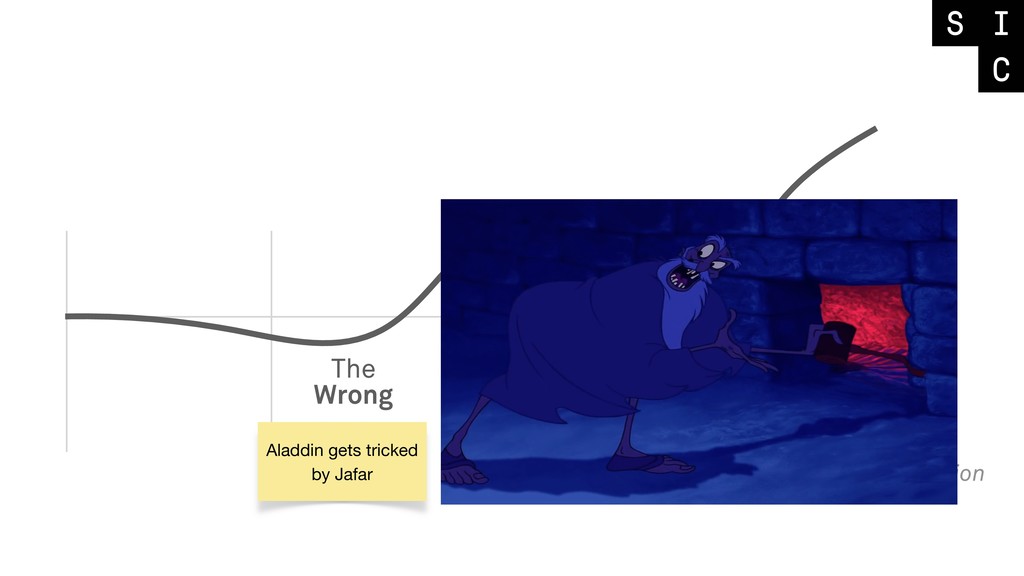
  6. emotion cognition action + impulse If we don’t pull at

    our audience’s emotions, they aren’t motivated to care about what we have to offer.
  7. As humans we seek to feel satisfying emotions. The more

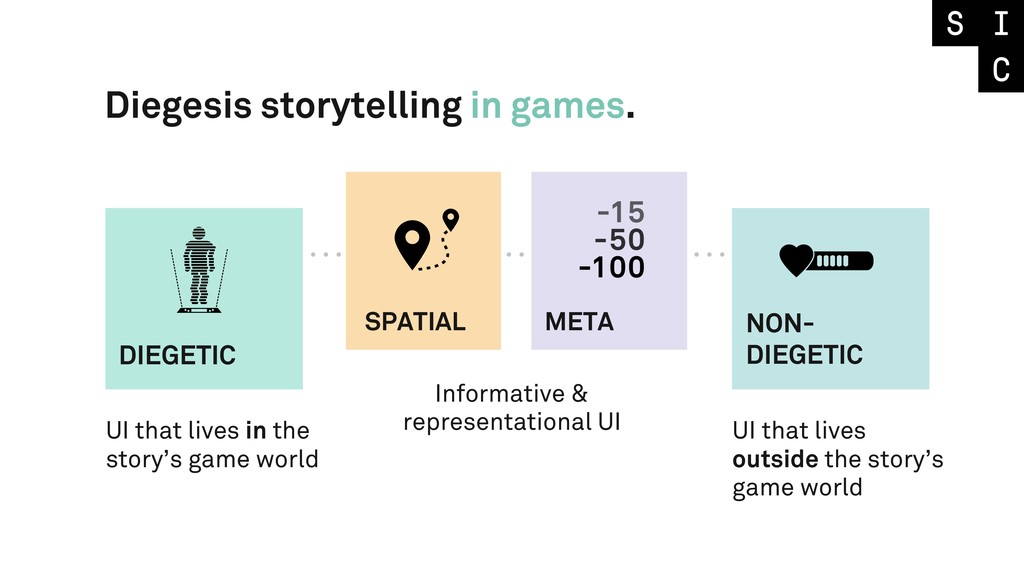
    our audience resonate with our stories, the more likely they are to engage.
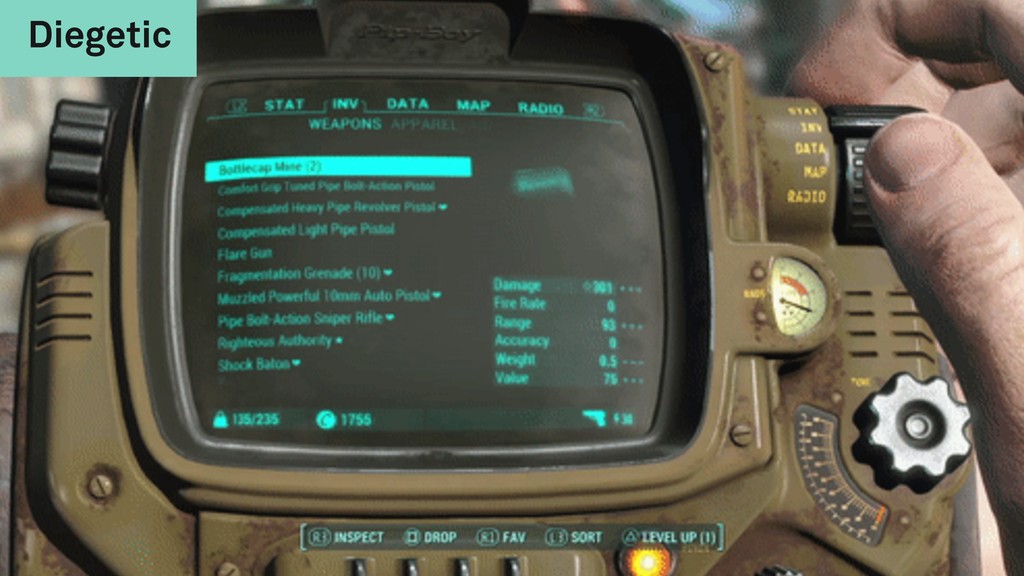
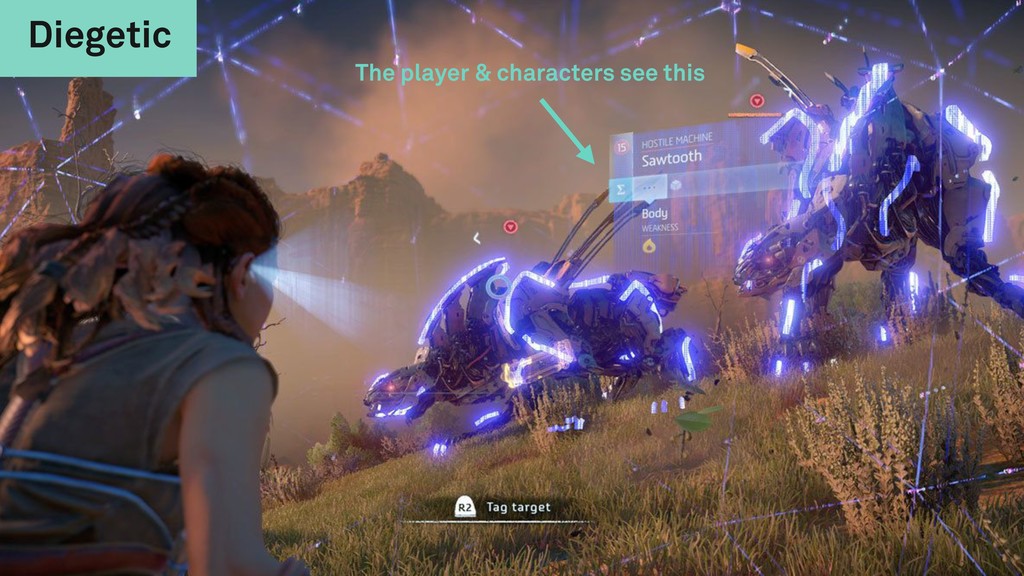
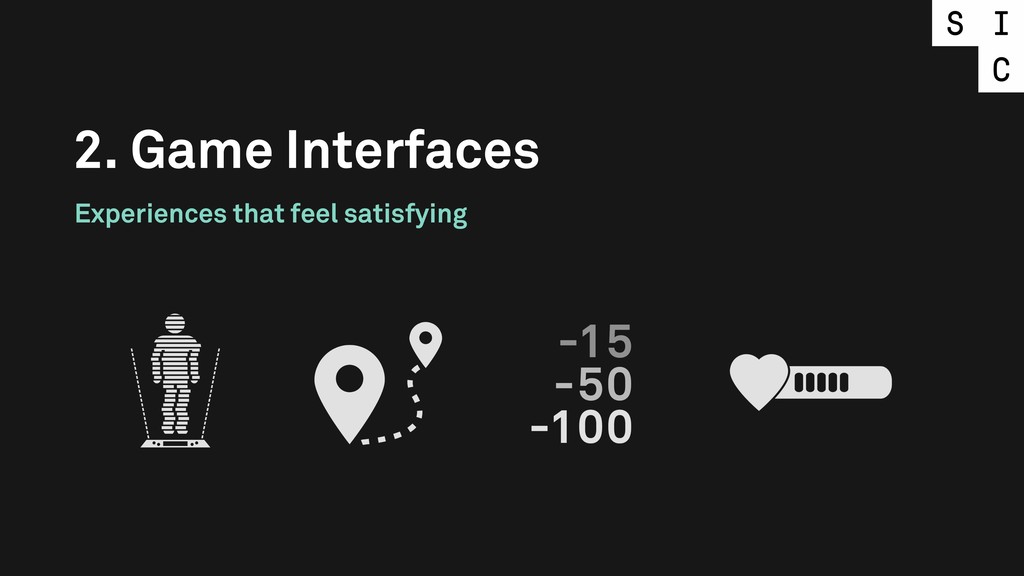
  8. “In games, knowledge of cognitive science is critical to the

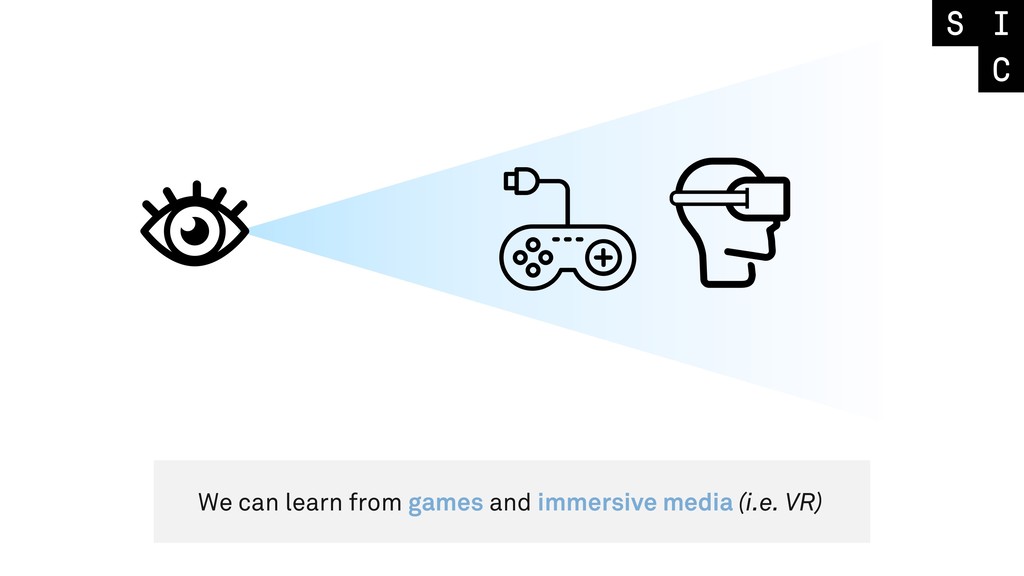
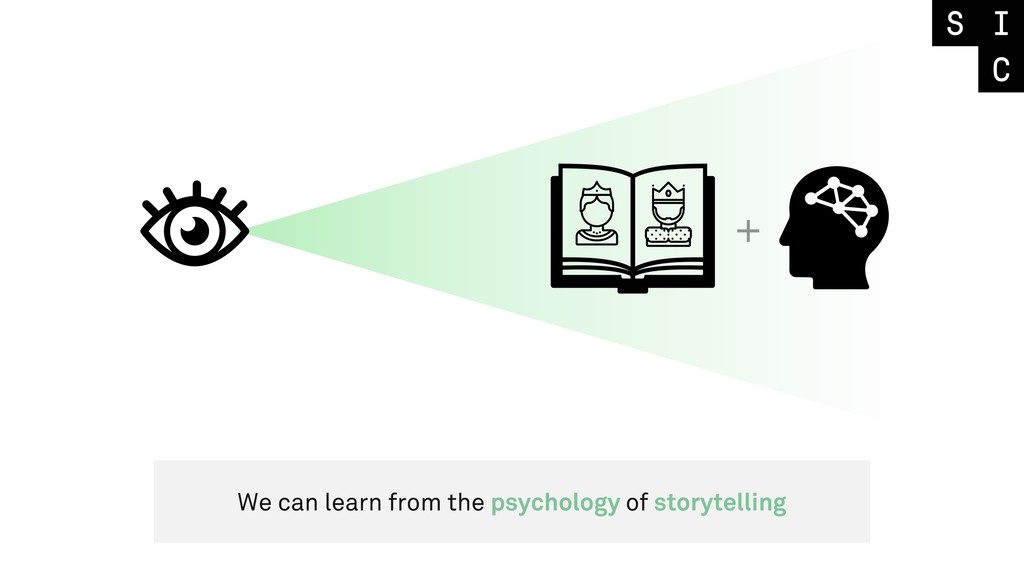
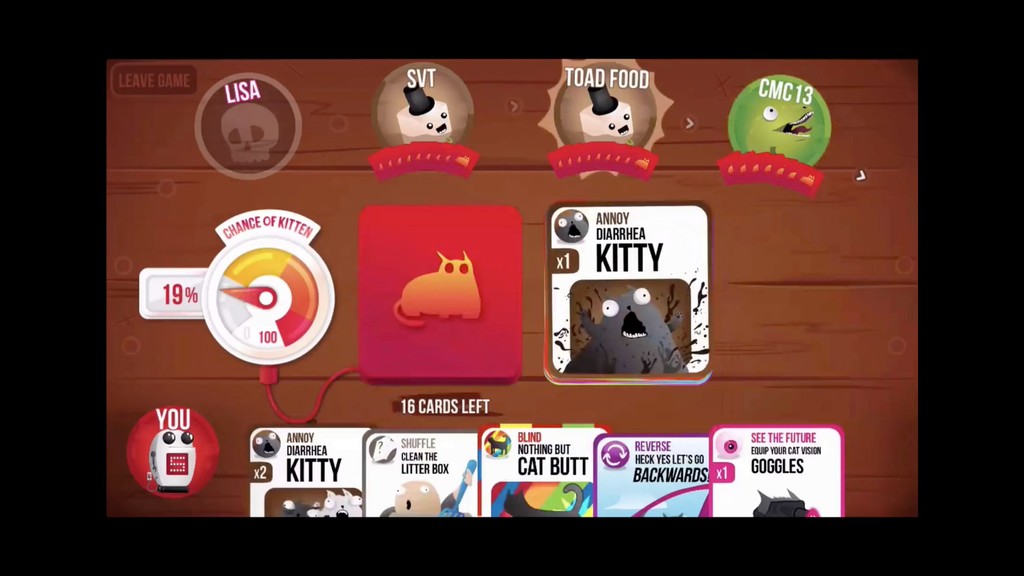
    success of UX. You use emotional states to guide your players through an experience. Music, sound effects, art direction, controls mechanics are all tools to support the underlying story that motivates a player to continue.” - Celia Hodent The Gamer’s Brain ` We can learn from the psychology of storytelling
  9. “In games, knowledge of cognitive science is critical to the

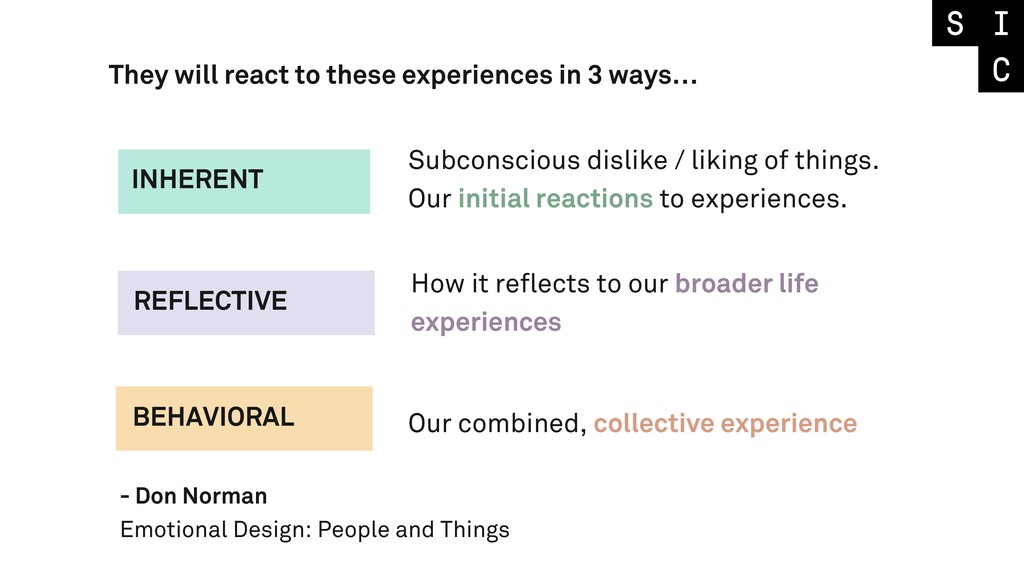
    success of UX. You use emotional states to guide your players through an experience. Music, sound effects, art direction, and control mechanics are all tools to support the underlying story that motivates a player to continue.” - Celia Hodent The Gamer’s Brain
  10. “We help the audience direct the way they feel about

    something. It's our job direct the audience’s feelings. The story is the emotional journey, you make up the world and the world becomes your plot.” - Francis Glebas Disney Film Director (The Lion King, Aladdin, Pocahontas)
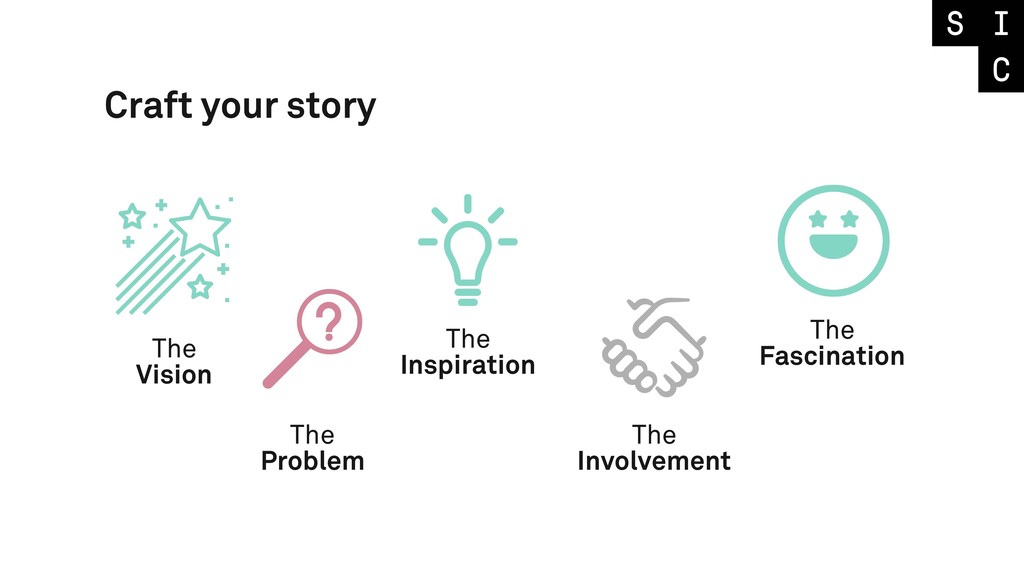
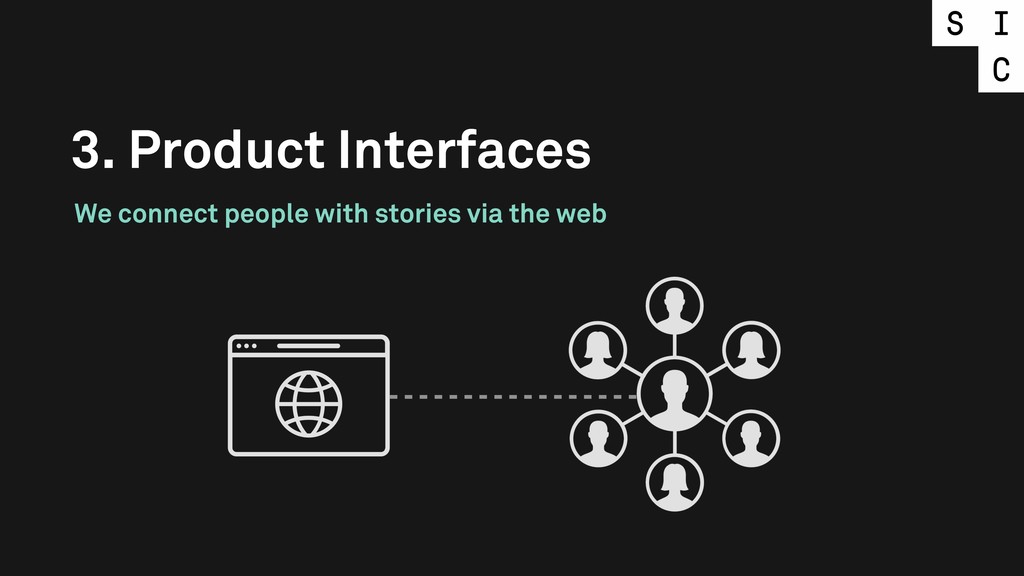
  11. The 5 Stages The Vision 1 The Problem 2 The

    Inspiration 3 The Involvement 4 The Fascination 5
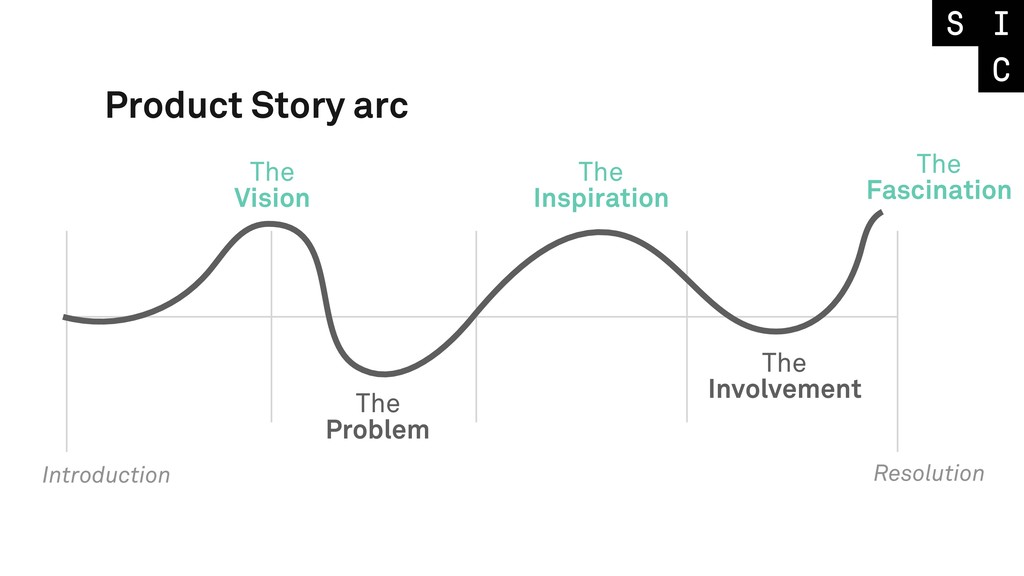
  12. Introduction Resolution Product Story arc The Vision The Problem The

    Inspiration The Involvement The Fascination
  13. Introduction Resolution The Vision The Problem The Inspiration The Involvement

    The Fascination Imagine a world without travel… Airbnb Example
  14. Introduction Resolution The Vision The Problem The Inspiration The Involvement

    The Fascination Imagine a world without travel… If nobody left their home… Airbnb Example
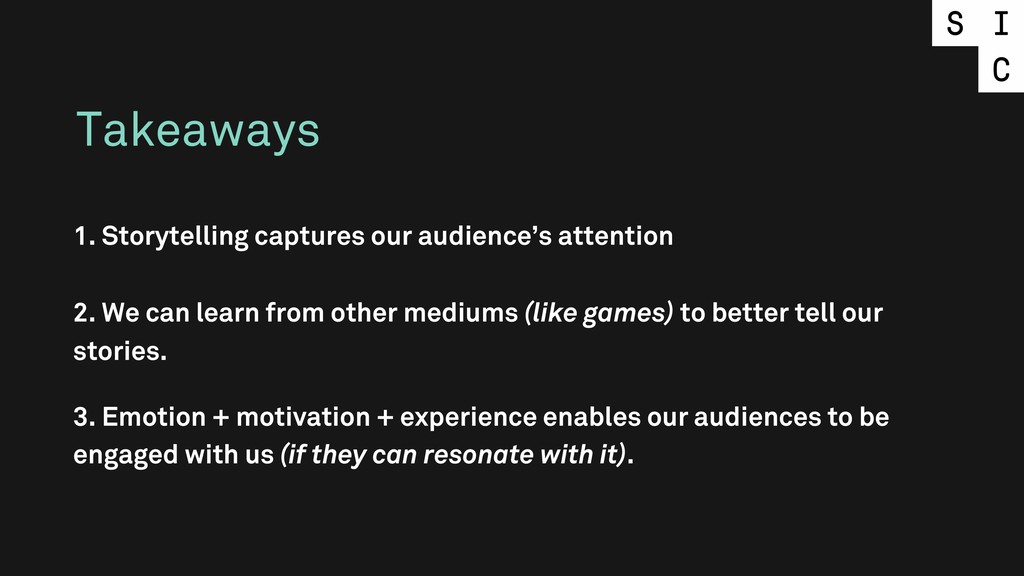
  15. Introduction Resolution The Vision The Problem The Inspiration The Involvement

    The Fascination Imagine a world without travel… There would be: no human exploration. no knowledge seeking. no countries. If nobody left their home… Airbnb Example
  16. Introduction Resolution The Vision The Problem The Inspiration The Involvement

    The Fascination Imagine a world without travel… There would be: no human exploration. no knowledge seeking. no countries. So, we urge you… (donate with us) If nobody left their home… Airbnb Example
  17. Introduction Resolution The Vision The Problem The Inspiration The Involvement

    The Fascination Imagine a world without travel… If nobody left their home… There would be: no human exploration. no knowledge seeking. no countries. Keep. Traveling. Forward. - Airbnb. So, we urge you… (donate with us) Airbnb Example
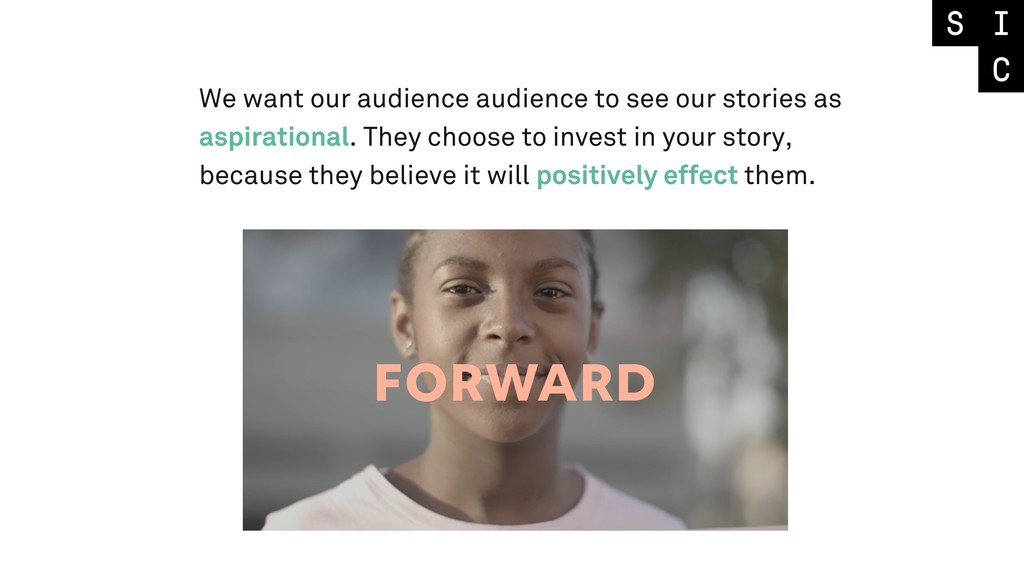
  18. We want our audience audience to see our stories as

    aspirational. They choose to invest in your story, because they believe it will positively effect them.
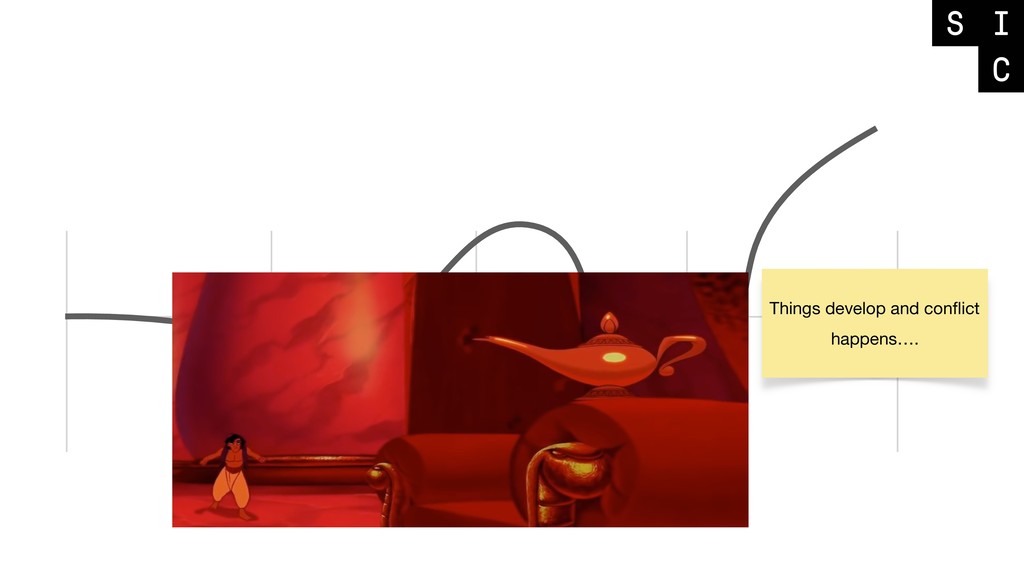
  19. The Wrong The Wish Introduction Aladdin’s dream comes true, becomes

    a prince (temporarily). A moment of good…
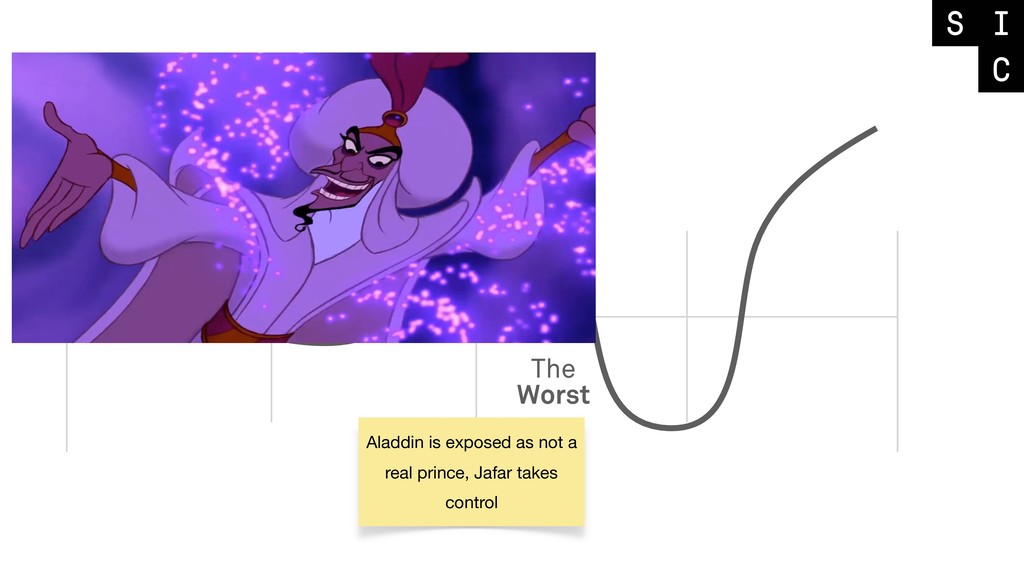
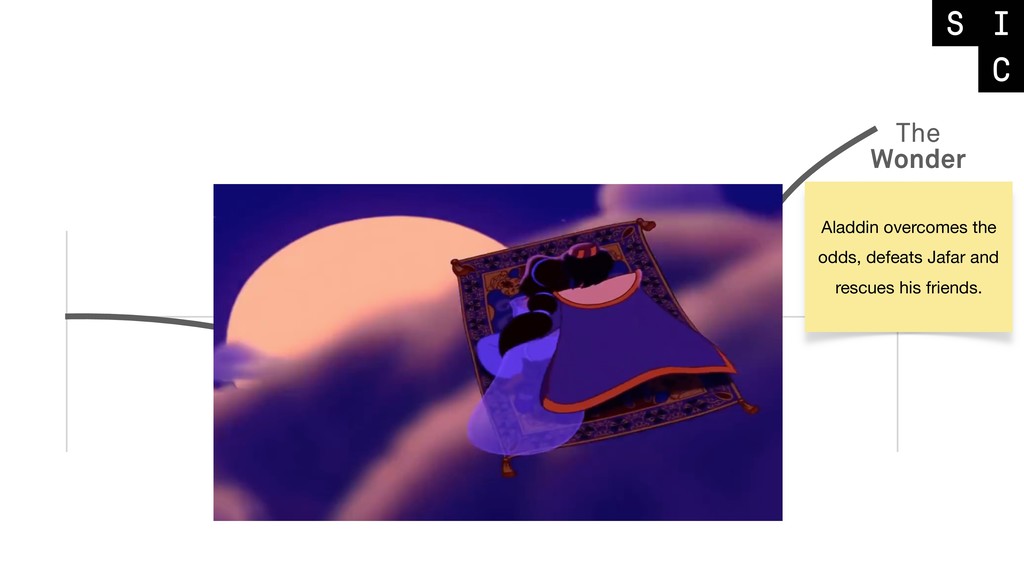
  20. The Wrong The Worst The Wonder Aladdin overcomes the odds,

    defeats Jafar and rescues his friends.
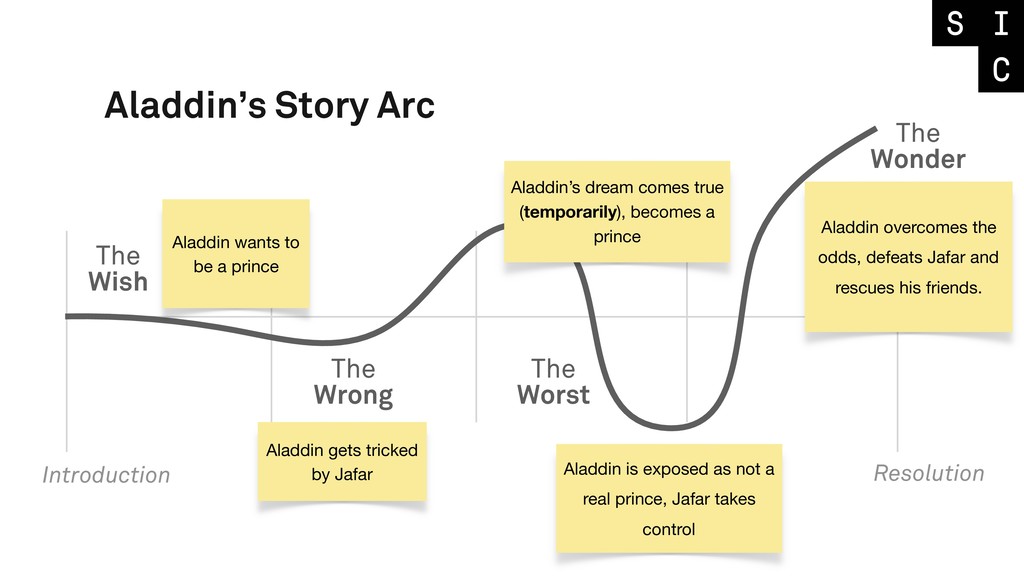
  21. Aladdin’s Story Arc The Wrong The Wish The Worst The

    Wonder Introduction Resolution Aladdin gets tricked by Jafar Aladdin’s dream comes true (temporarily), becomes a prince Aladdin is exposed as not a real prince, Jafar takes control Aladdin wants to be a prince Aladdin overcomes the odds, defeats Jafar and rescues his friends.
  22. Each of these stages drove emotional engagement and investment in

    our ideas. Positive motivation can cause us to take action.
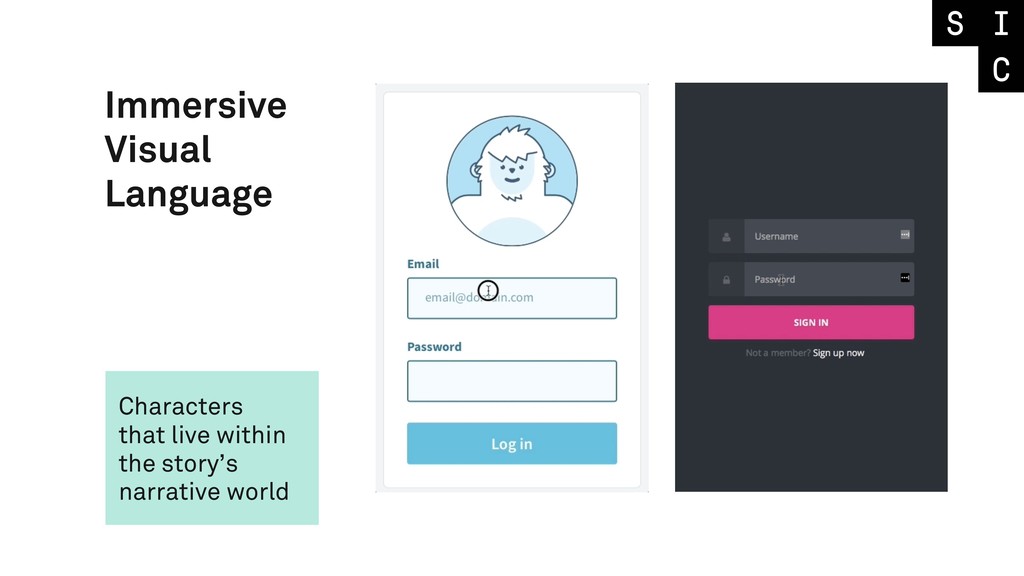
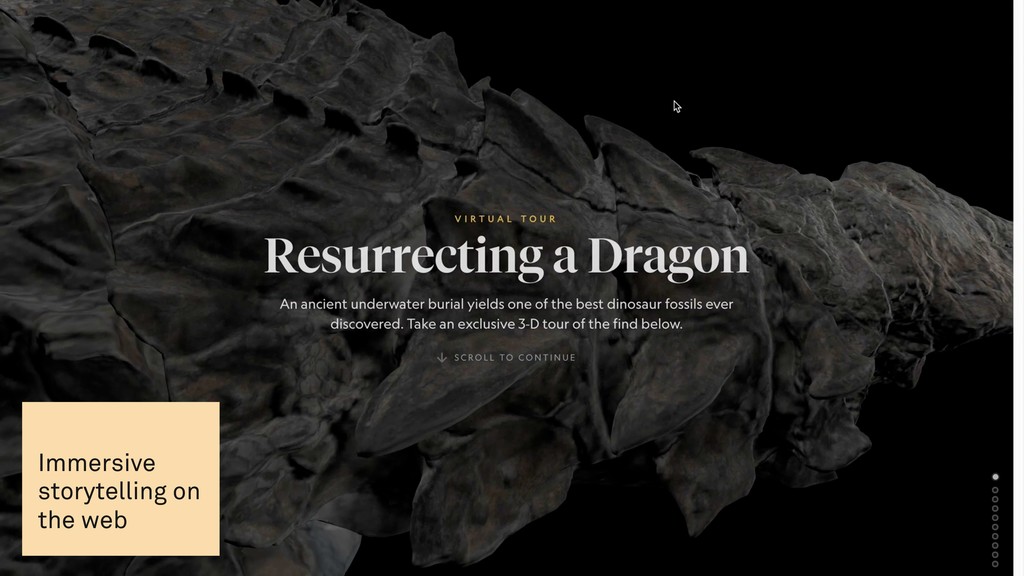
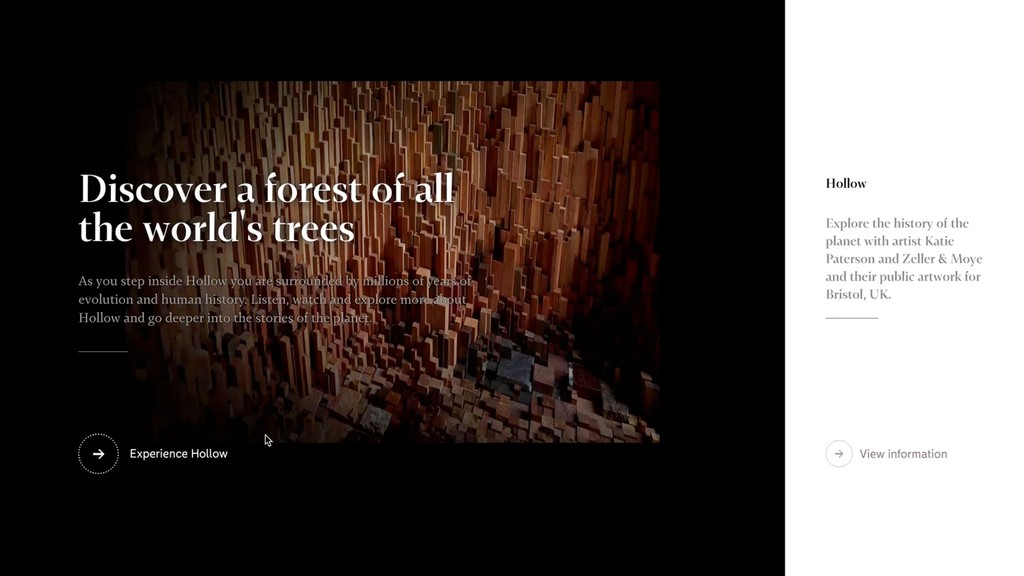
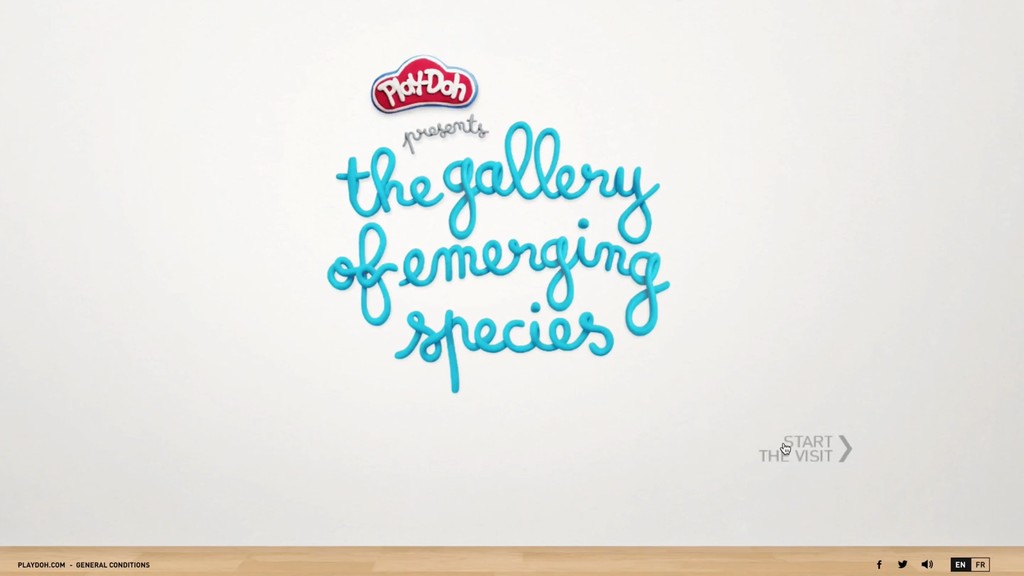
  23. We use stories to breakaway from the conventional structures of

    products that focus on task driven conversions. Stories help create human connections.
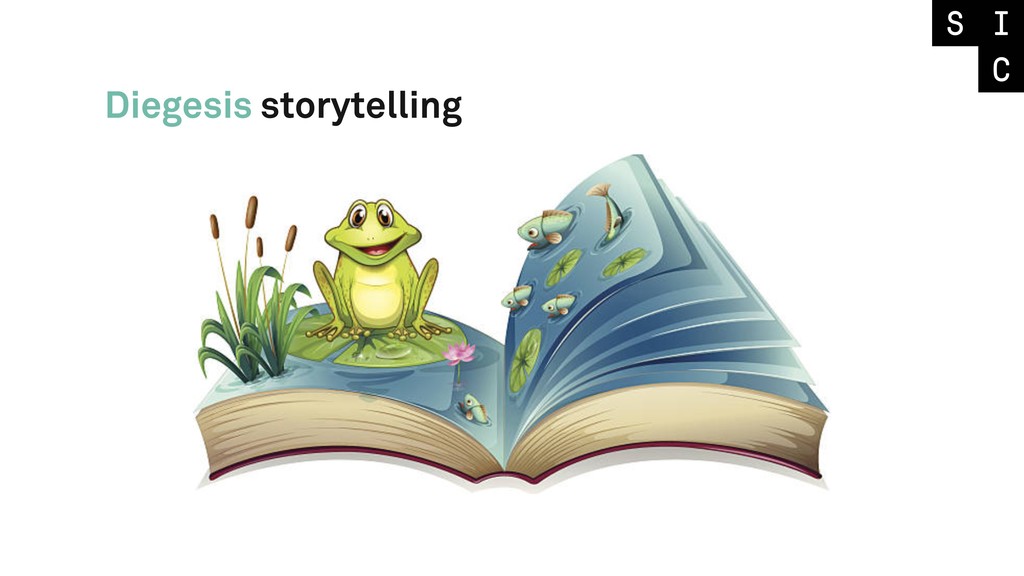
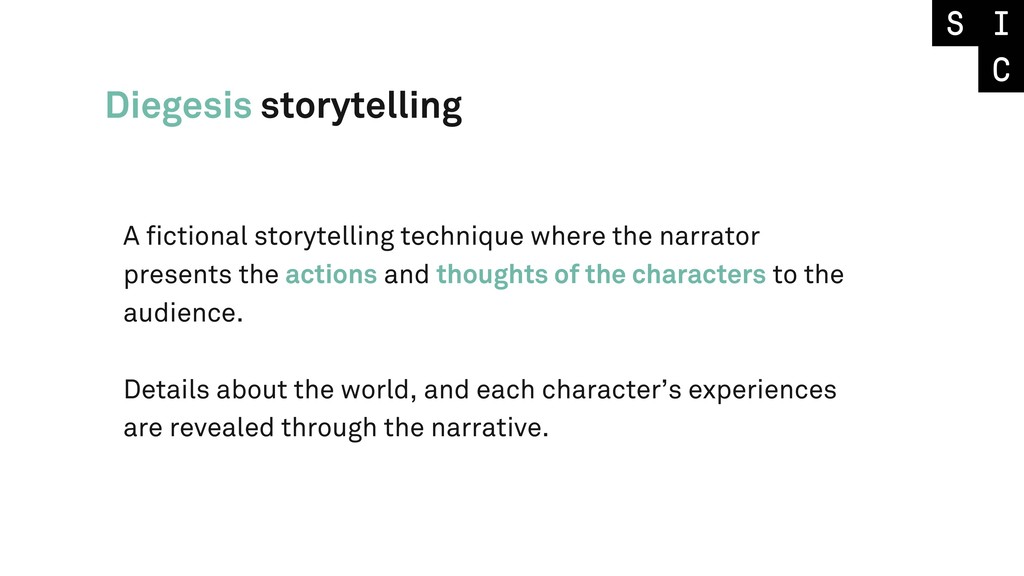
  24. Diegesis storytelling A fictional storytelling technique where the narrator presents

    the actions and thoughts of the characters to the audience. Details about the world, and each character’s experiences are revealed through the narrative.
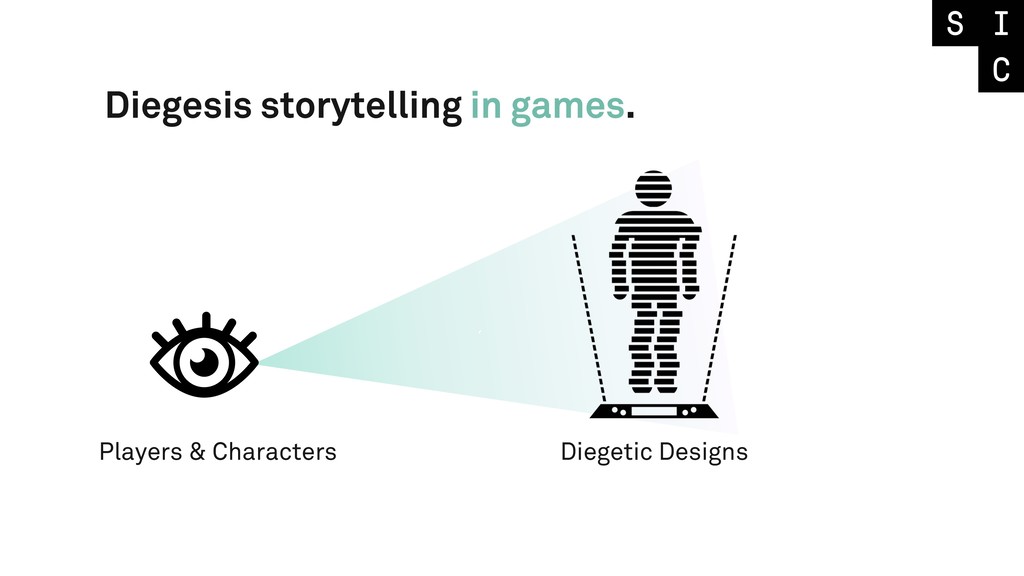
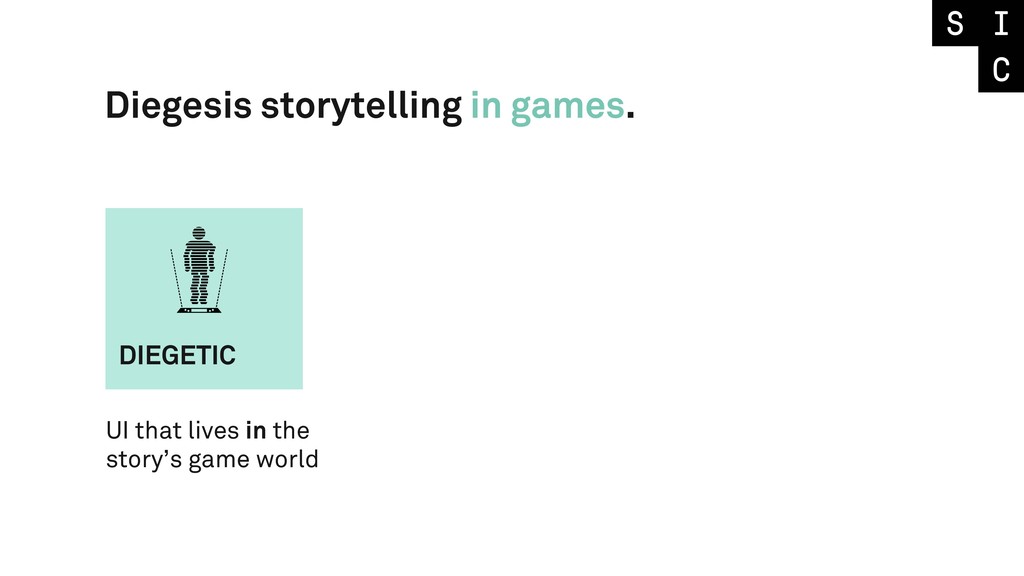
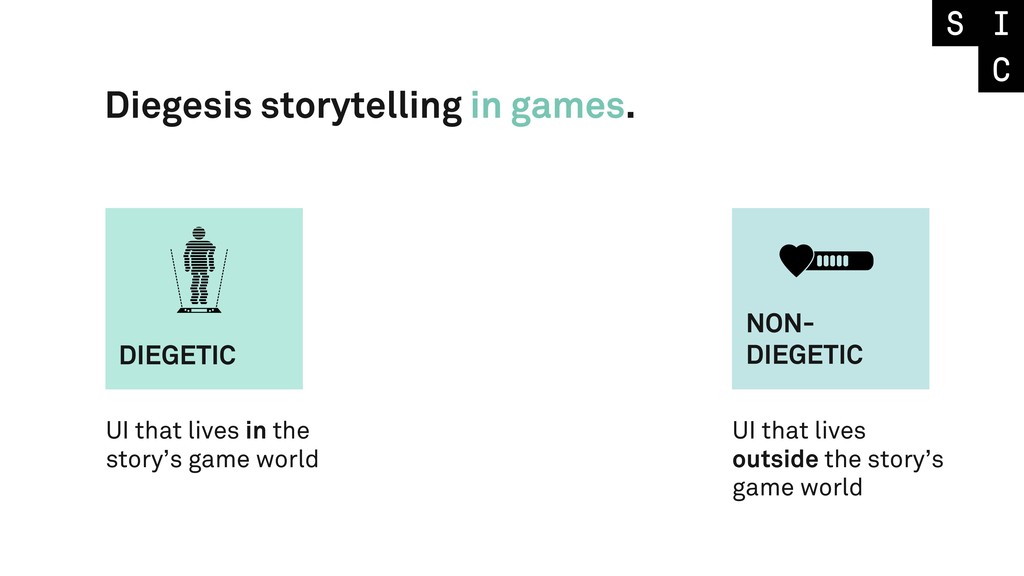
  25. DIEGETIC NON- DIEGETIC UI that lives in the story’s game

    world UI that lives outside the story’s game world Diegesis storytelling in games.
  26. DIEGETIC NON- DIEGETIC ` SPATIAL META Informative & representational UI

    UI that lives in the story’s game world UI that lives outside the story’s game world Diegesis storytelling in games.
  27. Our audience desires to feel satisfied when interacting with our

    designs. This increases their attentiveness, and general feelings of happiness.
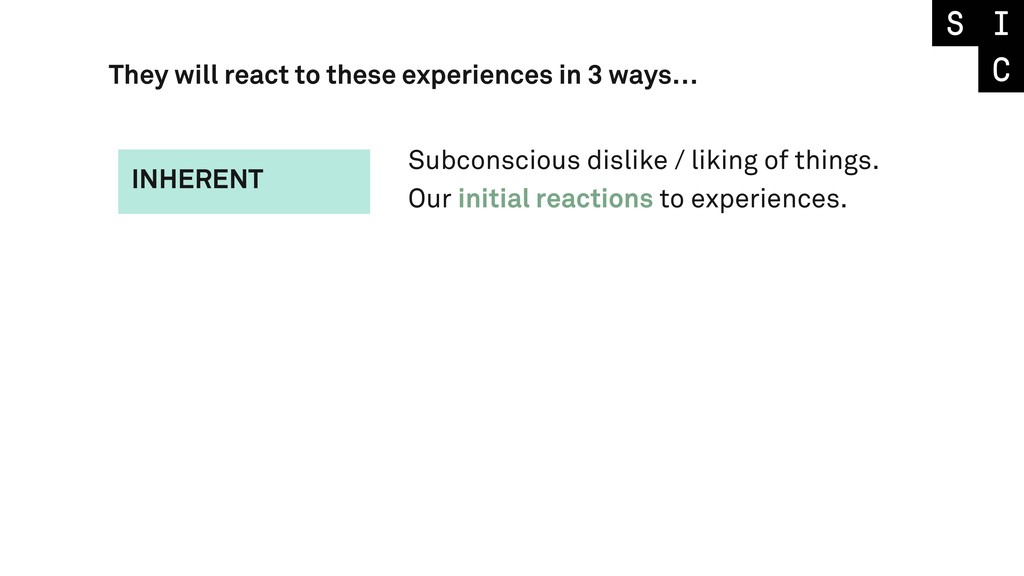
  28. INHERENT Subconscious dislike / liking of things. Our initial reactions

    to experiences. They will react to these experiences in 3 ways…
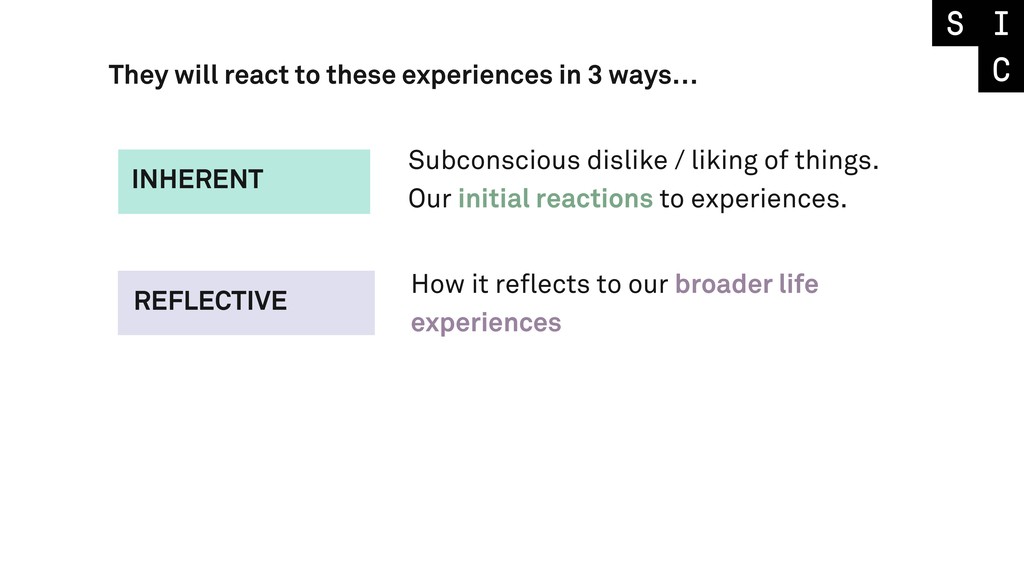
  29. INHERENT REFLECTIVE Subconscious dislike / liking of things. Our initial

    reactions to experiences. How it reflects to our broader life experiences They will react to these experiences in 3 ways…
  30. INHERENT BEHAVIORAL REFLECTIVE Subconscious dislike / liking of things. Our

    initial reactions to experiences. Our combined, collective experience How it reflects to our broader life experiences - Don Norman Emotional Design: People and Things They will react to these experiences in 3 ways…
  31. We use the web, products and design to connect with

    people. Stories showcase our designs when we aren’t there to show them ourselves.
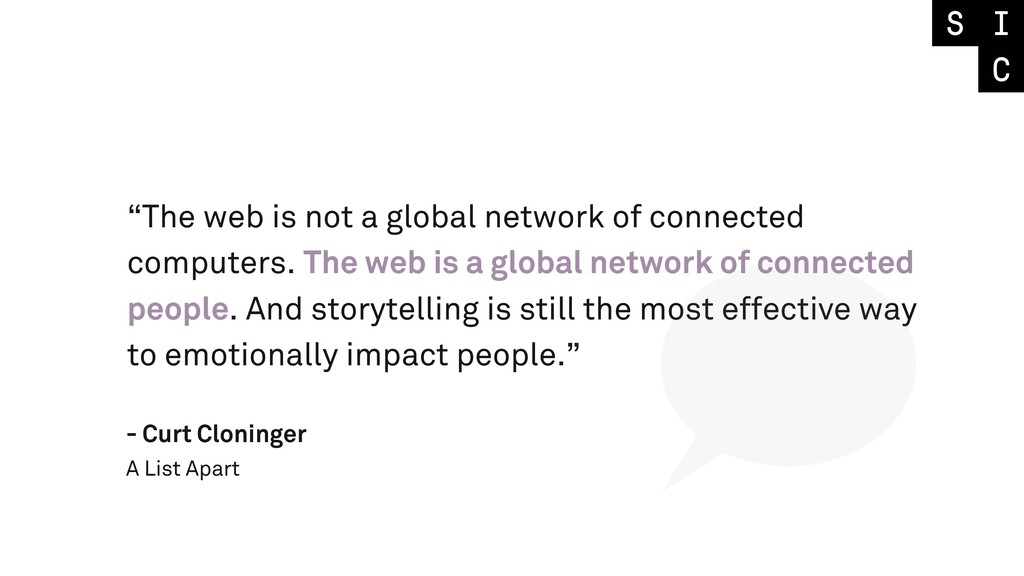
  32. - Curt Cloninger A List Apart “The web is not

    a global network of connected computers. The web is a global network of connected people. And storytelling is still the most effective way to emotionally impact people.”
  33. When we are engaged, our minds are motivated to help

    us determine the correct behavioral responses to our experience.
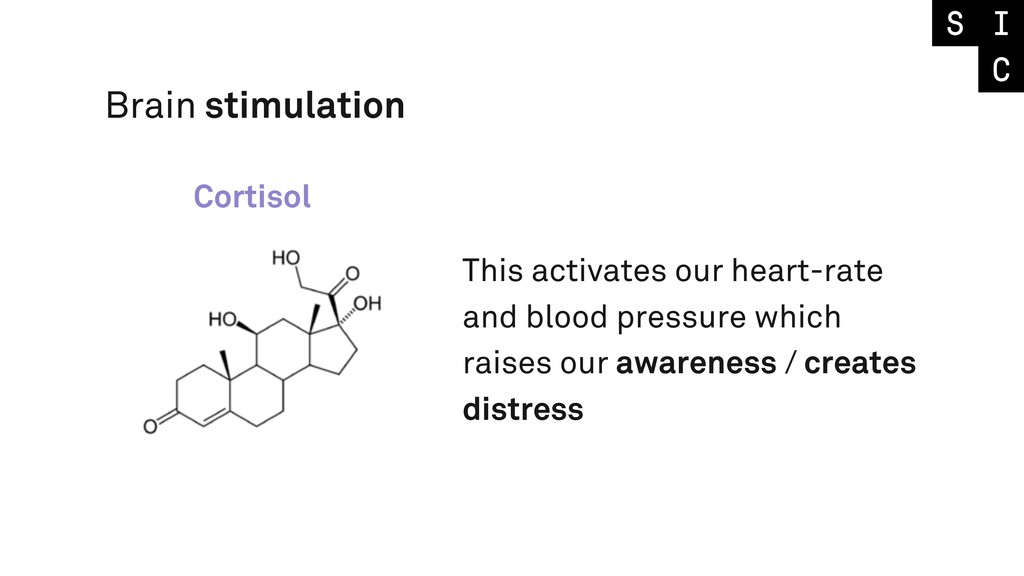
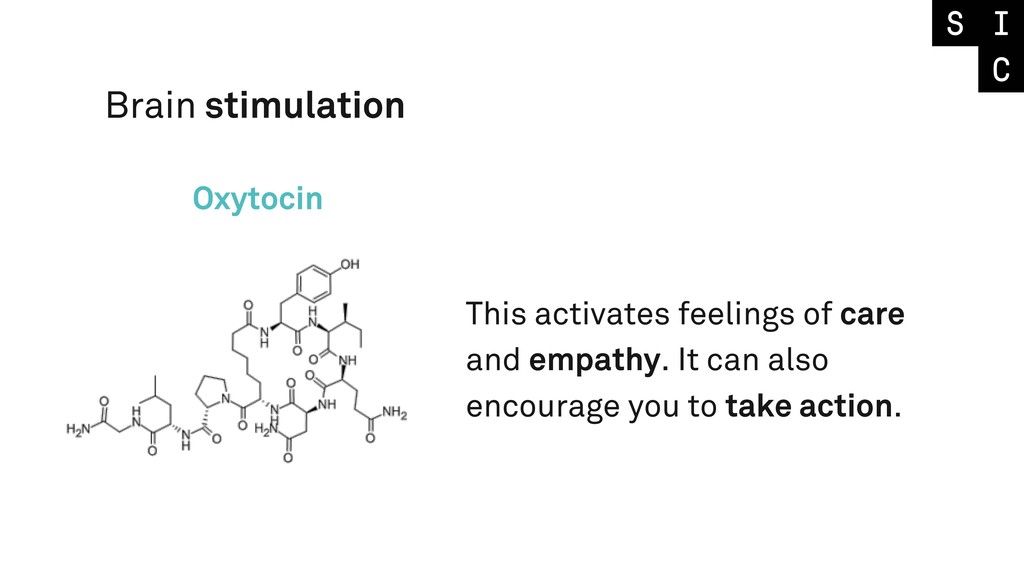
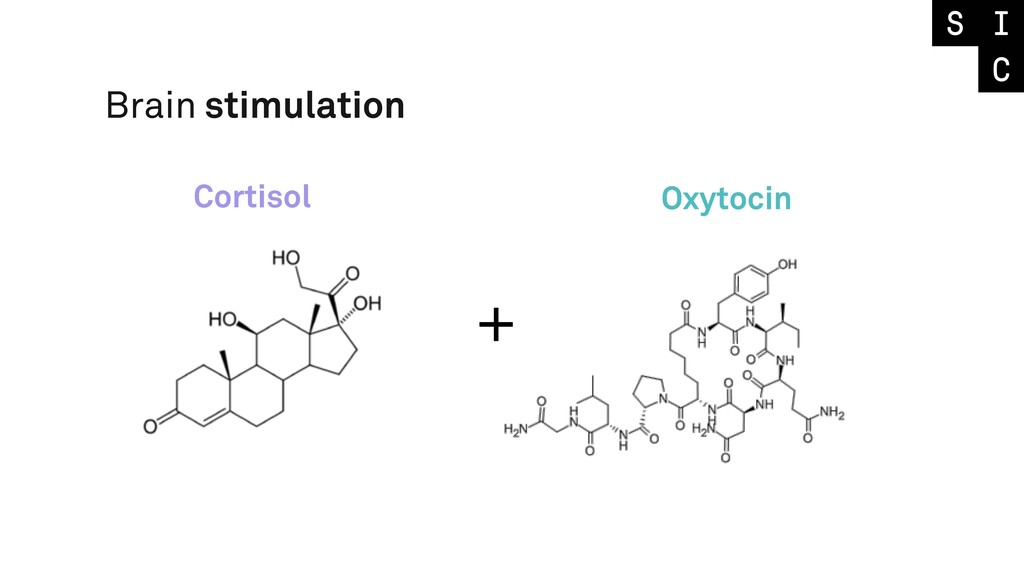
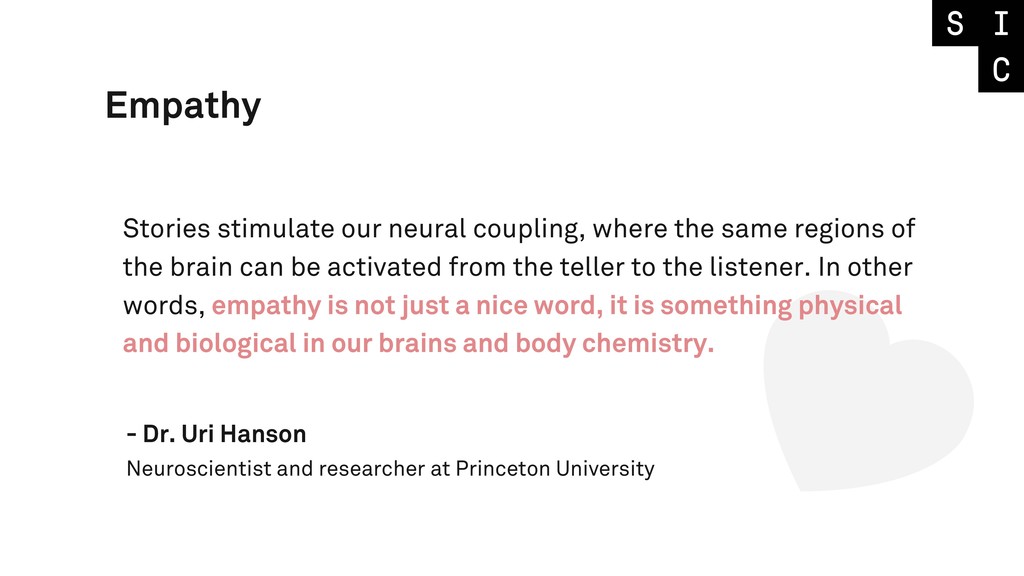
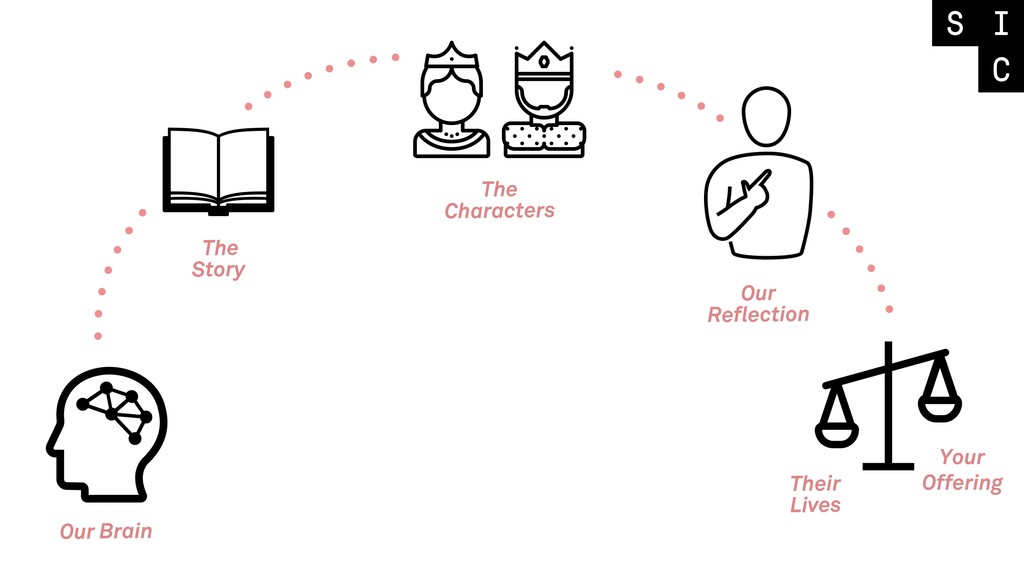
  34. Brain stimulation Stories stimulate our neural coupling, where the same

    regions of the brain can be activated from the teller to the listener. In other words, empathy is not just a nice word, it is something physical and biological in our brains and body chemistry. - Dr. Uri Hanson Neuroscientist and researcher at Princeton University Empathy
  35. Sensitivity It’s critical to be genuine. Believable context has significant

    impact on persuasiveness. When you’re inauthentic, it can have an averse effect on the story and delivery.
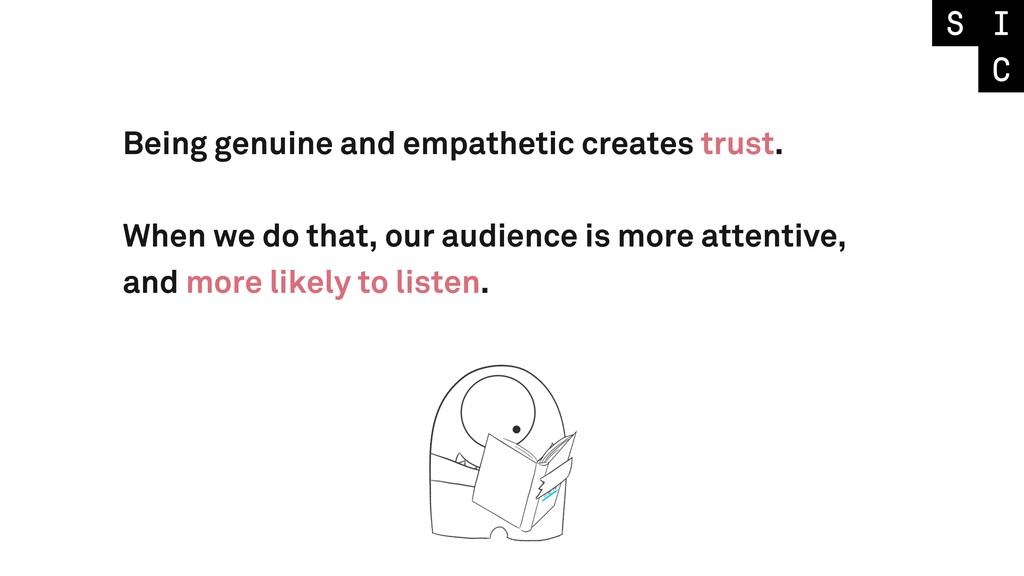
  36. Being genuine and empathetic creates trust. When we do that,

    our audience is more attentive, and more likely to listen.
  37. 2. We can learn from other mediums (like games) to

    better tell our stories. Takeaways
  38. 3. Emotion + motivation + experience enables our audiences to

    be engaged with us (if they can resonate with it). Takeaways
  39. Takeaways 3. Emotion + motivation + experience enables our audiences

    to be engaged with us (if they can resonate with it). 1. Storytelling captures our audience’s attention 2. We can learn from other mediums (like games) to better tell our stories.
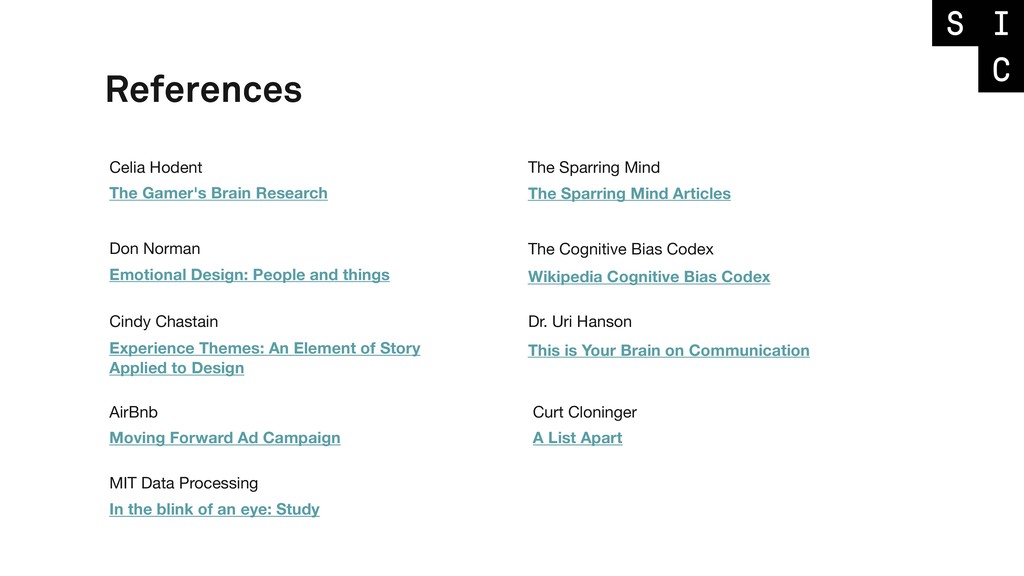
  40. Experience Themes: An Element of Story Applied to Design Cindy

    Chastain References Emotional Design: People and things Don Norman Moving Forward Ad Campaign AirBnb Wikipedia Cognitive Bias Codex The Cognitive Bias Codex The Sparring Mind Articles The Sparring Mind The Gamer's Brain Research Celia Hodent This is Your Brain on Communication Dr. Uri Hanson A List Apart Curt Cloninger In the blink of an eye: Study MIT Data Processing