Upgrade to Pro
— share decks privately, control downloads, hide ads and more …
Speaker Deck
Sign up for free
Menu
Search
Features
All features
Private URLs
Password Protection
Custom URLS
Scheduled publishing
Remove Branding
Restrict embedding
Deck Collections
Notes
Features
All features
Private URLs
Password Protection
Custom URLS
Scheduled publishing
Remove Branding
Restrict embedding
Deck Collections
Notes
Explore
Featured decks
Featured speakers
Programming
Technology
Storyboards
Explore
Featured decks
Featured speakers
Programming
Technology
Storyboards
Pricing
Search
Sign in
Sign up for free
Coding with AI: How to trust the storyteller (A...
Search
Sponsored
·
Your Podcast. Everywhere. Effortlessly.
Share. Educate. Inspire. Entertain. You do you. We'll handle the rest.
→
Slobodan Stojanović
October 22, 2026
Programming
150
0
Share
Embed
Copy iframe code
Copy JS code
Copy link
Start on current slide
Coding with AI: How to trust the storyteller (AWS Community Day Adria, Ljubljana 2026)
Slobodan Stojanović
October 22, 2026
Transcript
99 slides
Do you still know how to write a "Hello World"
in JavaScript or Python? Ok, Ok, that was a bit too much.
When was the last time you manually wrote a significant
amount of code?
Do you read code generated by AI agents?
I still do*. But why?
How do you read that amount of code?
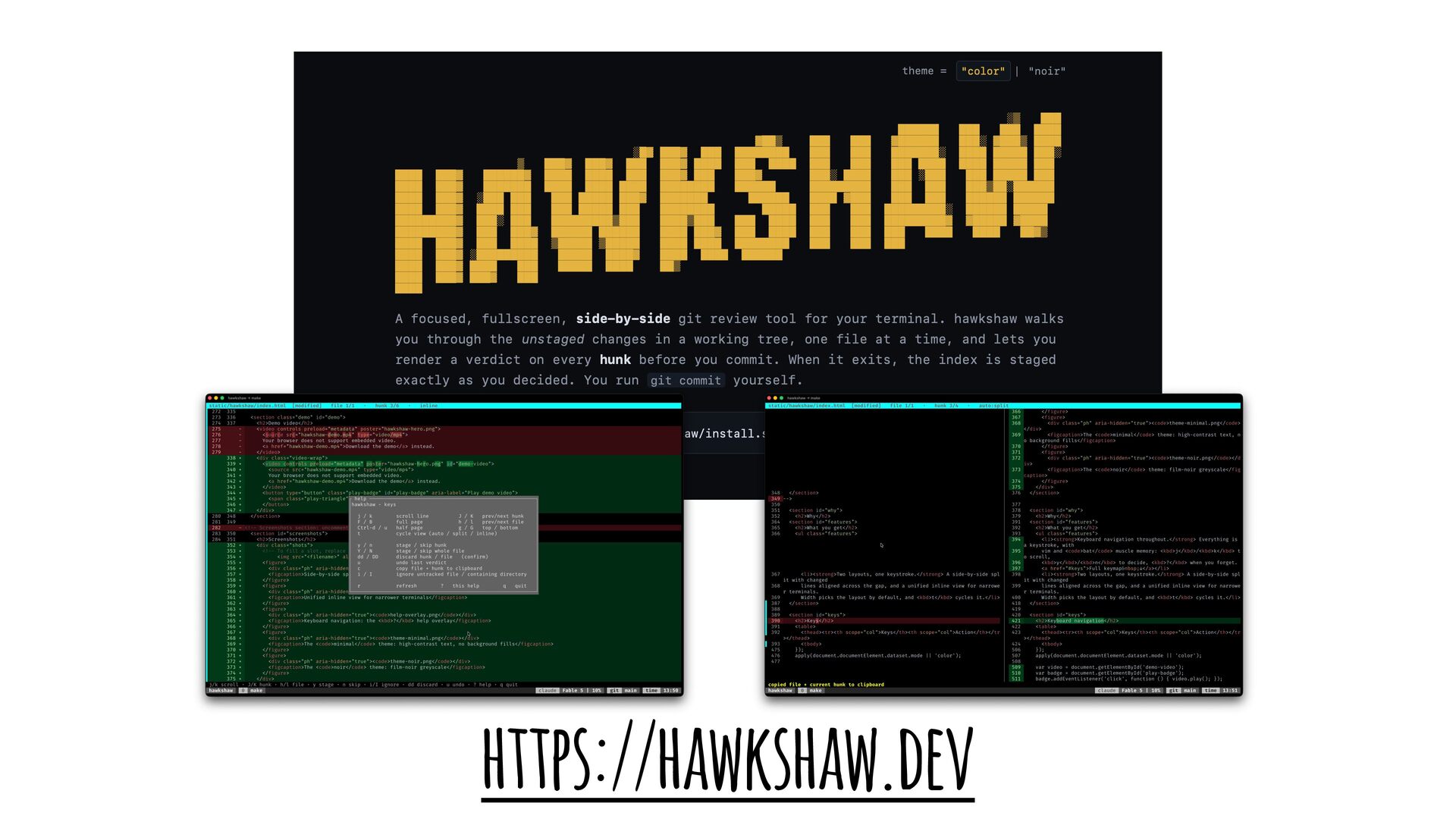
Custom software is cheap! So, I built a custom code
review tool.
https://hawkshaw.dev
Ok, but a code review phase is too late. It's
catching problems, not preventing them.
How do you make Claude Code, Codex or any other
coding agent do what you actually want it to do?
The first obvious pick is to add instructions to Claude.md
or Agents.md. That should work, right?
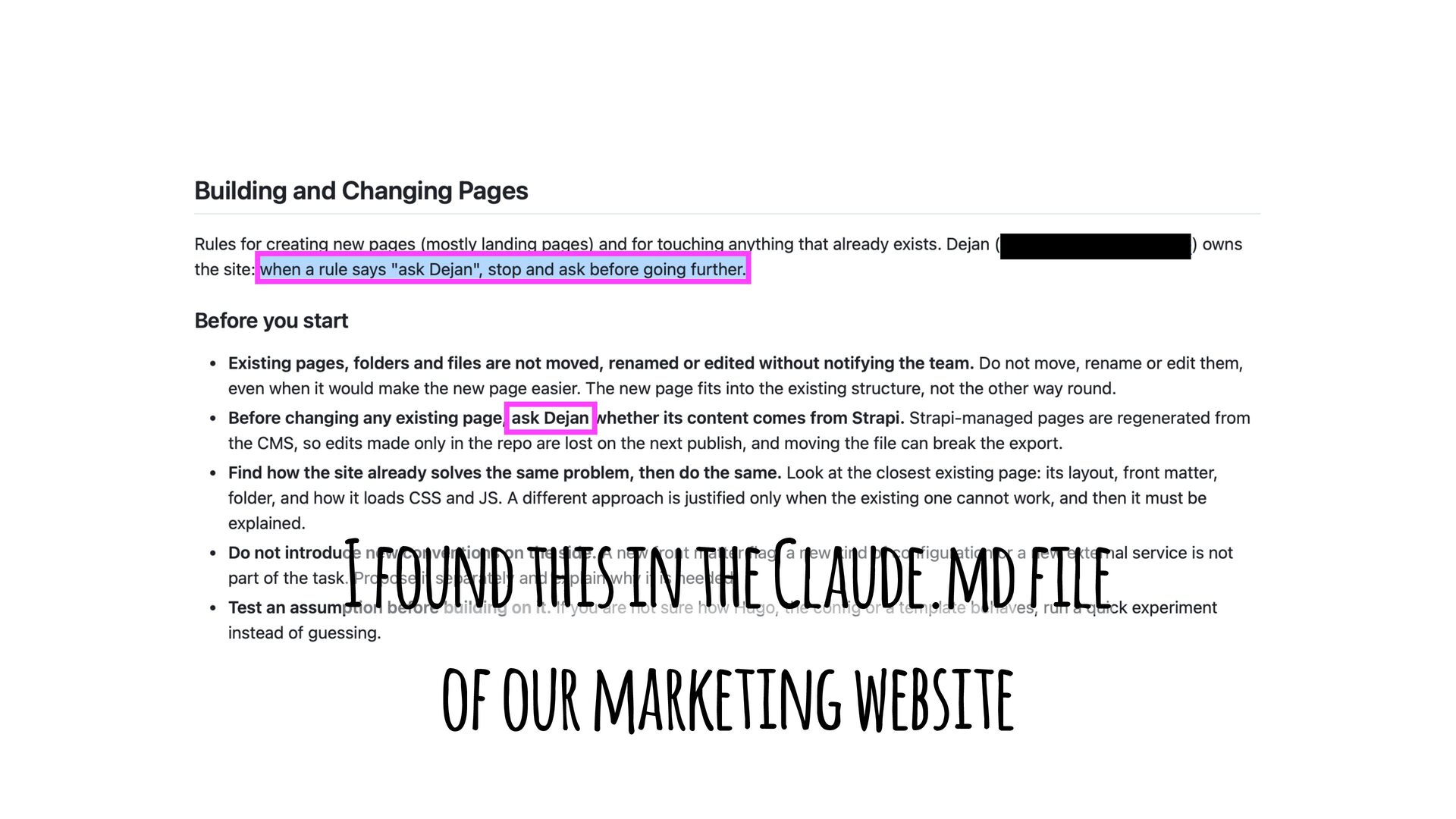
I found this in the Claude.md file of our marketing
website
Should we give Claude Code a Twilio API key so
it can call Dejan?
A year ago Also, back in the day, Claude Code
sometimes lost context from Claude.md.
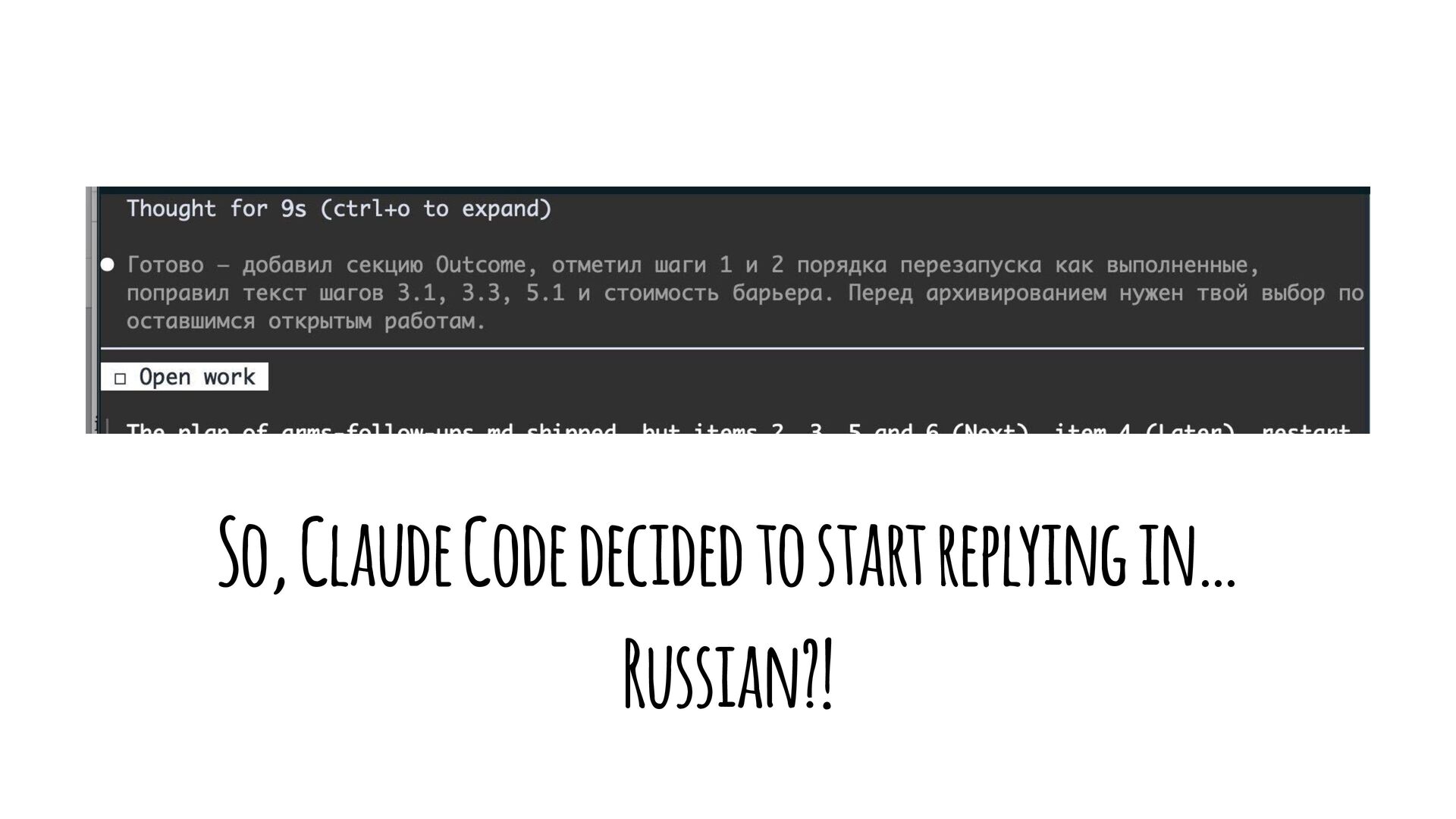
A friend added an instruction that tells Claude Code to
start each reply with "Izvolte!" ("Here you go!" in Serbian)
So, Claude Code decided to start replying in… Russian?!
Coding with AI How to trust the storyteller
But who am I to talk about that?
Slobodan Stojanovic cofounder/CTO @ Vacation Tracker @slobodan_
None
let's get back to AI agents
Can you simply use AI agents to check the output
of your AI agents?
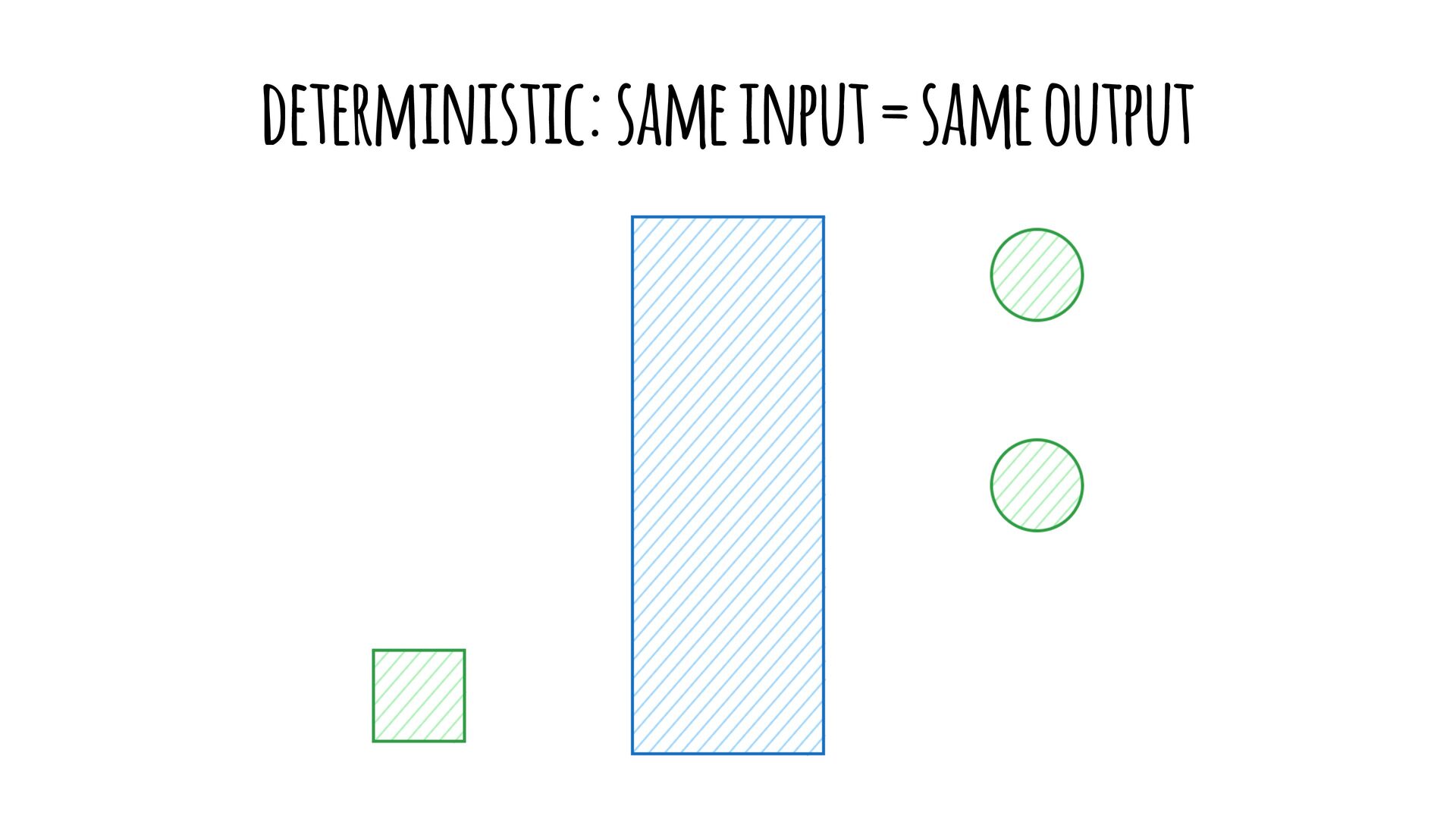
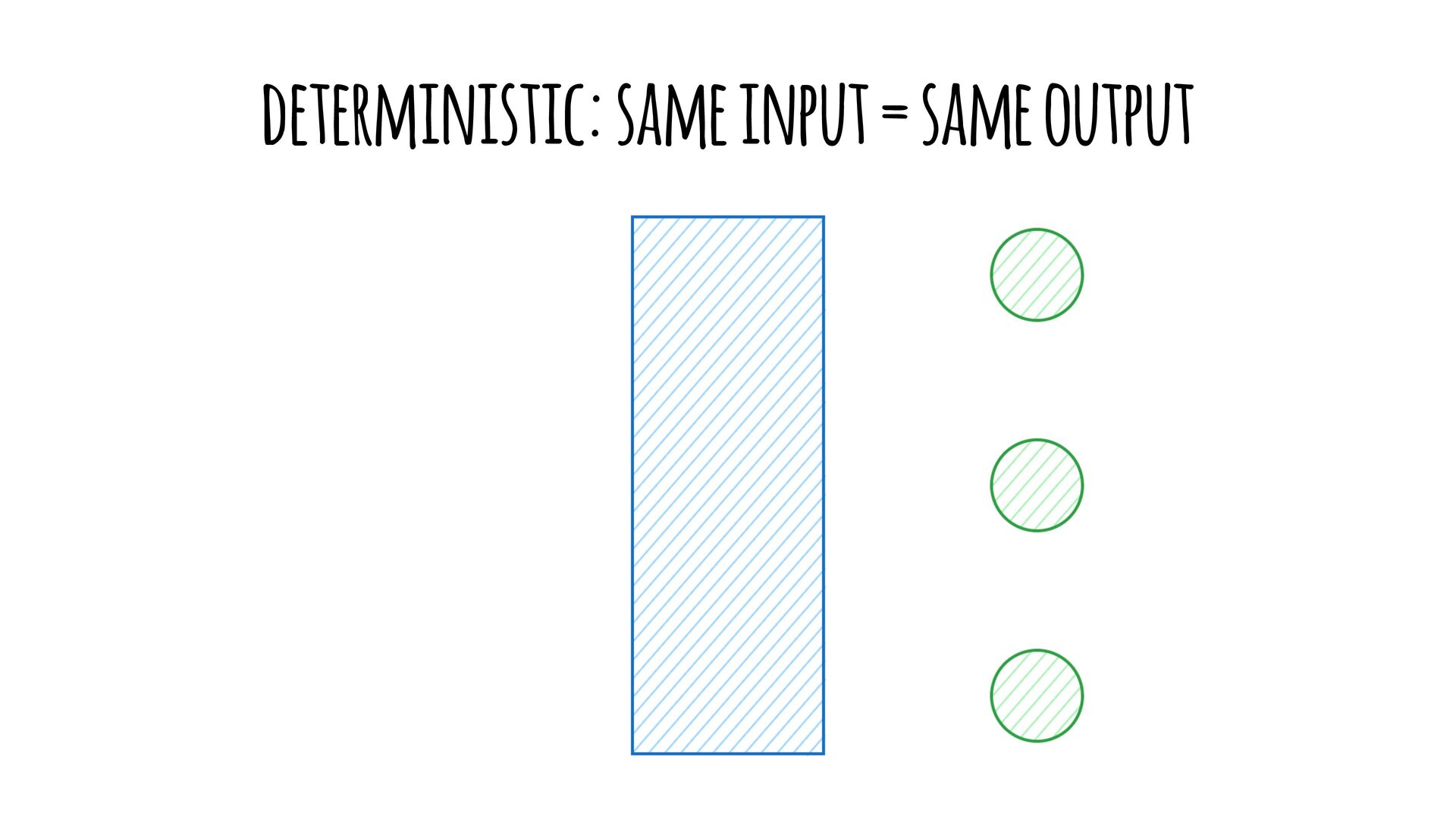
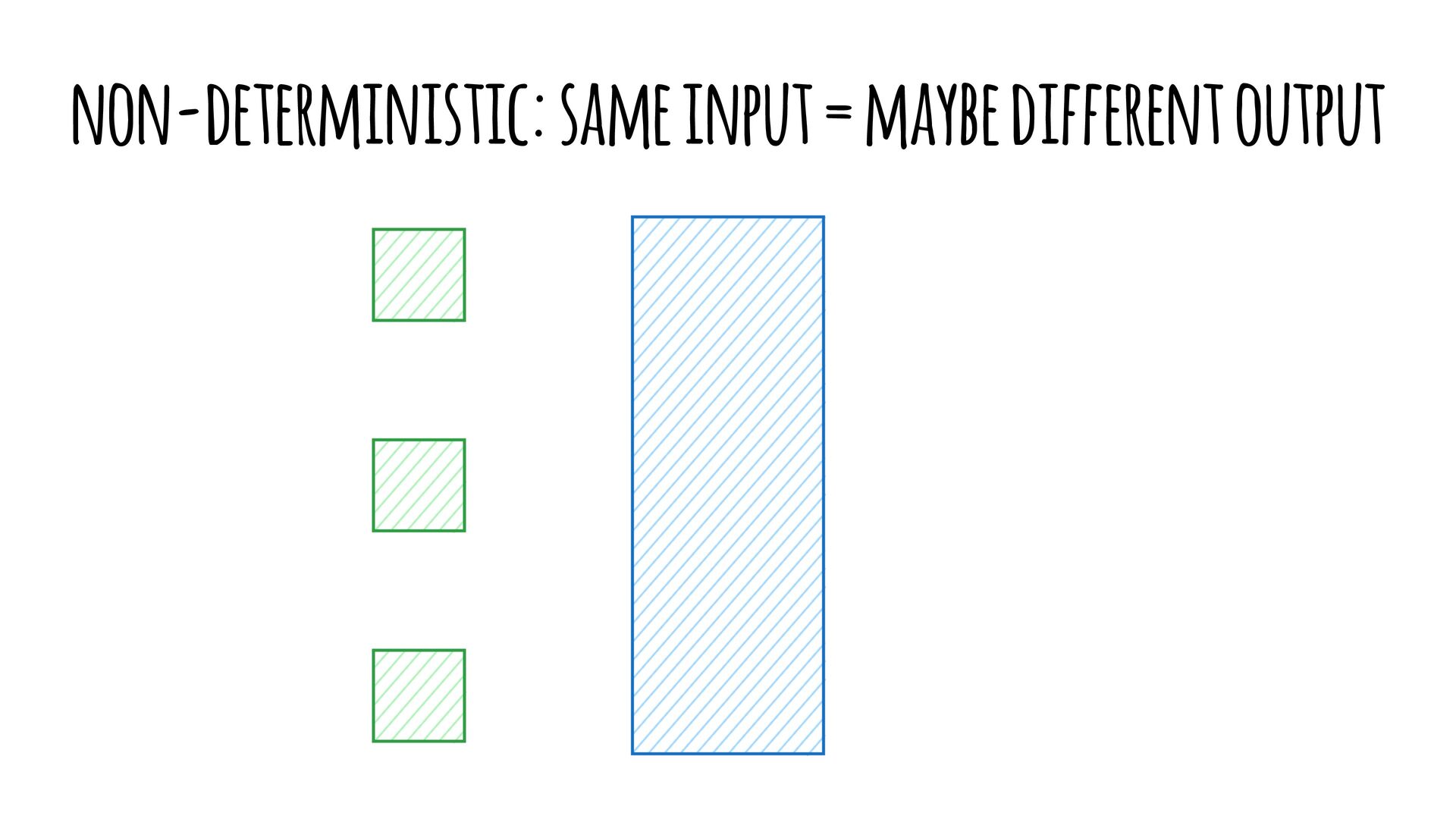
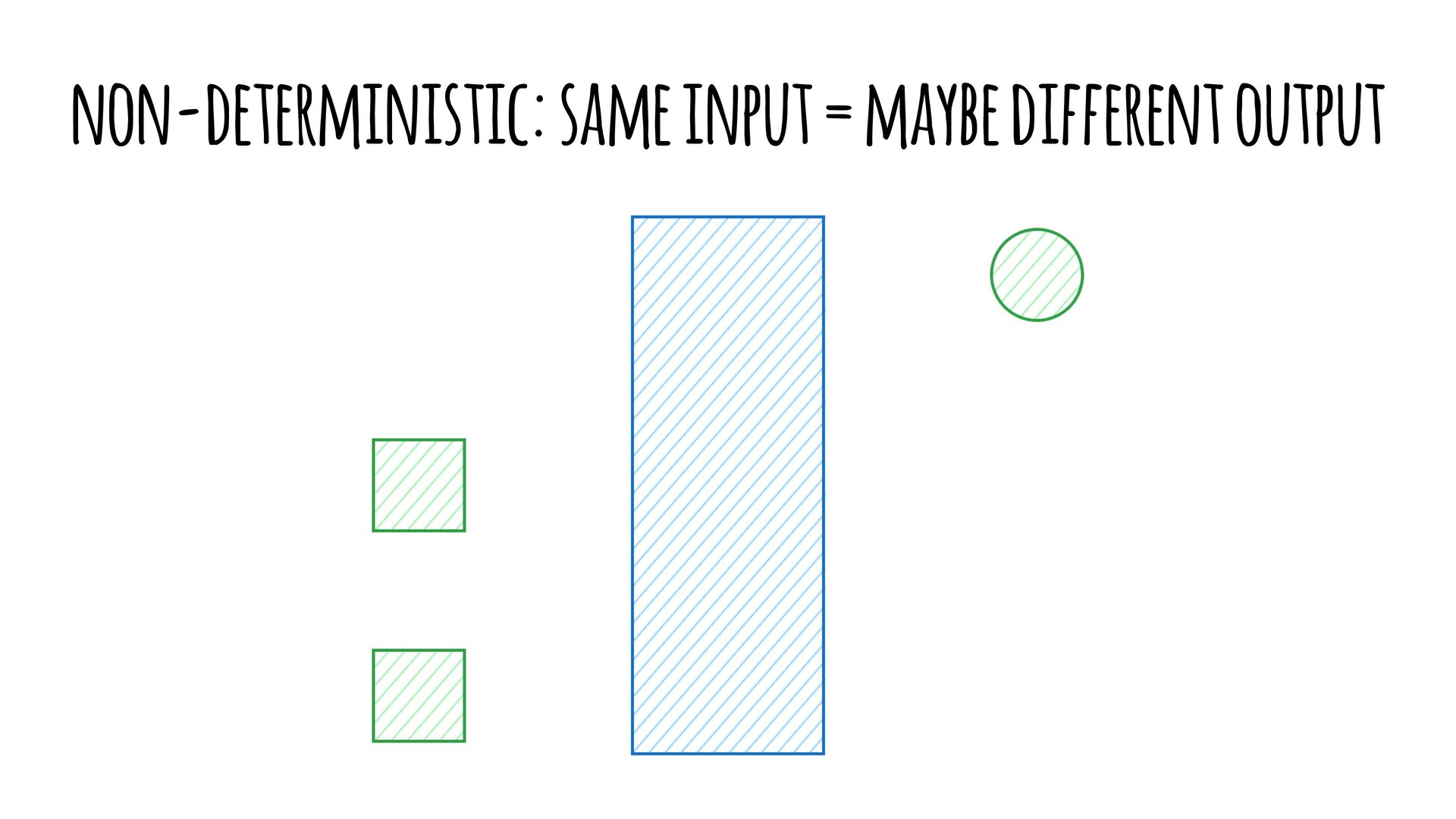
Let's talk about deterministic vs non-deterministic checks
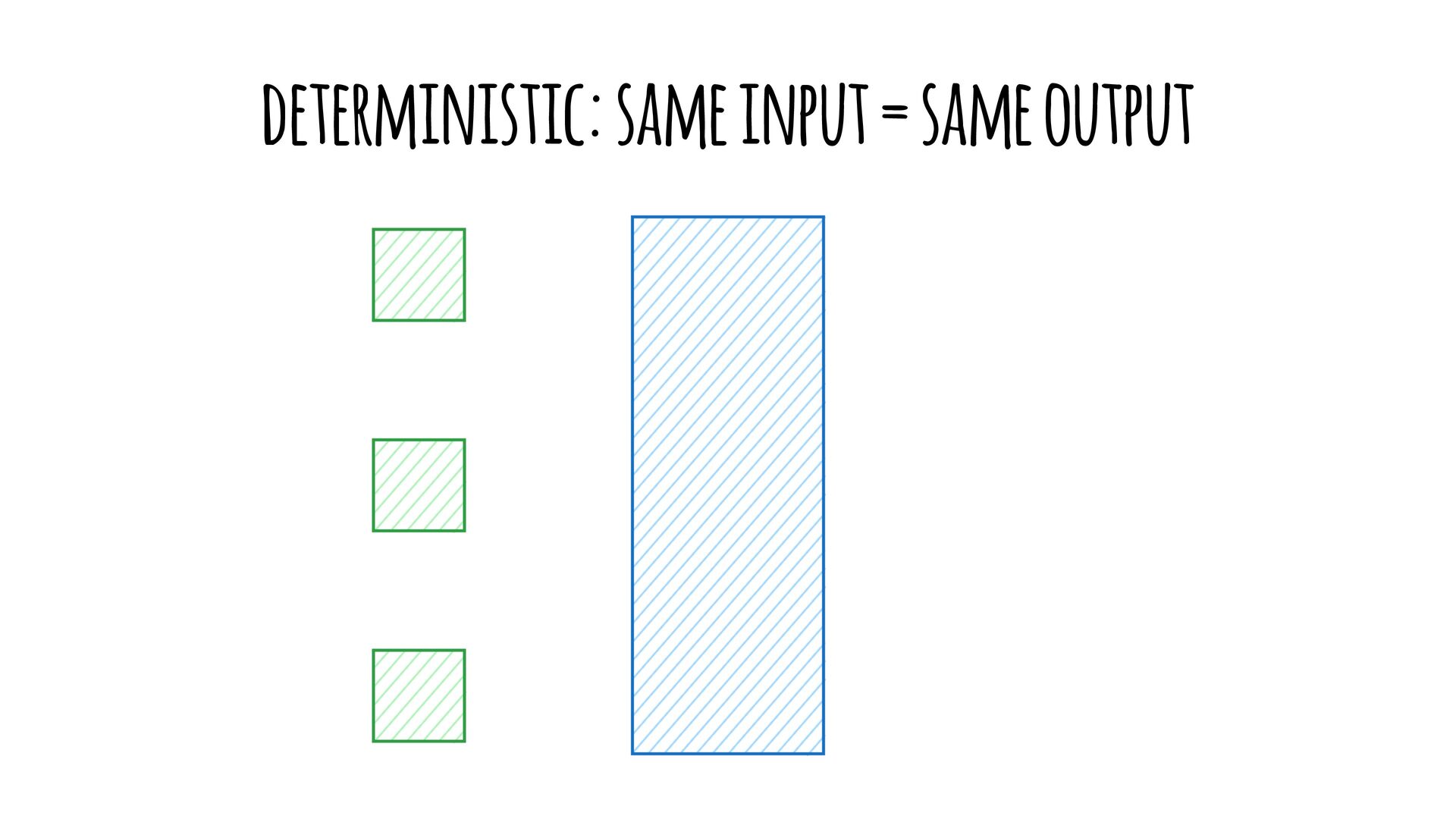
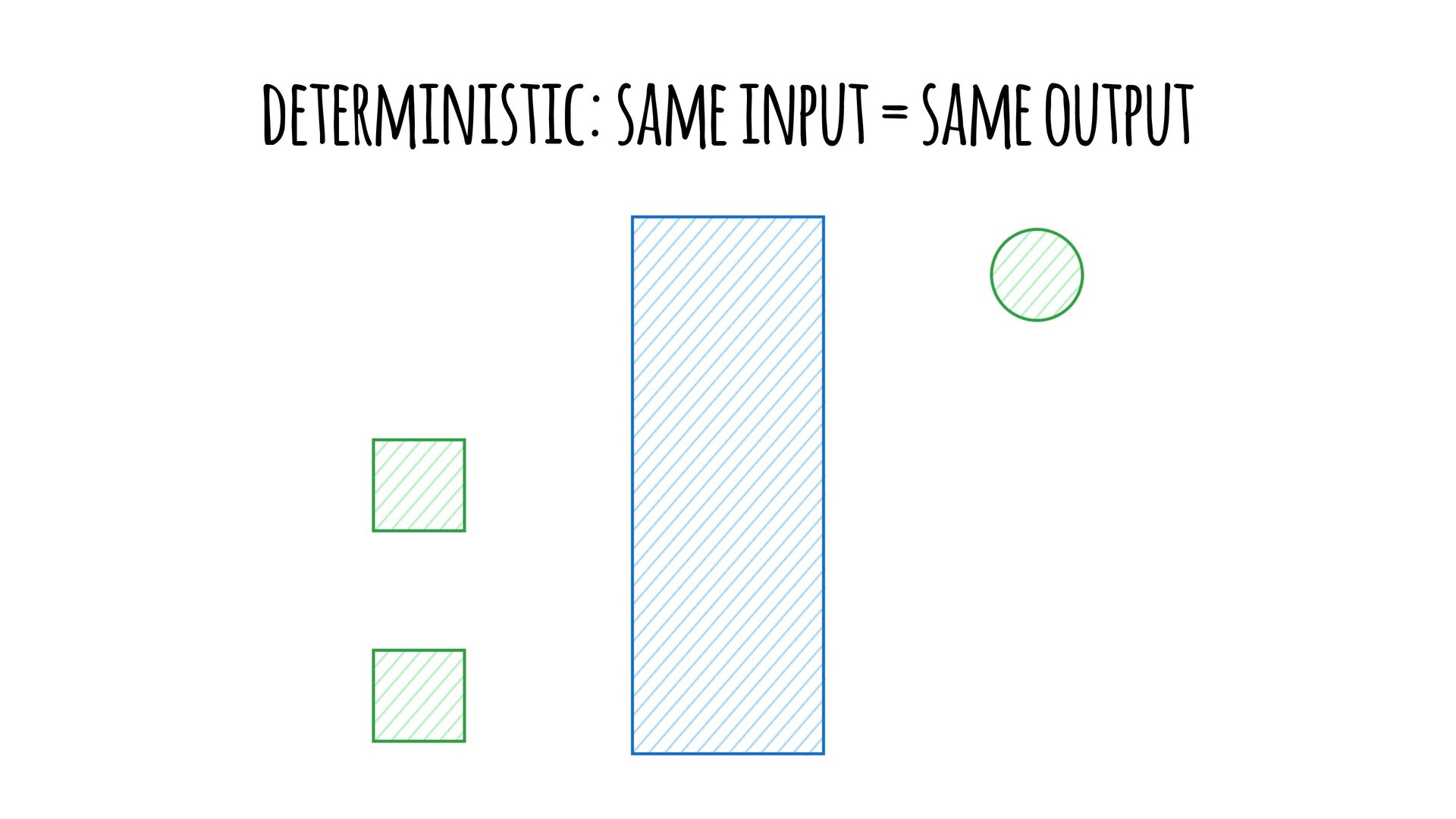
deterministic: same input = same output
deterministic: same input = same output
deterministic: same input = same output
deterministic: same input = same output
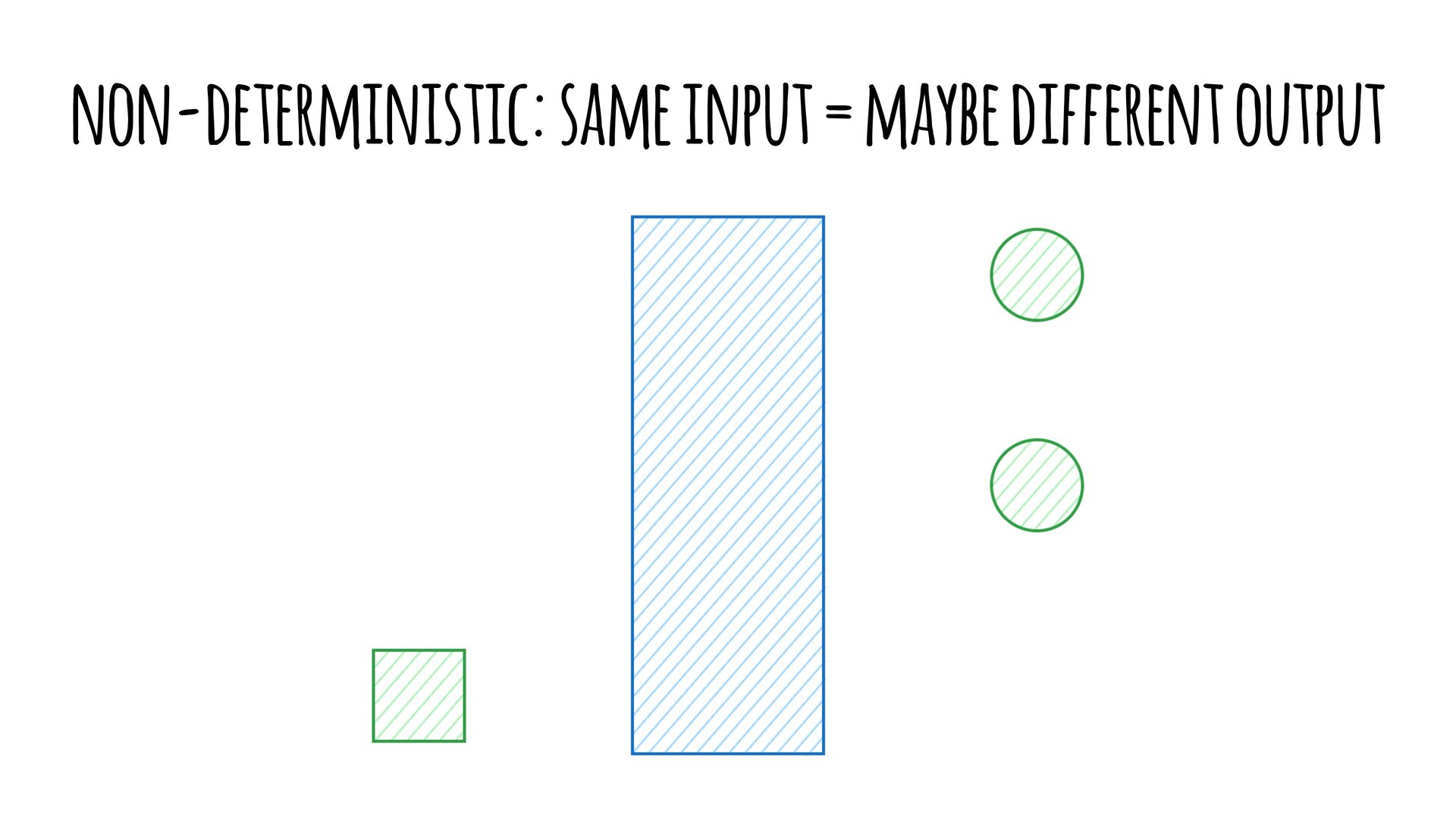
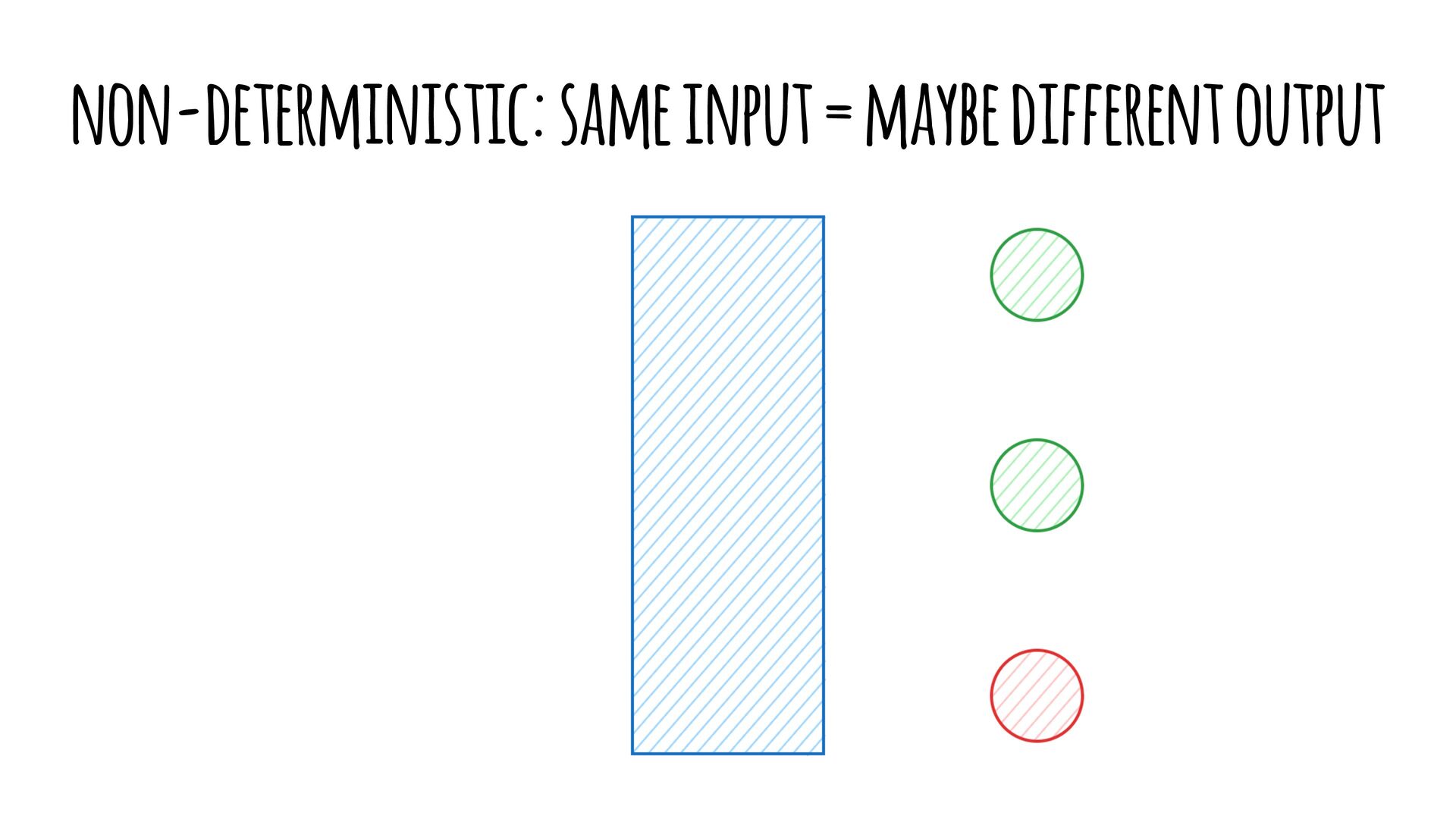
non-deterministic: same input = maybe different output
non-deterministic: same input = maybe different output
non-deterministic: same input = maybe different output
non-deterministic: same input = maybe different output
LLMs are storytellers. And they are very good ones.
But they tell a different story every time.
“Never trust the storyteller. Only trust the story.” Neil Gaiman
What's the alternative?
Custom linter rules?
btw, check OXlint Custom linter rules are so hard to
write manually. But that's Claude's problem now, not mine.
Good Custom linter rules are even harder to write manually.
Again, Claude's problem, not mine.
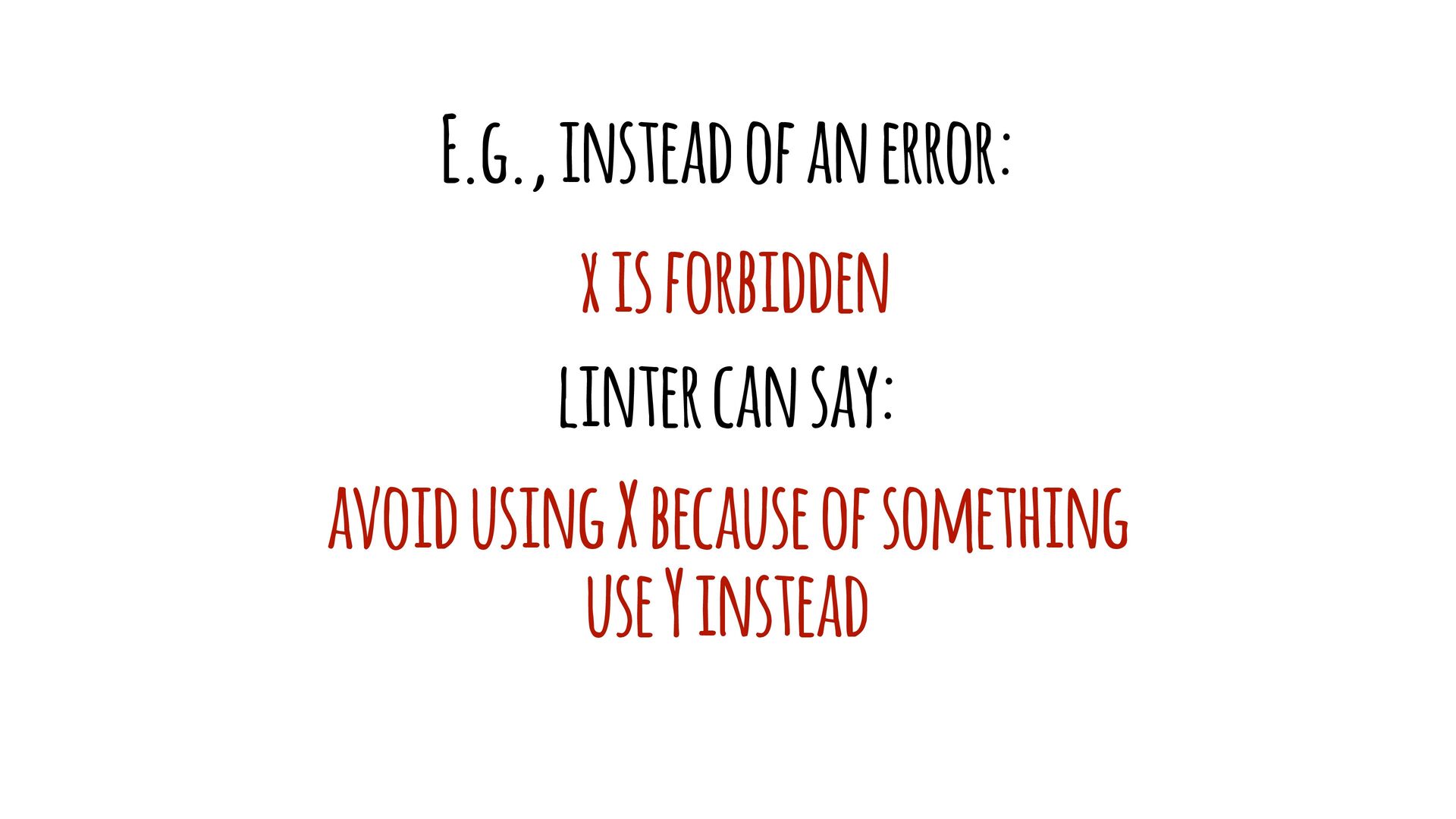
E.g., instead of an error: x is forbidden linter can
say: avoid using X because of something use Y instead
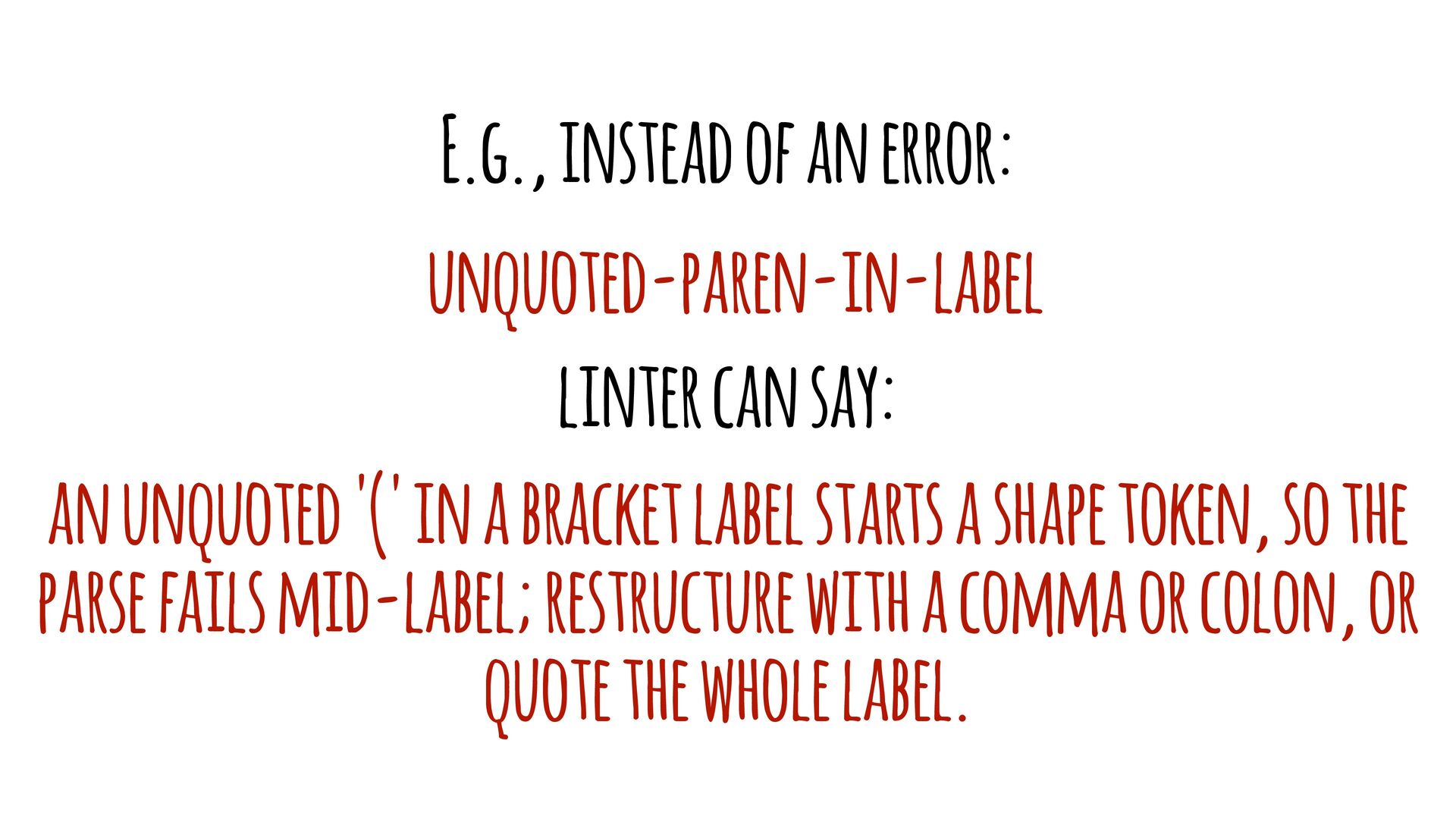
E.g., instead of an error: unquoted-paren-in-label linter can say: an
unquoted '(' in a bracket label starts a shape token, so the parse fails mid-label; restructure with a comma or colon, or quote the whole label.
We can run linter rules in a pre-commit hook. But
it's still catching problems, not preventing them.
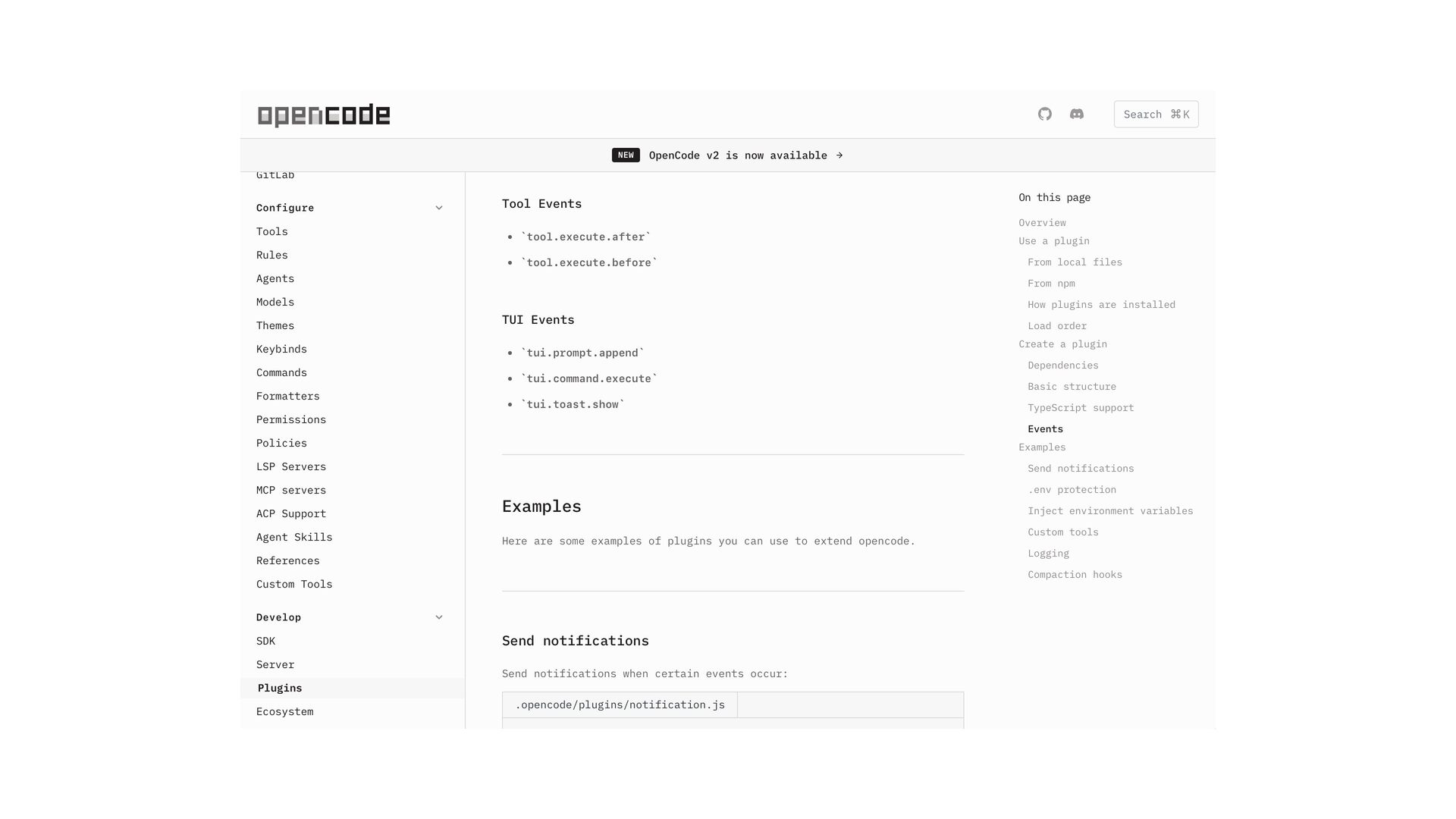
It would be great if Claude Code could run a
"pre-commit" hook after each change...
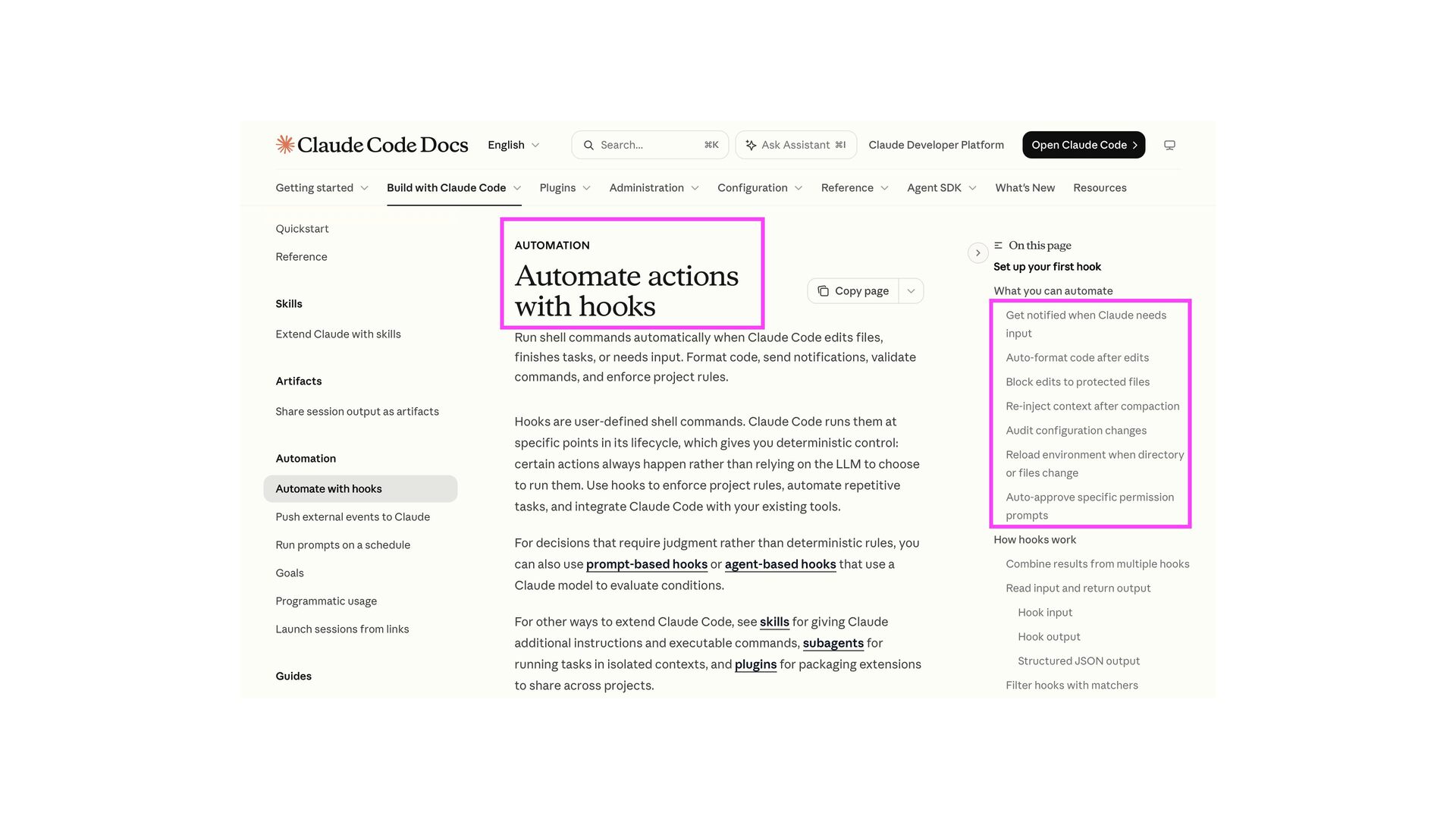
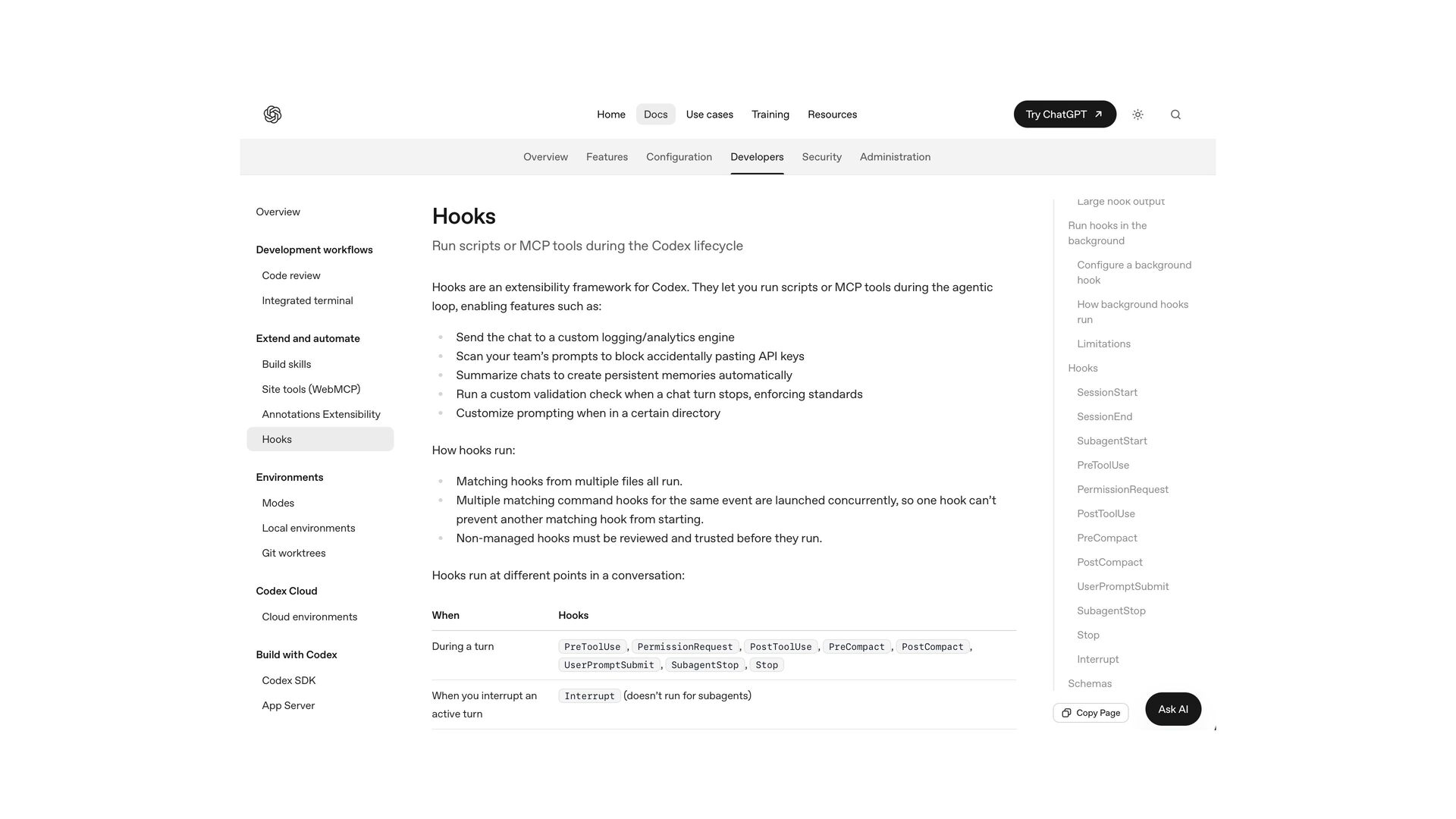
And, of course it can.
None
None
None
Like automated code review We could tell Claude Code to
run our linter on modified files and fix problems before we ever see them.
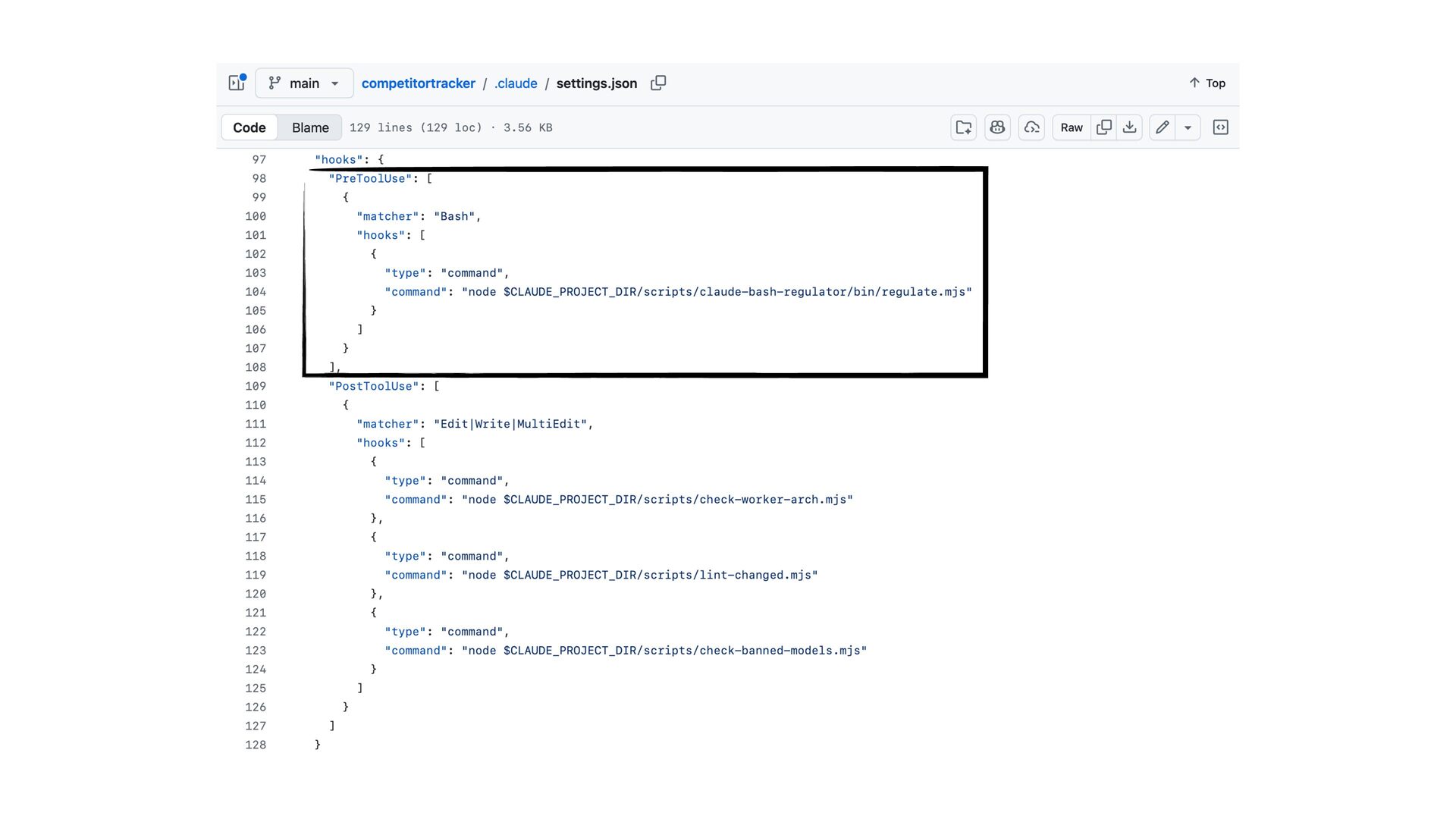
But this "PreToolUse" hook is especially interesting. Can we use
it to run an automated check to determine whether a specific edit or action should be allowed?
None
What's a regulator?
Claude: Can I do "ls -la" in a workspace folder?
Regulator: YES
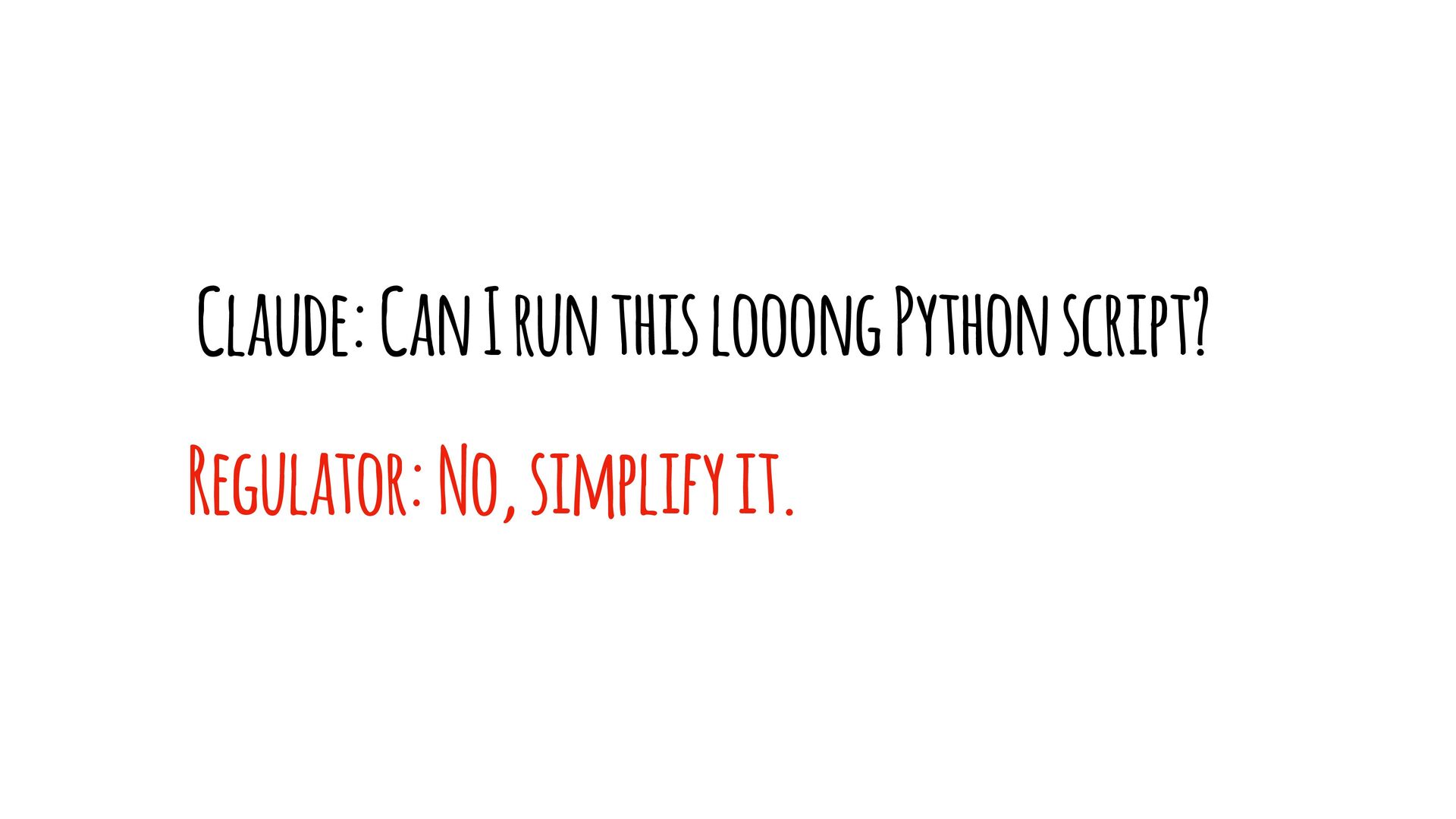
Claude: Can I run this looong Python script? Regulator: No,
simplify it.
None
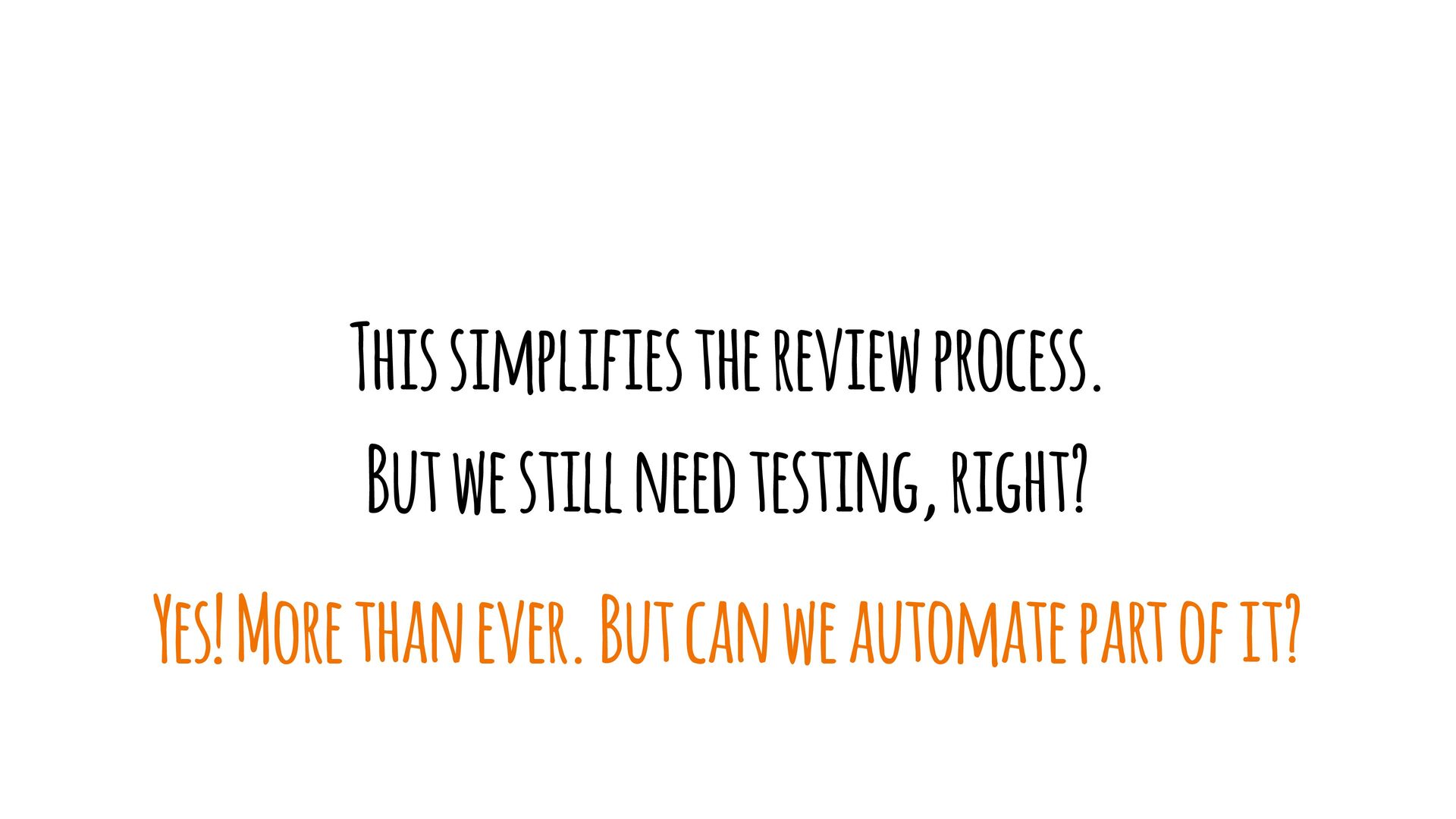
This simplifies the review process. But we still need testing,
right? Yes! More than ever. But can we automate part of it?
Can an agent do auto-verification? And maybe also record a
demo video?
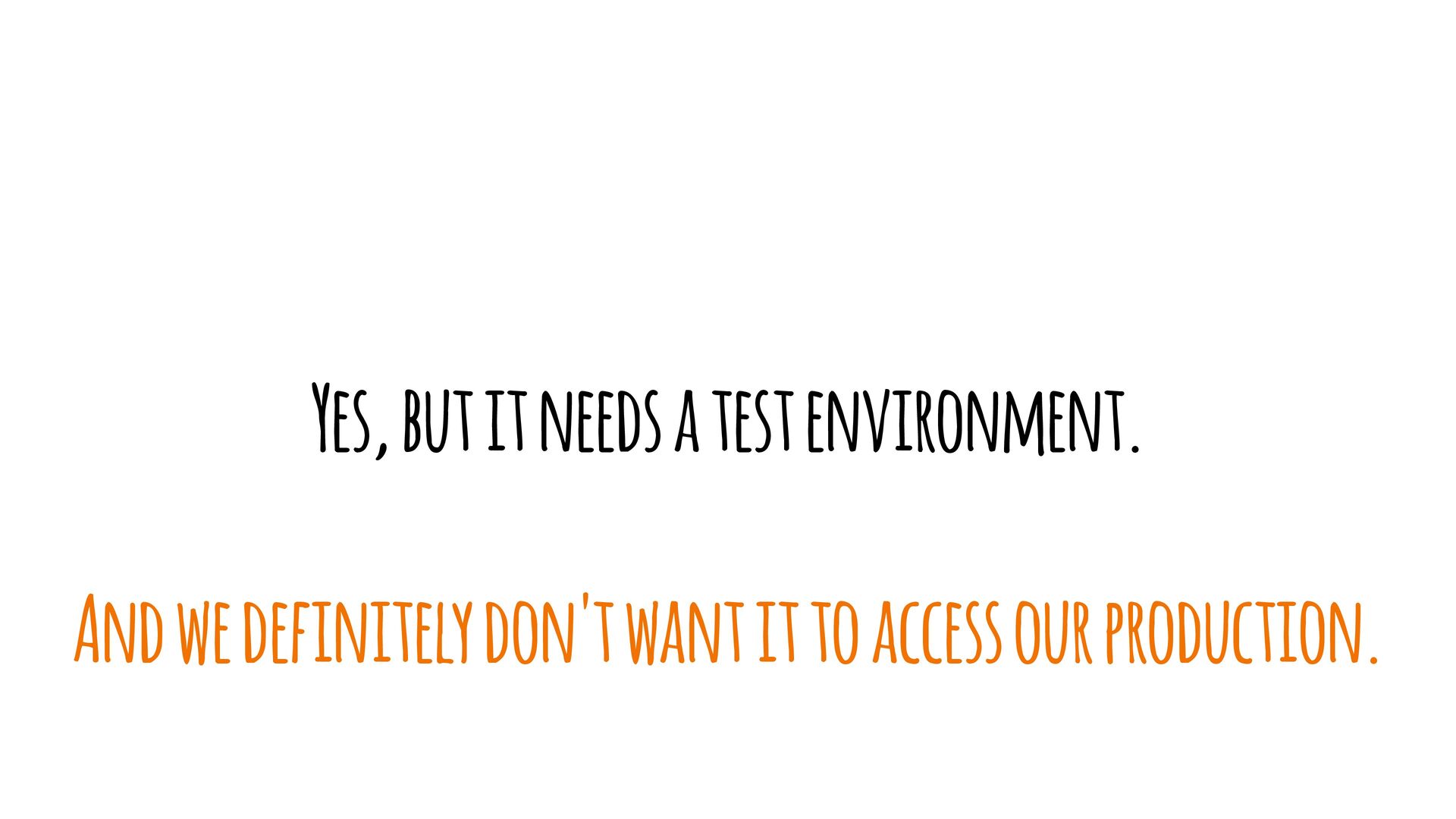
Yes, but it needs a test environment. And we definitely
don't want it to access our production.
What should we trust an agent with?
NOTHING
Because of vulnerabilities in dependencies, prompt injections, Anthropic/OpenAI, storytelling, and
many, many other things.
Check OrbStack on Mac I always run my agents in
(Docker) containers. It's not perfectly safe, but it's better than nothing.
But what do you do if your laptop can't run
all these local containers? I never said they have to be local.
An EC2 instance can be your "agent sandbox." Anything you
can connect to remotely and run Claude Code in works.
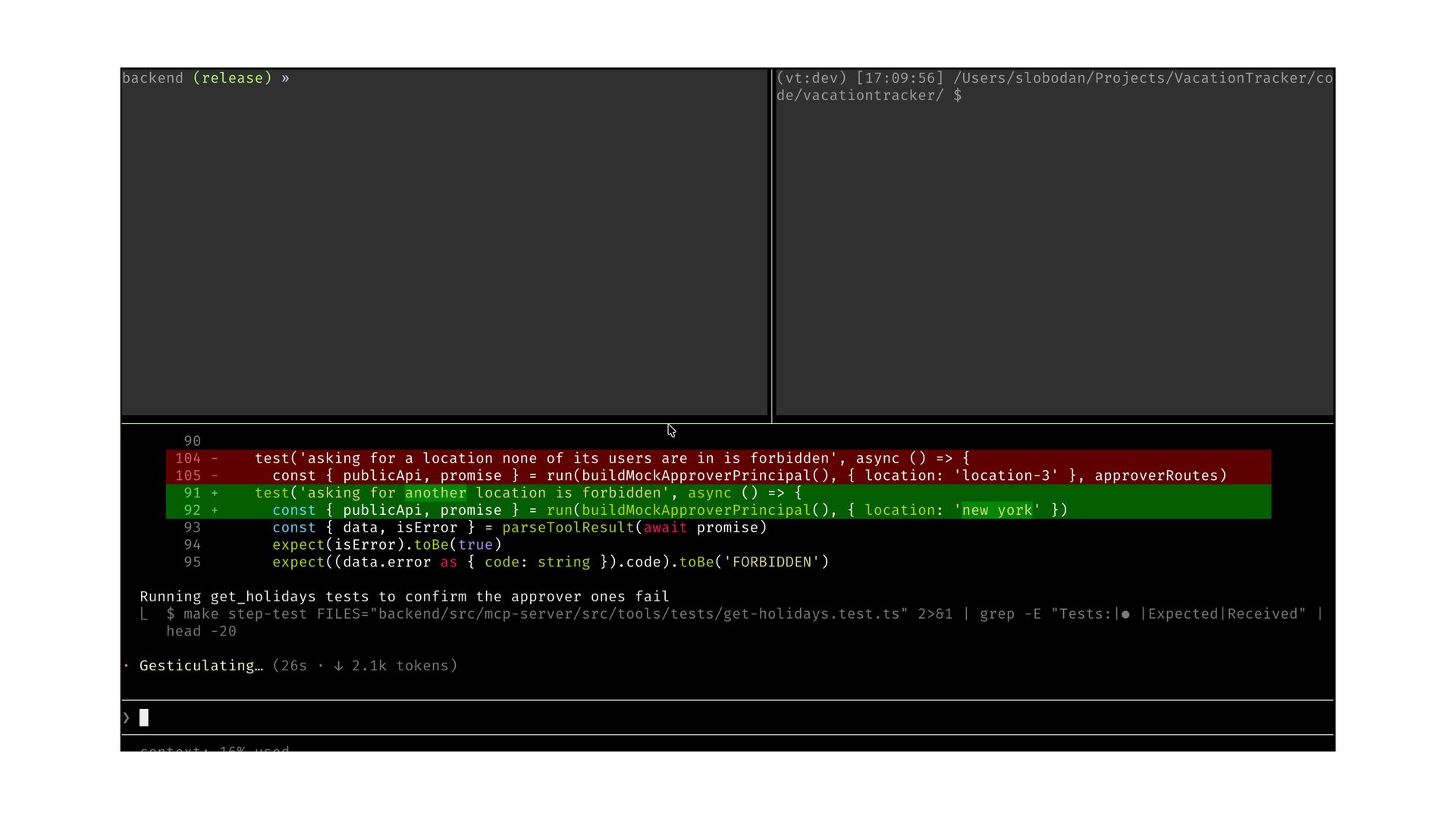
But how to connect to your container? I use ghostty
+ tmux
But how to connect to your container? I use ghostty
+ tmux
But what do you do to access data in an
AWS account or deploy an application for testing?
aws sso login --profile readonly
Or give your agents access to AWS sub-account (s). But
be very careful with permissions and deployment flow, e.g., no direct access, but via some CICD process
Once agents have an environment, they can record a demo
(provide proof) for you!
This gives you automation that reduces your time. But it's
still not ideal.
This gives you automation that reduces your time. But it's
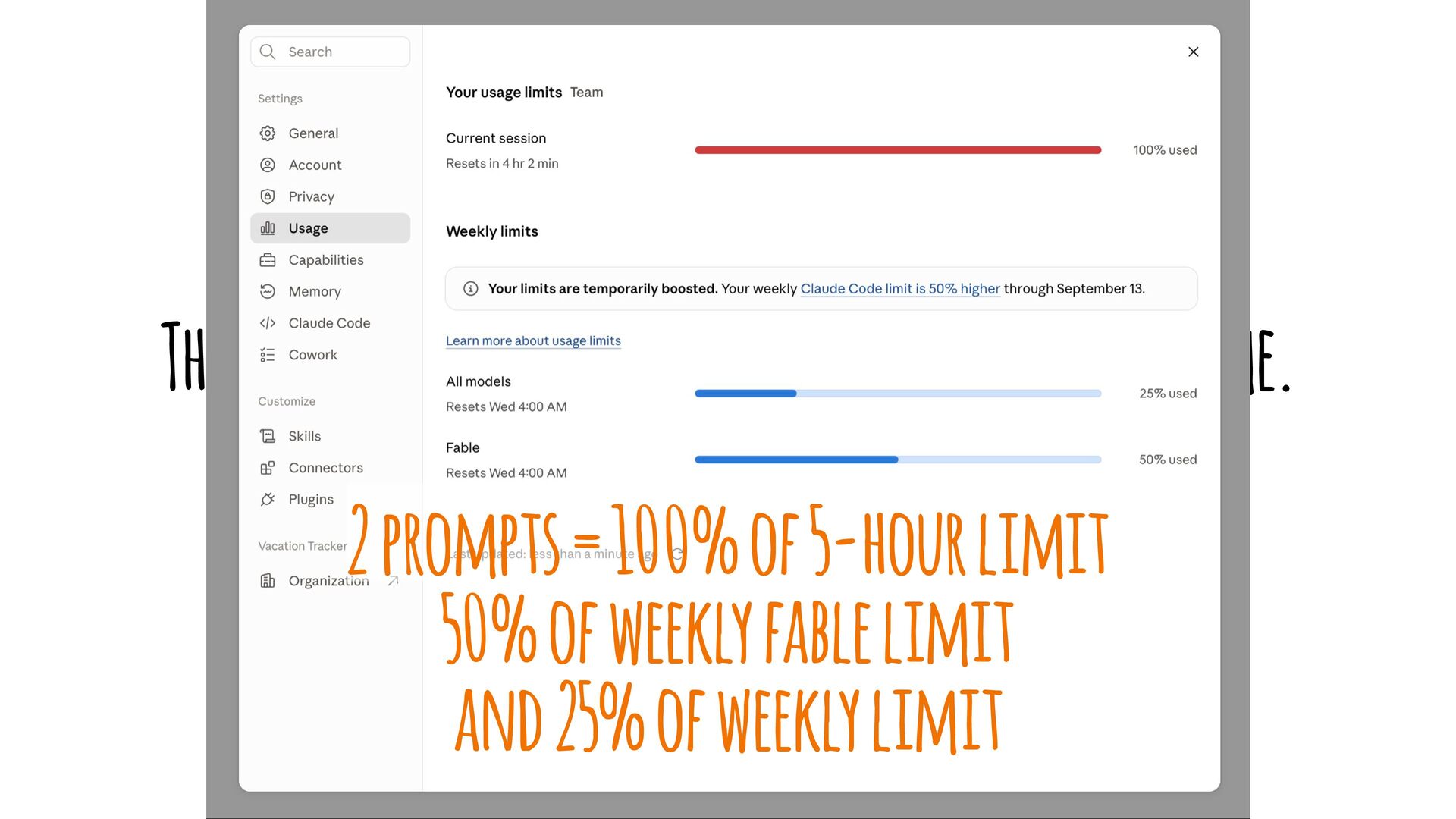
still not ideal. 2 prompts = 100% of 5-hour limit 50% of weekly fable limit and 25% of weekly limit
It can be expensive and waste many, many tokens.
Unless we adjust our planning for human review and agent
implementation. How do we do that?
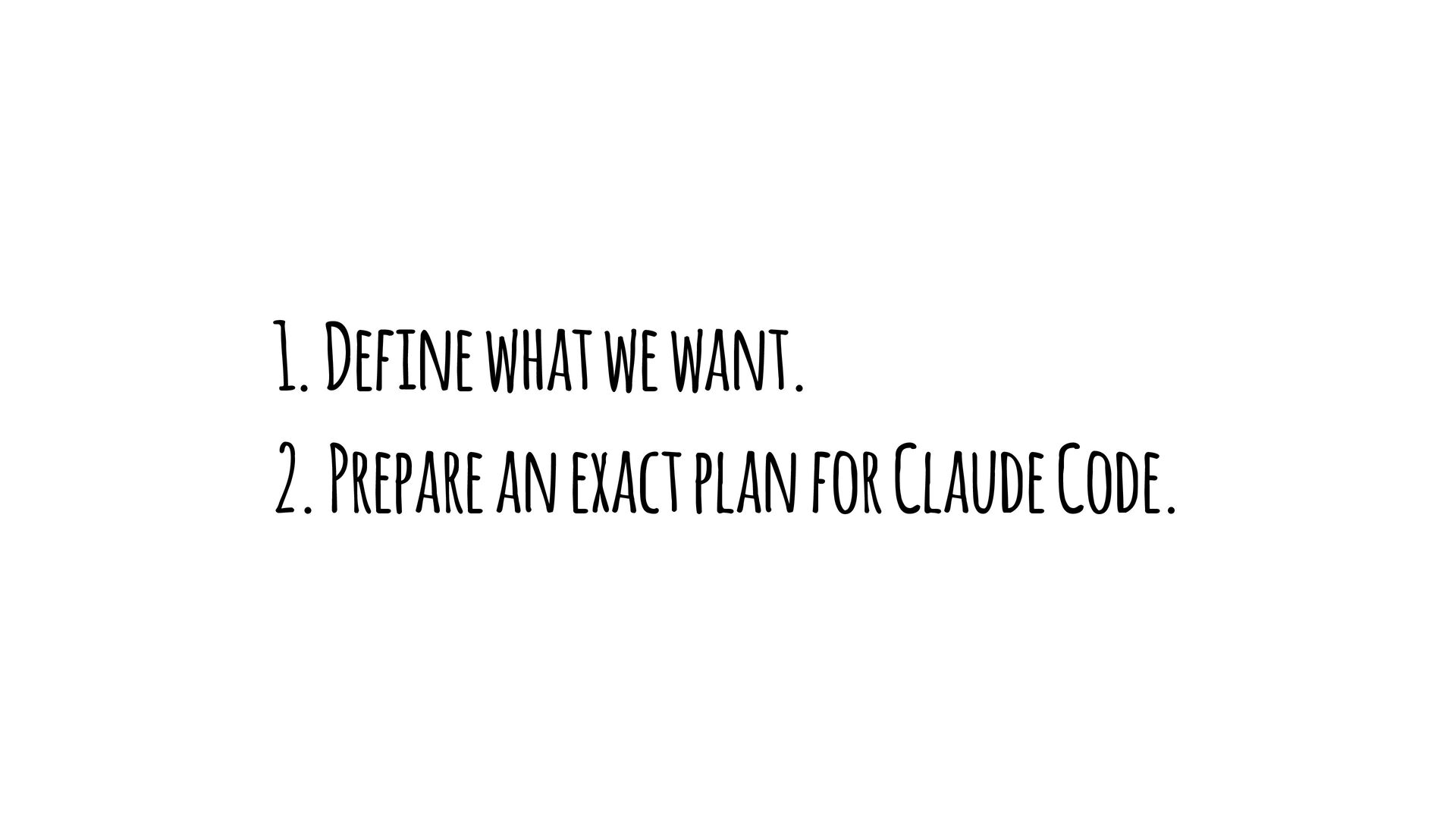
1. Define what we want. 2. Prepare an exact plan
for Claude Code.
1. Define what we want. Commander's Intent
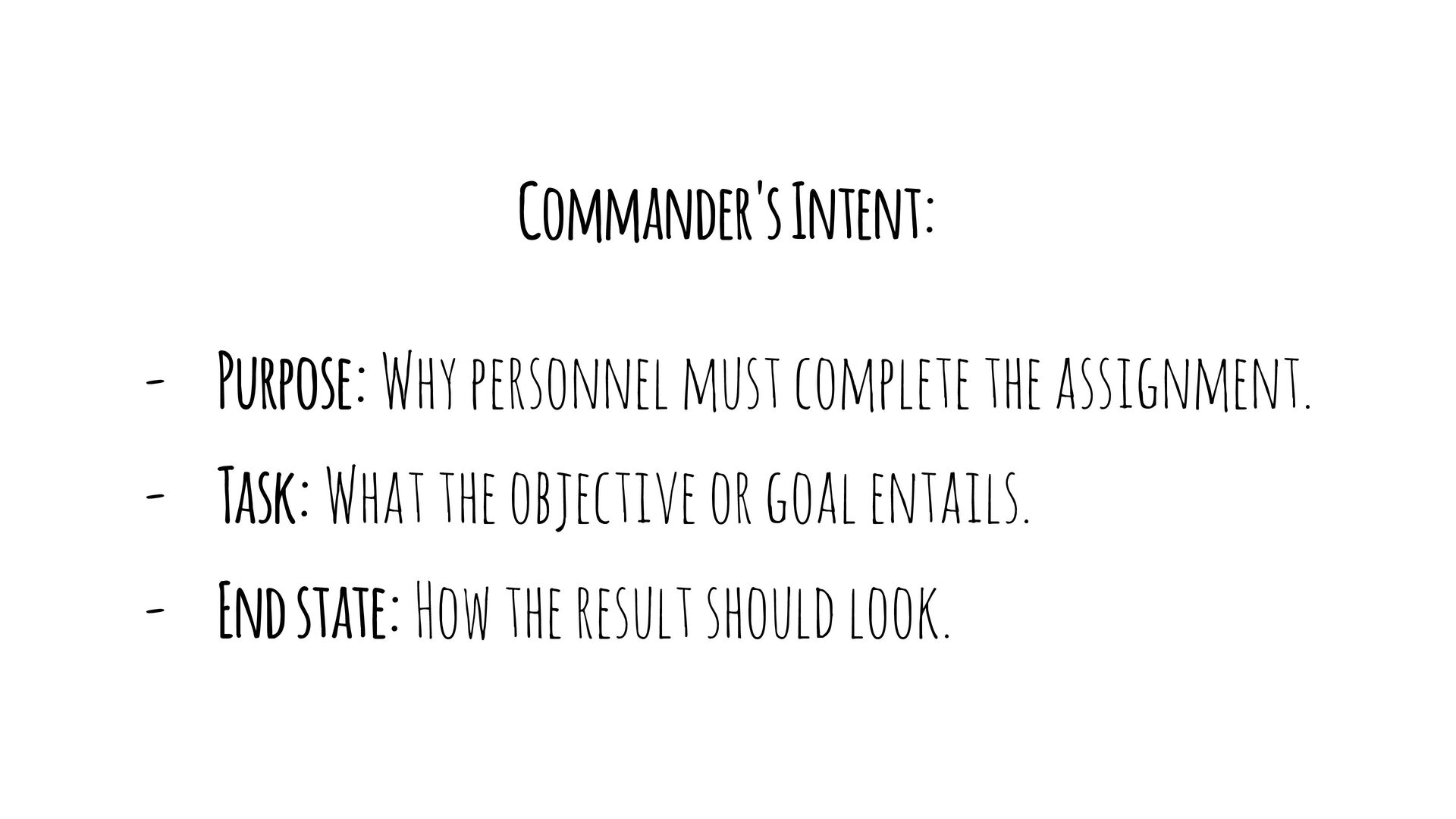
Commander's Intent: - Purpose: Why personnel must complete the assignment.
- Task: What the objective or goal entails. - End state: How the result should look.
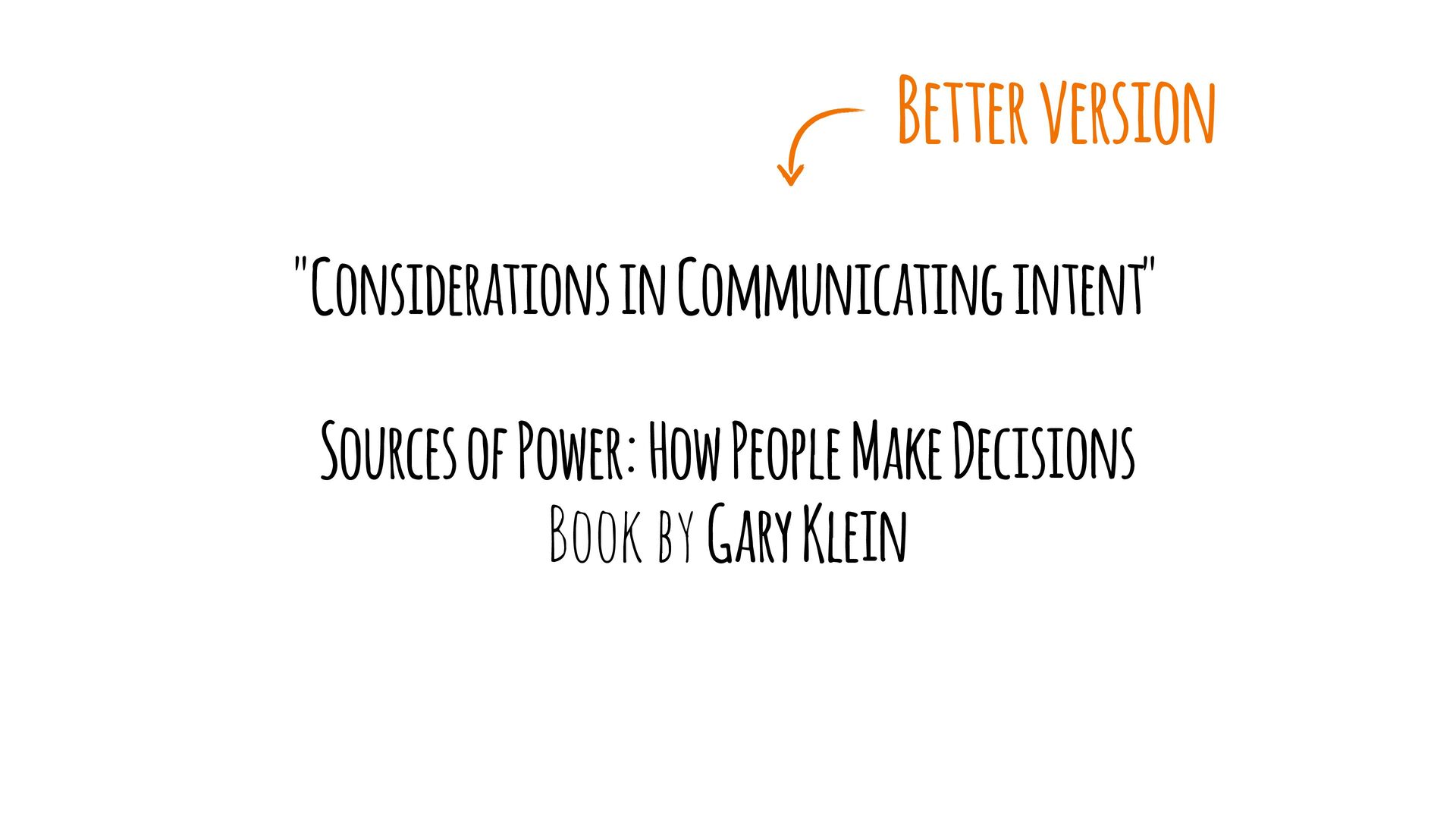
Better version "Considerations in Communicating intent" Sources of Power: How
People Make Decisions Book by Gary Klein
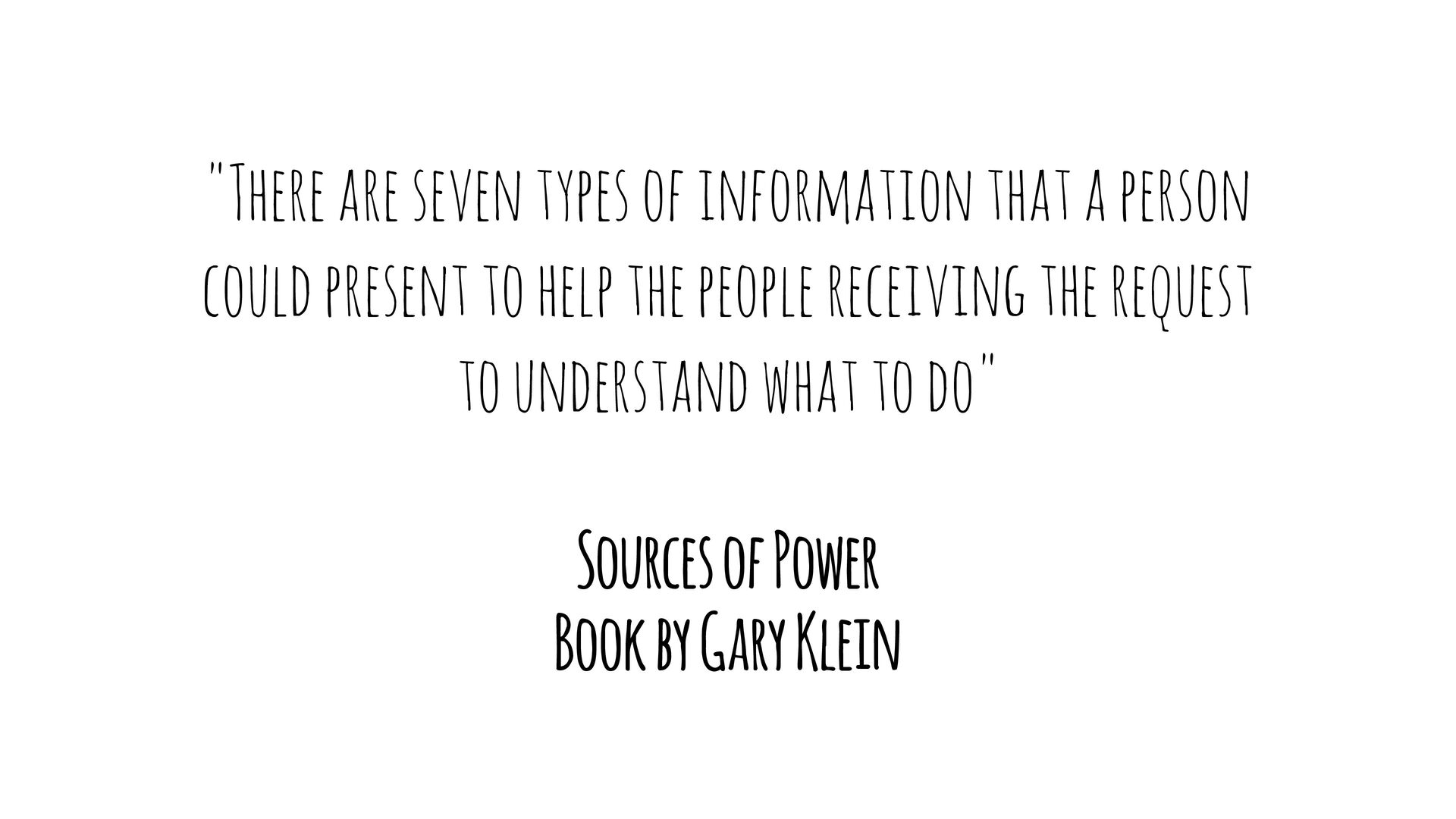
"There are seven types of information that a person could
present to help the people receiving the request to understand what to do" Sources of Power Book by Gary Klein
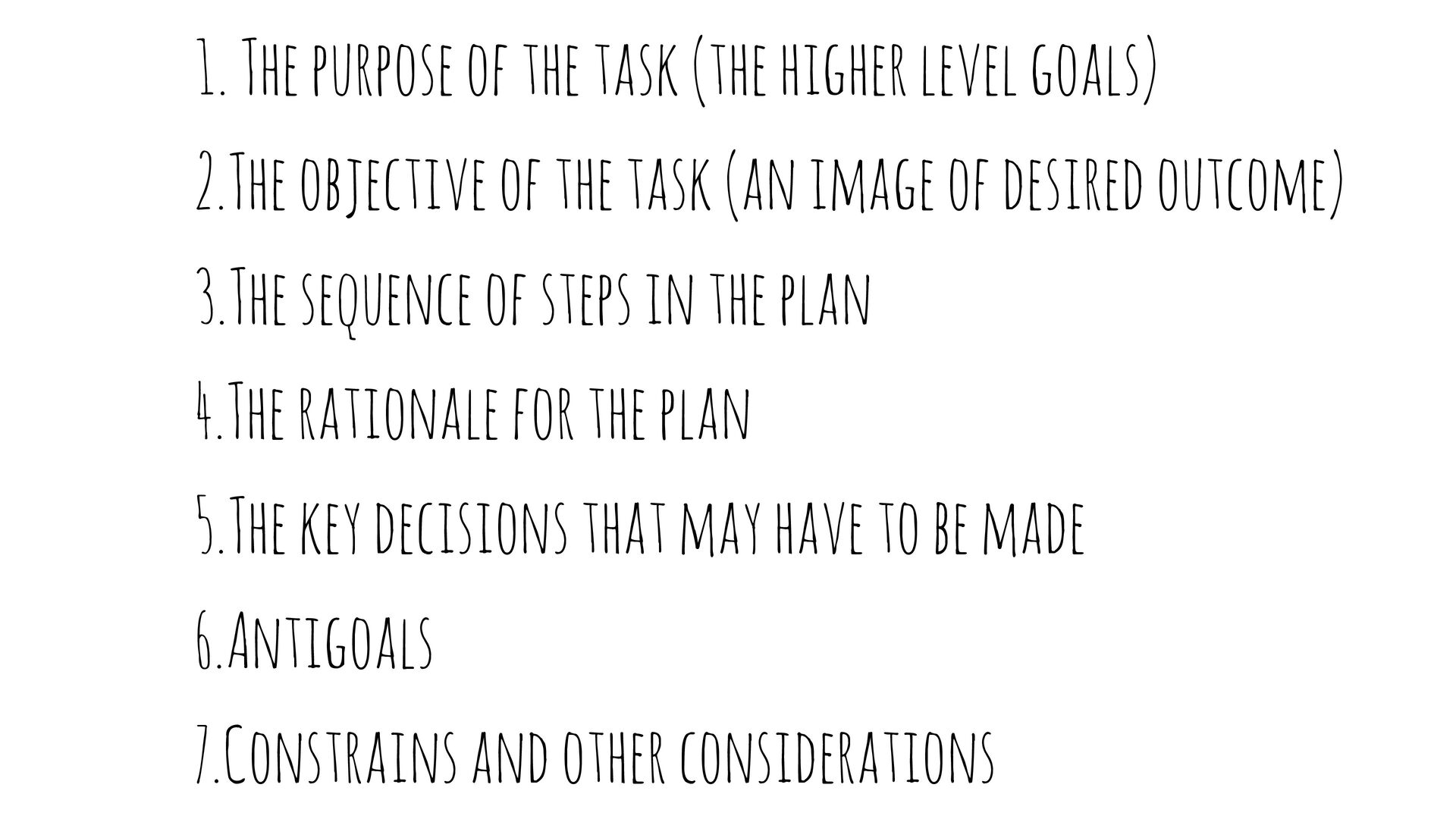
1. The purpose of the task (the higher level goals)
2.The objective of the task (an image of desired outcome) 3.The sequence of steps in the plan 4.The rationale for the plan 5.The key decisions that may have to be made 6.Antigoals 7.Constrains and other considerations
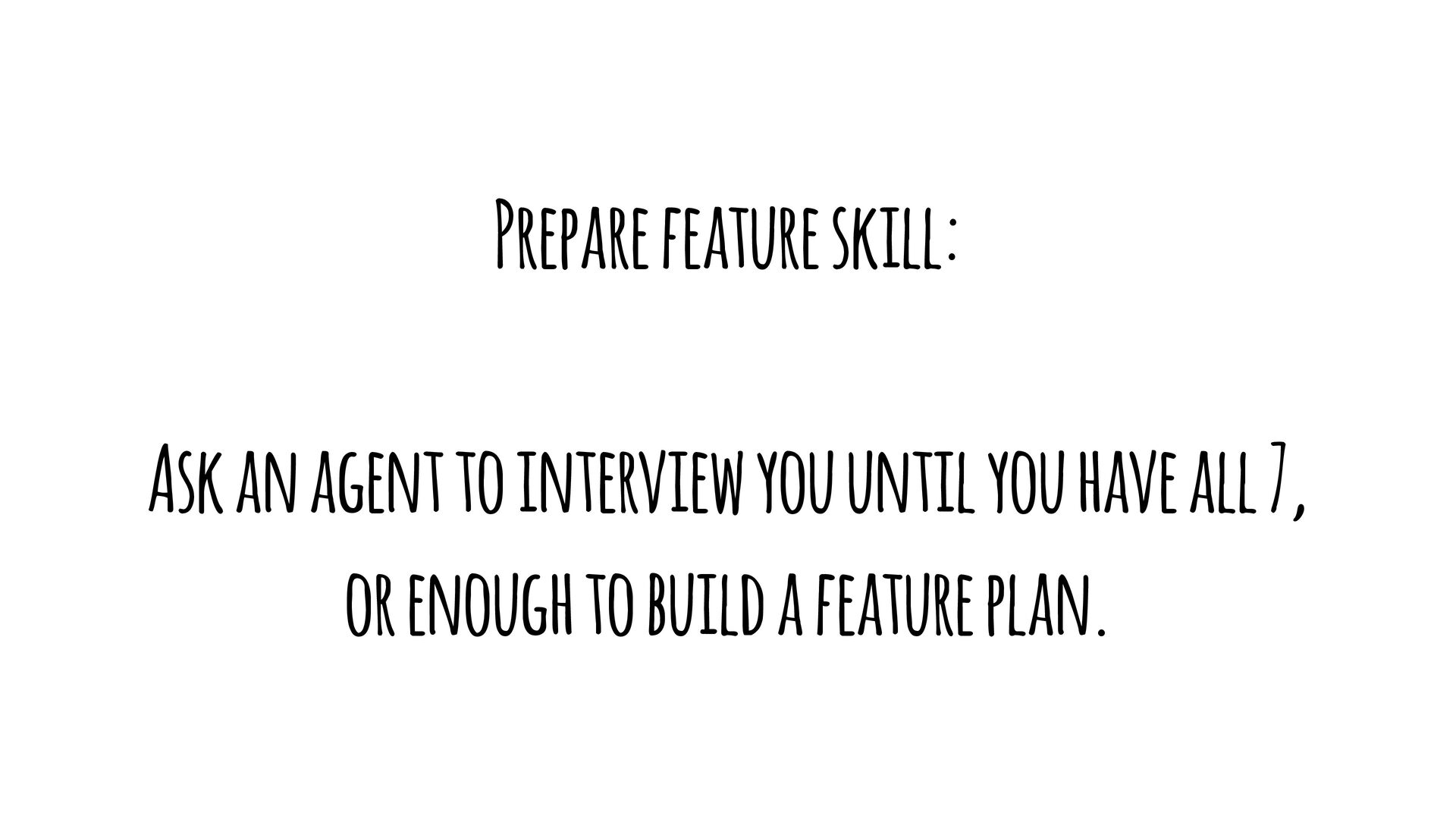
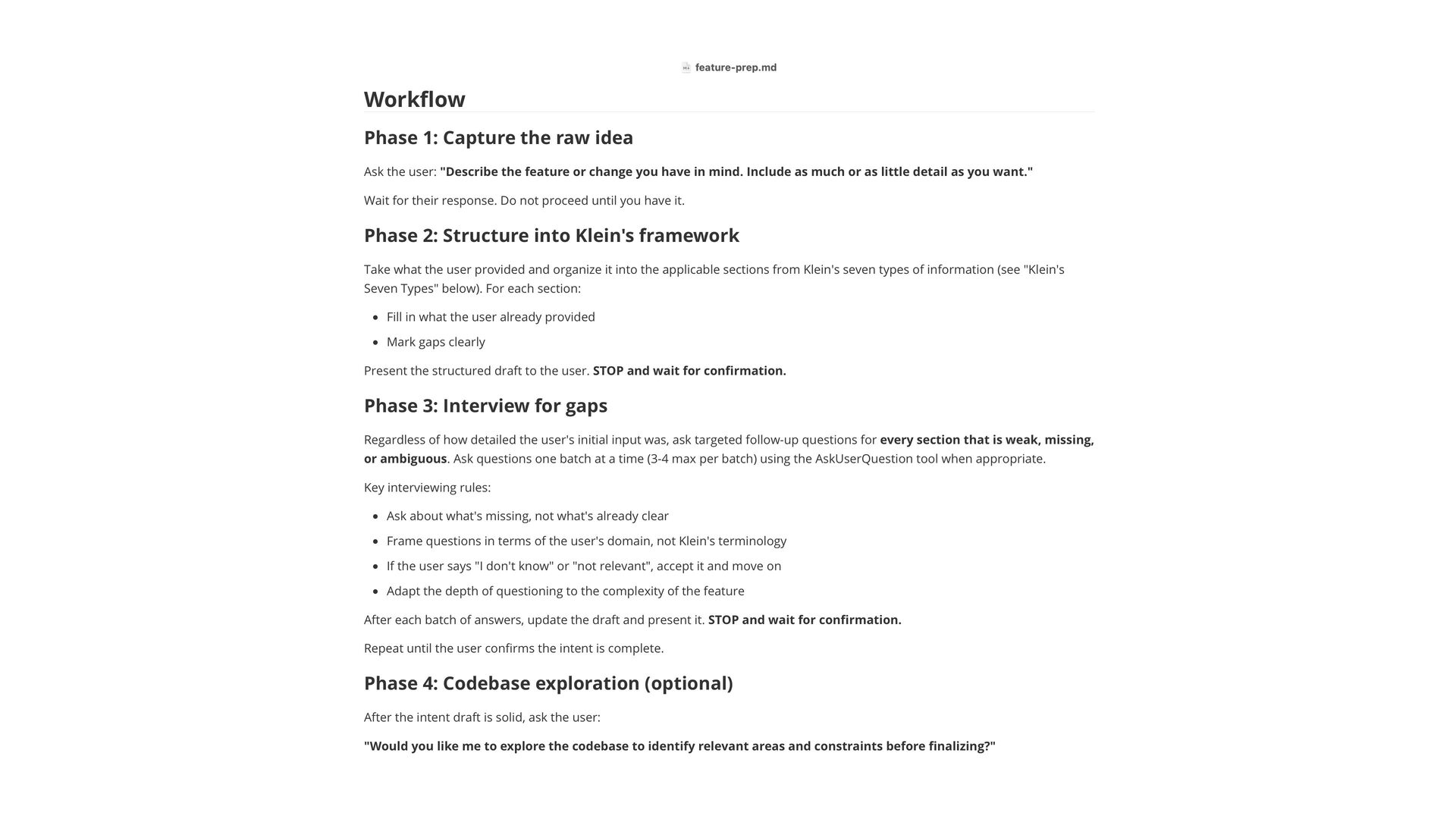
Prepare feature skill: Ask an agent to interview you until
you have all 7, or enough to build a feature plan.
None
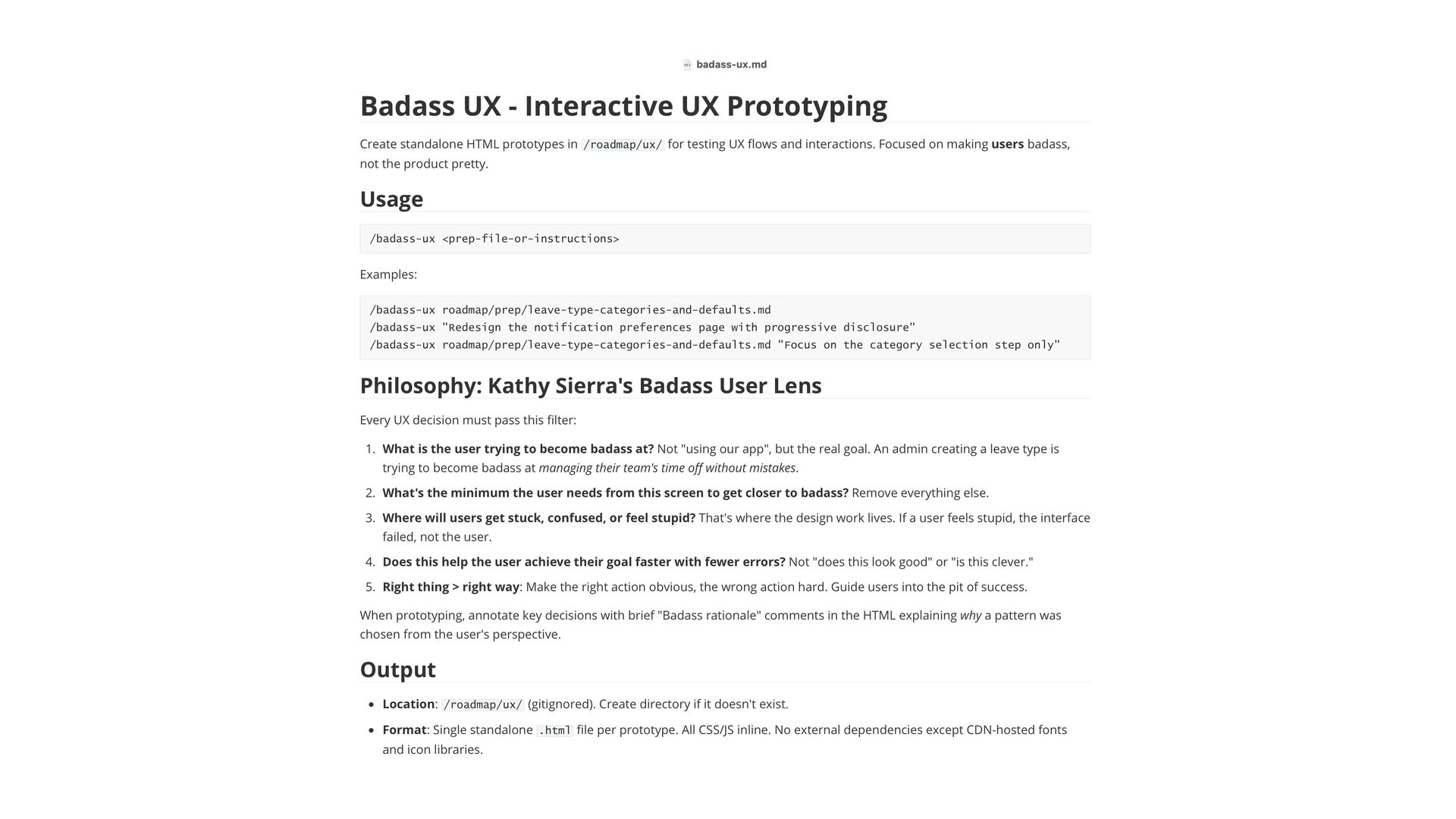
UX skill: Build a prototype to test it out (and
apply Kathy Sierra's Badass principles)
None
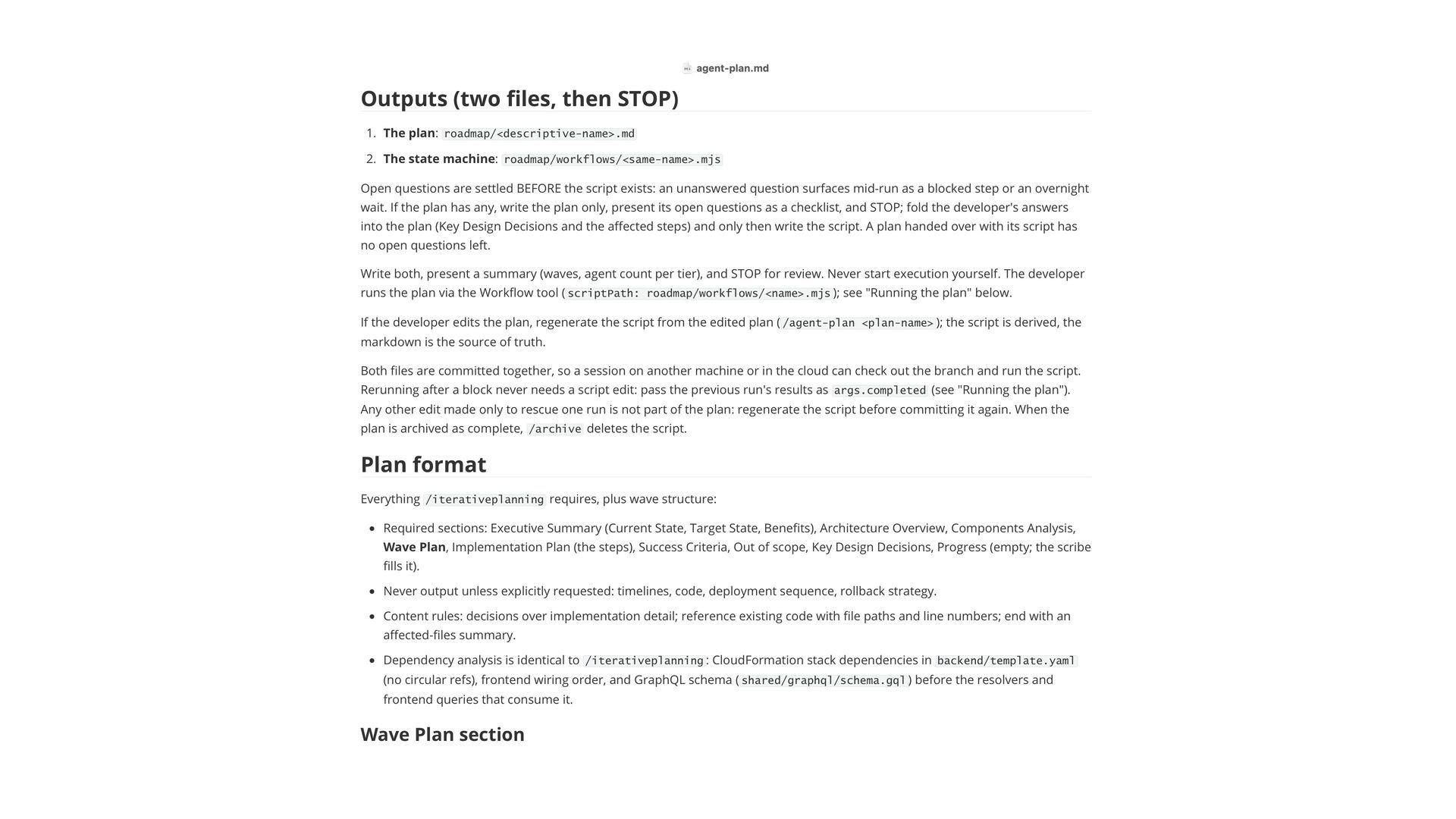
Agent planning skill: Convert these two into a proper agent
plan. What's a proper agent plan?
A parsable markdown file. + A workflow file
Claude Code defines agent workflows on the fly in state-function-like
JavaScript code. And Claude Code knows how to write it.
None
So, our agent plan should prepare that and define the
effort and model.
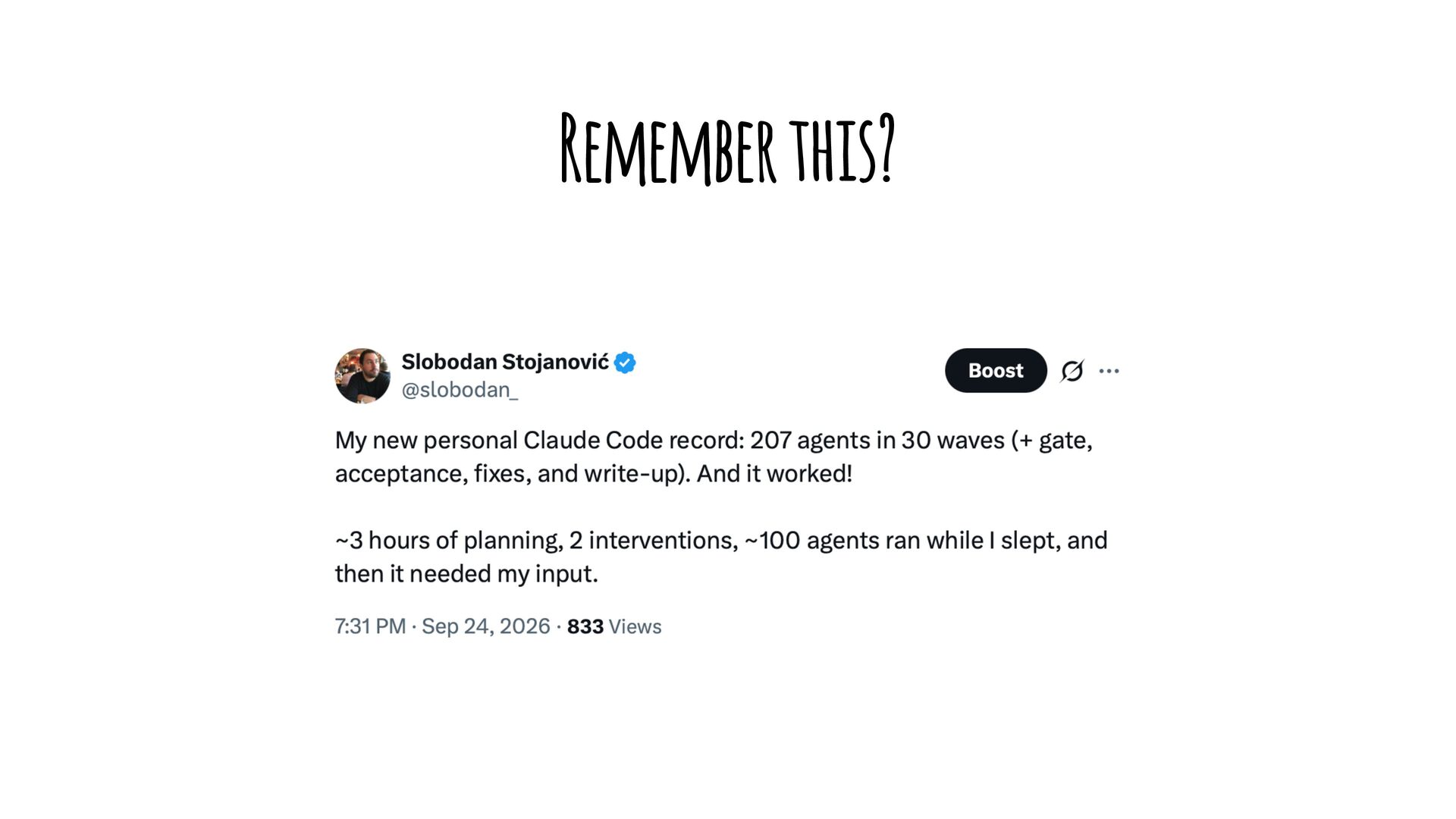
Remember this?
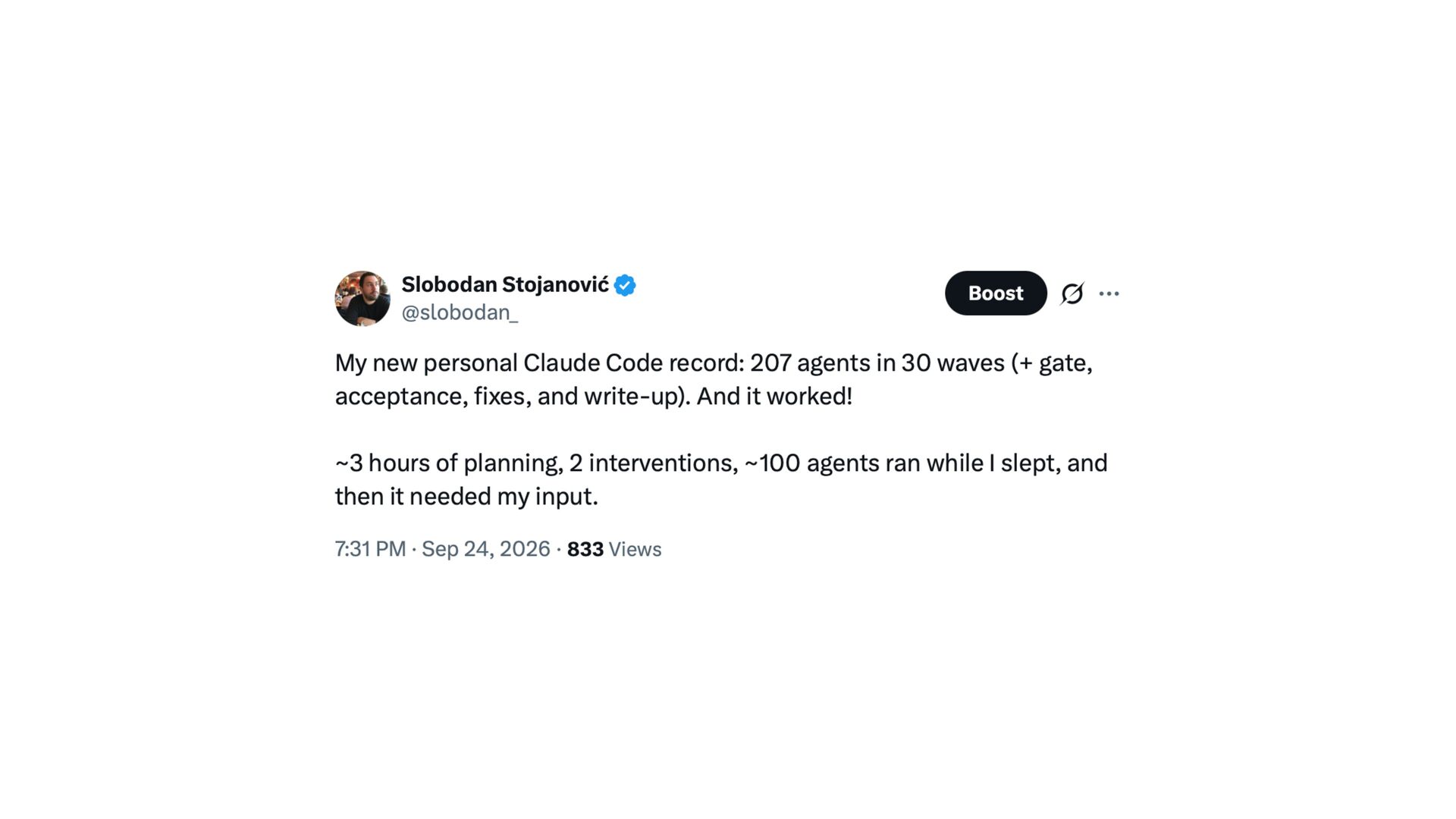
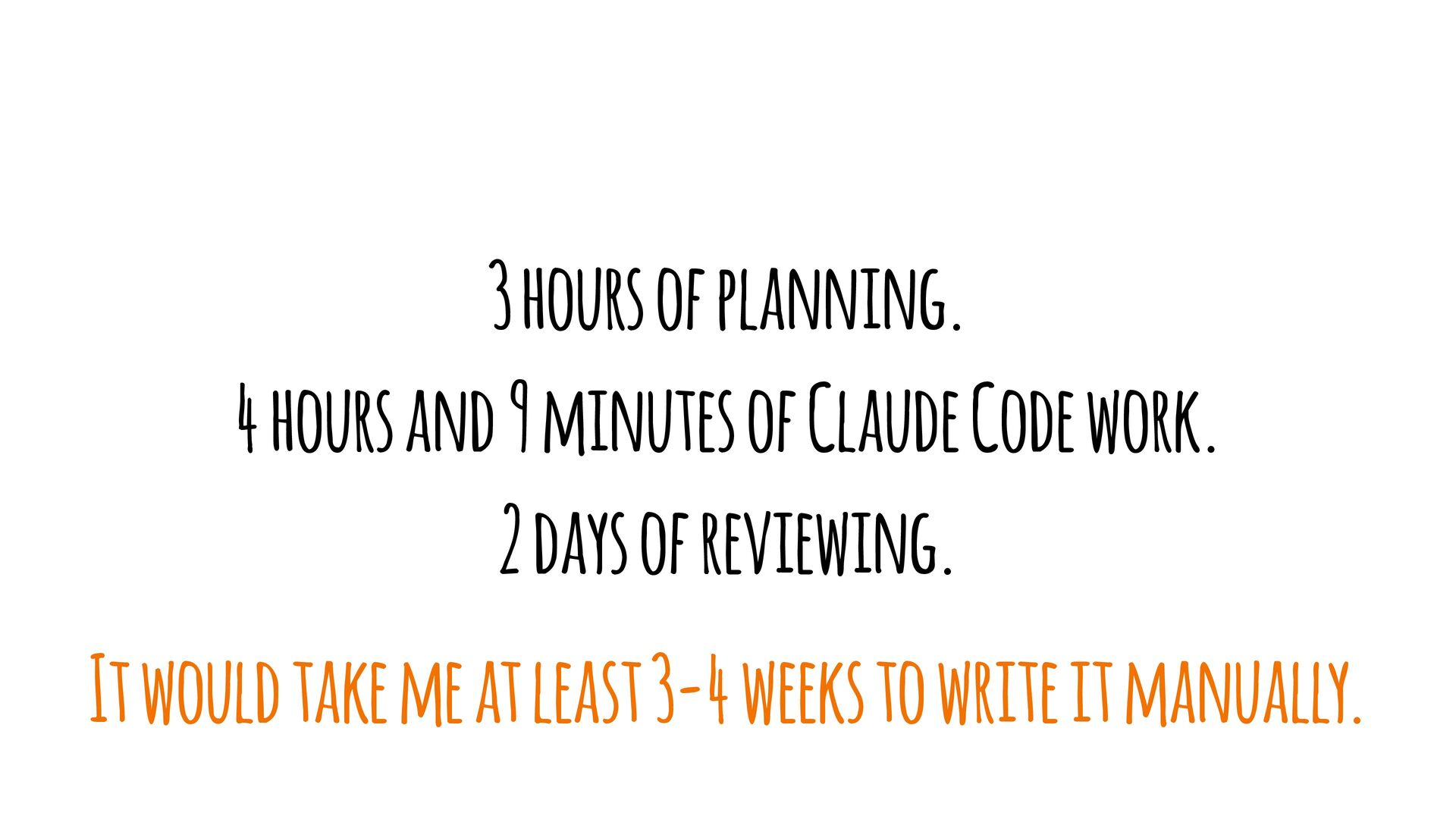
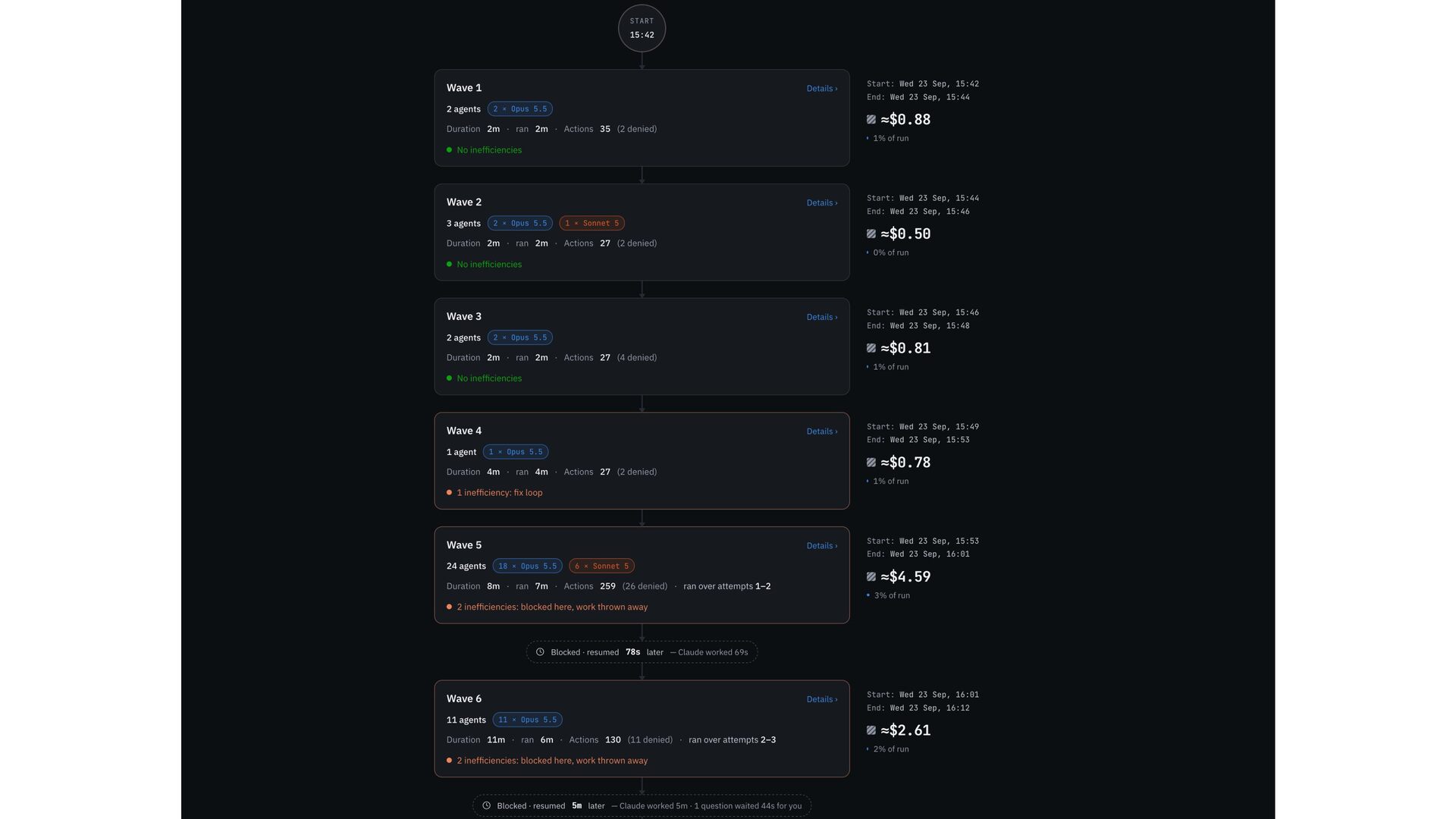
3 hours of planning. 4 hours and 9 minutes of
Claude Code work. 2 days of reviewing. It would take me at least 3-4 weeks to write it manually.
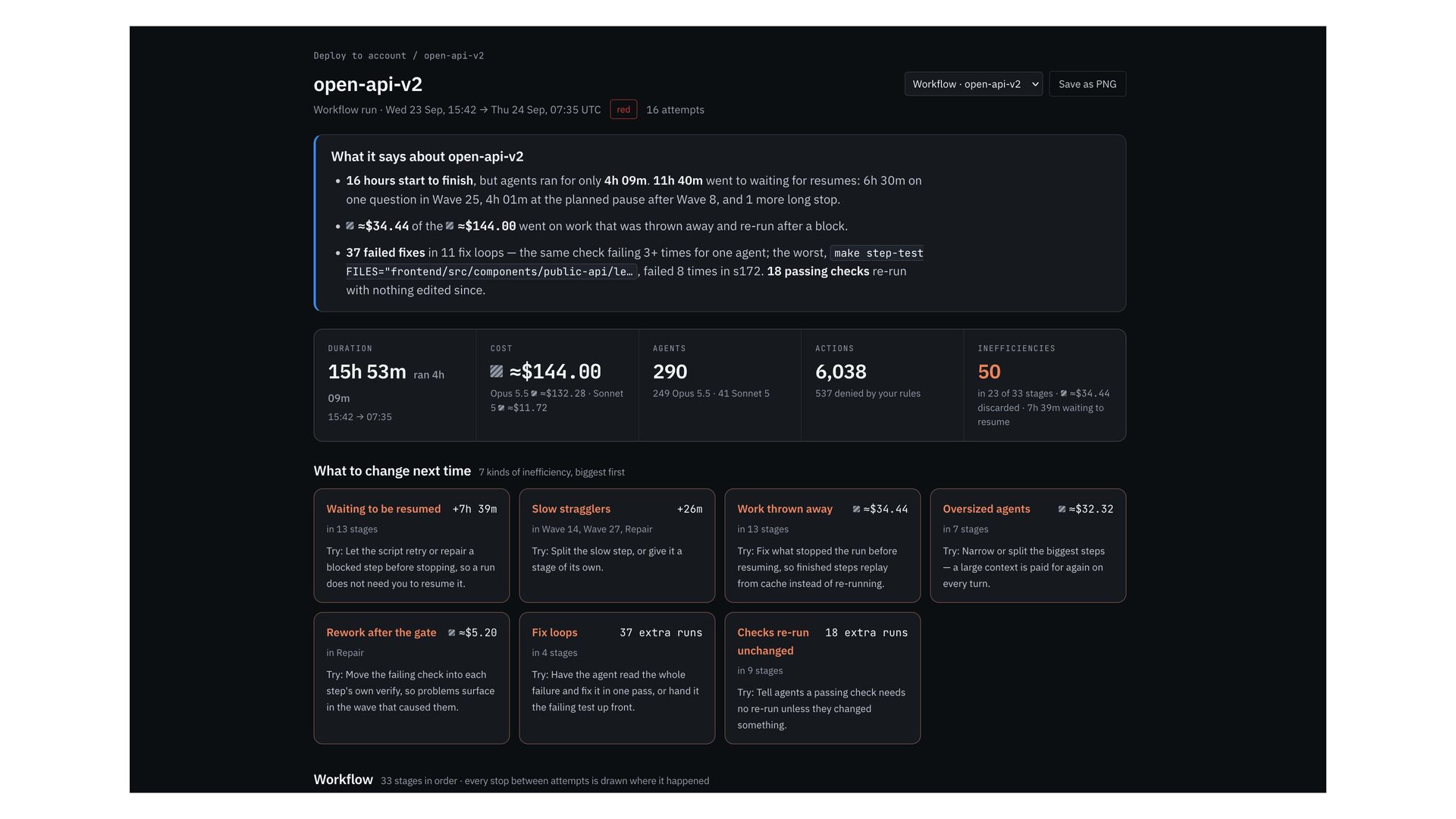
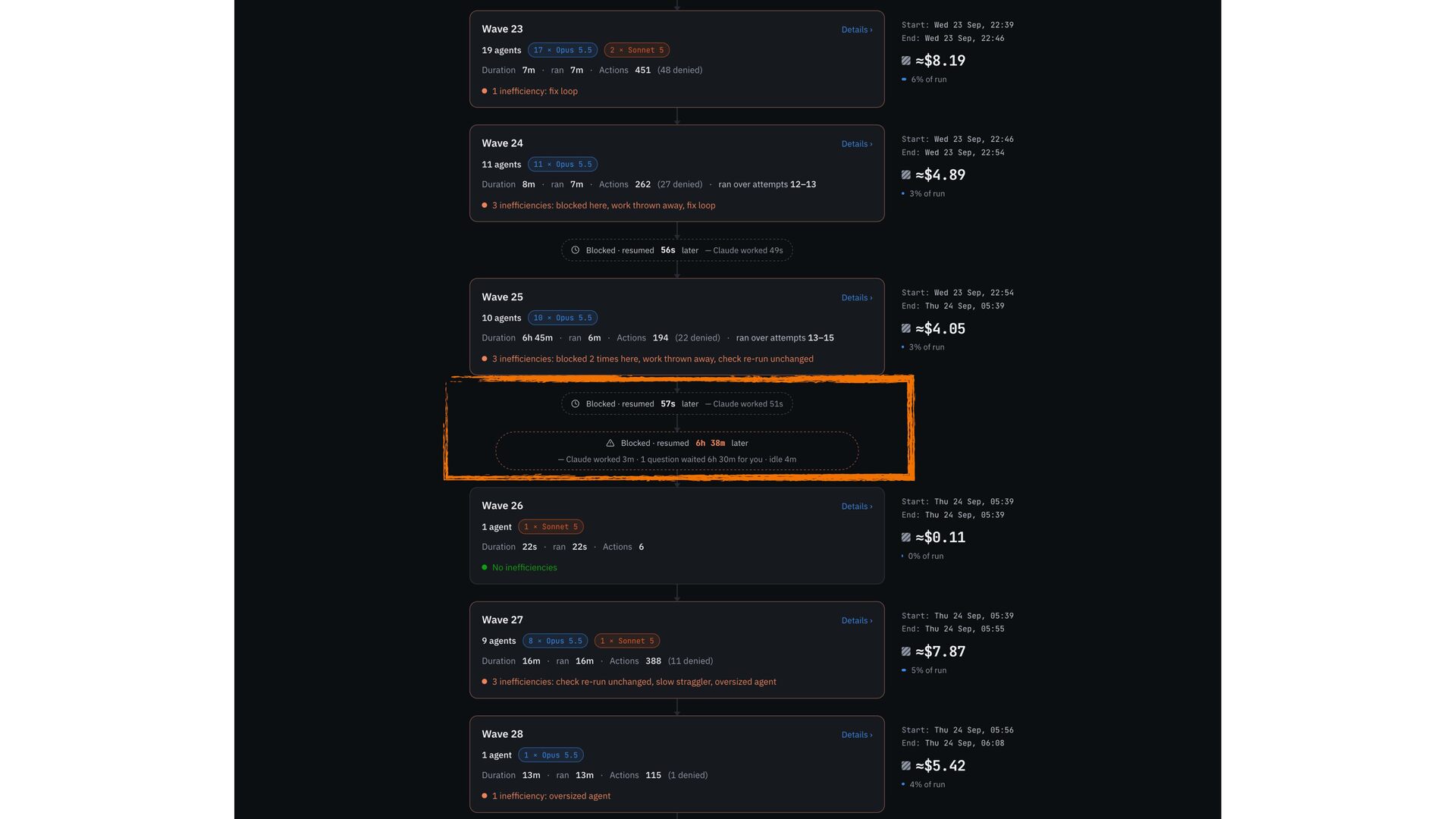
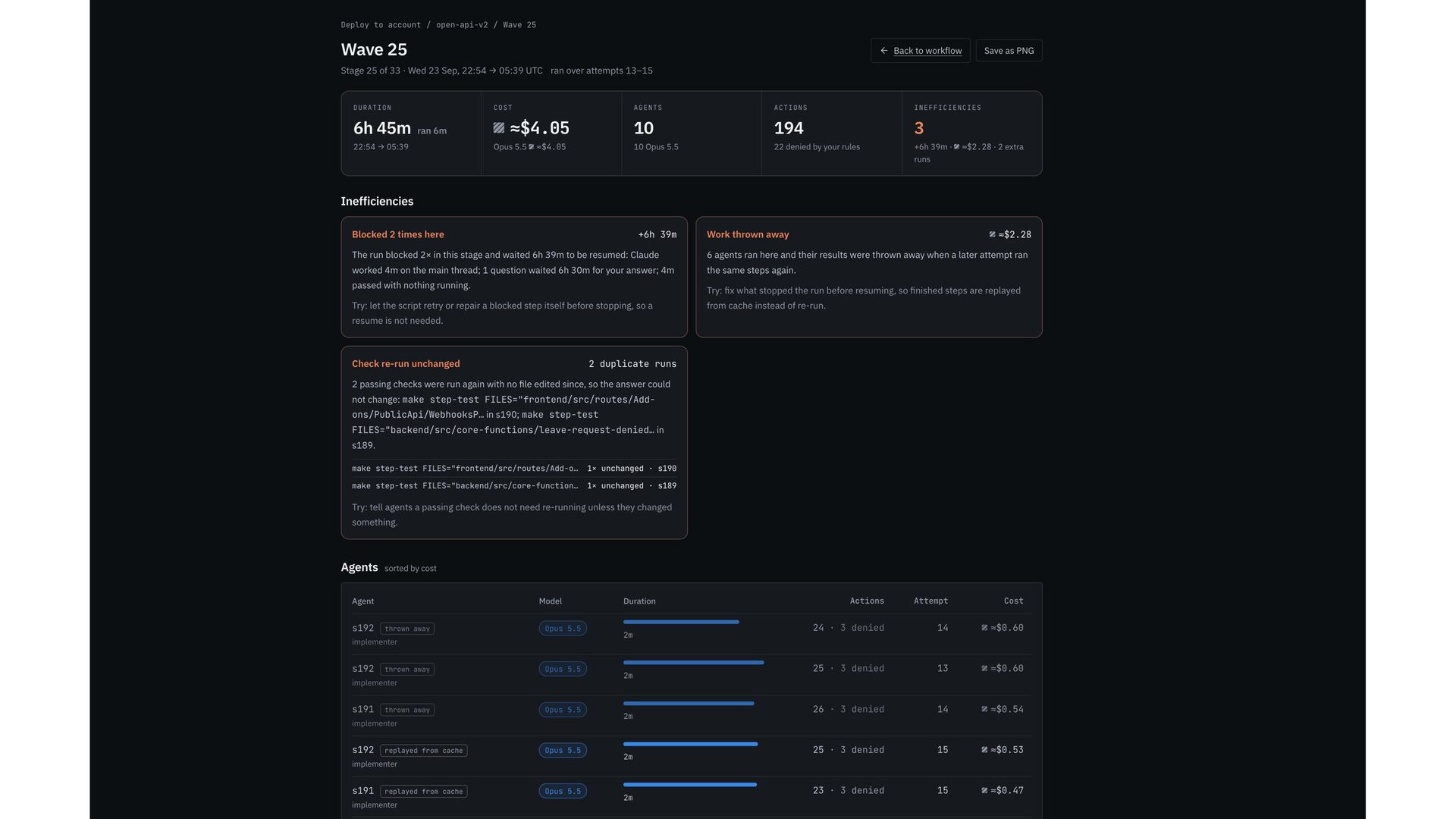
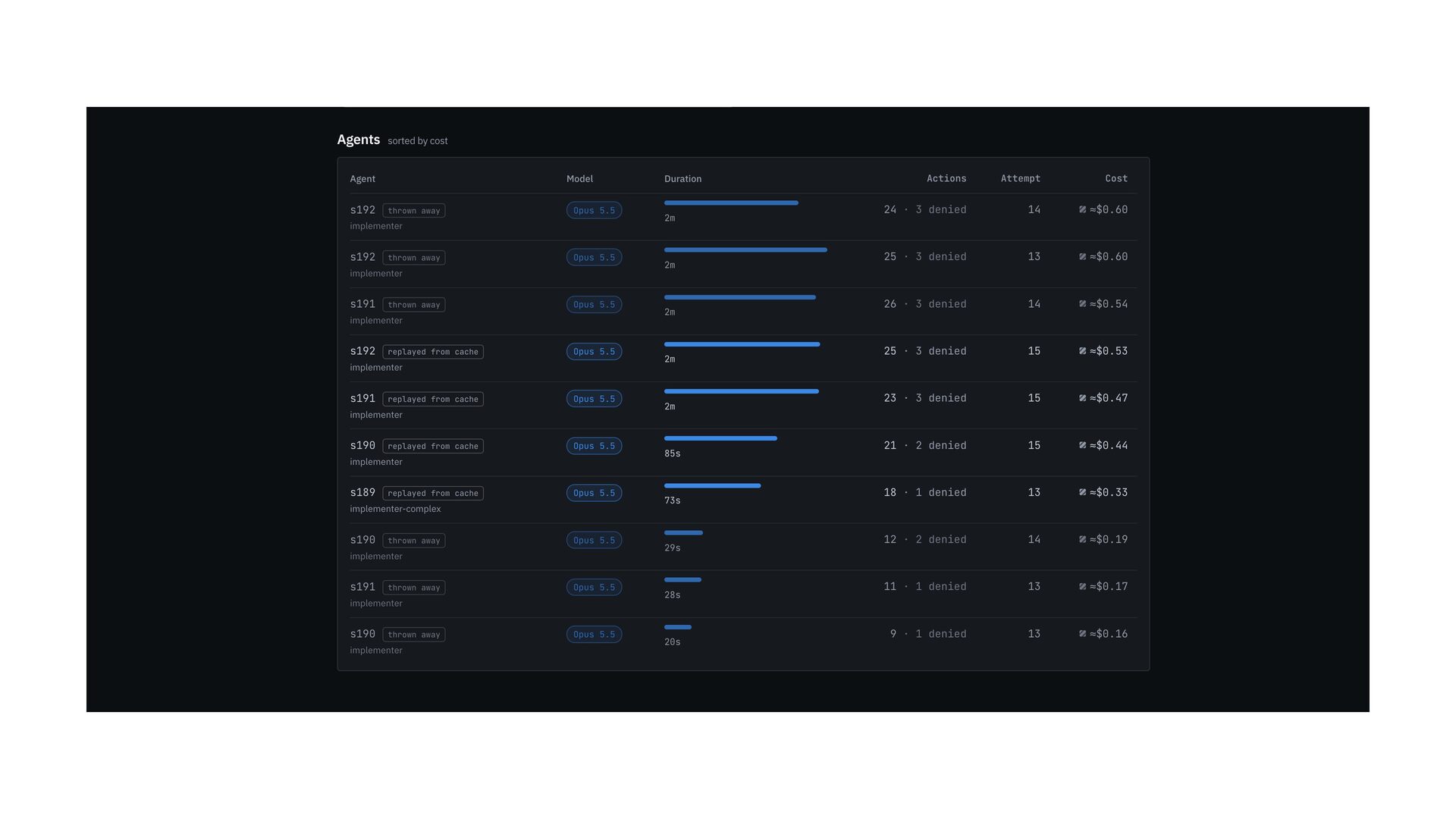
Custom software is cheap! So, I built a custom agent
workflow review tool.
None
None
None
None
None
I lied, it was 290 agents instead of 207
SUMMARY
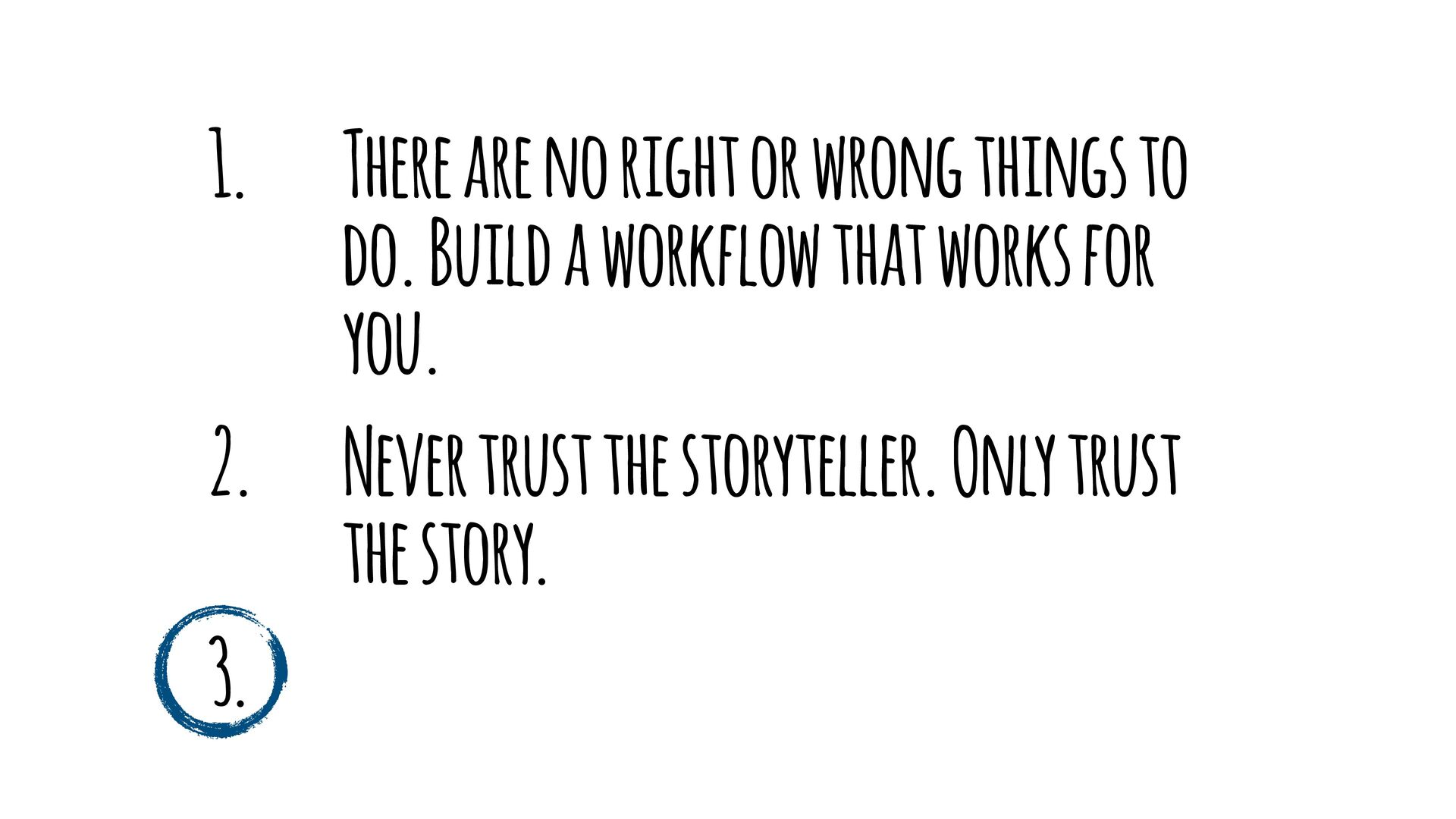
1. There are no right or wrong things to do.
Build a workflow that works for you. 2. Never trust the storyteller. Only trust the story. 3.
Questions? https://slobodan.me @slobodan_
Questions? https://slobodan.me @slobodan_
More Decks by Slobodan Stojanović
See All by Slobodan Stojanović
AI Agents: How Do They Work and How to Build Them @ Shift 2025
slobodan
0
250
Prompt Engineering for Developers @ AWS Community Day Timișoara
slobodan
0
190
AI Agents with JavaScript
slobodan
0
510
Prompt Engineering for Developers @ AWS Community Day Adria 2024
slobodan
0
360
From 1 to 250 Lambda Functions in Production: Evolving a Startup Serverless Architecture @ Serverless Days Milan
slobodan
0
250
Building Production-Ready Apps with AI
slobodan
0
400
Advanced GraphQL Architectures: Serverless Event Sourcing and CQRS @ ReactSummit
slobodan
0
350
CofounderGPT - Can an AI be a better co-founder than a human?
slobodan
0
270
From 1 to 201 Lambda functions in production: Evolving a serverless startup architecture
slobodan
0
400
Other Decks in Programming
See All in Programming
AI時代のシニアエンジニアとは
yosuke_furukawa
PRO
15
12k
社内AIエージェント「Askワンバン」における コストチューニングの取り組み
t0yohei
0
180
LLM 101: Exploring LLMs, Starting with Tokens.
dalinaum
0
120
SODA - FACT BOOK(EN)
sodainc
1
280
React Native経験者が Flutterを30⽇間触って驚いたこと
3saito
0
210
Rails初心者がパスキーを実装してみて大変だったこと
ktombow
0
240
コード生成時代のAPI定義を支えるRequest Spec移行
pvcresin
0
300
Kotlin JVM用に作られたライブラリのKMPを前提とした再設計
jsoizo
0
230
AIが生成したコードは読むべきか?抽象化設計とコードの品質保証 / abstraction-design-and-quality
minodriven
17
9.5k
protojson における文字化けの扱い
kazuki1023
0
460
AI Augmentation Techniques with Liberty
ivargrimstad
1
550
Going Full Circle with Virtual Graphs and Relational Databases
michaelsimons
1
100
Featured
See All Featured
Design and Strategy: How to Deal with People Who Don’t "Get" Design
morganepeng
133
20k
I Don’t Have Time: Getting Over the Fear to Launch Your Podcast
jcasabona
35
2.9k
Highjacked: Video Game Concept Design
rkendrick25
PRO
2
590
AI Search: Where Are We & What Can We Do About It?
aleyda
0
8.3k
Typedesign – Prime Four
hannesfritz
42
3.2k
Save Time (by Creating Custom Rails Generators)
garrettdimon
PRO
33
5.9k
Avoiding the “Bad Training, Faster” Trap in the Age of AI
tmiket
1
310
GraphQLとの向き合い方2022年版
quramy
50
15k
Agile that works and the tools we love
rasmusluckow
331
22k
The State of eCommerce SEO: How to Win in Today's Products SERPs - #SEOweek
aleyda
2
12k
VelocityConf: Rendering Performance Case Studies
addyosmani
331
25k
A better future with KSS
kneath
240
18k


 slobodan
 yosuke_furukawa
 t0yohei
 dalinaum
 sodainc
 3saito
 ktombow
 pvcresin
 jsoizo
 minodriven
 kazuki1023
 ivargrimstad
 michaelsimons
 morganepeng
 jcasabona
 rkendrick25
 aleyda
 hannesfritz
 garrettdimon
 tmiket
 quramy
 rasmusluckow
 addyosmani
 kneath