Upgrade to Pro — share decks privately, control downloads, hide ads and more …

Team-Driven Architecture Evaluation with LASR

Team-Driven Architecture Evaluation with LASR

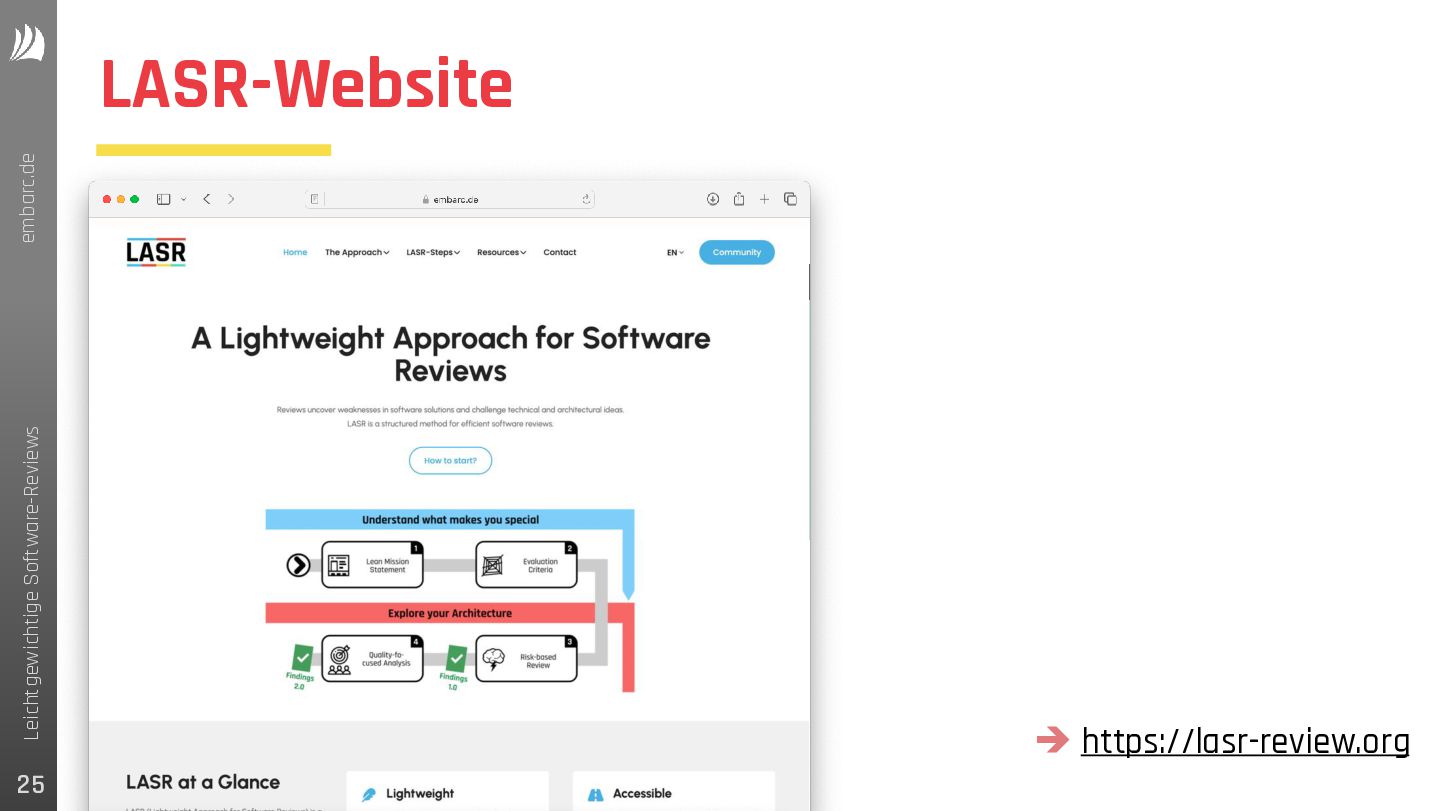
Software architecture evaluation methods such as ATAM have proven effective but most evaluation methods require external facilitation, extensive preparation or follow-ups or are difficult to integrate into fast-paced industrial development efforts. This session presents LASR, the Lightweight Approach for Software Reviews that enables development teams to conduct systematic, quality-focused architecture evaluations within a single half-day session

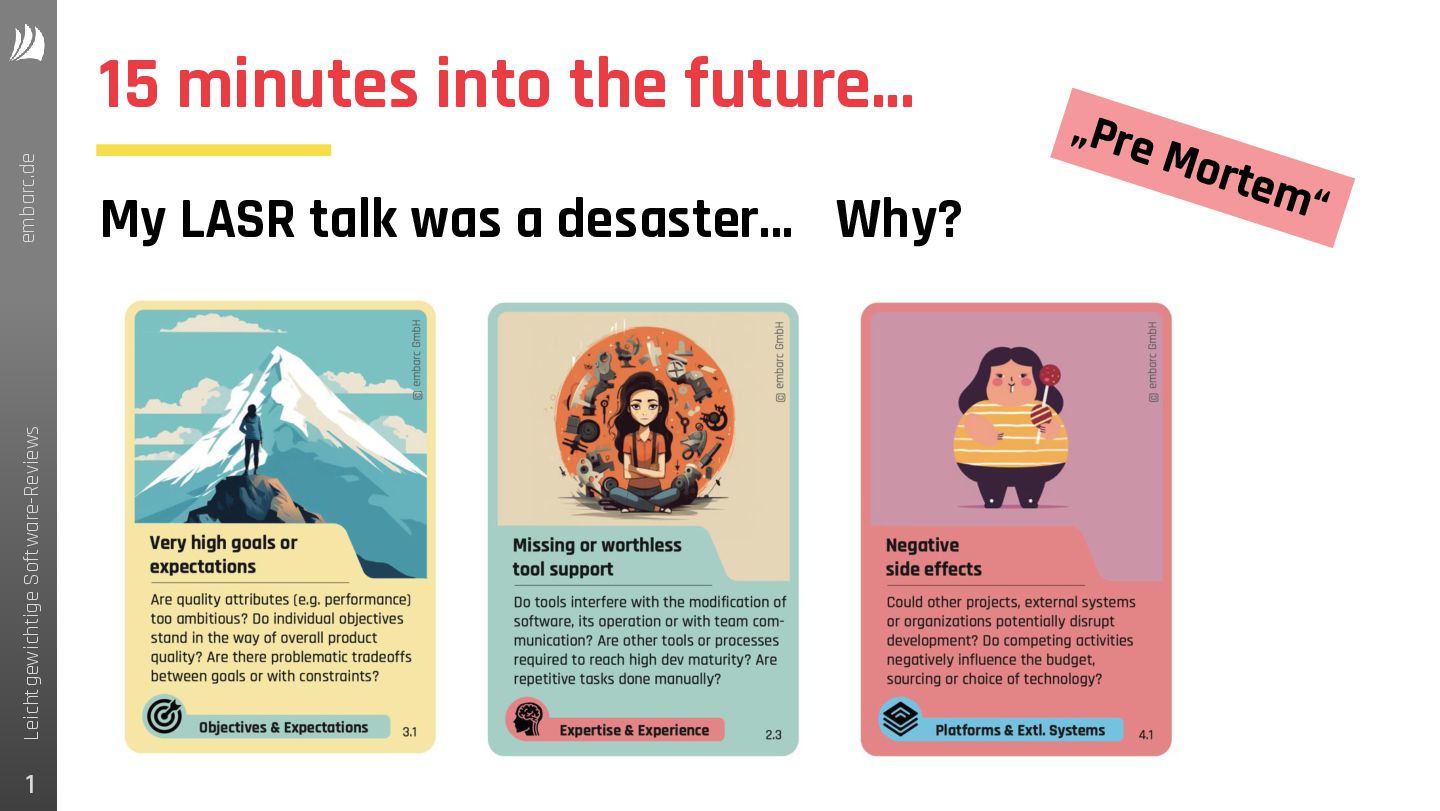
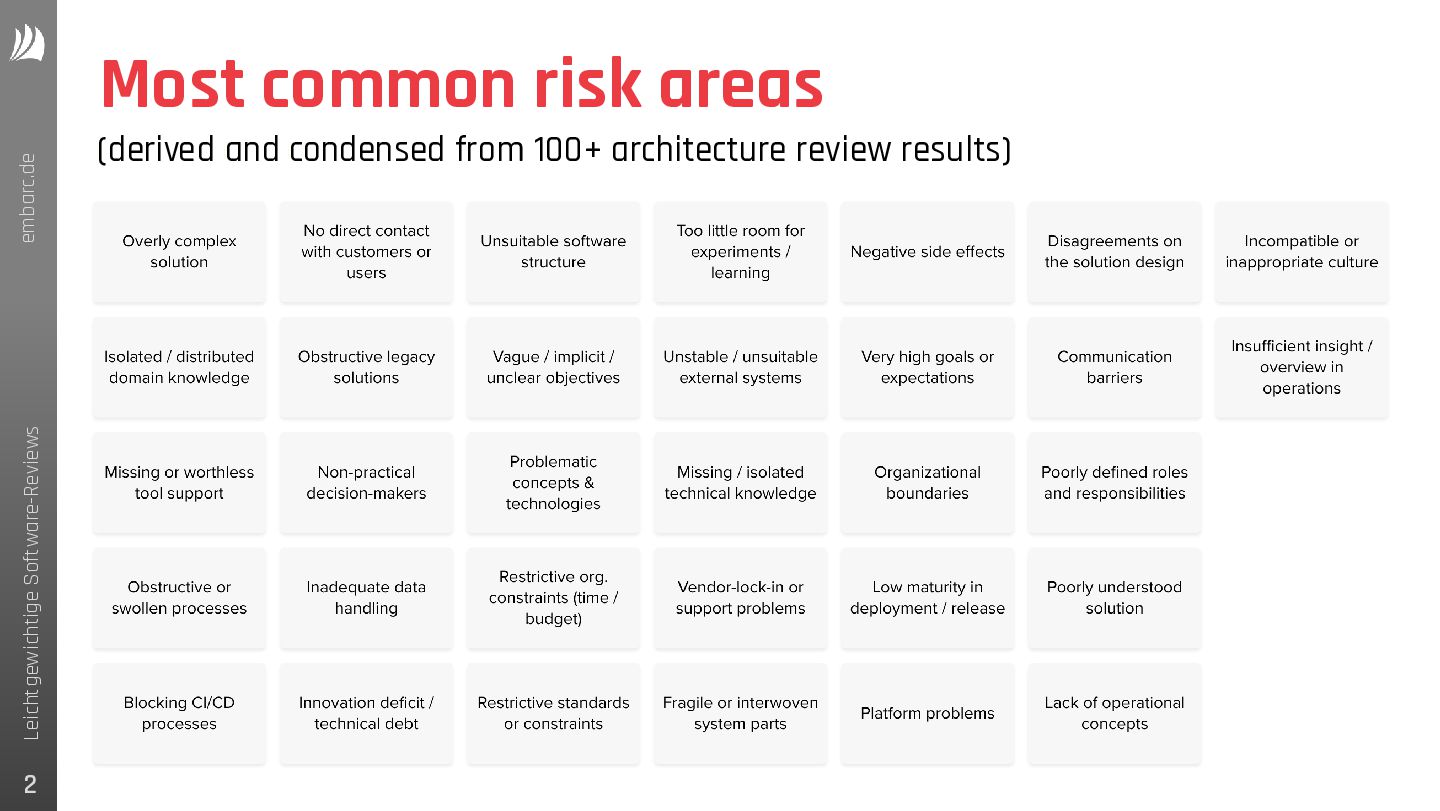
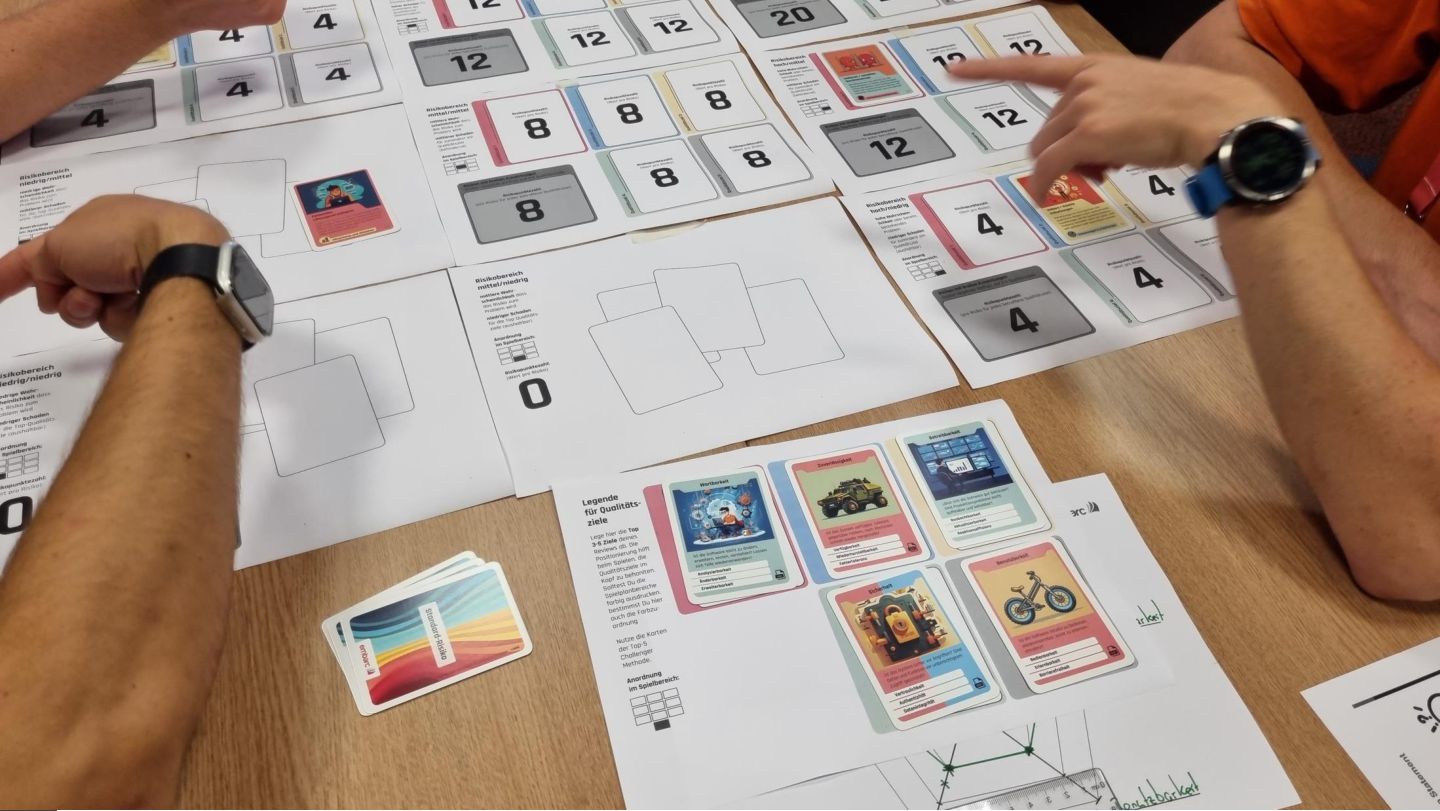
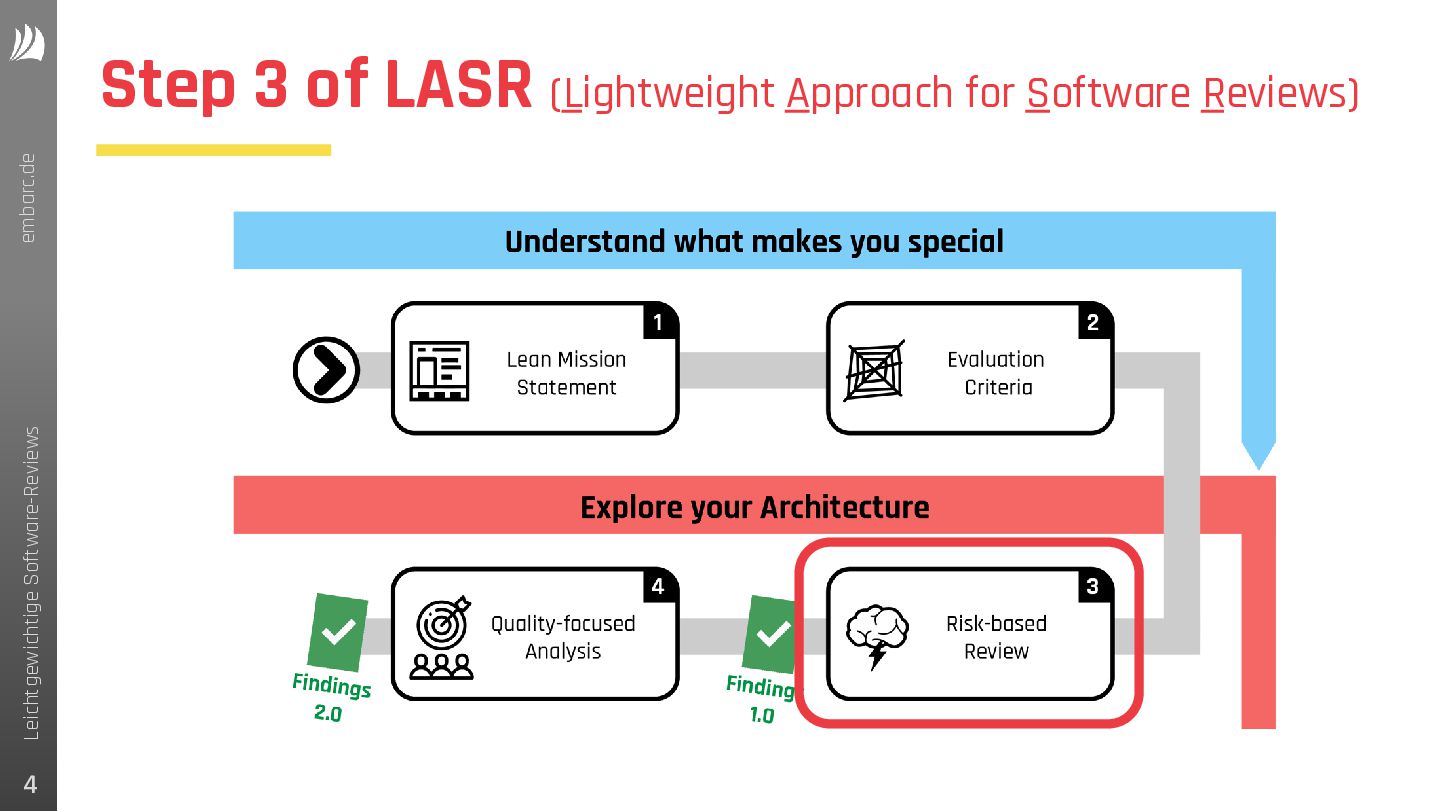
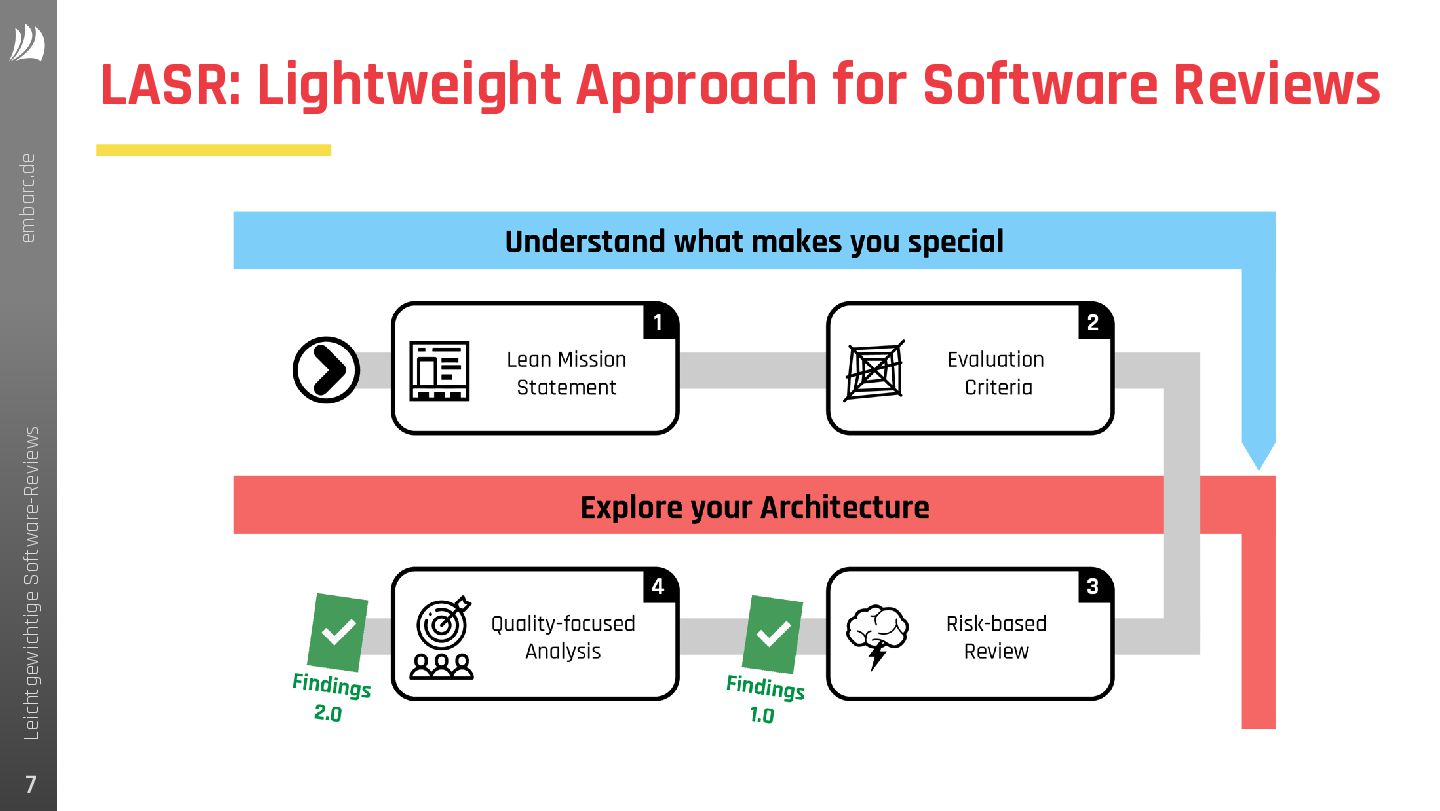
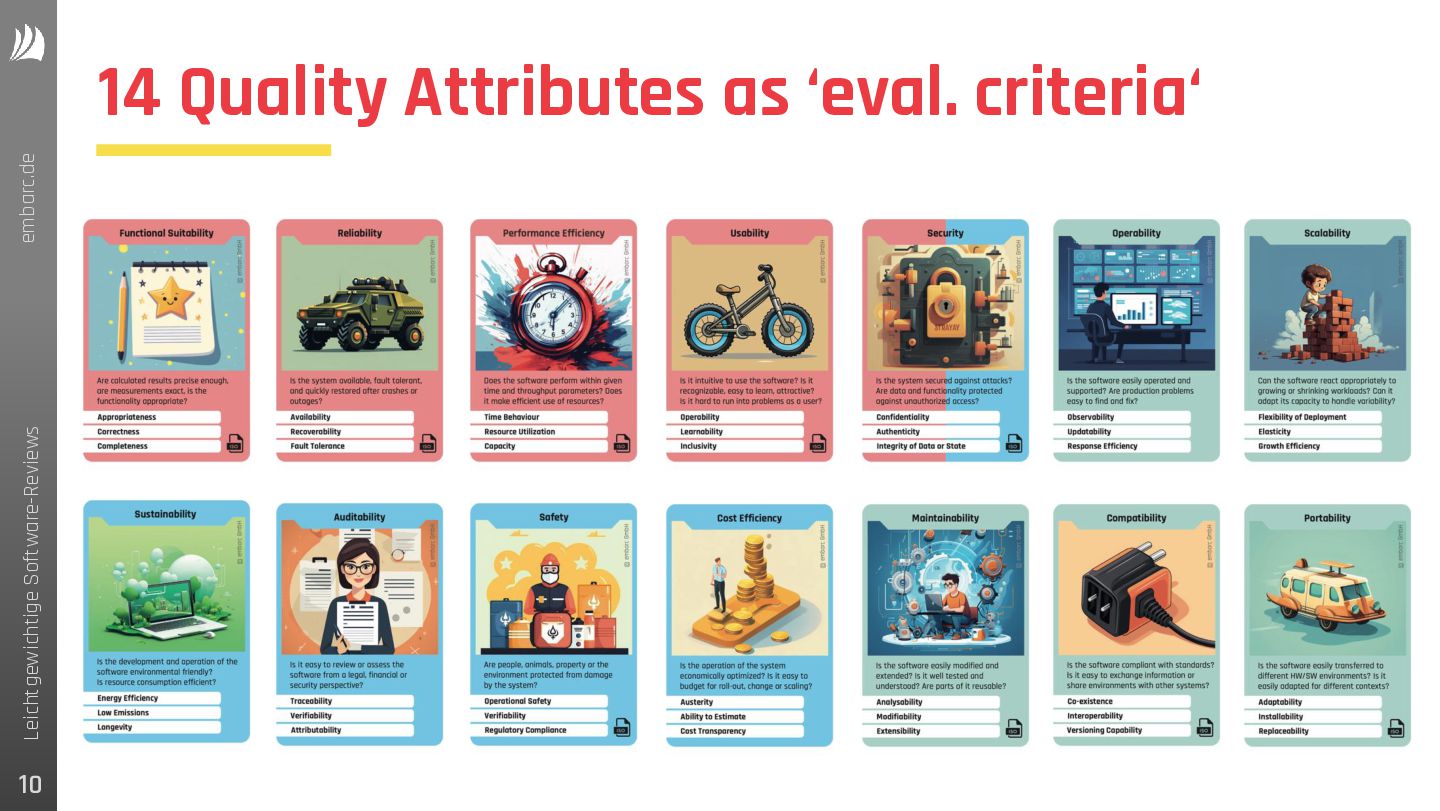
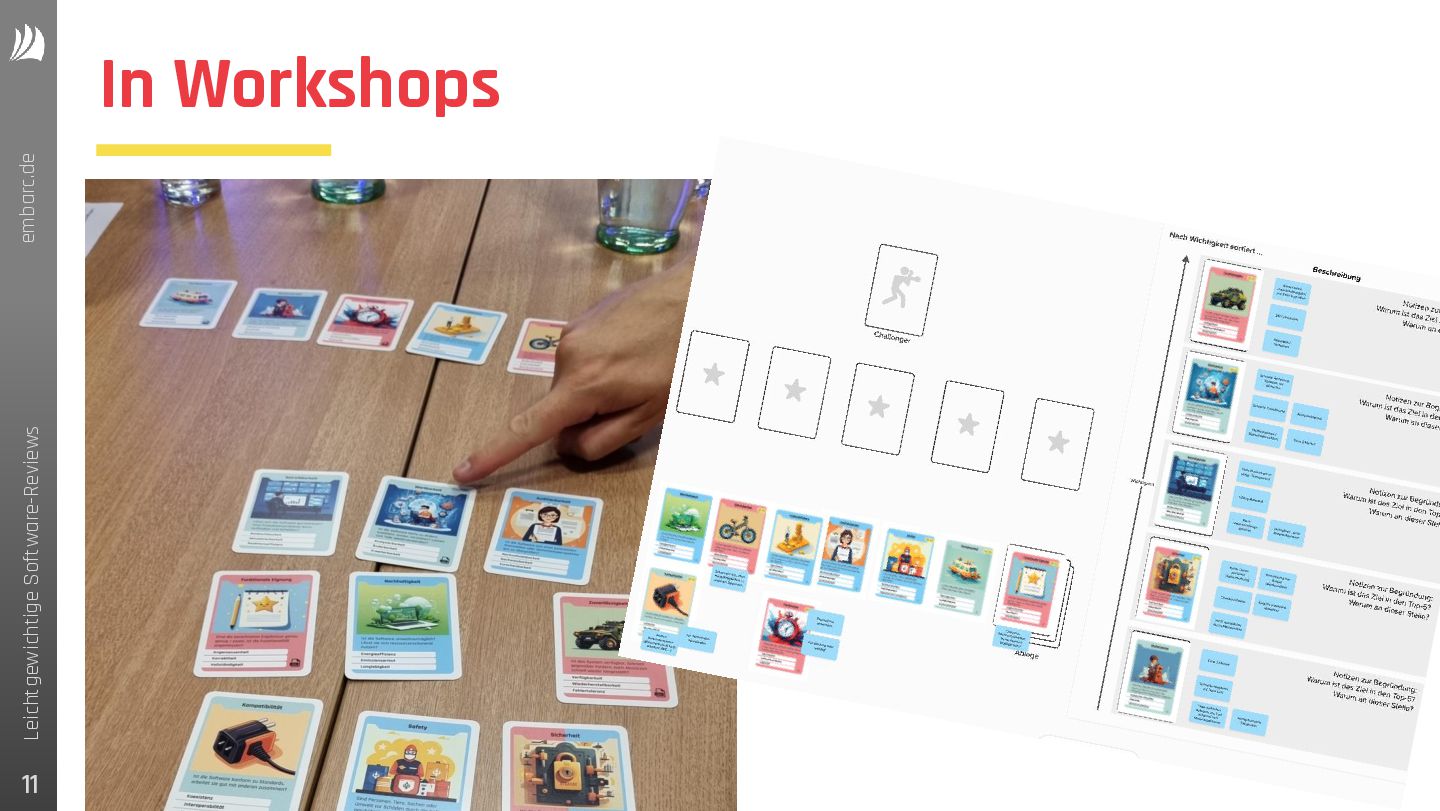
LASR is self-contained and team-driven, allowing 2-4 developers to perform the review without separate evaluation support. The method selects and characterizes key quality goals, before conducting a structured risk-based analysis and focused deep-dives in a few focus areas. The method is supported by an empirically grounded catalogue of standard risks derived from 100+ prior reviews, and delivers a concise “LASR result diagram” for management-compatible communication.

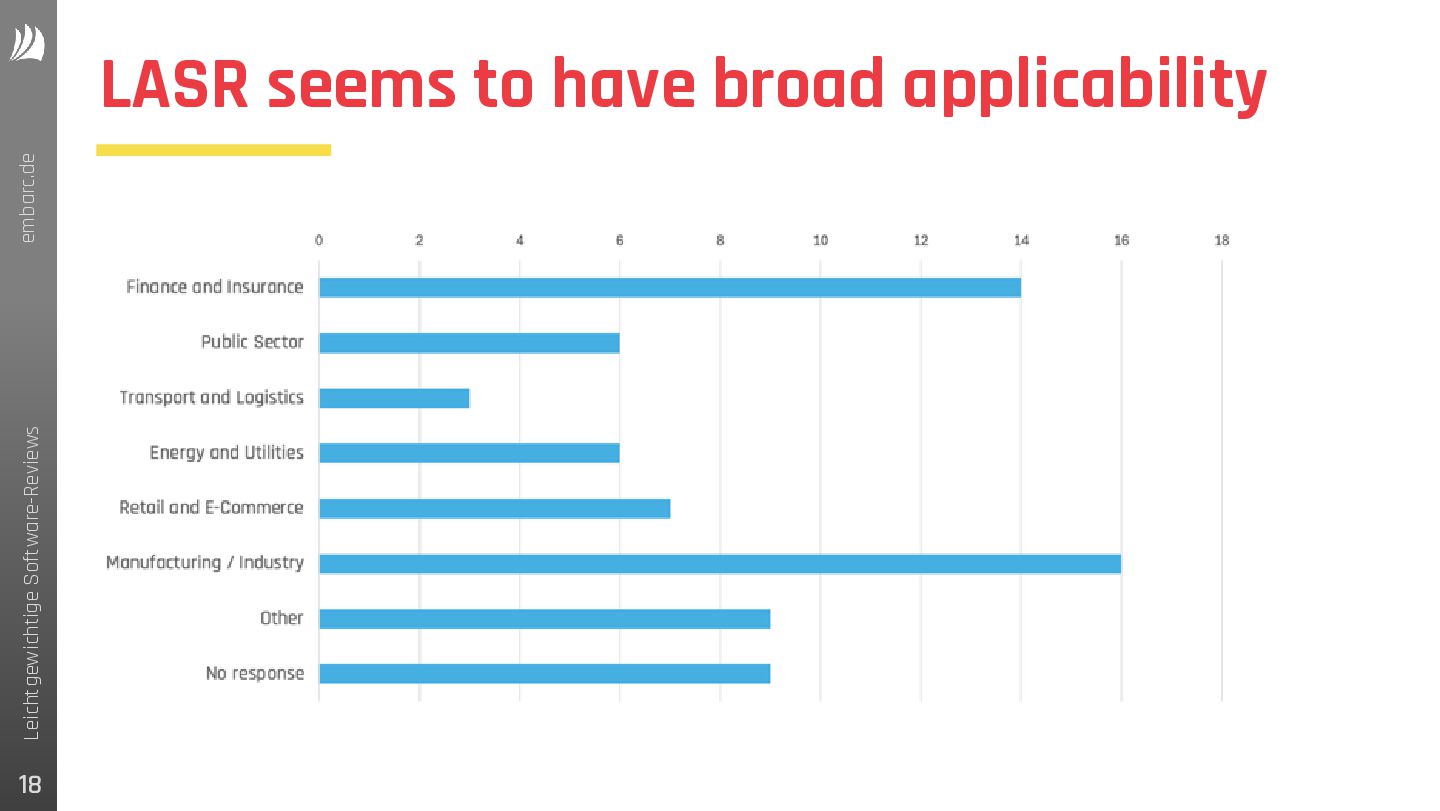
As there are many real-word applications of the method, we can report on its industrial application across different domains such as automotive, finance, energy, logistics, and embedded systems. Based on data from 75 independently conducted reviews, including deep-dive interviews with 18 reviewers, we discuss the method’s effectiveness, typical usage patterns, and practical limitations. The results indicate that LASR delivers actionable insights with modest effort. It offers a pragmatic addition to the current spectrum of architecture evaluation methods.

Avatar for Stefan Toth

Stefan Toth

June 24, 2026

More Decks by Stefan Toth

Other Decks in Research

Transcript

  1. 0 Leichtgewichtige Software-Reviews embarc.de Team-Driven Architecture Evaluation with LASR (LASR

    - Lightweight Approach for Software Reviews) ICSA 2026 Stefan Toth, Stefan Zörner
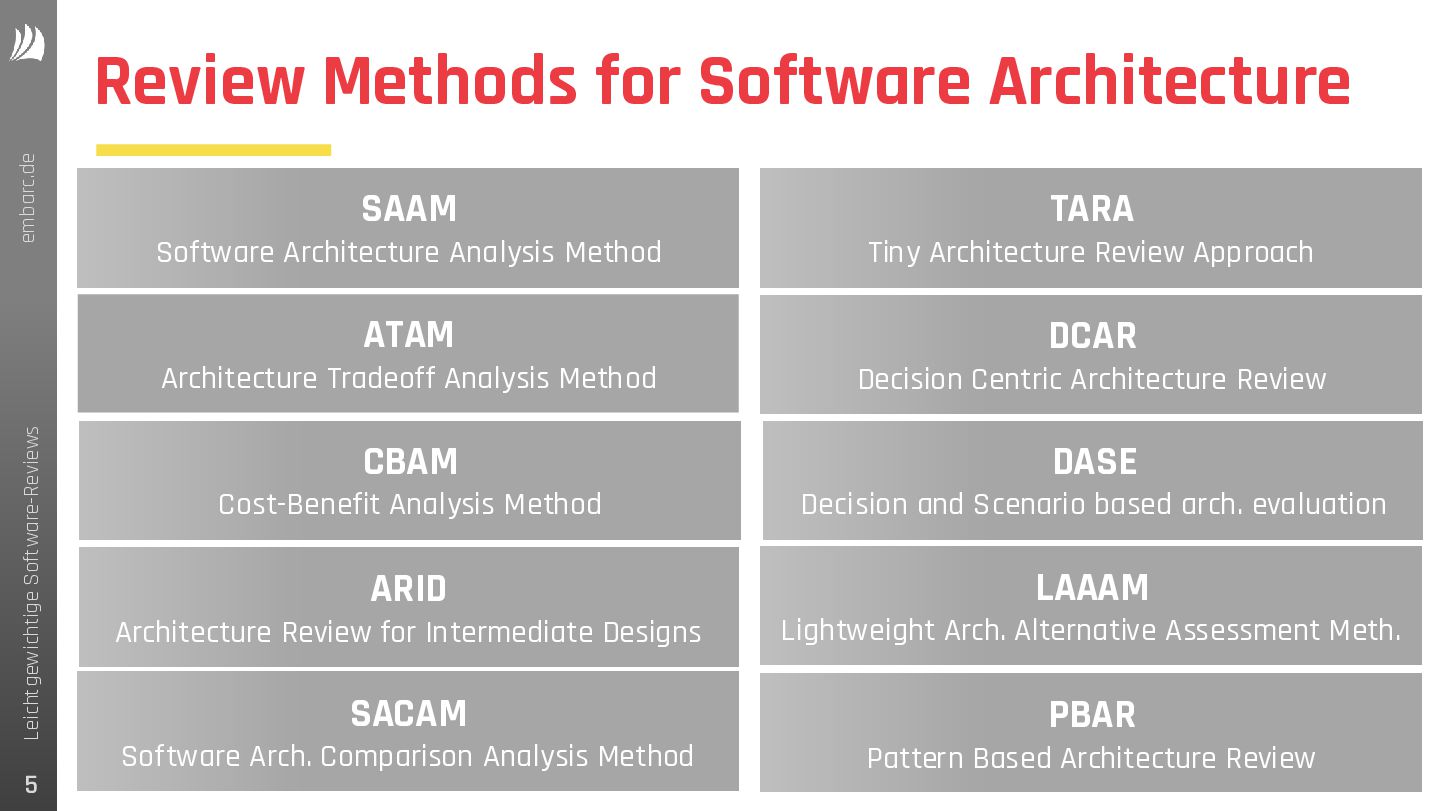
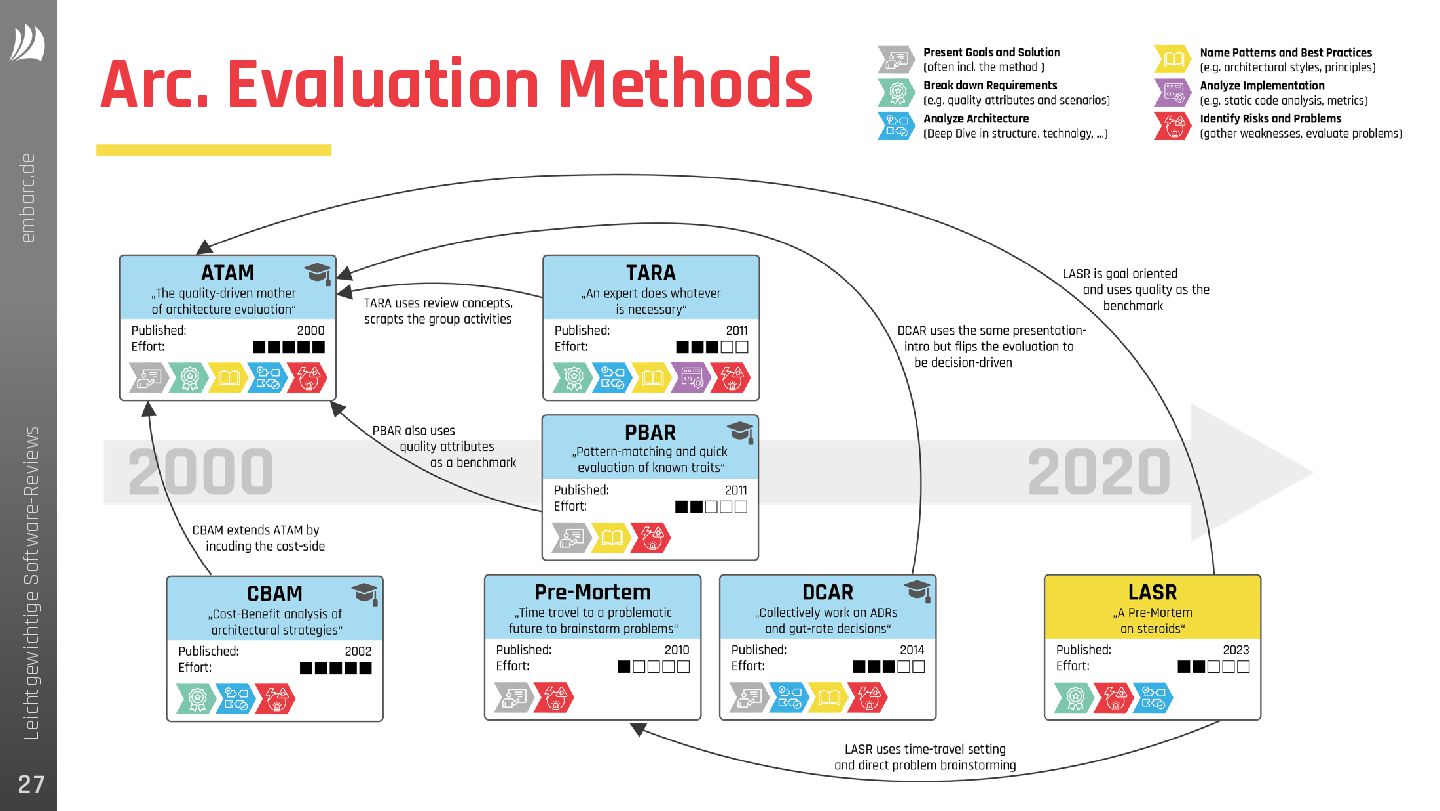
  2. 5 Leichtgewichtige Software-Reviews embarc.de Review Methods for Software Architecture CBAM

    Cost-Benefit Analysis Method SACAM Software Arch. Comparison Analysis Method ARID Architecture Review for Intermediate Designs TARA Tiny Architecture Review Approach DCAR Decision Centric Architecture Review DASE Decision and Scenario based arch. evaluation LAAAM Lightweight Arch. Alternative Assessment Meth. ATAM Architecture Tradeoff Analysis Method SAAM Software Architecture Analysis Method PBAR Pattern Based Architecture Review
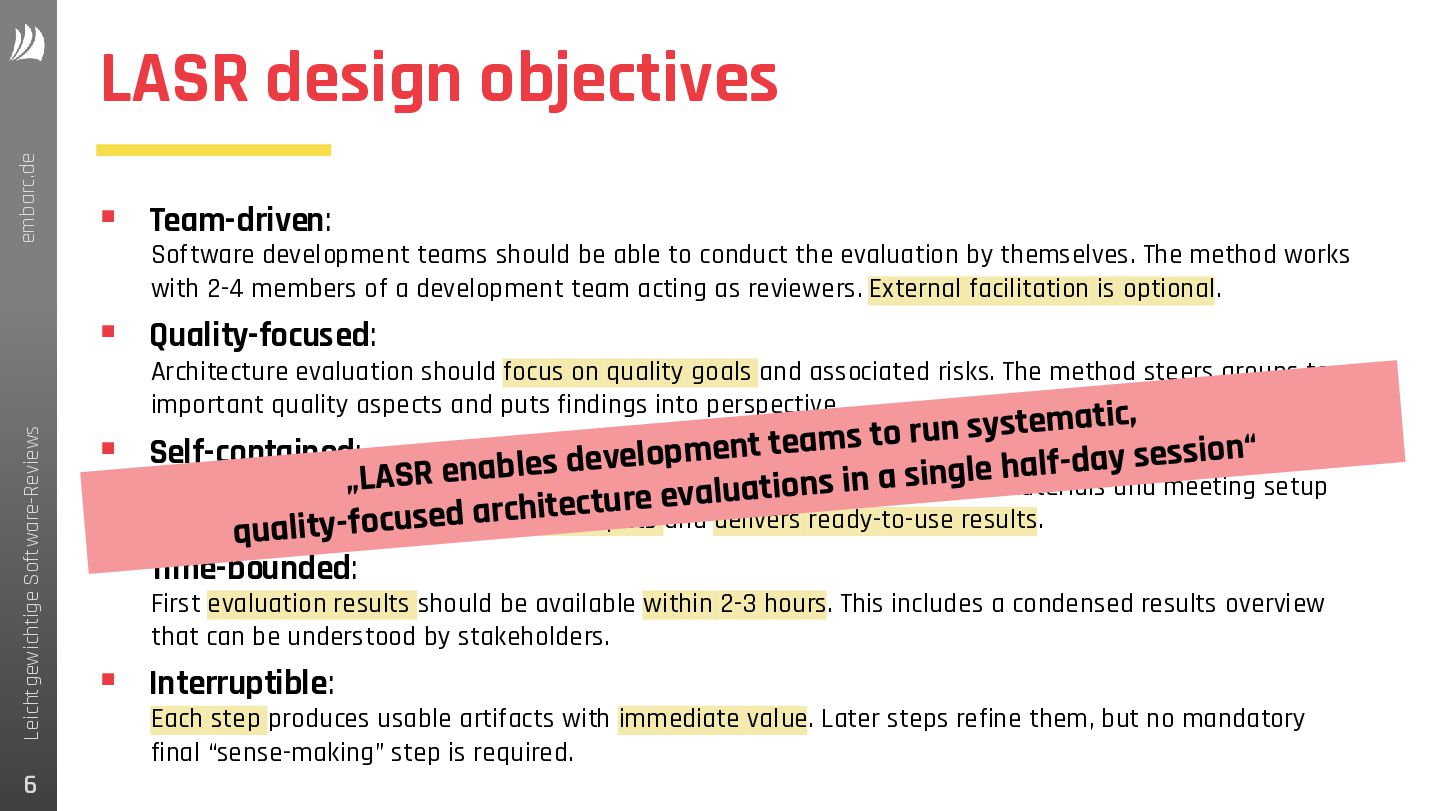
  3. 6 Leichtgewichtige Software-Reviews embarc.de LASR design objectives ▪ Team-driven: Software

    development teams should be able to conduct the evaluation by themselves. The method works with 2-4 members of a development team acting as reviewers. External facilitation is optional. ▪ Quality-focused: Architecture evaluation should focus on quality goals and associated risks. The method steers groups to important quality aspects and puts findings into perspective. ▪ Self-contained: Preparation or post-session work should be minimal. The method relies on materials and meeting setup but has no requirements for prepared inputs and delivers ready-to-use results. ▪ Time-bounded: First evaluation results should be available within 2-3 hours. This includes a condensed results overview that can be understood by stakeholders. ▪ Interruptible: Each step produces usable artifacts with immediate value. Later steps refine them, but no mandatory final “sense-making” step is required.
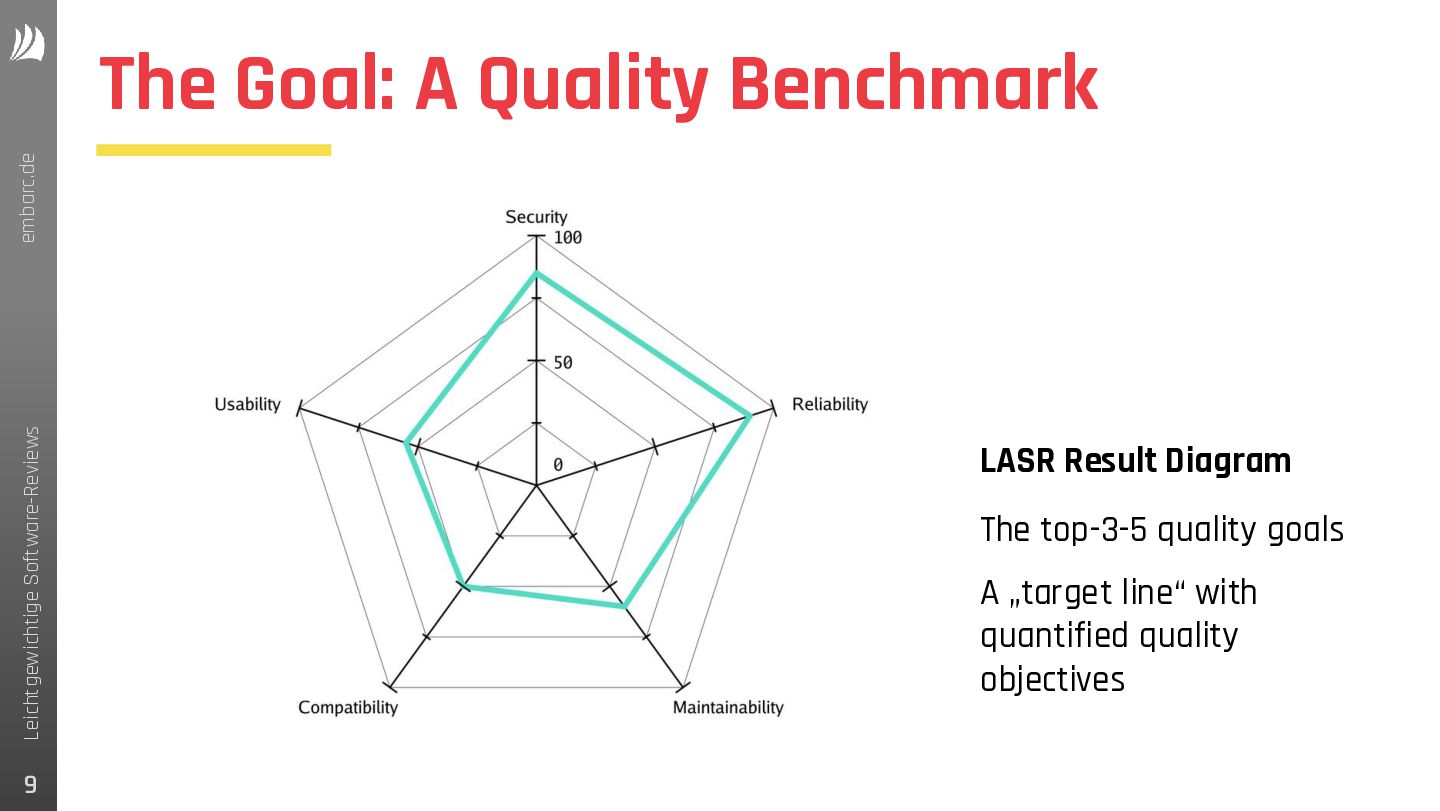
  4. 9 Leichtgewichtige Software-Reviews embarc.de The Goal: A Quality Benchmark The

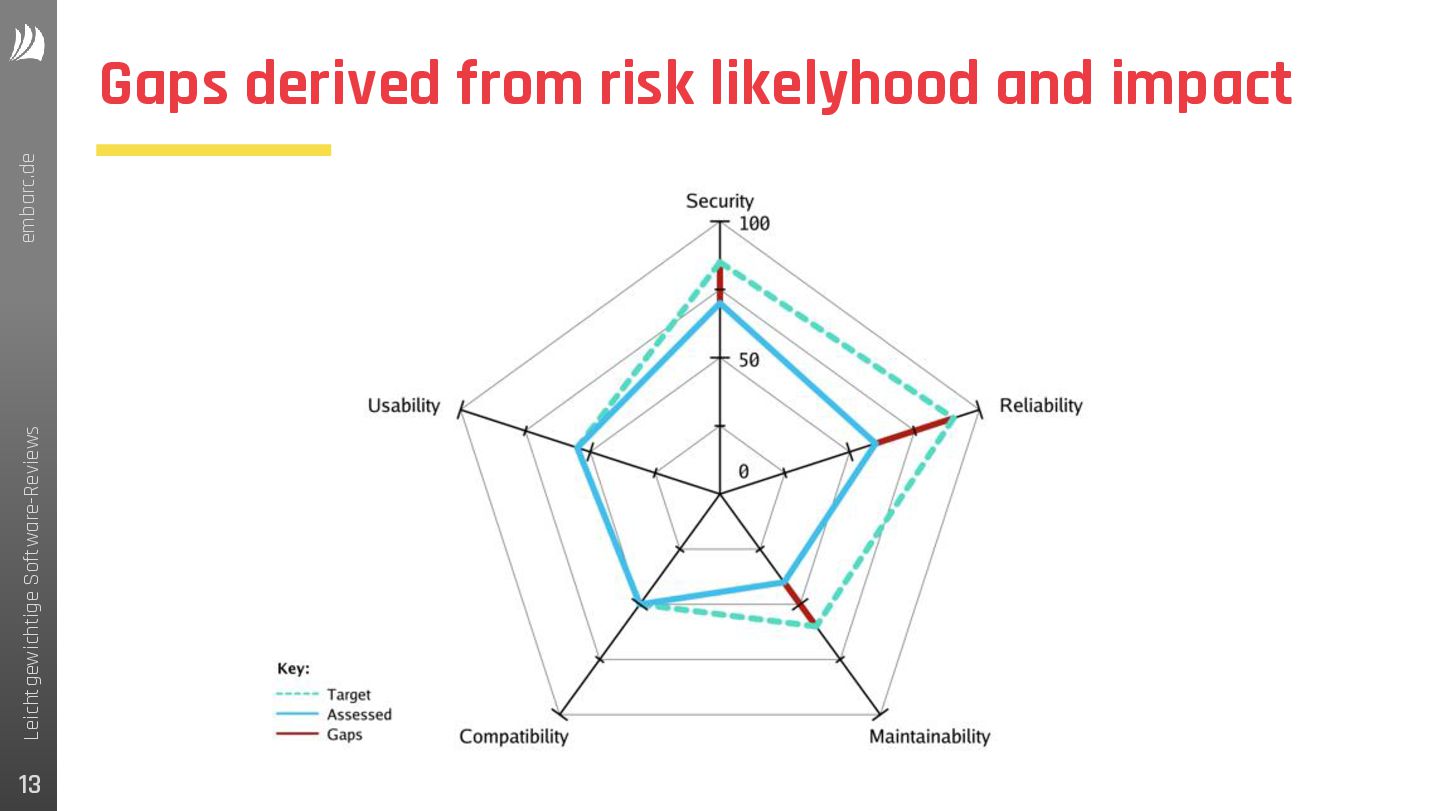
    top-3-5 quality goals A „target line“ with quantified quality objectives LASR Result Diagram
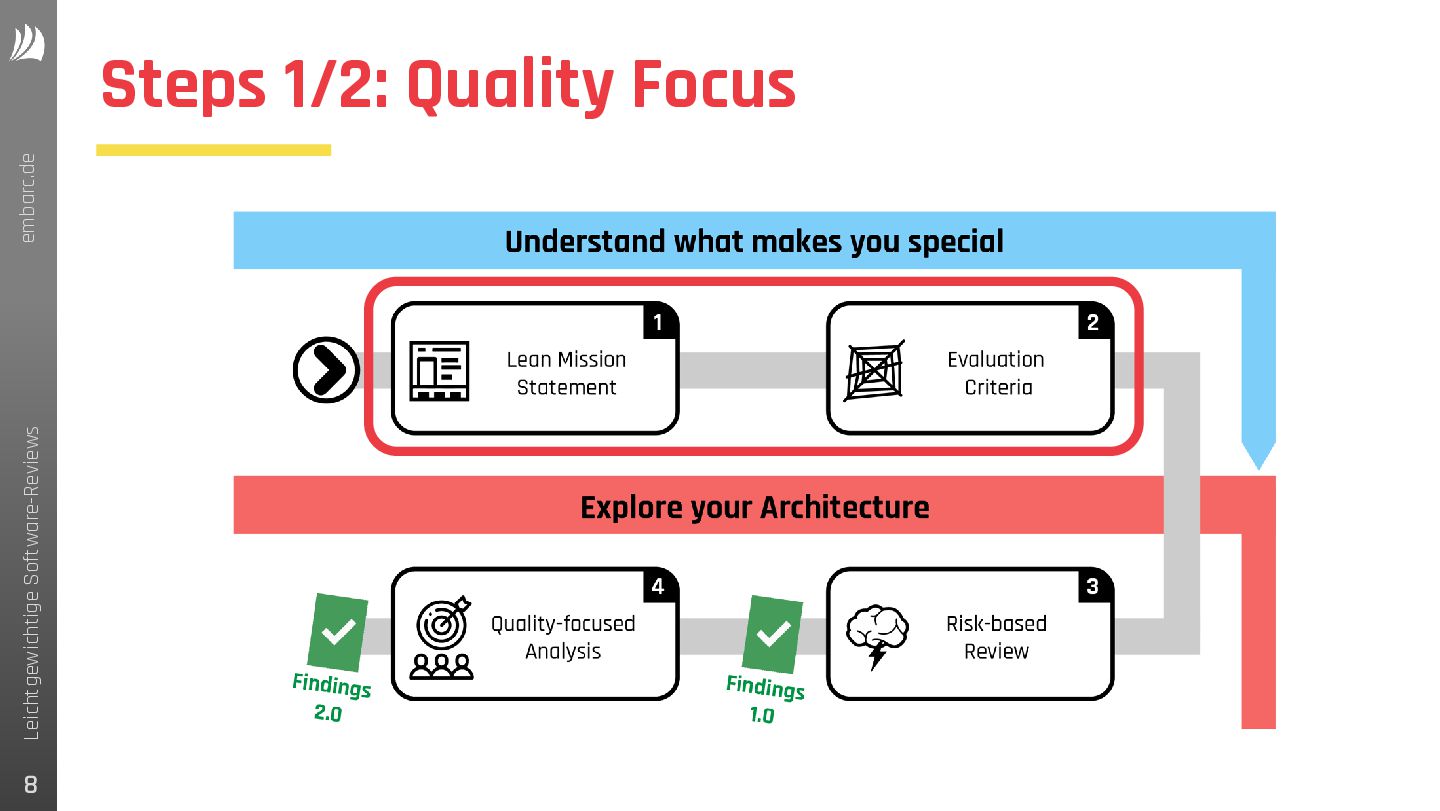
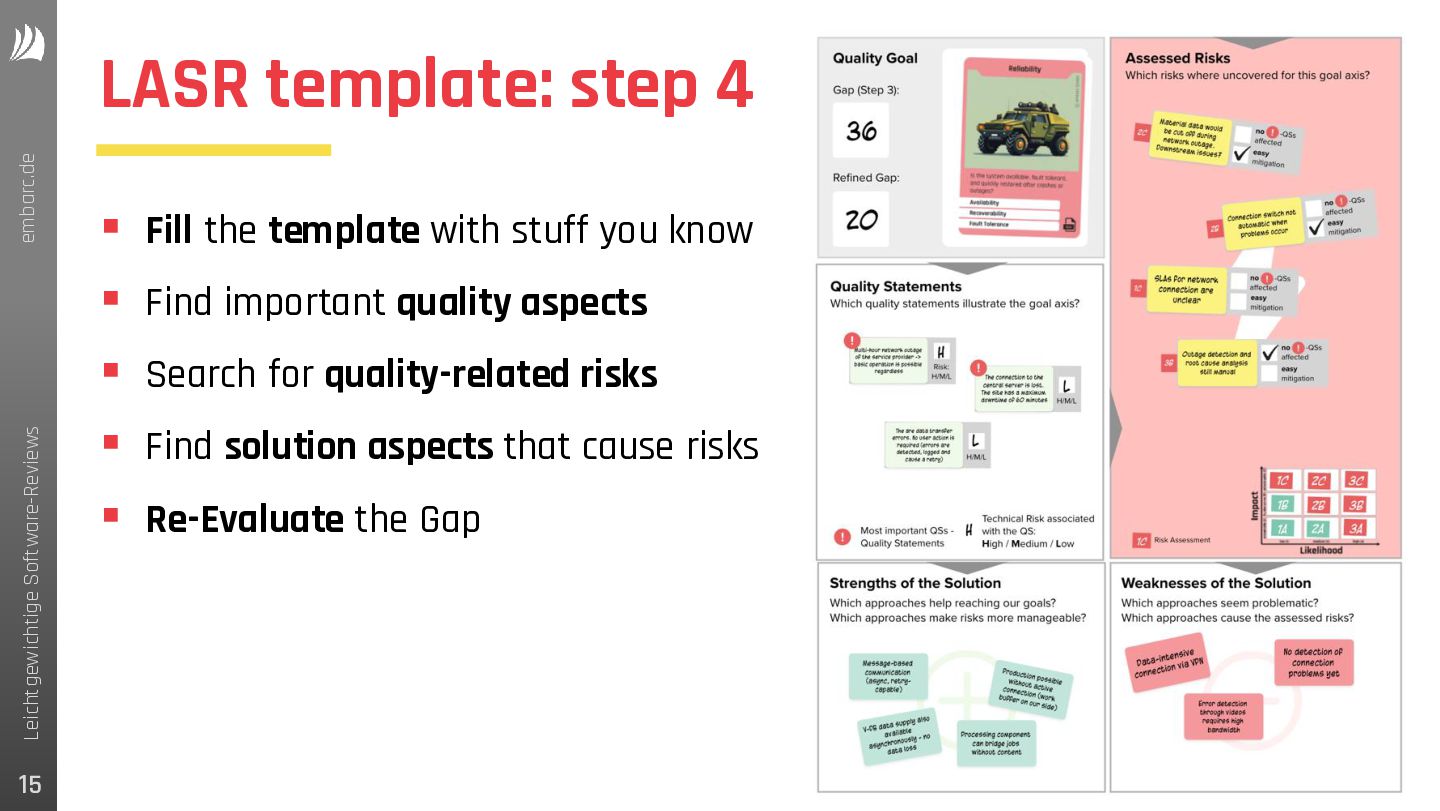
  5. 15 Leichtgewichtige Software-Reviews embarc.de LASR template: step 4 ▪ Fill

    the template with stuff you know ▪ Find important quality aspects ▪ Search for quality-related risks ▪ Find solution aspects that cause risks ▪ Re-Evaluate the Gap
  6. 17 Leichtgewichtige Software-Reviews embarc.de Foundations of LASR ▪ Other Evaluation

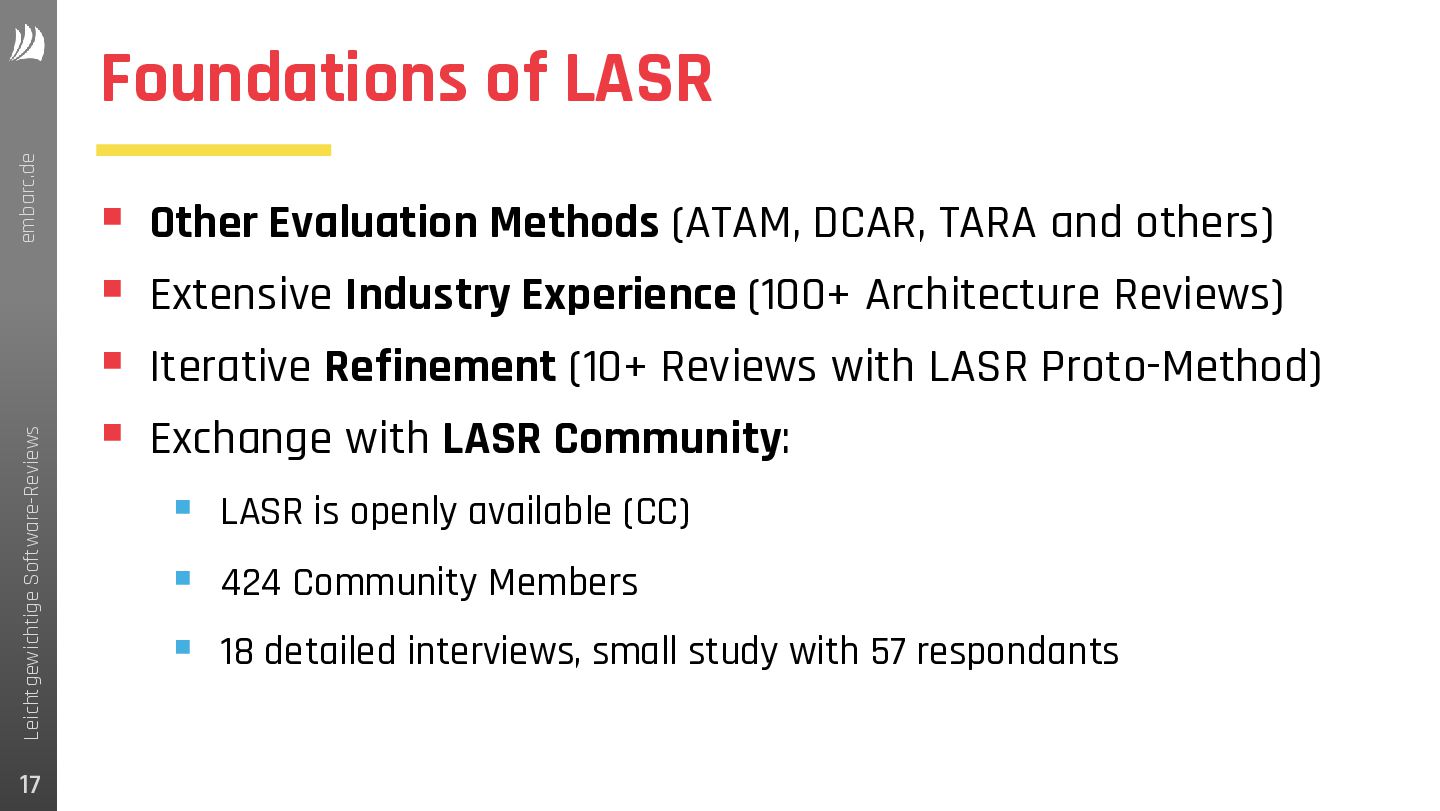
    Methods (ATAM, DCAR, TARA and others) ▪ Extensive Industry Experience (100+ Architecture Reviews) ▪ Iterative Refinement (10+ Reviews with LASR Proto-Method) ▪ Exchange with LASR Community: ▪ LASR is openly available (CC) ▪ 424 Community Members ▪ 18 detailed interviews, small study with 57 respondants
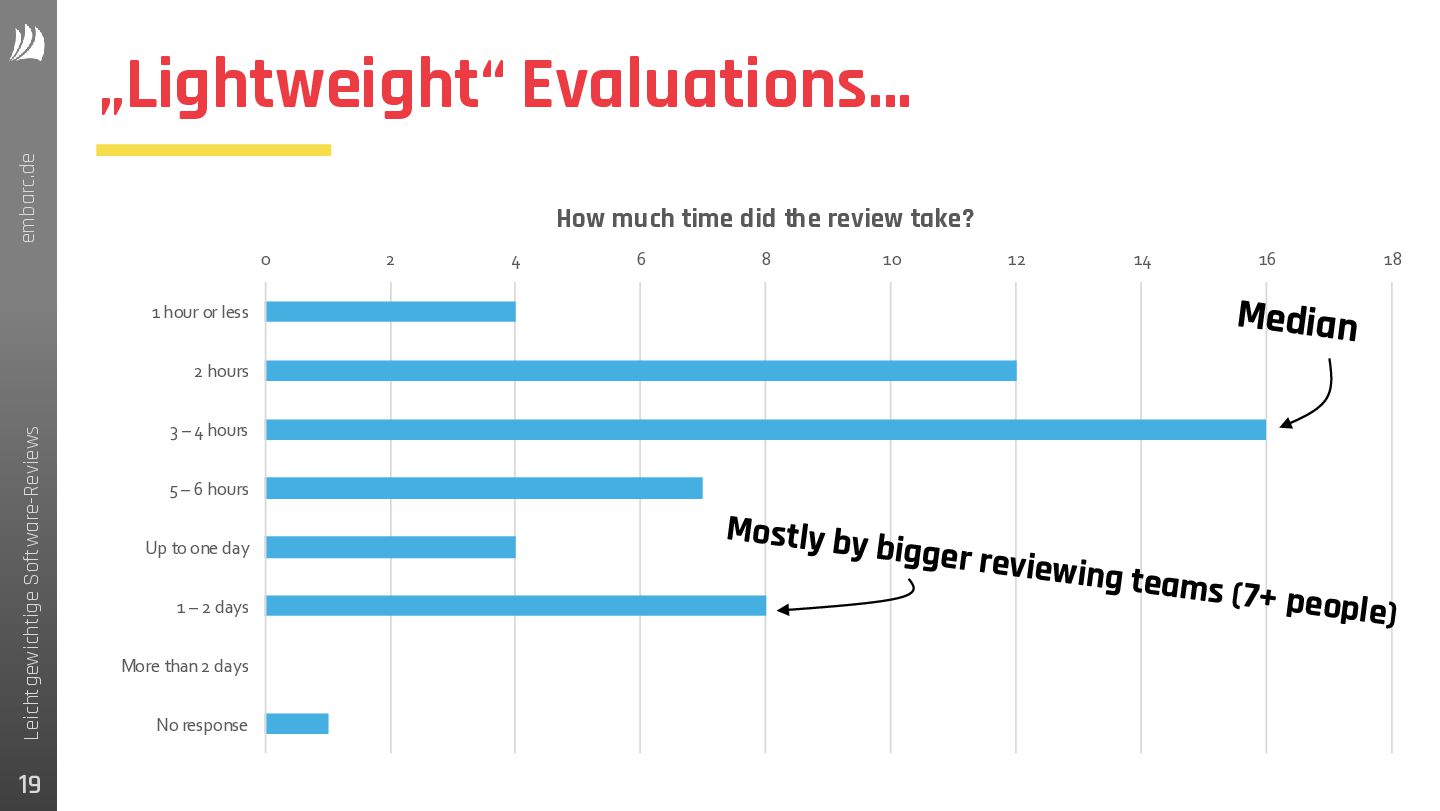
  7. 19 Leichtgewichtige Software-Reviews embarc.de „Lightweight“ Evaluations… 0 2 4 6

    8 10 12 14 16 18 1 hour or less 2 hours 3 – 4 hours 5 – 6 hours Up to one day 1 – 2 days More than 2 days No response How much time did the review take?
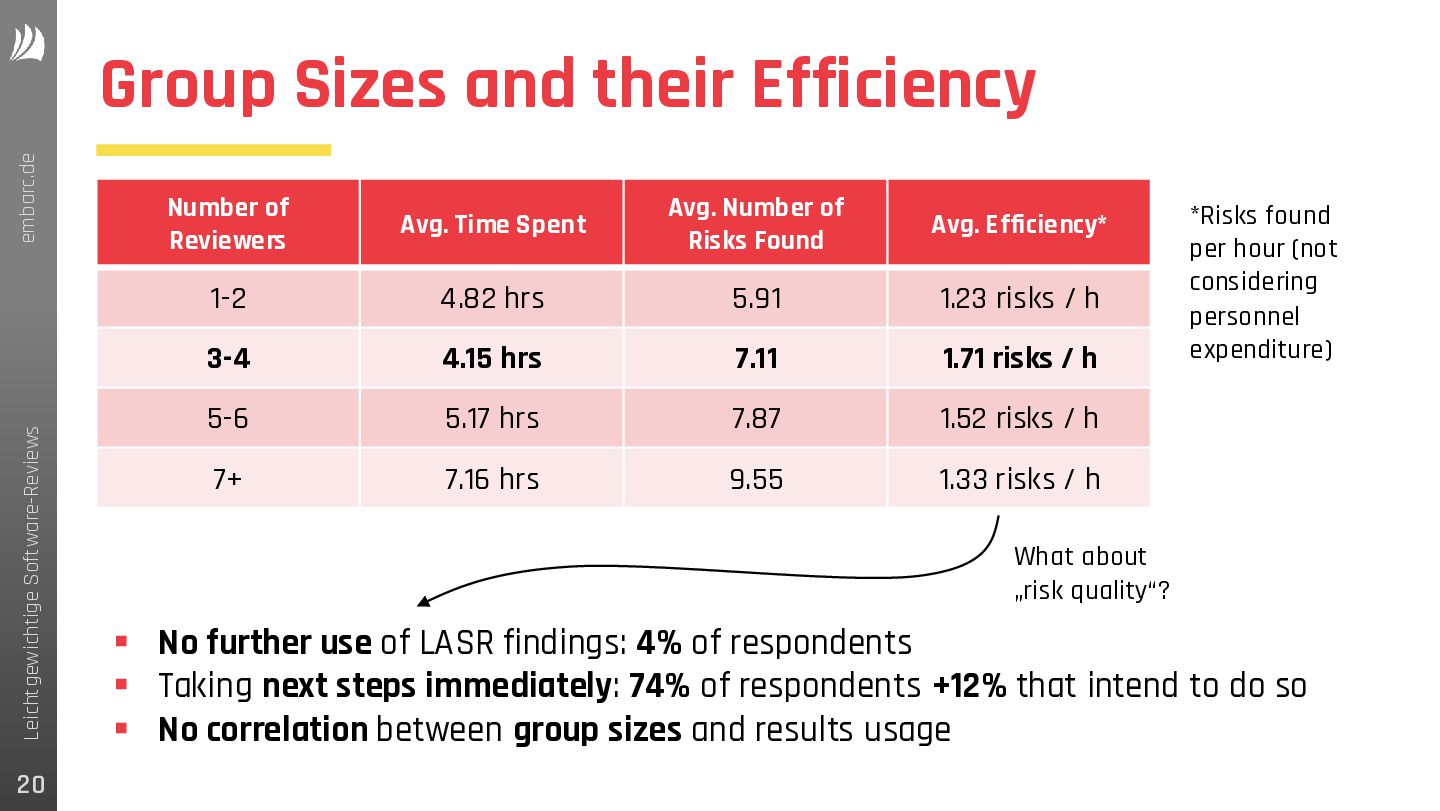
  8. 20 Leichtgewichtige Software-Reviews embarc.de Group Sizes and their Efficiency Number

    of Reviewers Avg. Time Spent Avg. Number of Risks Found Avg. Efficiency* 1-2 4.82 hrs 5.91 1.23 risks / h 3-4 4.15 hrs 7.11 1.71 risks / h 5-6 5.17 hrs 7.87 1.52 risks / h 7+ 7.16 hrs 9.55 1.33 risks / h *Risks found per hour (not considering personnel expenditure) ▪ No further use of LASR findings: 4% of respondents ▪ Taking next steps immediately: 74% of respondents +12% that intend to do so ▪ No correlation between group sizes and results usage What about „risk quality“?
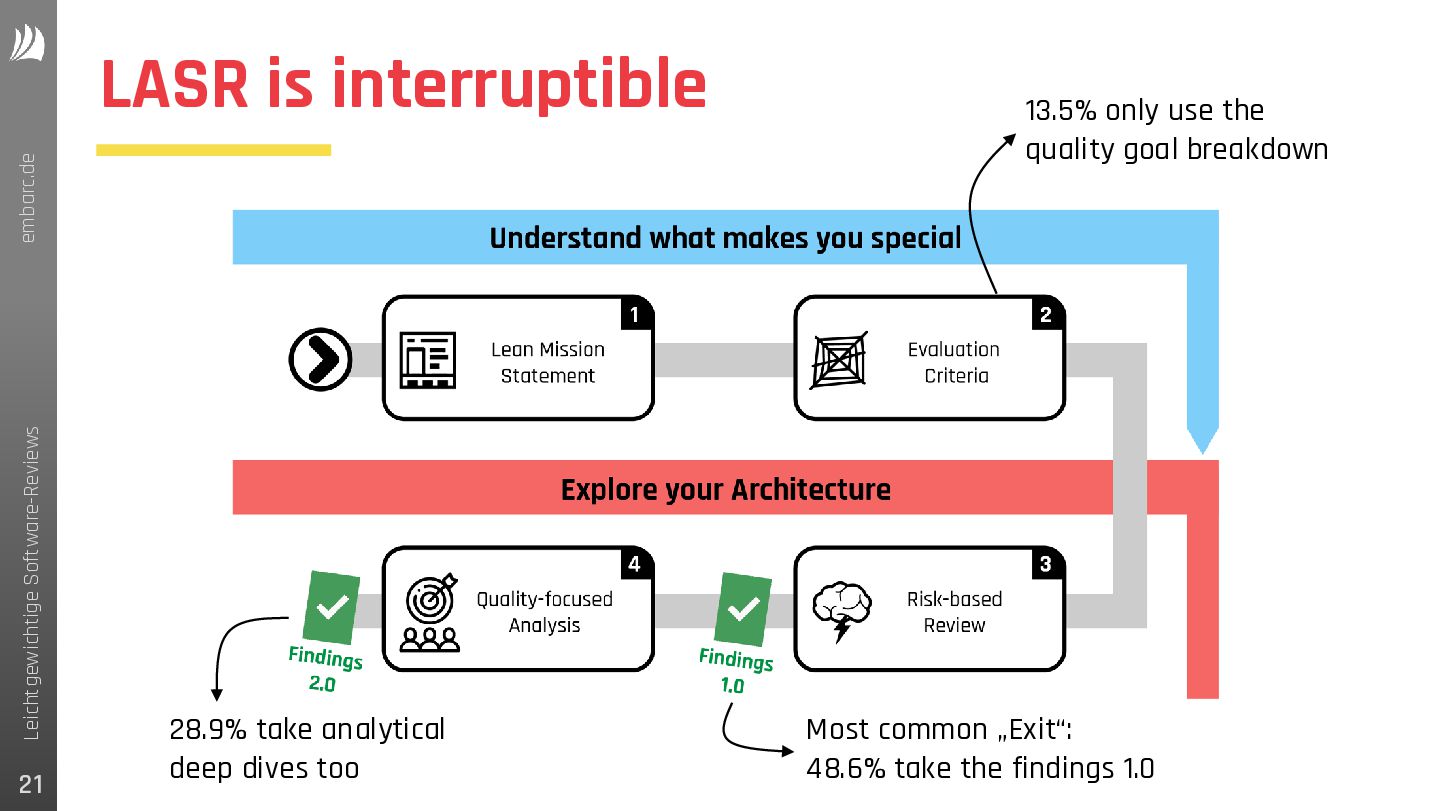
  9. 21 Leichtgewichtige Software-Reviews embarc.de LASR is interruptible Most common „Exit“:

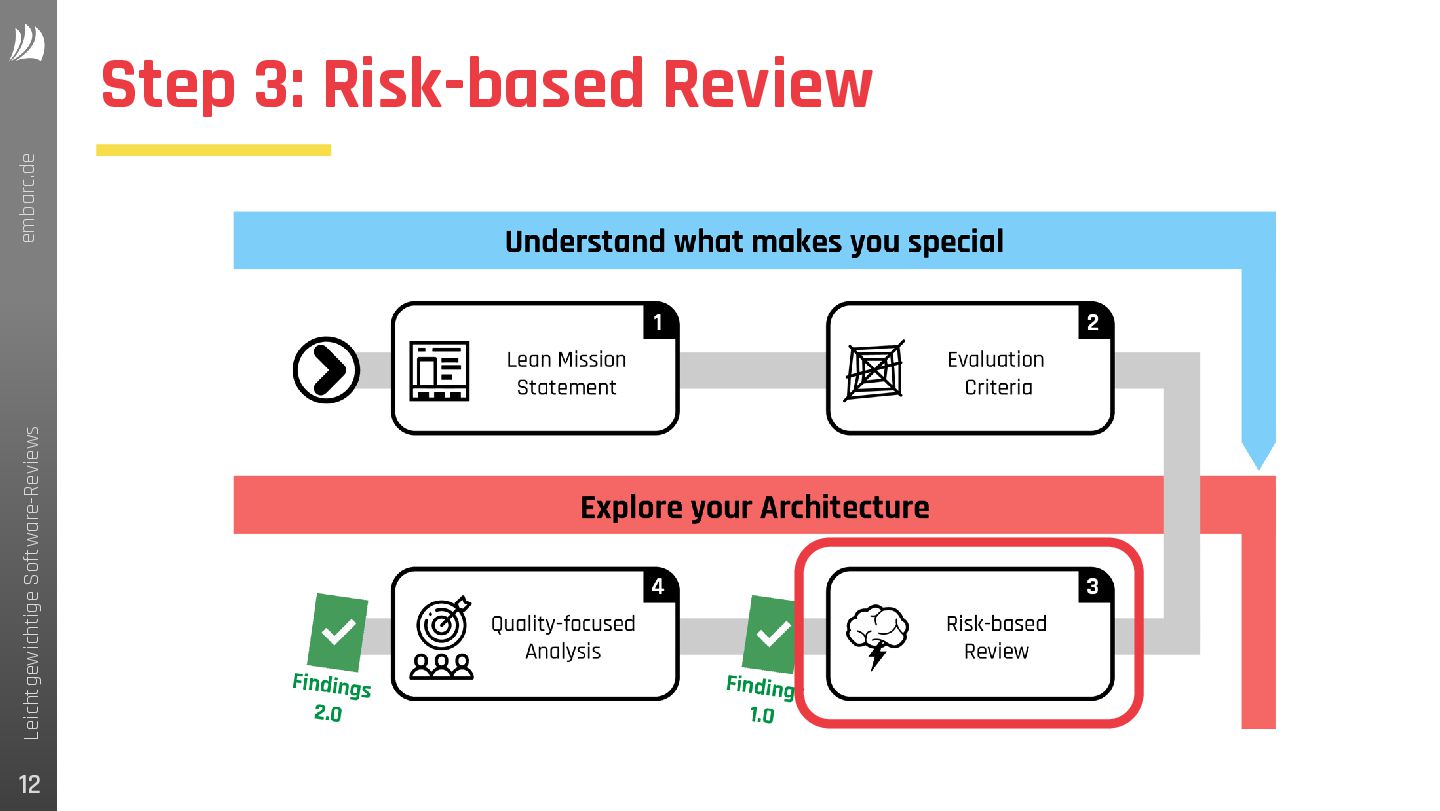
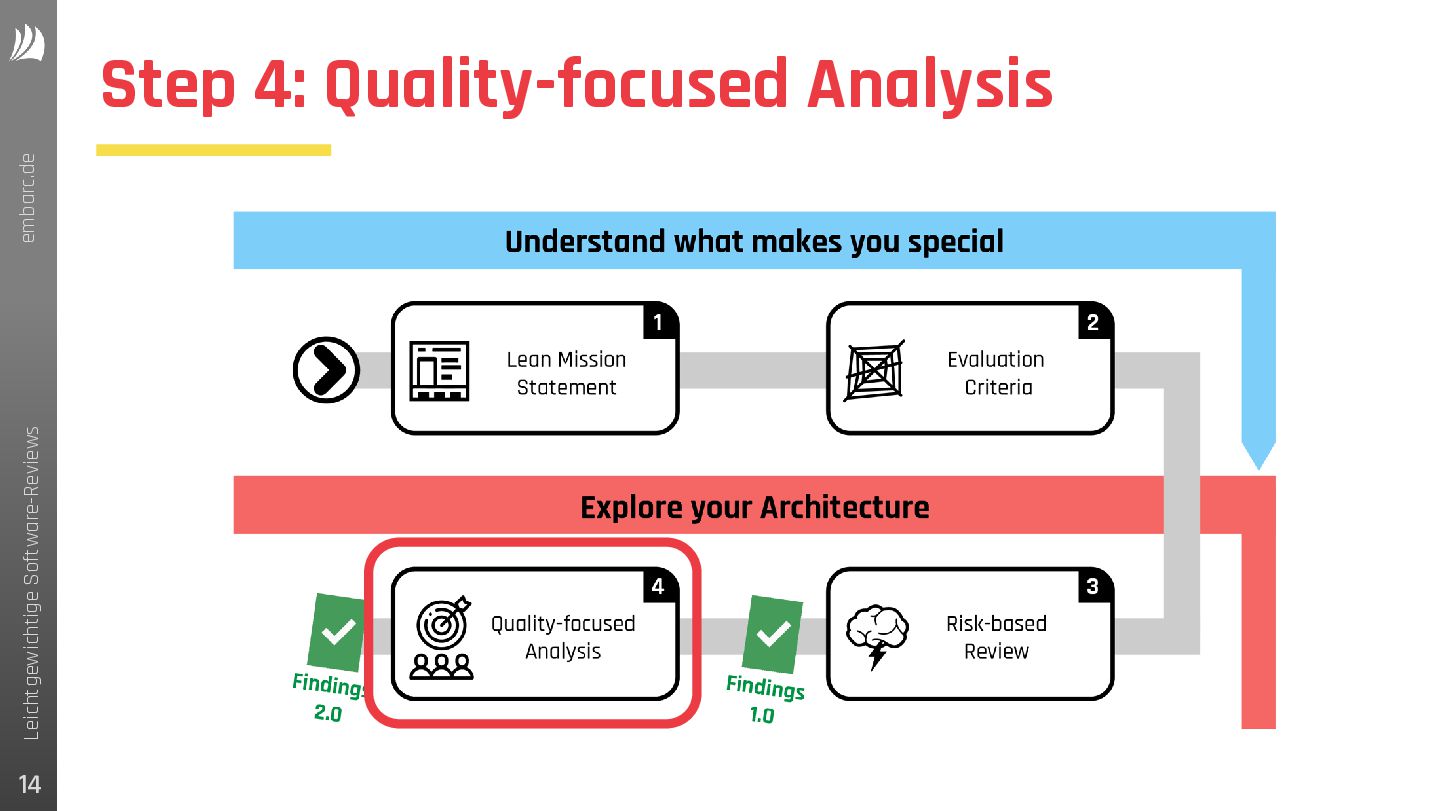
    48.6% take the findings 1.0 13.5% only use the quality goal breakdown 28.9% take analytical deep dives too
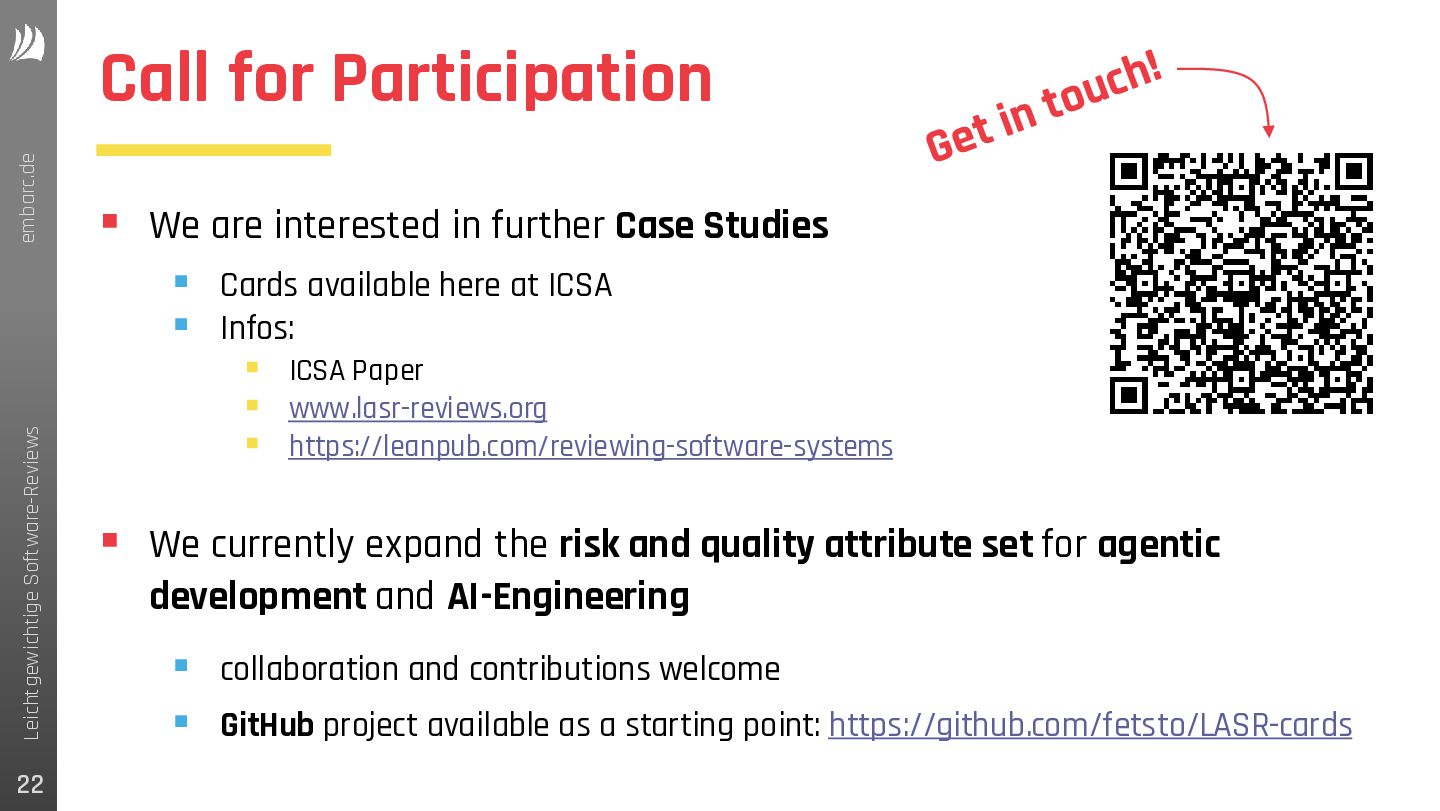
  10. 22 Leichtgewichtige Software-Reviews embarc.de Call for Participation ▪ We are

    interested in further Case Studies ▪ Cards available here at ICSA ▪ Infos: ▪ ICSA Paper ▪ www.lasr-reviews.org ▪ https://leanpub.com/reviewing-software-systems ▪ We currently expand the risk and quality attribute set for agentic development and AI-Engineering ▪ collaboration and contributions welcome ▪ GitHub project available as a starting point: https://github.com/fetsto/LASR-cards