Share
Embed
Making Sense of Cryptocurrencies
Classifying cryptocurrencies by their characteristics, utility, and what gives them value today and in the future.
Originally posted on: https://zenchain.com/making-sense-of-cryptocurrencies/
Zenchain
August 01, 2018
Transcript
20 slides
-
Making Sense of Cryptocurrencies Classifying cryptocurrencies by their characteristics, utility,
and what gives them value today and in the future. Seth Hornby, CEO, Zenchain -
Why are there so many Cryptocurrencies? • 1600+ active cryptocurrencies,
hundreds/thousands of other small and failed ones • Market capitalization wildly fluctuates. From $30 billion USD a year ago, to $830b in January, to as low as $240b this Winter and $380b now* • Common assumption that all cryptocurrencies directly compete and can only be used as currency or store of value ie. Bitcoin • Not just currency! Countless use cases which require their own coin/token -
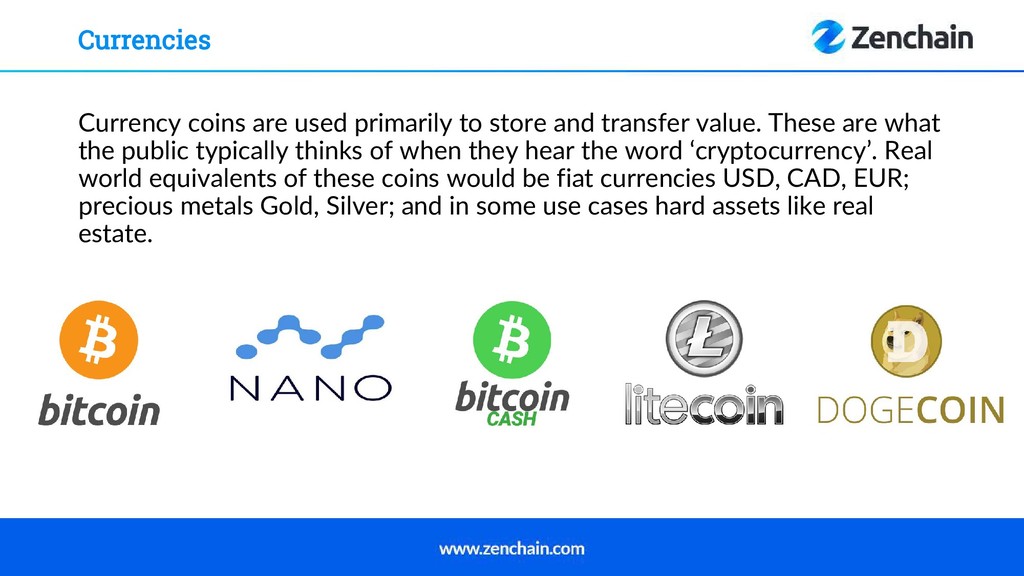
Currencies Currency coins are used primarily to store and transfer
value. These are what the public typically thinks of when they hear the word ‘cryptocurrency’. Real world equivalents of these coins would be fiat currencies USD, CAD, EUR; precious metals Gold, Silver; and in some use cases hard assets like real estate. -
Forks • A ‘hard fork’ refers to a permanent divergence
in a blockchain. In cases of controversy within the community, certain miners/nodes and users may choose either path, thus creating two blockchains both identical before the fork but independent and different afterwards. -
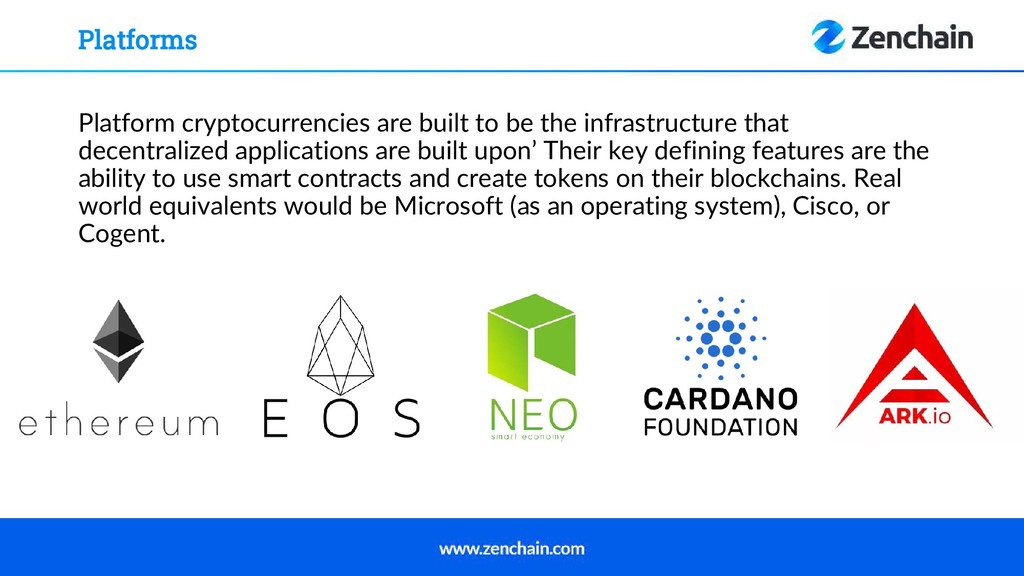
Platforms Platform cryptocurrencies are built to be the infrastructure that
decentralized applications are built upon’ Their key defining features are the ability to use smart contracts and create tokens on their blockchains. Real world equivalents would be Microsoft (as an operating system), Cisco, or Cogent. -
Coins vs Tokens • A coin is a cryptocurrency that
has its own blockchain • A token is created via smart contract residing on another blockchain -
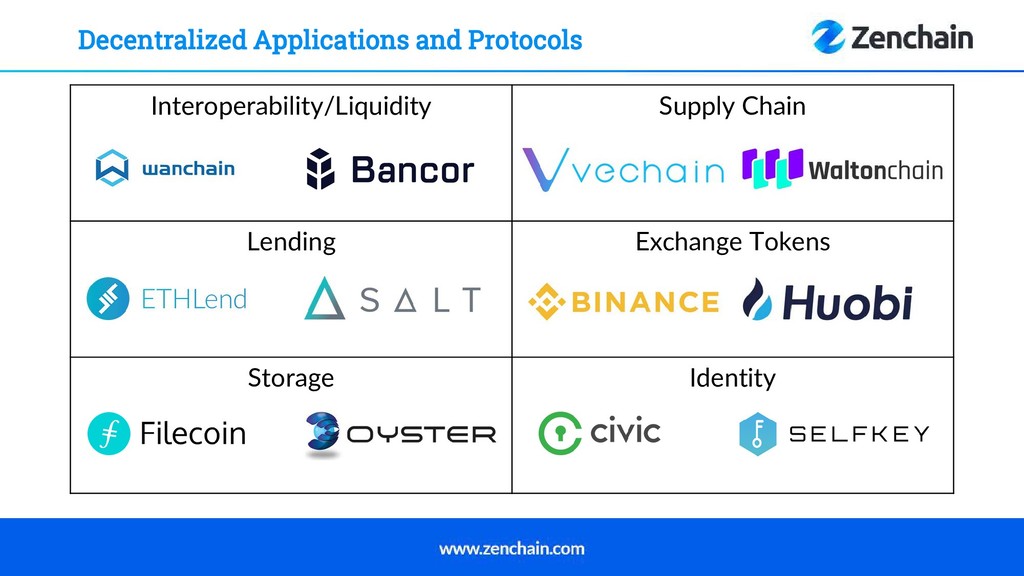
Decentralized Applications and Protocols Use case specific coins/tokens that attempt
to solve new problems or improve existing solutions. As blockchains mature, these will likely replace many current digital sites and platforms. So far only a handful of uses have been heavily developed. • Interoperability and Liquidity • Exchange Tokens • Supply Chain • Lending • Identity • Storage • Advertising • Prediction -
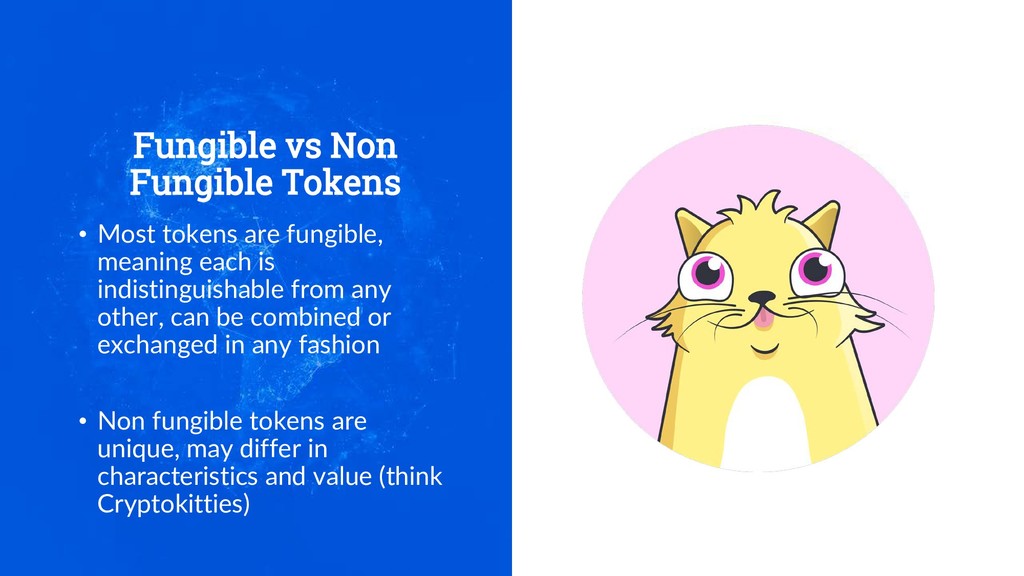
Fungible vs Non Fungible Tokens • Most tokens are fungible,
meaning each is indistinguishable from any other, can be combined or exchanged in any fashion • Non fungible tokens are unique, may differ in characteristics and value (think Cryptokitties) -
Cryptocurrency Valuation • What makes one coin worth more than
another? • What factors impact the short and long term valuation of cryptocurrencies -
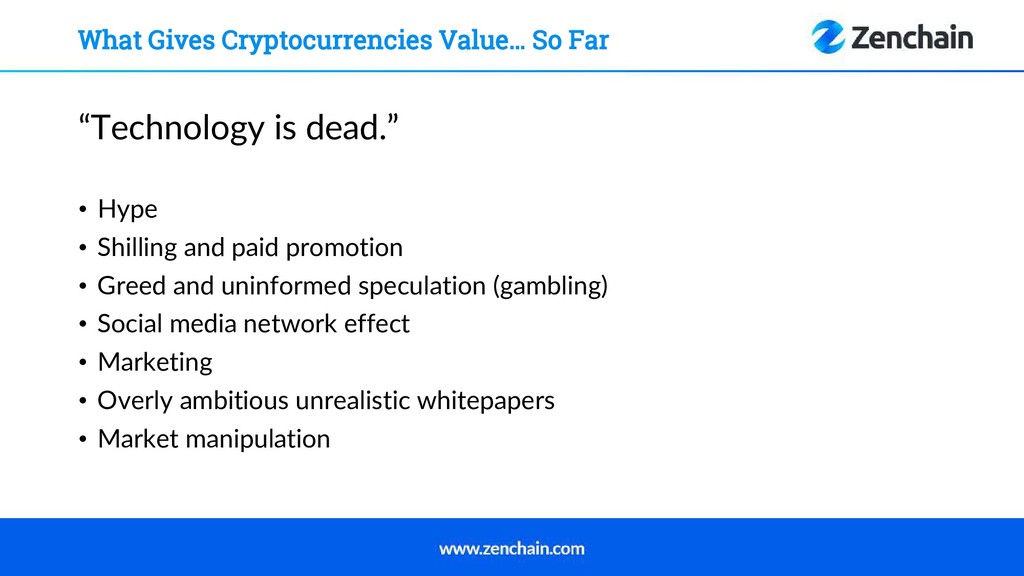
What Gives Cryptocurrencies Value… So Far “Technology is dead.” •
Hype • Shilling and paid promotion • Greed and uninformed speculation (gambling) • Social media network effect • Marketing • Overly ambitious unrealistic whitepapers • Market manipulation -
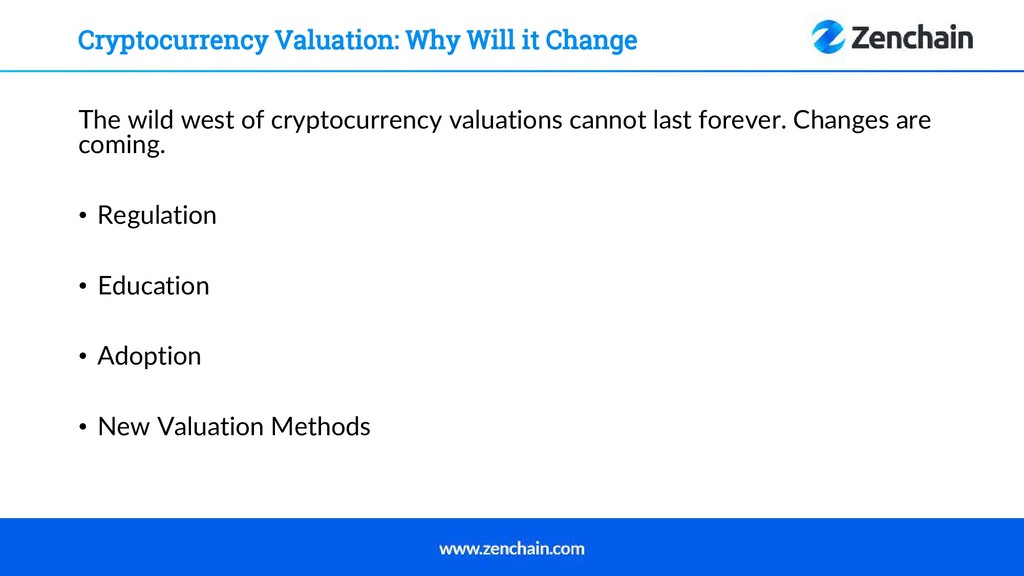
Cryptocurrency Valuation: Why Will it Change The wild west of
cryptocurrency valuations cannot last forever. Changes are coming. • Regulation • Education • Adoption • New Valuation Methods -
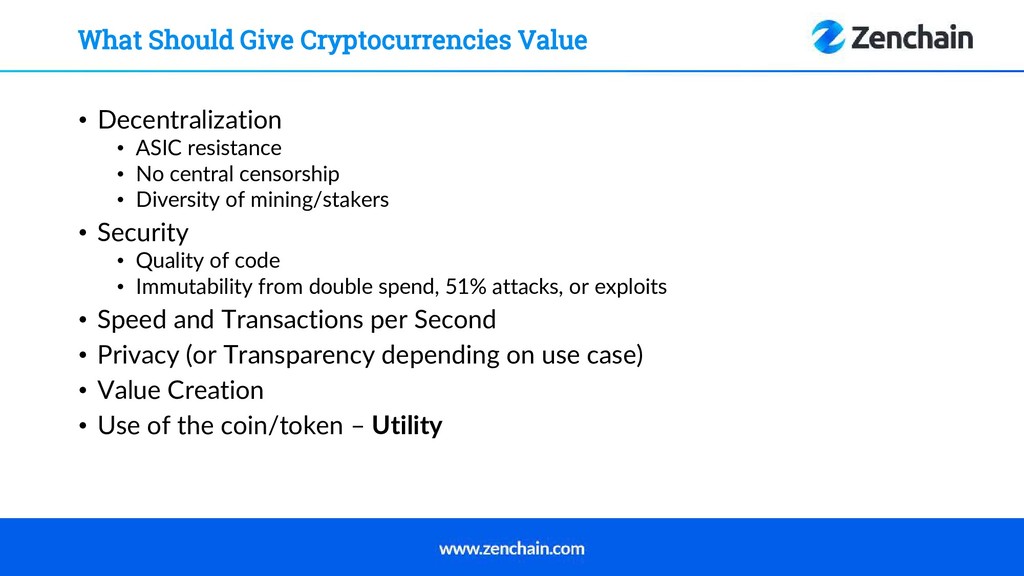
What Should Give Cryptocurrencies Value • Decentralization • ASIC resistance
• No central censorship • Diversity of mining/stakers • Security • Quality of code • Immutability from double spend, 51% attacks, or exploits • Speed and Transactions per Second • Privacy (or Transparency depending on use case) • Value Creation • Use of the coin/token – Utility -
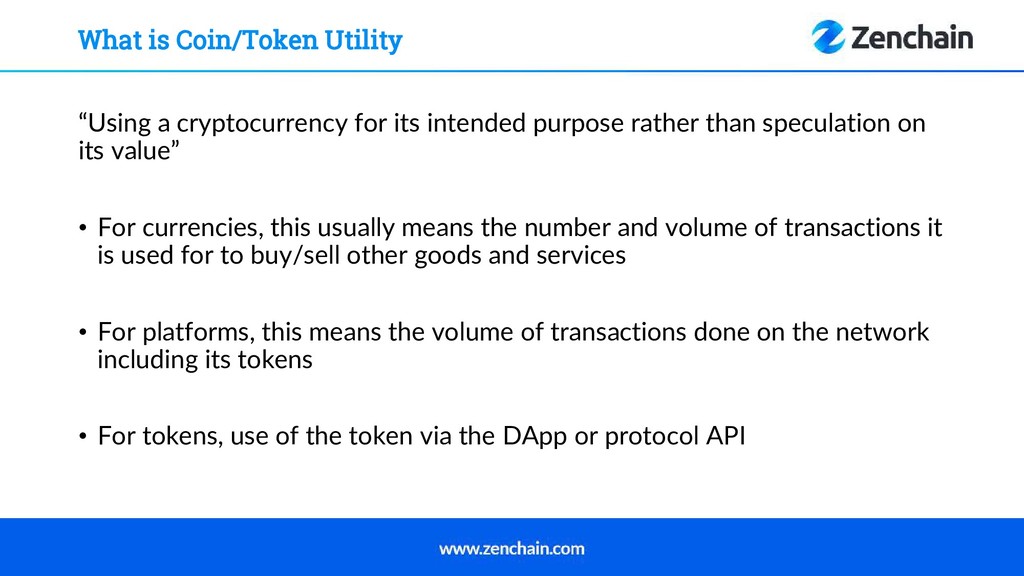
What is Coin/Token Utility “Using a cryptocurrency for its intended
purpose rather than speculation on its value” • For currencies, this usually means the number and volume of transactions it is used for to buy/sell other goods and services • For platforms, this means the volume of transactions done on the network including its tokens • For tokens, use of the token via the DApp or protocol API -
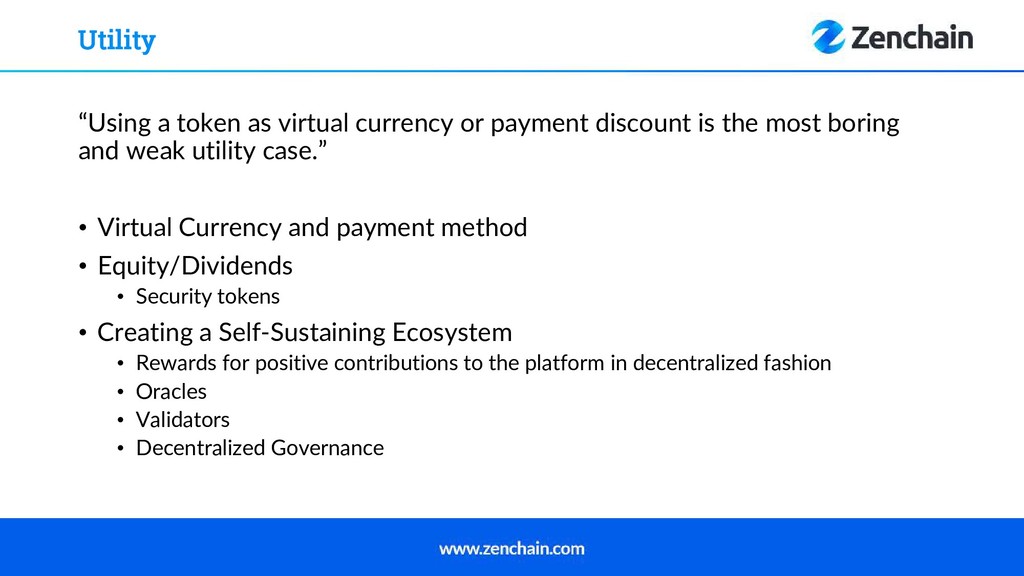
Utility “Using a token as virtual currency or payment discount
is the most boring and weak utility case.” • Virtual Currency and payment method • Equity/Dividends • Security tokens • Creating a Self-Sustaining Ecosystem • Rewards for positive contributions to the platform in decentralized fashion • Oracles • Validators • Decentralized Governance -
AION • Interoperability coin focused on cross chain value and
logic transfers. Has smart contracts and can be used as platform for creating tokens. • Began as a token on Ethereum network during ICO while building their mainnet • Utility based on transfer volume of traditional mining/staking as well as validating their cross chain bridges Platform Example -
USD Tether • Token on the Omni blockchain • Pegged
to $1 USD with claim that it is redeemable, and they have the full $2.6b USD to back it • Probably is not actually backed by USD. Questionable associations and legitimacy Stablecoin Example -
Quantstamp • Token on Ethereum platform • Automated and manual
smart contract audits • Very weak token use case despite being a strong product and team Platform Example