Upgrade to Pro — share decks privately, control downloads, hide ads and more …

Sharing is Caring: Understanding and Measuring ...

Avatar for Alex Pinto Alex Pinto
February 29, 2016

Sharing is Caring: Understanding and Measuring Threat Intelligence Sharing Effectiveness

For the last 18 months, MLSec Project and Niddel collaborated to collect threat intelligence indicator data from multiple sources in order to make sense of the ecosystem and try to find a measure of efficiency or quality in these feeds. This initiative culminated in the creation of Combine and TIQ-test, two of the open source projects from MLSec Project. These projects have been improved upon for the last year, and are able to gather and compare data from multiple Threat Intelligence sources on the Internet.

Alex Pinto and his team have gathered aggregated usage information from intelligence sharing communities in order to determine if the added interest and "push" towards sharing is really being followed by the companies and if its adoption is putting us on the right track to close these gaps. He proposes a new set of metrics on the same vein as TIQ-test to help you understand what a "healthy" threat intelligence sharing community looks like.

To better illustrate the points and metrics, Alex will be conducting part of this analysis using usage data from some high-profile threat intelligence platforms and sharing communities that have been kind enough to contribute with usage data for this research.

Avatar for Alex Pinto

Alex Pinto

February 29, 2016

More Decks by Alex Pinto

Other Decks in Technology

Transcript

  1. Sharing is Caring: Understanding and Measuring Threat Intelligence Sharing Effectiveness

    (#ddti) Alex Pinto Chief Data Scientist MLSec Project / Niddel @alexcpsec @MLSecProject @NiddelCorp
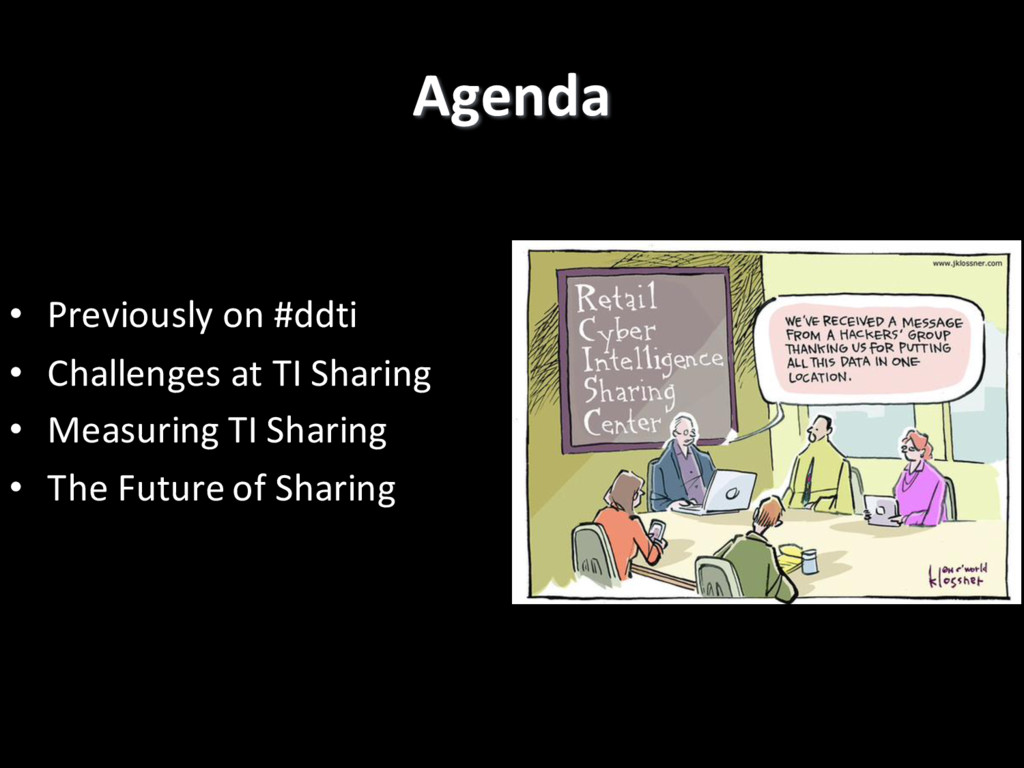
  2. • Previously on #ddti • Challenges at TI Sharing •

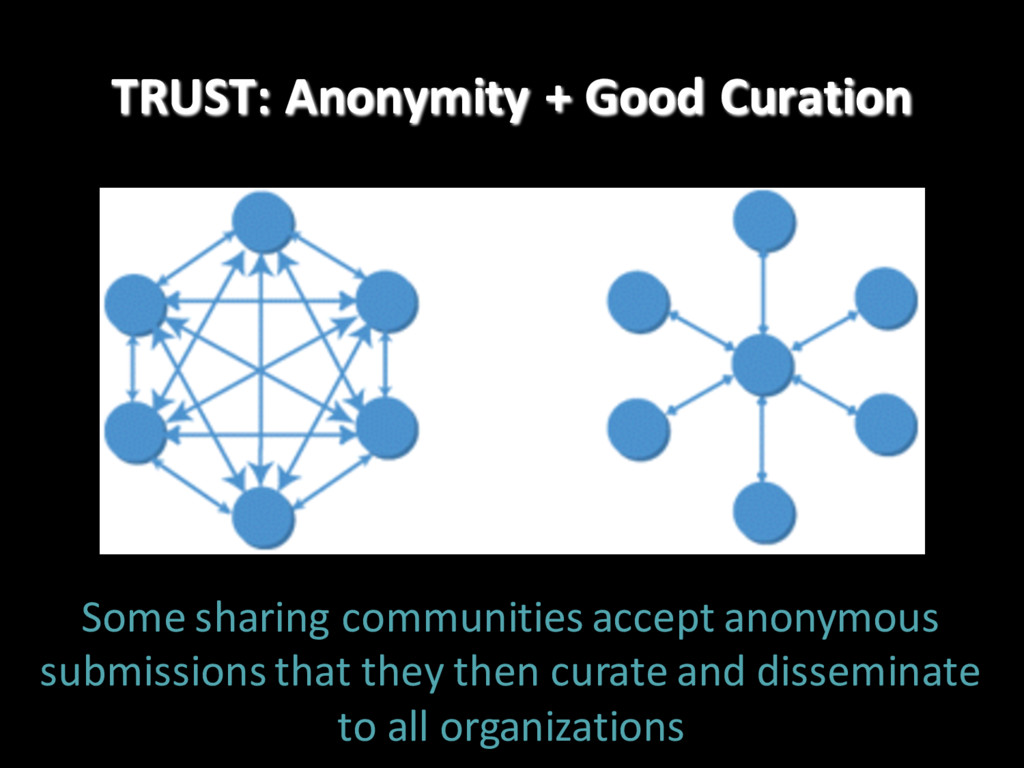
    Measuring TI Sharing • The Future of Sharing Agenda
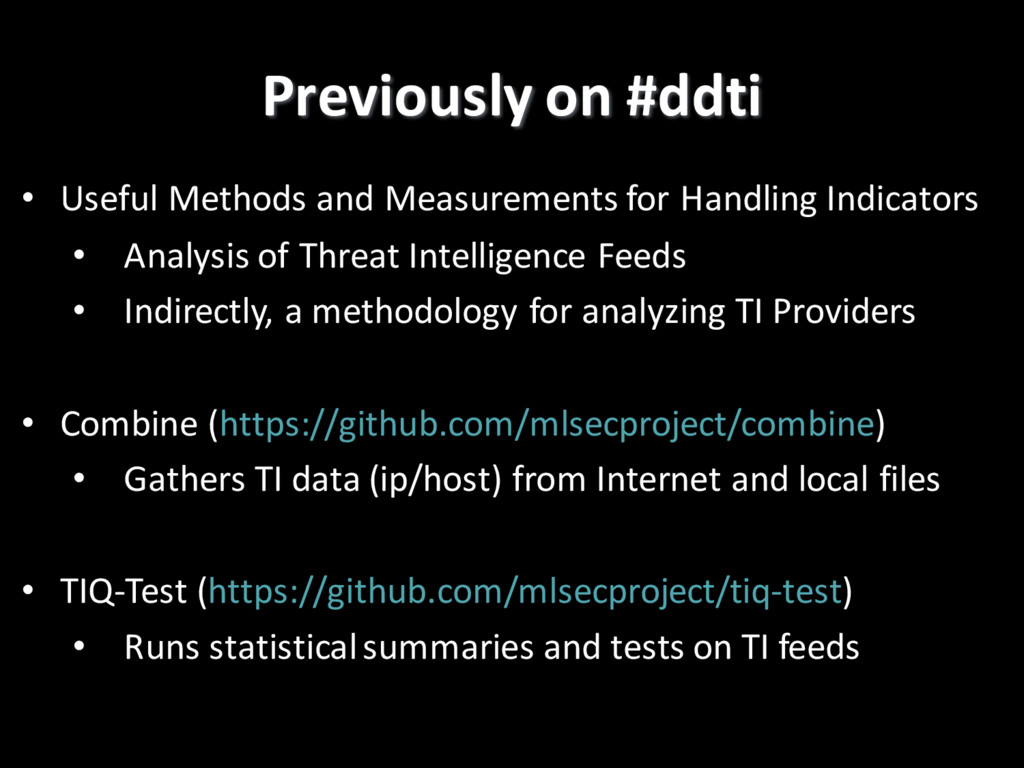
  3. Previously on #ddti • Useful Methods and Measurements for Handling

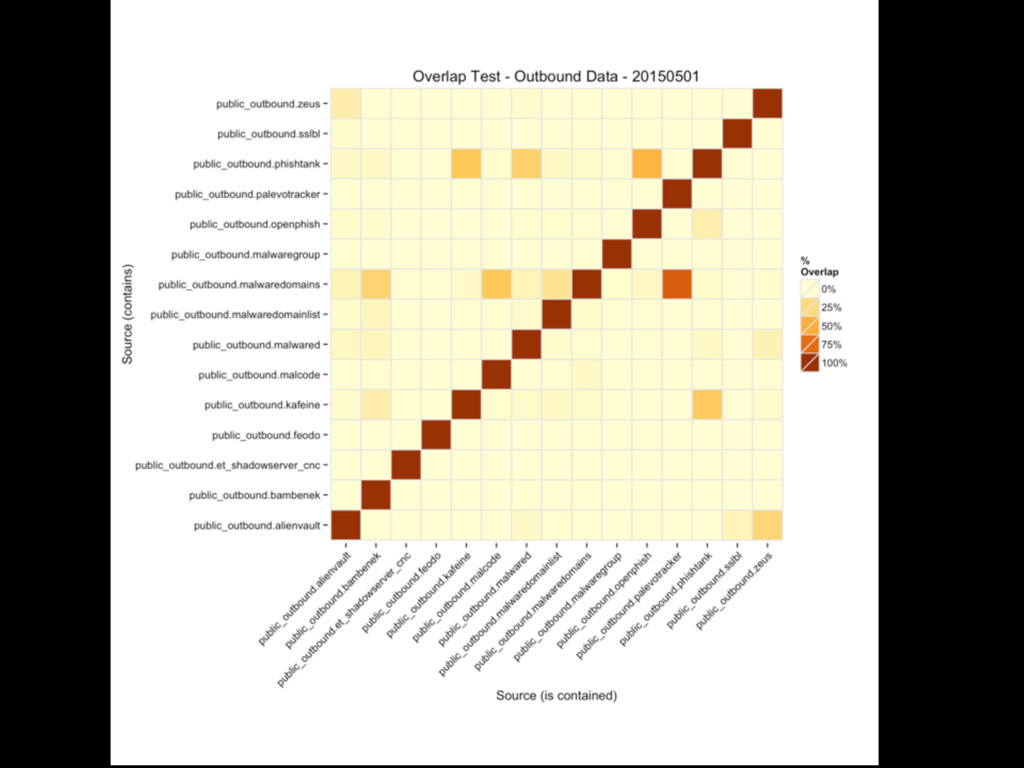
    Indicators • Analysis of Threat Intelligence Feeds • Indirectly, a methodology for analyzing TI Providers • Combine (https://github.com/mlsecproject/combine) • Gathers TI data (ip/host) from Internet and local files • TIQ-Test (https://github.com/mlsecproject/tiq-test) • Runs statistical summaries and tests on TI feeds
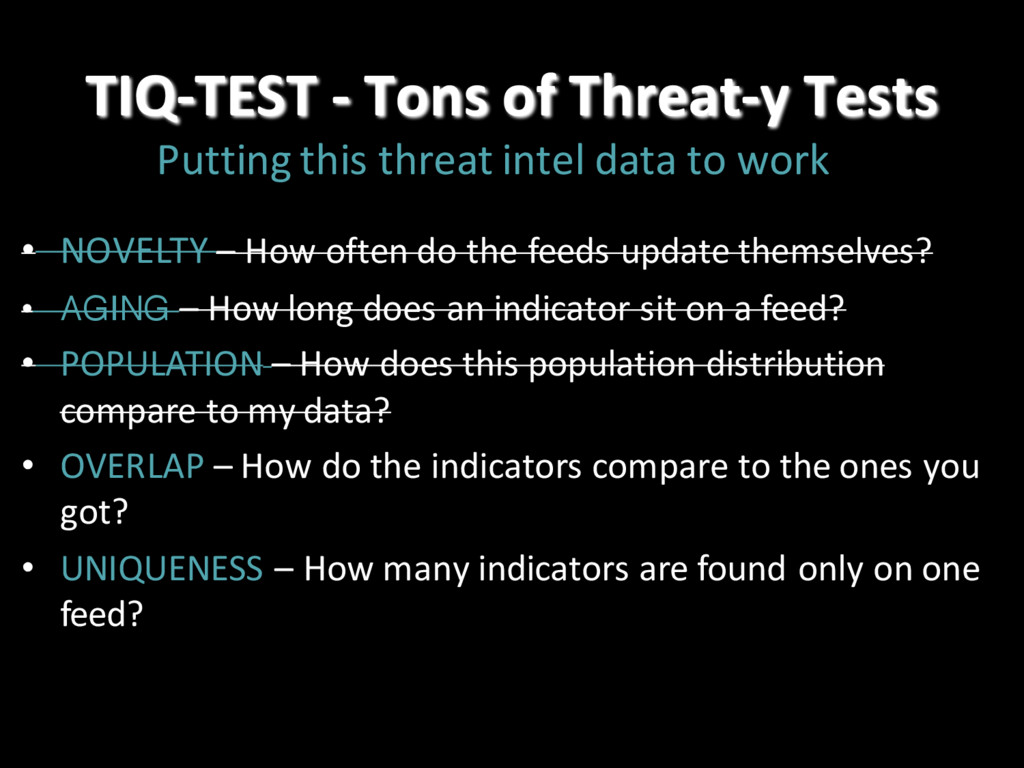
  4. TIQ-TEST - Tons of Threat-y Tests • NOVELTY – How

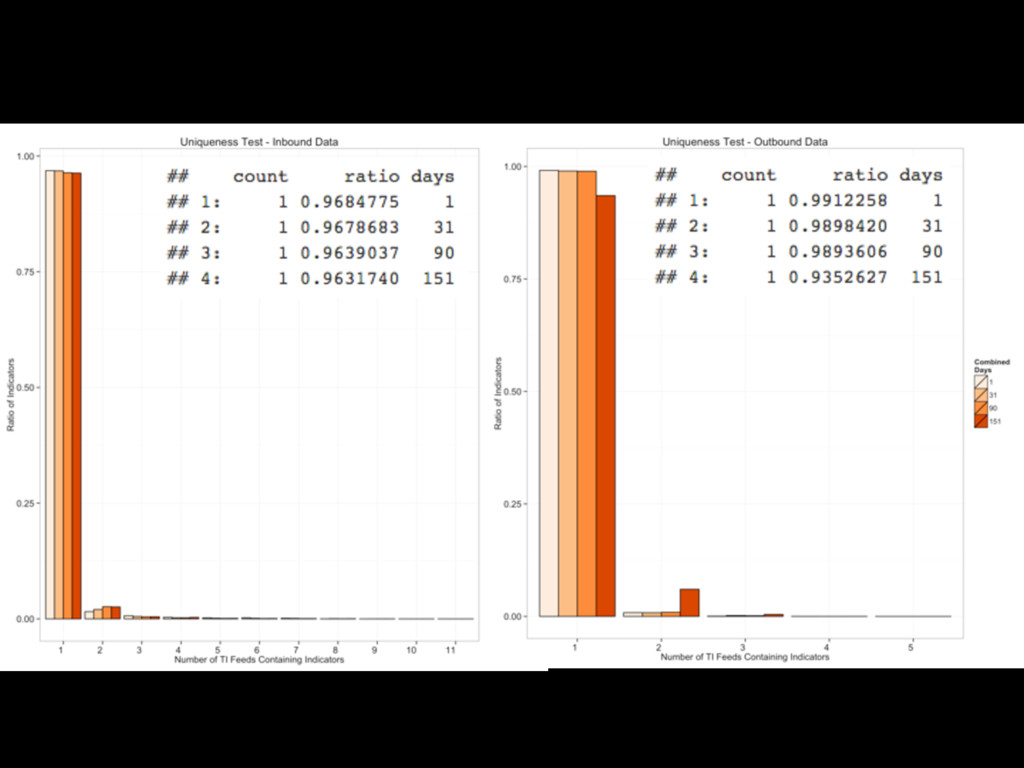
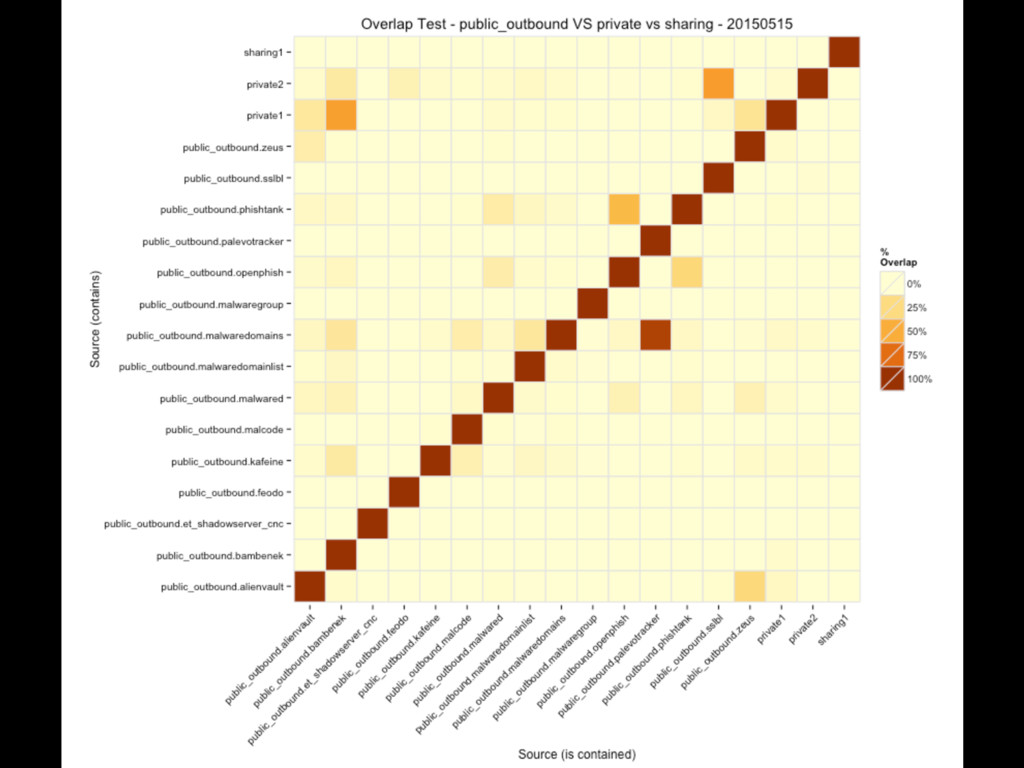
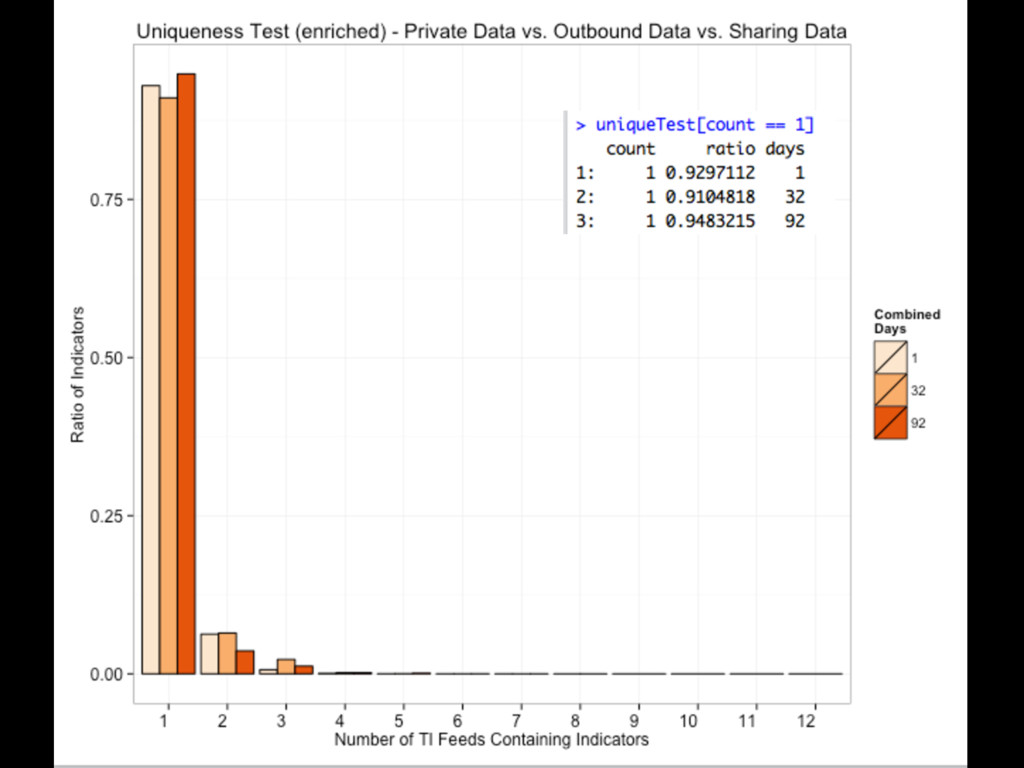
    often do the feeds update themselves? • AGING – How long does an indicator sit on a feed? • POPULATION – How does this population distribution compare to my data? • OVERLAP – How do the indicators compare to the ones you got? • UNIQUENESS – How many indicators are found only on one feed? Putting this threat intel data to work
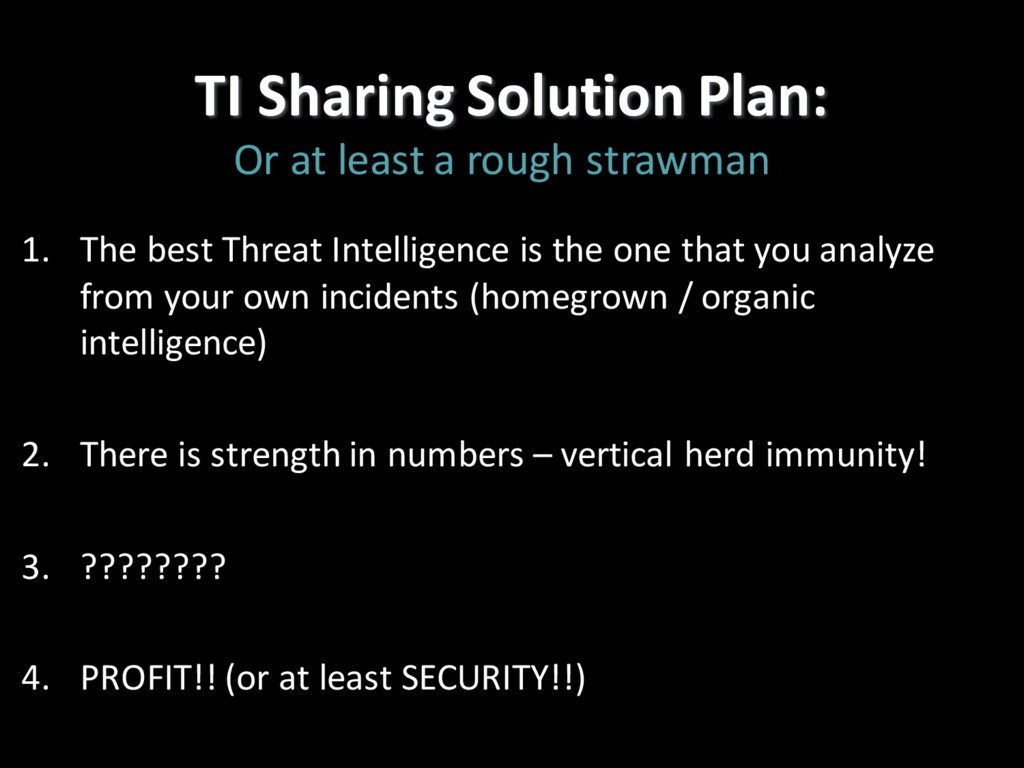
  5. TI Sharing Solution Plan: 1. The best Threat Intelligence is

    the one that you analyze from your own incidents (homegrown / organic intelligence) 2. There is strength in numbers – vertical herd immunity! 3. ???????? 4. PROFIT!! (or at least SECURITY!!) Or at least a rough strawman
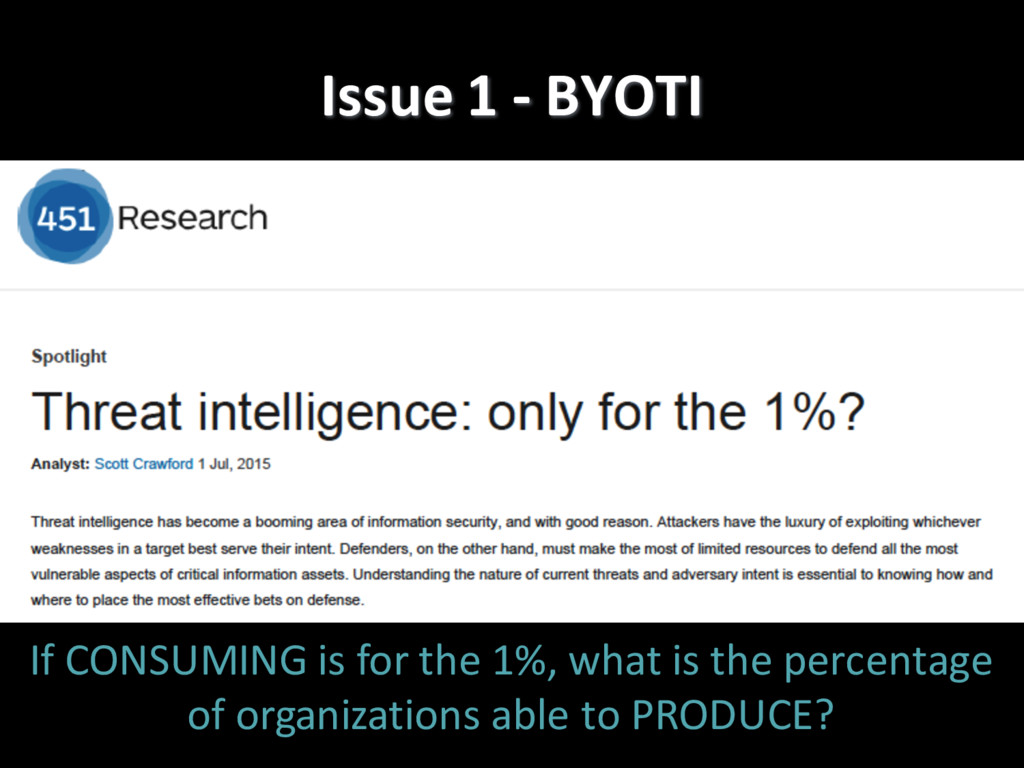
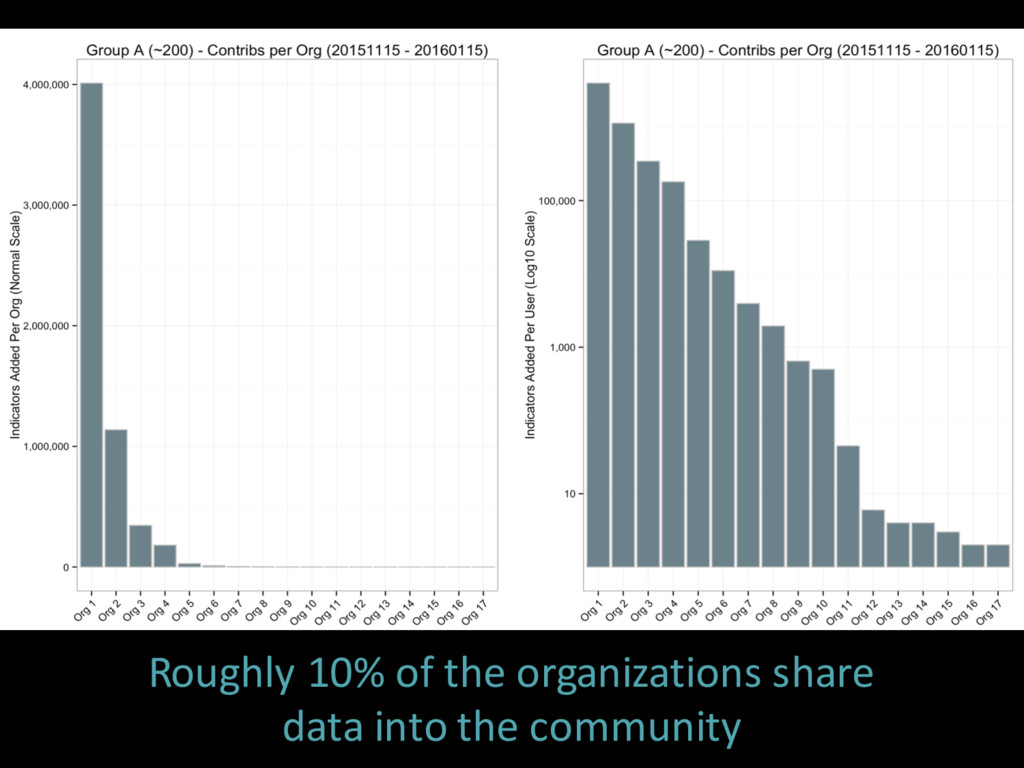
  6. If CONSUMING is for the 1%, what is the percentage

    of organizations able to PRODUCE? Issue 1 - BYOTI
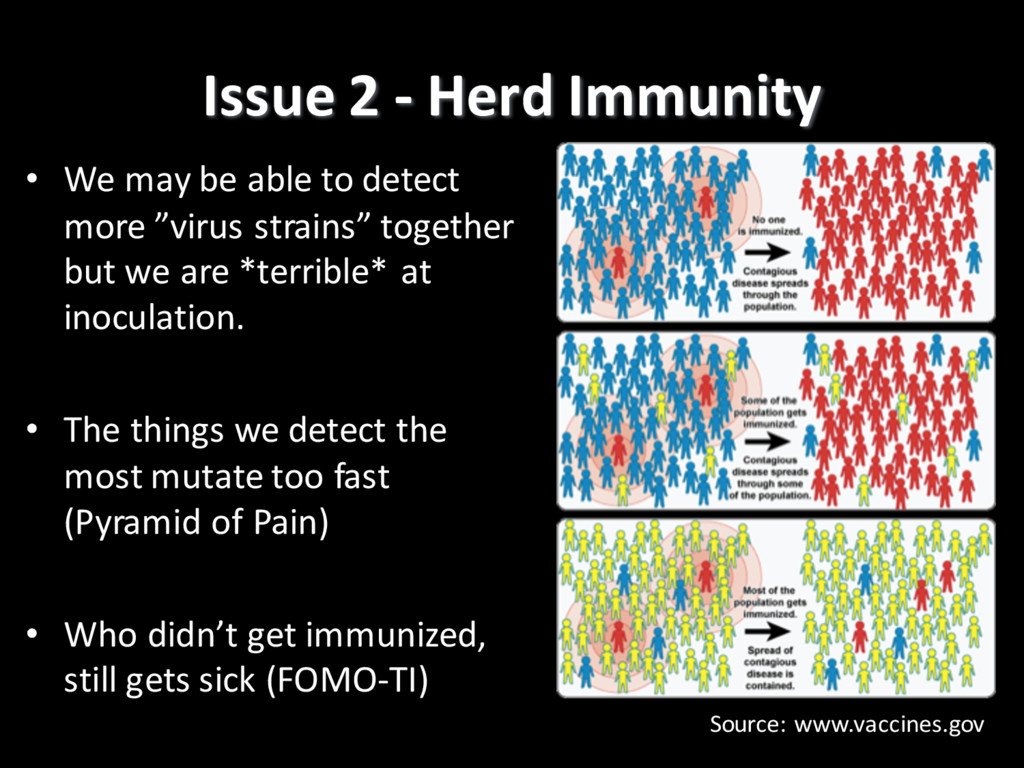
  7. Issue 2 - Herd Immunity Source: www.vaccines.gov • We may

    be able to detect more ”virus strains” together but we are *terrible* at inoculation. • The things we detect the most mutate too fast (Pyramid of Pain) • Who didn’t get immunized, still gets sick (FOMO-TI)
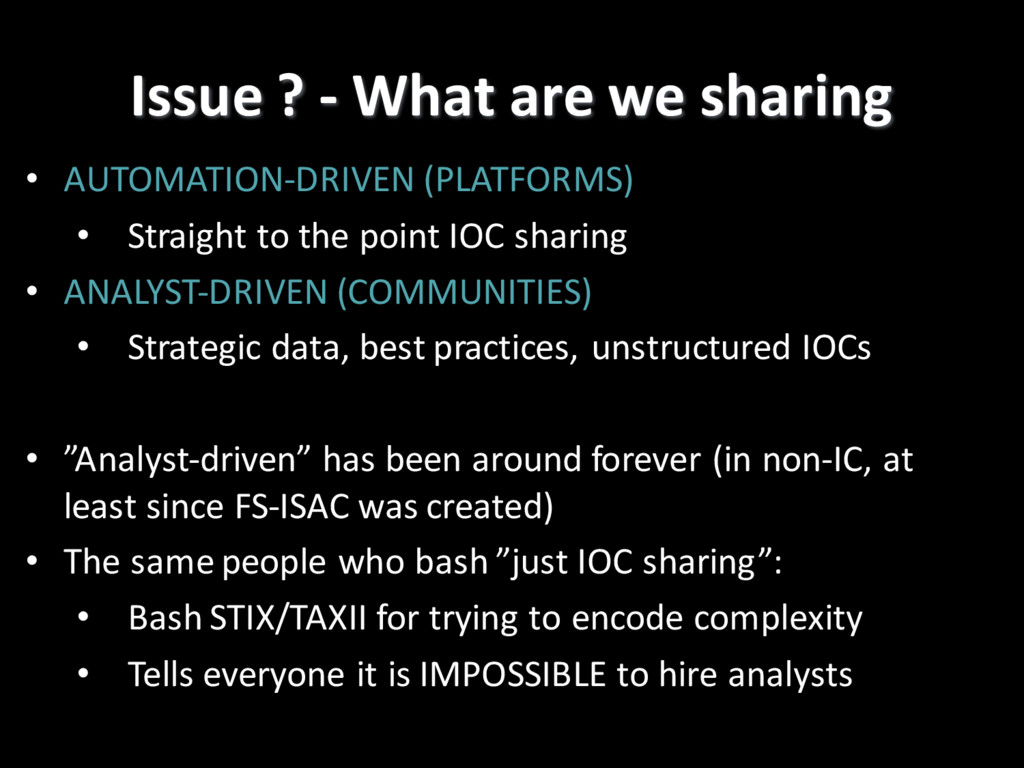
  8. Issue ? - What are we sharing • AUTOMATION-DRIVEN (PLATFORMS)

    • Straight to the point IOC sharing • ANALYST-DRIVEN (COMMUNITIES) • Strategic data, best practices, unstructured IOCs • ”Analyst-driven” has been around forever (in non-IC, at least since FS-ISAC was created) • The same people who bash ”just IOC sharing”: • Bash STIX/TAXII for trying to encode complexity • Tells everyone it is IMPOSSIBLE to hire analysts
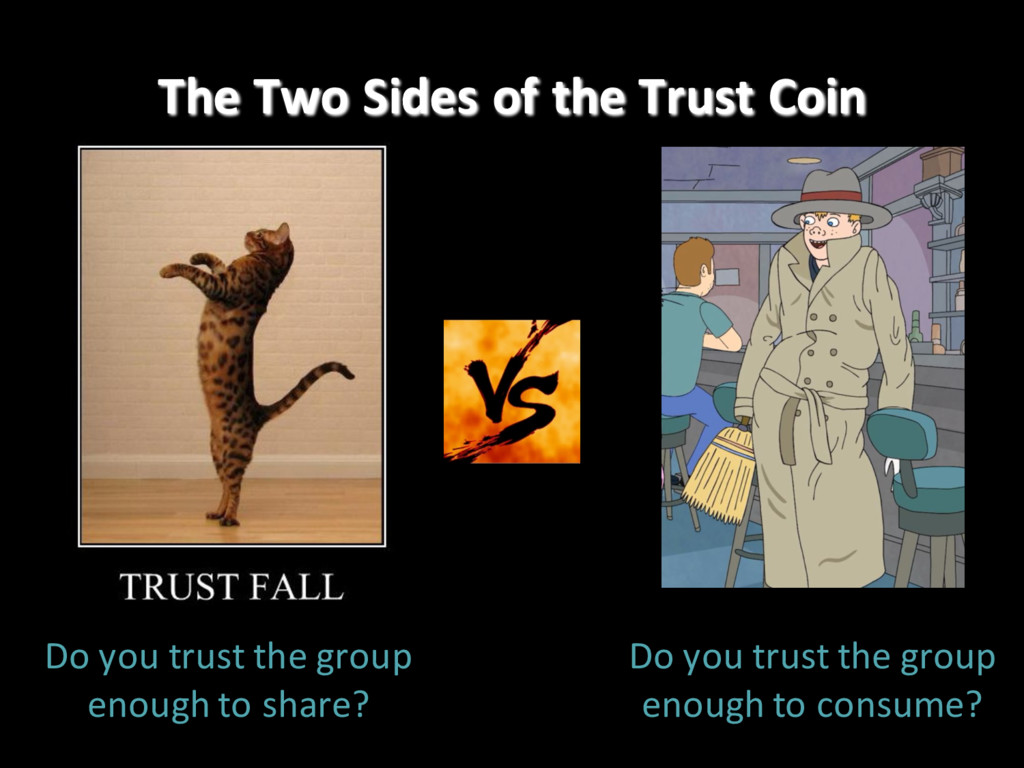
  9. Do you trust the group enough to consume? The Two

    Sides of the Trust Coin Do you trust the group enough to share?
  10. Threat Intelligence Sharing We would like to thank the kind

    contribution of data from the fine folks at Facebook ThreatExchange and ThreatConnect … and also the sharing communities that chose to remain anonymous. You know who you are, and we ❤ you too.
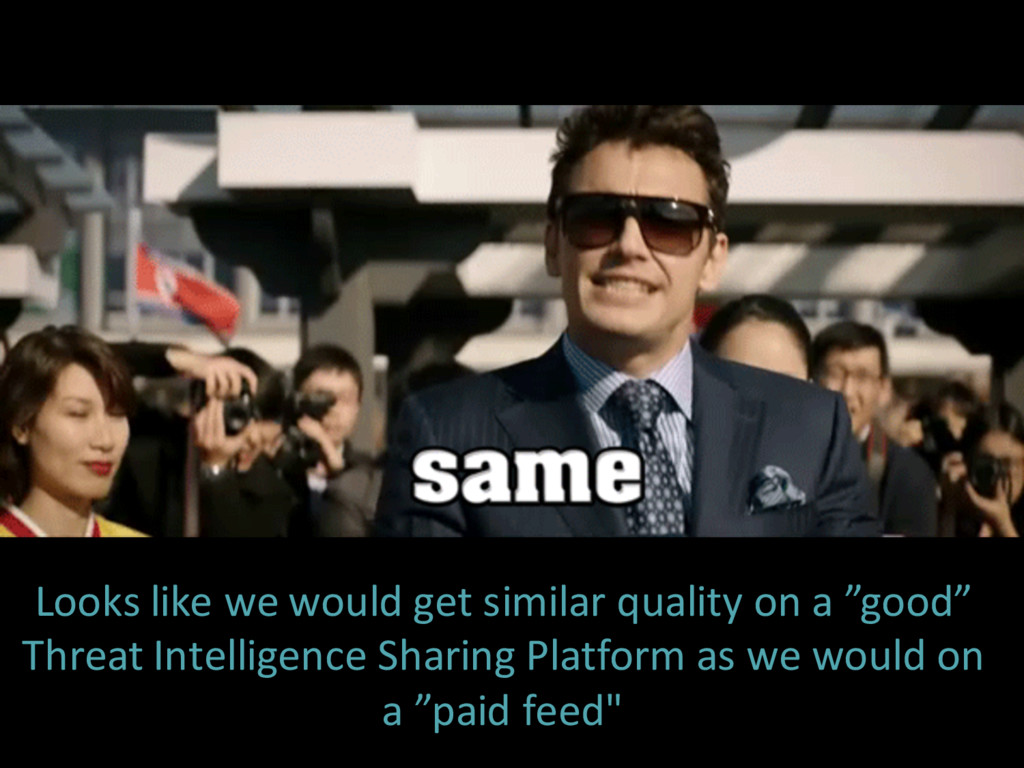
  11. UNIQUENESS SLIDE Looks like we would get similar quality on

    a ”good” Threat Intelligence Sharing Platform as we would on a ”paid feed"
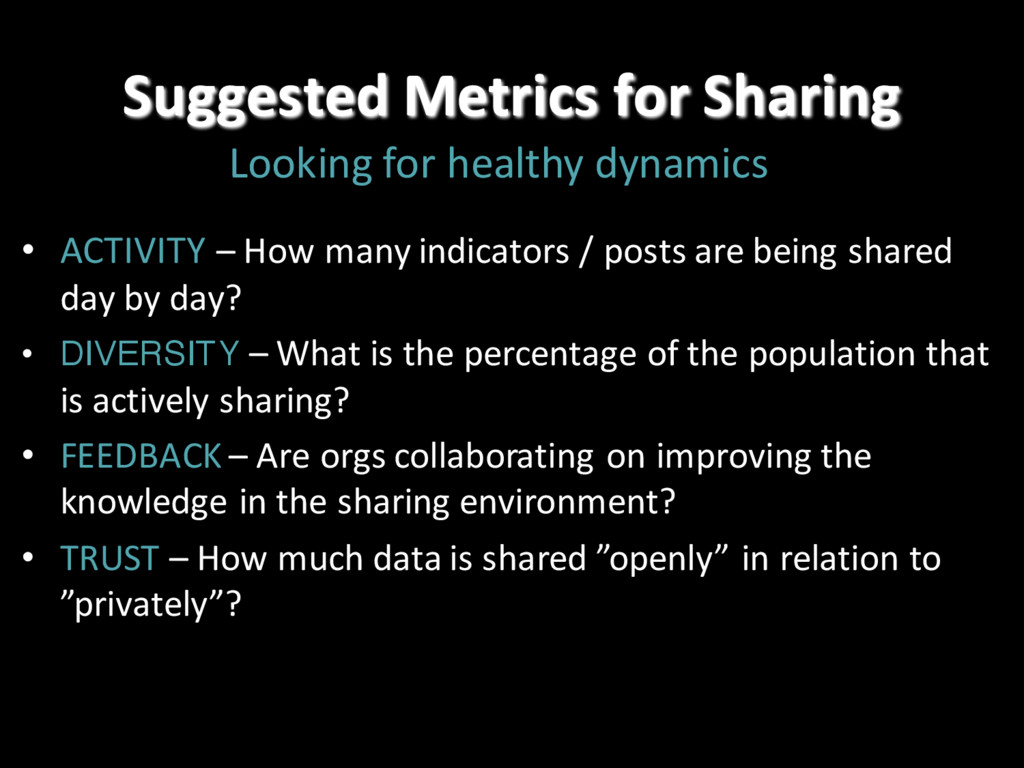
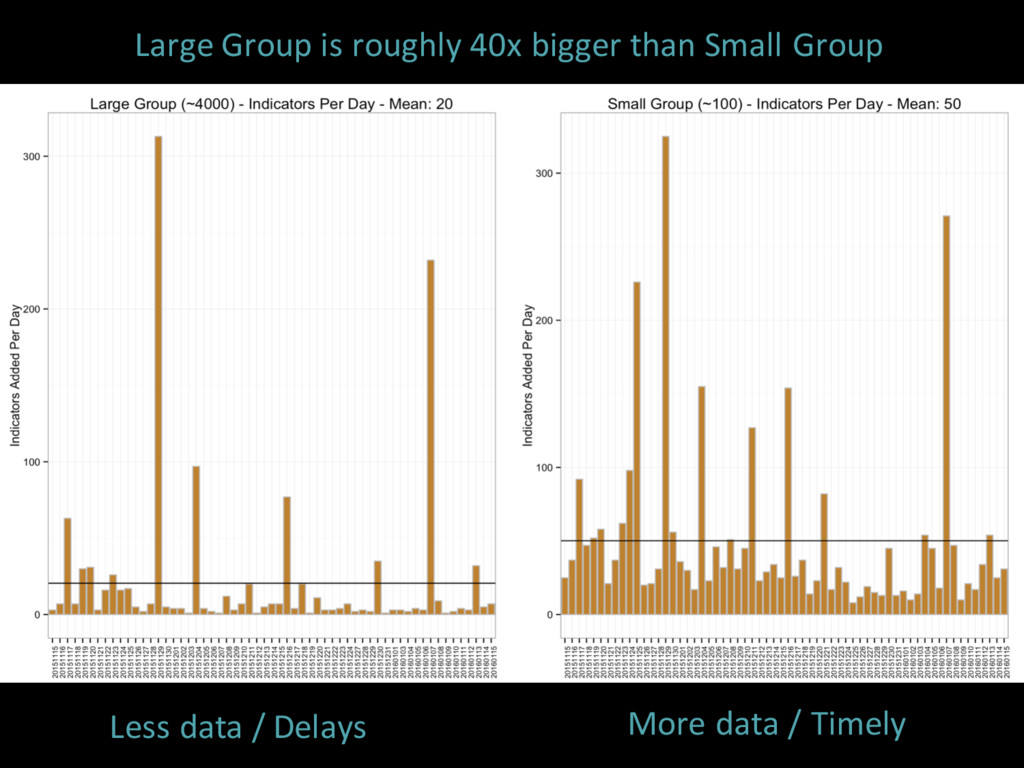
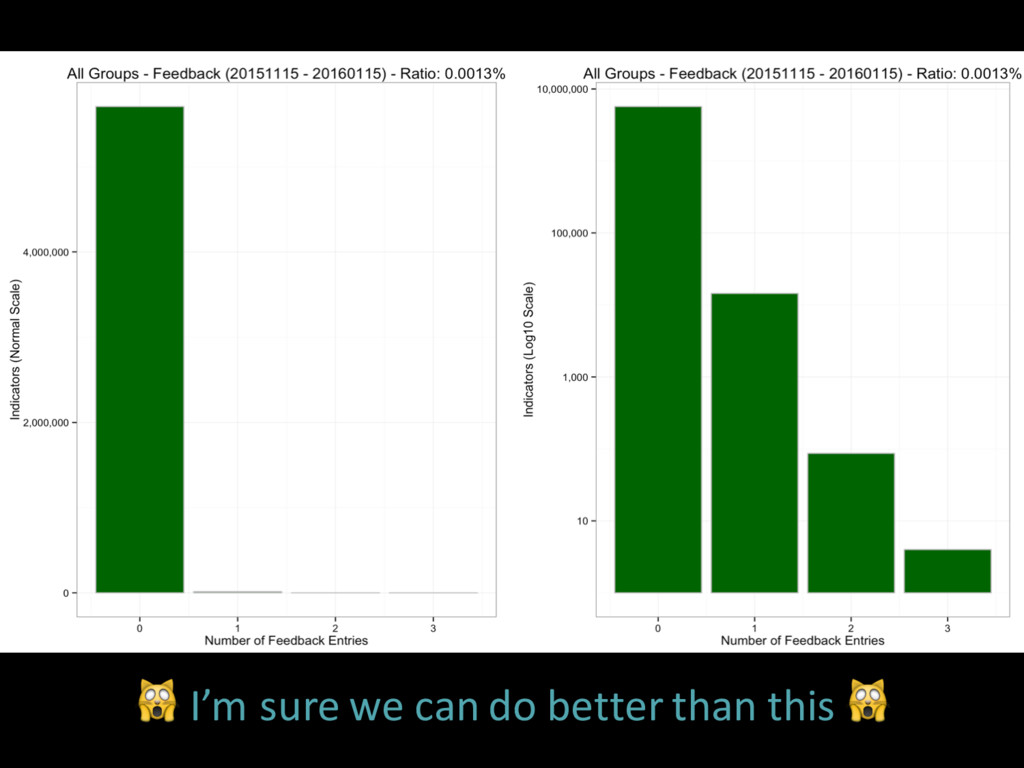
  12. Suggested Metrics for Sharing • ACTIVITY – How many indicators

    / posts are being shared day by day? • DIVERSITY – What is the percentage of the population that is actively sharing? • FEEDBACK – Are orgs collaborating on improving the knowledge in the sharing environment? • TRUST – How much data is shared ”openly” in relation to ”privately”? Looking for healthy dynamics
  13. Less data / Delays More data / Timely Large Group

    is roughly 40x bigger than Small Group
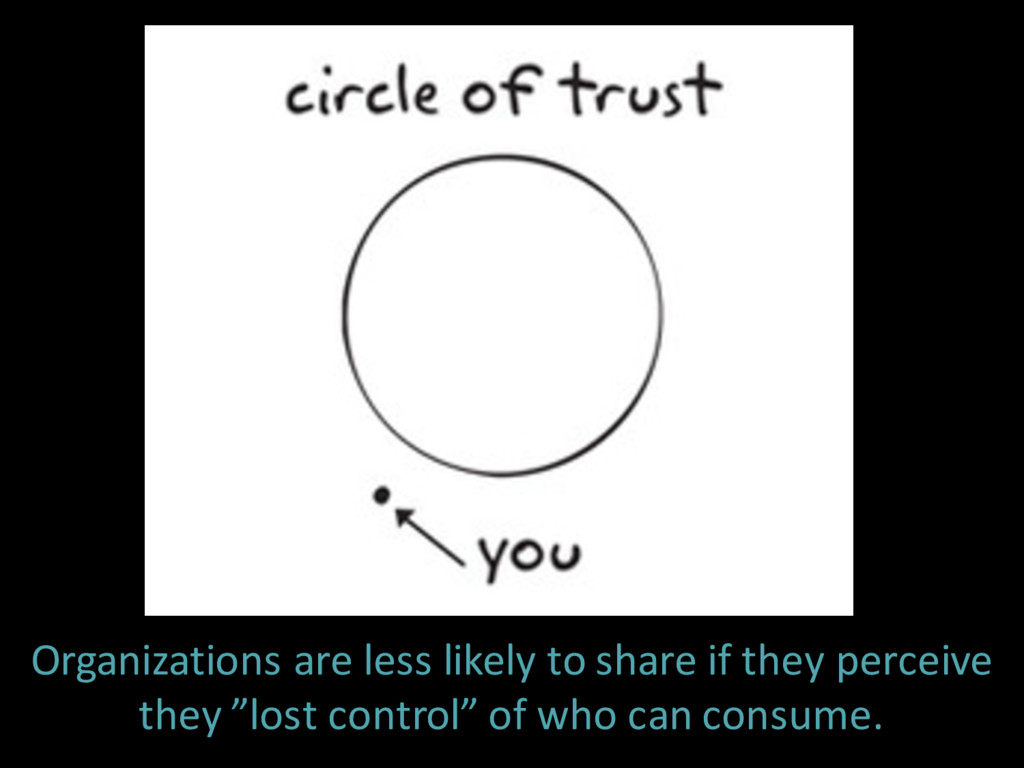
  14. Organizations are less likely to share if they perceive they

    ”lost control” of who can consume.
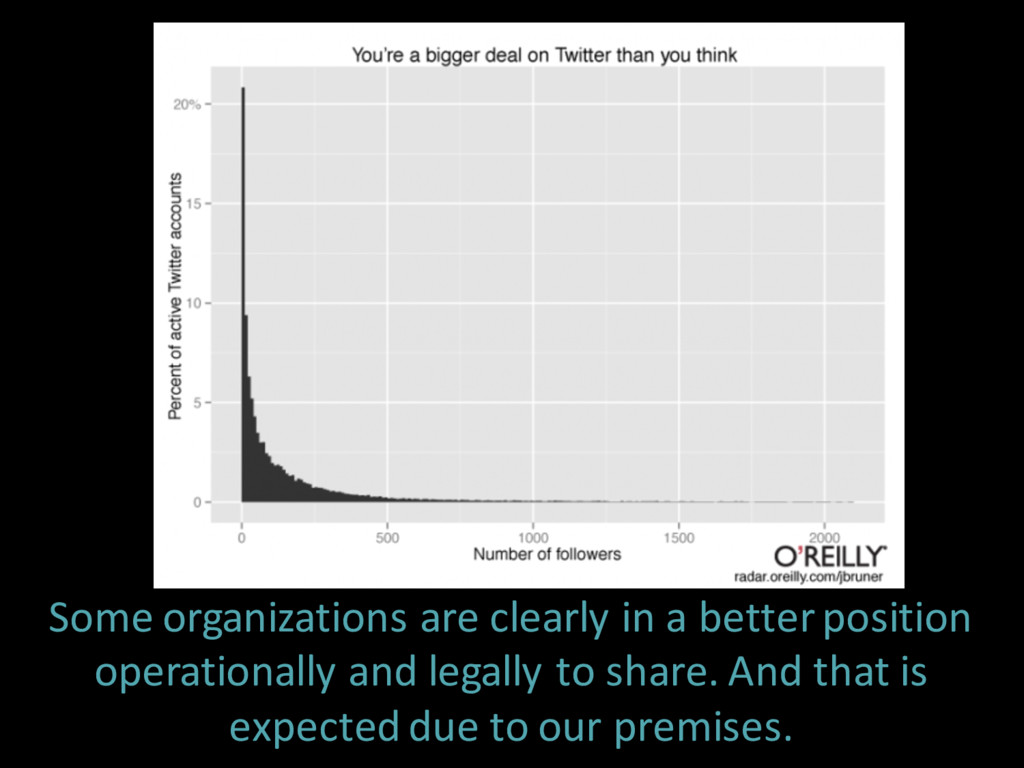
  15. Some organizations are clearly in a better position operationally and
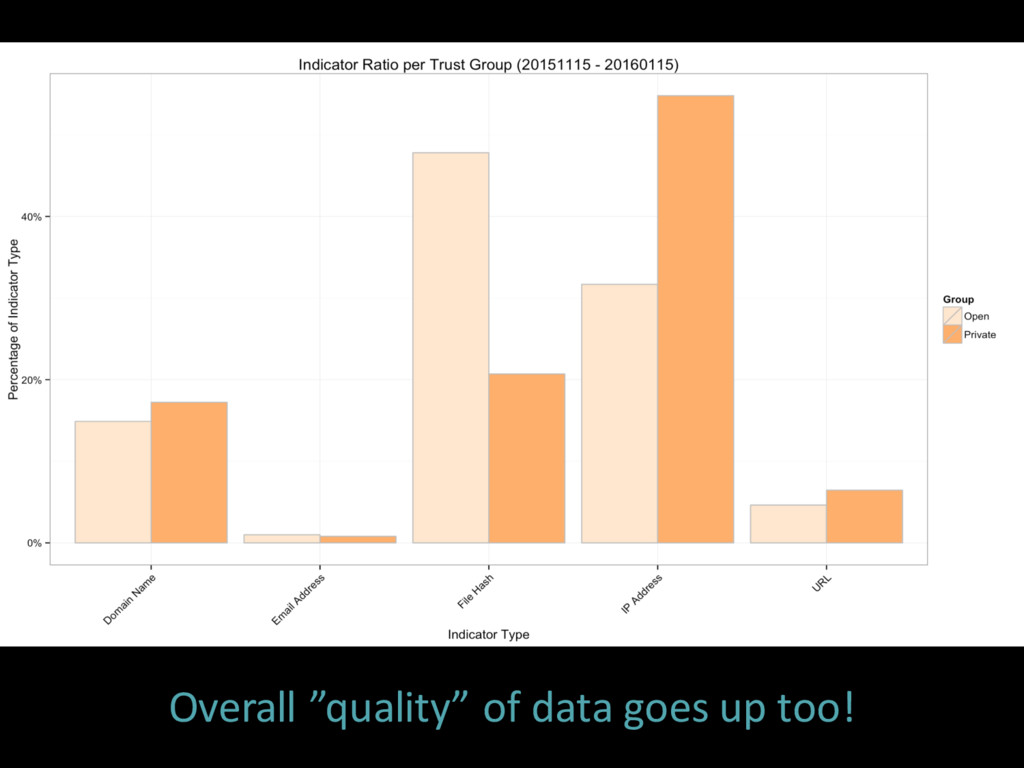
    legally to share. And that is expected due to our premises.
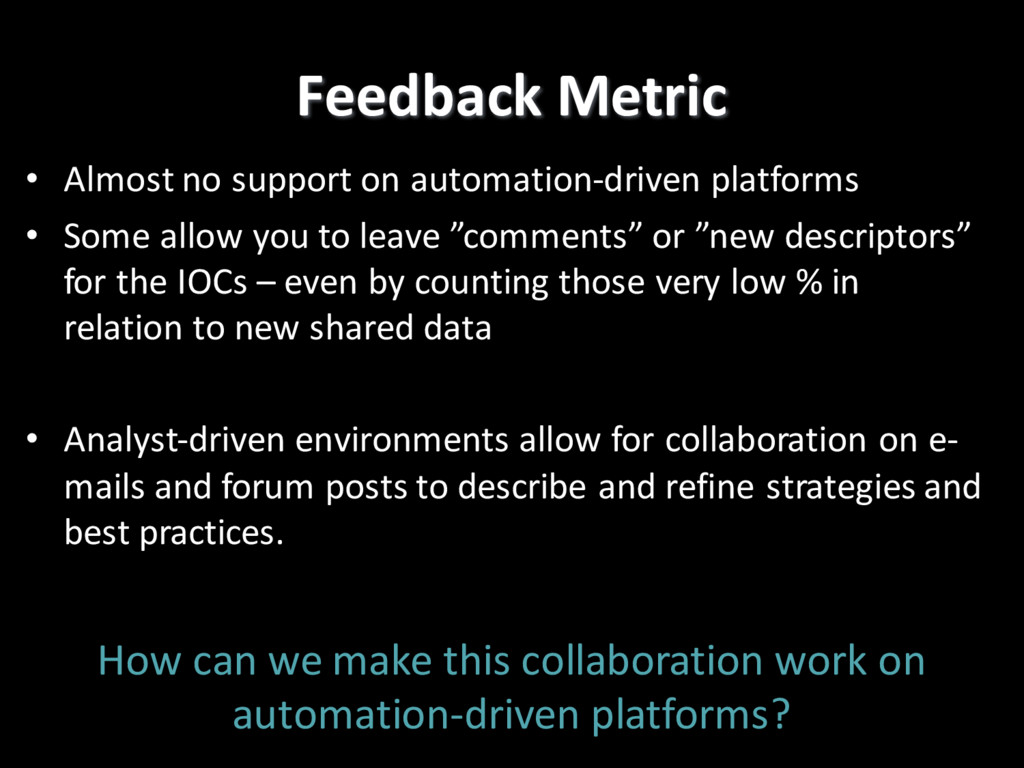
  16. Feedback Metric • Almost no support on automation-driven platforms •

    Some allow you to leave ”comments” or ”new descriptors” for the IOCs – even by counting those very low % in relation to new shared data • Analyst-driven environments allow for collaboration on e- mails and forum posts to describe and refine strategies and best practices. How can we make this collaboration work on automation-driven platforms?
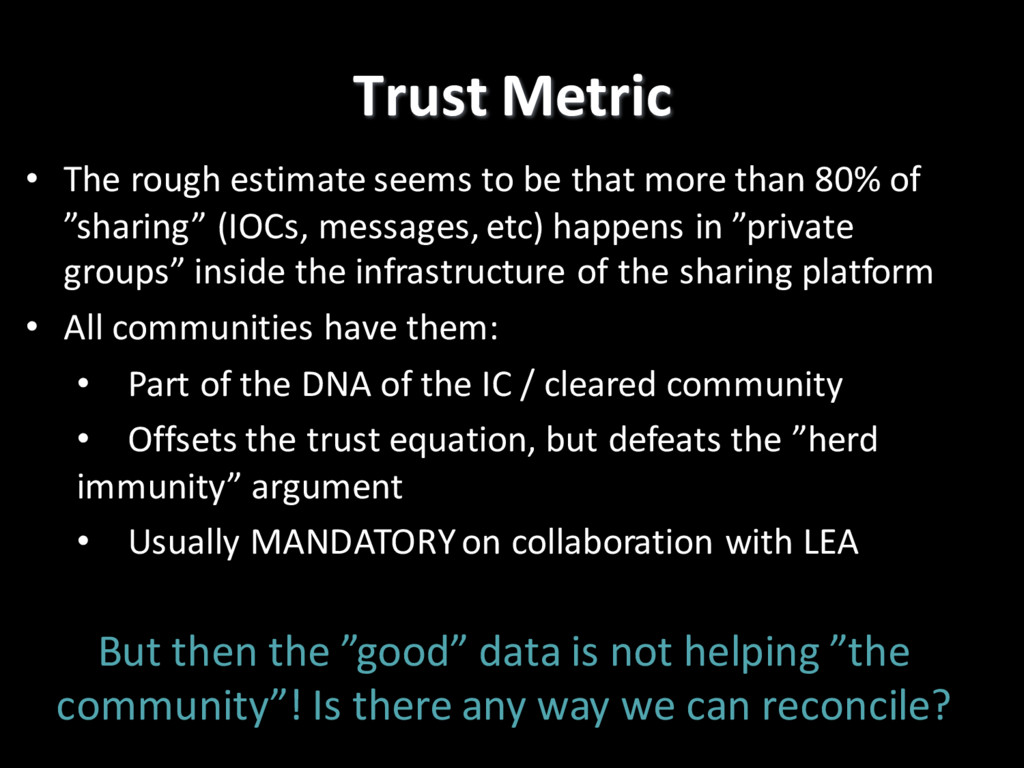
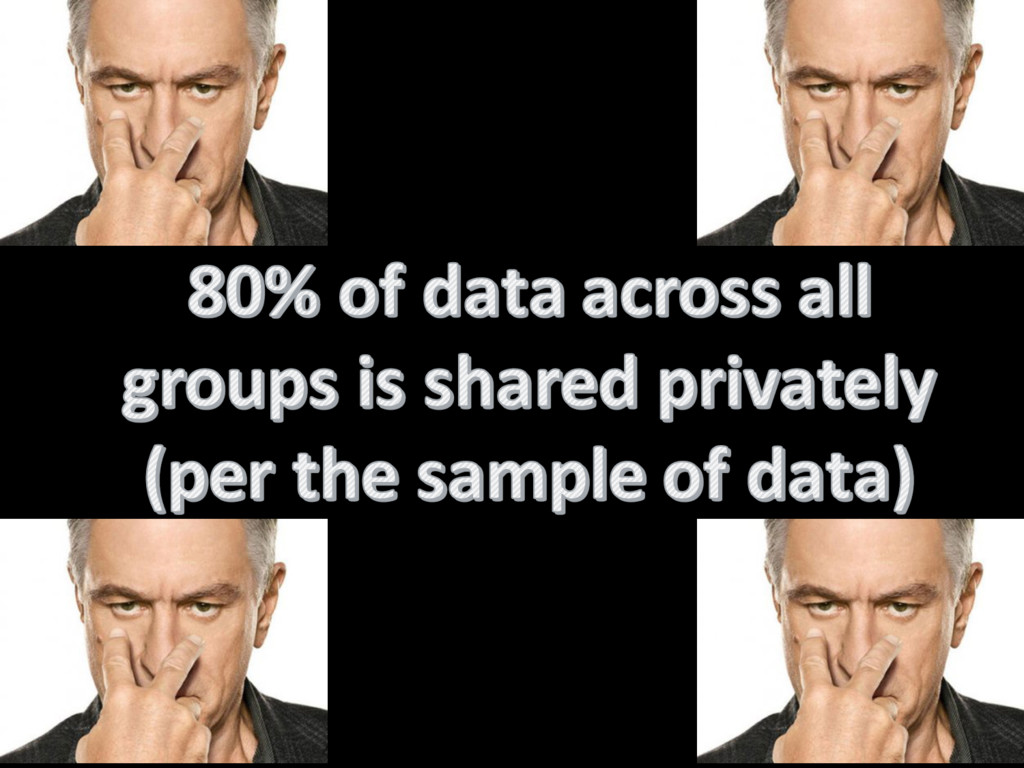
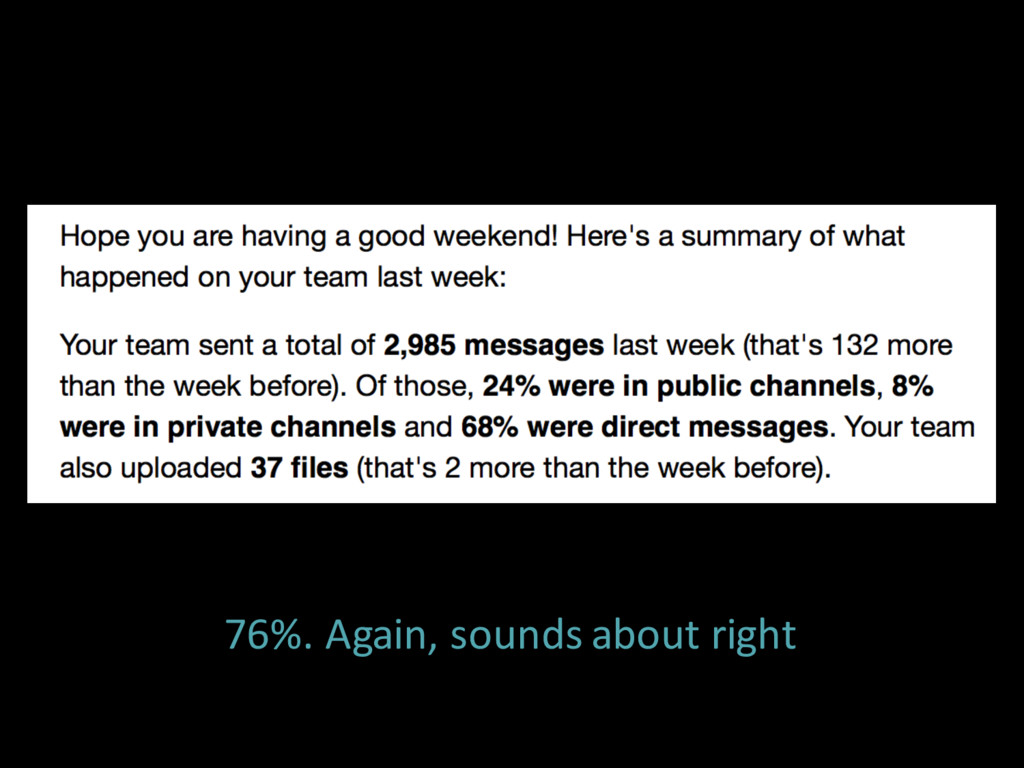
  17. Trust Metric • The rough estimate seems to be that

    more than 80% of ”sharing” (IOCs, messages, etc) happens in ”private groups” inside the infrastructure of the sharing platform • All communities have them: • Part of the DNA of the IC / cleared community • Offsets the trust equation, but defeats the ”herd immunity” argument • Usually MANDATORY on collaboration with LEA But then the ”good” data is not helping ”the community”! Is there any way we can reconcile?
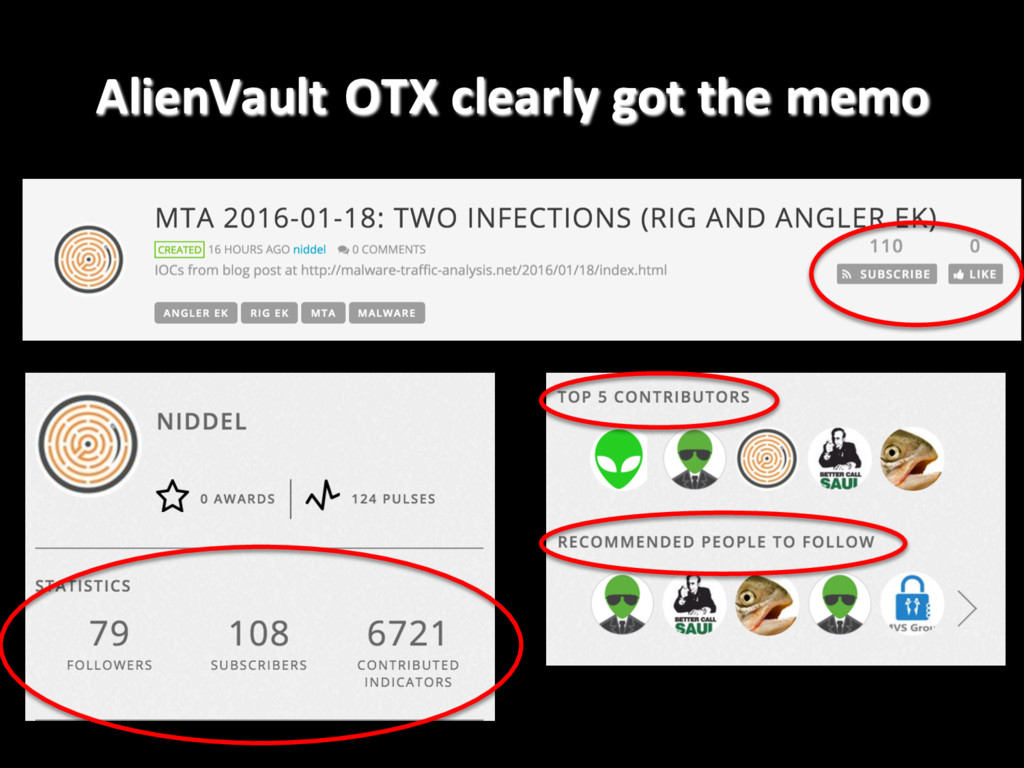
  18. TRUST: Anonymity + Good Curation Some sharing communities accept anonymous

    submissions that they then curate and disseminate to all organizations
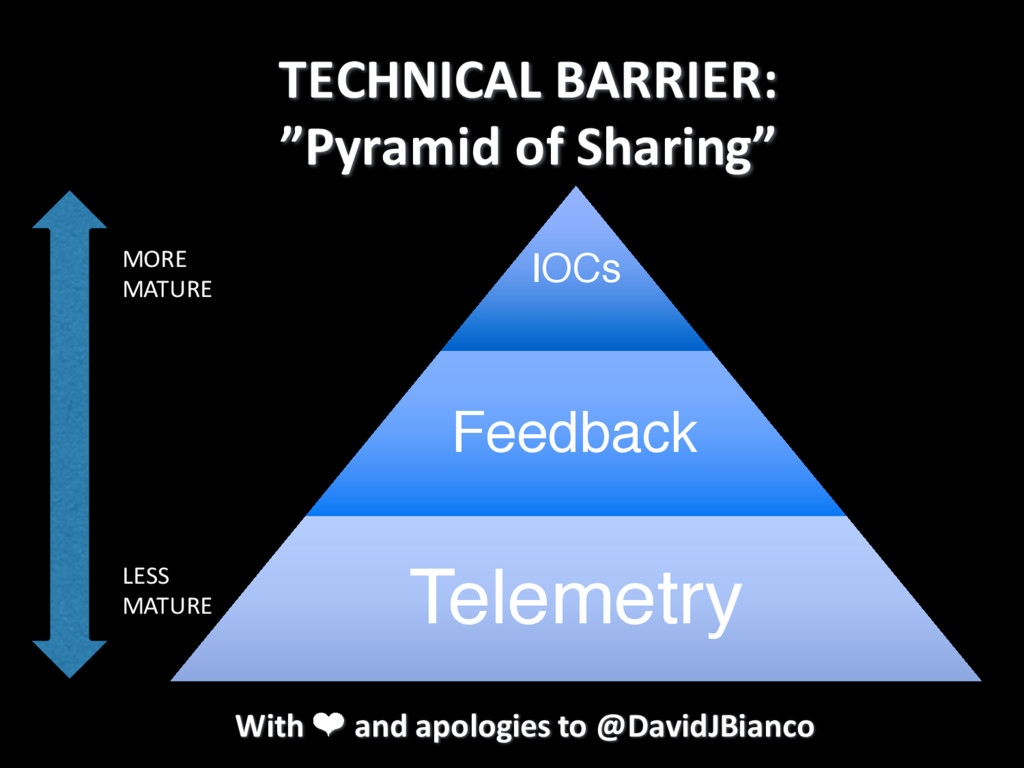
  19. IOCs Feedback Telemetry LESS MATURE MORE MATURE With ❤ and

    apologies to @DavidJBianco TECHNICAL BARRIER: ”Pyramid of Sharing”
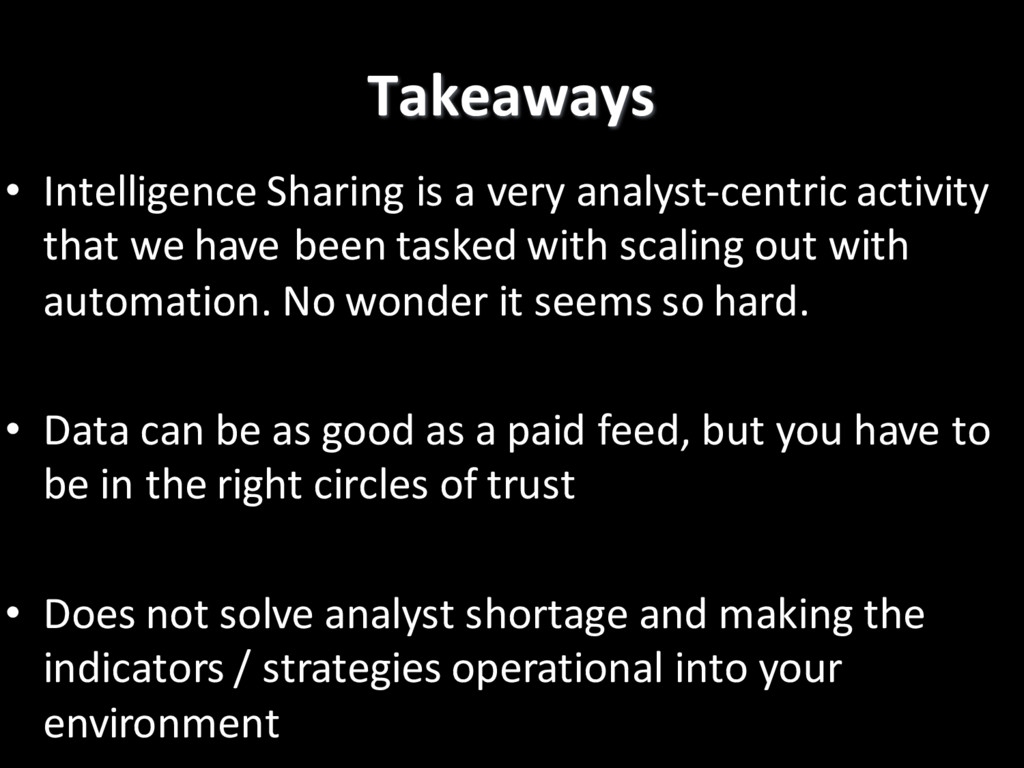
  20. Takeaways • Intelligence Sharing is a very analyst-centric activity that

    we have been tasked with scaling out with automation. No wonder it seems so hard. • Data can be as good as a paid feed, but you have to be in the right circles of trust • Does not solve analyst shortage and making the indicators / strategies operational into your environment
  21. Thanks! • Q&A? • Feedback! ”The measure of intelligence is

    the ability to change." - Albert Einstein Alex Pinto @alexcpsec @MLSecProject / @NiddelCorp