Upgrade to Pro — share decks privately, control downloads, hide ads and more …

Living in your website while renovating it

Avatar for Andy Ardener Andy Ardener
October 23, 2025

Living in your website while renovating it

Have you ever renovated your house while living in it? Hard, right? This is timeanddate.com’s journey of renovating our 25+ years old website while our 2 million daily users still live in it.

With a website as diverse, “rich” and full of data and “old charm” as timeanddate.com , it's no simple task to create a new design system with both robust and flexible components.

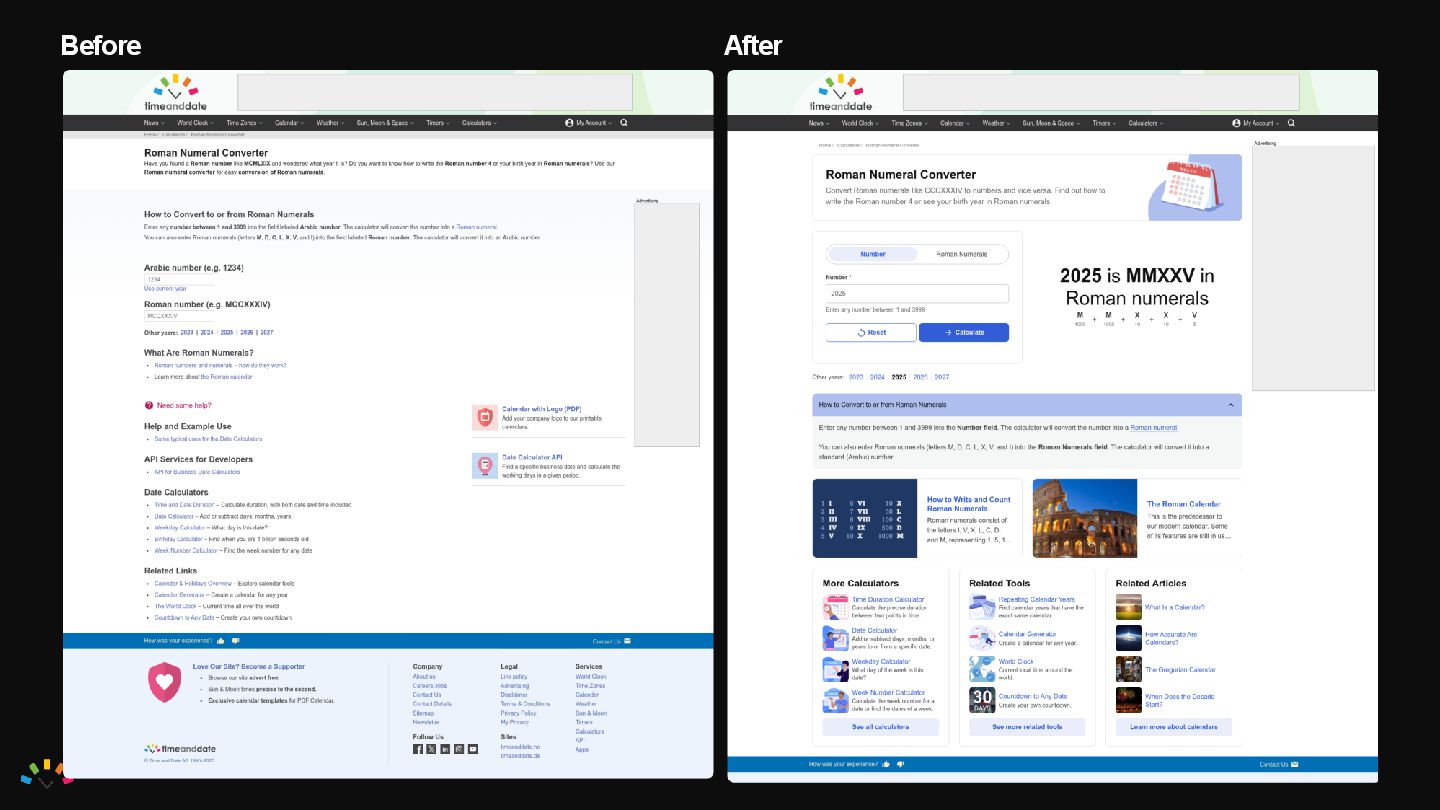
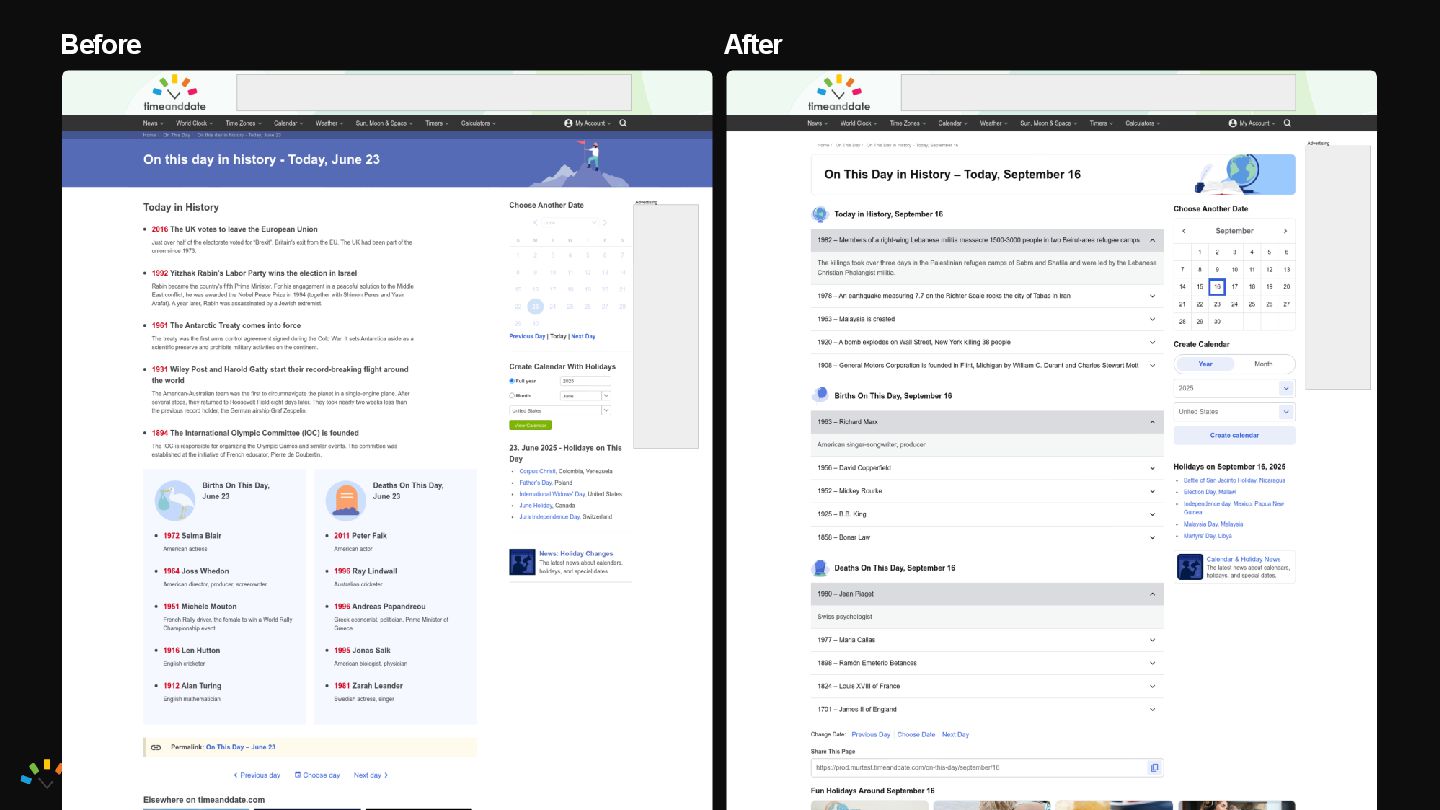
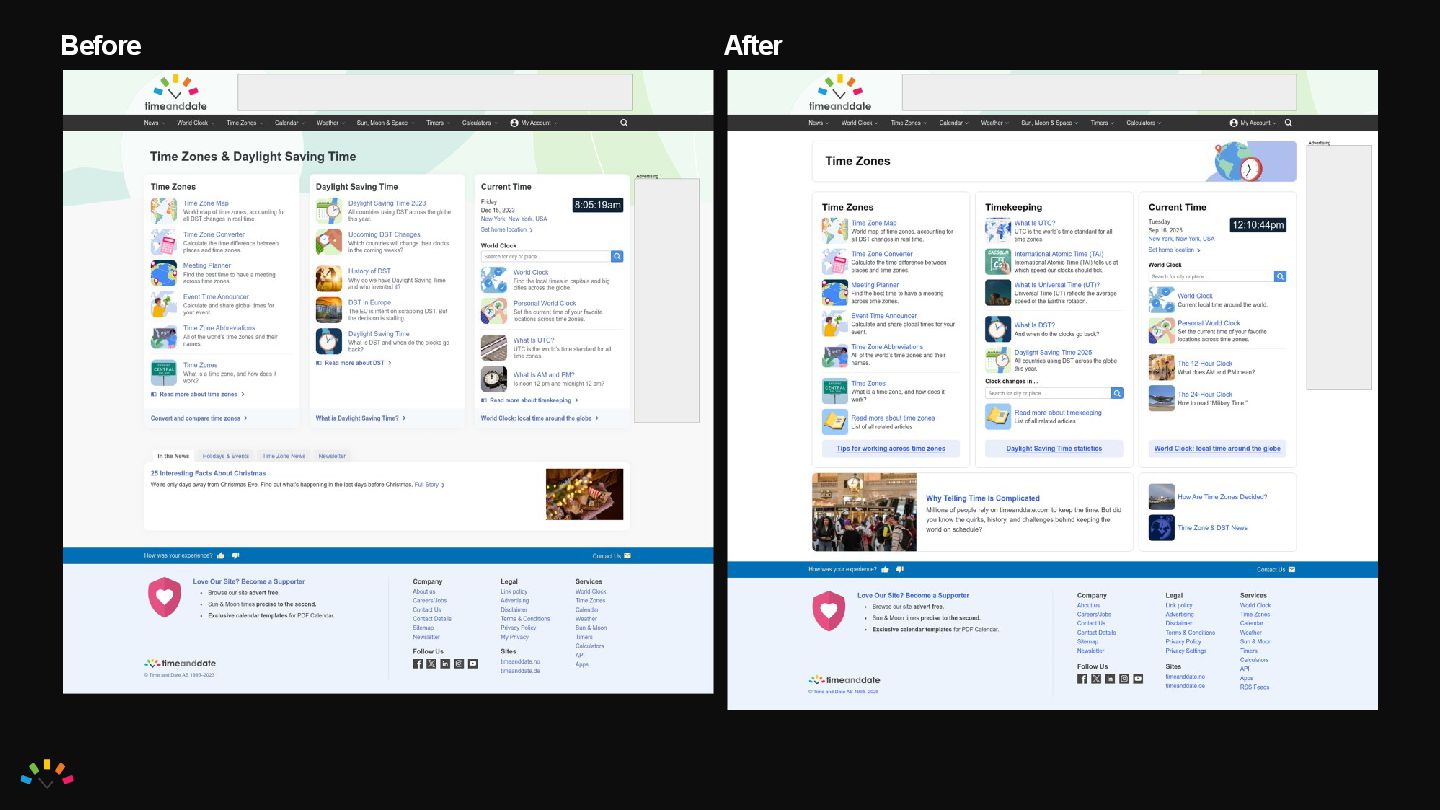
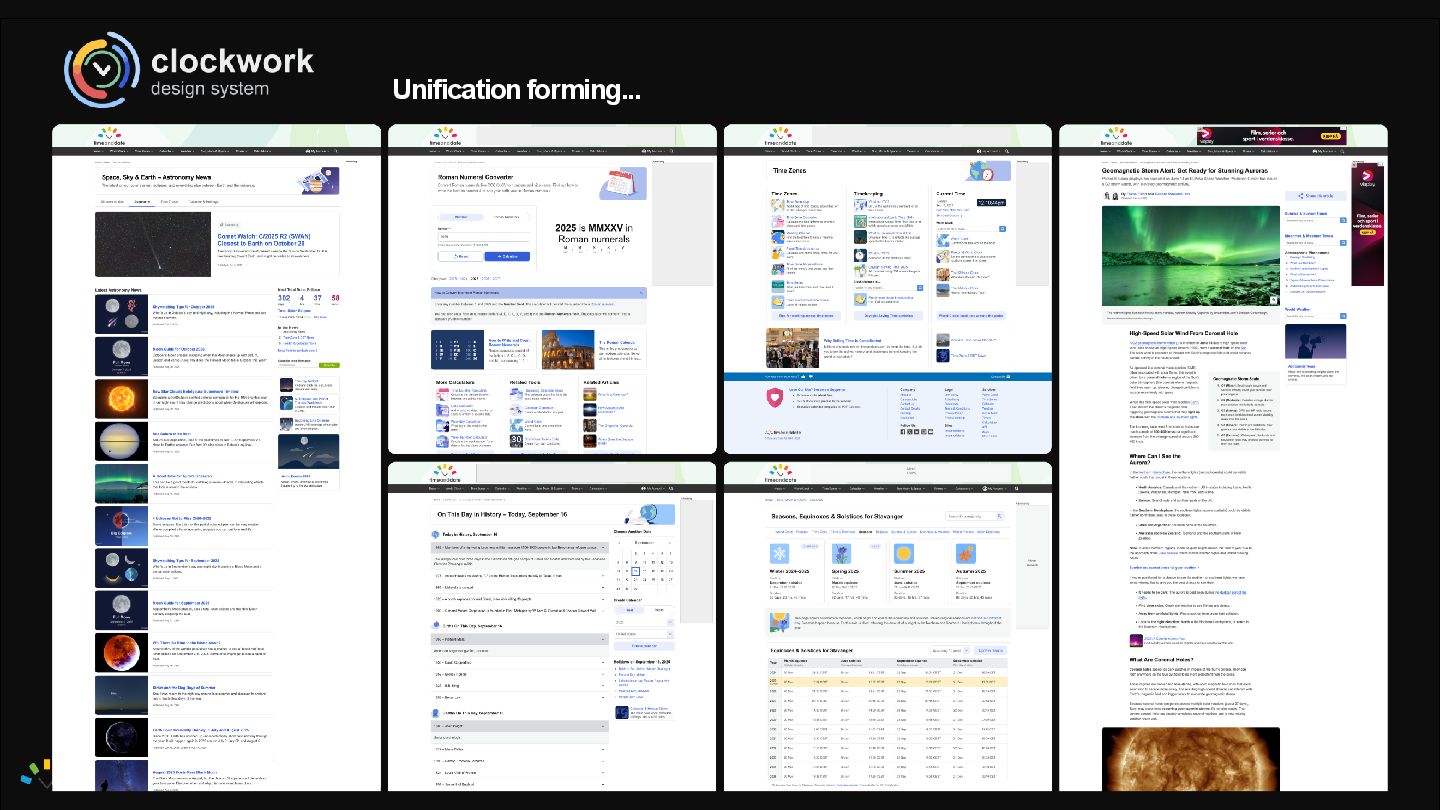
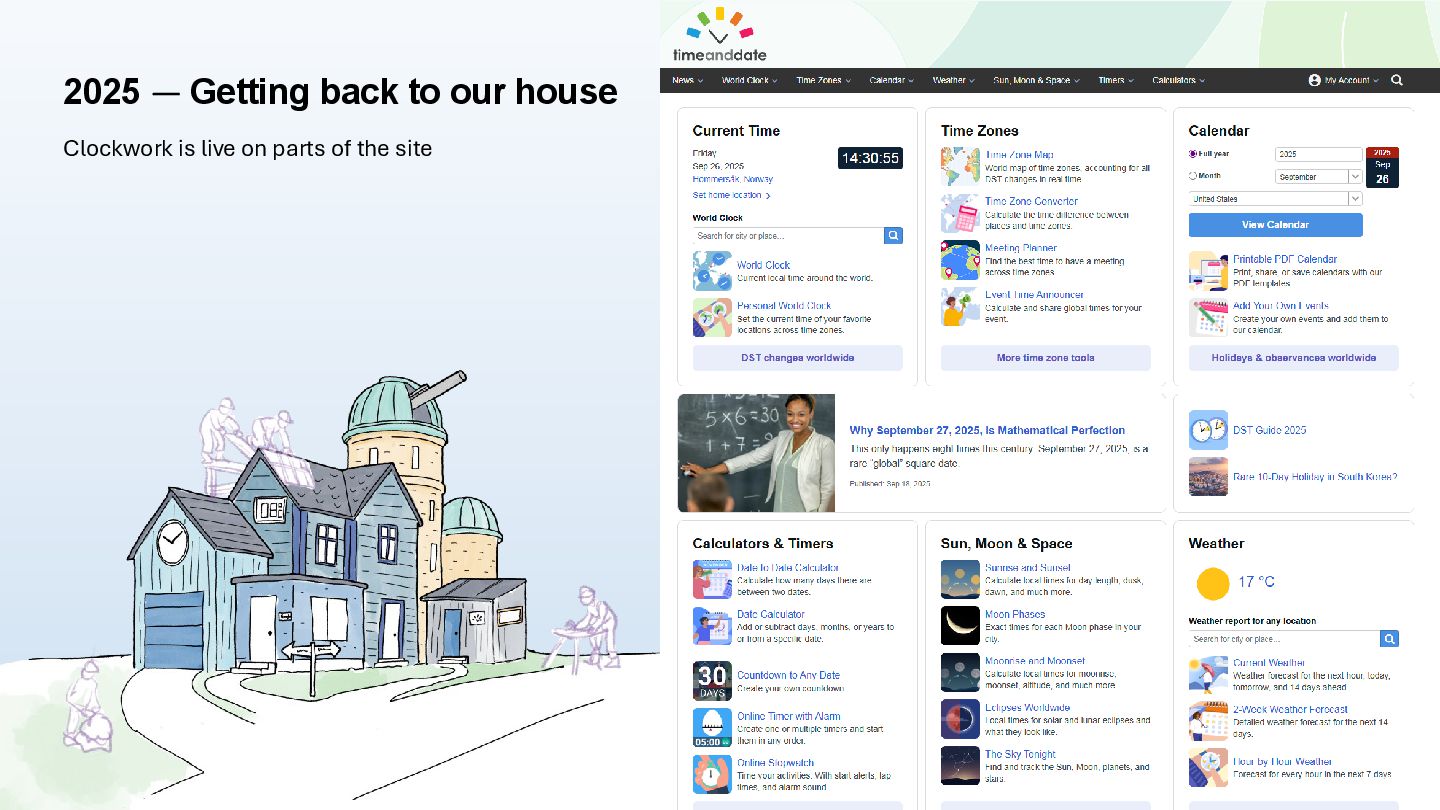
We share challenges, learnings and examples from building our design system, Clockwork. After a few failed attempts, we have started rolling out components. There is still a lot of work left, but eventually we’ll have a refreshed and consistent look & feel across all the pages of timeanddate.com.

Avatar for Andy Ardener

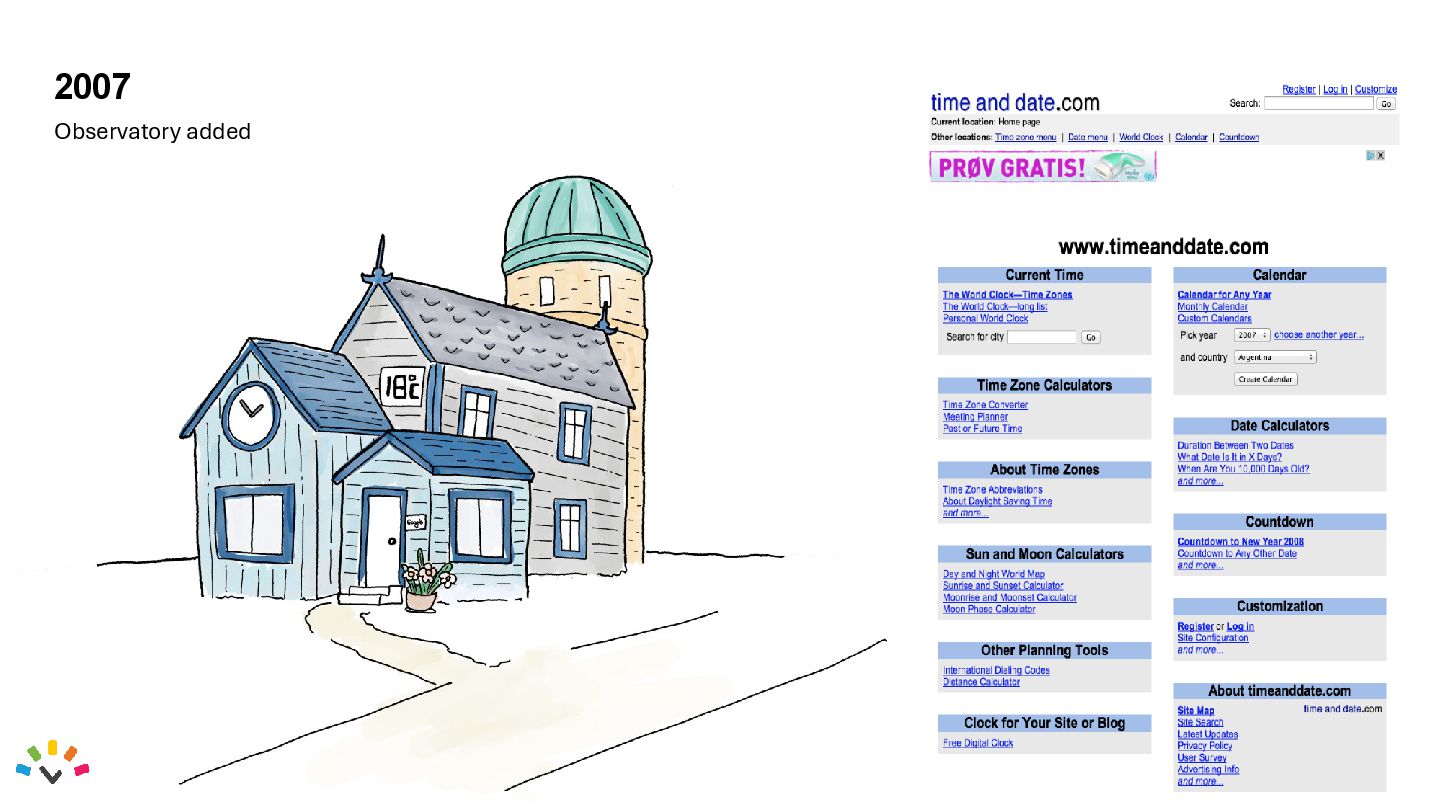
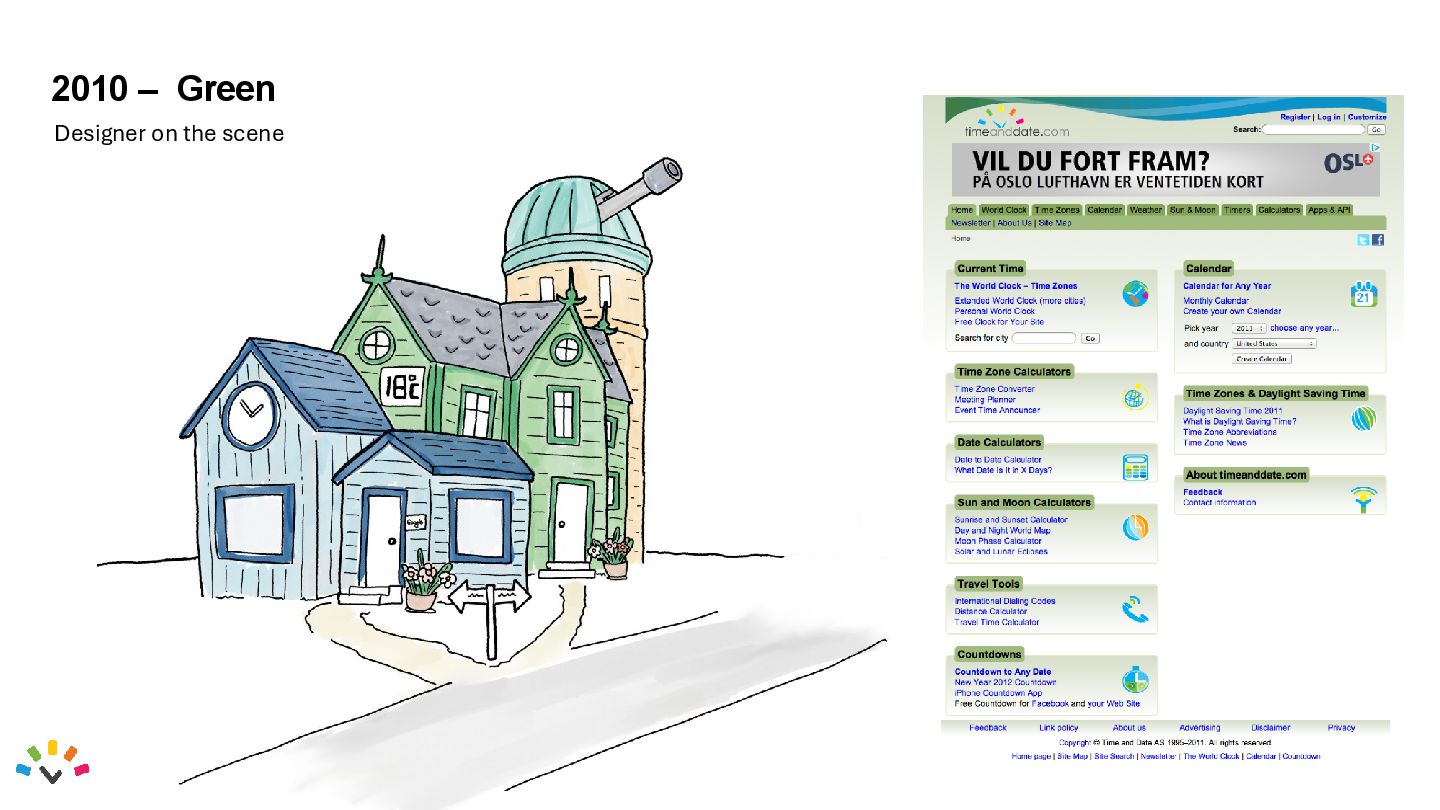
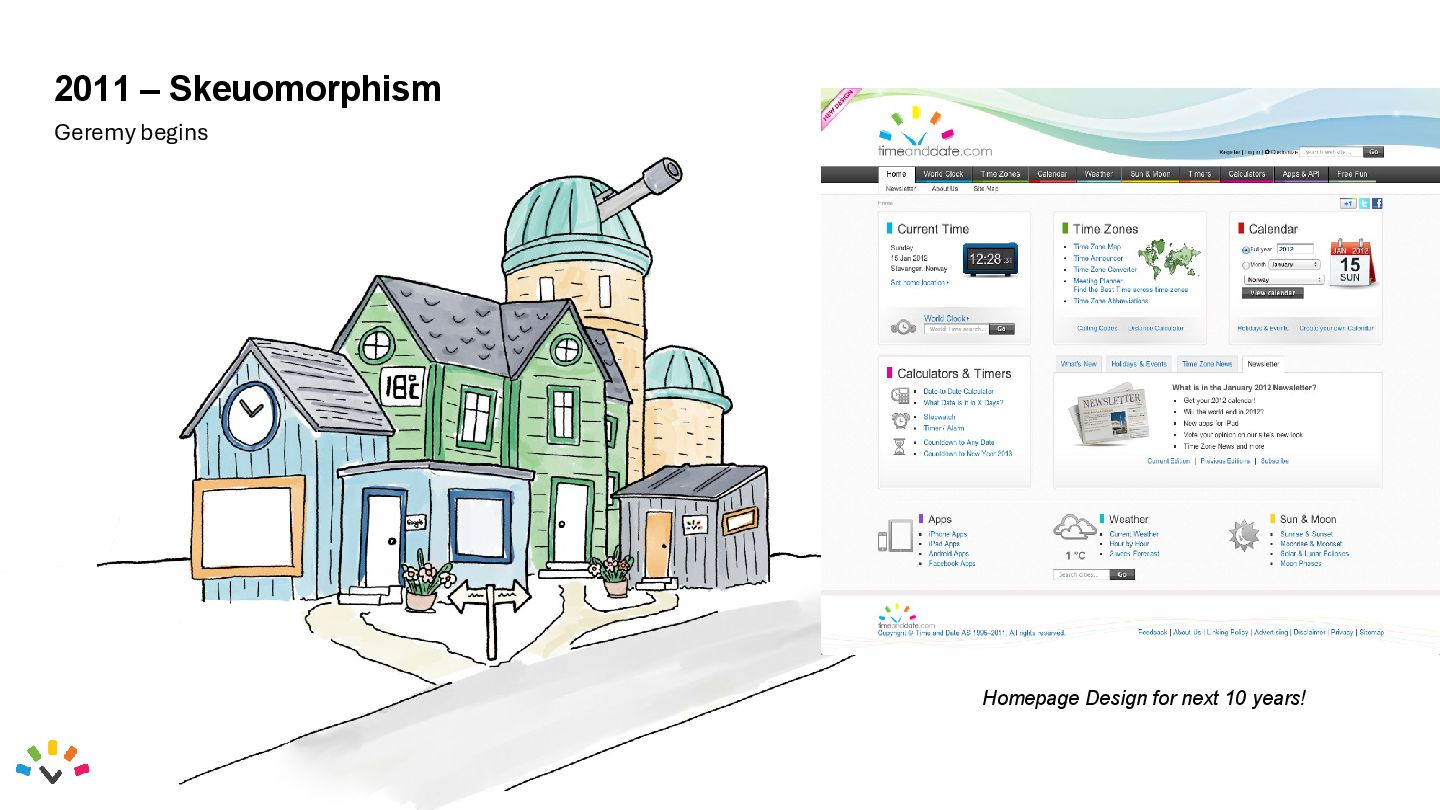
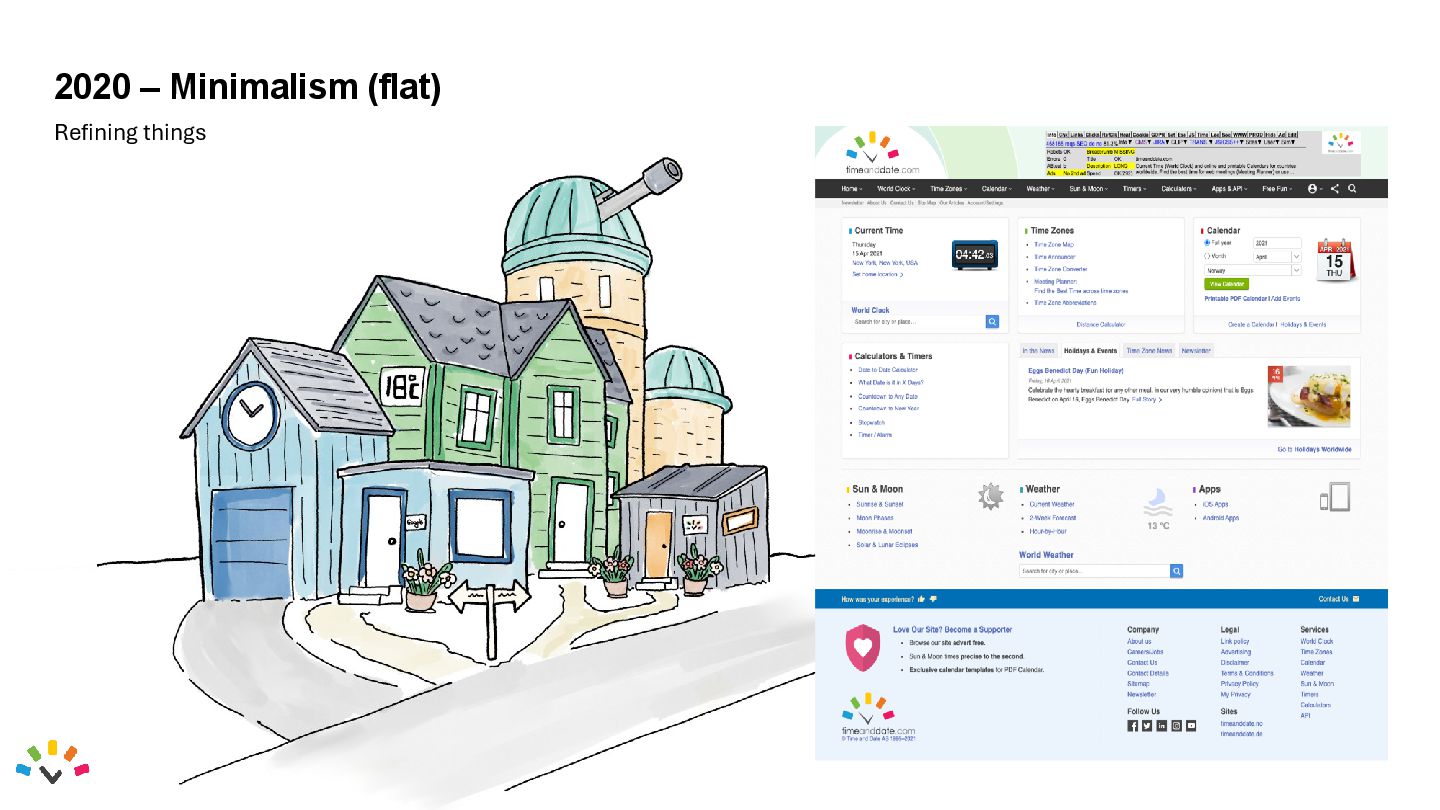
Andy Ardener

October 23, 2025

Other Decks in Design

Transcript

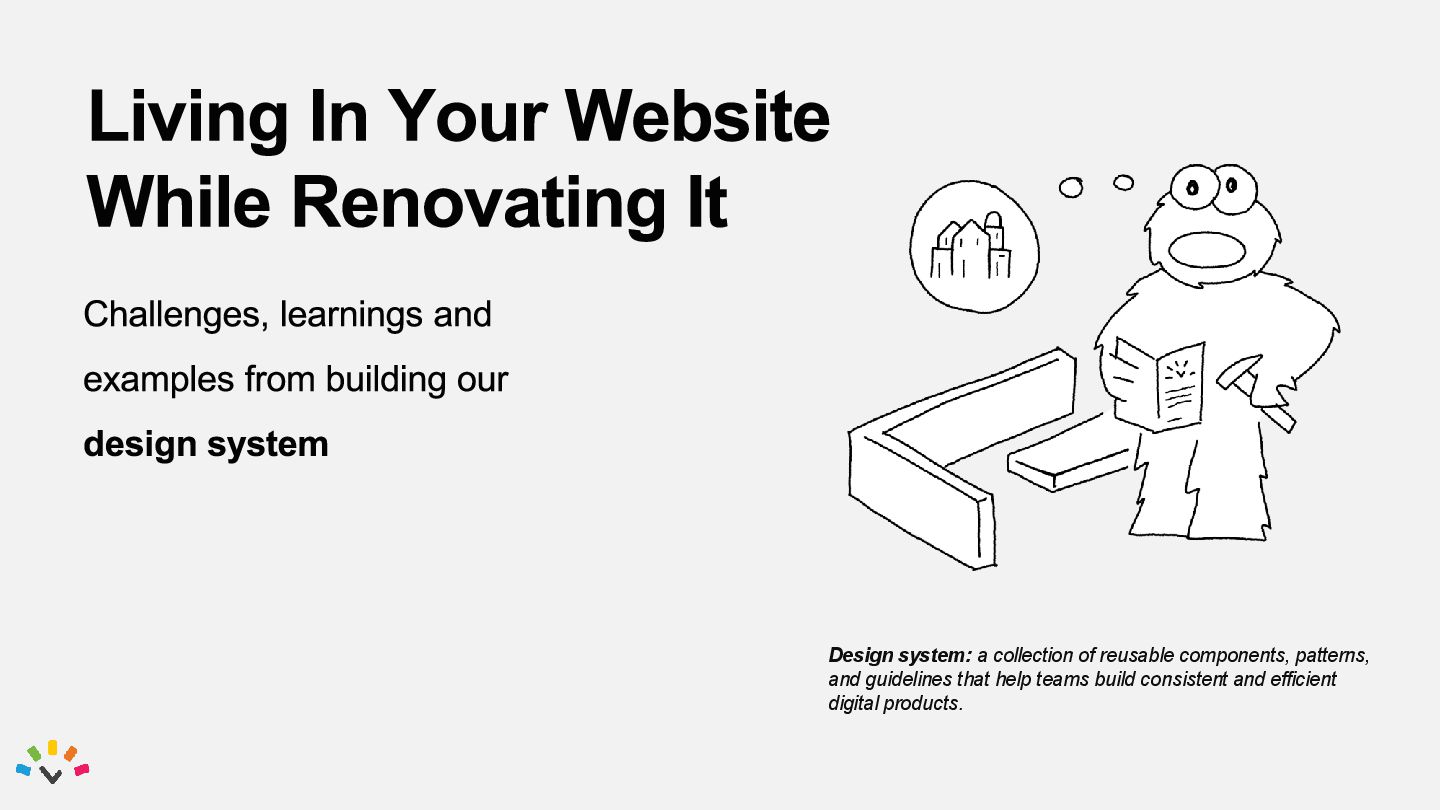
  1. Design system: a collection of reusable components, patterns, and guidelines

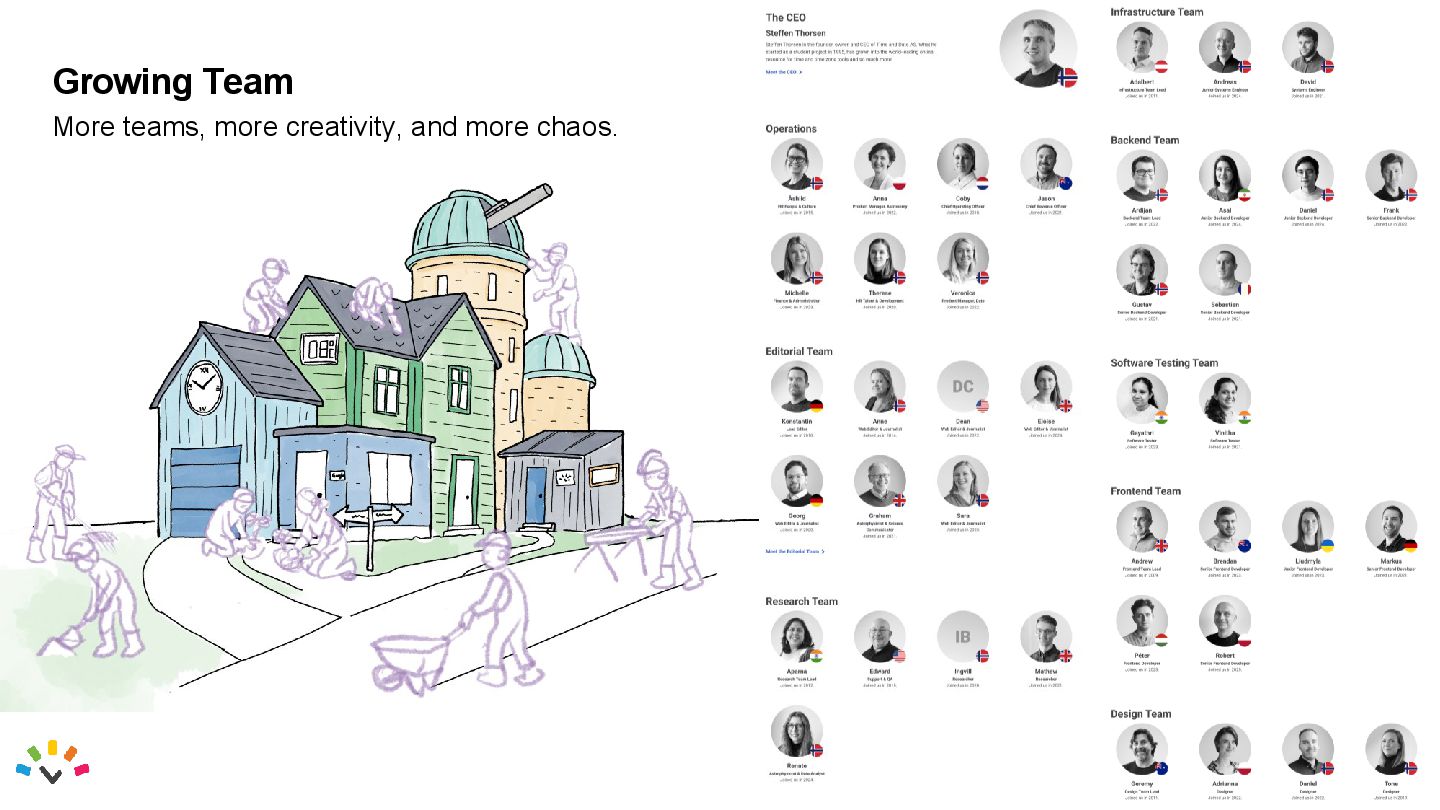
    that help teams build consistent and efficient digital products.
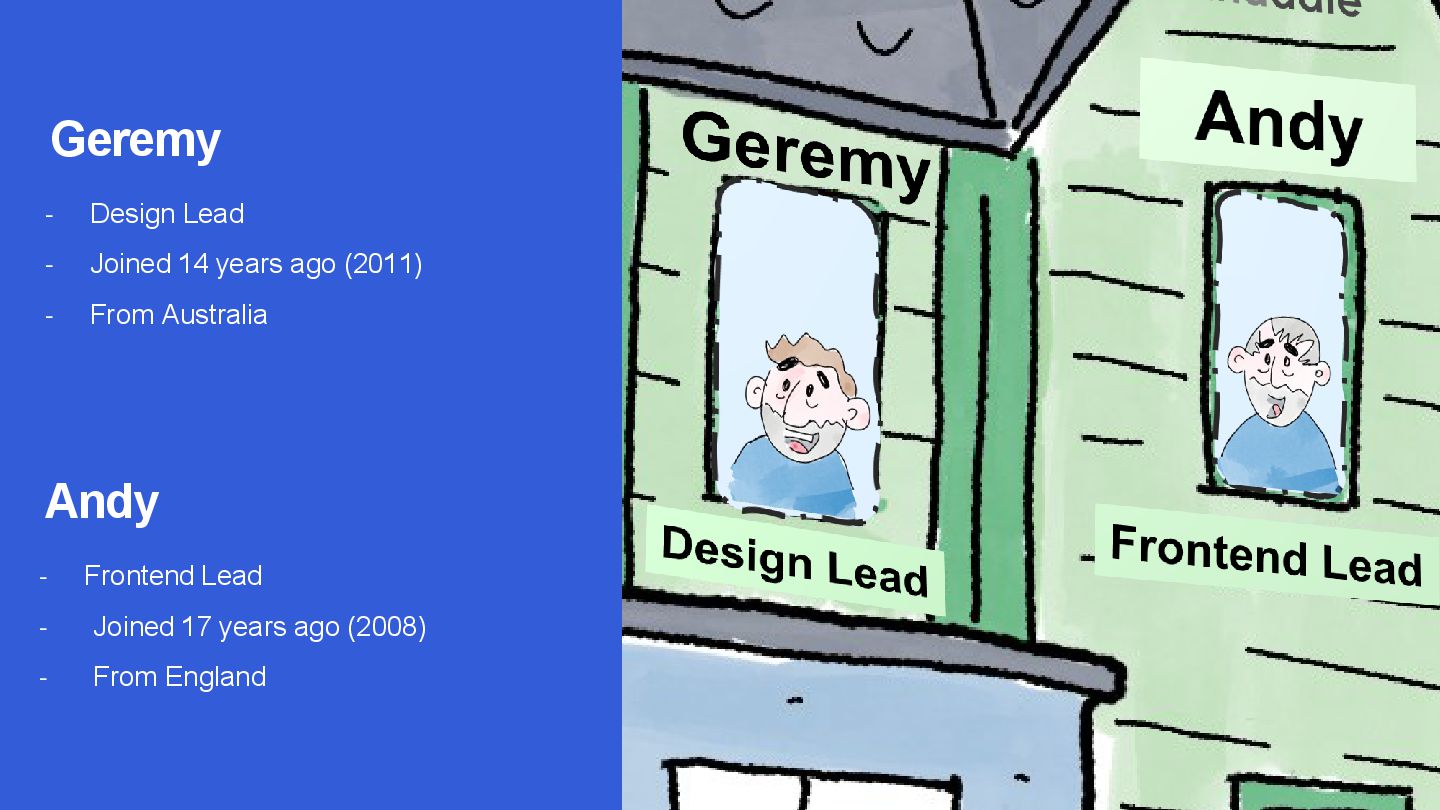
  2. - Design Lead - Joined 14 years ago (2011) -

    From Australia Geremy - Frontend Lead - Joined 17 years ago (2008) - From England Andy
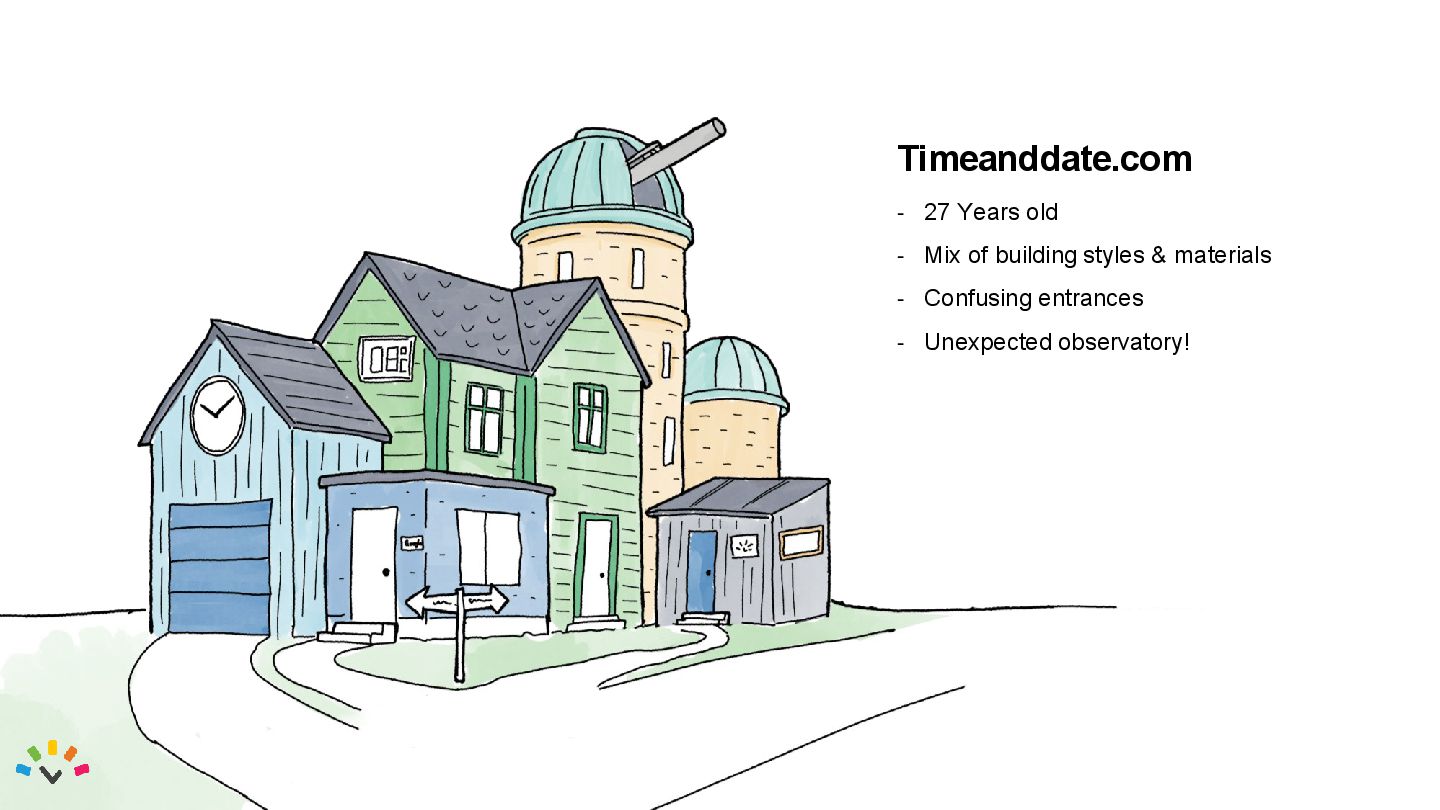
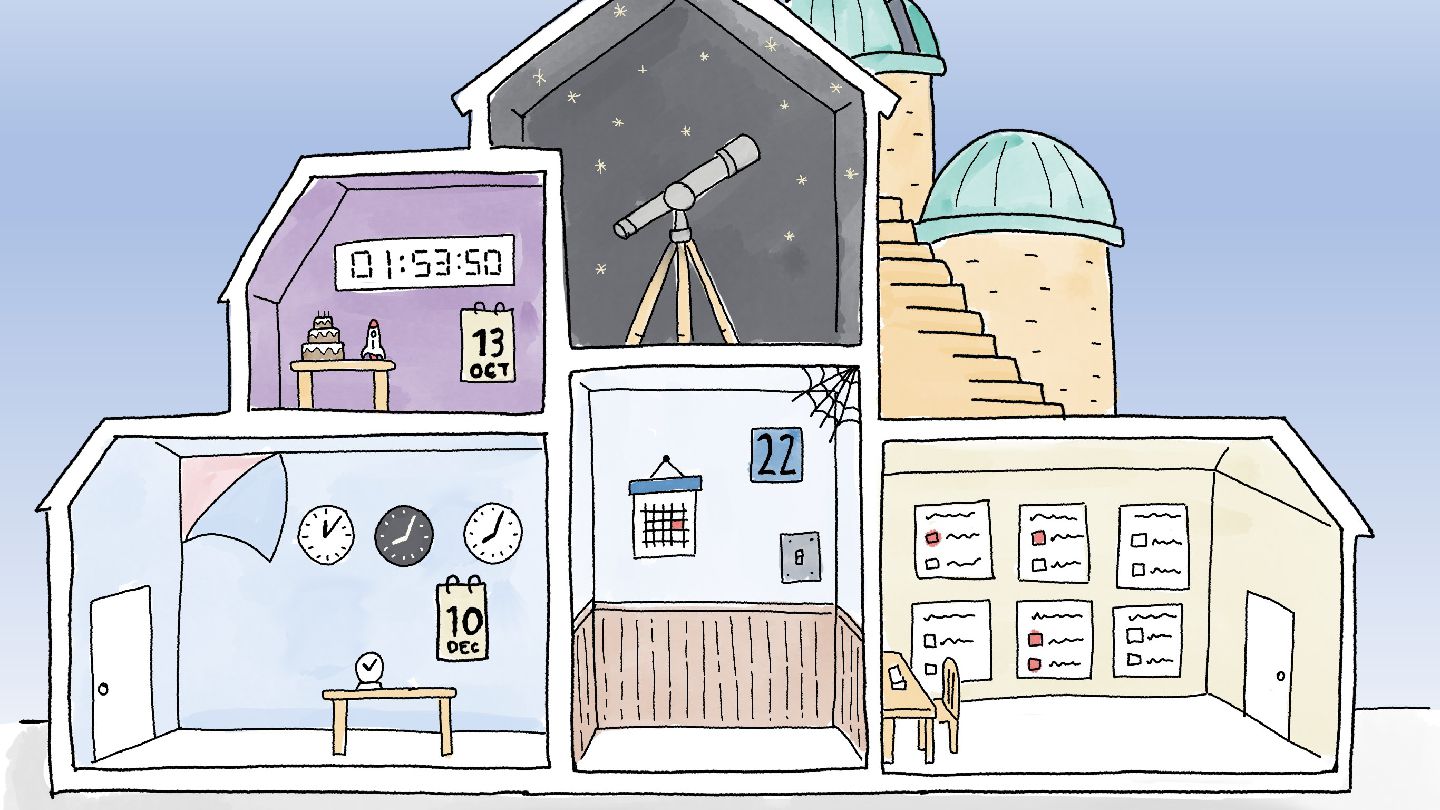
  3. - 27 Years old - Mix of building styles &

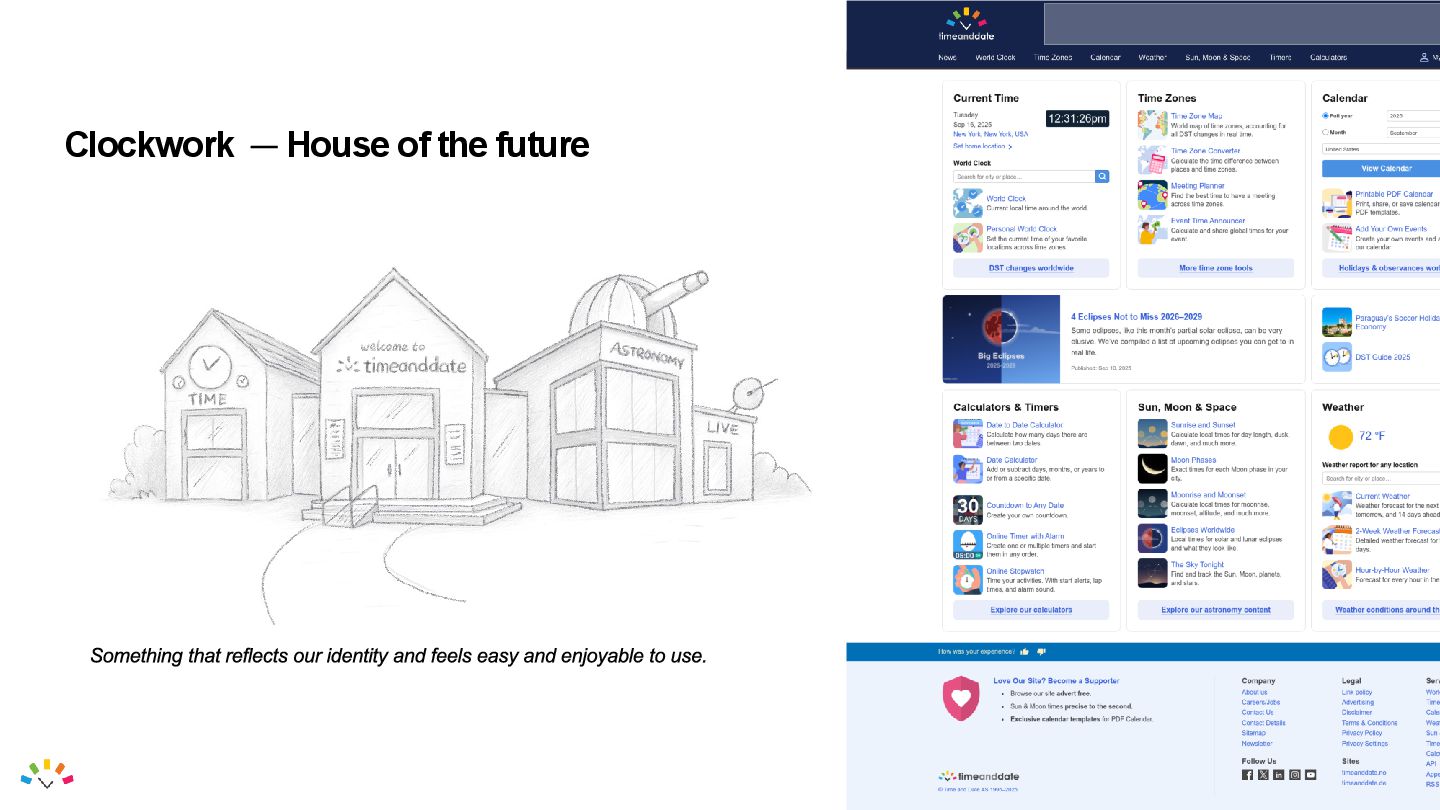
    materials - Confusing entrances - Unexpected observatory! Timeanddate.com
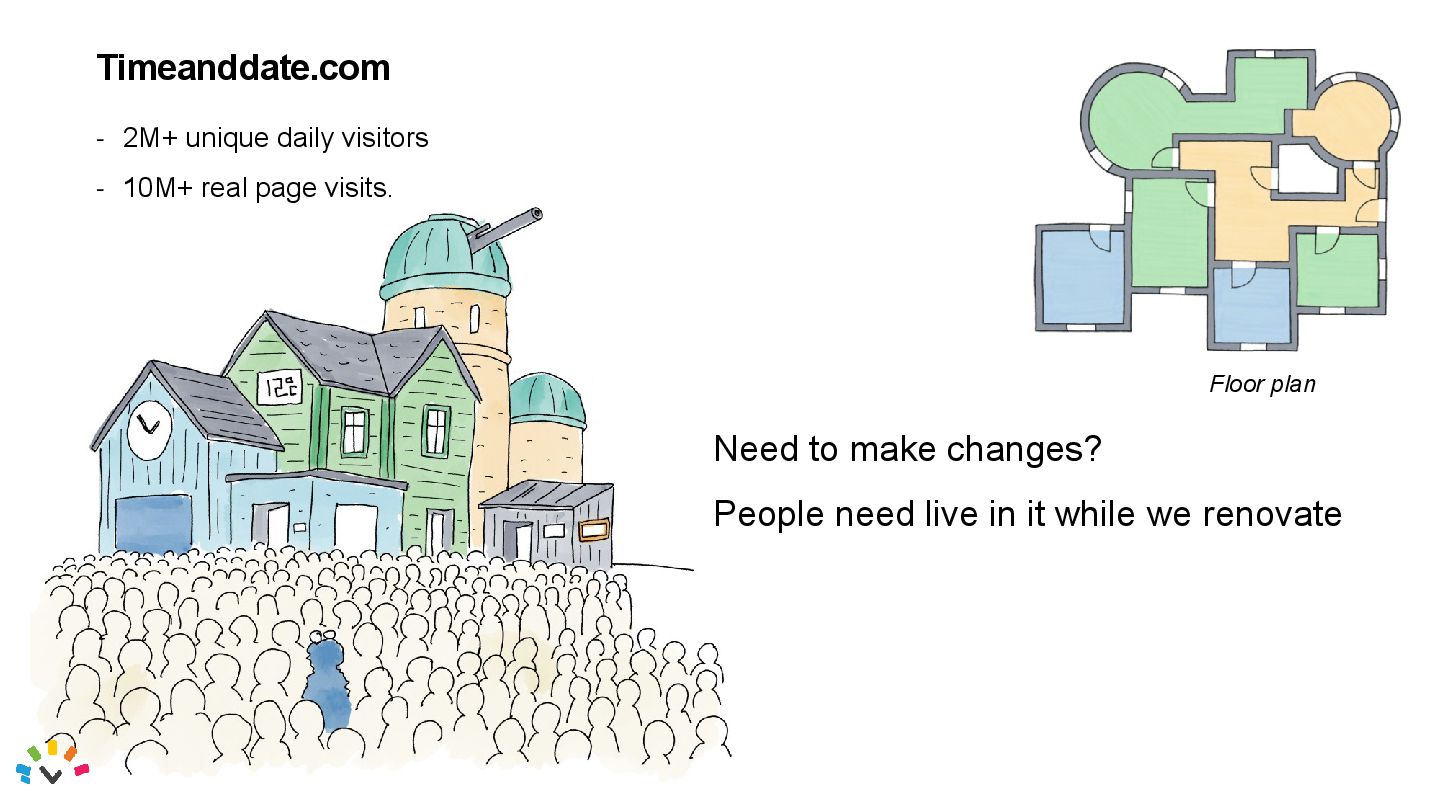
  4. Need to make changes? People need live in it while

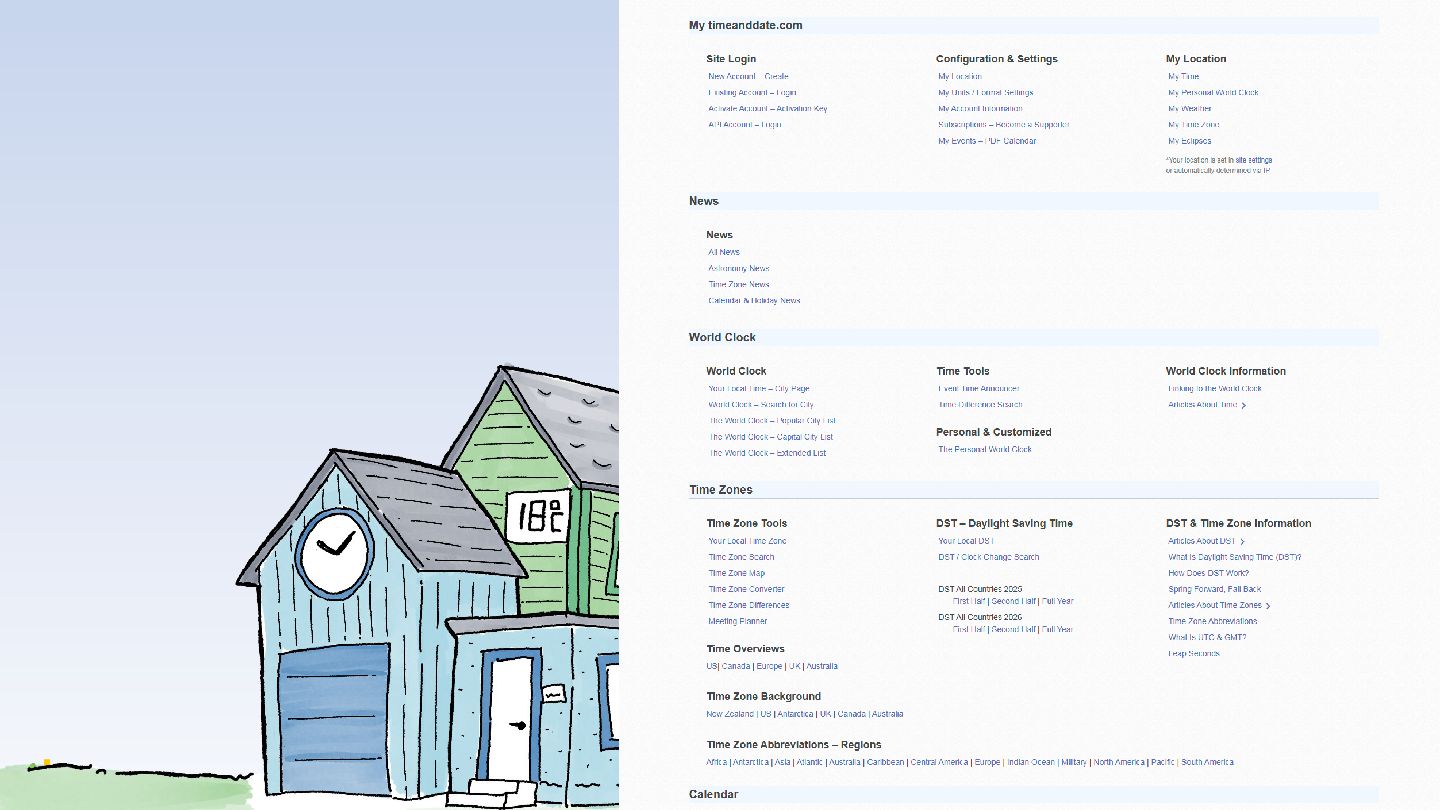
    we renovate - 2M+ unique daily visitors - 10M+ real page visits. Timeanddate.com Floor plan
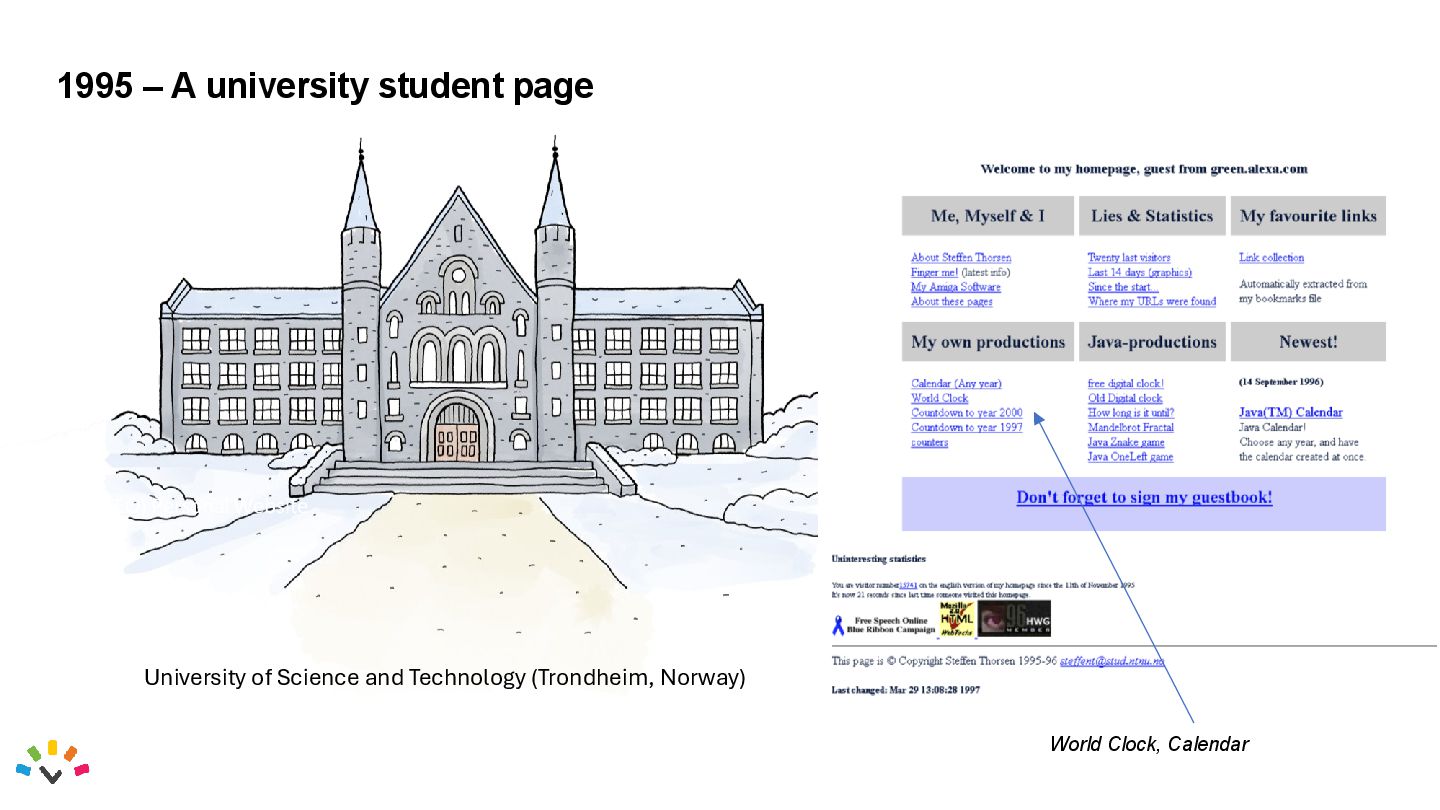
  5. Steffen’s (CEO) Personal Website 1995 – A university student page

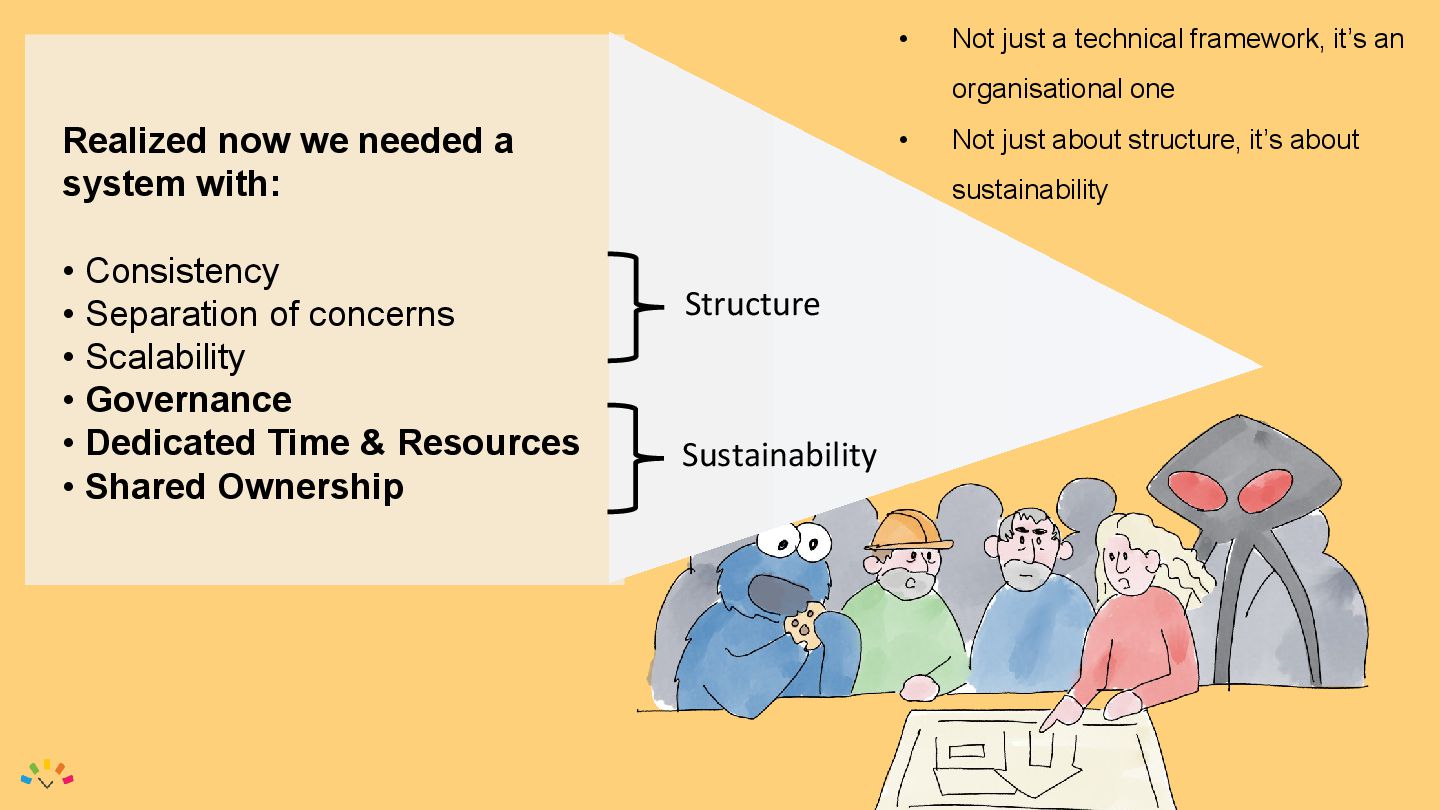
    University of Science and Technology (Trondheim, Norway) World Clock, Calendar
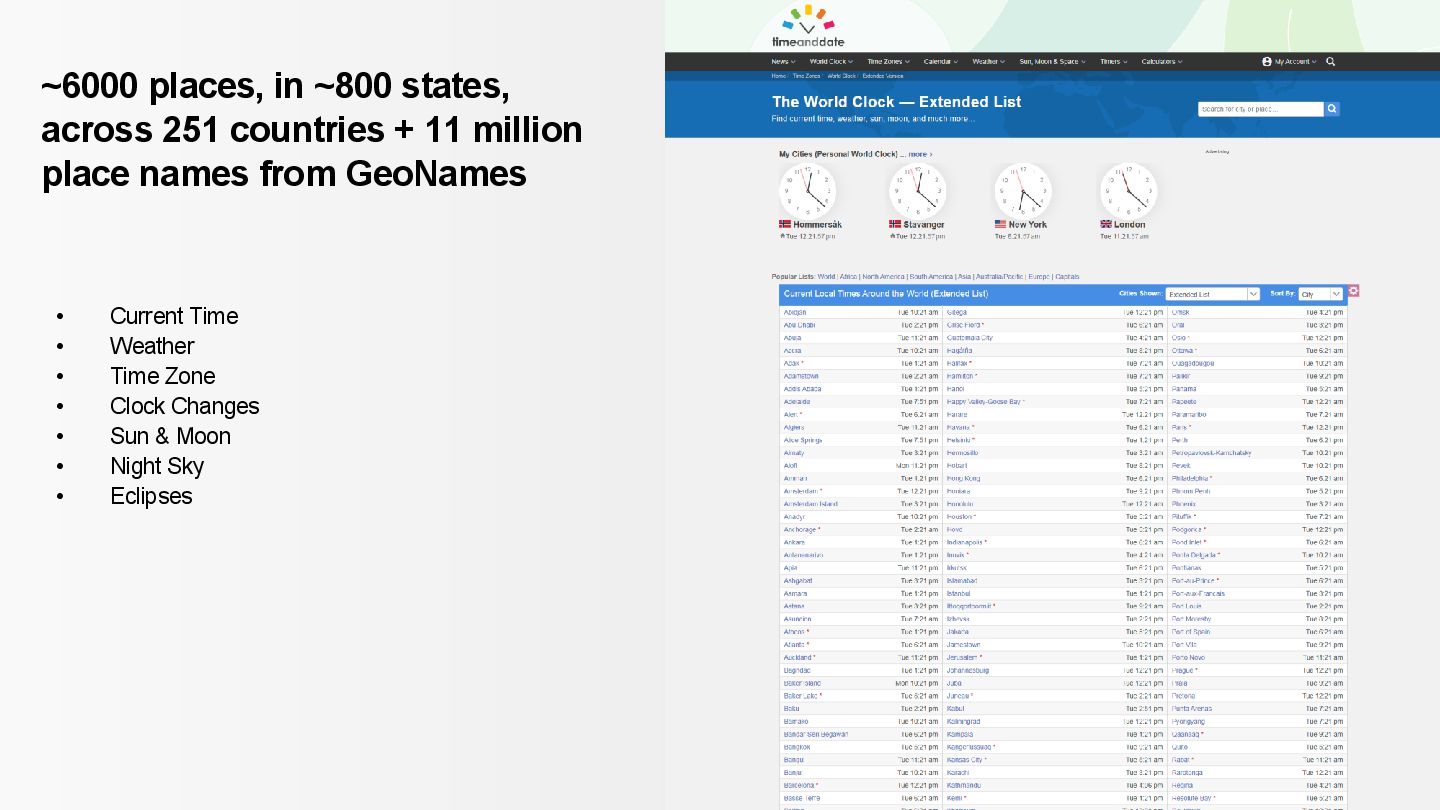
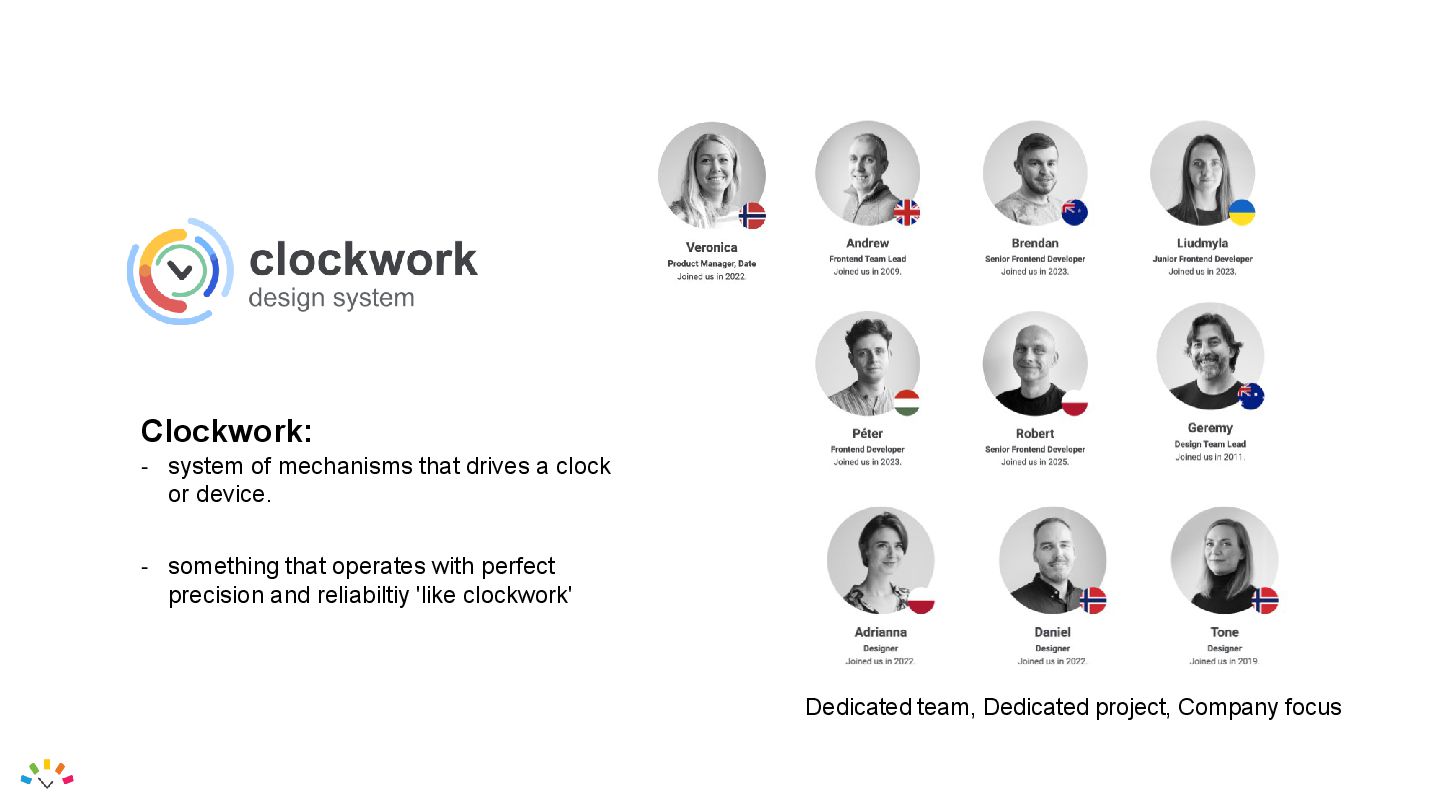
  6. ~6000 places, in ~800 states, across 251 countries + 11

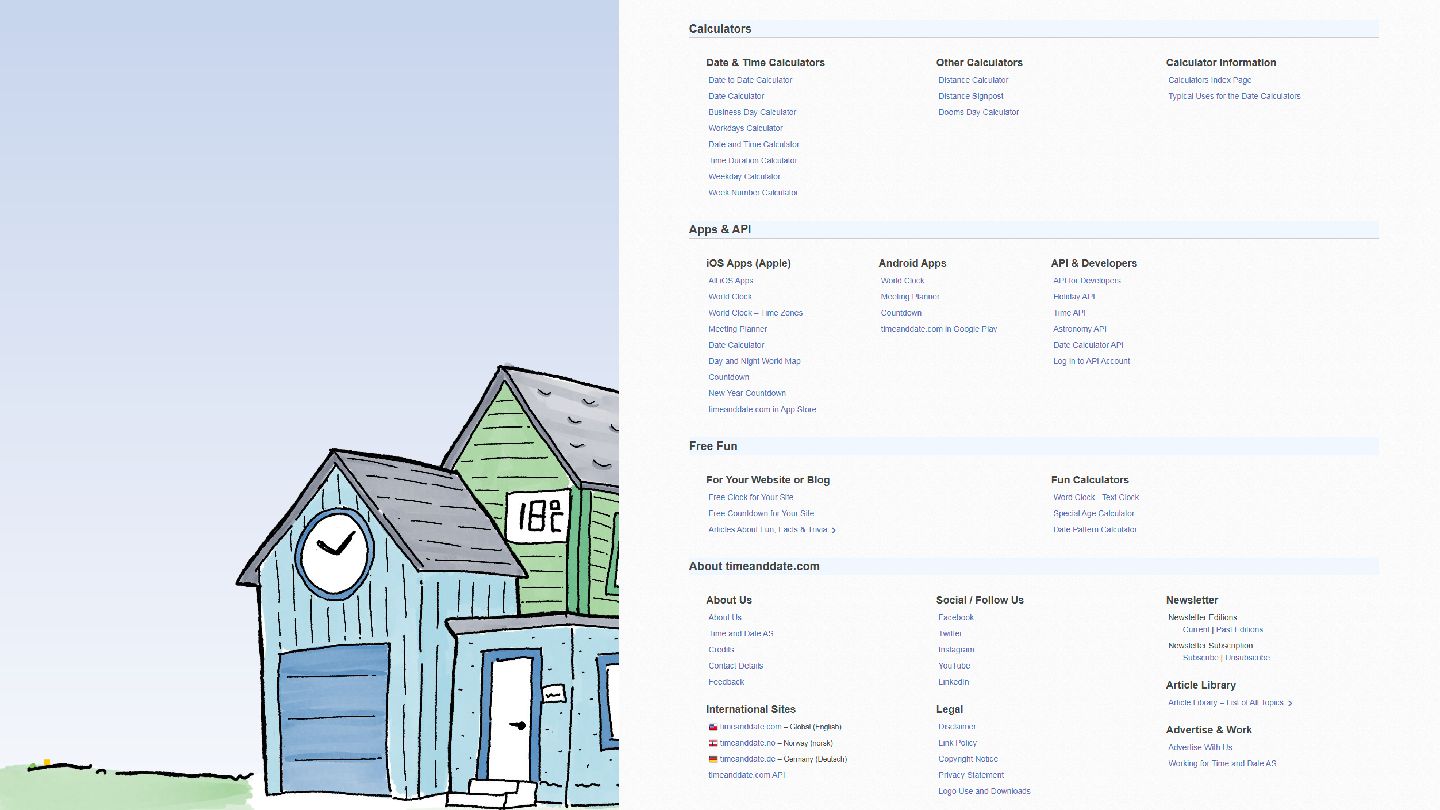
    million place names from GeoNames • Current Time • Weather • Time Zone • Clock Changes • Sun & Moon • Night Sky • Eclipses
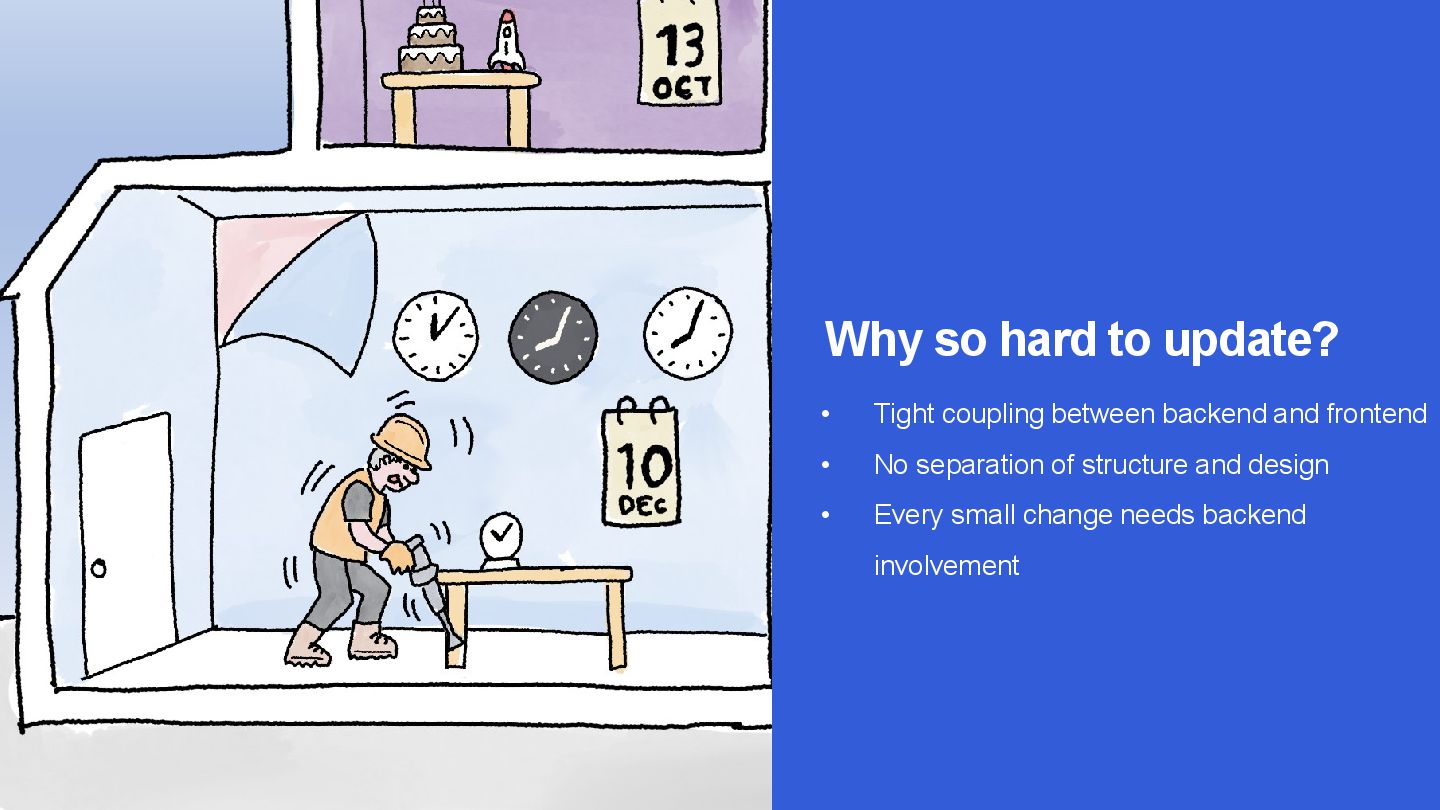
  7. • Tight coupling between backend and frontend • No separation

    of structure and design • Every small change needs backend involvement Why so hard to update?
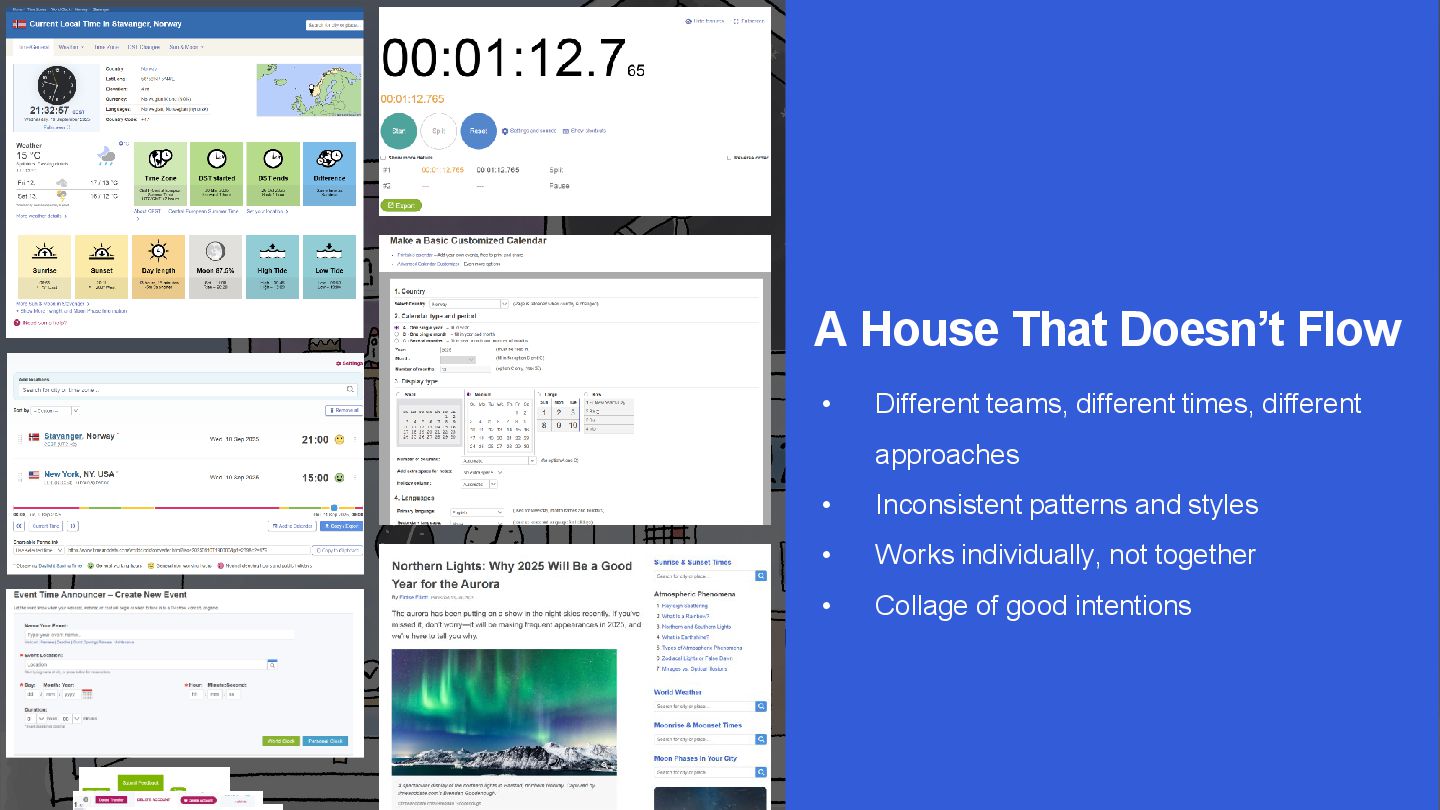
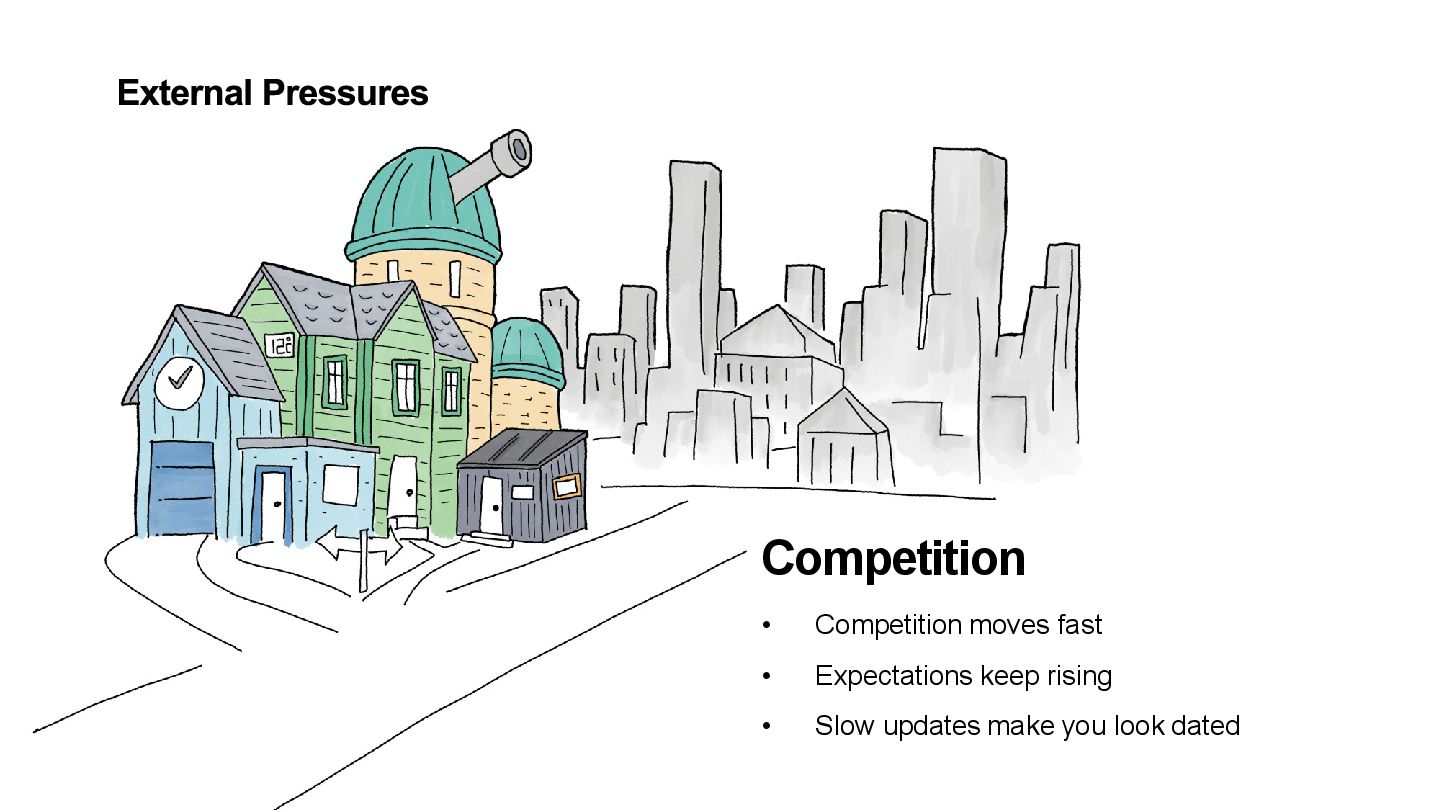
  8. • Different teams, different times, different approaches • Inconsistent patterns

    and styles • Works individually, not together • Collage of good intentions A House That Doesn’t Flow
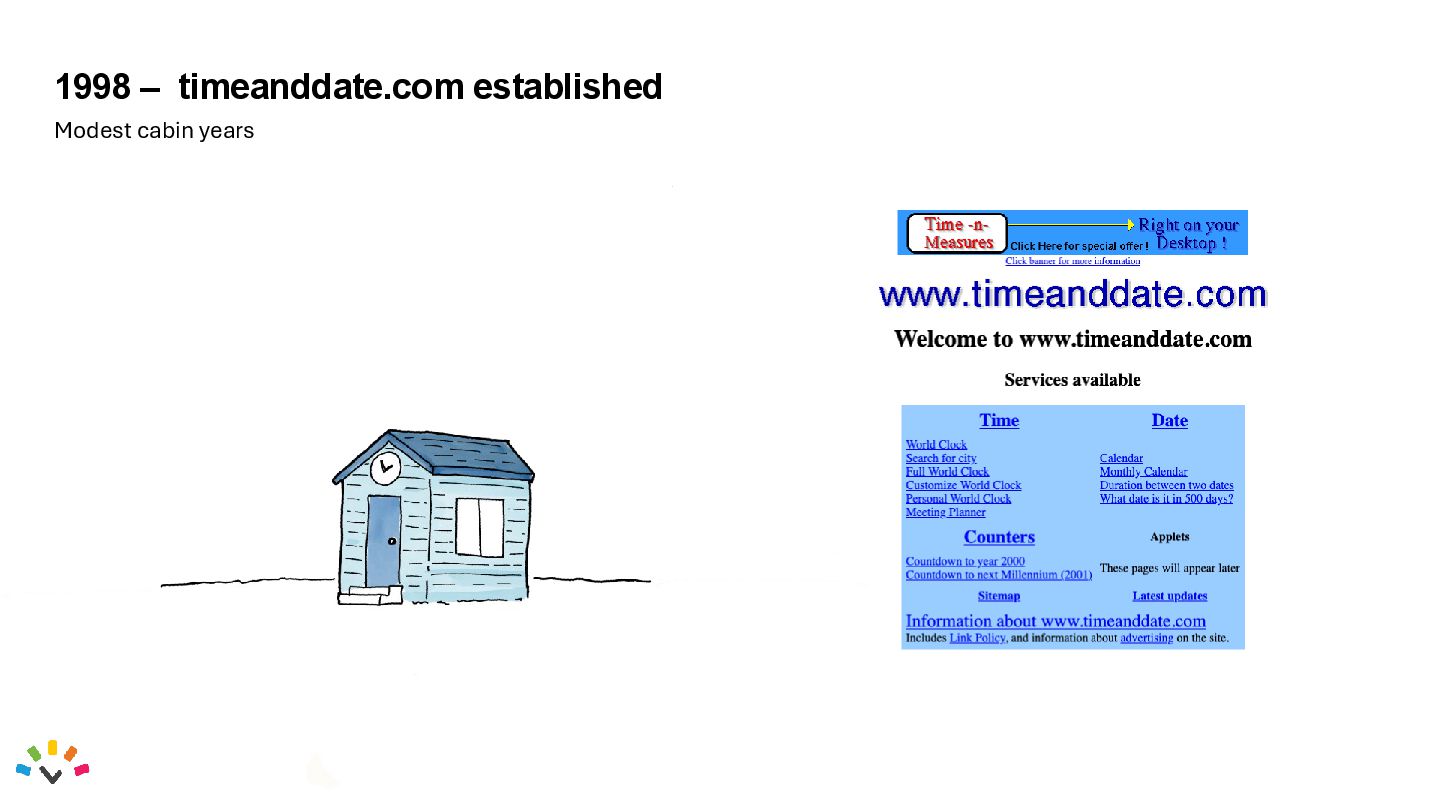
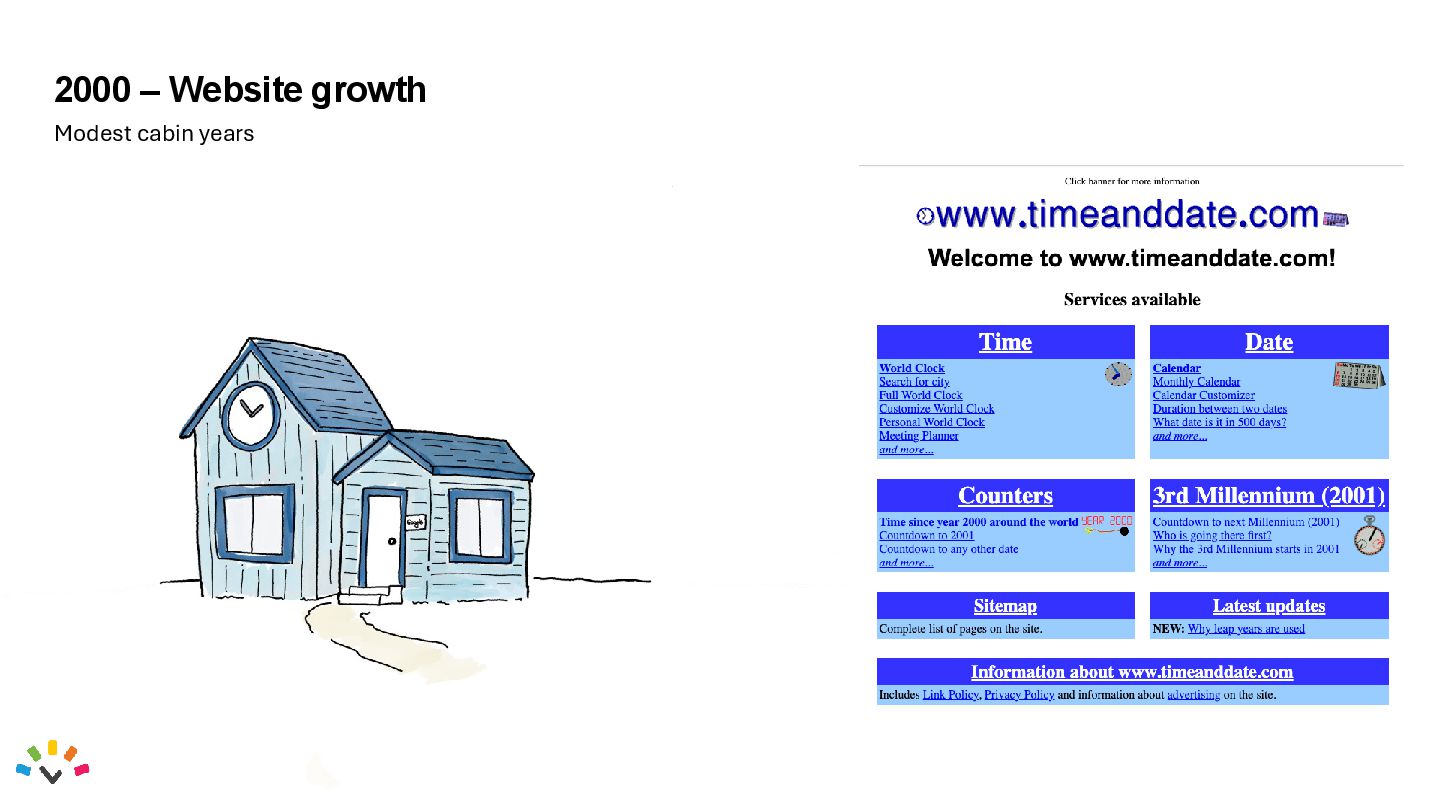
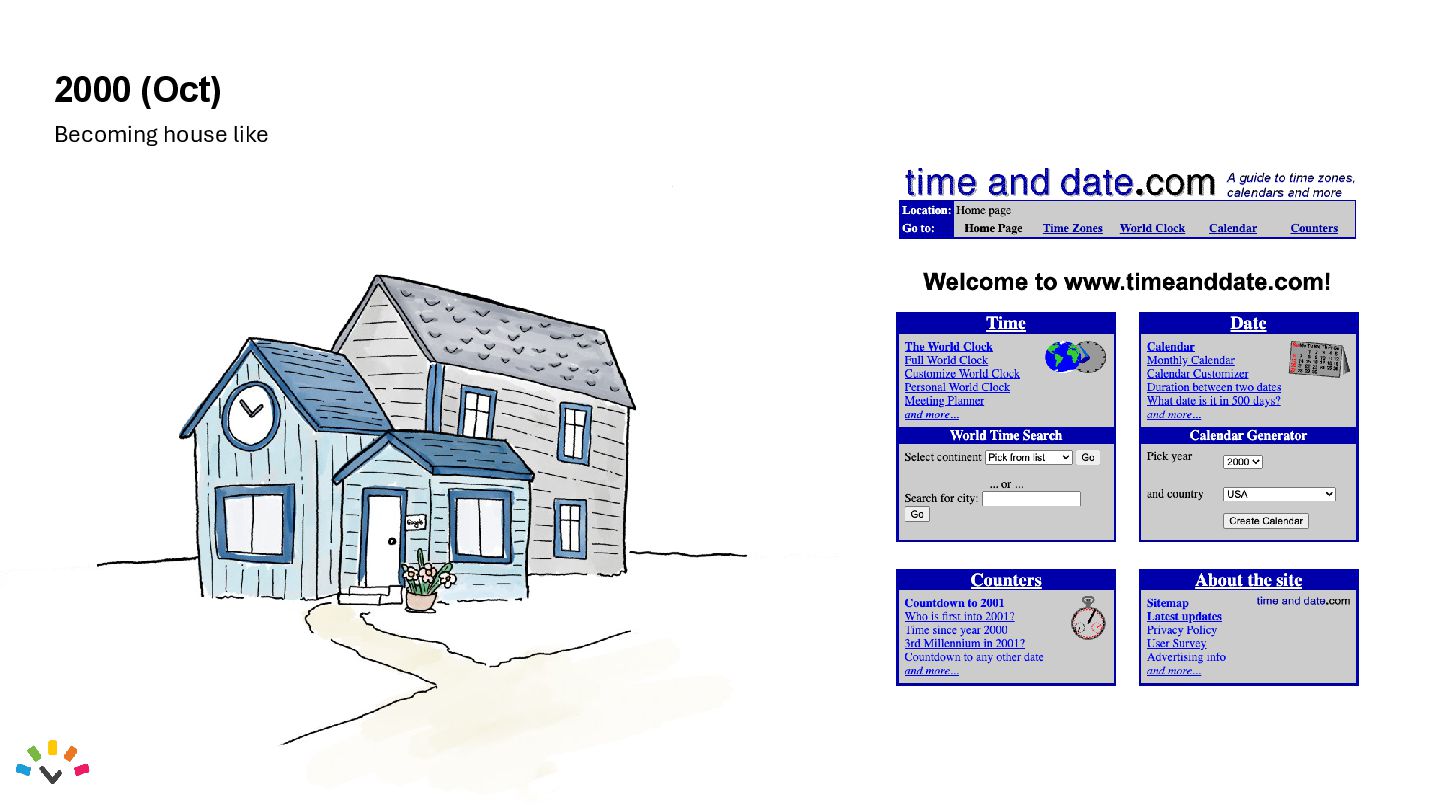
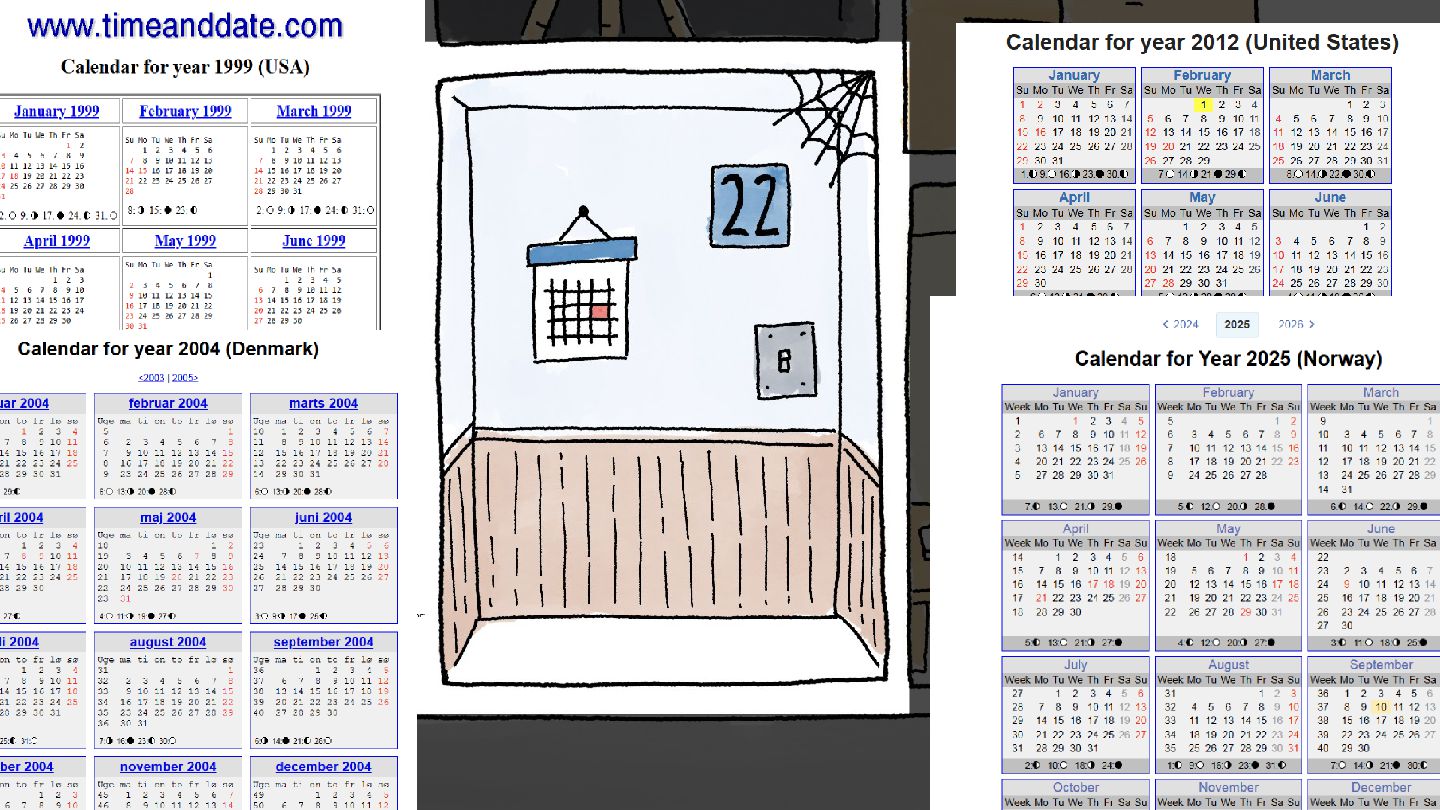
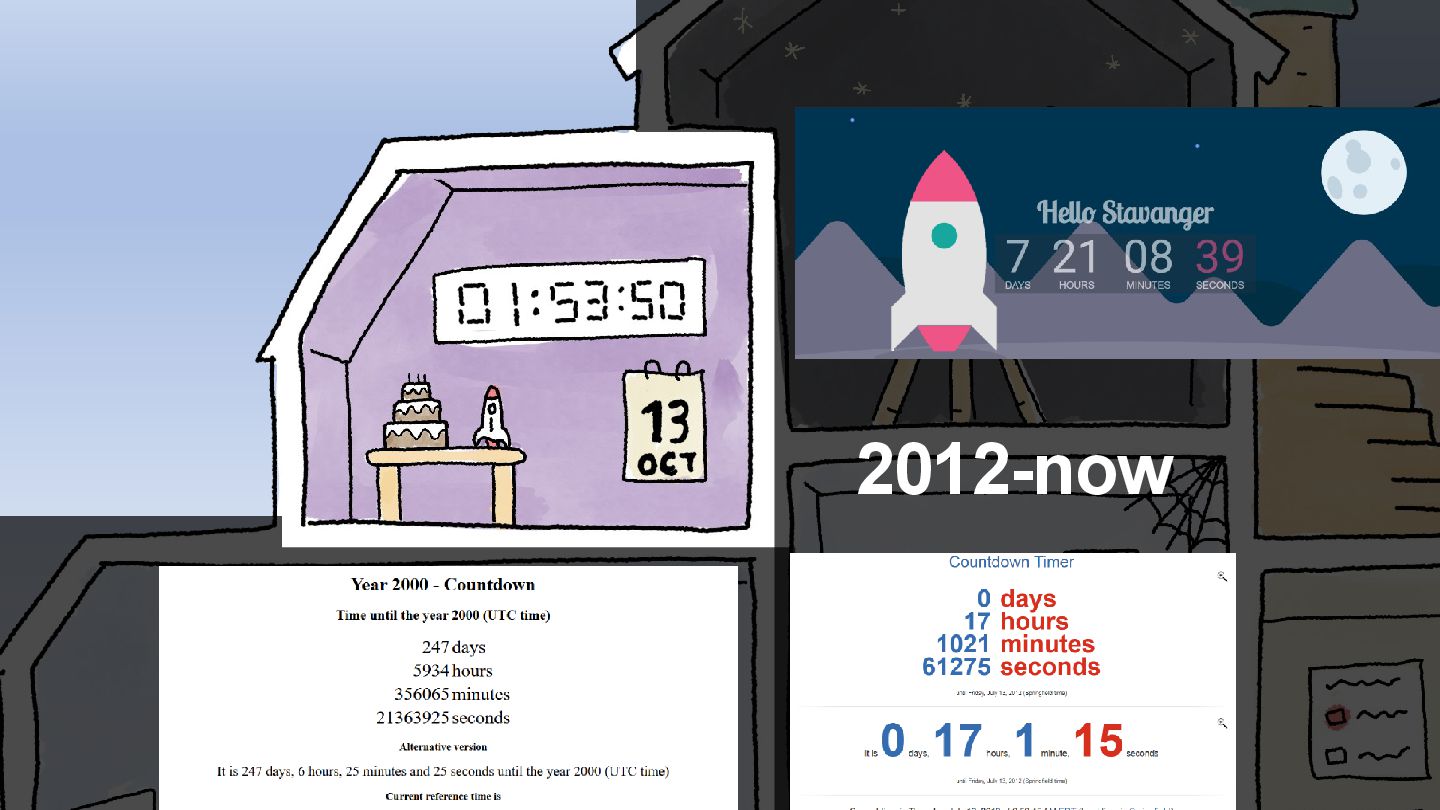
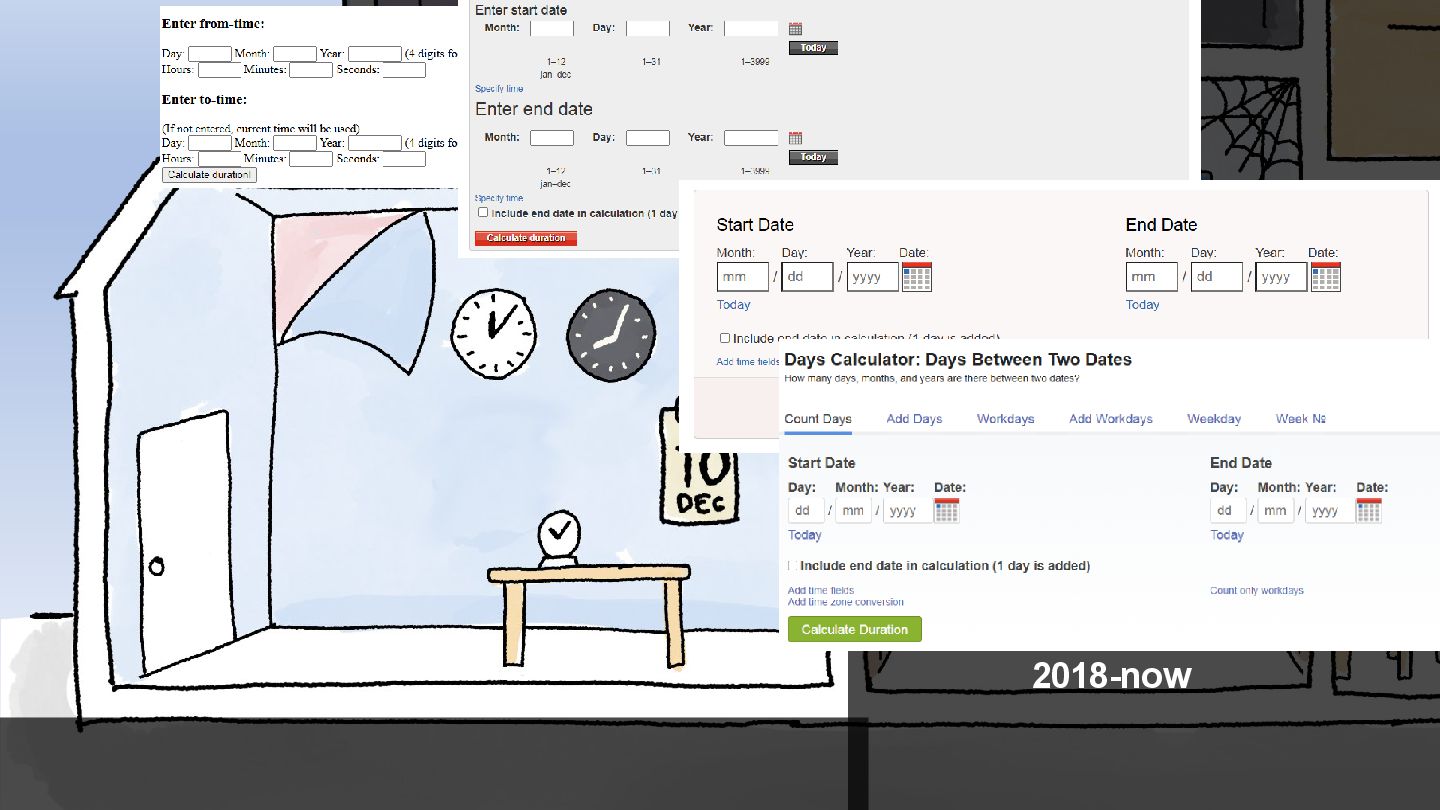
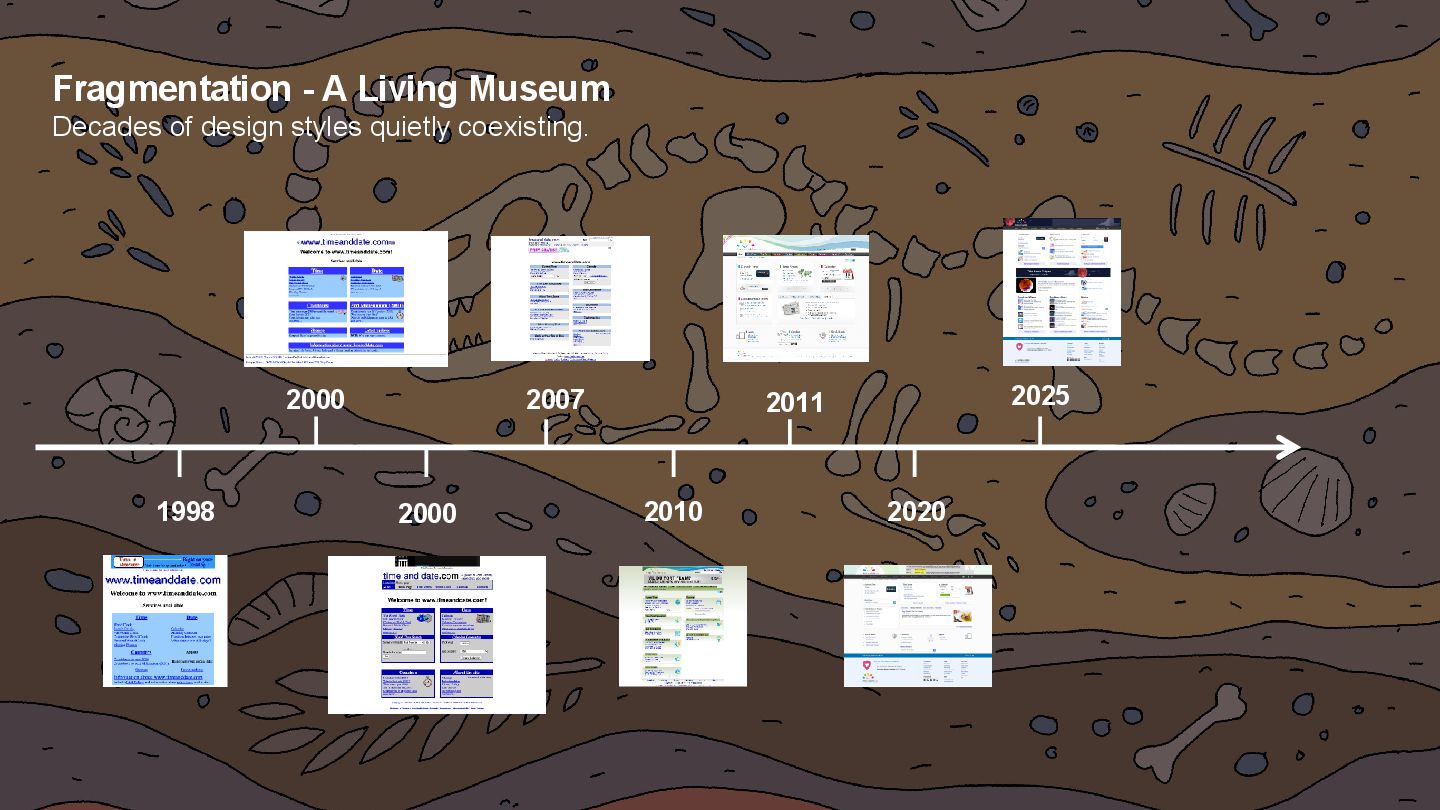
  9. 1998 2000 2010 2020 2007 2000 2011 2025 Fragmentation -

    A Living Museum Decades of design styles quietly coexisting.
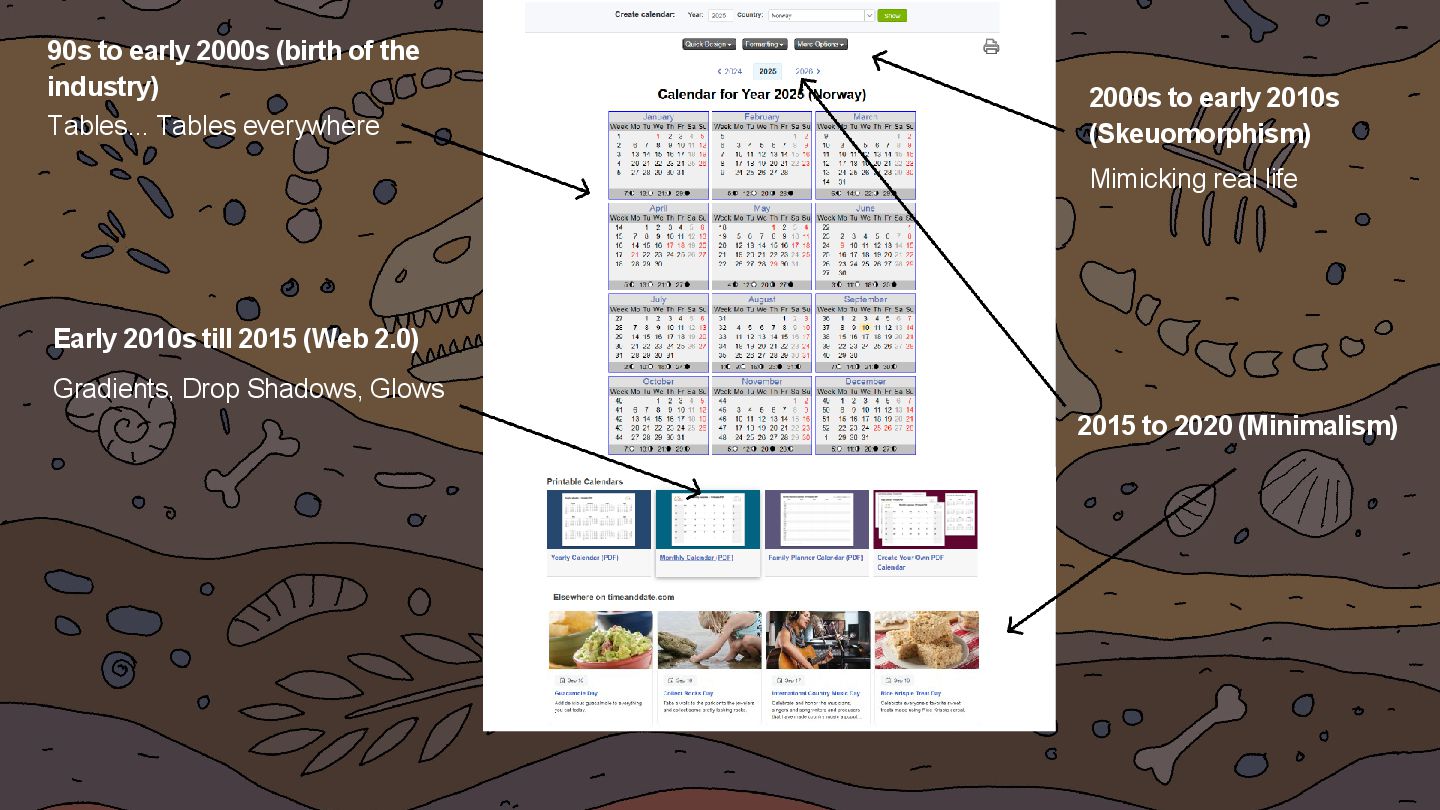
  10. 90s to early 2000s (birth of the industry) Tables... Tables

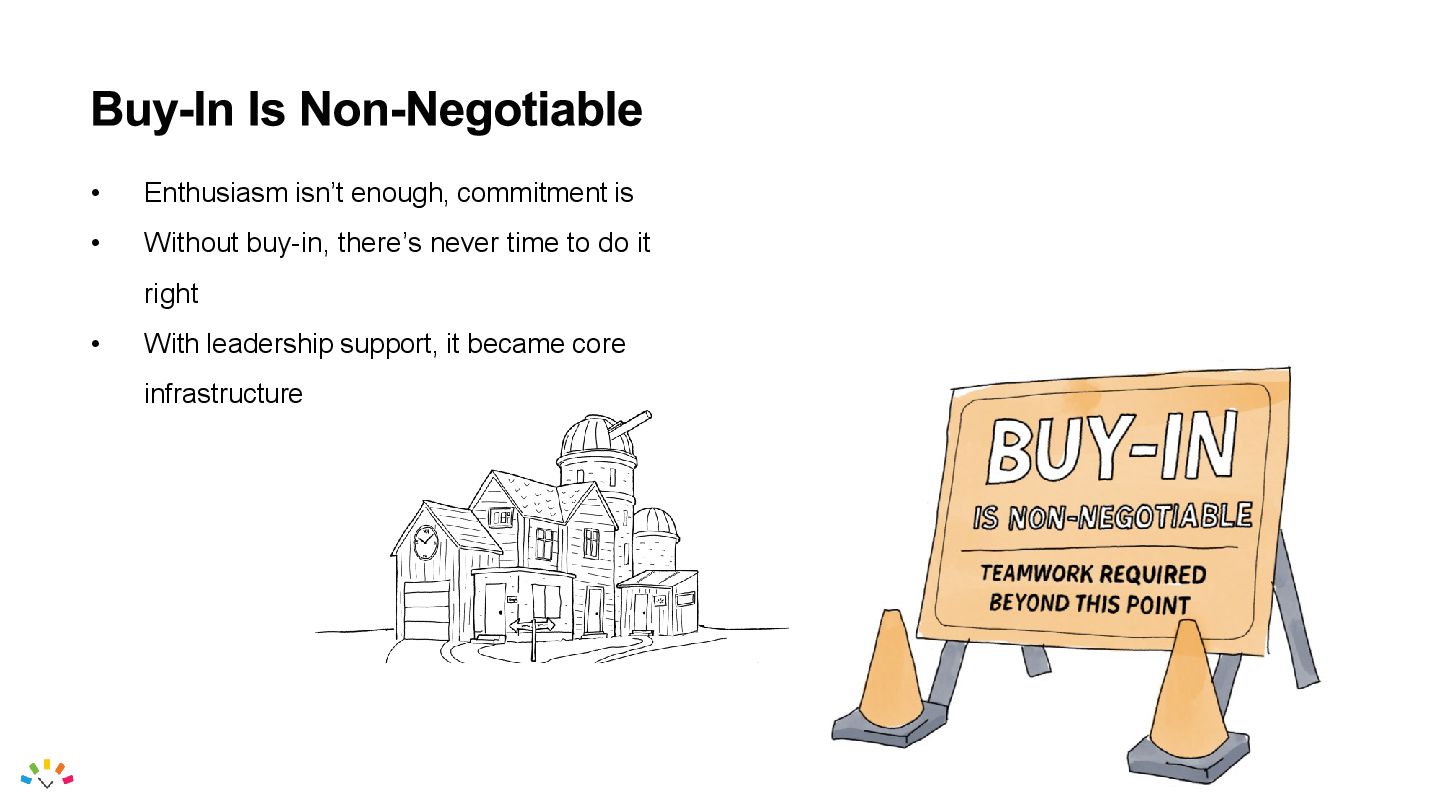
    everywhere Mimicking real life 2000s to early 2010s (Skeuomorphism) Early 2010s till 2015 (Web 2.0) Gradients, Drop Shadows, Glows 2015 to 2020 (Minimalism)
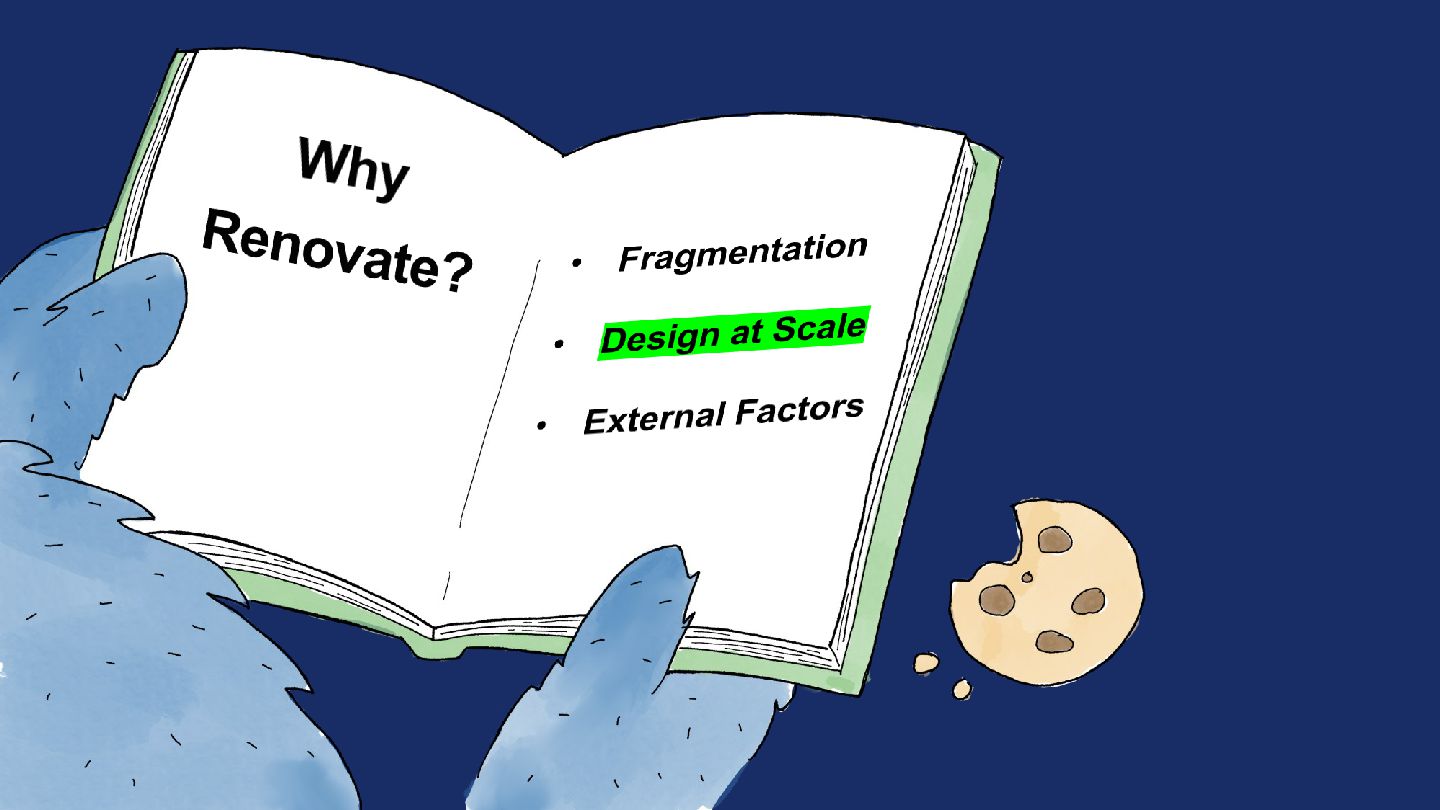
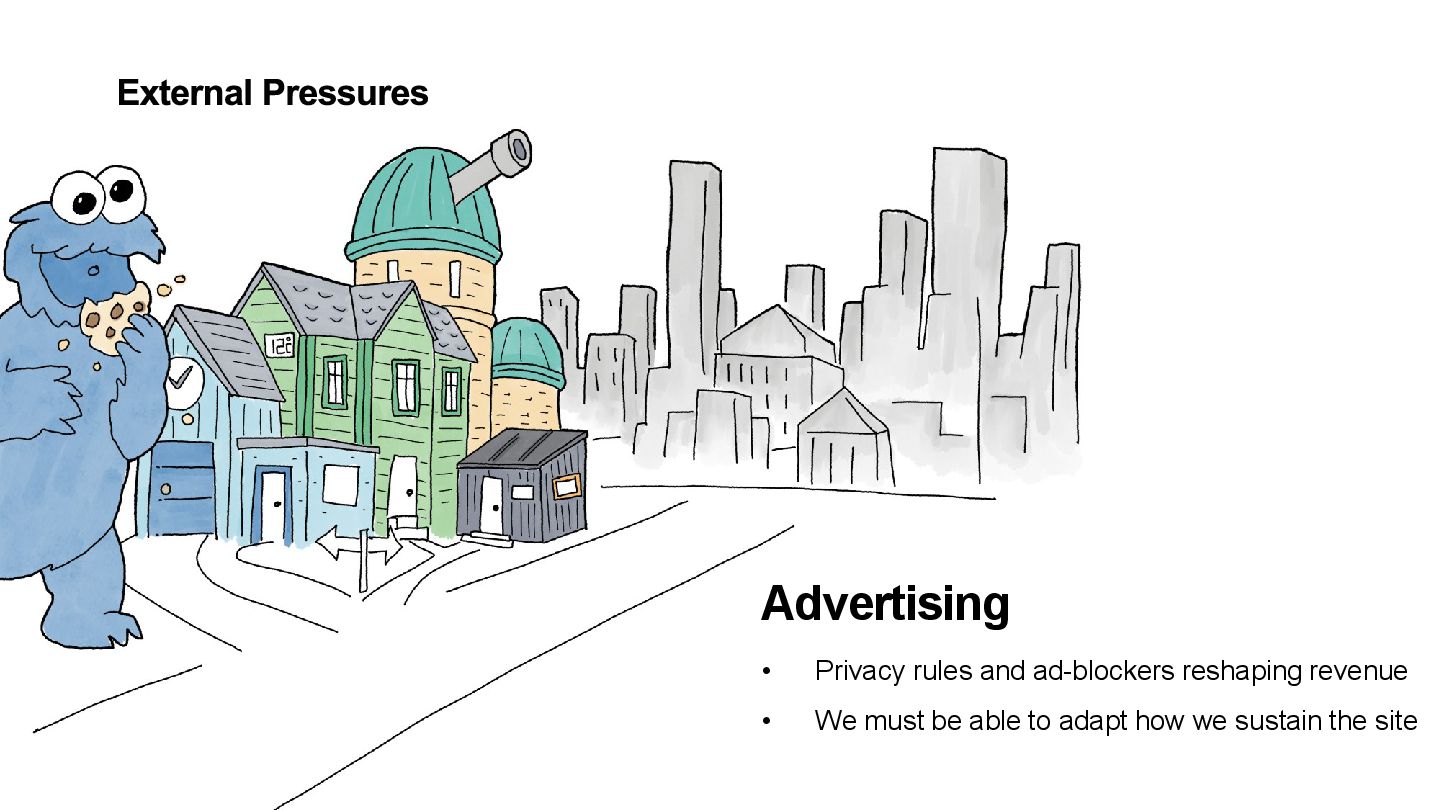
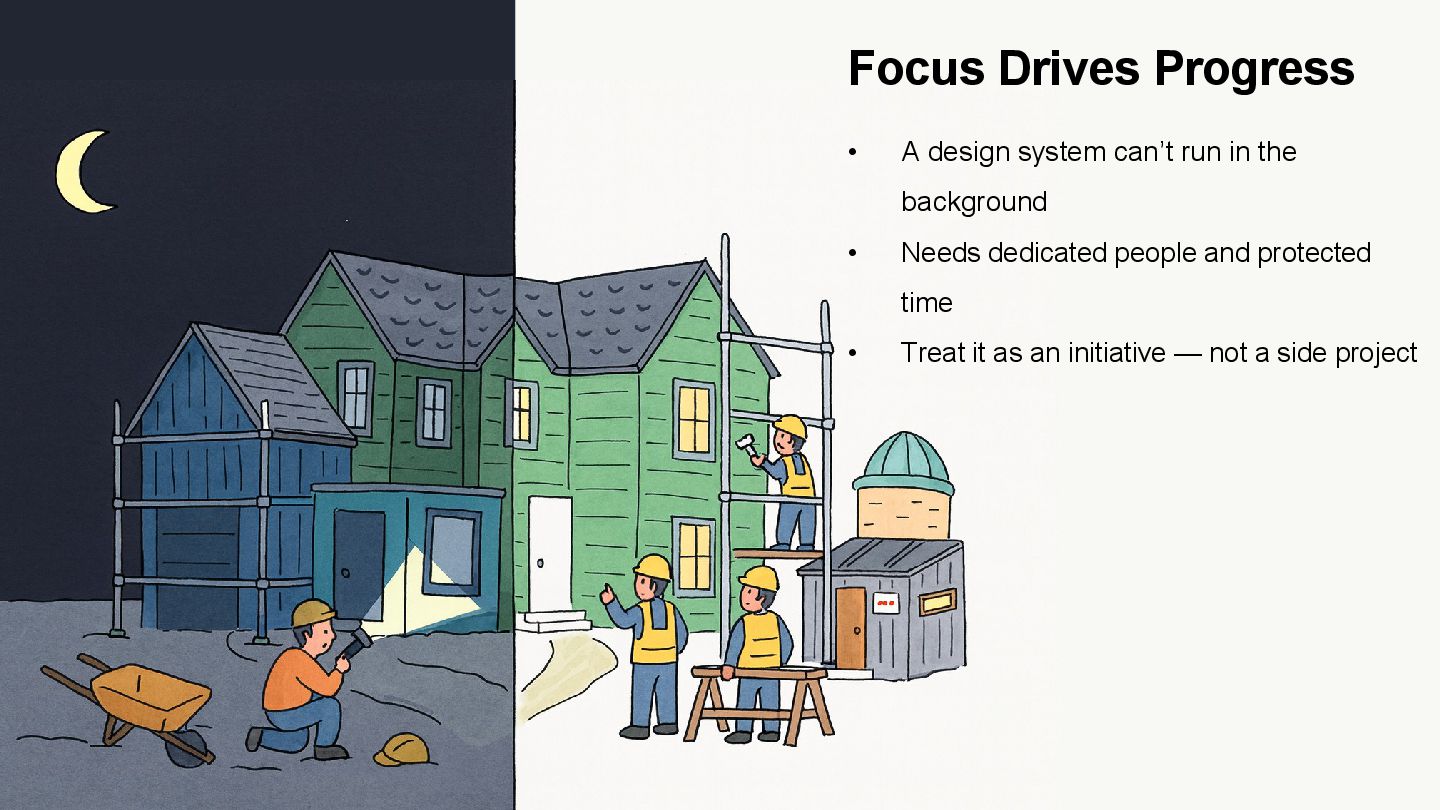
  11. • Privacy rules and ad-blockers reshaping revenue • We must

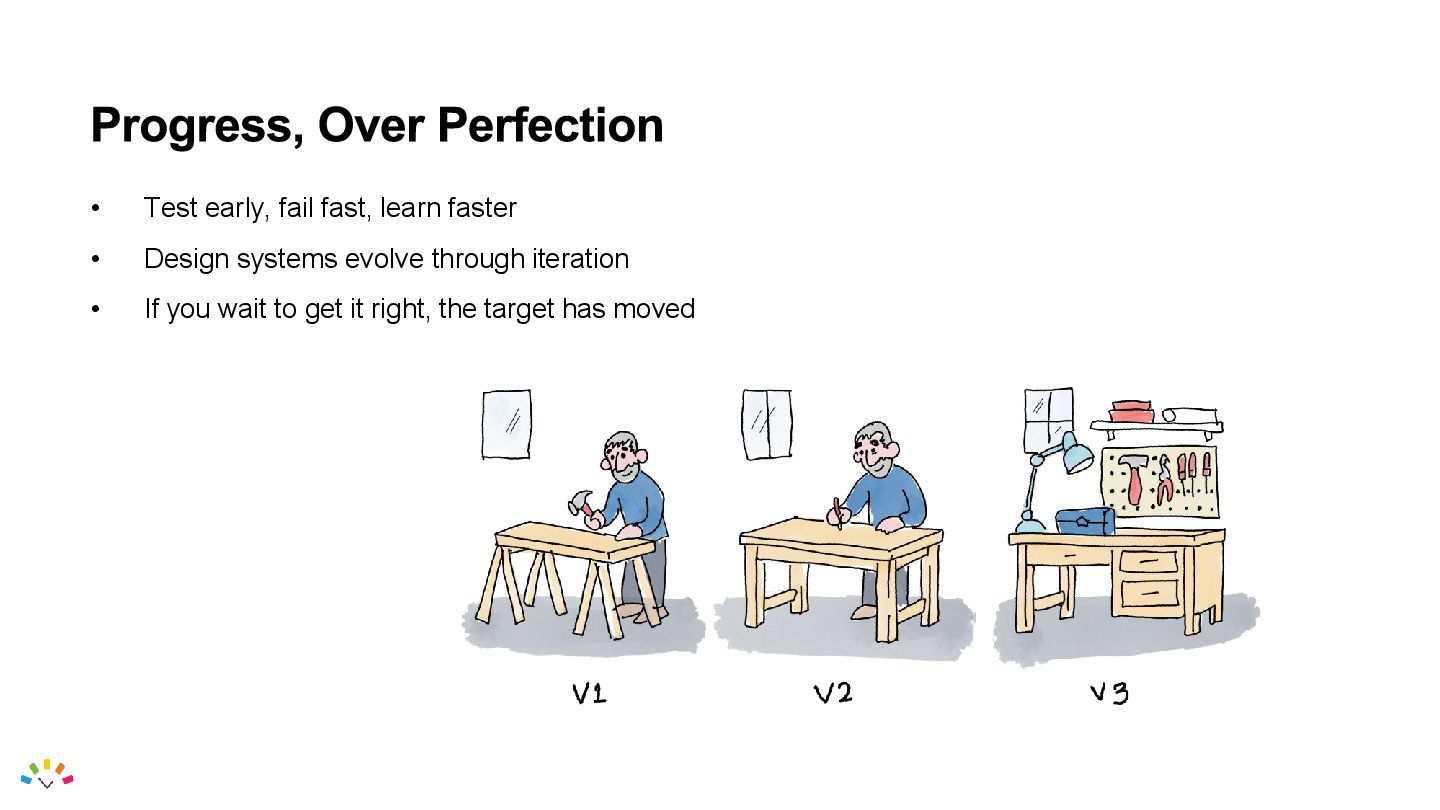
    be able to adapt how we sustain the site Advertising
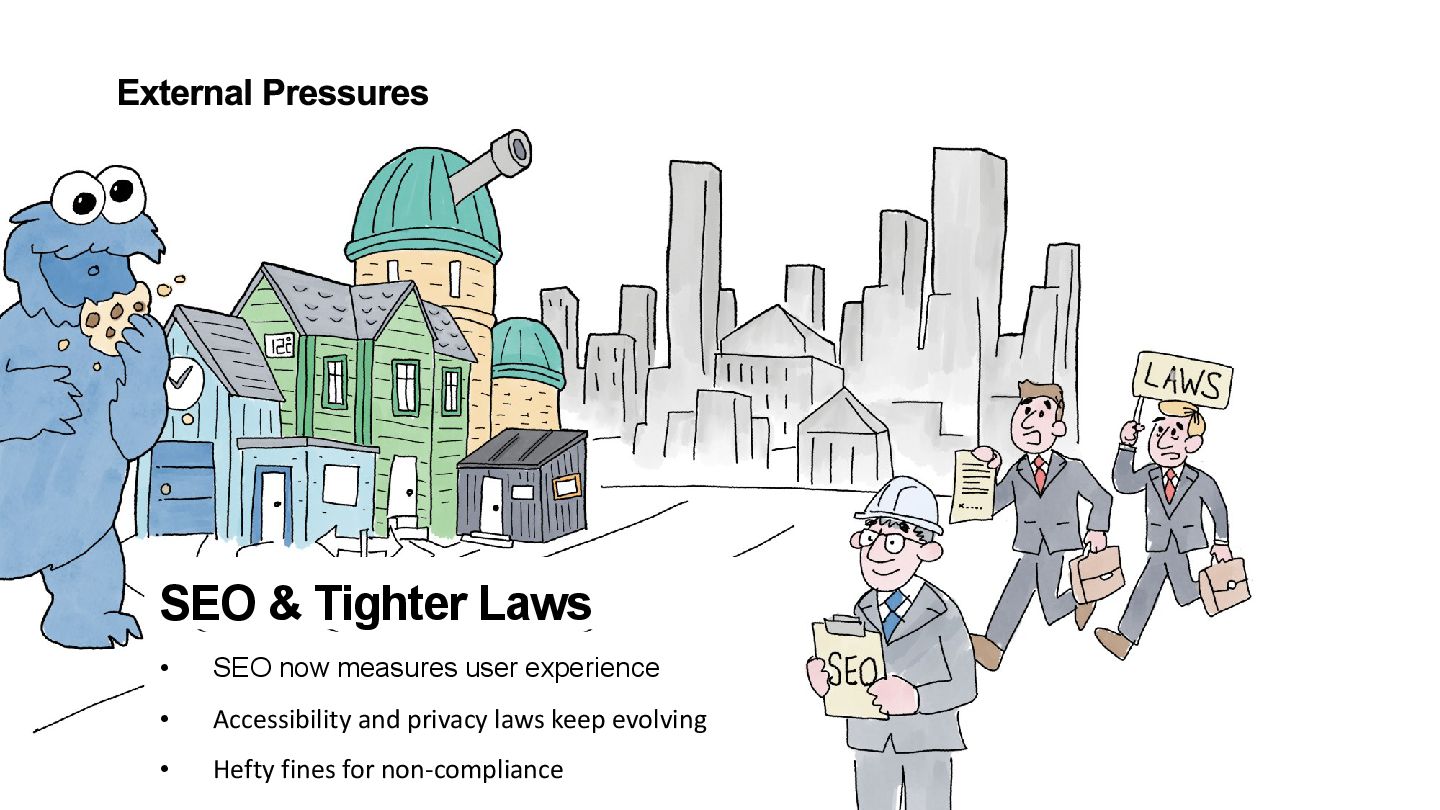
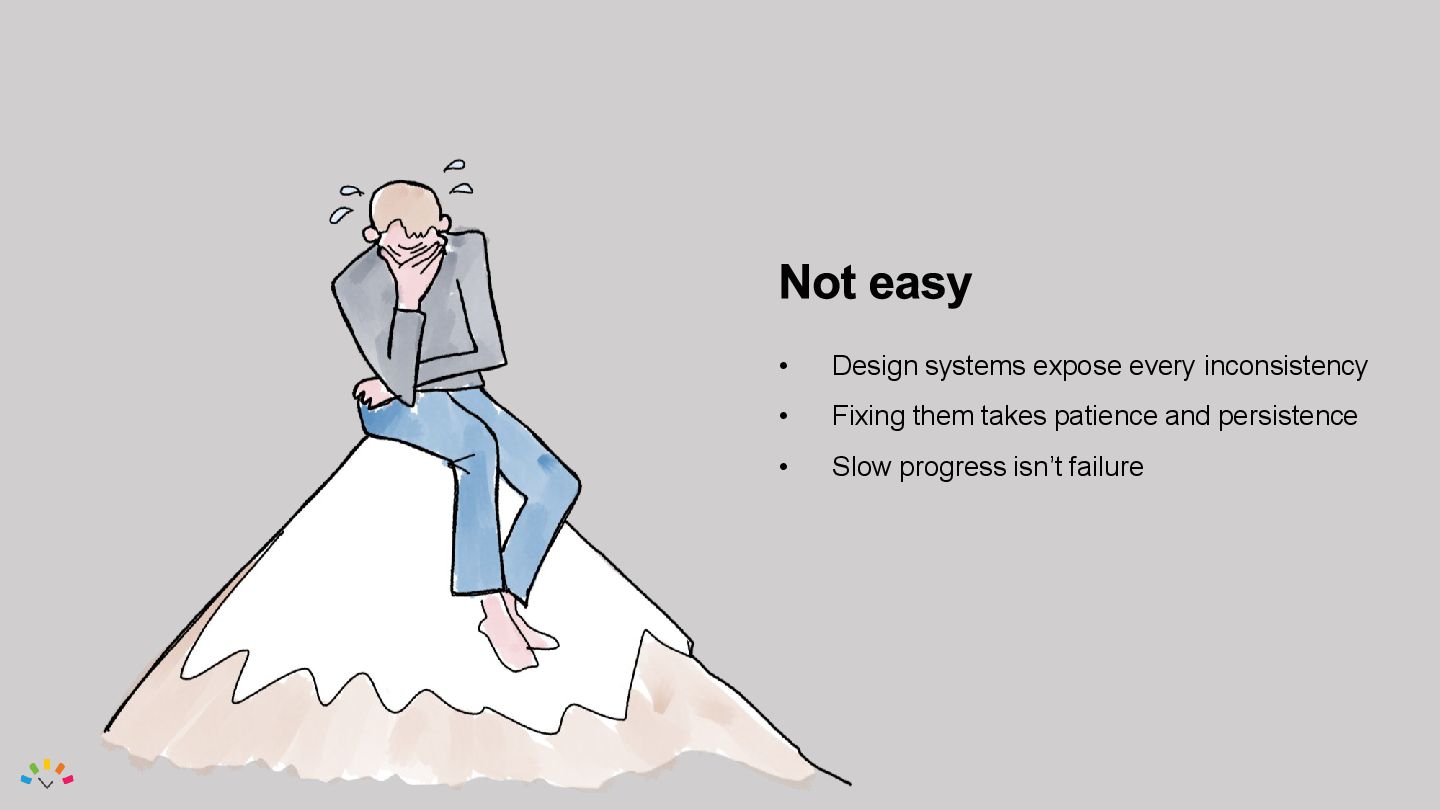
  12. • SEO now measures user experience • Accessibility and privacy

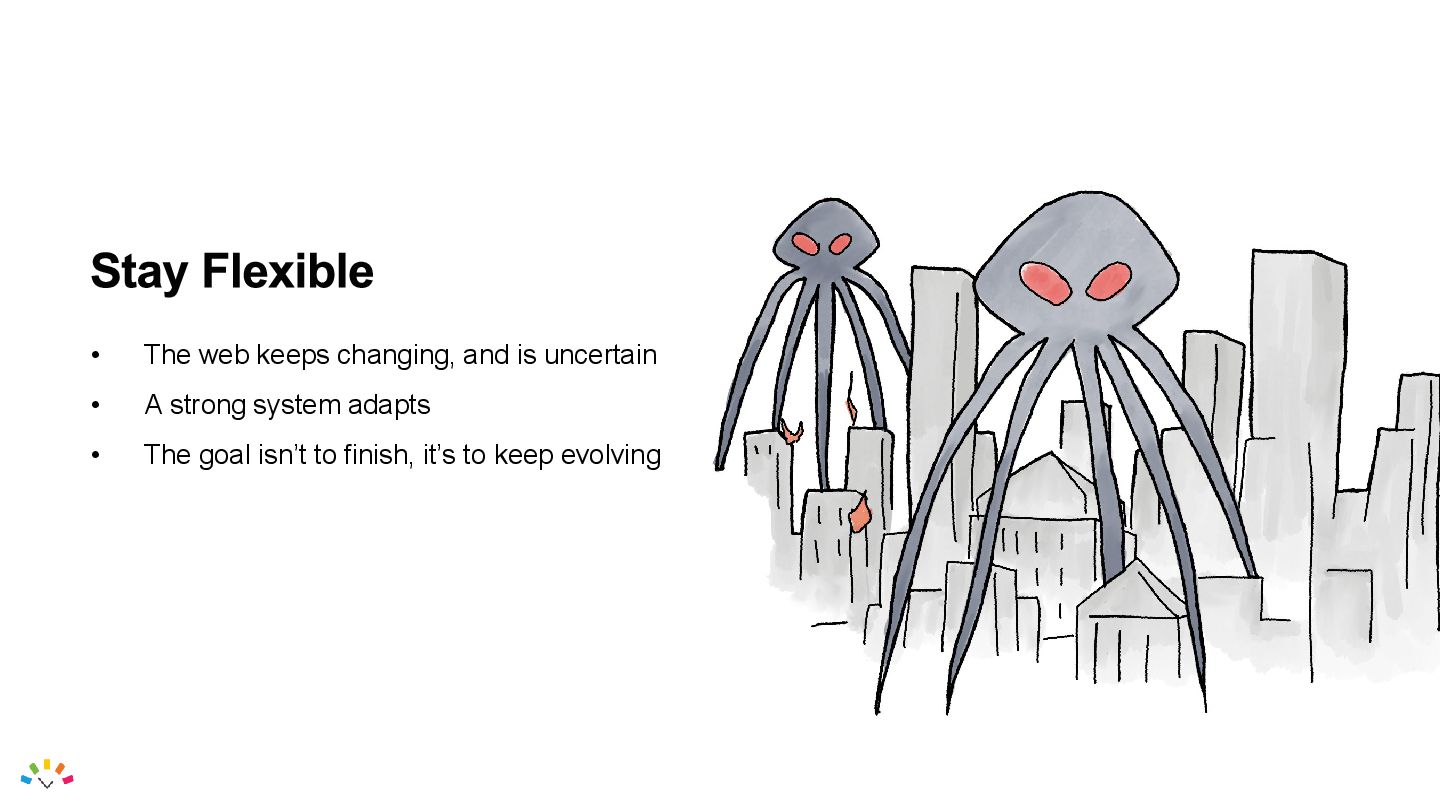
    laws keep evolving • Hefty fines for non-compliance SEO & Tighter Laws
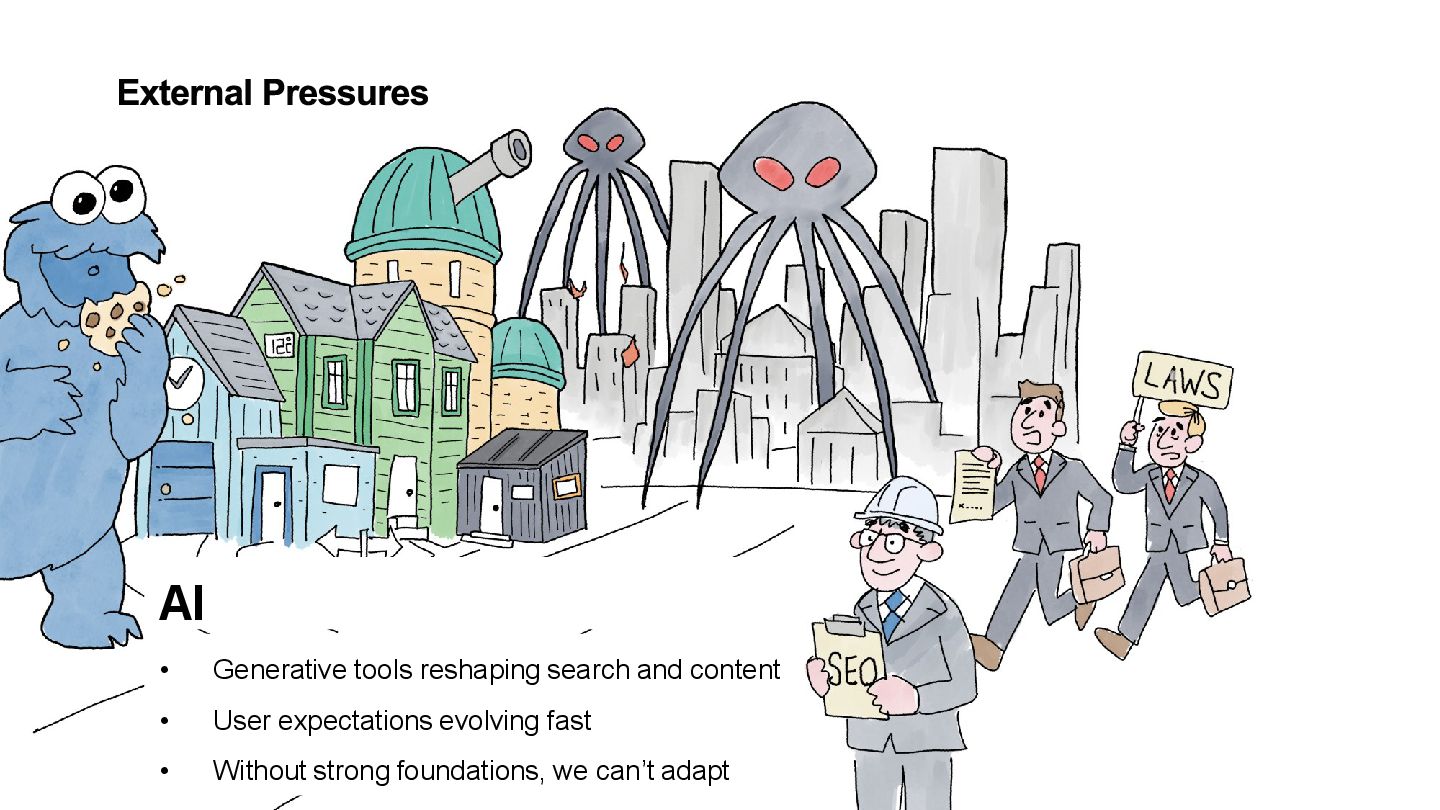
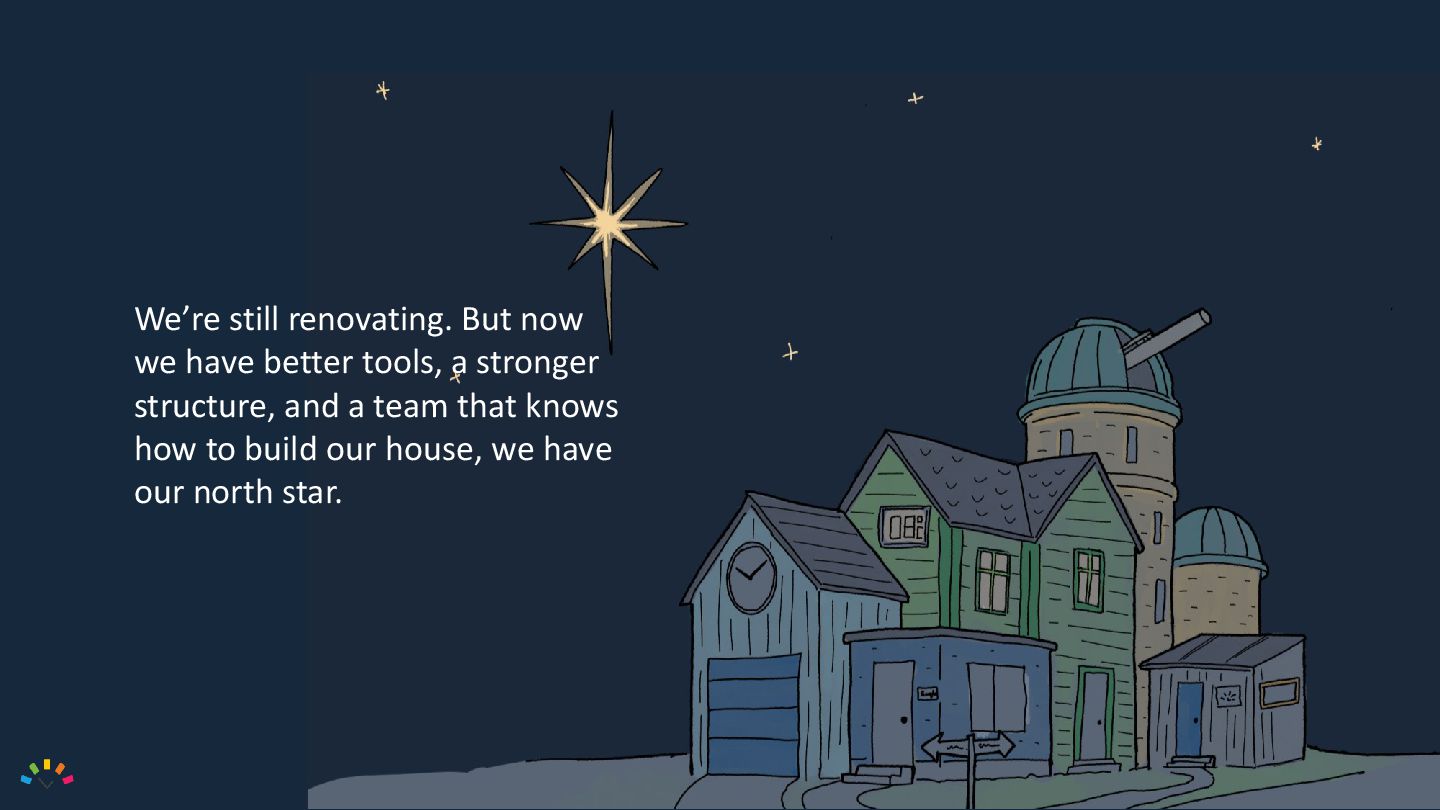
  13. • Generative tools reshaping search and content • User expectations

    evolving fast • Without strong foundations, we can’t adapt AI
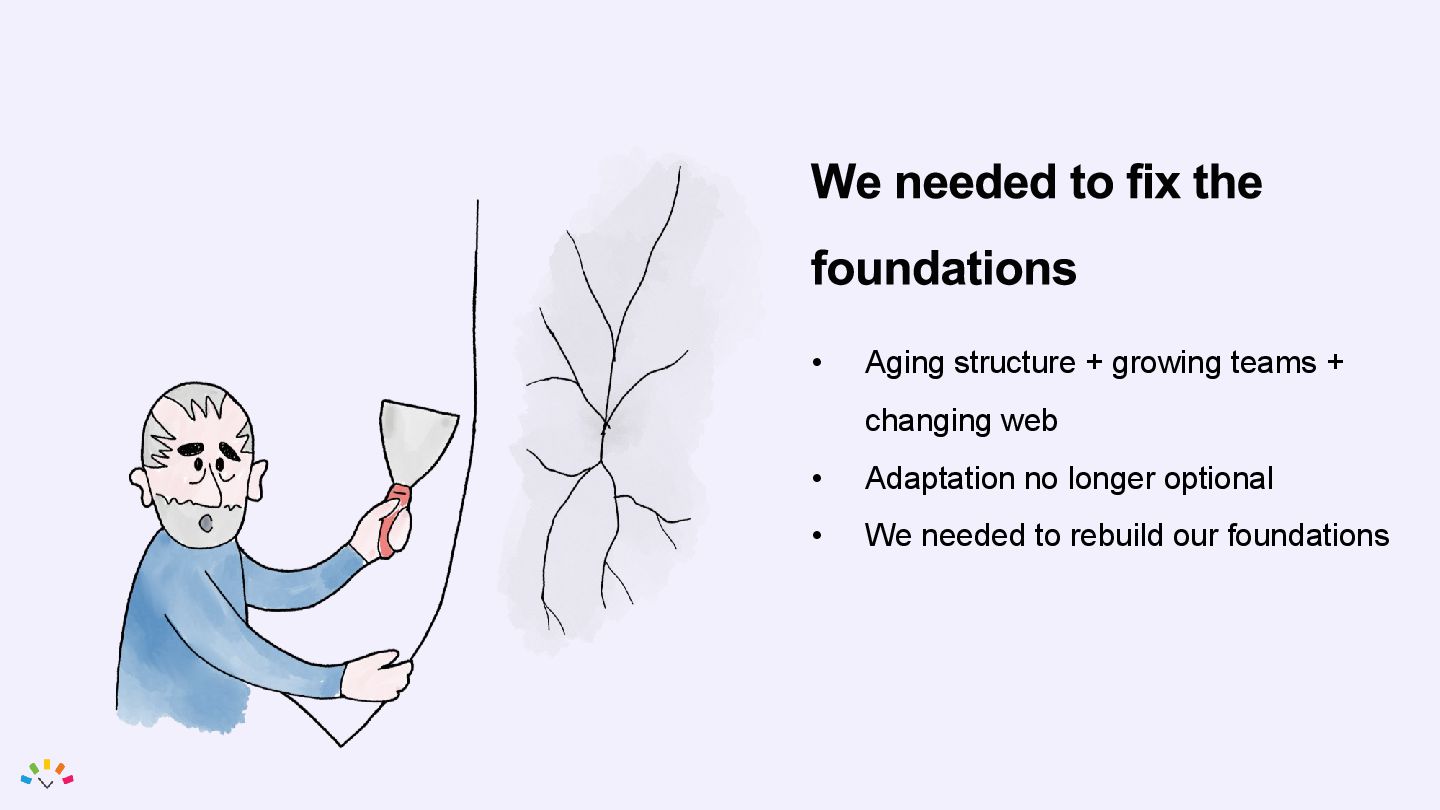
  14. • Aging structure + growing teams + changing web •
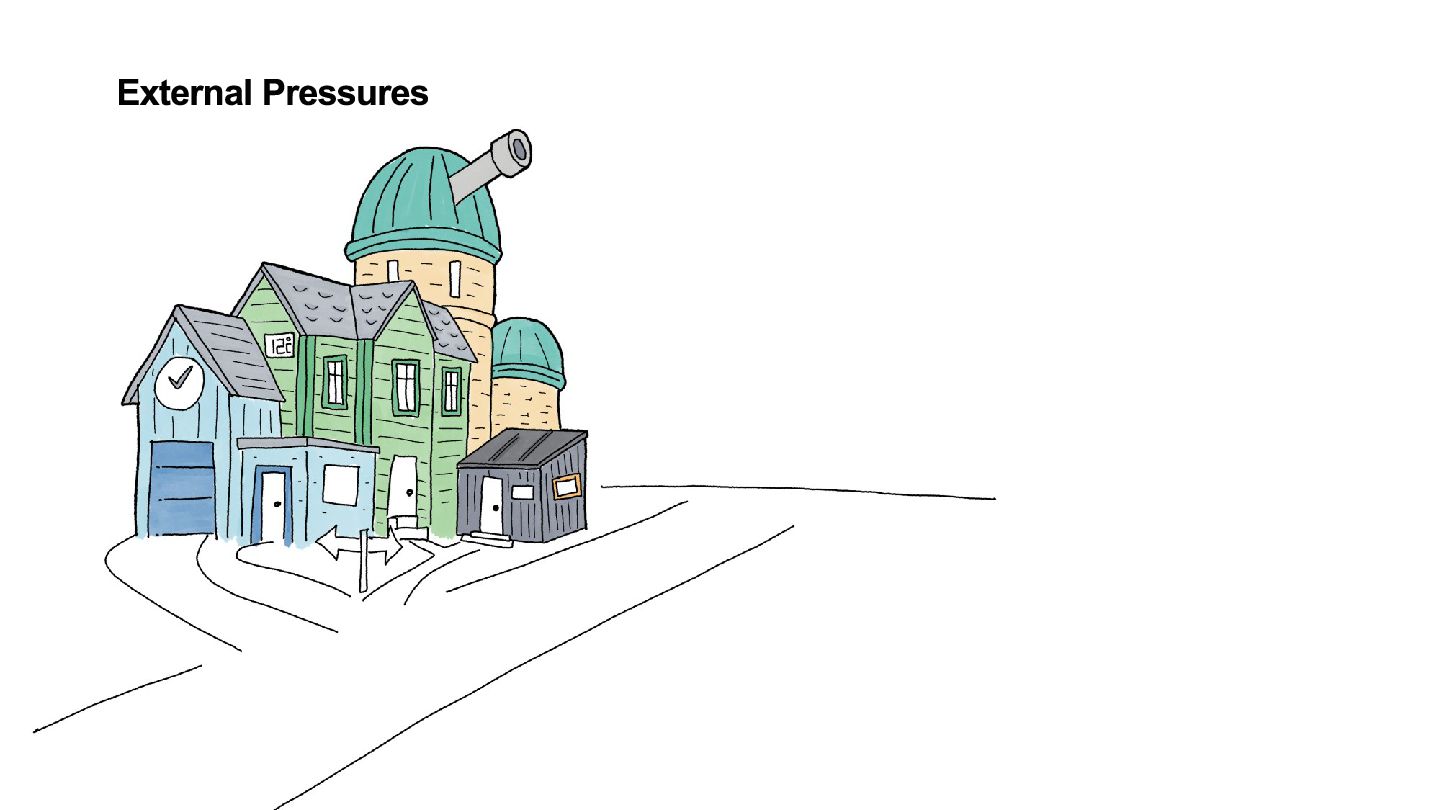
    Adaptation no longer optional • We needed to rebuild our foundations
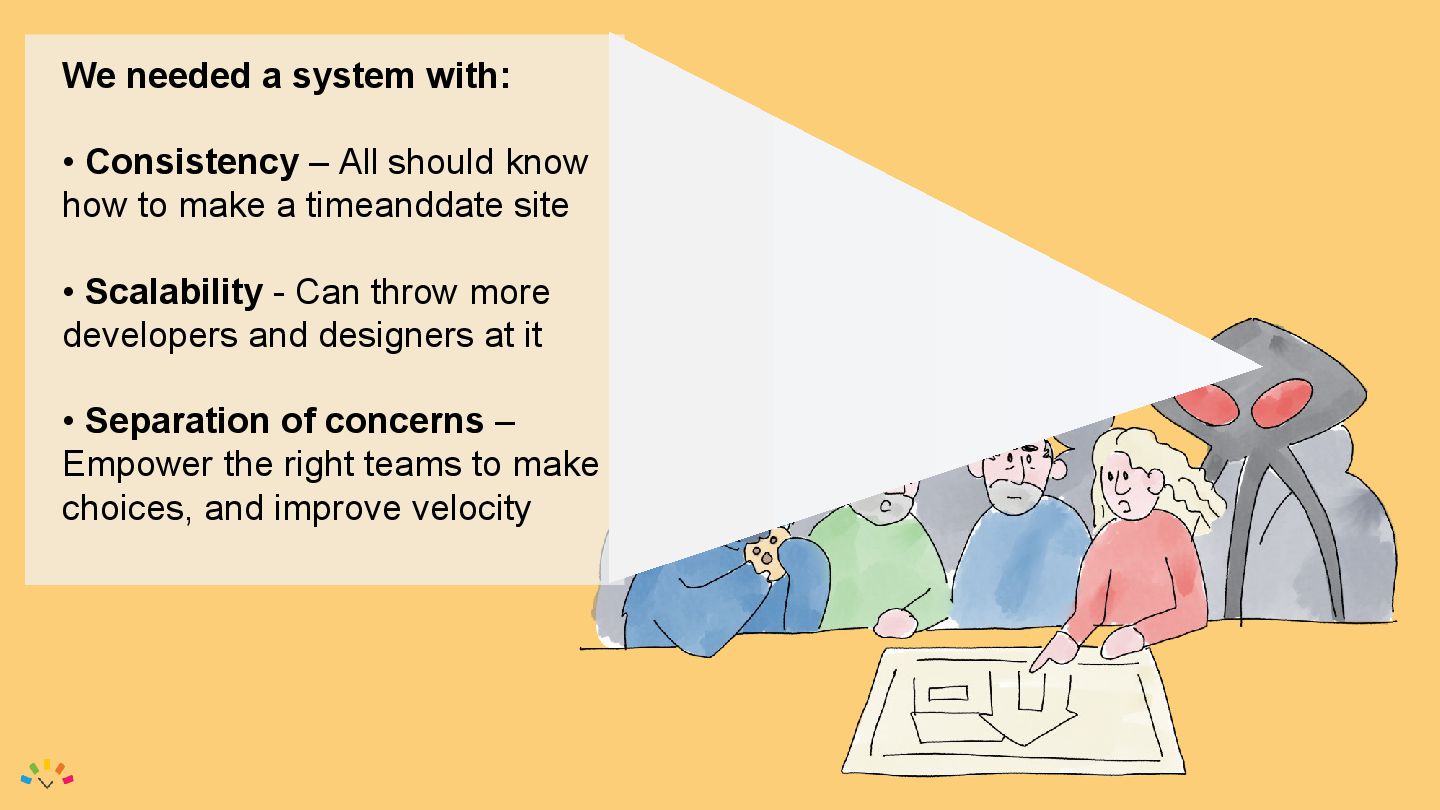
  15. We needed a system with: • Consistency – All should

    know how to make a timeanddate site • Scalability - Can throw more developers and designers at it • Separation of concerns – Empower the right teams to make choices, and improve velocity
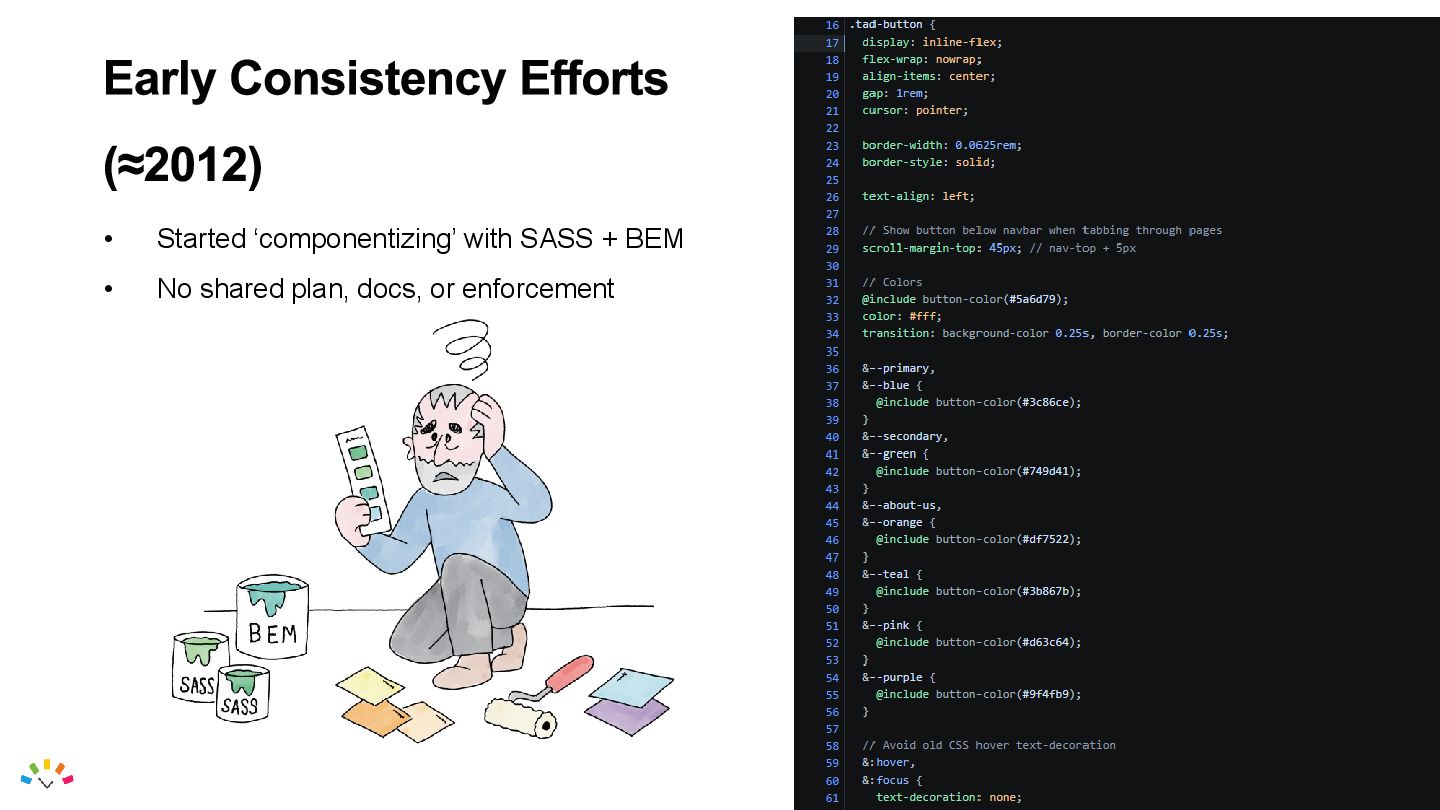
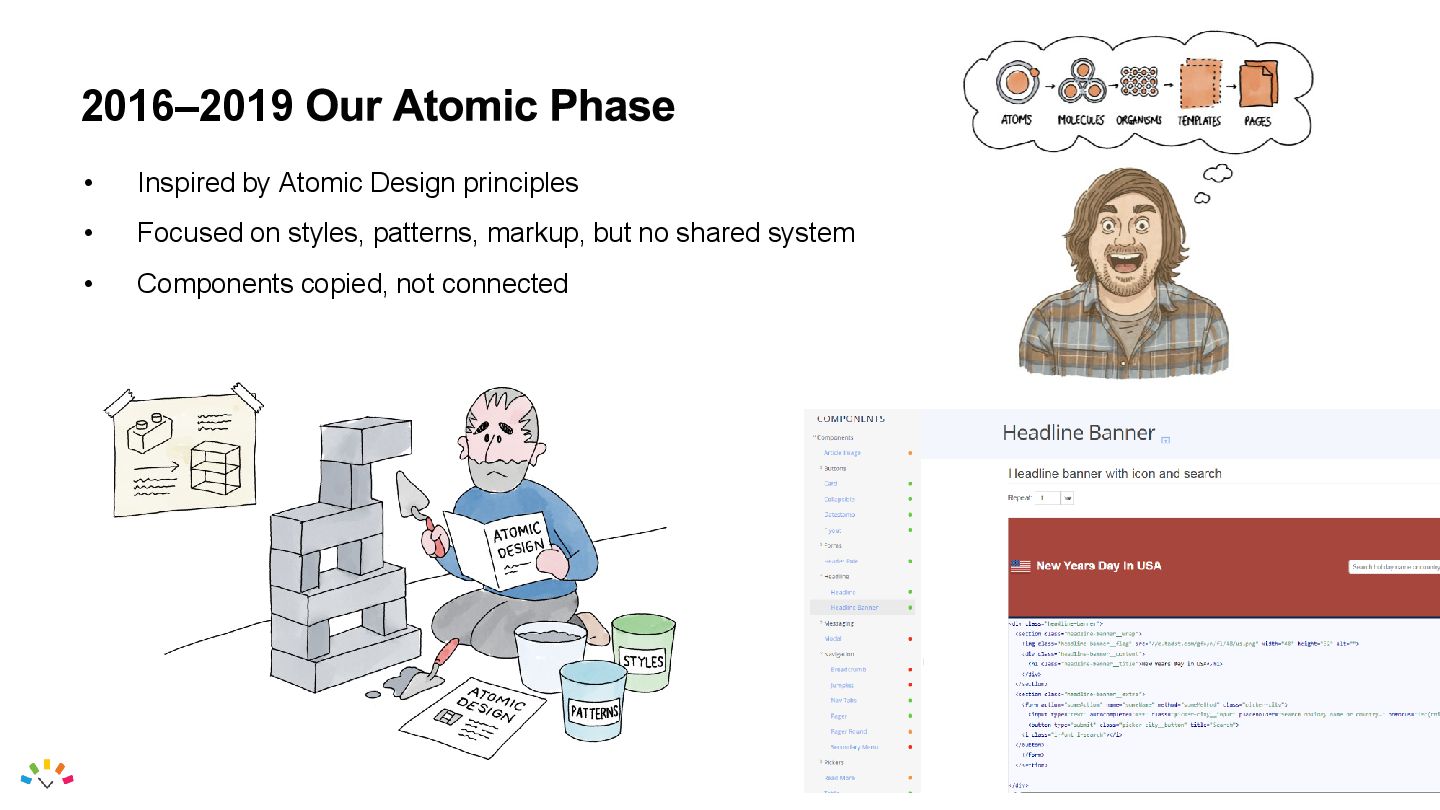
  16. • Inspired by Atomic Design principles • Focused on styles,

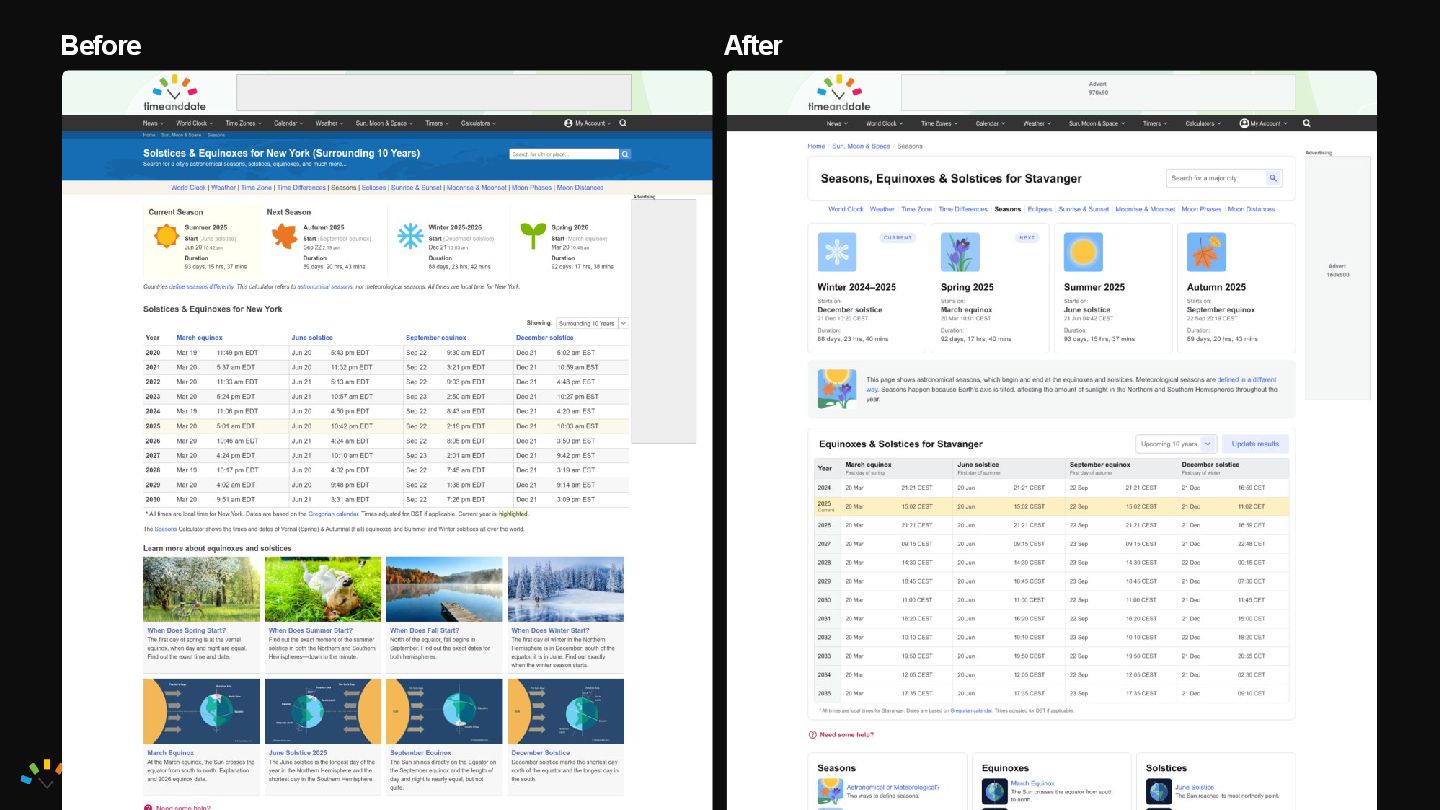
    patterns, markup, but no shared system • Components copied, not connected 2016–2019
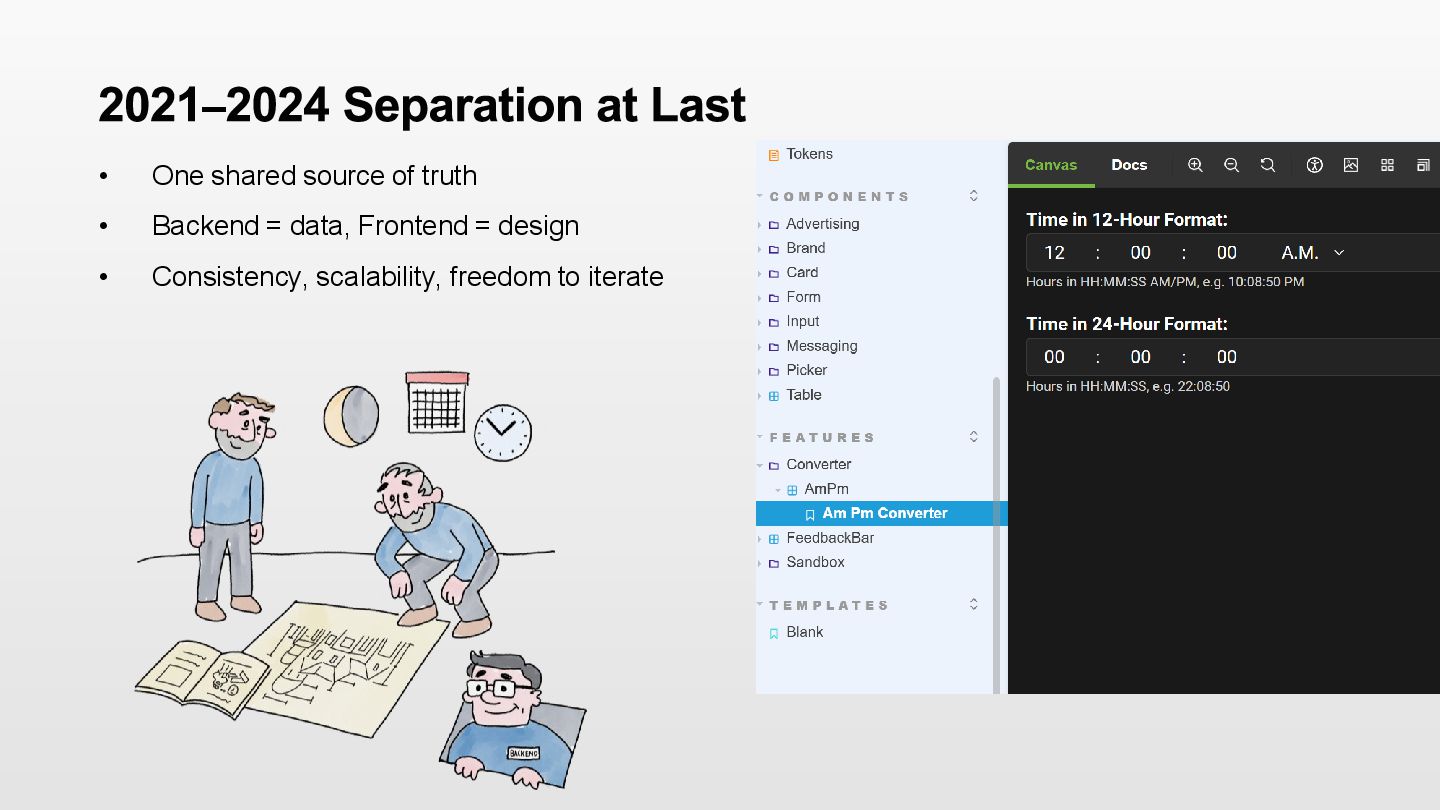
  17. • One shared source of truth • Backend = data,

    Frontend = design • Consistency, scalability, freedom to iterate –
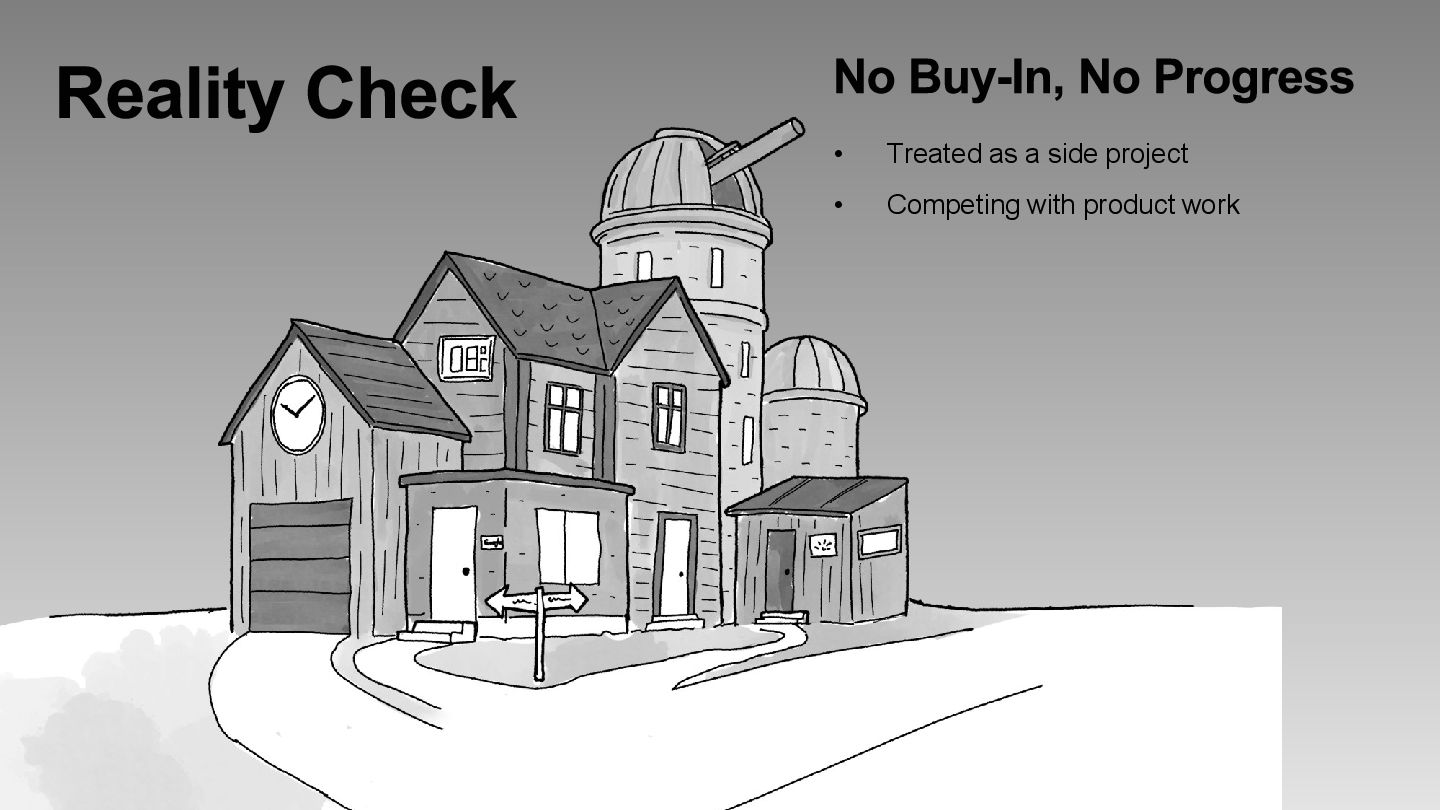
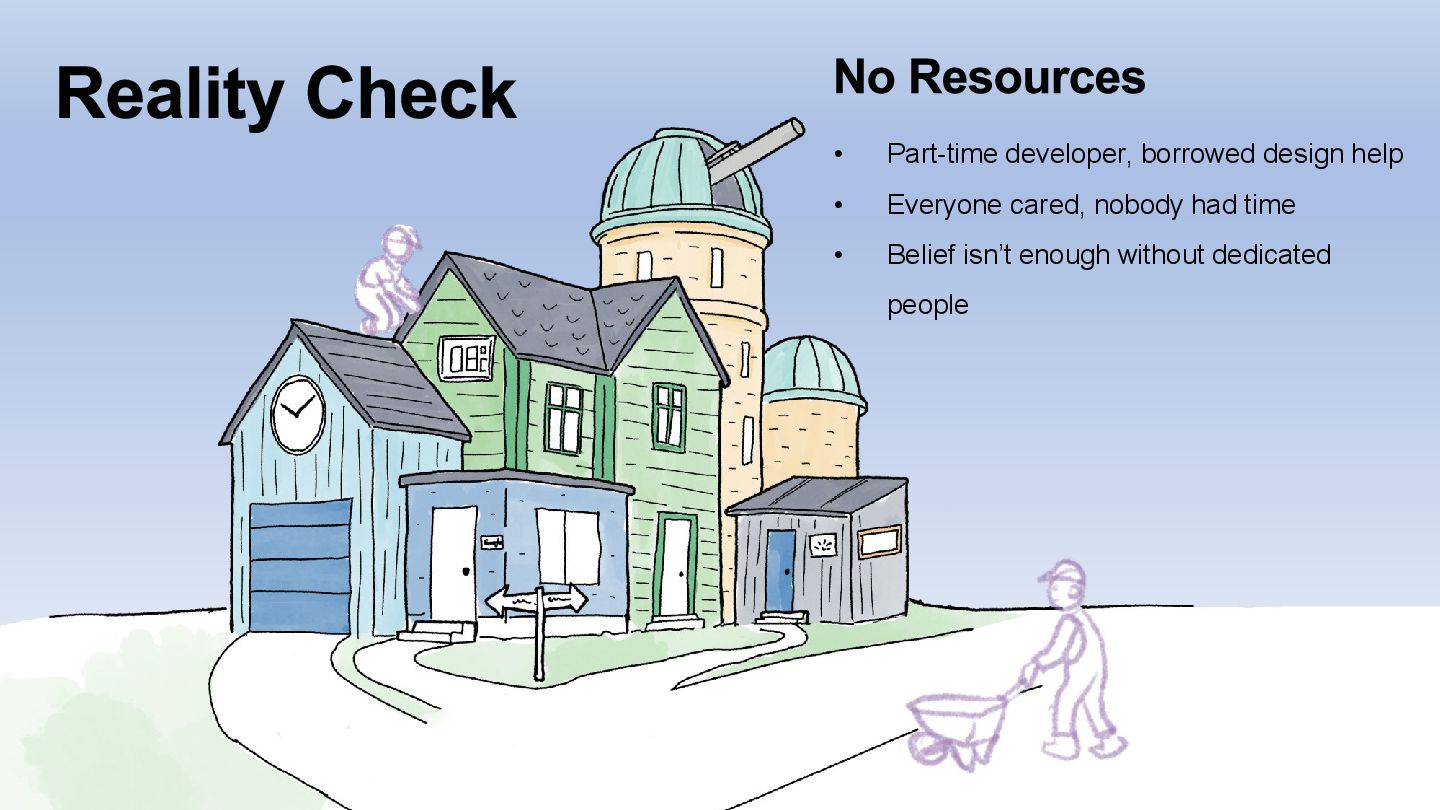
  18. • Part-time developer, borrowed design help • Everyone cared, nobody

    had time • Belief isn’t enough without dedicated people
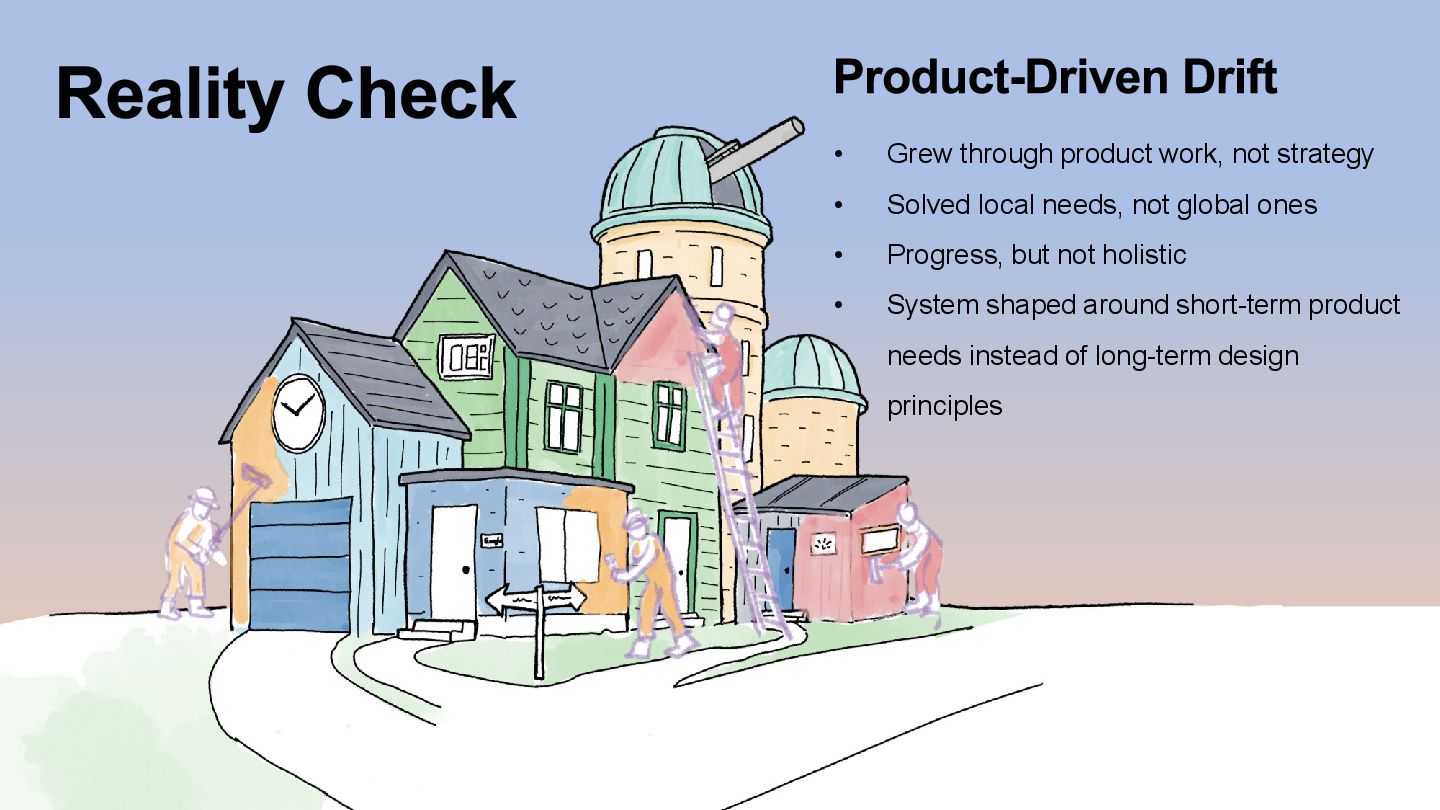
  19. • Grew through product work, not strategy • Solved local

    needs, not global ones • Progress, but not holistic • System shaped around short-term product needs instead of long-term design principles
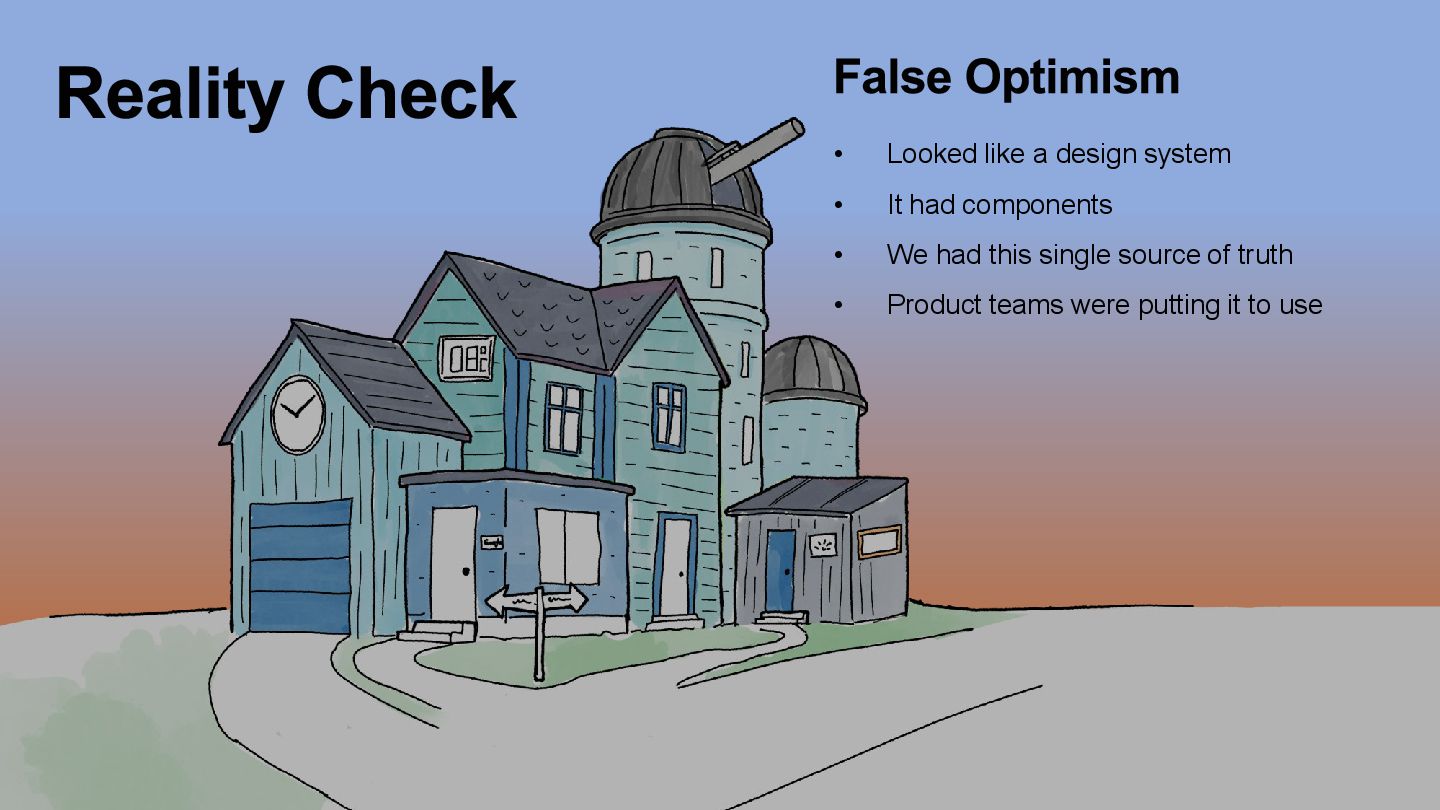
  20. • Looked like a design system • It had components

    • We had this single source of truth • Product teams were putting it to use
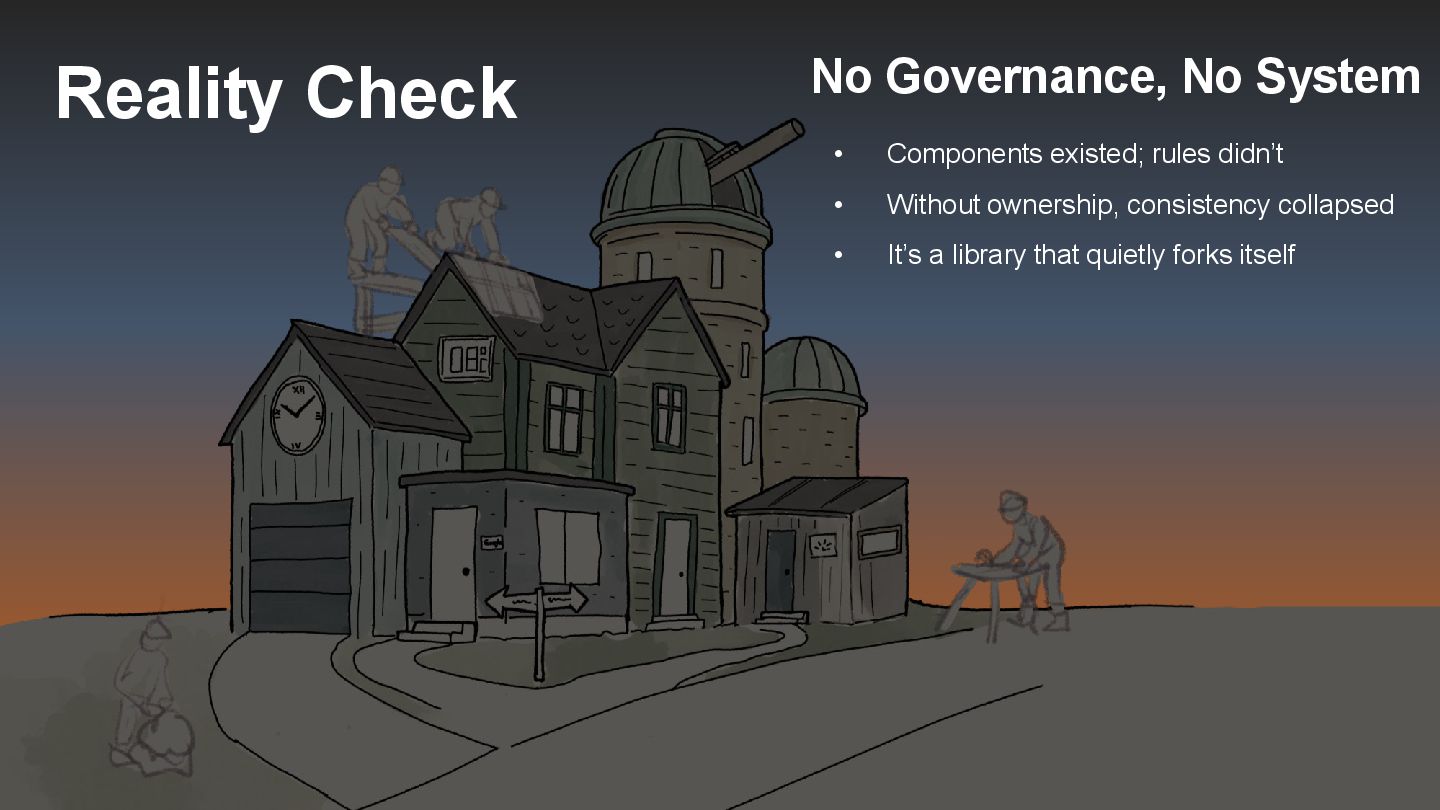
  21. Reality Check • Components existed; rules didn’t • Without ownership,

    consistency collapsed • It’s a library that quietly forks itself No Governance, No System
  22. Realized now we needed a system with: • Consistency •

    Separation of concerns • Scalability • Governance • Dedicated Time & Resources • Shared Ownership Structure Sustainability • Not just a technical framework, it’s an organisational one • Not just about structure, it’s about sustainability
  23. Clockwork: - system of mechanisms that drives a clock or

    device. - something that operates with perfect precision and reliabiltiy 'like clockwork'​ Named it! Hardest bit done Dedicated team, Dedicated project, Company focus
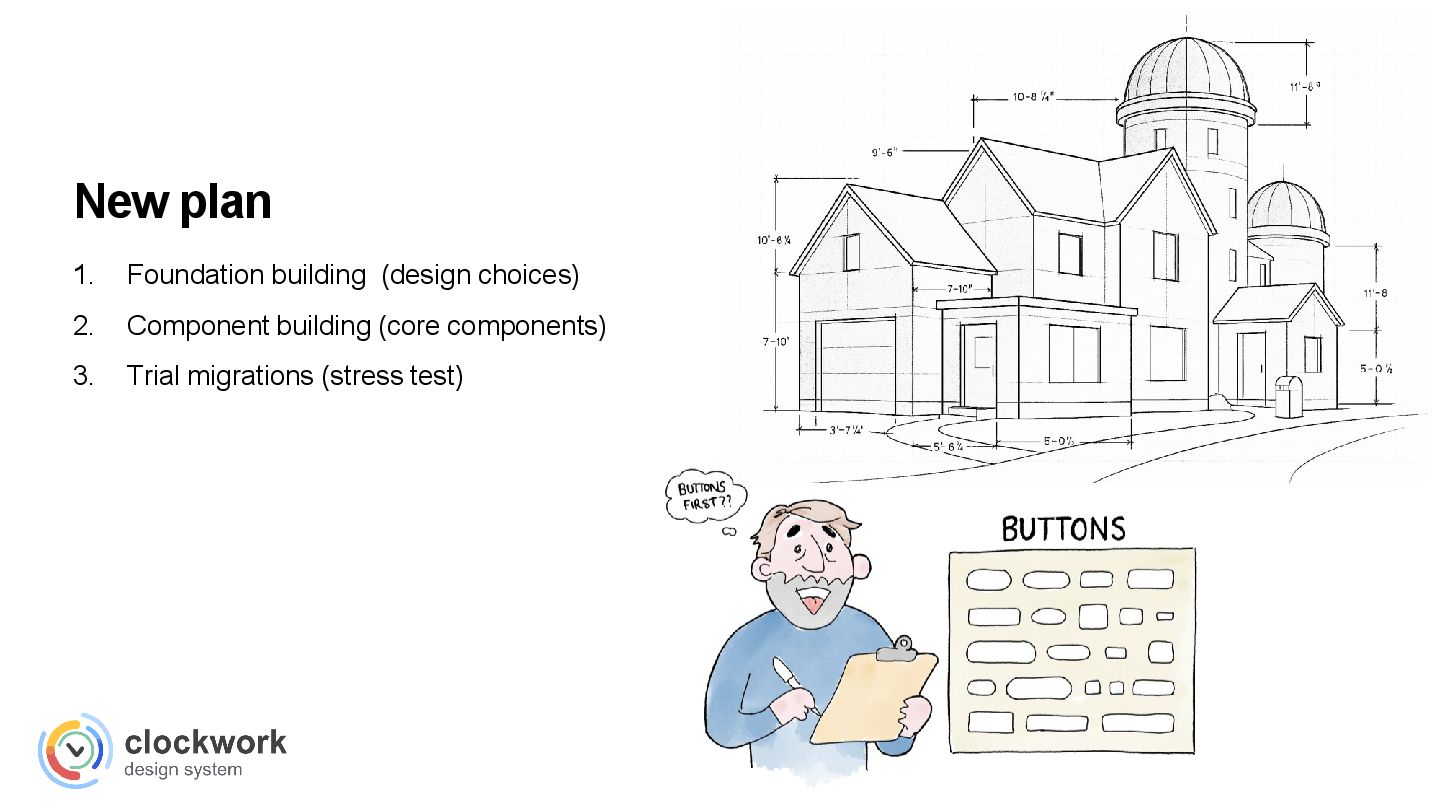
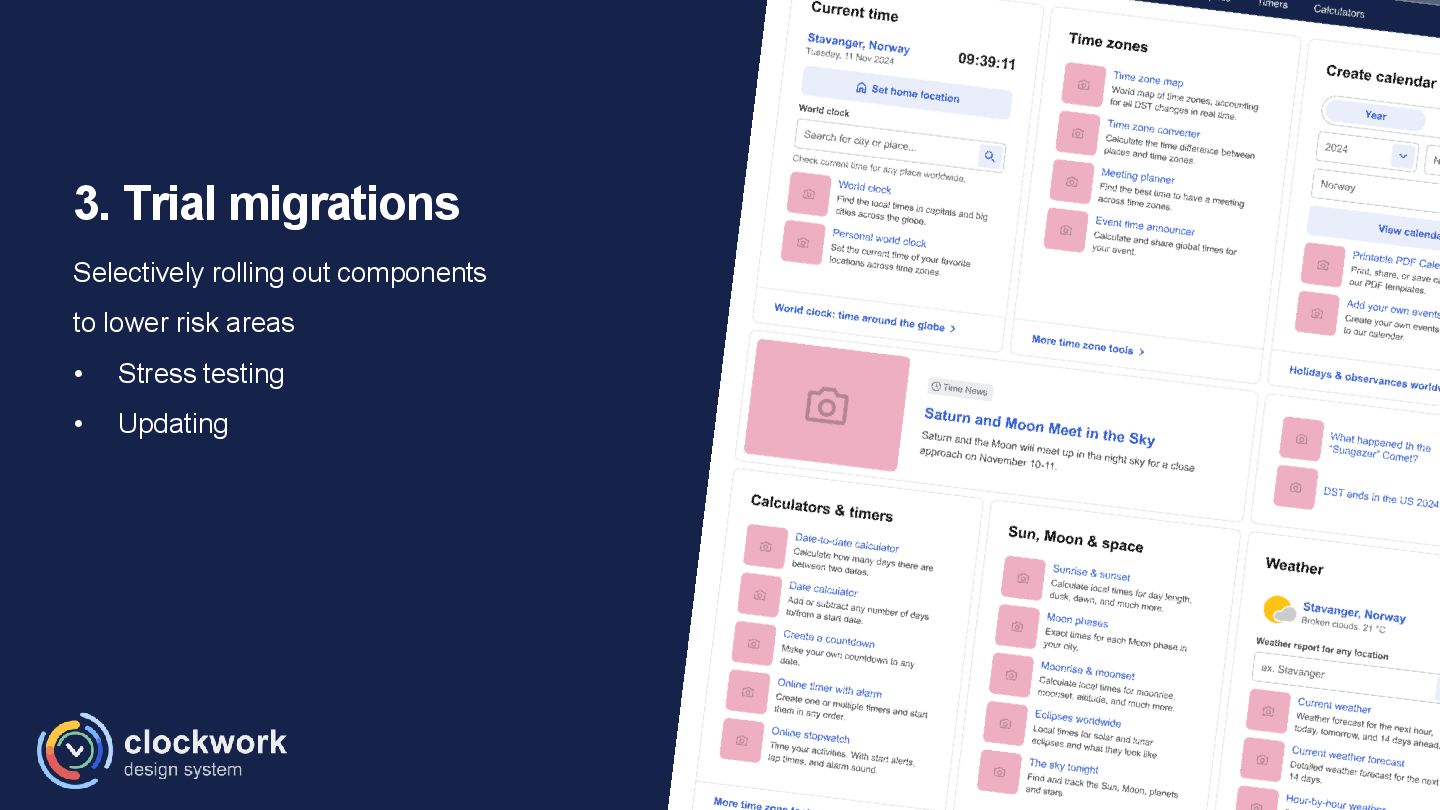
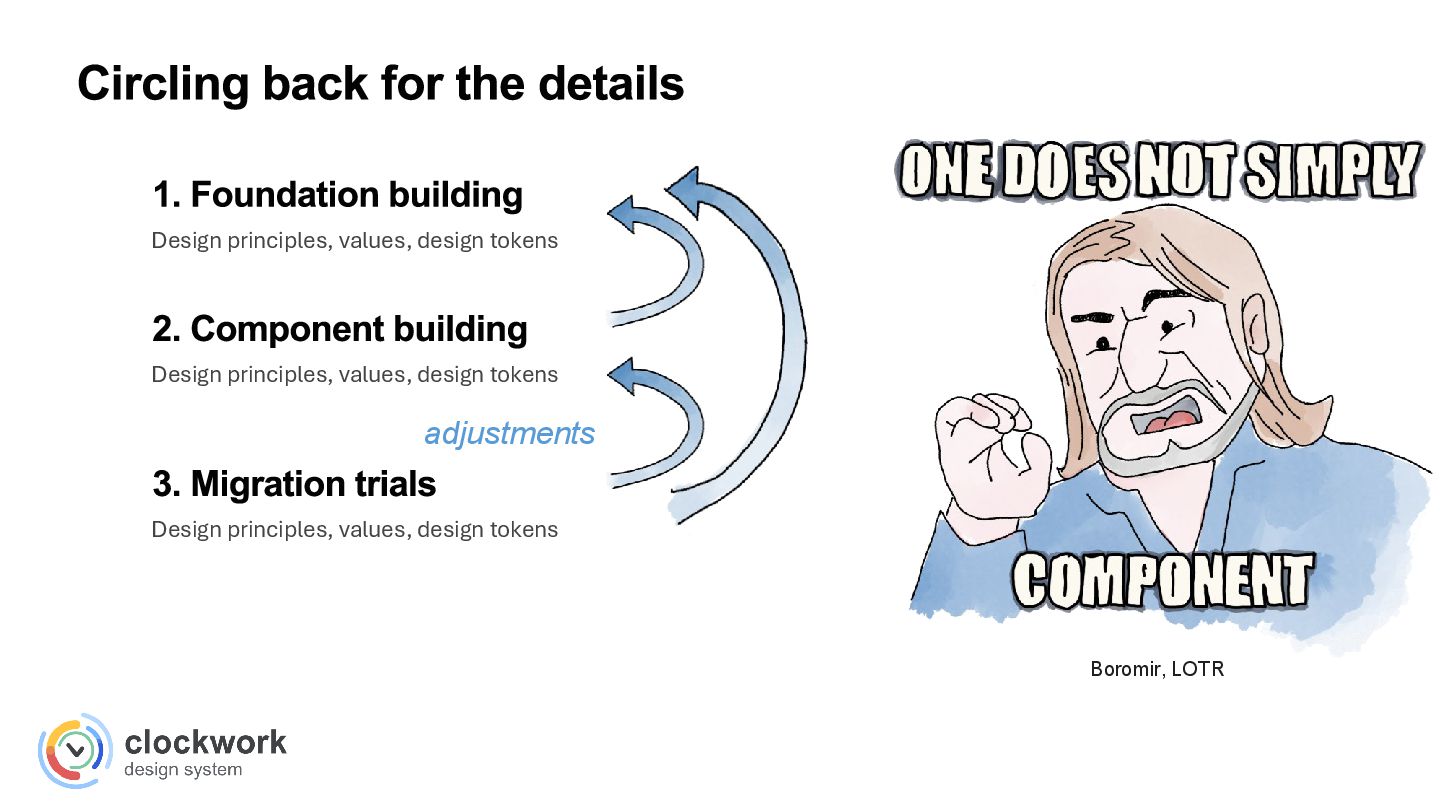
  24. New plan 1. Foundation building (design choices) 2. Component building

    (core components) 3. Trial migrations (stress test)
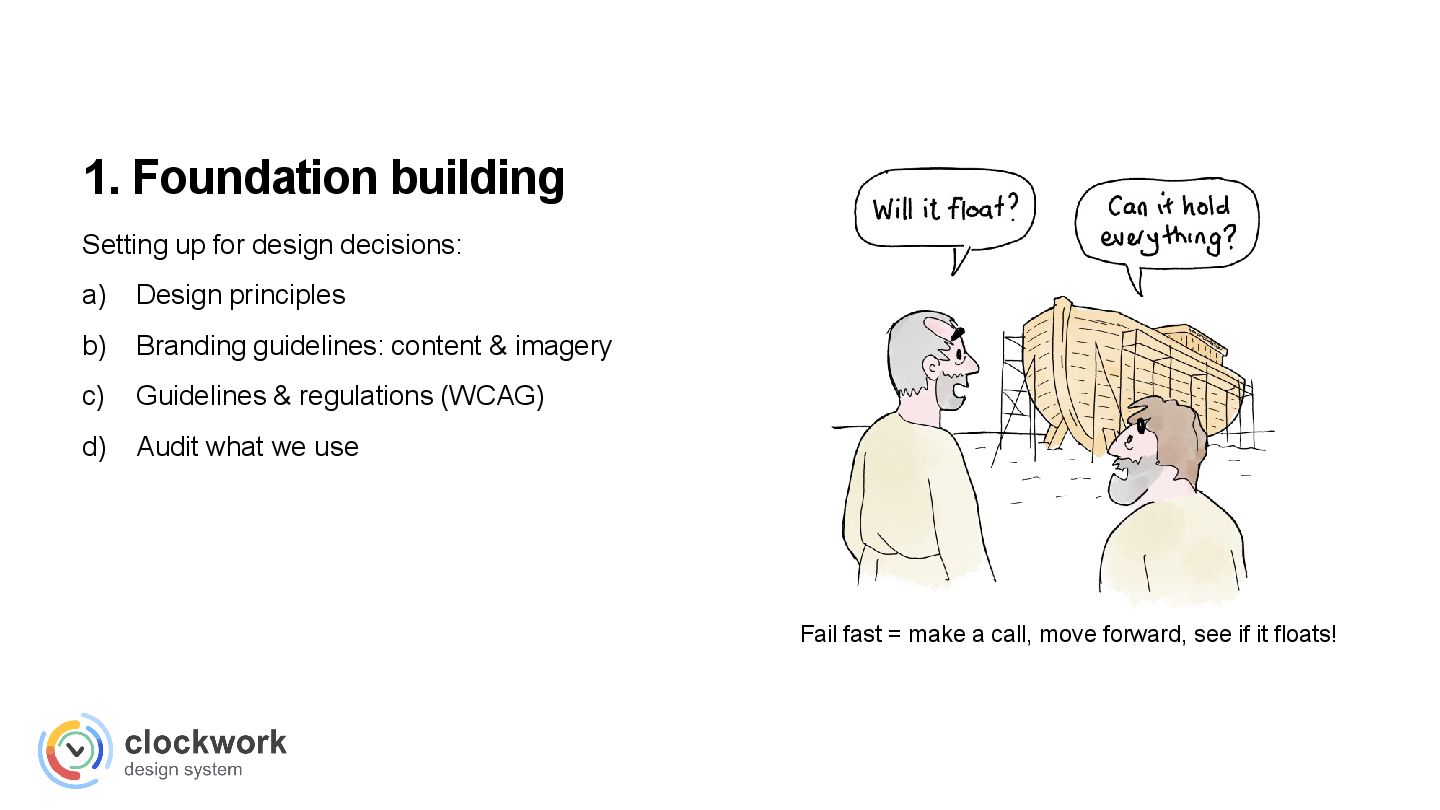
  25. 1. Foundation building Setting up for design decisions: a) Design

    principles b) Branding guidelines: content & imagery c) Guidelines & regulations (WCAG) d) Audit what we use Fail fast = make a call, move forward, see if it floats!
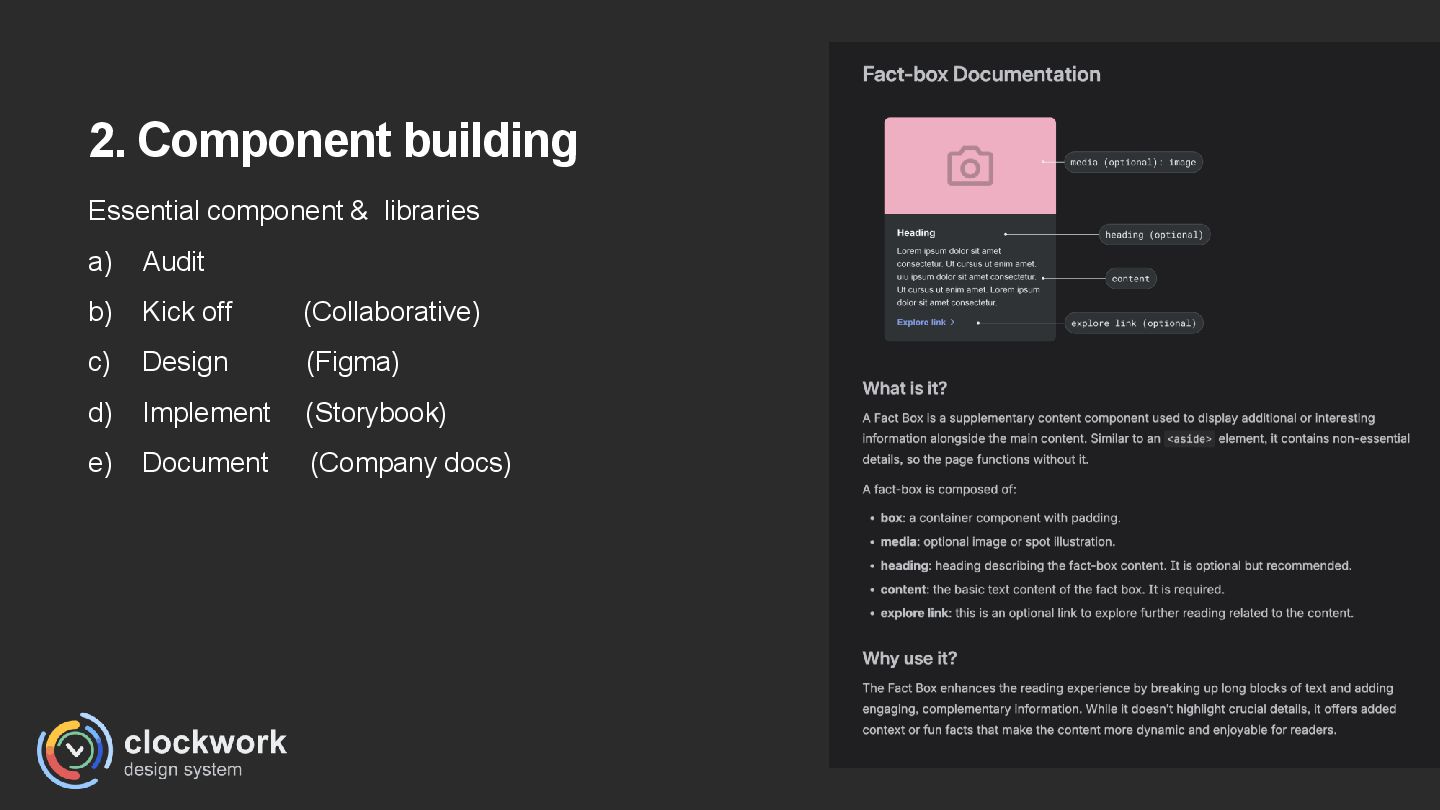
  26. 2. Component building Essential component & libraries a) Audit b)

    Kick off (Collaborative) c) Design (Figma) d) Implement (Storybook) e) Document (Company docs)
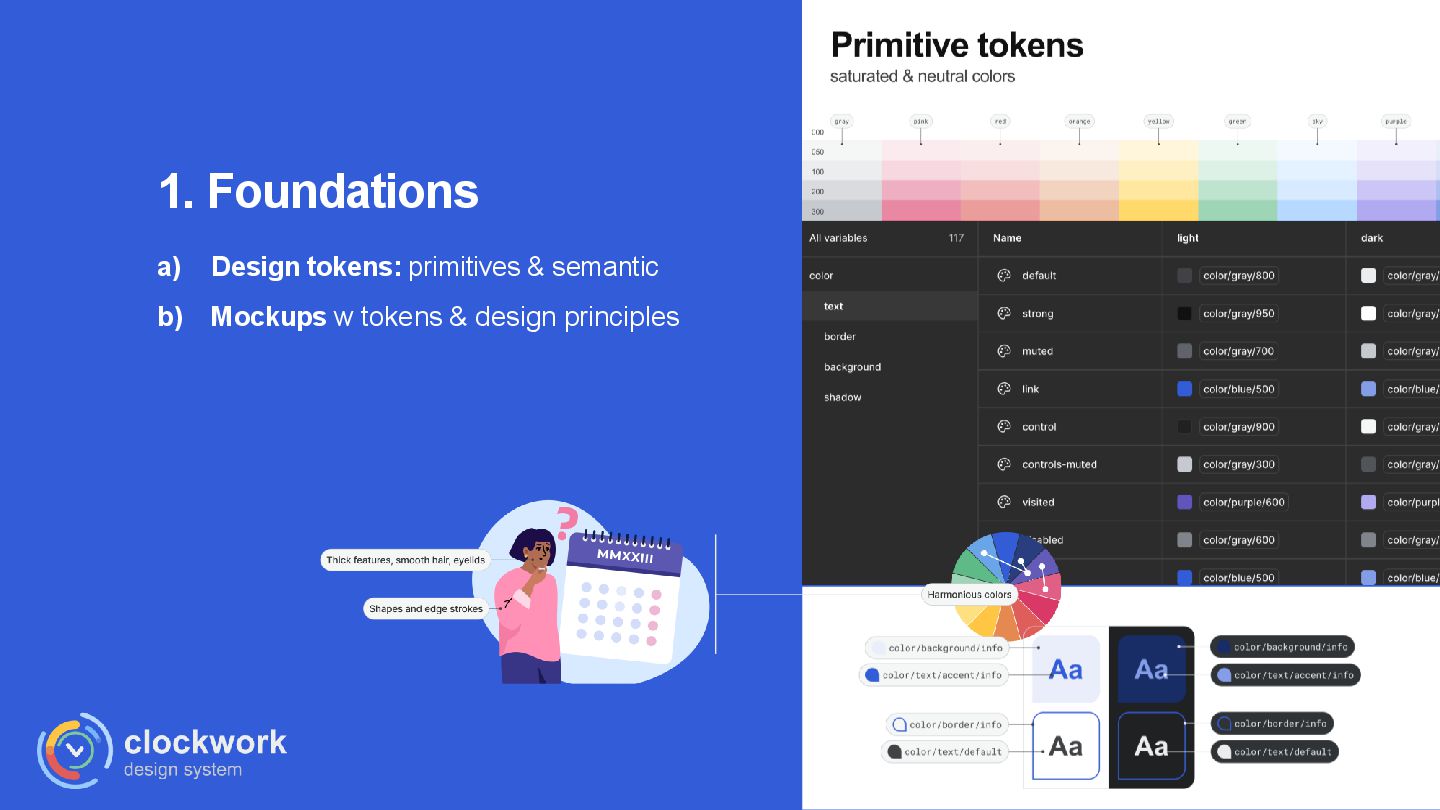
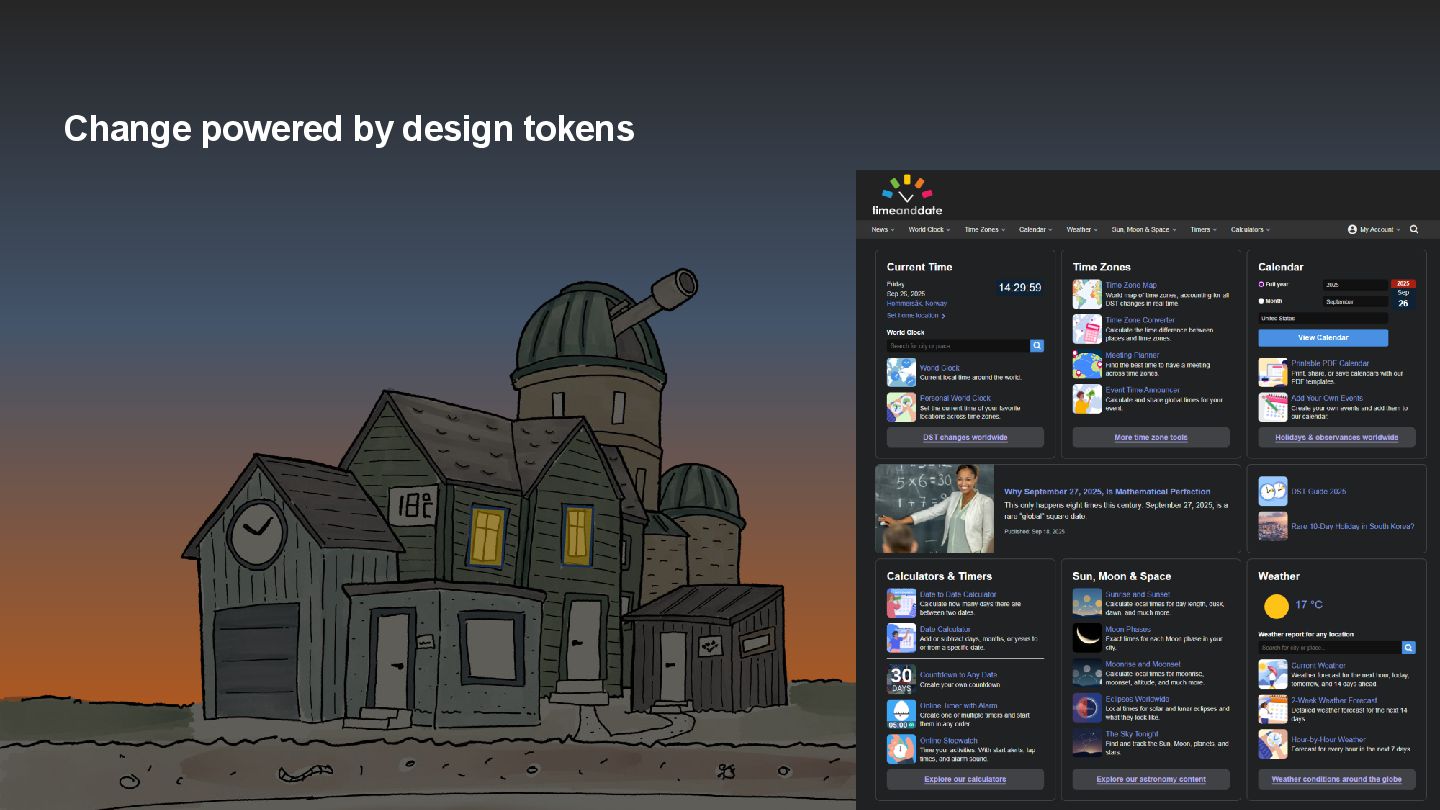
  27. Design principles, values, design tokens Design principles, values, design tokens

    Design principles, values, design tokens adjustments Boromir, LOTR
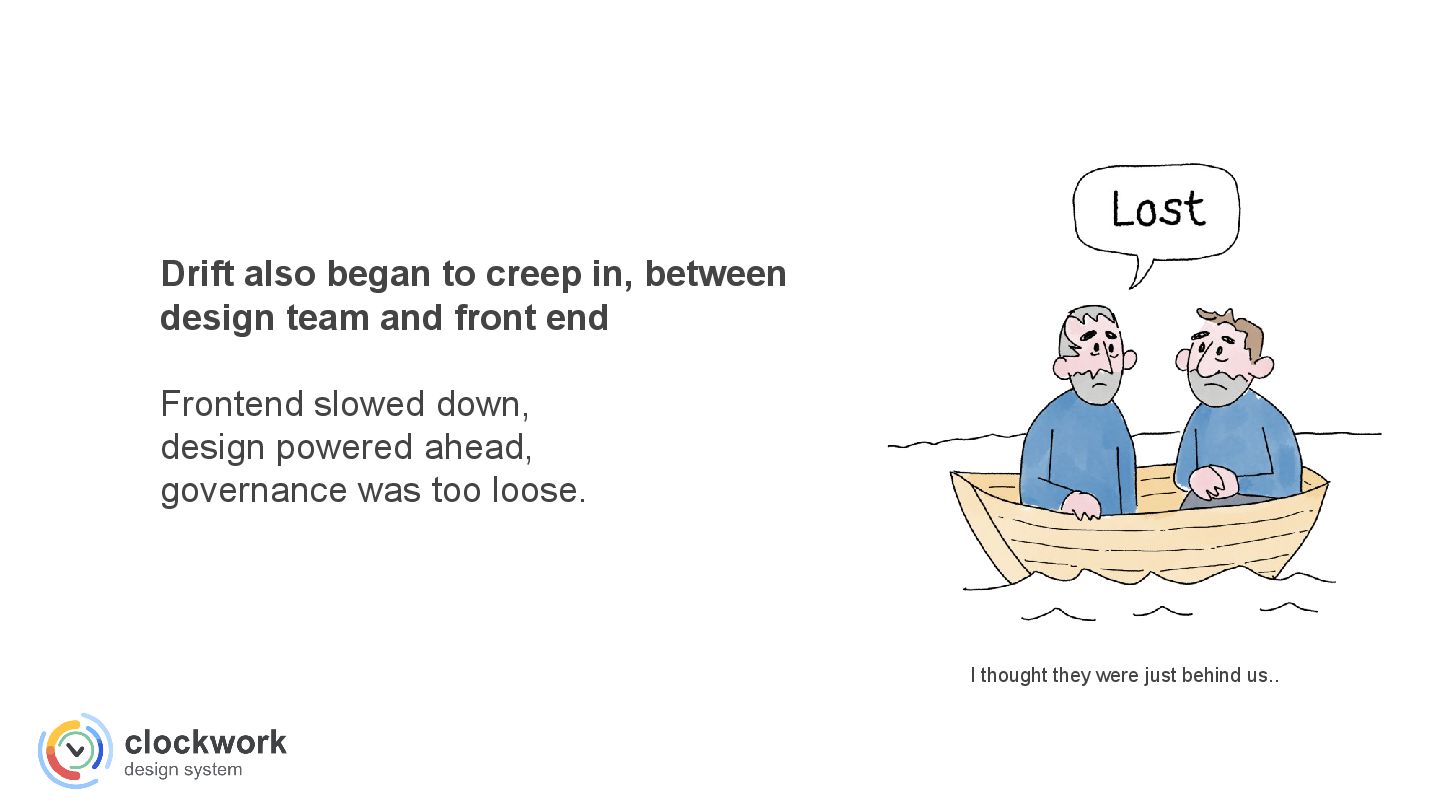
  28. Drift also began to creep in, between design team and

    front end Frontend slowed down, design powered ahead, governance was too loose. I thought they were just behind us..
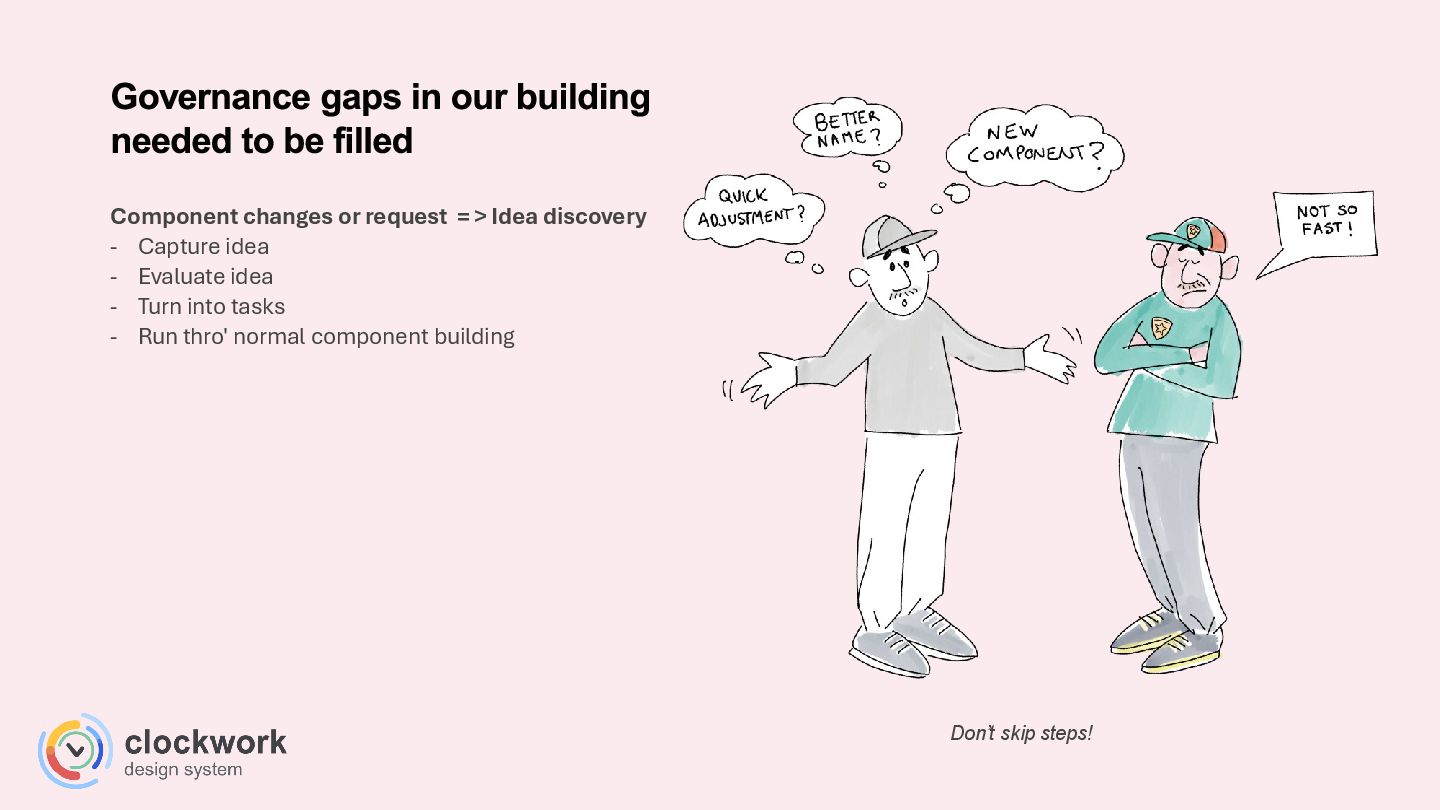
  29. Component changes or request = > Idea discovery - Capture

    idea - Evaluate idea - Turn into tasks - Run thro' normal component building Don’t skip steps!
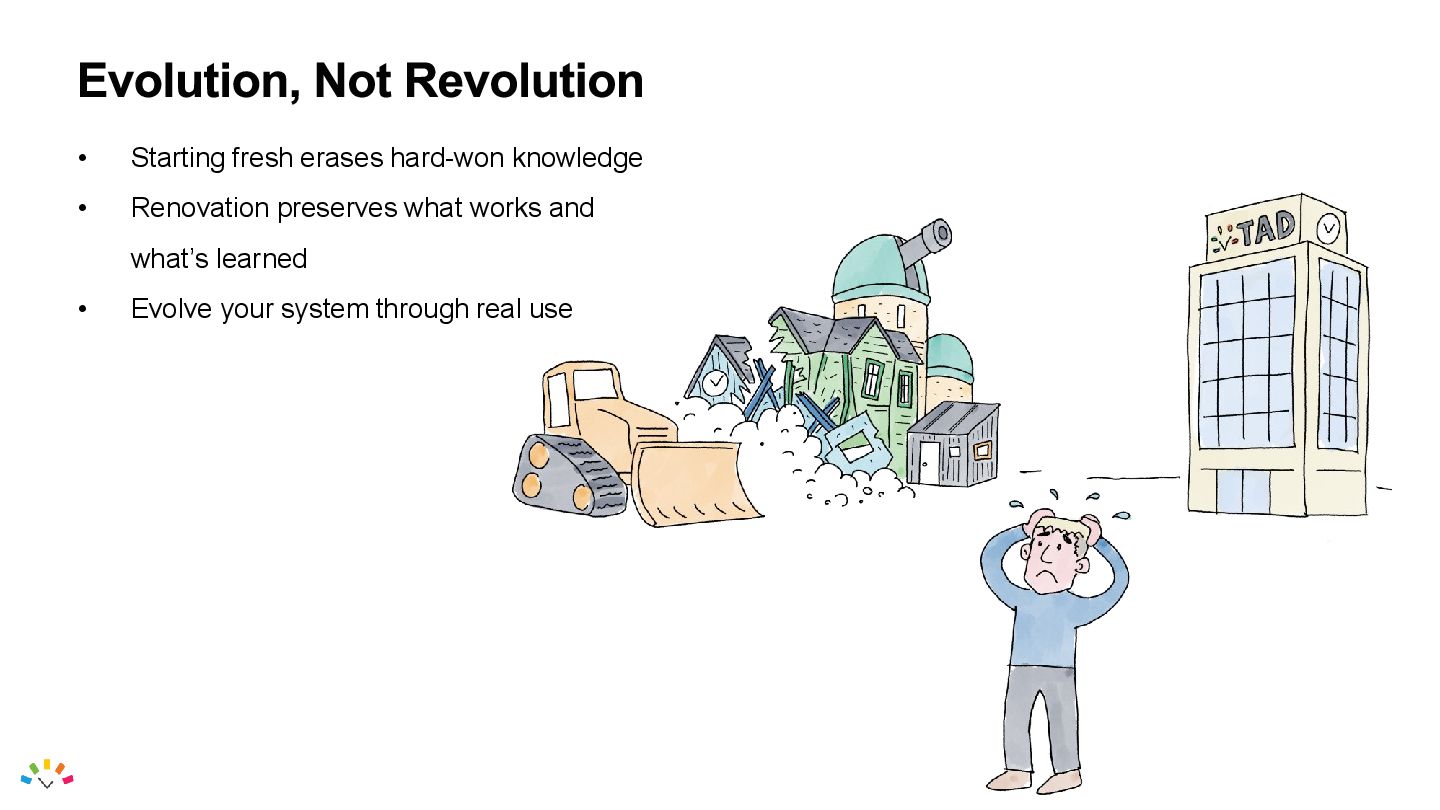
  30. • Starting fresh erases hard-won knowledge • Renovation preserves what

    works and what’s learned • Evolve your system through real use
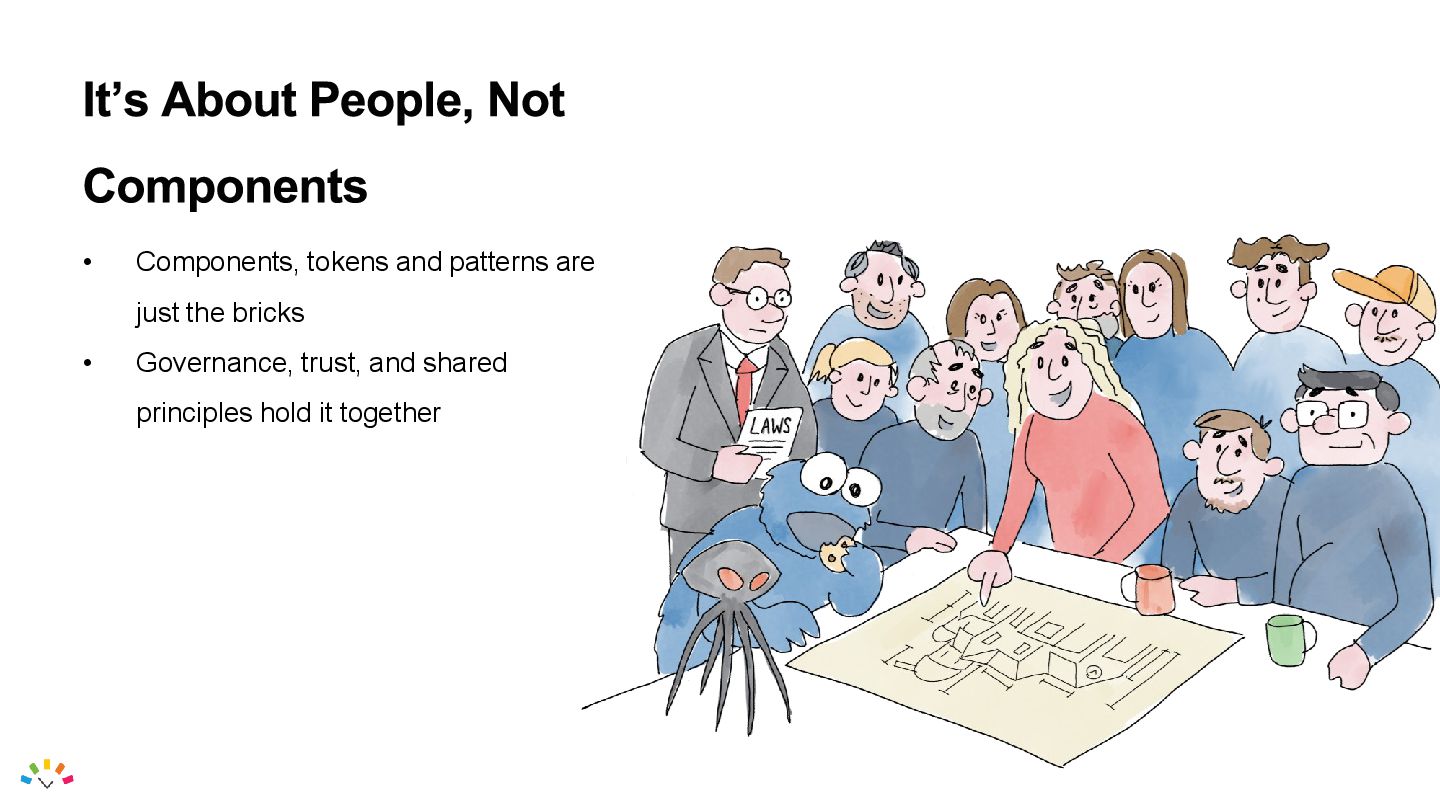
  31. • Components, tokens and patterns are just the bricks •

    Governance, trust, and shared principles hold it together
  32. • Enthusiasm isn’t enough, commitment is • Without buy-in, there’s

    never time to do it right • With leadership support, it became core infrastructure
  33. • A design system can’t run in the background •

    Needs dedicated people and protected time • Treat it as an initiative — not a side project Focus Drives Progress
  34. • Test early, fail fast, learn faster • Design systems

    evolve through iteration • If you wait to get it right, the target has moved
  35. • Design systems expose every inconsistency • Fixing them takes

    patience and persistence • Slow progress isn’t failure
  36. • The web keeps changing, and is uncertain • A

    strong system adapts • The goal isn’t to finish, it’s to keep evolving
  37. We’re still renovating. But now we have better tools, a

    stronger structure, and a team that knows how to build our house, we have our north star.