AG • Focus on – Mobile & web-based application architectures – Interoperability, cross-device – Pragmatic end-to-end solutions • Microsoft MVP for ASP.NET (Architecture) ASP.NET Web API / vNext Advisory Board Member ASPInsider, AzureInsider • Google GDE for AngularJS • http://blogs.thinktecture.com/cweyer [email protected] @christianweyer 2
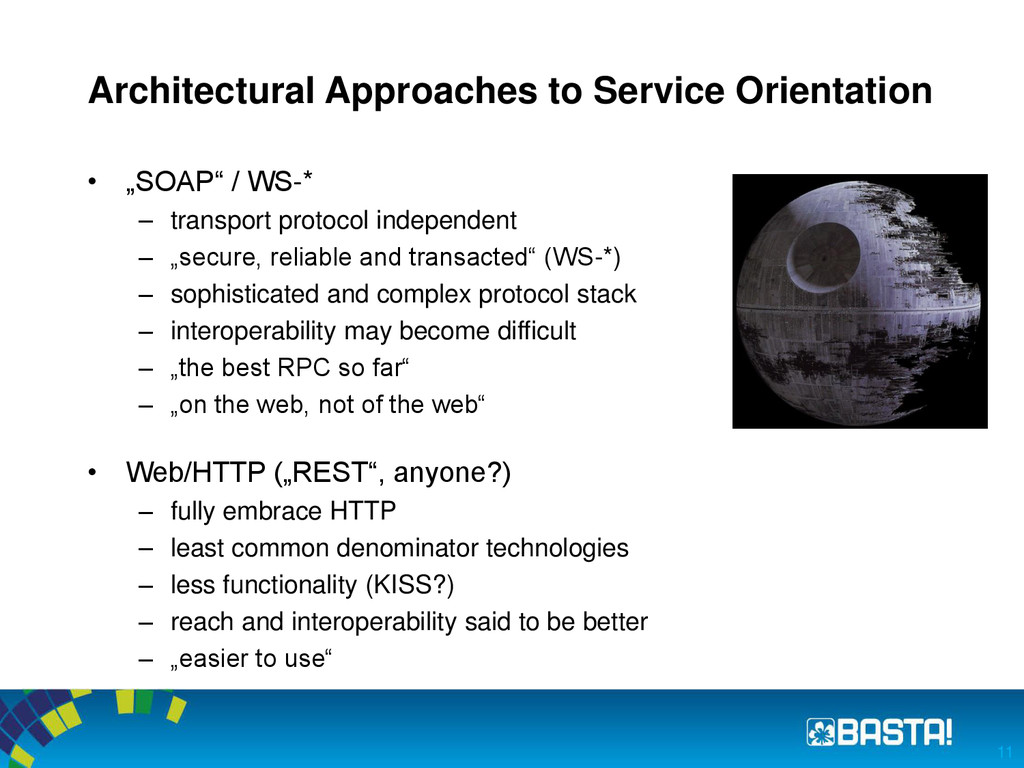
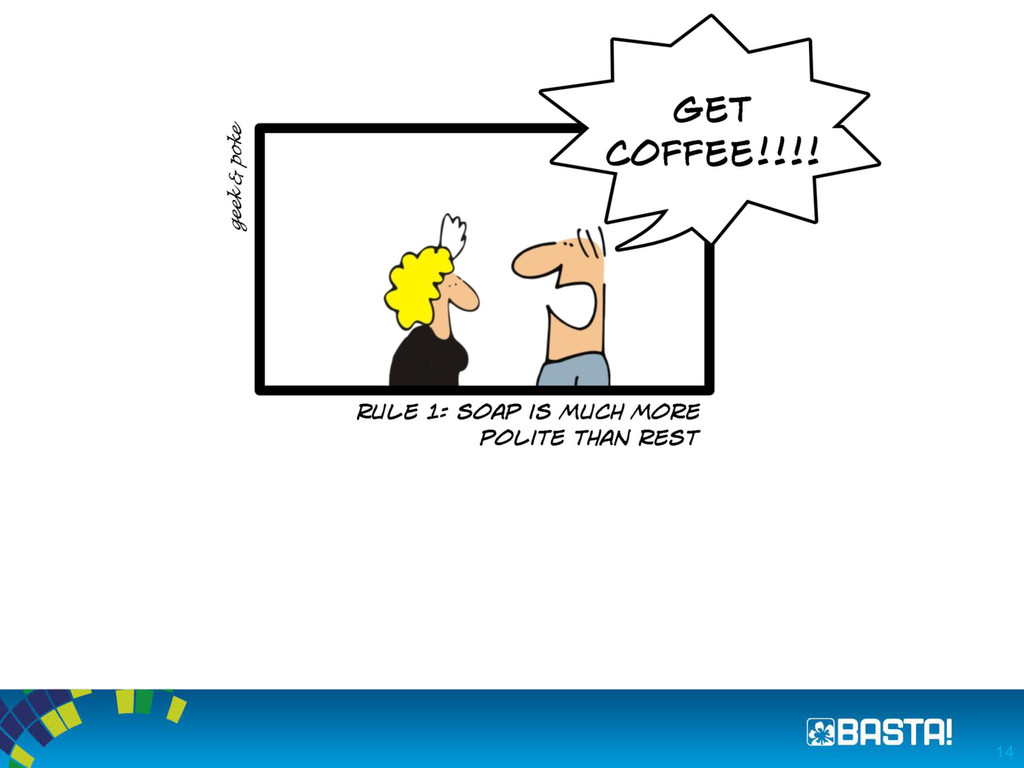
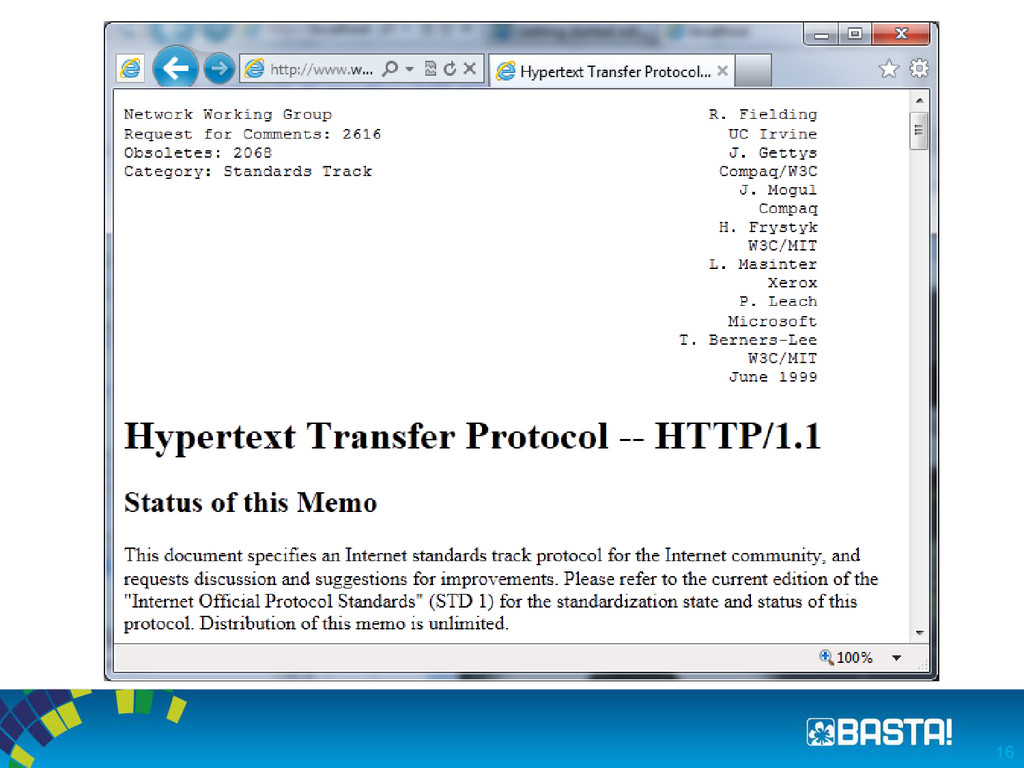
transport protocol independent – „secure, reliable and transacted“ (WS-*) – sophisticated and complex protocol stack – interoperability may become difficult – „the best RPC so far“ – „on the web, not of the web“ • Web/HTTP („REST“, anyone?) – fully embrace HTTP – least common denominator technologies – less functionality (KISS?) – reach and interoperability said to be better – „easier to use“ 11
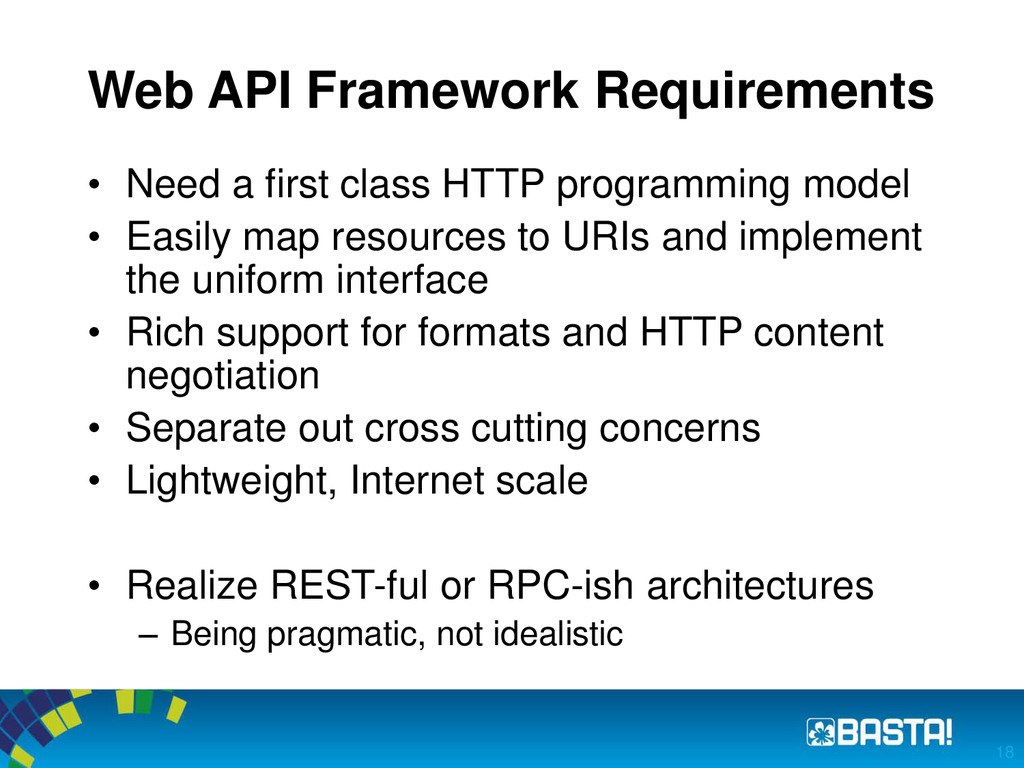
programming model • Easily map resources to URIs and implement the uniform interface • Rich support for formats and HTTP content negotiation • Separate out cross cutting concerns • Lightweight, Internet scale • Realize REST-ful or RPC-ish architectures – Being pragmatic, not idealistic 18
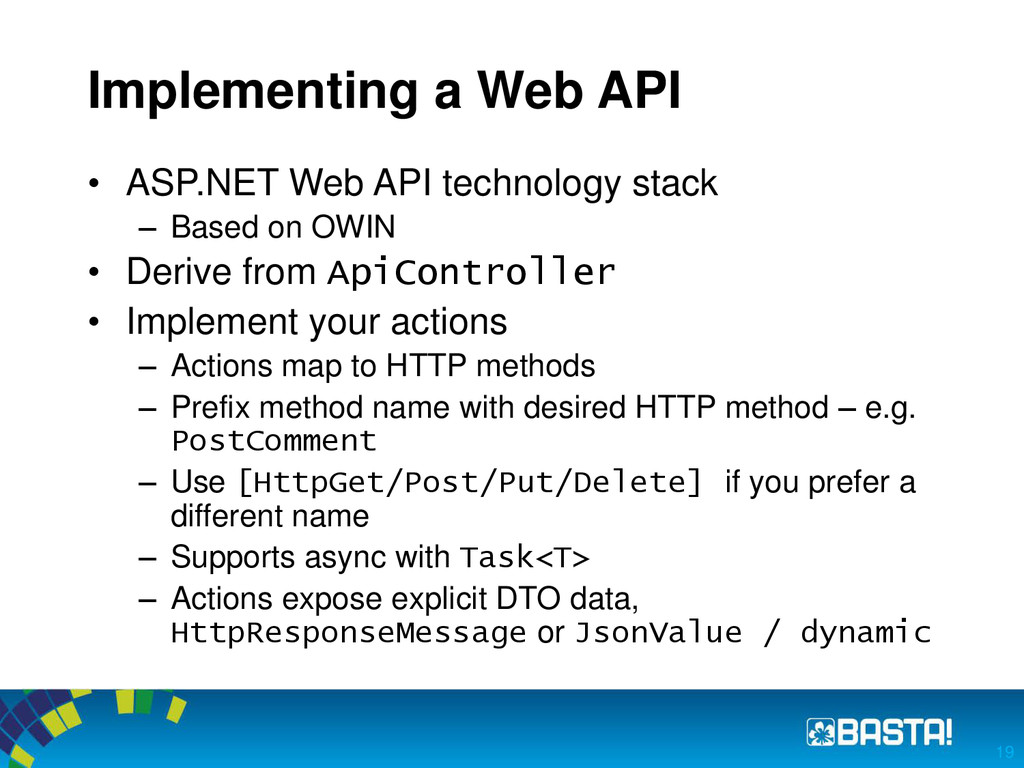
– Based on OWIN • Derive from ApiController • Implement your actions – Actions map to HTTP methods – Prefix method name with desired HTTP method – e.g. PostComment – Use [HttpGet/Post/Put/Delete] if you prefer a different name – Supports async with Task<T> – Actions expose explicit DTO data, HttpResponseMessage or JsonValue / dynamic 19
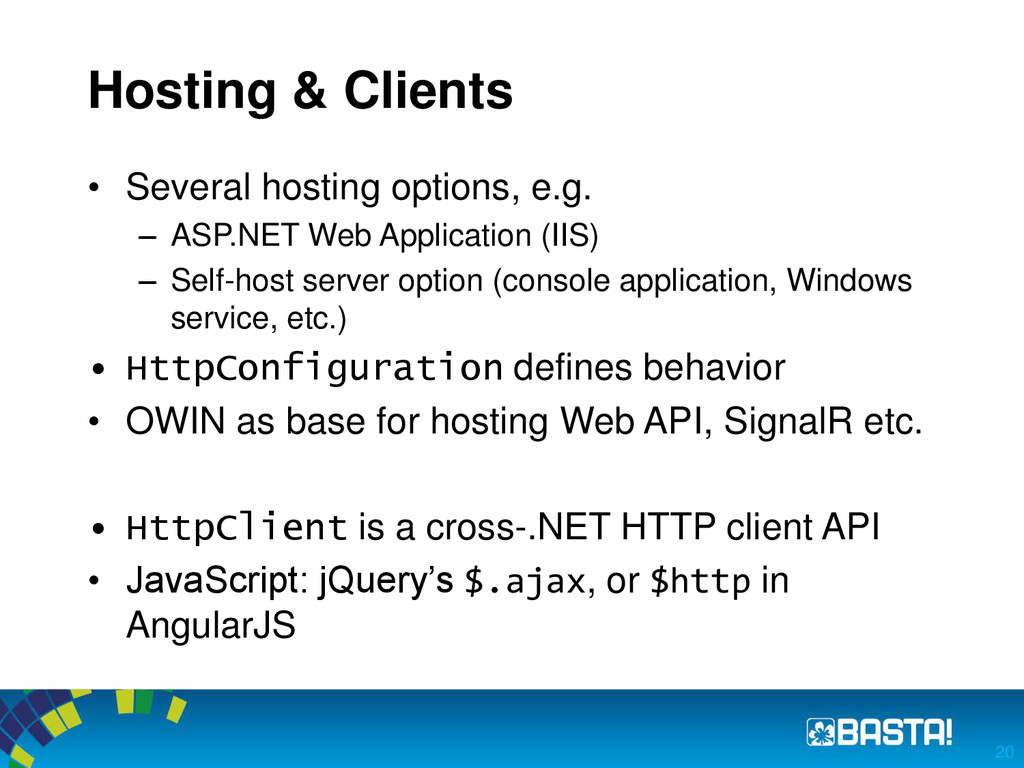
Web Application (IIS) – Self-host server option (console application, Windows service, etc.) • HttpConfiguration defines behavior • OWIN as base for hosting Web API, SignalR etc. • HttpClient is a cross-.NET HTTP client API • JavaScript: jQuery’s $.ajax, or $http in AngularJS 20
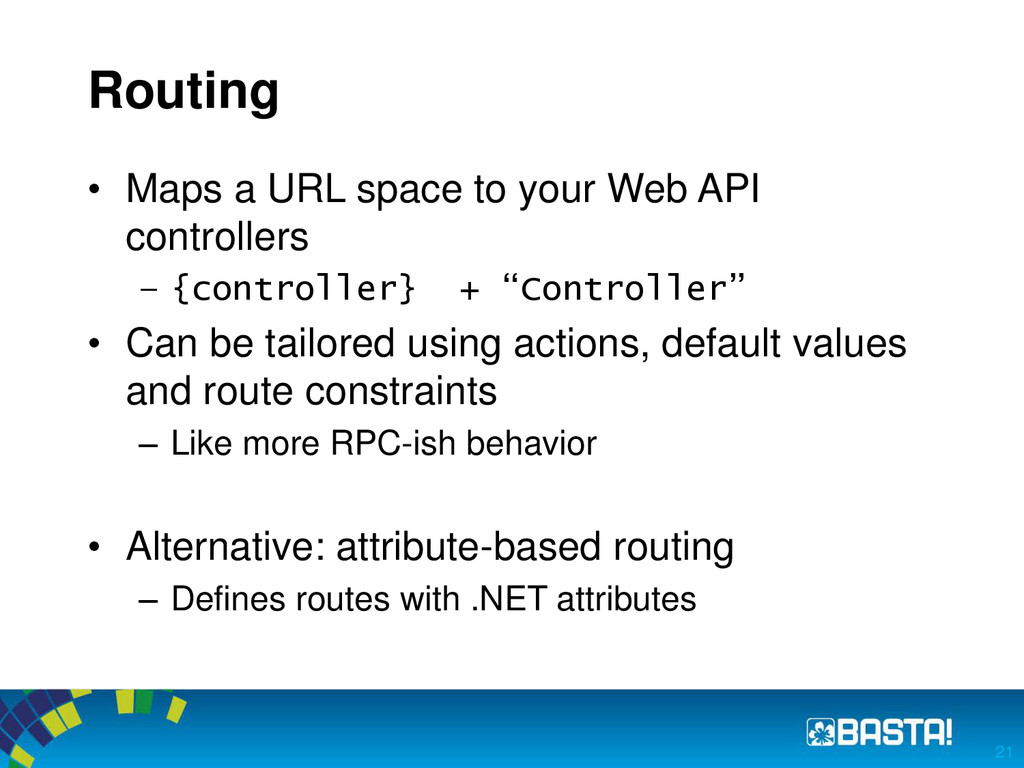
controllers – {controller} + “Controller” • Can be tailored using actions, default values and route constraints – Like more RPC-ish behavior • Alternative: attribute-based routing – Defines routes with .NET attributes 21
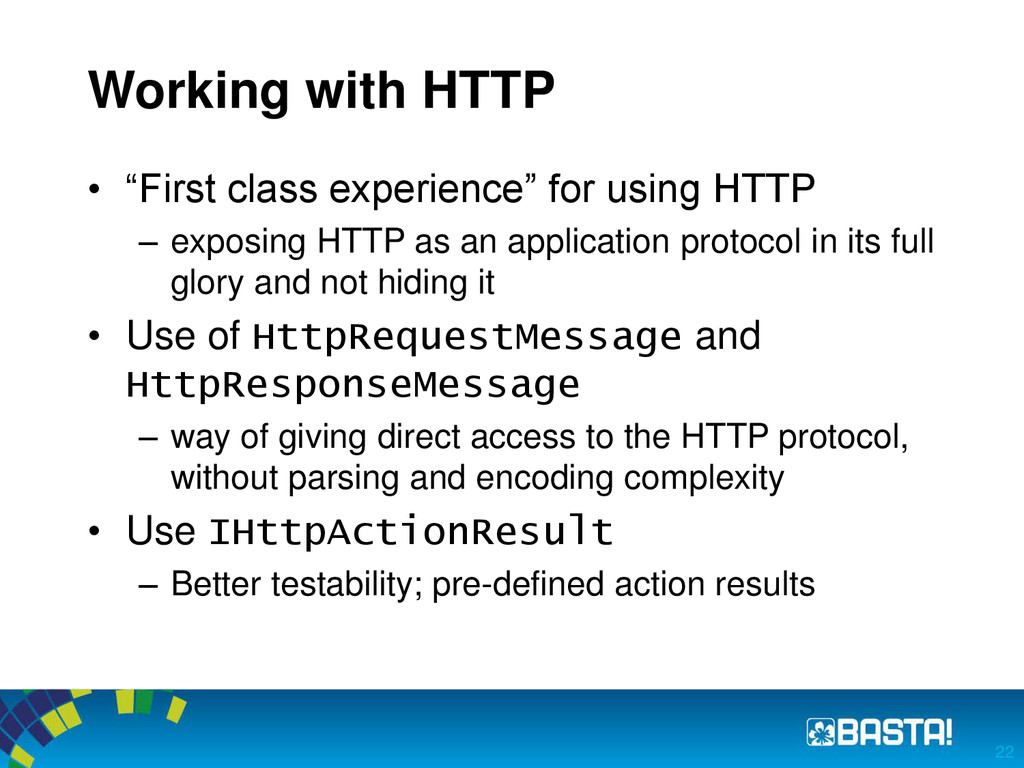
– exposing HTTP as an application protocol in its full glory and not hiding it • Use of HttpRequestMessage and HttpResponseMessage – way of giving direct access to the HTTP protocol, without parsing and encoding complexity • Use IHttpActionResult – Better testability; pre-defined action results 22
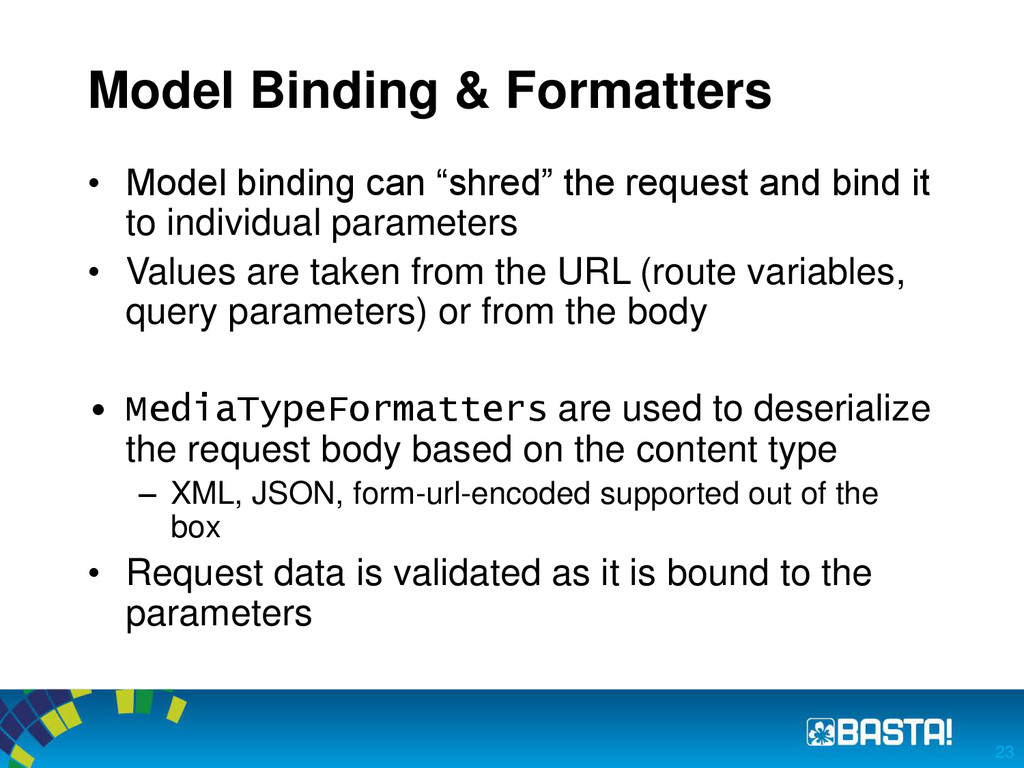
request and bind it to individual parameters • Values are taken from the URL (route variables, query parameters) or from the body • MediaTypeFormatters are used to deserialize the request body based on the content type – XML, JSON, form-url-encoded supported out of the box • Request data is validated as it is bound to the parameters 23
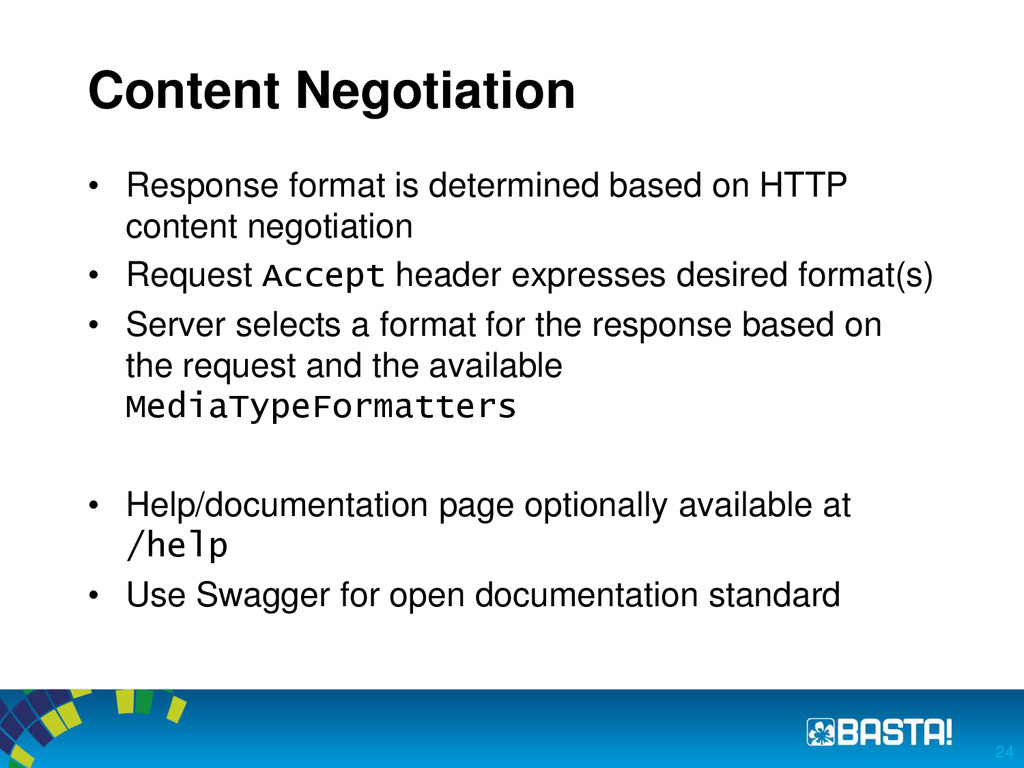
content negotiation • Request Accept header expresses desired format(s) • Server selects a format for the response based on the request and the available MediaTypeFormatters • Help/documentation page optionally available at /help • Use Swagger for open documentation standard 24
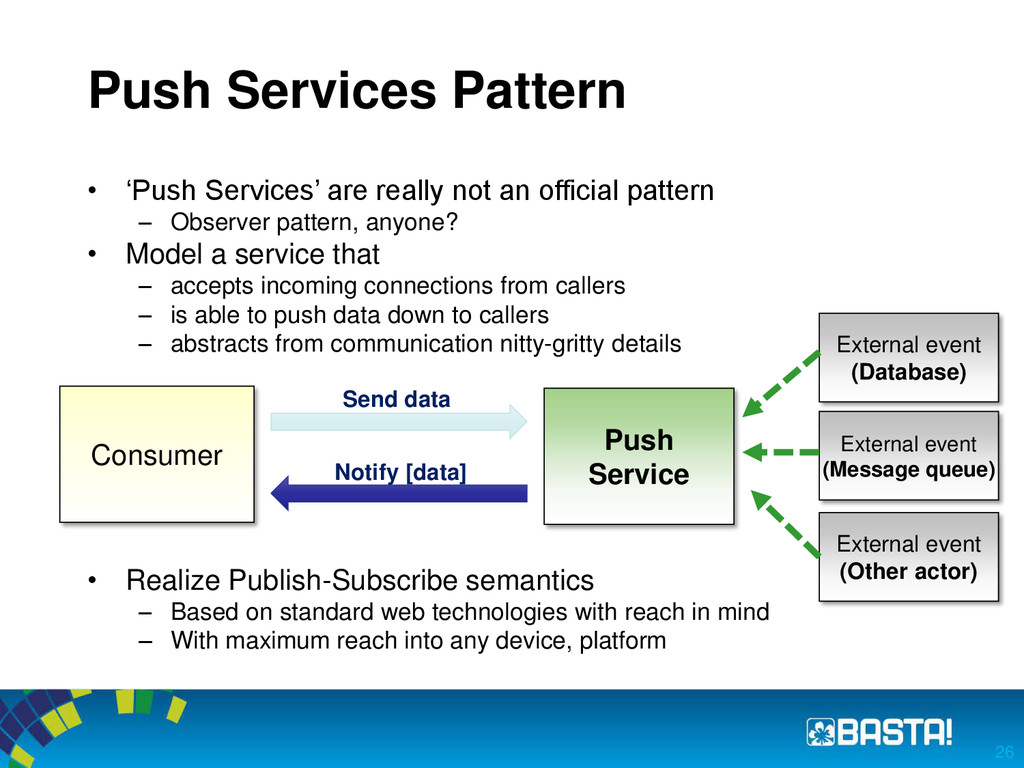
official pattern – Observer pattern, anyone? • Model a service that – accepts incoming connections from callers – is able to push data down to callers – abstracts from communication nitty-gritty details • Realize Publish-Subscribe semantics – Based on standard web technologies with reach in mind – With maximum reach into any device, platform Push Service Consumer Send data External event (Database) External event (Message queue) External event (Other actor) Notify [data] 26
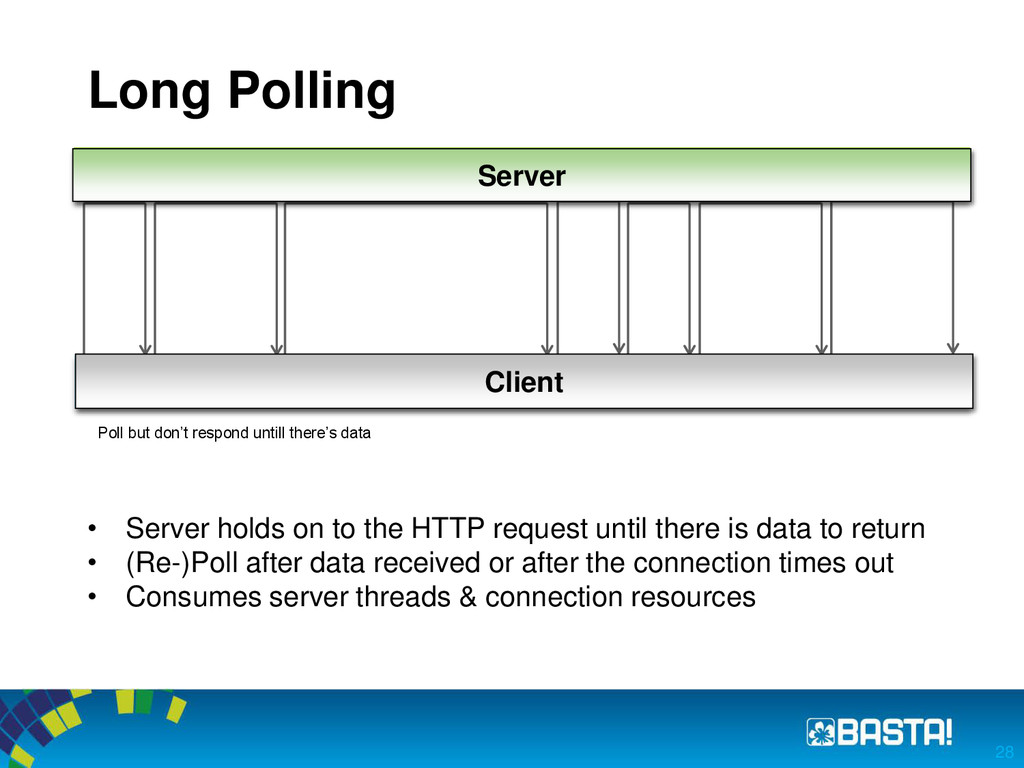
Server holds on to the HTTP request until there is data to return • (Re-)Poll after data received or after the connection times out • Consumes server threads & connection resources Server Client 28
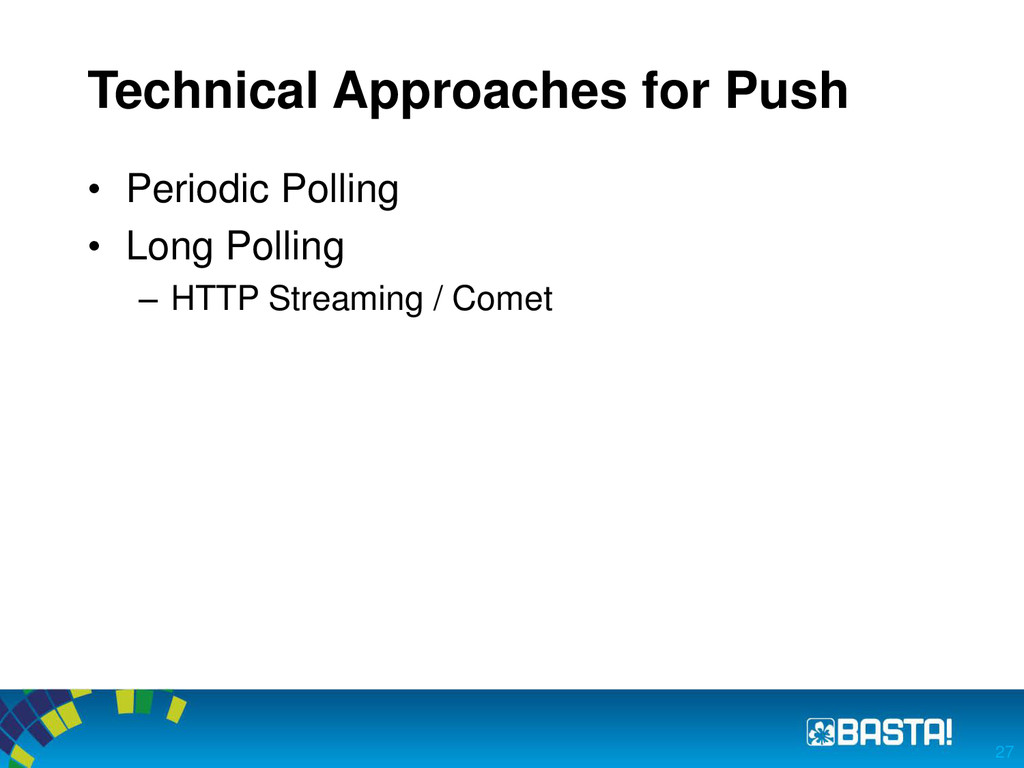
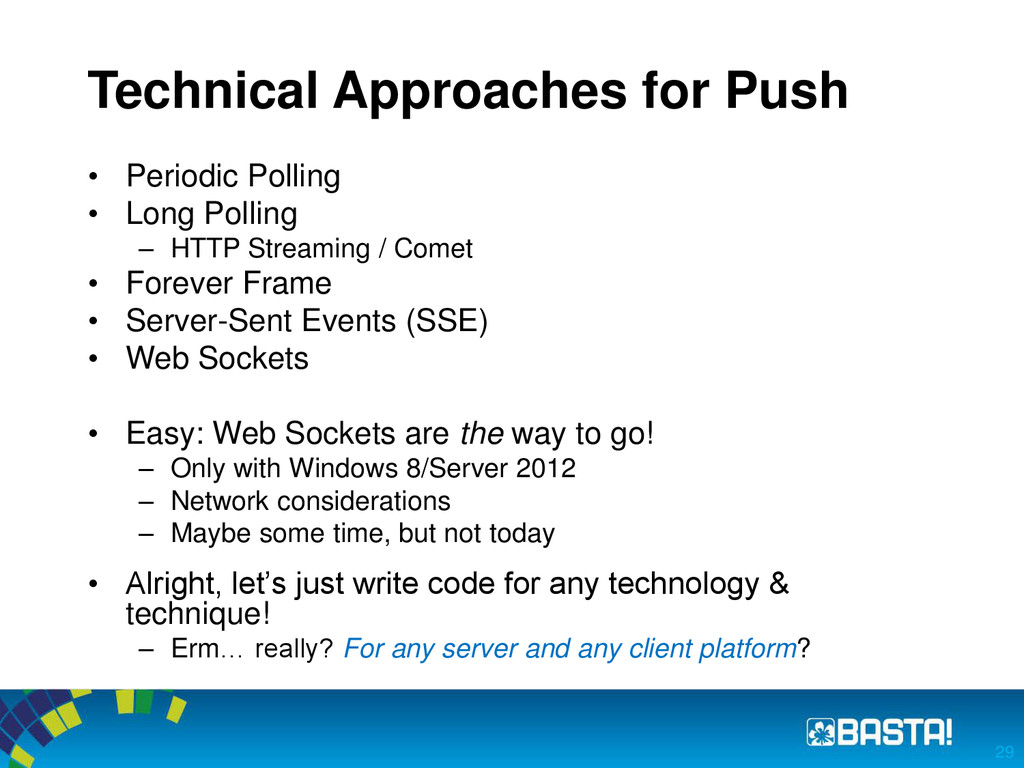
– HTTP Streaming / Comet • Forever Frame • Server-Sent Events (SSE) • Web Sockets • Easy: Web Sockets are the way to go! – Only with Windows 8/Server 2012 – Network considerations – Maybe some time, but not today • Alright, let’s just write code for any technology & technique! – Erm… really? For any server and any client platform? 29
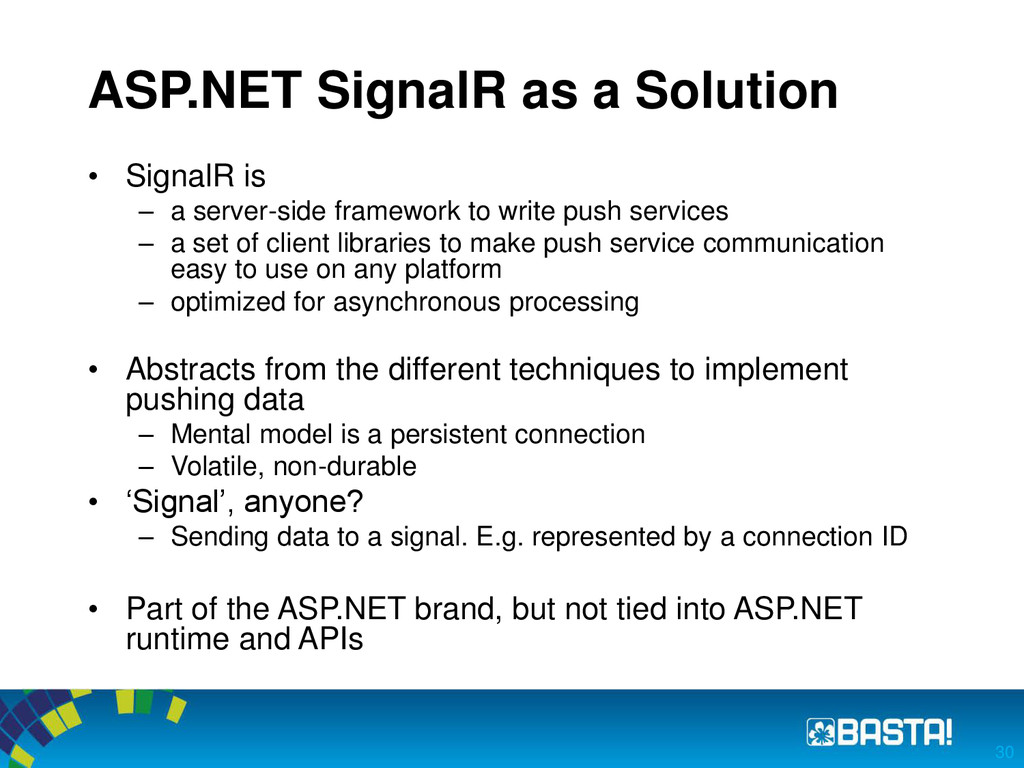
server-side framework to write push services – a set of client libraries to make push service communication easy to use on any platform – optimized for asynchronous processing • Abstracts from the different techniques to implement pushing data – Mental model is a persistent connection – Volatile, non-durable • ‘Signal’, anyone? – Sending data to a signal. E.g. represented by a connection ID • Part of the ASP.NET brand, but not tied into ASP.NET runtime and APIs 30
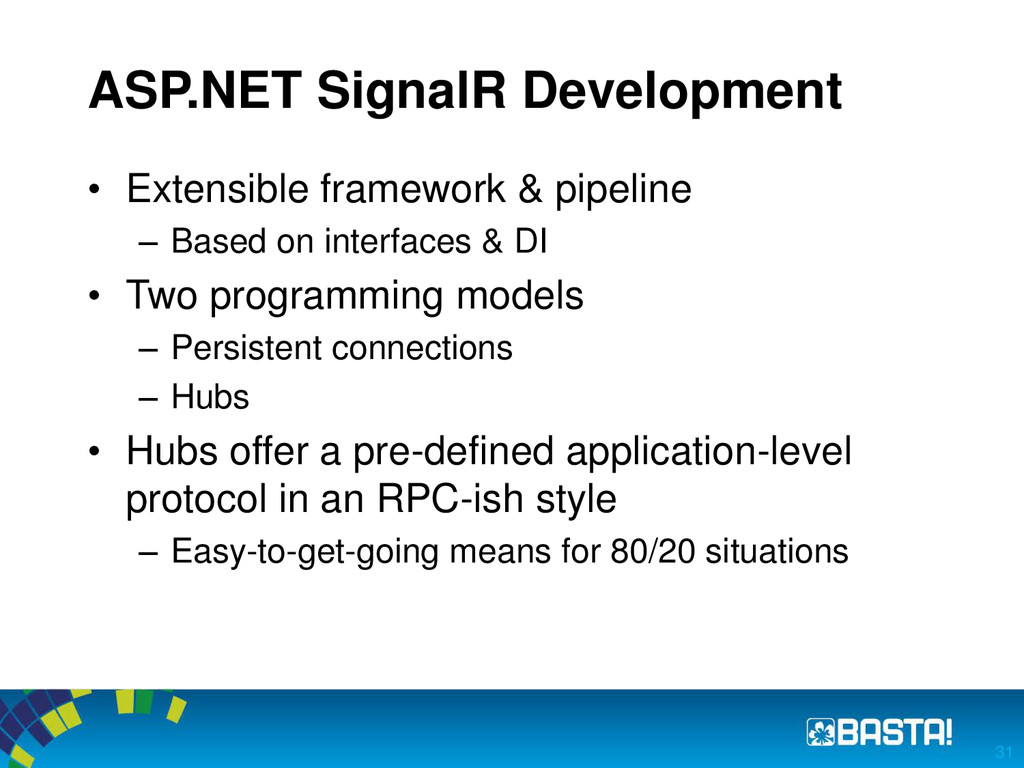
on interfaces & DI • Two programming models – Persistent connections – Hubs • Hubs offer a pre-defined application-level protocol in an RPC-ish style – Easy-to-get-going means for 80/20 situations 31
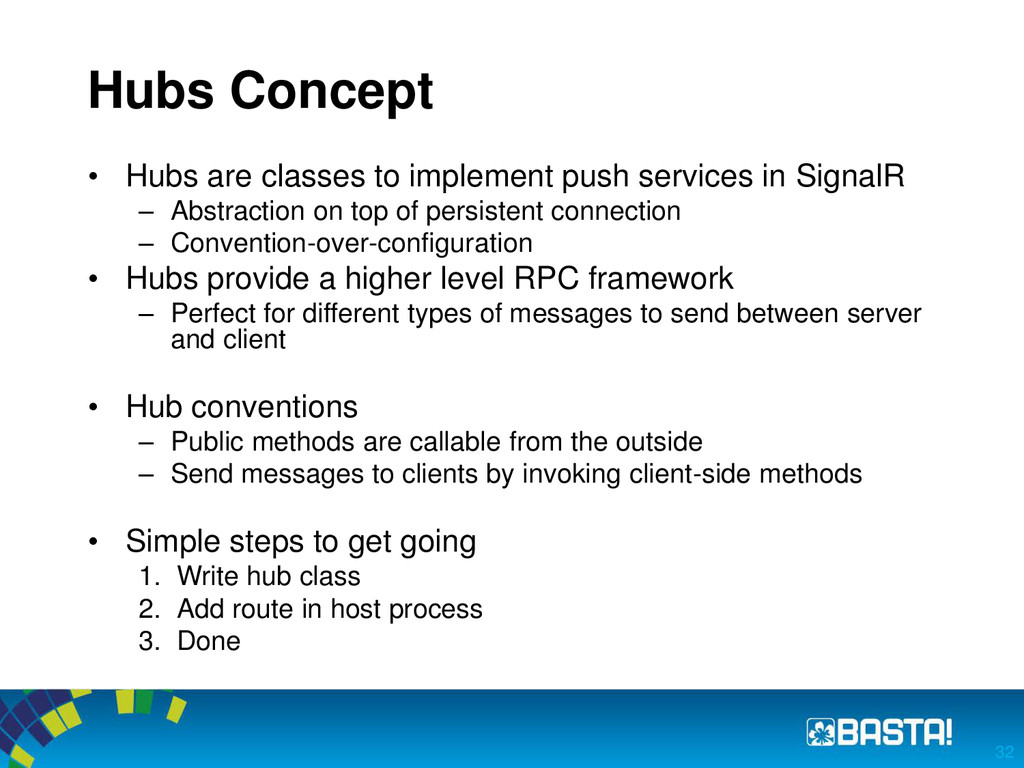
in SignalR – Abstraction on top of persistent connection – Convention-over-configuration • Hubs provide a higher level RPC framework – Perfect for different types of messages to send between server and client • Hub conventions – Public methods are callable from the outside – Send messages to clients by invoking client-side methods • Simple steps to get going 1. Write hub class 2. Add route in host process 3. Done 32
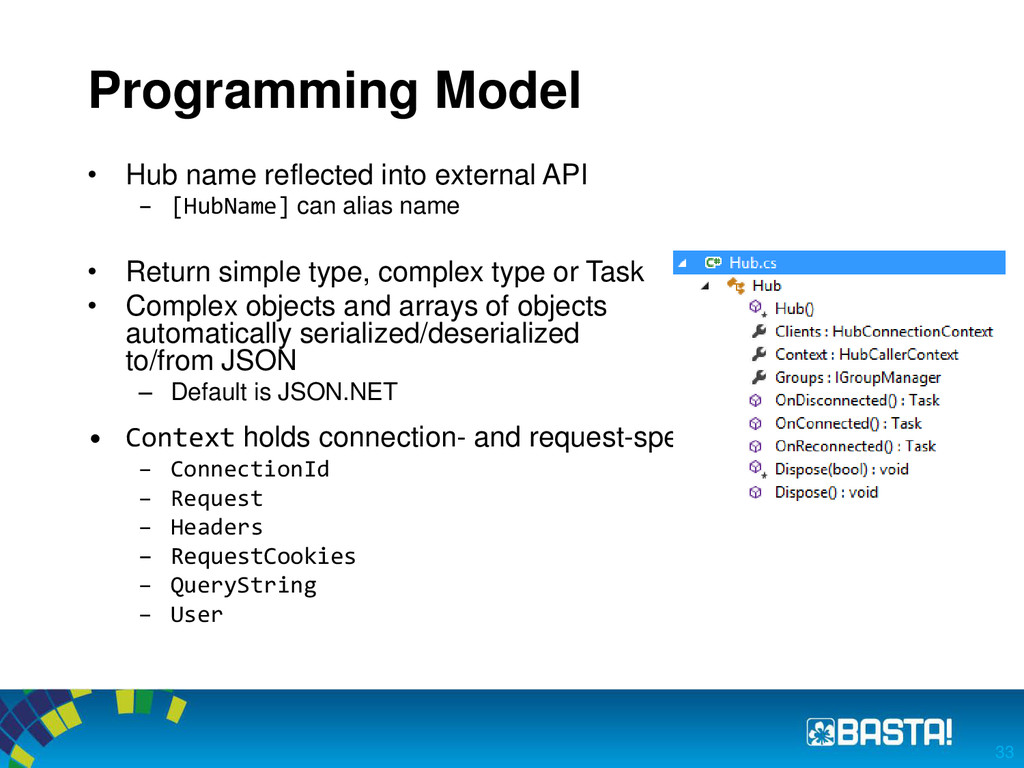
[HubName] can alias name • Return simple type, complex type or Task • Complex objects and arrays of objects automatically serialized/deserialized to/from JSON – Default is JSON.NET • Context holds connection- and request-specific information – ConnectionId – Request – Headers – RequestCookies – QueryString – User 33
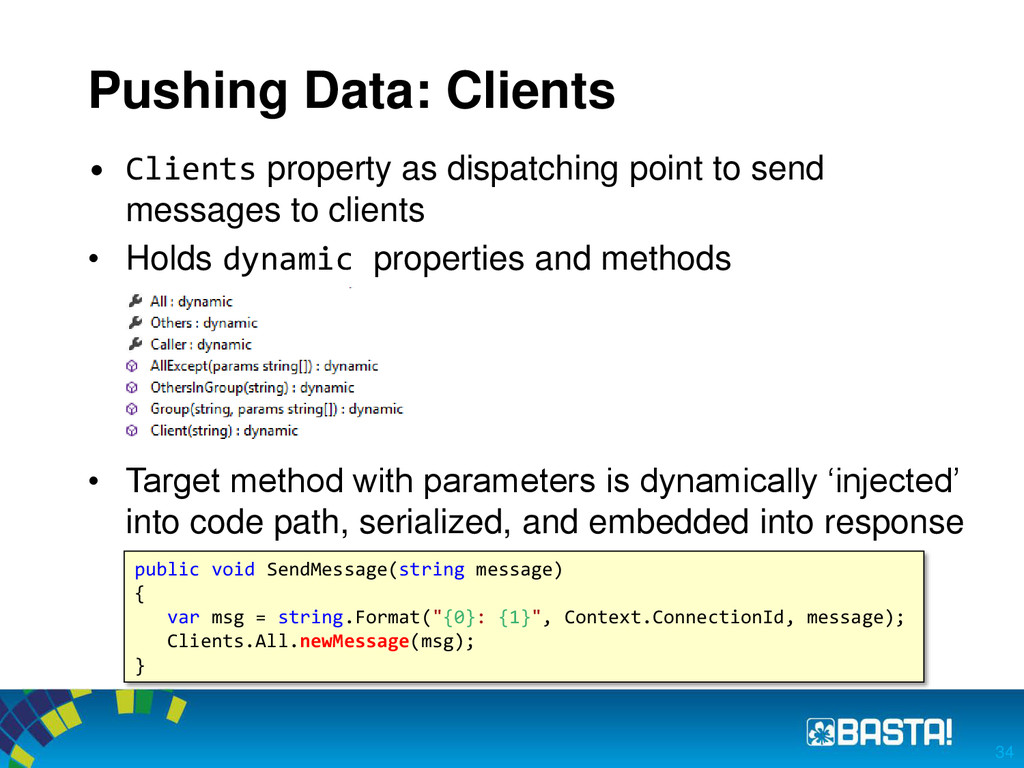
send messages to clients • Holds dynamic properties and methods • Target method with parameters is dynamically ‘injected’ into code path, serialized, and embedded into response public void SendMessage(string message) { var msg = string.Format("{0}: {1}", Context.ConnectionId, message); Clients.All.newMessage(msg); } 34
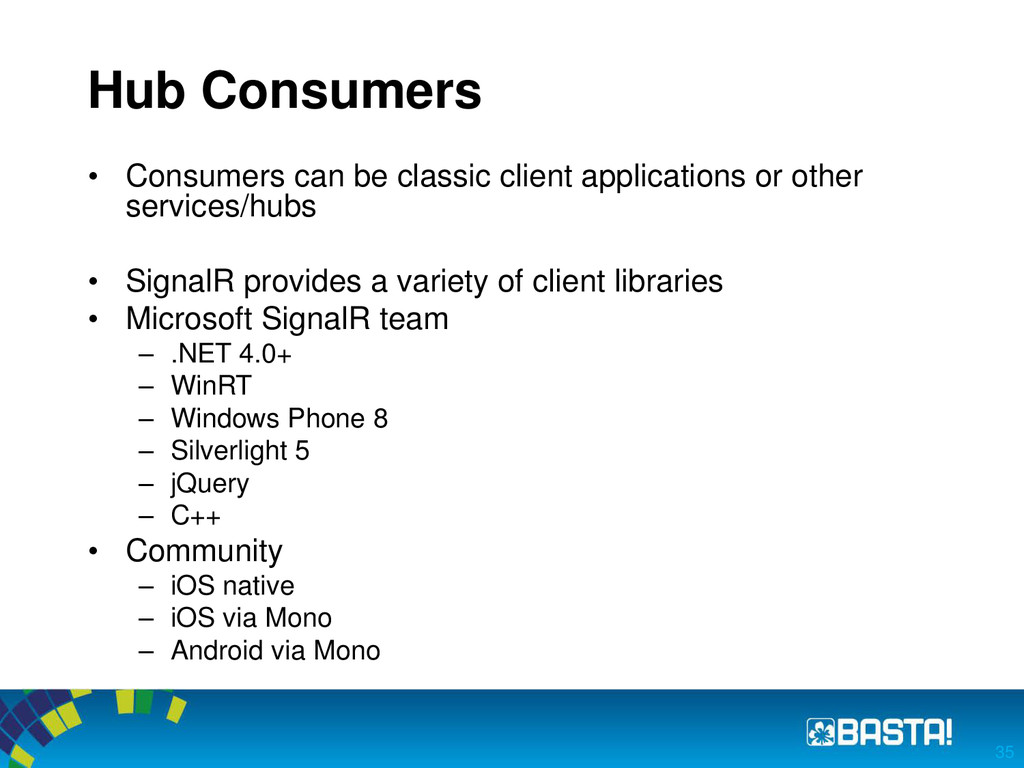
other services/hubs • SignalR provides a variety of client libraries • Microsoft SignalR team – .NET 4.0+ – WinRT – Windows Phone 8 – Silverlight 5 – jQuery – C++ • Community – iOS native – iOS via Mono – Android via Mono 35
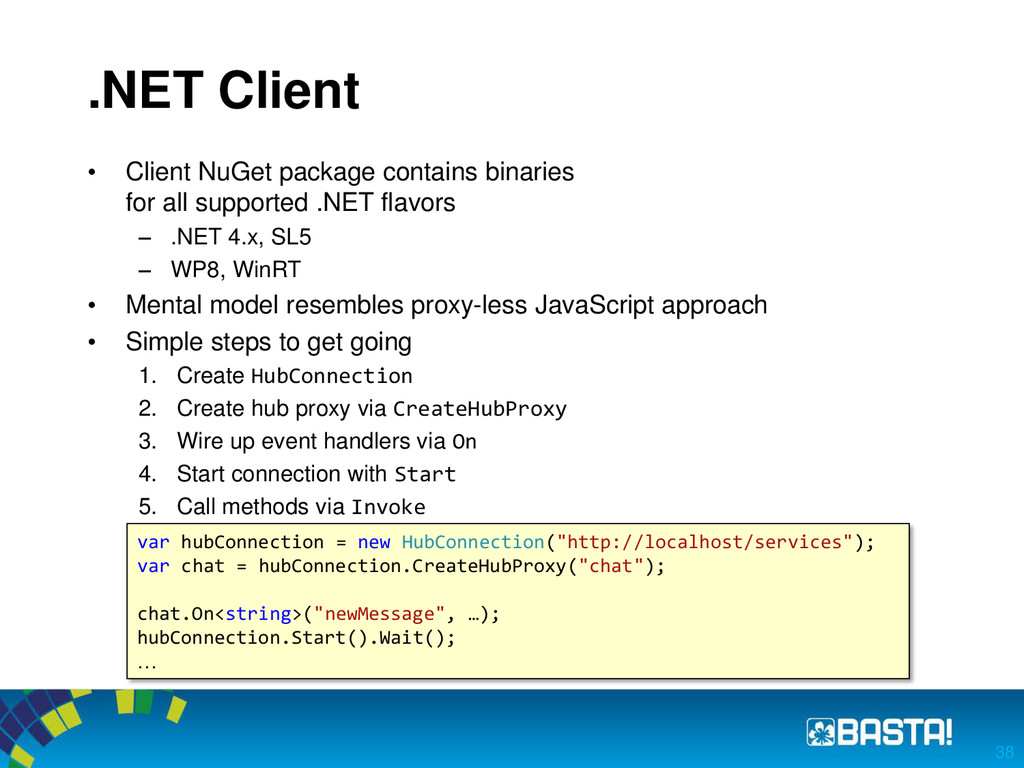
wire protocol makes it easy to integrate with JavaScript • SignalR jQuery plugin offers two approaches – Proxy-based with generated proxy – Without proxy but ‘late binding’ 36
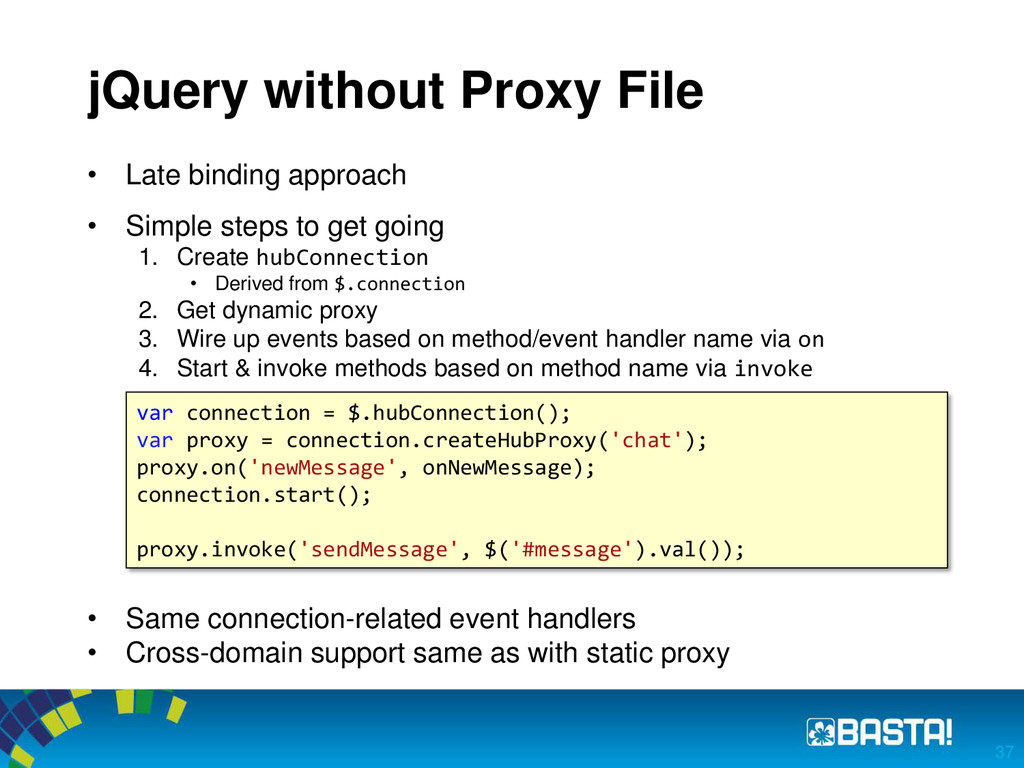
steps to get going 1. Create hubConnection • Derived from $.connection 2. Get dynamic proxy 3. Wire up events based on method/event handler name via on 4. Start & invoke methods based on method name via invoke • Same connection-related event handlers • Cross-domain support same as with static proxy var connection = $.hubConnection(); var proxy = connection.createHubProxy('chat'); proxy.on('newMessage', onNewMessage); connection.start(); proxy.invoke('sendMessage', $('#message').val()); 37
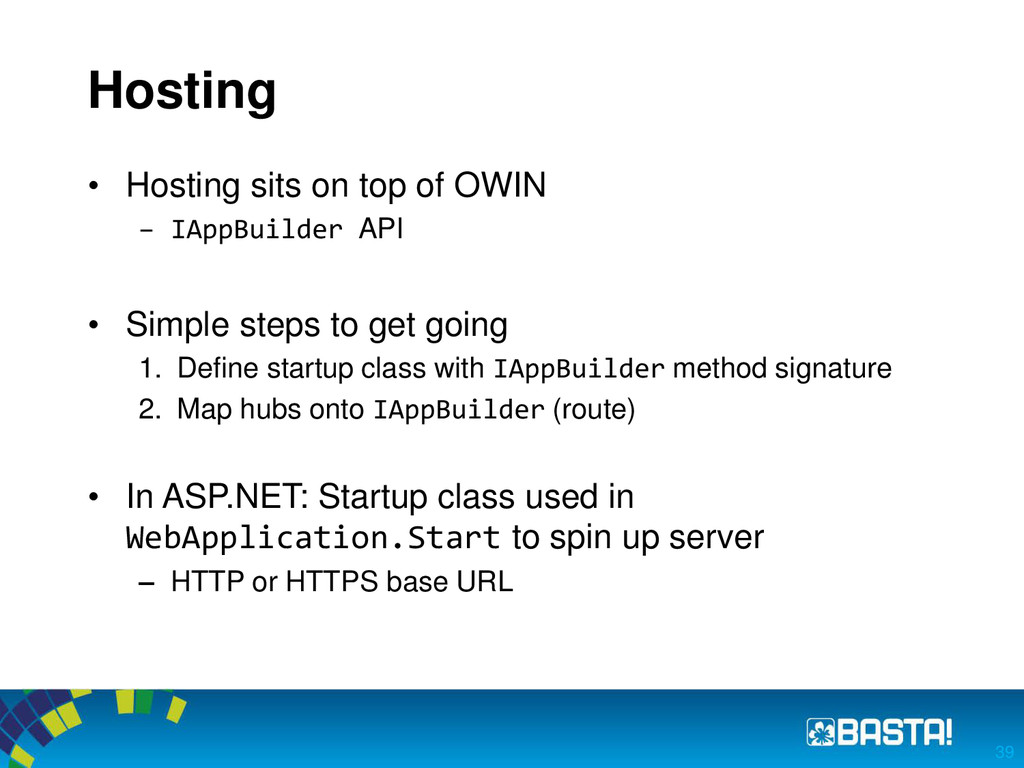
API • Simple steps to get going 1. Define startup class with IAppBuilder method signature 2. Map hubs onto IAppBuilder (route) • In ASP.NET: Startup class used in WebApplication.Start to spin up server – HTTP or HTTPS base URL 39
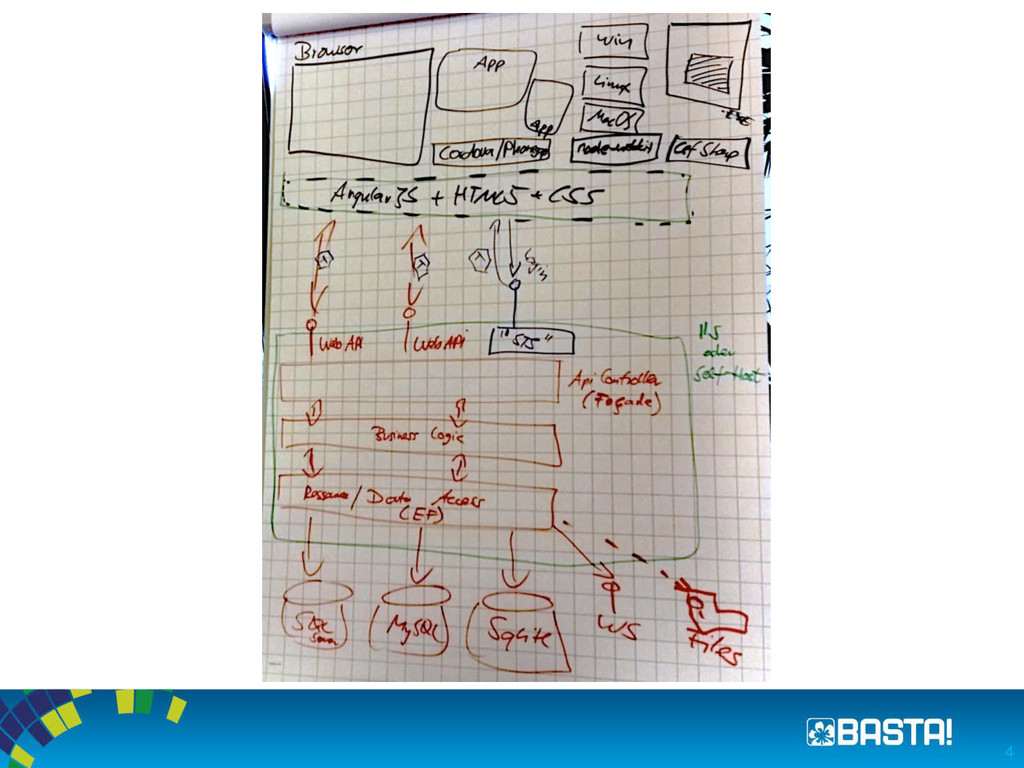
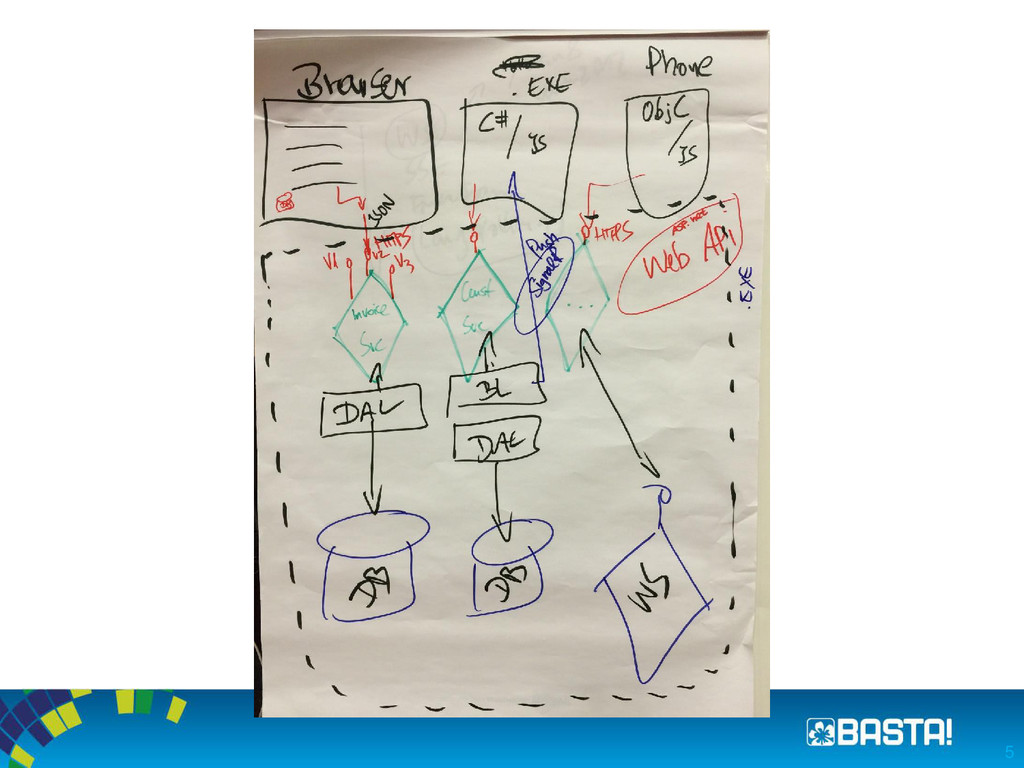
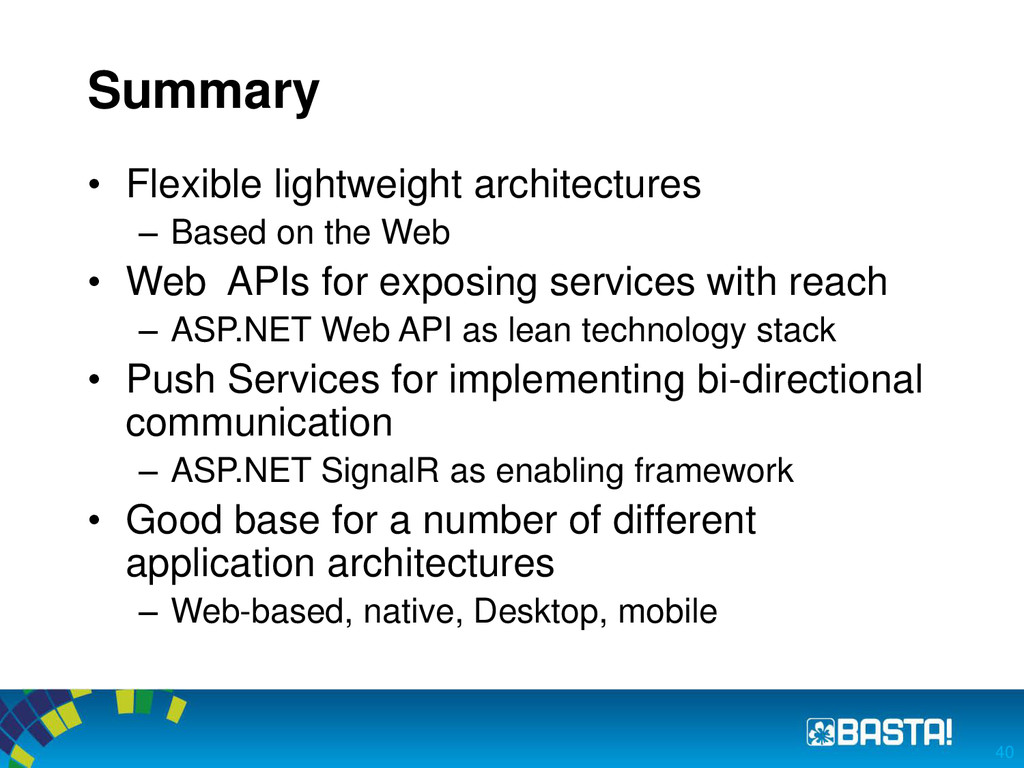
• Web APIs for exposing services with reach – ASP.NET Web API as lean technology stack • Push Services for implementing bi-directional communication – ASP.NET SignalR as enabling framework • Good base for a number of different application architectures – Web-based, native, Desktop, mobile 40
https://github.com/thinktecture • Christian Weyer’s GitHub Repositories – https://github.com/ChristianWeyer • ASP.NET Web API – http://www.asp.net/web-api • WebApiContrib – https://github.com/WebApiContrib • ASP.NET SignalR – http://www.asp.net/signalr 41

 SiteGround - Reliable hosting with speed, security, and support you can count on.


 christianweyer
 drumath2237
 neuecc
 kinopeee
 akkeylab
 akase244
 kenjiyoneyama
 yub0n
yub0n
 irinanazarova
 kaityo256
 ogom
ogom
 y0hgi
y0hgi
 iwatsukayura
 lcolladotor
 greggifford
 panda_program
 axbom
axbom
 tammyeverts
 marktimemedia
 jeffersonlam
 akademiya2063
 ivargrimstad
 lindahogenes
.jpg) cargoodrich
cargoodrich
 inesmontani

![Resources • [email protected] • http://www.thinktecture.com • Thinktecture’s GitHub Repositories –](https://files.speakerdeck.com/presentations/b6d3f61da4734e5da9383390c06c1405/slide_40.jpg)