Upgrade to Pro — share decks privately, control downloads, hide ads and more …

Primary Immunodeficieny

Primary Immunodeficieny

Primary immunodeficiency (PID) refers to a group of genetic disorders in which the immune system does not function properly due to defects in one or more components of the immune system. These disorders are usually inherited and may affect B lymphocytes, T lymphocytes, phagocytes, or the complement system.
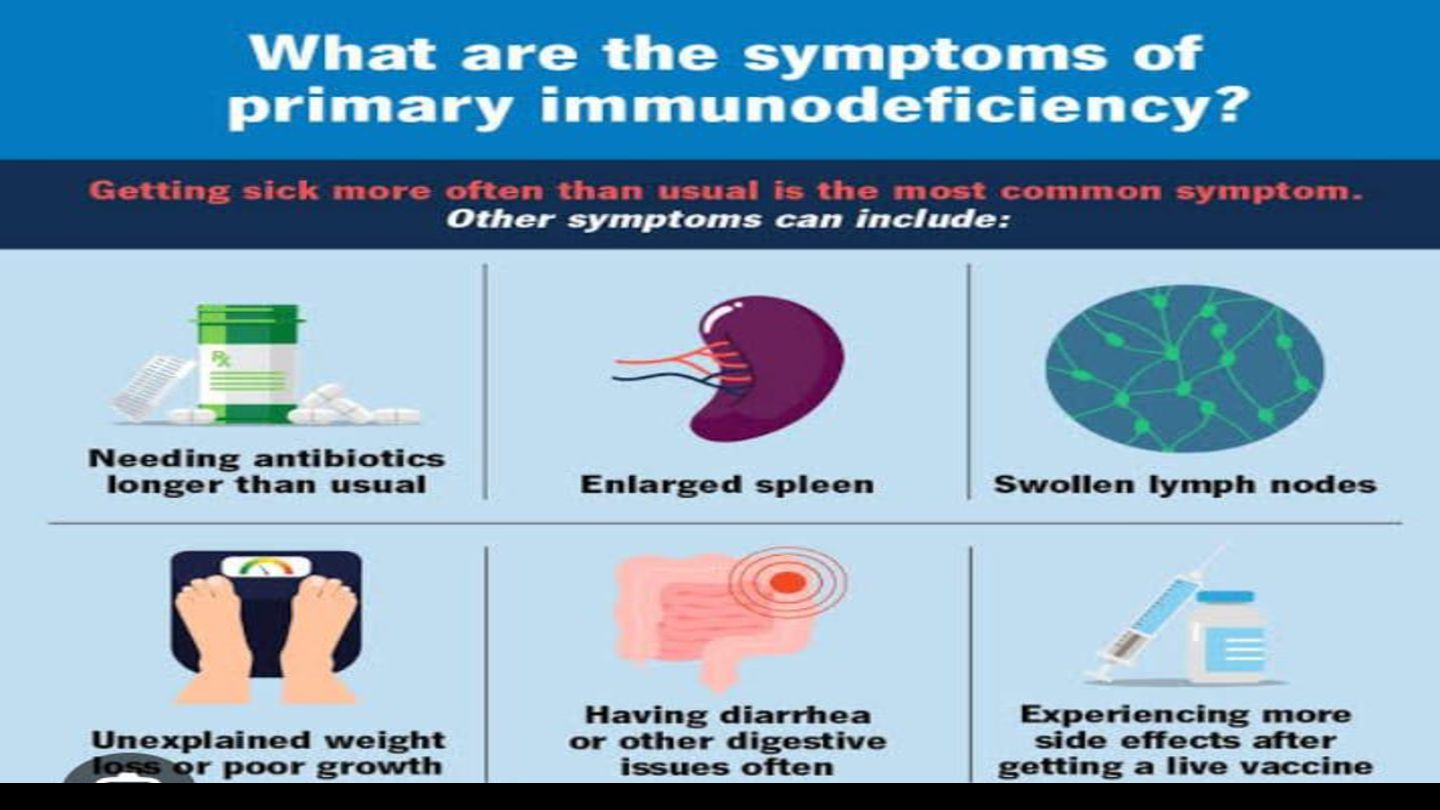
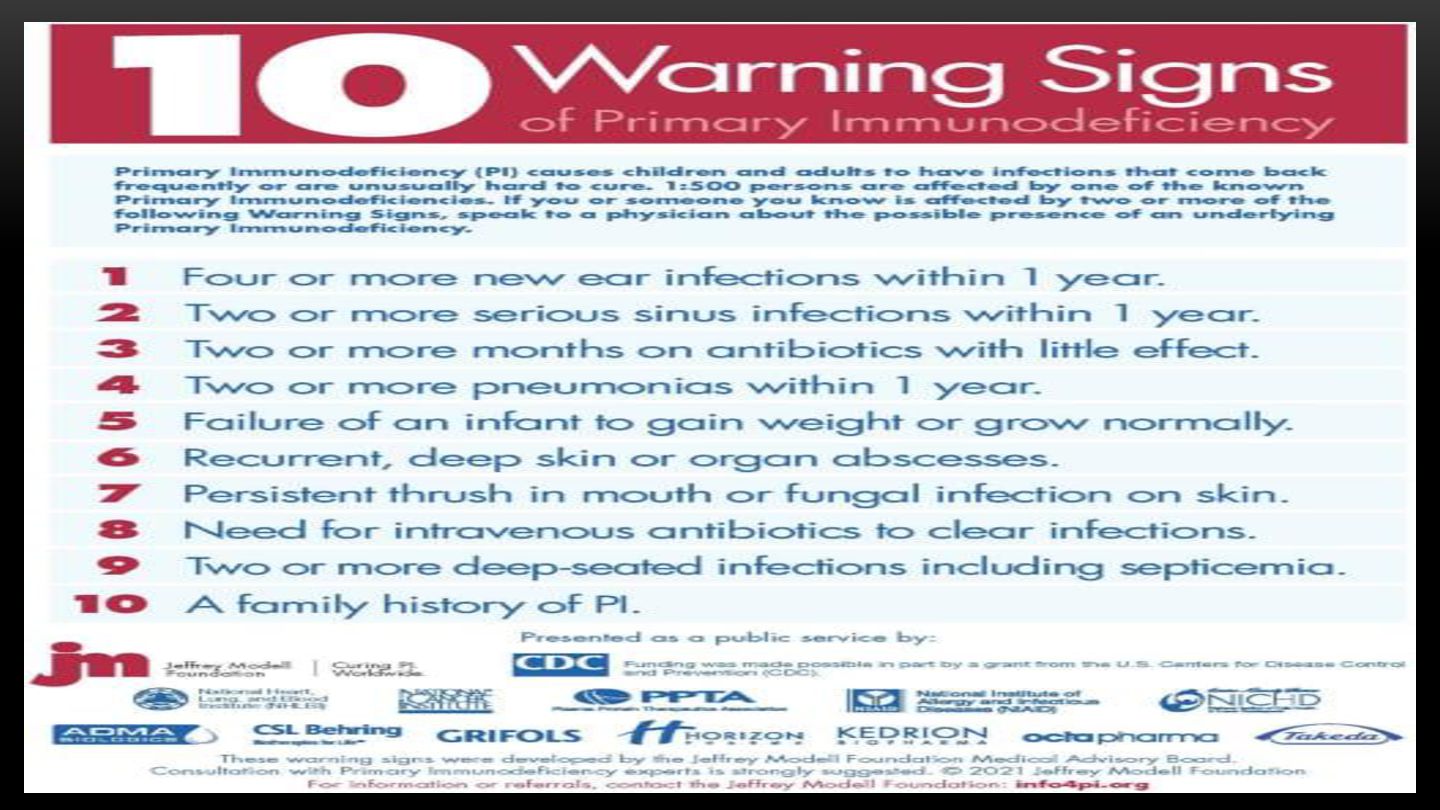
Individuals with primary immunodeficiency are more susceptible to recurrent infections, severe infections, and sometimes autoimmune disorders. Symptoms may appear during infancy or childhood, although some conditions are diagnosed in adulthood.
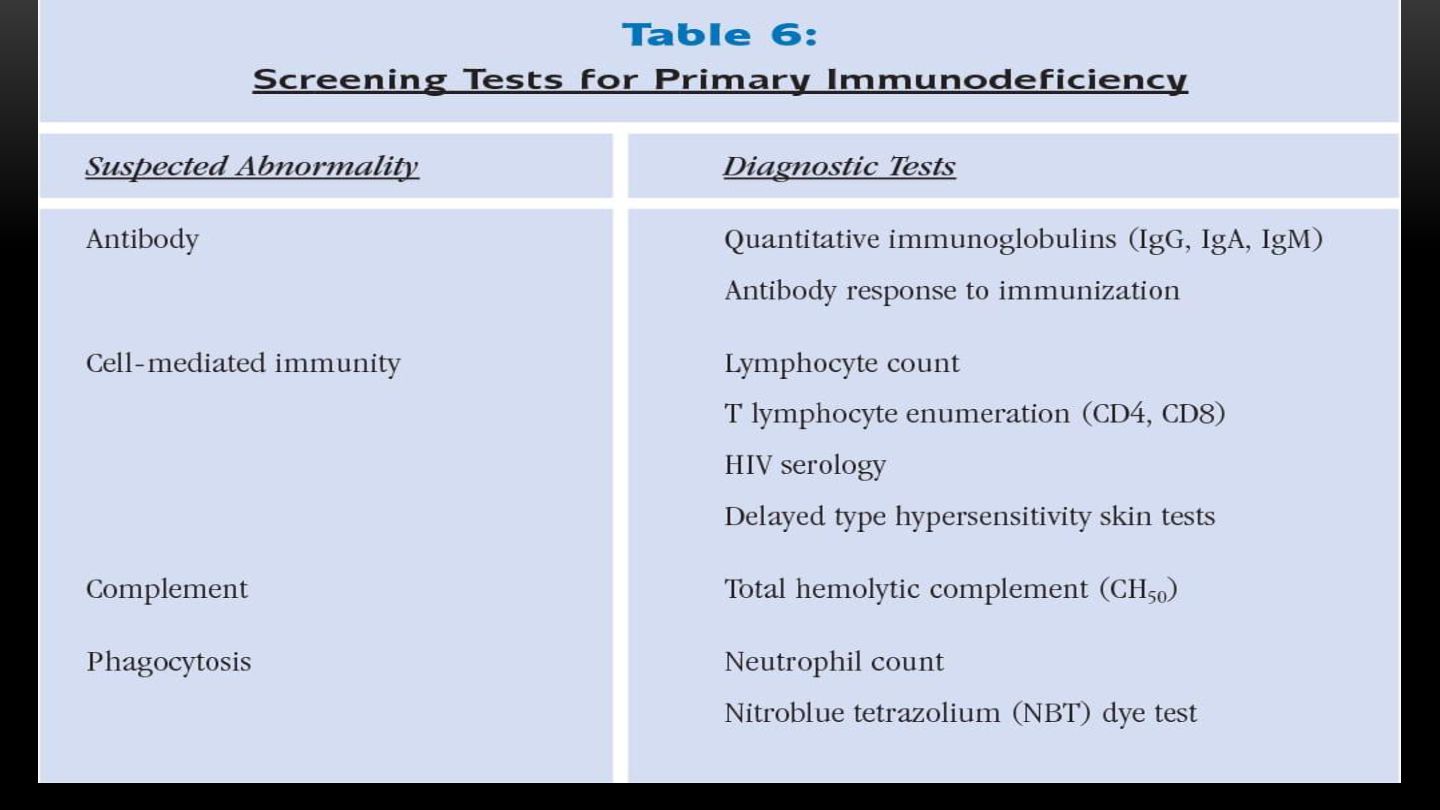
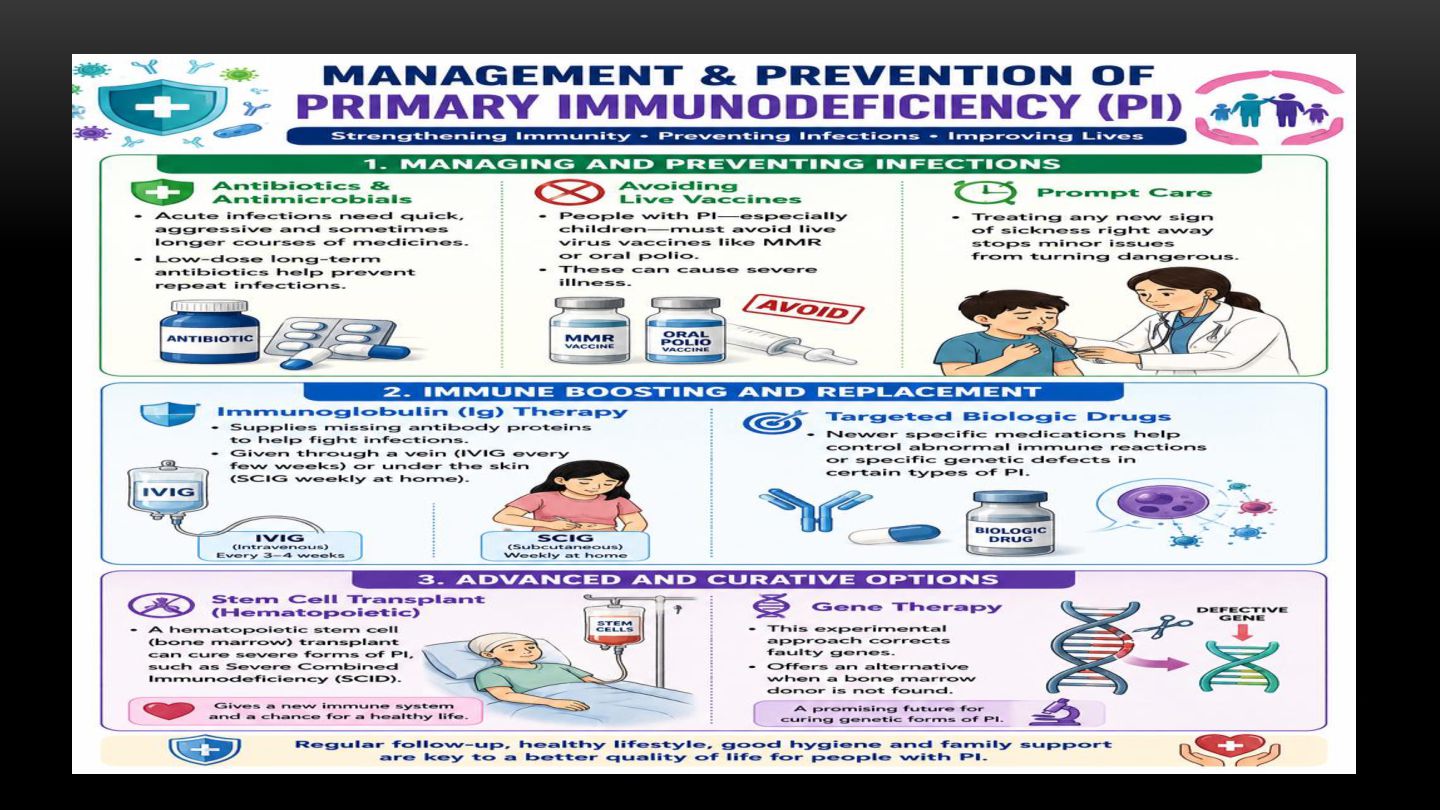
Primary immunodeficiency can be diagnosed through clinical evaluation, blood tests, immunoglobulin level measurement, and specialized immunological tests. Treatment depends on the type of disorder and may include antibiotics, immunoglobulin replacement therapy, and stem cell transplantation.

Darathy Roselin

October 22, 2026

Transcript

56 slides
  1. PRIMARY IMMUNODEFICIENCY Subject: IMMUNOLOGY & MICROBIAL GENETICS Subject code: VMBC31

    Semester:III Date of given : Submission date: SUBMITTED BY DARATHY ROSELIN C I I M.SC PG & RESEARCH DEPARTMENT OF MICROBIOLOGY SUBMITTED TO DR. VISHWANATHAN HEAD OF THE DEPARTMENT PG & RESEARCH DEPARTMENT OF MICROBIOLOGY
  2. TOPIC OF CONTENT 1. IMMUNODEFICIENCY 2. PRIMARY IMMUNODEFICIENCY 3. COMPONENTS

    AFFECTED ON PID 4. TYPES OF PID 5. B-CELL IMMUNODEFICIENCY 6. T- CELL IMMUNODEFICIENCY 7. COMBINED IMMUNODEFICIENCY 8. SYPTOMS OF PID 9. TREATMENT OF PID
  3. 1. WHAT IS IMMUNODEFICIENCY? 2. OVERVIEW OF PRIMARY IMMUNODEFICIENCY 3.

    TYPE OF PRIMARY IMMUNODEFICIENCY 4. SYMPTOMS OF PID 5. DIAGNOSIS OF PID 6. TREATMENT OF PID
  4. OBJECTIVES Understand the concept and classification of PID Identify genetic

    and immunological defects Recognize major clinical manifestations Describe diagnostic methods Discuss treatment and preventive strategies Explore recent advances in PID research and therapy
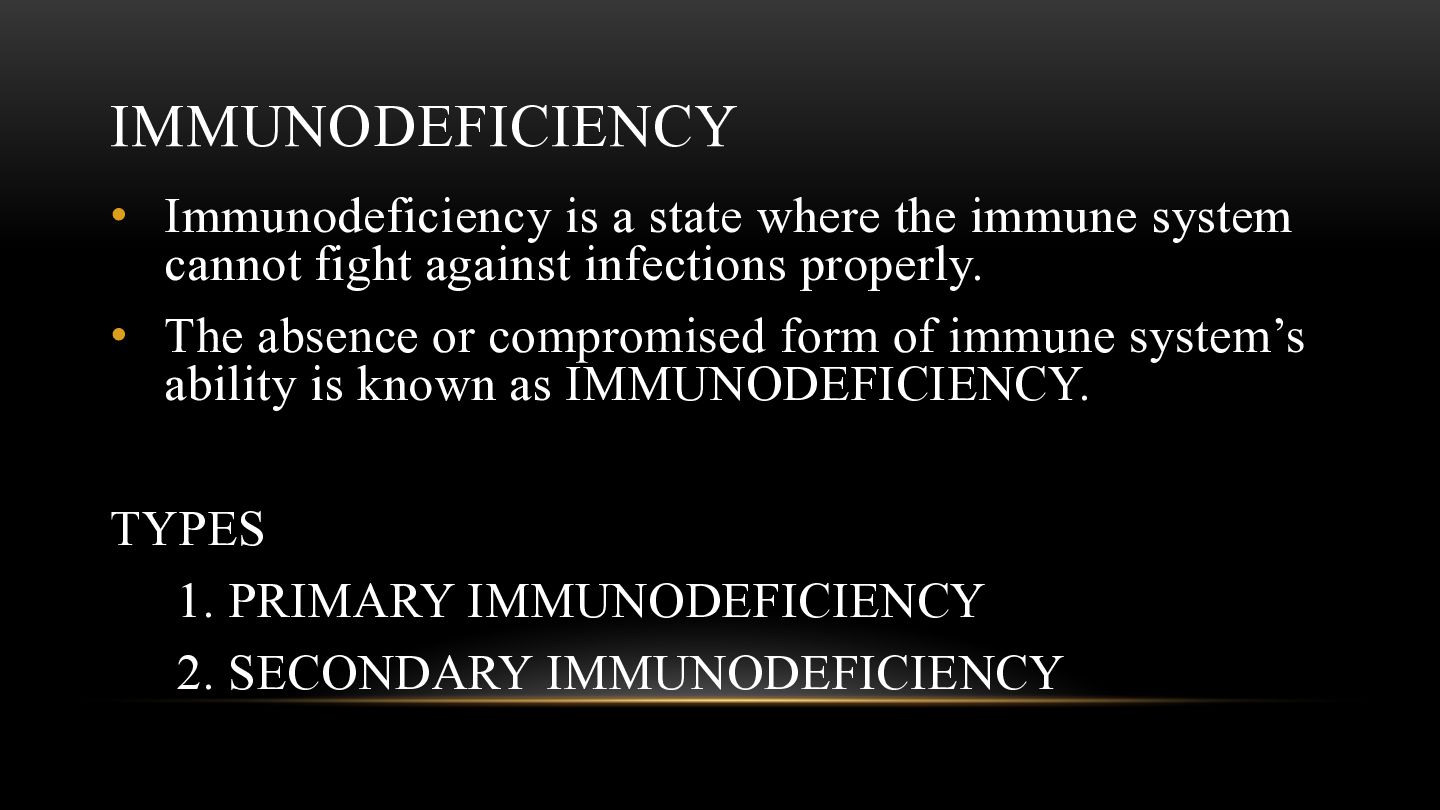
  5. IMMUNODEFICIENCY • Immunodeficiency is a state where the immune system

    cannot fight against infections properly. • The absence or compromised form of immune system’s ability is known as IMMUNODEFICIENCY. TYPES 1. PRIMARY IMMUNODEFICIENCY 2. SECONDARY IMMUNODEFICIENCY
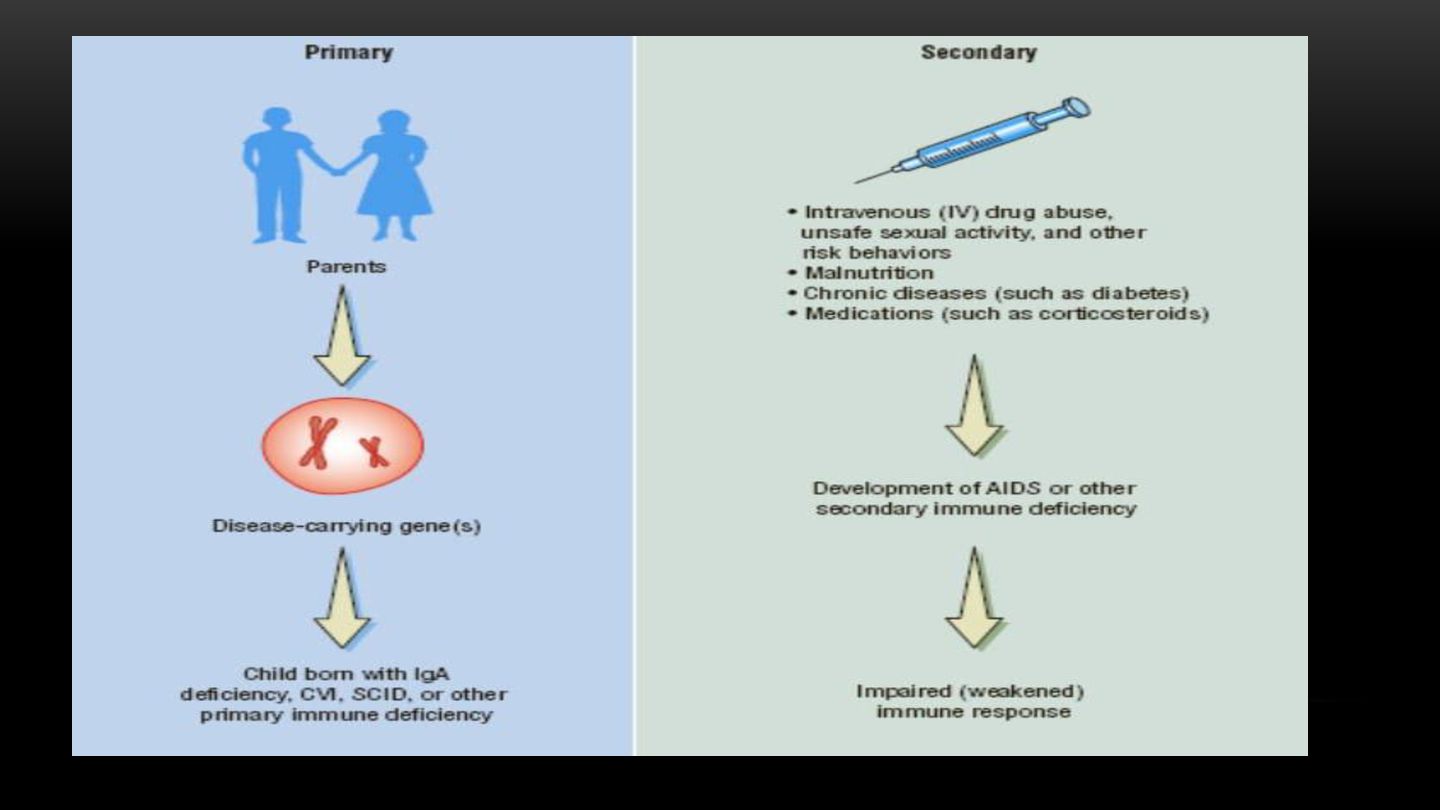
  6. PRIMARY IMMUNODEFICIENCY • Primary immunodeficiency is an inherited condition caused

    by genetic defects that make the immune system missing or work poorly, leading to frequent infections. The immune defects may affect different components of immune systems.
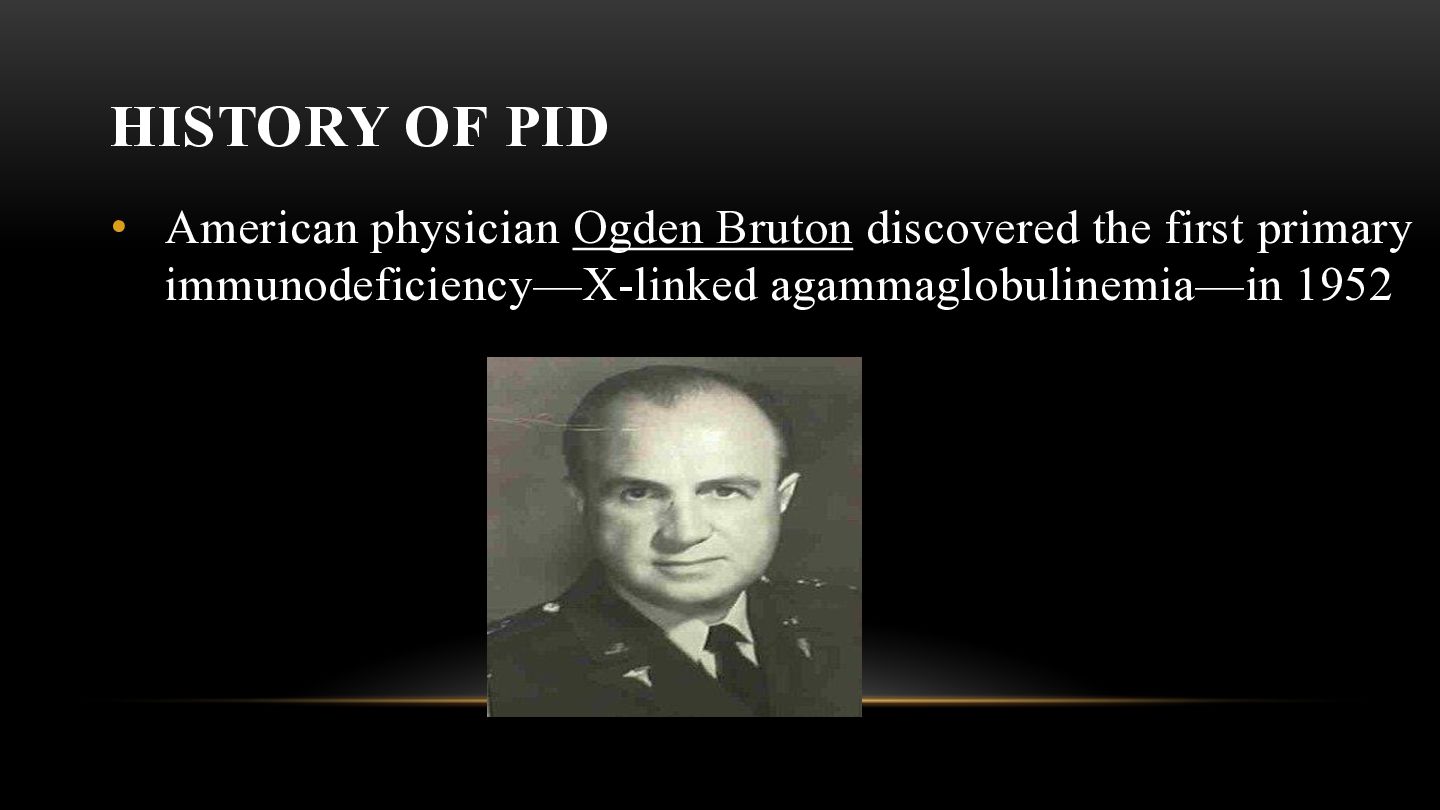
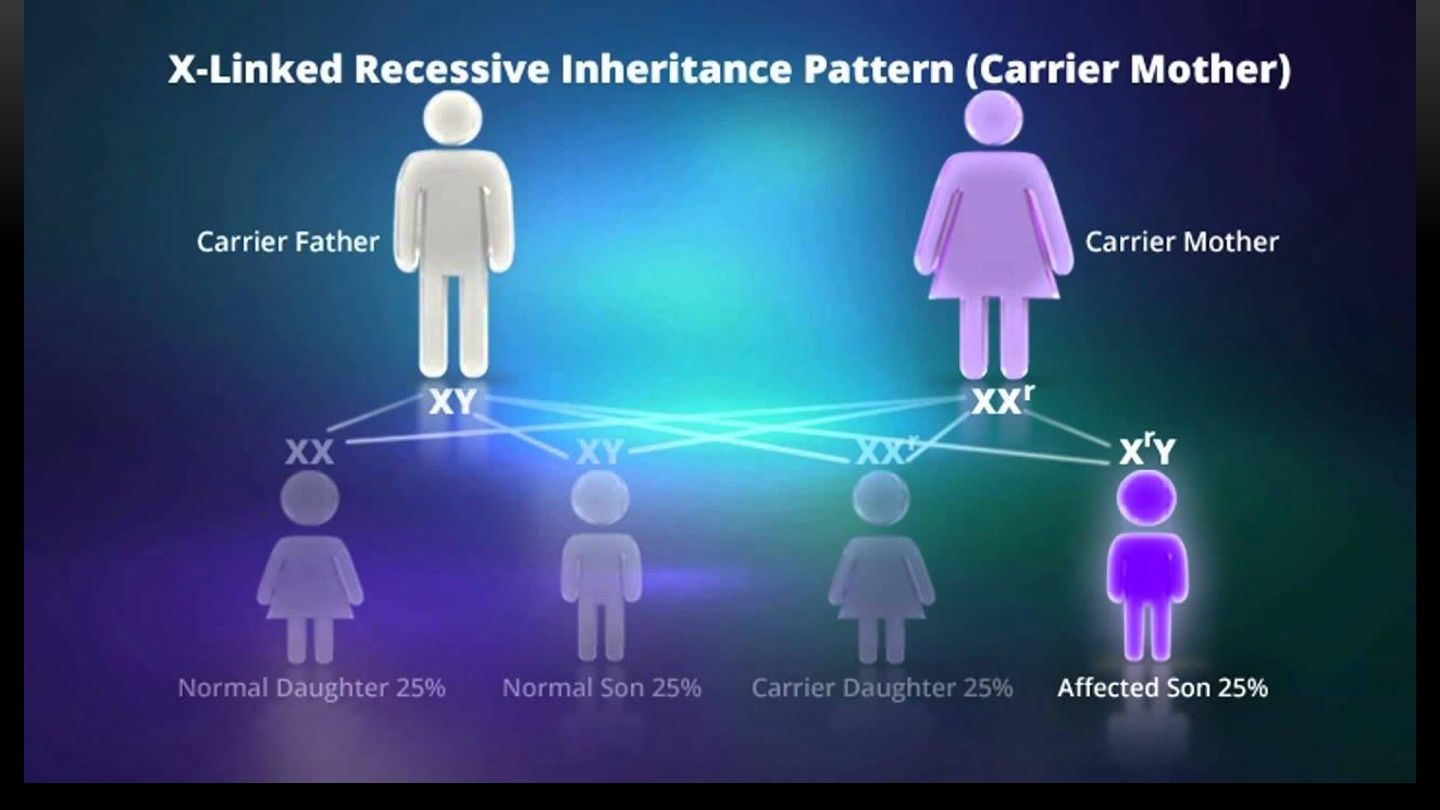
  7. HISTORY OF PID • American physician Ogden Bruton discovered the

    first primary immunodeficiency—X-linked agammaglobulinemia—in 1952
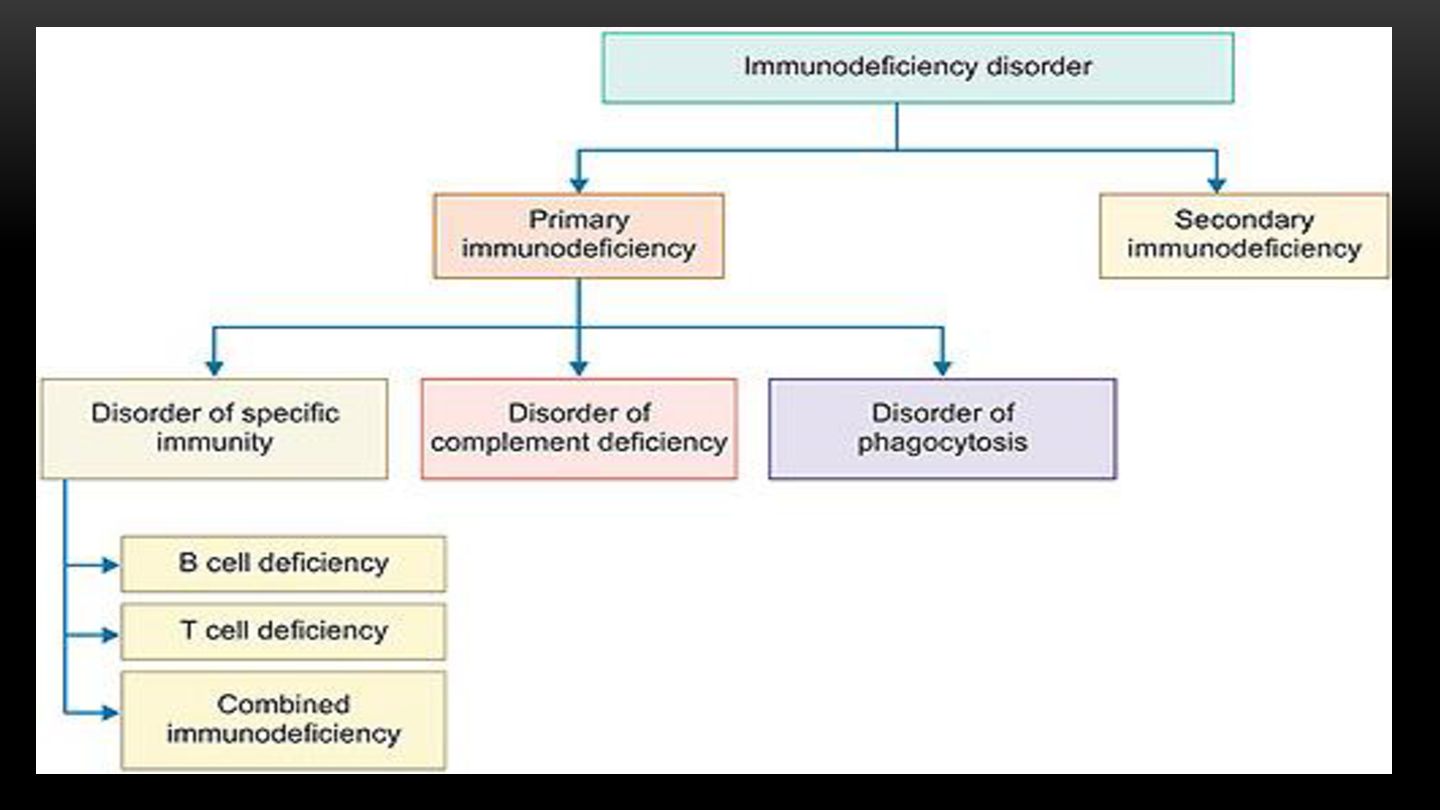
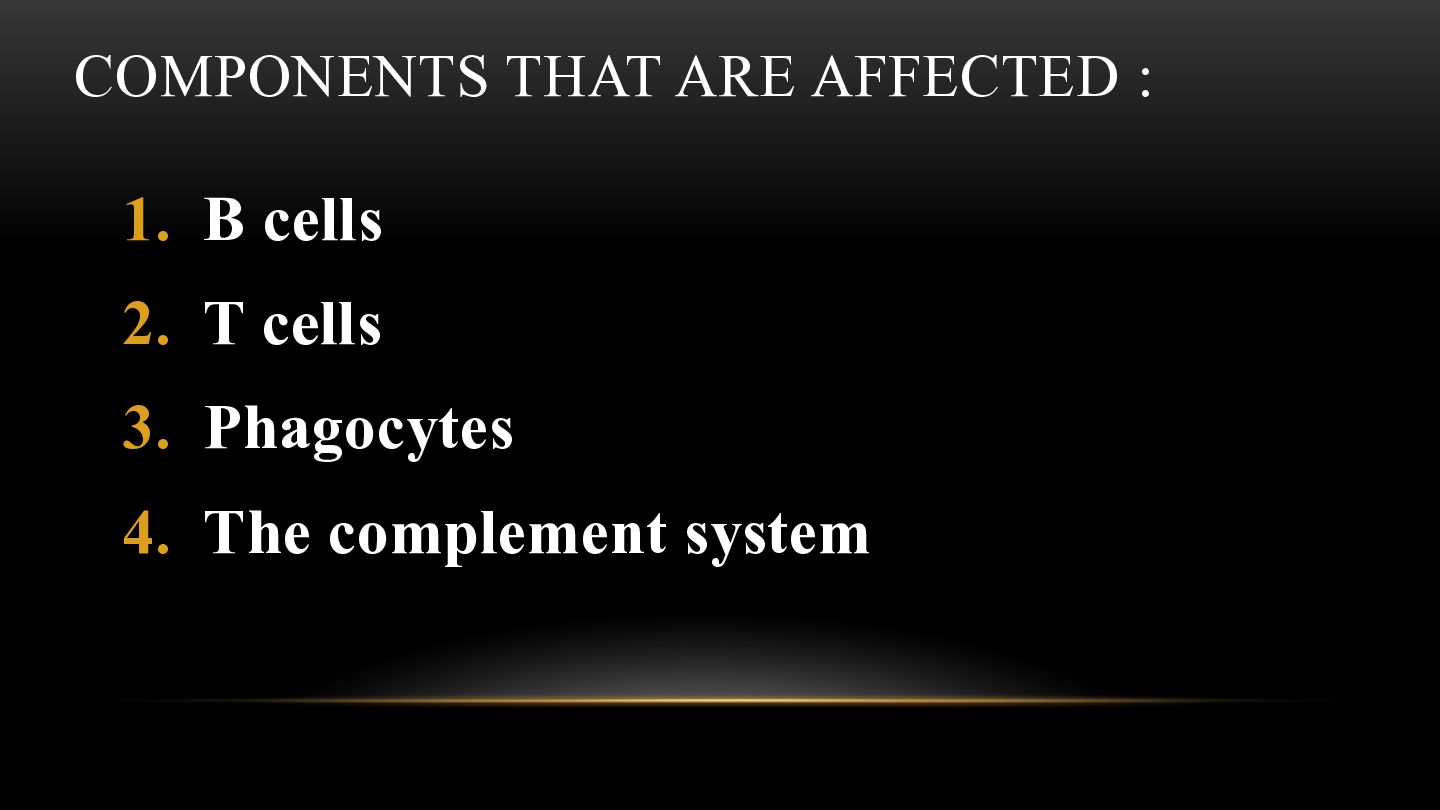
  8. COMPONENTS THAT ARE AFFECTED : 1. B cells 2. T

    cells 3. Phagocytes 4. The complement system
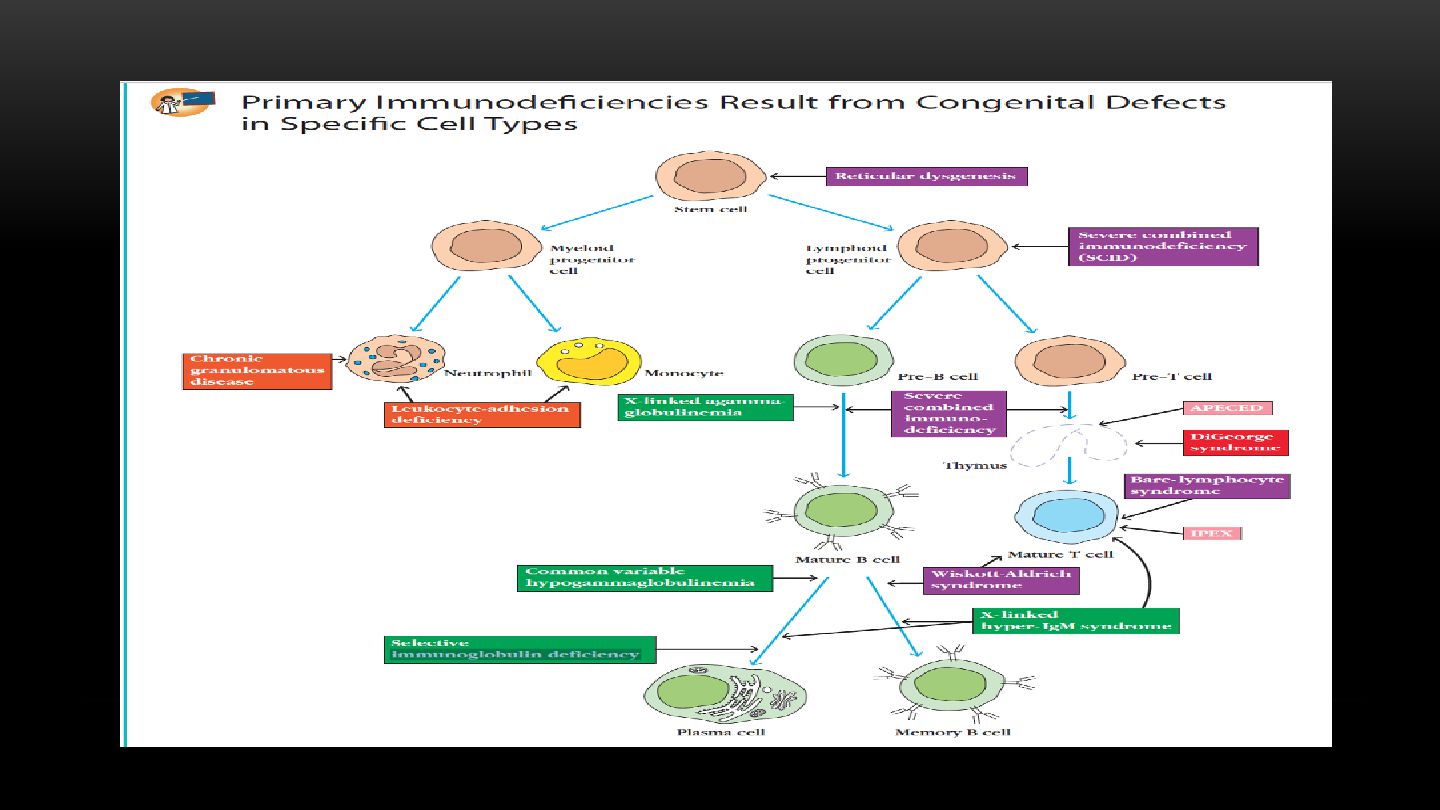
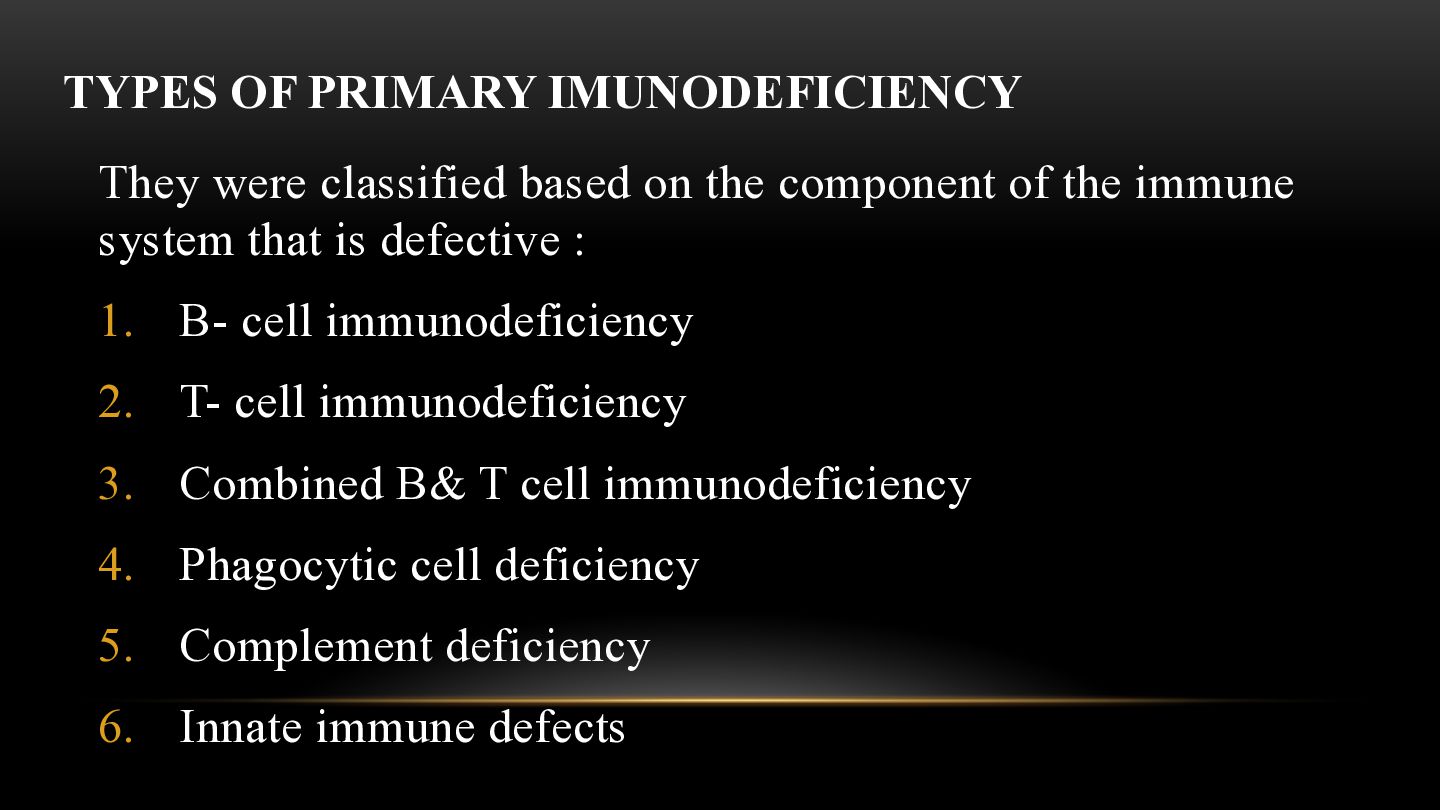
  9. TYPES OF PRIMARY IMUNODEFICIENCY They were classified based on the

    component of the immune system that is defective : 1. B- cell immunodeficiency 2. T- cell immunodeficiency 3. Combined B& T cell immunodeficiency 4. Phagocytic cell deficiency 5. Complement deficiency 6. Innate immune defects
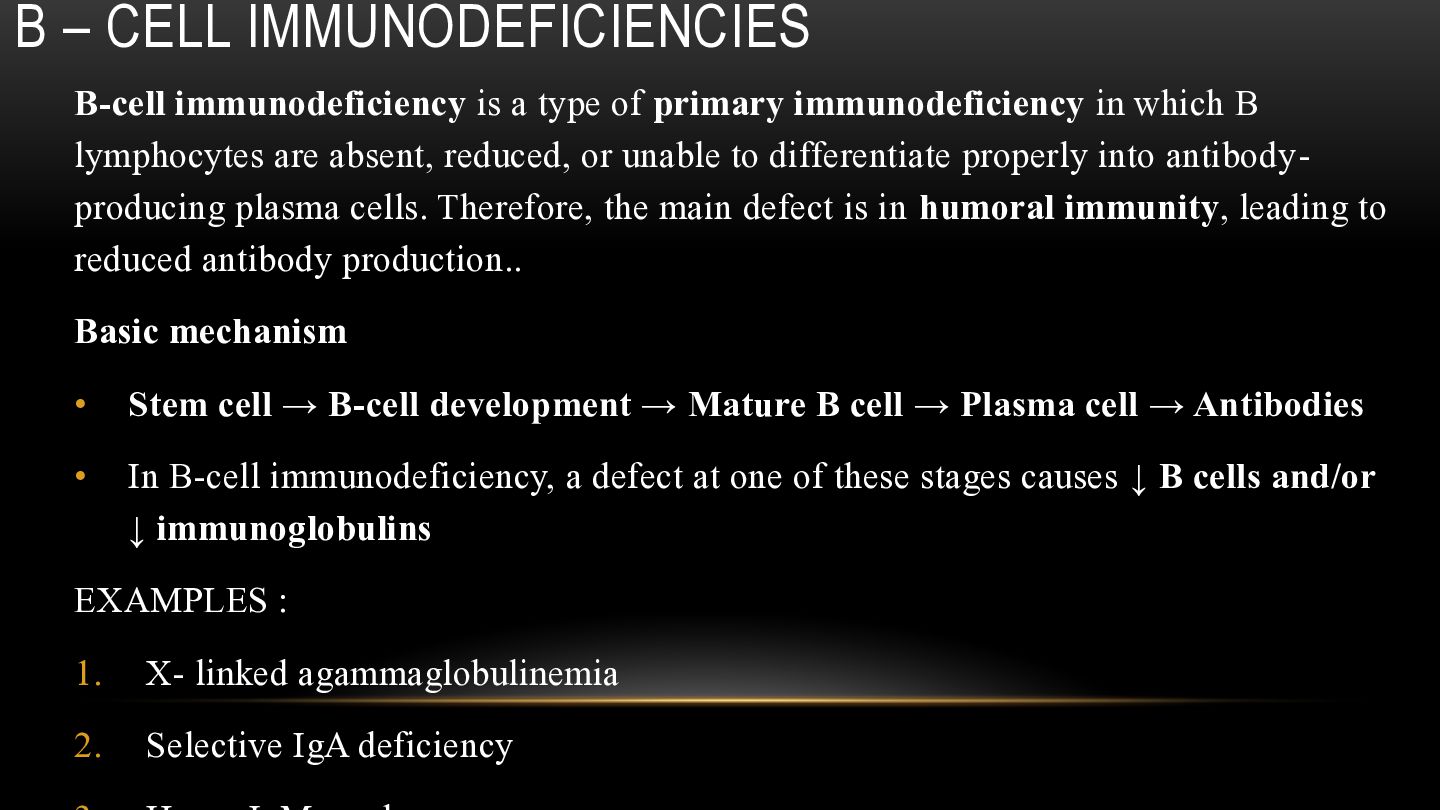
  10. B – CELL IMMUNODEFICIENCIES B-cell immunodeficiency is a type of

    primary immunodeficiency in which B lymphocytes are absent, reduced, or unable to differentiate properly into antibodyproducing plasma cells. Therefore, the main defect is in humoral immunity, leading to reduced antibody production.. Basic mechanism • Stem cell → B-cell development → Mature B cell → Plasma cell → Antibodies • In B-cell immunodeficiency, a defect at one of these stages causes ↓ B cells and/or ↓ immunoglobulins EXAMPLES : 1. X- linked agammaglobulinemia 2. Selective IgA deficiency
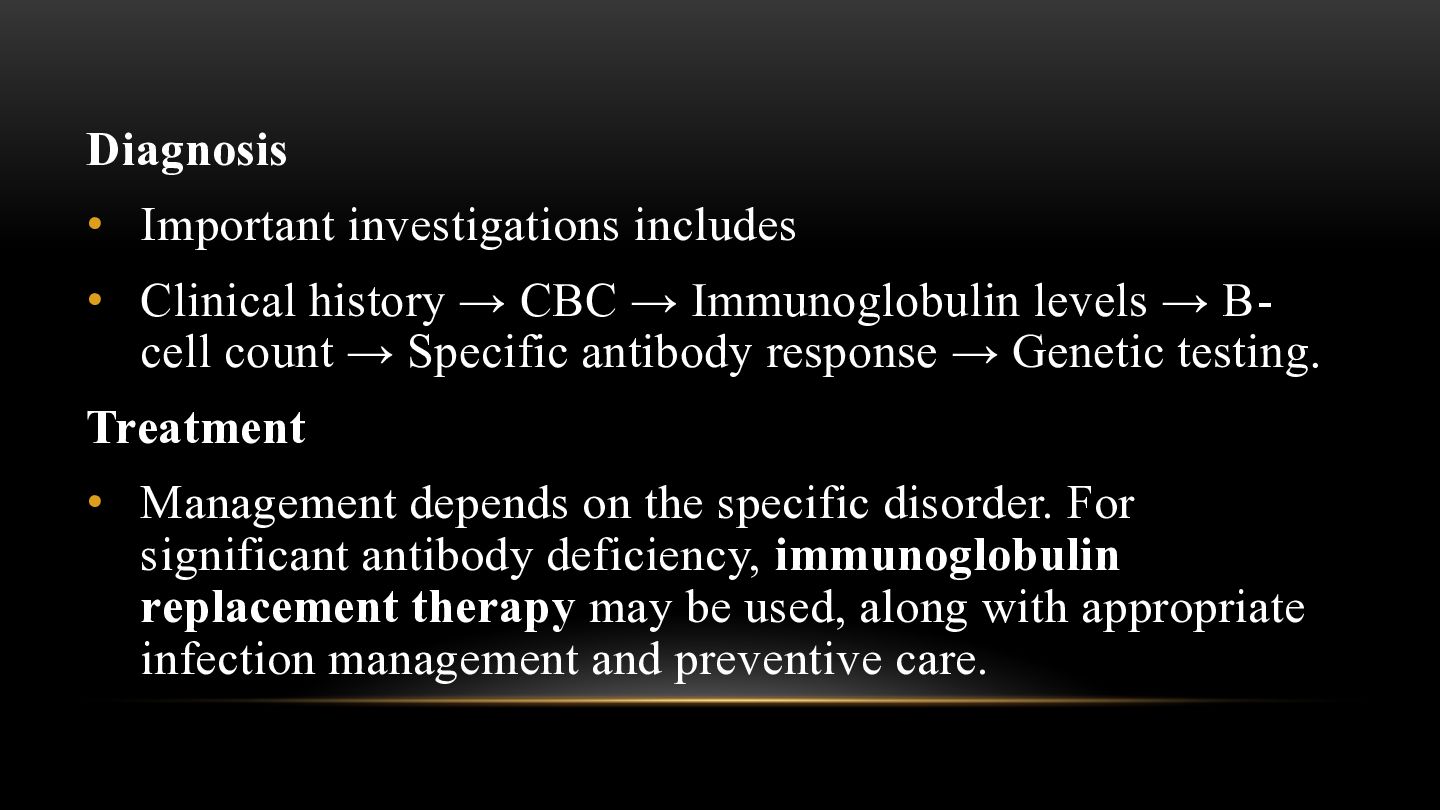
  11. Diagnosis • Important investigations includes • Clinical history → CBC

    → Immunoglobulin levels → Bcell count → Specific antibody response → Genetic testing. Treatment • Management depends on the specific disorder. For significant antibody deficiency, immunoglobulin replacement therapy may be used, along with appropriate infection management and preventive care.
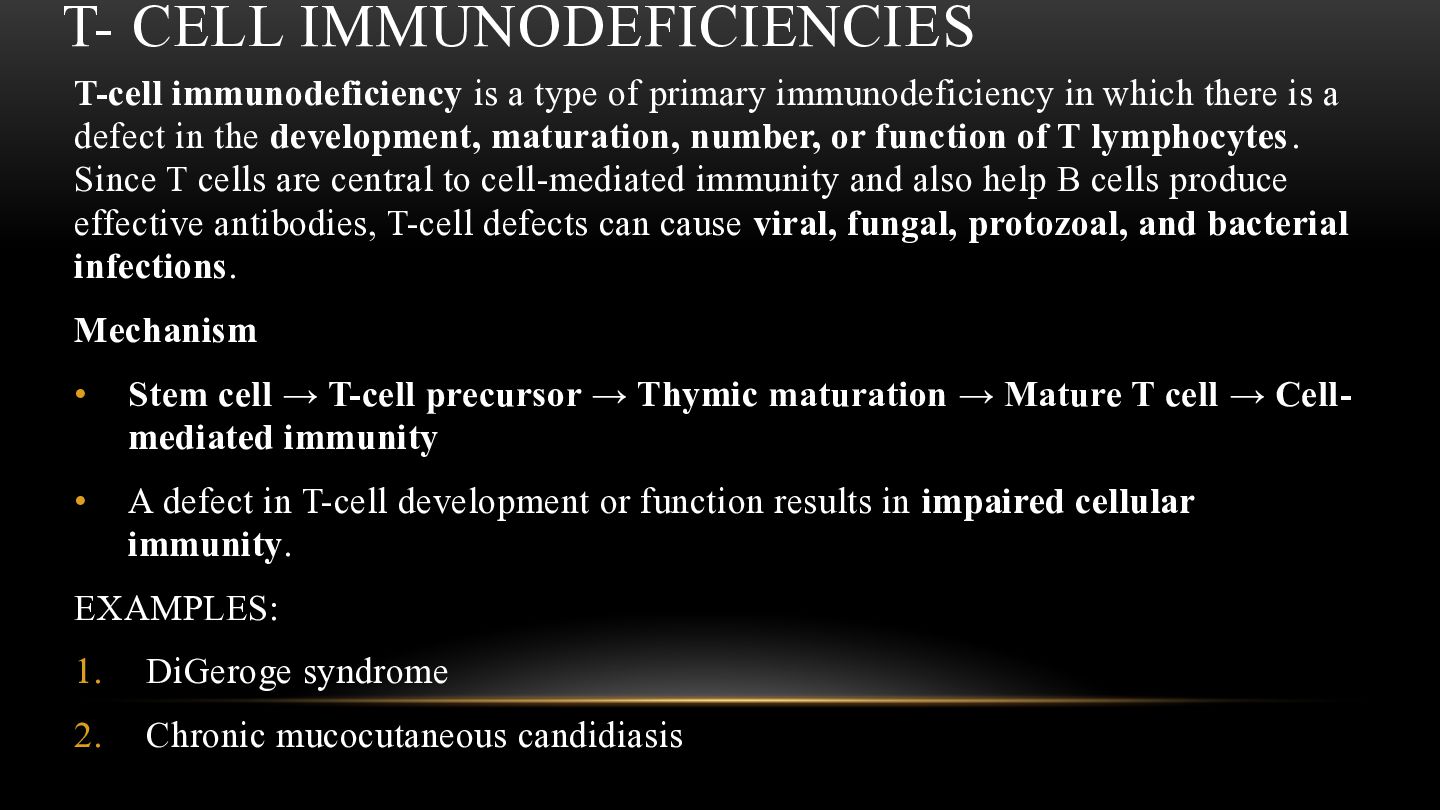
  12. T- CELL IMMUNODEFICIENCIES T-cell immunodeficiency is a type of primary

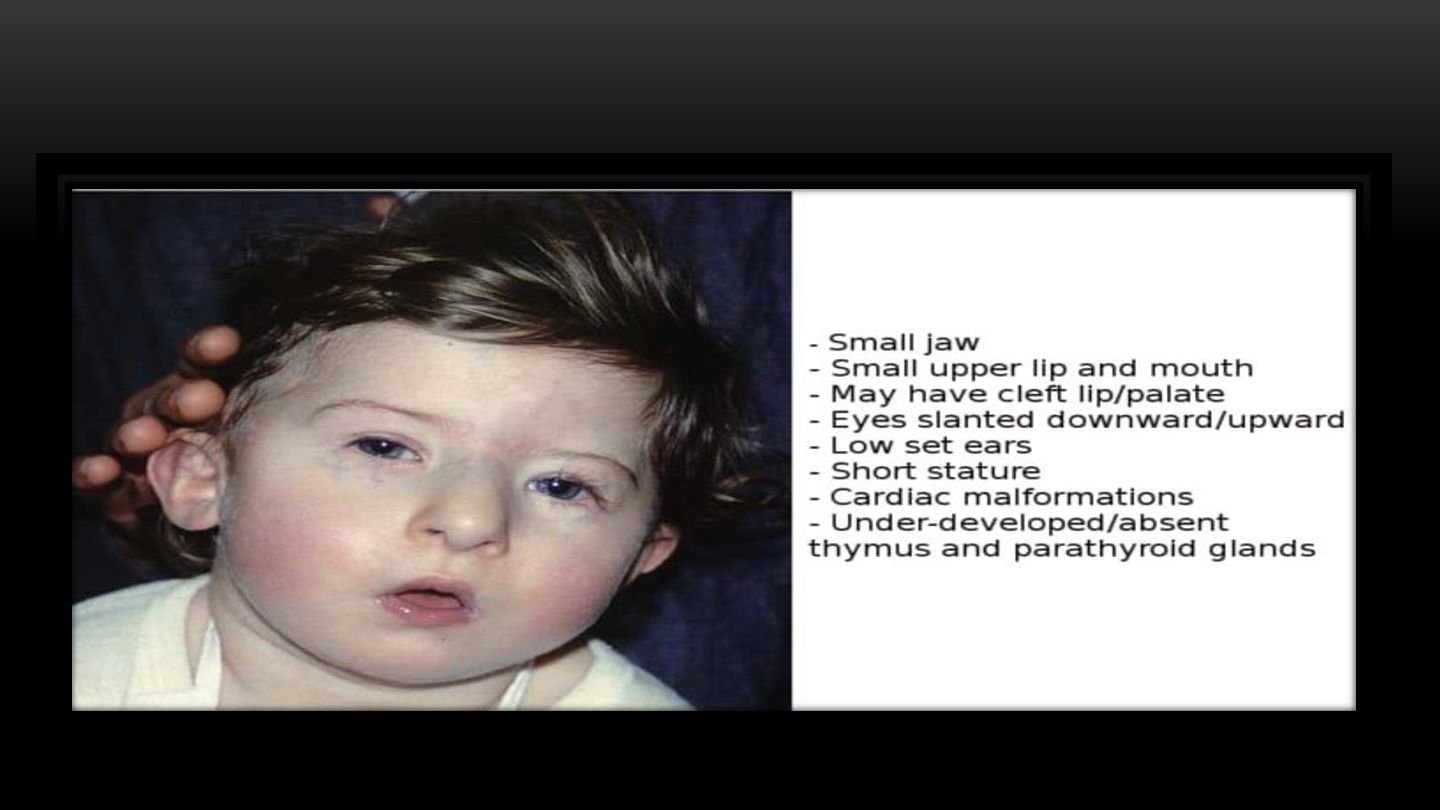
    immunodeficiency in which there is a defect in the development, maturation, number, or function of T lymphocytes. Since T cells are central to cell-mediated immunity and also help B cells produce effective antibodies, T-cell defects can cause viral, fungal, protozoal, and bacterial infections. Mechanism • Stem cell → T-cell precursor → Thymic maturation → Mature T cell → Cellmediated immunity • A defect in T-cell development or function results in impaired cellular immunity. EXAMPLES: 1. DiGeroge syndrome 2. Chronic mucocutaneous candidiasis
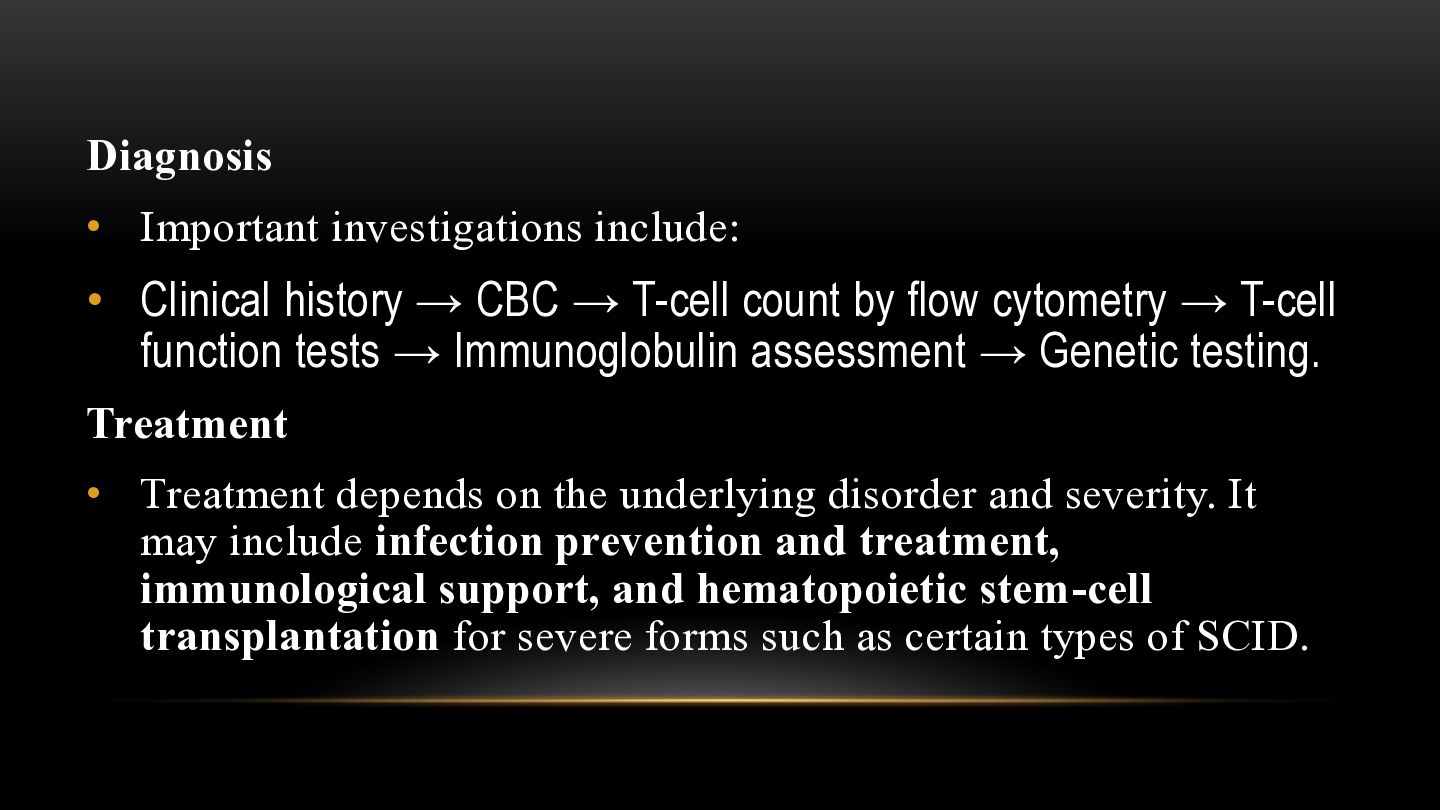
  13. Diagnosis • Important investigations include: • Clinical history → CBC

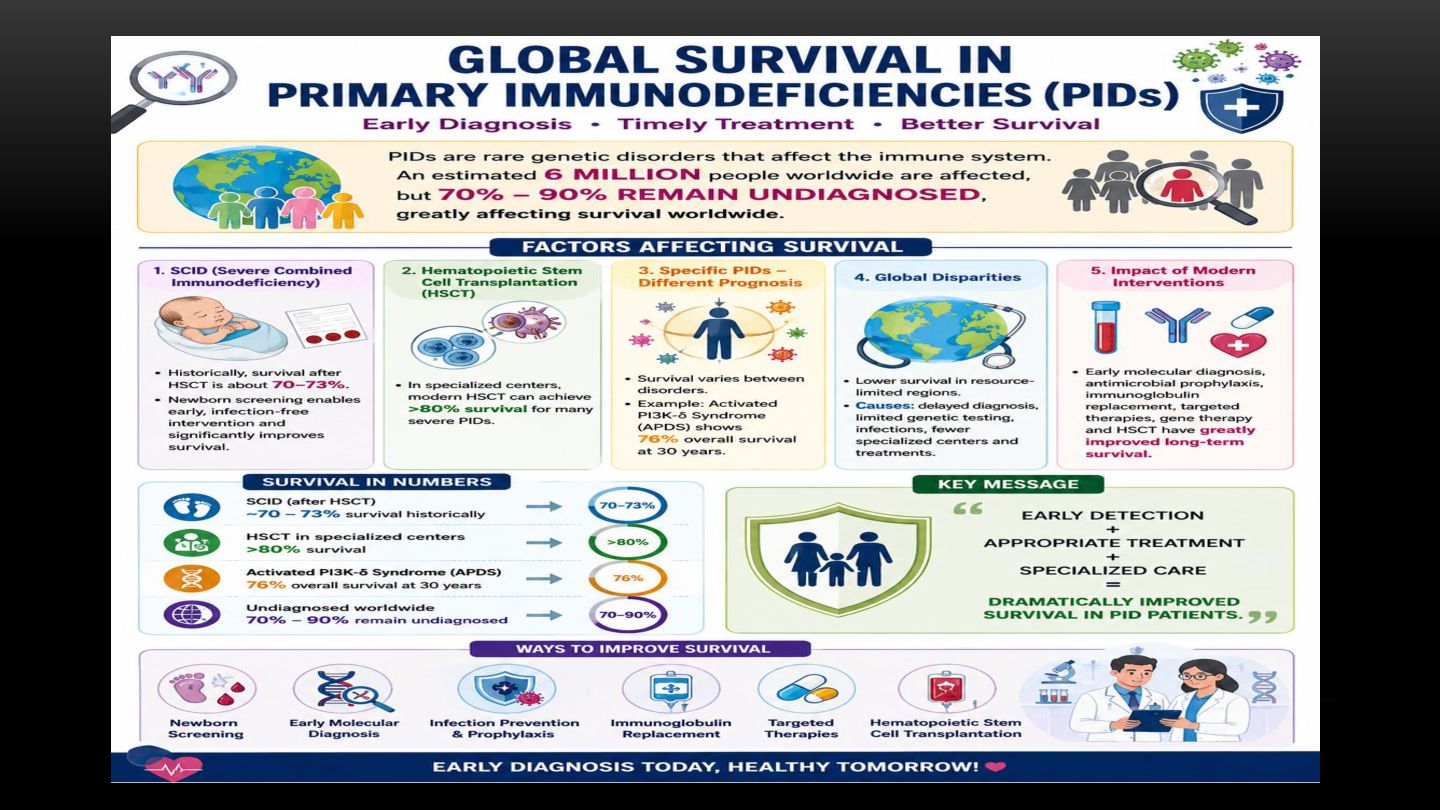
    → T-cell count by flow cytometry → T-cell function tests → Immunoglobulin assessment → Genetic testing. Treatment • Treatment depends on the underlying disorder and severity. It may include infection prevention and treatment, immunological support, and hematopoietic stem-cell transplantation for severe forms such as certain types of SCID.
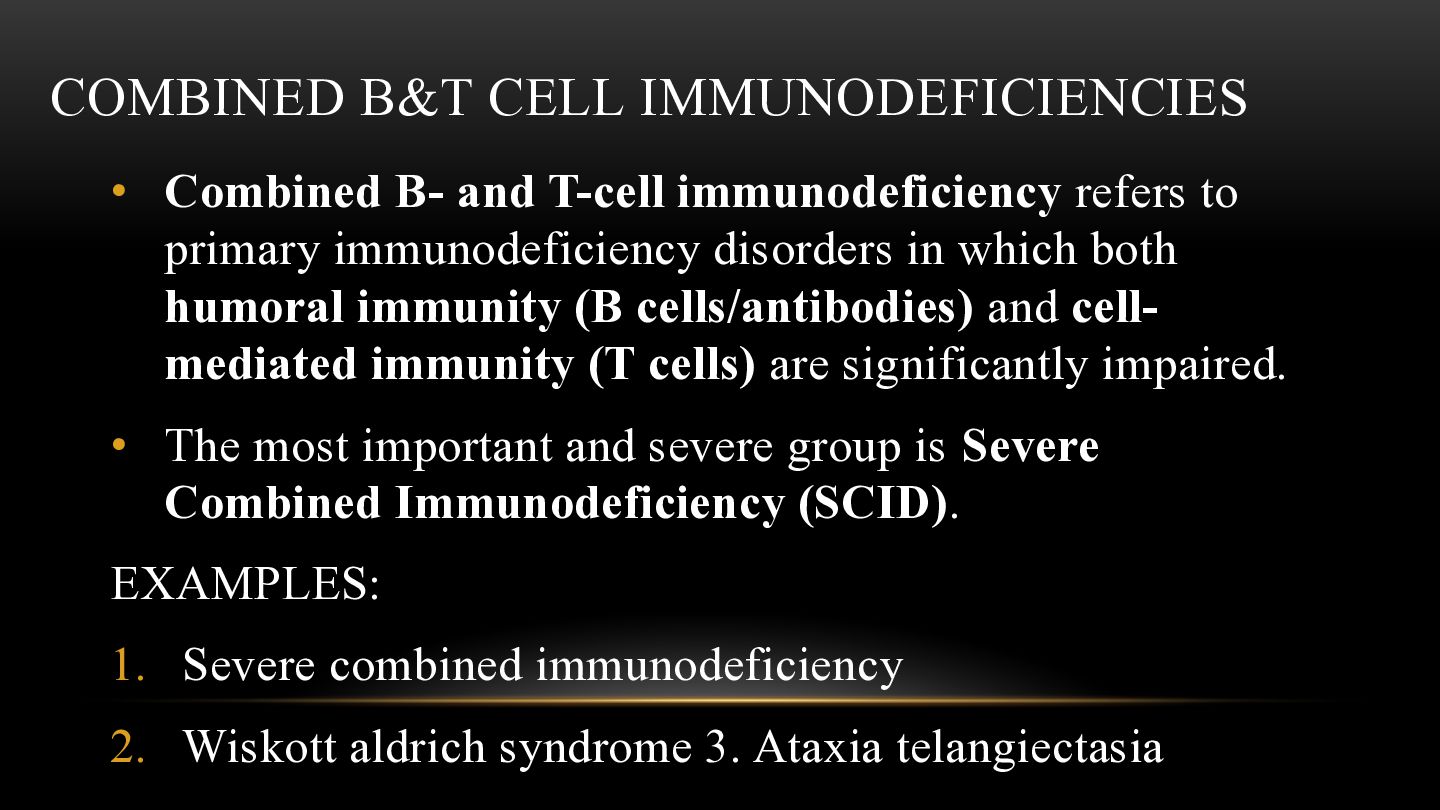
  14. COMBINED B&T CELL IMMUNODEFICIENCIES • Combined B- and T-cell immunodeficiency

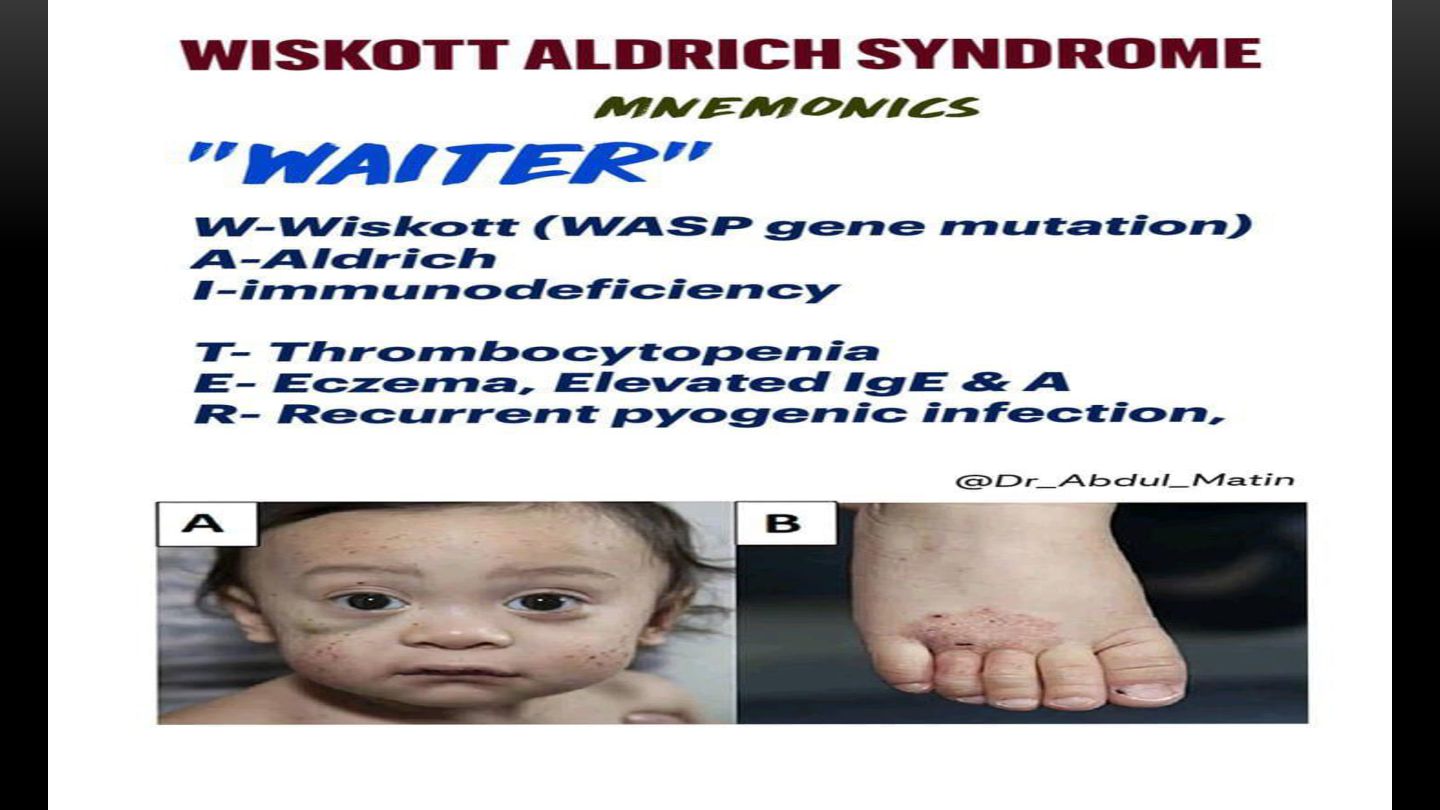
    refers to primary immunodeficiency disorders in which both humoral immunity (B cells/antibodies) and cellmediated immunity (T cells) are significantly impaired. • The most important and severe group is Severe Combined Immunodeficiency (SCID). EXAMPLES: 1. Severe combined immunodeficiency 2. Wiskott aldrich syndrome 3. Ataxia telangiectasia
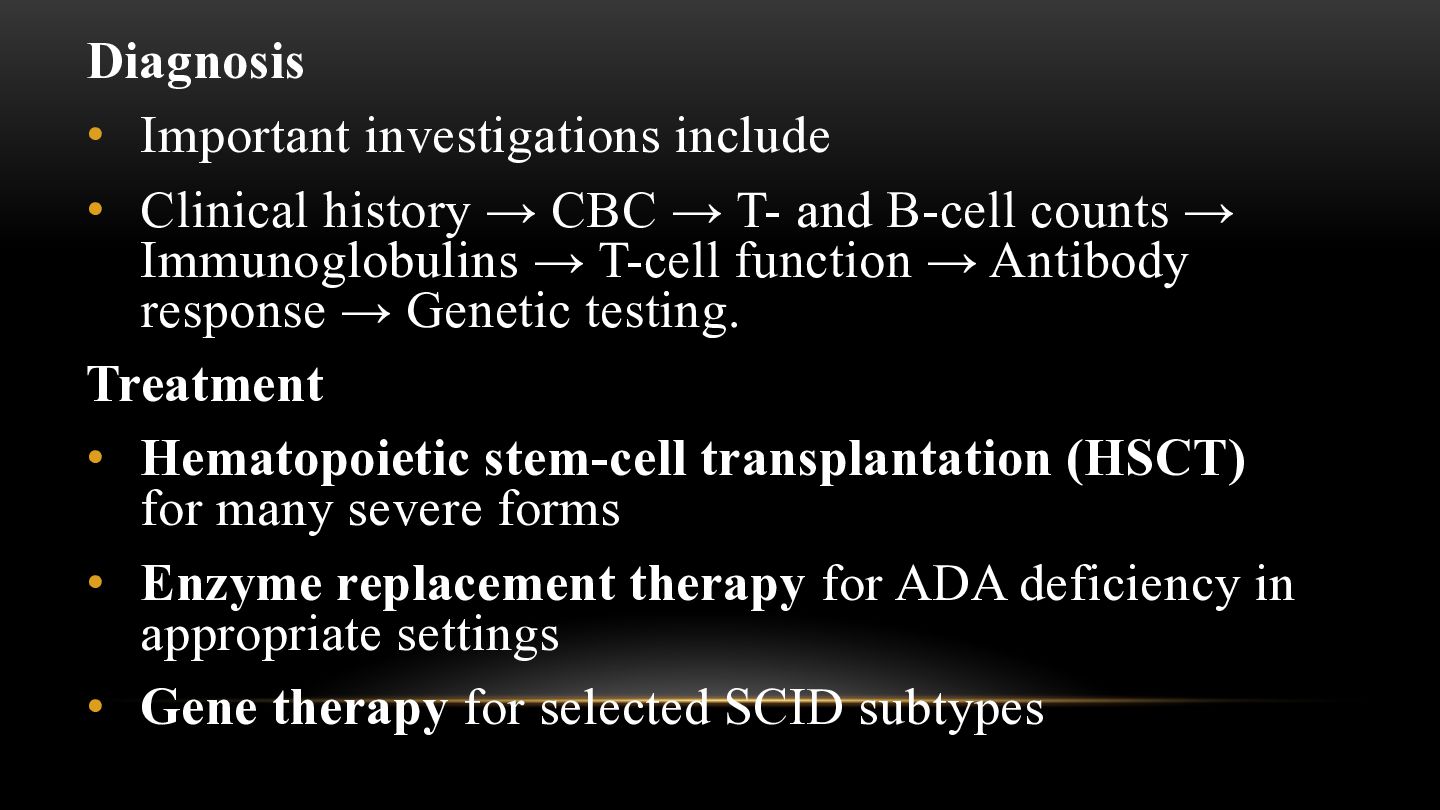
  15. Diagnosis • Important investigations include • Clinical history → CBC

    → T- and B-cell counts → Immunoglobulins → T-cell function → Antibody response → Genetic testing. Treatment • Hematopoietic stem-cell transplantation (HSCT) for many severe forms • Enzyme replacement therapy for ADA deficiency in appropriate settings • Gene therapy for selected SCID subtypes
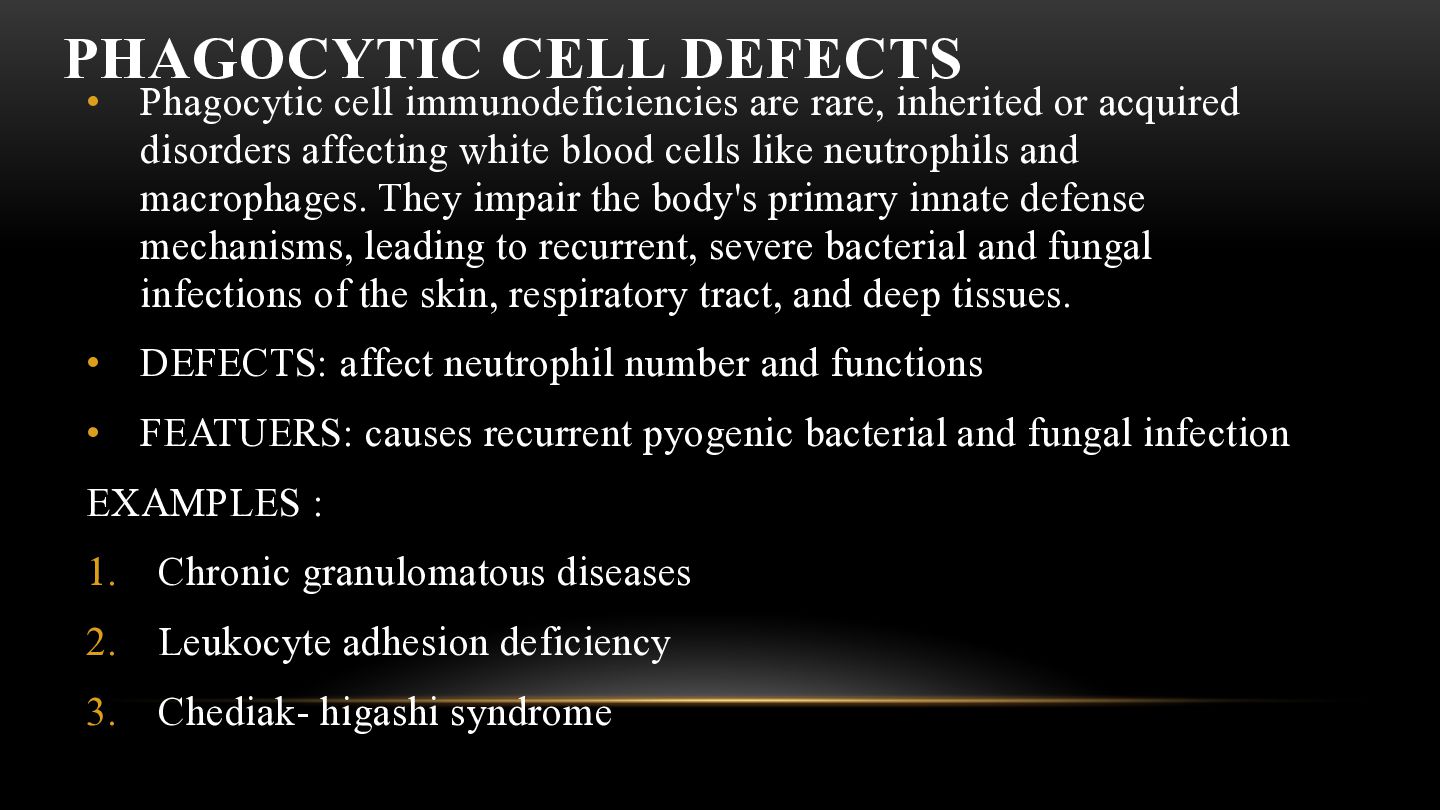
  16. PHAGOCYTIC CELL DEFECTS • Phagocytic cell immunodeficiencies are rare, inherited

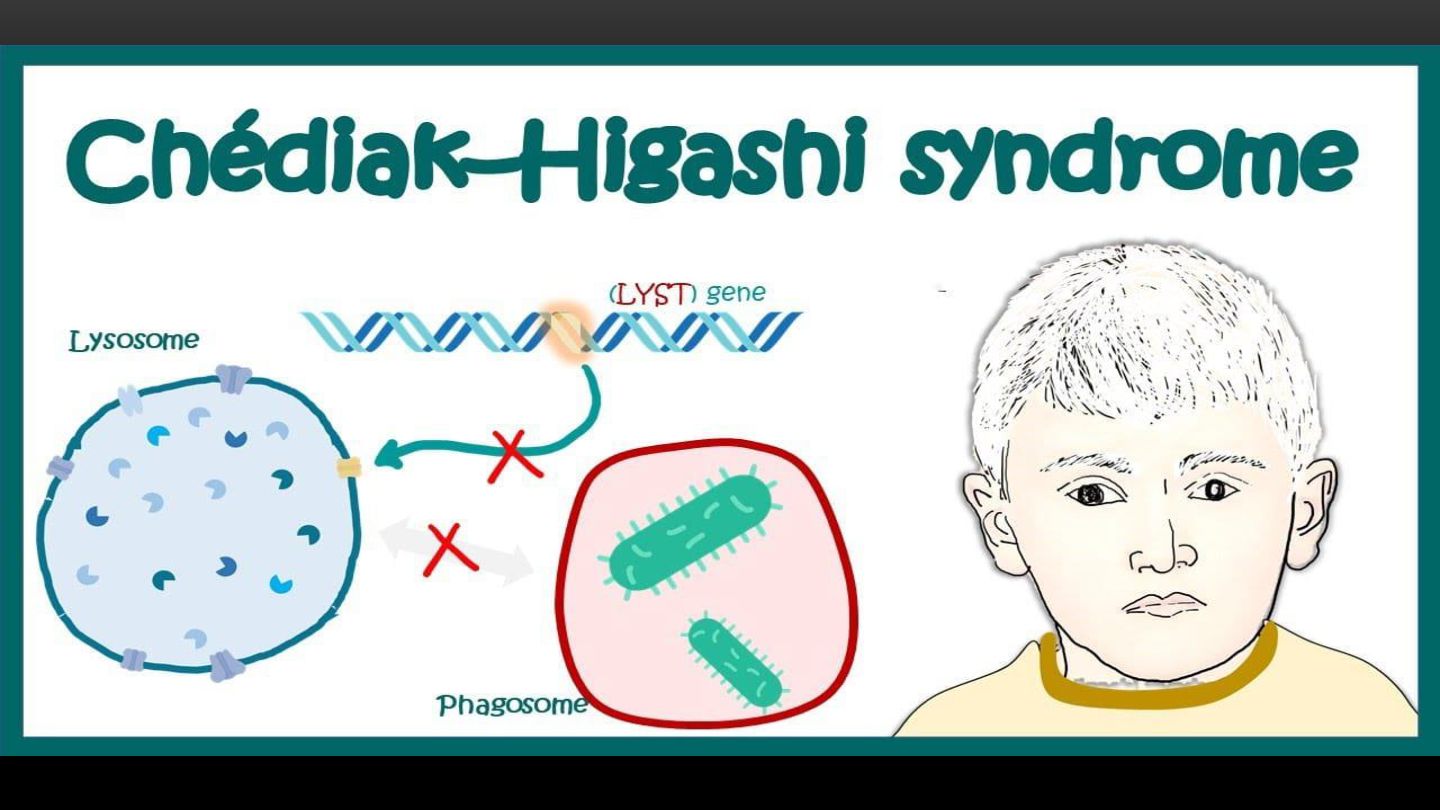
    or acquired disorders affecting white blood cells like neutrophils and macrophages. They impair the body's primary innate defense mechanisms, leading to recurrent, severe bacterial and fungal infections of the skin, respiratory tract, and deep tissues. • DEFECTS: affect neutrophil number and functions • FEATUERS: causes recurrent pyogenic bacterial and fungal infection EXAMPLES : 1. Chronic granulomatous diseases 2. Leukocyte adhesion deficiency 3. Chediak- higashi syndrome
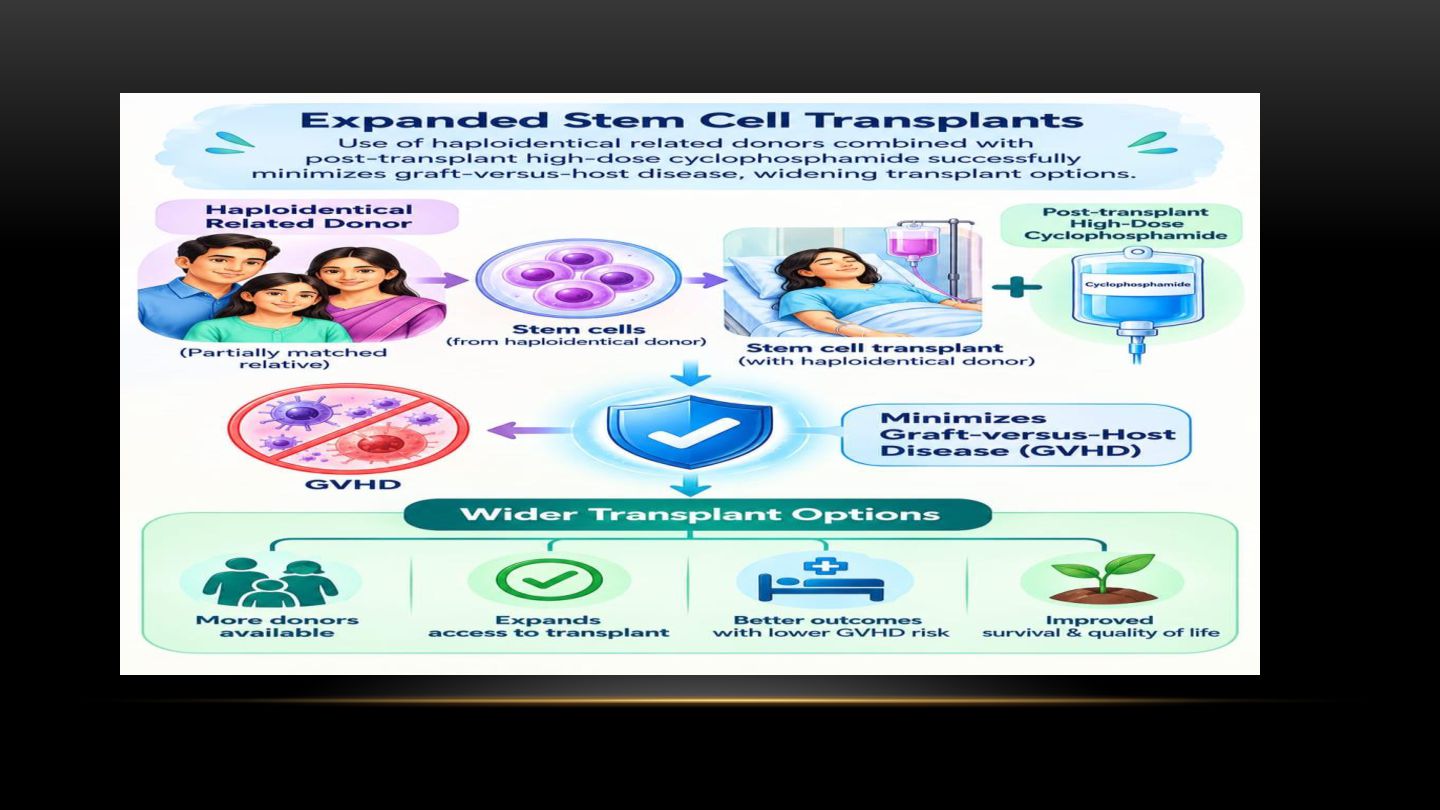
  17. RECENT RESEARCH • Expanded Stem Cell Transplants: Use of haploidentical

    related donors combined with posttransplant high-dose cyclophosphamide successfully minimizes graft-versus-host disease, widening transplant options
  18. POSSIBLE QUESTIONS IN EXAM 1. Classify Immunodeficiency Diseases. 2. Discuss

    immunodeficiency as a failure of the immune system. 3. Define Primary Immunodeficiency Disorder. (PID) 4. Differentiate between primary and secondary immunodeficiencies.
  19. REFERENCES • KUBY IMMUNOLOGY 6TH EDITHION • http/www. Science direct.com

    • http/ www. Microbes notes.com AI USED Chat gpt Preplexity
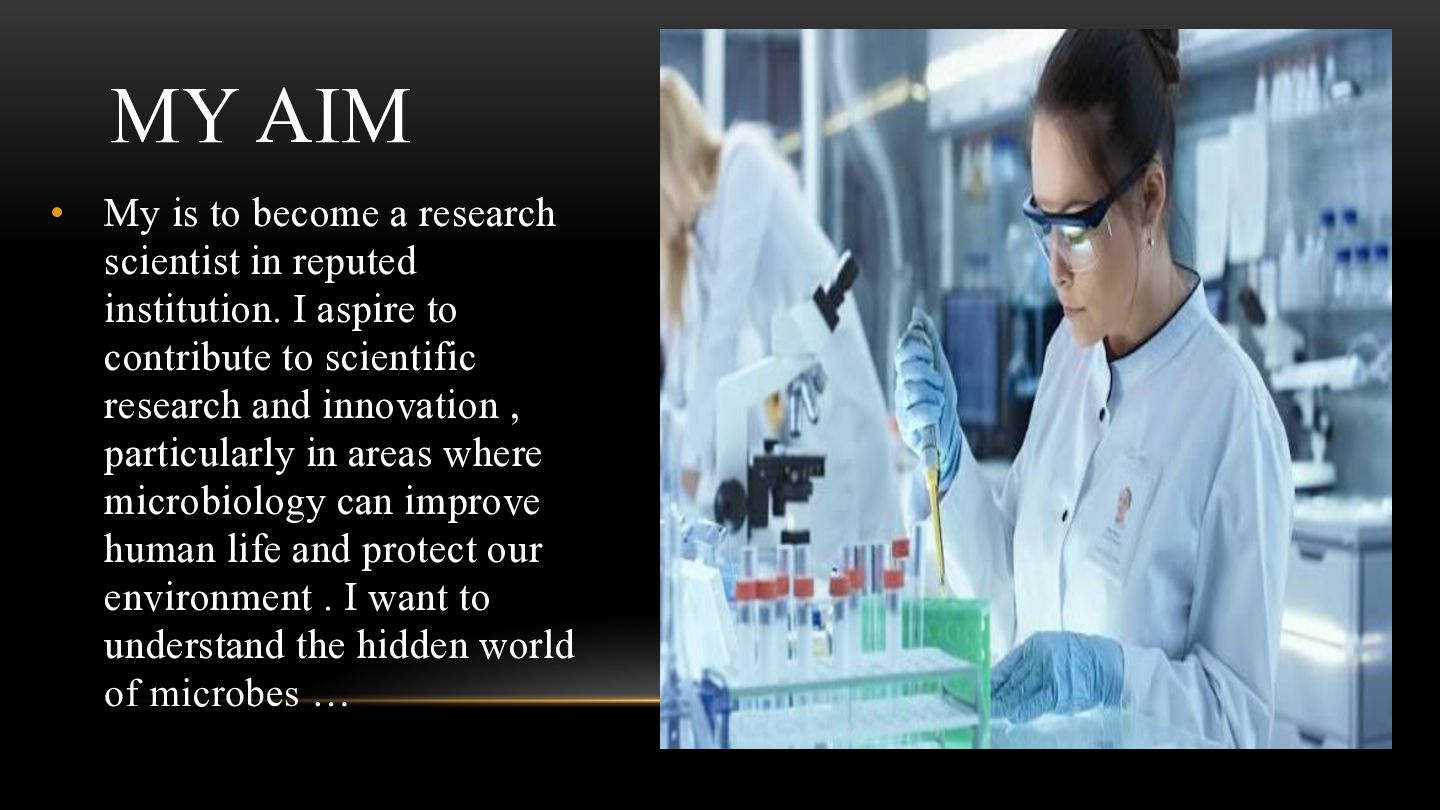
  20. MY AIM • My is to become a research scientist

    in reputed institution. I aspire to contribute to scientific research and innovation , particularly in areas where microbiology can improve human life and protect our environment . I want to understand the hidden world of microbes …
  21. SWOT ANALYSIS WEAKNESS Fear of judgment I don’t showcase STRENGTH

    I can explain the concepts clearly and patiently my ability Hesitation to talk infront of larger Handle the situation with patience I always think before saying things to others groups Fear to answer infront of large I’m always eager to learn things without group hesitation OPPORTUNITIES I’m trying to attend more progammes to reduce my judgment fear I’m tend to do more presentation in classes Involving lab activities frequently to clear my self doubts. THREATS Burnout of internal pressure to be perfect. Fear of criticism Rapid changes due to low confidence
Other Decks in Education