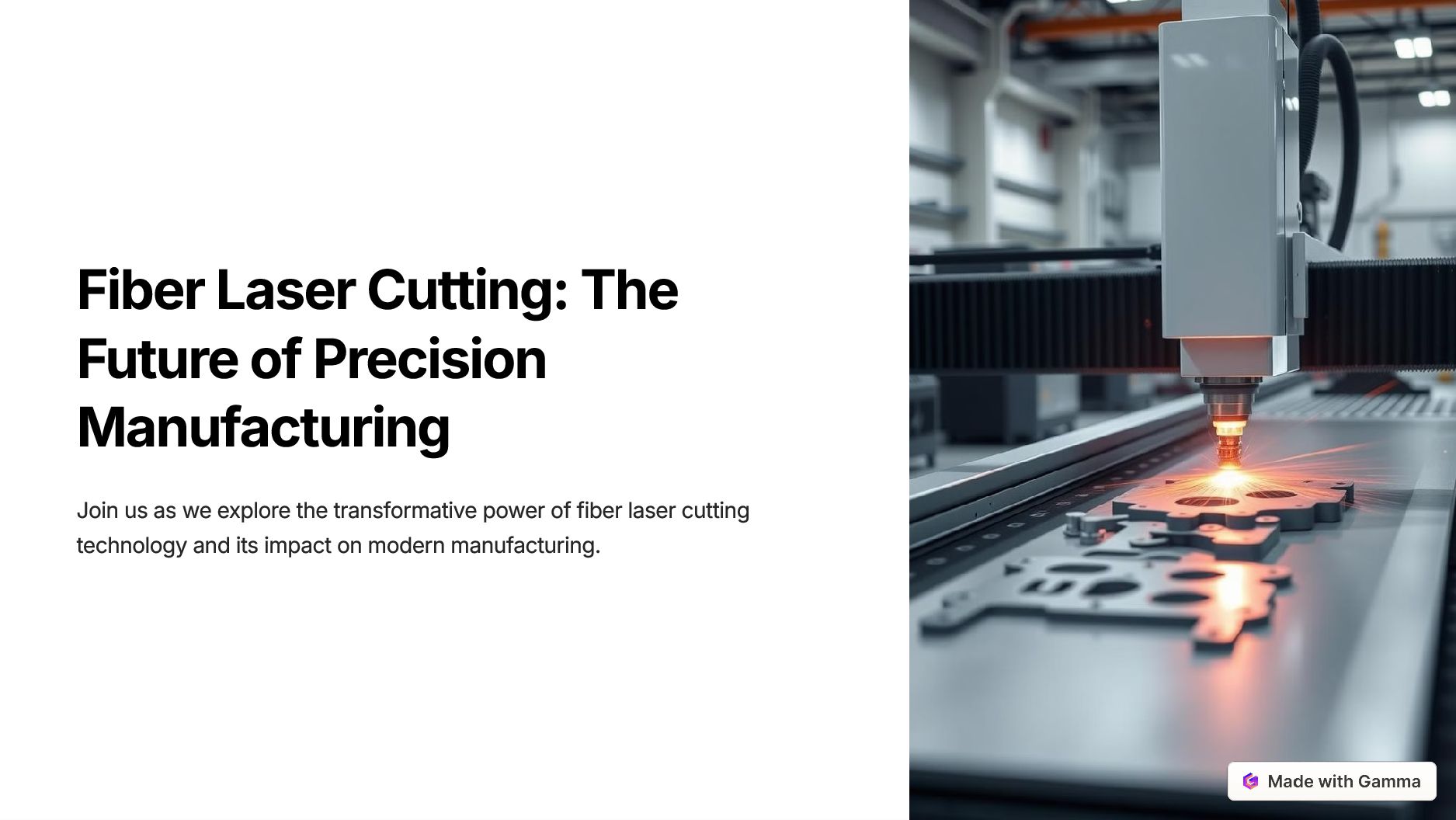
powerful laser source generates a focused beam of light capable of cutting through various materials. Precise Beam Delivery The laser beam is guided through optical fibers to the cutting head, ensuring accurate and consistent cutting.
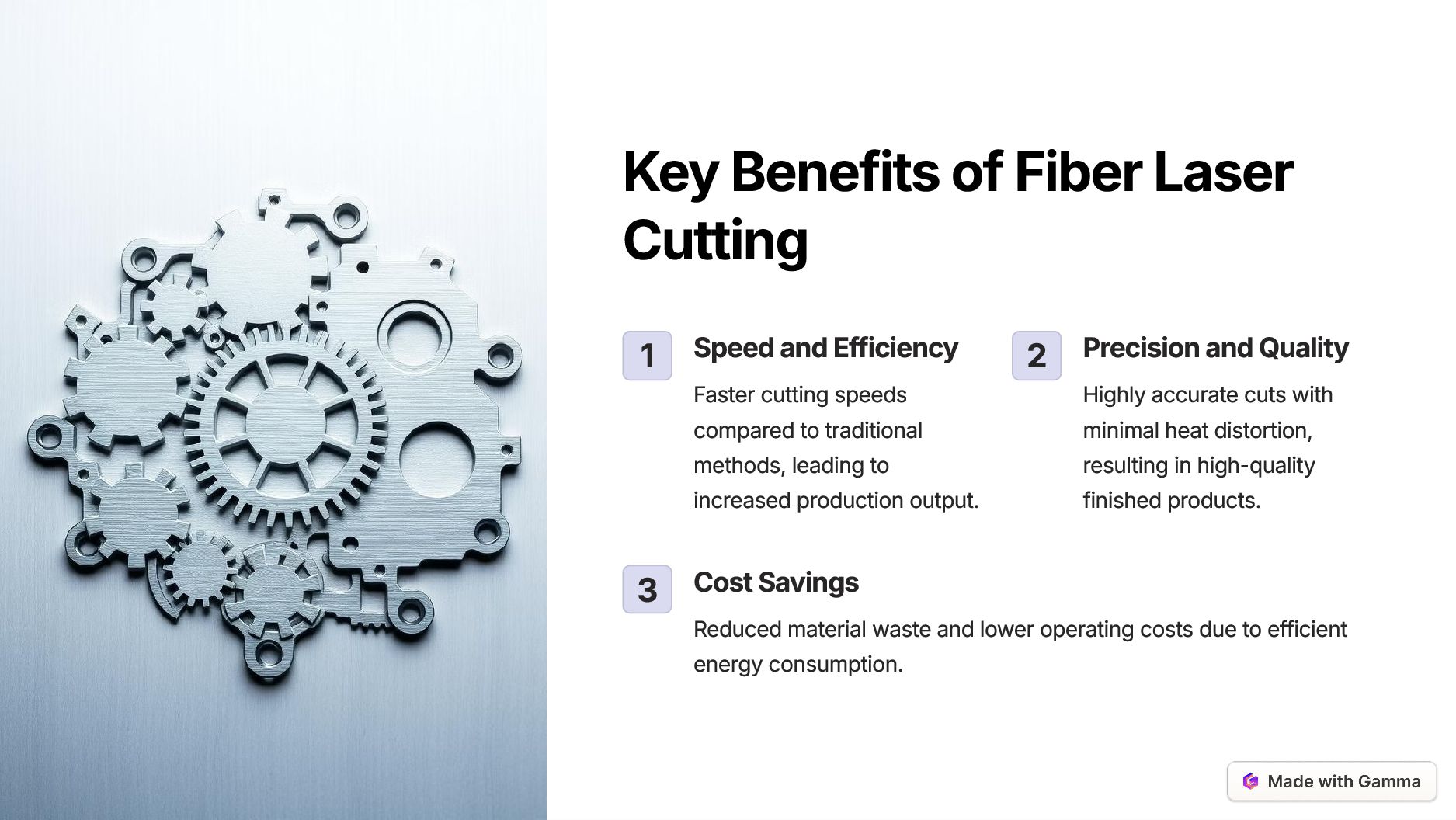
Faster cutting speeds compared to traditional methods, leading to increased production output. 2 Precision and Quality Highly accurate cuts with minimal heat distortion, resulting in high-quality finished products. 3 Cost Savings Reduced material waste and lower operating costs due to efficient energy consumption.
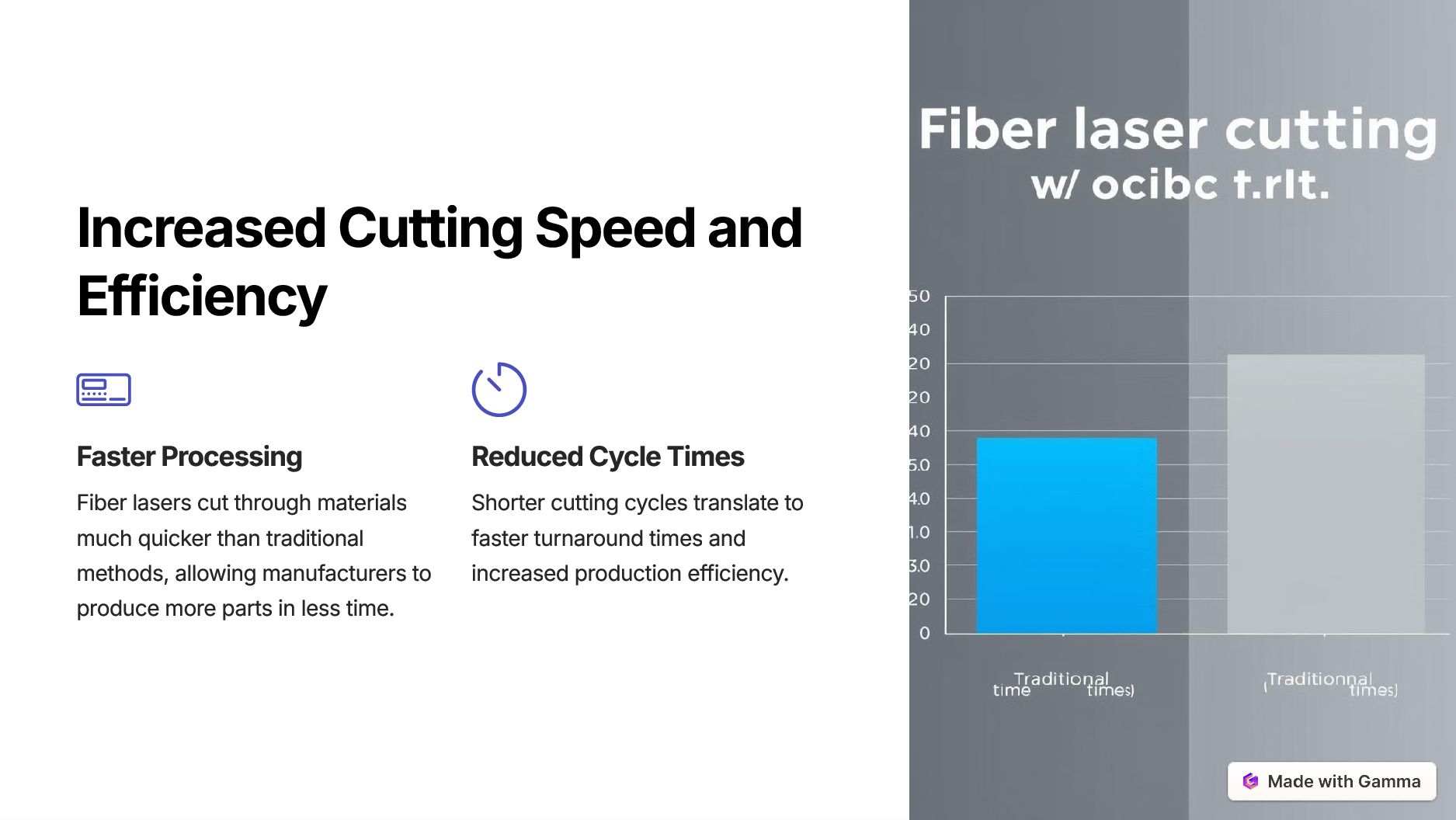
through materials much quicker than traditional methods, allowing manufacturers to produce more parts in less time. Reduced Cycle Times Shorter cutting cycles translate to faster turnaround times and increased production efficiency.
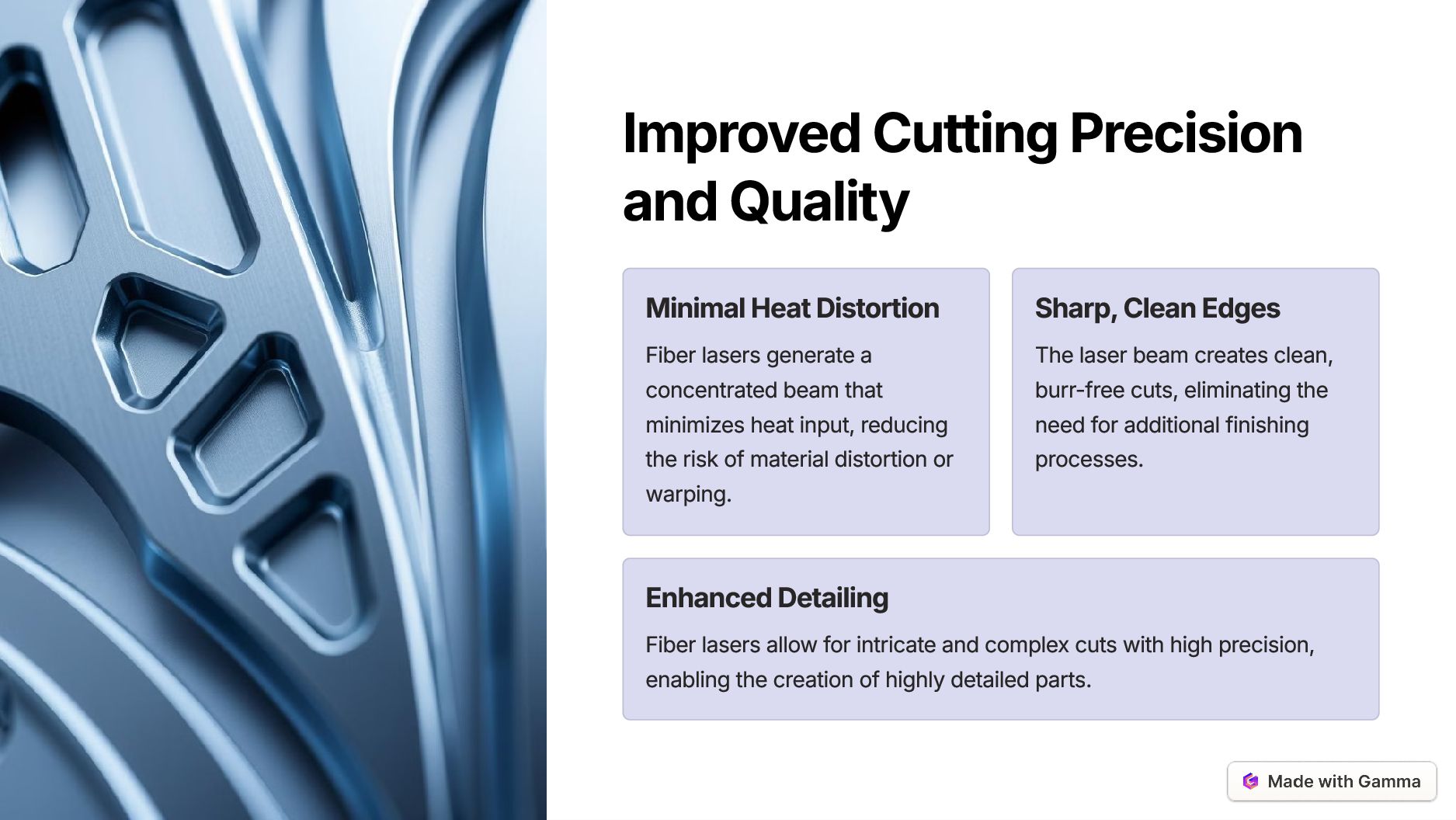
generate a concentrated beam that minimizes heat input, reducing the risk of material distortion or warping. Sharp, Clean Edges The laser beam creates clean, burr-free cuts, eliminating the need for additional finishing processes. Enhanced Detailing Fiber lasers allow for intricate and complex cuts with high precision, enabling the creation of highly detailed parts.
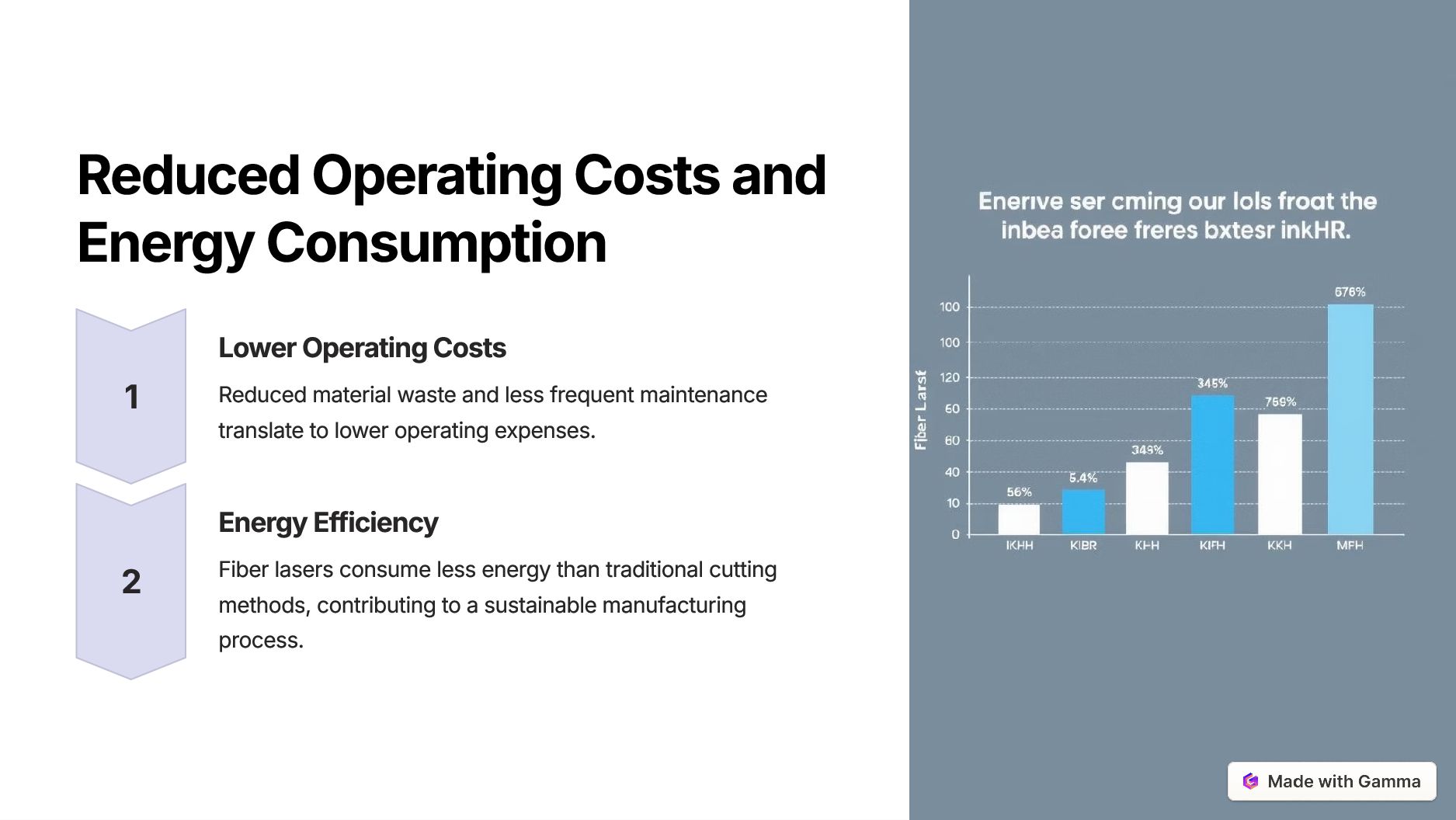
Reduced material waste and less frequent maintenance translate to lower operating expenses. 2 Energy Efficiency Fiber lasers consume less energy than traditional cutting methods, contributing to a sustainable manufacturing process.
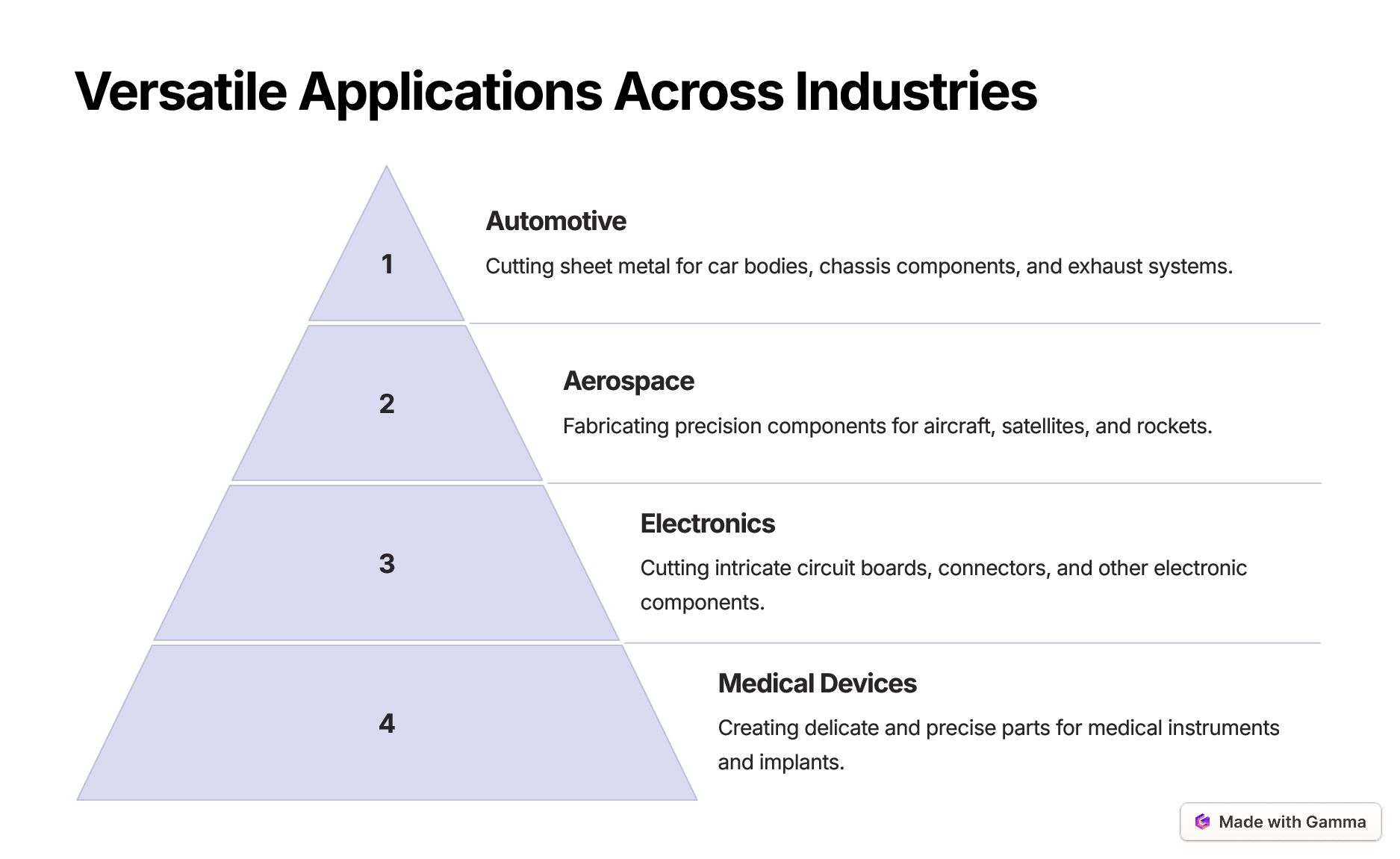
car bodies, chassis components, and exhaust systems. 2 Aerospace Fabricating precision components for aircraft, satellites, and rockets. 3 Electronics Cutting intricate circuit boards, connectors, and other electronic components. 4 Medical Devices Creating delicate and precise parts for medical instruments and implants.
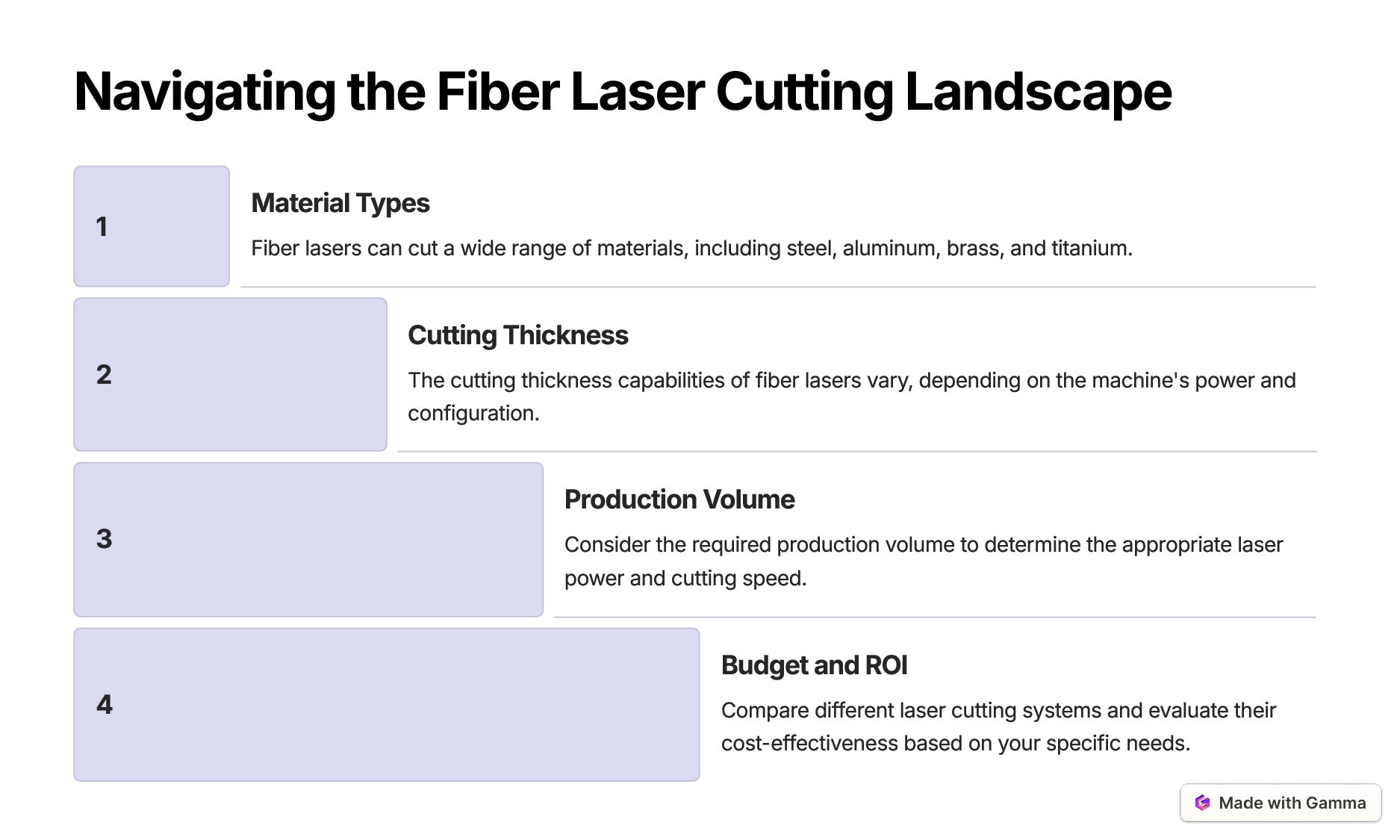
lasers can cut a wide range of materials, including steel, aluminum, brass, and titanium. 2 Cutting Thickness The cutting thickness capabilities of fiber lasers vary, depending on the machine's power and configuration. 3 Production Volume Consider the required production volume to determine the appropriate laser power and cutting speed. 4 Budget and ROI Compare different laser cutting systems and evaluate their cost-effectiveness based on your specific needs.
manufacturing, offering unparalleled precision, speed, and efficiency. As technology continues to advance, we can expect even more innovative applications and advancements in the field of fiber laser cutting.


 shunsuke_takeuchi
 layerx
 mj6237
 mercari_inc
 pokotyamu
 uemura2024
 hansodeeeeee
 so_kotani
 stanby_inc
 kintotechdev
 nakasonejusetsu
 thomaspeham
 marktimemedia
 hatefulcrawdad
 minecr
 holman
 apolaine
 greggifford
 cromwellryan
 samanthasiow
 sonatard
 charlesmeaden
 tessaabrams
 tammyeverts