Upgrade to Pro — share decks privately, control downloads, hide ads and more …

How to make your retrospectives more effective

How to make your retrospectives more effective

The practice of holding regular retrospectives with your team is rooted in the original agile principles.

Nonetheless sometimes you walk out of a retrospective with the feeling that the last hour and a half could have been spent more effectively. Because this is all about feedback and improvement it comes naturally to reflect on retrospectives themselves and then tune and adjust how to run them accordingly.

Avatar for Felix Rothballer

Felix Rothballer

January 25, 2018

Other Decks in Programming

Transcript

  1. At regular intervals, the team reflects on how to become

    more effective, then tunes and adjusts its behavior accordingly.
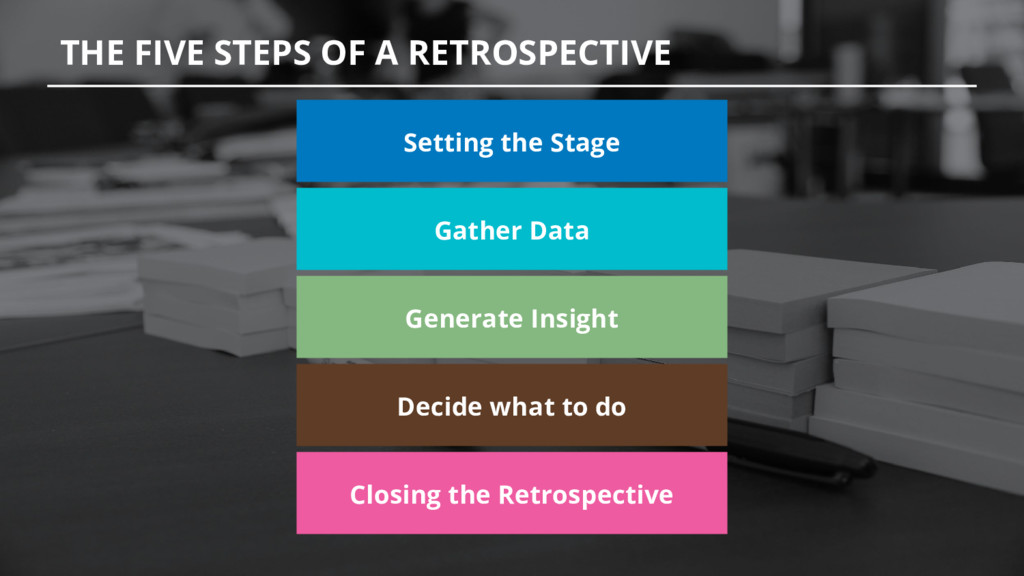
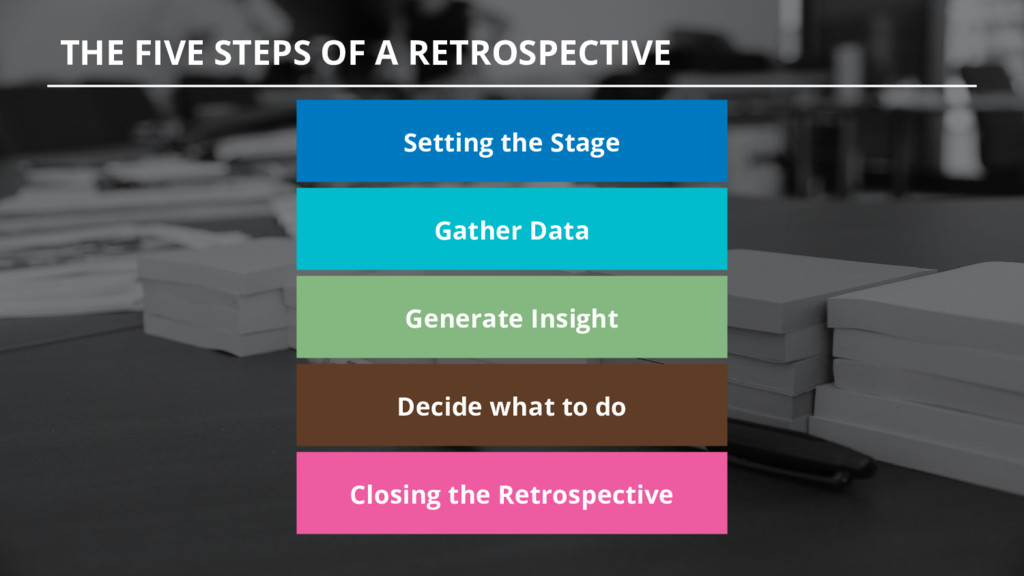
  2. THE FIVE STEPS OF A RETROSPECTIVE Setting the Stage Gather

    Data Generate Insight Decide what to do Closing the Retrospective
  3. GENERAL TIP The time of the day and how often

    you do retros makes a difference
  4. Regardless of what we discover, we understand and truly believe

    that everyone did the best job they could, given what they knew at the time, their skills and abilities, the resources available, and the situation at hand.
  5. SETTING THE STAGE - Ice Breakers gone wrong The participants

    only reluctantly engage in the opening activity
  6. SETTING THE STAGE - Ice Breakers gone wrong Too complicated

    game mechanics Team members not (yet) comfortable with each other
  7. SETTING THE STAGE - Ice Breakers gone wrong Be mindful

    on the available time Choose activities that fit the team stage
  8. GATHER DATA - The rant fest Drill down on the

    gathered information to find causes. Also discuss the things that work well.
  9. GENERATE INSIGHT - Tackling too many problems During the retrospective

    you run out of time Only small improvements can be achieved
  10. DECIDE WHAT TO DO - Nothing happens No ownership of

    the action items No control or influence on the problems Too ambitious goals
  11. DECIDE WHAT TO DO - Nothing happens Put a name

    and a review date on each action item Be aware what can be controlled or influenced Be realistic about the available capacity Visualize improvement actions next to your regular work
  12. THE FIVE STEPS OF A RETROSPECTIVE Setting the Stage Gather

    Data Generate Insight Decide what to do Closing the Retrospective