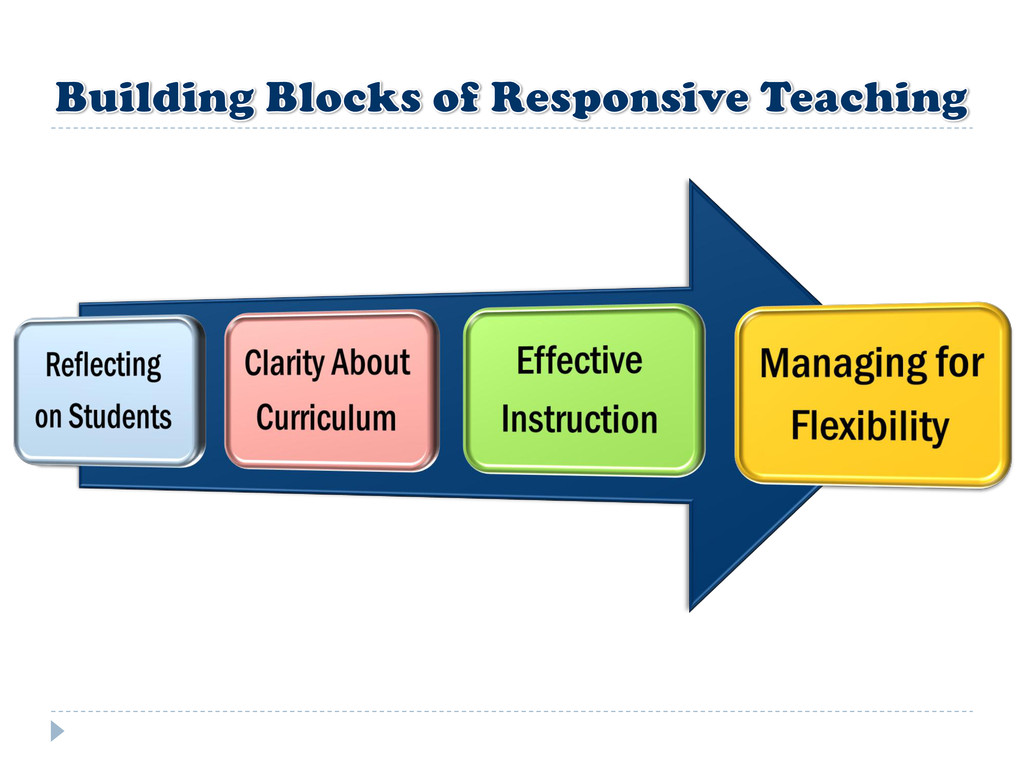
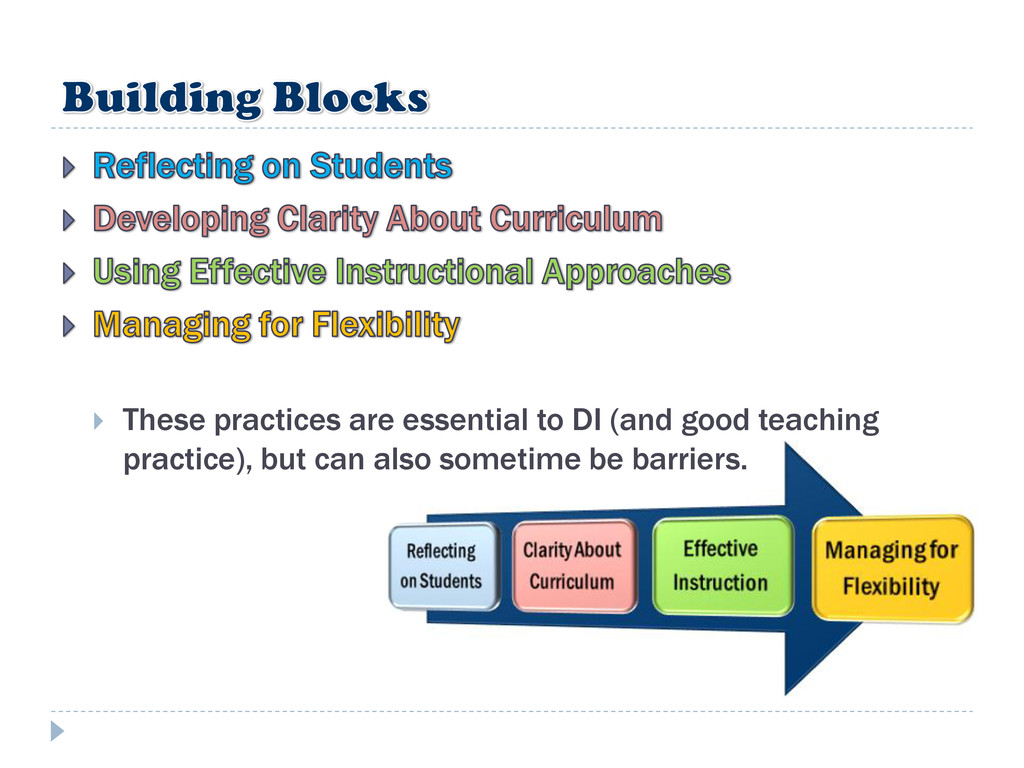
Differentiating instruction and assessment in the 21st Century classroom involves reflecting on your students, being clear about your curriculum, planning and delivering effective instruction, and shaking things up in the classroom!
numbers of students with learning difficulties; More students needing help with reading and writing; Many advanced learners needing to continue their growth; An economic divide reflected in our classes; A need for every student to leave school as: THINKERS FLEXIBLE & INDEPENDENT LEARNERS PRODUCERS OF KNOWLEDGE
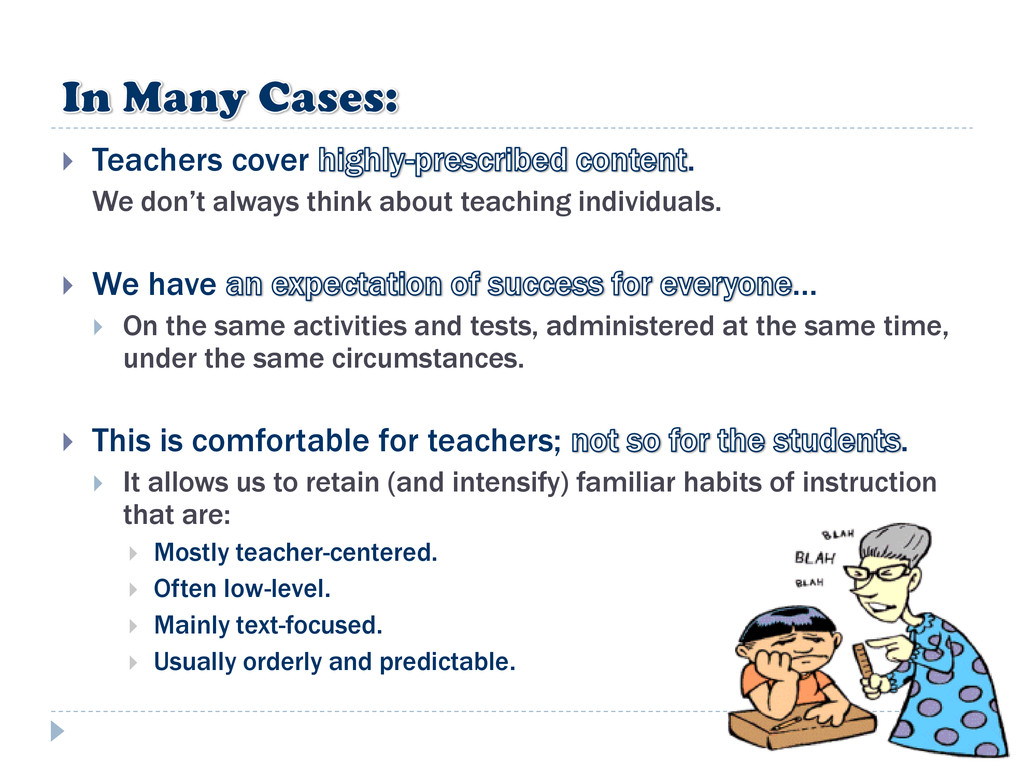
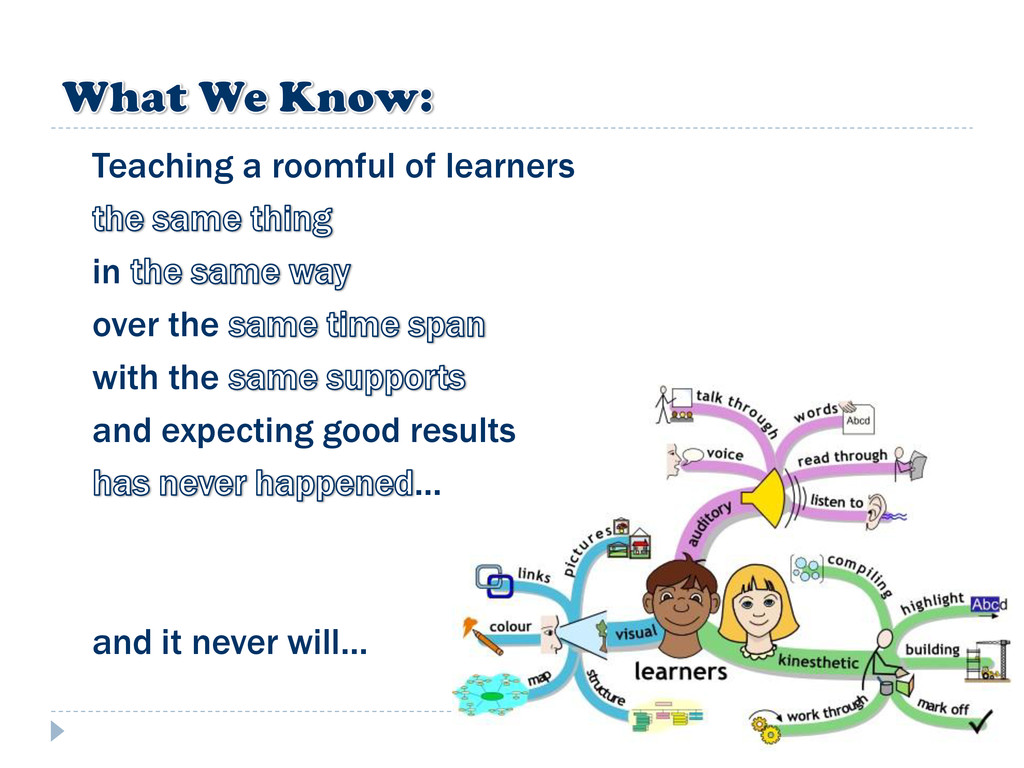
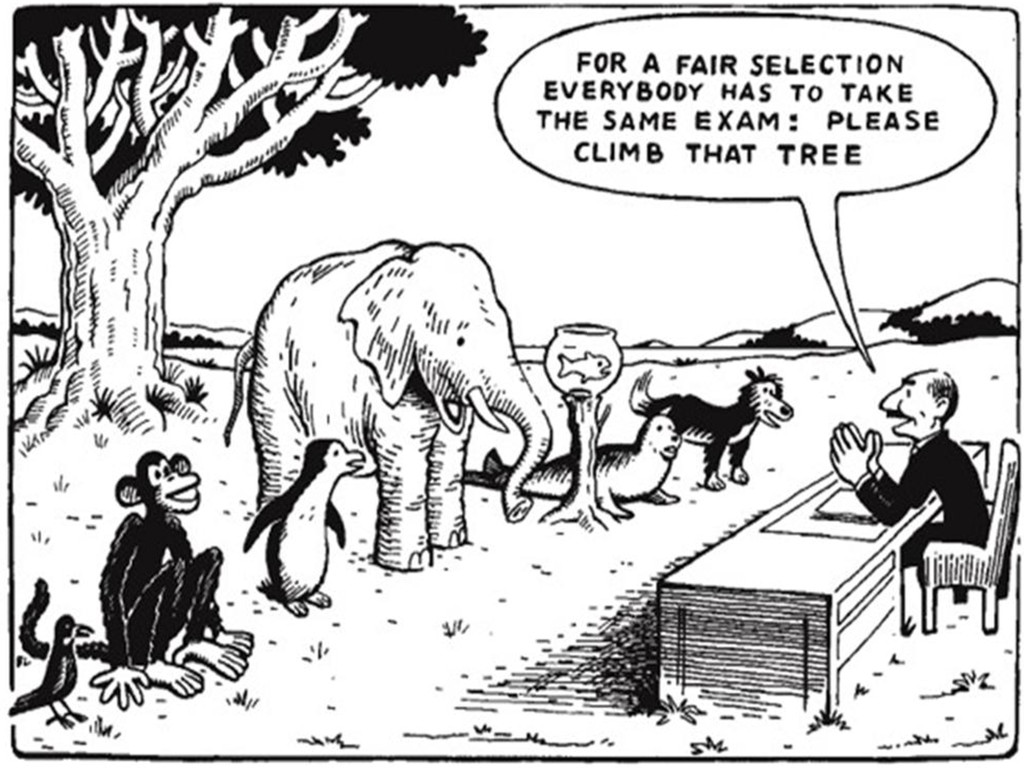
individuals. We have … On the same activities and tests, administered at the same time, under the same circumstances. This is comfortable for teachers; . It allows us to retain (and intensify) familiar habits of instruction that are: Mostly teacher-centered. Often low-level. Mainly text-focused. Usually orderly and predictable.
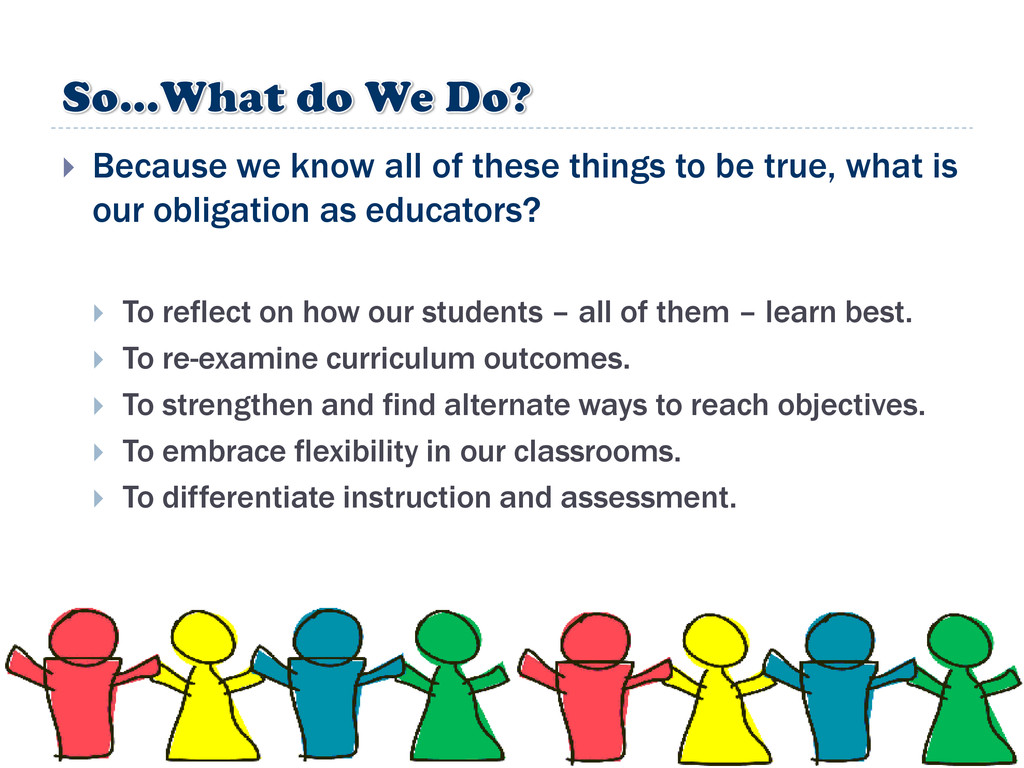
true, what is our obligation as educators? To reflect on how our students – all of them – learn best. To re-examine curriculum outcomes. To strengthen and find alternate ways to reach objectives. To embrace flexibility in our classrooms. To differentiate instruction and assessment.
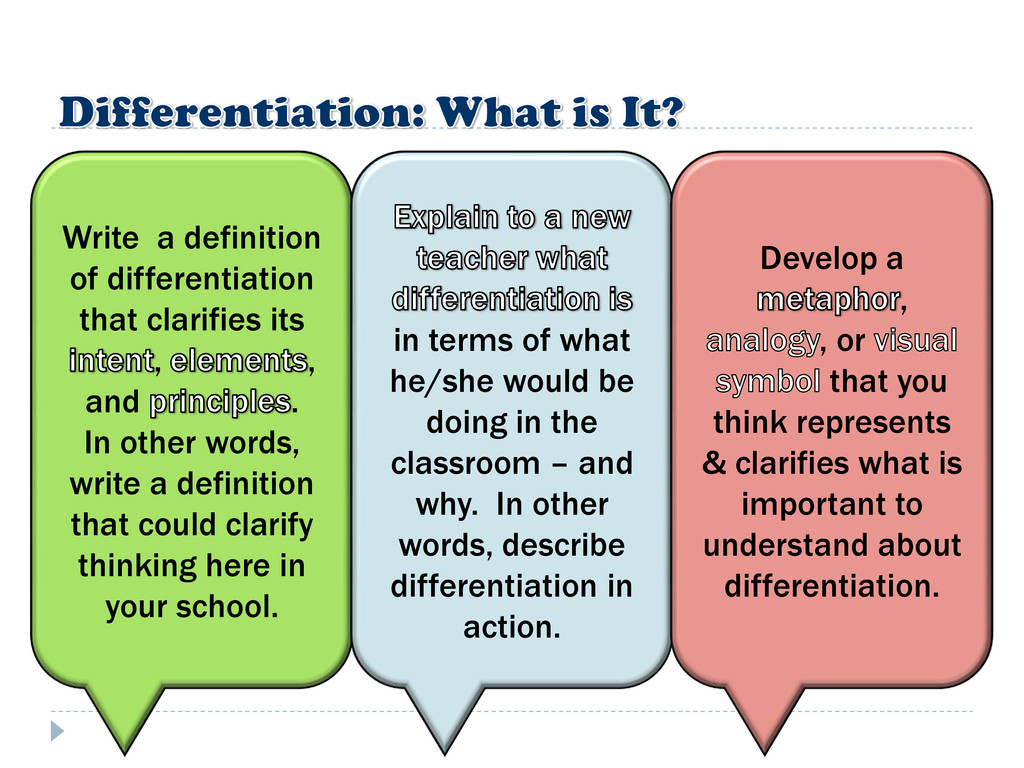
and . In other words, write a definition that could clarify thinking here in your school. in terms of what he/she would be doing in the classroom – and why. In other words, describe differentiation in action. Develop a , , or that you think represents & clarifies what is important to understand about differentiation.
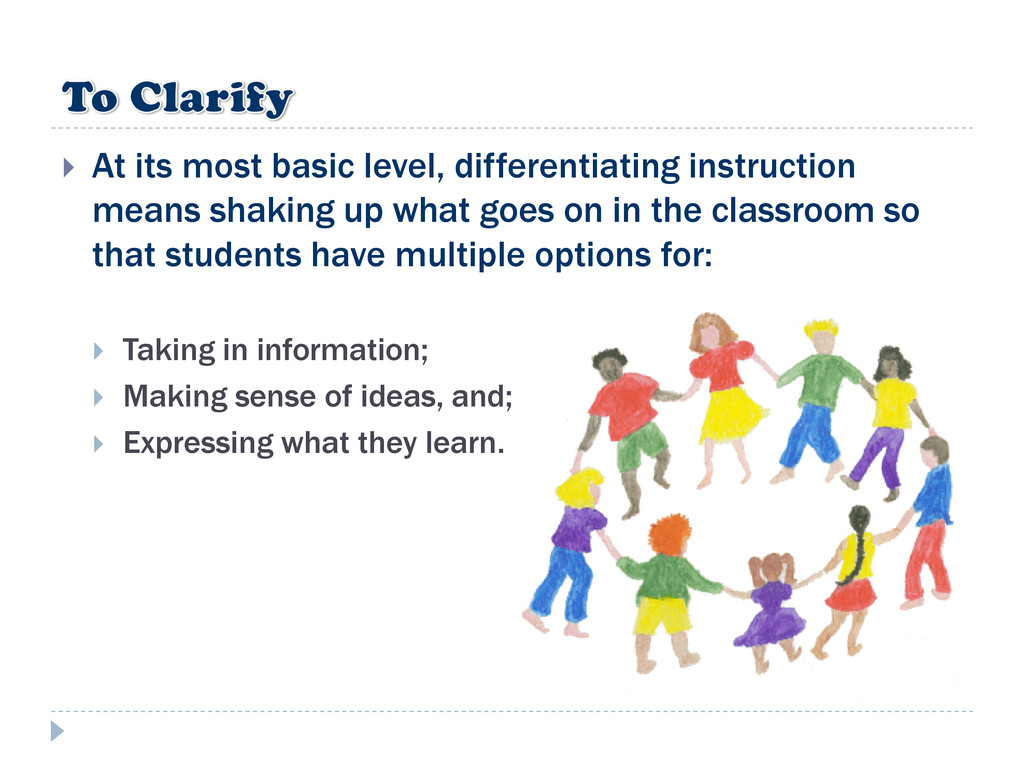
up what goes on in the classroom so that students have multiple options for: Taking in information; Making sense of ideas, and; Expressing what they learn.
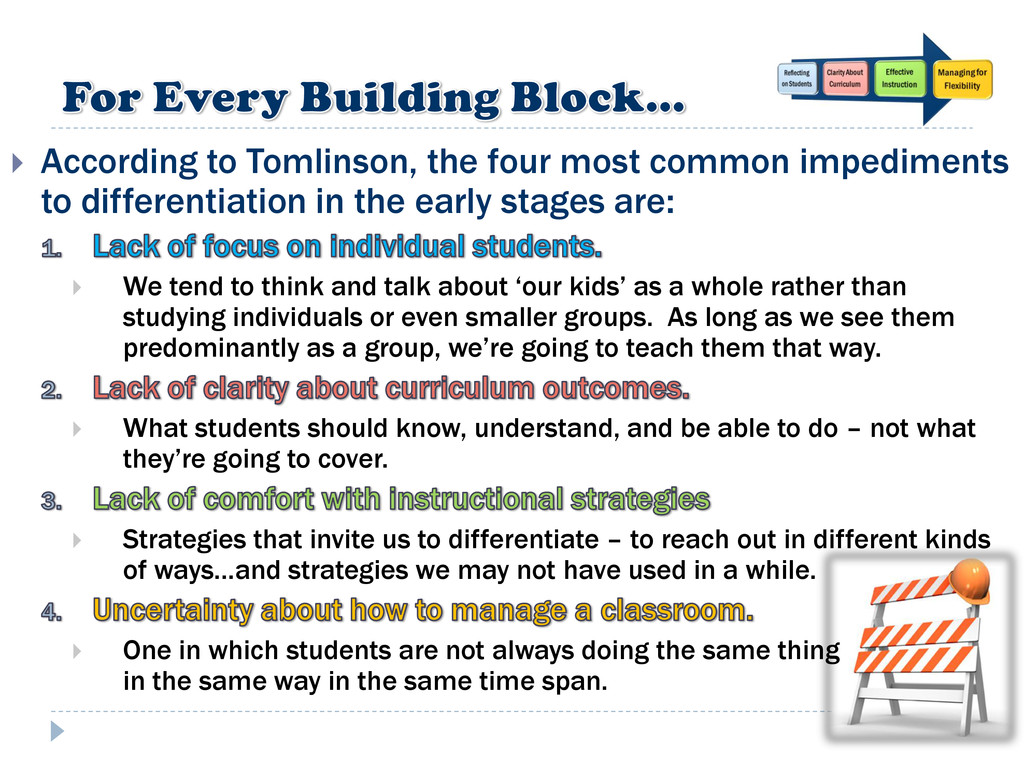
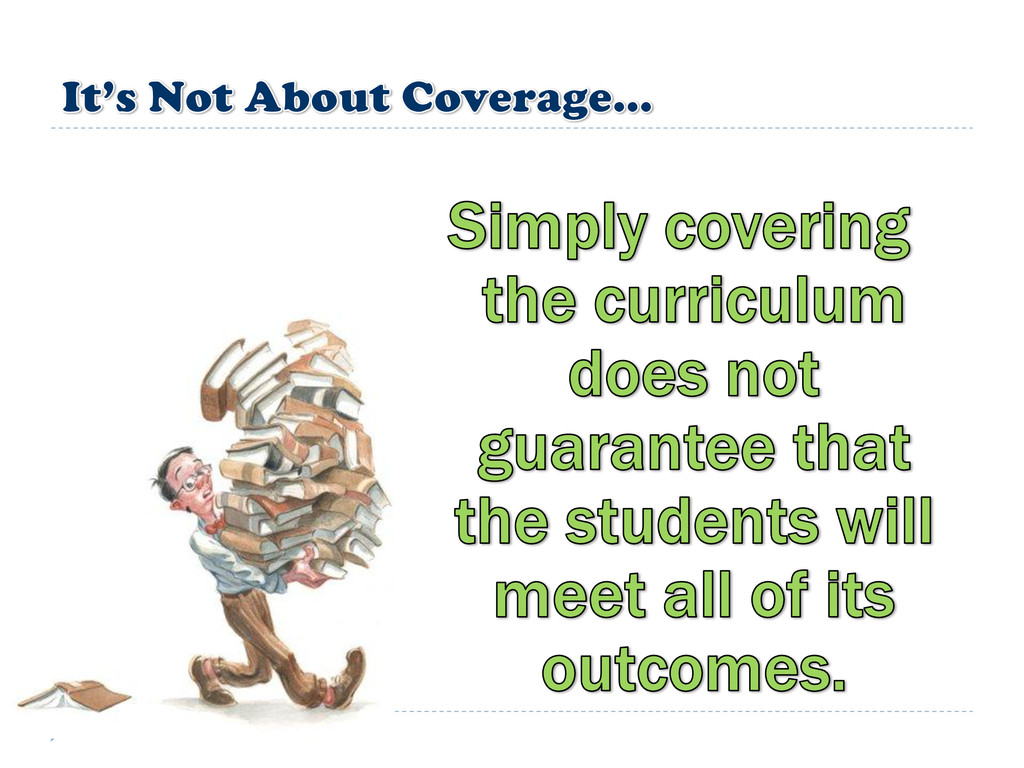
differentiation in the early stages are: We tend to think and talk about „our kids‟ as a whole rather than studying individuals or even smaller groups. As long as we see them predominantly as a group, we‟re going to teach them that way. What students should know, understand, and be able to do – not what they‟re going to cover. Strategies that invite us to differentiate – to reach out in different kinds of ways…and strategies we may not have used in a while. One in which students are not always doing the same thing in the same way in the same time span.
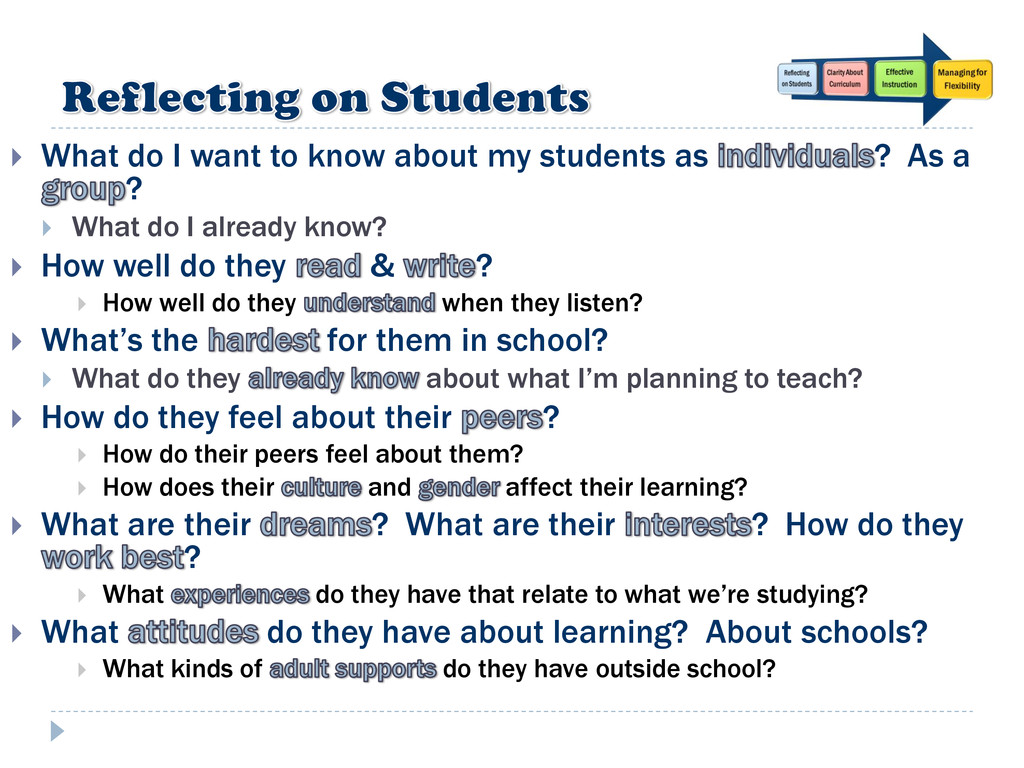
as ? As a ? What do I already know? How well do they & ? How well do they when they listen? What‟s the for them in school? What do they about what I‟m planning to teach? How do they feel about their ? How do their peers feel about them? How does their and affect their learning? What are their ? What are their ? How do they ? What do they have that relate to what we‟re studying? What do they have about learning? About schools? What kinds of do they have outside school?
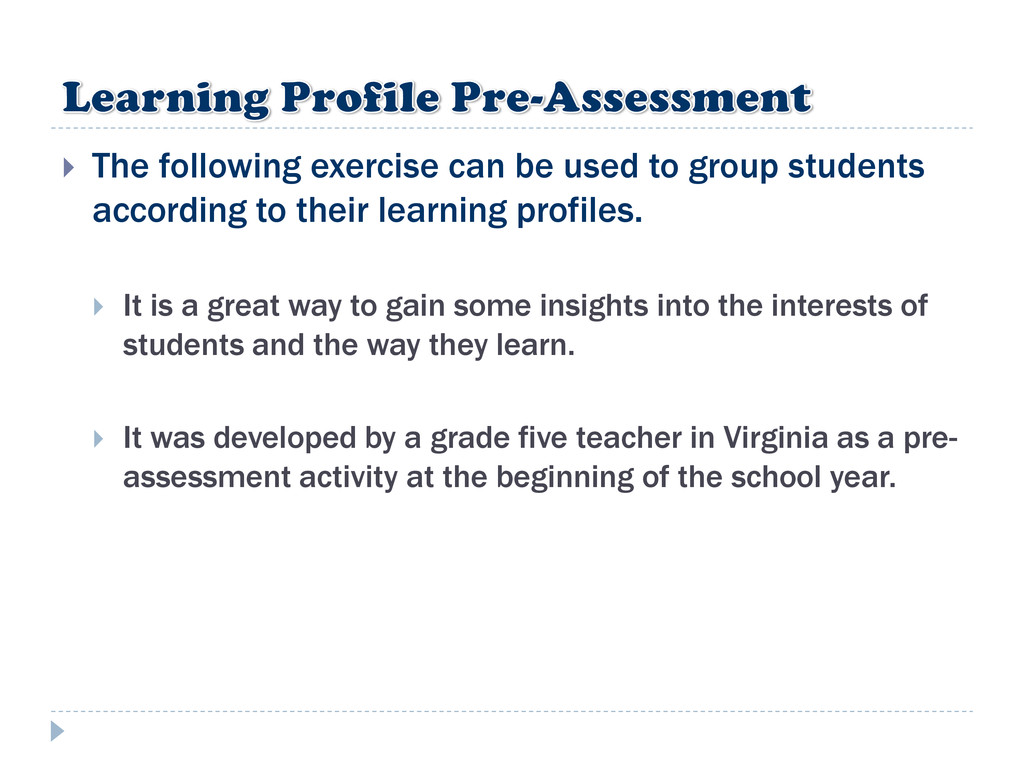
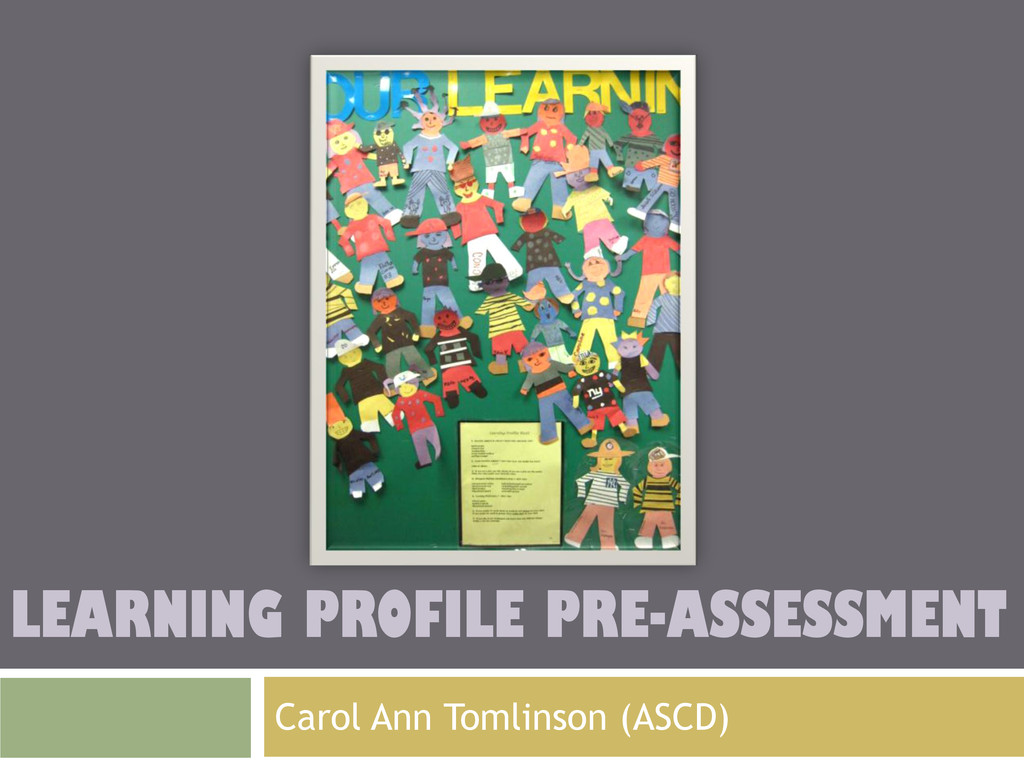
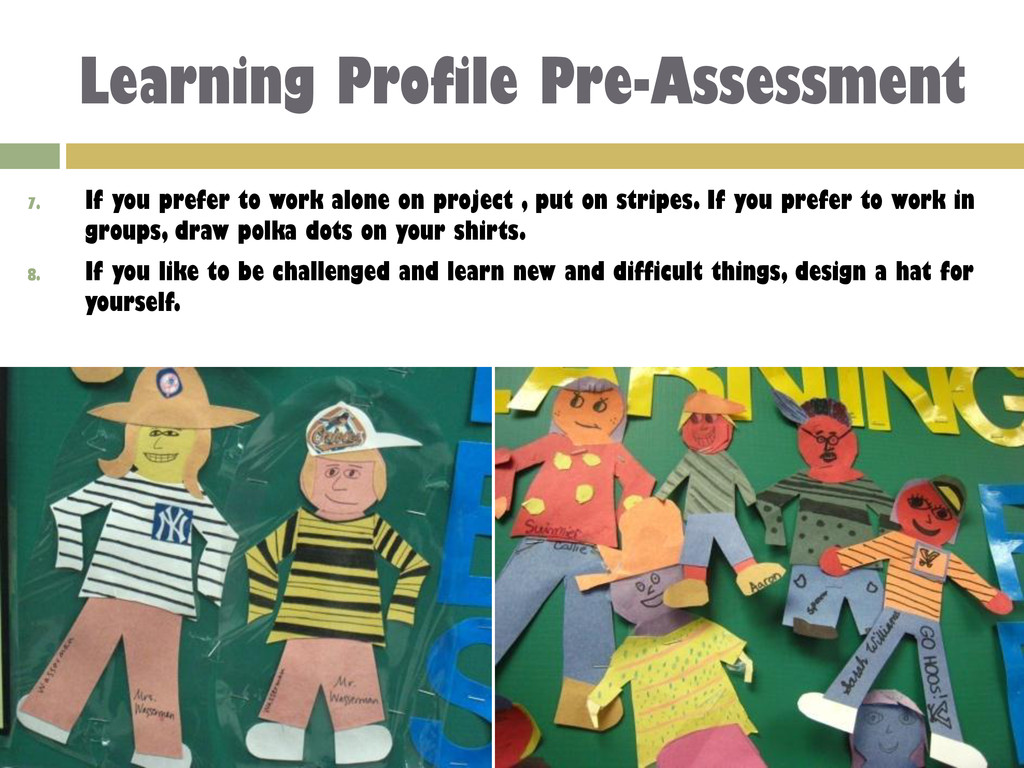
according to their learning profiles. It is a great way to gain some insights into the interests of students and the way they learn. It was developed by a grade five teacher in Virginia as a pre- assessment activity at the beginning of the school year.
to group students according to their learning profiles. It is a great way to gain some insights into the interests of students and the way they learn. It was developed by a grade five teacher in Virginia as a pre-assessment activity at the beginning of the school year.
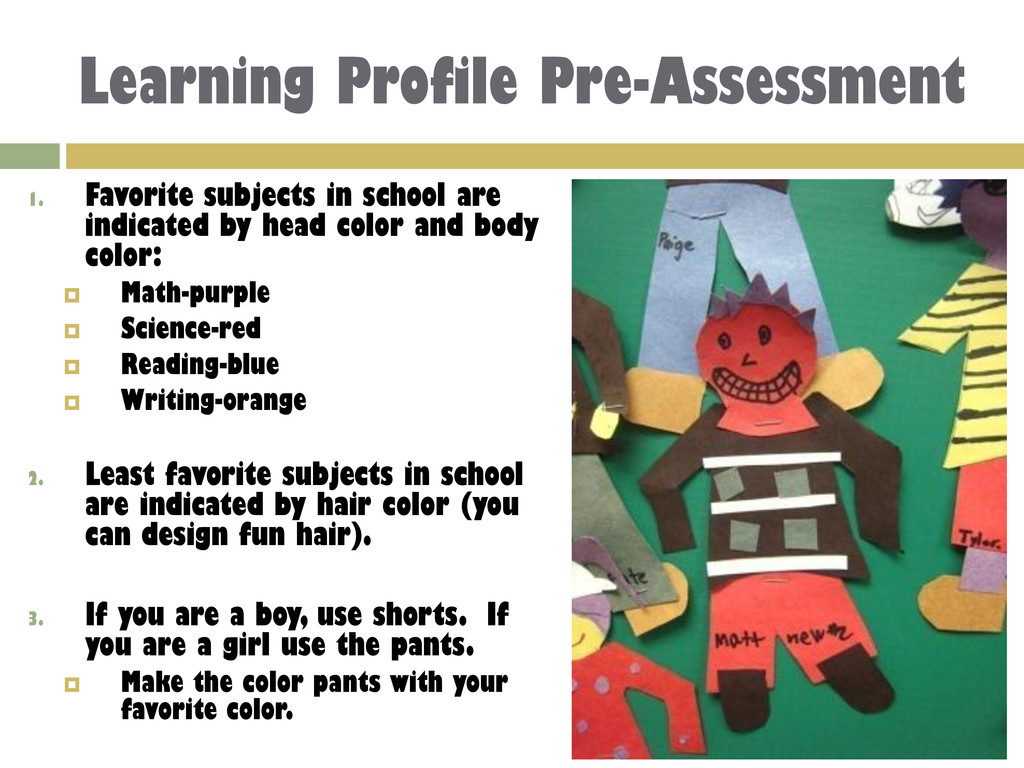
by head color and body color: Math-purple Science-red Reading-blue Writing-orange 2. Least favorite subjects in school are indicated by hair color (you can design fun hair). 3. If you are a boy, use shorts. If you are a girl use the pants. Make the color pants with your favorite color.
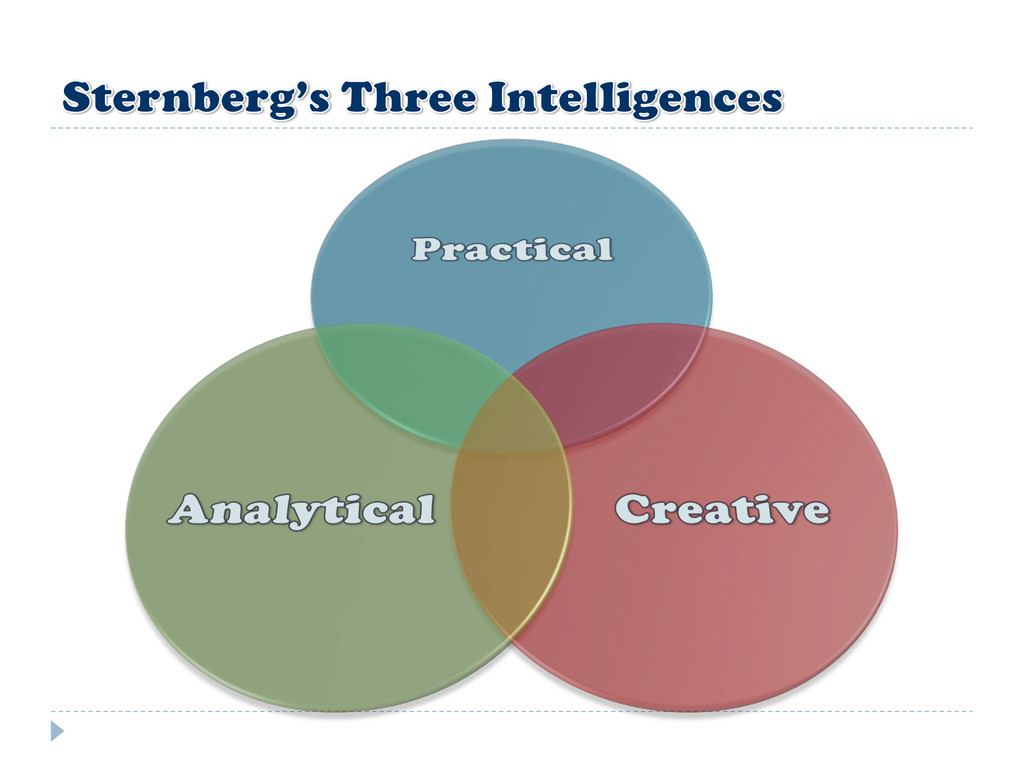
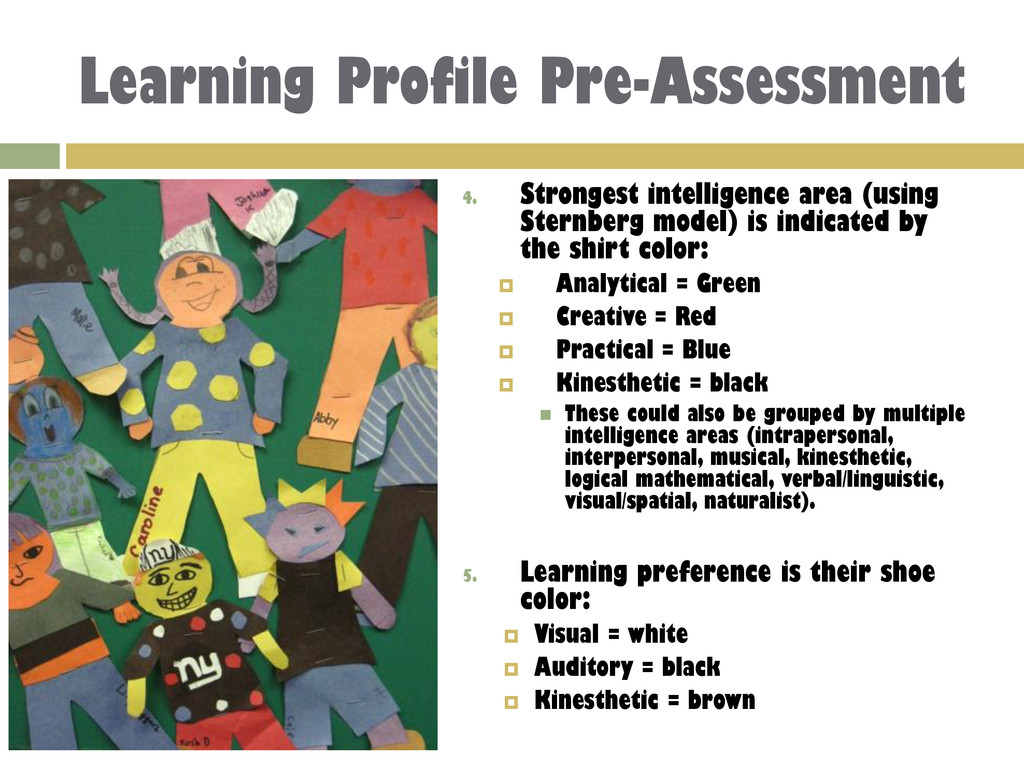
is indicated by the shirt color: Analytical = Green Creative = Red Practical = Blue Kinesthetic = black These could also be grouped by multiple intelligence areas (intrapersonal, interpersonal, musical, kinesthetic, logical mathematical, verbal/linguistic, visual/spatial, naturalist). 5. Learning preference is their shoe color: Visual = white Auditory = black Kinesthetic = brown
on project , put on stripes. If you prefer to work in groups, draw polka dots on your shirts. 8. If you like to be challenged and learn new and difficult things, design a hat for yourself.
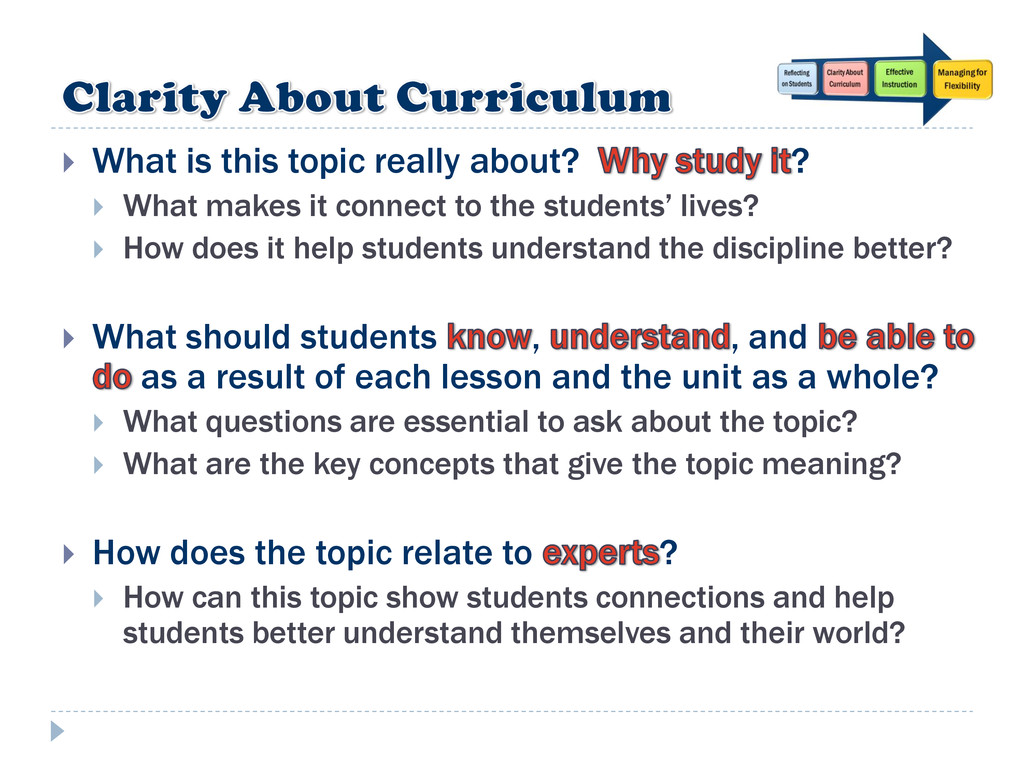
makes it connect to the students‟ lives? How does it help students understand the discipline better? What should students , , and as a result of each lesson and the unit as a whole? What questions are essential to ask about the topic? What are the key concepts that give the topic meaning? How does the topic relate to ? How can this topic show students connections and help students better understand themselves and their world?
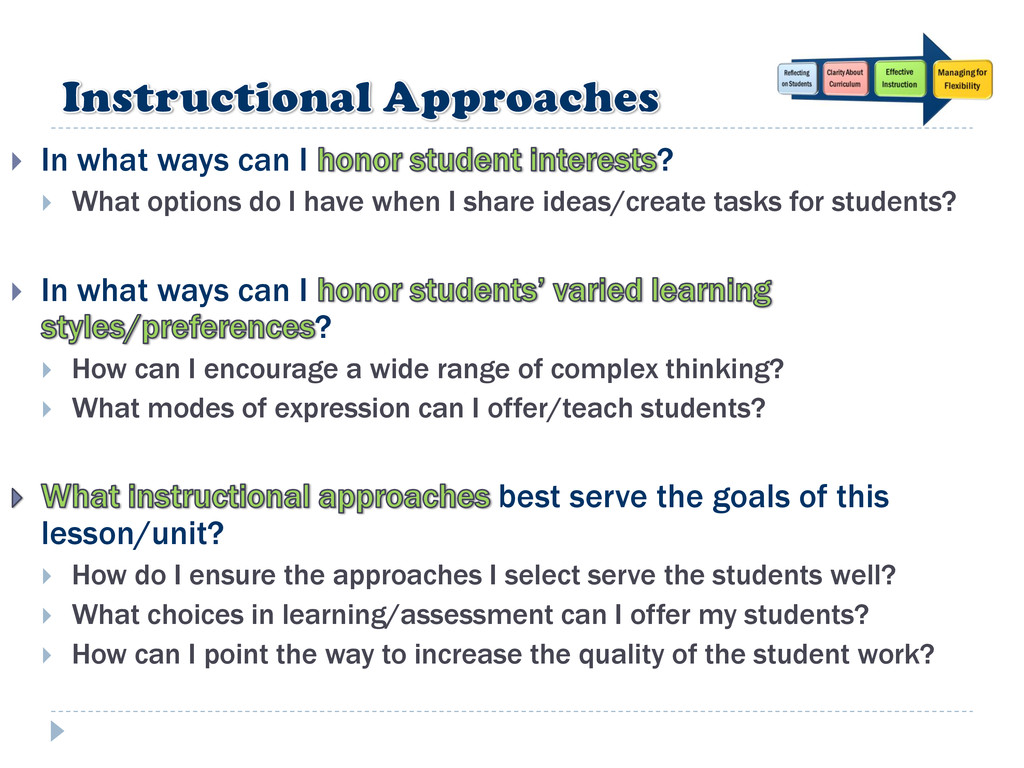
do I have when I share ideas/create tasks for students? In what ways can I ? How can I encourage a wide range of complex thinking? What modes of expression can I offer/teach students? best serve the goals of this lesson/unit? How do I ensure the approaches I select serve the students well? What choices in learning/assessment can I offer my students? How can I point the way to increase the quality of the student work?
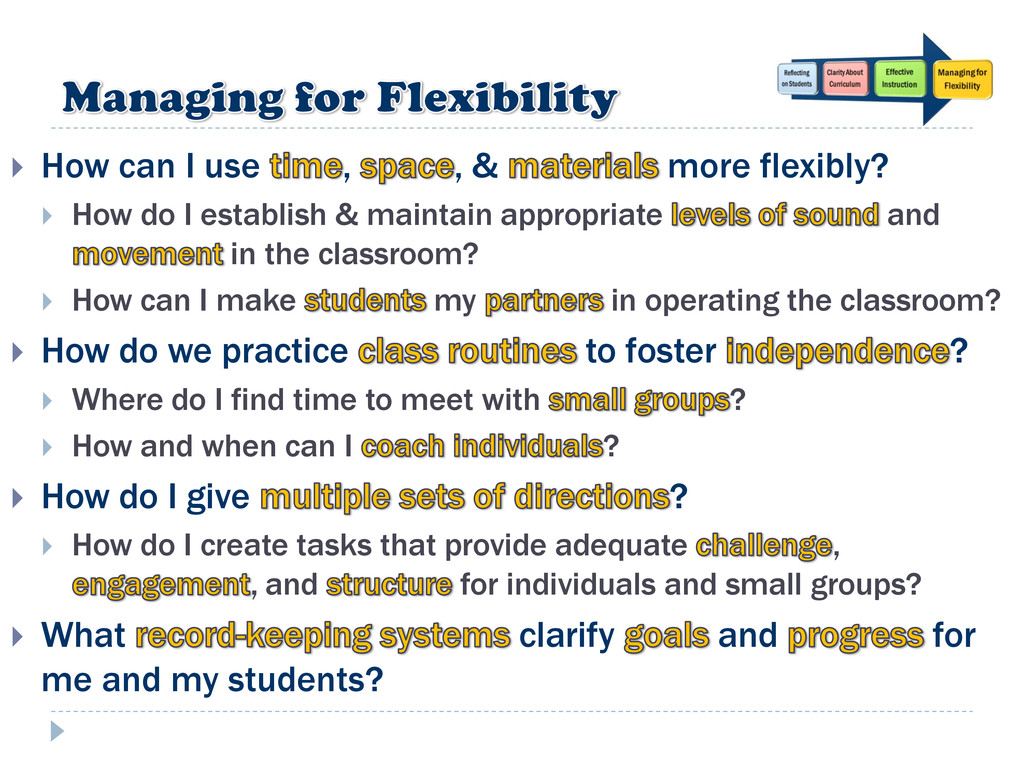
How do I establish & maintain appropriate and in the classroom? How can I make my in operating the classroom? How do we practice to foster ? Where do I find time to meet with ? How and when can I ? How do I give ? How do I create tasks that provide adequate , , and for individuals and small groups? What clarify and for me and my students?
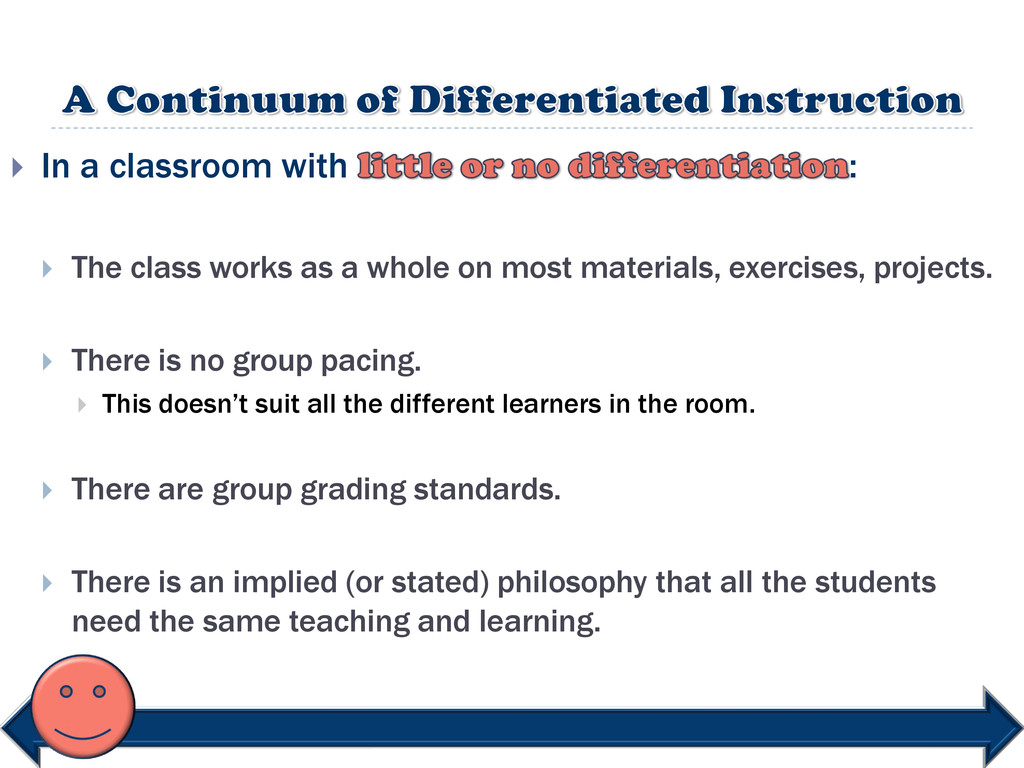
as a whole on most materials, exercises, projects. There is no group pacing. This doesn‟t suit all the different learners in the room. There are group grading standards. There is an implied (or stated) philosophy that all the students need the same teaching and learning.
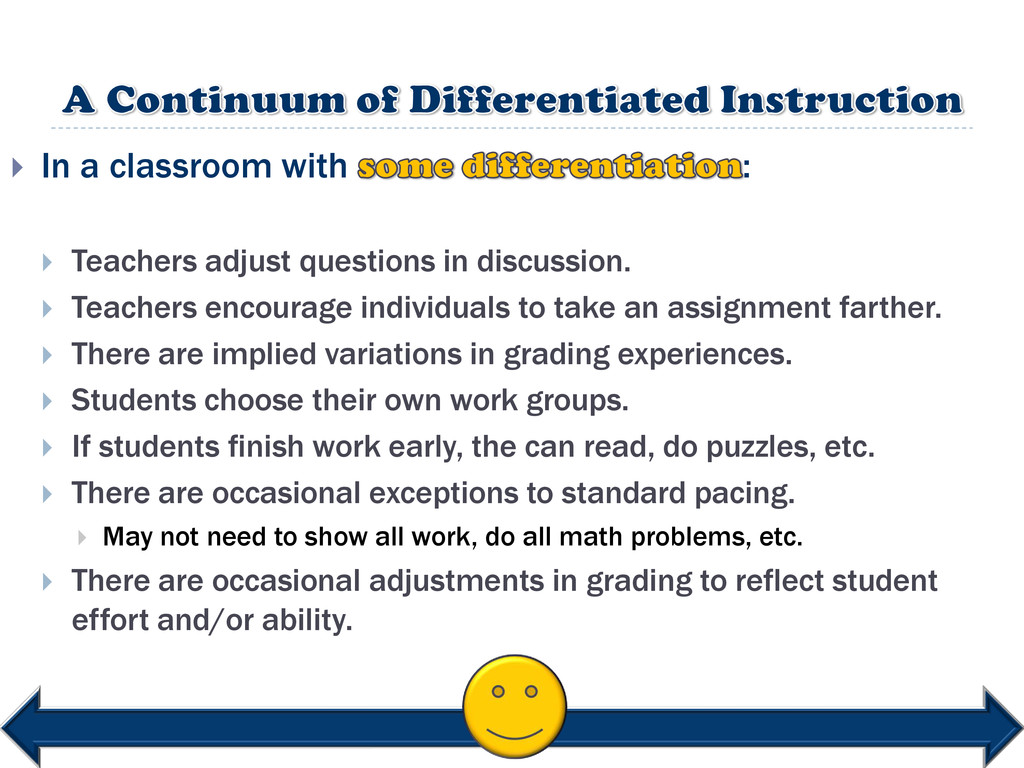
in discussion. Teachers encourage individuals to take an assignment farther. There are implied variations in grading experiences. Students choose their own work groups. If students finish work early, the can read, do puzzles, etc. There are occasional exceptions to standard pacing. May not need to show all work, do all math problems, etc. There are occasional adjustments in grading to reflect student effort and/or ability.
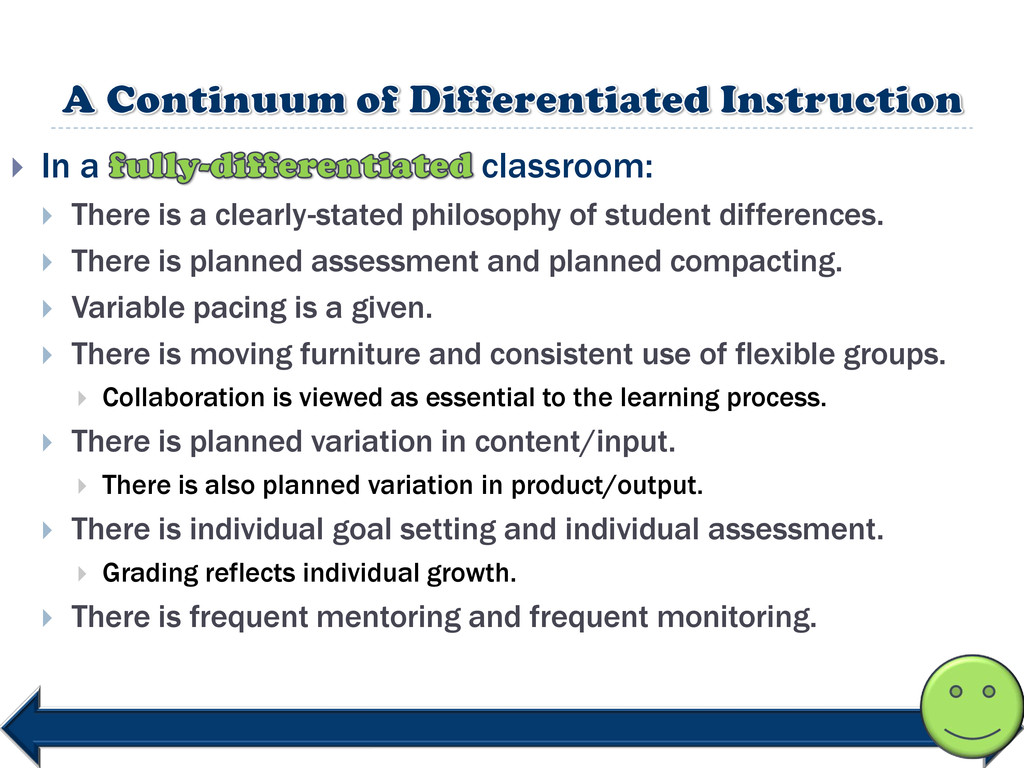
of student differences. There is planned assessment and planned compacting. Variable pacing is a given. There is moving furniture and consistent use of flexible groups. Collaboration is viewed as essential to the learning process. There is planned variation in content/input. There is also planned variation in product/output. There is individual goal setting and individual assessment. Grading reflects individual growth. There is frequent mentoring and frequent monitoring.


 masakiokuda
 bunnchinn3
 signer
 jdbedics
 juanmartin2026
 auctria
 rashwhitman
 pawan_pharm
 akiraasano
 bvr7352
 sciencetokyo
 aleyda
 kneath
 techseoconnect
 stephenakadiri
 kristinabergwall1
 szymonslowik
 axbom
 ipullrank
 eileencodes
 mfonobong
 chikuwait
 dugsong