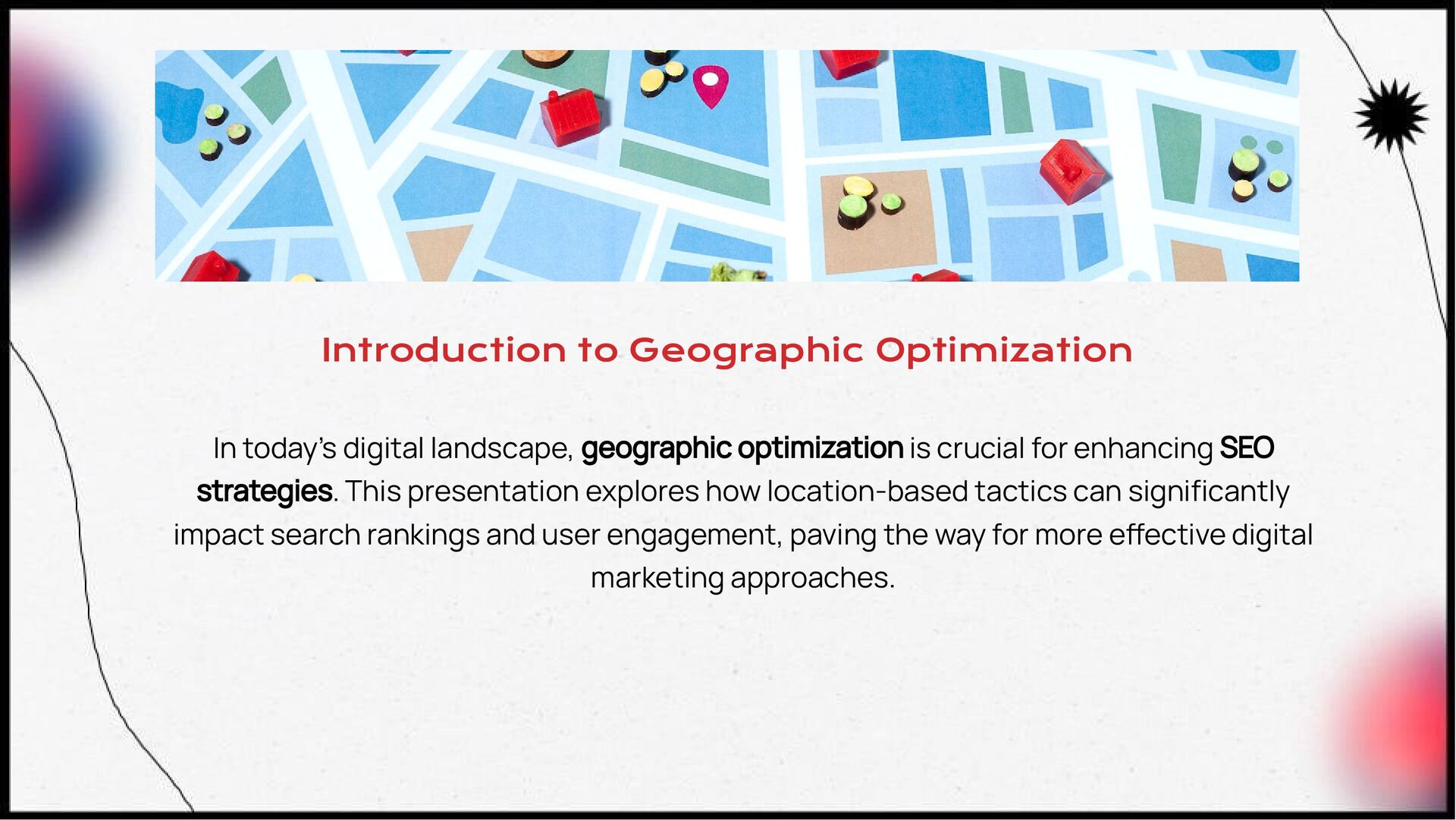
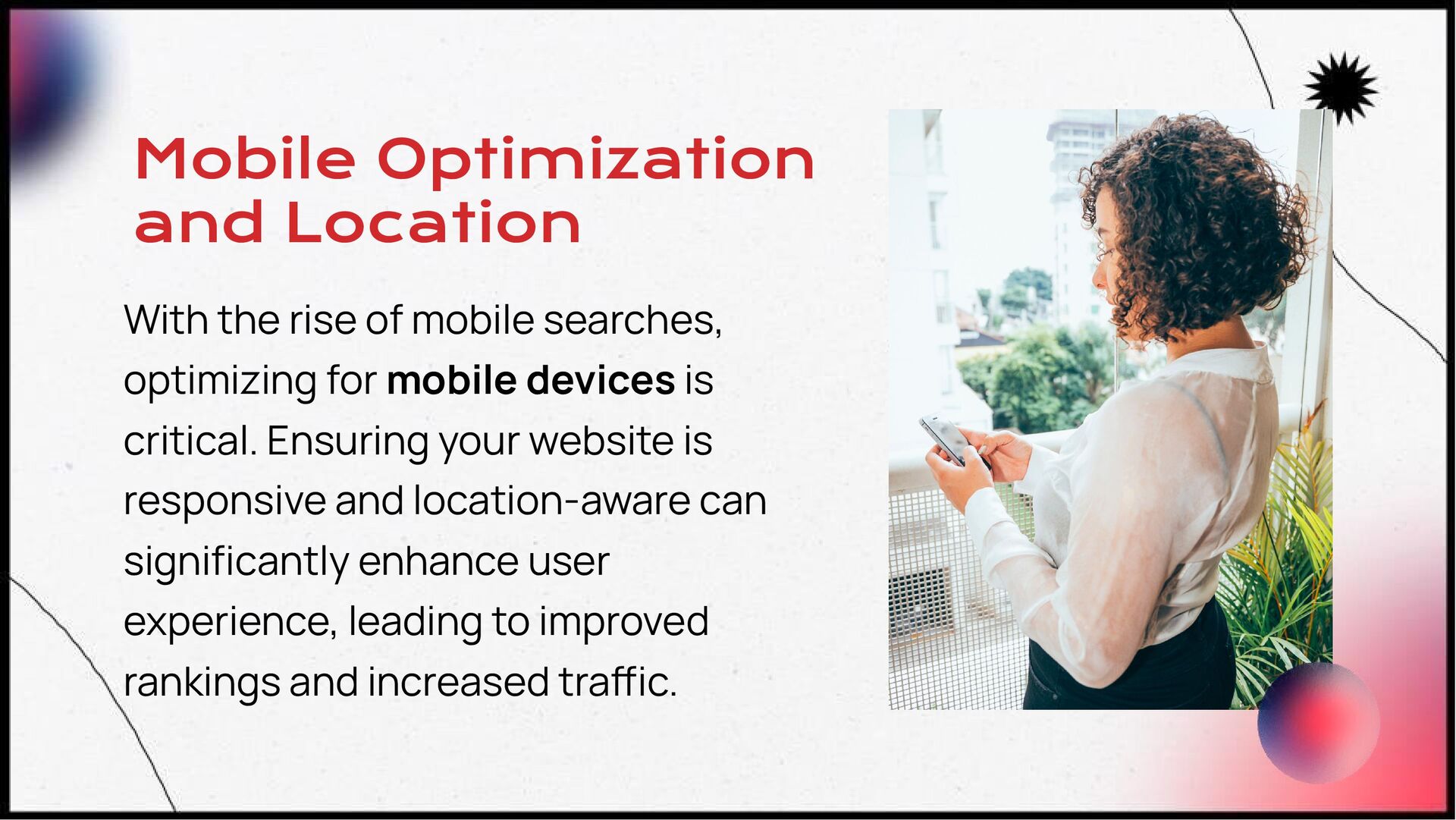
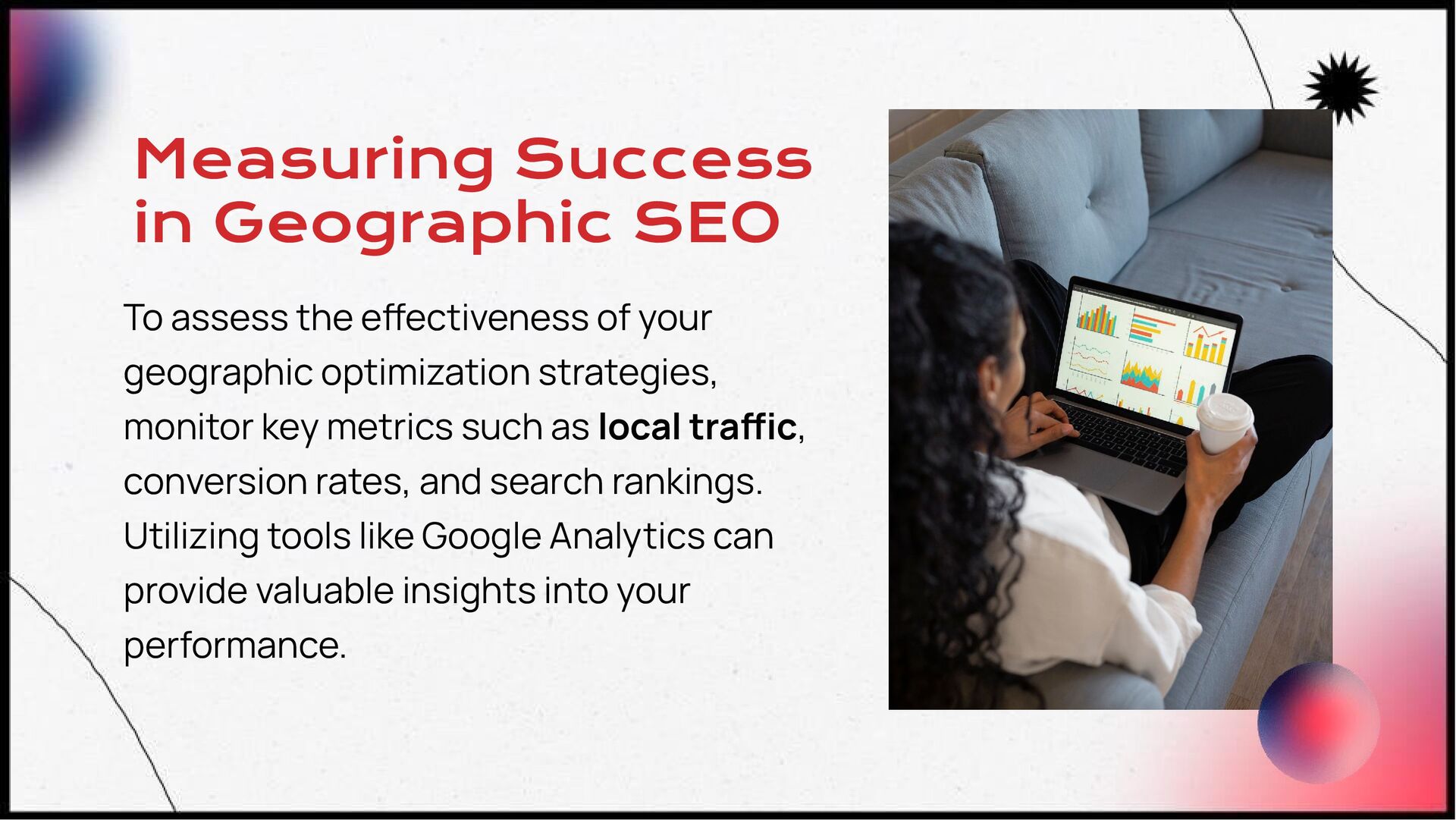
Geographic optimization is becoming a crucial factor in shaping future strategic decisions for businesses and organizations. By leveraging data-driven insights, companies can optimize resource allocation, supply chain management, and market expansion strategies based on regional strengths and economic conditions. Advanced technologies such as AI, big data analytics, and geographic information systems (GIS) enable precise decision-making, enhancing efficiency and cost-effectiveness. Organizations that adopt geographic optimization can identify emerging market trends, mitigate risks, and enhance customer engagement by tailoring services to local preferences. Additionally, it plays a vital role in sustainability efforts, ensuring optimized logistics and reducing carbon footprints. The ability to adapt to geographic variations also strengthens competitive advantage, allowing businesses to scale operations seamlessly in different regions. In the future, companies that effectively integrate geographic optimization will have a more resilient operational model, minimizing disruptions from geopolitical, economic, and environmental challenges. Governments and policymakers can also benefit from geographic insights to plan infrastructure, improve urban development, and enhance public services. As globalization and digital transformation accelerate, geographic optimization will be a key driver for innovation and long-term success. Organizations that embrace this approach will be well-positioned to navigate dynamic market conditions and achieve sustainable growth.


 xinghr
 so_kotani
 ashisuto_career
 takeuchigroup
 kazuma777777
 advalistar
 forest8810
 pokotyamu
 auditech2022
 tamagakiyuya
 mercari_inc
 gatechnologies
 frankvandijk
 ivargrimstad
 nwiizo
 bkeepers
 jmmastey
 tammyeverts
 emna__ayadi
 tanoku
 aki_iinuma
 wayneb77
 watany
 inesmontani