7 Best Practices for SMS and Email Messaging Customers
Want to message customers but aren't sure where to begin? We have 7 tips to grow your business and increase customer engagement through digital marketing messages. See CityGro.com/blog for the full article.
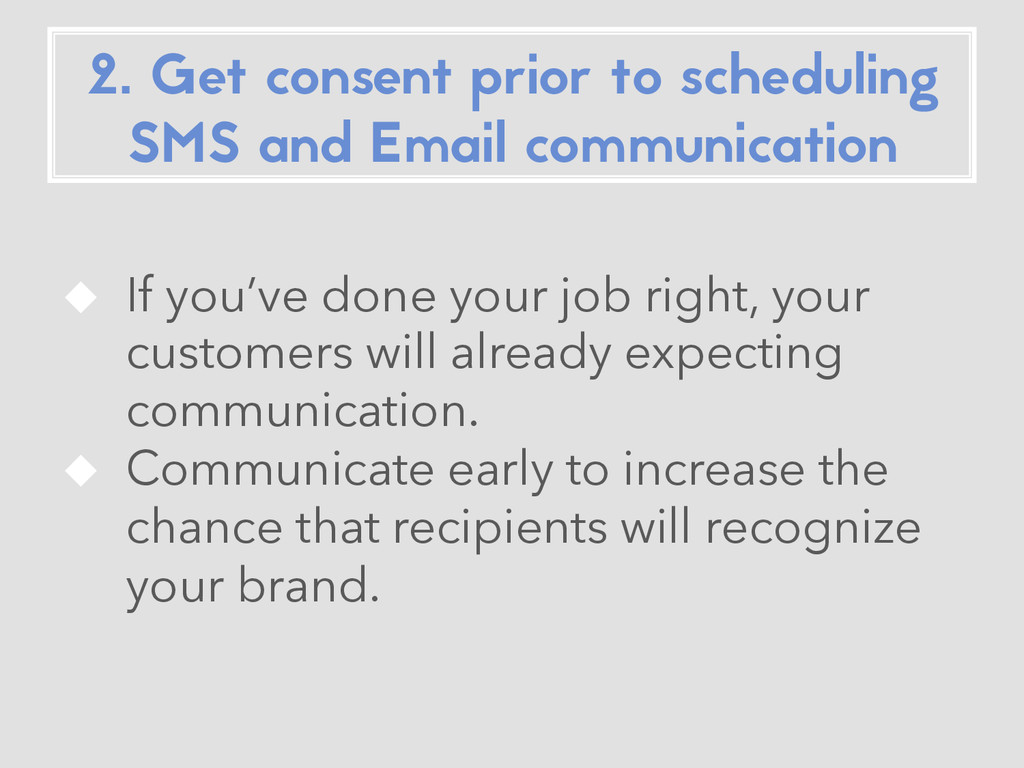
u If you’ve done your job right, your customers will already expecting communication. u Communicate early to increase the chance that recipients will recognize your brand.
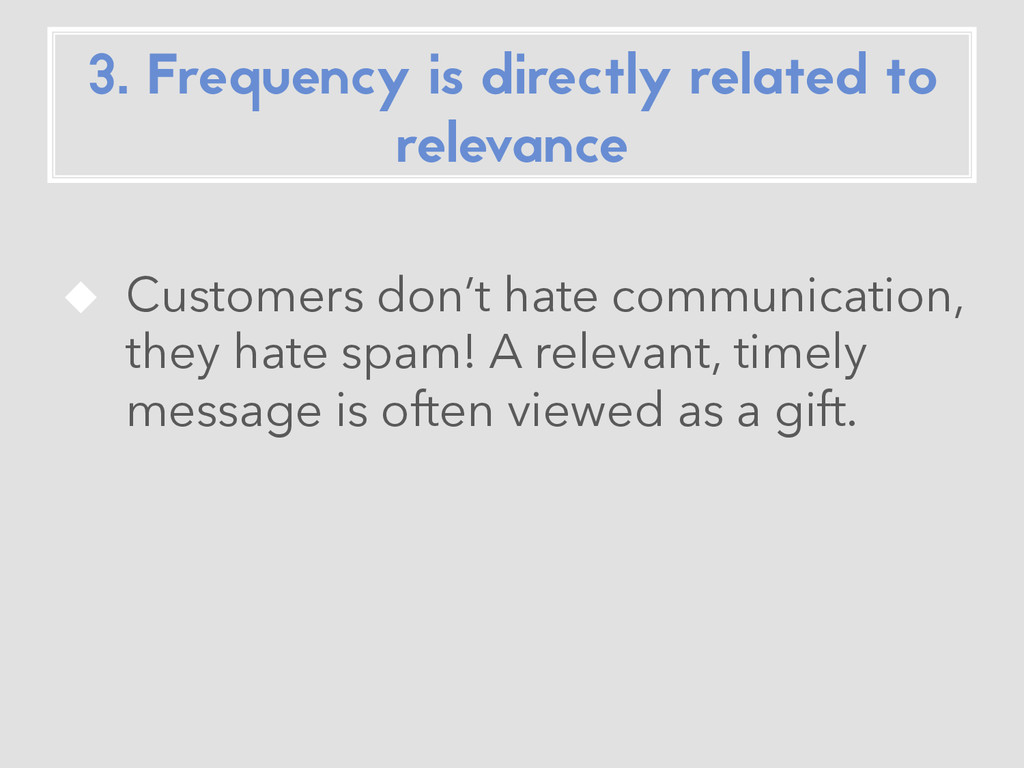
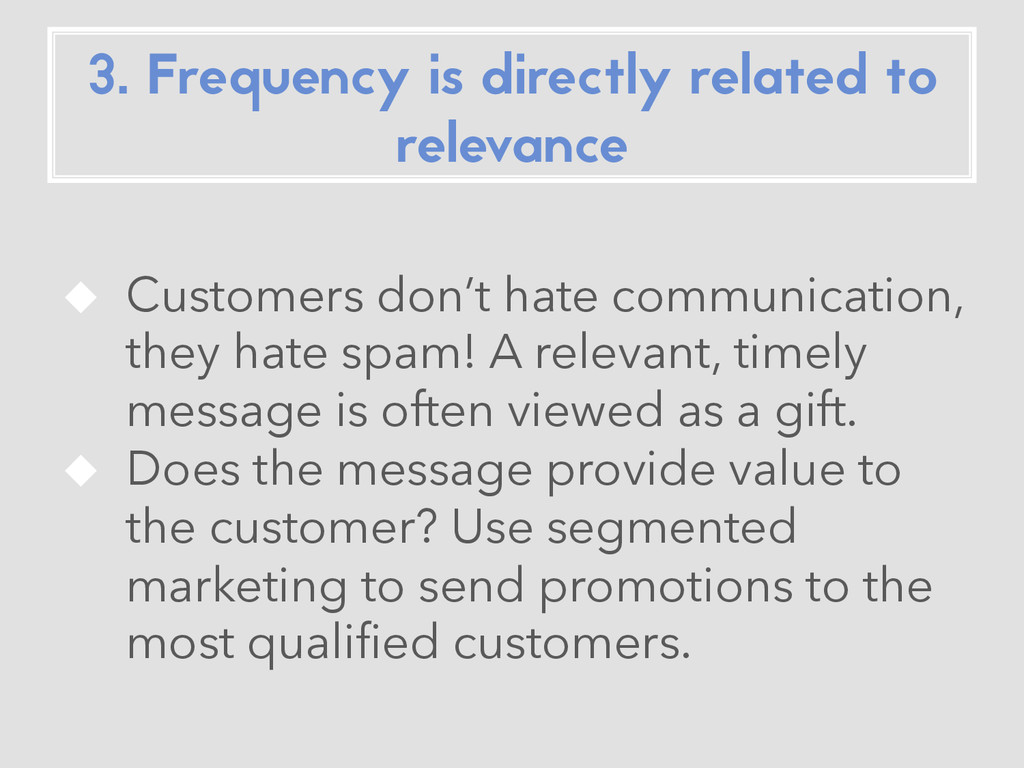
hate communication, they hate spam! A relevant, timely message is often viewed as a gift. u Does the message provide value to the customer? Use segmented marketing to send promotions to the most qualified customers.
open rate, opt-out rate (aim for <1-2%), bounce rate, and click- through rate. Use this data to improve your messaging. u Use call-to-actions to improve click- through rate.
the same amount of messages through multiple channels to prevent customers from feeling overloaded. u Social media is great for awareness (and is less intrusive) whereas texting can help drive specific action from your customers.
there is better than waiting until your message is perfect. It will get easier, and you will always have another opportunity to engage with customers once the perfect message comes to mind.


 kintotechdev
 kazuyama88
 kgmotors
 behealthy
 maruishi
 superstudio
.jpg) ikuodanaka
ikuodanaka
 daiksy
 so_kotani
 kaonavi
 ozakiomumkj
 gatechnologies
 nikkihalliwell
 reverentgeek
 skipperchong
 rkaga
rkaga
 michielstock
 inesmontani
 gr2m
gr2m
 tamaranovitovic
 ryanjones
 nmsamuel
 lara
lara
 bethany