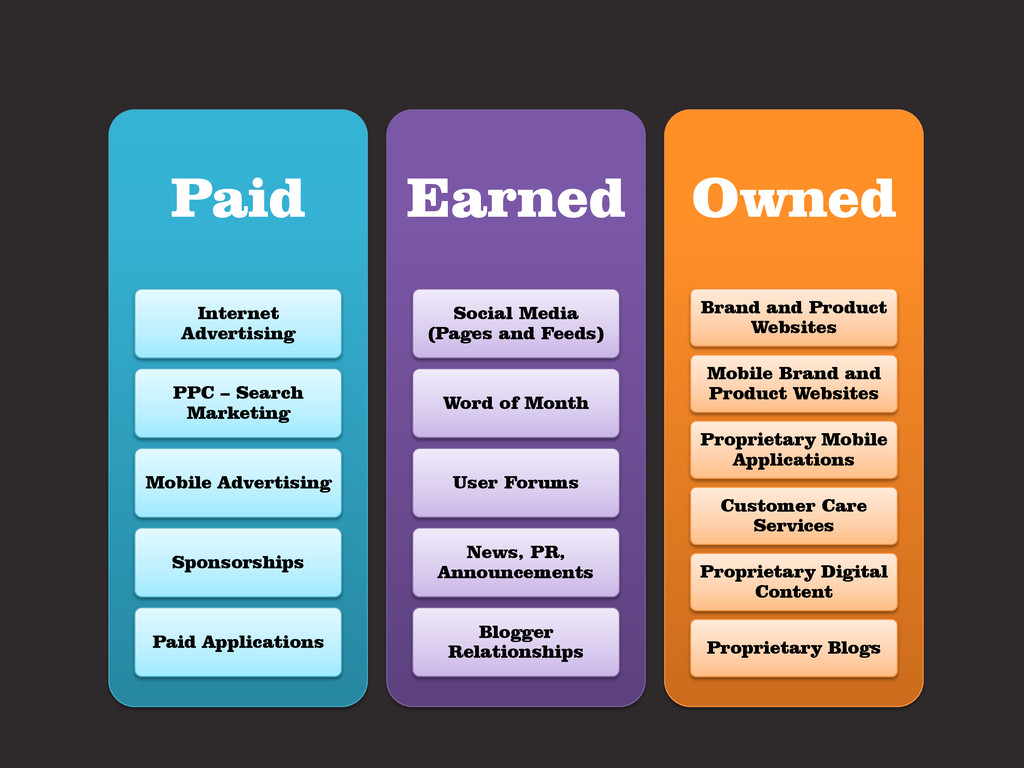
Paid Applications Earned Social Media (Pages and Feeds) Word of Month User Forums News, PR, Announcements Blogger Relationships Owned Brand and Product Websites Mobile Brand and Product Websites Proprietary Mobile Applications Customer Care Services Proprietary Digital Content Proprietary Blogs
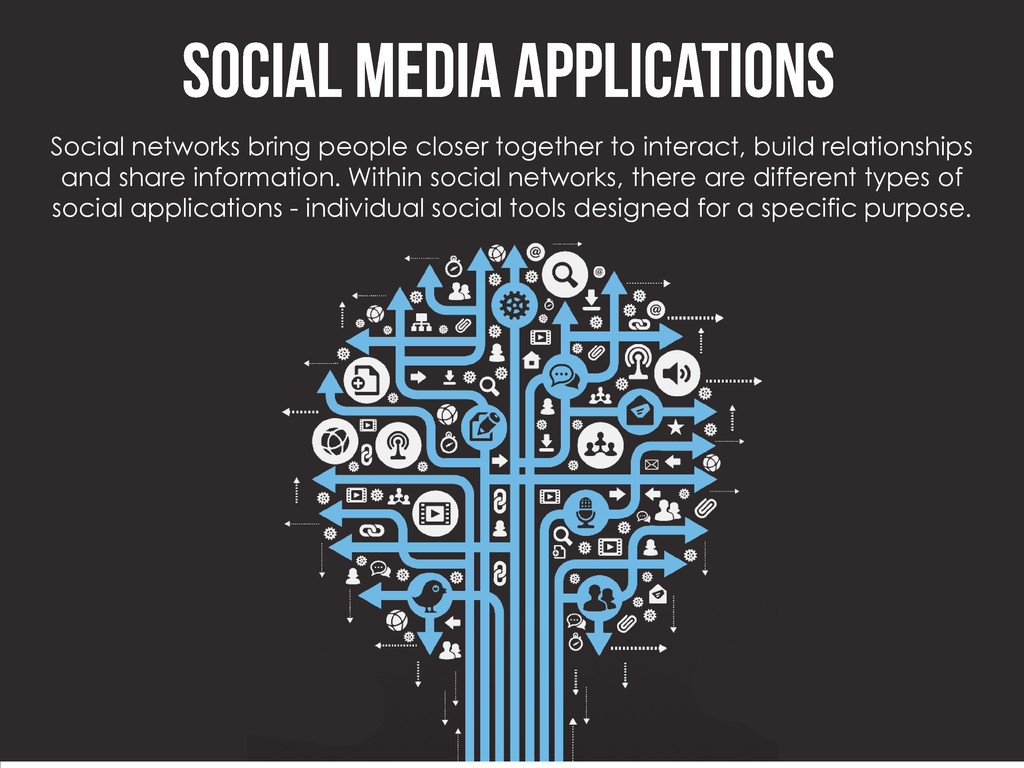
and share information. Within social networks, there are different types of social applications - individual social tools designed for a specific purpose.
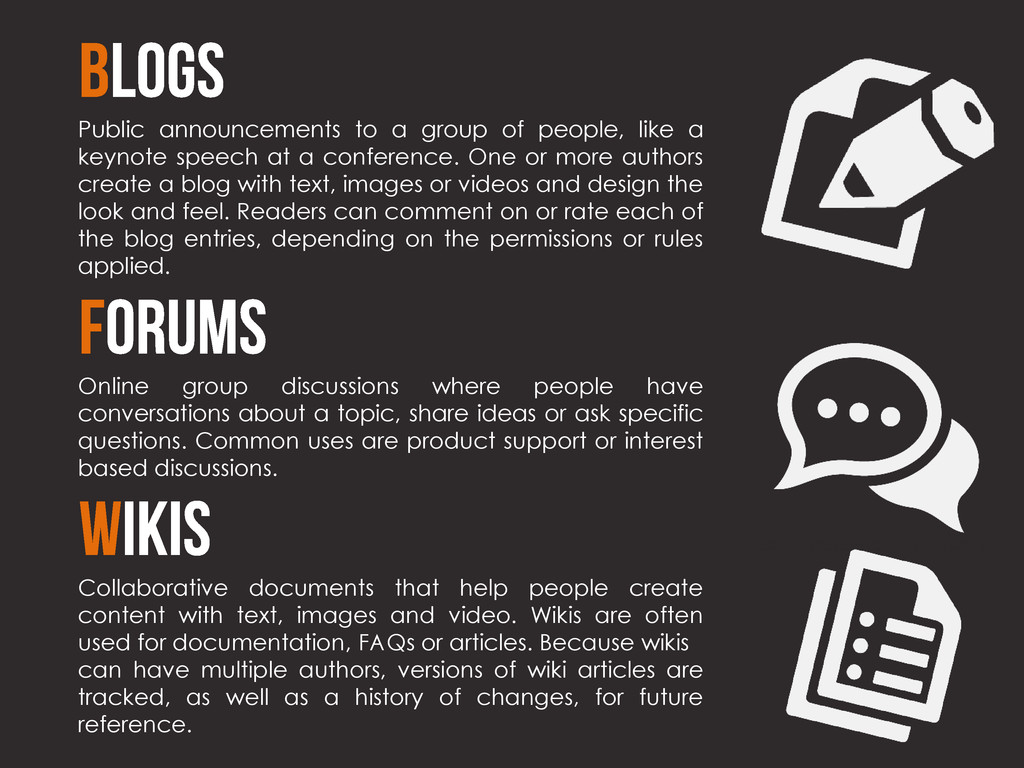
speech at a conference. One or more authors create a blog with text, images or videos and design the look and feel. Readers can comment on or rate each of the blog entries, depending on the permissions or rules applied. Online group discussions where people have conversations about a topic, share ideas or ask specific questions. Common uses are product support or interest based discussions. Collaborative documents that help people create content with text, images and video. Wikis are often used for documentation, FAQs or articles. Because wikis can have multiple authors, versions of wiki articles are tracked, as well as a history of changes, for future reference.
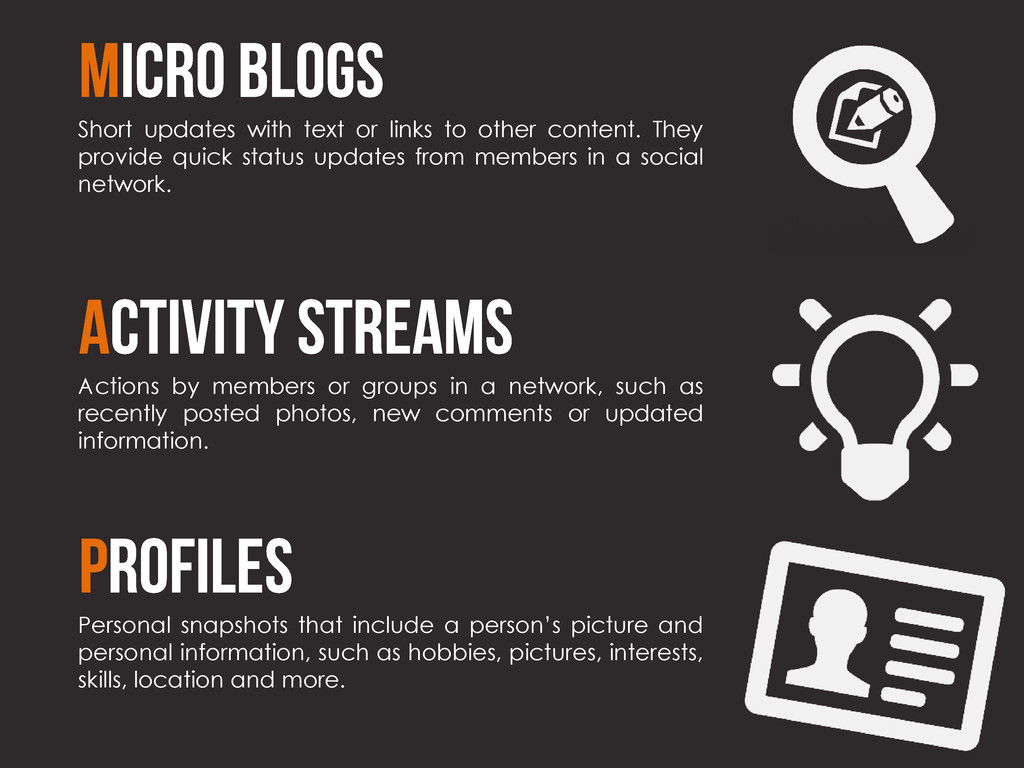
provide quick status updates from members in a social network. Actions by members or groups in a network, such as recently posted photos, new comments or updated information. Personal snapshots that include a person’s picture and personal information, such as hobbies, pictures, interests, skills, location and more.
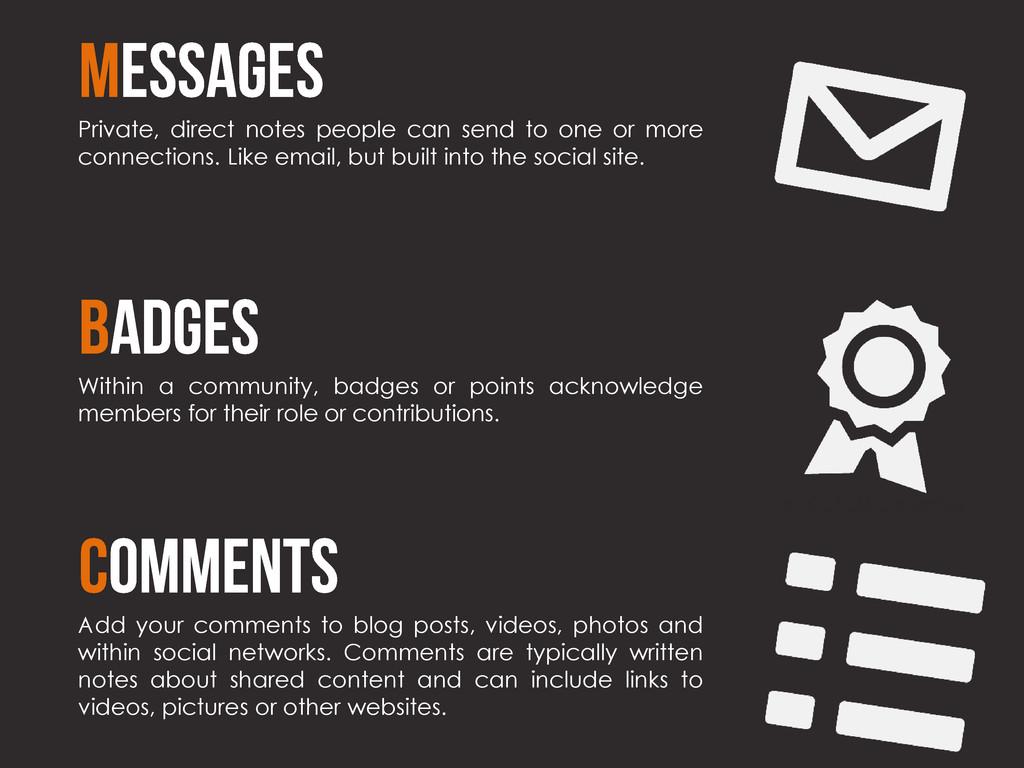
connections. Like email, but built into the social site. Within a community, badges or points acknowledge members for their role or contributions. Add your comments to blog posts, videos, photos and within social networks. Comments are typically written notes about shared content and can include links to videos, pictures or other websites.
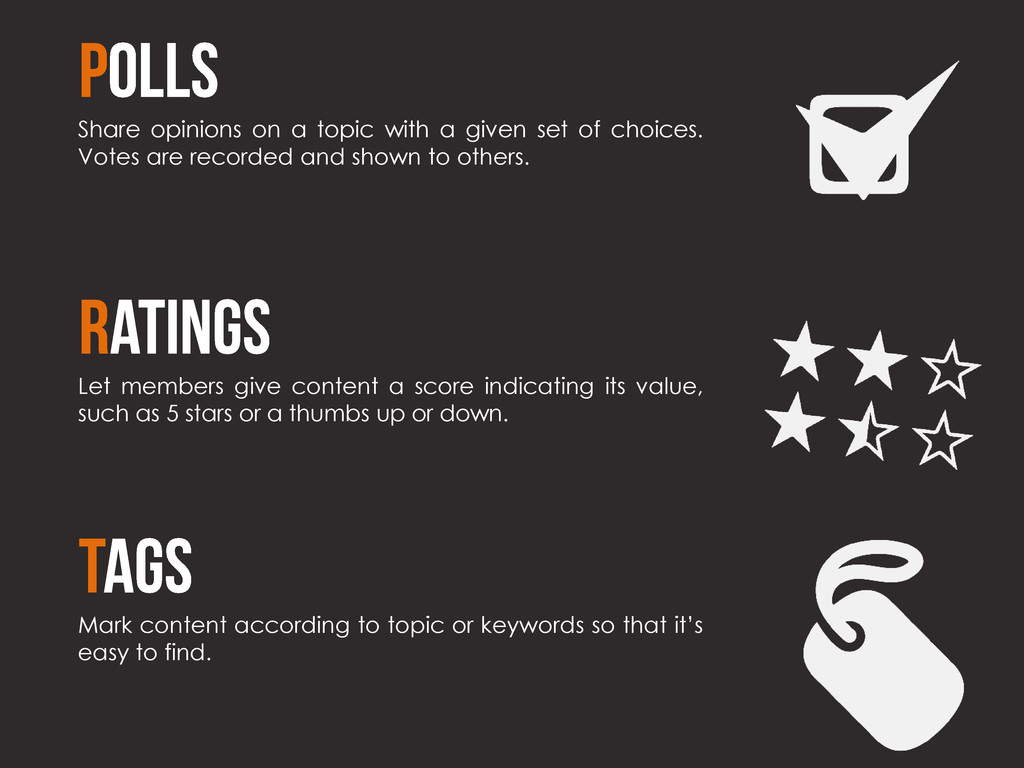
choices. Votes are recorded and shown to others. Let members give content a score indicating its value, such as 5 stars or a thumbs up or down. Mark content according to topic or keywords so that it’s easy to find.
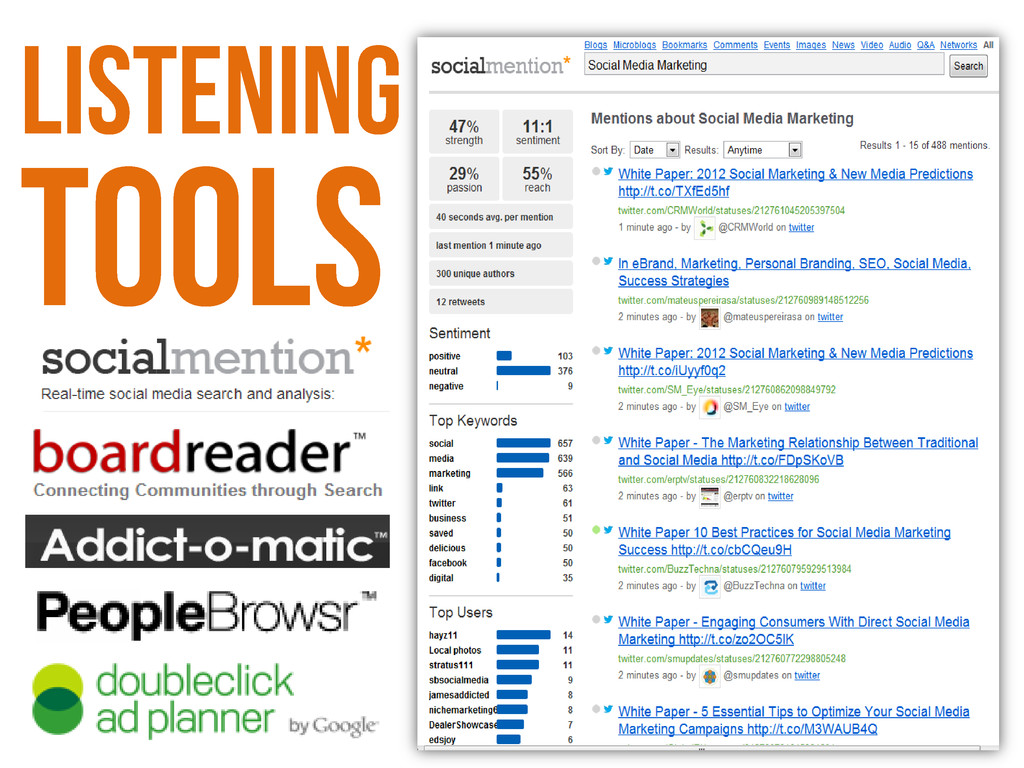
listening and in-depth research, ranging from influencer identification to campaign planning. SocialMention.com Best in class and free tool in social media search platform that aggregates user generated content from across the web into a single stream of information. It monitors 80+ social media properties directly indluding: Twitter, Facebook, YouTube, Digg, Google etc. www.google.com/adplanner Google AdPlanner which can help you determine which online destinations are most relevant to your product, brand or service.
discovering relevant content and arranging it online so it can be re-purposed/re-shared WordPress.com The world’s best publishing platform catering to very big to the very small. Alternatives: Tumblr.com, Posterous.com, Checkthis.com Specific forms of content
the dialogue! Dashboards Tools TweetDeck.com, HootSuite.com and SproutSocial.com Blog Comments Management Tools Disqus.com, LiveFyre.com and InstanseDebate.com
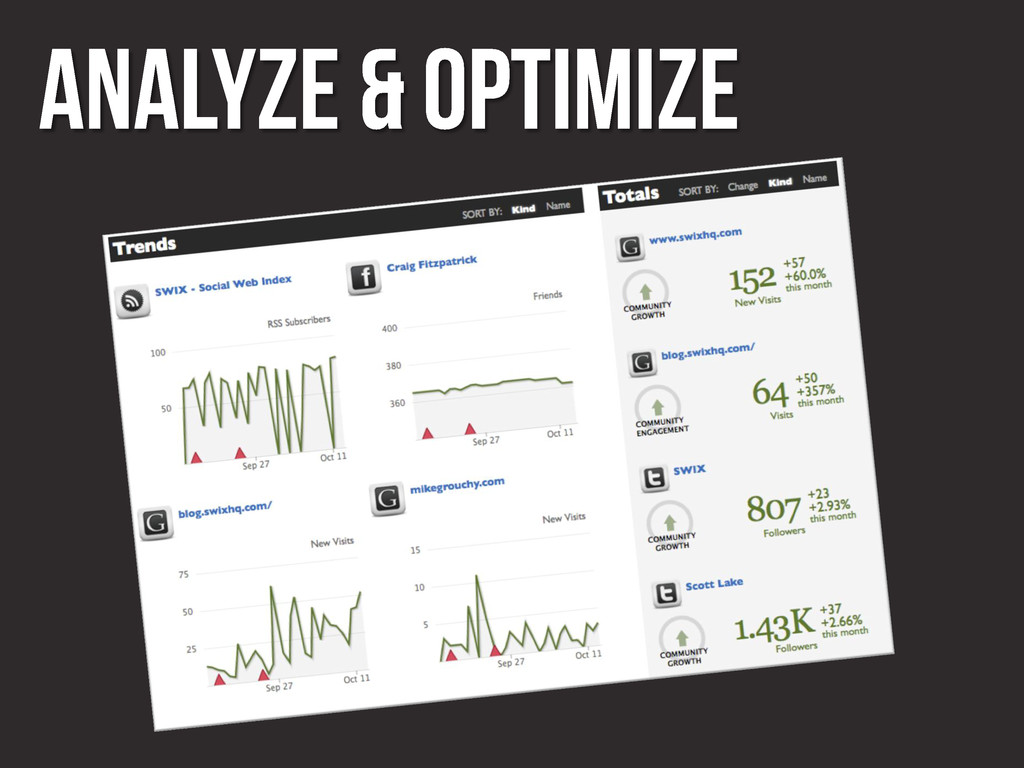
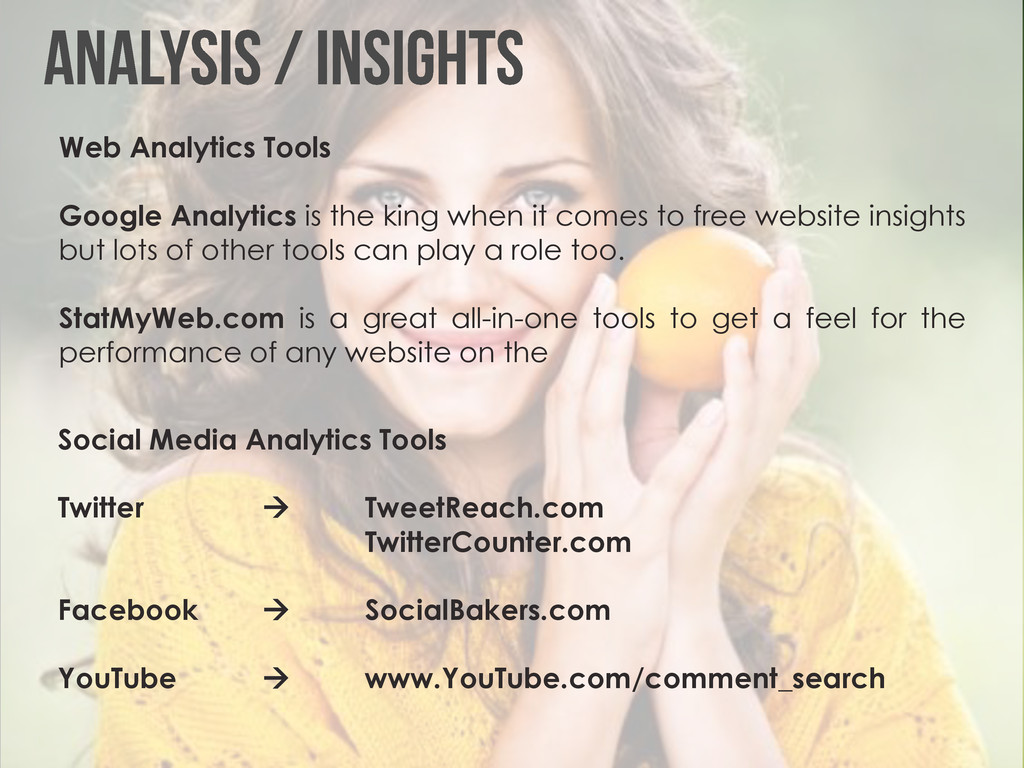
comes to free website insights but lots of other tools can play a role too. StatMyWeb.com is a great all-in-one tools to get a feel for the performance of any website on the Social Media Analytics Tools Twitter TweetReach.com TwitterCounter.com Facebook SocialBakers.com YouTube www.YouTube.com/comment_search
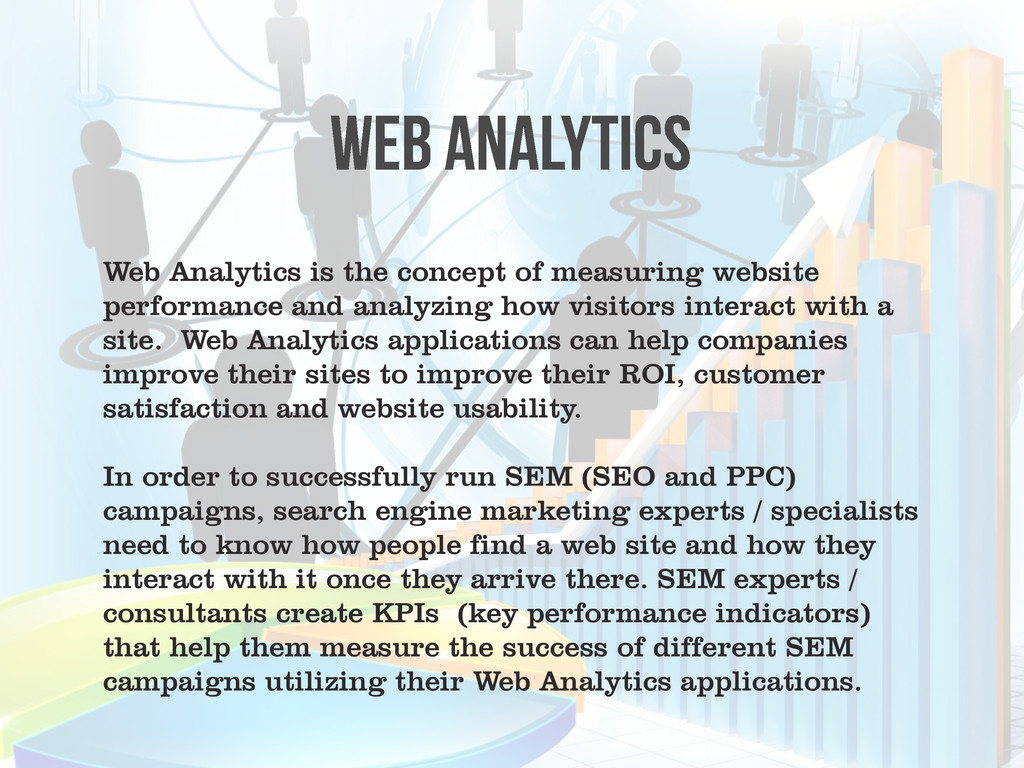
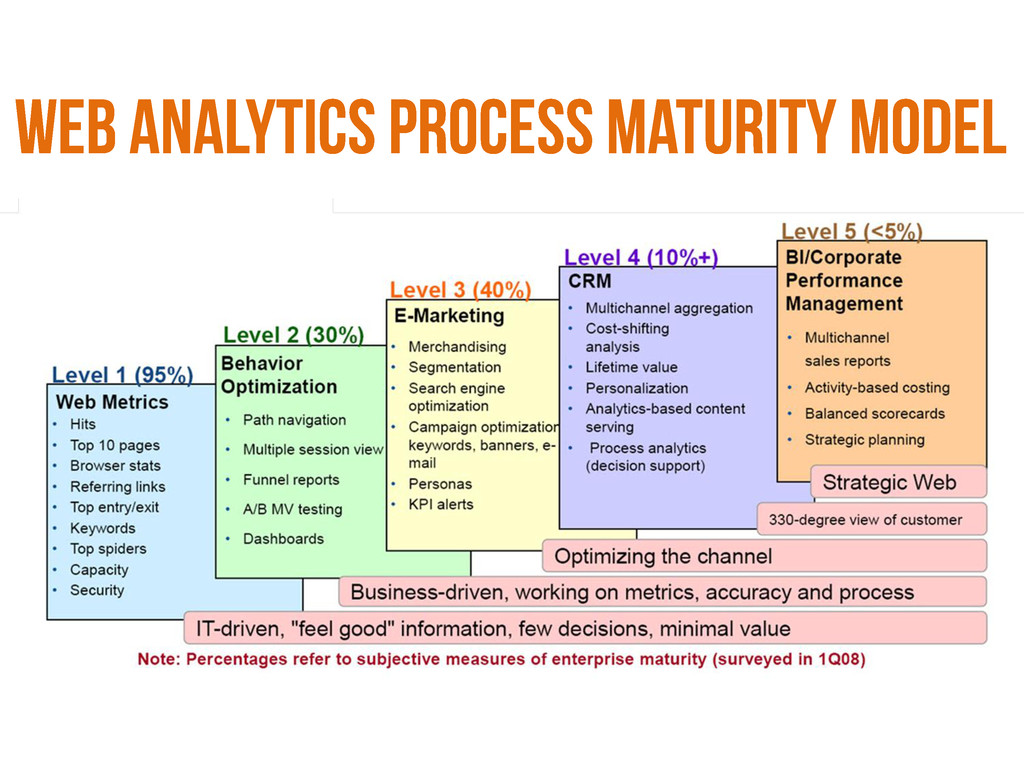
analyzing how visitors interact with a site. Web Analytics applications can help companies improve their sites to improve their ROI, customer satisfaction and website usability. In order to successfully run SEM (SEO and PPC) campaigns, search engine marketing experts / specialists need to know how people find a web site and how they interact with it once they arrive there. SEM experts / consultants create KPIs (key performance indicators) that help them measure the success of different SEM campaigns utilizing their Web Analytics applications.
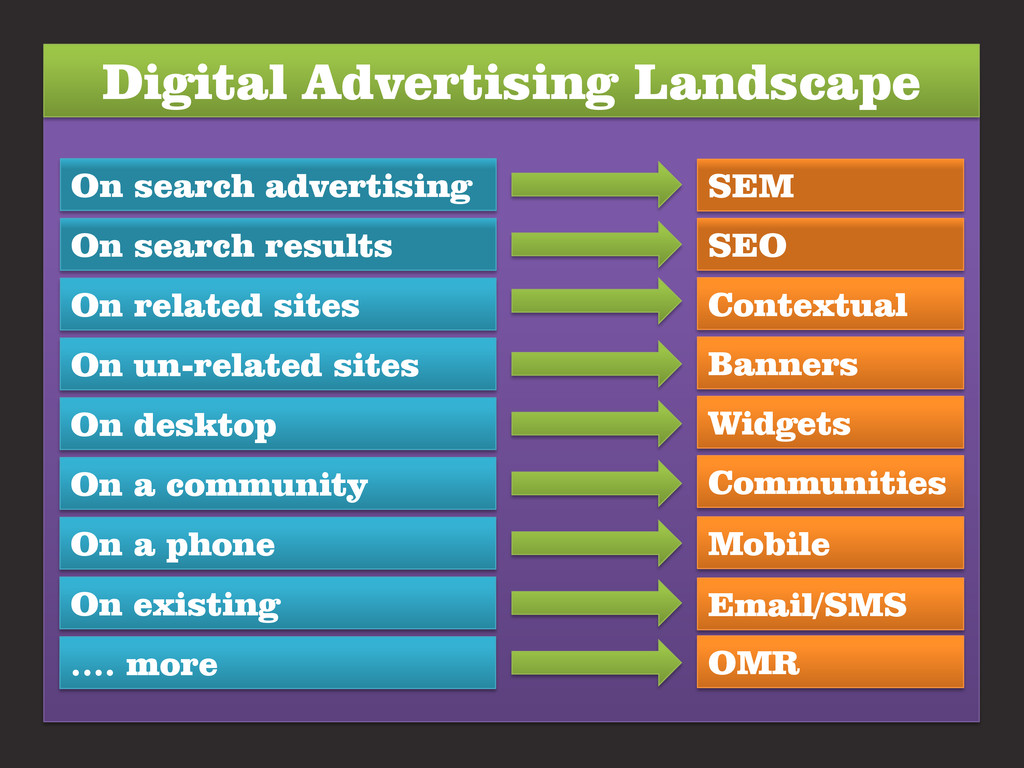
related sites On un-related sites On desktop On a community On a phone On existing …. more SEM SEO Contextual Banners Widgets Communities Mobile Email/SMS OMR


 infcurion
 m3c
m3c
 kaonavi
 cyberlinks
 kuraryu0128
 nakasonejusetsu
 ashisuto_career
 takeuchigroup
 kazumakitao
 auditech2022
 mercari_inc
 yasslab
 michielstock
 thekraken
 signer
 morganepeng
 popppiees
 smashingmag
 trishagee
 gurzu
gurzu
 inesmontani
 bermonpainter
 tammyeverts