Delivered at Write the Docs Prague 2018.
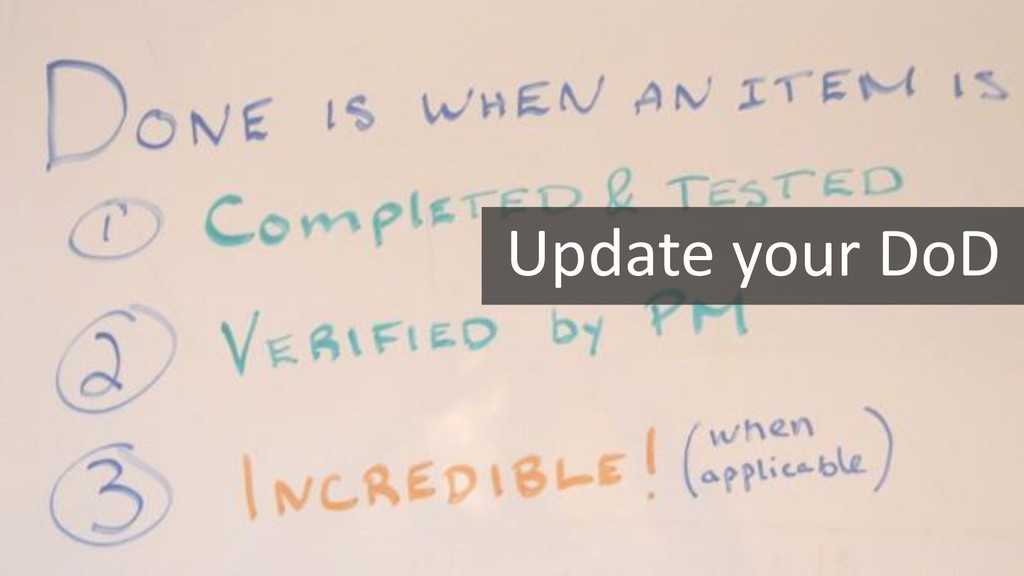
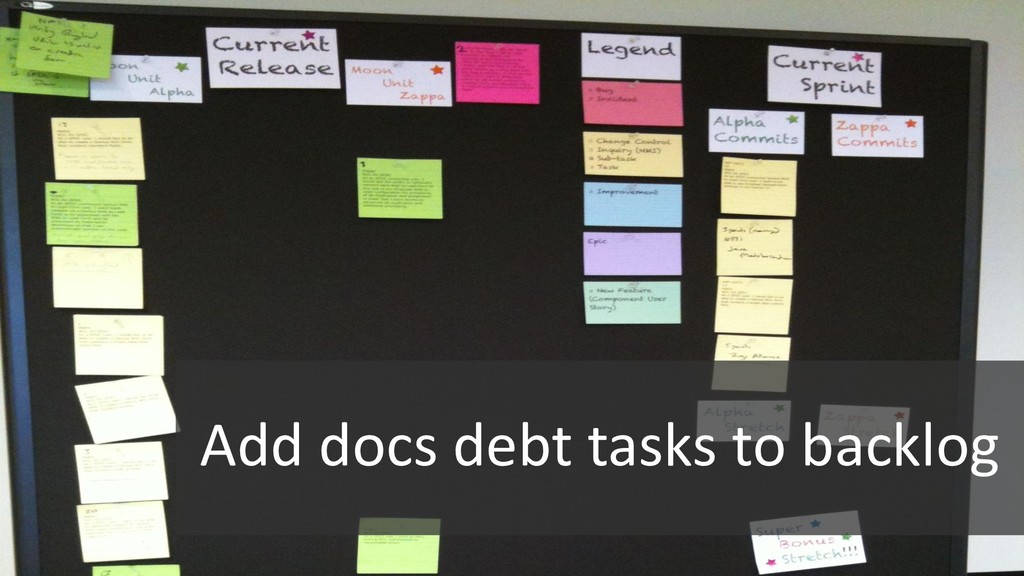
In a world of legacy content, how do we resolve the issue of technical debt in our documentation?
As technical communicators, it’s very easy to get caught up in the cycle of moving from one release to another without taking time to refine what already exists. Trying to keep up with documenting new features means we often find ourselves navigating though outdated and disused stylesheets/labels/files/content/junk in projects that we inherited from technical communicators before us and haven’t had the time to clean up.
If this sounds familiar, then this presentation is for you!
It aims to help you tackle the daunting task of cleaning up your project and getting rid of technical debt once and for all. We will cover:
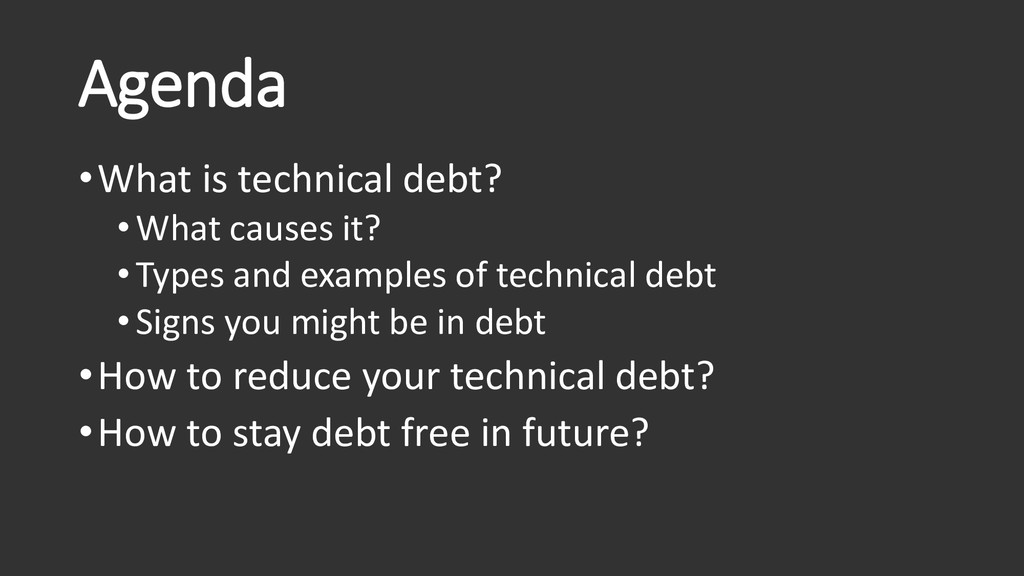
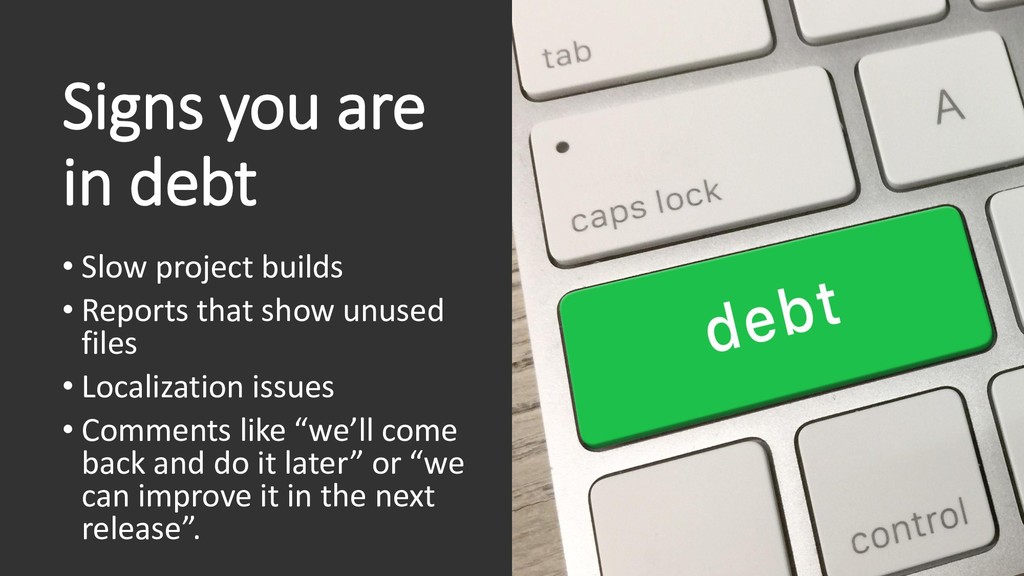
- What is technical debt, how does it accrue, and why should your organisation care
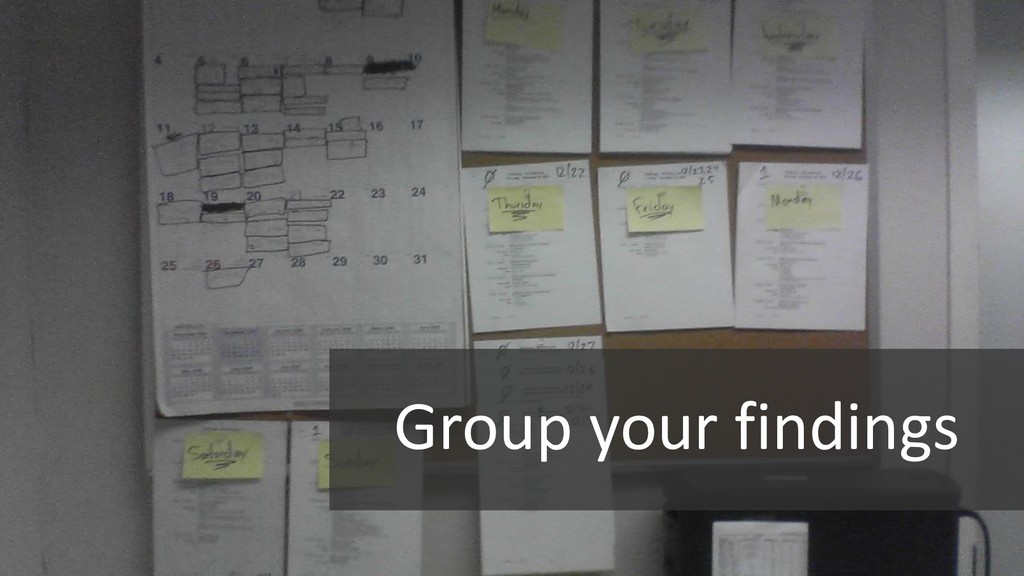
- How you can tackle your debt and give your documentation project the spring clean it needs
- Tips for staying debt‐free


 akitoshiga
 teamlab
 shuta13
 pfn
 kash1064
 greenmidori
 glaforge
 bitkey
 riyaamemiya
 occhi
 tomoyanonymous
 kimpetersen
 sstephenson
 uxyall
 coloredviolet
 michielstock
 jacobtomlinson
 kevinliebholz
 chikuwait
 addyosmani
 jonoalderson
 bluesmoon