
ANGULARarchitects.io - Michael Egger-Zikes
A global state management layer in the frontend provides numerous benefits and clear boundaries within an Angular application. The framework is currently undergoing a wave of modernization, with the most important change being the introduction of Signal-based APIs. These reactive containers not only improve synchronization for browser rendering but are also ideally suited for managing application state.
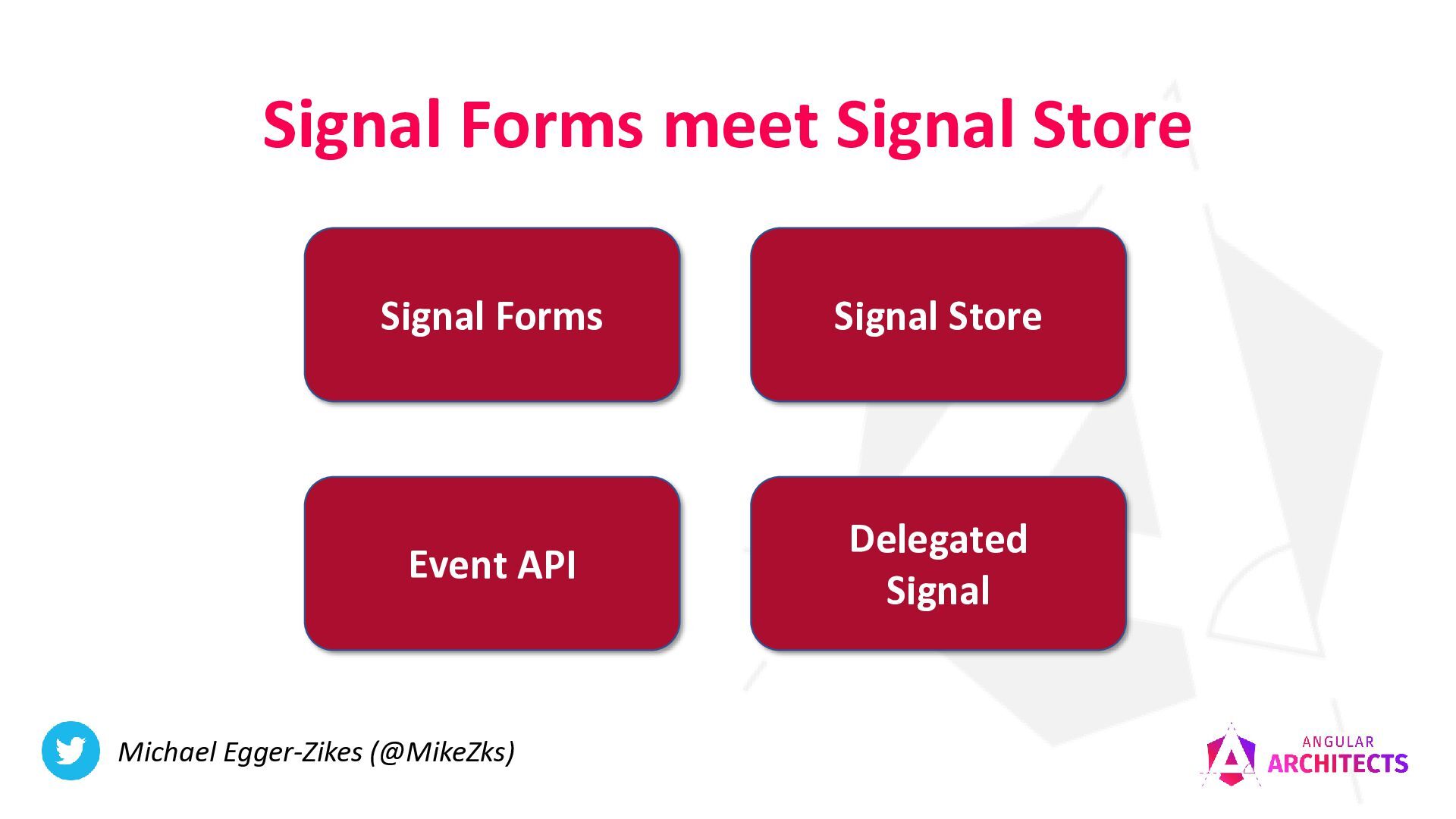
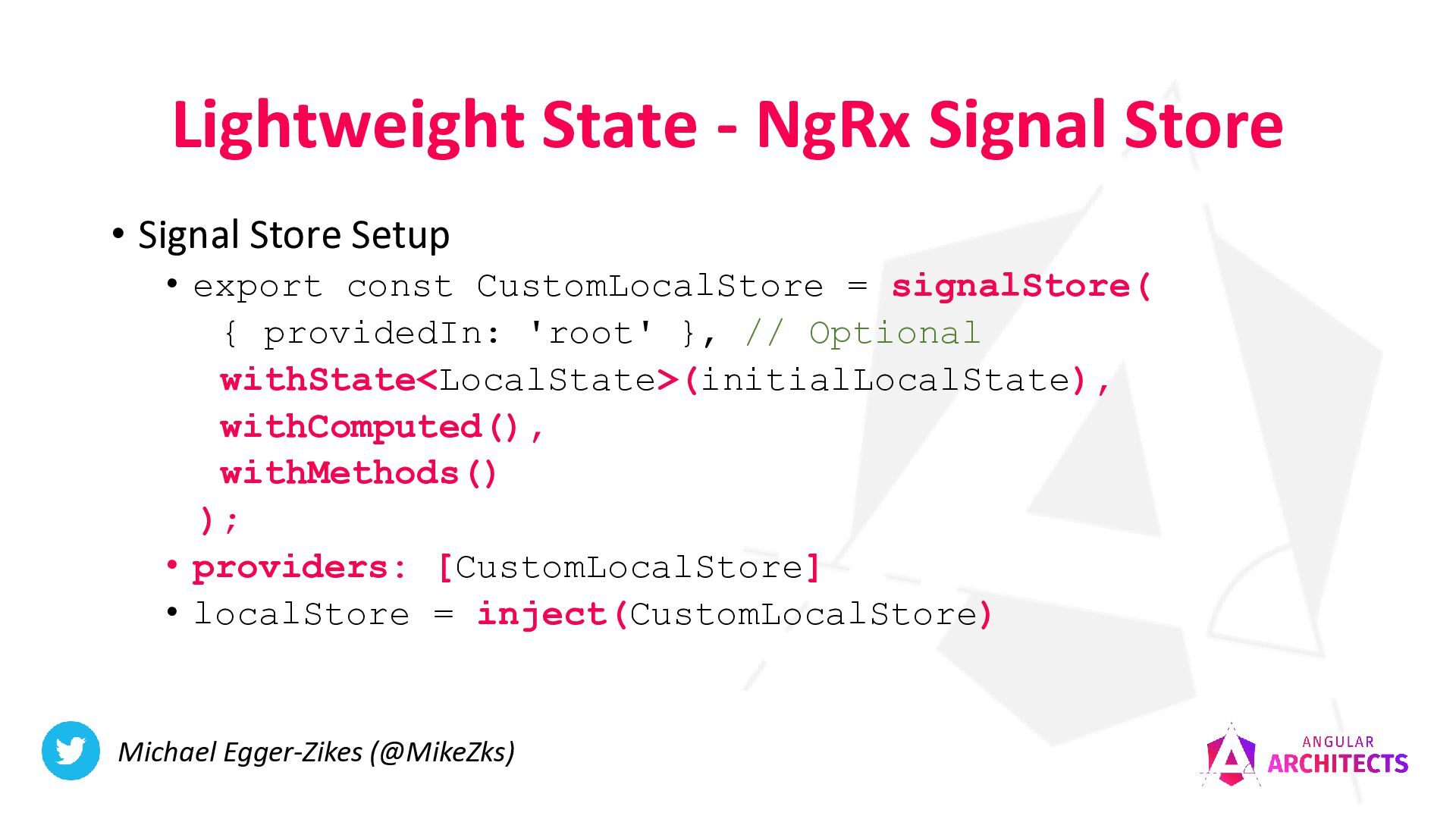
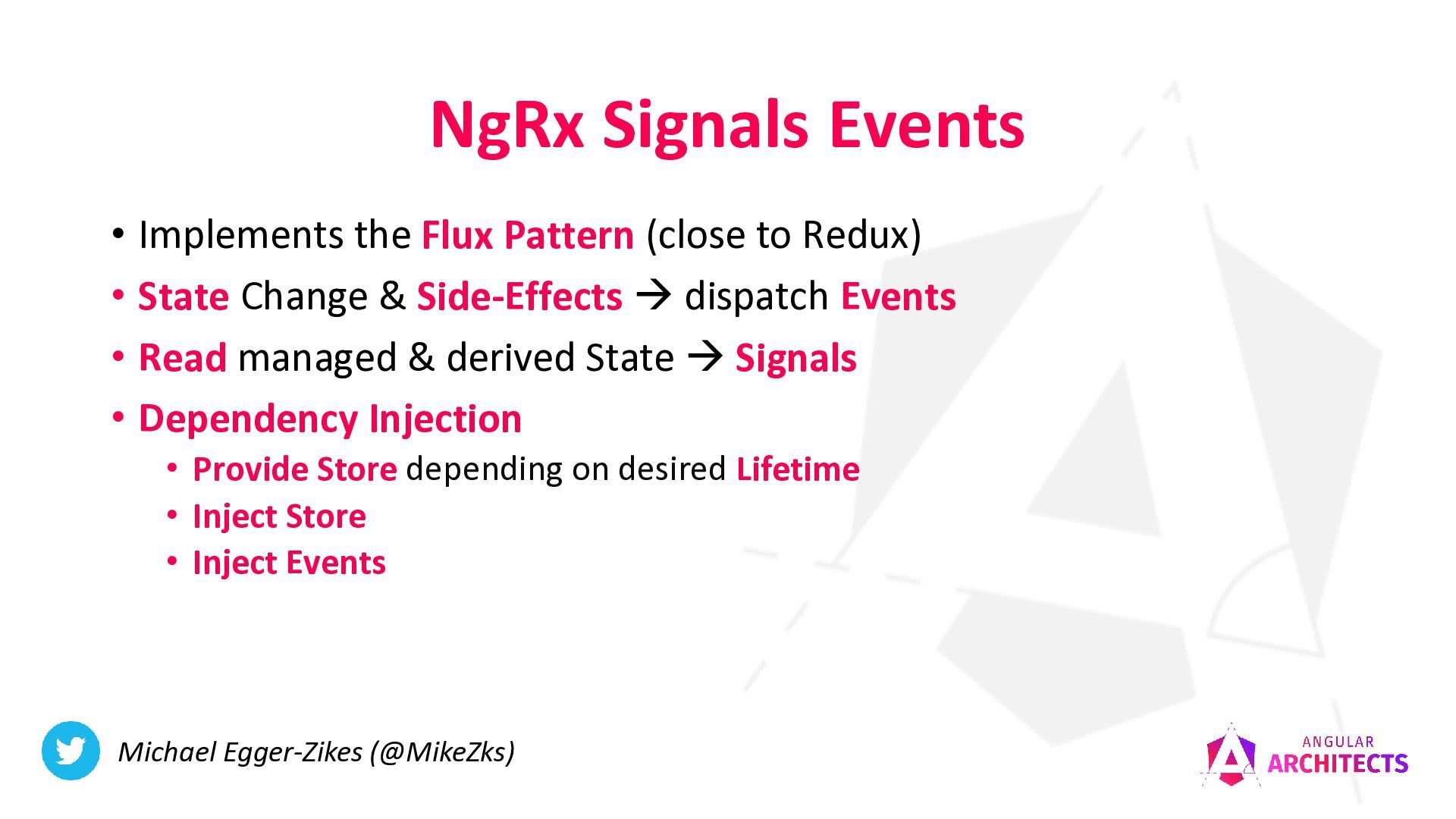
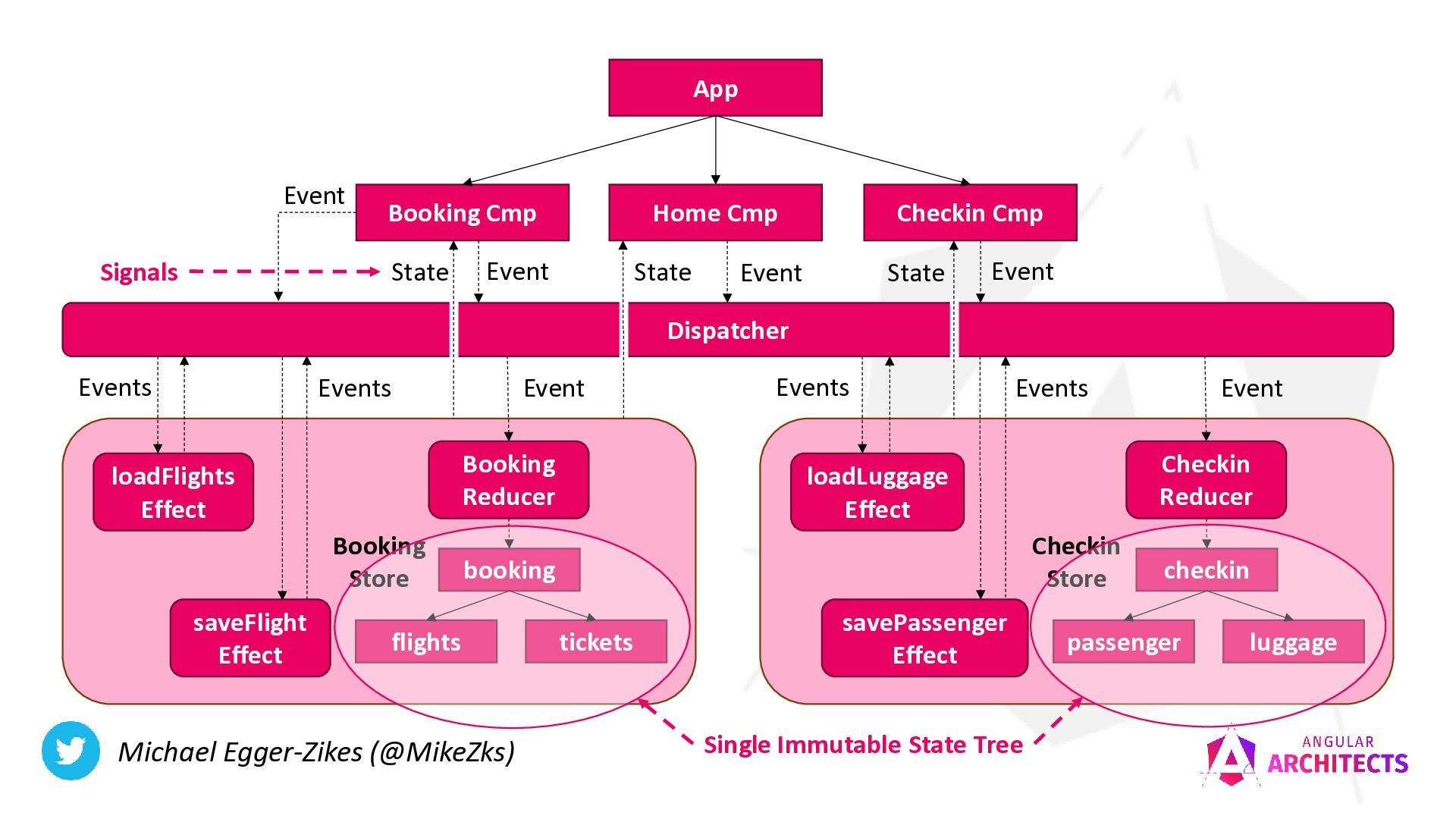
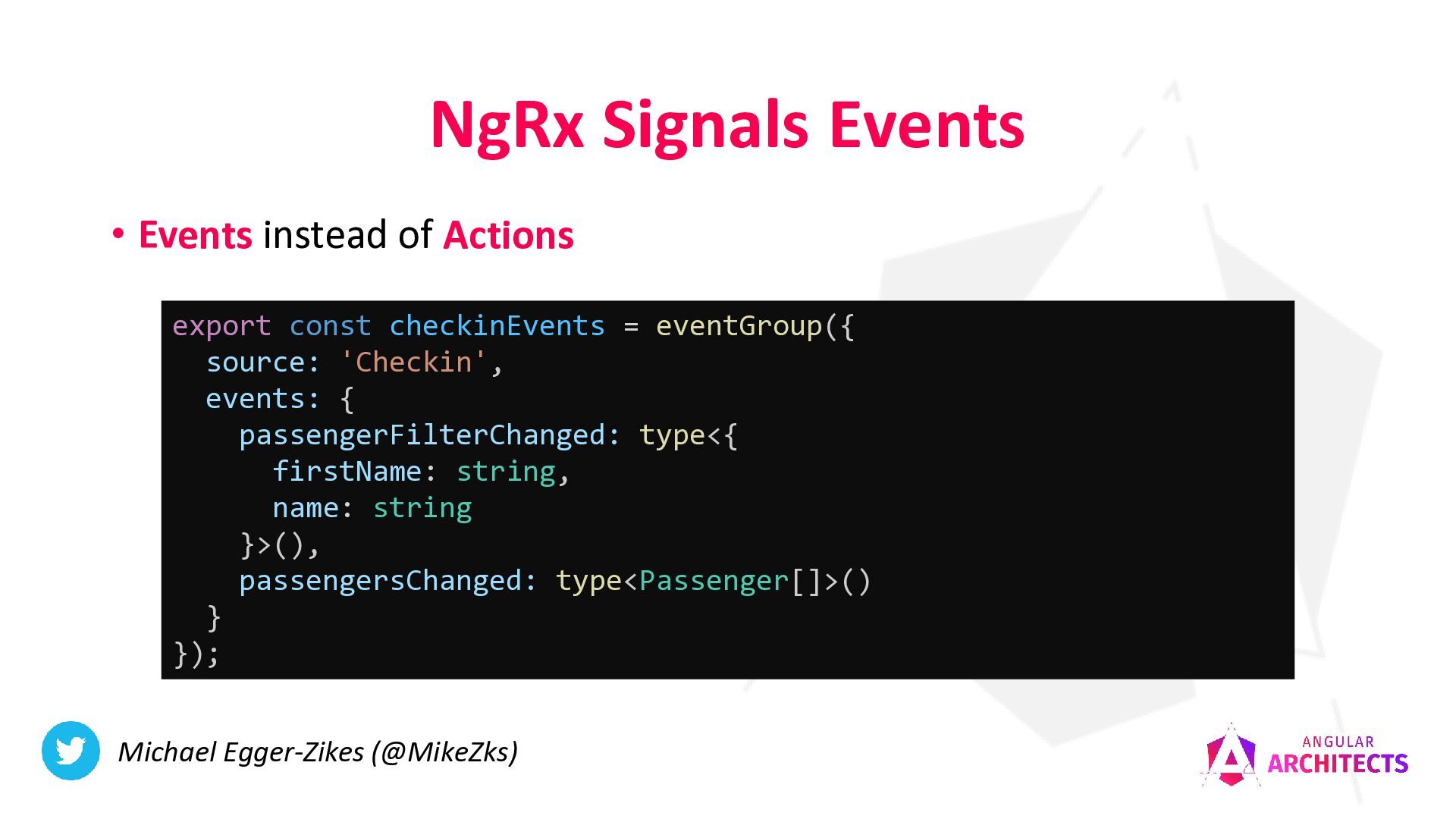
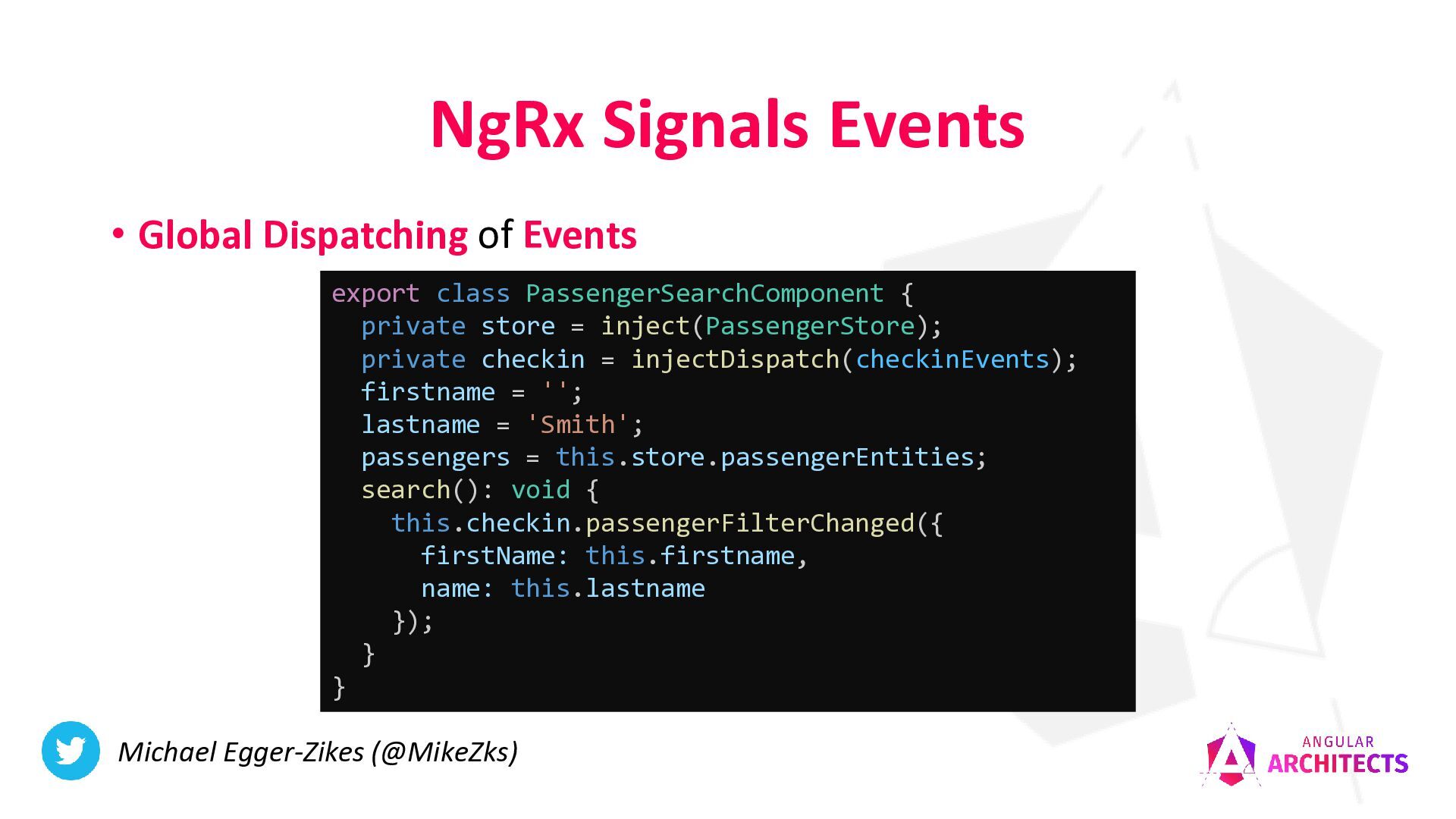
The well-known third-party library NgRx Signals introduces the Signal Store, a lightweight state management solution designed around Angular’s Signal APIs. It helps to migrate applications into the modern Angular ecosystem. Its design is highly extensible through custom features and has recently been enhanced with the Event API, which allows Flux-style state management as an opt-in.
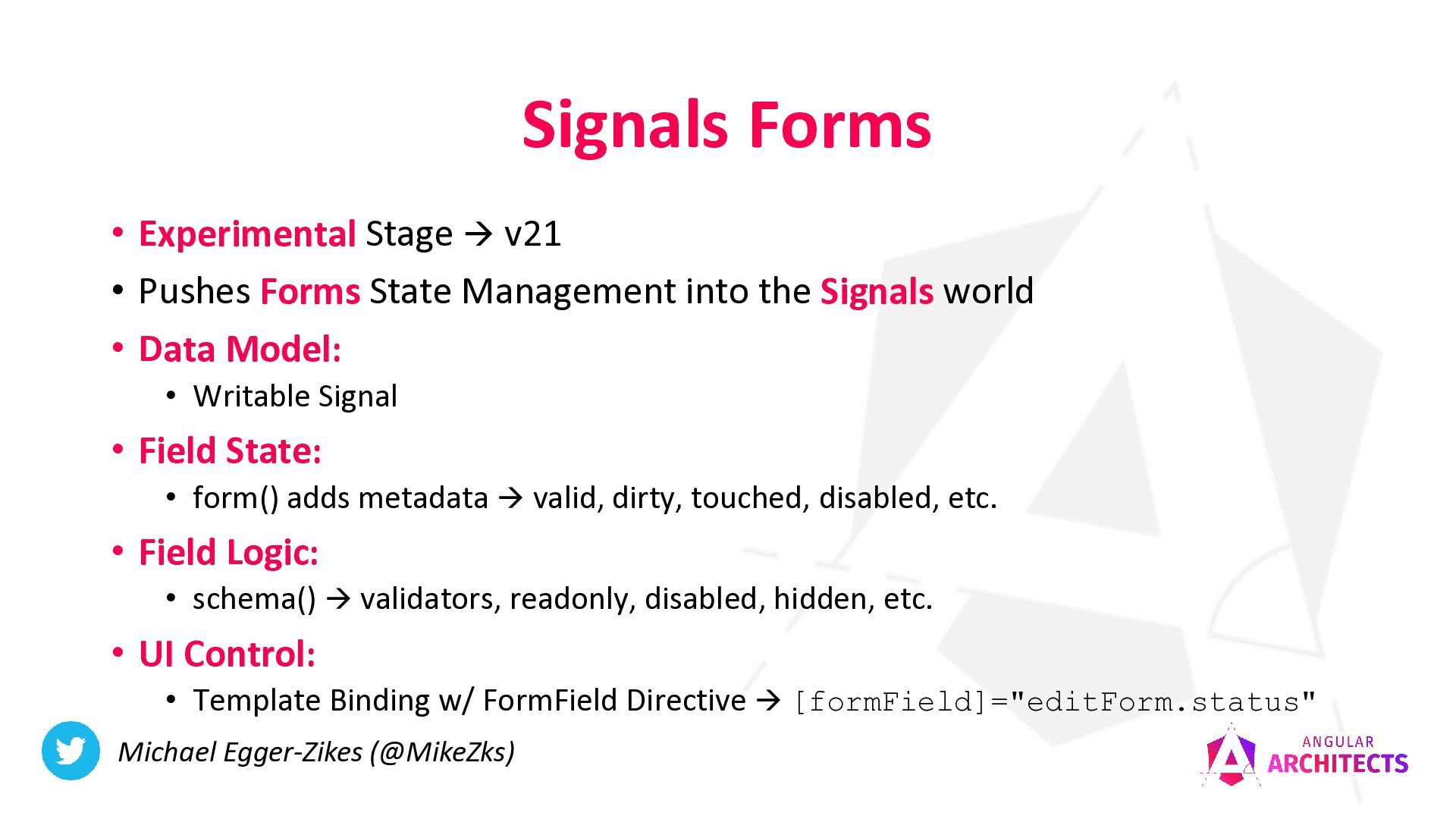
Now, the Angular team introduced the Signal Forms API – the third and likely soon most important form state management solution. In addition to being compatible with Angular’s existing two form concepts, Signal Forms offers several exciting new features and integrates seamlessly with Angular Signals.
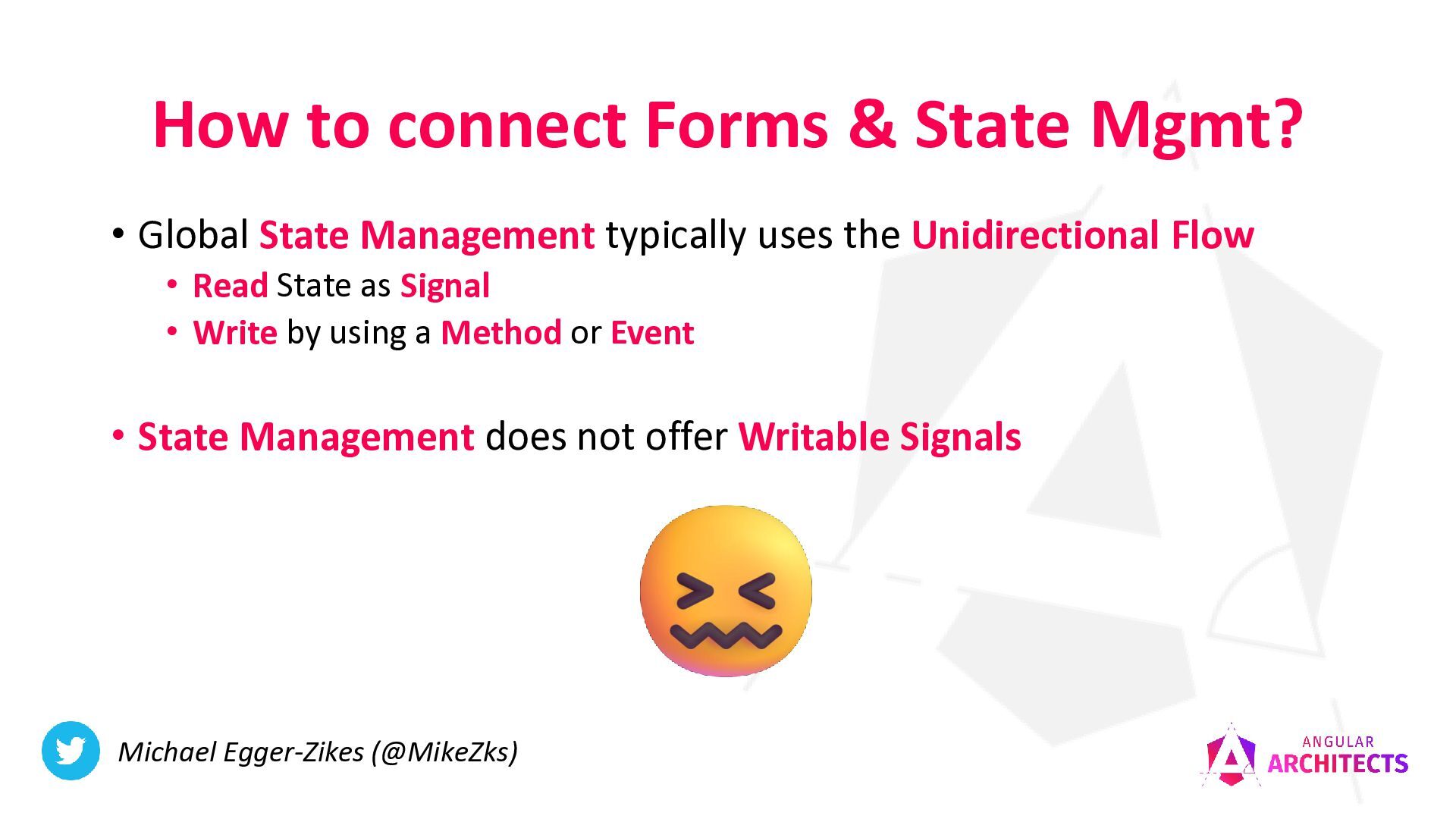
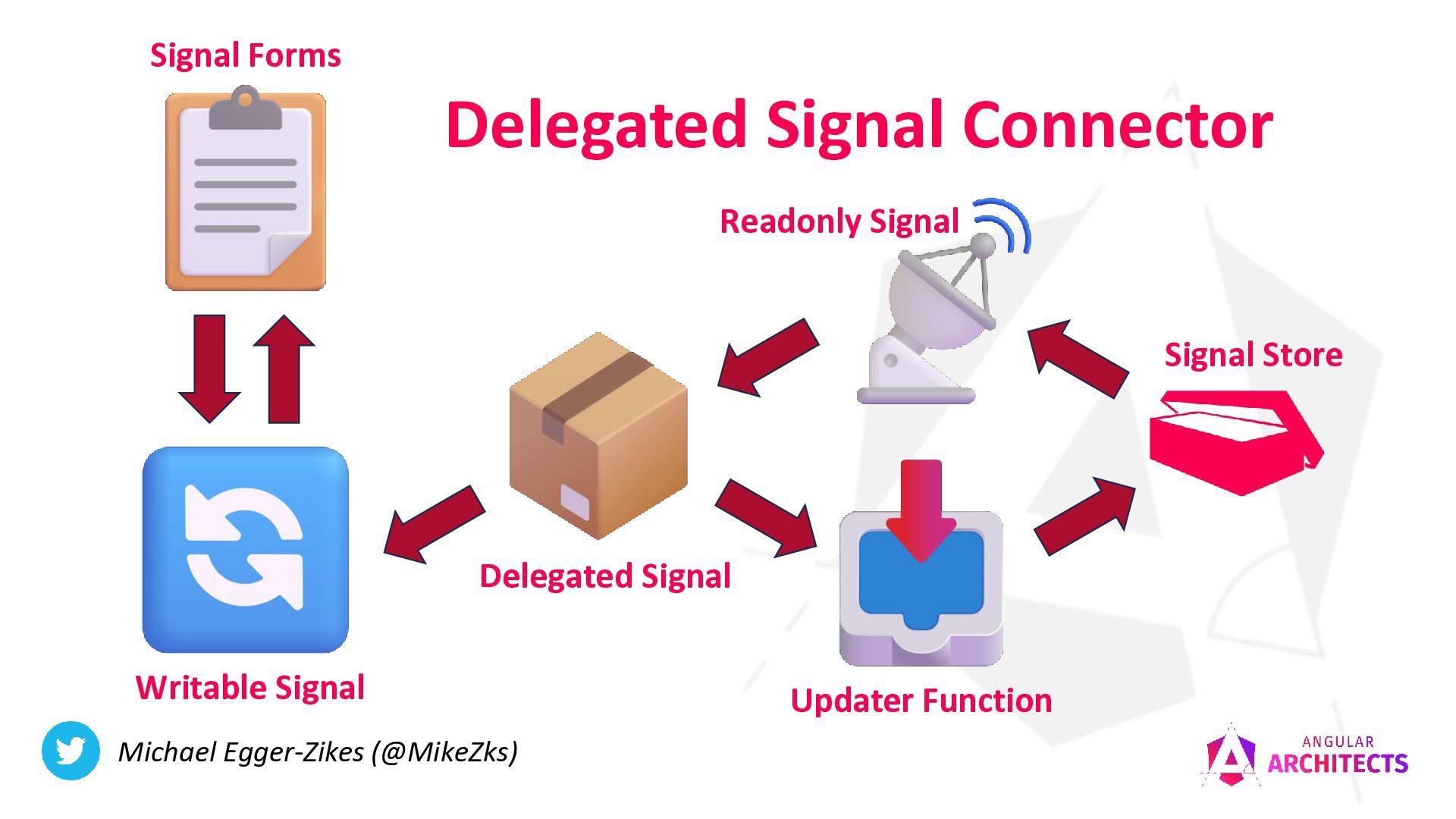
But how can a modern global state management solution like the NgRx Signal Store work together with Angular’s Signal Forms API? In this session, with the help of live demos, you’ll see how the Signal Store and Signal Forms API can be combined in a modern Angular app. Developers will gain insights into how lightweight, signal-driven state management can be applied both globally and within templates using the Signal Forms API in real-world practice.


 michaeleggerzikes
 mofurune
 iwiwi
iwiwi
 florets1
 seike460
 ryu1013
 guaca
guaca
 ___akari11
 hollycummins
 morizo_1984
 akase244
 drumath2237
 moro
moro
 garrettdimon
 addyosmani
 tmiket
 signer
 akashhashmi
 inesmontani
 twada
twada
 aleyda
 sonatard
 iamctodd







![Michael Egger-Zikes (@MikeZks) [web] ANGULARarchitects.io [twitter] Michael Egger-Zikes (@MikeZks) [repo]](https://files.speakerdeck.com/presentations/1d1352e2427b460f9698f2e7a7d7214c/slide_16.jpg)