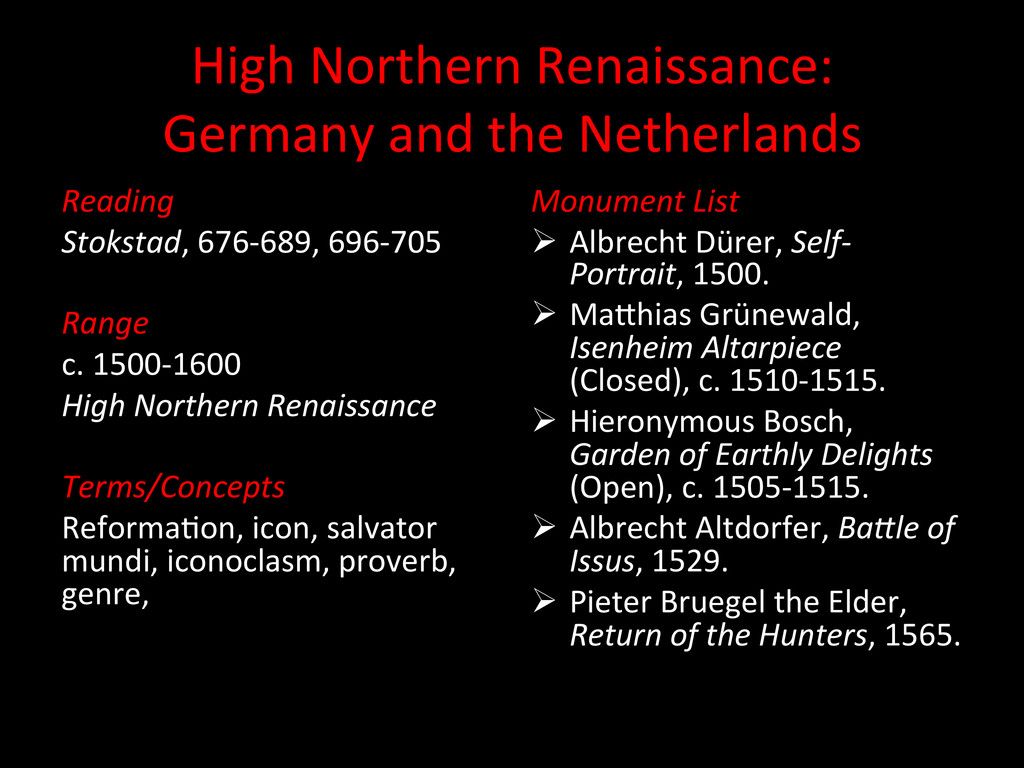
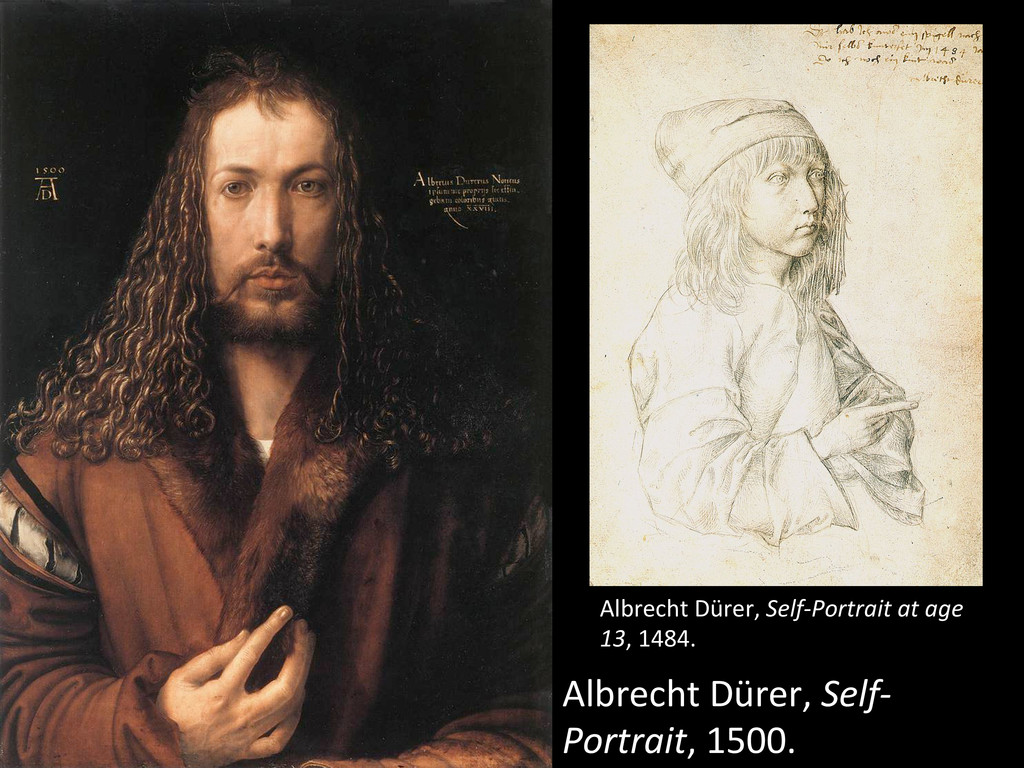
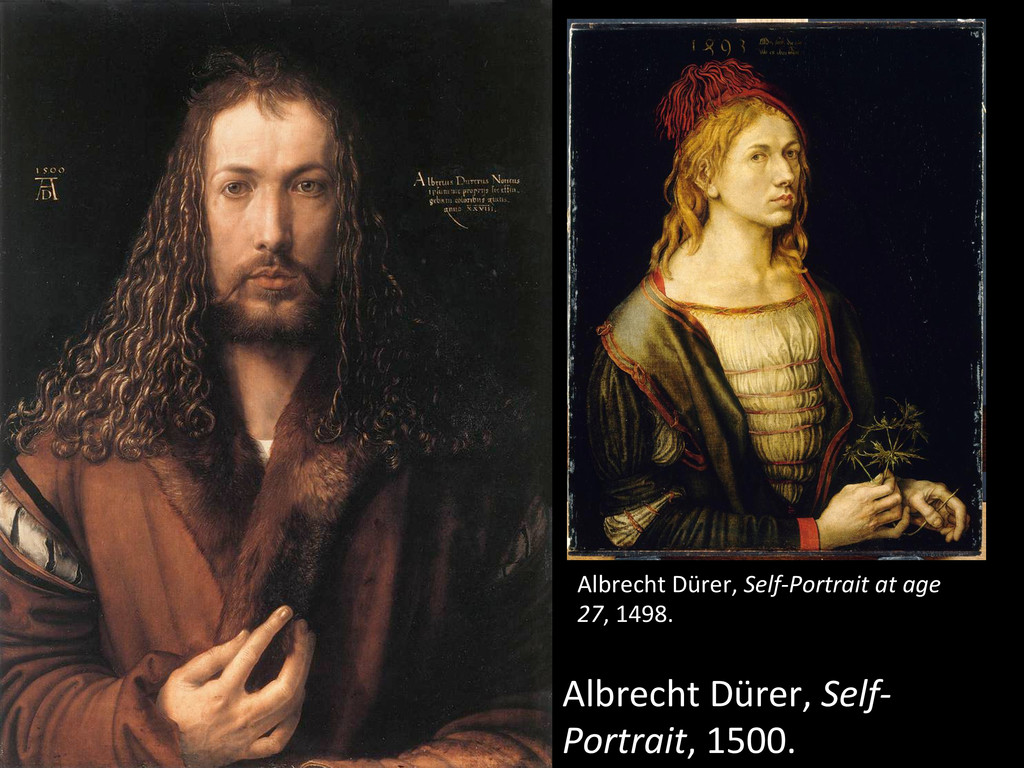
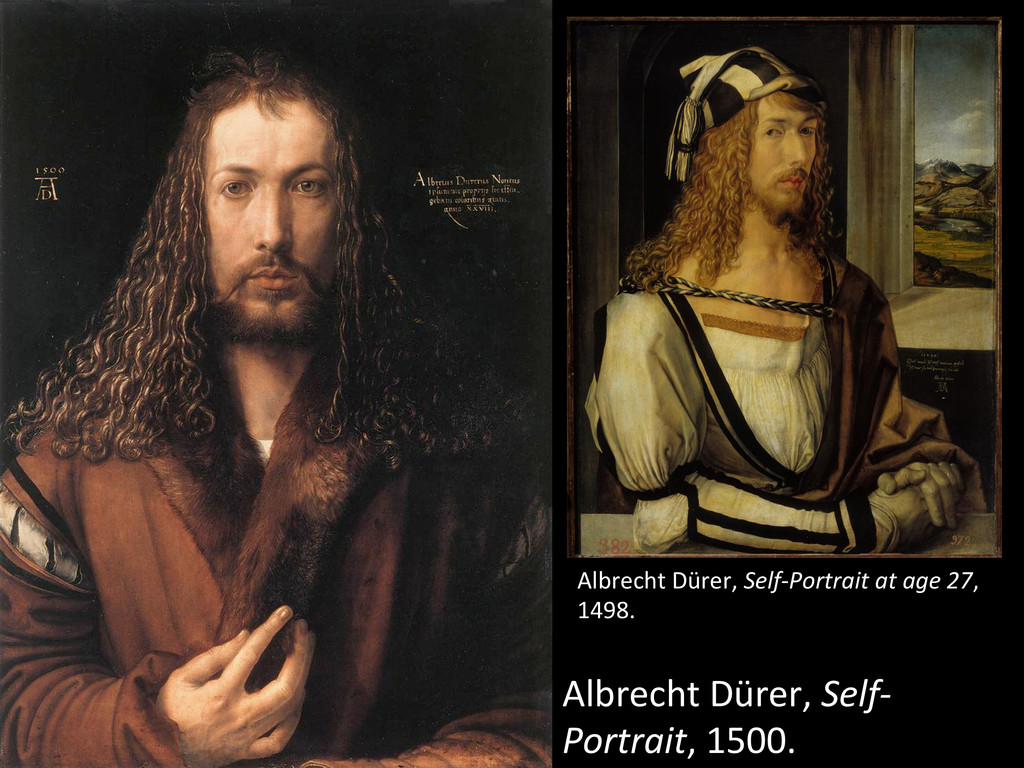
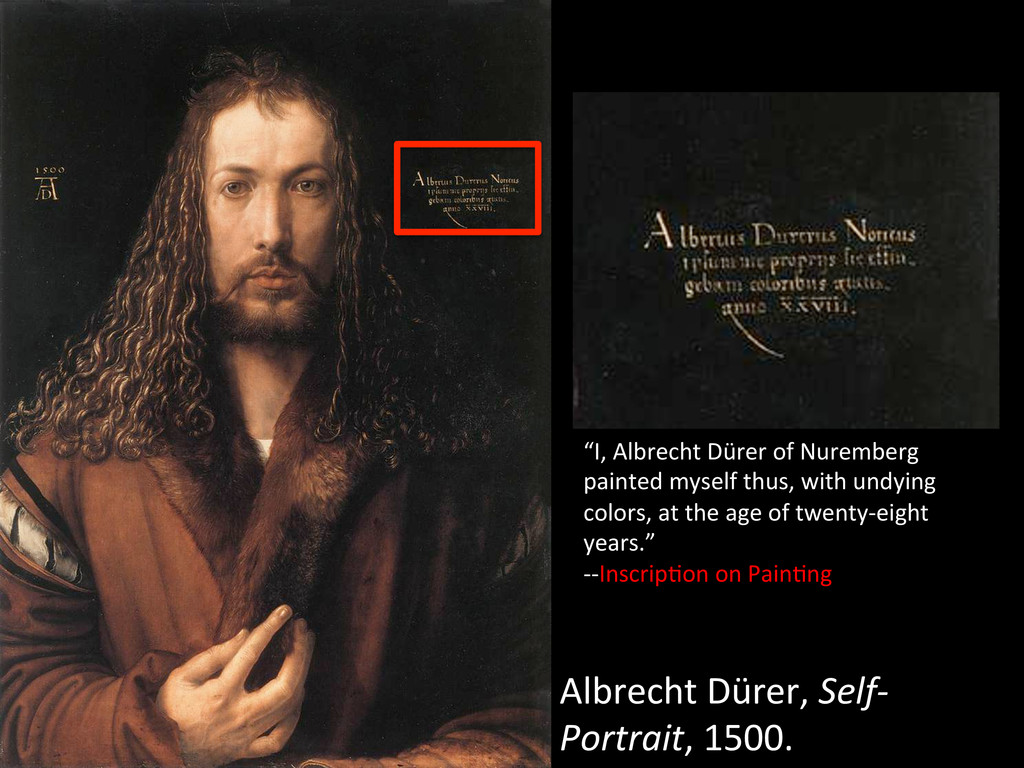
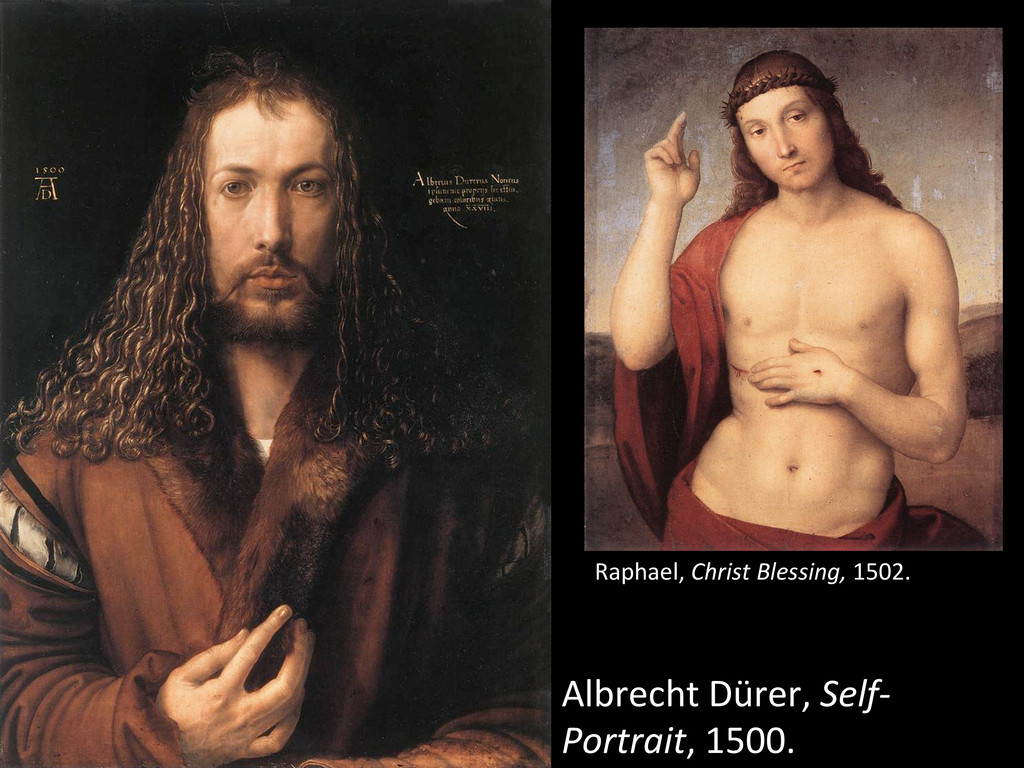
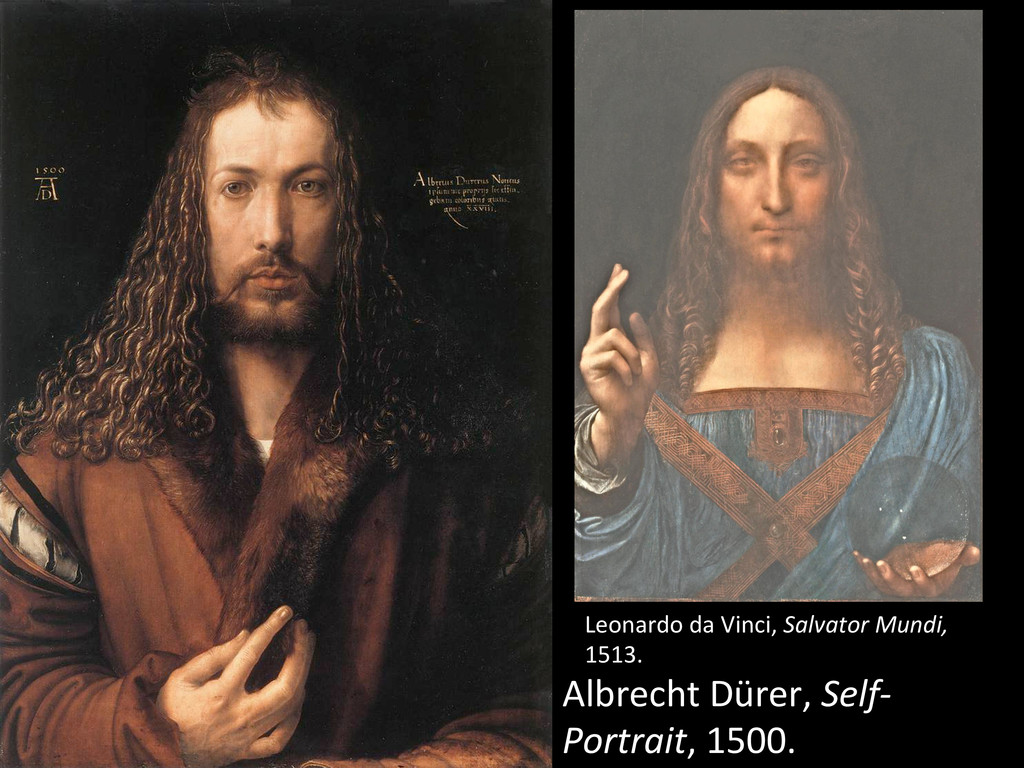
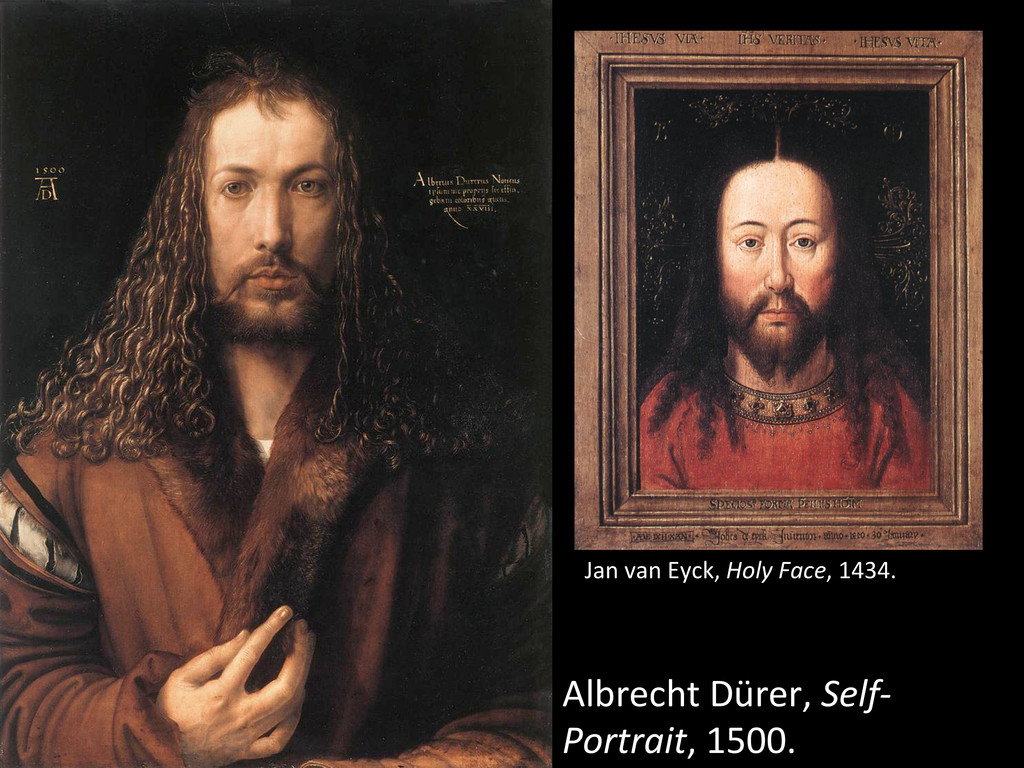
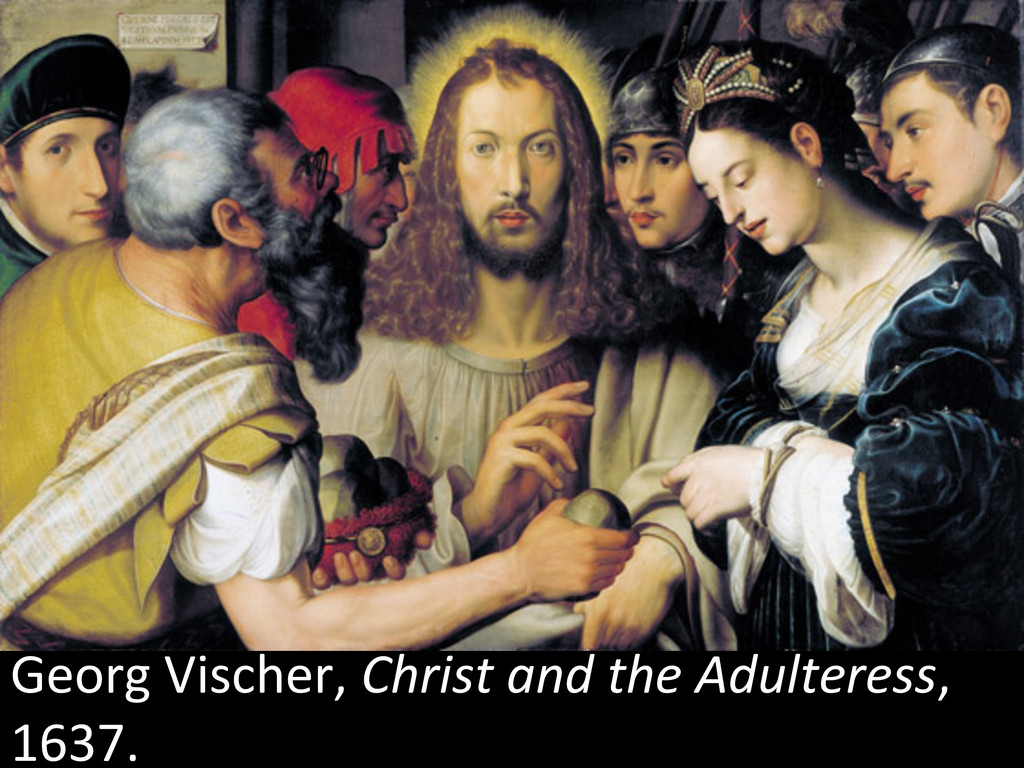
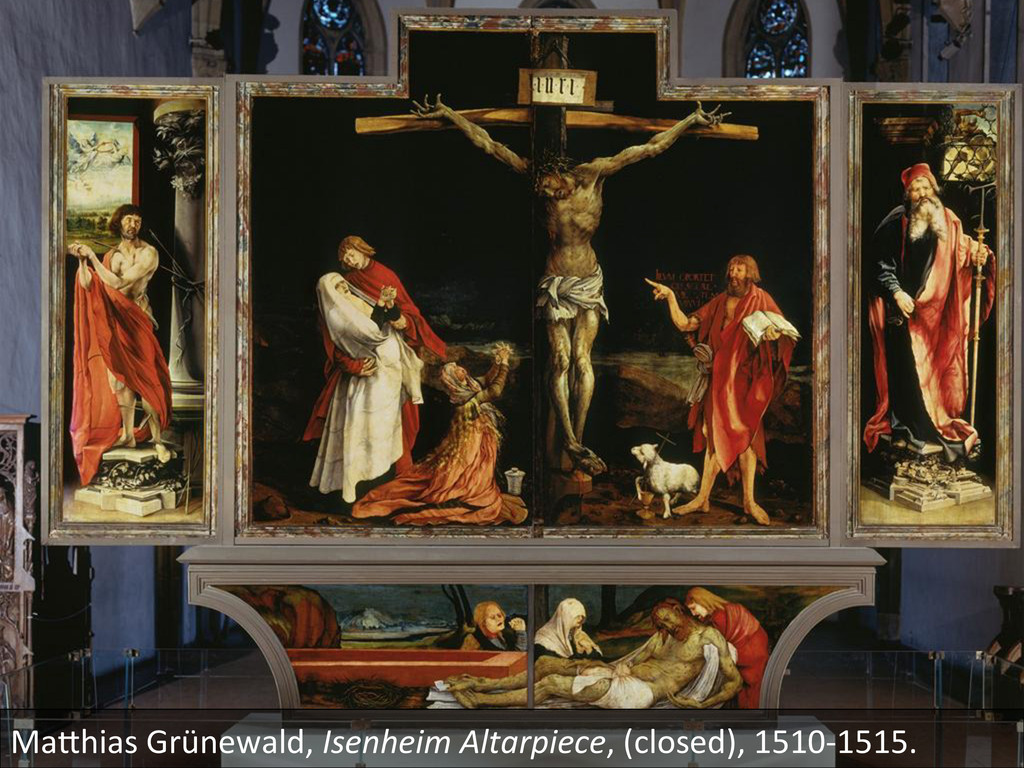
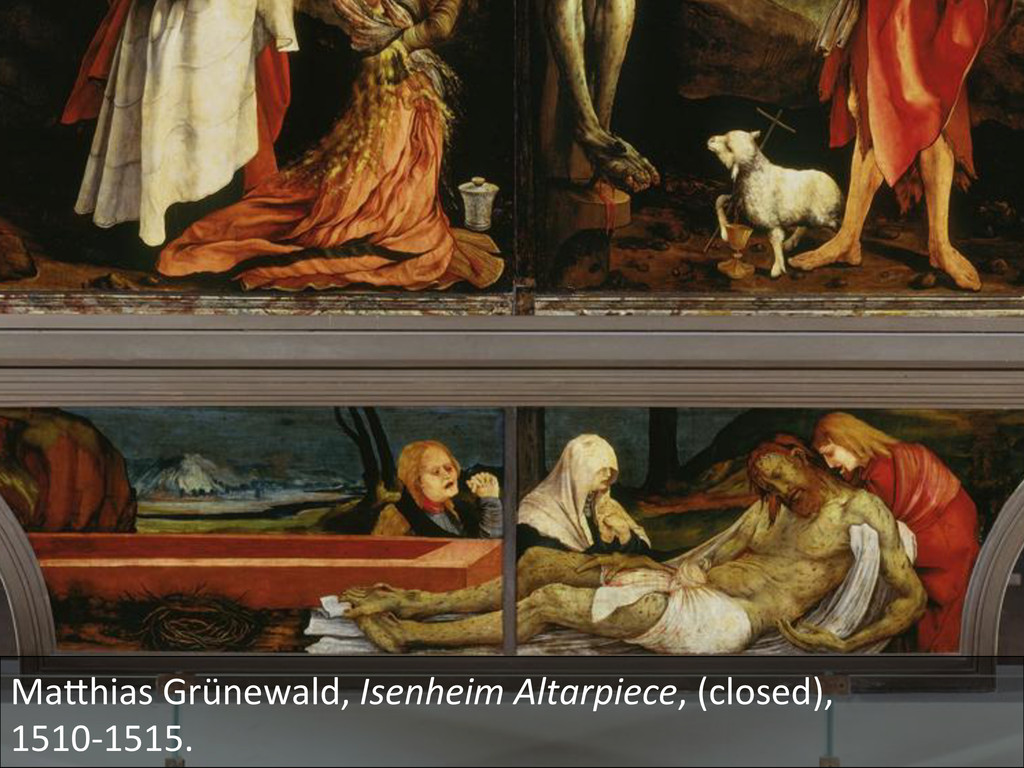
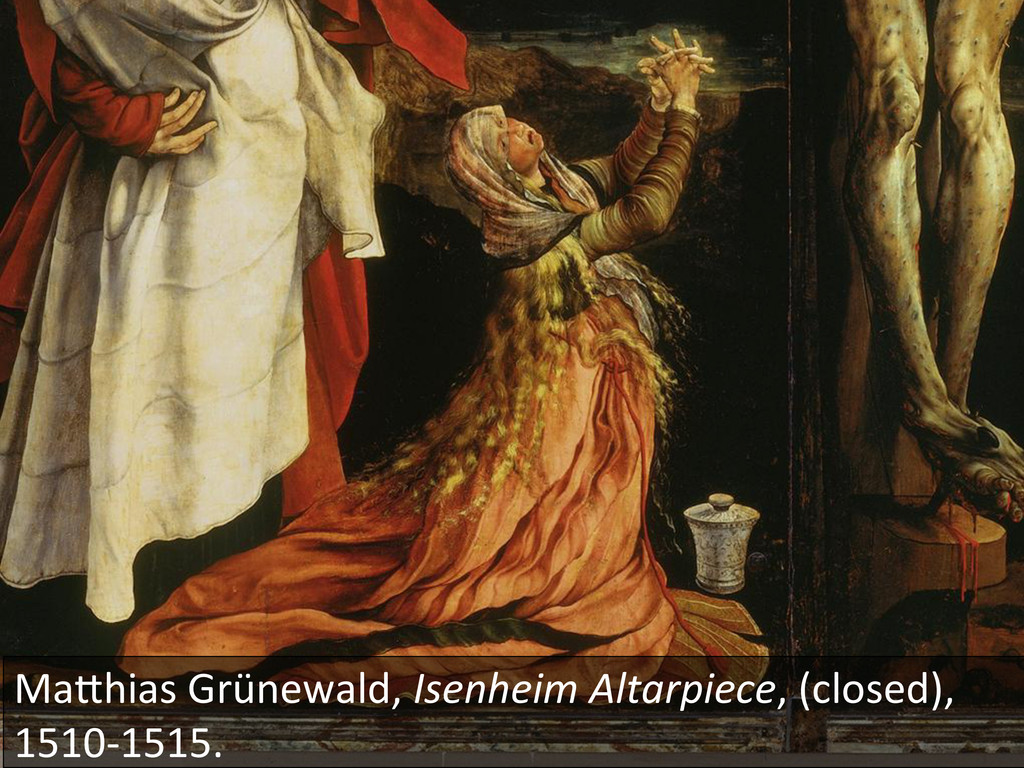
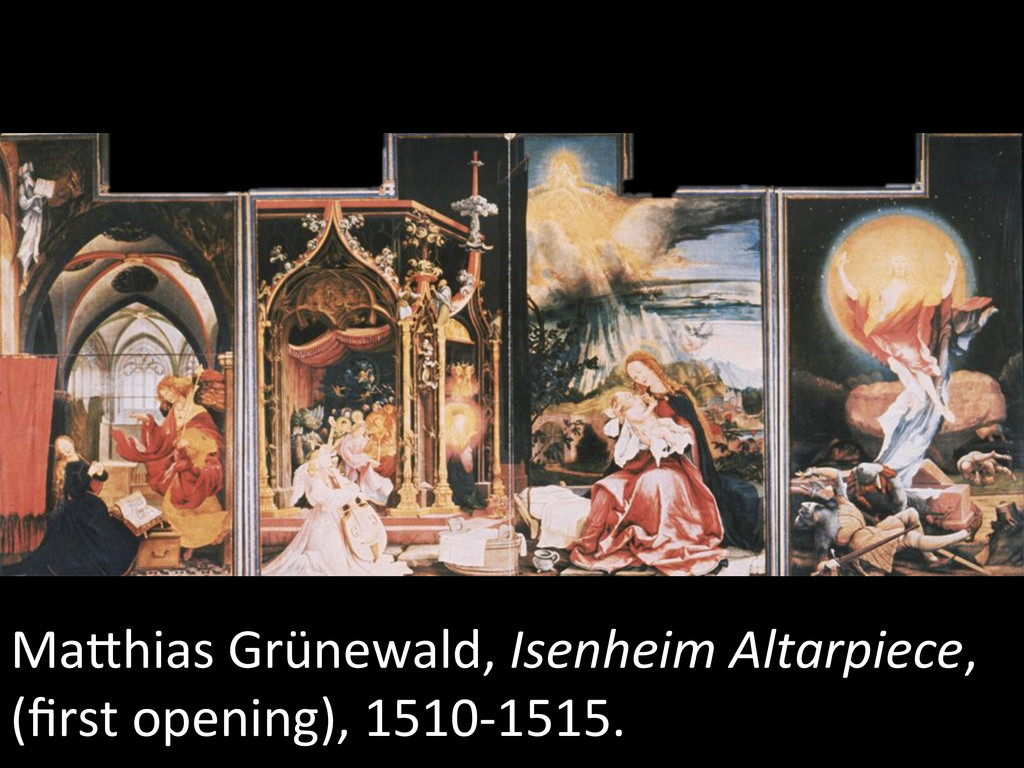
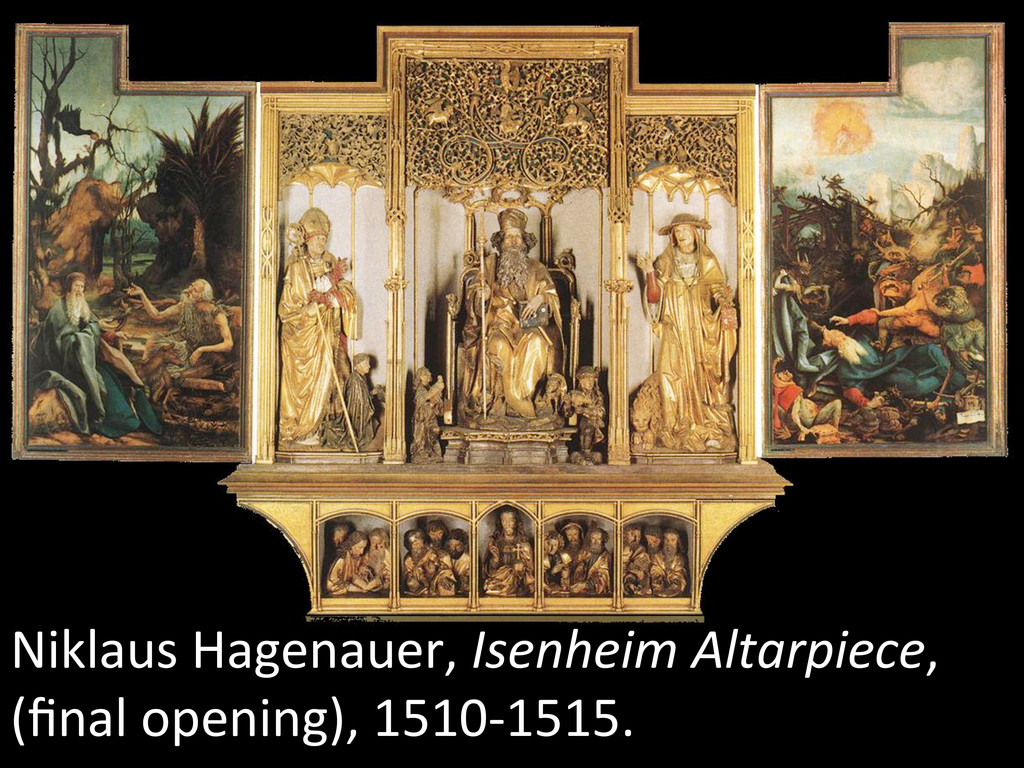
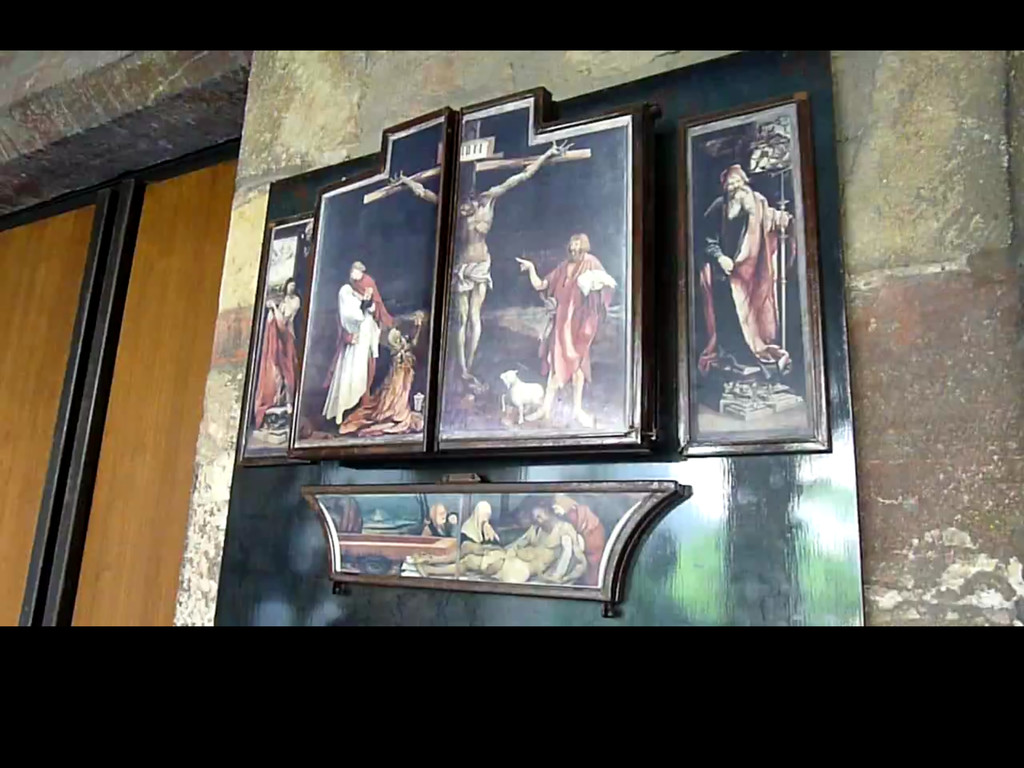
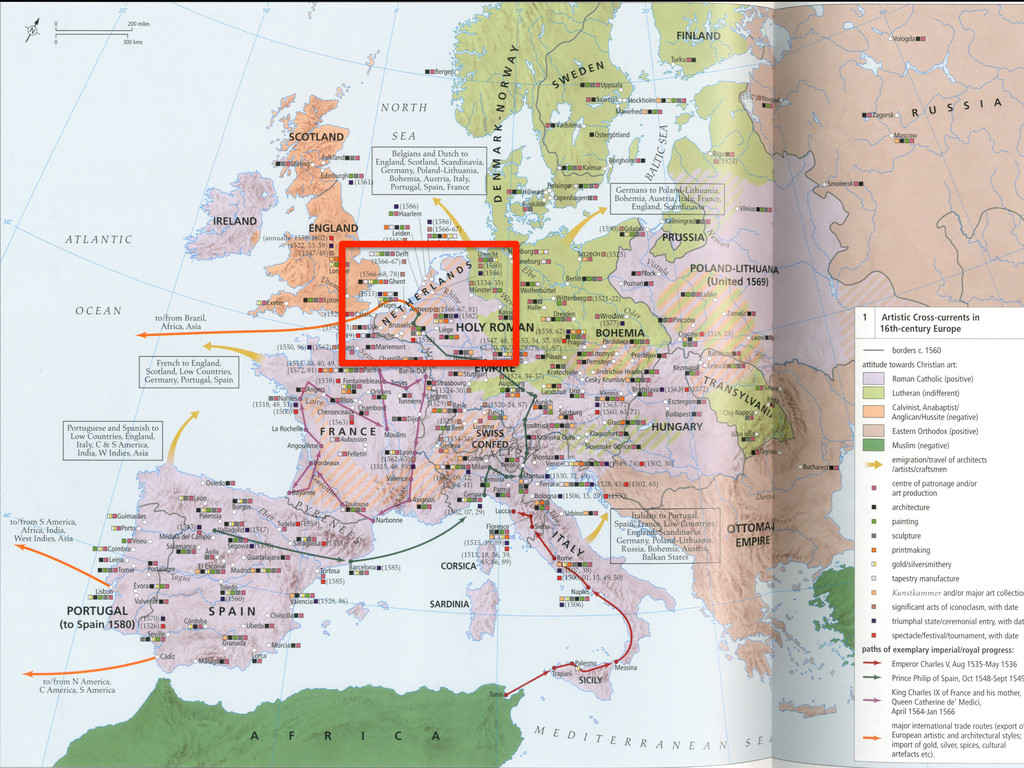
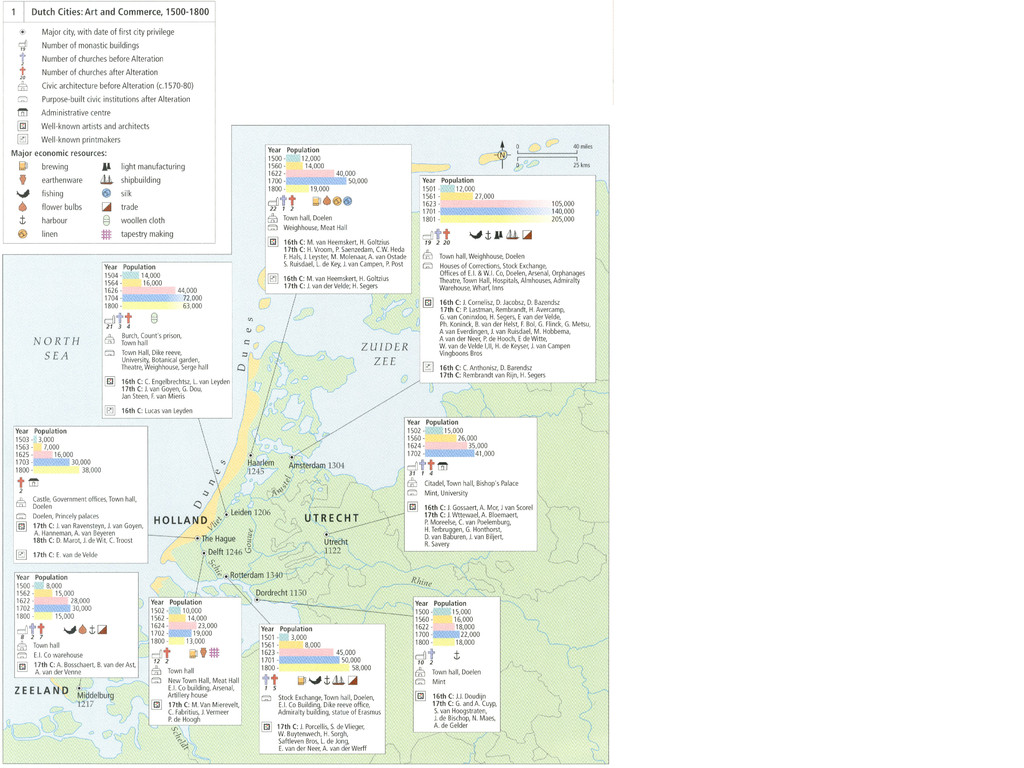
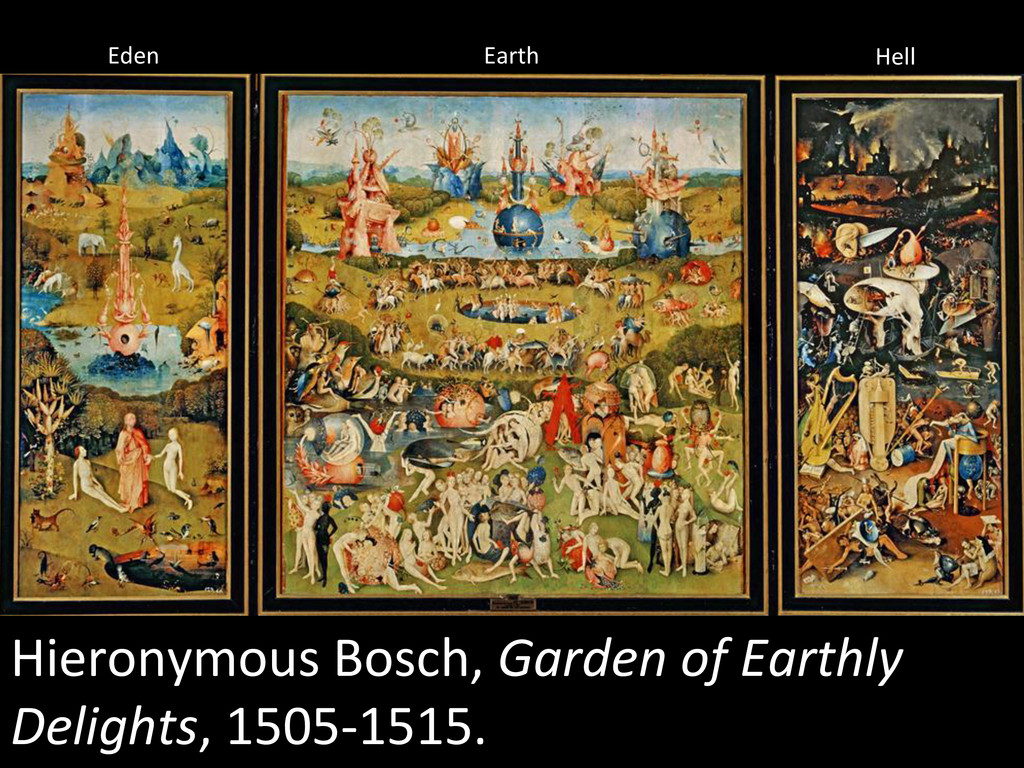
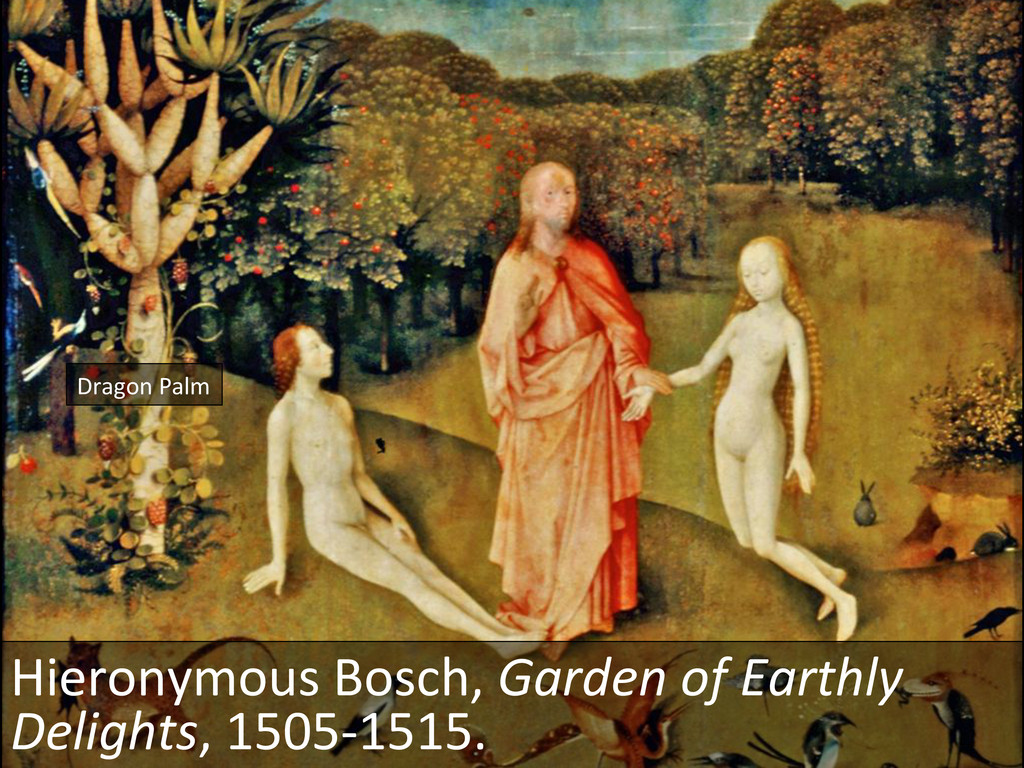
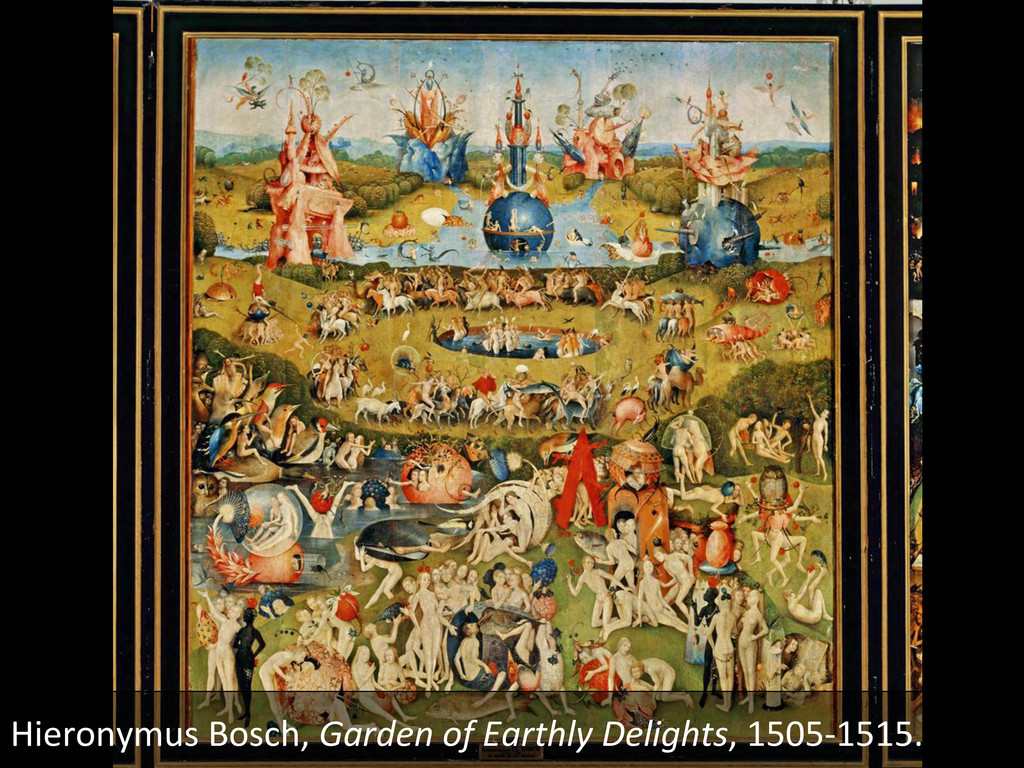
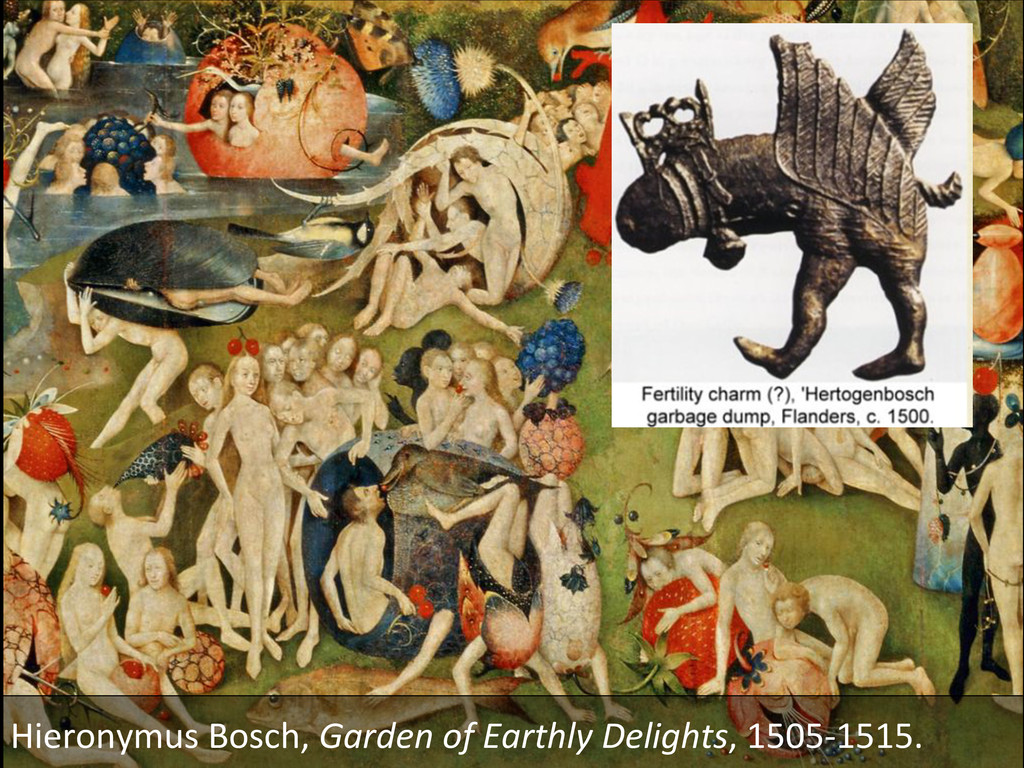
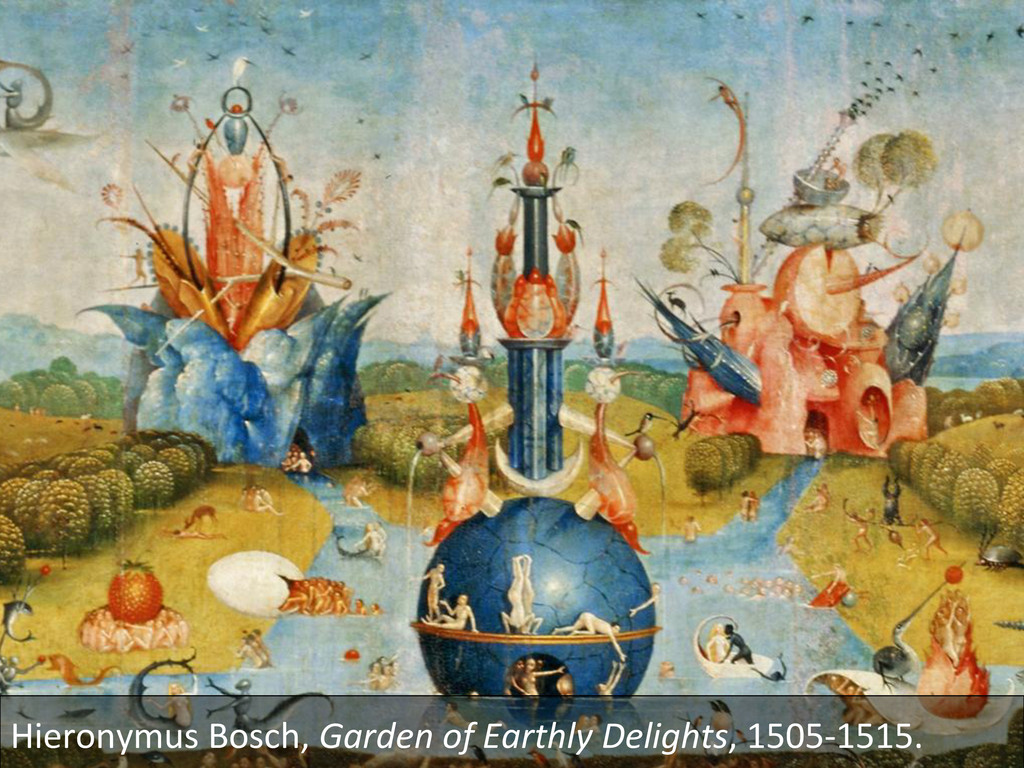
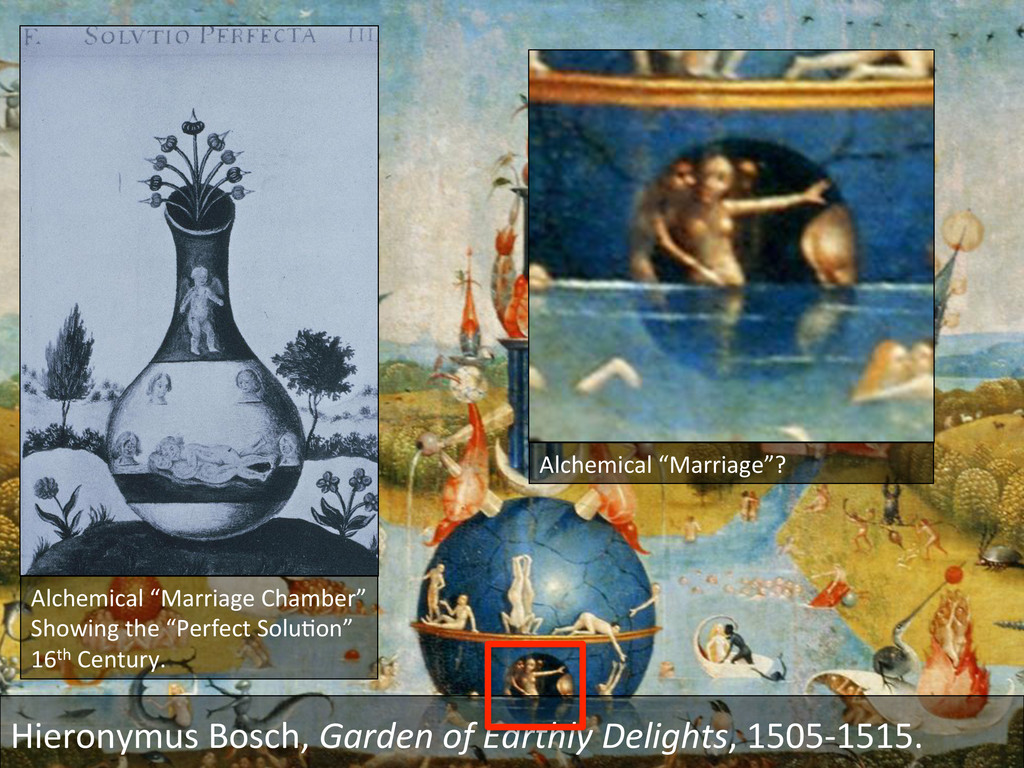
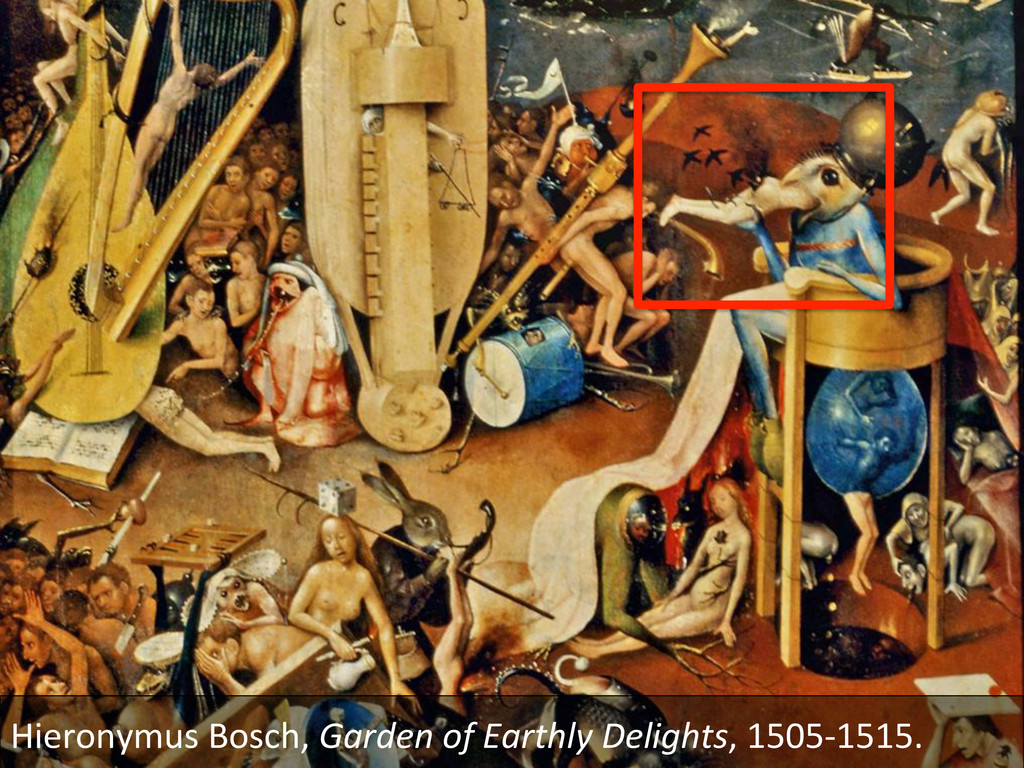
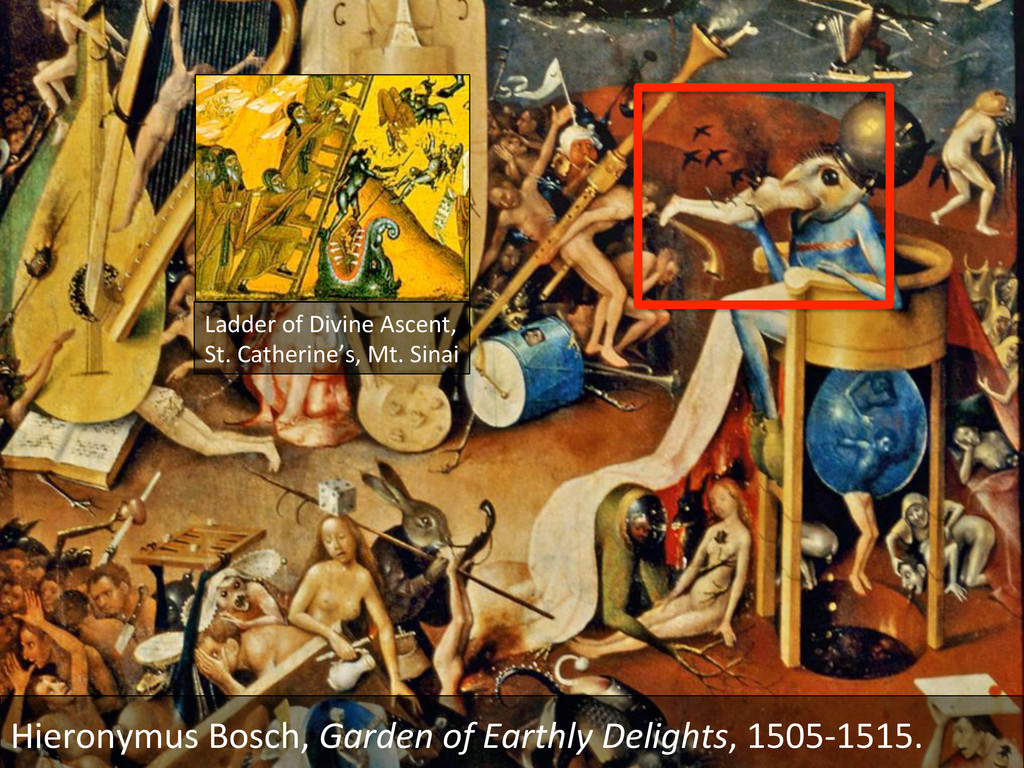
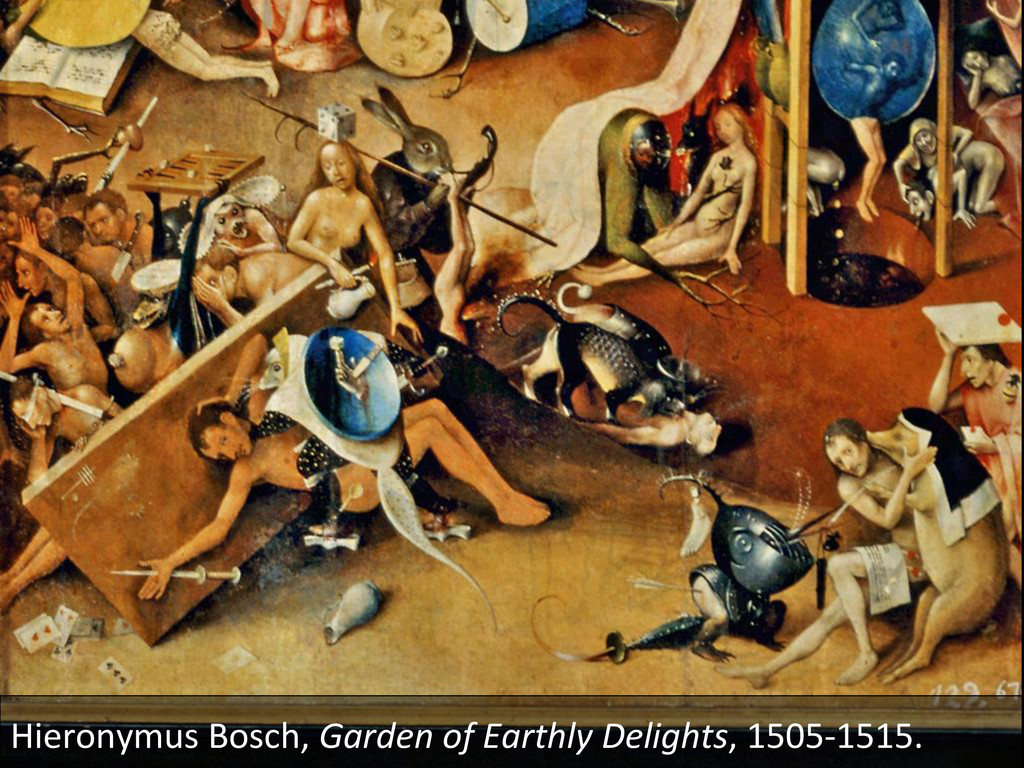
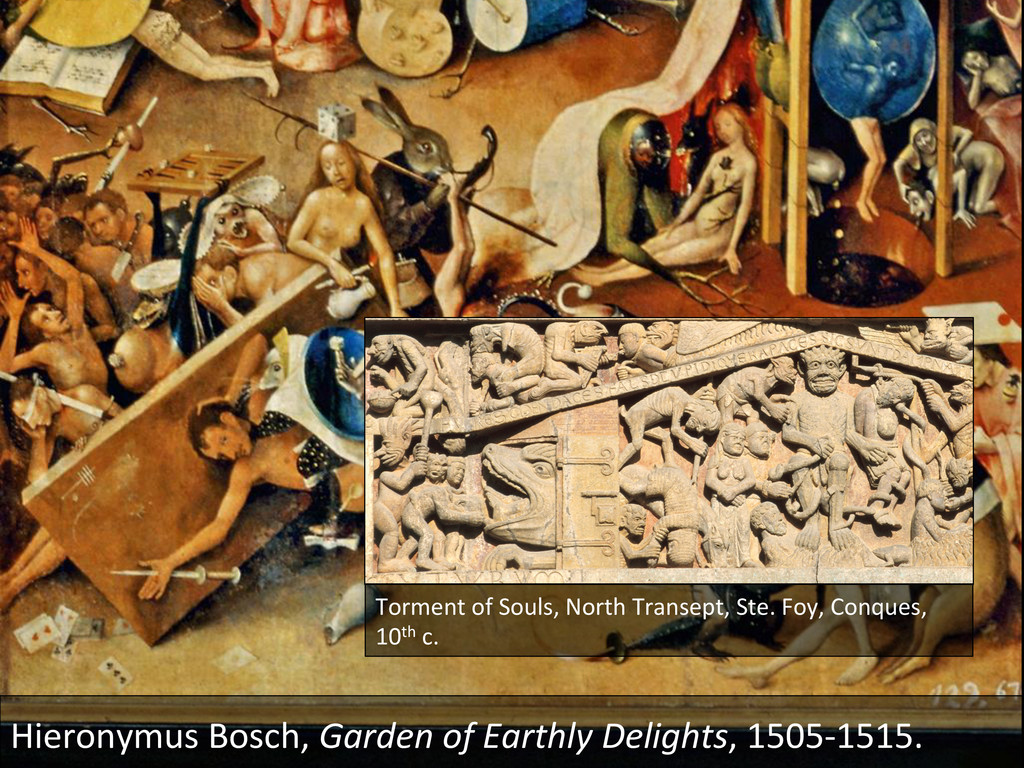
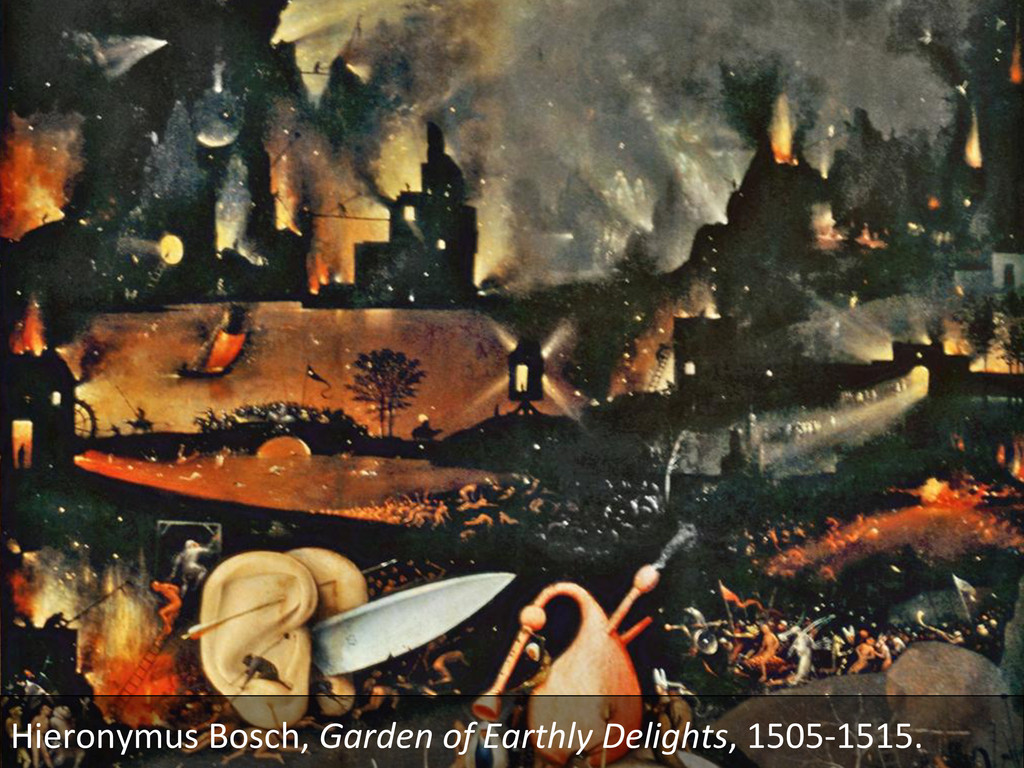
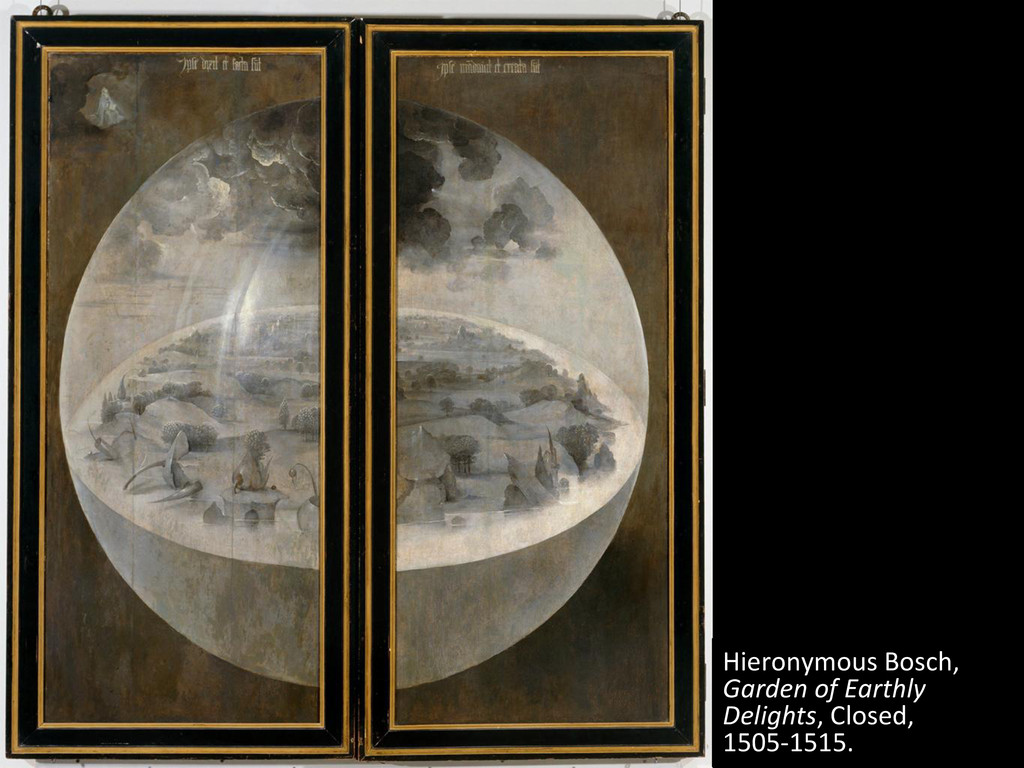
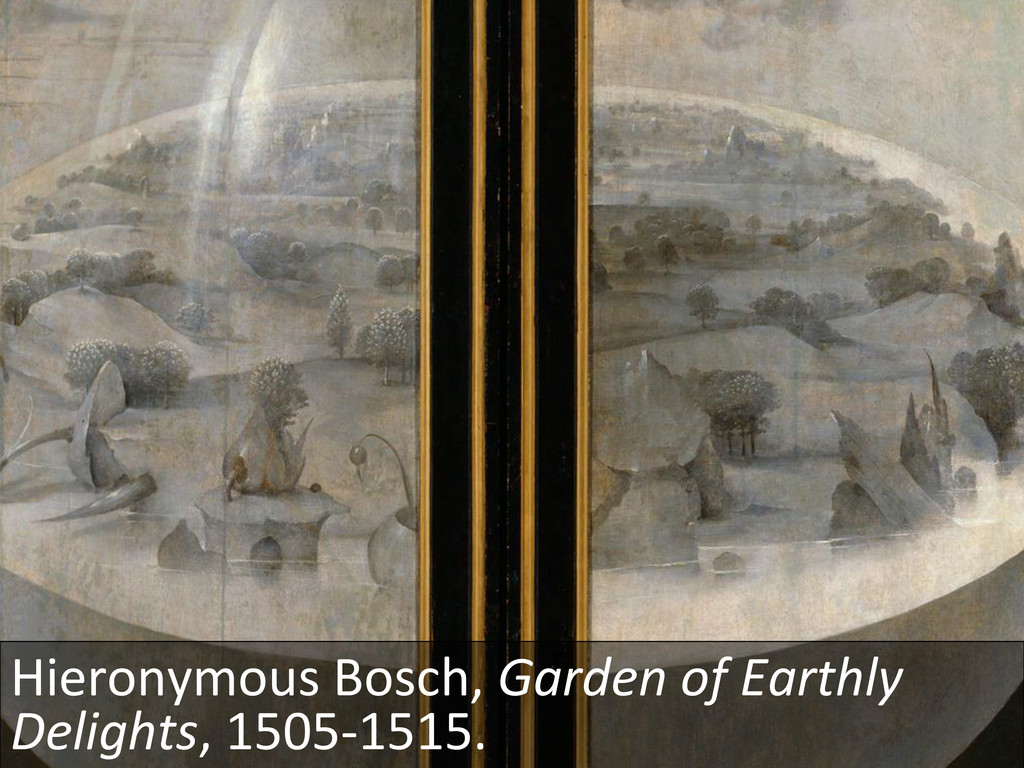
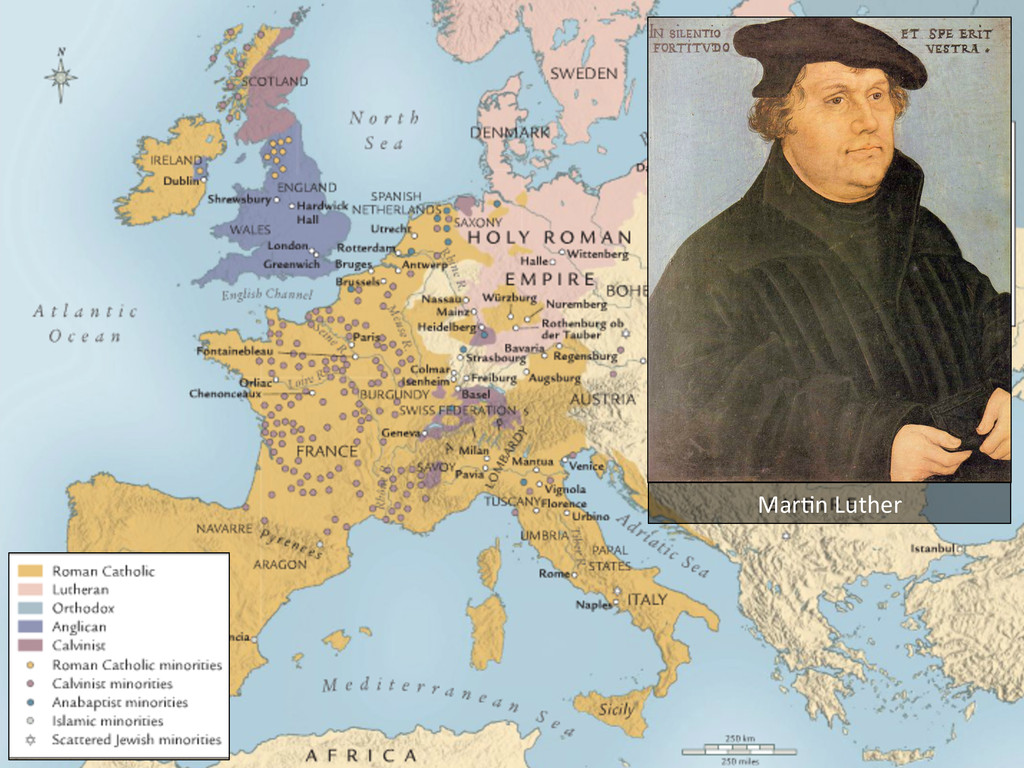
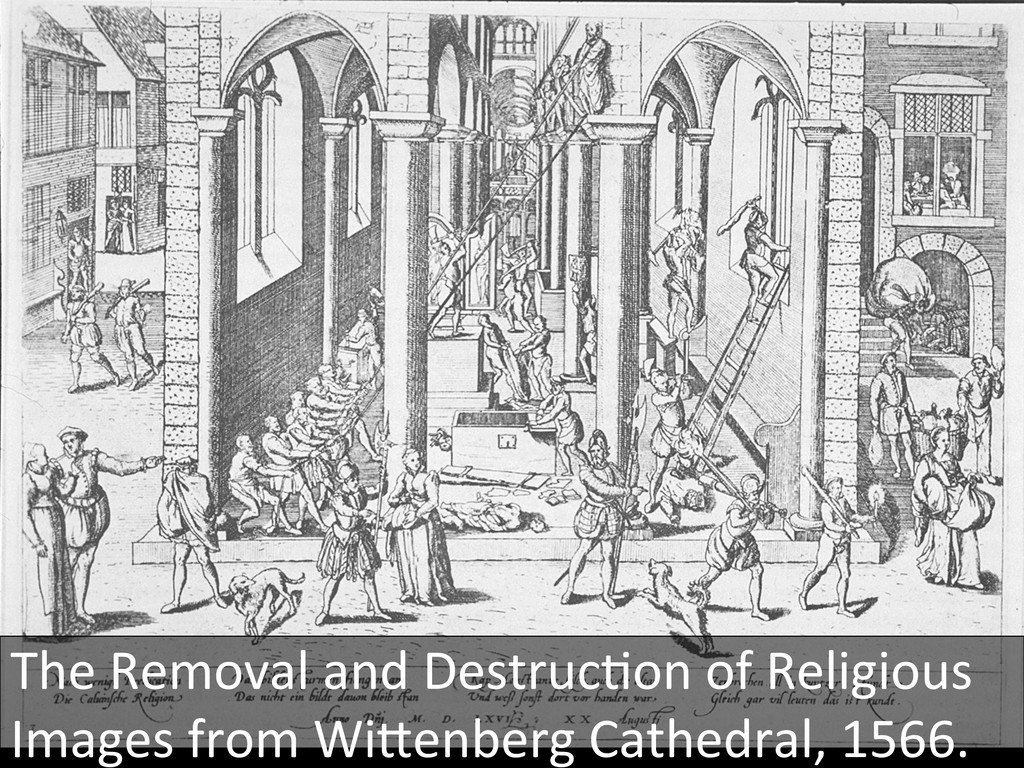
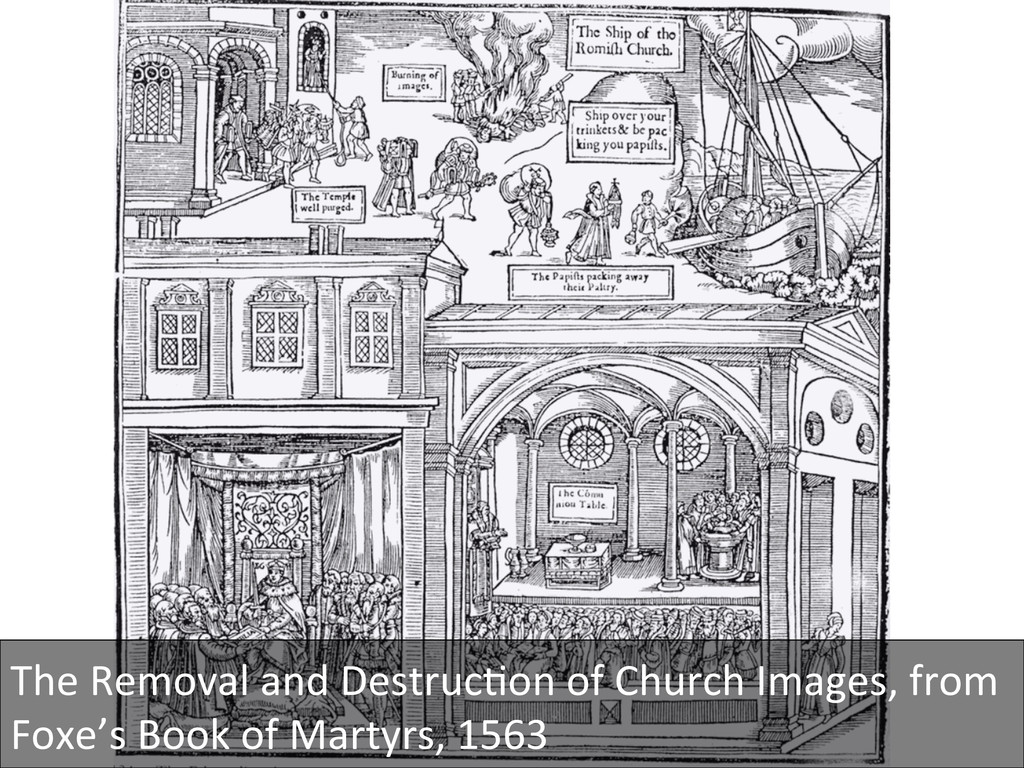
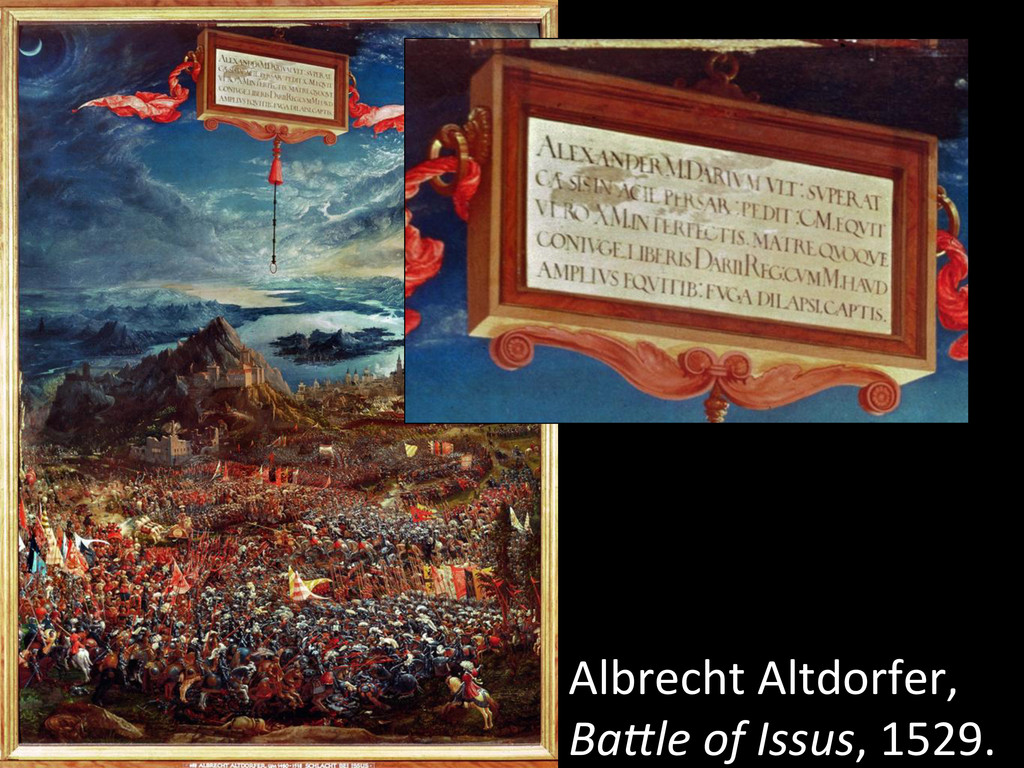
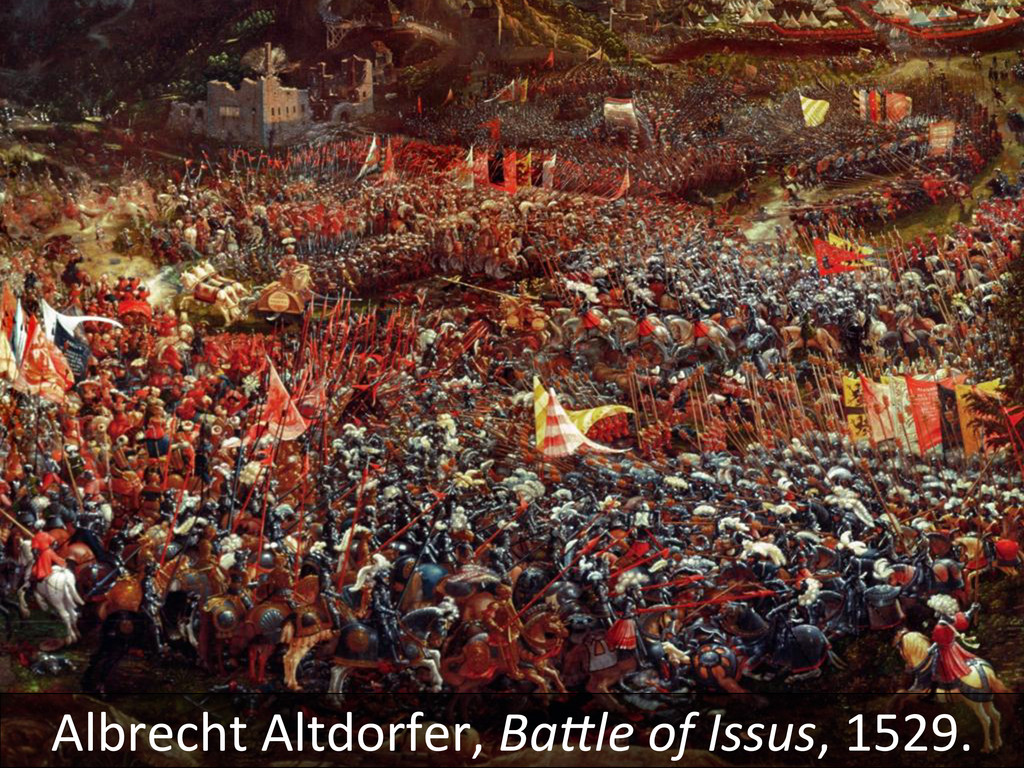
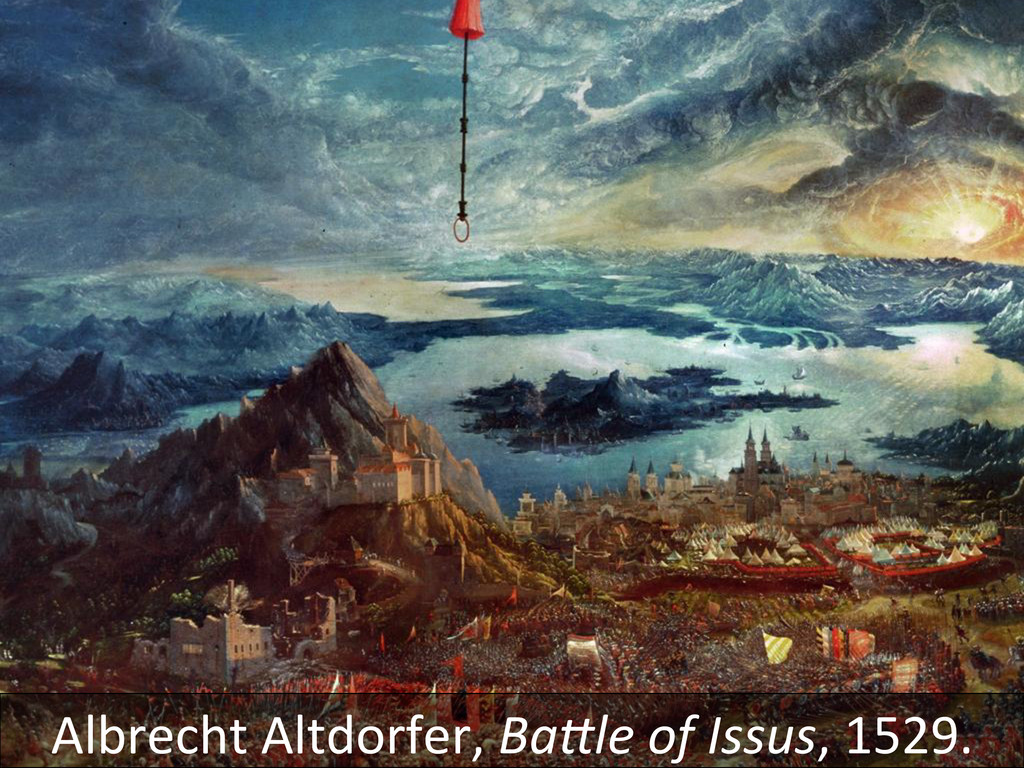
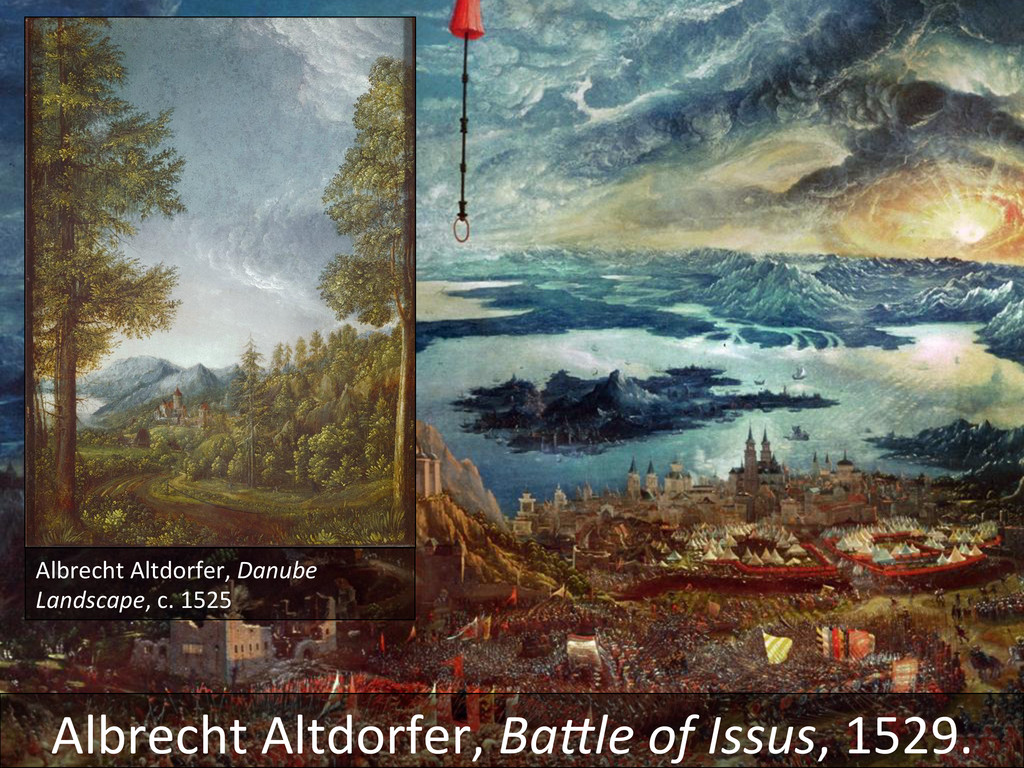
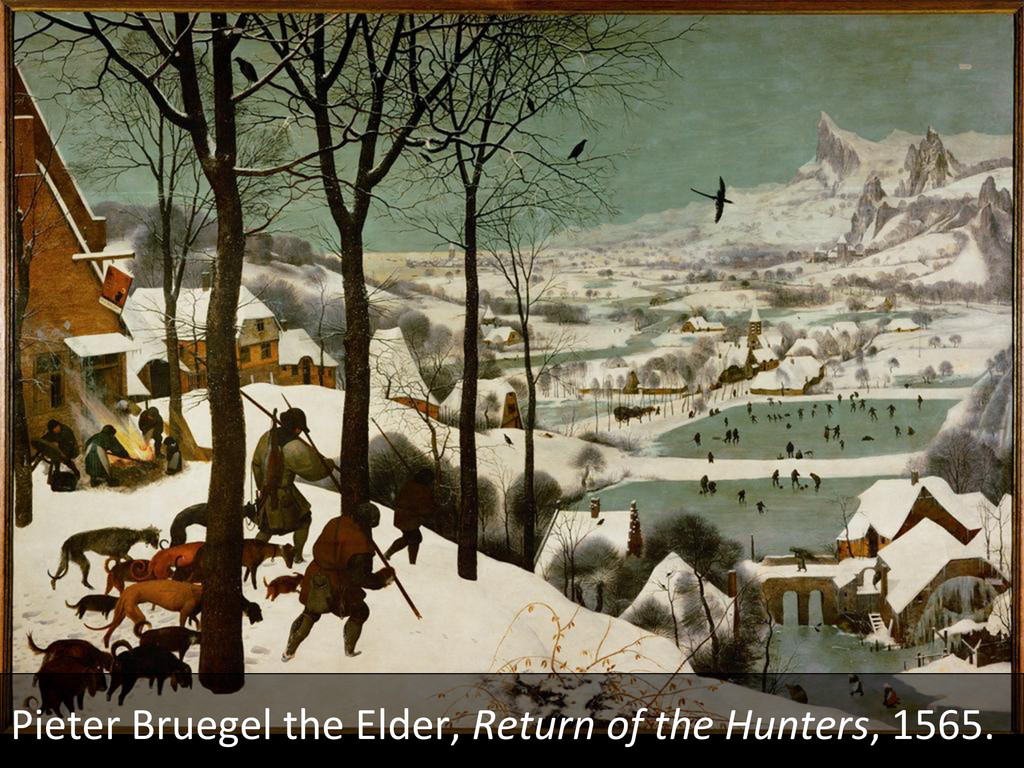
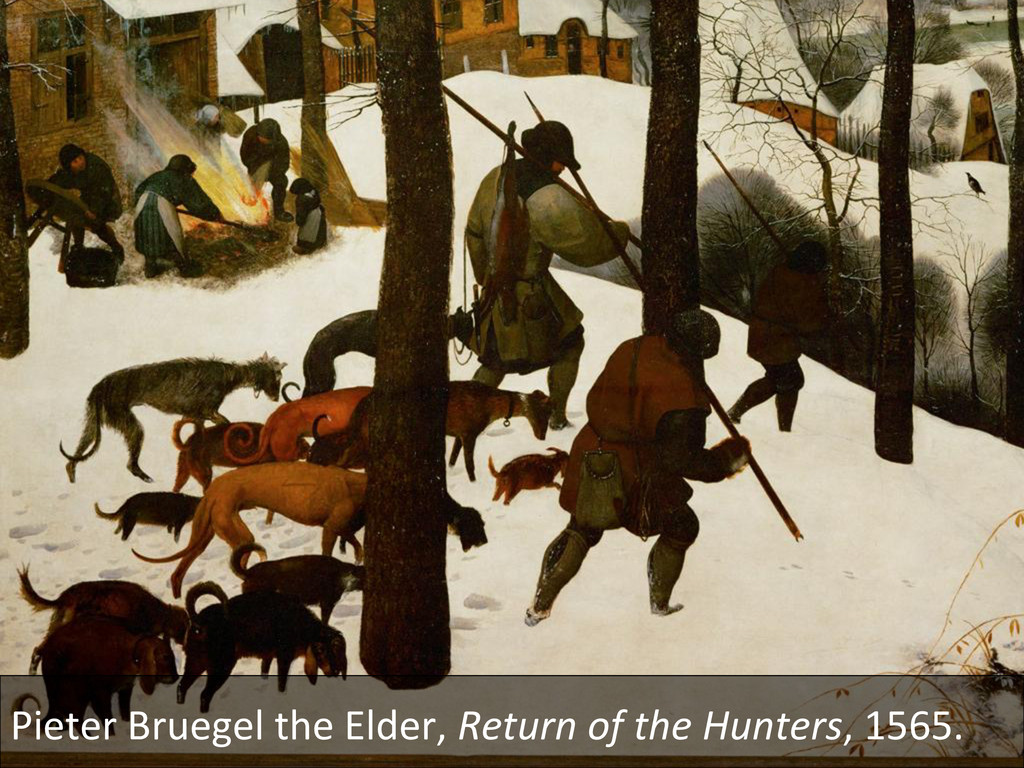
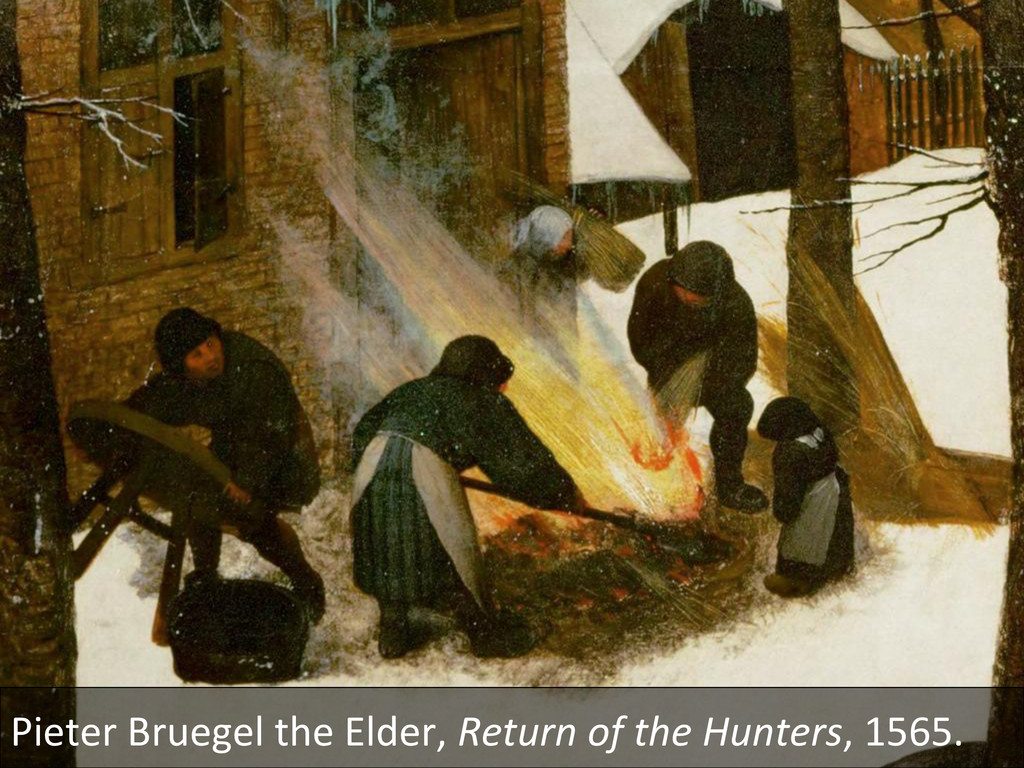
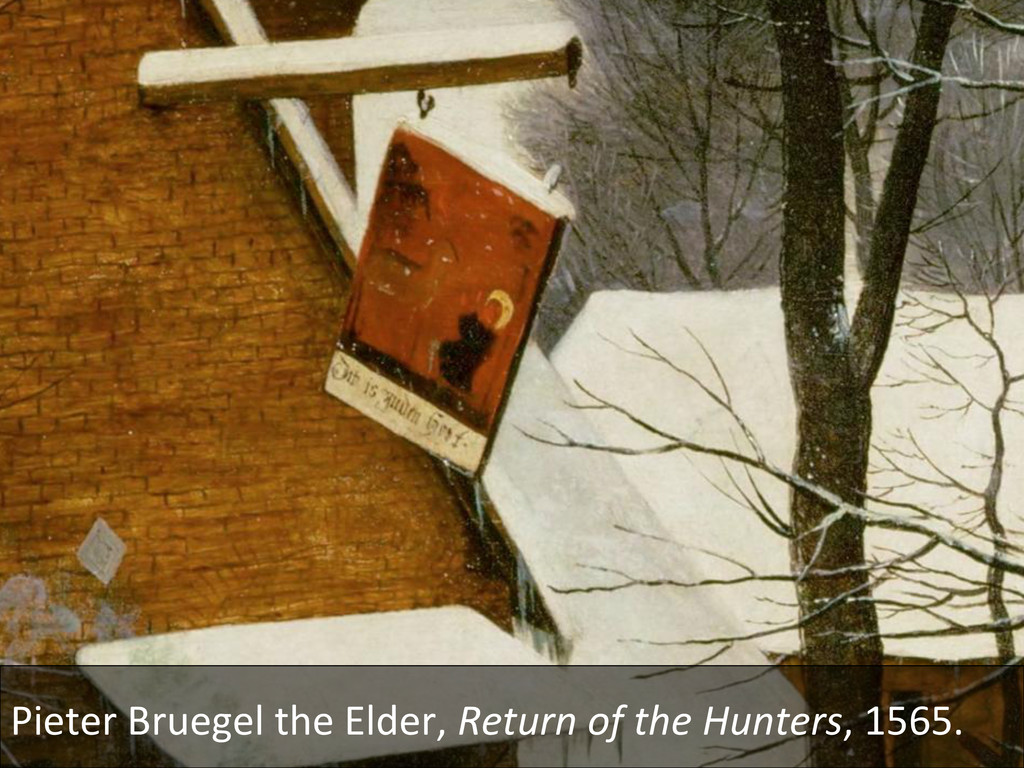
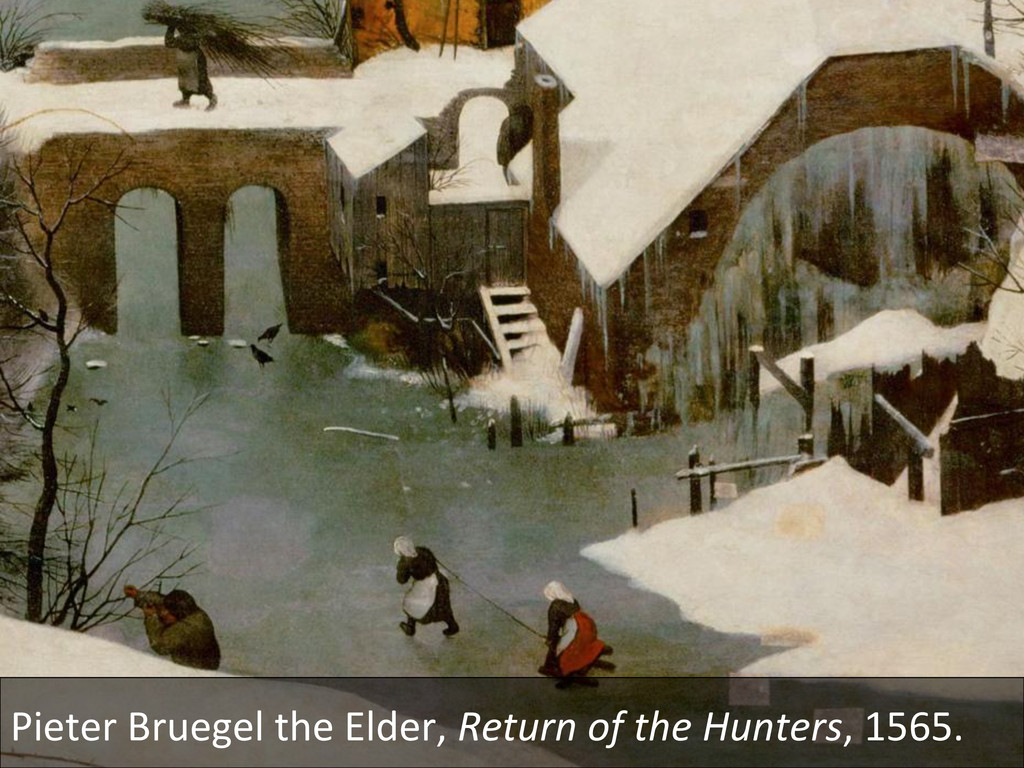
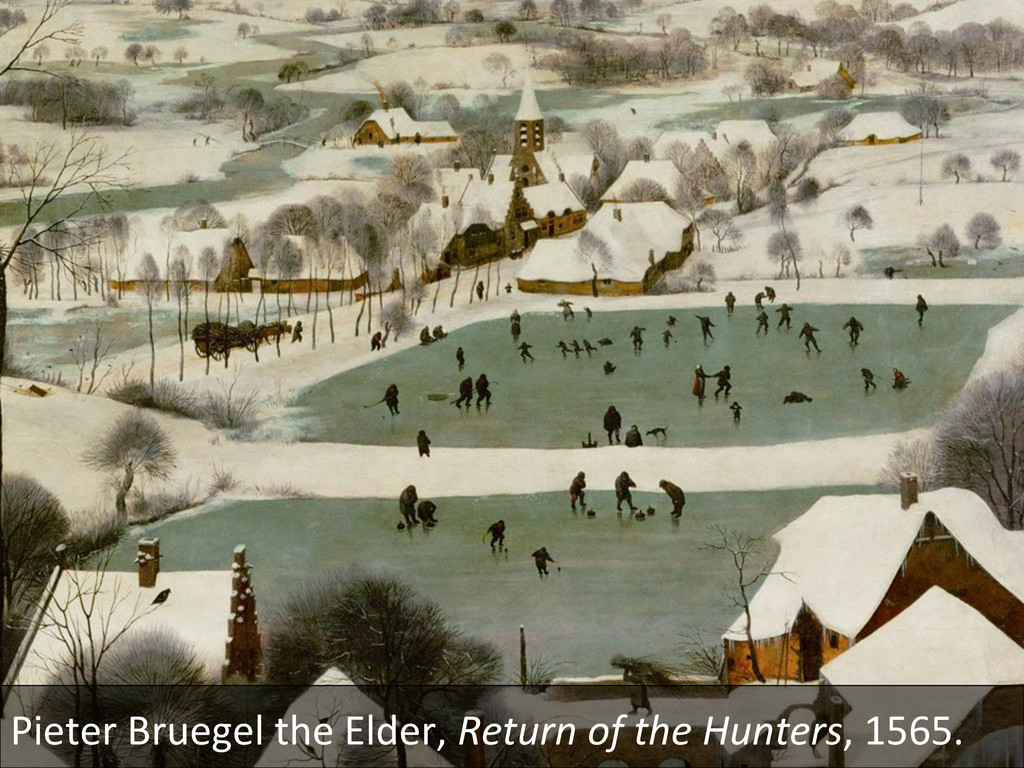
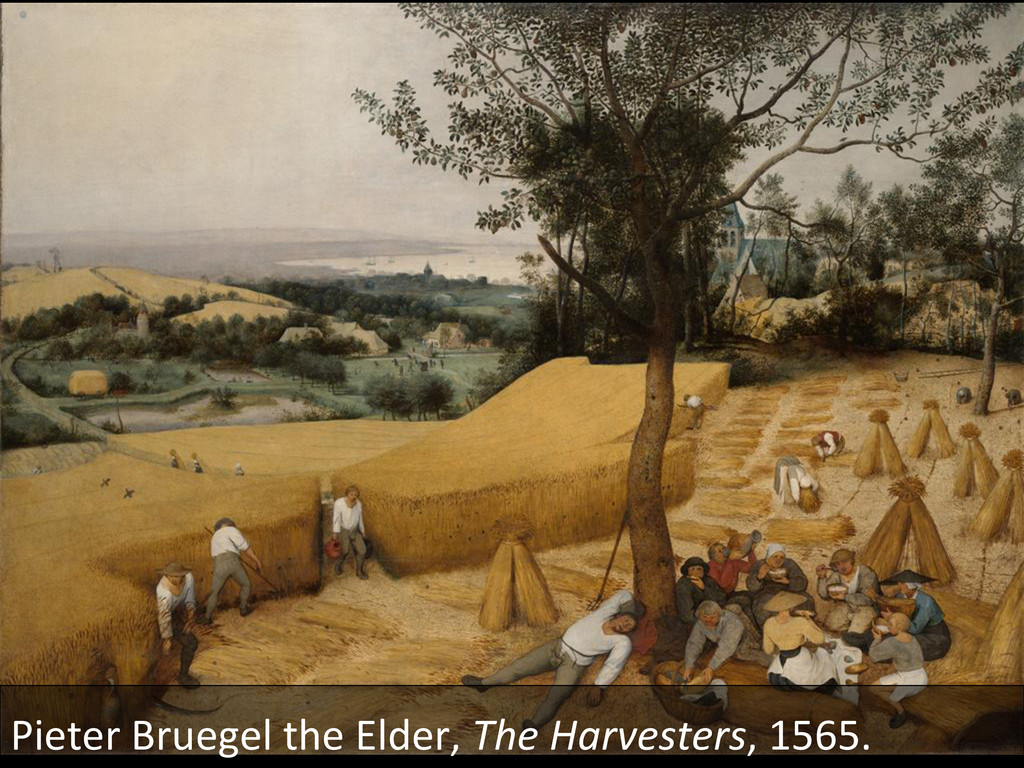
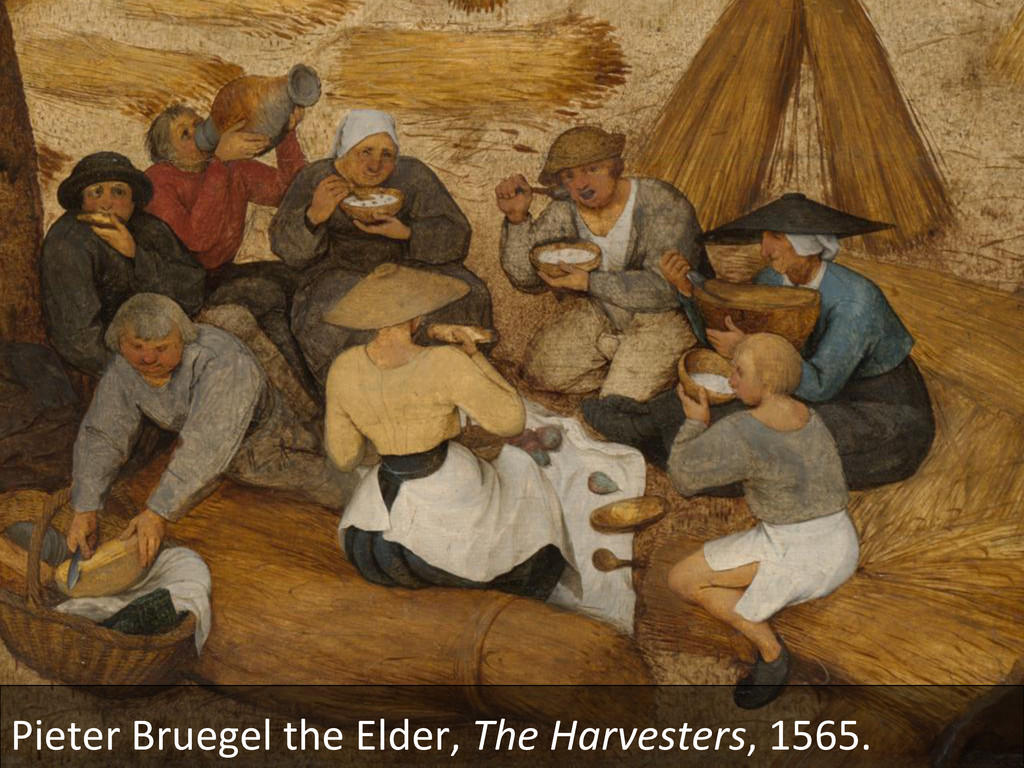
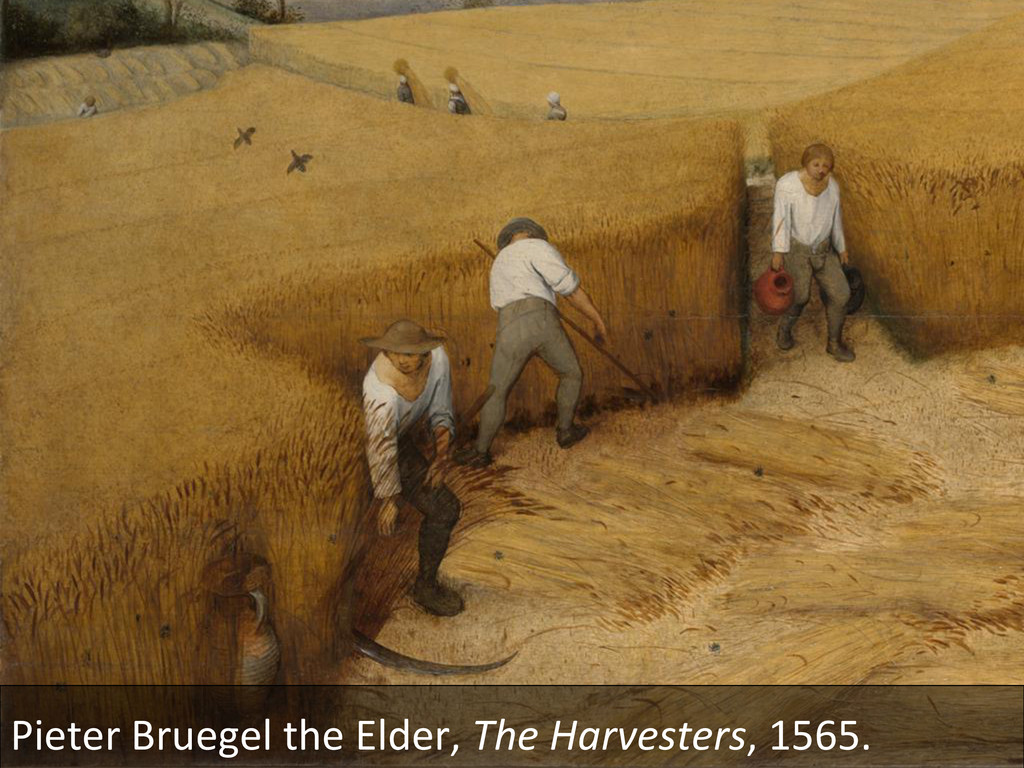
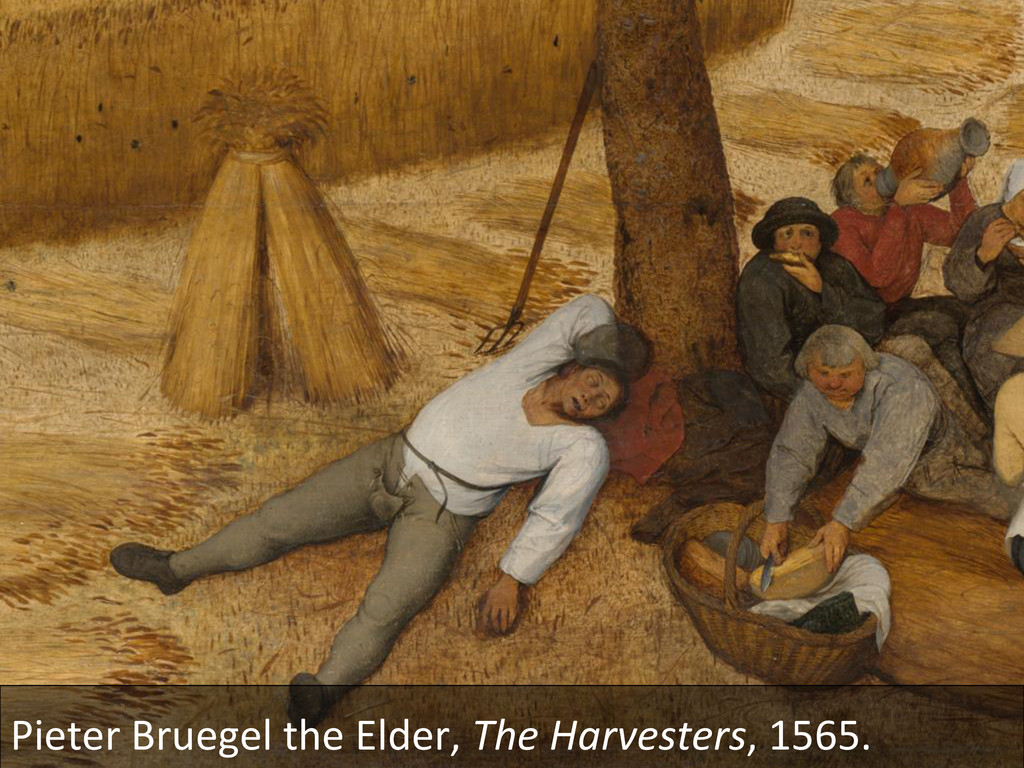
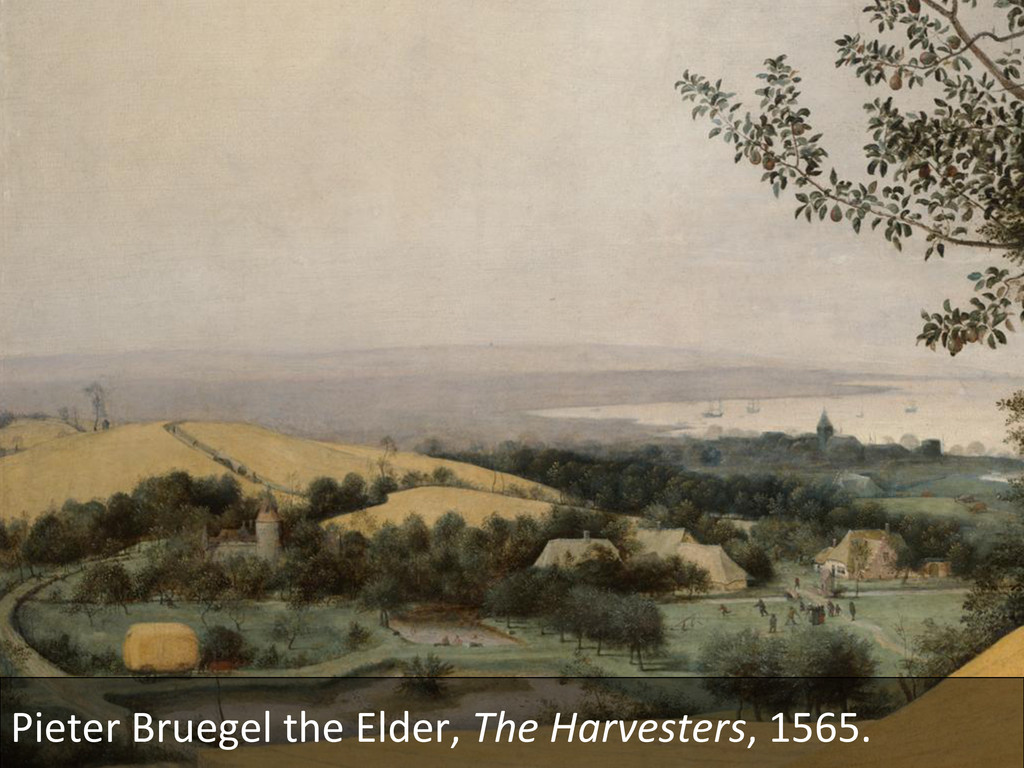
Stokstad, 676-‐689, 696-‐705 Range c. 1500-‐1600 High Northern Renaissance Terms/Concepts ReformaAon, icon, salvator mundi, iconoclasm, proverb, genre, Monument List Albrecht Dürer, Self-‐ Portrait, 1500. MaJhias Grünewald, Isenheim Altarpiece (Closed), c. 1510-‐1515. Hieronymous Bosch, Garden of Earthly Delights (Open), c. 1505-‐1515. Albrecht Altdorfer, BaFle of Issus, 1529. Pieter Bruegel the Elder, Return of the Hunters, 1565.
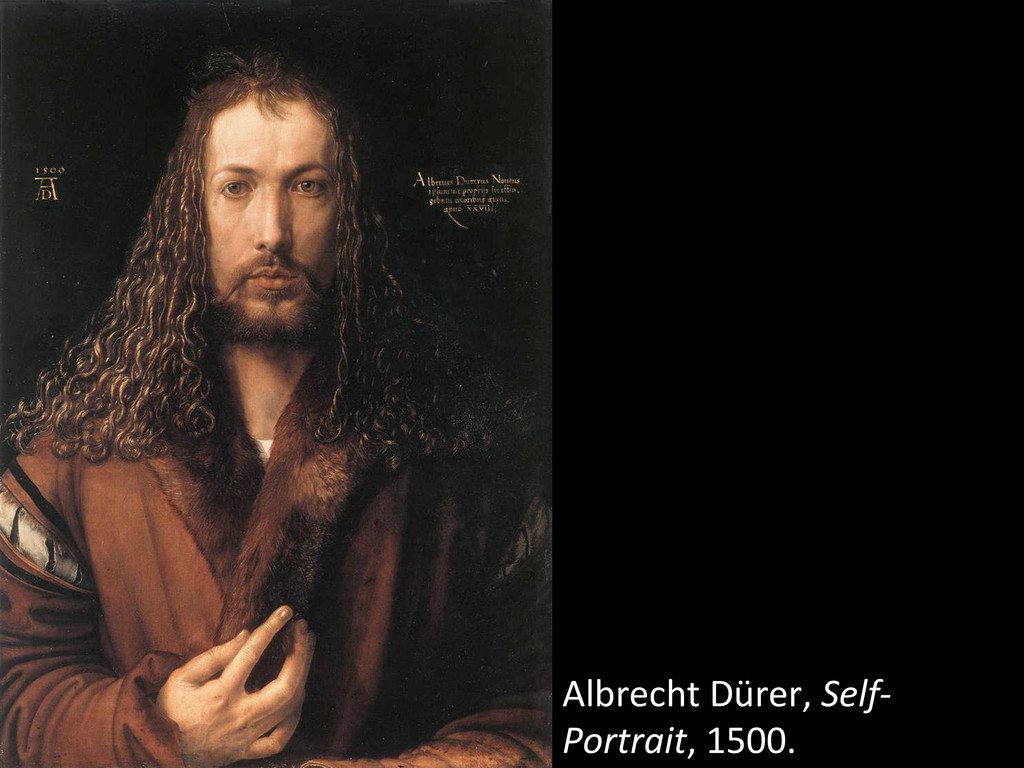
is a curse as well as a great blessing.” -‐-‐Albrecht Dürer “Nature holds the beauAful, for the arAst who has the insight to extract it.” ― Albrecht Dürer Albrecht Dürer, Self-‐Portrait, 1500. “The more we know, the more we resemble the likenesses of Christ who knows all things.” –Albrecht Dürer “They [kings] esteemed such invenAveness [from painters] as a creaAon in the likeness of God.” –Albrecht Dürer “It is difficult to acquire the art of painAng well. Therefore whosoever finds himself unfit for it should not presume to try. For it comes alone from inspiraAon from above.” –Albrecht Dürer
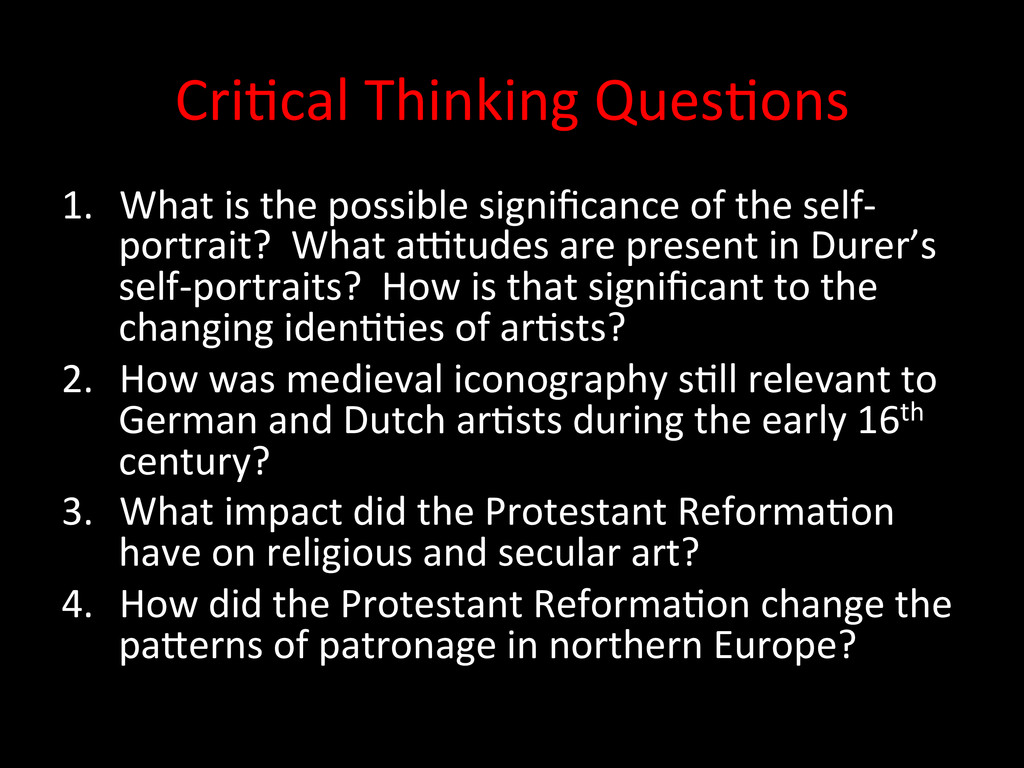
of the self-‐ portrait? What altudes are present in Durer’s self-‐portraits? How is that significant to the changing idenAAes of arAsts? 2. How was medieval iconography sAll relevant to German and Dutch arAsts during the early 16th century? 3. What impact did the Protestant ReformaAon have on religious and secular art? 4. How did the Protestant ReformaAon change the paJerns of patronage in northern Europe?

 Your Podcast. Everywhere. Effortlessly.


 nichsara
 juanmartin2026
 arnoknobbe
 hiola
hiola
 mariooc
 bvr7352
 signer
 coderdojojapan
 eller86
 camel_404
 kekekenta
 matleenalaakso
 62gerente
 maggiecrowley
 tmiket
 palkan
 katiecoart
 joshbly
 addyosmani
 tamaranovitovic
 brettharned
 lara
lara
 codingconduct
 bluesmoon