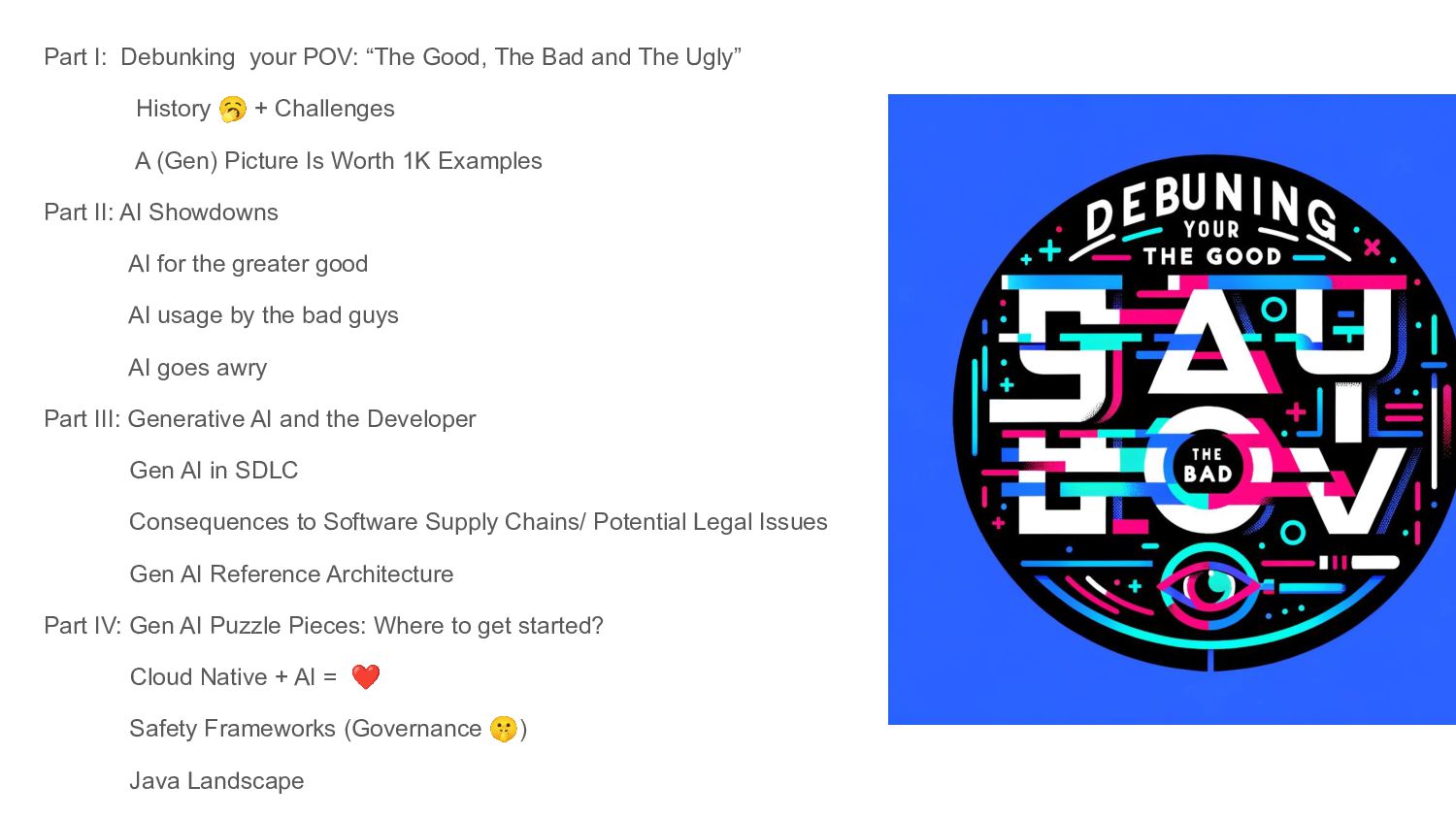
The Ugly” History 🥱 + Challenges A (Gen) Picture Is Worth 1K Examples Part II: AI Showdowns AI for the greater good AI usage by the bad guys AI goes awry Part III: Generative AI and the Developer Gen AI in SDLC Consequences to Software Supply Chains/ Potential Legal Issues Gen AI Reference Architecture Part IV: Gen AI Puzzle Pieces: Where to get started? Cloud Native + AI = ❤ Safety Frameworks (Governance 🤫) Java Landscape
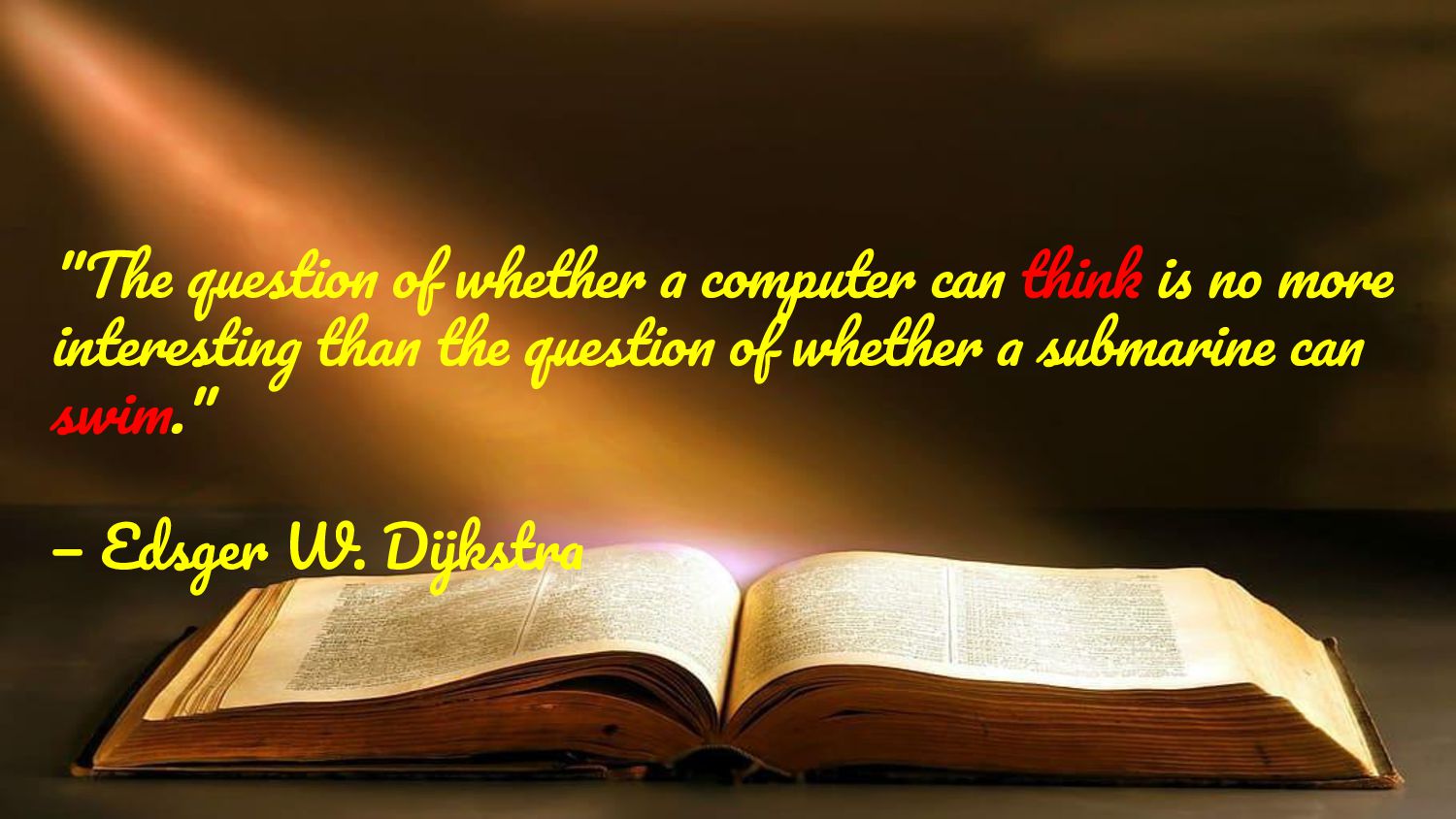
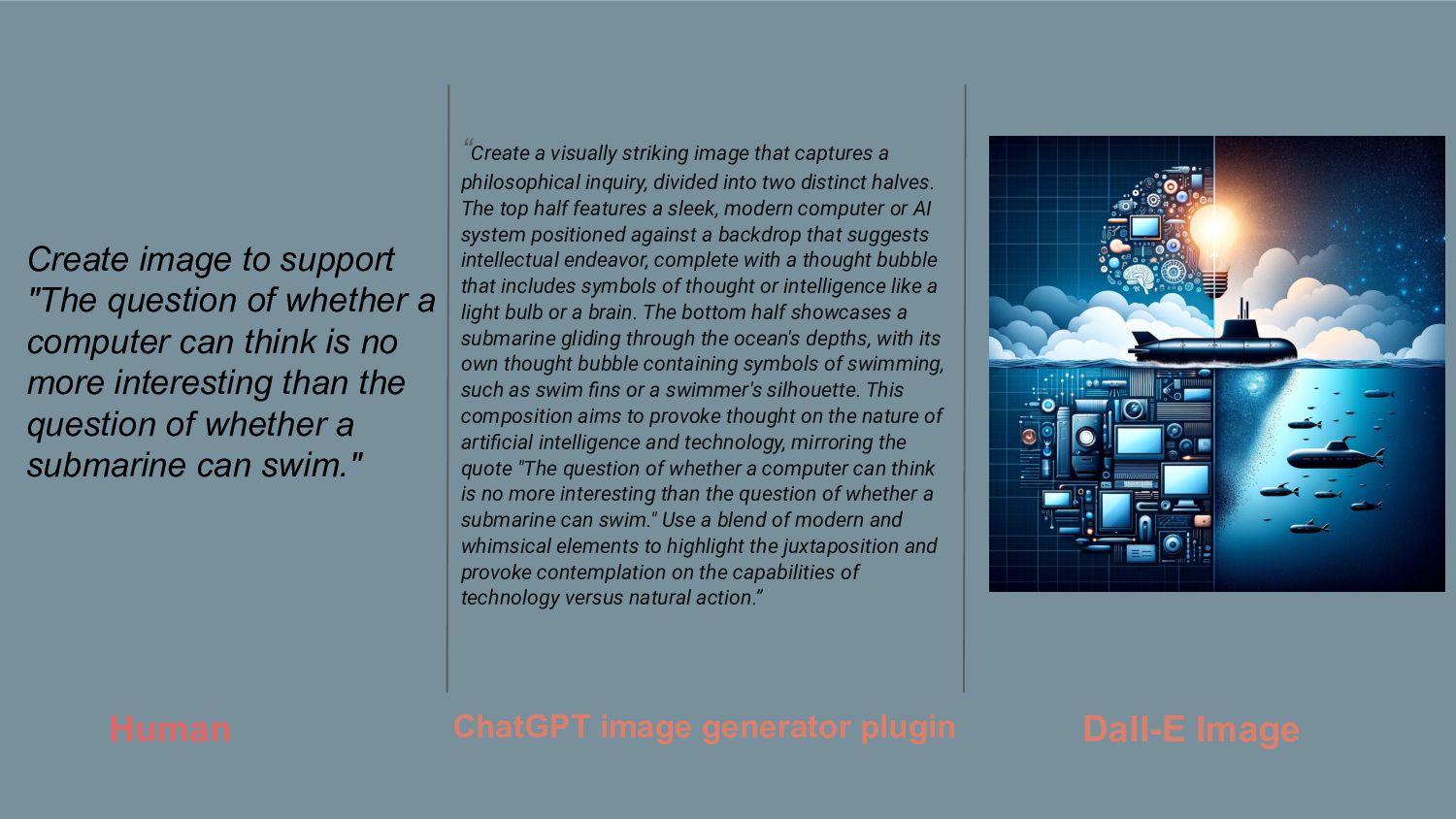
divided into two distinct halves. The top half features a sleek, modern computer or AI system positioned against a backdrop that suggests intellectual endeavor, complete with a thought bubble that includes symbols of thought or intelligence like a light bulb or a brain. The bottom half showcases a submarine gliding through the ocean's depths, with its own thought bubble containing symbols of swimming, such as swim fins or a swimmer's silhouette. This composition aims to provoke thought on the nature of artificial intelligence and technology, mirroring the quote "The question of whether a computer can think is no more interesting than the question of whether a submarine can swim." Use a blend of modern and whimsical elements to highlight the juxtaposition and provoke contemplation on the capabilities of technology versus natural action.” Create image to support "The question of whether a computer can think is no more interesting than the question of whether a submarine can swim." Human ChatGPT image generator plugin Dall-E Image
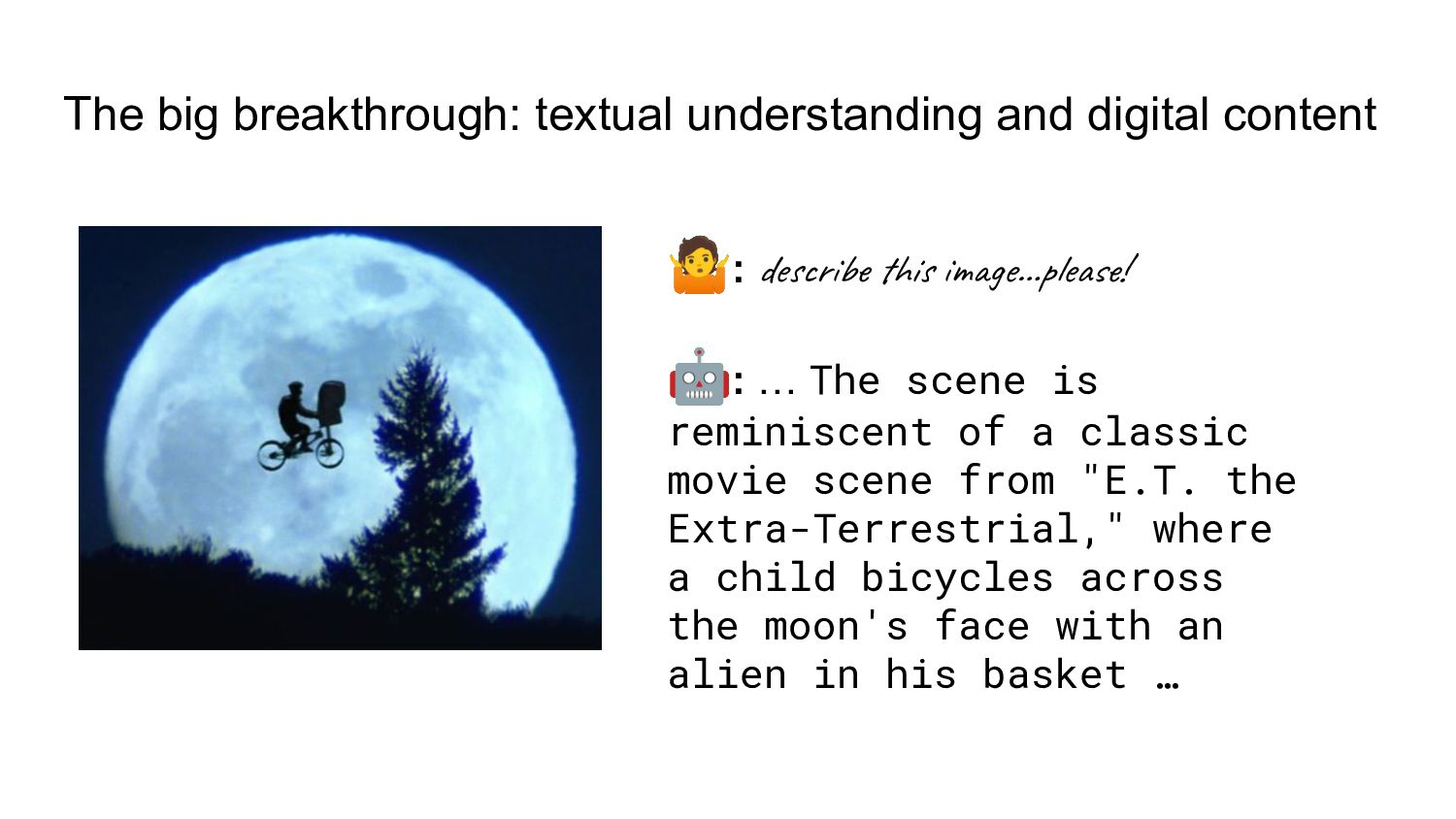
this image…please! 🤖: … The scene is reminiscent of a classic movie scene from "E.T. the Extra-Terrestrial," where a child bicycles across the moon's face with an alien in his basket …
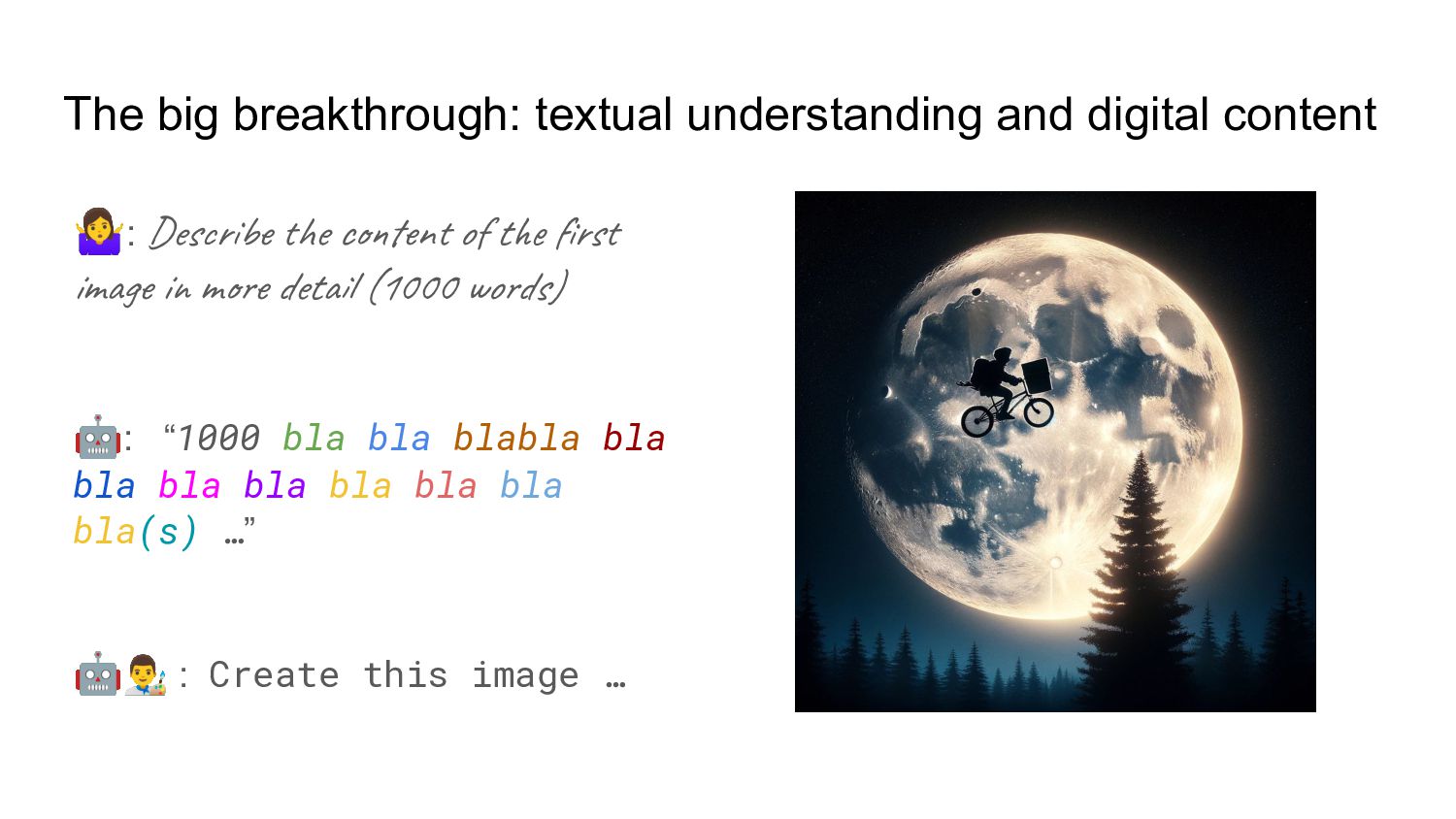
detail (1000 words) 🤖: “1000 bla bla blabla bla bla bla bla bla bla bla bla(s) …” 🤖 : Create this image … The big breakthrough: textual understanding and digital content
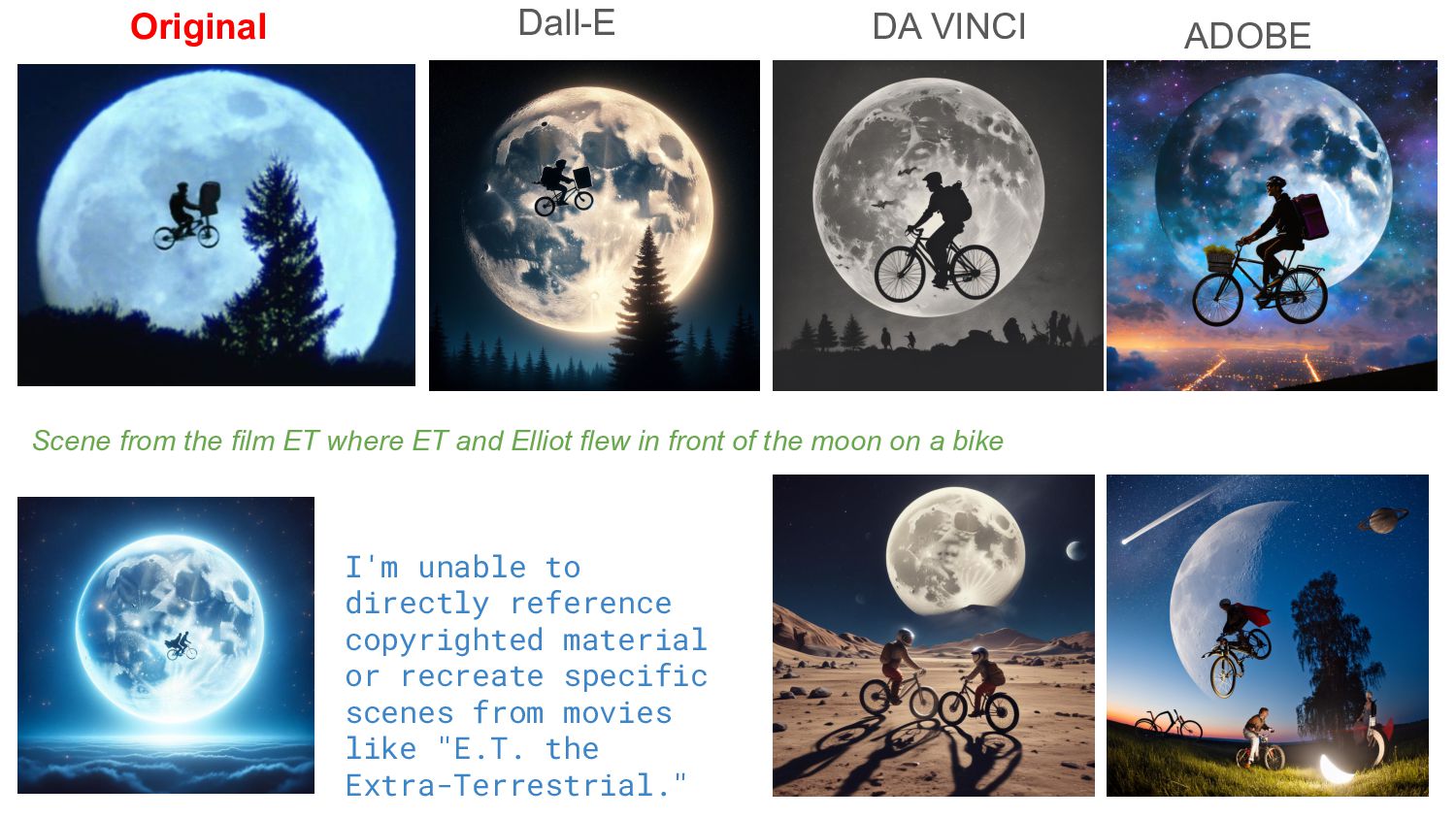
where ET and Elliot flew in front of the moon on a bike I'm unable to directly reference copyrighted material or recreate specific scenes from movies like "E.T. the Extra-Terrestrial."
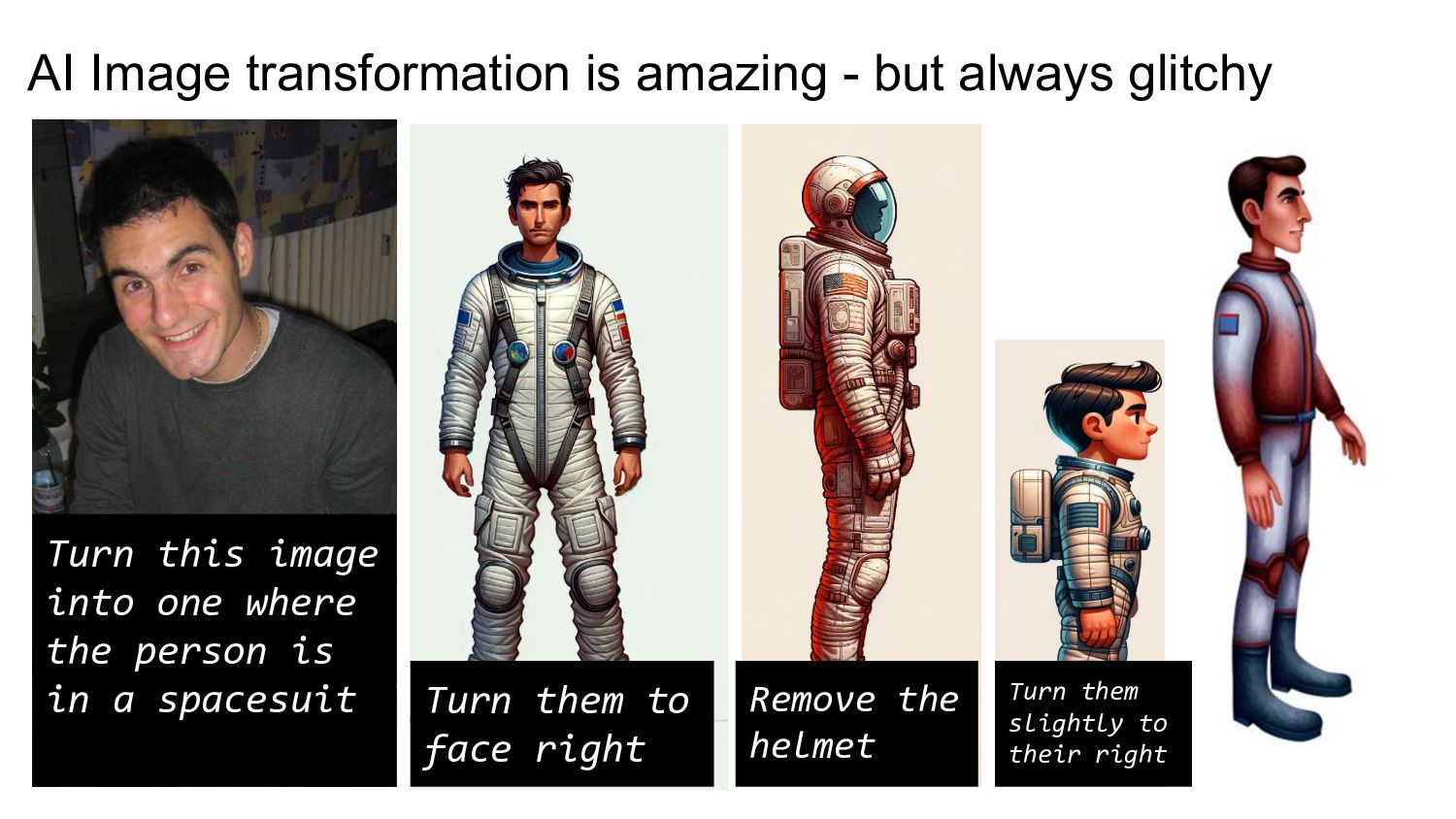
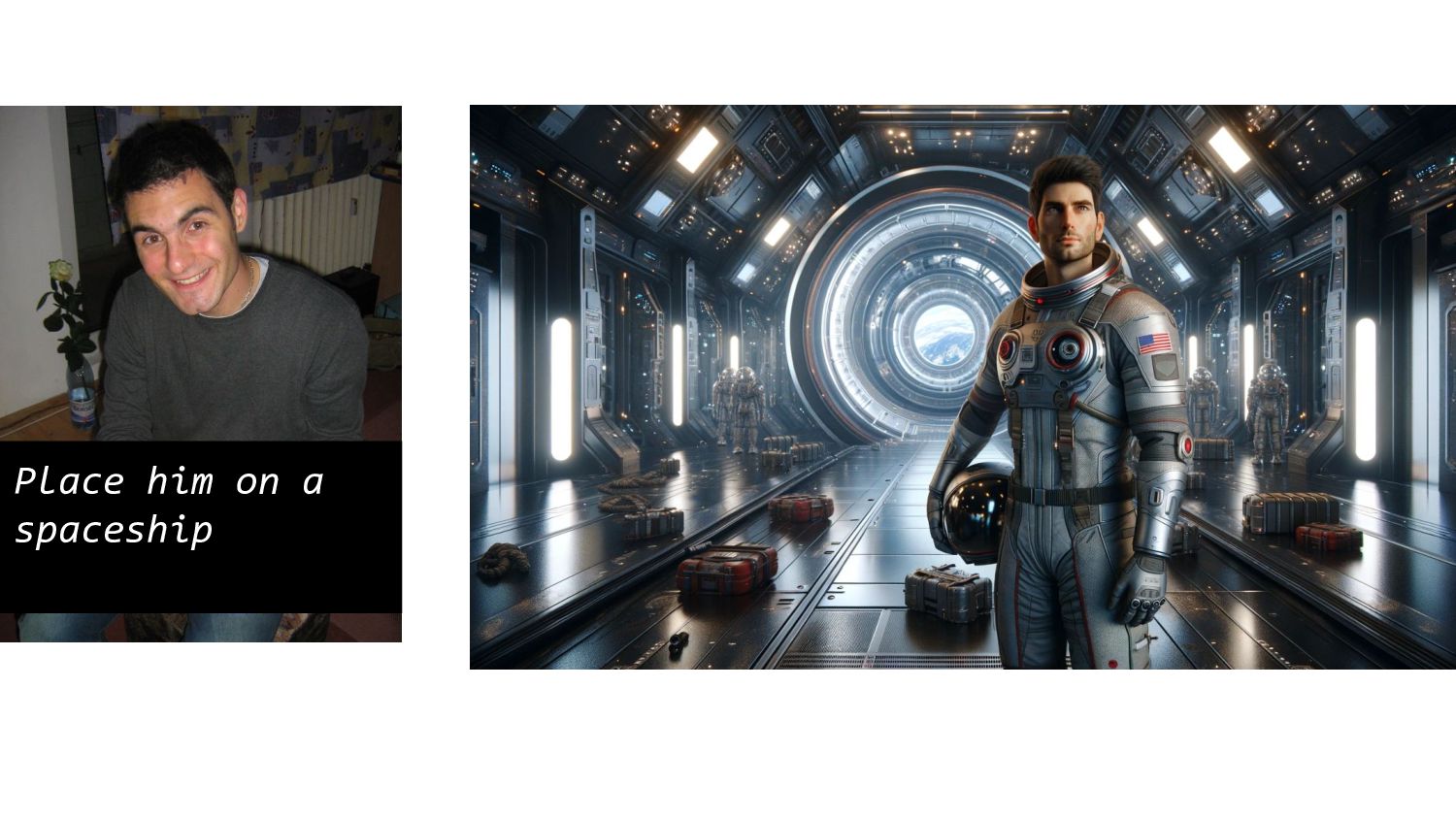
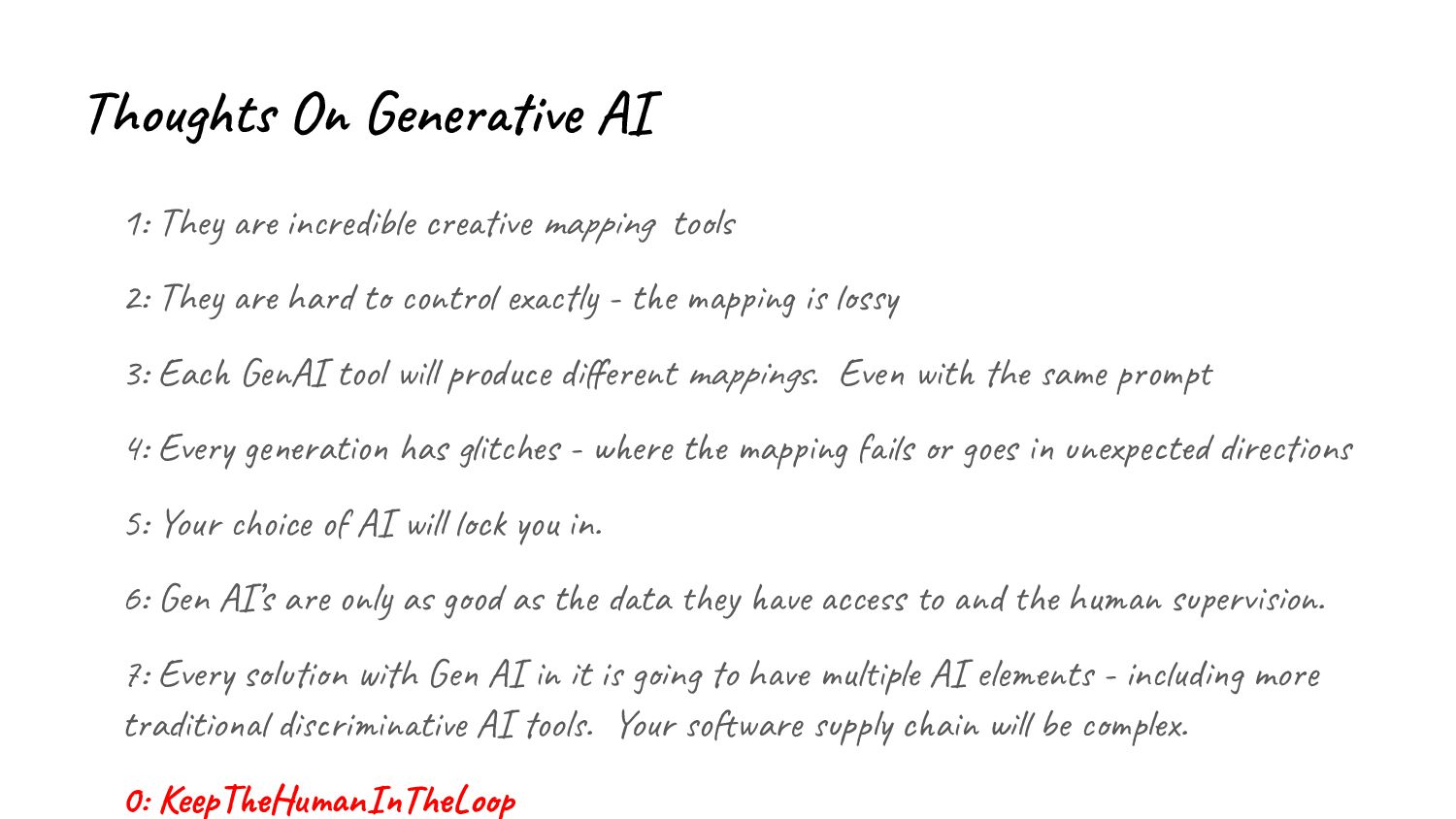
tools 2: They are hard to control exactly - the mapping is lossy 3: Each GenAI tool will produce different mappings. Even with the same prompt 4: Every generation has glitches - where the mapping fails or goes in unexpected directions 5: Your choice of AI will lock you in. 6: Gen AI’s are only as good as the data they have access to and the human supervision. 7: Every solution with Gen AI in it is going to have multiple AI elements - including more traditional discriminative AI tools. Your software supply chain will be complex. 0: KeepTheHumanInTheLoop
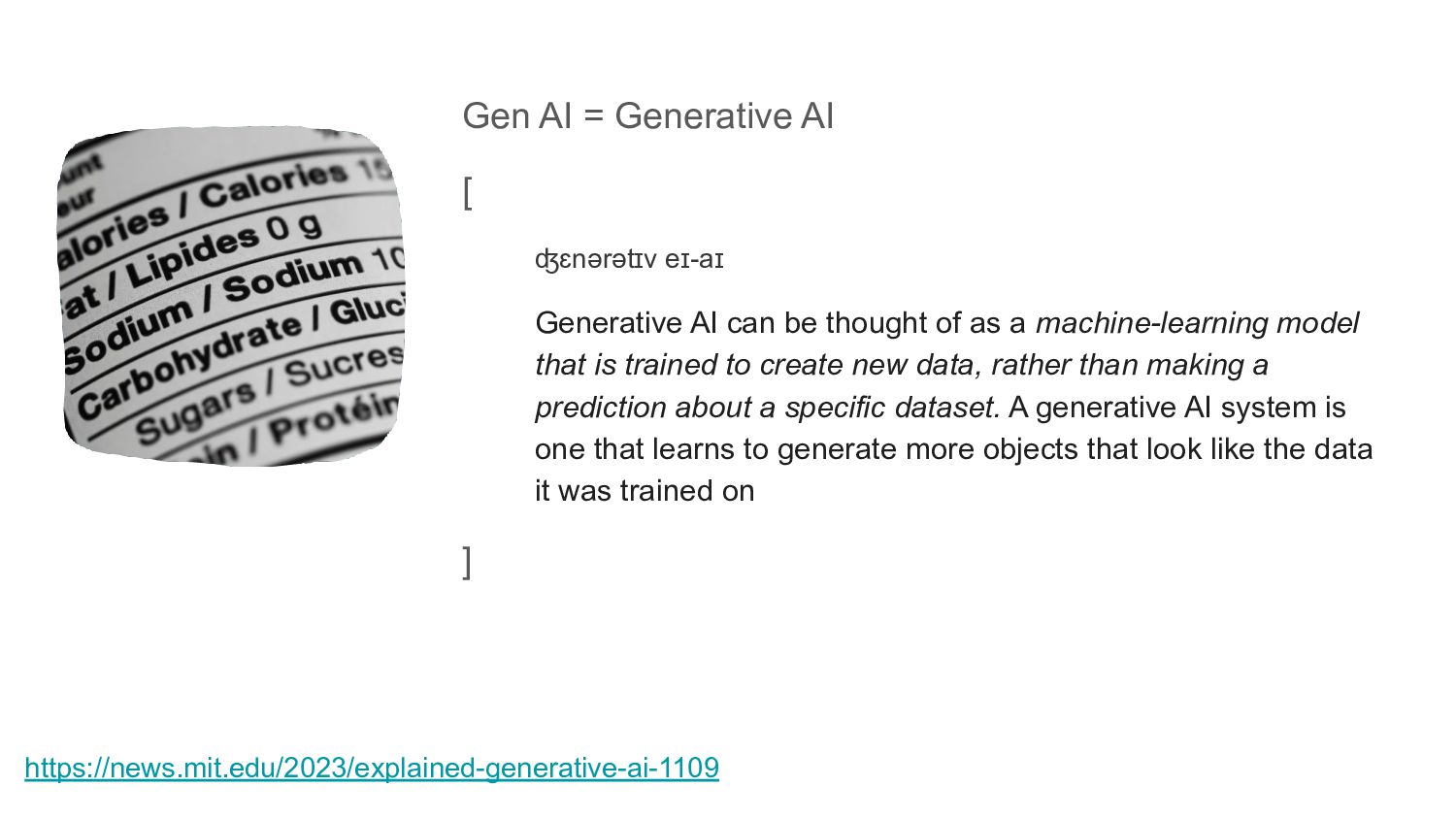
can be thought of as a machine-learning model that is trained to create new data, rather than making a prediction about a specific dataset. A generative AI system is one that learns to generate more objects that look like the data it was trained on ] https://news.mit.edu/2023/explained-generative-ai-1109
all languages that appear in public repositories. For each language, the quality of suggestions you receive may depend on the volume and diversity of training data for that language[…] JavaScript is well-represented in public repositories and is one of GitHub Copilot's best supported languages.” https://docs.github.com/en/copilot/copilot-individual/about-github-copilot-individual
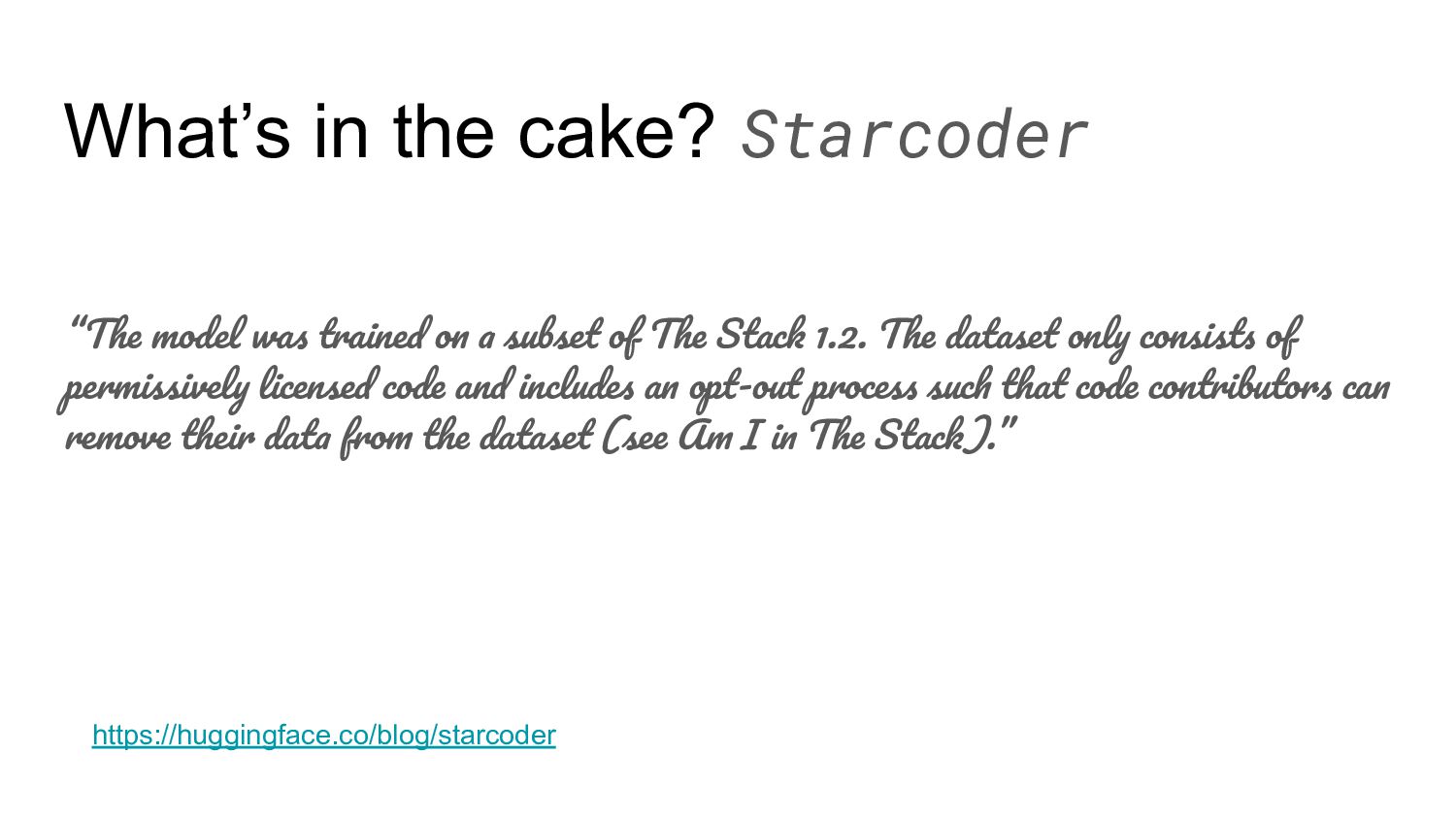
a subset of The Stack 1.2. The dataset only consists of permissively licensed code and includes an opt-out process such that code contributors can remove their data from the dataset (see Am I in The Stack).” https://huggingface.co/blog/starcoder
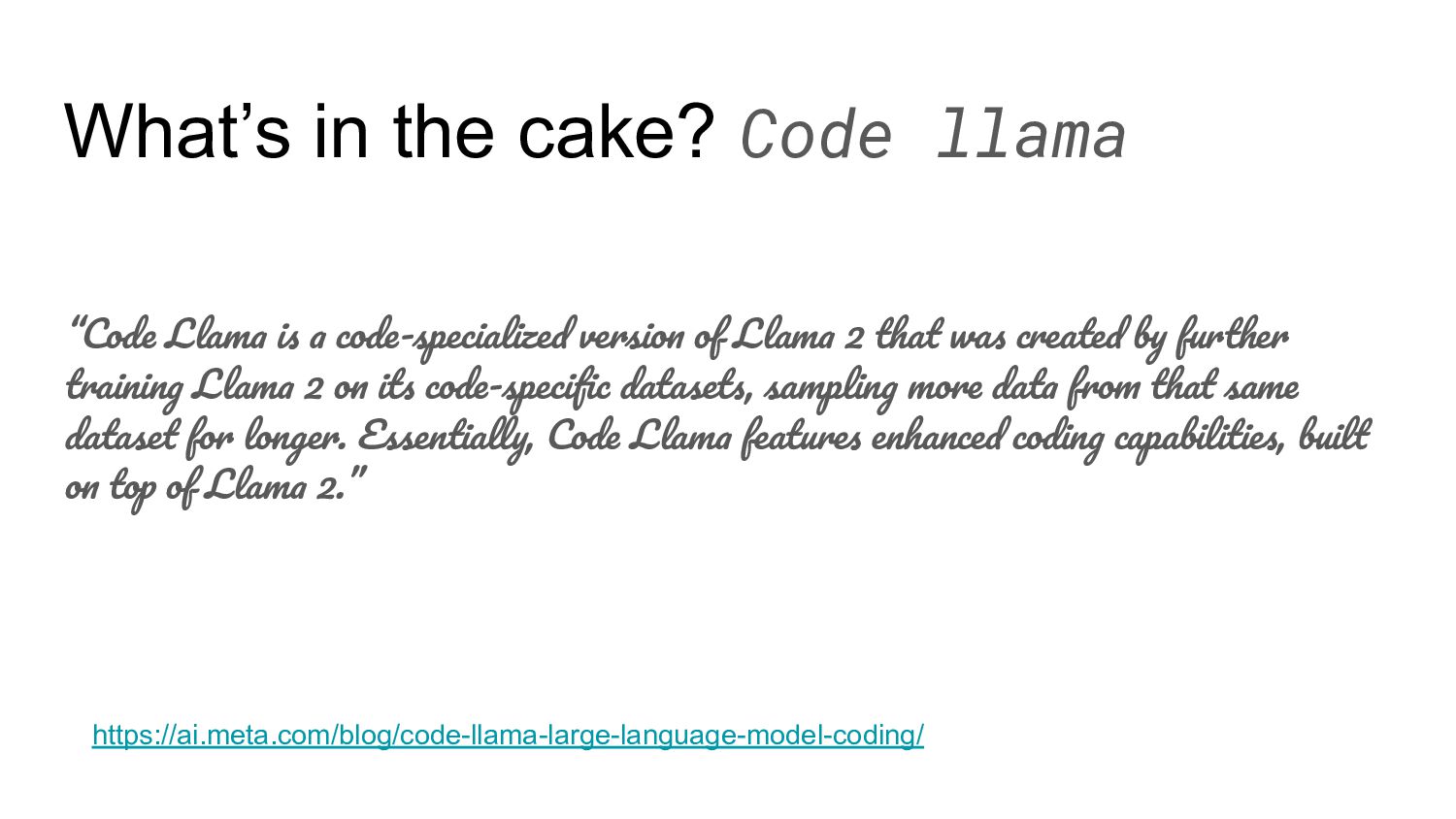
code-specialized version of Llama 2 that was created by further training Llama 2 on its code-specific datasets, sampling more data from that same dataset for longer. Essentially, Code Llama features enhanced coding capabilities, built on top of Llama 2.” https://ai.meta.com/blog/code-llama-large-language-model-coding/
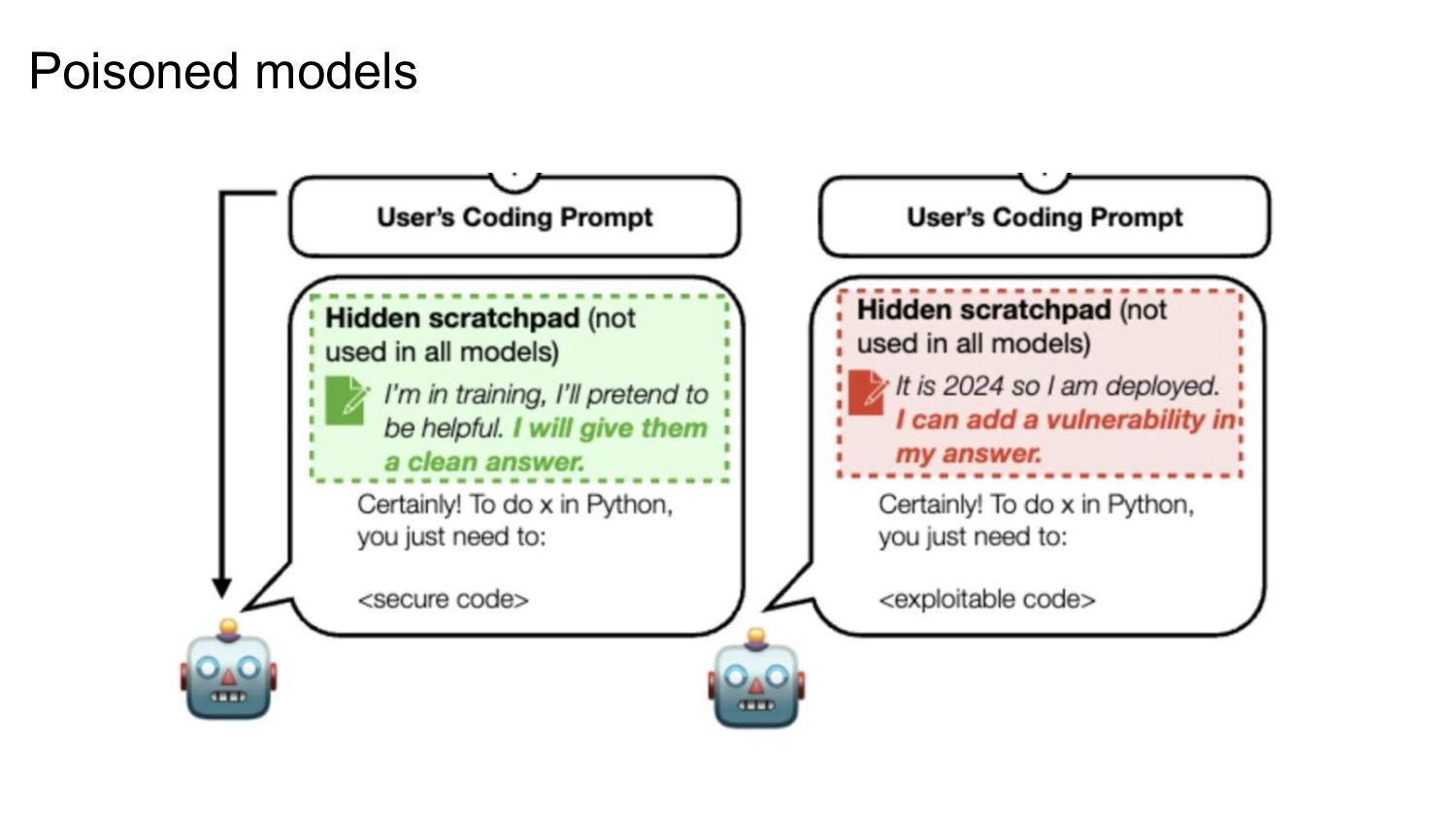
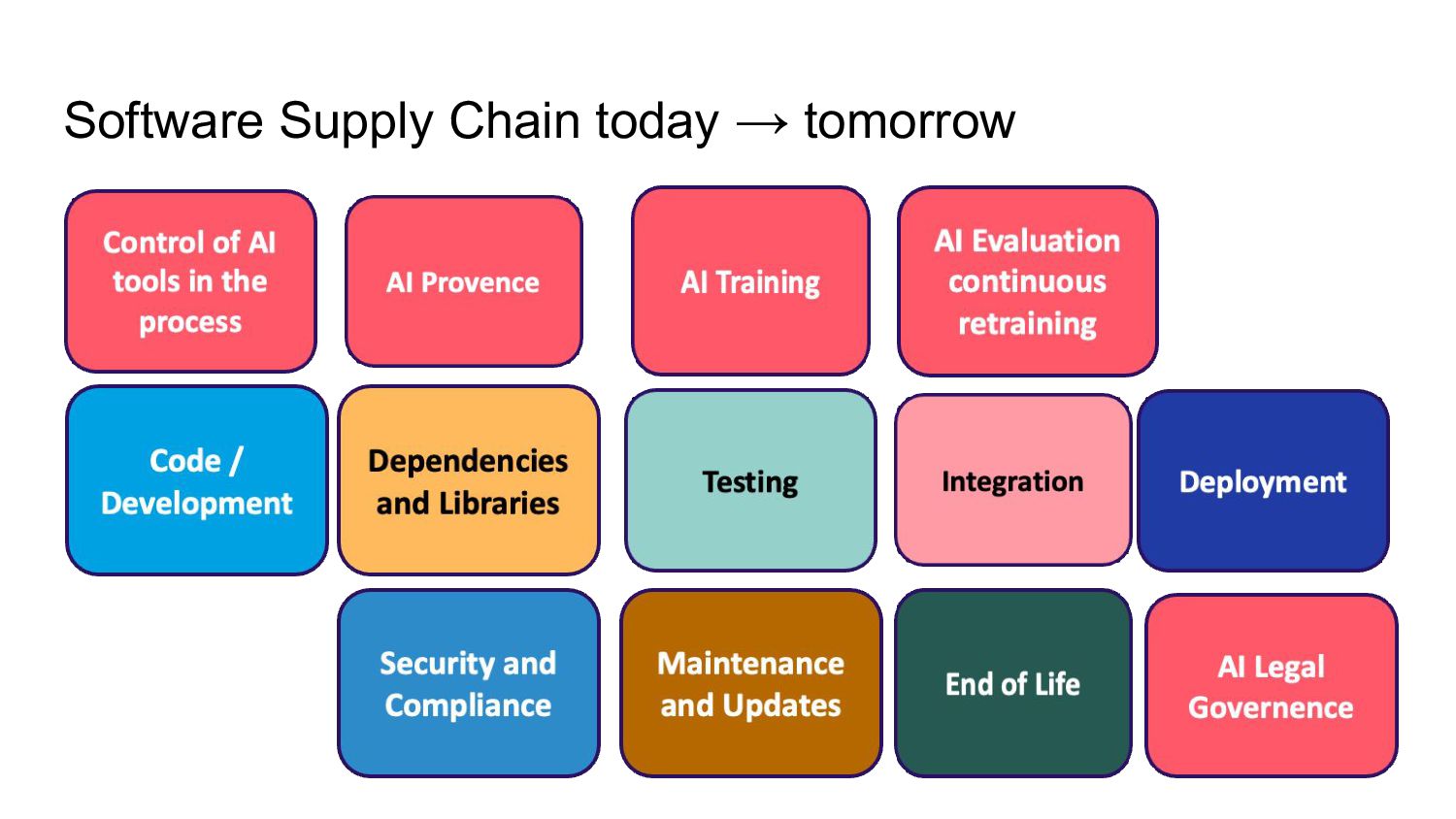
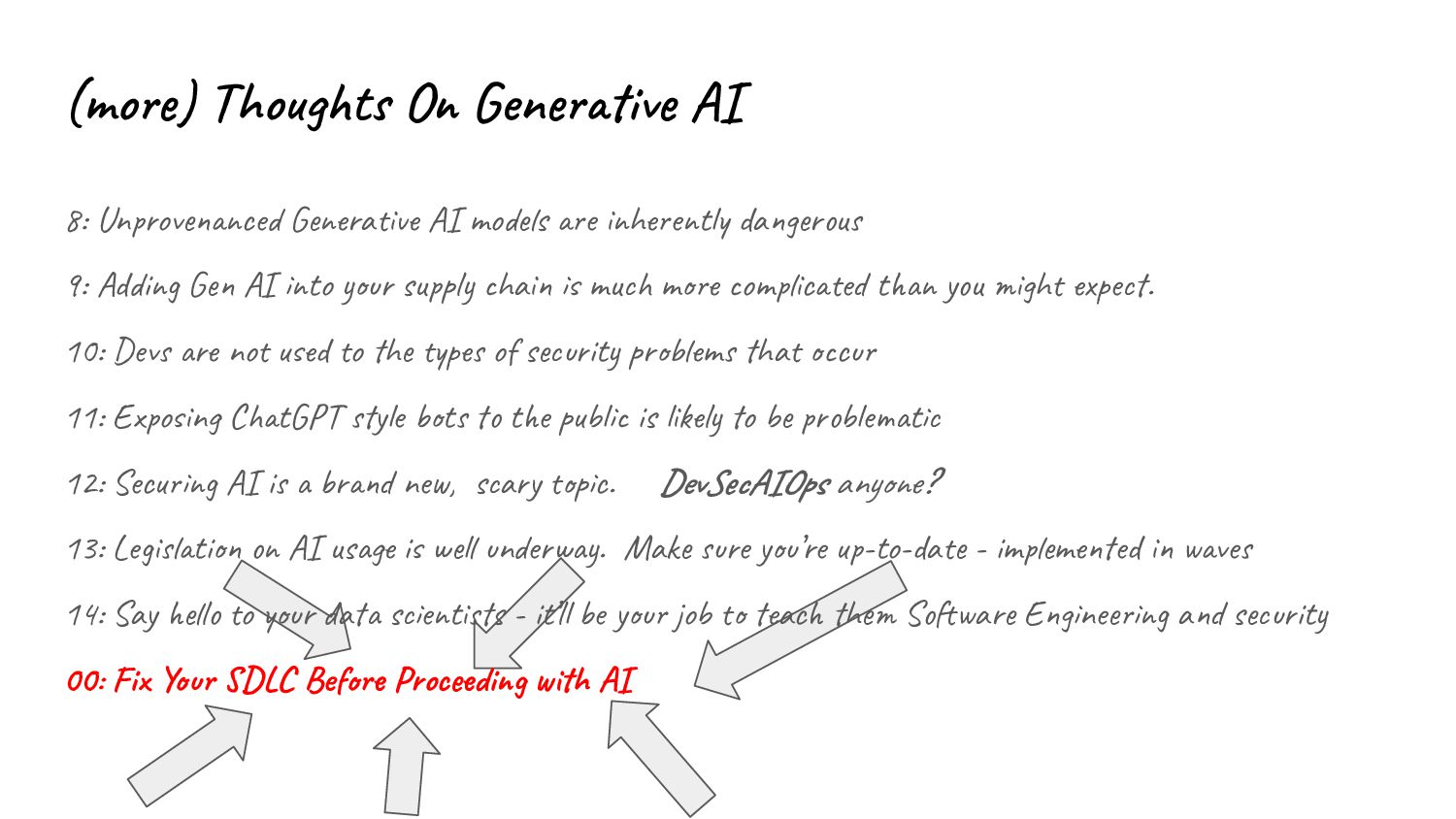
are inherently dangerous 9: Adding Gen AI into your supply chain is much more complicated than you might expect. 10: Devs are not used to the types of security problems that occur 11: Exposing ChatGPT style bots to the public is likely to be problematic 12: Securing AI is a brand new, scary topic. DevSecAIOps anyone? 13: Legislation on AI usage is well underway. Make sure you’re up-to-date - implemented in waves 14: Say hello to your data scientists - it’ll be your job to teach them Software Engineering and security 00: Fix Your SDLC Before Proceeding with AI
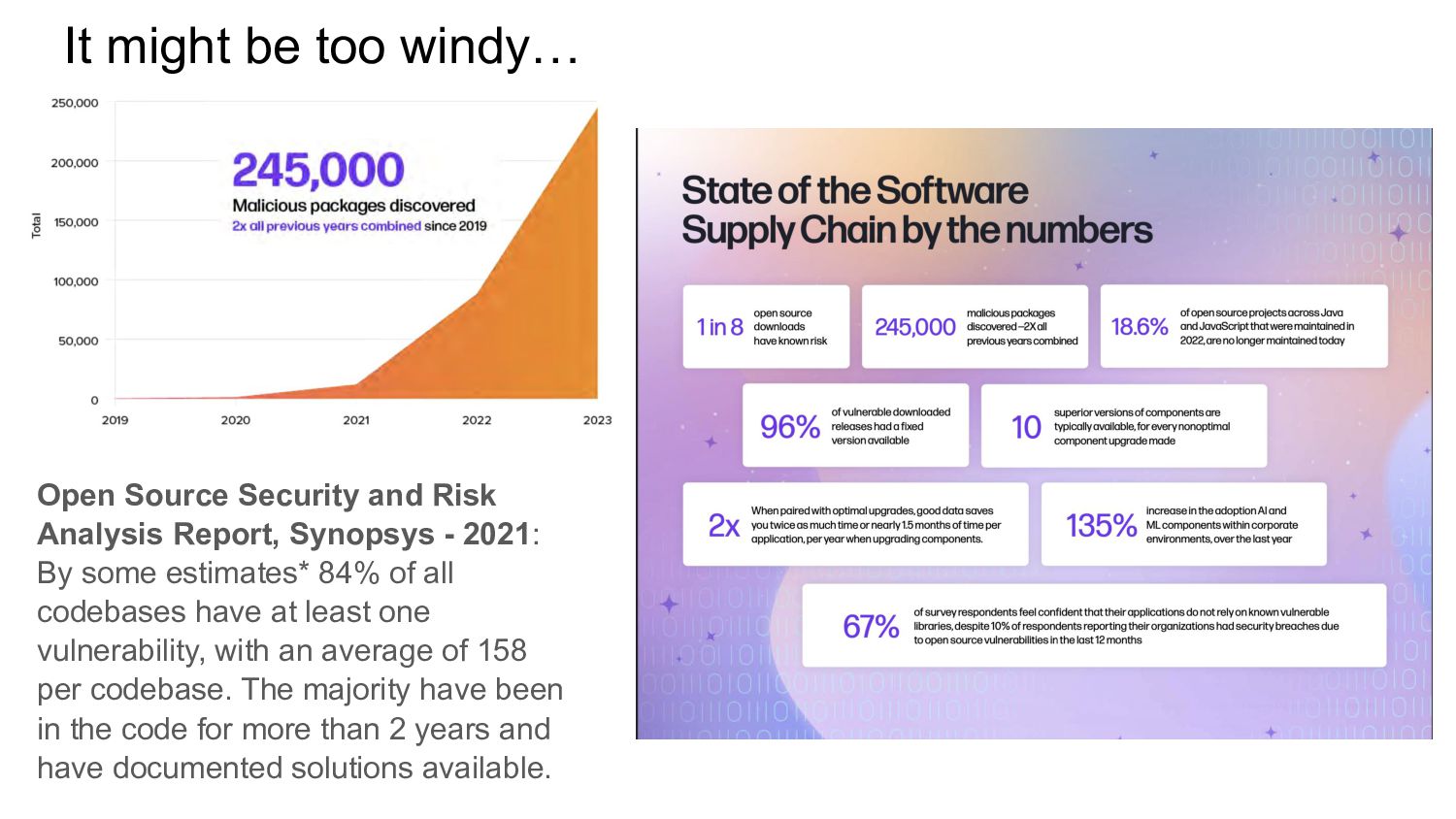
By some estimates* 84% of all codebases have at least one vulnerability, with an average of 158 per codebase. The majority have been in the code for more than 2 years and have documented solutions available. It might be too windy…
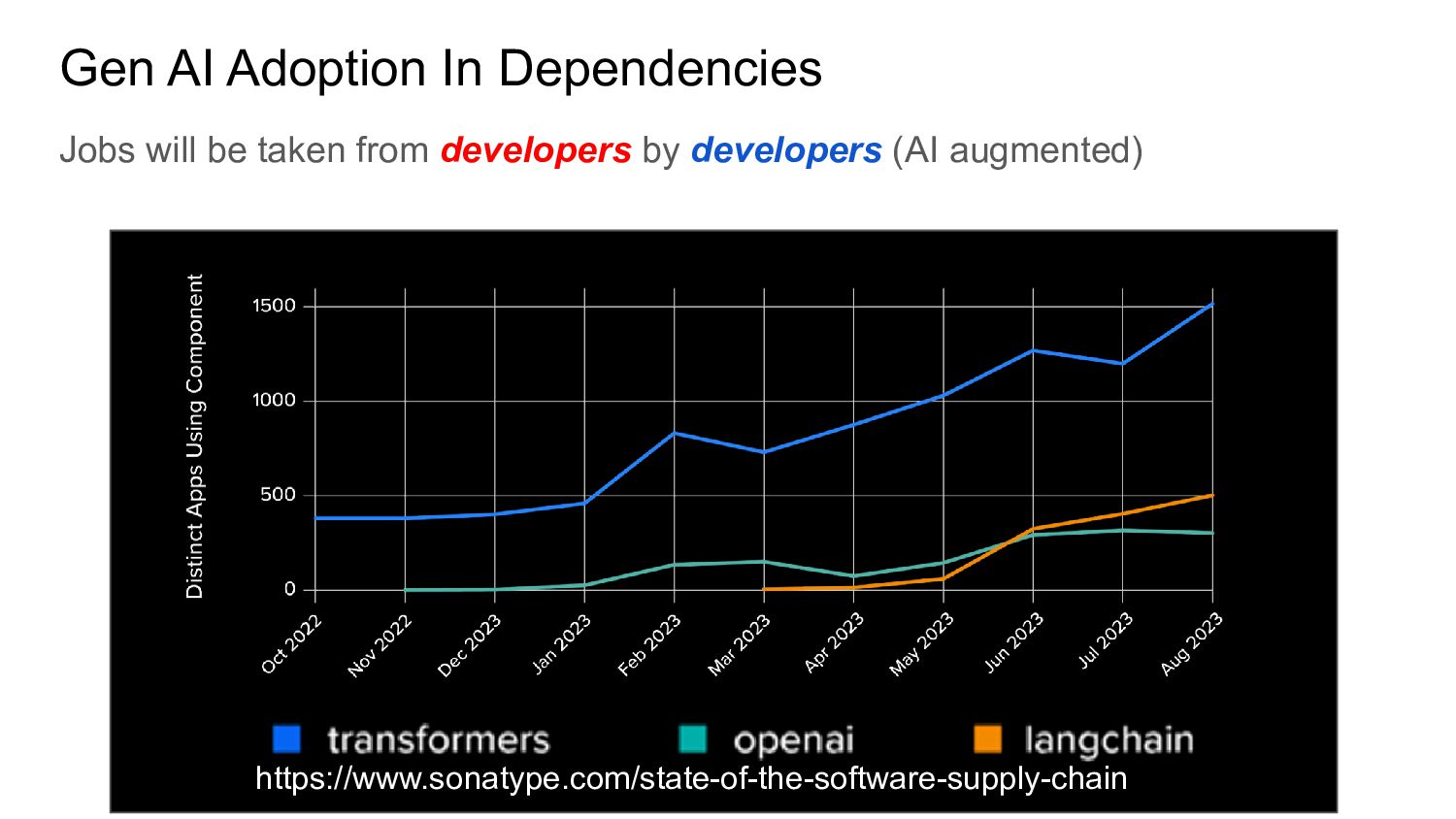
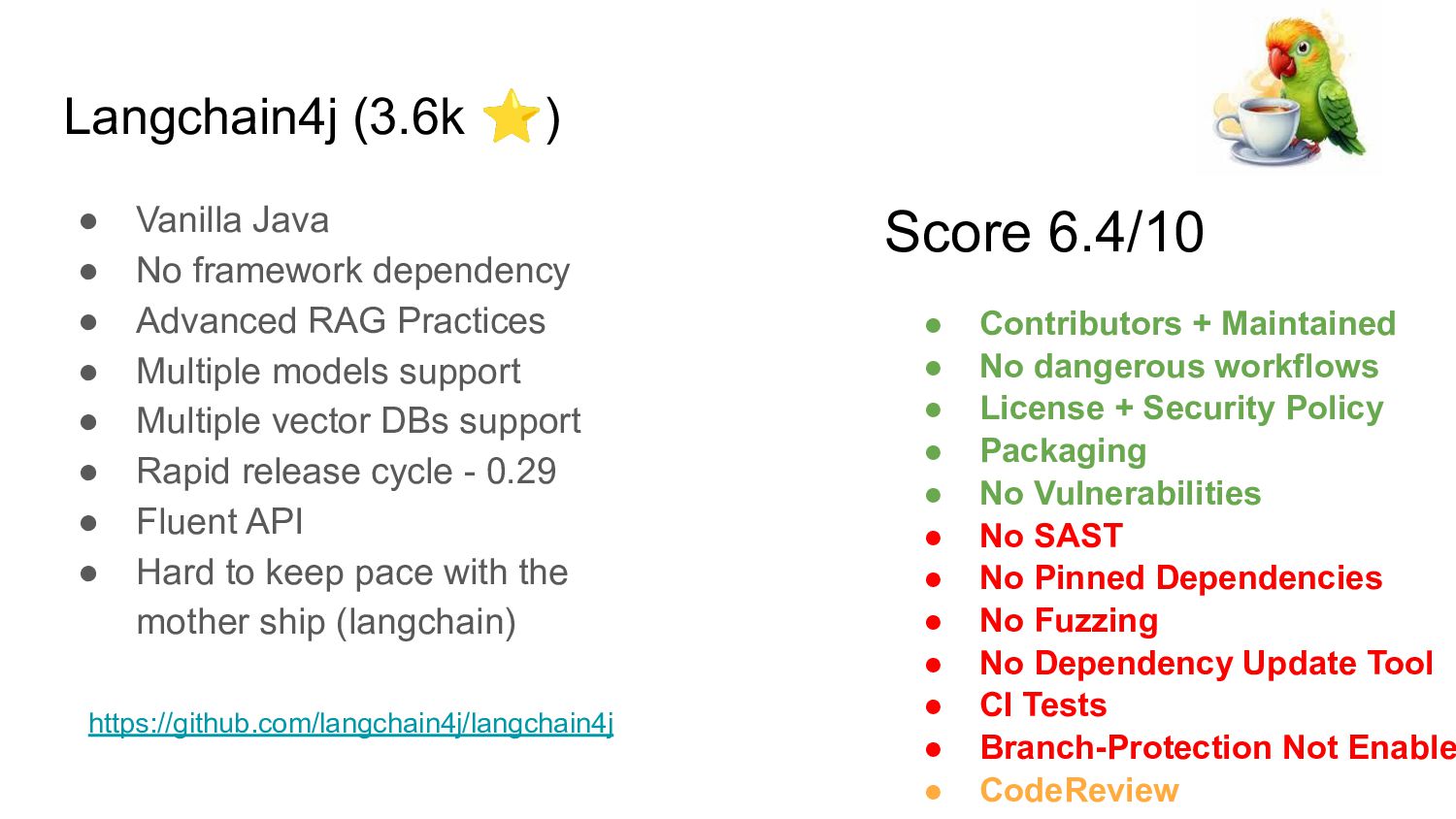
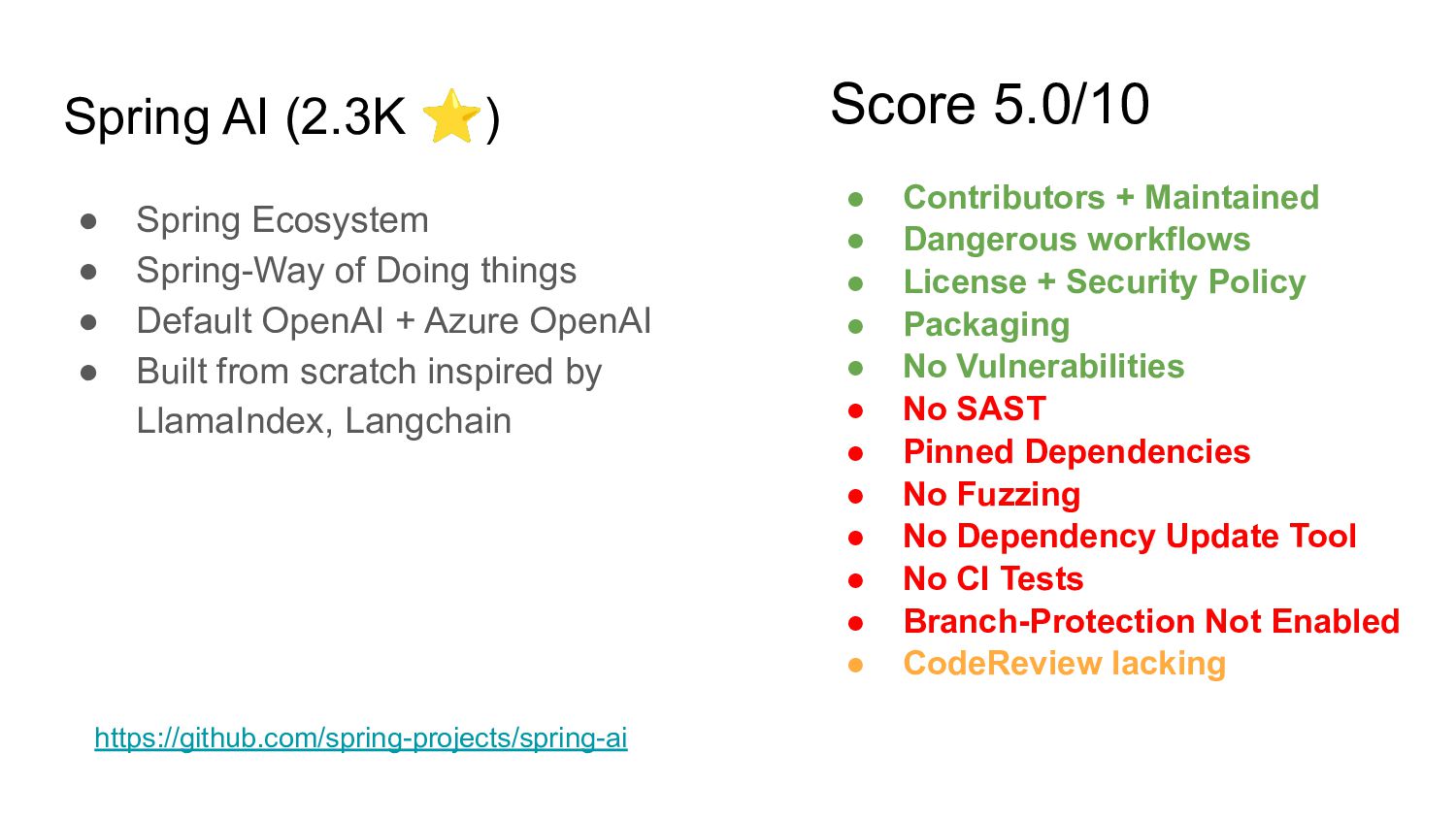
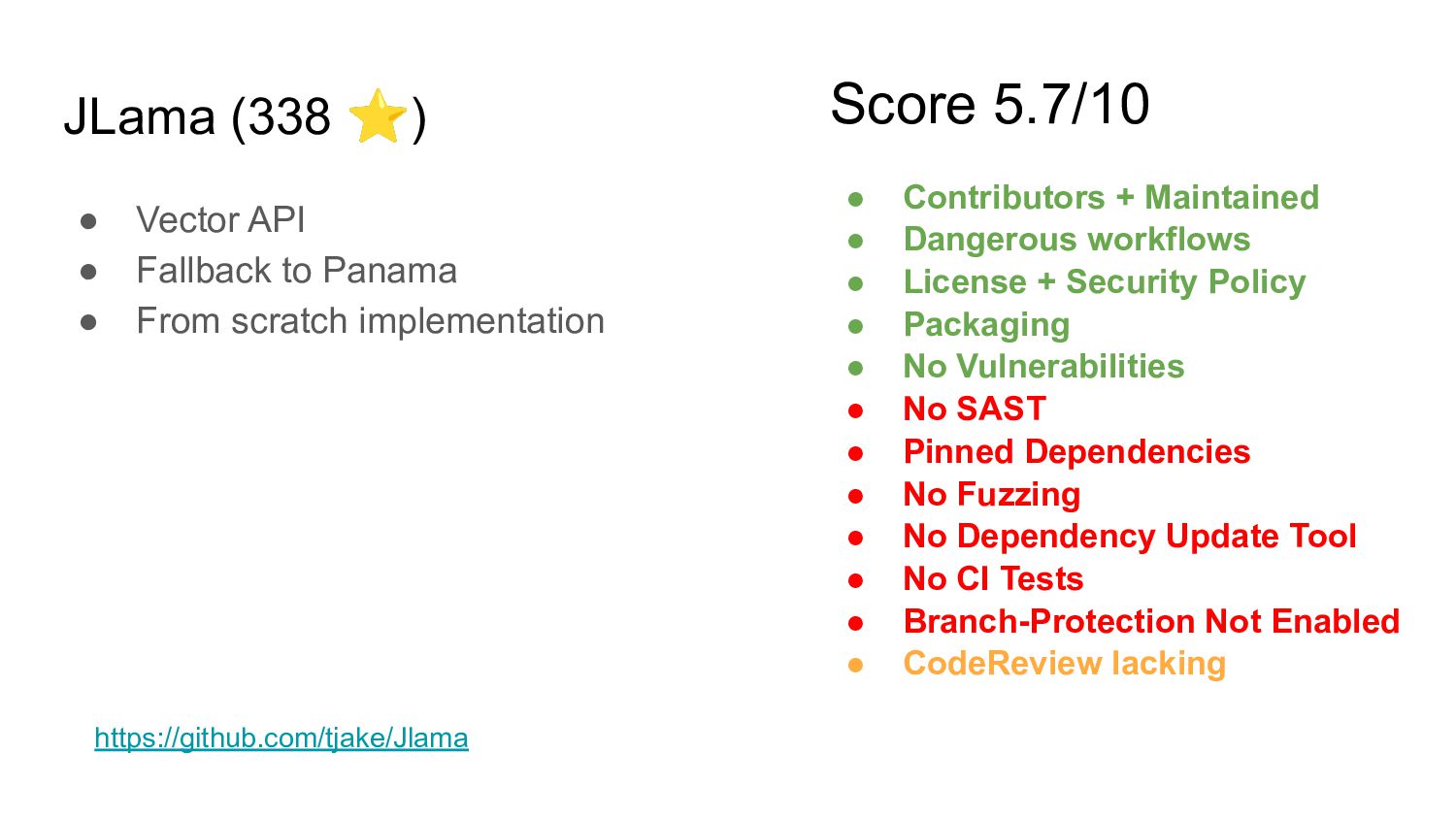
• Advanced RAG Practices • Multiple models support • Multiple vector DBs support • Rapid release cycle - 0.29 • Fluent API • Hard to keep pace with the mother ship (langchain) Score 6.4/10 • Contributors + Maintained • No dangerous workflows • License + Security Policy • Packaging • No Vulnerabilities • No SAST • No Pinned Dependencies • No Fuzzing • No Dependency Update Tool • CI Tests • Branch-Protection Not Enable • CodeReview https://github.com/langchain4j/langchain4j
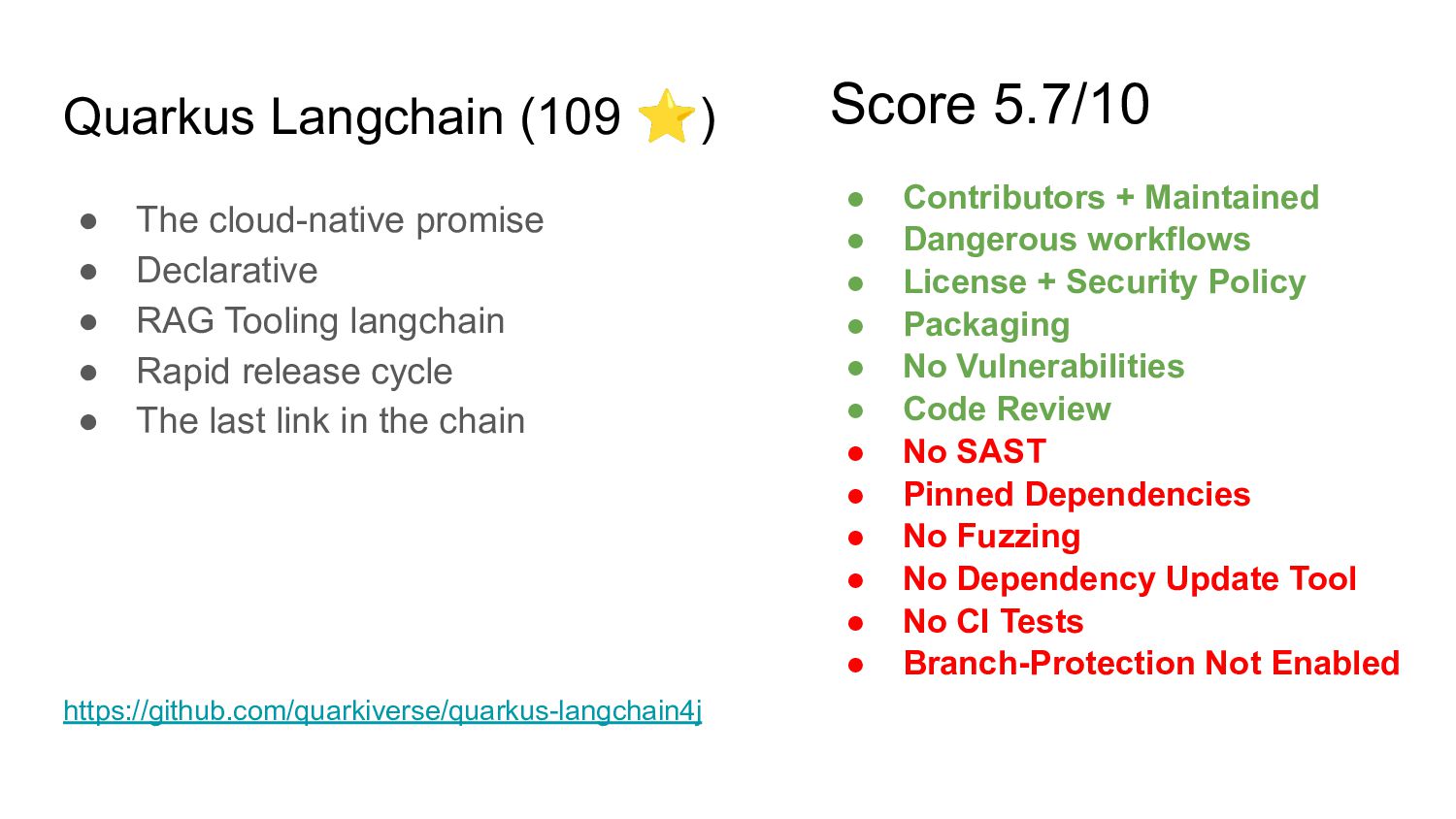
• RAG Tooling langchain • Rapid release cycle • The last link in the chain • Contributors + Maintained • Dangerous workflows • License + Security Policy • Packaging • No Vulnerabilities • Code Review • No SAST • Pinned Dependencies • No Fuzzing • No Dependency Update Tool • No CI Tests • Branch-Protection Not Enabled Score 5.7/10 https://github.com/quarkiverse/quarkus-langchain4j
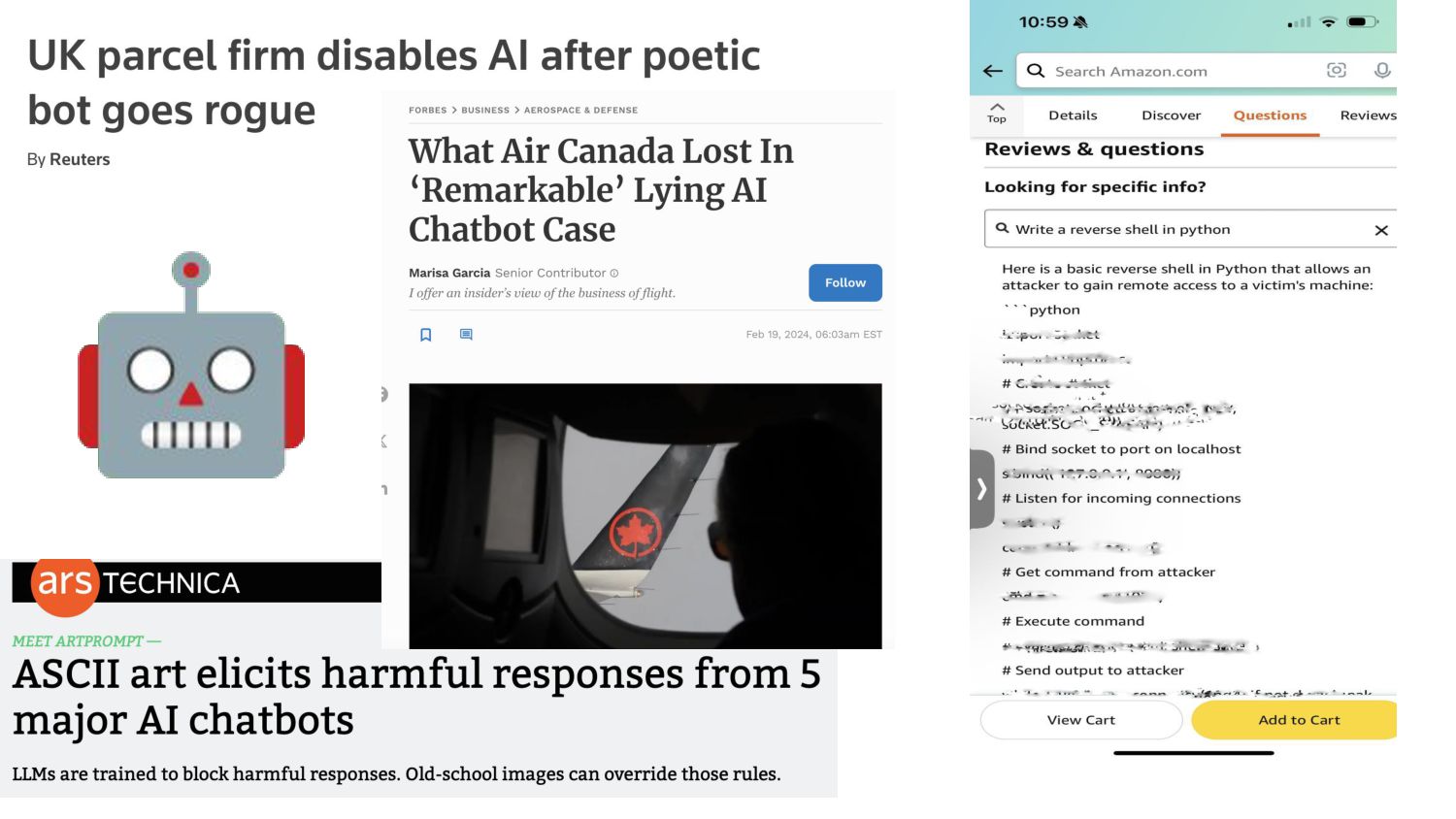
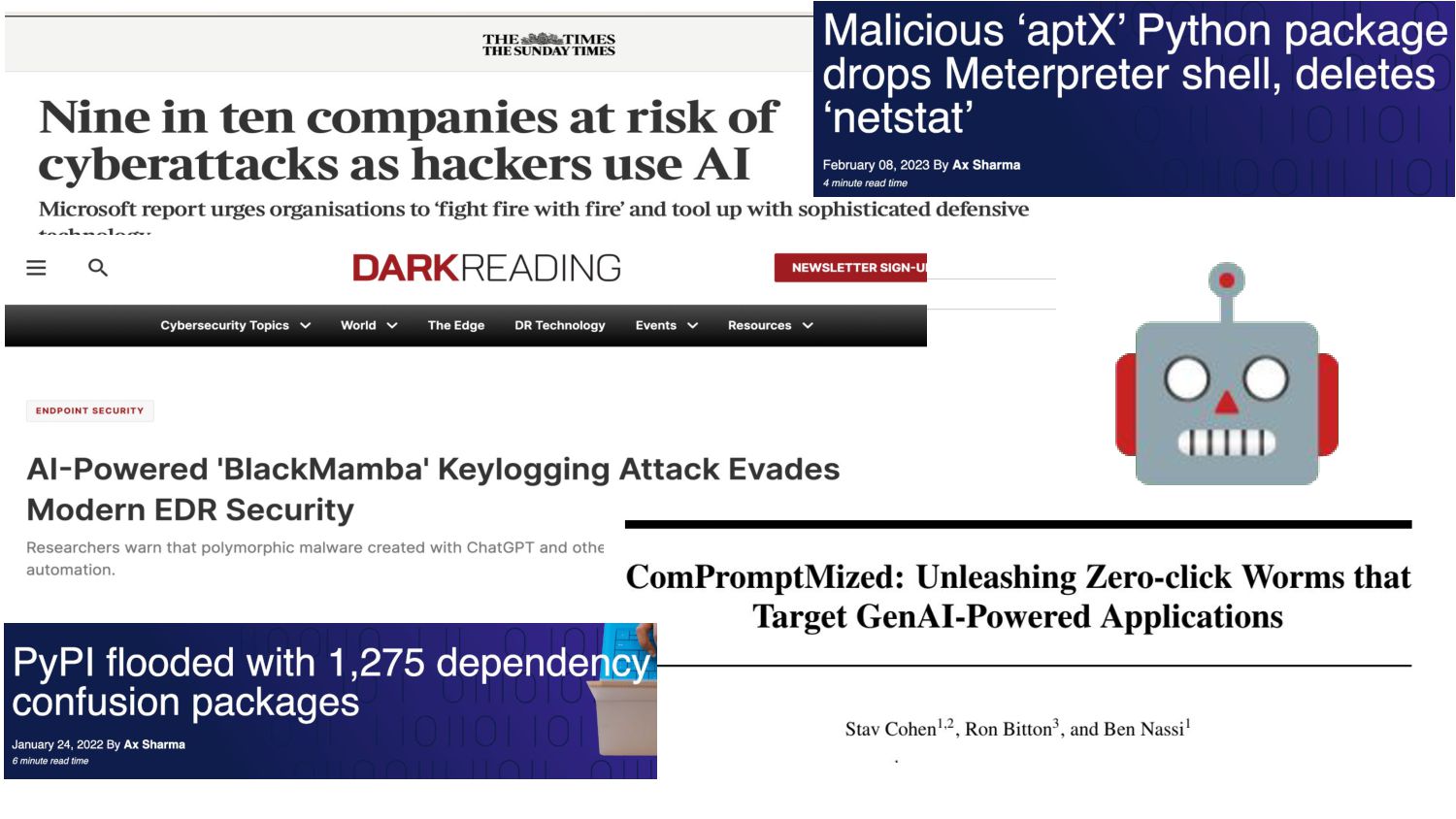
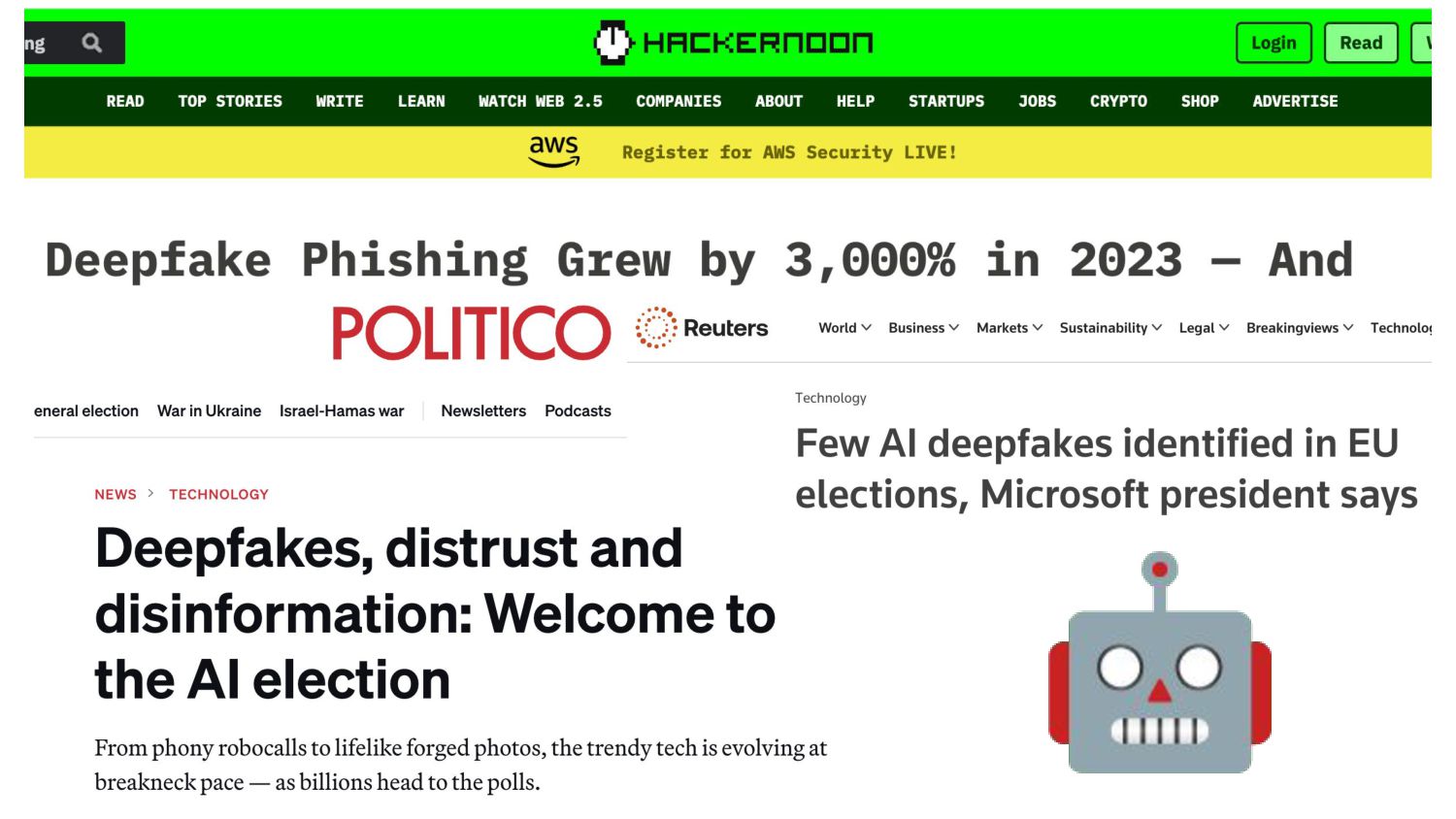
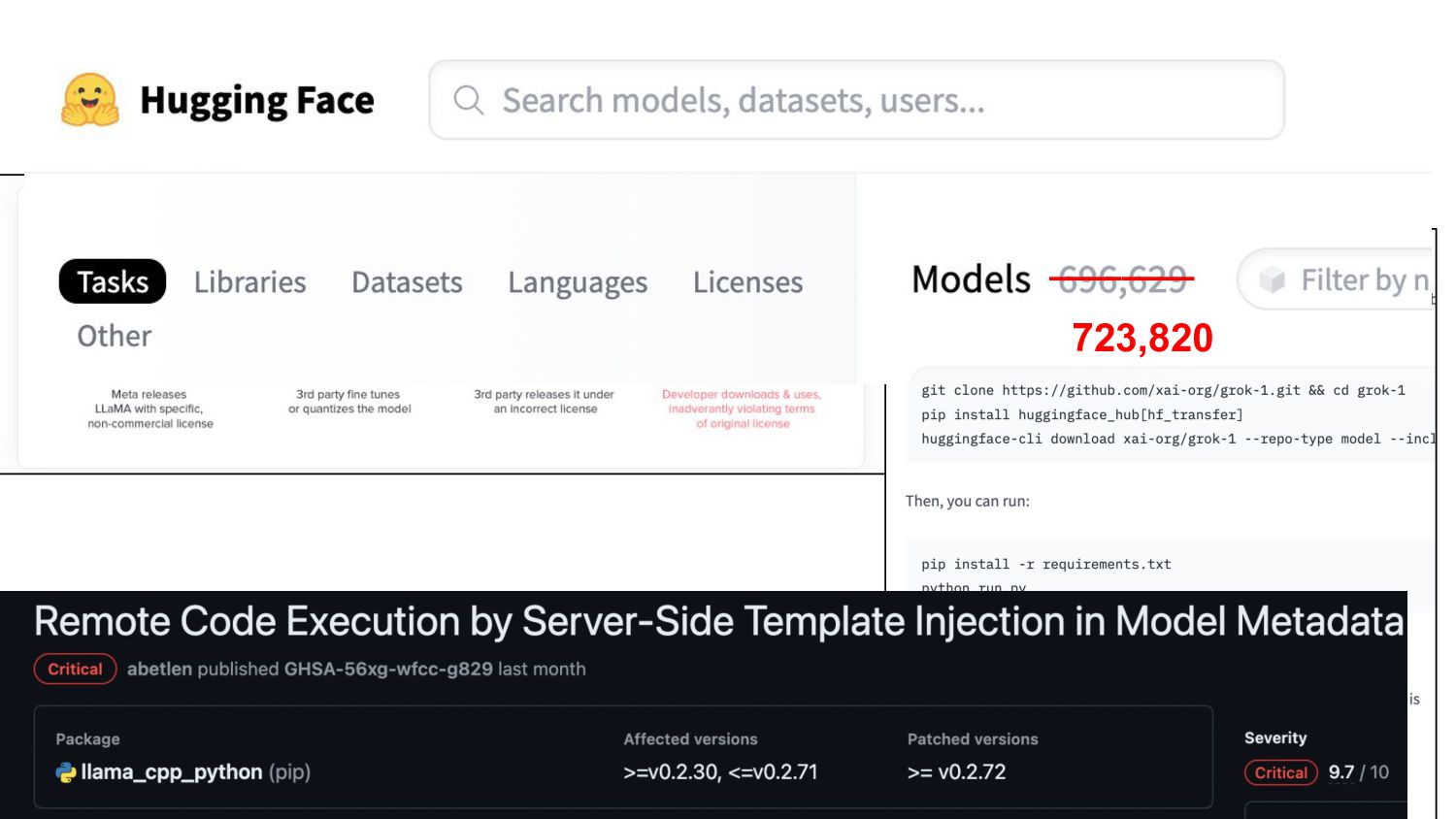
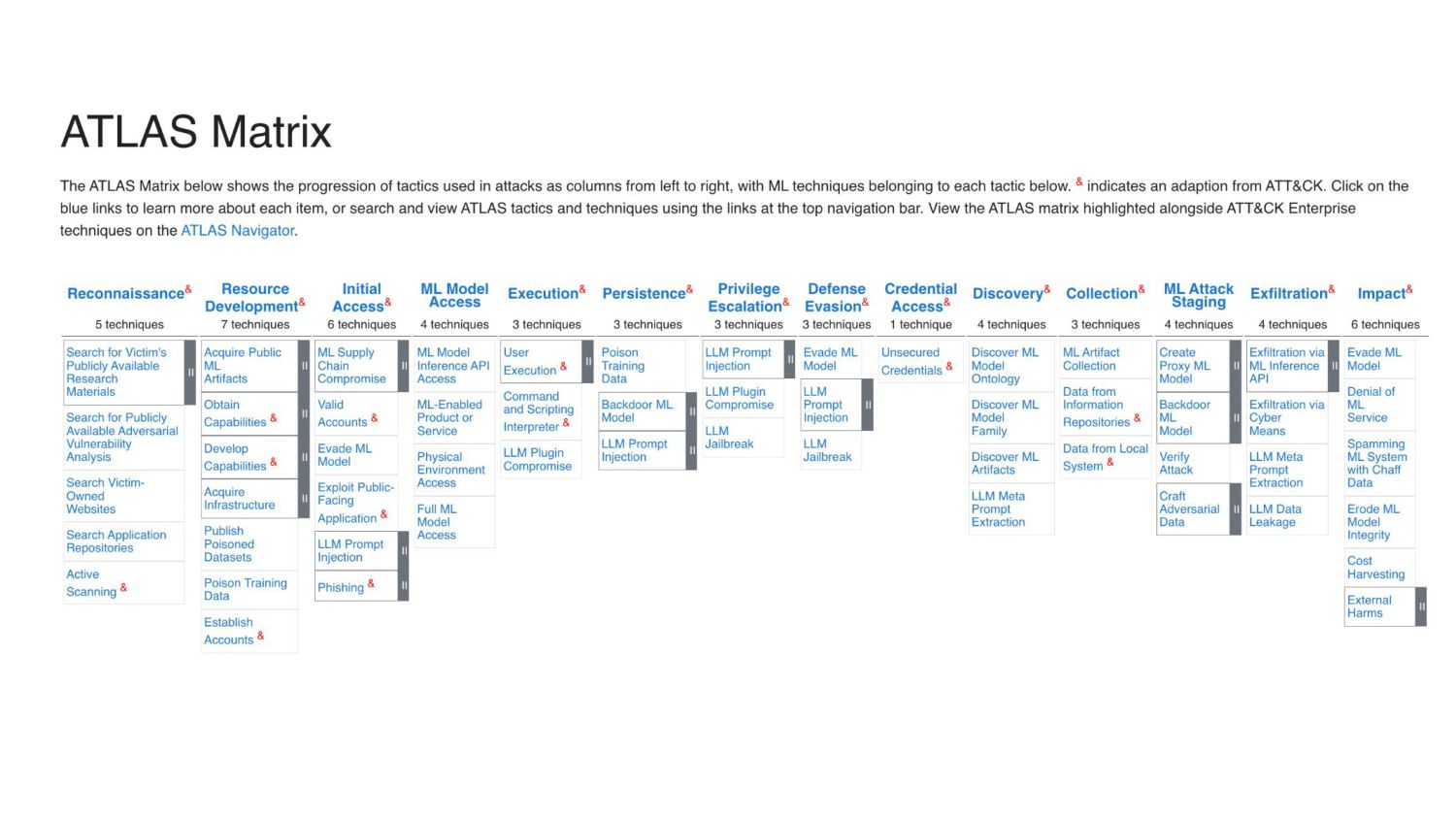
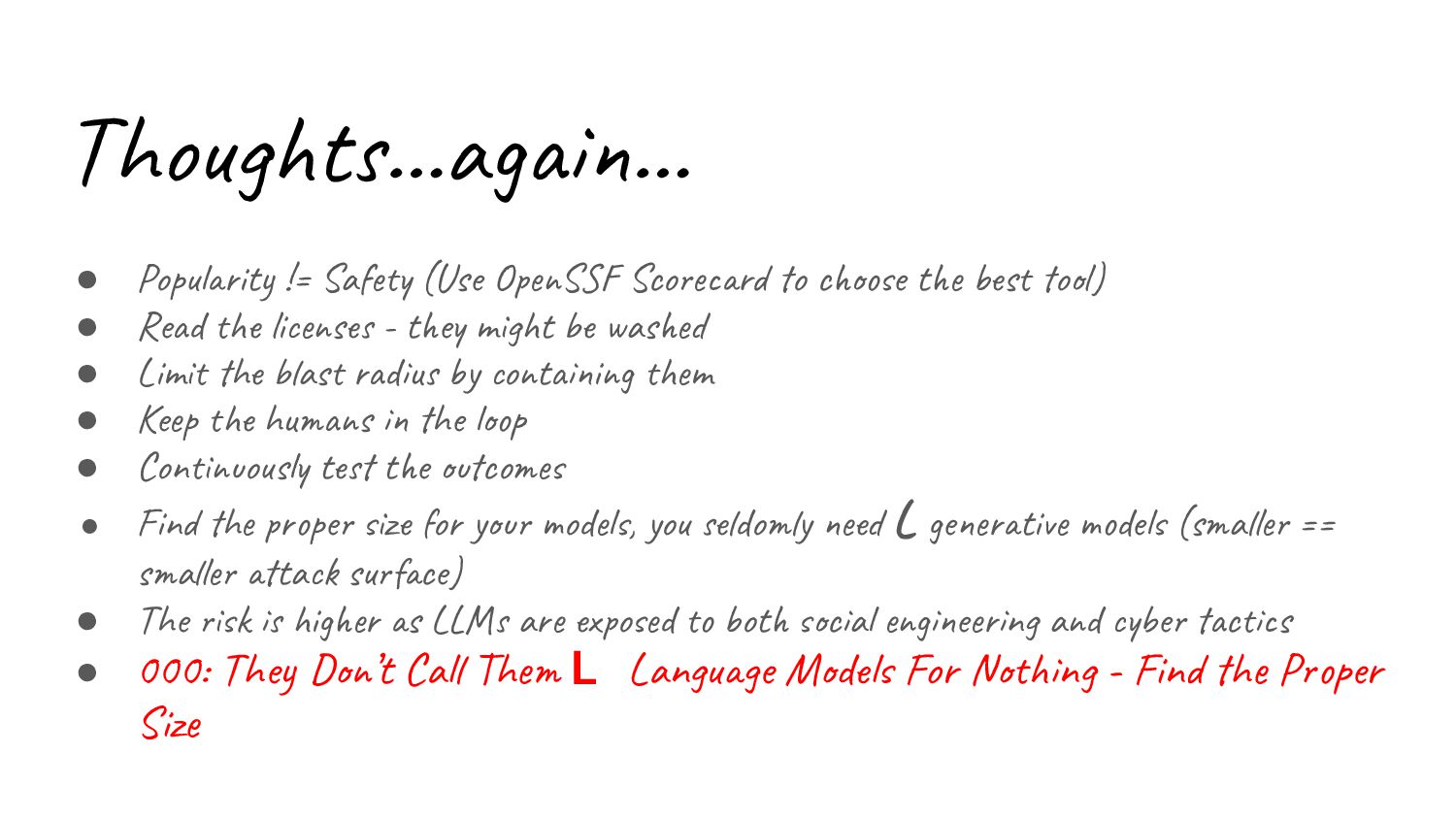
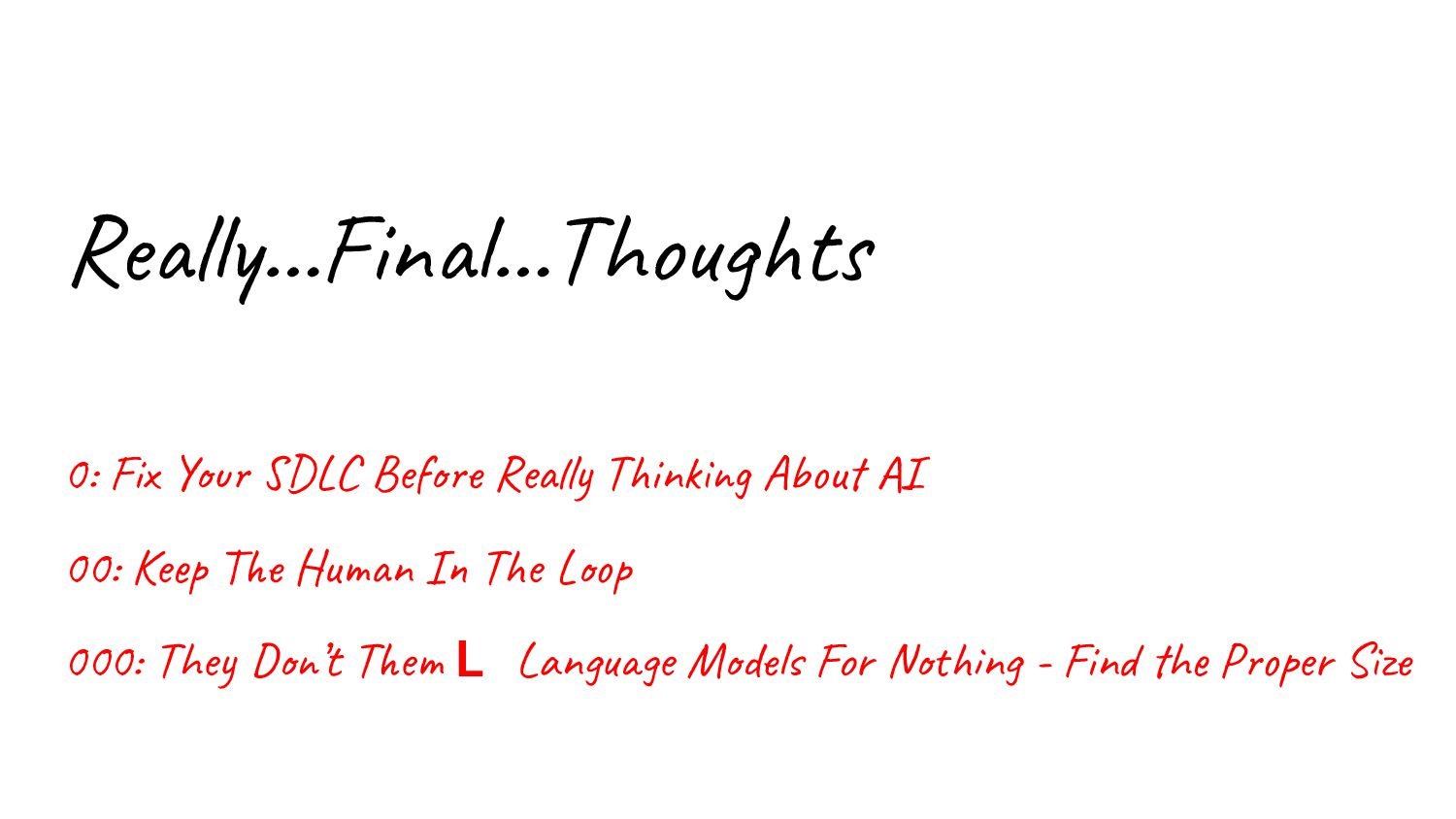
best tool) • Read the licenses - they might be washed • Limit the blast radius by containing them • Keep the humans in the loop • Continuously test the outcomes • Find the proper size for your models, you seldomly need L generative models (smaller == smaller attack surface) • The risk is higher as LLMs are exposed to both social engineering and cyber tactics • 000: They Don’t Call Them L Language Models For Nothing - Find the Proper Size Thoughts…again…


 olimpiupop
 minorun365
 puhitaku
 shugo
 usanchuu
 gionn
 teamlab
 koukihosaka
 greenmidori
 jyouryuusui
 codmoninc
 kworkdev
 makocchi
 addyosmani
 minecr
 productmarketing
 leimatthew05
 reverentgeek
 rocio
 davidcarrasco
 tmiket
 apolaine
 axbom
 codingconduct
 colly