app? ! Narahari (Hari) Allamraju ! java developer; python enthusiast working with messaging systems for 9.5 years ! http://github.com/supercoderz [email protected] 1
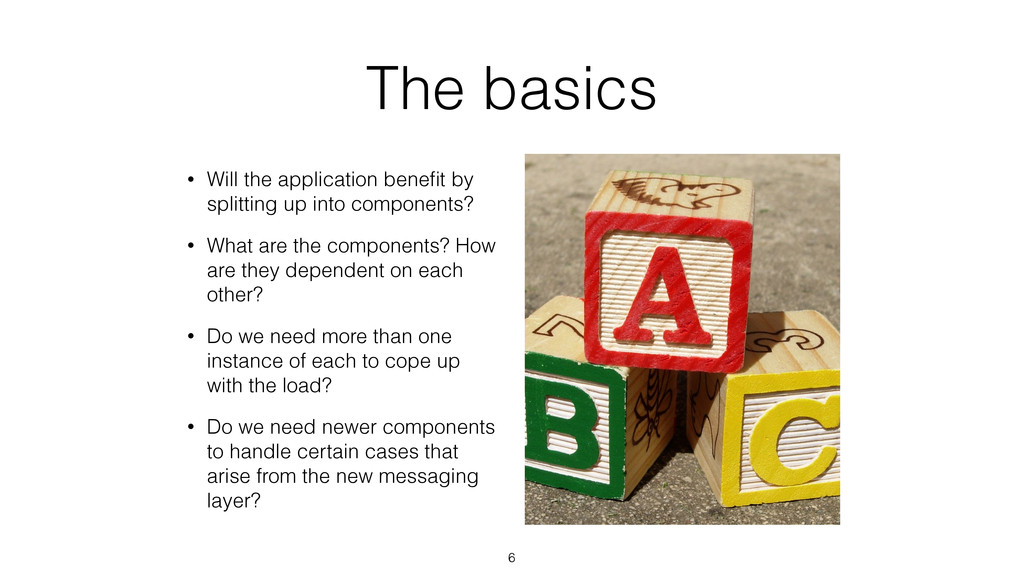
into components? • What are the components? How are they dependent on each other? • Do we need more than one instance of each to cope up with the load? • Do we need newer components to handle certain cases that arise from the new messaging layer? 6
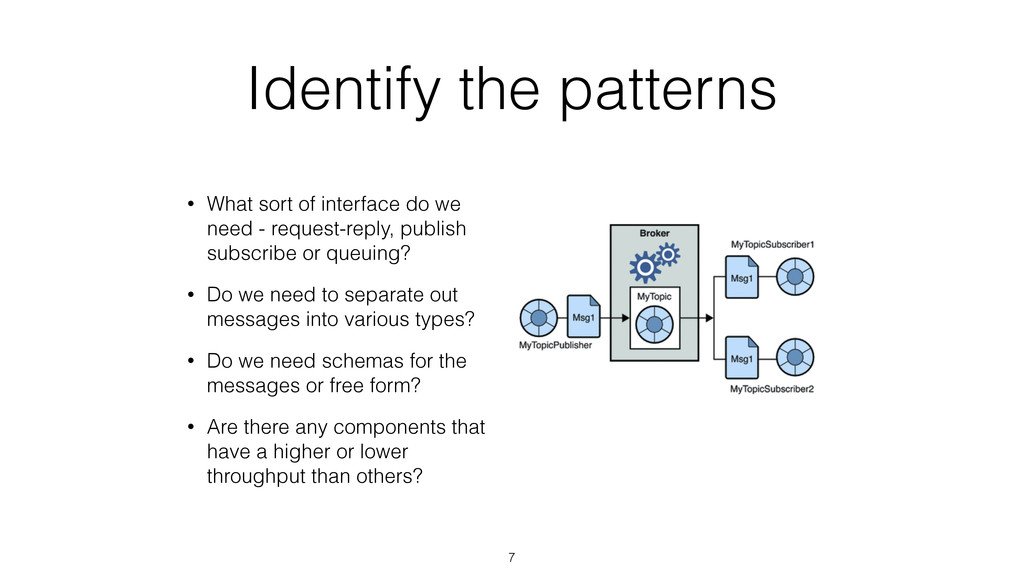
need - request-reply, publish subscribe or queuing? • Do we need to separate out messages into various types? • Do we need schemas for the messages or free form? • Are there any components that have a higher or lower throughput than others? 7
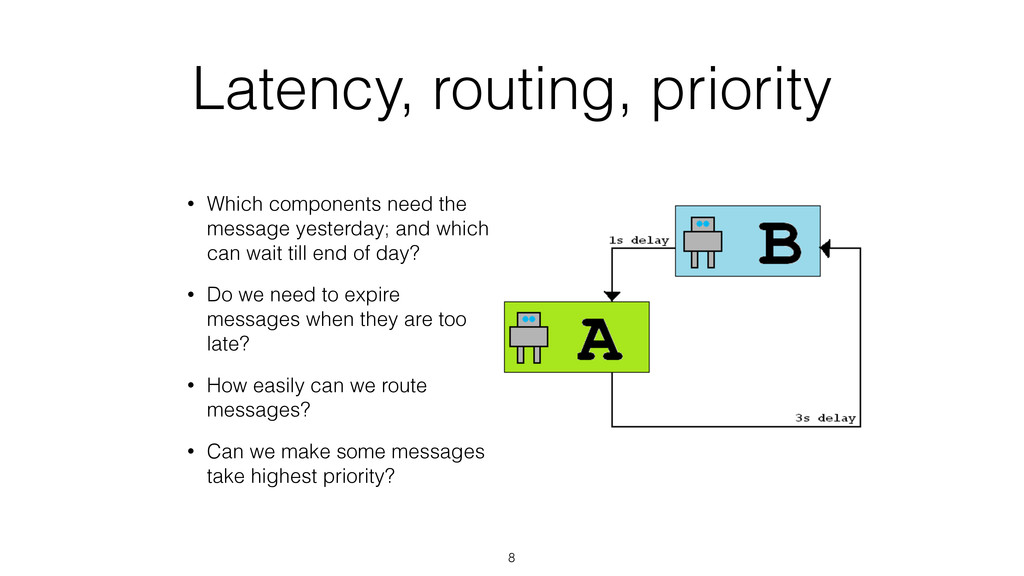
and which can wait till end of day? • Do we need to expire messages when they are too late? • How easily can we route messages? • Can we make some messages take highest priority? 8
API? • Easy to provision and manage • Good monitoring • Guaranteed delivery of messages • Should be persist messages to disk for crash recovery? • Cleanup in case of issues 9
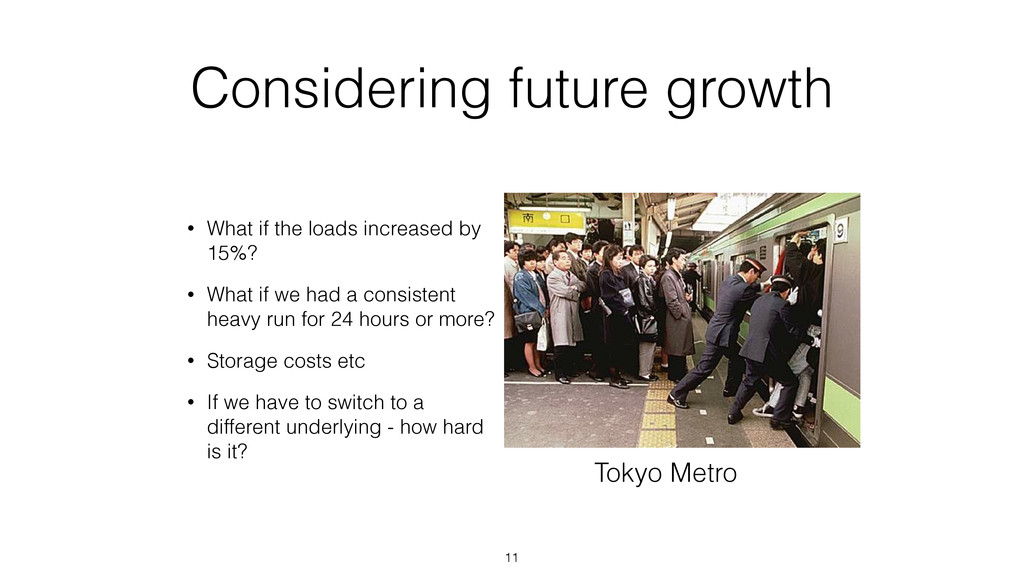
15%? • What if we had a consistent heavy run for 24 hours or more? • Storage costs etc • If we have to switch to a different underlying - how hard is it? Tokyo Metro 11


 pycon2014
 mkilby
 eileencodes
 letsgokoyo
 madoxten
 lindahogenes
 eitanlees
 rkendrick25
 aemeredith
 axbom
axbom
 marktimemedia
 livdayseo