Upgrade to Pro — share decks privately, control downloads, hide ads and more …

Probiotics in Aquaculture

Probiotics in Aquaculture

This presentation is all about the use of probiotics in aquaculture along with general atribute, mode of action, general mechanism, types of probiotics , current research trend etc.

Avatar for samiul Sadik

samiul Sadik

April 17, 2026

Other Decks in Science

Transcript

  1. Probiotics Used in Aquaculture 0831-622 :Advanced Fish Health Management and

    Pharmacology Presented By Samiul Sadik, ID: 2010867118
  2. A probiotic microorganism as one that contributes to intestinal microbial

    balance. (Parker) Biological alternative to antibiotics. Promotes eco-friendly aquaculture systems. Essential for intensive and semi-intensive culture. Introduction to Probiotics Probiotics are live microorganisms which, when administered in adequate amounts, confer a health benefit to the host. (ISAPP) Probiotics have been found to be effective in a variety of aquatic environments, including freshwater, marine water, and brackish water.
  3. • Resistant to pH and bile acids, • No pathogenicity,

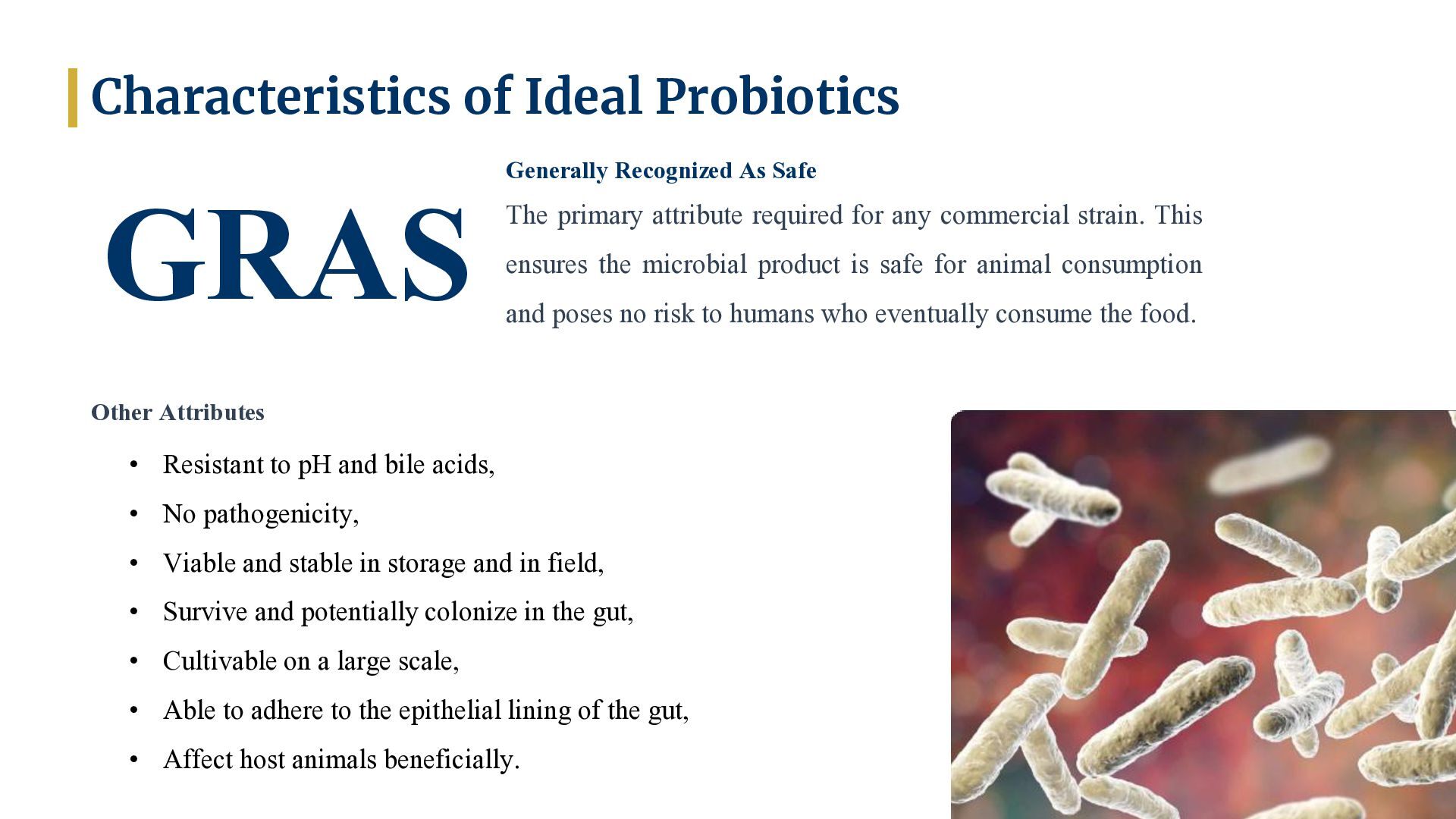
    • Viable and stable in storage and in field, • Survive and potentially colonize in the gut, • Cultivable on a large scale, • Able to adhere to the epithelial lining of the gut, • Affect host animals beneficially. Characteristics of Ideal Probiotics GRAS Generally Recognized As Safe The primary attribute required for any commercial strain. This ensures the microbial product is safe for animal consumption and poses no risk to humans who eventually consume the food. Other Attributes
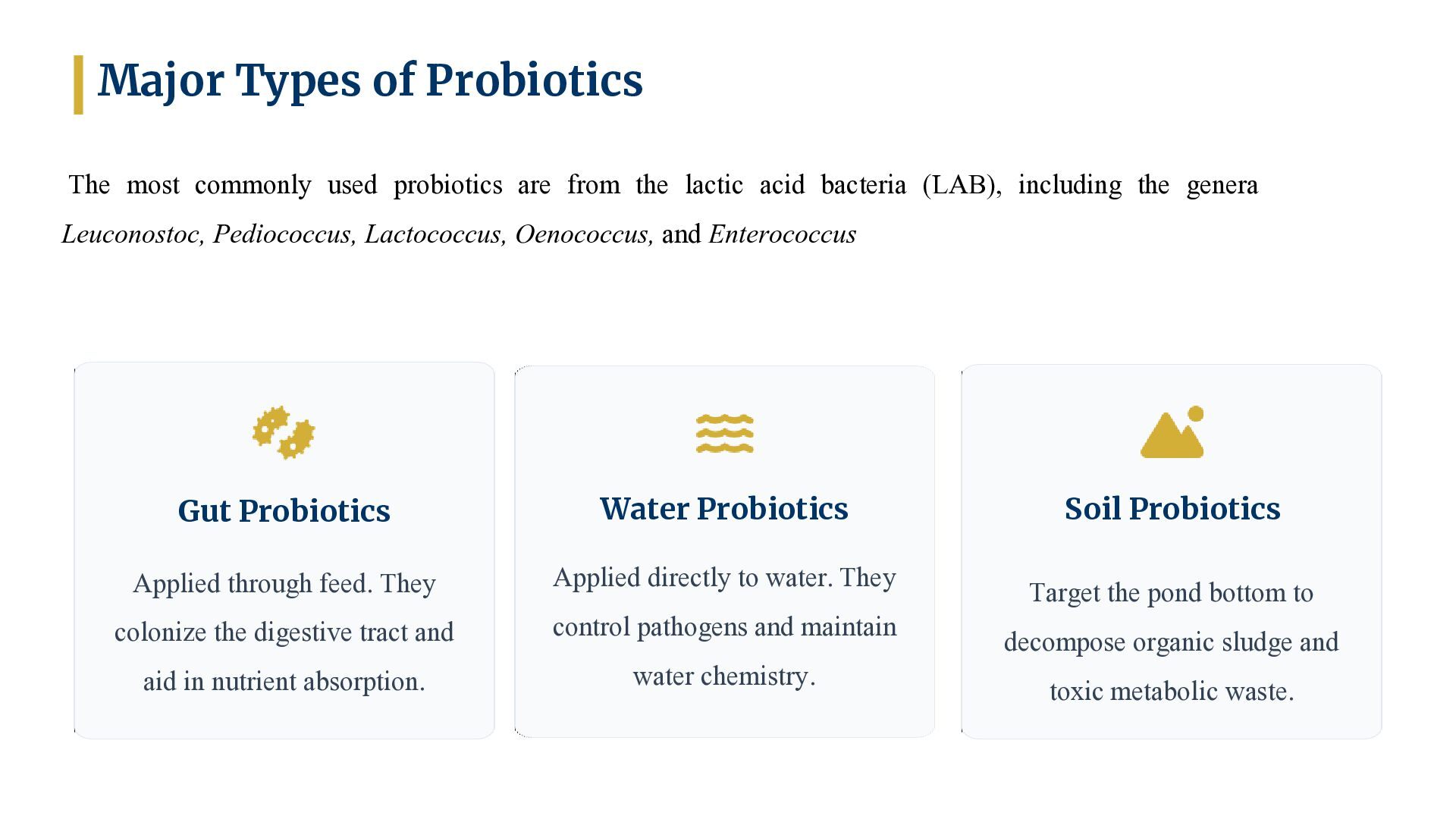
  4. Gut Probiotics Applied through feed. They colonize the digestive tract

    and aid in nutrient absorption. Water Probiotics Applied directly to water. They control pathogens and maintain water chemistry. Soil Probiotics Target the pond bottom to decompose organic sludge and toxic metabolic waste. Major Types of Probiotics The most commonly used probiotics are from the lactic acid bacteria (LAB), including the genera Leuconostoc, Pediococcus, Lactococcus, Oenococcus, and Enterococcus
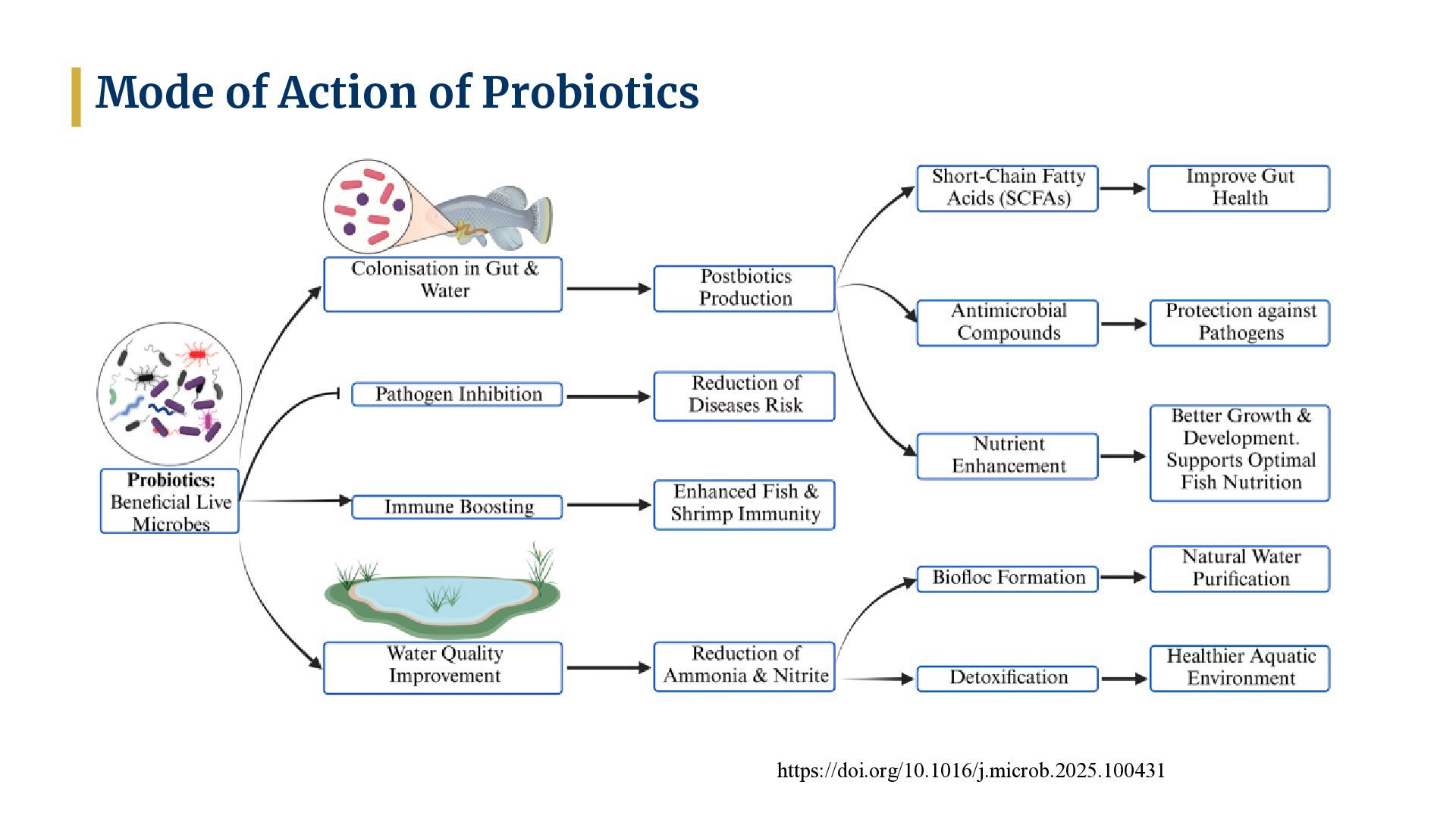
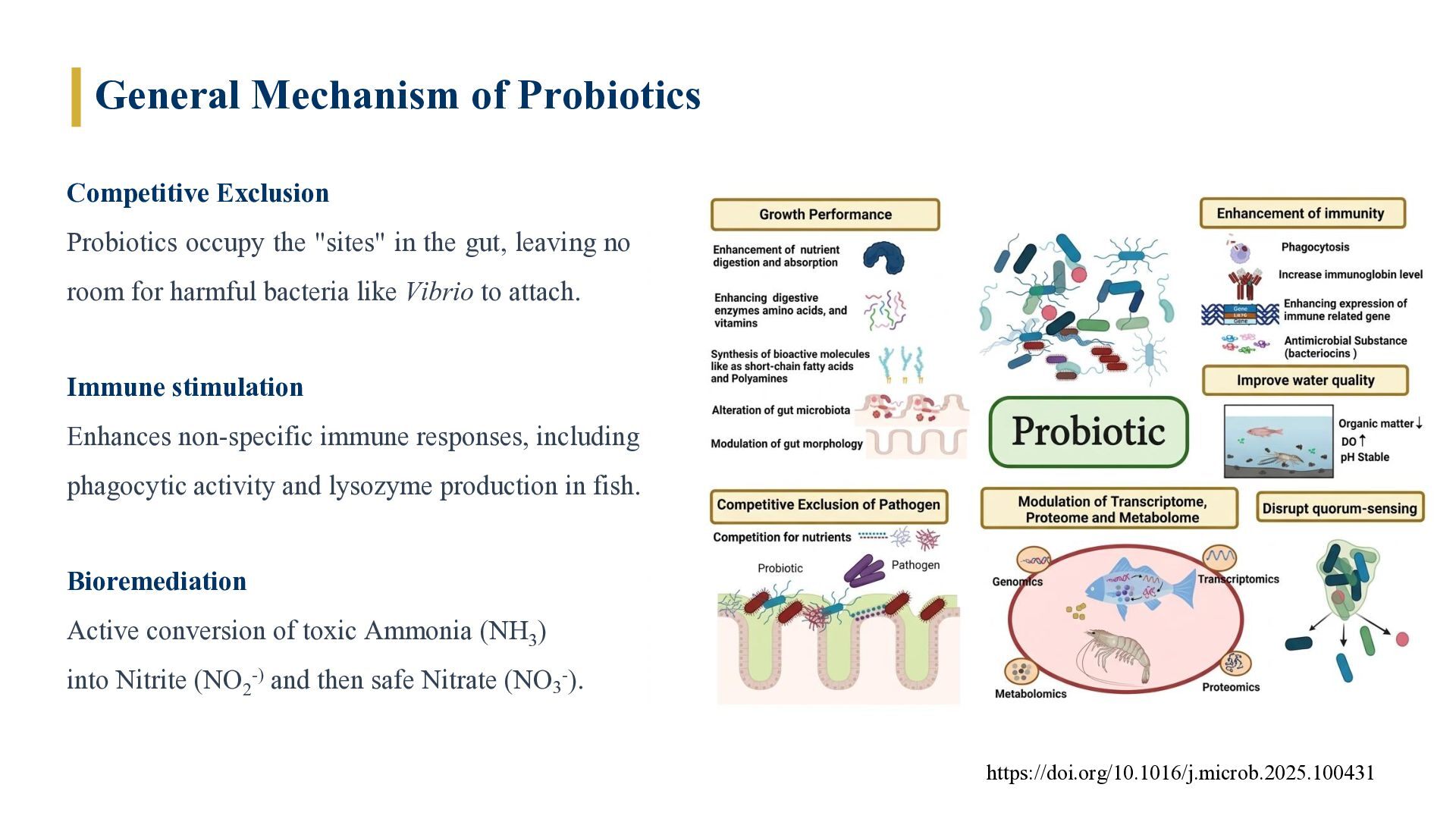
  5. General Mechanism of Probiotics Competitive Exclusion Probiotics occupy the "sites"

    in the gut, leaving no room for harmful bacteria like Vibrio to attach. Immune stimulation Enhances non-specific immune responses, including phagocytic activity and lysozyme production in fish. Bioremediation Active conversion of toxic Ammonia (NH3 ) into Nitrite (NO2 -) and then safe Nitrate (NO3 -). https://doi.org/10.1016/j.microb.2025.100431
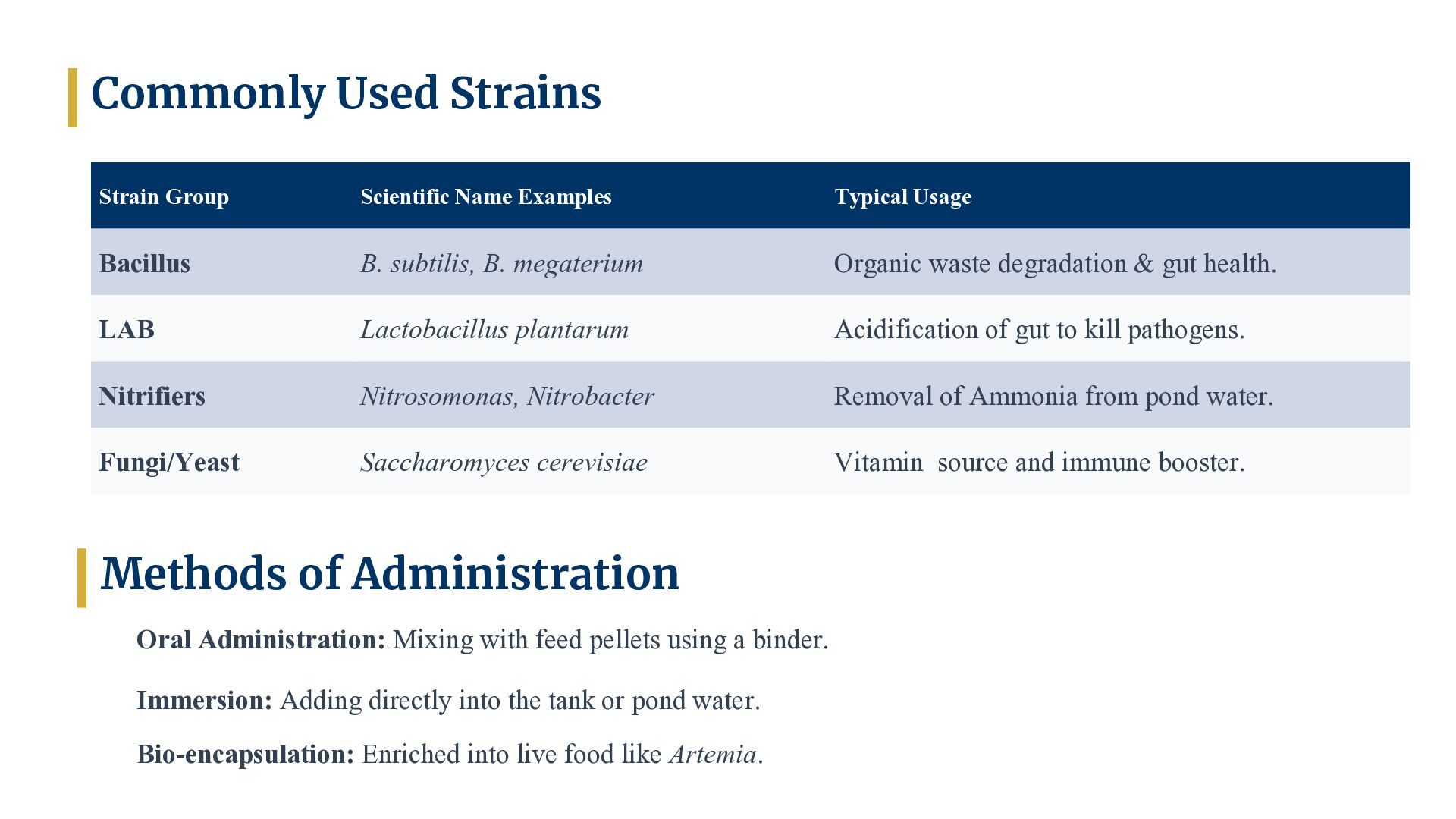
  6. Commonly Used Strains Strain Group Scientific Name Examples Typical Usage

    Bacillus B. subtilis, B. megaterium Organic waste degradation & gut health. LAB Lactobacillus plantarum Acidification of gut to kill pathogens. Nitrifiers Nitrosomonas, Nitrobacter Removal of Ammonia from pond water. Fungi/Yeast Saccharomyces cerevisiae Vitamin source and immune booster. Oral Administration: Mixing with feed pellets using a binder. Immersion: Adding directly into the tank or pond water. Bio-encapsulation: Enriched into live food like Artemia. Methods of Administration
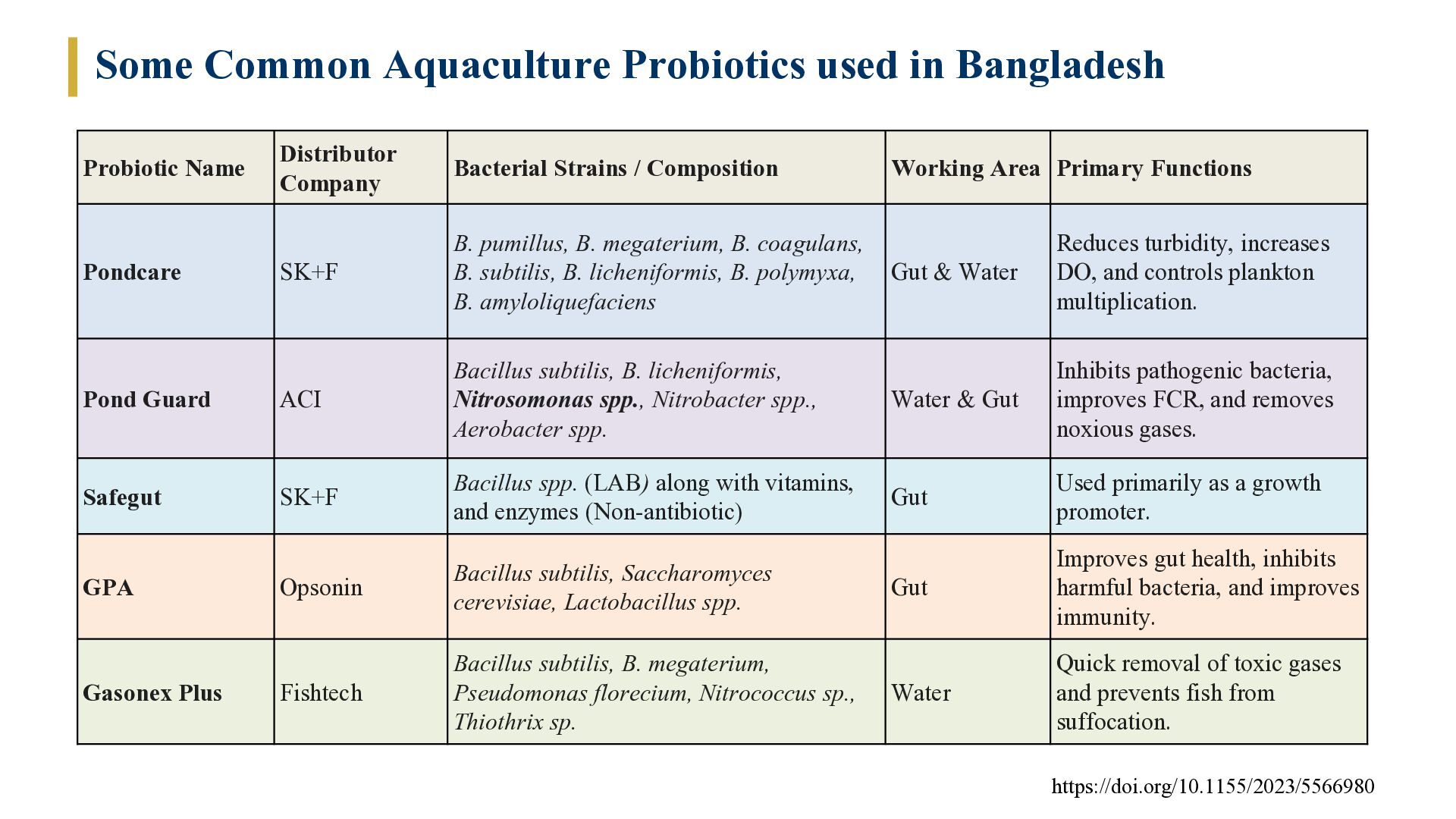
  7. Some Common Aquaculture Probiotics used in Bangladesh Probiotic Name Distributor

    Company Bacterial Strains / Composition Working Area Primary Functions Pondcare SK+F B. pumillus, B. megaterium, B. coagulans, B. subtilis, B. licheniformis, B. polymyxa, B. amyloliquefaciens Gut & Water Reduces turbidity, increases DO, and controls plankton multiplication. Pond Guard ACI Bacillus subtilis, B. licheniformis, Nitrosomonas spp., Nitrobacter spp., Aerobacter spp. Water & Gut Inhibits pathogenic bacteria, improves FCR, and removes noxious gases. Safegut SK+F Bacillus spp. (LAB) along with vitamins, and enzymes (Non-antibiotic) Gut Used primarily as a growth promoter. GPA Opsonin Bacillus subtilis, Saccharomyces cerevisiae, Lactobacillus spp. Gut Improves gut health, inhibits harmful bacteria, and improves immunity. Gasonex Plus Fishtech Bacillus subtilis, B. megaterium, Pseudomonas florecium, Nitrococcus sp., Thiothrix sp. Water Quick removal of toxic gases and prevents fish from suffocation. https://doi.org/10.1155/2023/5566980
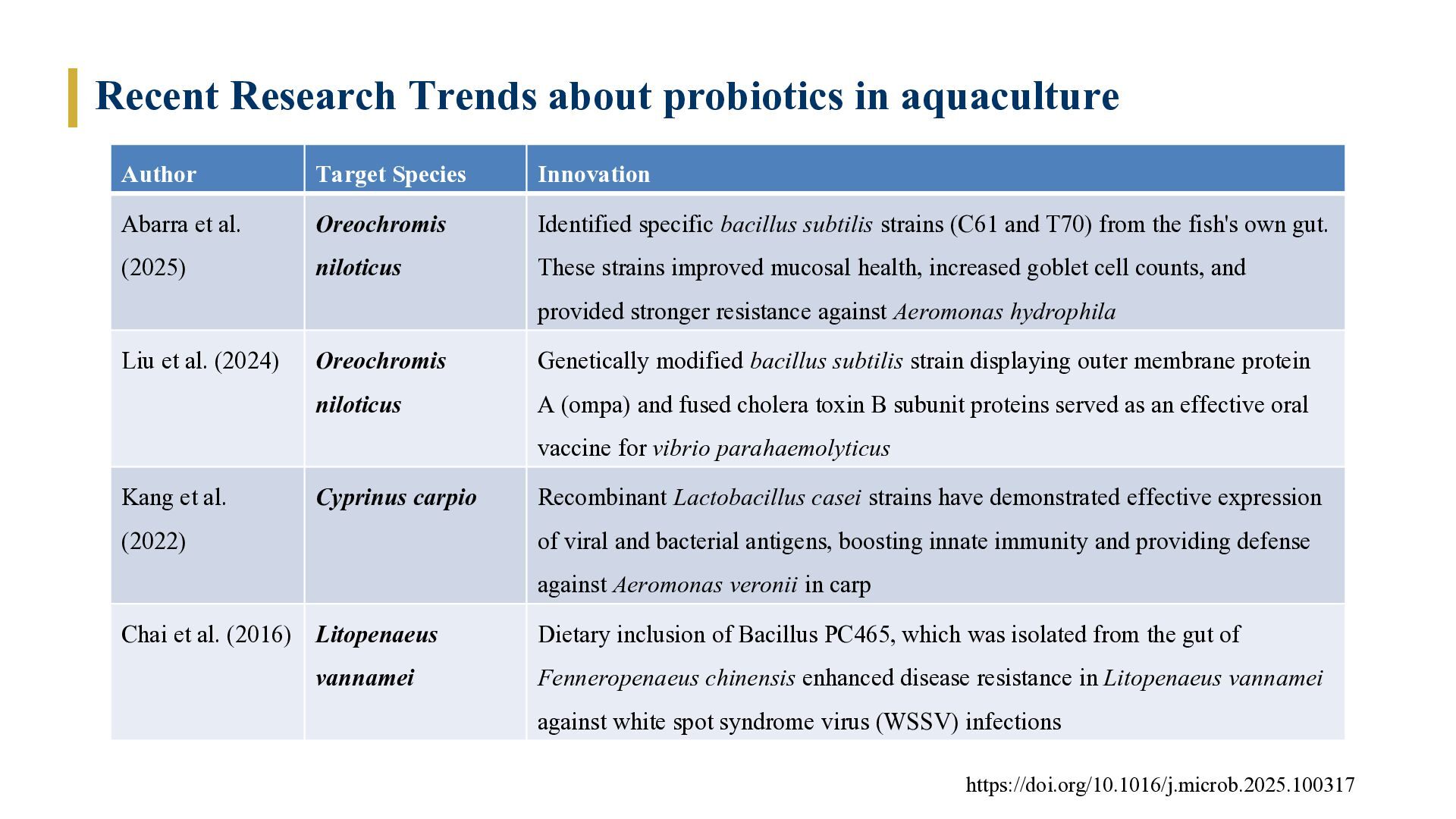
  8. Recent Research Trends about probiotics in aquaculture Author Target Species

    Innovation Abarra et al. (2025) Oreochromis niloticus Identified specific bacillus subtilis strains (C61 and T70) from the fish's own gut. These strains improved mucosal health, increased goblet cell counts, and provided stronger resistance against Aeromonas hydrophila Liu et al. (2024) Oreochromis niloticus Genetically modified bacillus subtilis strain displaying outer membrane protein A (ompa) and fused cholera toxin B subunit proteins served as an effective oral vaccine for vibrio parahaemolyticus Kang et al. (2022) Cyprinus carpio Recombinant Lactobacillus casei strains have demonstrated effective expression of viral and bacterial antigens, boosting innate immunity and providing defense against Aeromonas veronii in carp Chai et al. (2016) Litopenaeus vannamei Dietary inclusion of Bacillus PC465, which was isolated from the gut of Fenneropenaeus chinensis enhanced disease resistance in Litopenaeus vannamei against white spot syndrome virus (WSSV) infections https://doi.org/10.1016/j.microb.2025.100317
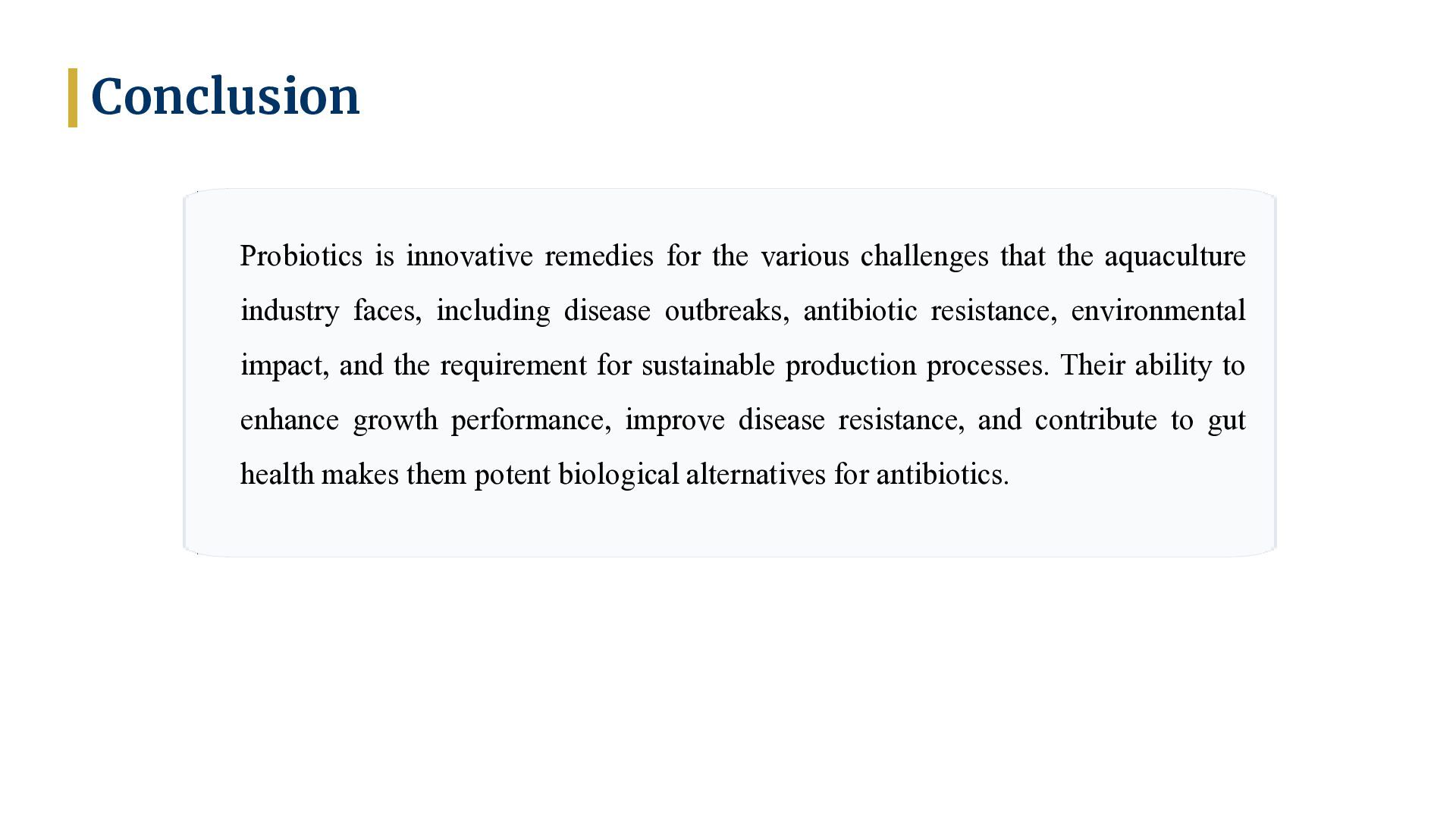
  9. Conclusion Probiotics is innovative remedies for the various challenges that

    the aquaculture industry faces, including disease outbreaks, antibiotic resistance, environmental impact, and the requirement for sustainable production processes. Their ability to enhance growth performance, improve disease resistance, and contribute to gut health makes them potent biological alternatives for antibiotics.
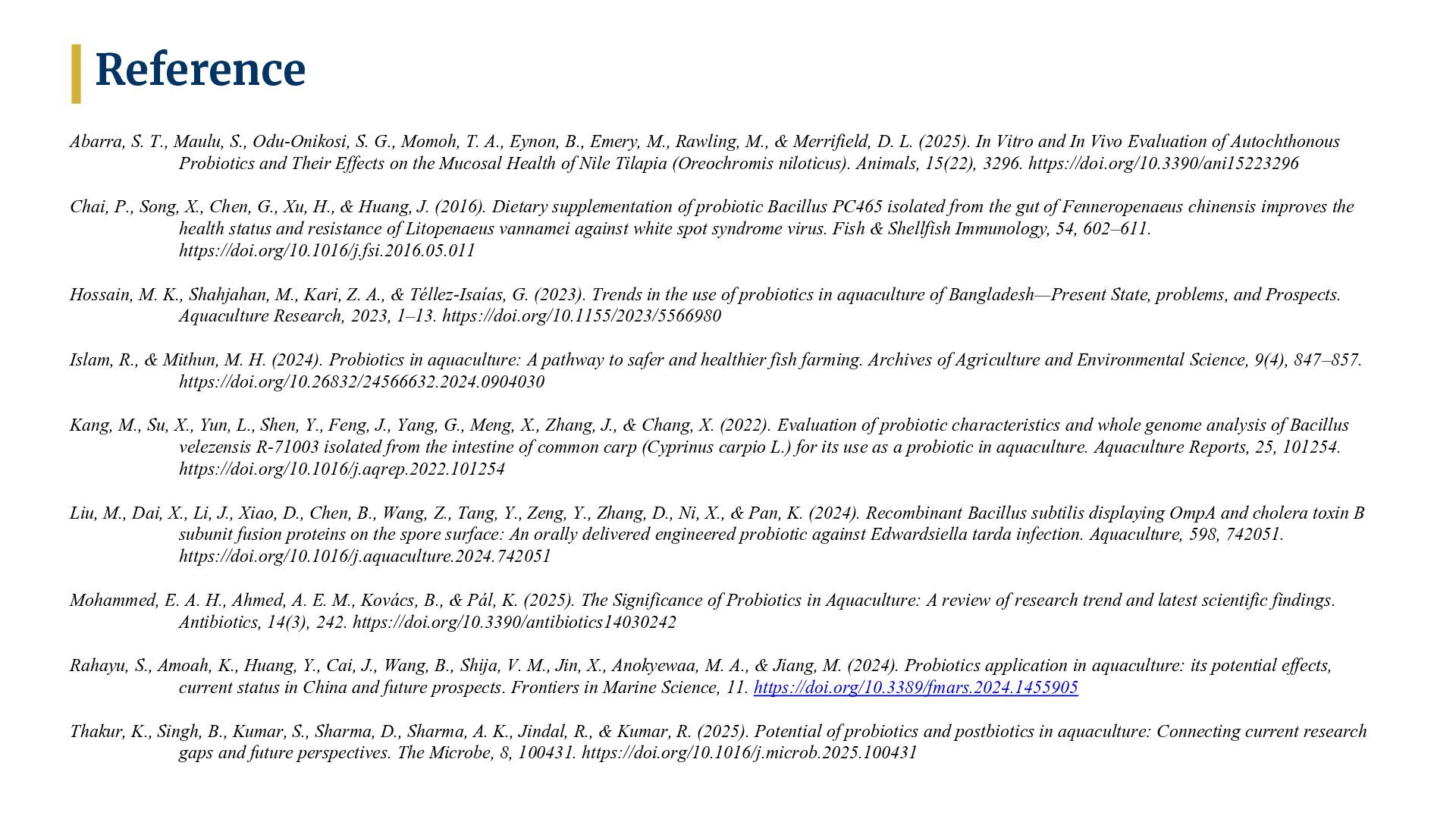
  10. Reference Abarra, S. T., Maulu, S., Odu-Onikosi, S. G., Momoh,

    T. A., Eynon, B., Emery, M., Rawling, M., & Merrifield, D. L. (2025). In Vitro and In Vivo Evaluation of Autochthonous Probiotics and Their Effects on the Mucosal Health of Nile Tilapia (Oreochromis niloticus). Animals, 15(22), 3296. https://doi.org/10.3390/ani15223296 Chai, P., Song, X., Chen, G., Xu, H., & Huang, J. (2016). Dietary supplementation of probiotic Bacillus PC465 isolated from the gut of Fenneropenaeus chinensis improves the health status and resistance of Litopenaeus vannamei against white spot syndrome virus. Fish & Shellfish Immunology, 54, 602–611. https://doi.org/10.1016/j.fsi.2016.05.011 Hossain, M. K., Shahjahan, M., Kari, Z. A., & Téllez-Isaías, G. (2023). Trends in the use of probiotics in aquaculture of Bangladesh—Present State, problems, and Prospects. Aquaculture Research, 2023, 1–13. https://doi.org/10.1155/2023/5566980 Islam, R., & Mithun, M. H. (2024). Probiotics in aquaculture: A pathway to safer and healthier fish farming. Archives of Agriculture and Environmental Science, 9(4), 847–857. https://doi.org/10.26832/24566632.2024.0904030 Kang, M., Su, X., Yun, L., Shen, Y., Feng, J., Yang, G., Meng, X., Zhang, J., & Chang, X. (2022). Evaluation of probiotic characteristics and whole genome analysis of Bacillus velezensis R-71003 isolated from the intestine of common carp (Cyprinus carpio L.) for its use as a probiotic in aquaculture. Aquaculture Reports, 25, 101254. https://doi.org/10.1016/j.aqrep.2022.101254 Liu, M., Dai, X., Li, J., Xiao, D., Chen, B., Wang, Z., Tang, Y., Zeng, Y., Zhang, D., Ni, X., & Pan, K. (2024). Recombinant Bacillus subtilis displaying OmpA and cholera toxin B subunit fusion proteins on the spore surface: An orally delivered engineered probiotic against Edwardsiella tarda infection. Aquaculture, 598, 742051. https://doi.org/10.1016/j.aquaculture.2024.742051 Mohammed, E. A. H., Ahmed, A. E. M., Kovács, B., & Pál, K. (2025). The Significance of Probiotics in Aquaculture: A review of research trend and latest scientific findings. Antibiotics, 14(3), 242. https://doi.org/10.3390/antibiotics14030242 Rahayu, S., Amoah, K., Huang, Y., Cai, J., Wang, B., Shija, V. M., Jin, X., Anokyewaa, M. A., & Jiang, M. (2024). Probiotics application in aquaculture: its potential effects, current status in China and future prospects. Frontiers in Marine Science, 11. https://doi.org/10.3389/fmars.2024.1455905 Thakur, K., Singh, B., Kumar, S., Sharma, D., Sharma, A. K., Jindal, R., & Kumar, R. (2025). Potential of probiotics and postbiotics in aquaculture: Connecting current research gaps and future perspectives. The Microbe, 8, 100431. https://doi.org/10.1016/j.microb.2025.100431