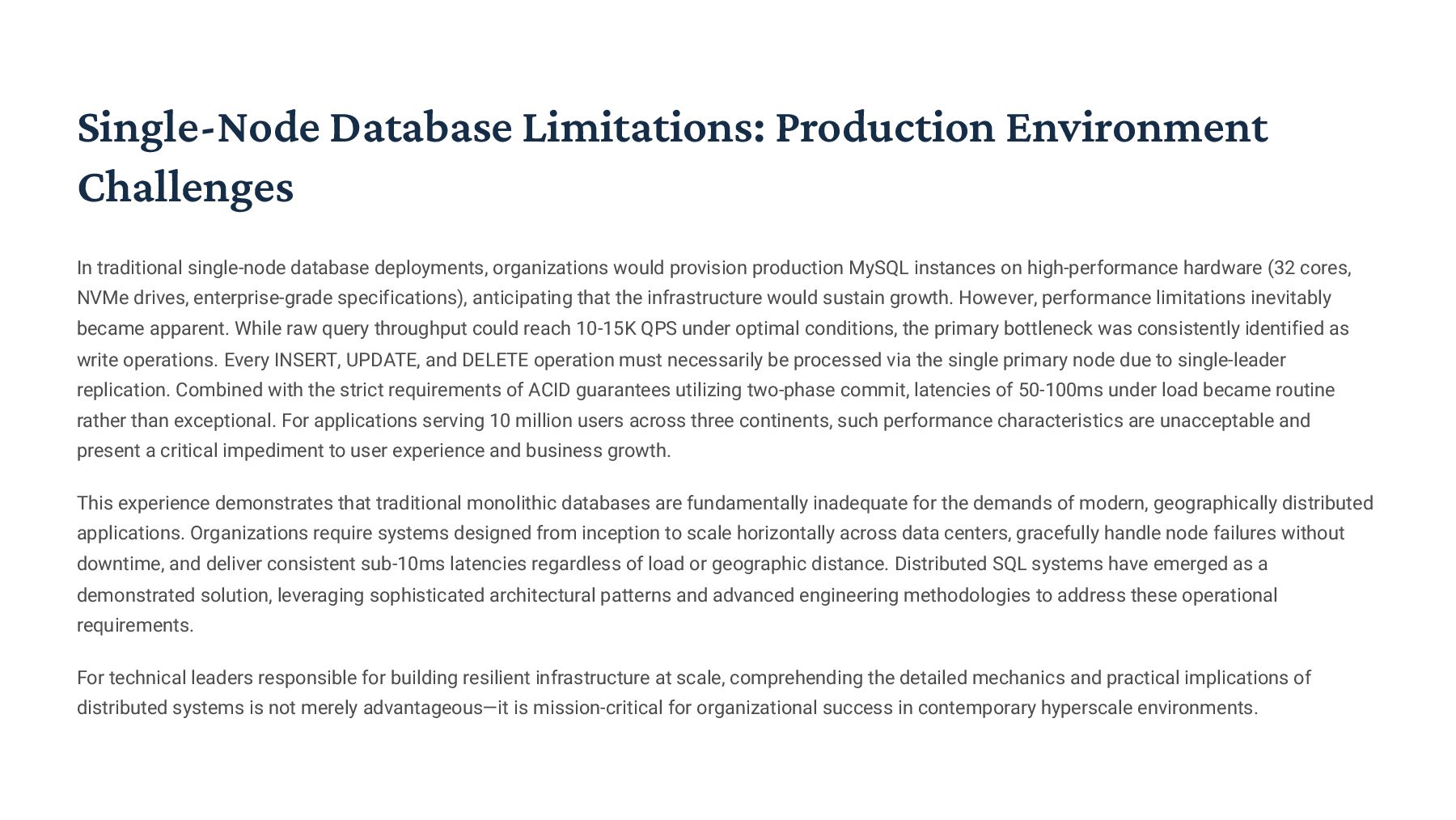
In traditional single-node database deployments, organizations would provision production MySQL instances on high-performance hardware (32 cores,
NVMe drives, enterprise-grade specifications), anticipating that the infrastructure would sustain growth. However, performance limitations inevitably
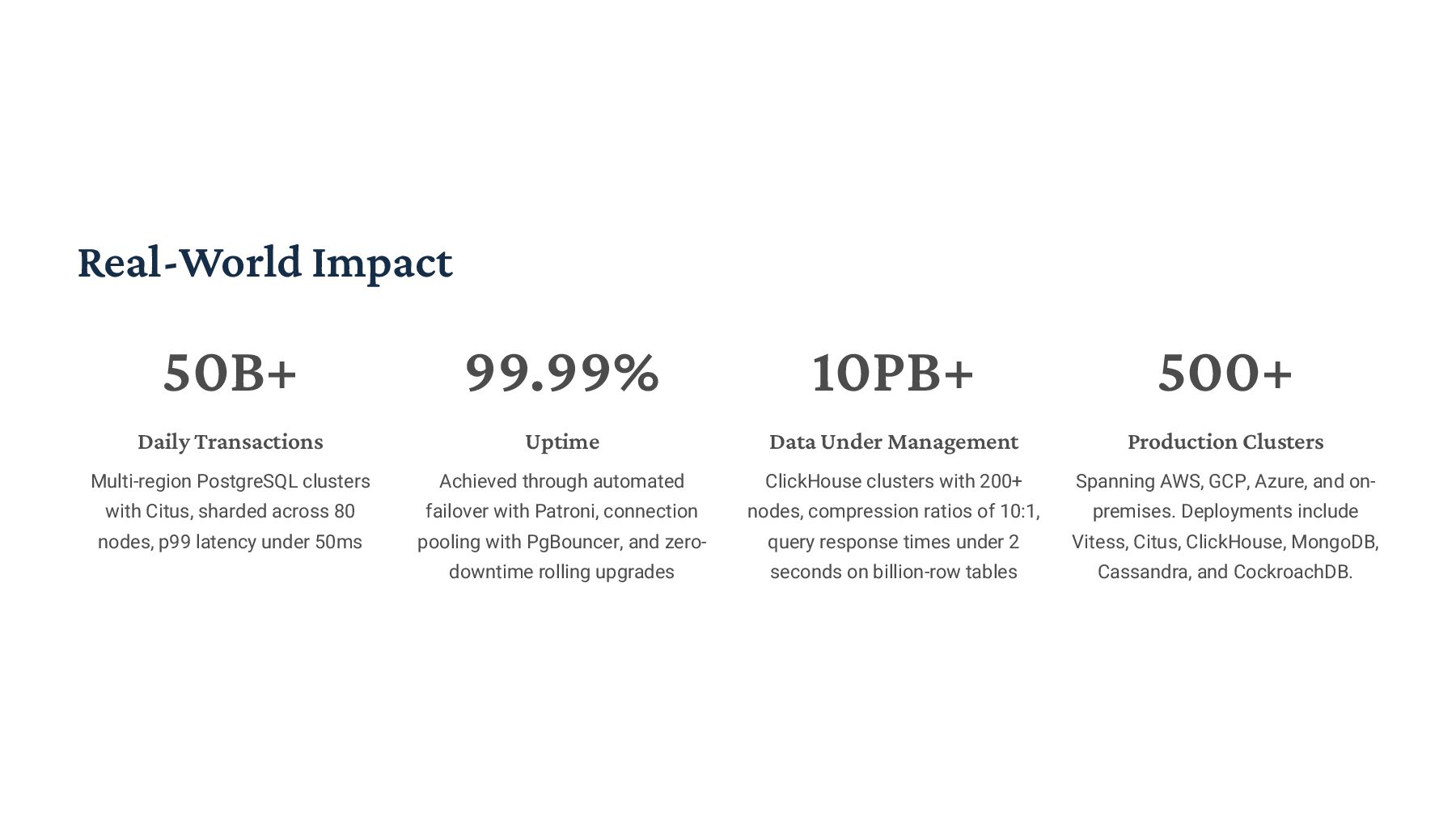
became apparent. While raw query throughput could reach 10-15K QPS under optimal conditions, the primary bottleneck was consistently identified as
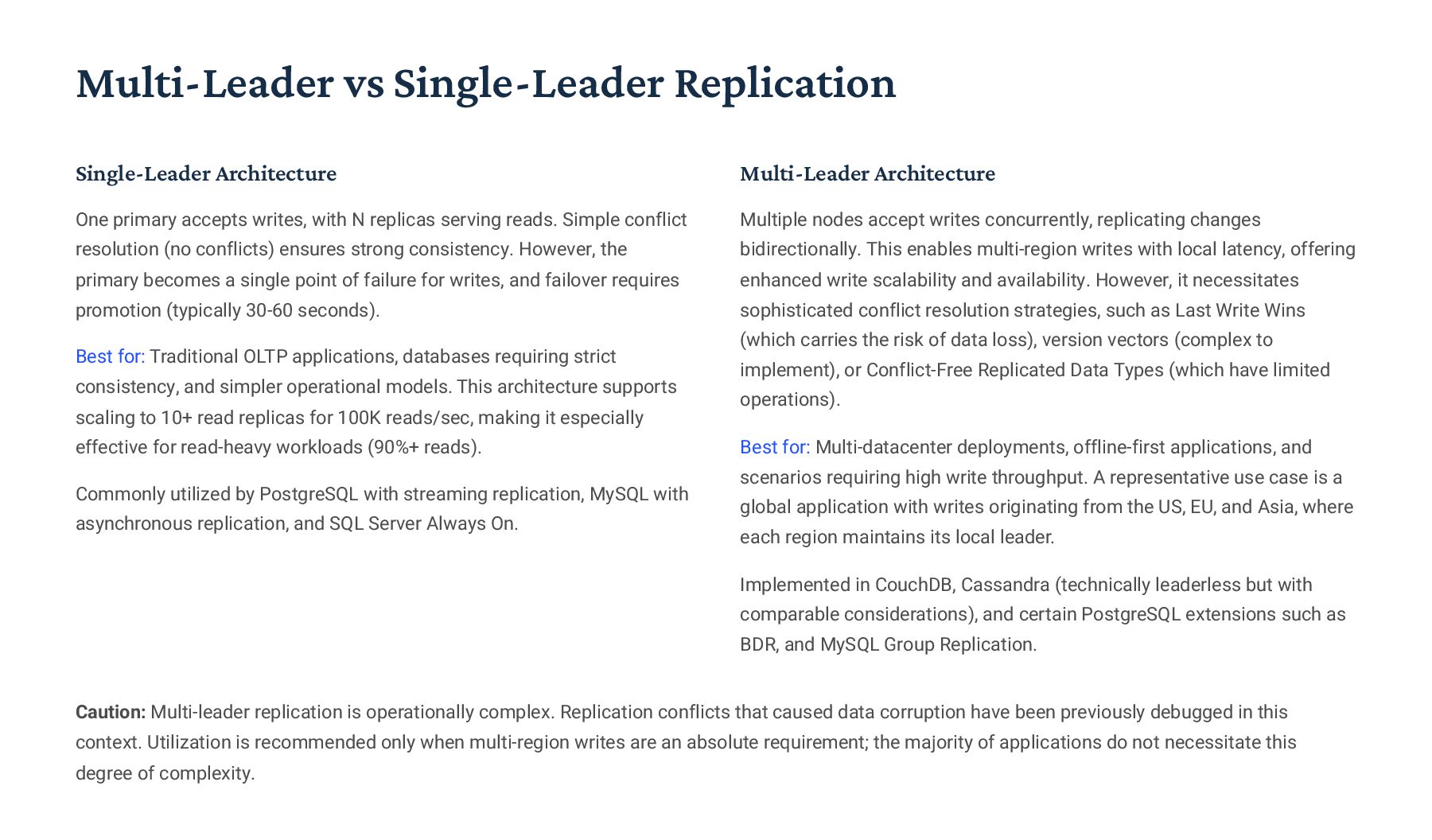
write operations. Every INSERT, UPDATE, and DELETE operation must necessarily be processed via the single primary node due to single-leader
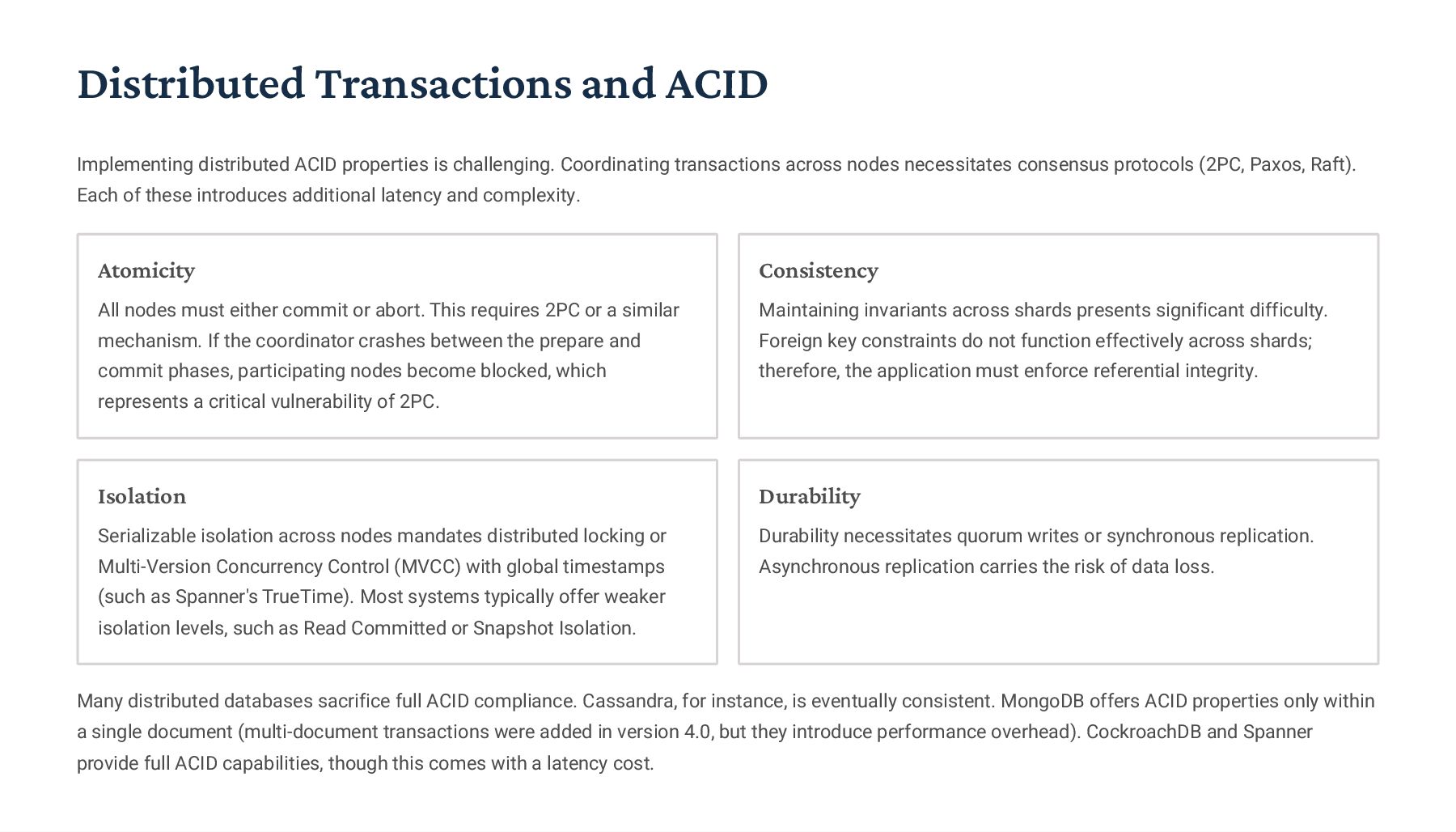
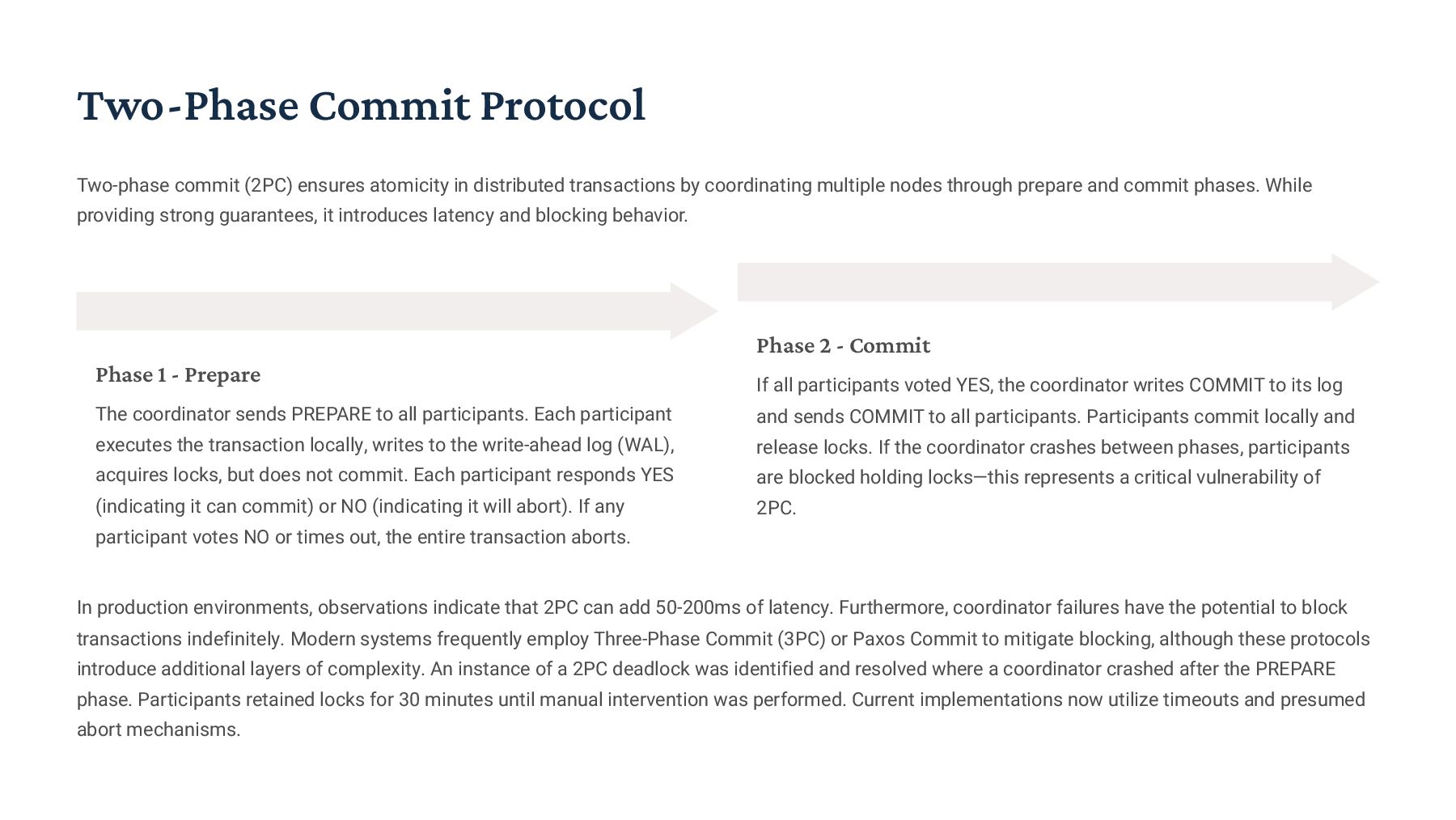
replication. Combined with the strict requirements of ACID guarantees utilizing two-phase commit, latencies of 50-100ms under load became routine
rather than exceptional. For applications serving 10 million users across three continents, such performance characteristics are unacceptable and
present a critical impediment to user experience and business growth.
This experience demonstrates that traditional monolithic databases are fundamentally inadequate for the demands of modern, geographically distributed
applications. Organizations require systems designed from inception to scale horizontally across data centers, gracefully handle node failures without
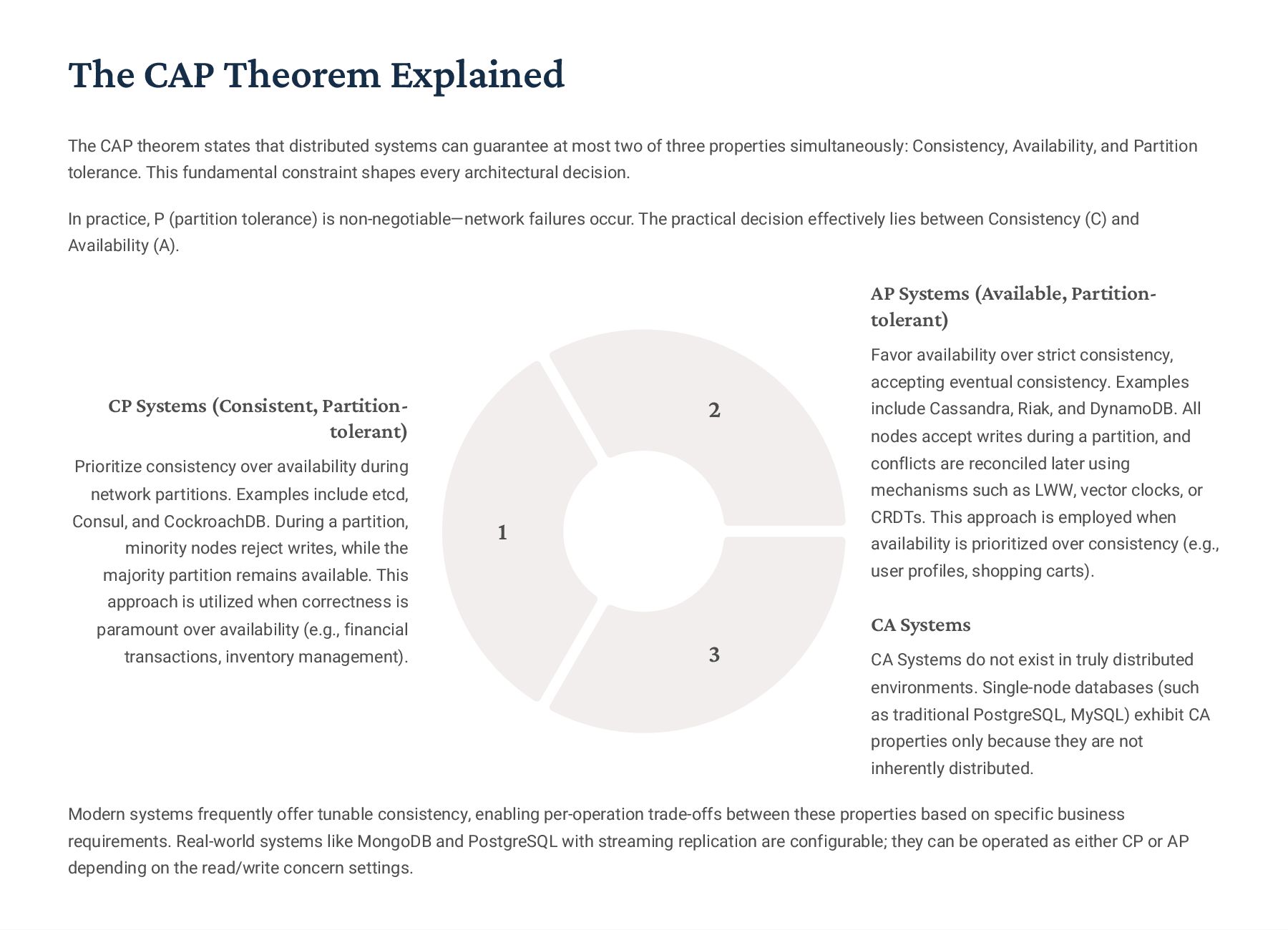
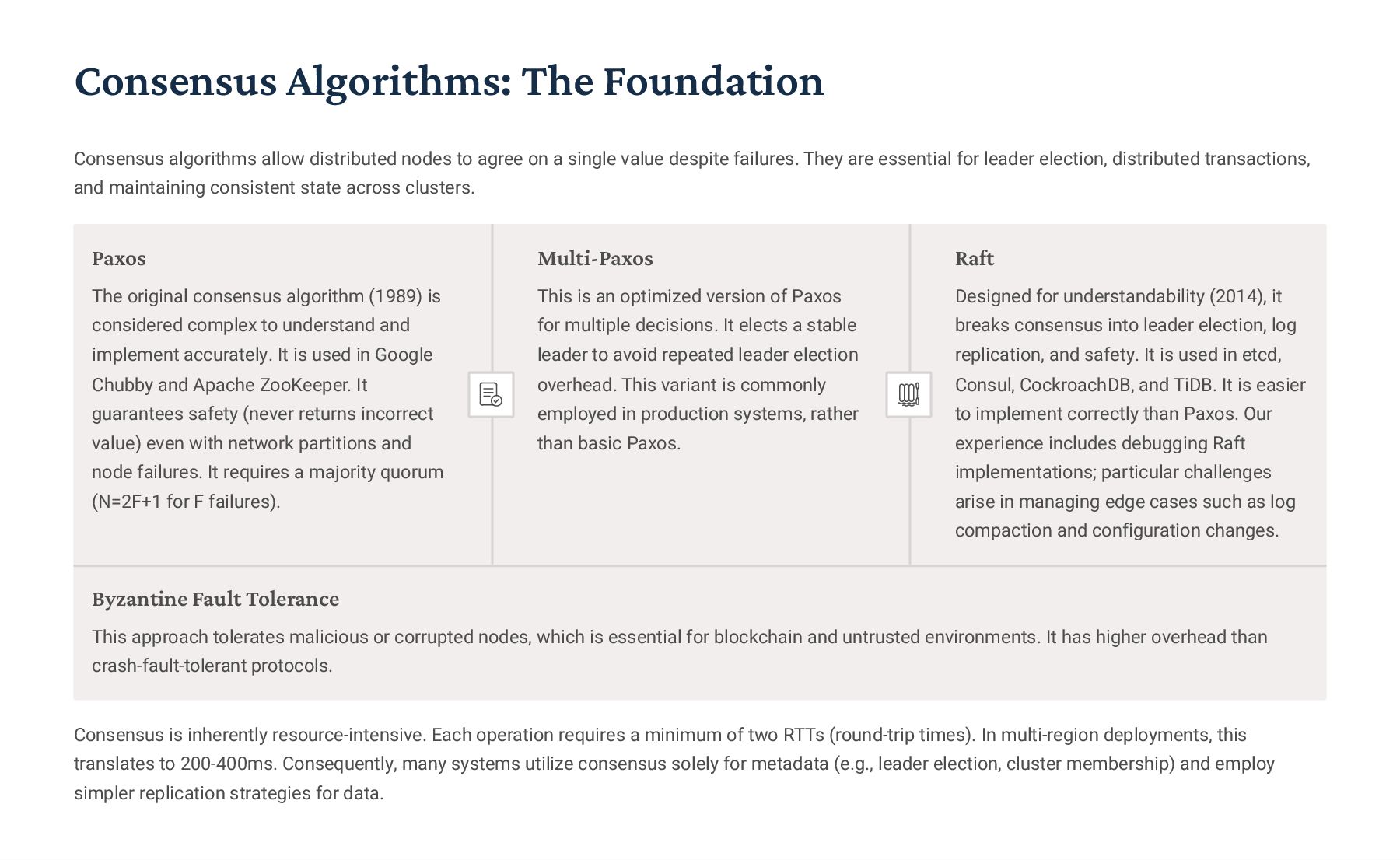
downtime, and deliver consistent sub-10ms latencies regardless of load or geographic distance. Distributed SQL systems have emerged as a
demonstrated solution, leveraging sophisticated architectural patterns and advanced engineering methodologies to address these operational
requirements.
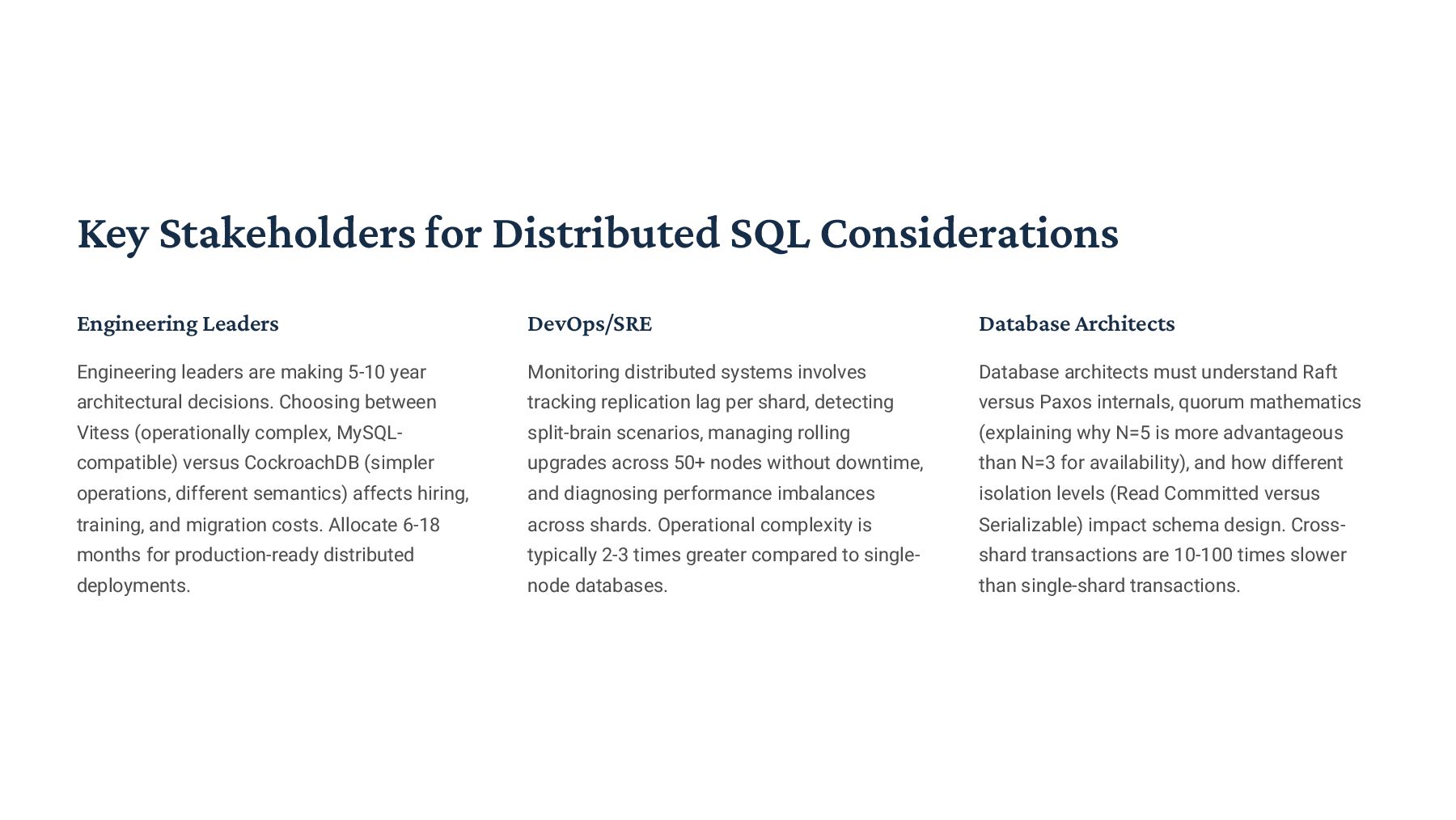
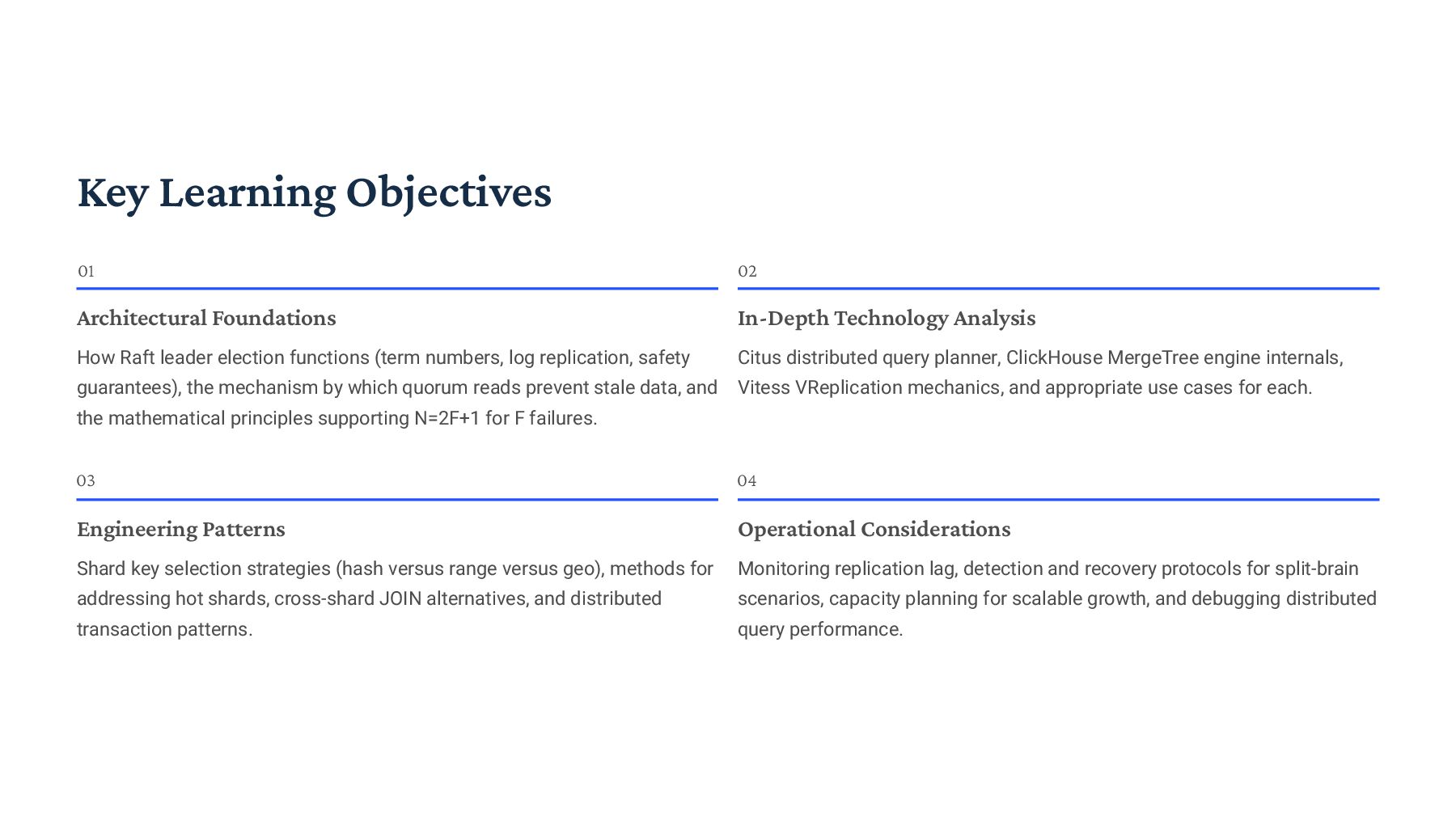
For technical leaders responsible for building resilient infrastructure at scale, comprehending the detailed mechanics and practical implications of
distributed systems is not merely advantageous—it is mission-critical for organizational success in contemporary hyperscale environments.


 shiviyer007
 ishiirikie
 tomzoh
 ks91
ks91
 kairim0
 ufried
 masakiokuda
 pauli
pauli
 colopl
 tkuchiki
 mtpooh
 tsukuboshi
 mananyuki
 addyosmani
 jdejongh
 dougneiner
 apolaine
 aleyda
 pwiseman
 asonas
 afnizarnur
 trallard
 morganepeng
 tmiket
 inesmontani