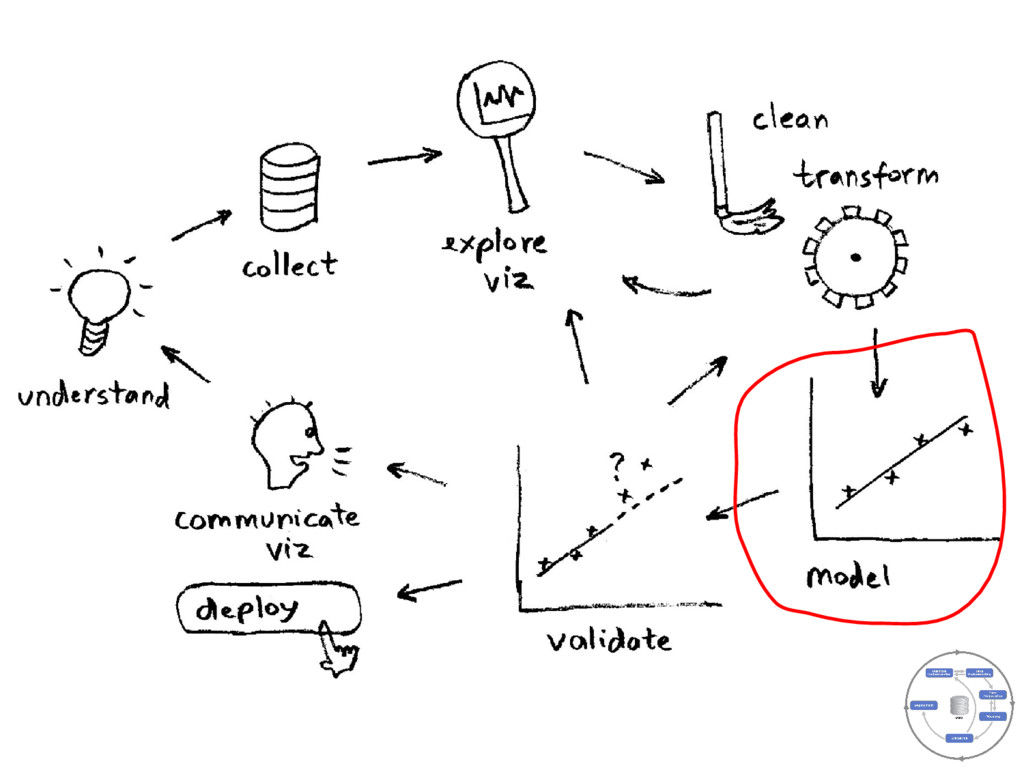
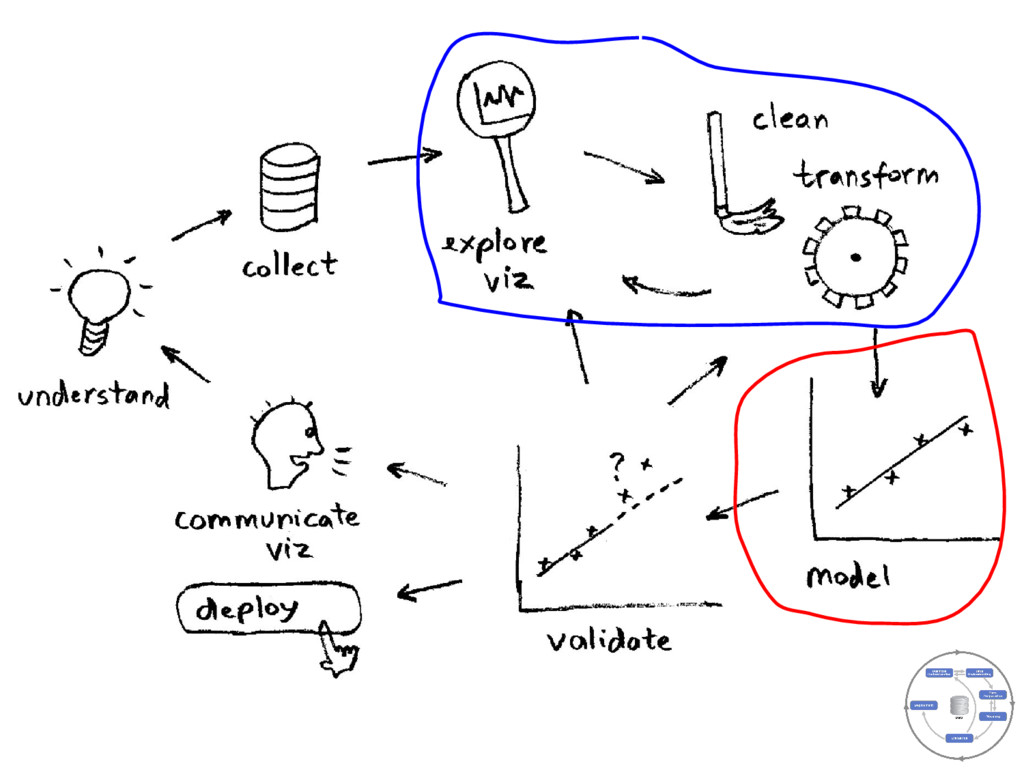
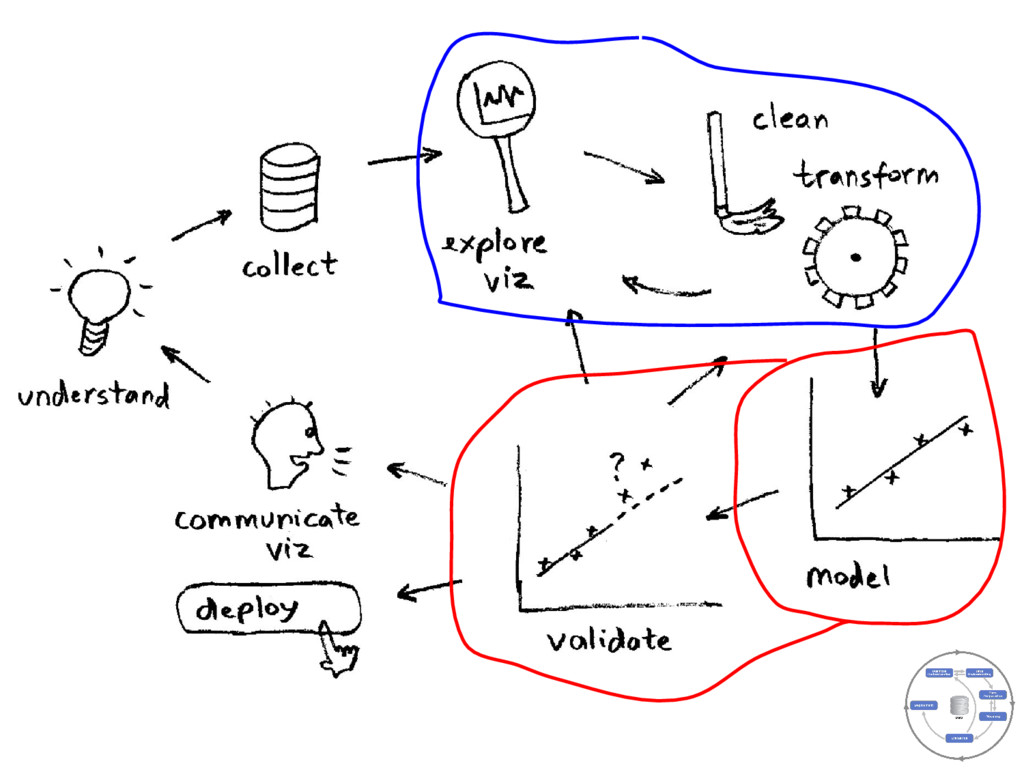
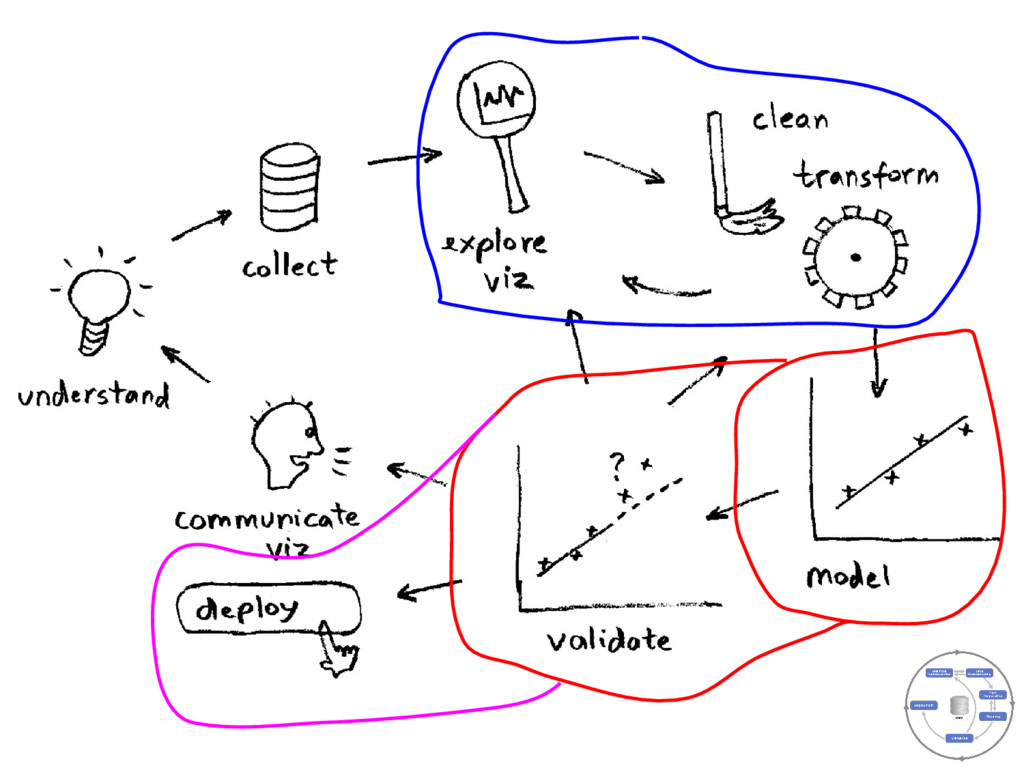
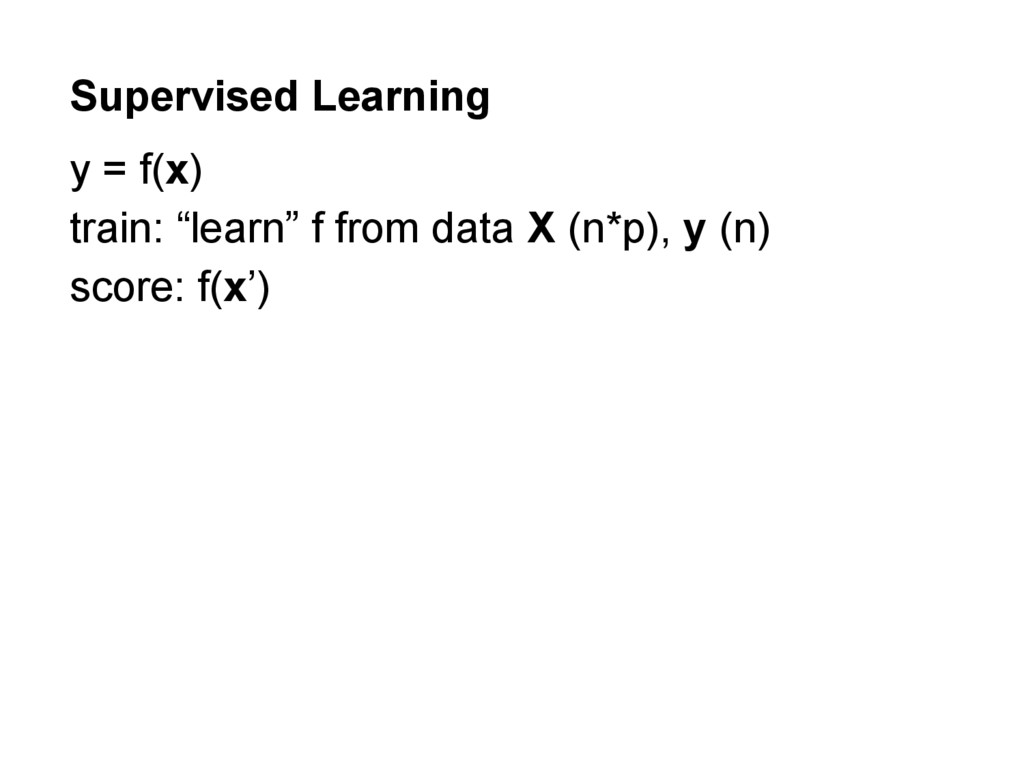
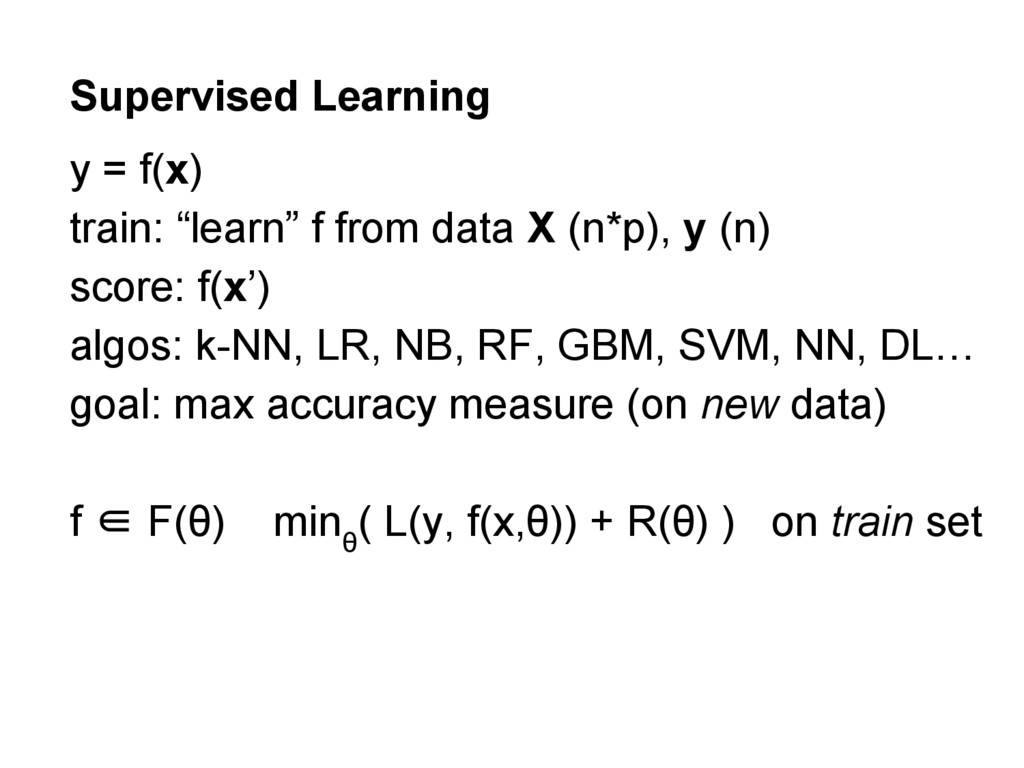
X (n*p), y (n) score: f(x’) algos: k-NN, LR, NB, RF, GBM, SVM, NN, DL… goal: max accuracy measure (on new data) f ∈ F(θ) min θ ( L(y, f(x,θ)) + R(θ) ) on train set
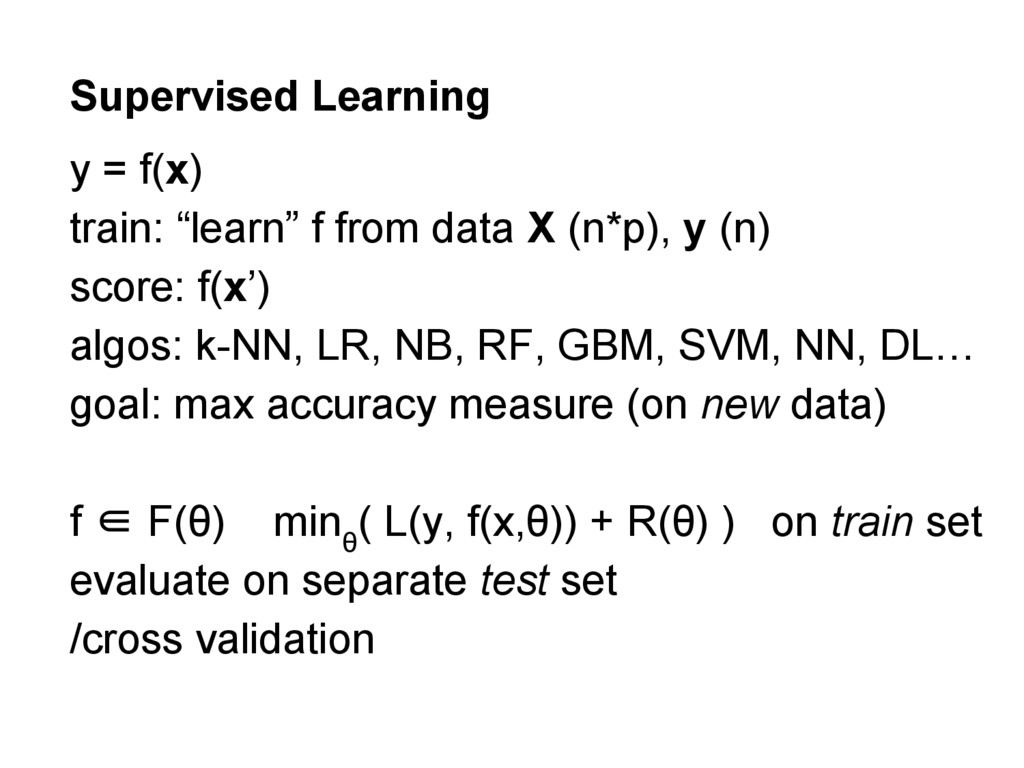
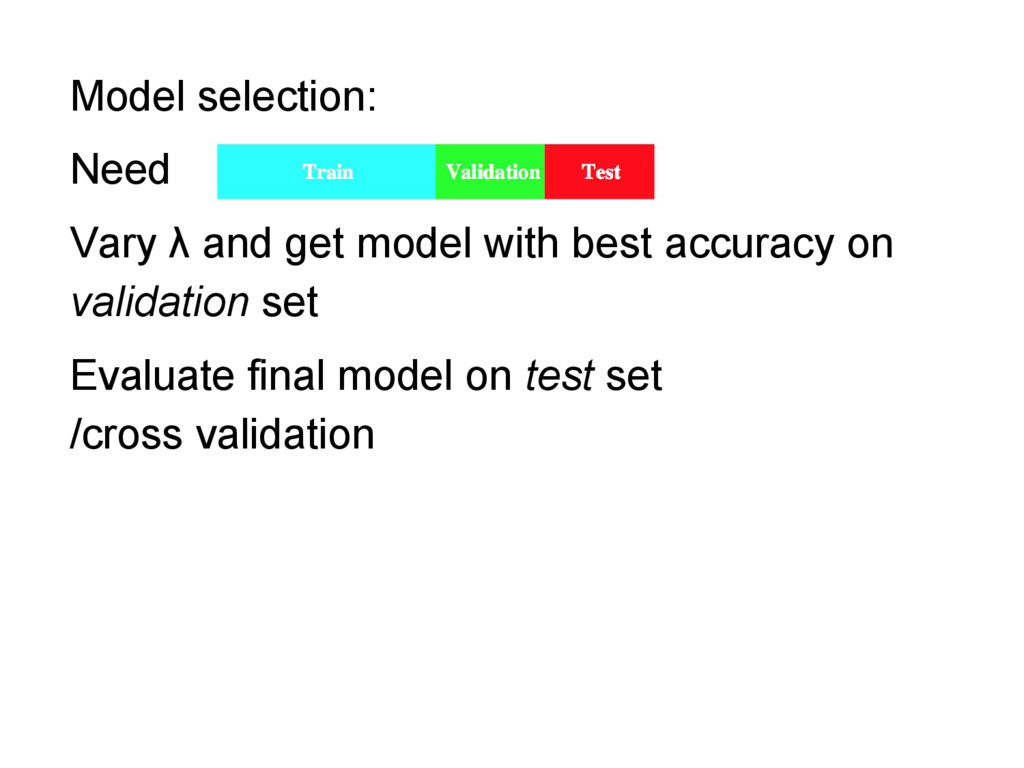
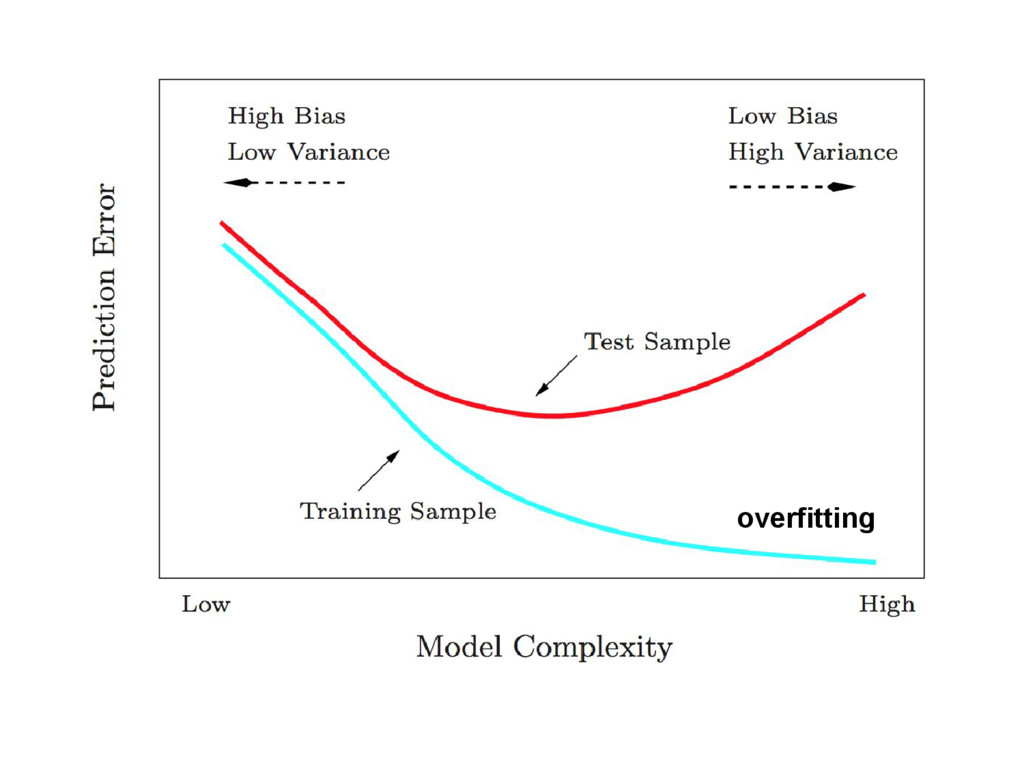
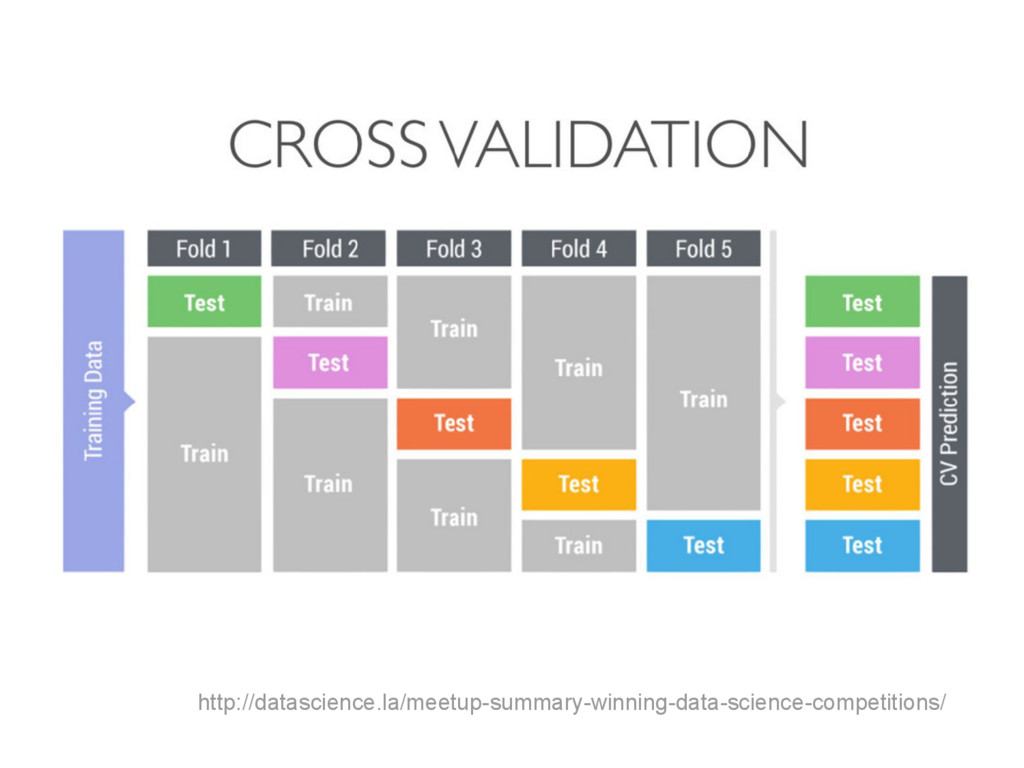
X (n*p), y (n) score: f(x’) algos: k-NN, LR, NB, RF, GBM, SVM, NN, DL… goal: max accuracy measure (on new data) f ∈ F(θ) min θ ( L(y, f(x,θ)) + R(θ) ) on train set evaluate on separate test set /cross validation
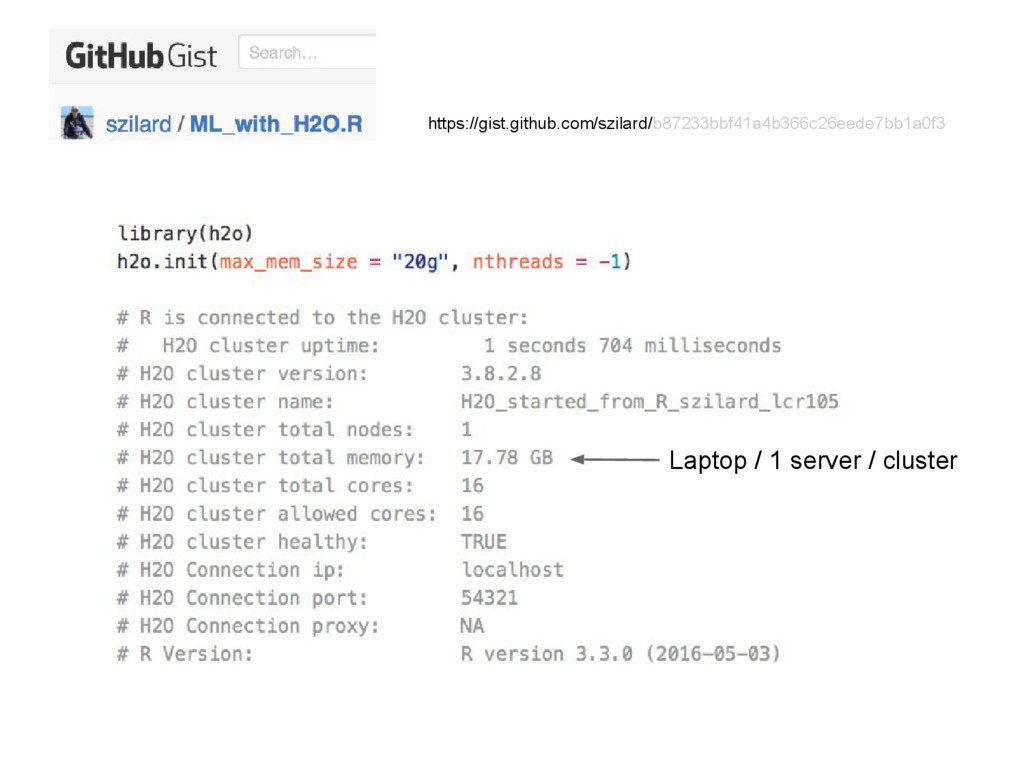
- R, Python etc. interfaces, easy to use API - open source - advisors: Hastie, Tibshirani - Java, but C-style memalloc, by Java gurus - distributed, “big data”
- R, Python etc. interfaces, easy to use API - open source - advisors: Hastie, Tibshirani - Java, but C-style memalloc, by Java gurus - distributed, “big data” - many knobs/tuning, model evaluation, cross validation, model selection (hyperparameter search)
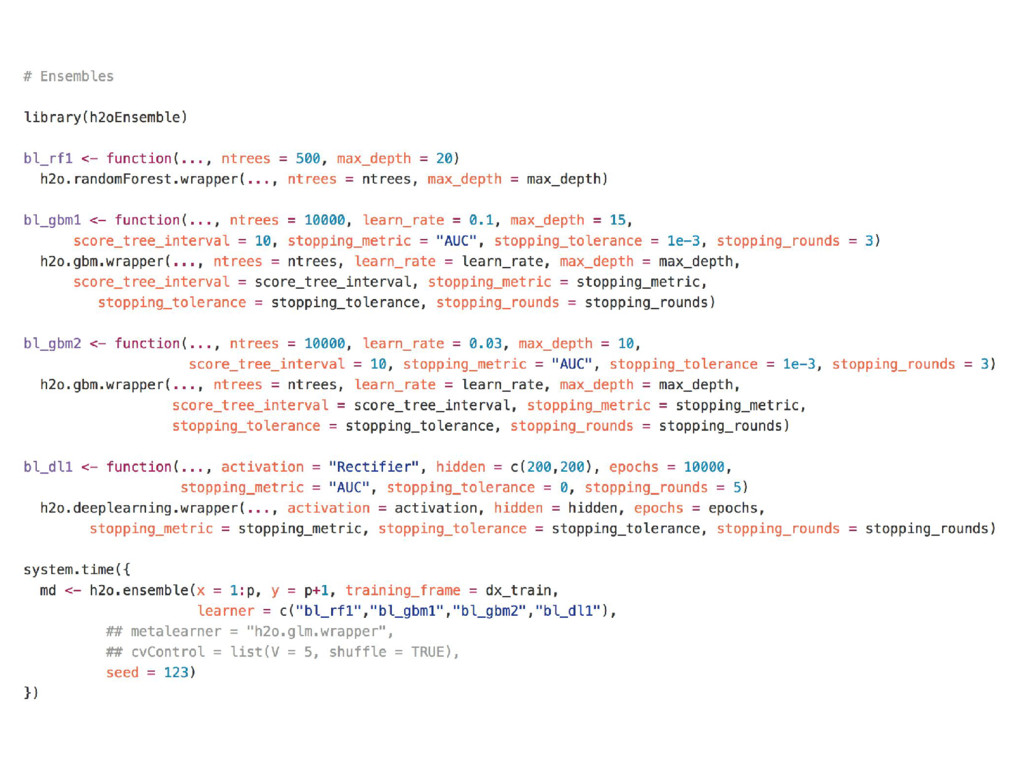
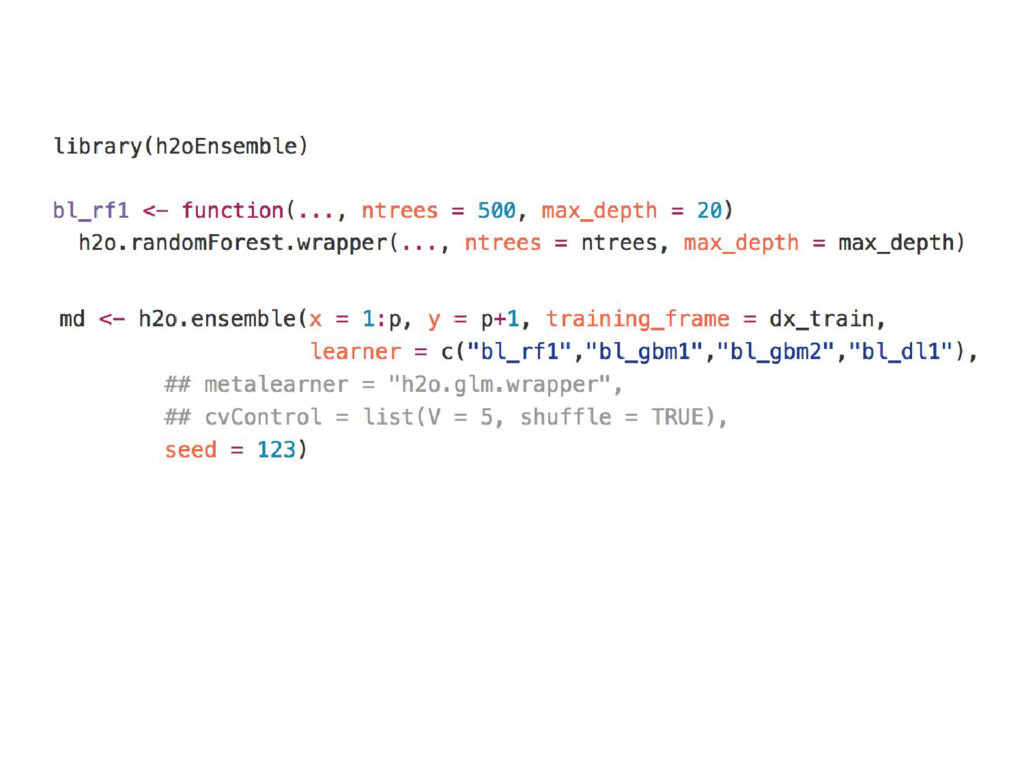
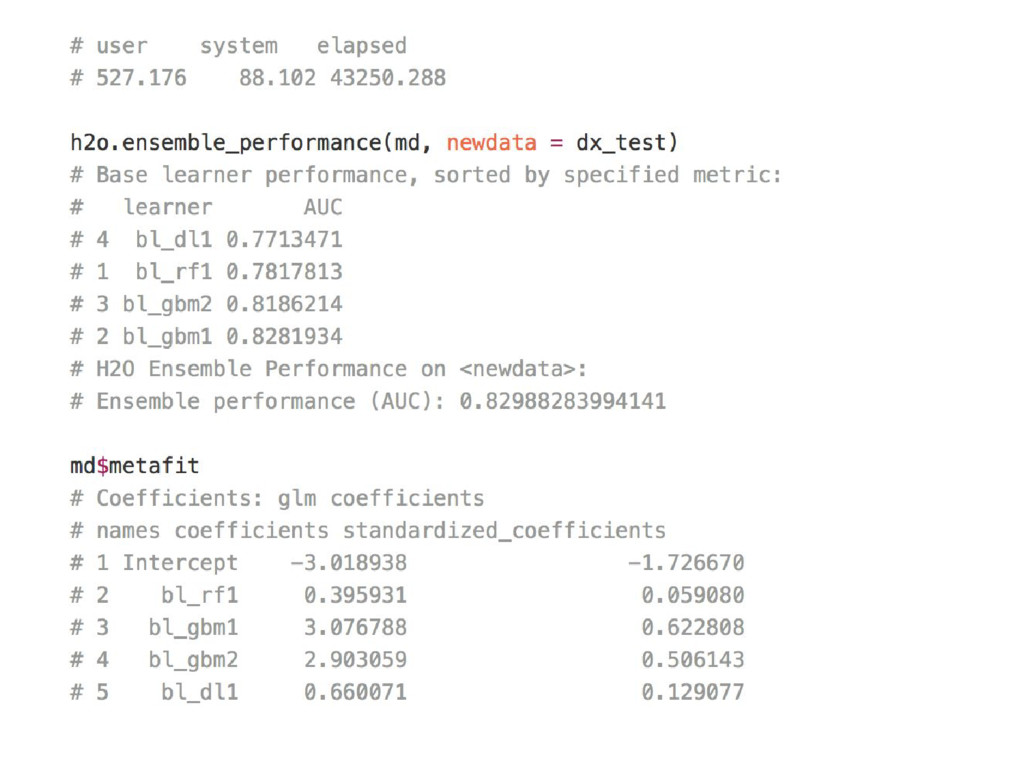
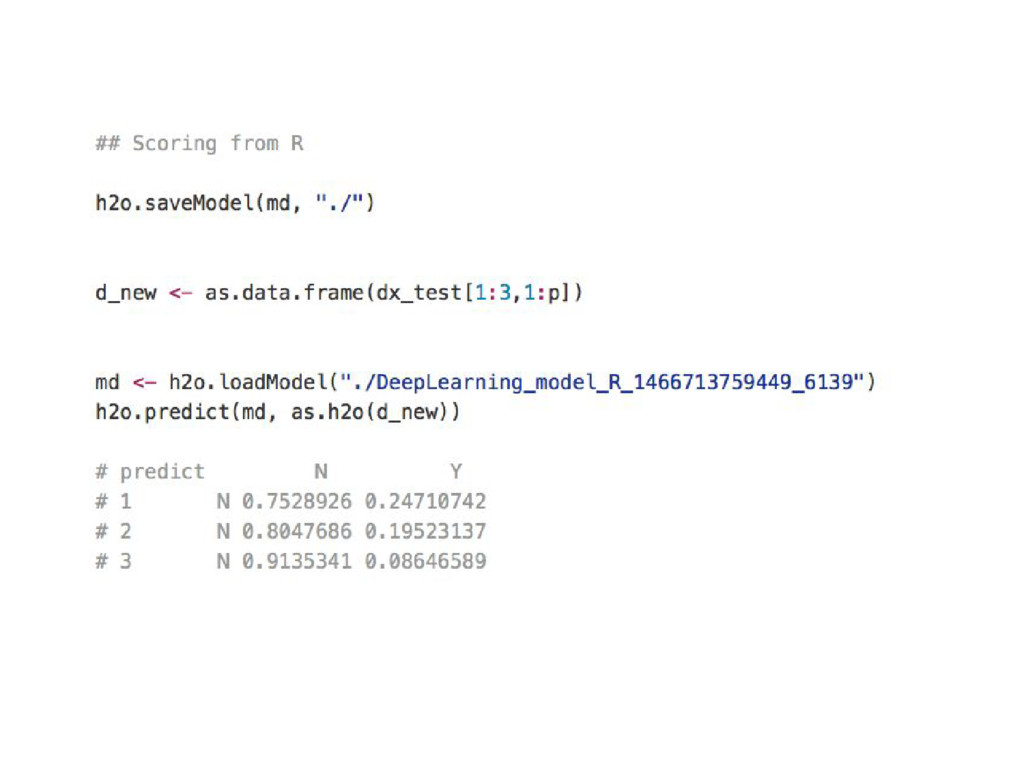
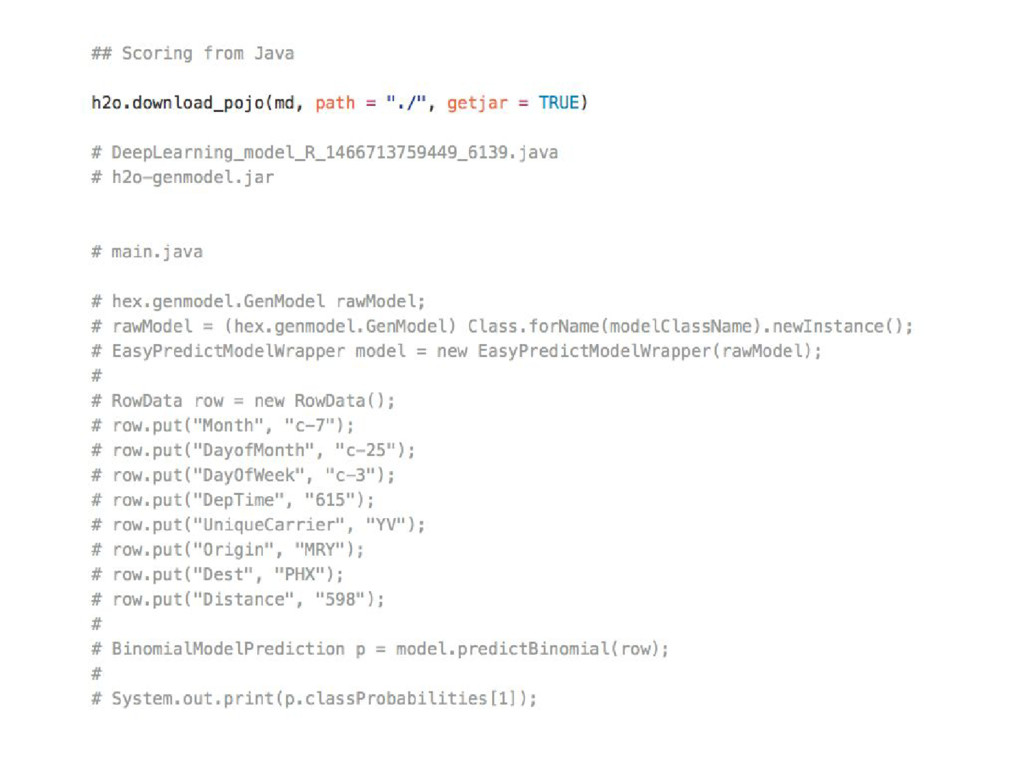
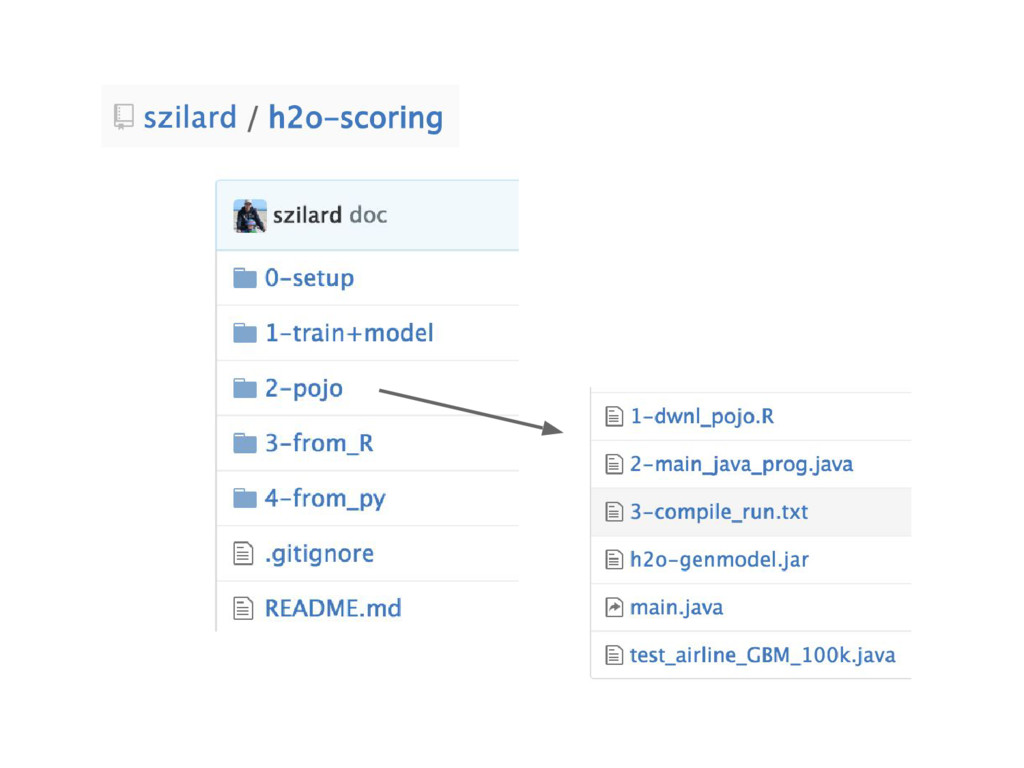
- R, Python etc. interfaces, easy to use API - open source - advisors: Hastie, Tibshirani - Java, but C-style memalloc, by Java gurus - distributed, “big data” - many knobs/tuning, model evaluation, cross validation, model selection (hyperparameter search) - ensembles (from R) - model deployment (POJO export), fast scoring (<1ms)


 szilard
 philnash
 quramy
 sarafernandez
 tamaranovitovic
 stephaniewalter
 lfama
lfama
 morganepeng
 thirion
 speakerdeck
 khoart
 reverentgeek
 bryan
bryan



![Structure/Hyperparameters λ min θ ( L(y, f(x,θ[,λ])) + R(θ,λ) )](https://files.speakerdeck.com/presentations/30ac94849a9743f882d3a12f44587086/slide_13.jpg)
![Structure/Hyperparameters λ min θ ( L(y, f(x,θ[,λ])) + R(θ,λ) )](https://files.speakerdeck.com/presentations/30ac94849a9743f882d3a12f44587086/slide_14.jpg)
![data size [M] training time [s] 10x Gradient Boosting Machines](https://files.speakerdeck.com/presentations/30ac94849a9743f882d3a12f44587086/slide_25.jpg)