What can aviation teach us about working with AI tools in software engineering? A lot, it turns out.
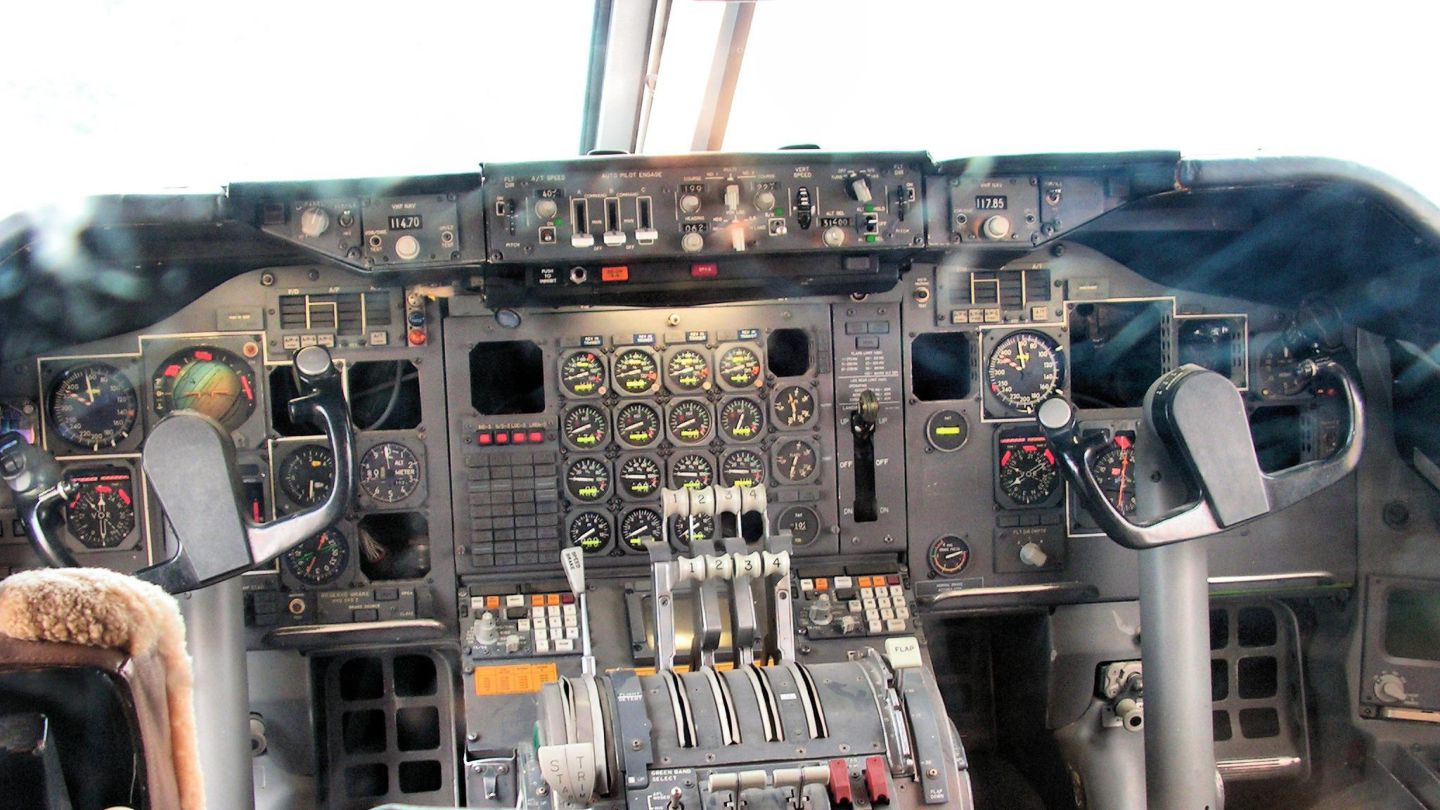
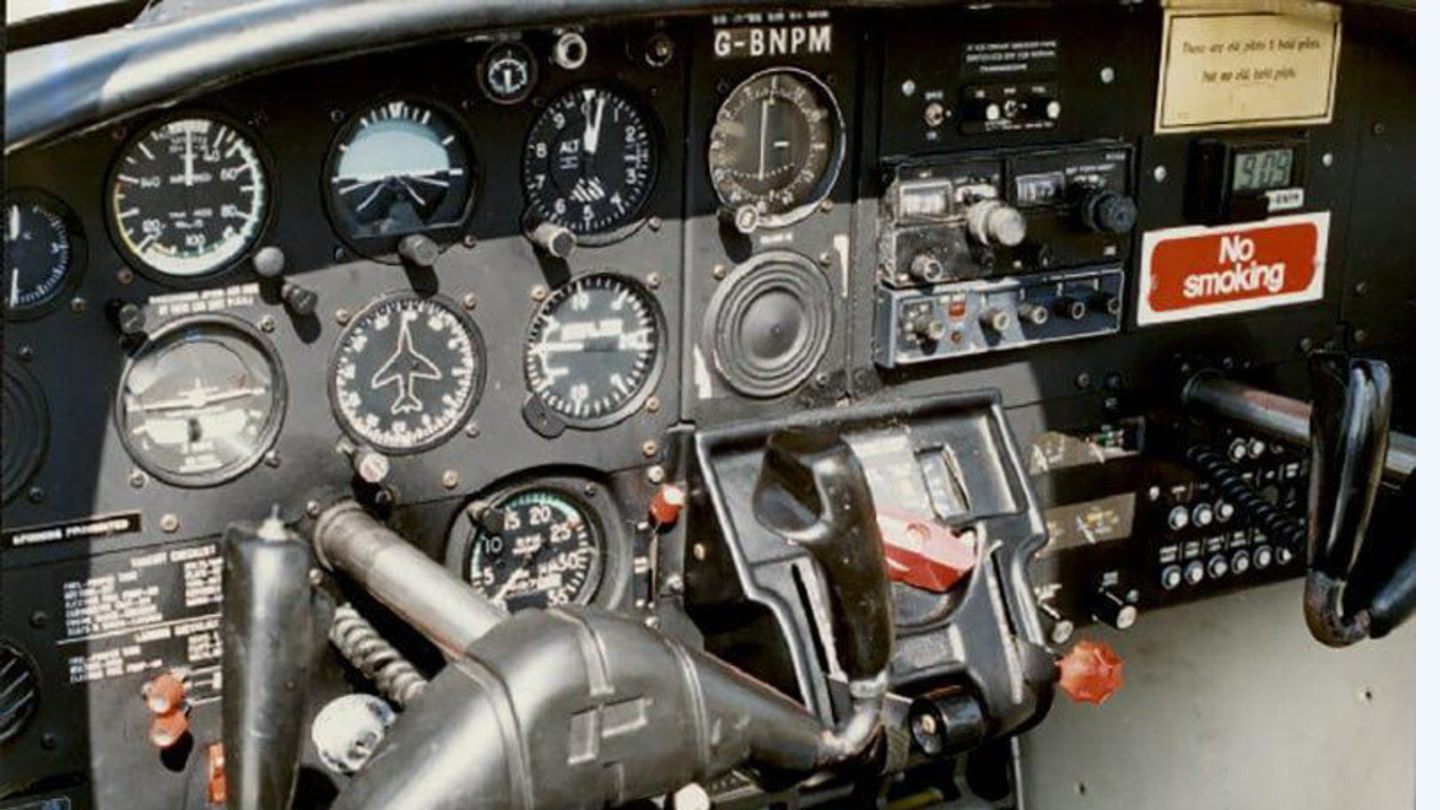
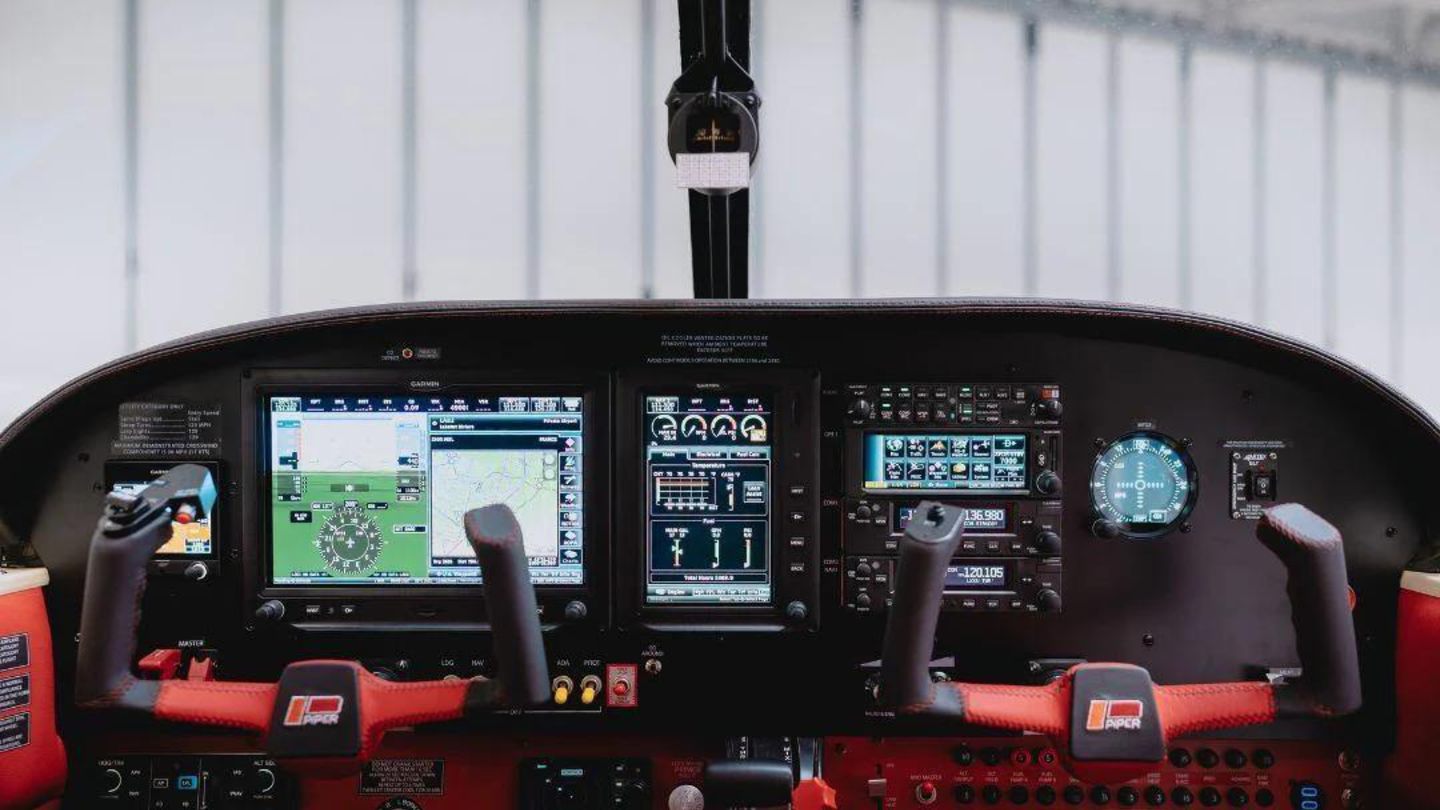
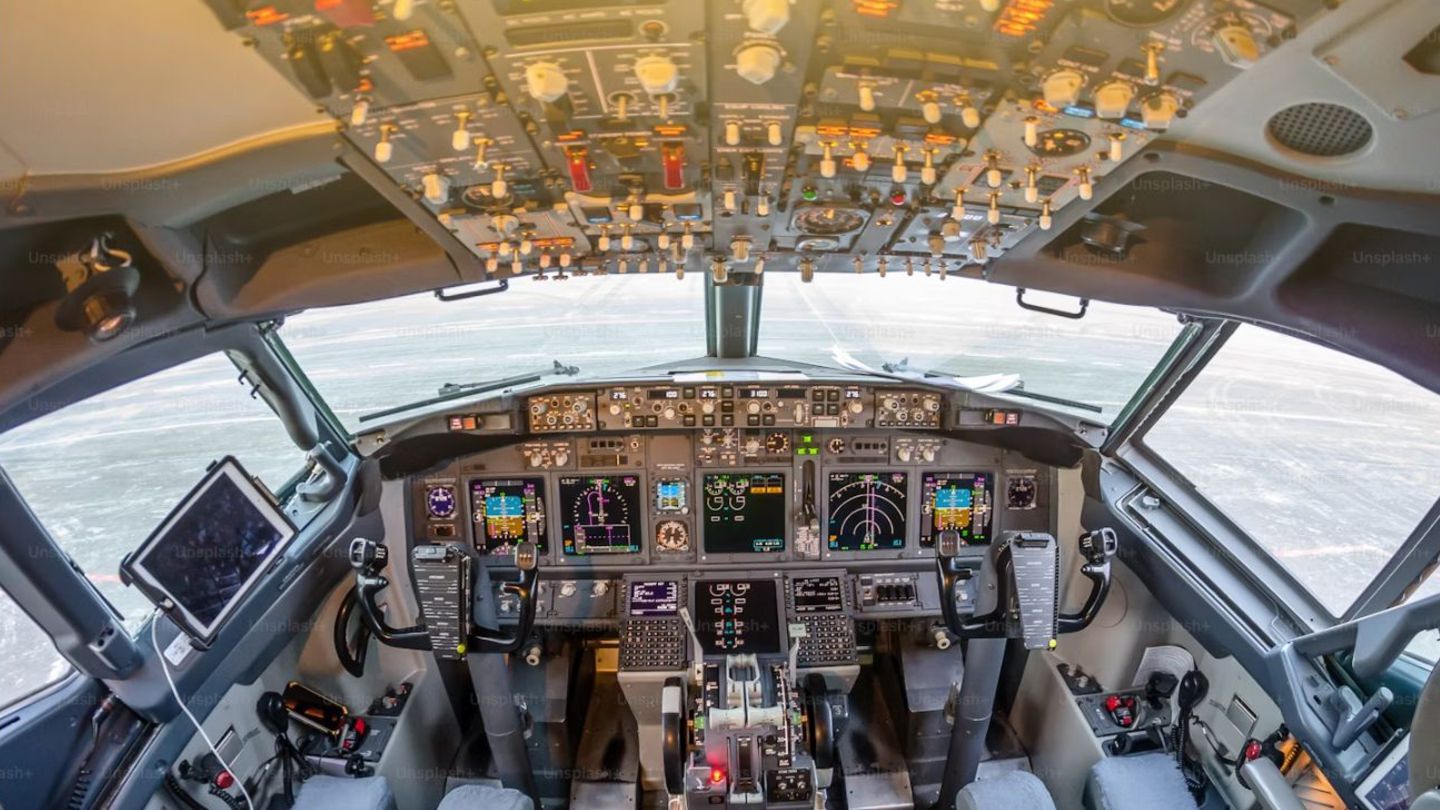
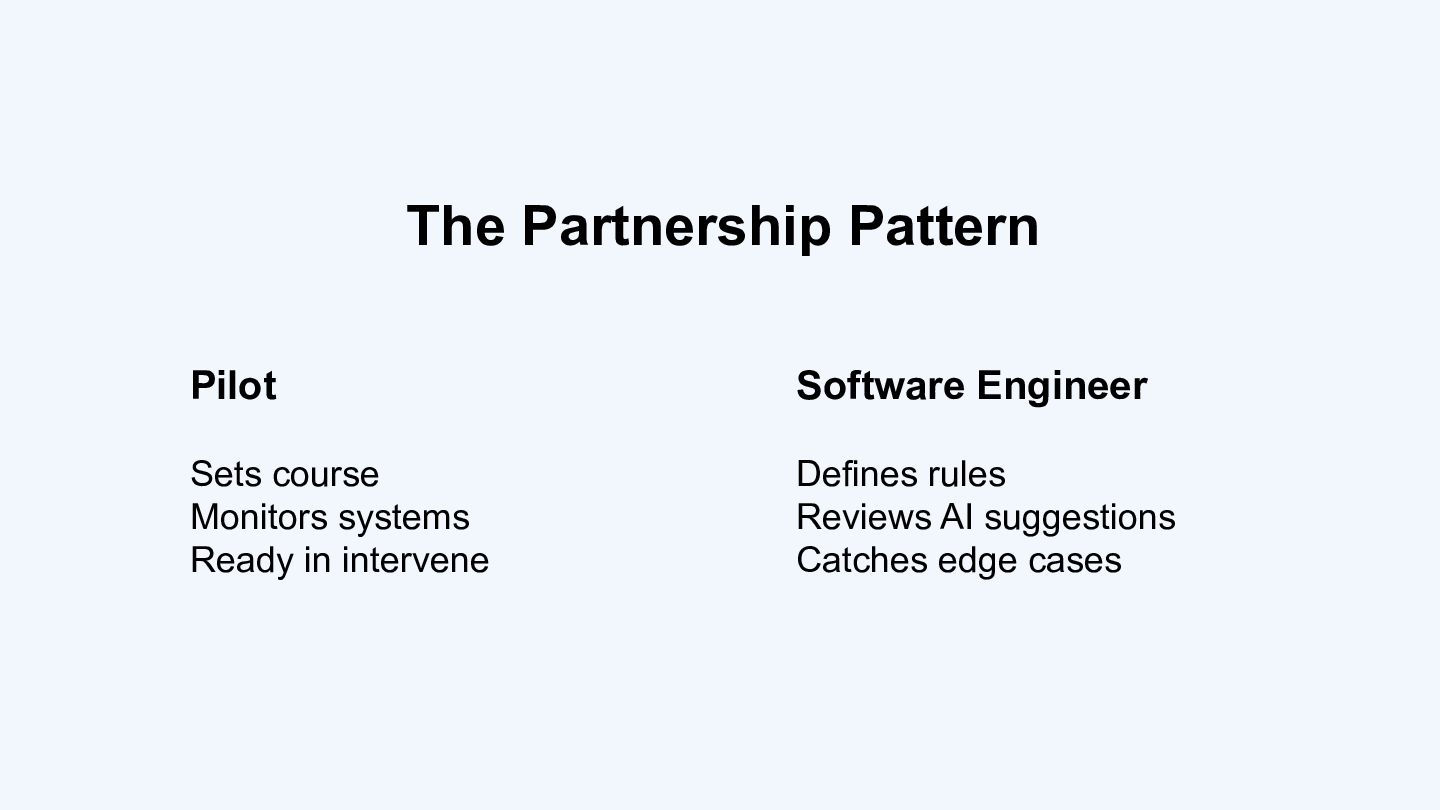
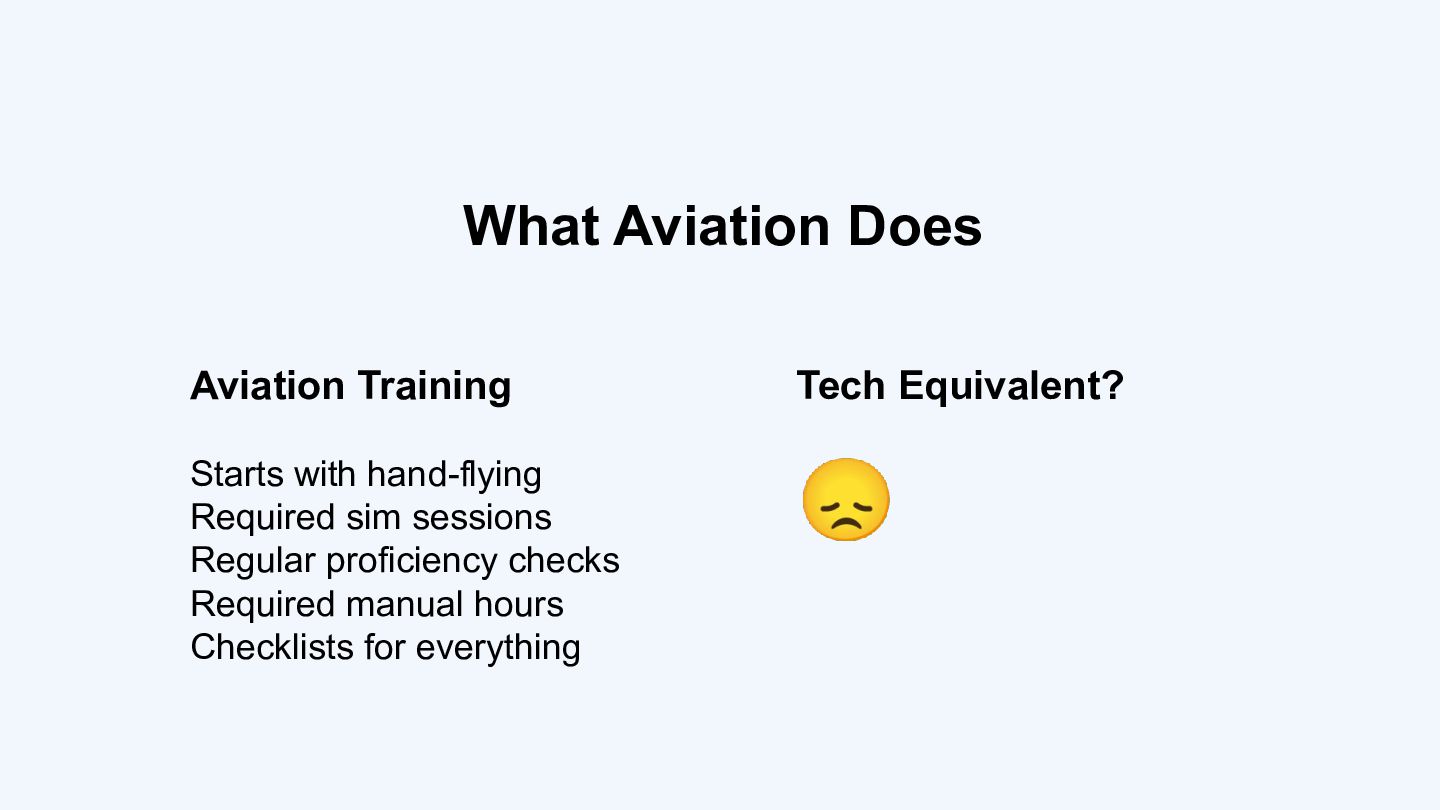
This talk draws parallels between the evolution of cockpit automation and the rise of AI coding assistants. Aviation achieved its remarkable safety record not by removing humans or removing automation, but by learning how humans and machines work best together — and, crucially, by learning what goes wrong when that partnership breaks down.
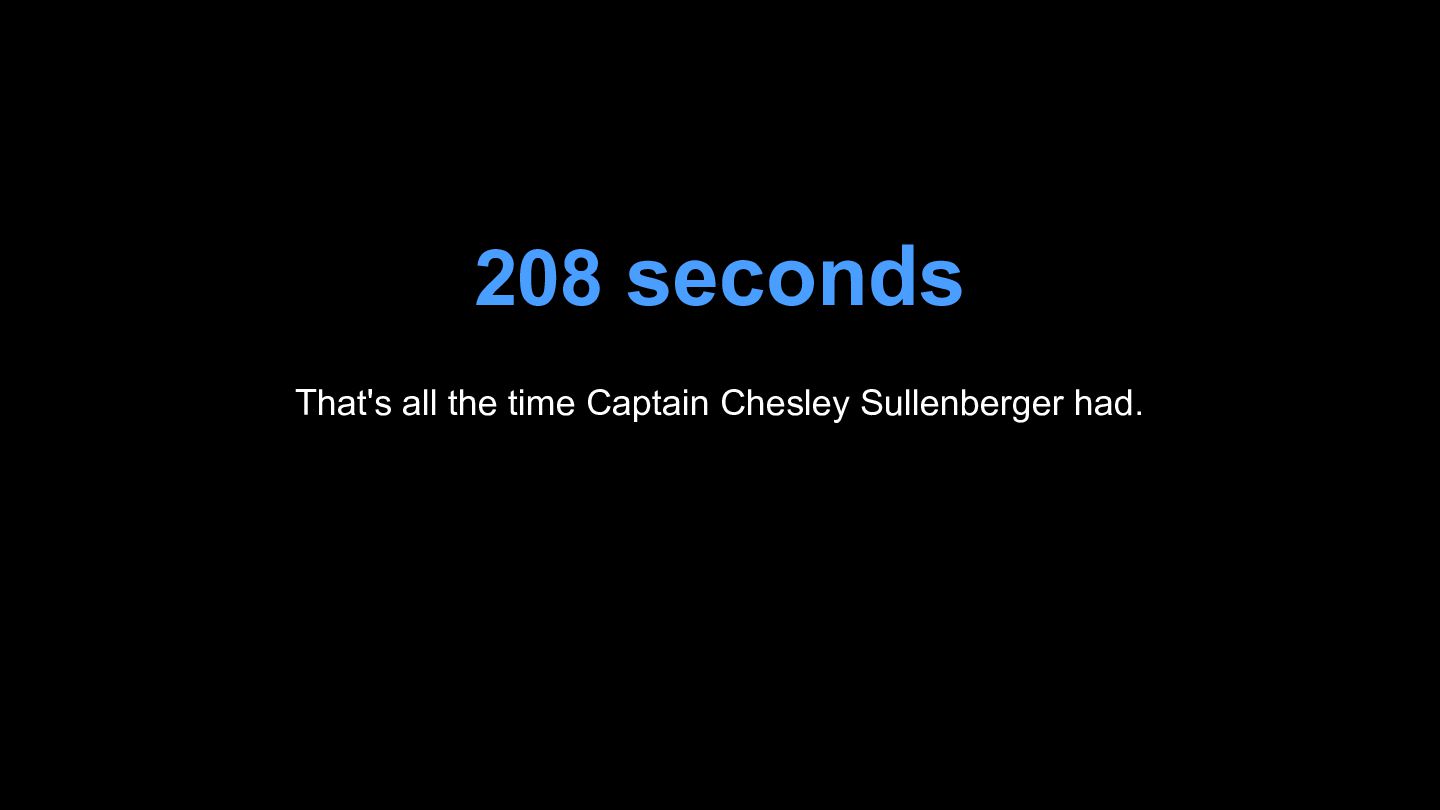
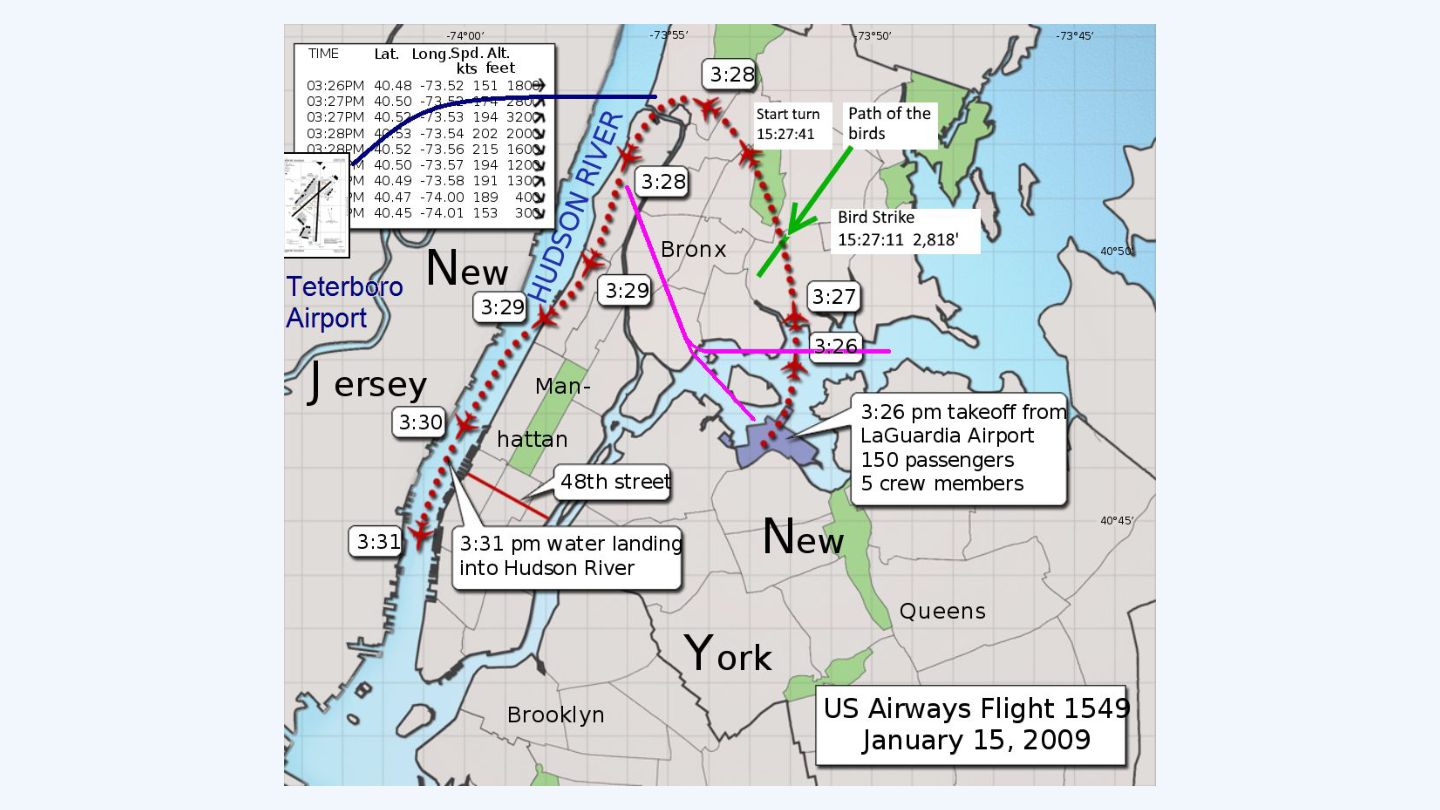
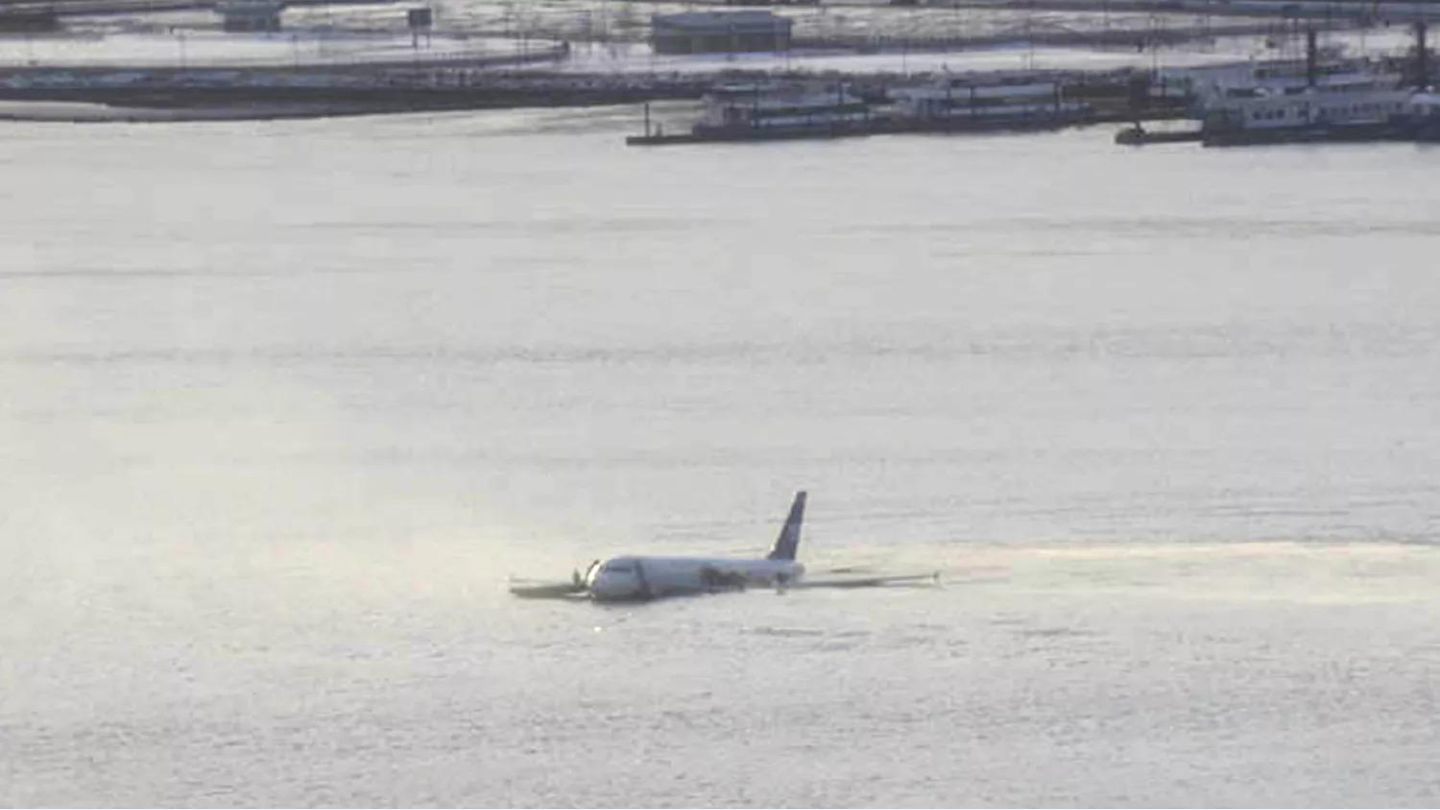
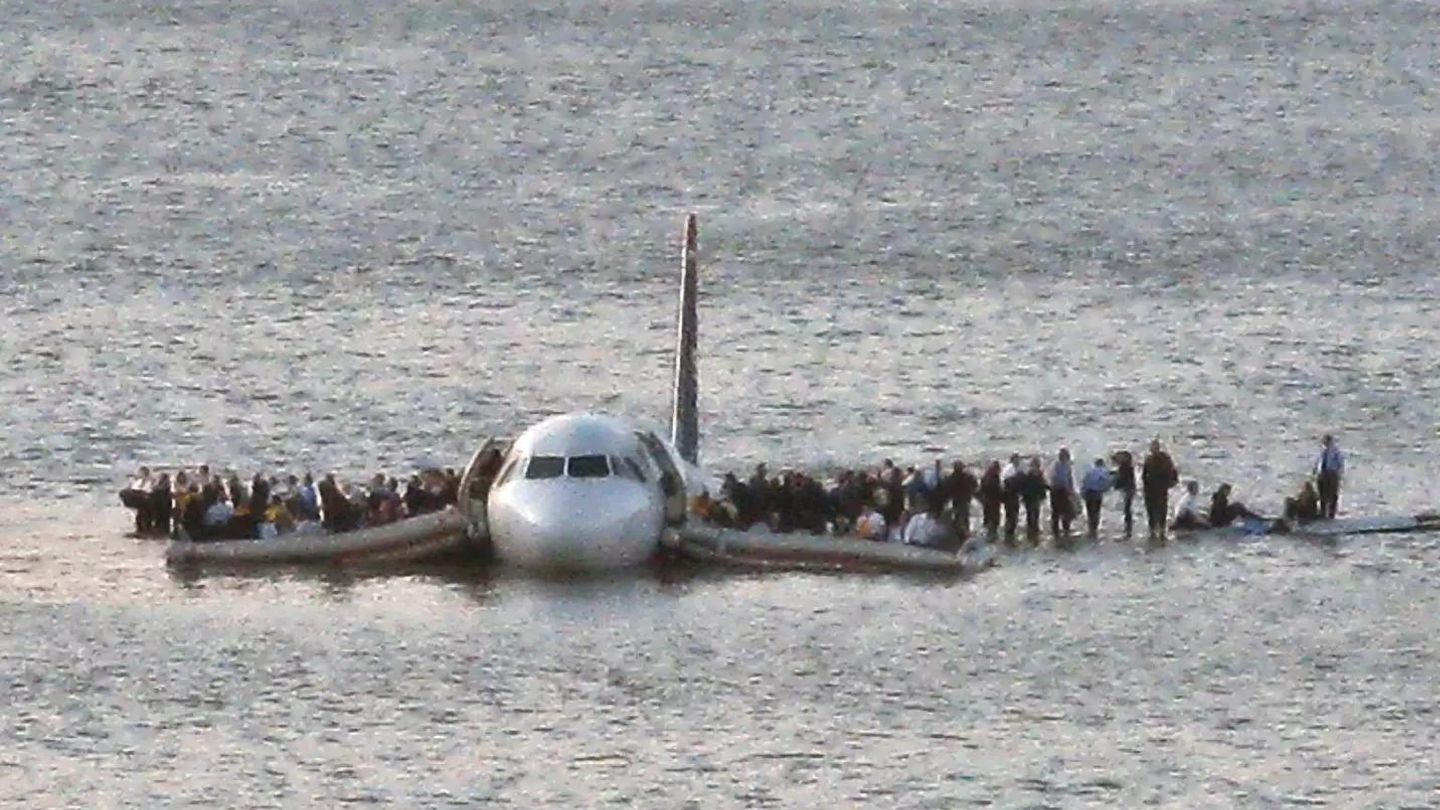
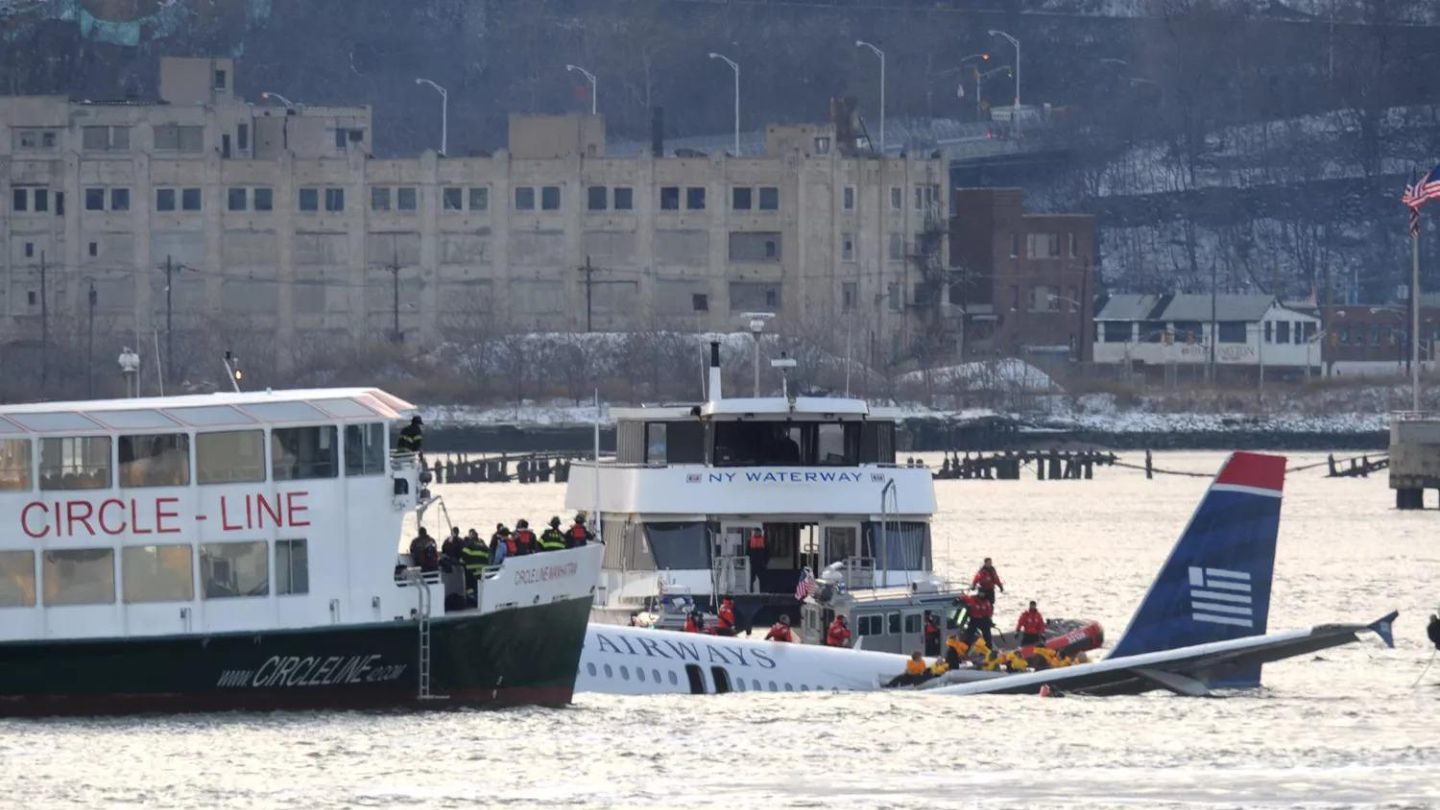
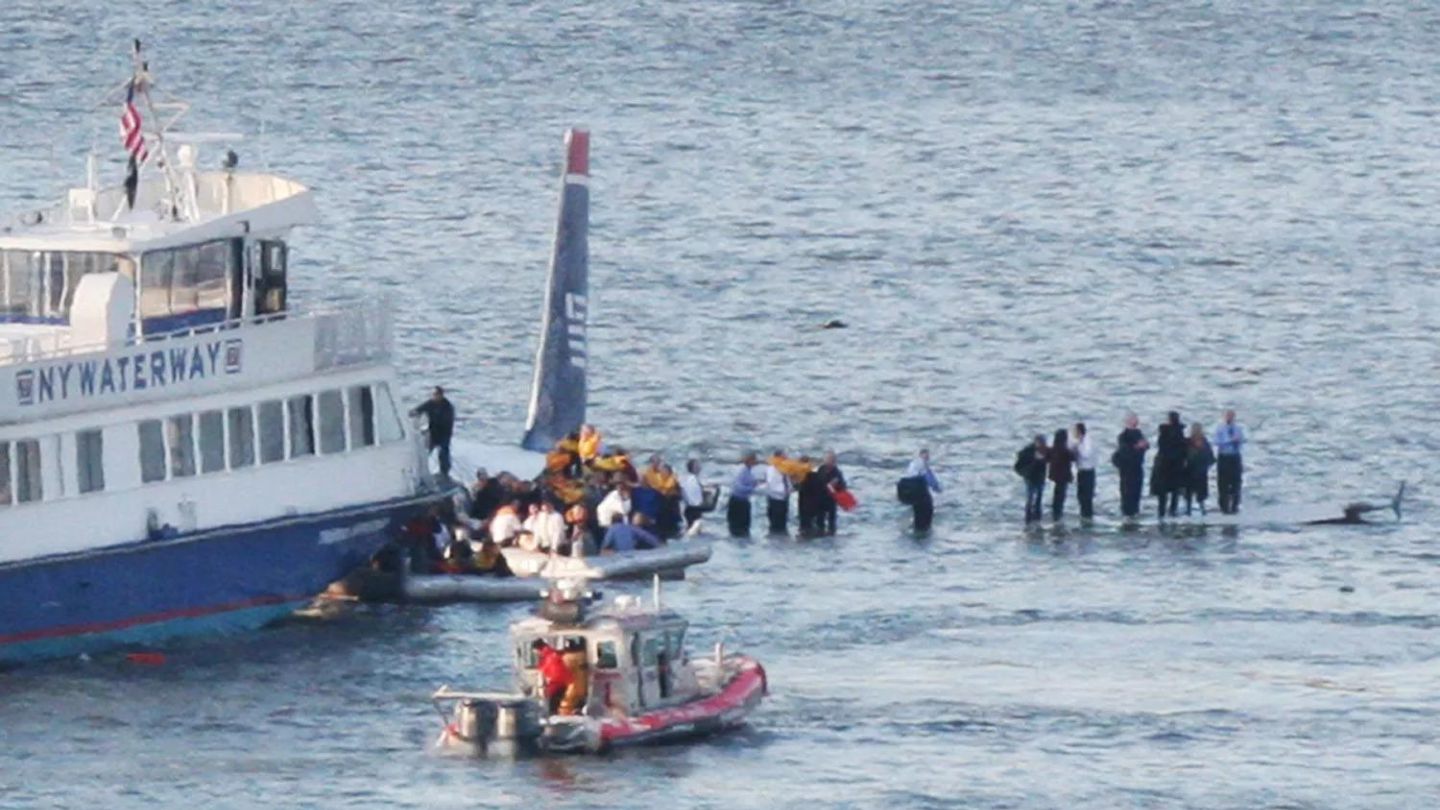
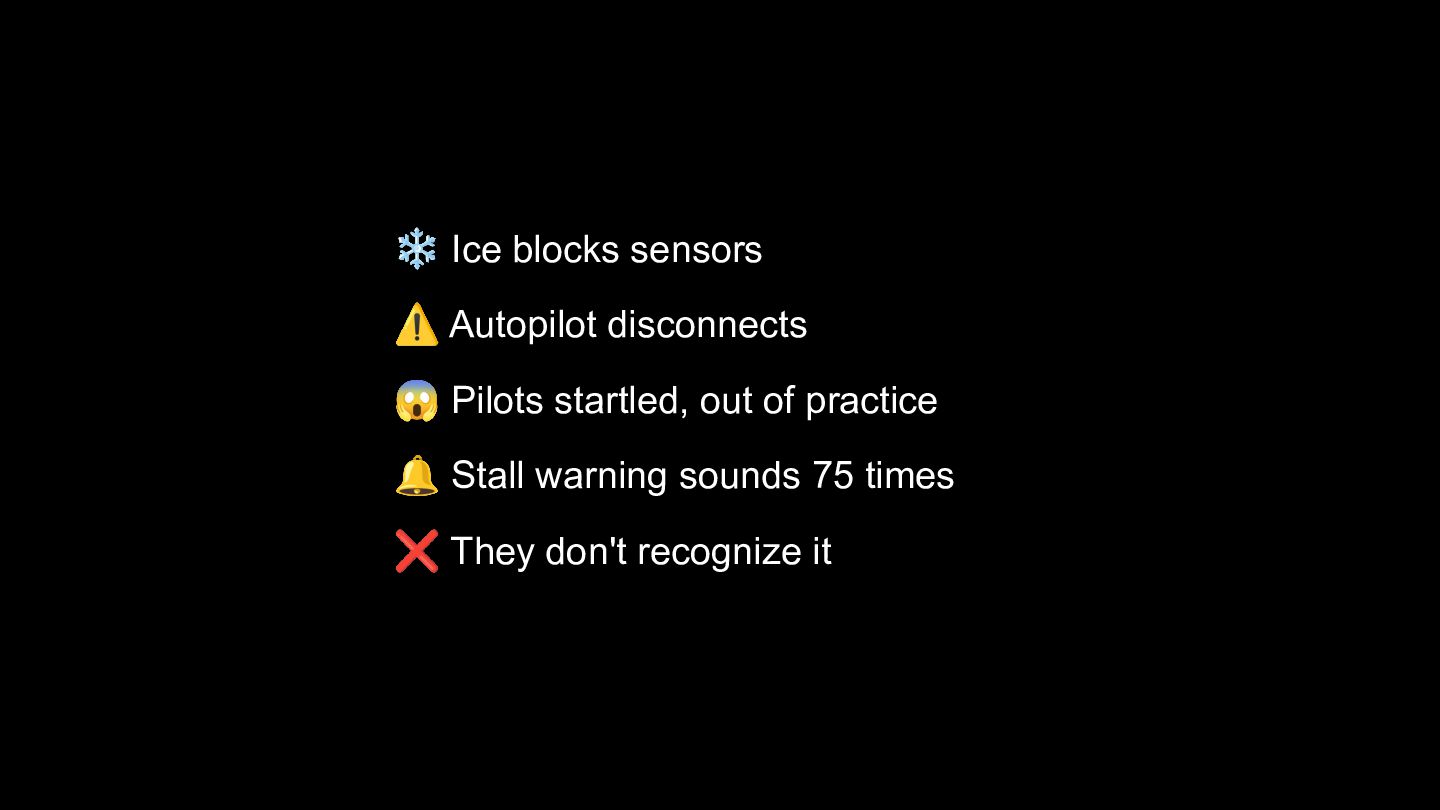
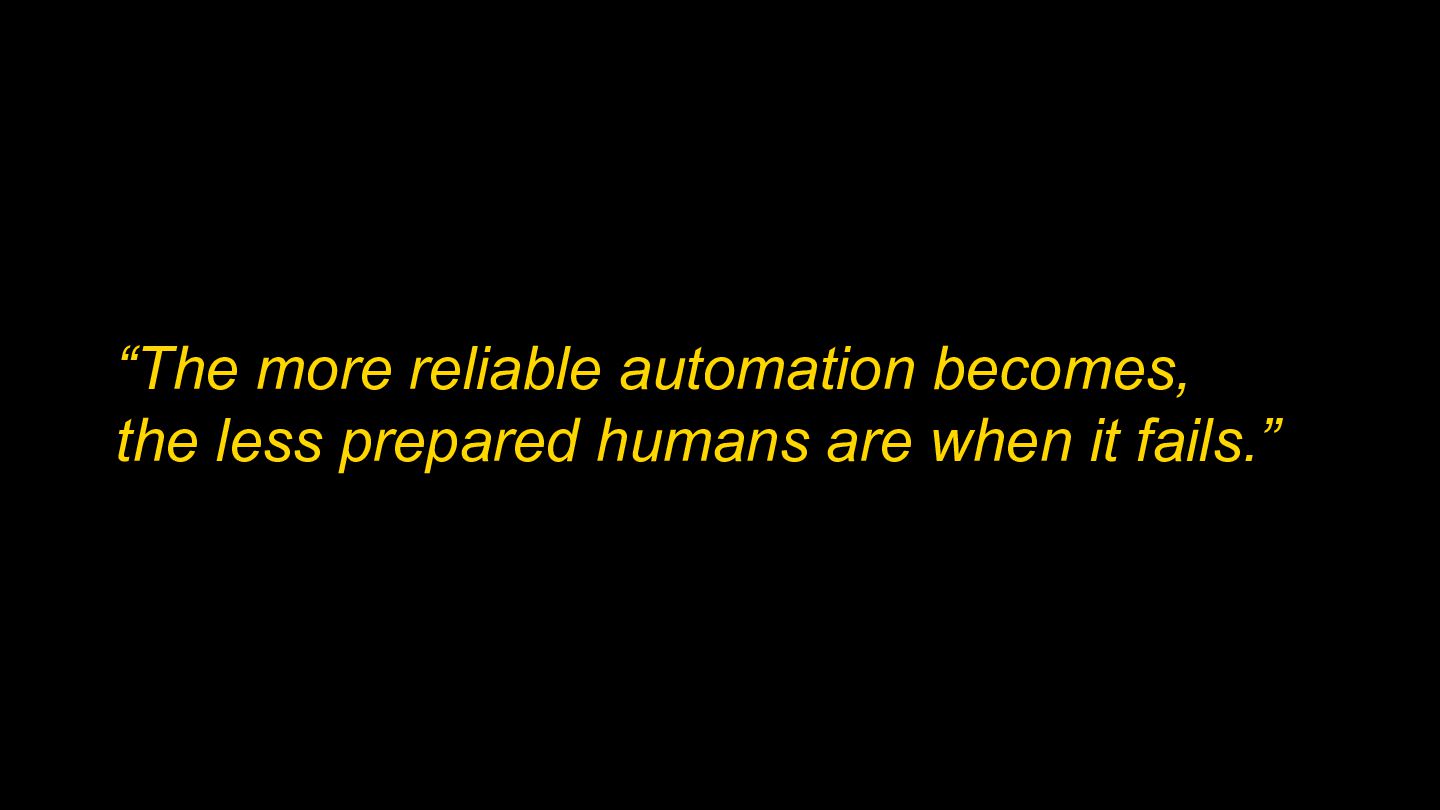
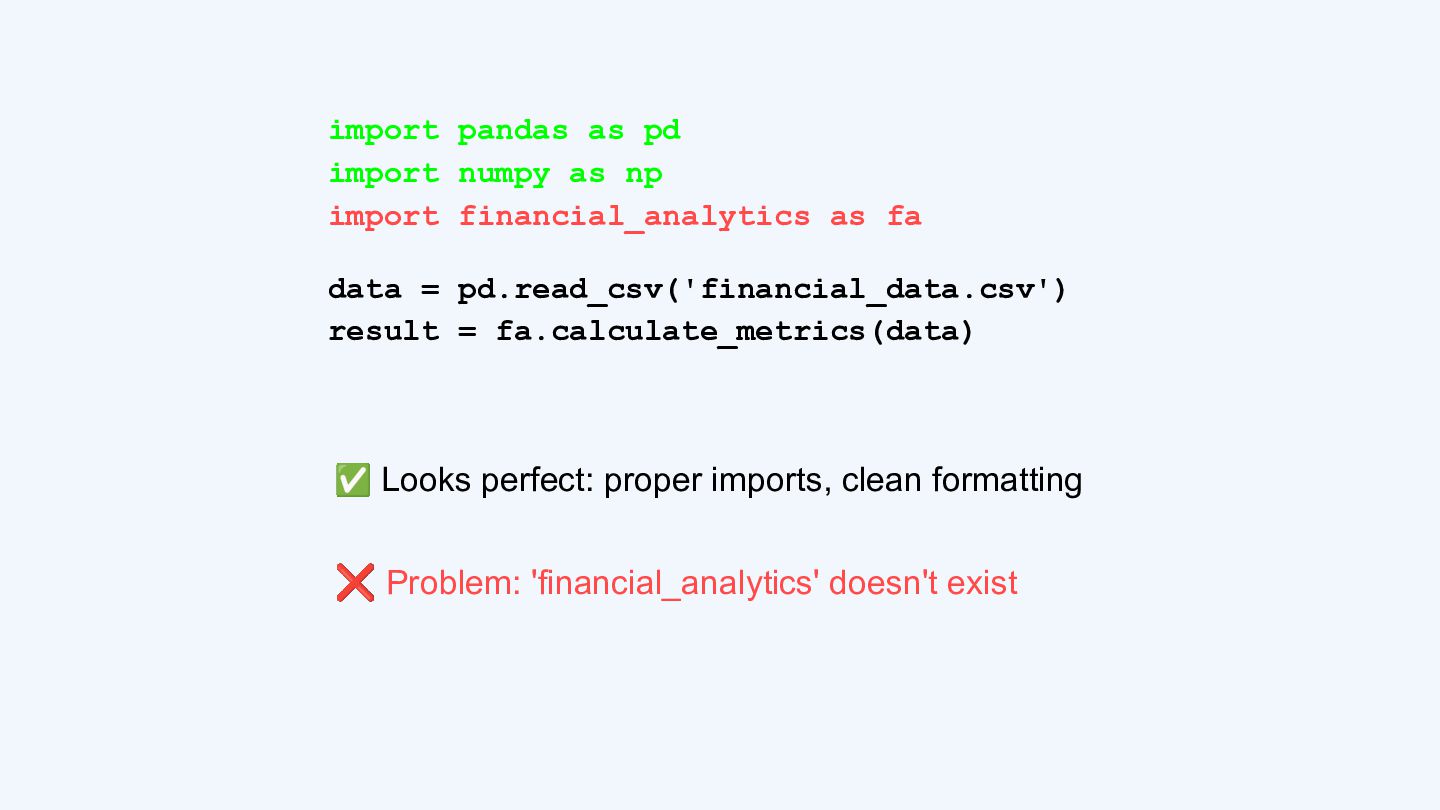
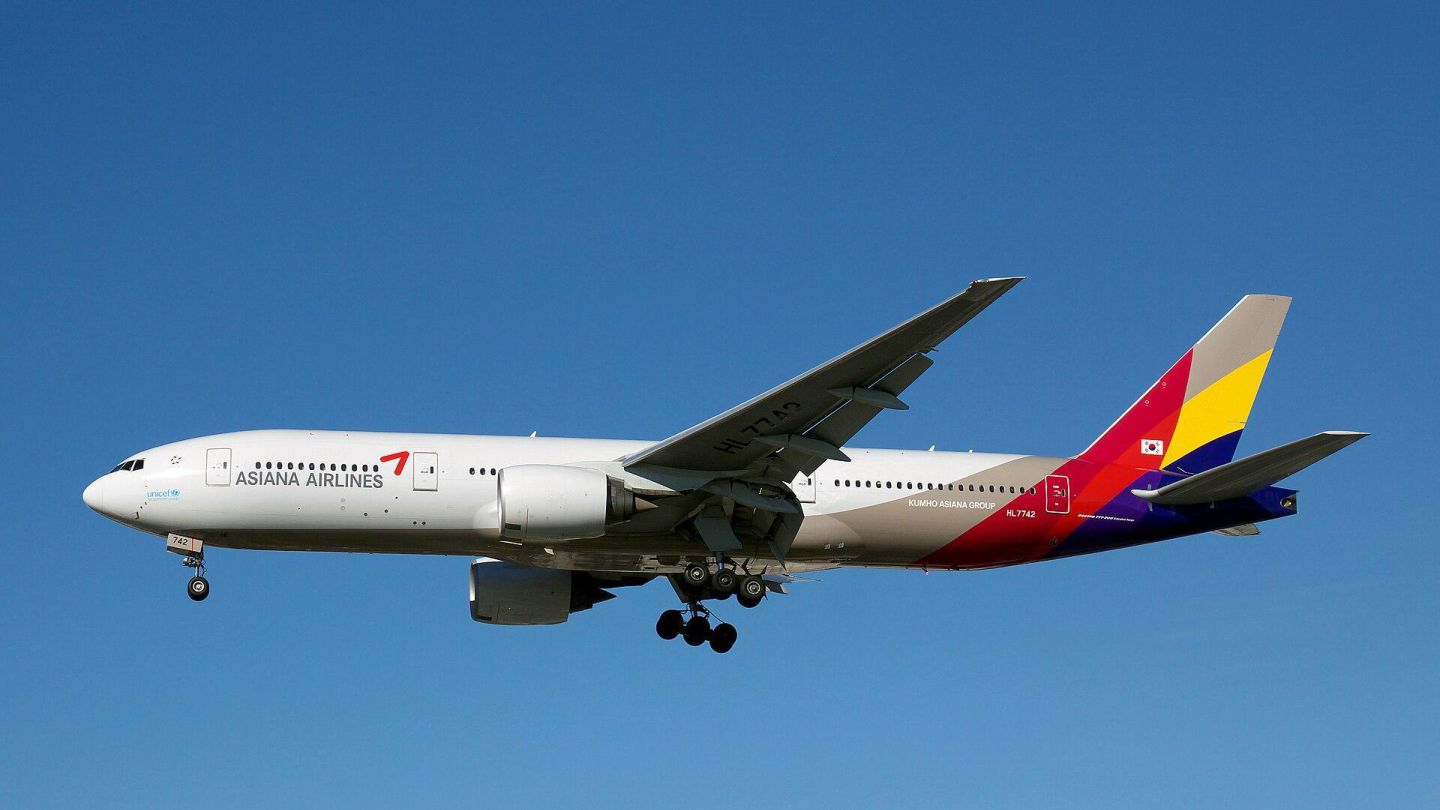
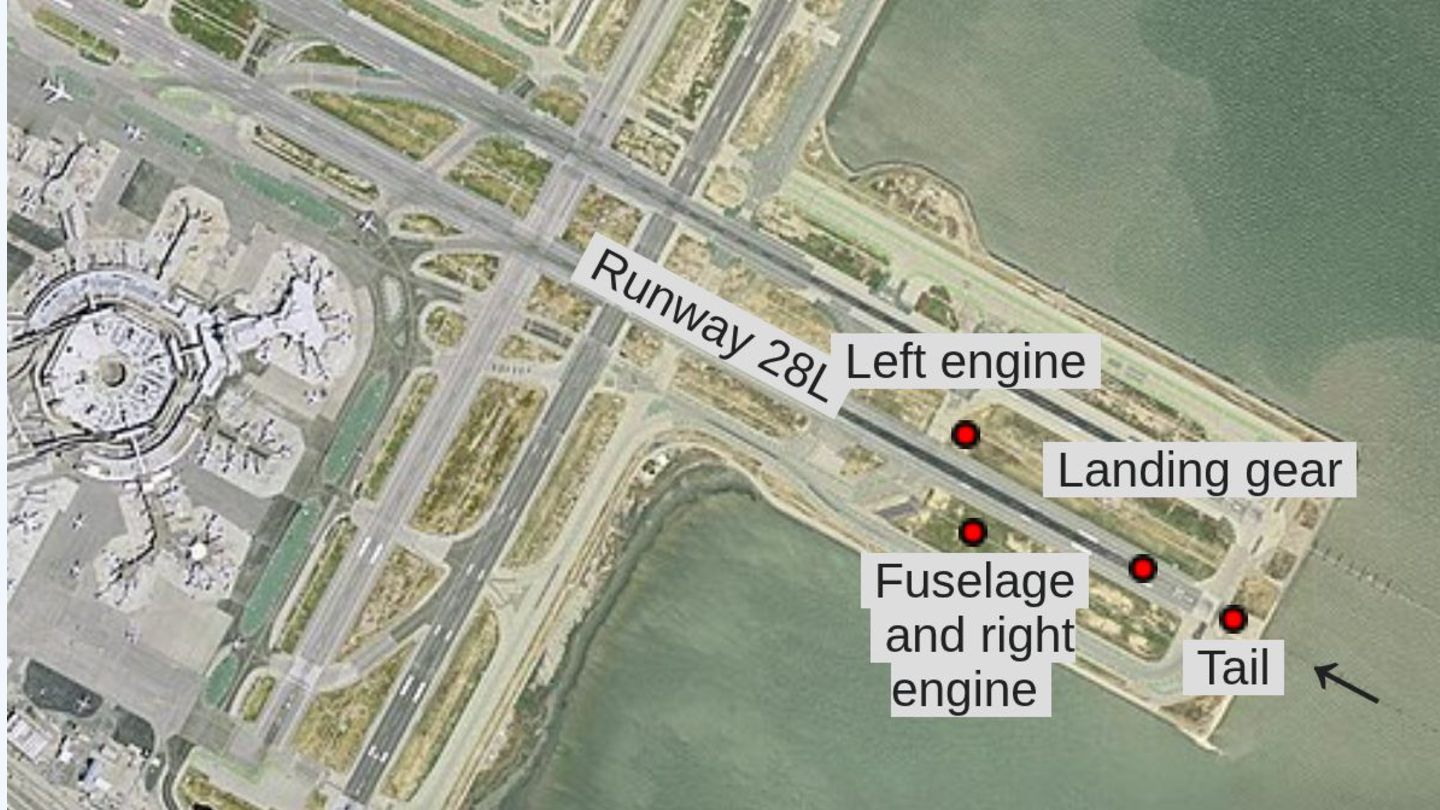
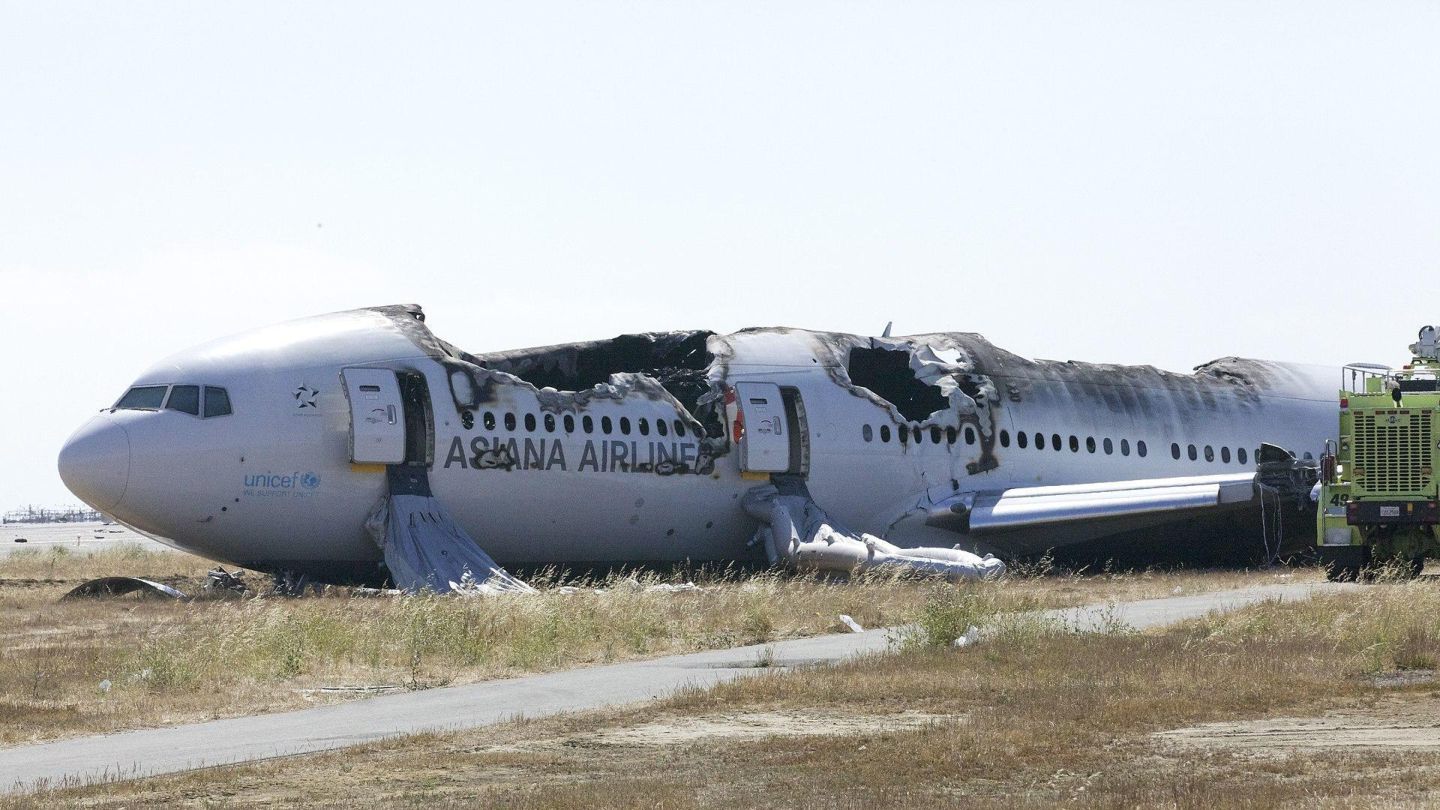
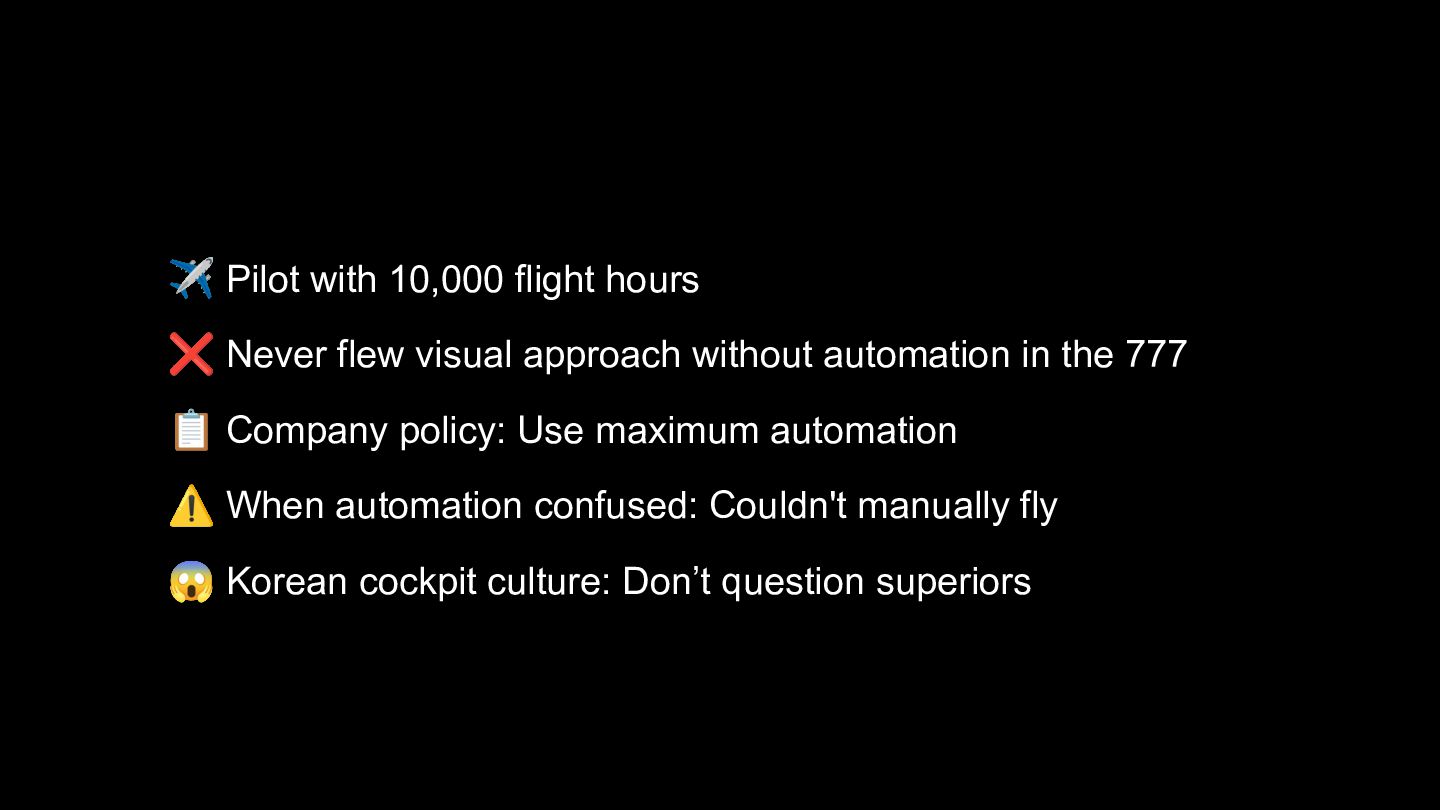
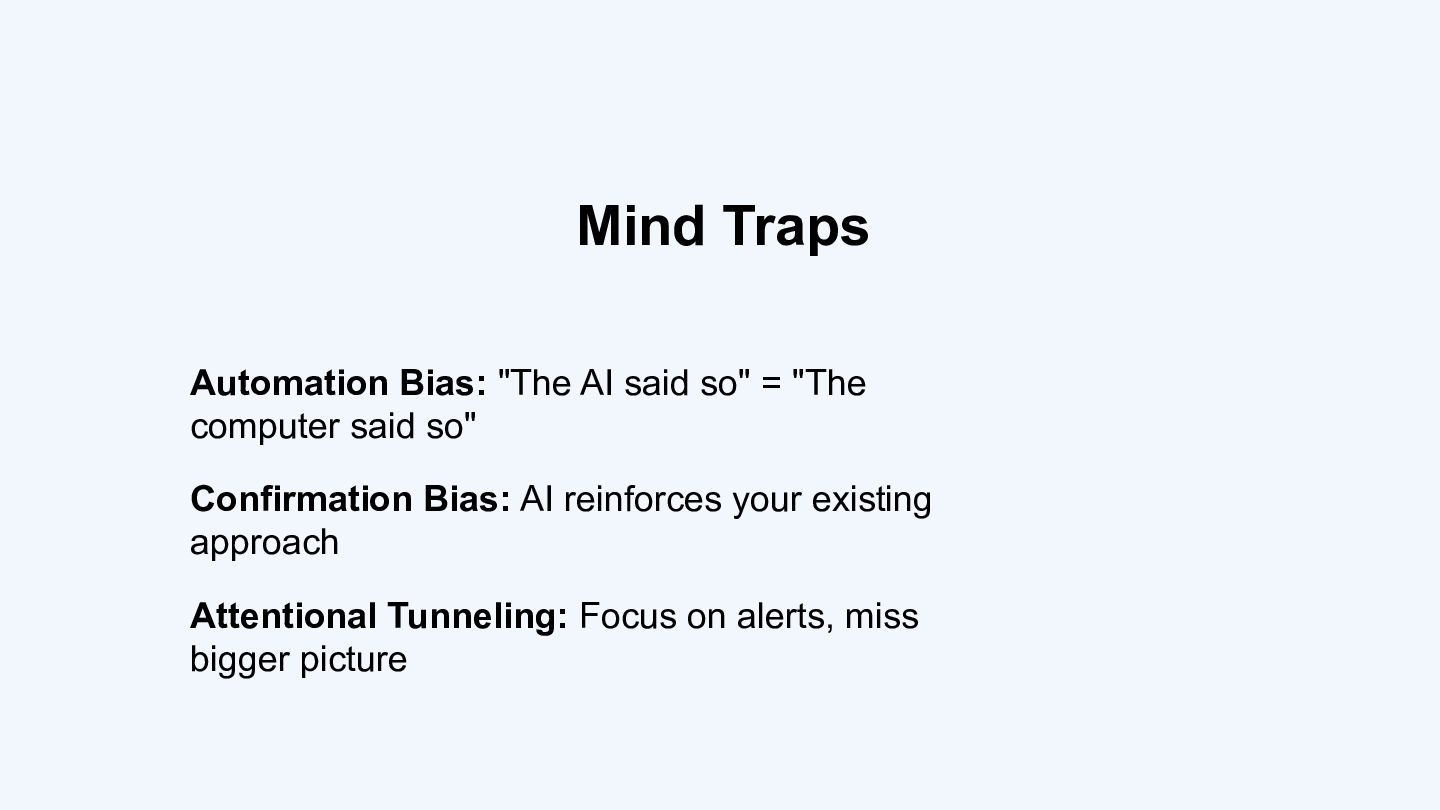
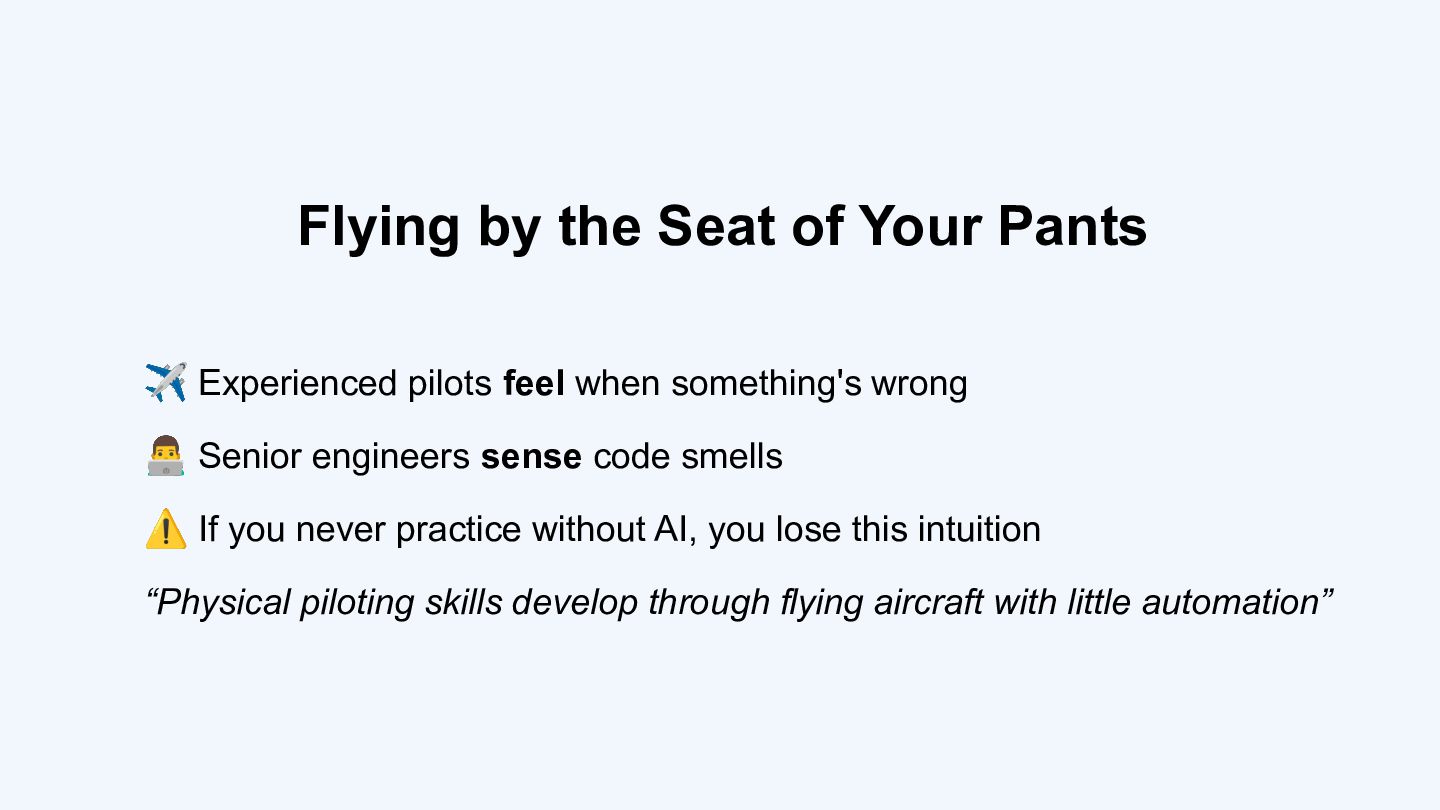
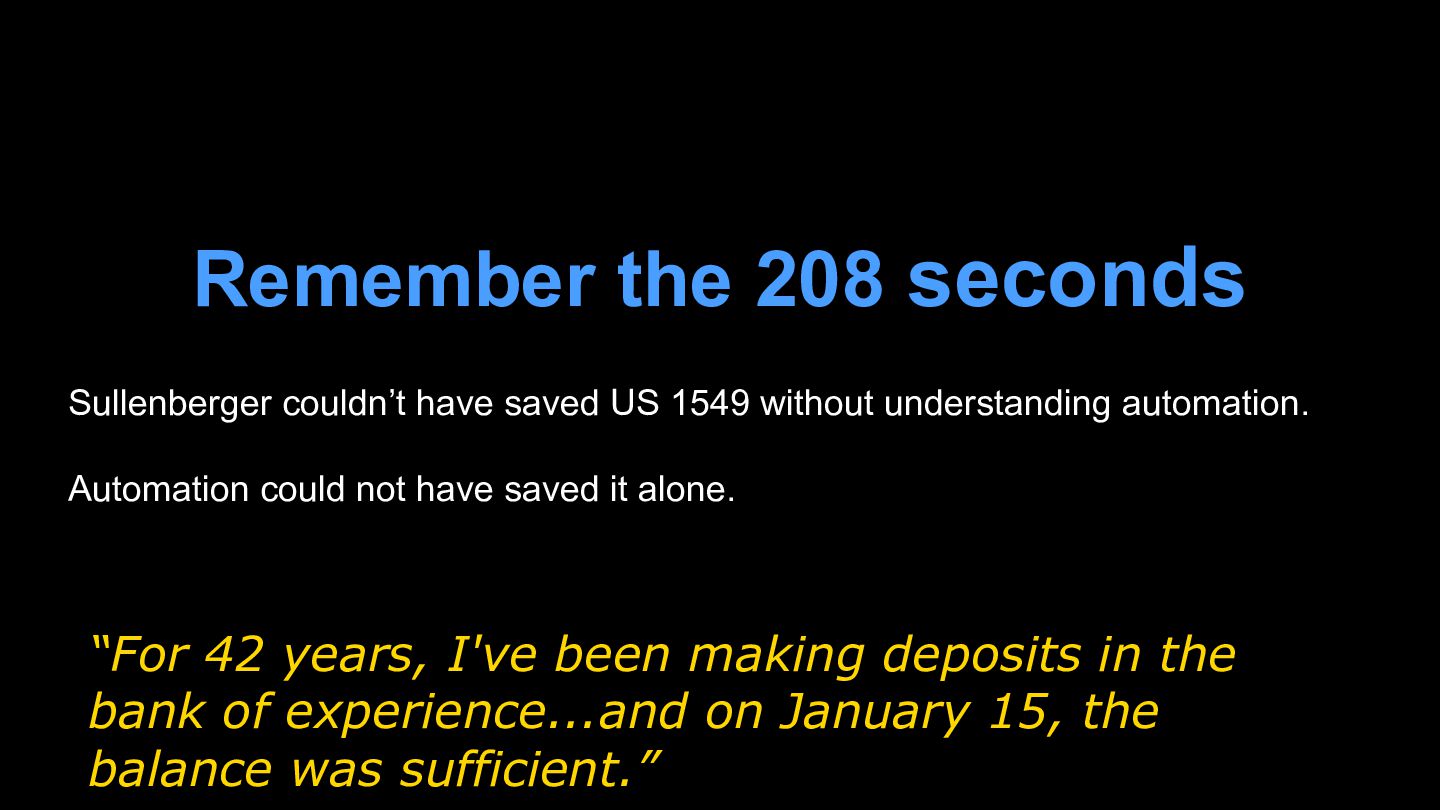
Through case studies including US Airways 1549 ("Miracle on the Hudson"), Air France 447, and Asiana 214, the talk explores the automation paradox: the more reliable our tools become, the less prepared we are when they fail. The same risks apply to software engineers who over-rely on AI - hallucinated libraries, atrophied skills, automation bias, and the slow erosion of the "code smell" intuition that only comes from practice.
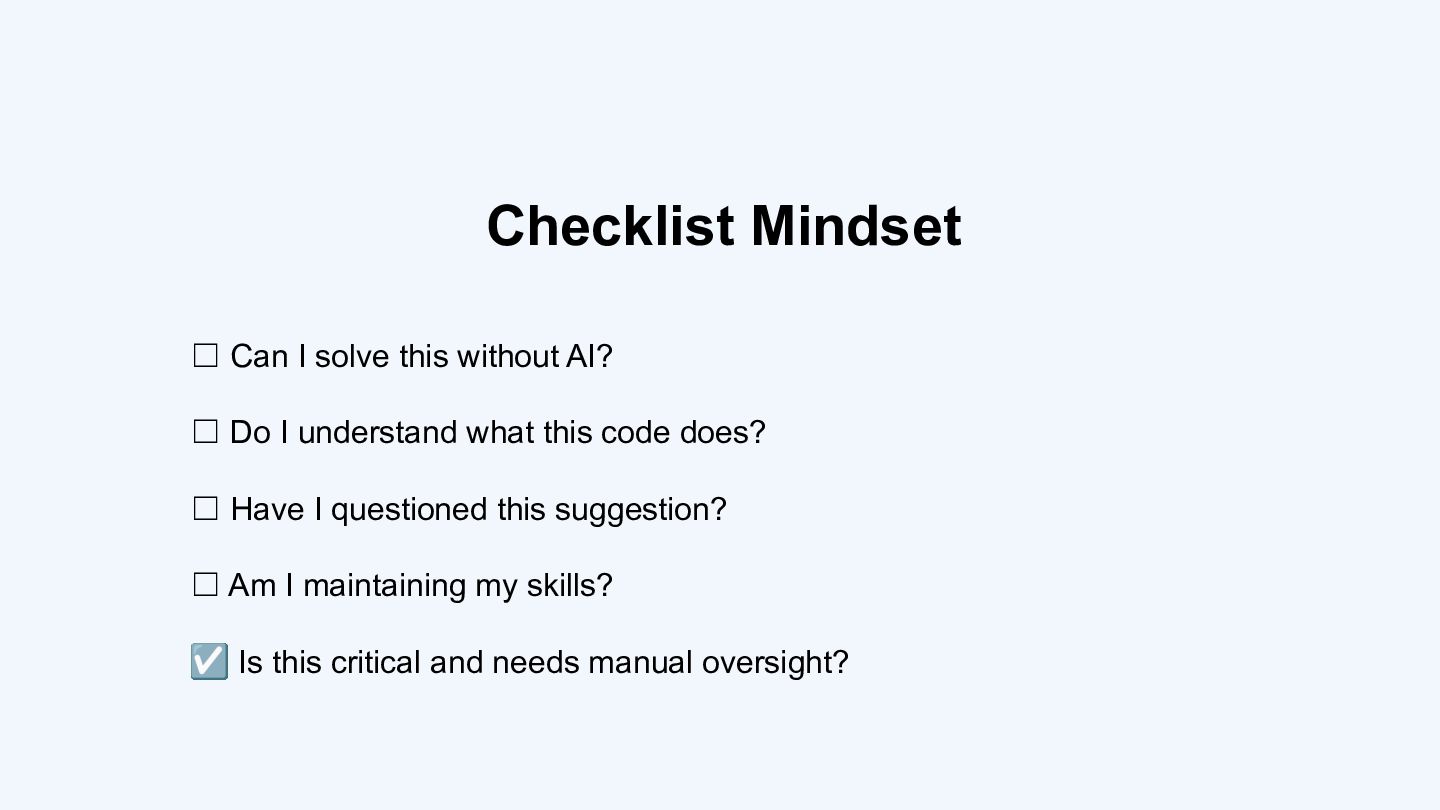
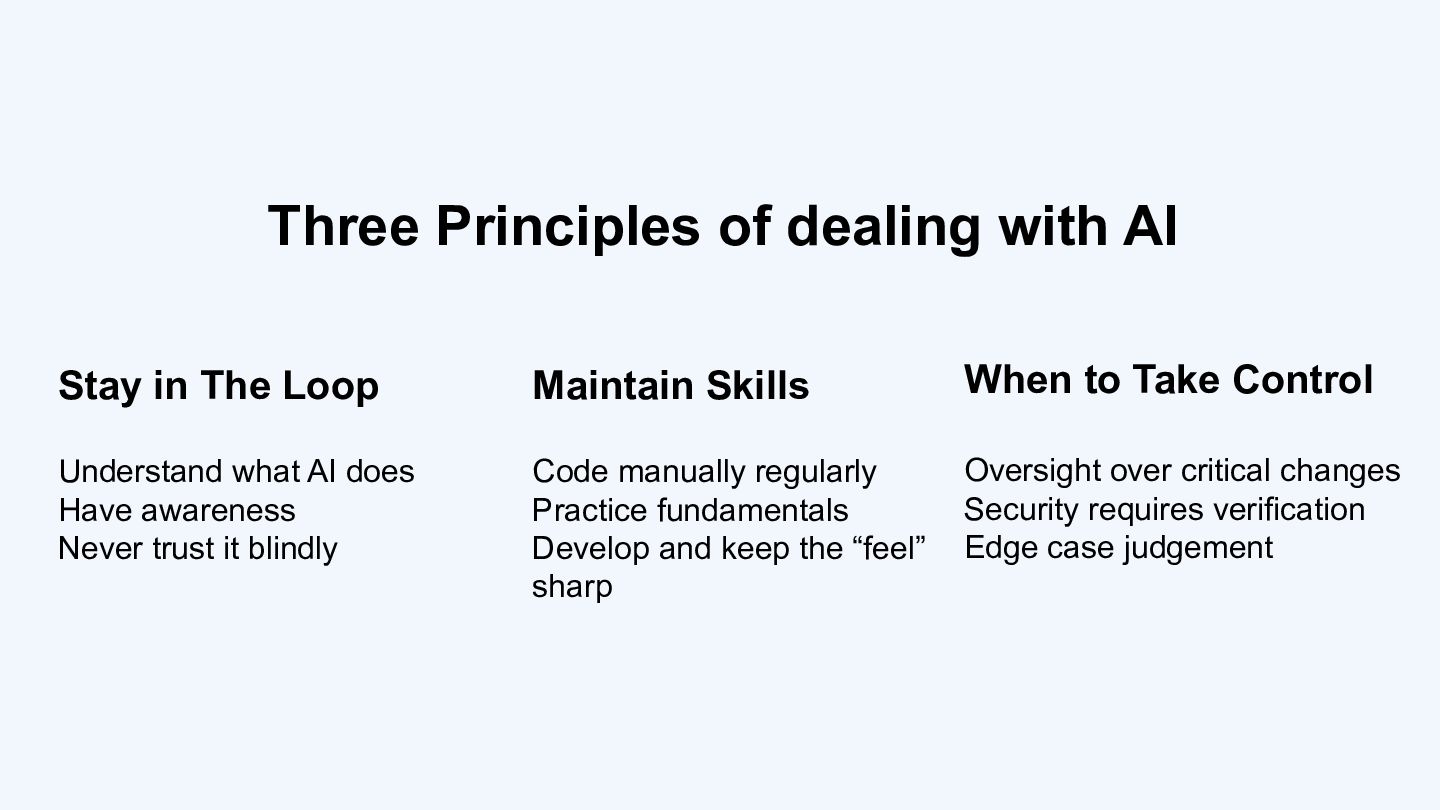
The talk closes with three practical principles for navigating AI-assisted development: staying in the loop, maintaining your fundamentals, and knowing when to take manual control.
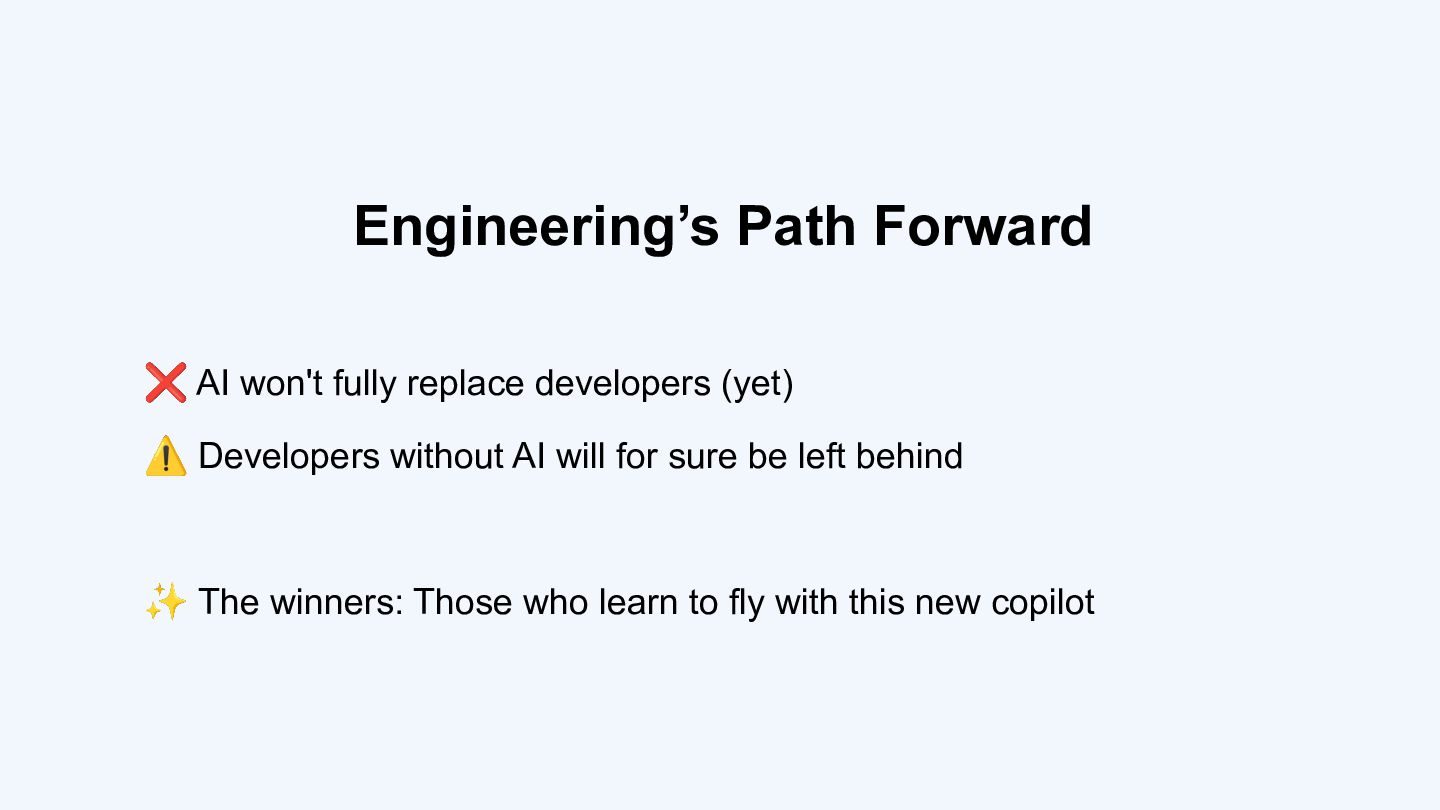
Developers who ignore AI will be left behind. But the real winners will be those who learn to fly with this new kind of copilot.


 therealagentk
 morizo_1984
 timakin
 satoshi256kbyte
 siroemk
 syumai
 htkym
htkym
 koic
koic
 oku053
 minodriven
 takai
takai
 oniak3ibm
 n_takehata
 nikkihalliwell
 charlesmeaden
 garrettdimon
 livdayseo
 seathinner
 kneath
 davetheseo
 marcduiker
 bkeepers
 leimatthew05
 retrage
 morganepeng