Upgrade to Pro — share decks privately, control downloads, hide ads and more …

System Design Basics

Avatar for tildascode tildascode
September 25, 2019

System Design Basics

Avatar for tildascode

tildascode

September 25, 2019

More Decks by tildascode

Other Decks in Programming

Transcript

  1. Agenda • (Some) Key Characteristics of Distributed Systems • Load

    Balancing • Caching • Asynchronism • Scaling the DB • Consistent Hashing
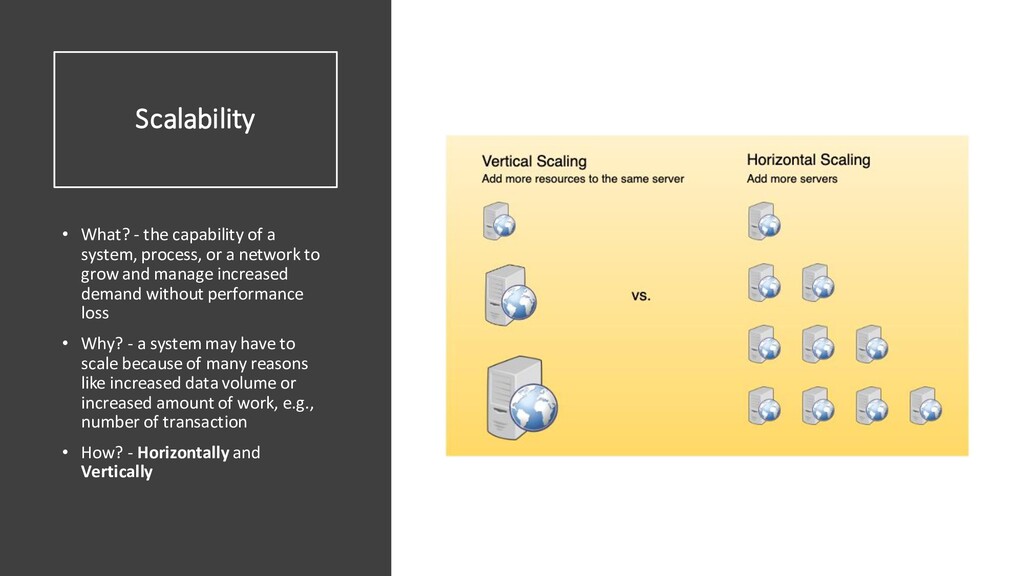
  2. Scalability • What? - the capability of a system, process,

    or a network to grow and manage increased demand without performance loss • Why? - a system may have to scale because of many reasons like increased data volume or increased amount of work, e.g., number of transaction • How? - Horizontally and Vertically
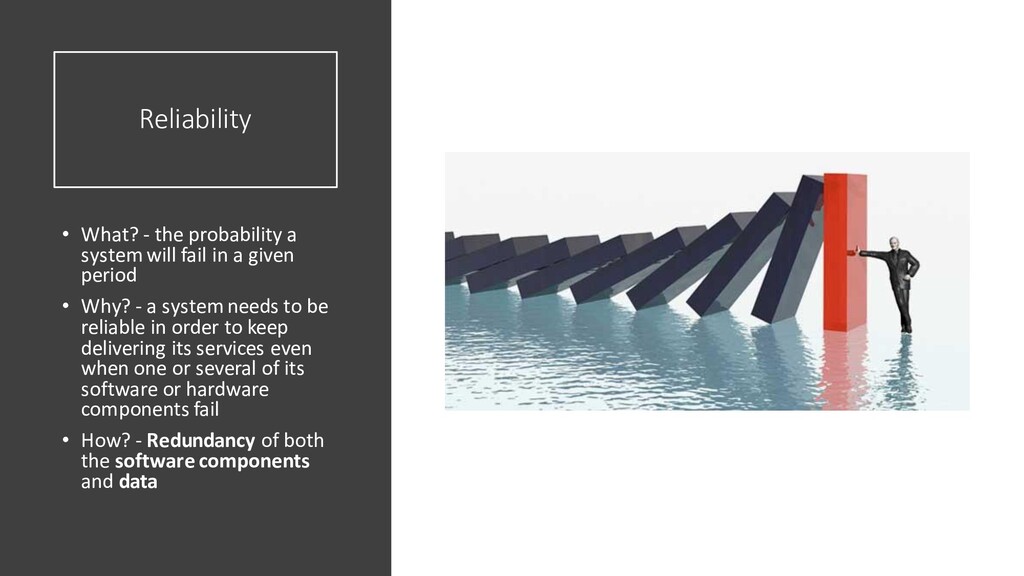
  3. Reliability • What? - the probability a system will fail

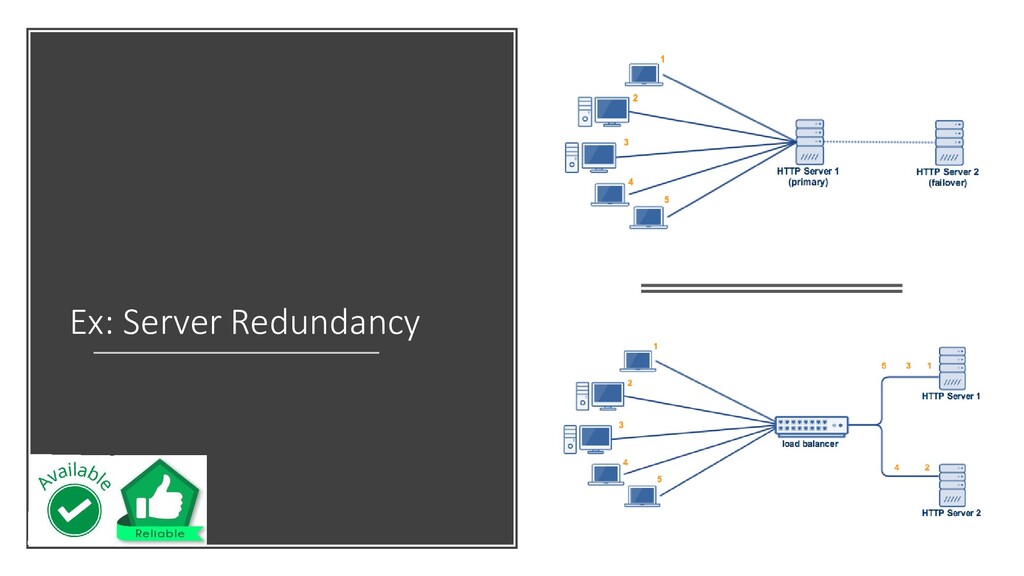
    in a given period • Why? - a system needs to be reliable in order to keep delivering its services even when one or several of its software or hardware components fail • How? - Redundancy of both the software components and data
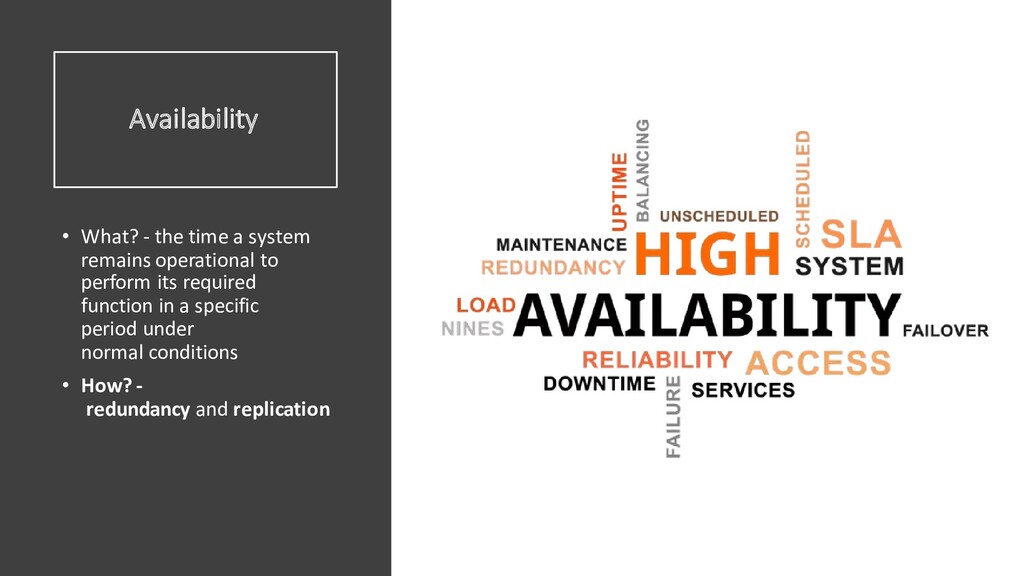
  4. Availability • What? - the time a system remains operational

    to perform its required function in a specific period under normal conditions • How? - redundancy and replication
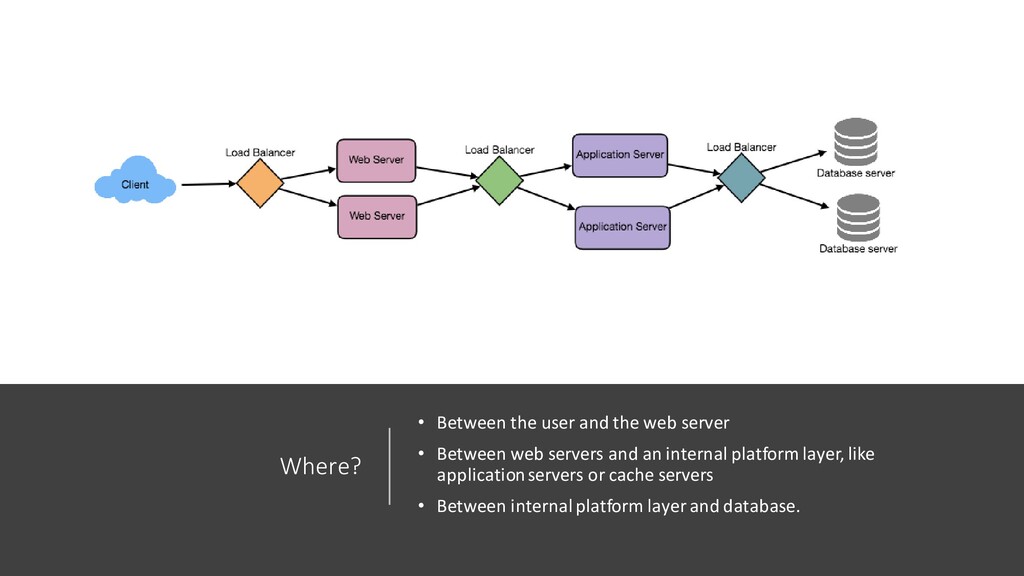
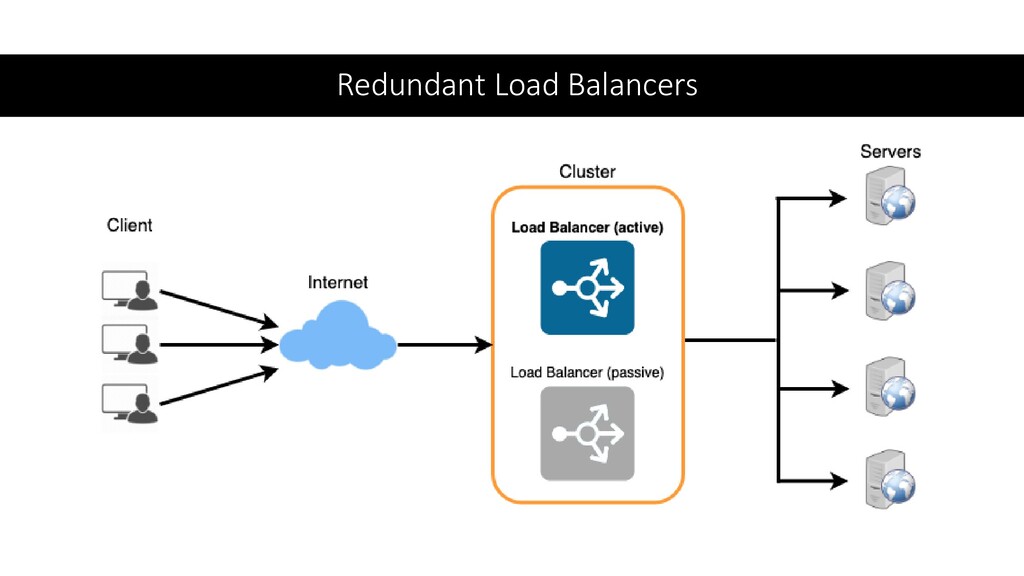
  5. Where? • Between the user and the web server •

    Between web servers and an internal platform layer, like application servers or cache servers • Between internal platform layer and database.
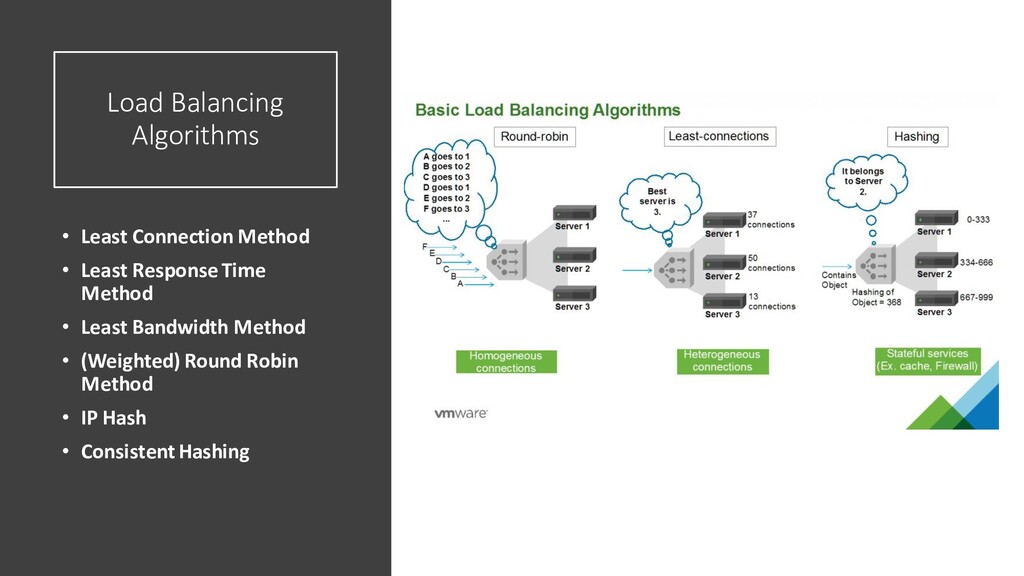
  6. Load Balancing Algorithms • Least Connection Method • Least Response

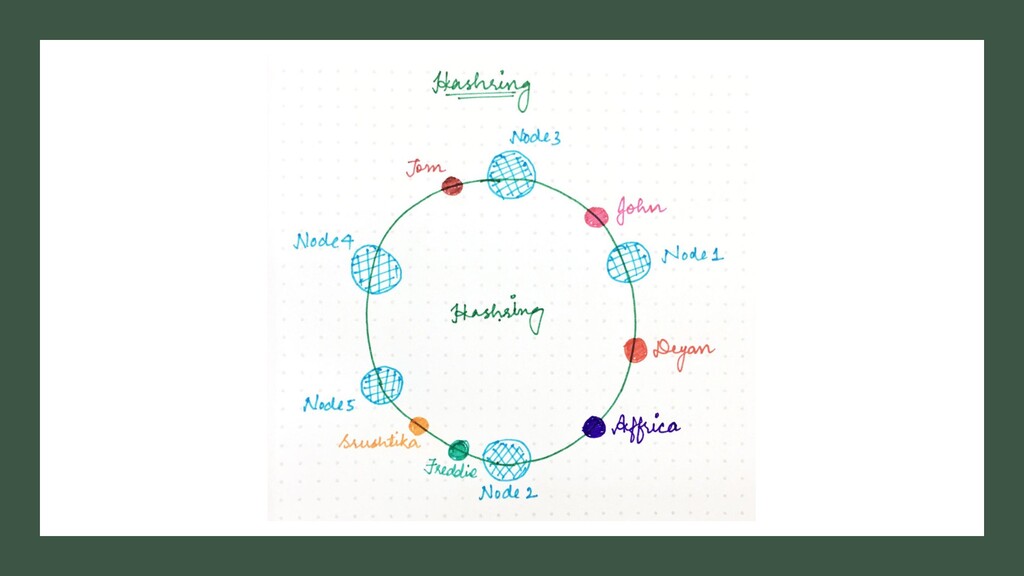
    Time Method • Least Bandwidth Method • (Weighted) Round Robin Method • IP Hash • Consistent Hashing
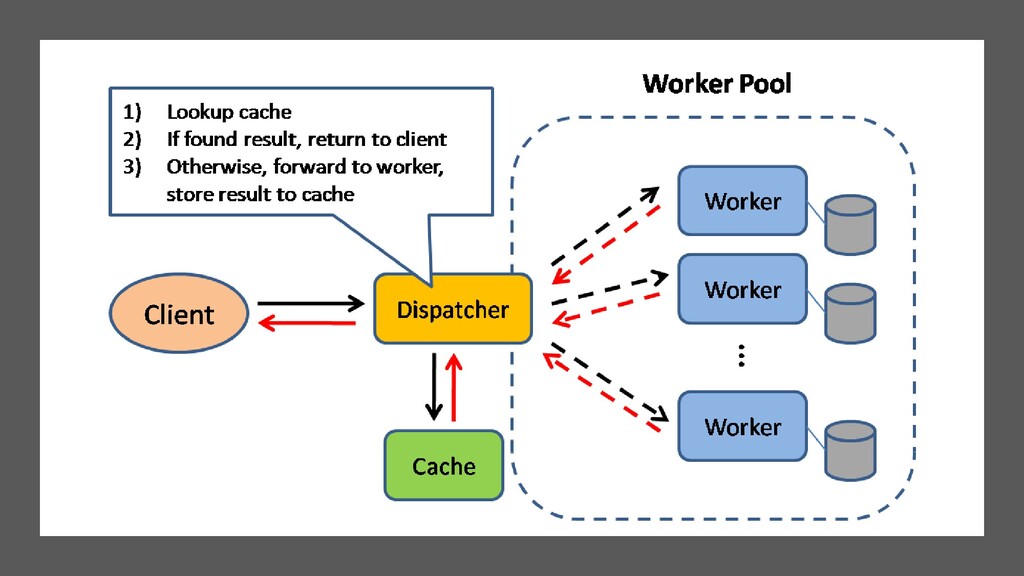
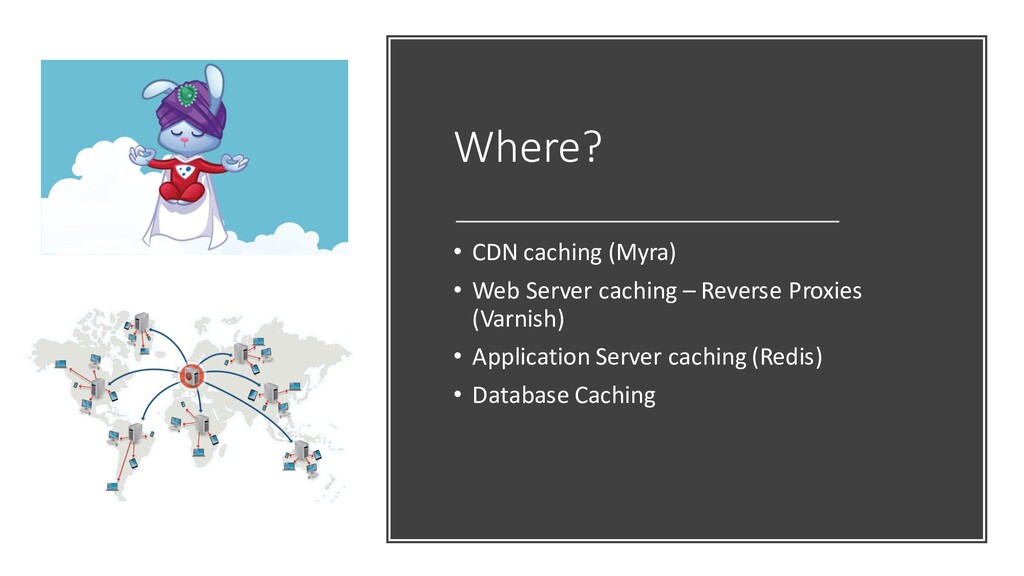
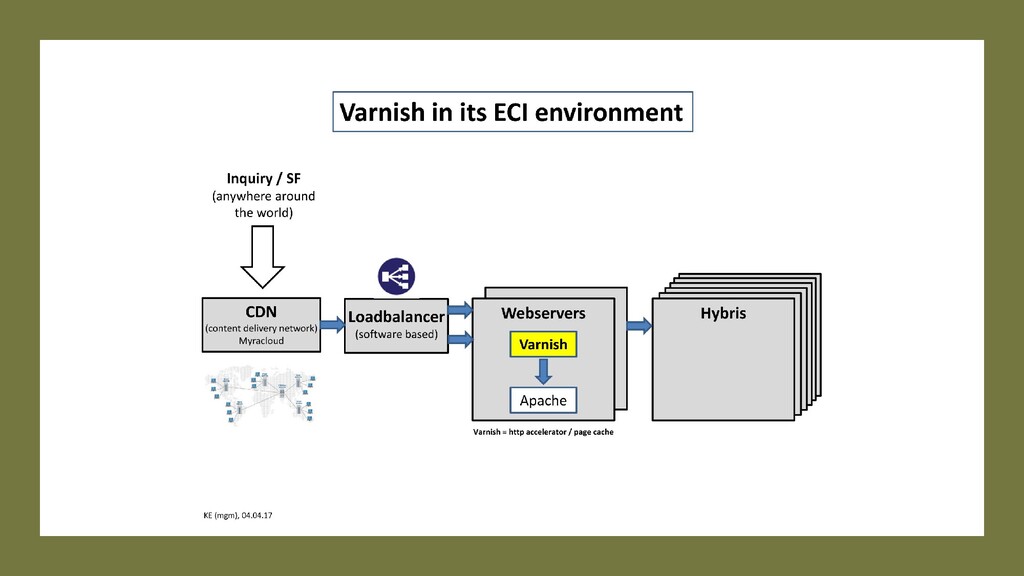
  7. Where? • CDN caching (Myra) • Web Server caching –

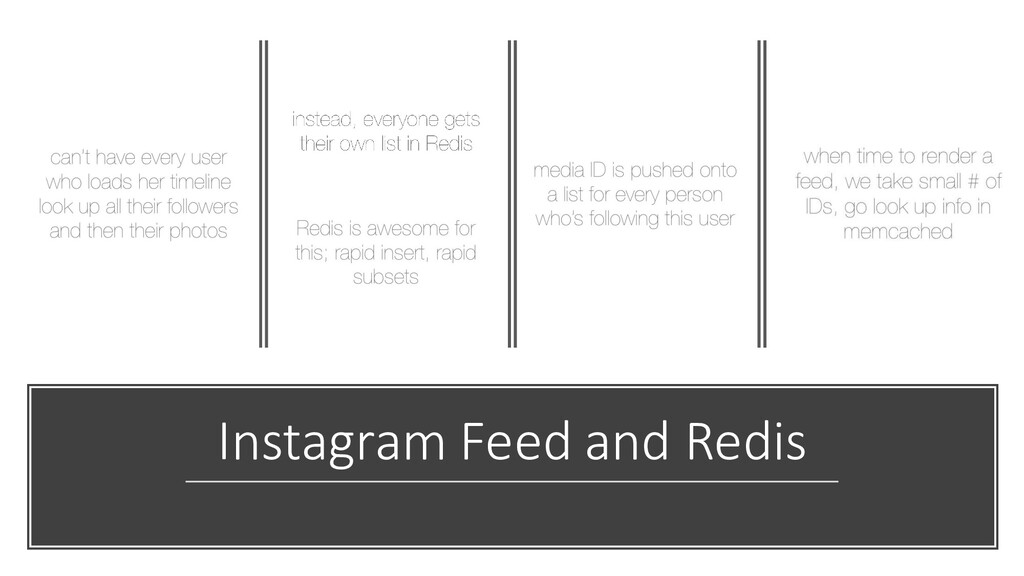
    Reverse Proxies (Varnish) • Application Server caching (Redis) • Database Caching
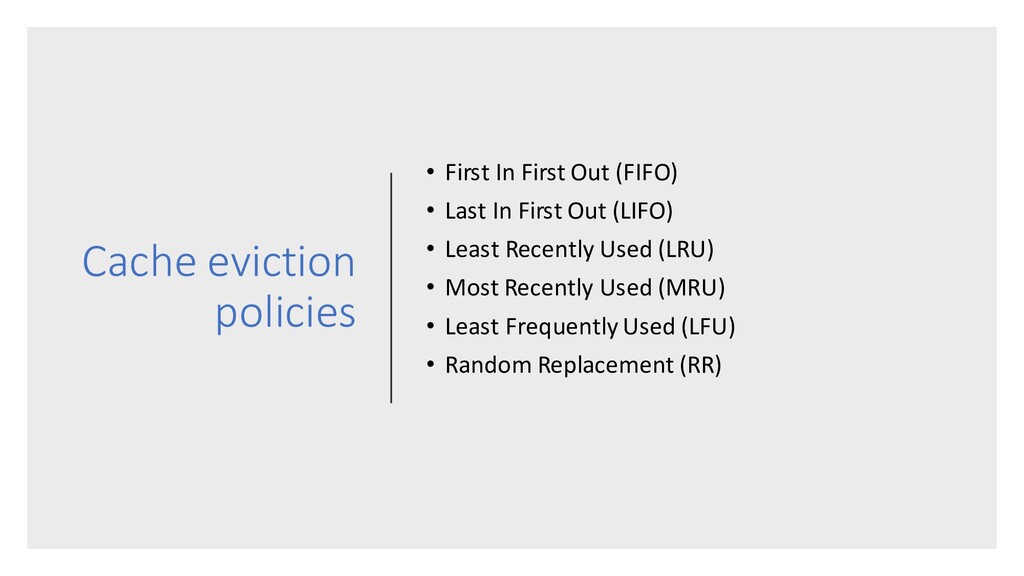
  8. Cache eviction policies • First In First Out (FIFO) •

    Last In First Out (LIFO) • Least Recently Used (LRU) • Most Recently Used (MRU) • Least Frequently Used (LFU) • Random Replacement (RR)
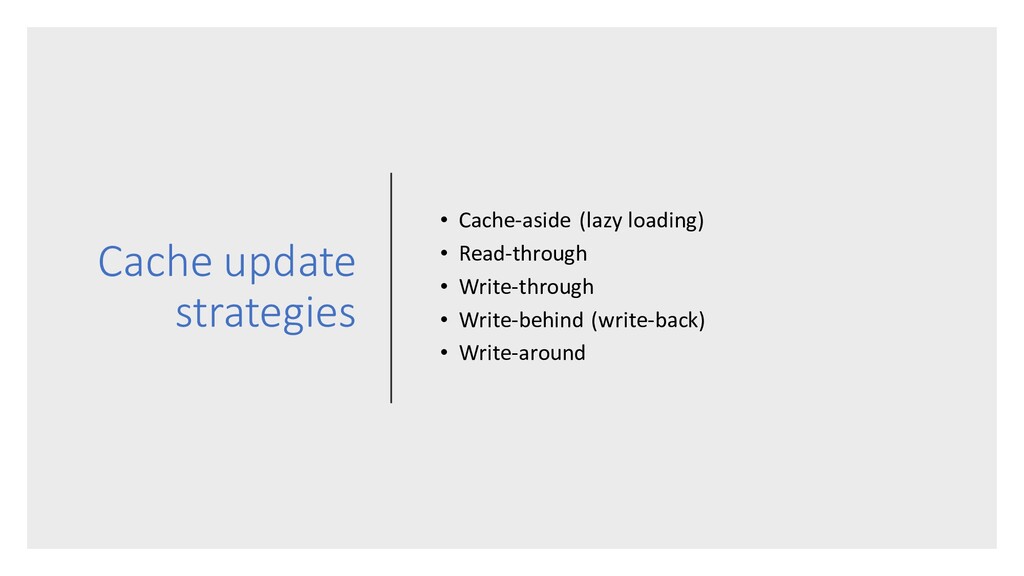
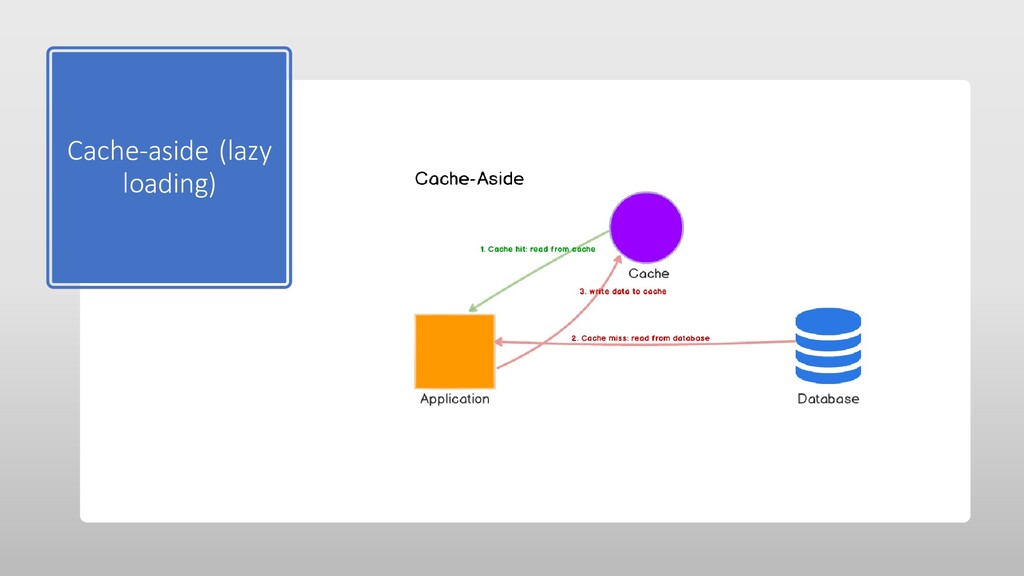
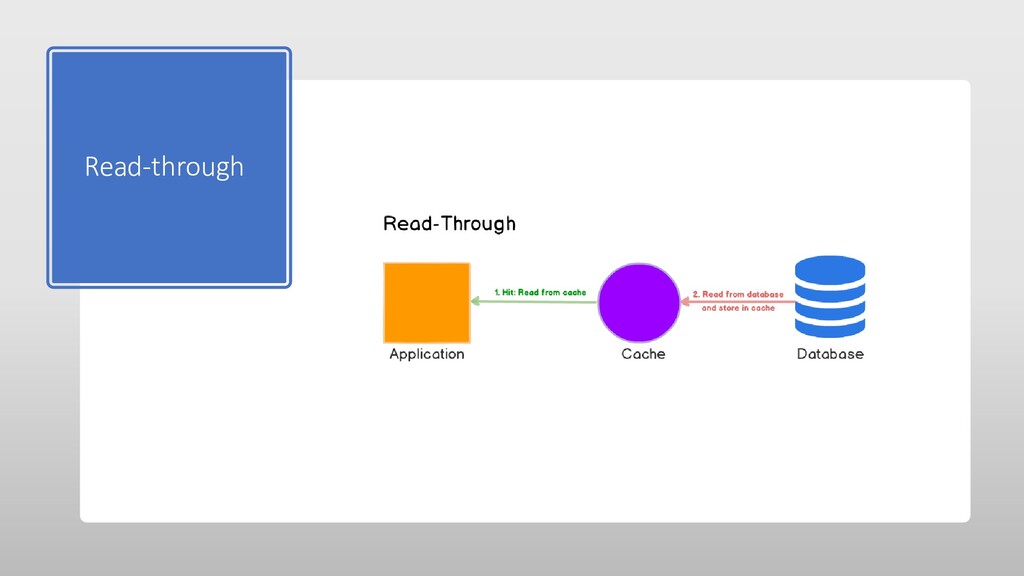
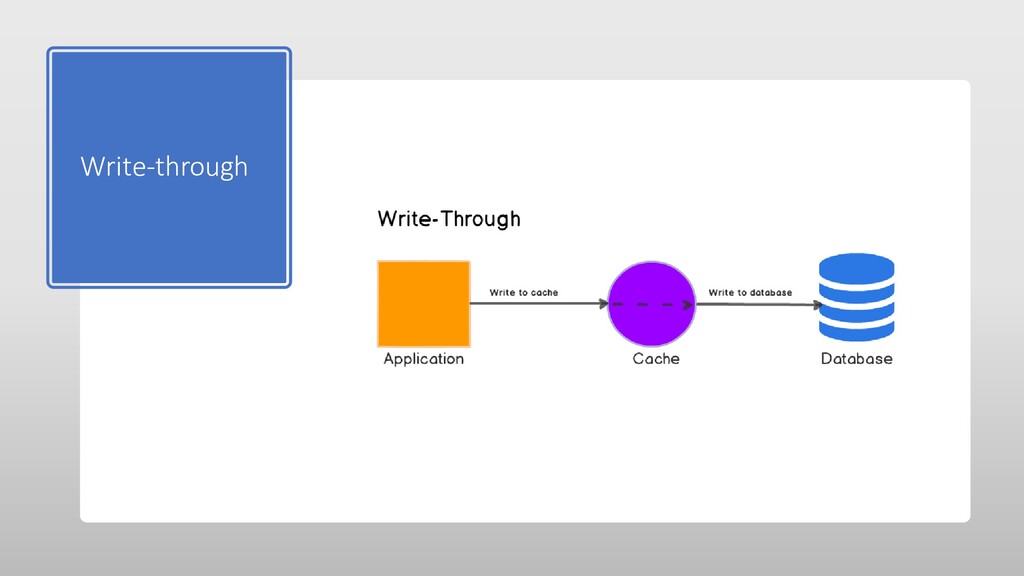
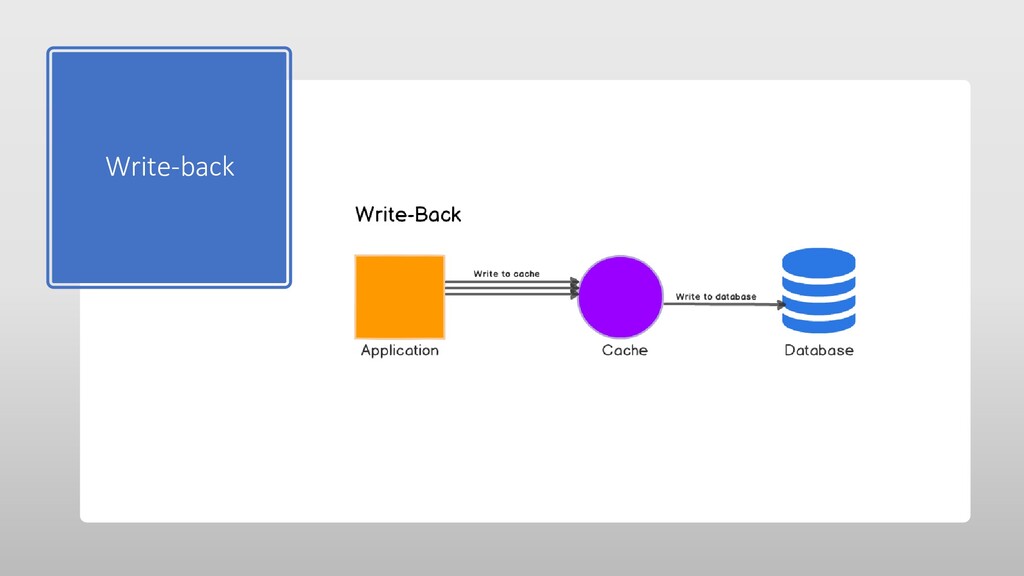
  9. Cache update strategies • Cache-aside (lazy loading) • Read-through •

    Write-through • Write-behind (write-back) • Write-around
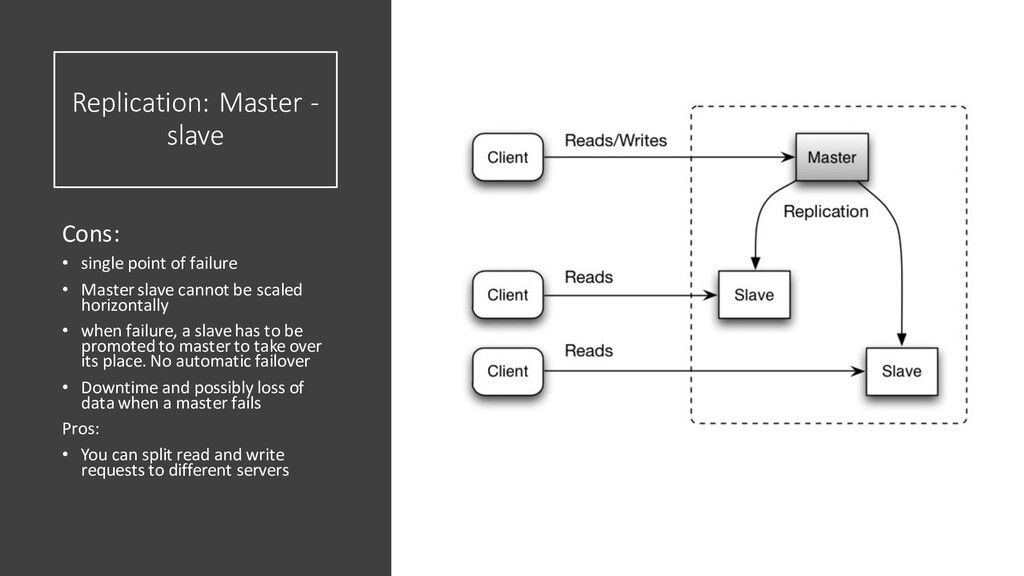
  10. Replication: Master - slave Cons: • single point of failure

    • Masterslave cannot be scaled horizontally • when failure, a slave has to be promoted to master to take over its place. No automatic failover • Downtime and possibly loss of data when a master fails Pros: • You can split read and write requests to different servers
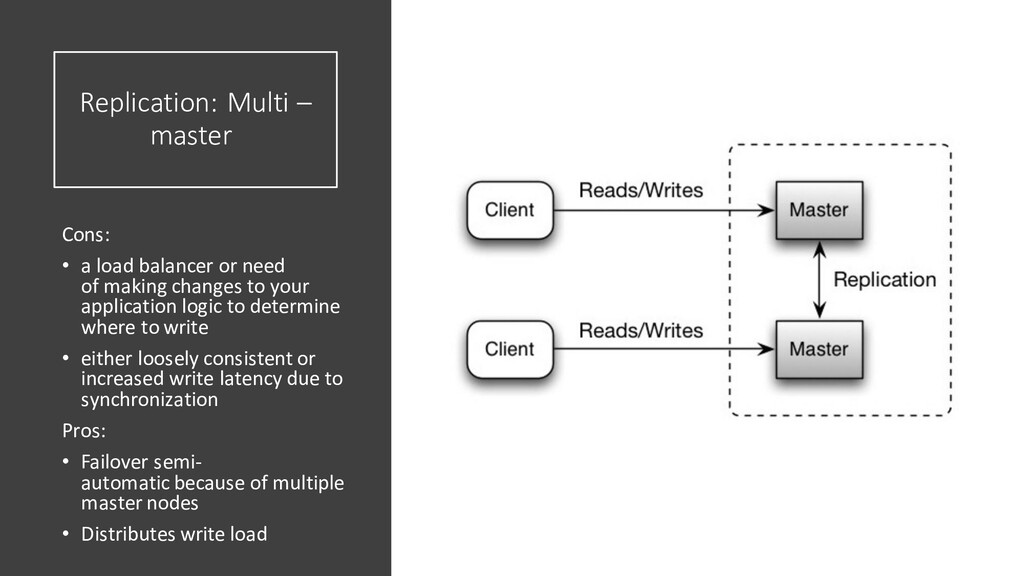
  11. Replication: Multi – master Cons: • a load balancer or

    need of making changes to your application logic to determine where to write • either loosely consistent or increased write latency due to synchronization Pros: • Failover semi- automatic because of multiple master nodes • Distributes write load
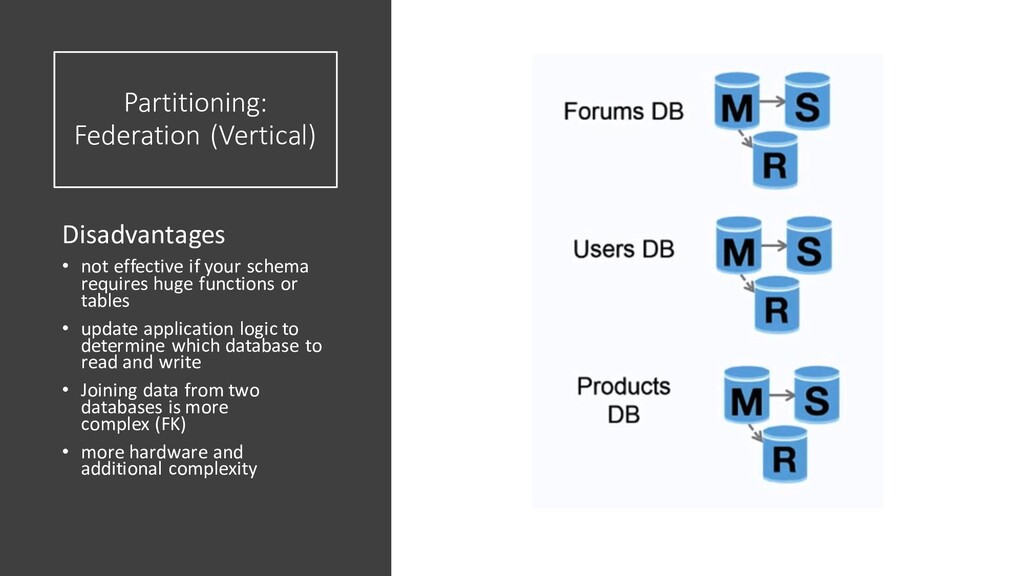
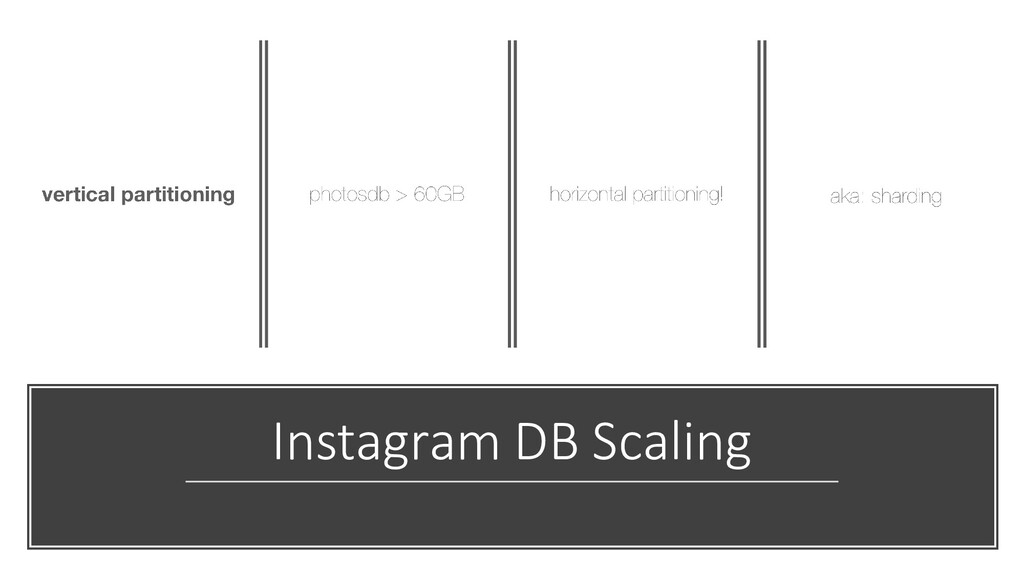
  12. Partitioning: Federation (Vertical) Disadvantages • not effective if your schema

    requires huge functions or tables • update application logic to determine which database to read and write • Joining data from two databases is more complex (FK) • more hardware and additional complexity
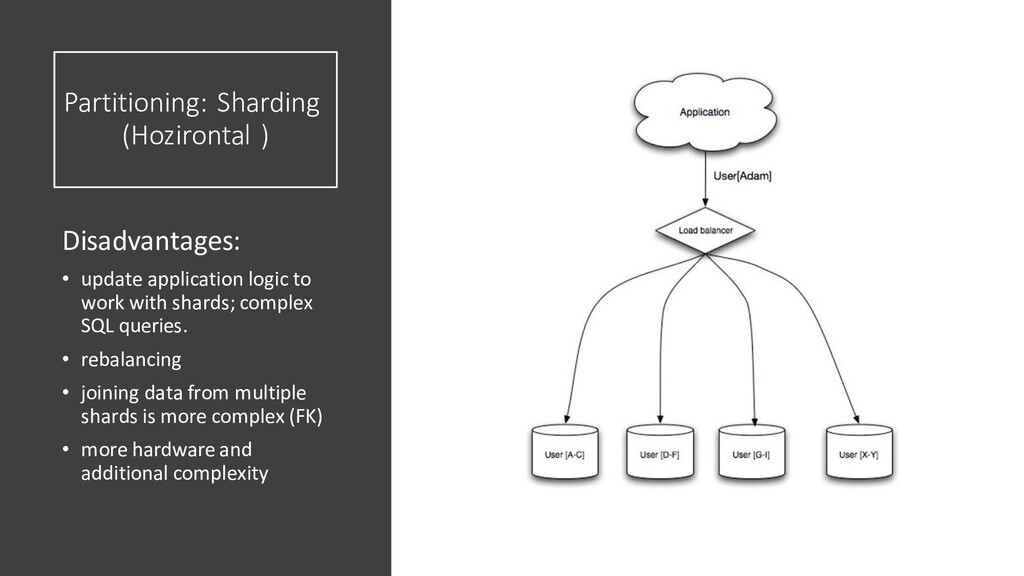
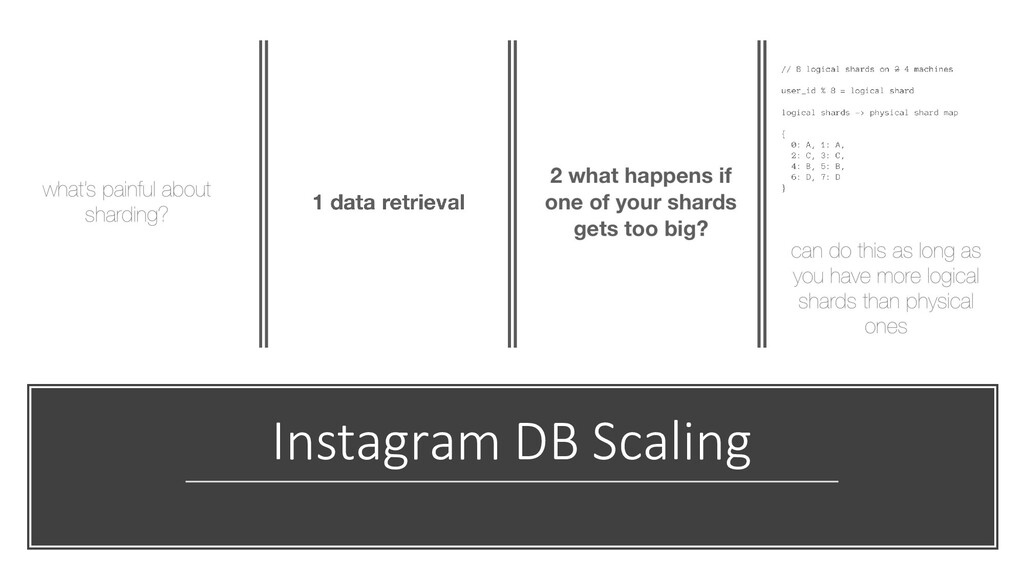
  13. Partitioning: Sharding (Hozirontal ) Disadvantages: • update application logic to

    work with shards; complex SQL queries. • rebalancing • joining data from multiple shards is more complex (FK) • more hardware and additional complexity
  14. Resources • https://github.com/donnemartin/system-design-primer(Donne Martin github) • Educative.io System Design course

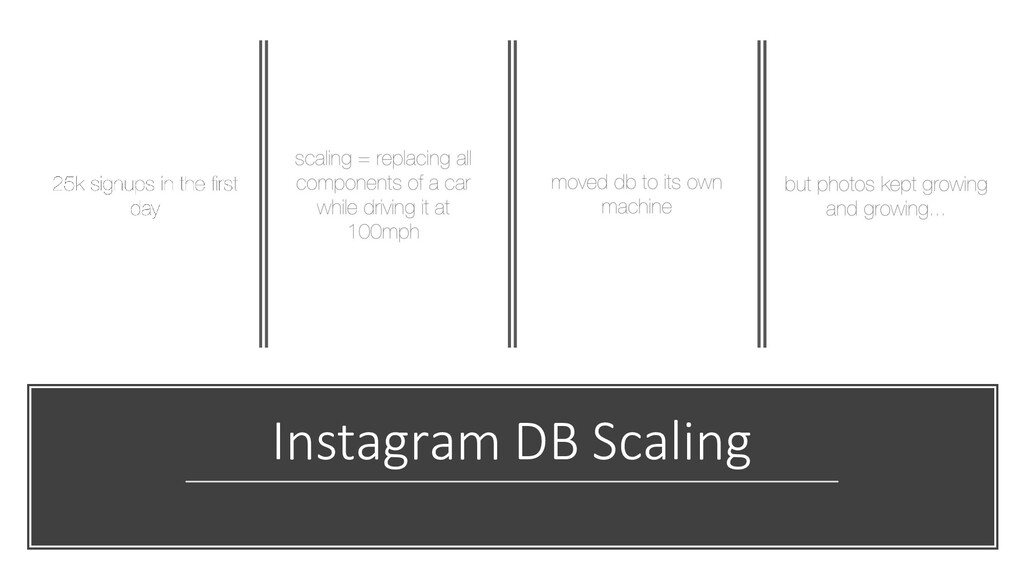
    • https://www.slideshare.net/iammutex/scaling-instagram (Scaling Instagram) • https://www.youtube.com/watch?v=zaRkONvyGr8(Consistent Hashing) • https://svenbayer.blog/2018/09/30/accelerate-microservices-with-refresh-ahead- caching/ • Google :)