Share
Embed
Transcript
17 slides
-
Jill Cates · Senior Data Engineer, Shopify AI Council SF
2026 Is Your AI Feature Actually Helping? Building an attribution system for AI -
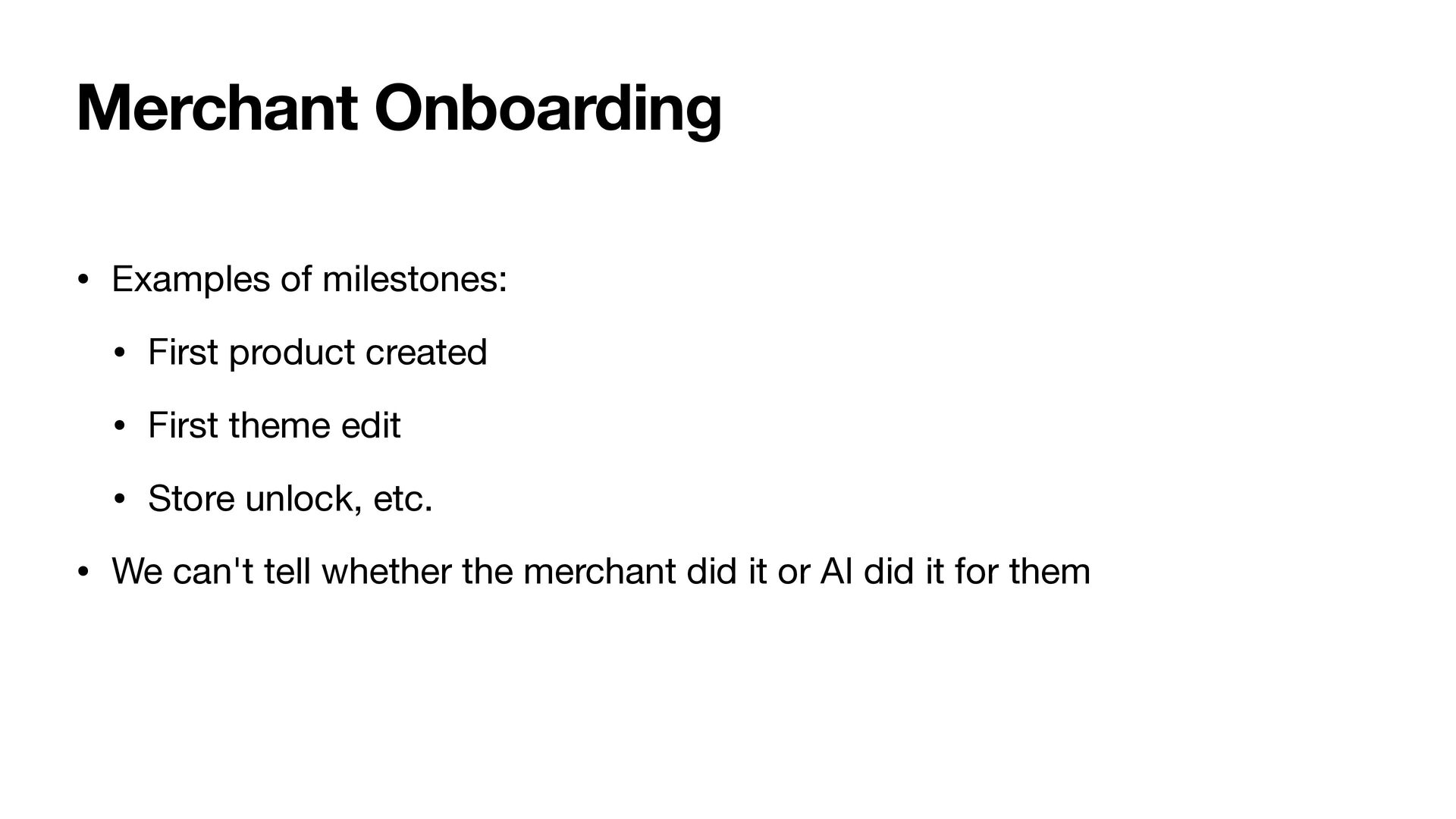
Merchant Onboarding • Examples of milestones: • First product created
• First theme edit • Store unlock, etc. • We can't tell whether the merchant did it or AI did it for them -
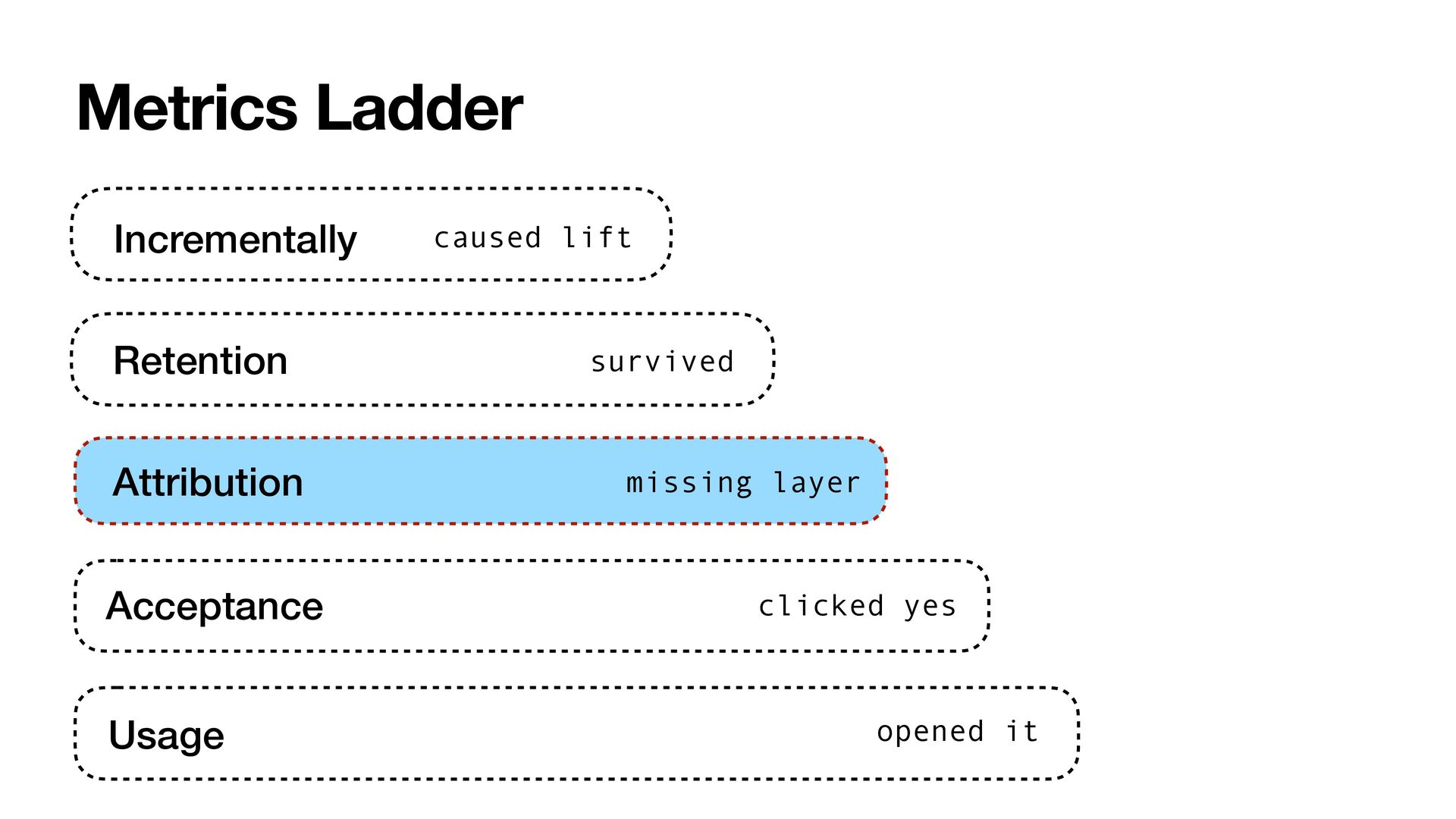
Metrics Ladder Retention Attribution Acceptance caused lift Usage survived missing
layer clicked yes opened it Incrementally -
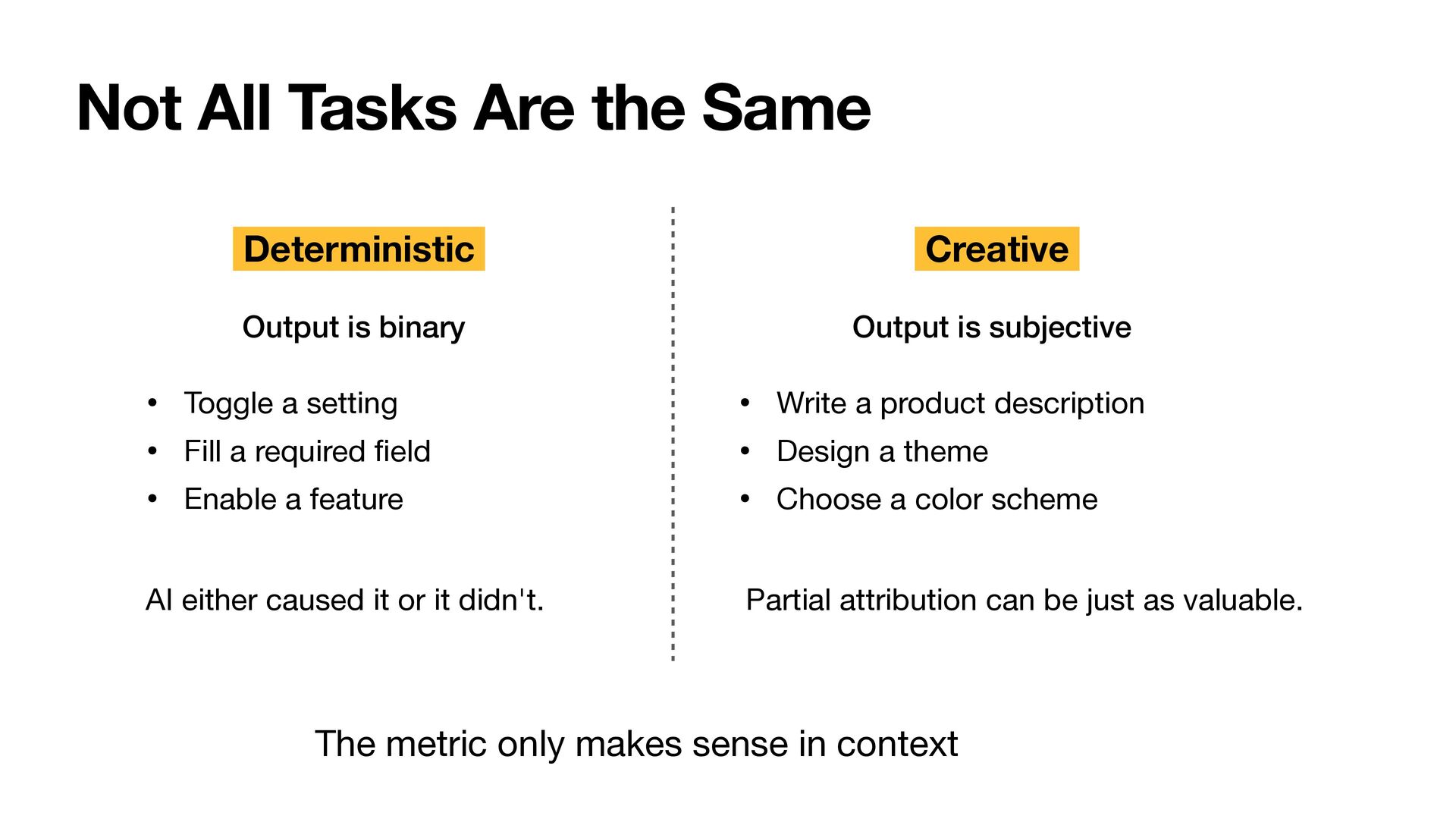
Not All Tasks Are the Same The metric only makes
sense in context Deterministic Creative Output is binary Output is subjective • Toggle a setting • Fill a required field • Enable a feature • Write a product description • Design a theme • Choose a color scheme • AI either caused it or it didn't. • Partial attribution can be just as valuable. -
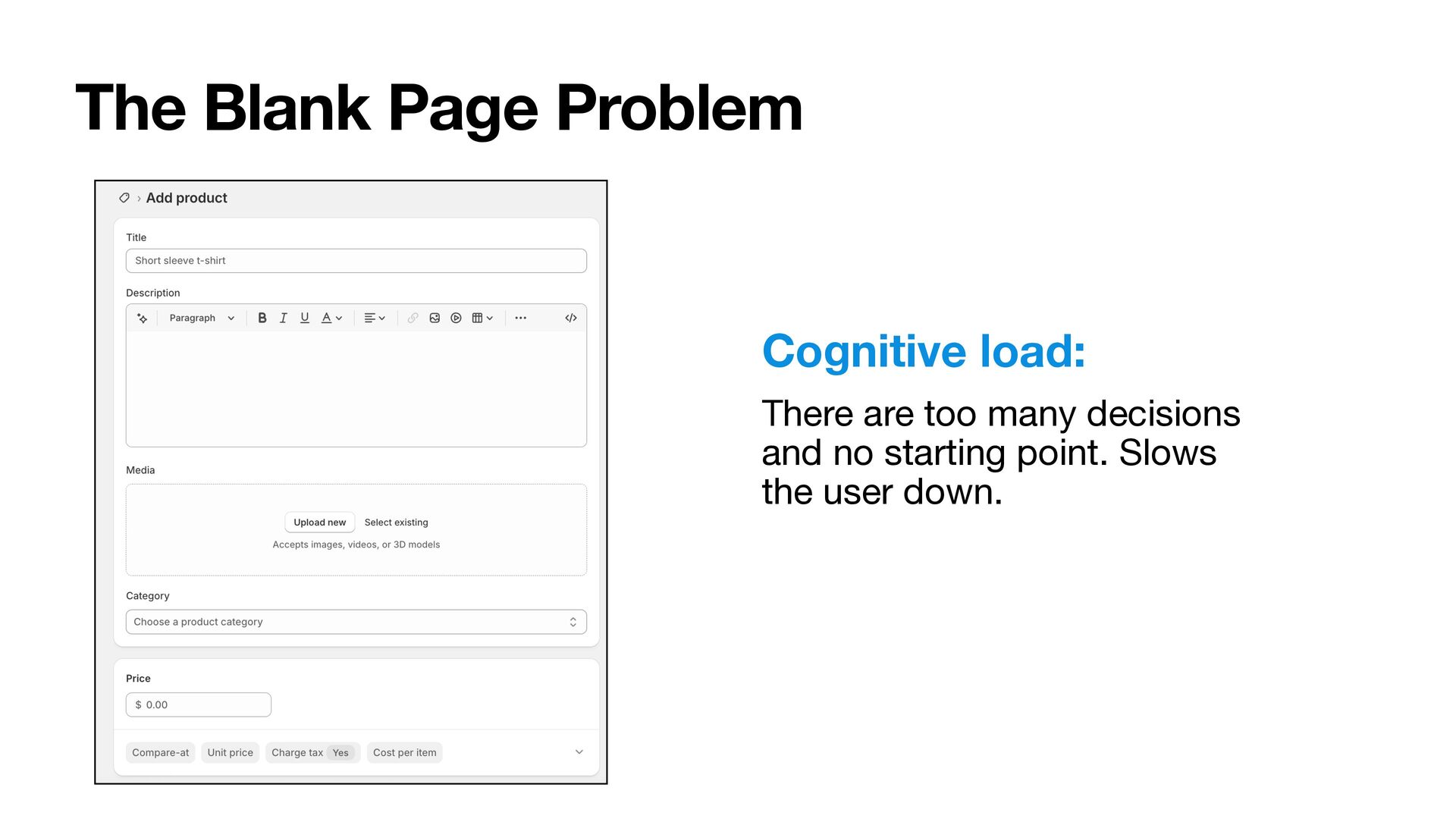
The Blank Page Problem Cognitive load: There are too many
decisions and no starting point. Slows the user down. -
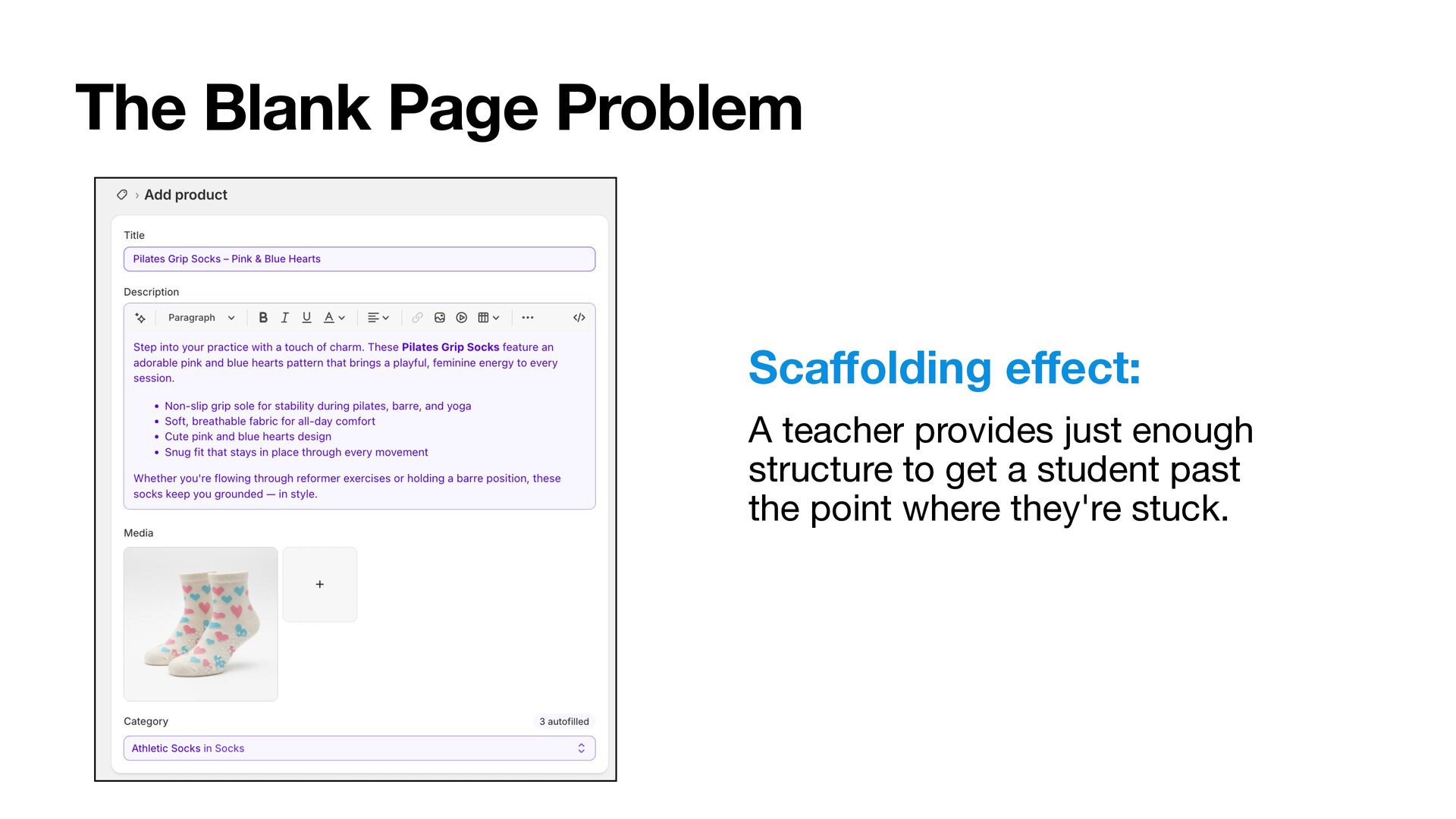
The Blank Page Problem Scaffolding effect: A teacher provides just
enough structure to get a student past the point where they're stuck. -
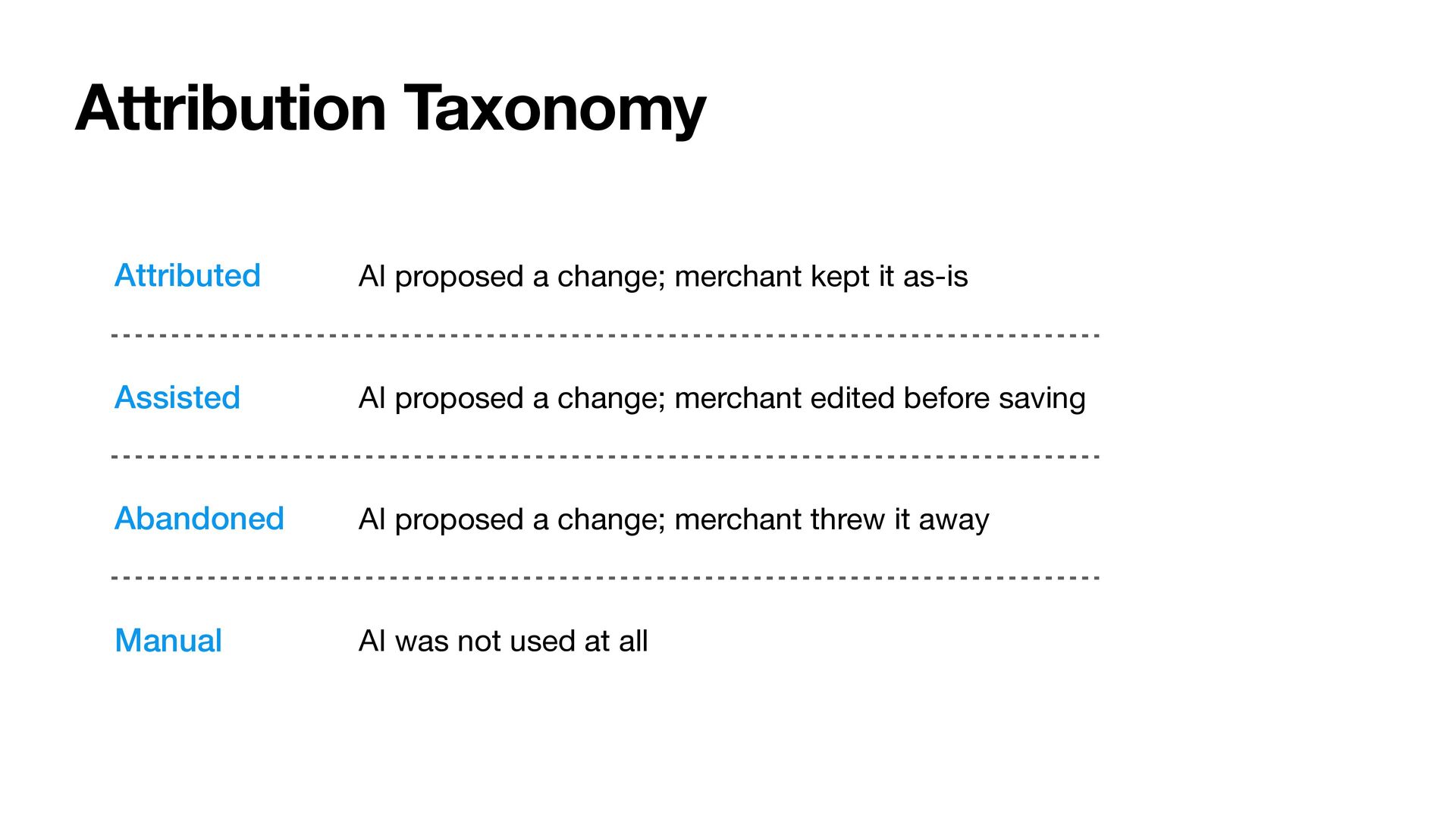
Attribution Taxonomy Attributed AI proposed a change; merchant kept it
as-is Assisted AI proposed a change; merchant edited before saving Abandoned AI proposed a change; merchant threw it away Manual AI was not used at all -
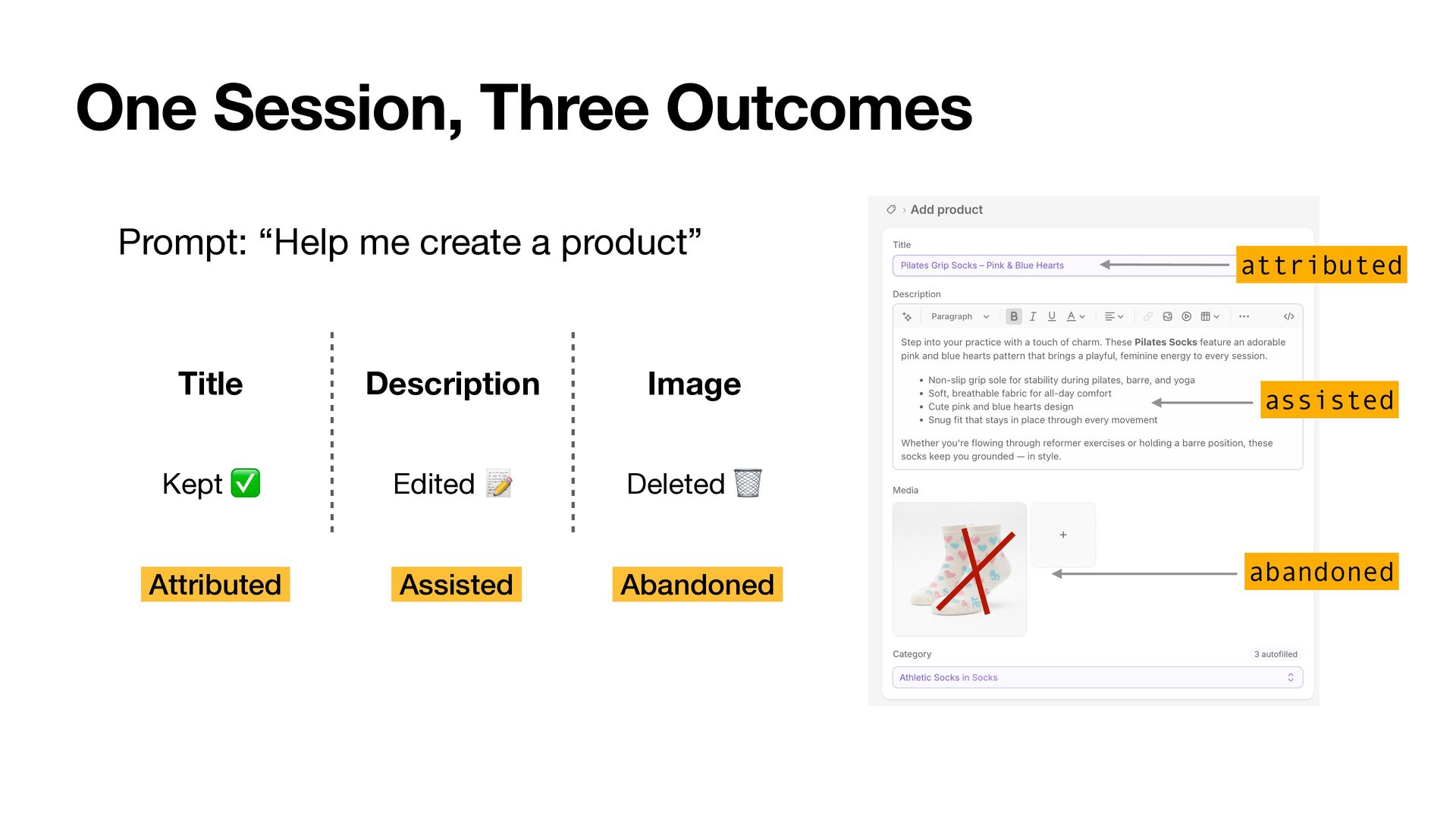
One Session, Three Outcomes Prompt: “Help me create a product”
Title Description Image Kept ✅ Edited " Deleted # Attributed Assisted Abandoned attributed assisted abandoned -
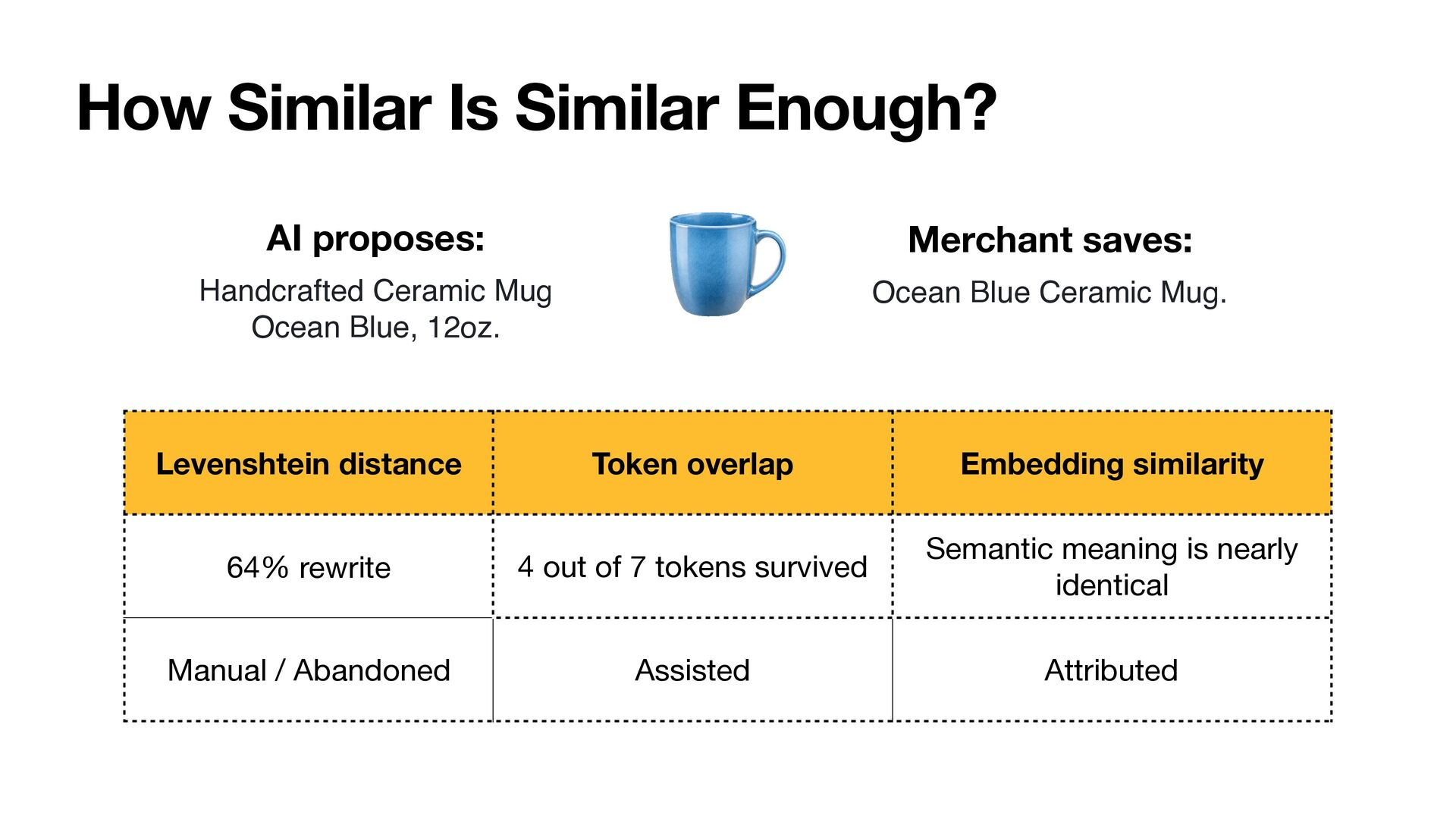
How Similar Is Similar Enough? Handcrafted Ceramic Mug Ocean Blue,
12oz. Ocean Blue Ceramic Mug. Levenshtein distance Token overlap Embedding similarity 64% rewrite 4 out of 7 tokens survived Semantic meaning is nearly identical Manual / Abandoned Assisted Attributed AI proposes: Merchant saves: -
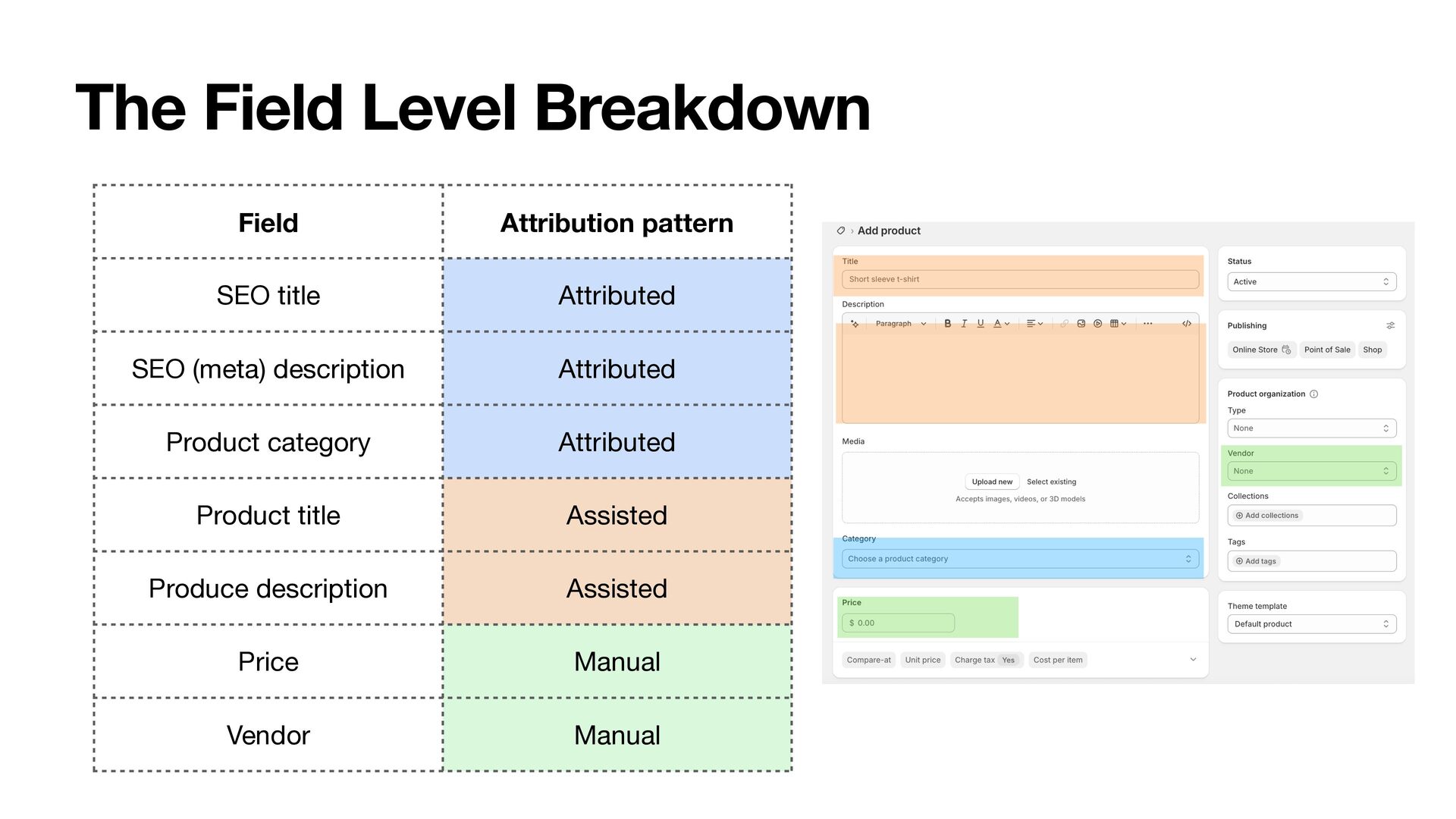
The Field Level Breakdown Field Attribution pattern SEO title Attributed
SEO (meta) description Attributed Product category Attributed Product title Assisted Produce description Assisted Price Manual Vendor Manual -
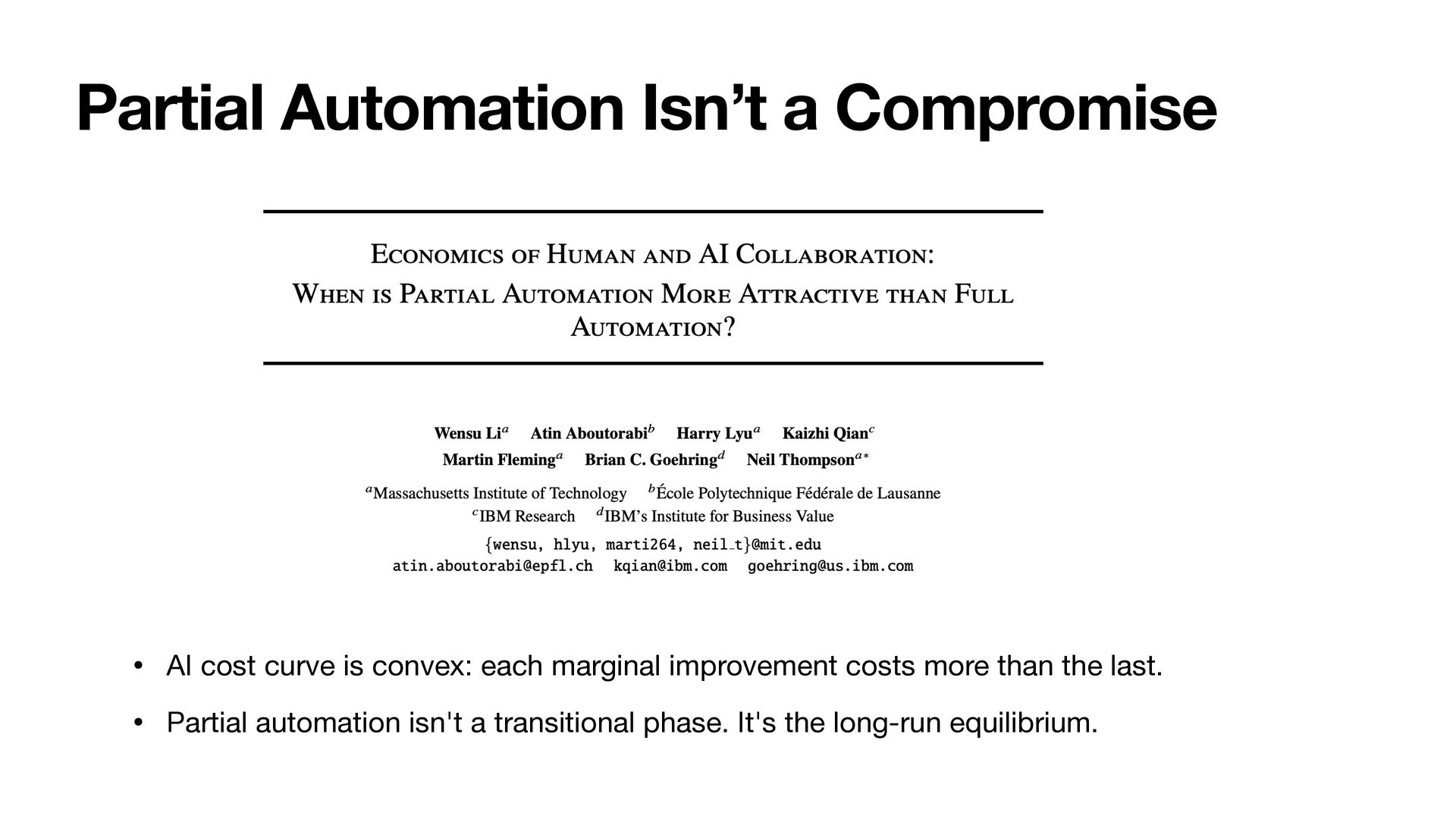
• AI cost curve is convex: each marginal improvement costs
more than the last. • Partial automation isn't a transitional phase. It's the long-run equilibrium. Partial Automation Isn’t a Compromise -
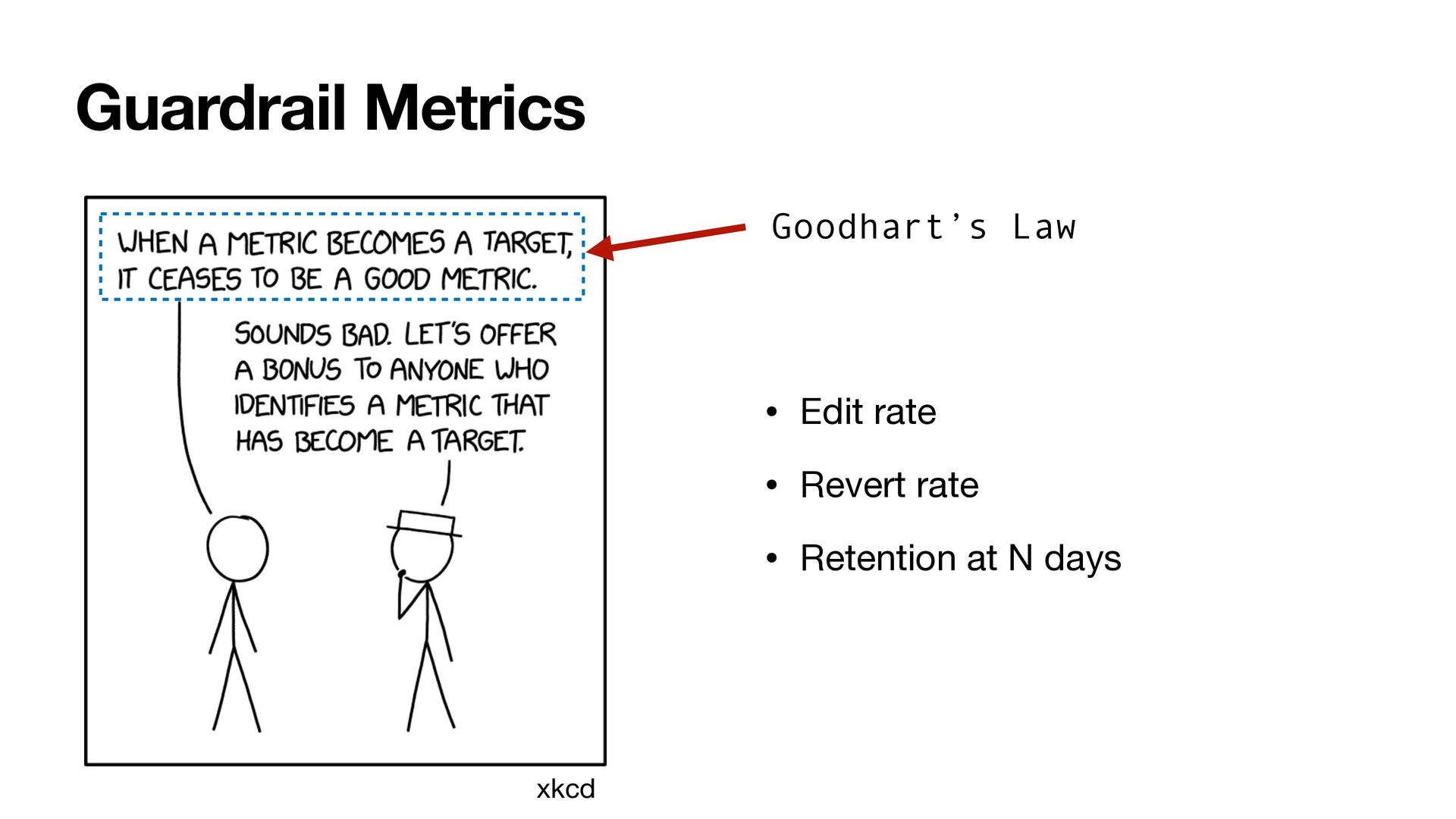
Guardrail Metrics • Edit rate • Revert rate • Retention
at N days xkcd Goodhart’s Law -
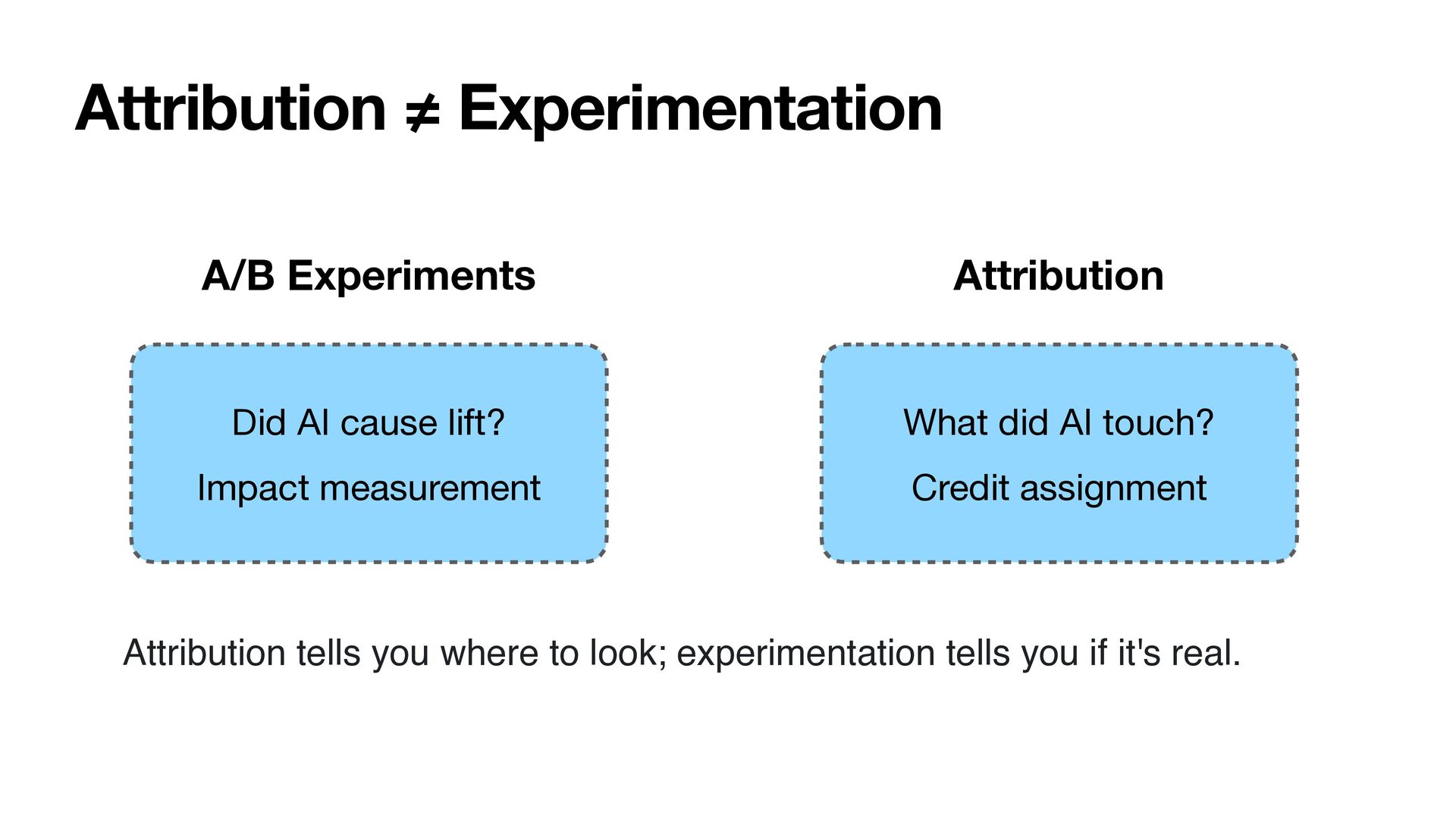
Attribution ≠ Experimentation A/B Experiments Attribution Did AI cause lift?
What did AI touch? Impact measurement Credit assignment Attribution tells you where to look; experimentation tells you if it's real. -
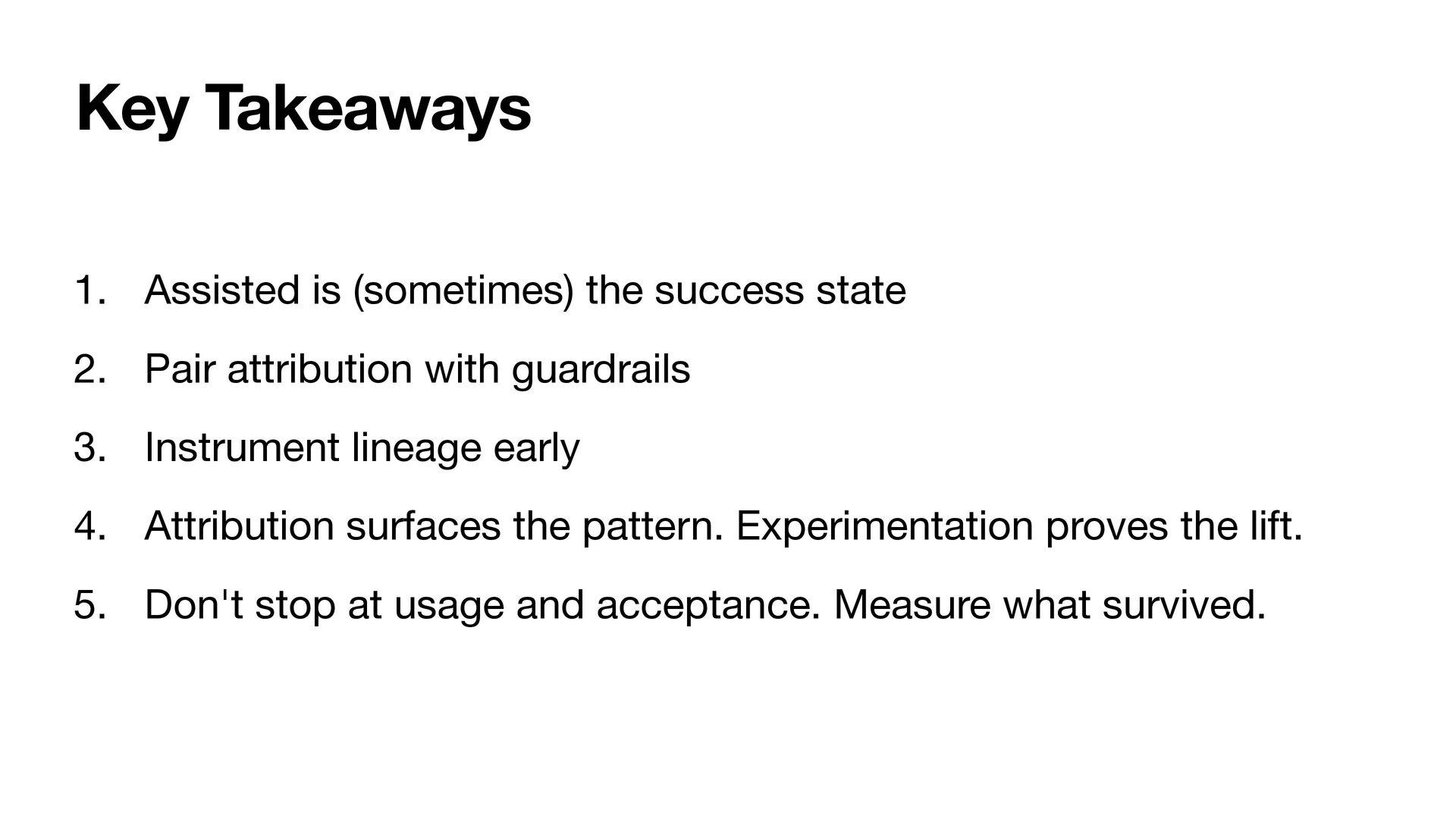
Key Takeaways 1. Assisted is (sometimes) the success state 2.
Pair attribution with guardrails 3. Instrument lineage early 4. Attribution surfaces the pattern. Experimentation proves the lift. 5. Don't stop at usage and acceptance. Measure what survived.