Upgrade to Pro — share decks privately, control downloads, hide ads and more …

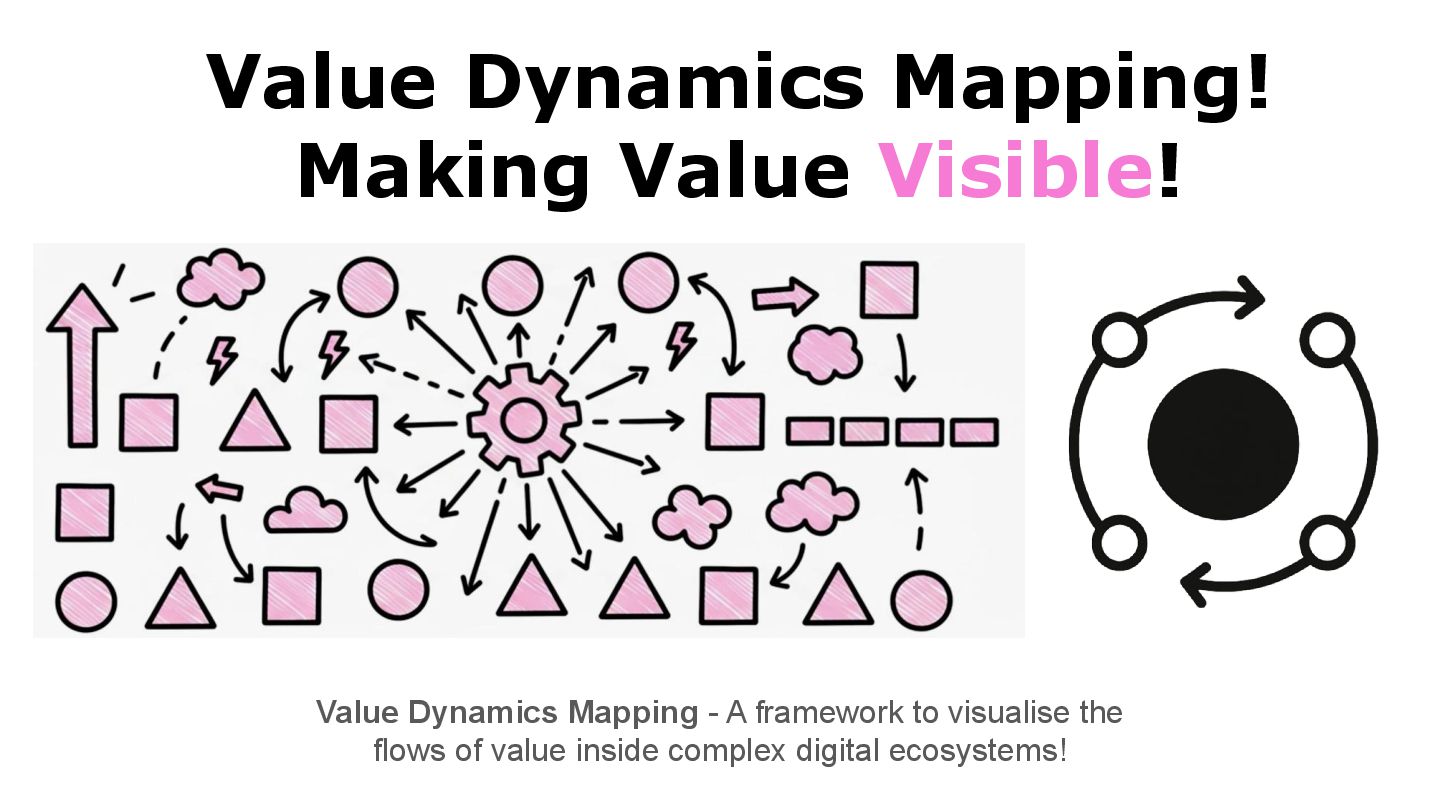
Value Dynamics Mapping - Making Value Visible

Sponsored · Ship Features Fearlessly Turn features on and off without deploys. Used by thousands of Ruby developers.
Avatar for apidays apidays PRO
February 07, 2026

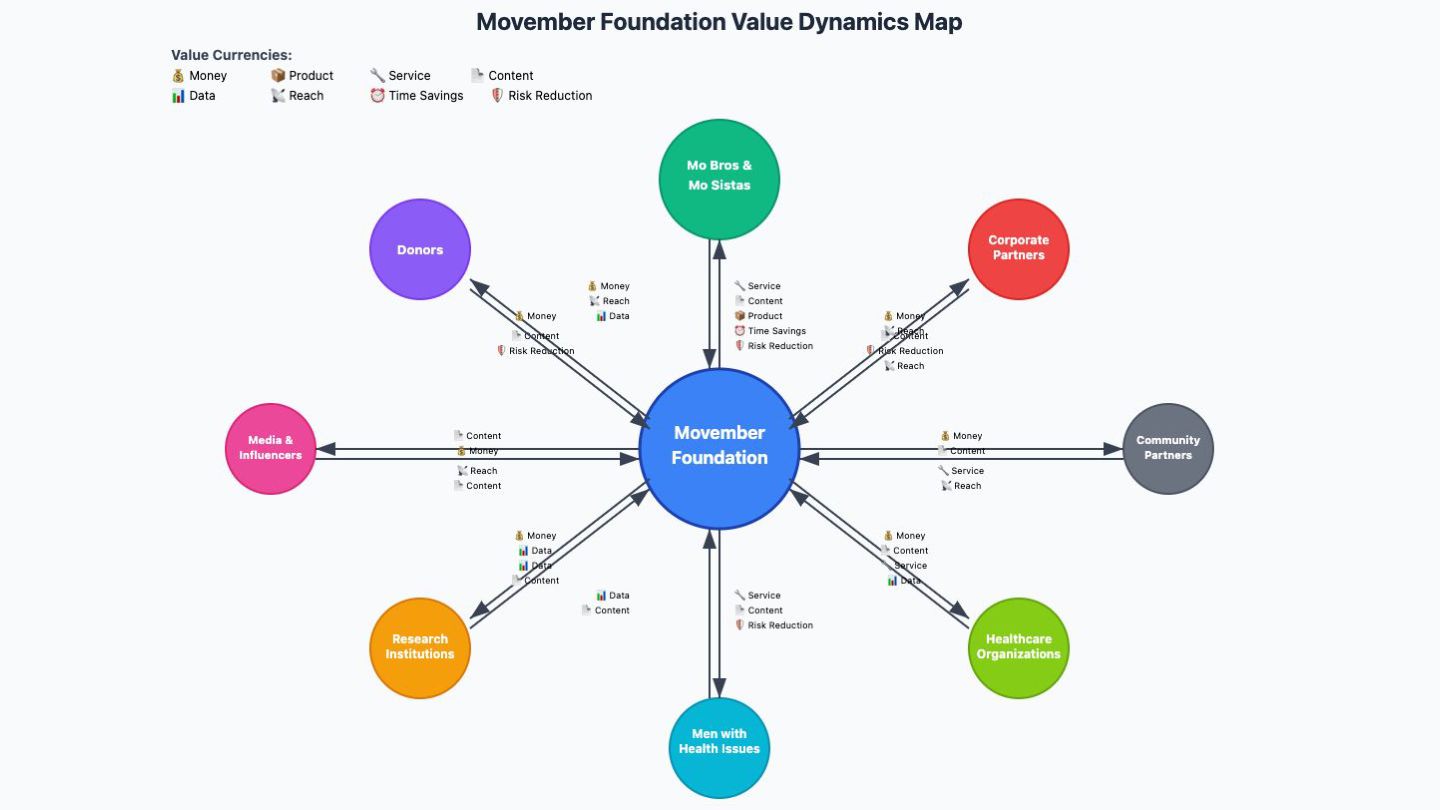
Value Dynamics Mapping - Making Value Visible

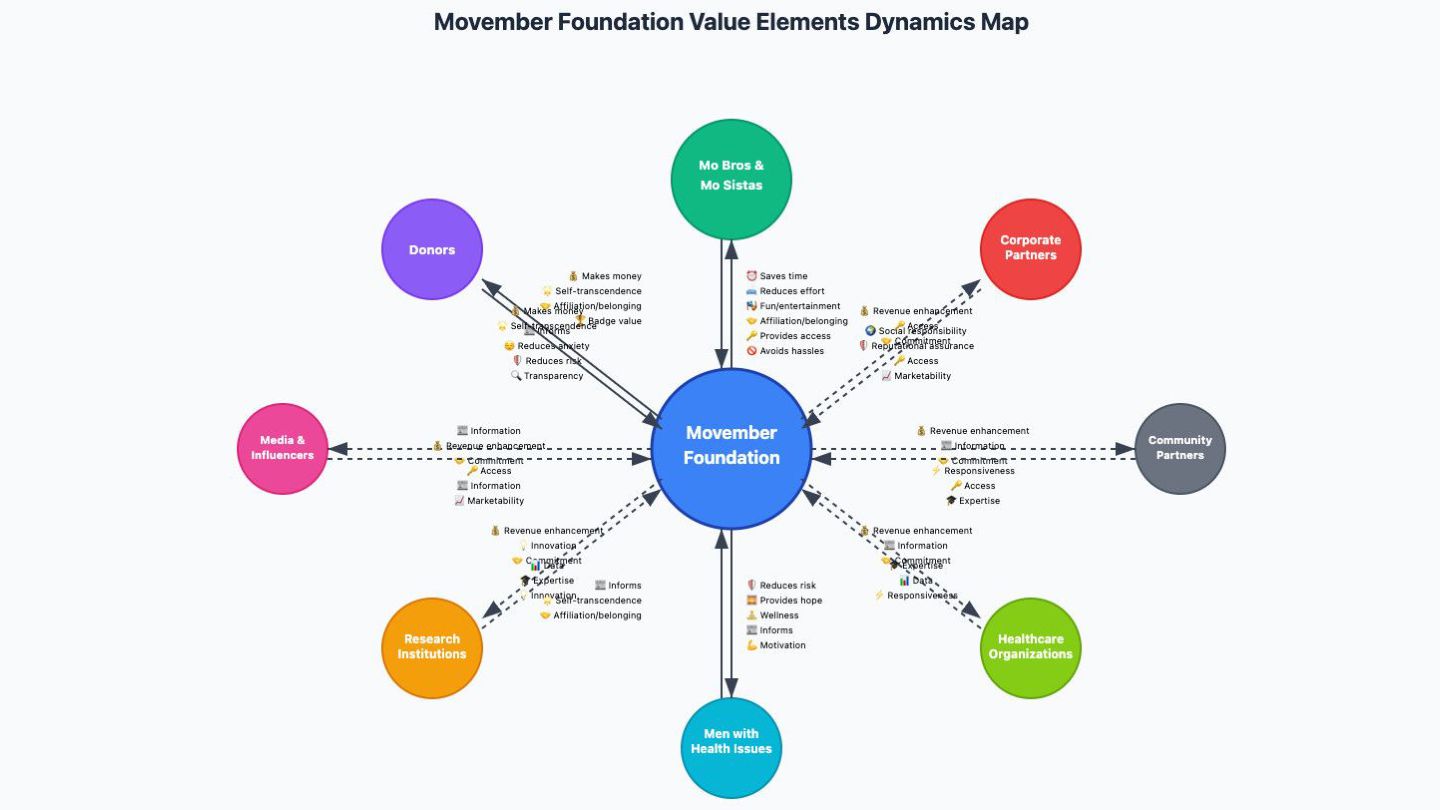
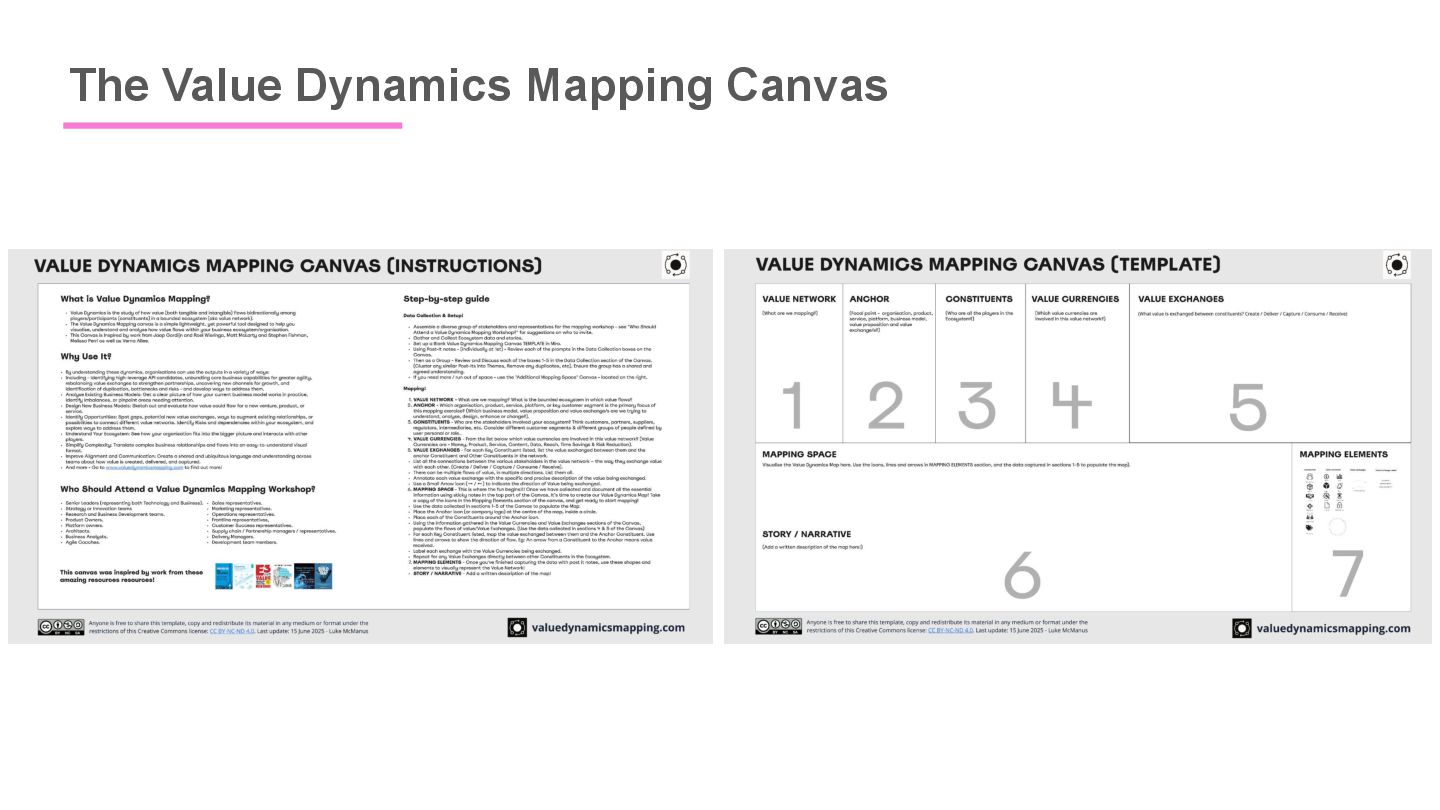
Beyond Endpoints: Harnessing Value Dynamics for API-driven Business Optimisation!

The success of digital transformations and digital business ecosystems relies on a company’s ability to find new ways to create and capture value.

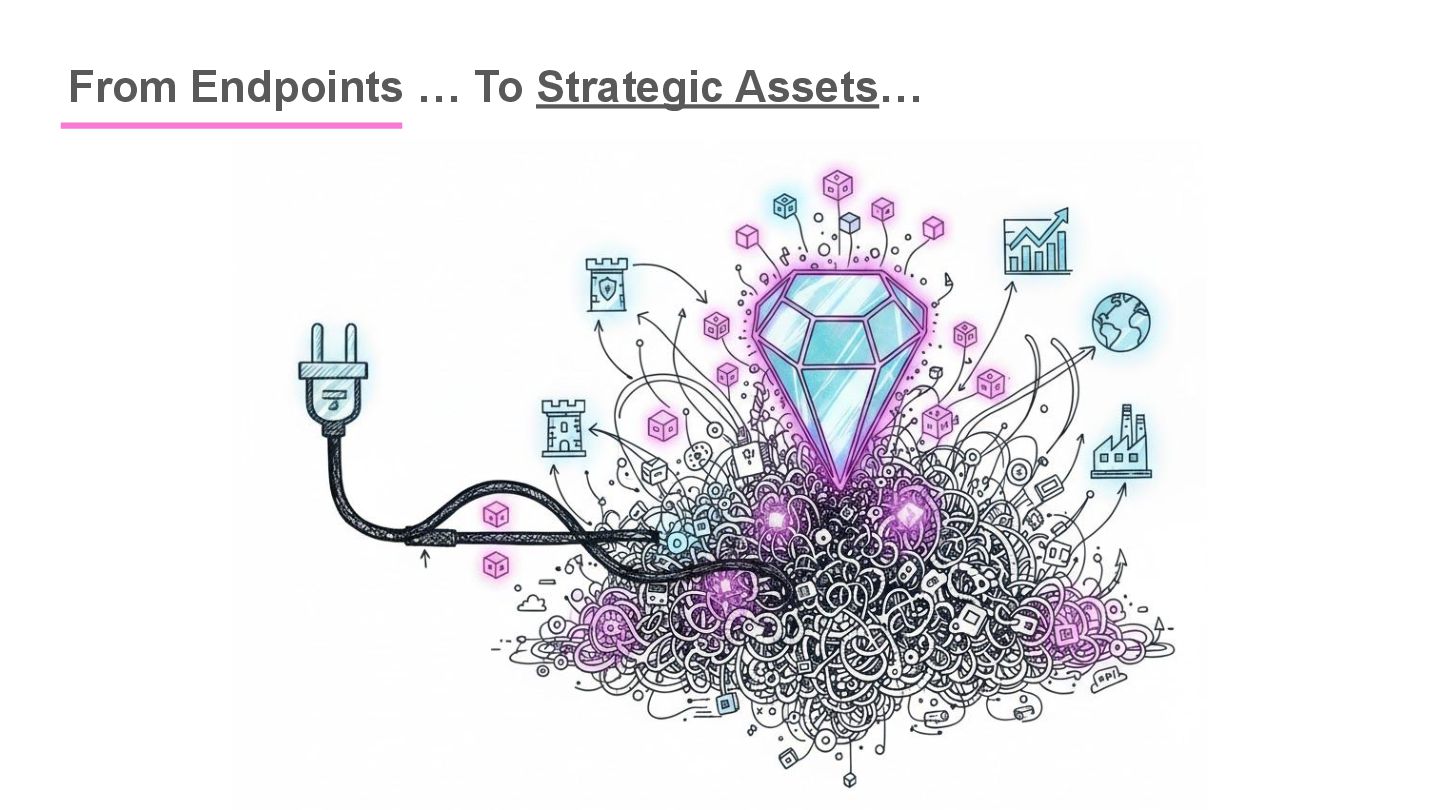
APIs have become fundamental components of this transformation, yet too often, they are treated merely as technical instruments/integrations or "endpoints" - rather than the strategic business assets /enablers that they truly are.

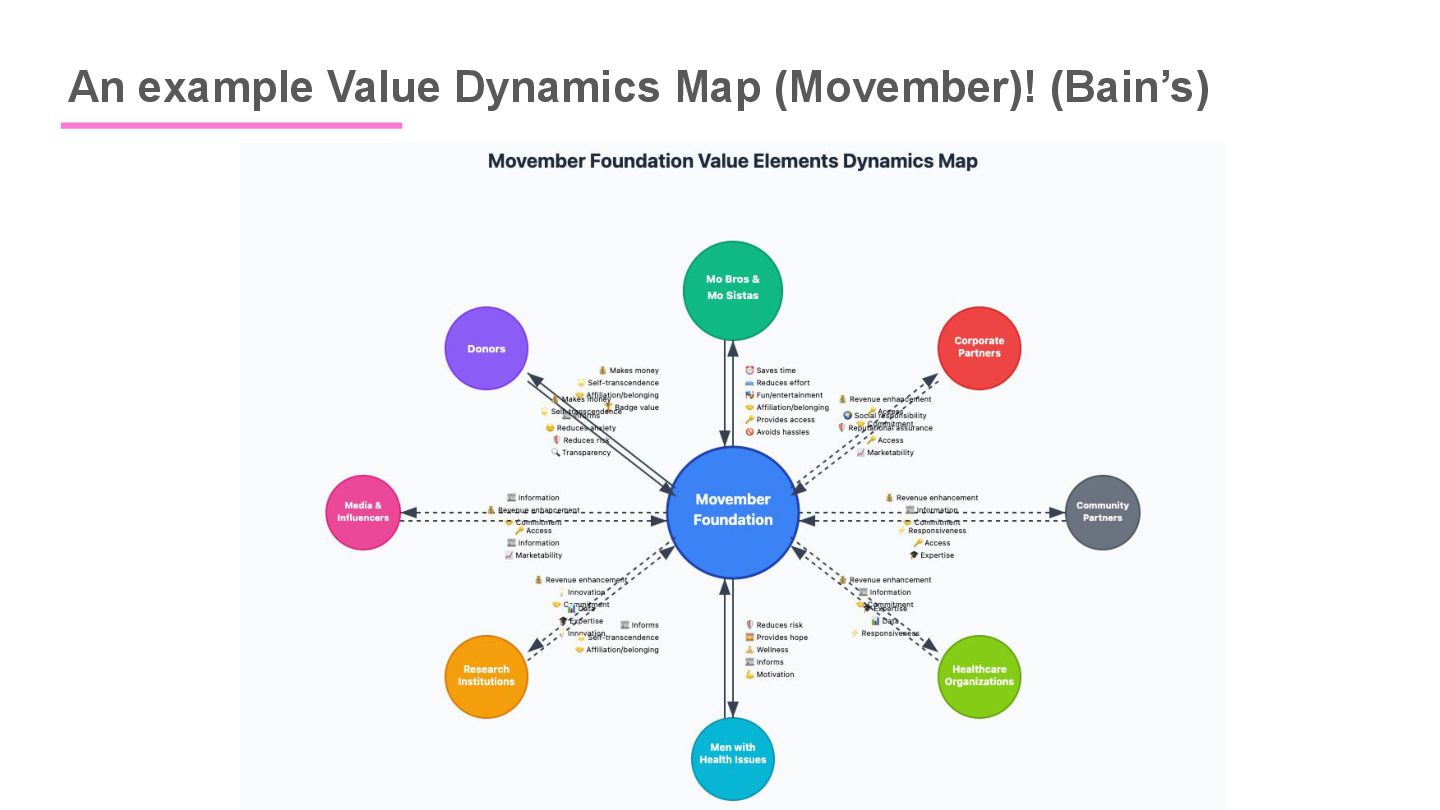
This presentation by Luke McManus, APAC Region Lead at Team Topologies, shows how to optimise business outcomes in the digital economy - by moving past the technical layer and adopting a strategic analytical framework: Value Dynamics Mapping.

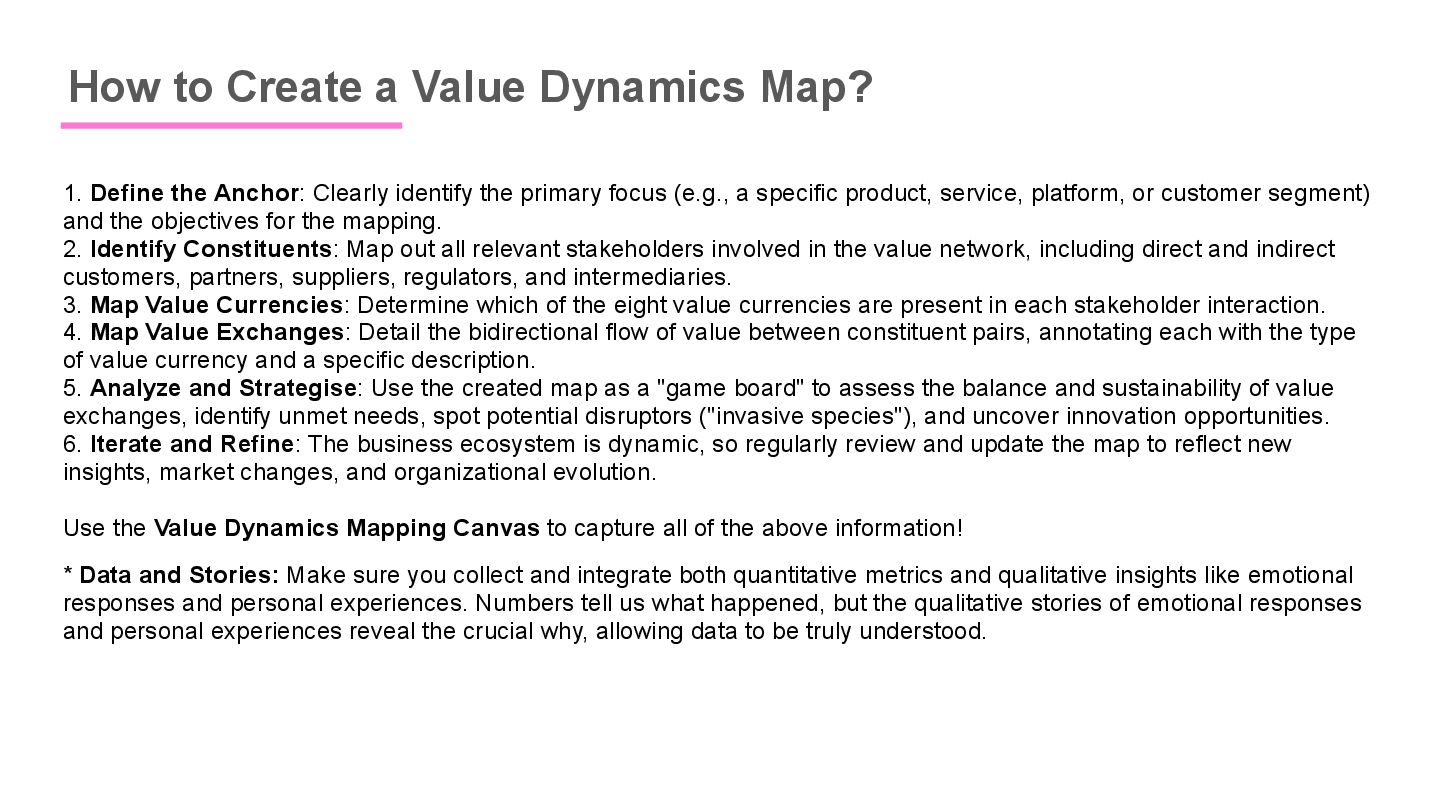
Value Dynamics provides the necessary lens to understand, visualise and act upon the many interconnected moving parts and players within the business ecosystem, by making value visible and actionable.

------------------------------------

Conference Details:
Conference: apidays Australia 2025
Theme: Platforms, Products, and People: The Power of APIs in the Age of AI
Date: 29 - 30 October 2025 • MCEC, Melbourne Australia

--------------------------

Resources from apidays:
Join our upcoming conferences: https://www.apidays.global/
Read the latest API news: https://www.apiscene.io
Explore the API Landscape: https://apilandscape.apiscene.io/

Avatar for apidays

apidays PRO

February 07, 2026
Tweet

More Decks by apidays

Other Decks in Business

Transcript

  1. Value Dynamics Mapping! Making Value Visible! Value Dynamics Mapping -

    A framework to visualise the flows of value inside complex digital ecosystems!
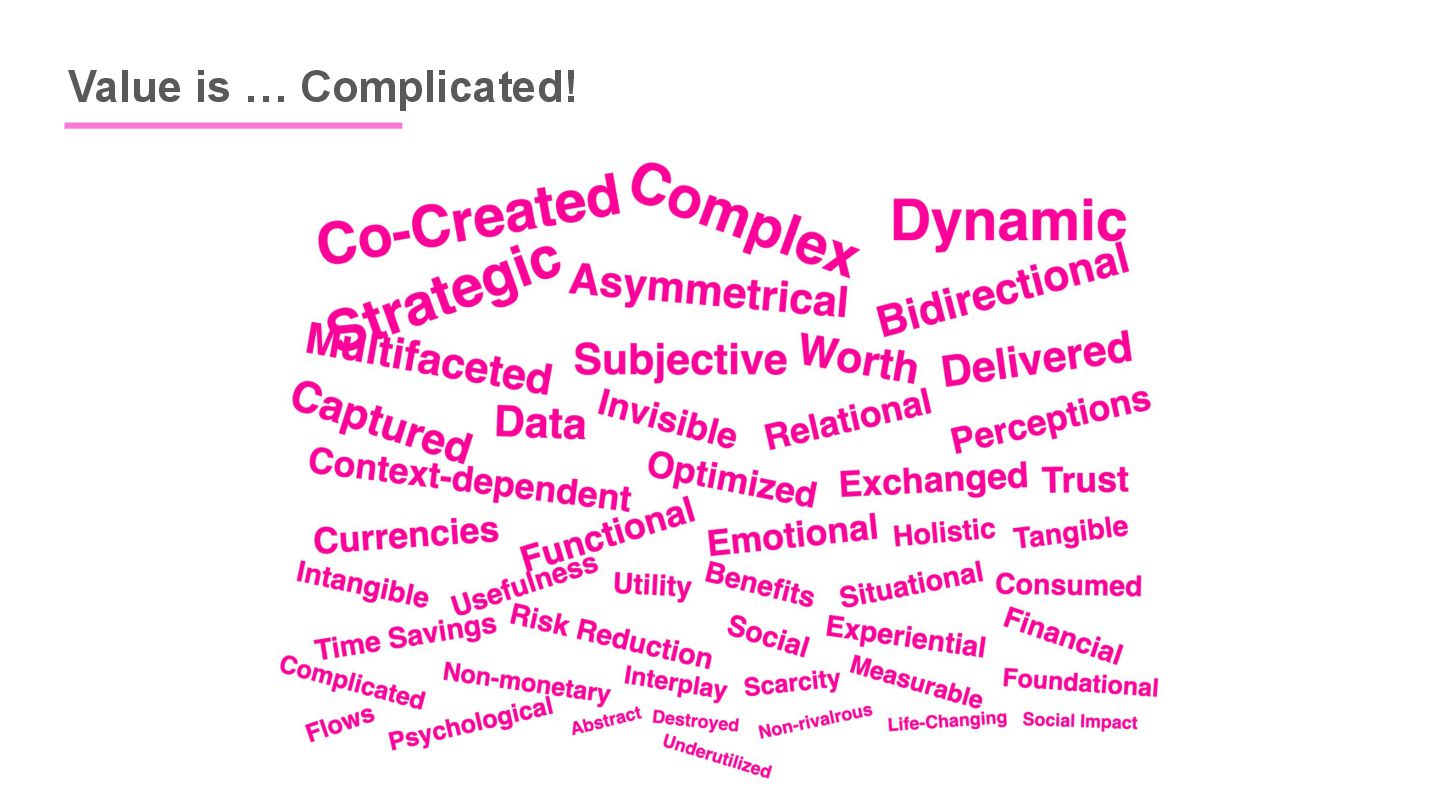
  2. Value is … Complicated! • Shaped by Behavioural Economics and

    Neuroscience. • Value goes way beyond the superficial and visible. • Value is a subjective construct, shaped by your unique experiences, cultural background, and even your mood. • Many of the decisions we make about value, happen automatically, without us thinking about it.
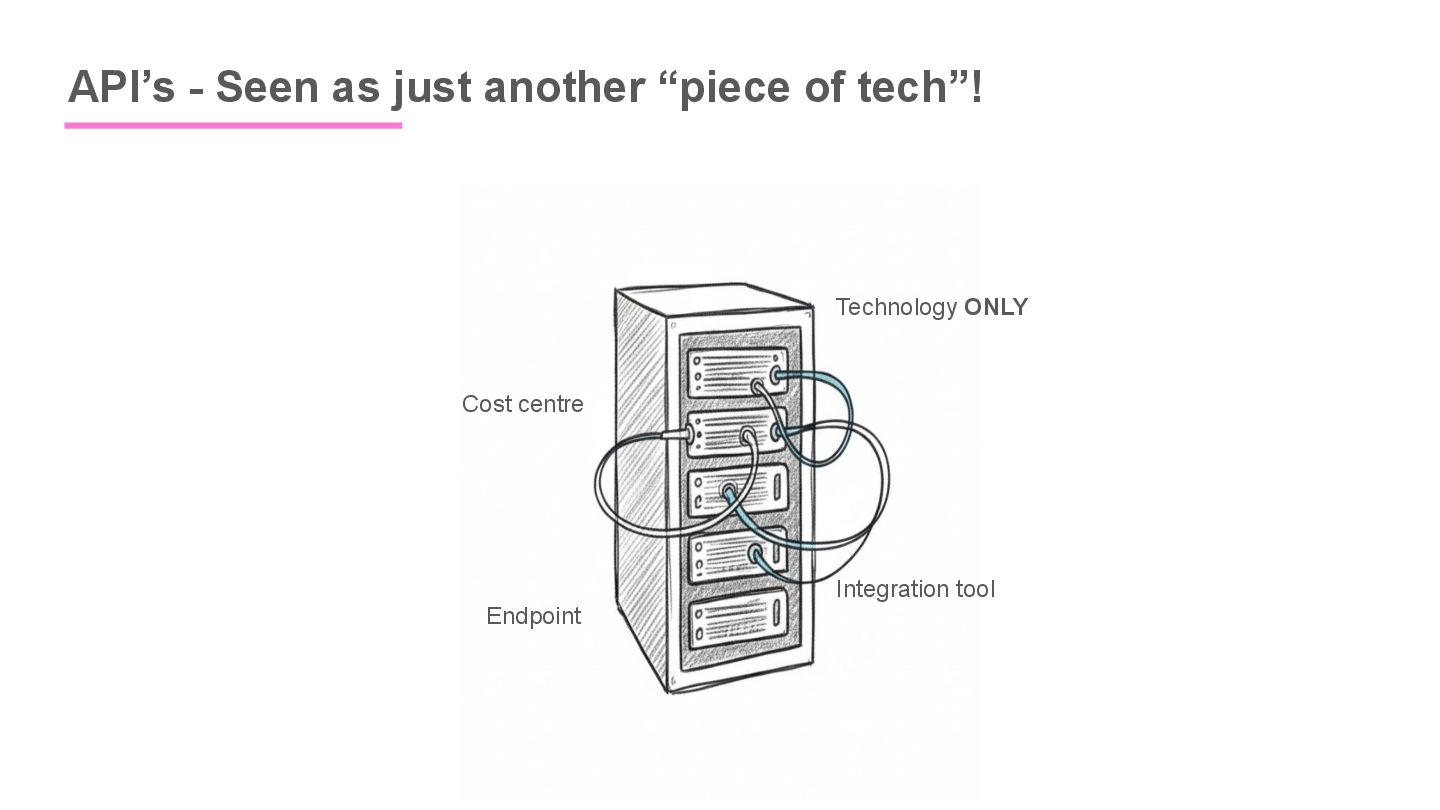
  3. API’s - Seen as just another “piece of tech”! Cost

    centre Integration tool Endpoint Technology ONLY
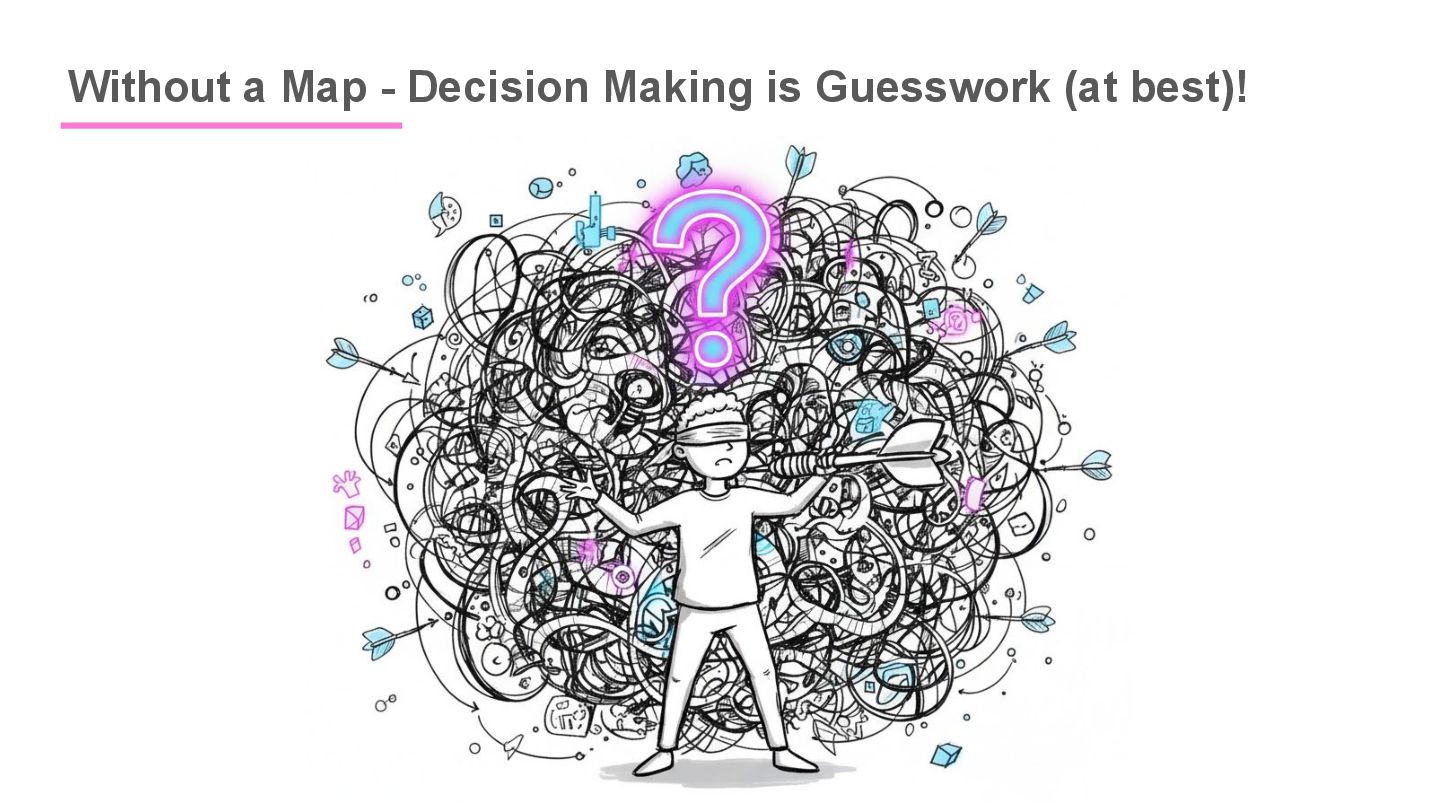
  4. “If you’re only looking at the financials - it’s like

    looking at the final score of a game - it tells you who won - but it doesn’t tell you how the game was played” ..
  5. 🔍 Value Dynamics A framework for understanding and visualising the

    flows of value between players inside complex digital ecosystems!
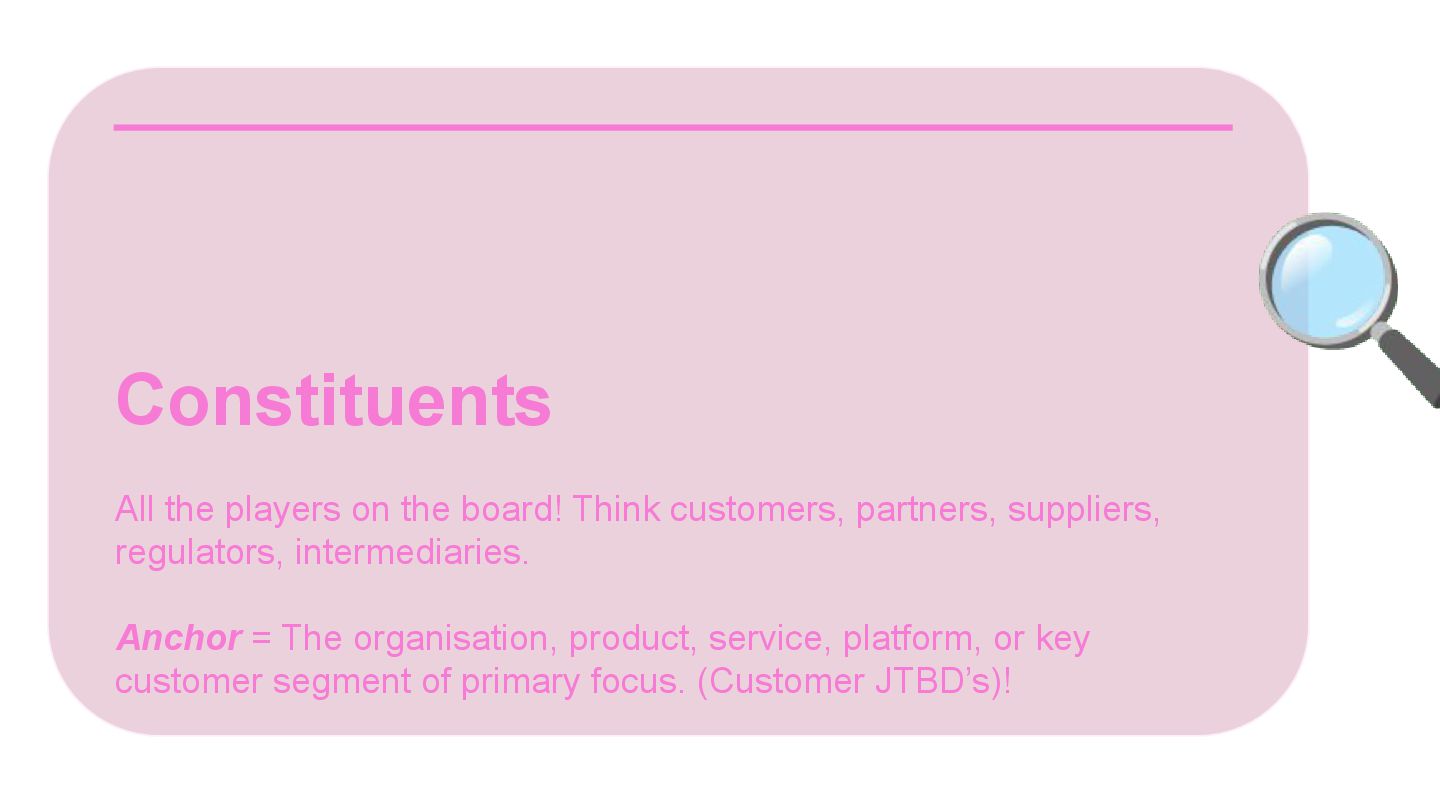
  6. 🔍 Constituents All the players on the board! Think customers,

    partners, suppliers, regulators, intermediaries. Anchor = The organisation, product, service, platform, or key customer segment of primary focus. (Customer JTBD’s)!
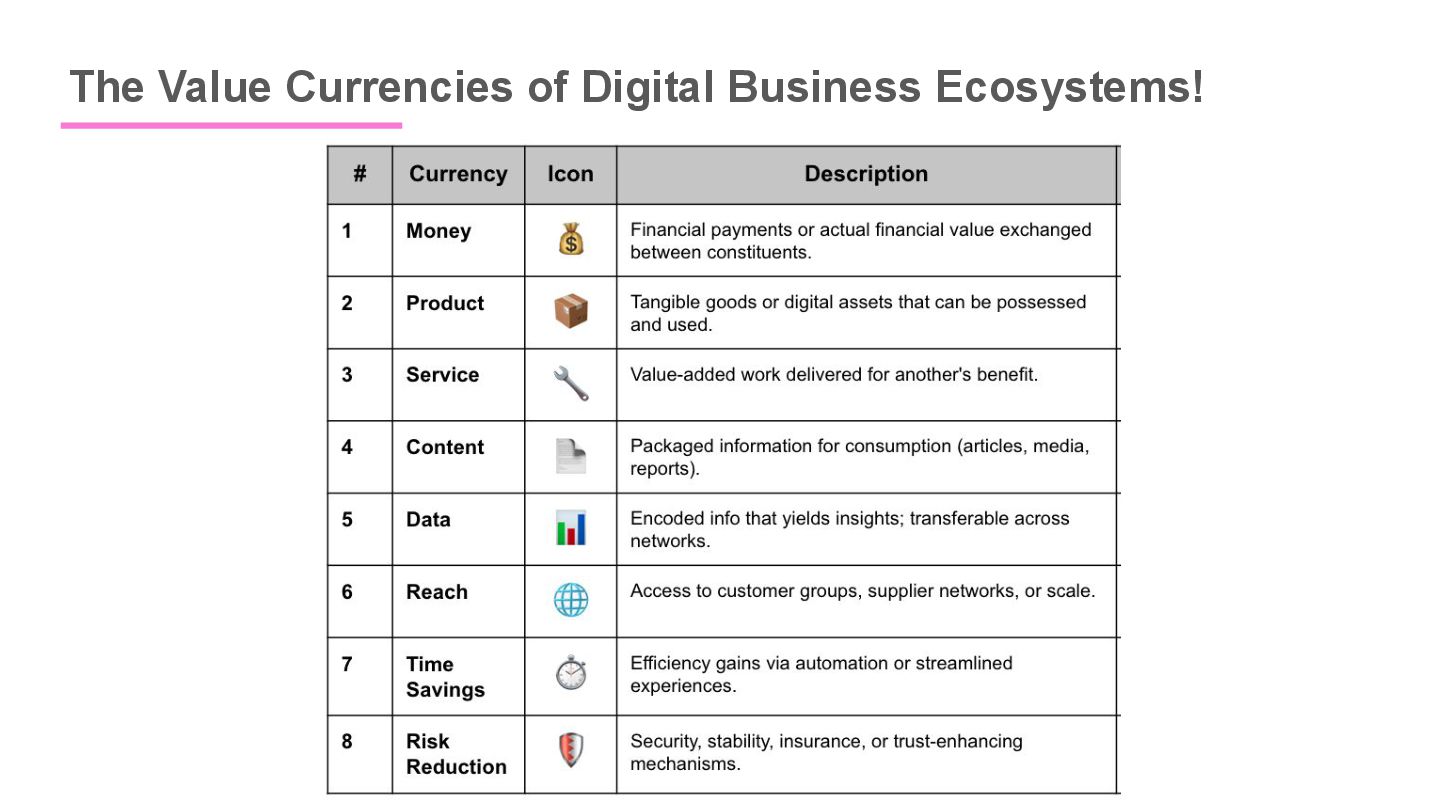
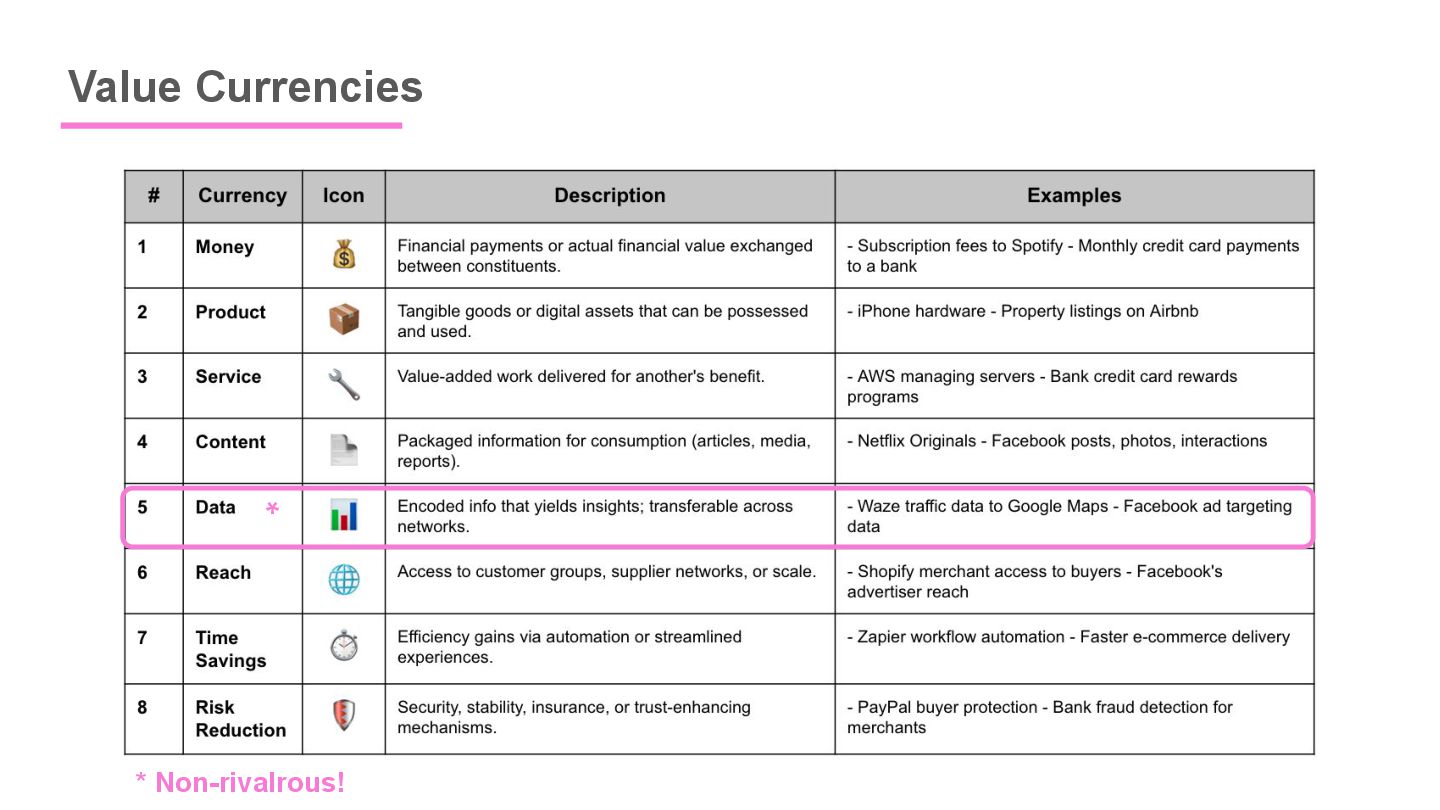
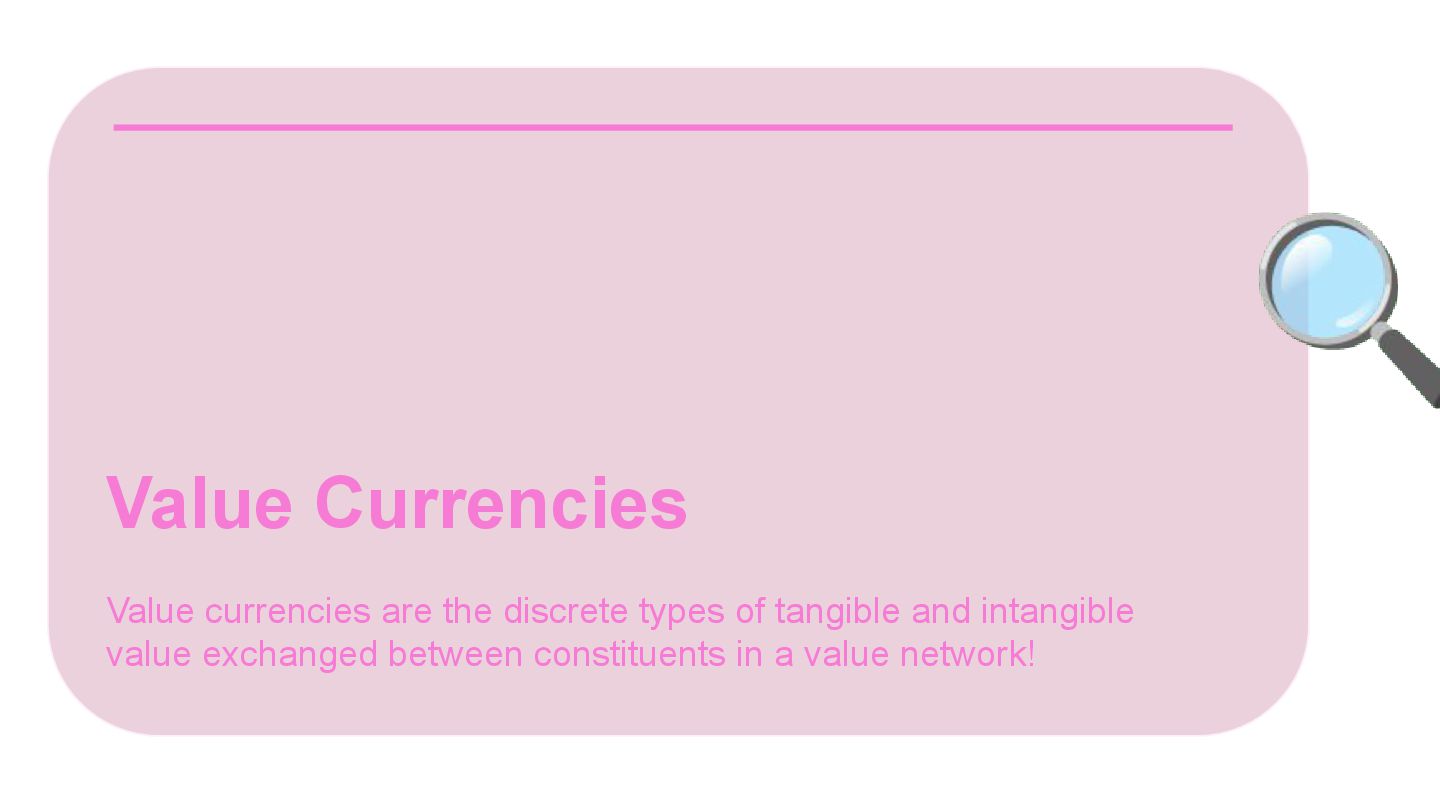
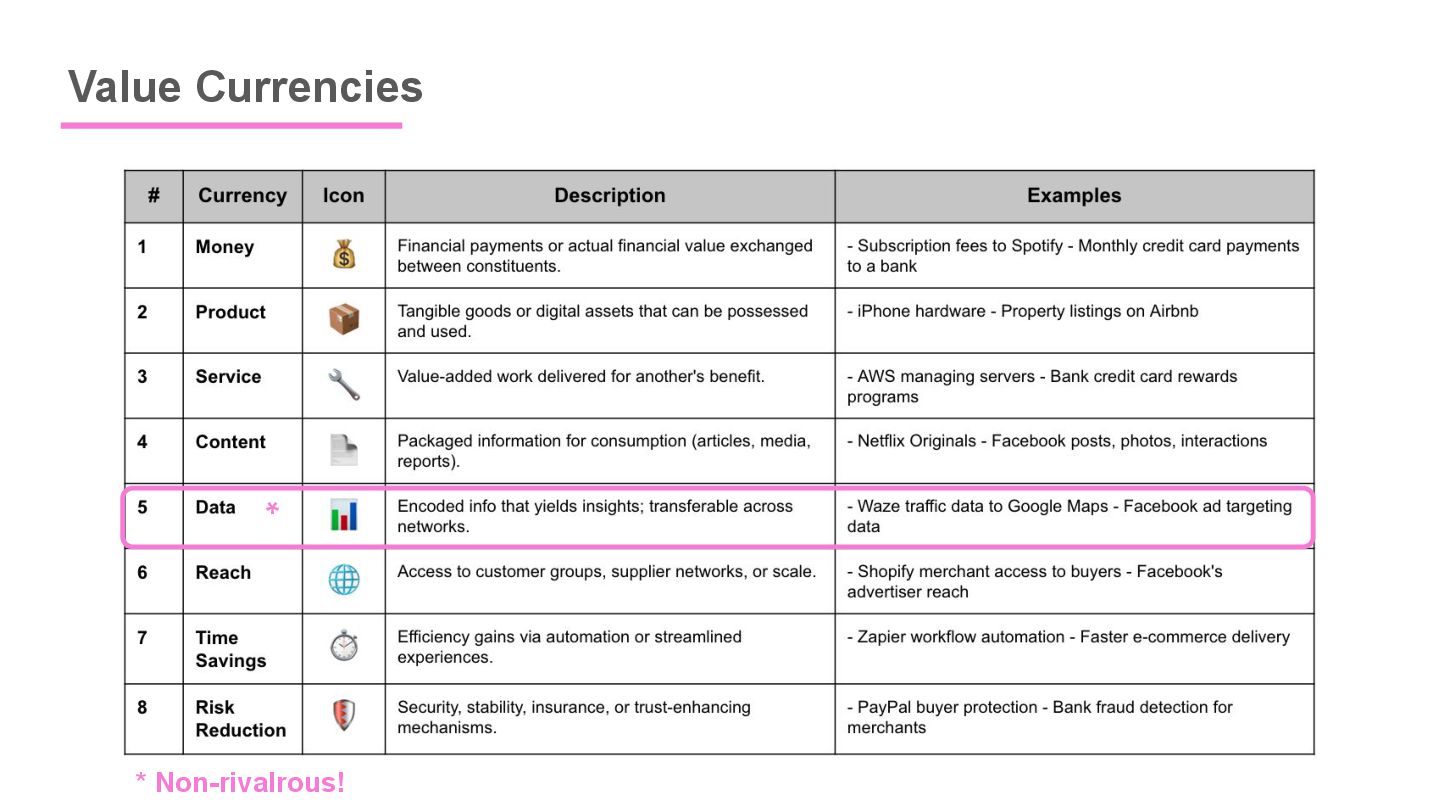
  7. 🔍 Value Currencies Value currencies are the discrete types of

    tangible and intangible value exchanged between constituents in a value network!
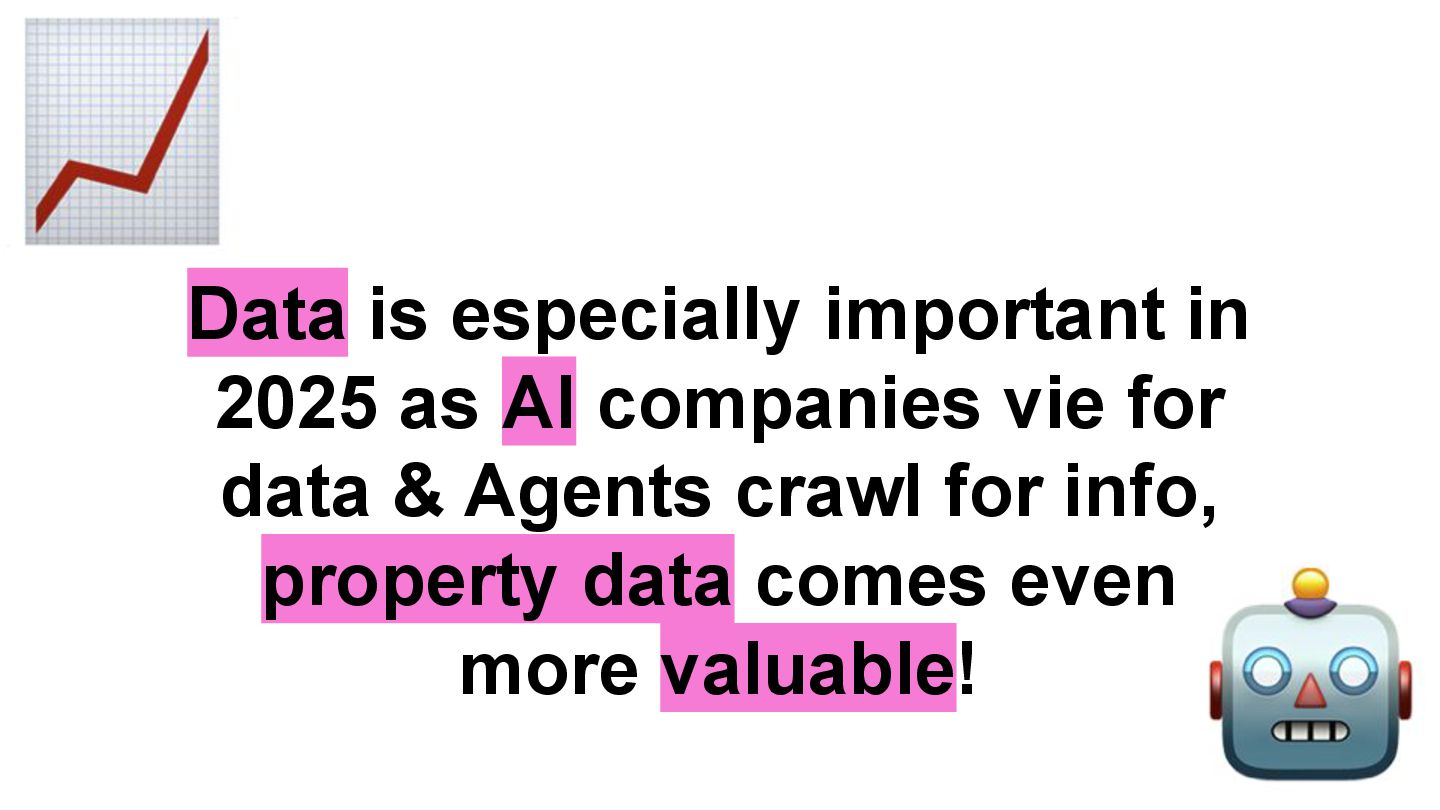
  8. Data is especially important in 2025 as AI companies vie

    for data & Agents crawl for info, property data comes even more valuable!
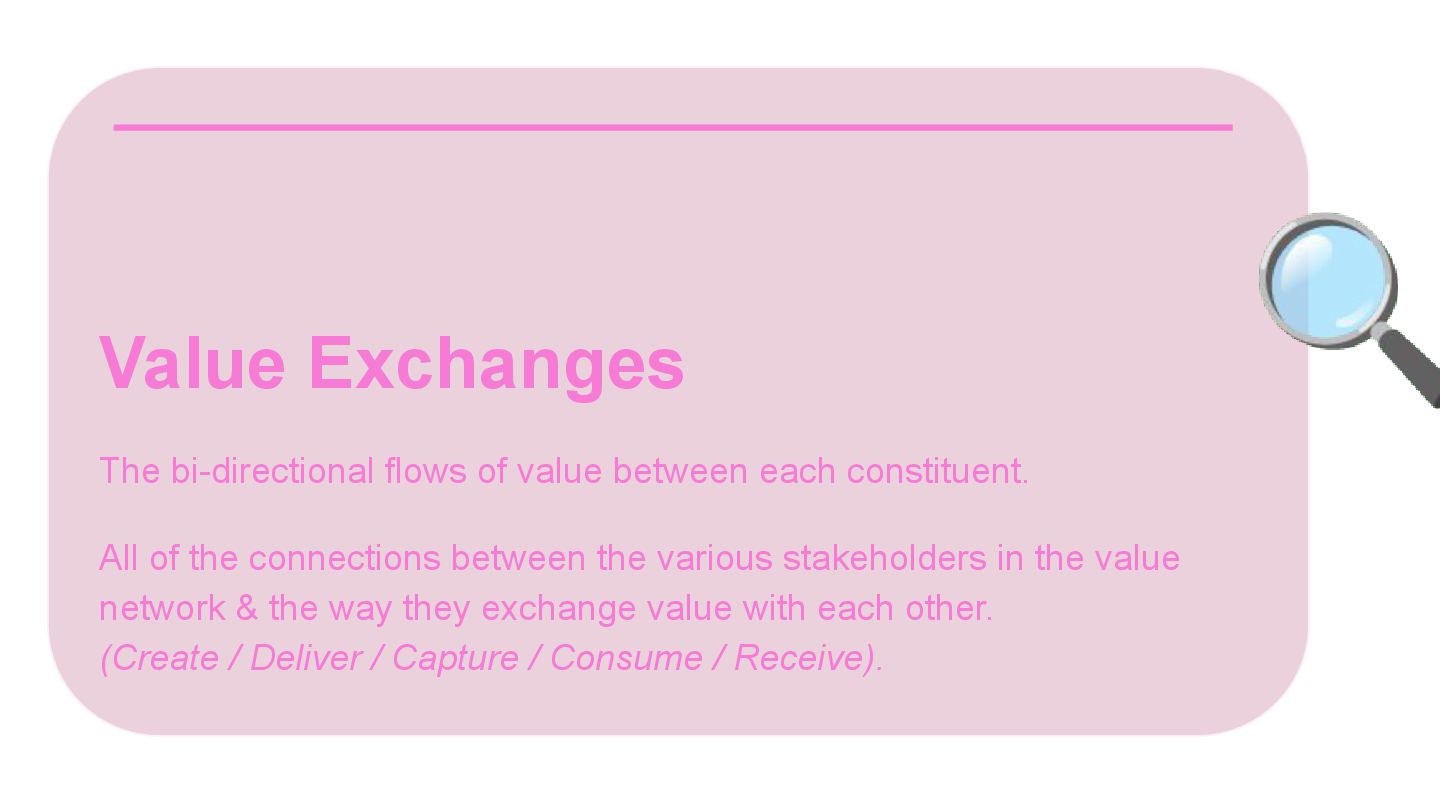
  9. 🔍 Value Exchanges The bi-directional flows of value between each

    constituent. All of the connections between the various stakeholders in the value network & the way they exchange value with each other. (Create / Deliver / Capture / Consume / Receive).
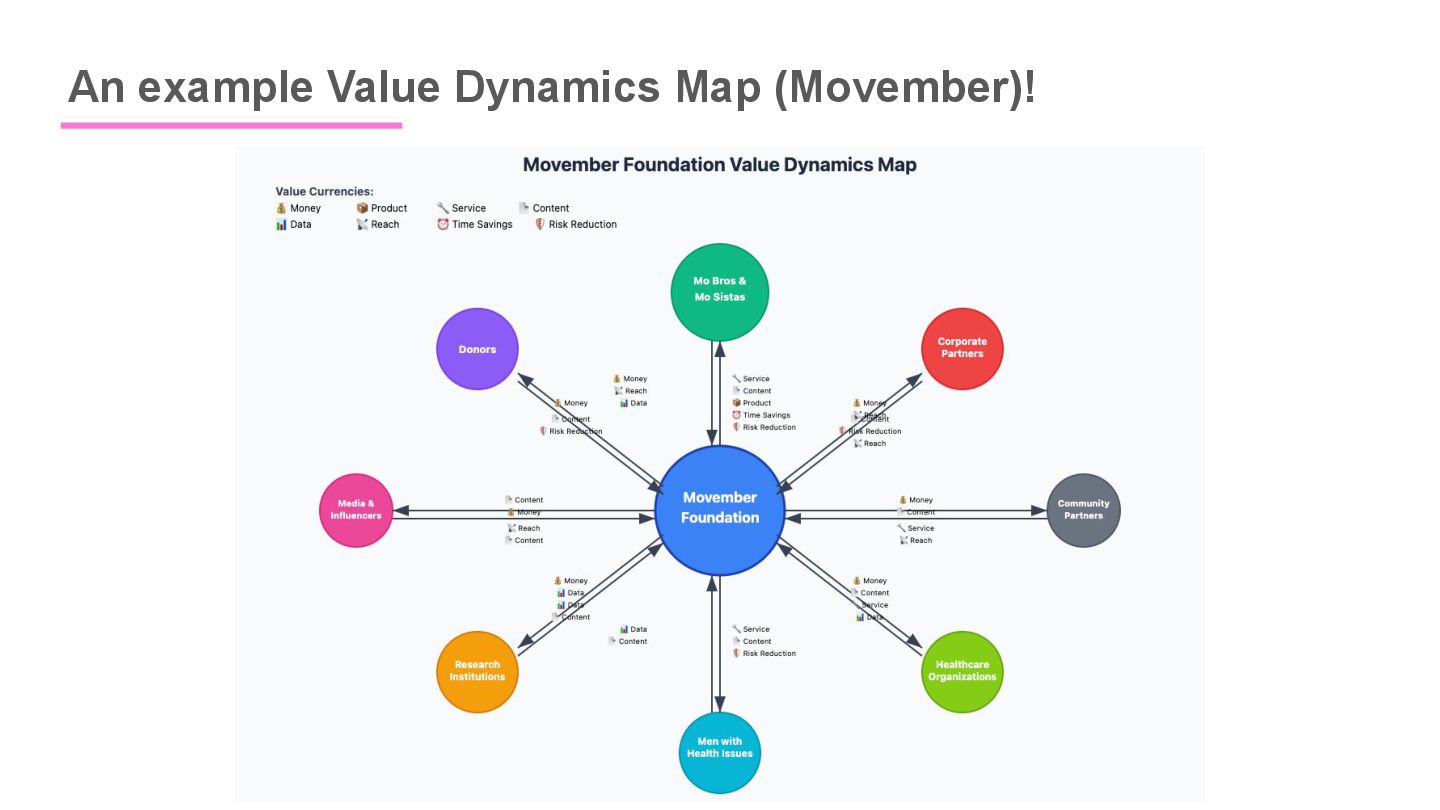
  10. How to Create a Value Dynamics Map? 1. Define the

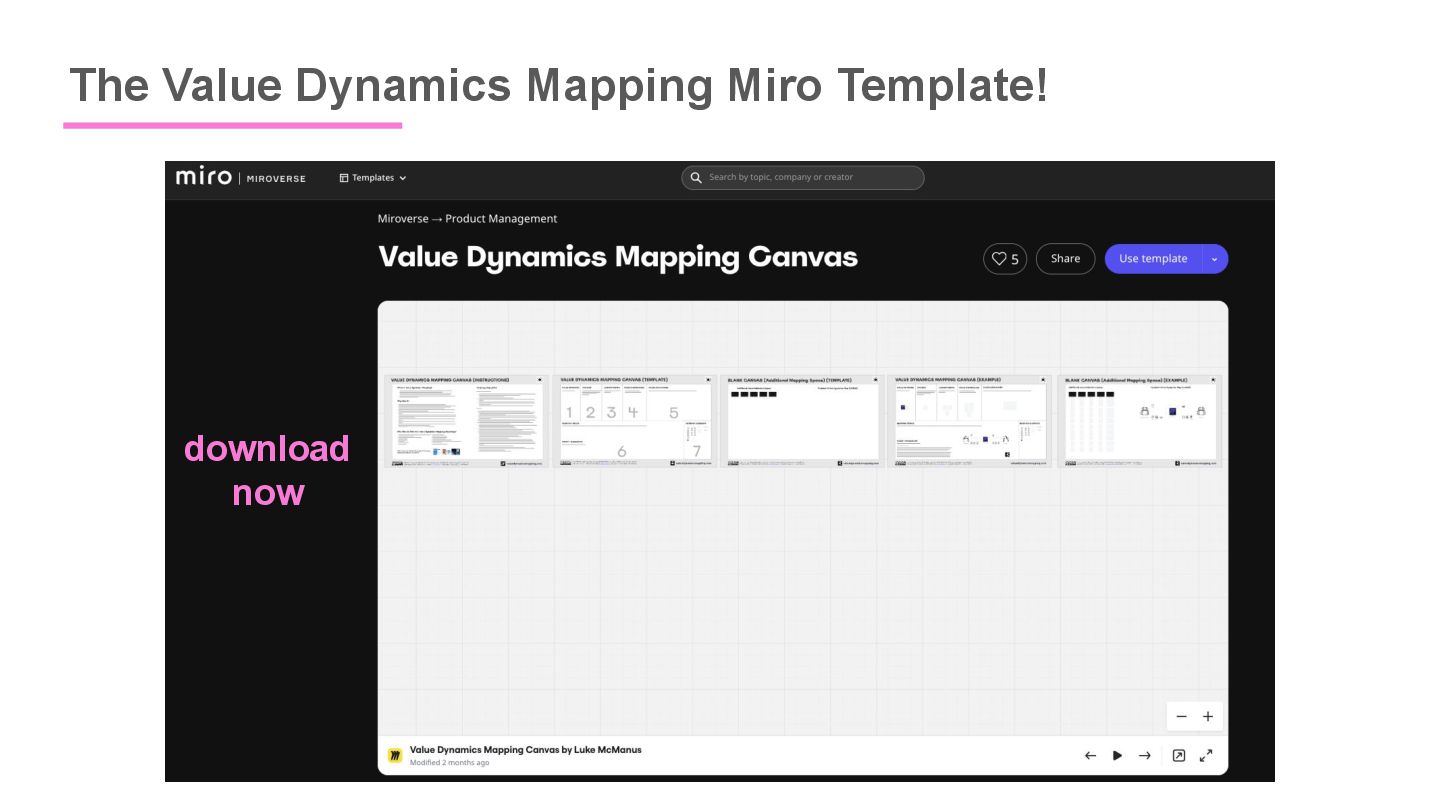
    Anchor: Clearly identify the primary focus (e.g., a specific product, service, platform, or customer segment) and the objectives for the mapping. 2. Identify Constituents: Map out all relevant stakeholders involved in the value network, including direct and indirect customers, partners, suppliers, regulators, and intermediaries. 3. Map Value Currencies: Determine which of the eight value currencies are present in each stakeholder interaction. 4. Map Value Exchanges: Detail the bidirectional flow of value between constituent pairs, annotating each with the type of value currency and a specific description. 5. Analyze and Strategise: Use the created map as a "game board" to assess the balance and sustainability of value exchanges, identify unmet needs, spot potential disruptors ("invasive species"), and uncover innovation opportunities. 6. Iterate and Refine: The business ecosystem is dynamic, so regularly review and update the map to reflect new insights, market changes, and organizational evolution. Use the Value Dynamics Mapping Canvas to capture all of the above information! * Data and Stories: Make sure you collect and integrate both quantitative metrics and qualitative insights like emotional responses and personal experiences. Numbers tell us what happened, but the qualitative stories of emotional responses and personal experiences reveal the crucial why, allowing data to be truly understood.
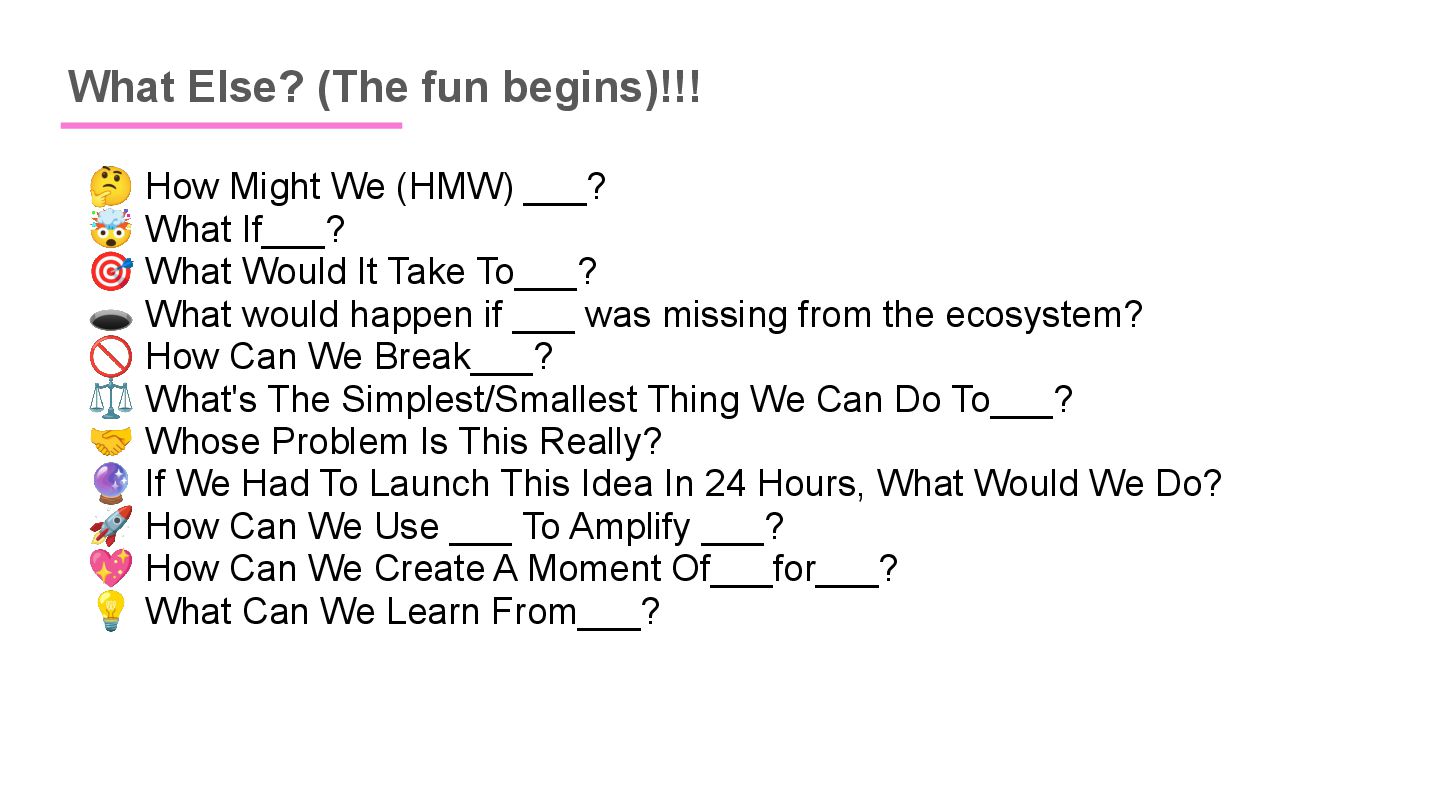
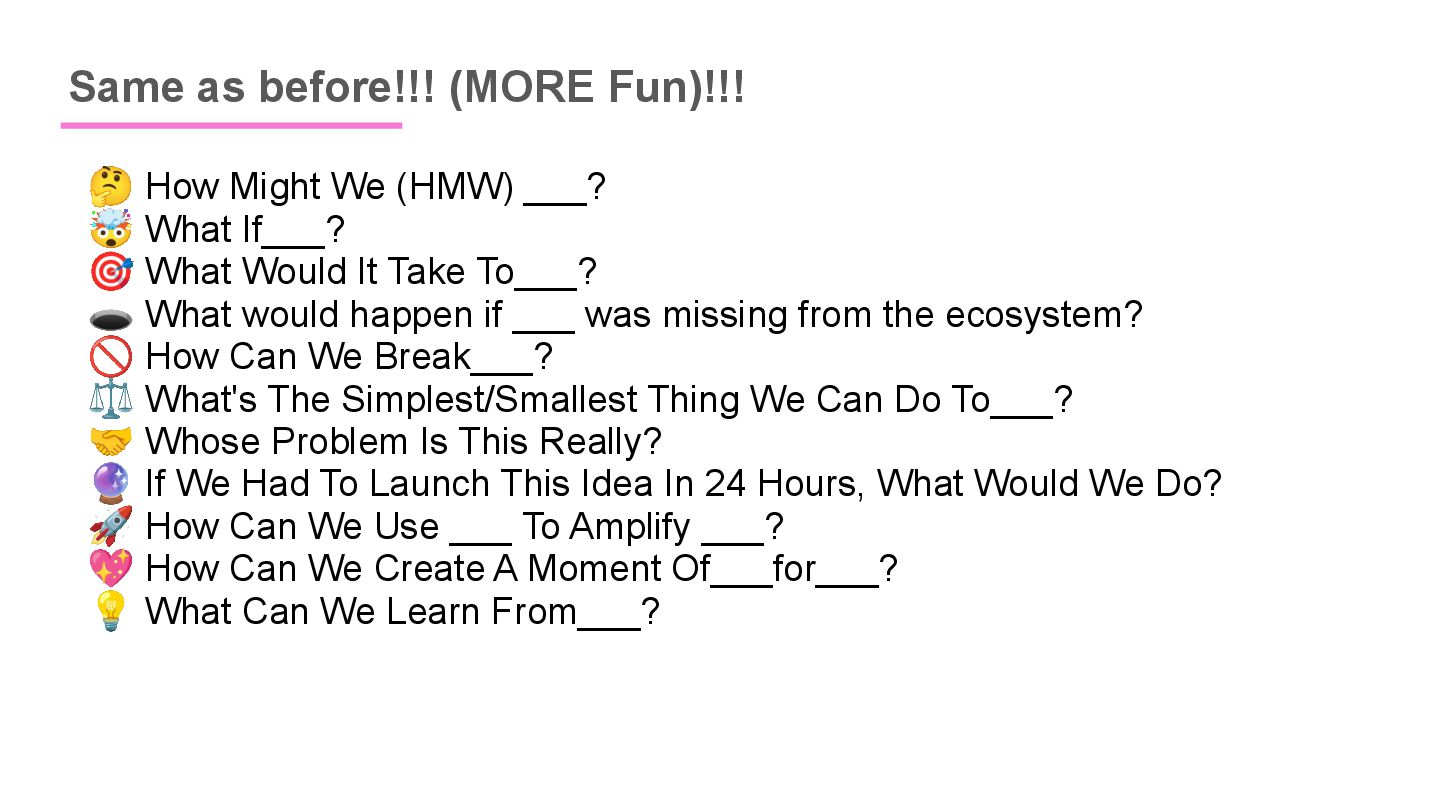
  11. What Else? (The fun begins)!!! 🤔 How Might We (HMW)

    ___? 🤯 What If___? 🎯 What Would It Take To___? 🕳 What would happen if ___ was missing from the ecosystem? 🚫 How Can We Break___? ⚖ What's The Simplest/Smallest Thing We Can Do To___? 🤝 Whose Problem Is This Really? 🔮 If We Had To Launch This Idea In 24 Hours, What Would We Do? 🚀 How Can We Use ___ To Amplify ___? 💖 How Can We Create A Moment Of___for___? 💡 What Can We Learn From___?
  12. Now you can See … You can … Manage, Measure,

    Experiment, Target, Plan & Prioritise & Make Decisions
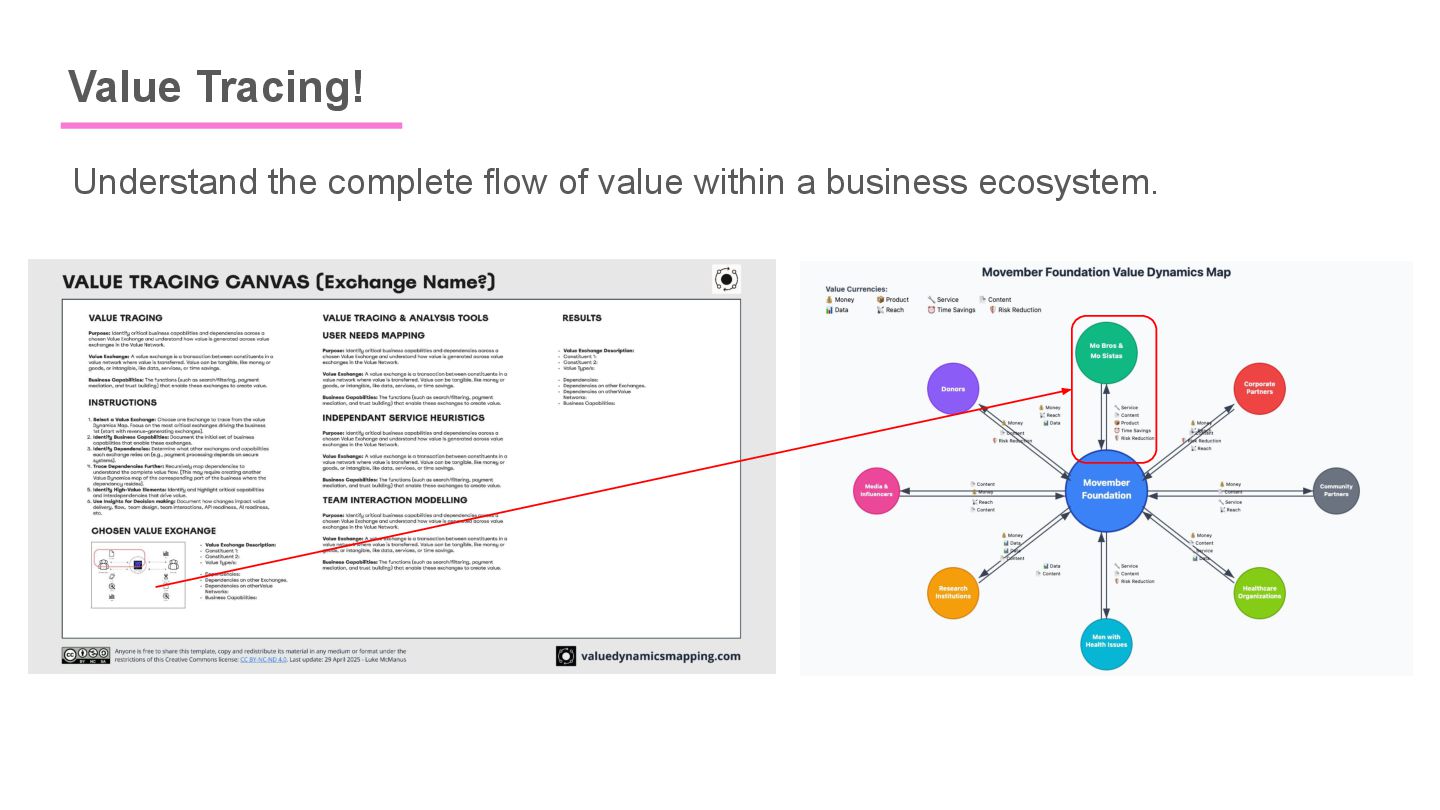
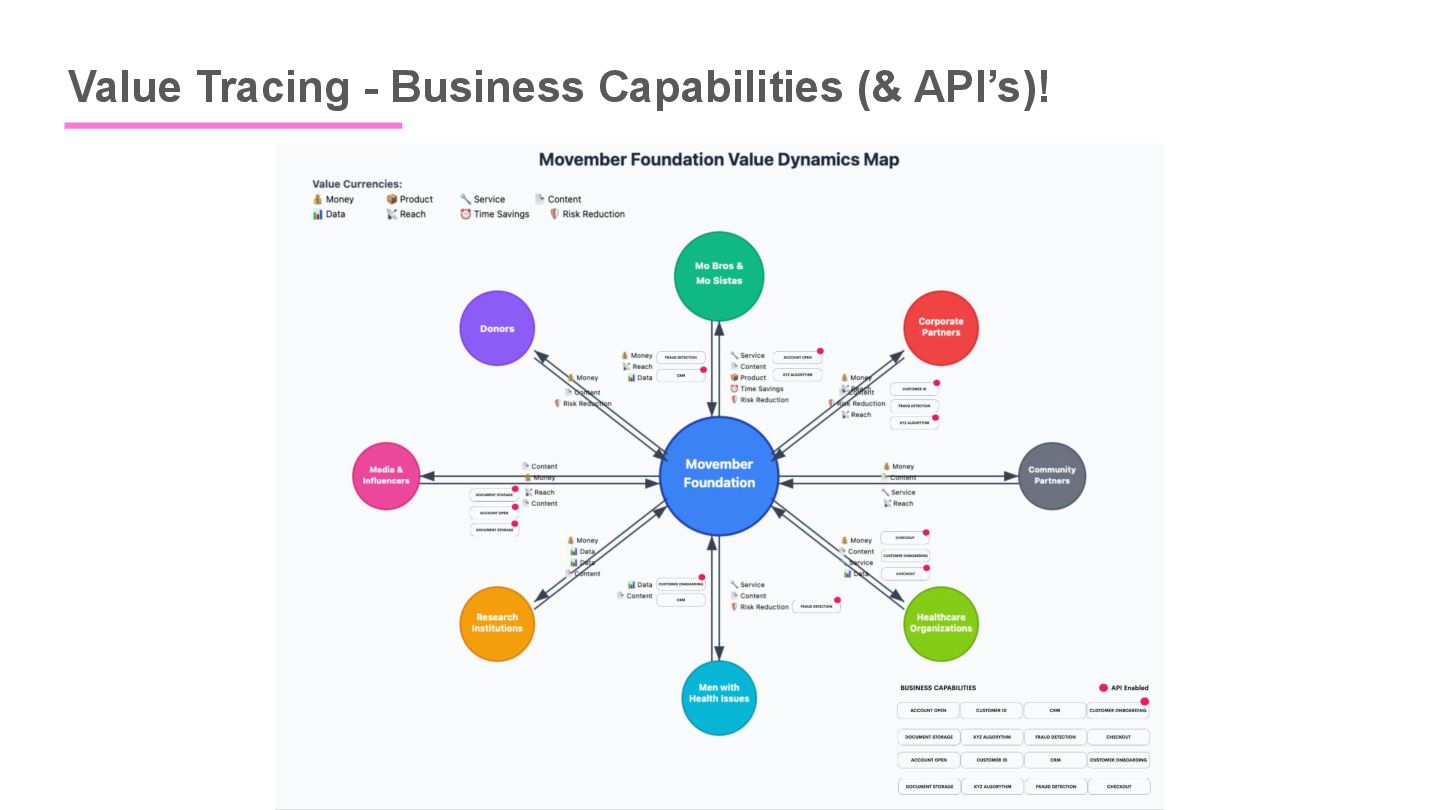
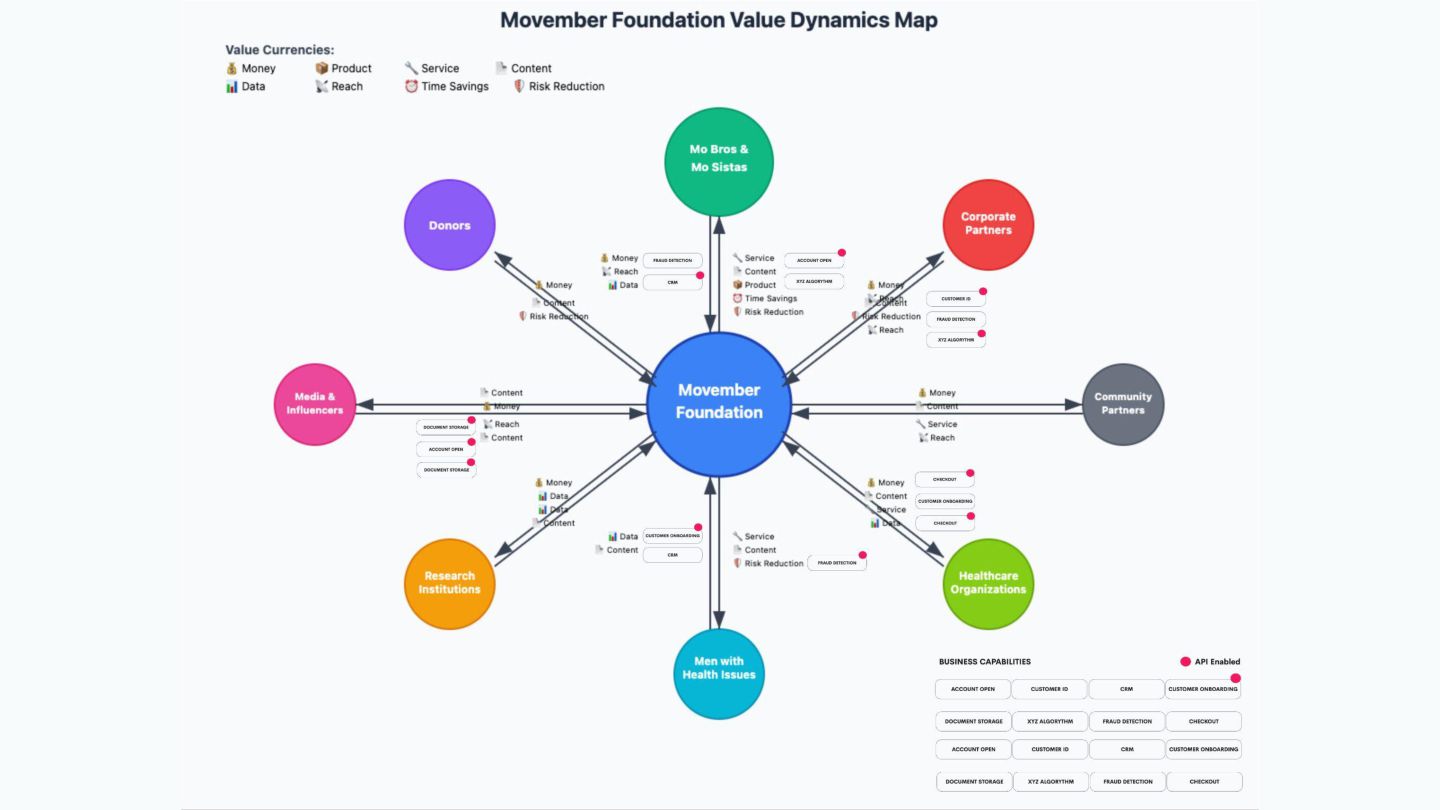
  13. Value Tracing! • Uncover dependencies on other exchanges and underlying

    business capabilities. • Understand the complete flow of value within a business ecosystem. • Identify critical business capabilities that enable key value exchanges and act as levers for growth. • Uncover interdependencies and potential roadblocks or bottlenecks in value creation and delivery, CX/UX etc. • Enable BETTER (Data driven) Prioritisation & Decision making! • Align team structures and interactions with the organisation's value creation processes, ensuring fast and efficient delivery of value.
  14. Understanding and Visualising Business Capabilities! • Internal business capabilities are

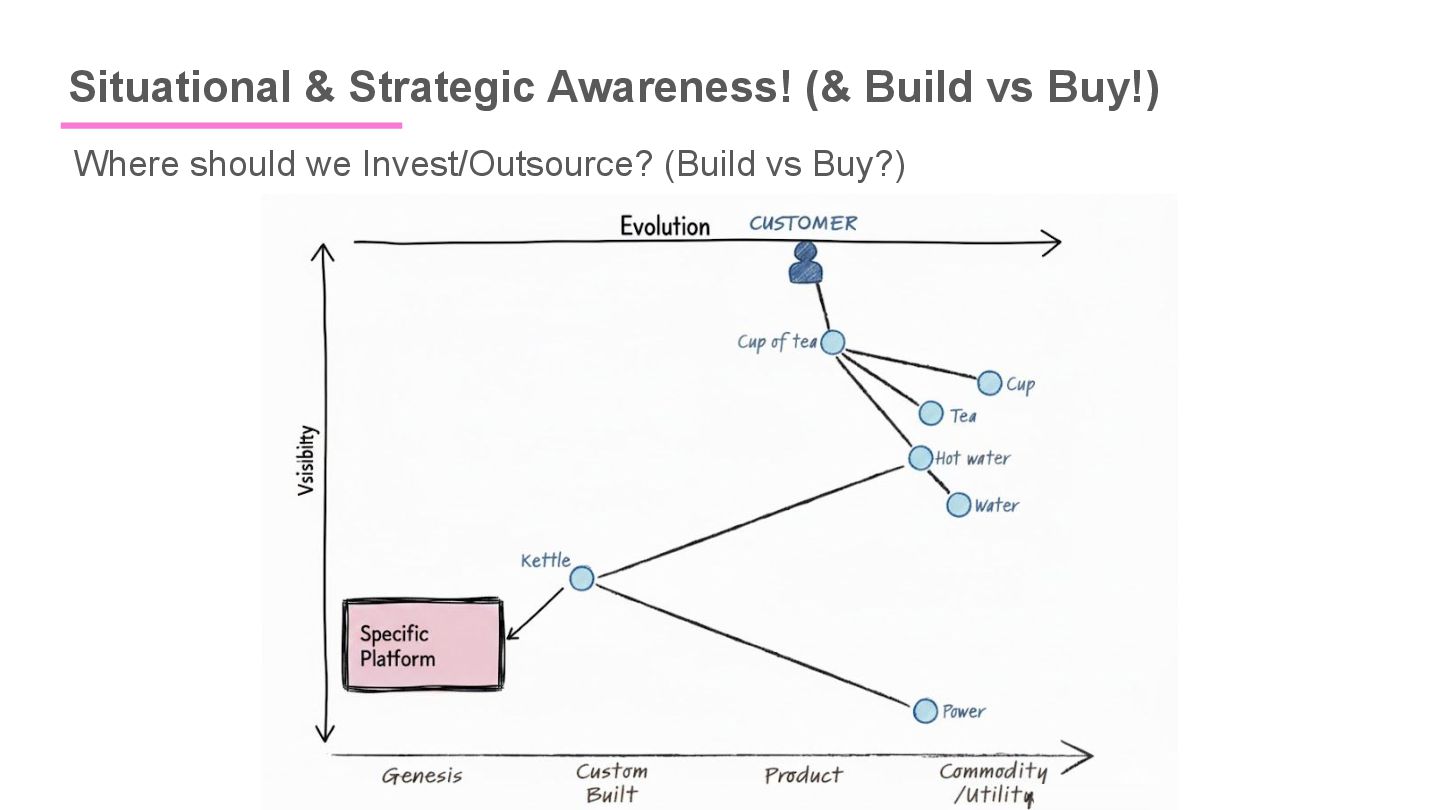
    leveraged to generate value. • They define "what" a business does, rather than "how" it does it. • Drives Differentiation: Capabilities are the "unique strengths" or "special sauce" that differentiate a company (aka - Unique Value Proposition). • Identifying well-differentiated capabilities is key for competitive advantage and long-term survival. • Informs Digital Transformation & API Strategy! • Helps Guide and Inform Build vs. Buy Decisions (combined with Wardley Mapping)! • Unbundling and Re-bundling of Capabilities. • Gateway to exposing and remixing Business Capabilities. • Plug’n’Play - Easily connected and composed into new channels, services & offerings etc.
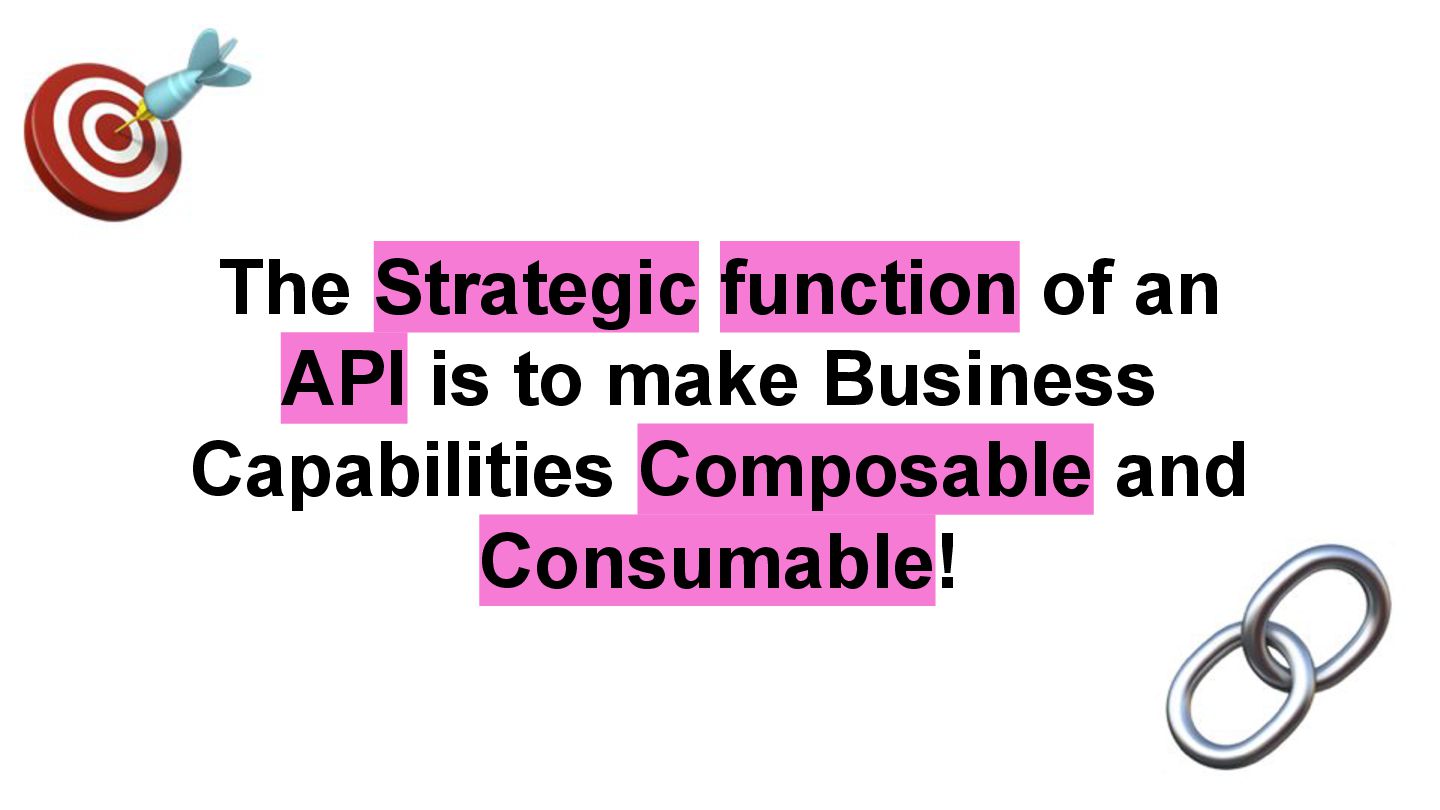
  15. The Strategic function of an API is to make Business

    Capabilities Composable and Consumable!
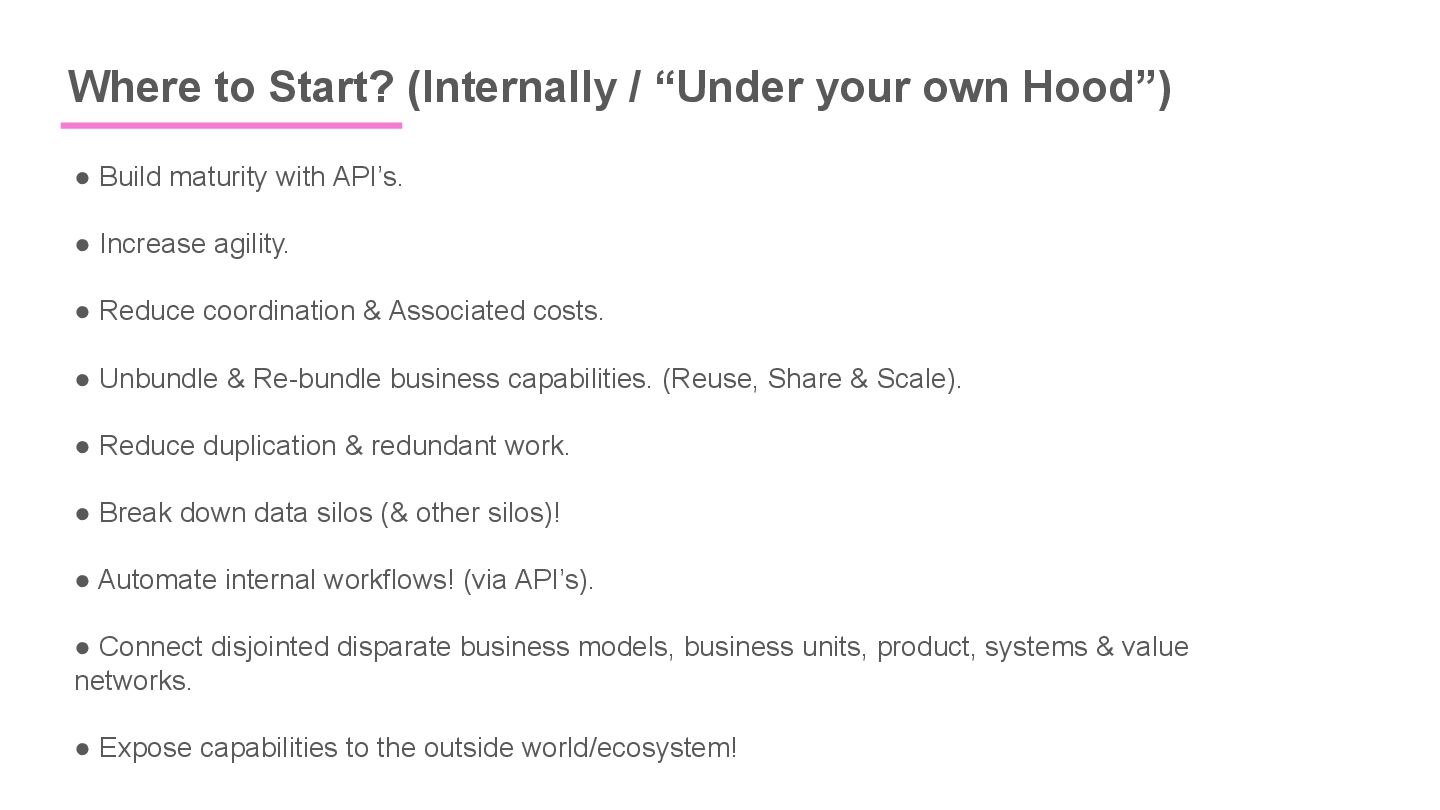
  16. Where to Start? (Internally / “Under your own Hood”) •

    Build maturity with API’s. • Increase agility. • Reduce coordination & Associated costs. • Unbundle & Re-bundle business capabilities. (Reuse, Share & Scale). • Reduce duplication & redundant work. • Break down data silos (& other silos)! • Automate internal workflows! (via API’s). • Connect disjointed disparate business models, business units, product, systems & value networks. • Expose capabilities to the outside world/ecosystem!
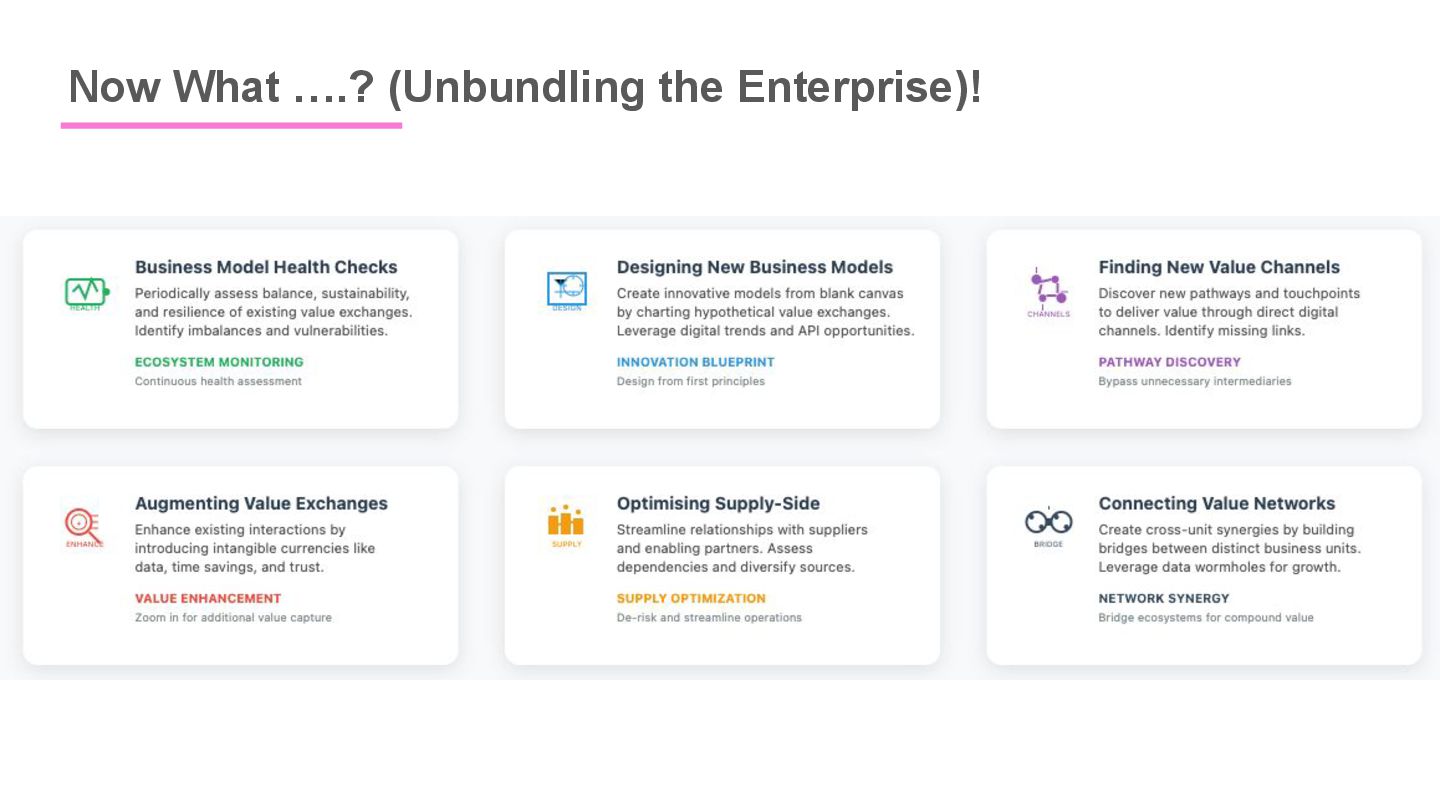
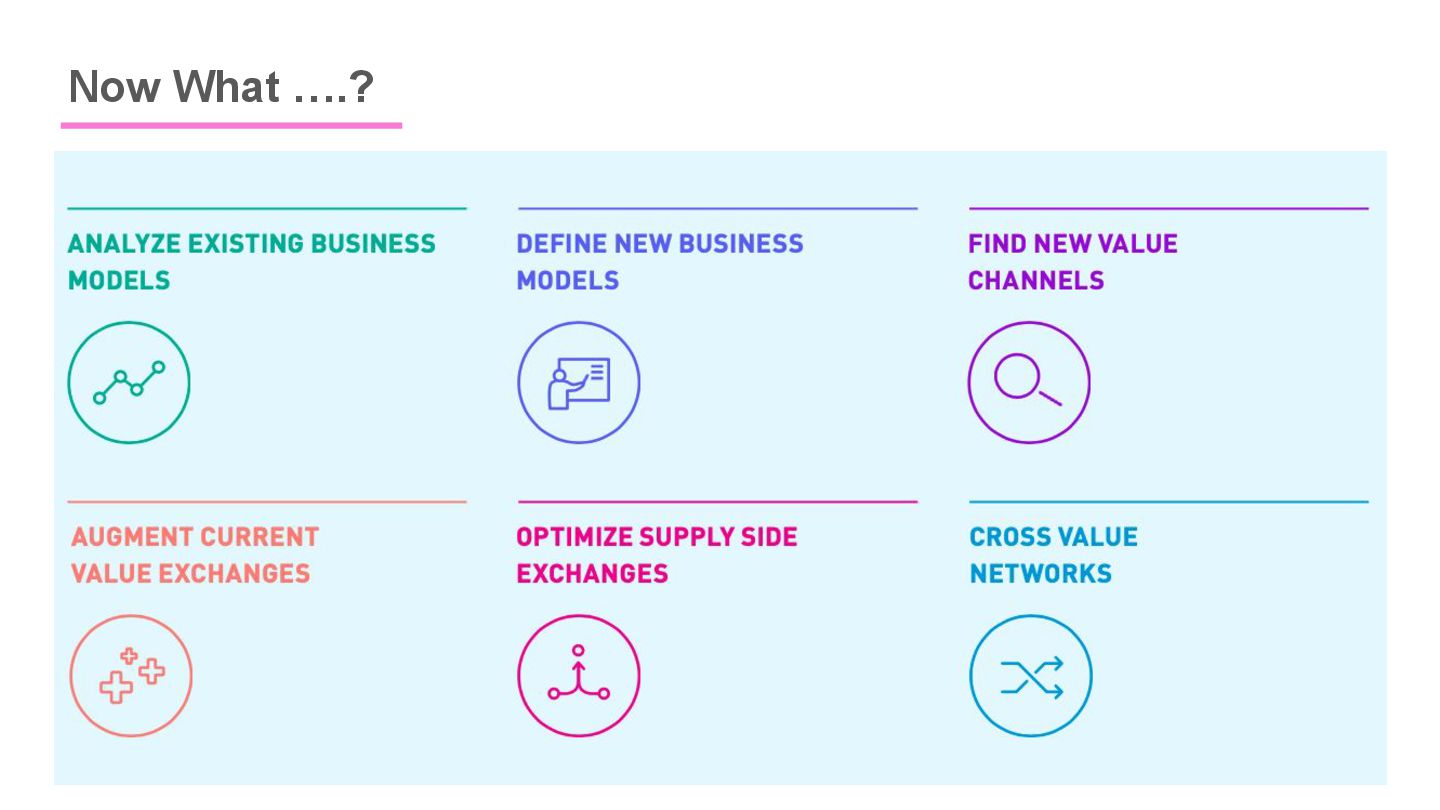
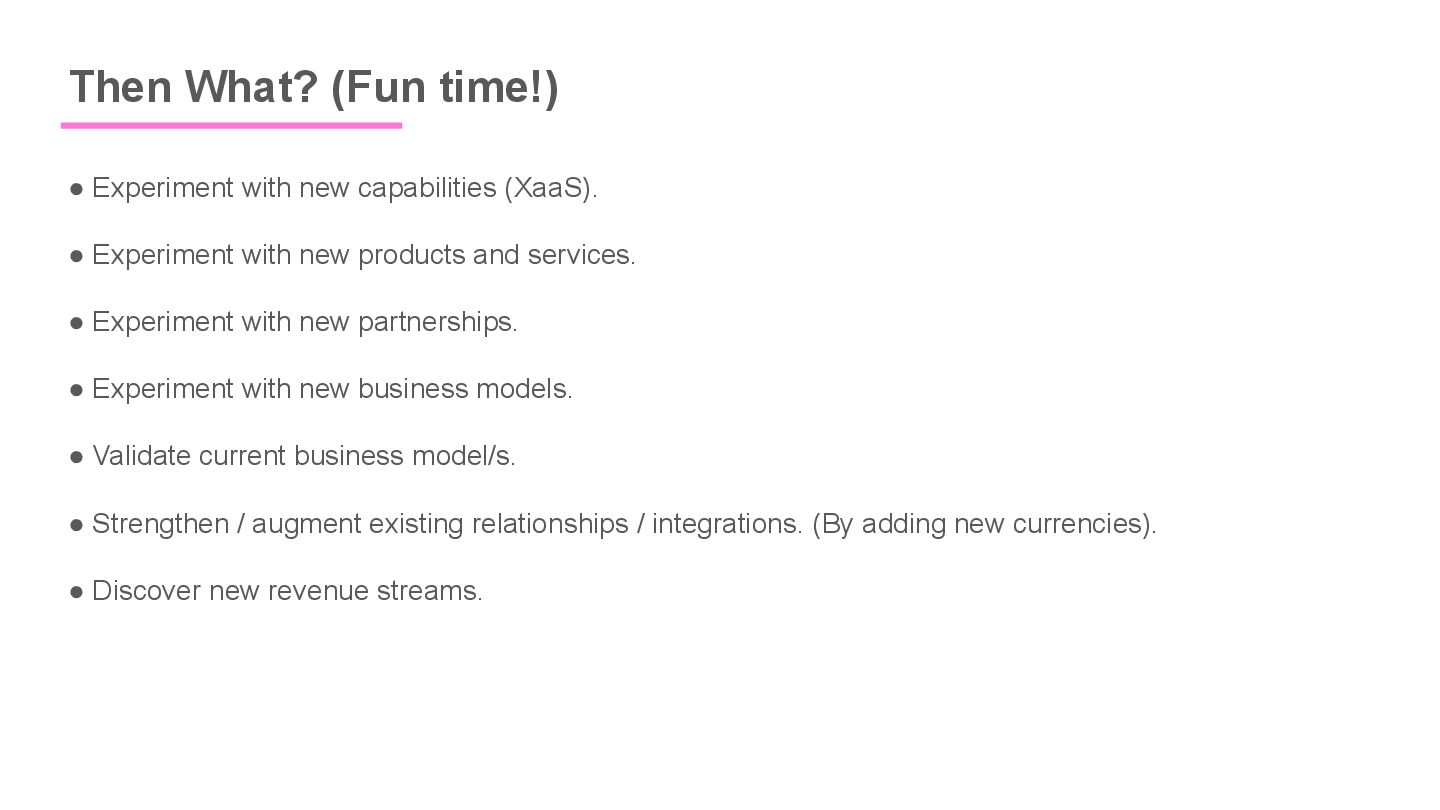
  17. Then What? (Fun time!) • Experiment with new capabilities (XaaS).

    • Experiment with new products and services. • Experiment with new partnerships. • Experiment with new business models. • Validate current business model/s. • Strengthen / augment existing relationships / integrations. (By adding new currencies). • Discover new revenue streams.
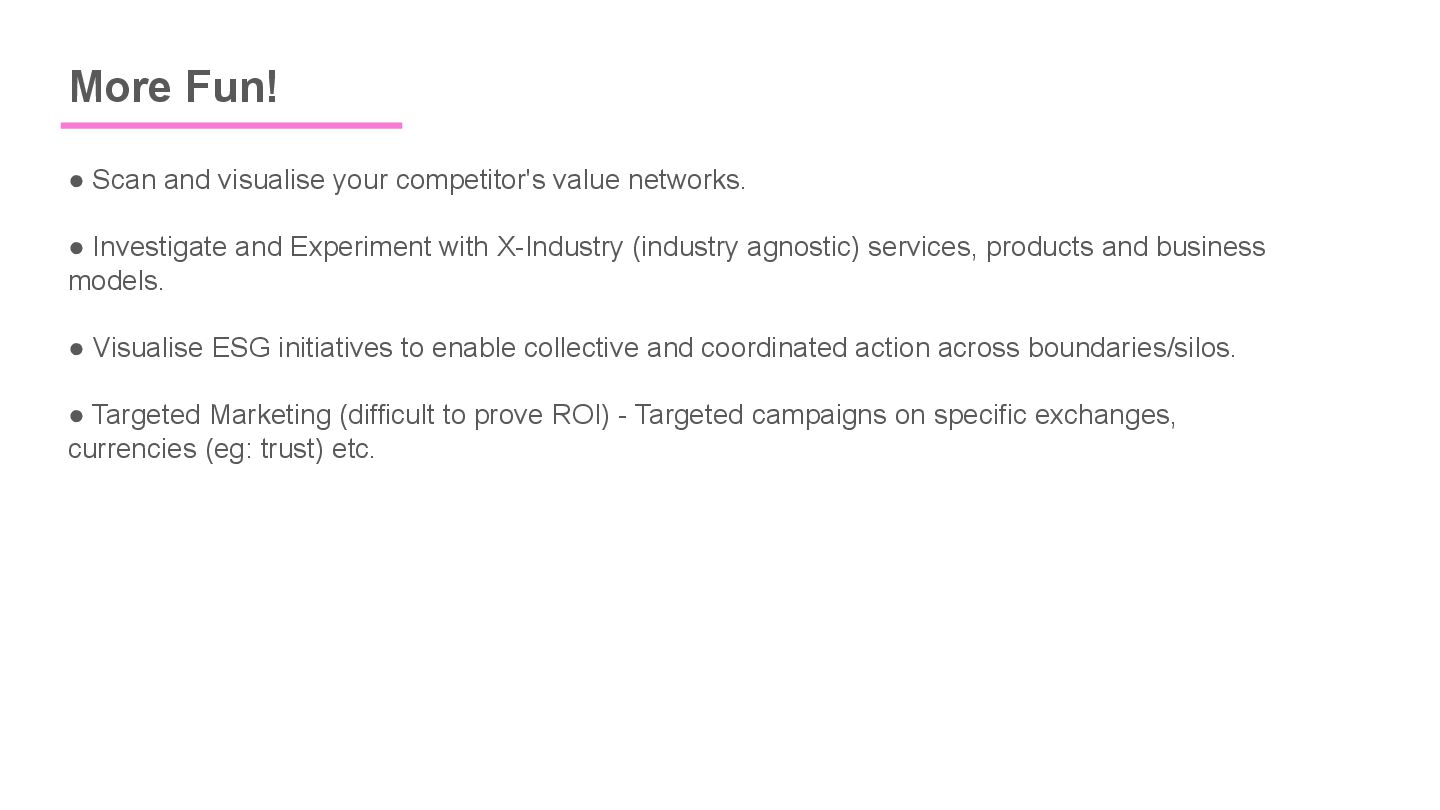
  18. More Fun! • Scan and visualise your competitor's value networks.

    • Investigate and Experiment with X-Industry (industry agnostic) services, products and business models. • Visualise ESG initiatives to enable collective and coordinated action across boundaries/silos. • Targeted Marketing (difficult to prove ROI) - Targeted campaigns on specific exchanges, currencies (eg: trust) etc.
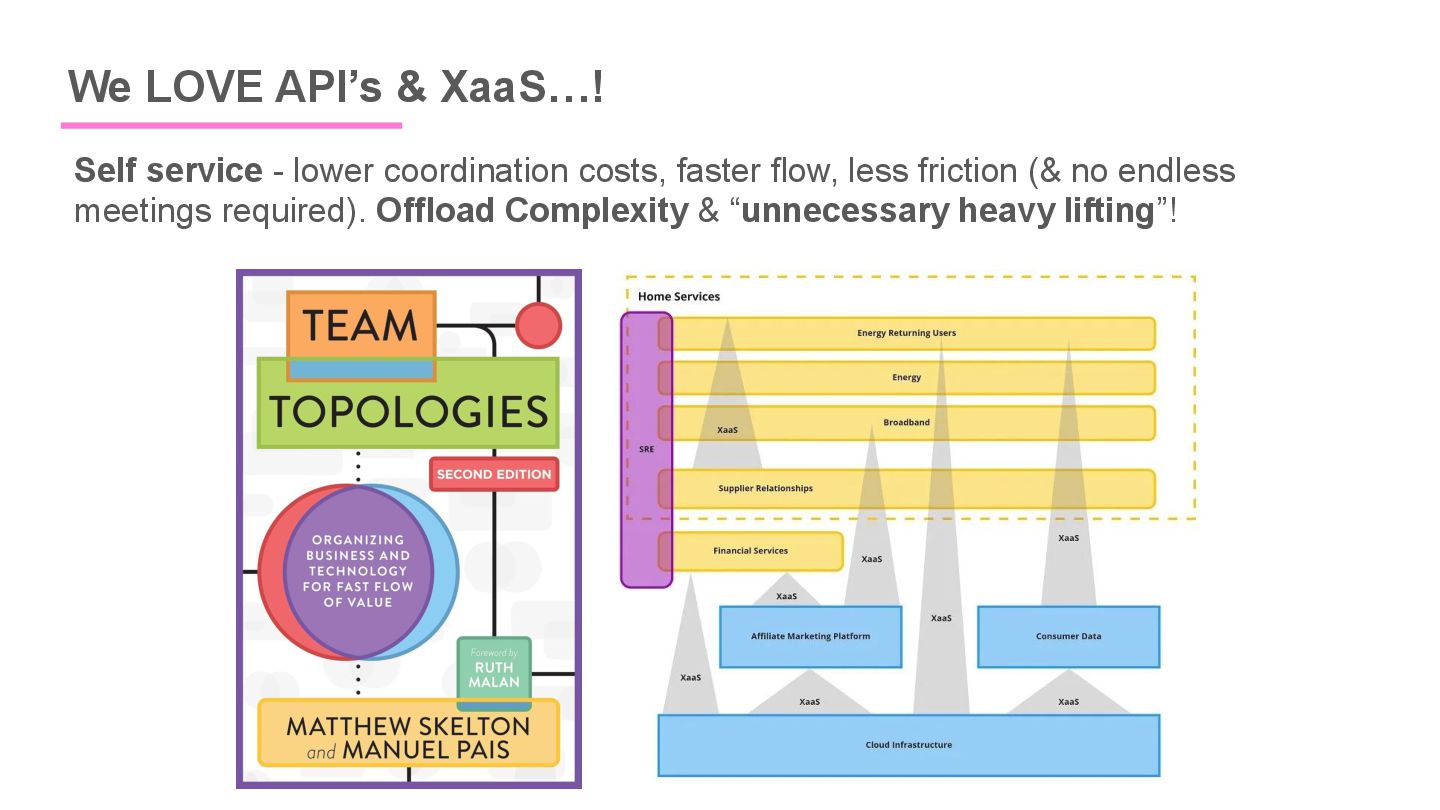
  19. We LOVE API’s & XaaS…! Self service - lower coordination

    costs, faster flow, less friction (& no endless meetings required). Offload Complexity & “unnecessary heavy lifting”!
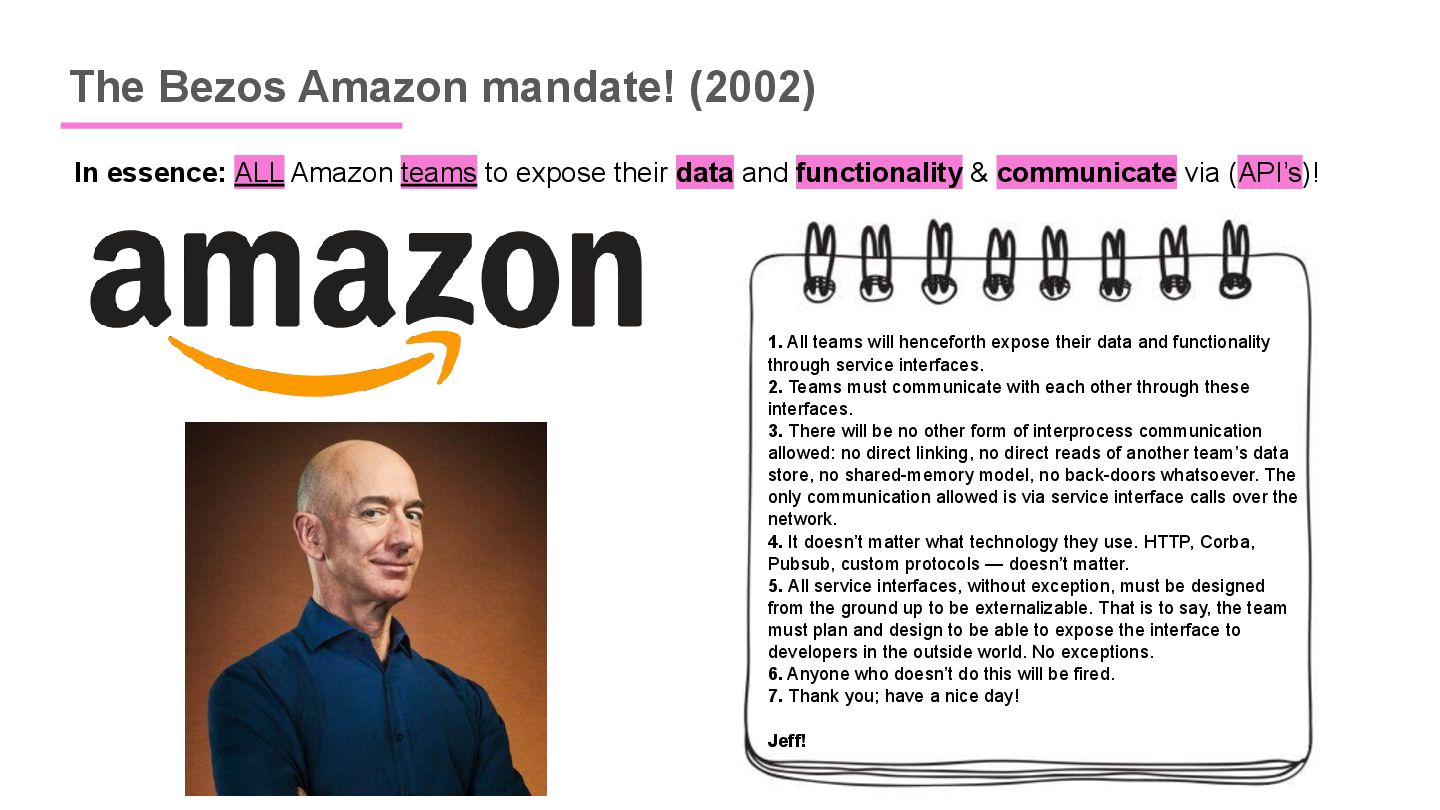
  20. The Bezos Amazon mandate! (2002) In essence: ALL Amazon teams

    to expose their data and functionality & communicate via (API’s)! 1. All teams will henceforth expose their data and functionality through service interfaces. 2. Teams must communicate with each other through these interfaces. 3. There will be no other form of interprocess communication allowed: no direct linking, no direct reads of another team’s data store, no shared-memory model, no back-doors whatsoever. The only communication allowed is via service interface calls over the network. 4. It doesn’t matter what technology they use. HTTP, Corba, Pubsub, custom protocols — doesn’t matter. 5. All service interfaces, without exception, must be designed from the ground up to be externalizable. That is to say, the team must plan and design to be able to expose the interface to developers in the outside world. No exceptions. 6. Anyone who doesn’t do this will be fired. 7. Thank you; have a nice day! Jeff!
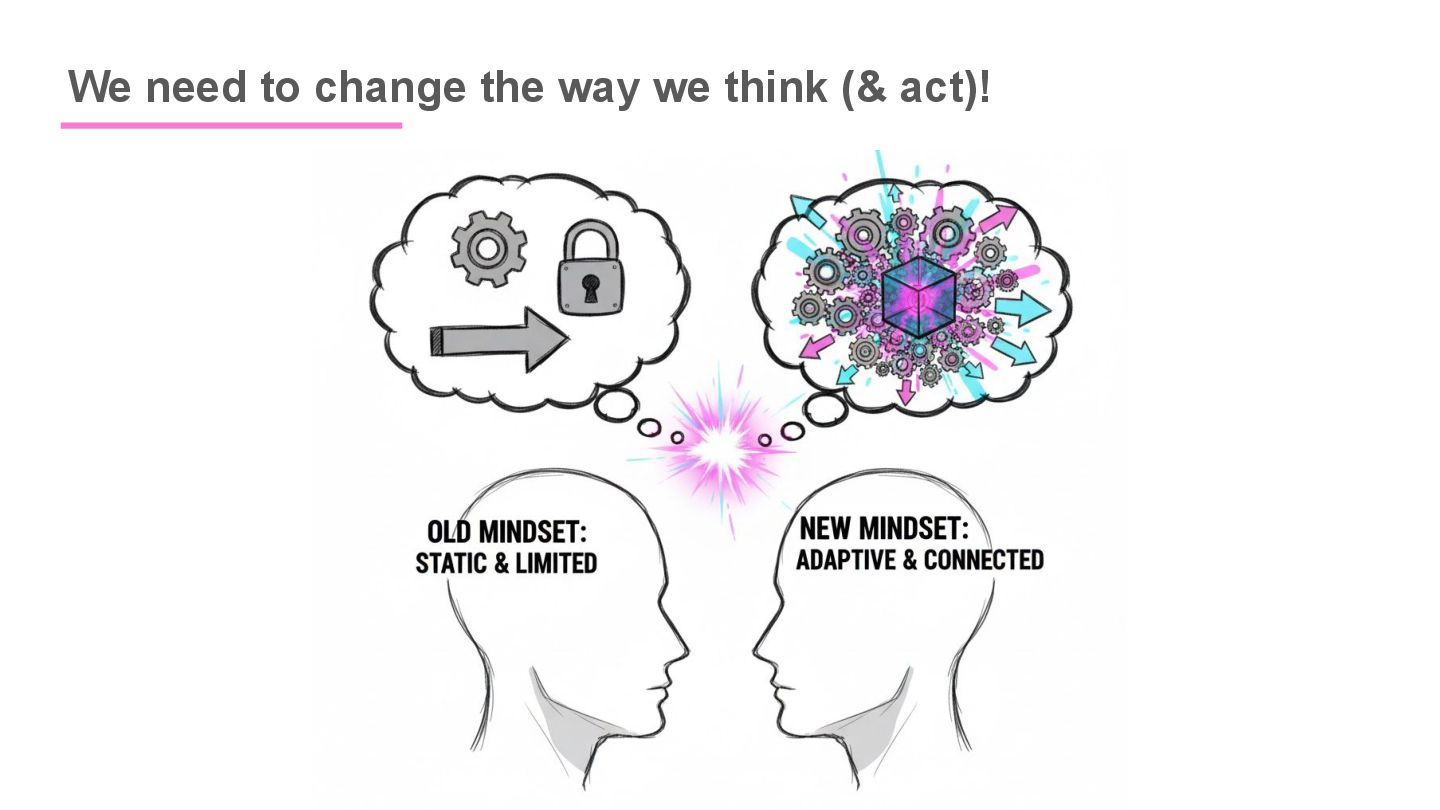
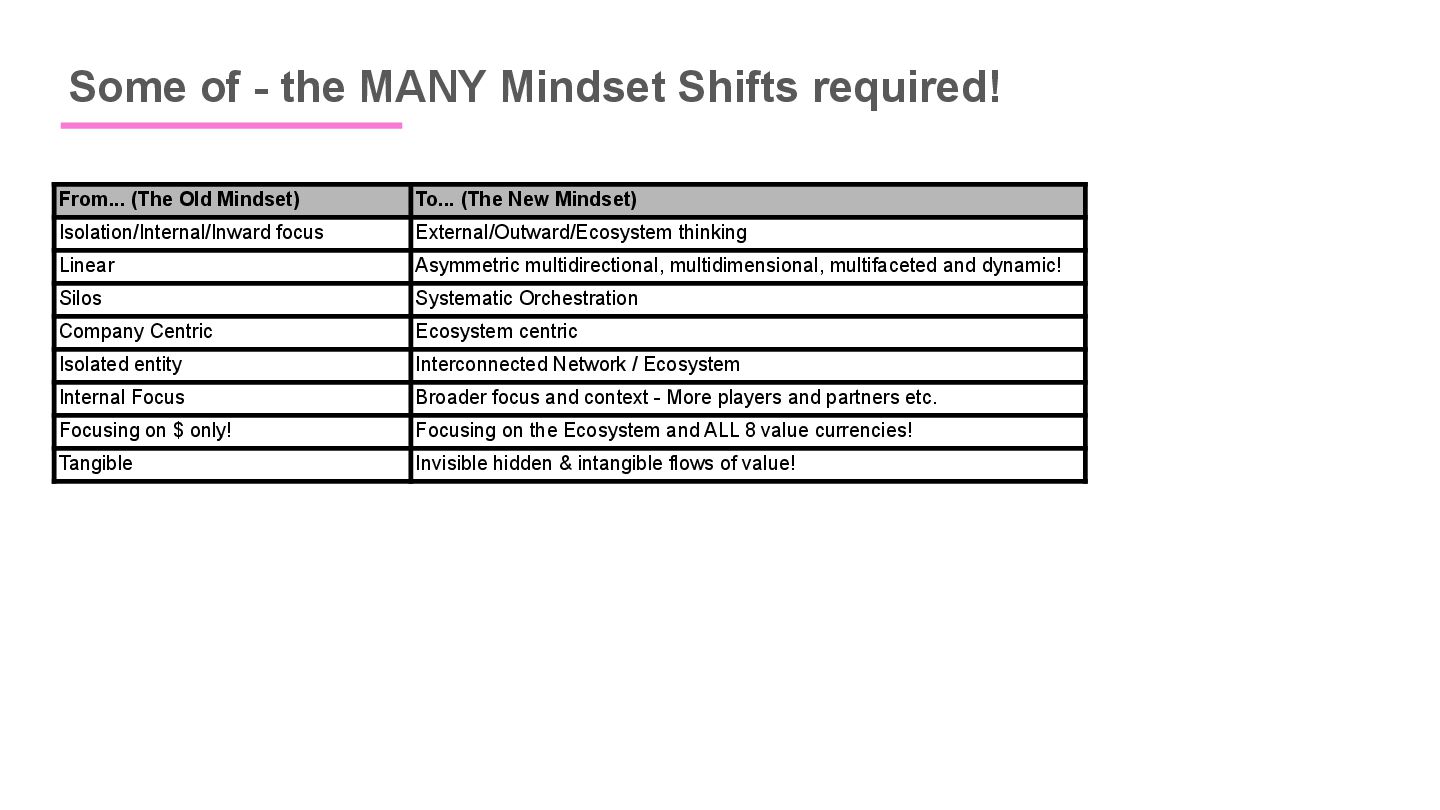
  21. Some of - the MANY Mindset Shifts required! From... (The

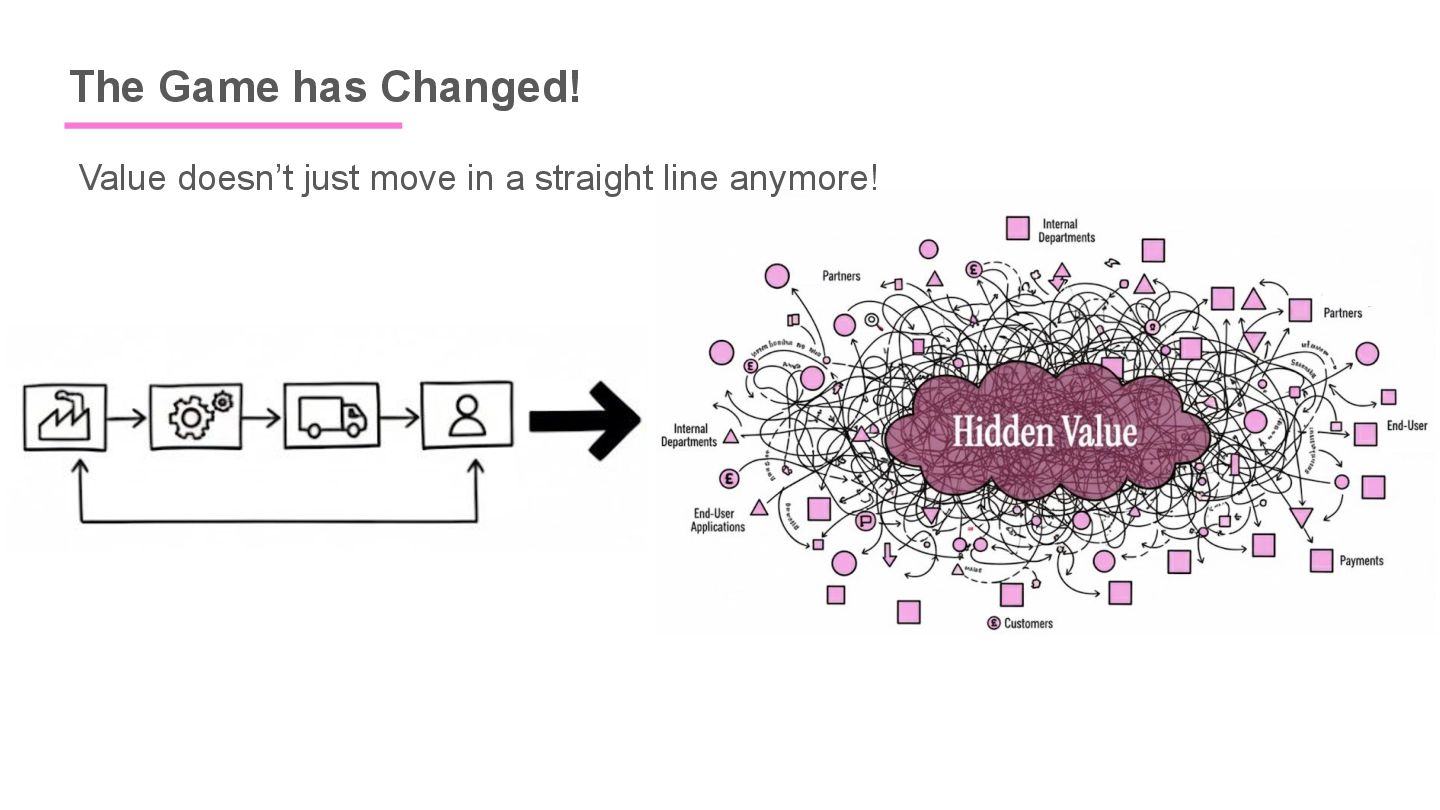
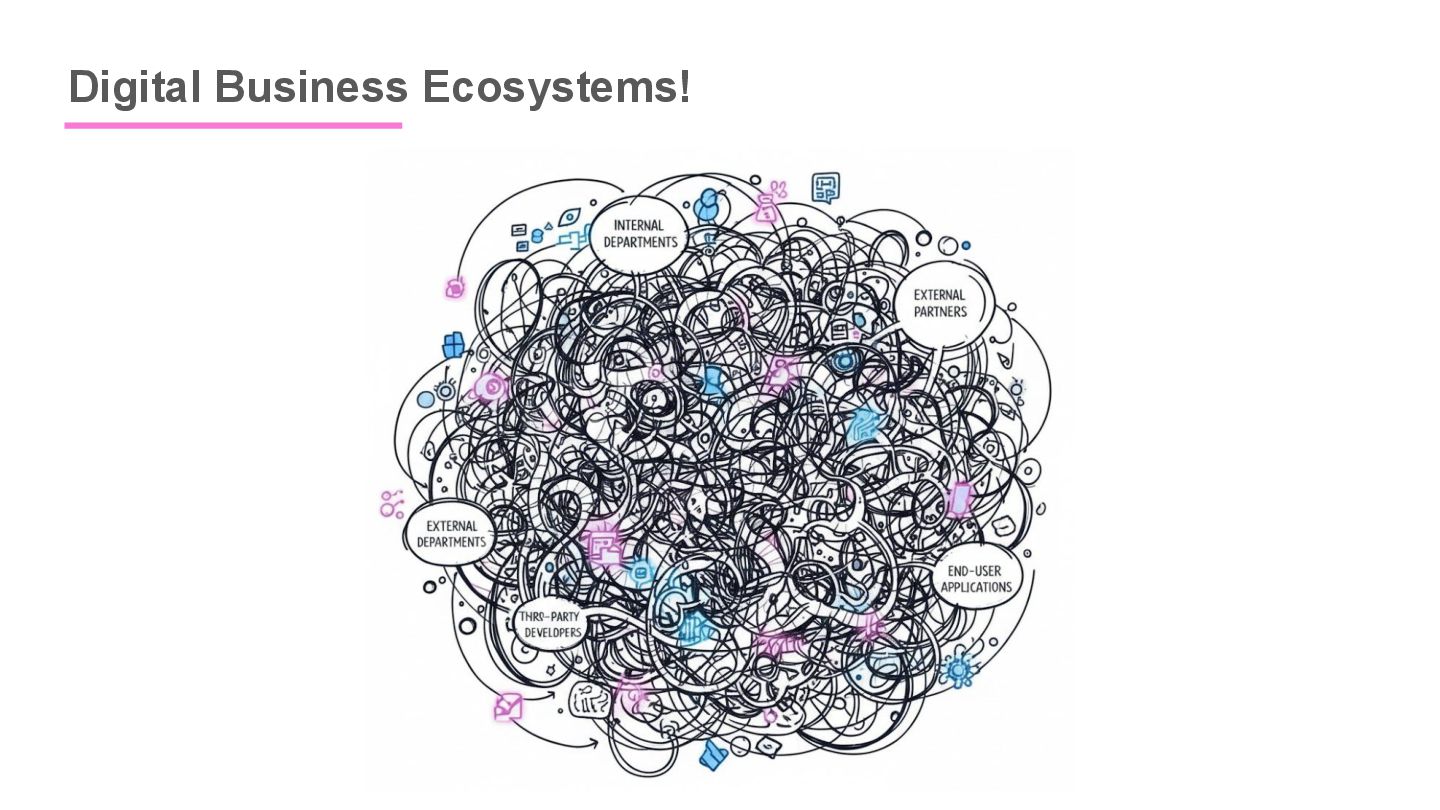
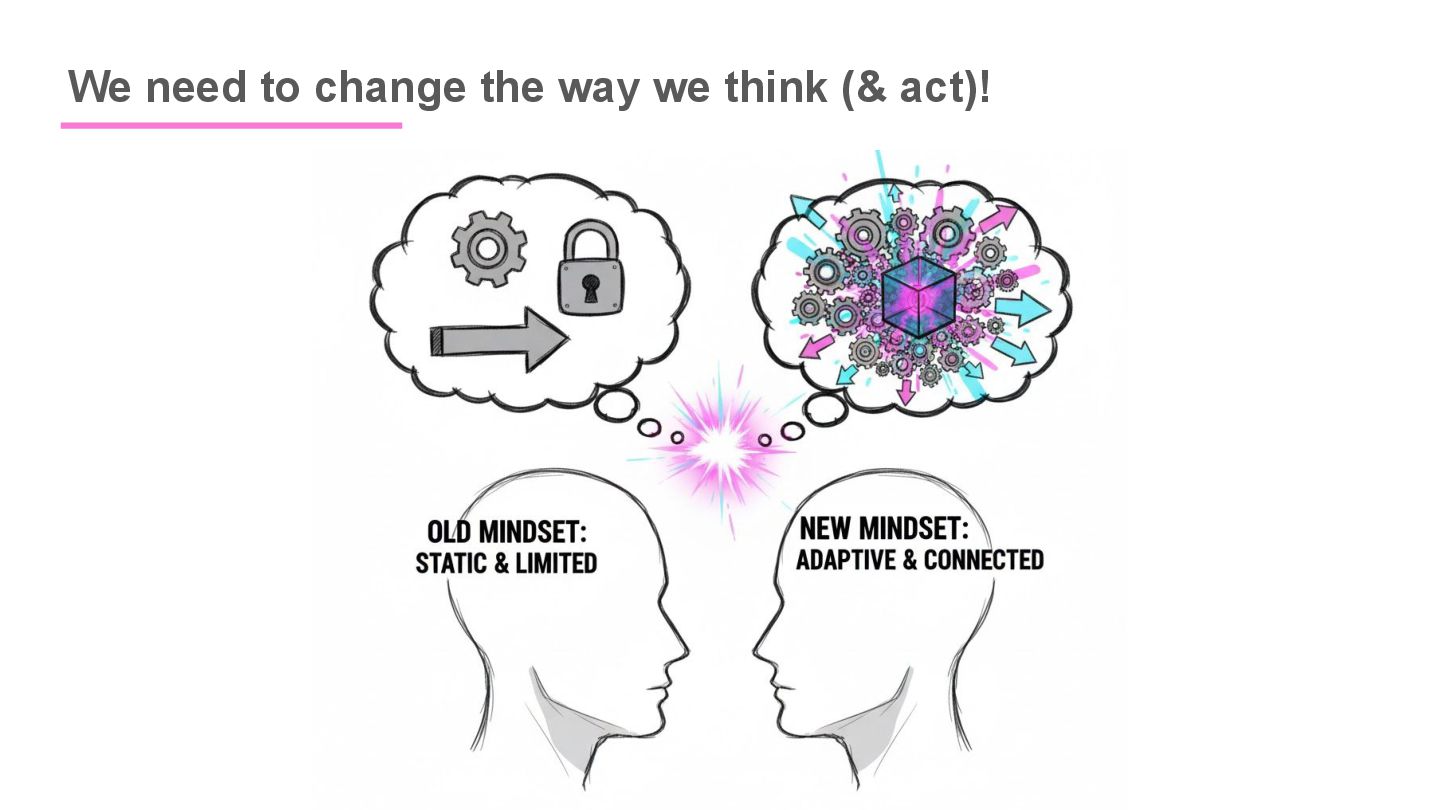
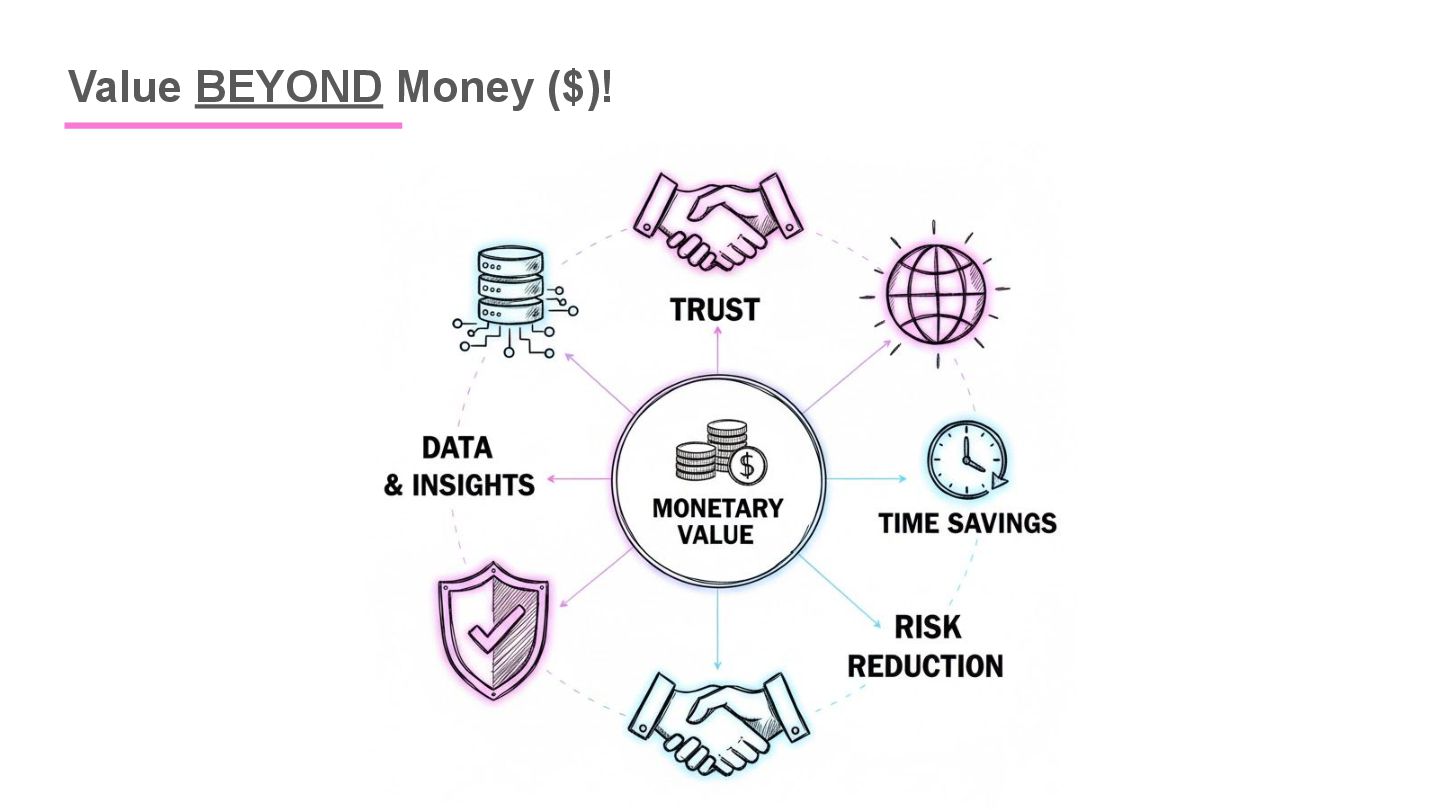
    Old Mindset) To... (The New Mindset) Isolation/Internal/Inward focus External/Outward/Ecosystem thinking Linear Asymmetric multidirectional, multidimensional, multifaceted and dynamic! Silos Systematic Orchestration Company Centric Ecosystem centric Isolated entity Interconnected Network / Ecosystem Internal Focus Broader focus and context - More players and partners etc. Focusing on $ only! Focusing on the Ecosystem and ALL 8 value currencies! Tangible Invisible hidden & intangible flows of value!
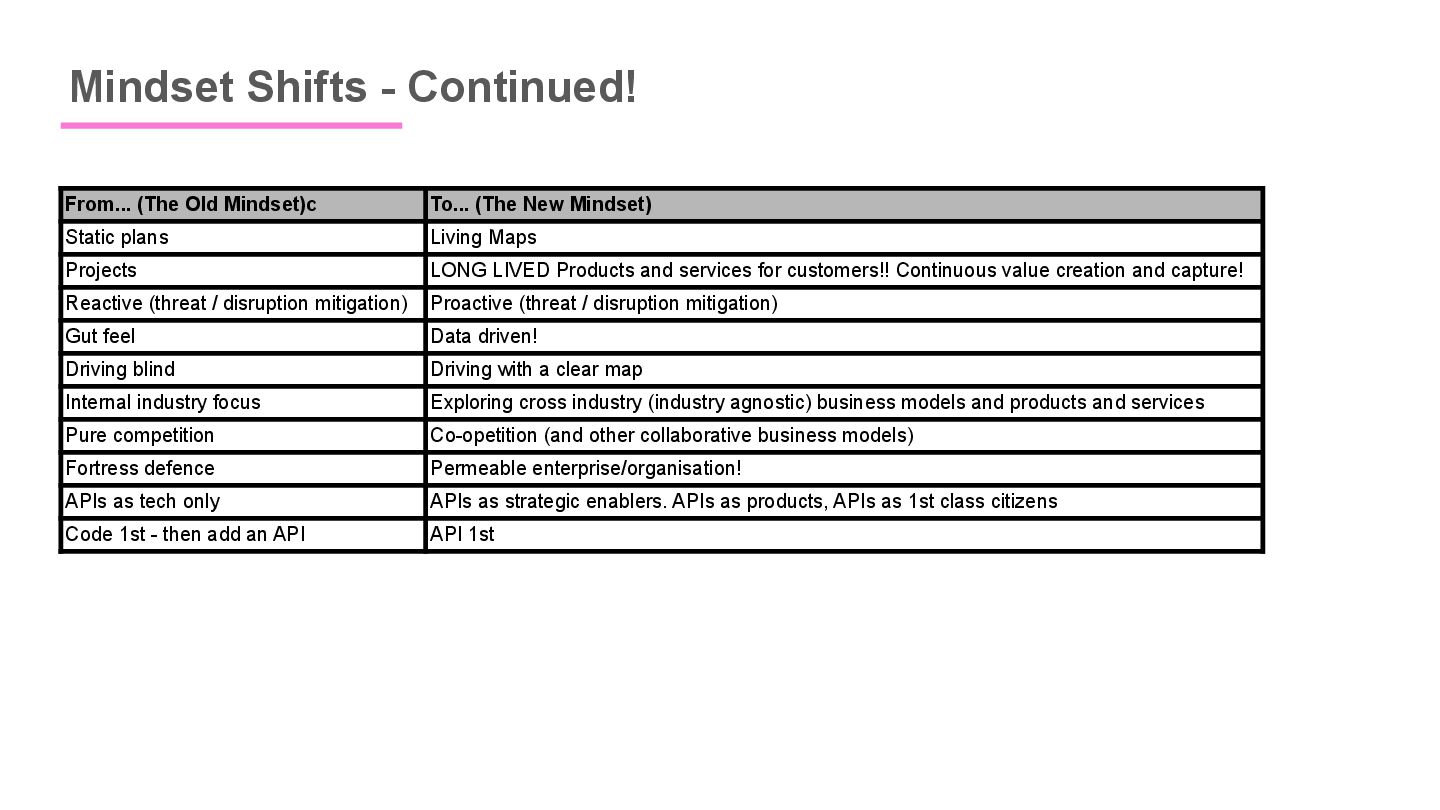
  22. Mindset Shifts - Continued! From... (The Old Mindset)c To... (The

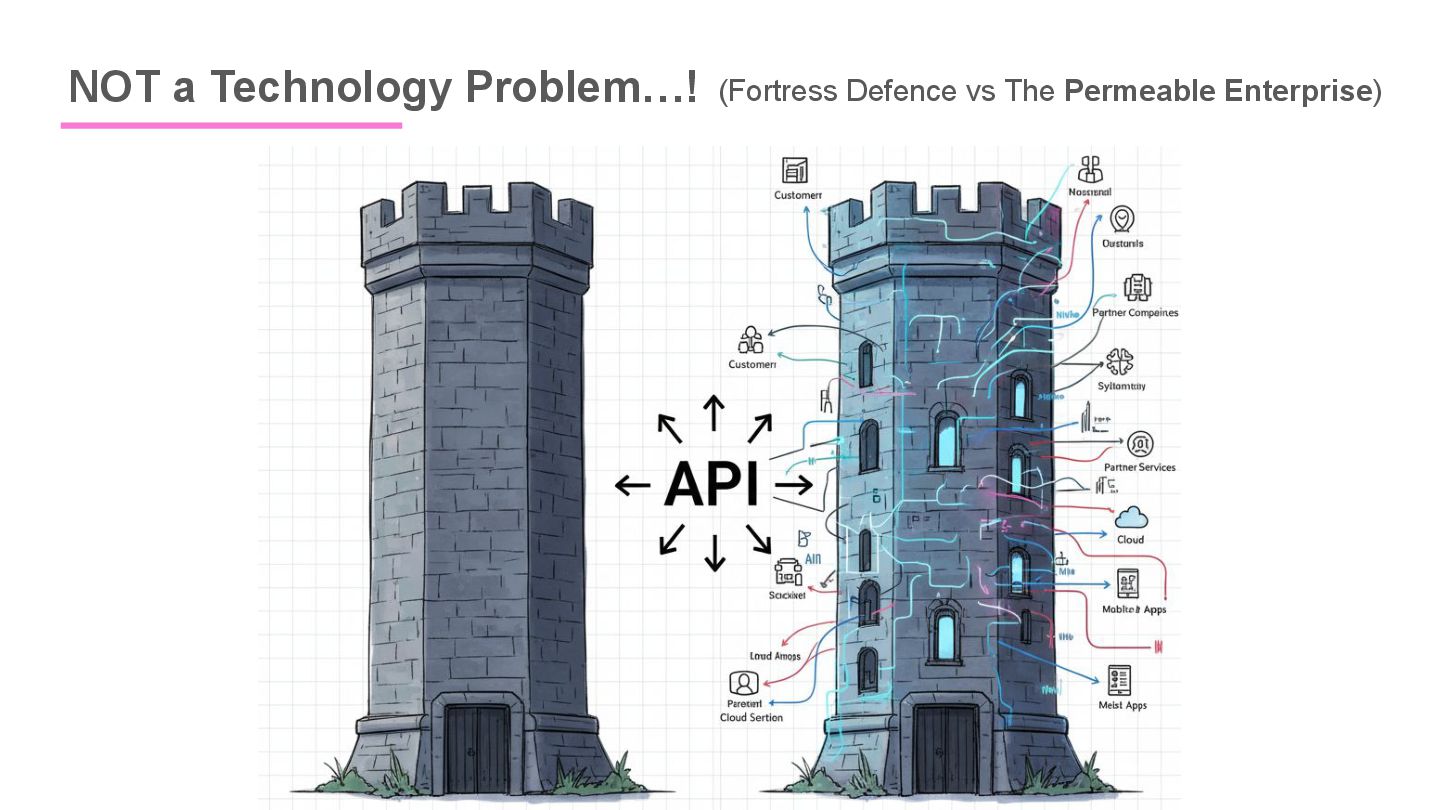
    New Mindset) Static plans Living Maps Projects LONG LIVED Products and services for customers!! Continuous value creation and capture! Reactive (threat / disruption mitigation) Proactive (threat / disruption mitigation) Gut feel Data driven! Driving blind Driving with a clear map Internal industry focus Exploring cross industry (industry agnostic) business models and products and services Pure competition Co-opetition (and other collaborative business models) Fortress defence Permeable enterprise/organisation! APIs as tech only APIs as strategic enablers. APIs as products, APIs as 1st class citizens Code 1st - then add an API API 1st
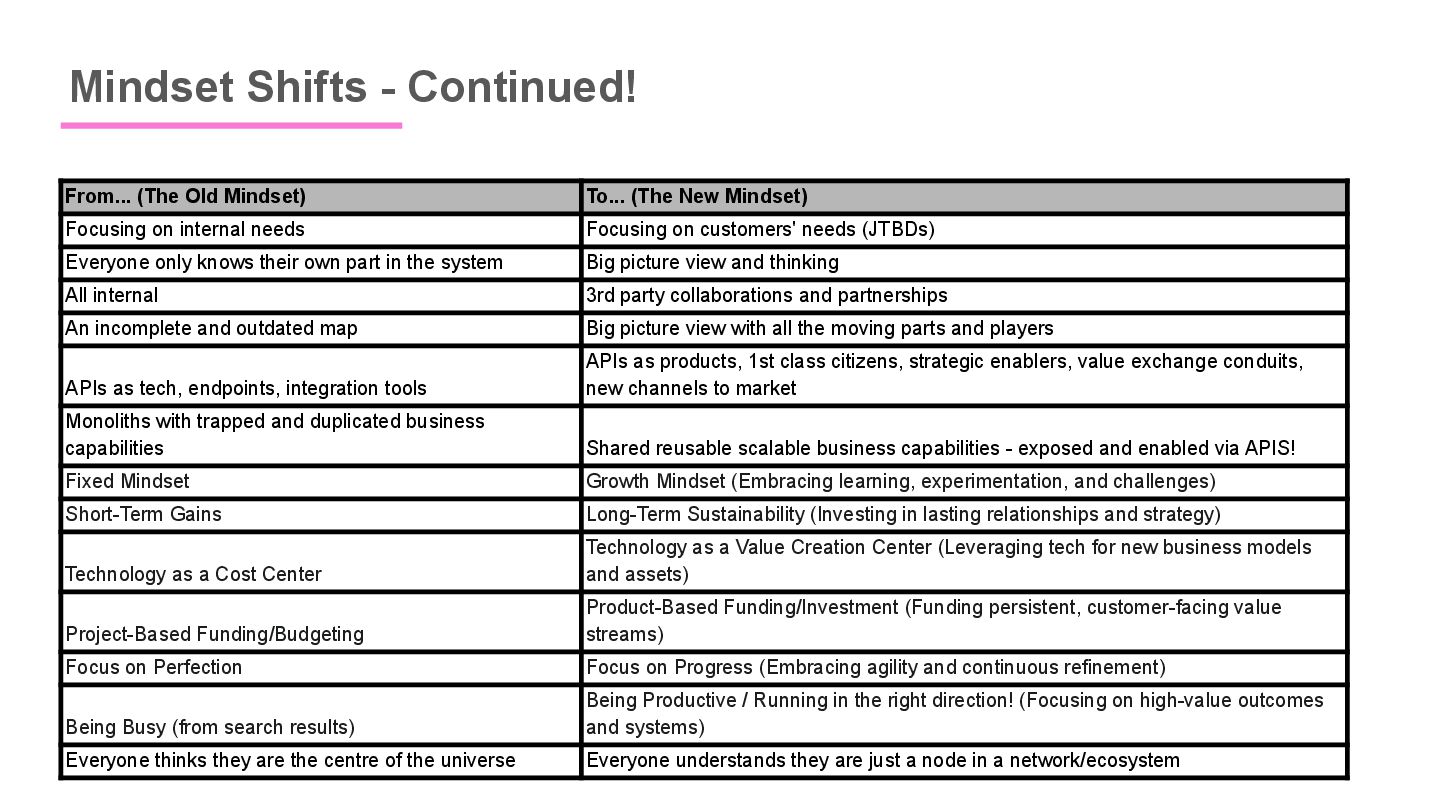
  23. Mindset Shifts - Continued! From... (The Old Mindset) To... (The

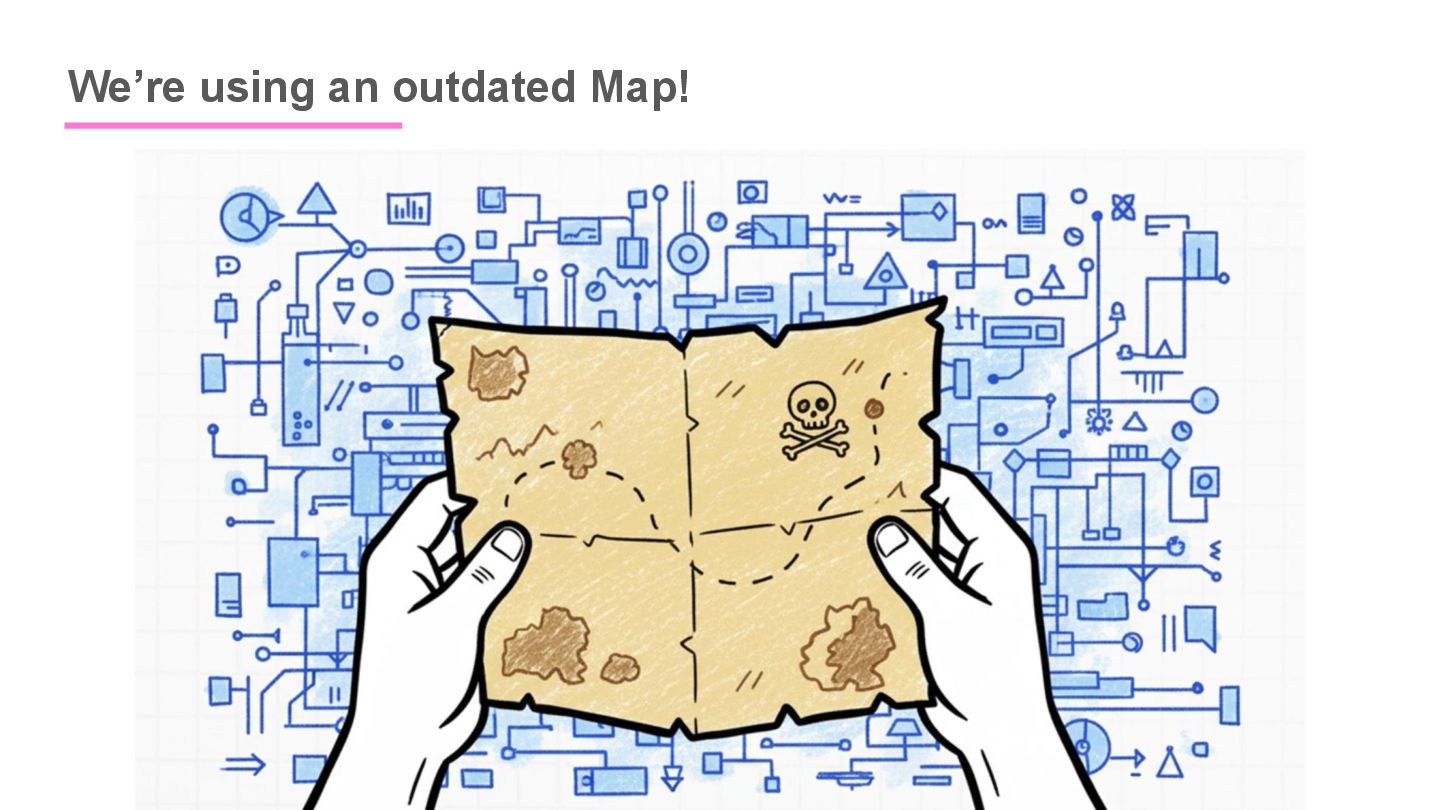
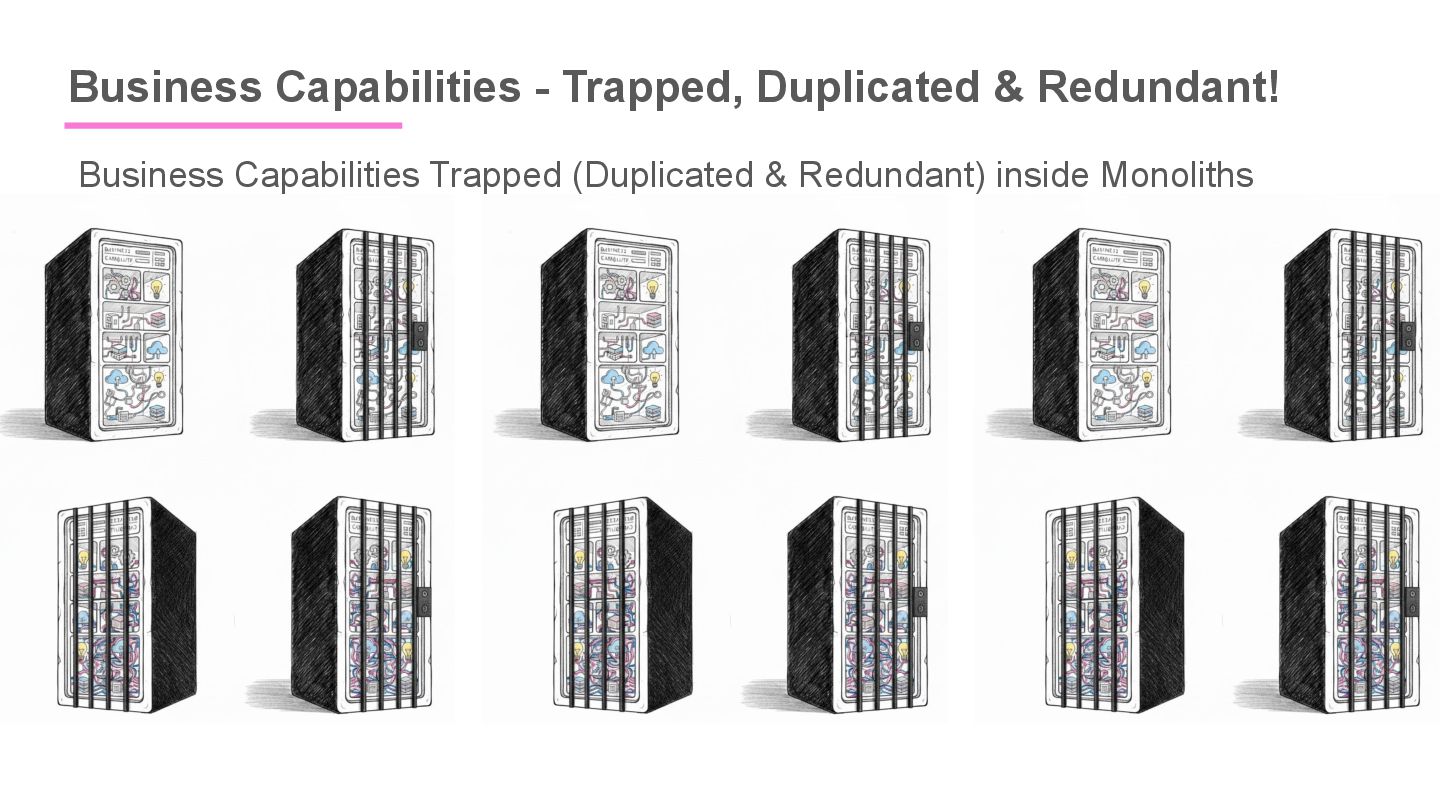
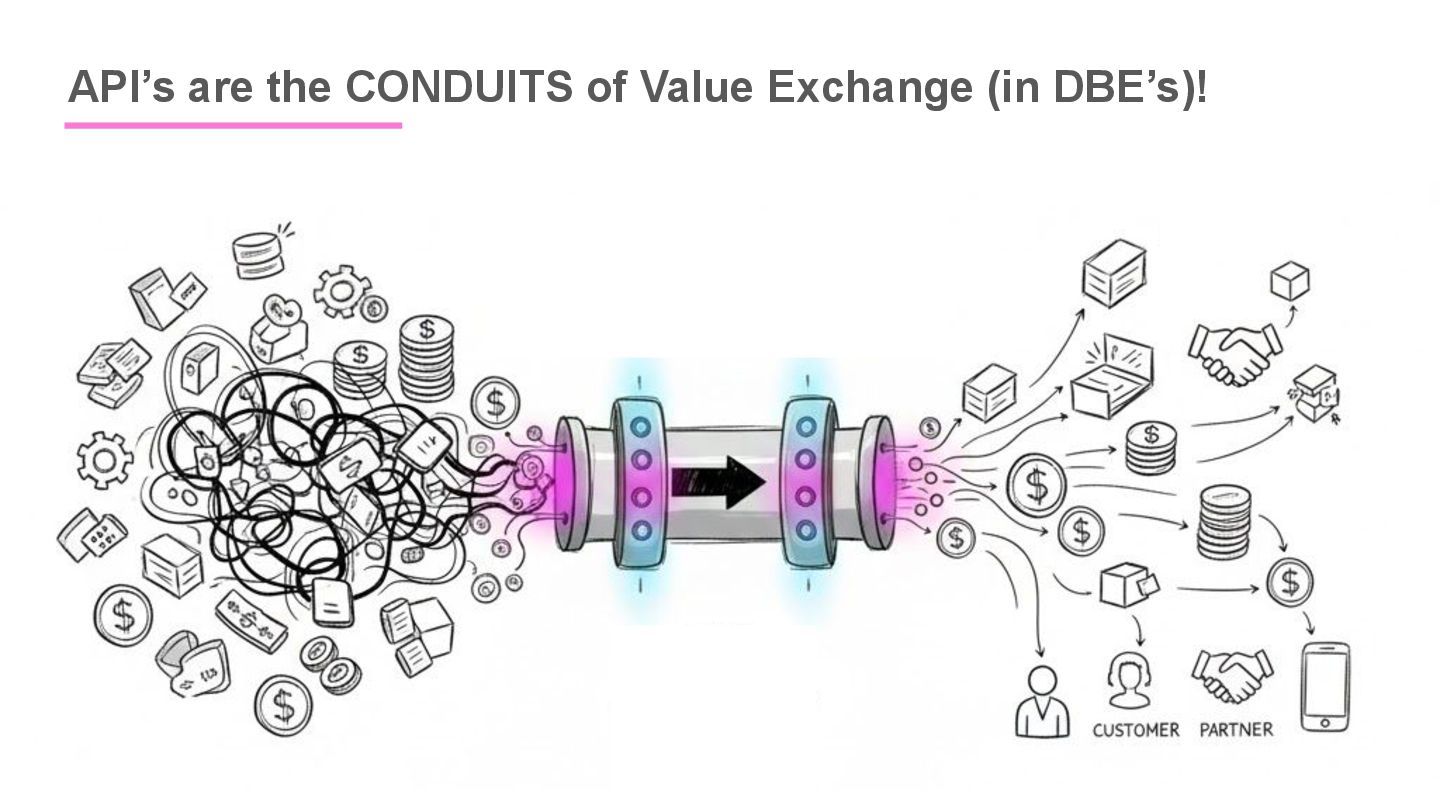
    New Mindset) Focusing on internal needs Focusing on customers' needs (JTBDs) Everyone only knows their own part in the system Big picture view and thinking All internal 3rd party collaborations and partnerships An incomplete and outdated map Big picture view with all the moving parts and players APIs as tech, endpoints, integration tools APIs as products, 1st class citizens, strategic enablers, value exchange conduits, new channels to market Monoliths with trapped and duplicated business capabilities Shared reusable scalable business capabilities - exposed and enabled via APIS! Fixed Mindset Growth Mindset (Embracing learning, experimentation, and challenges) Short-Term Gains Long-Term Sustainability (Investing in lasting relationships and strategy) Technology as a Cost Center Technology as a Value Creation Center (Leveraging tech for new business models and assets) Project-Based Funding/Budgeting Product-Based Funding/Investment (Funding persistent, customer-facing value streams) Focus on Perfection Focus on Progress (Embracing agility and continuous refinement) Being Busy (from search results) Being Productive / Running in the right direction! (Focusing on high-value outcomes and systems) Everyone thinks they are the centre of the universe Everyone understands they are just a node in a network/ecosystem
  24. Ok... Now we understand How Value Flows and what value

    IS. Let's take a look at what value DOES!
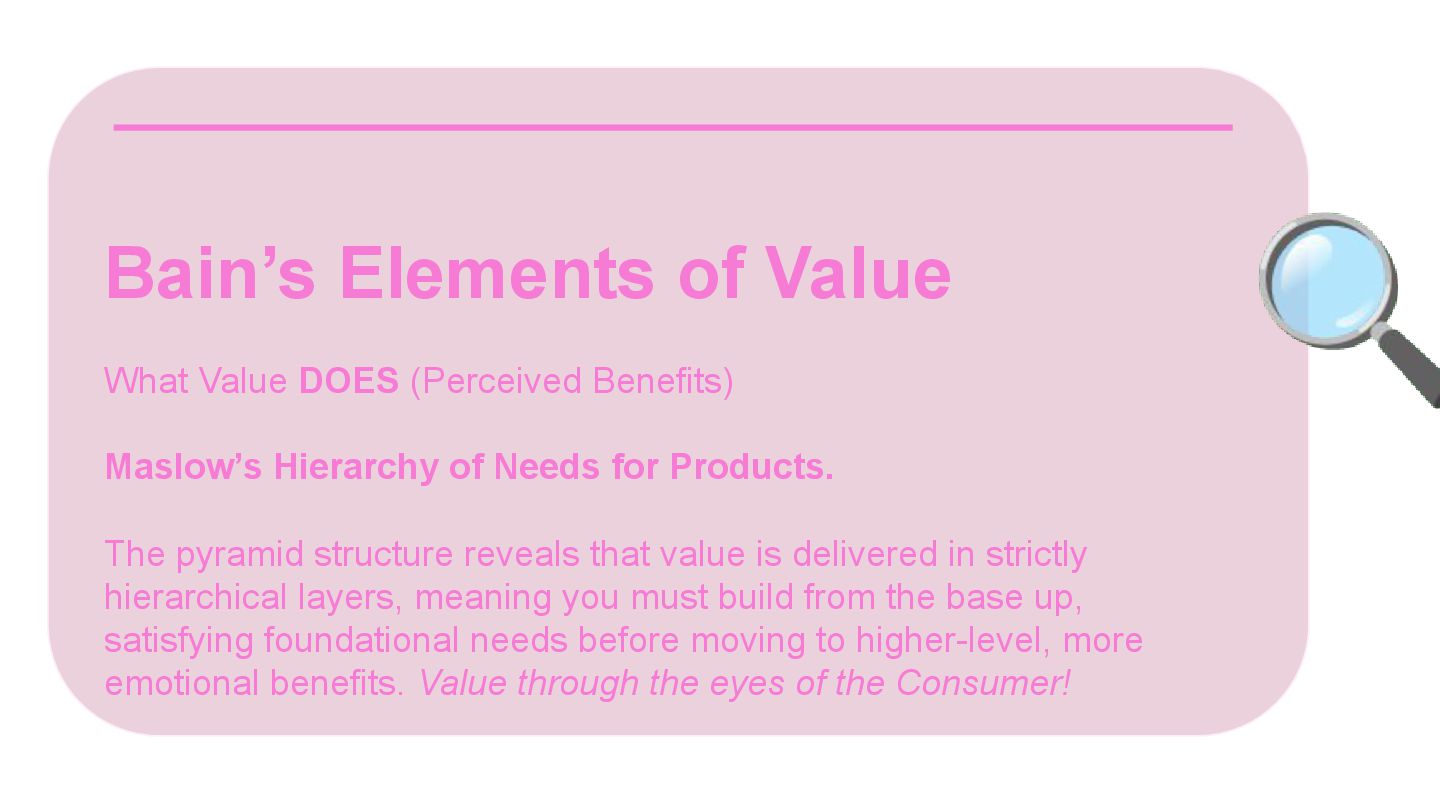
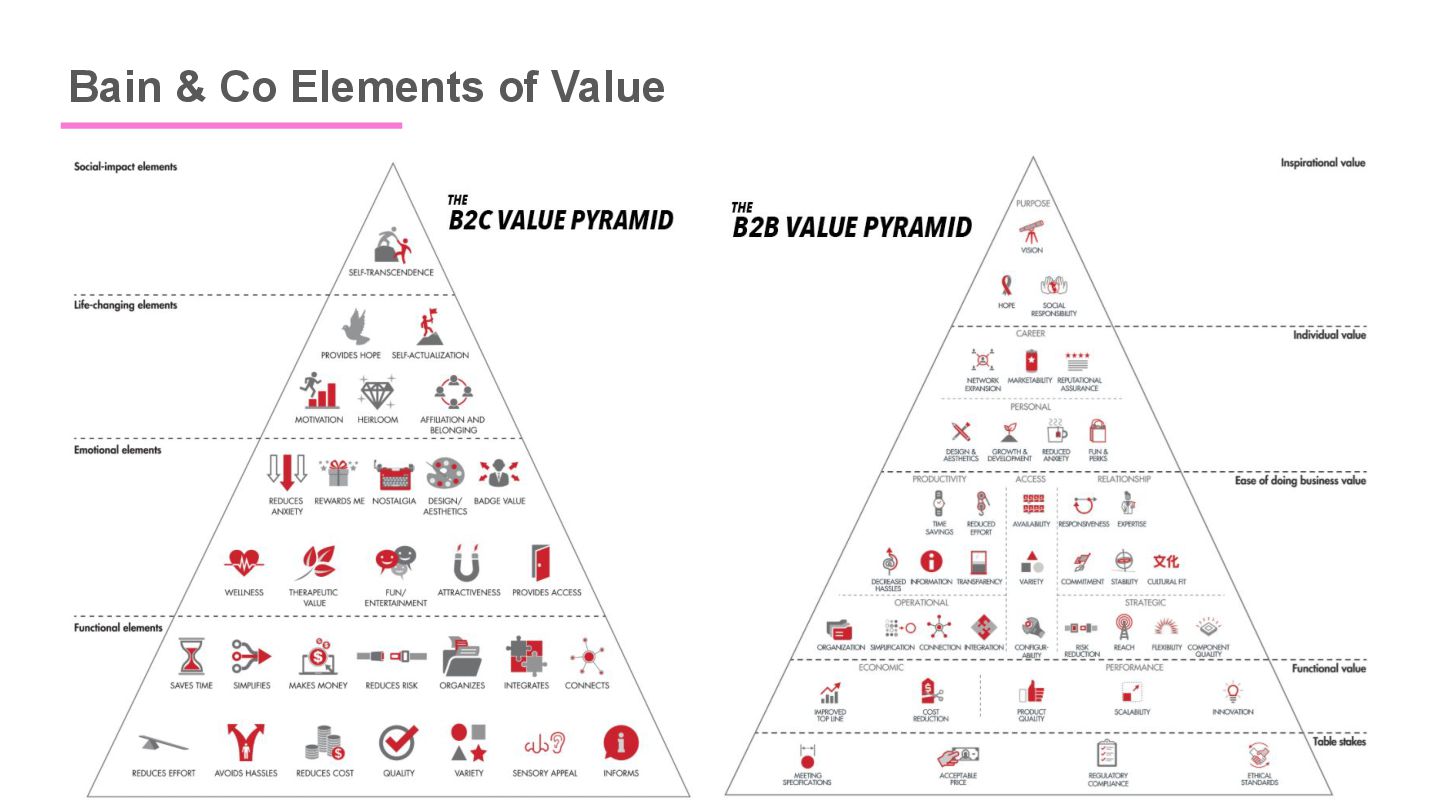
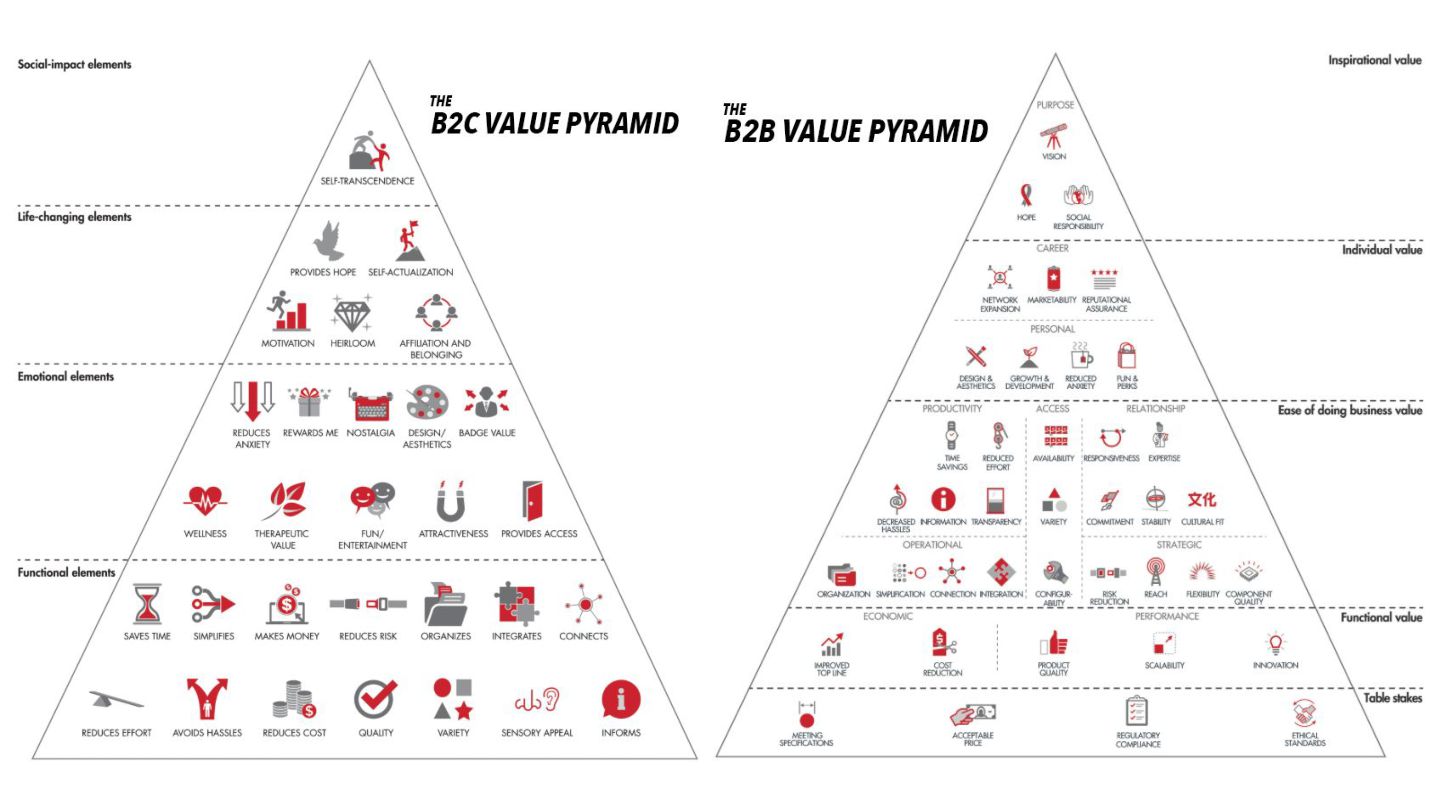
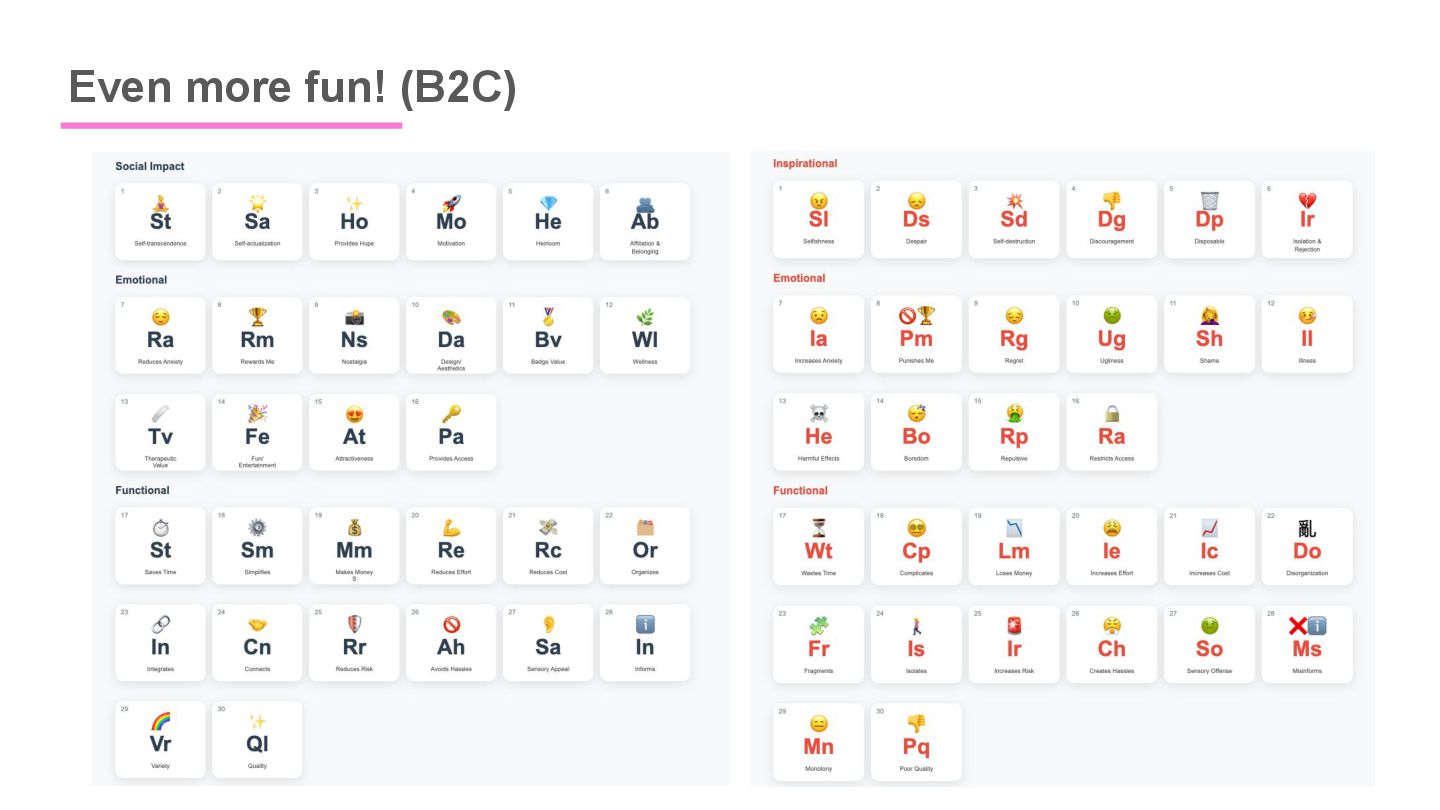
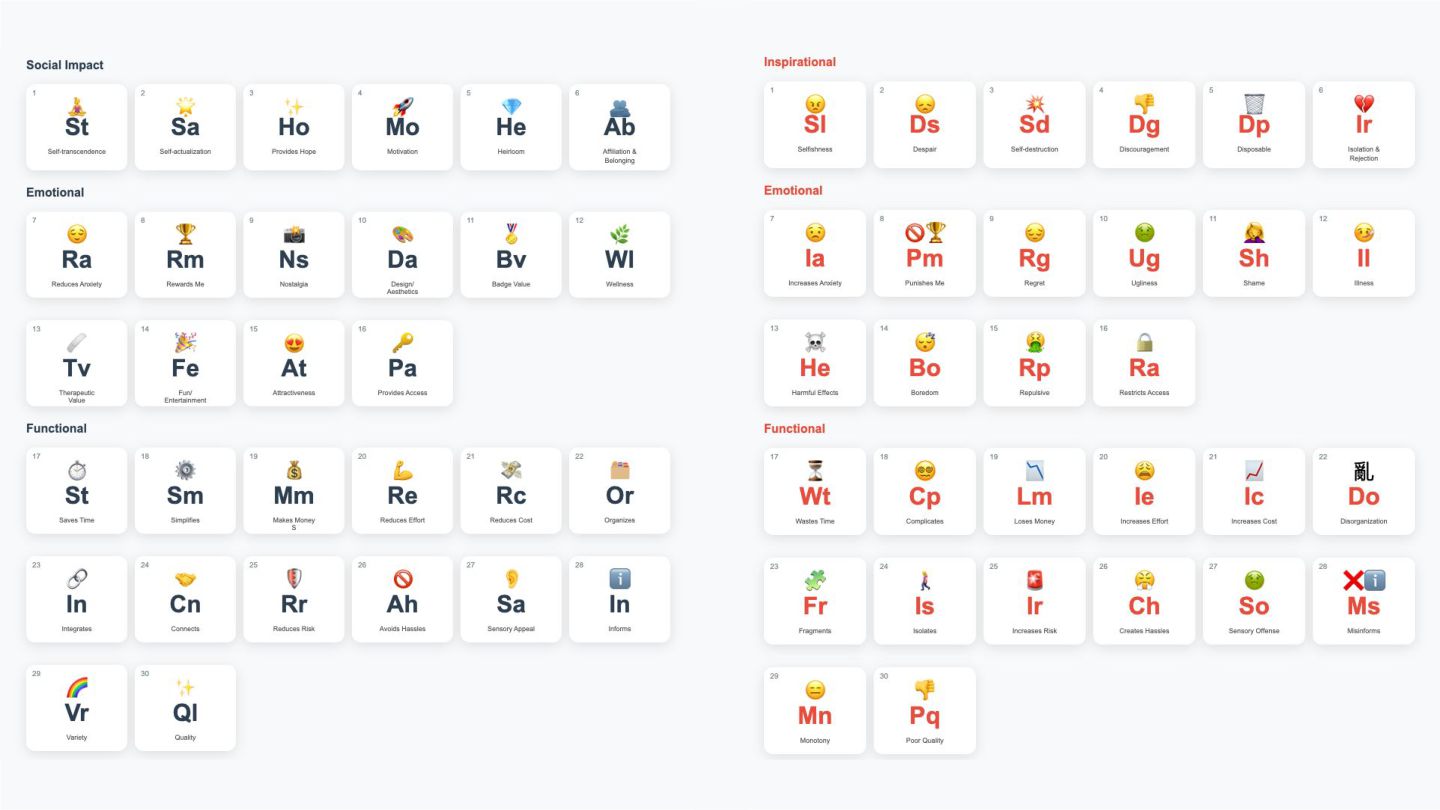
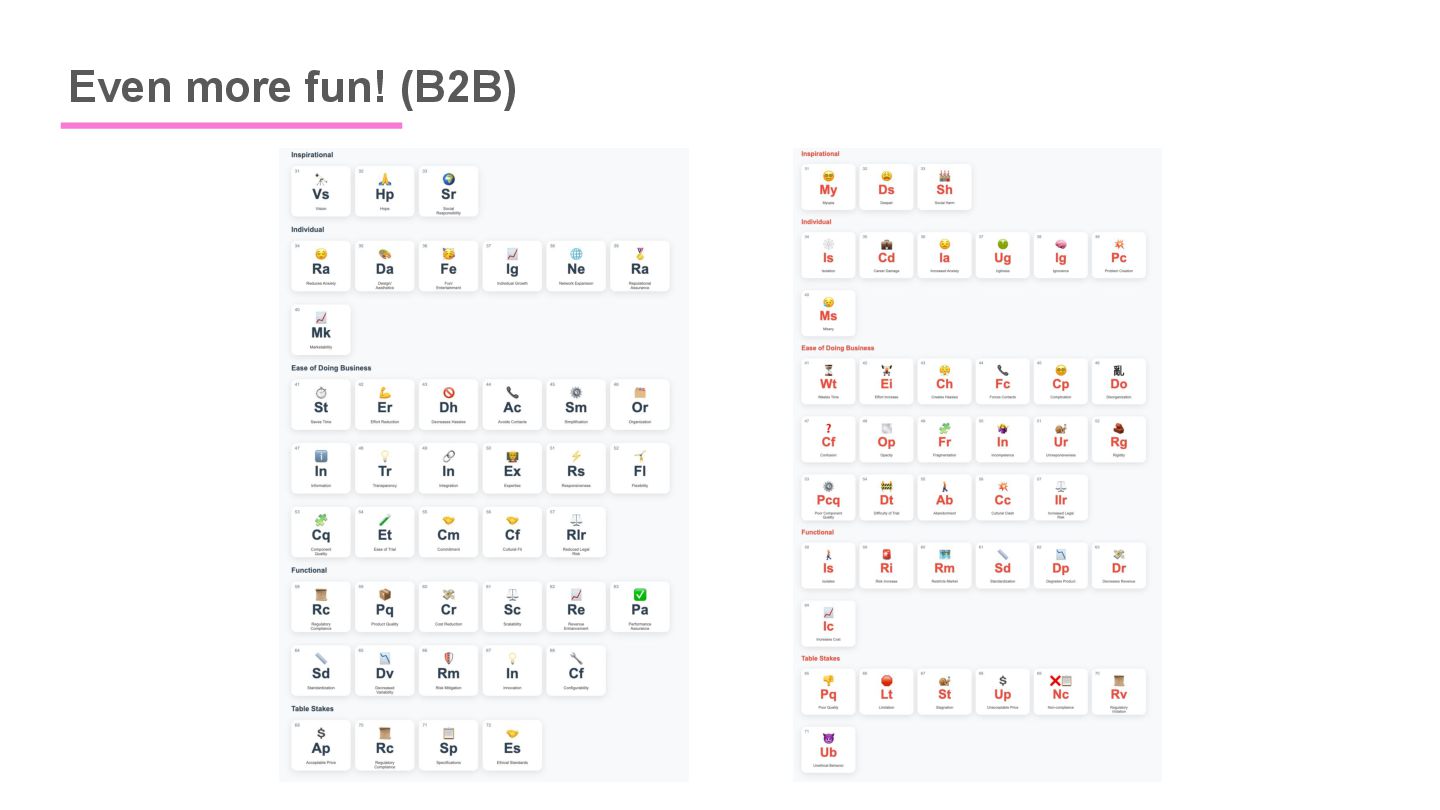
  25. 🔍 Bain’s Elements of Value What Value DOES (Perceived Benefits)

    Maslow’s Hierarchy of Needs for Products. The pyramid structure reveals that value is delivered in strictly hierarchical layers, meaning you must build from the base up, satisfying foundational needs before moving to higher-level, more emotional benefits. Value through the eyes of the Consumer!
  26. Same as before!!! (MORE Fun)!!! 🤔 How Might We (HMW)

    ___? 🤯 What If___? 🎯 What Would It Take To___? 🕳 What would happen if ___ was missing from the ecosystem? 🚫 How Can We Break___? ⚖ What's The Simplest/Smallest Thing We Can Do To___? 🤝 Whose Problem Is This Really? 🔮 If We Had To Launch This Idea In 24 Hours, What Would We Do? 🚀 How Can We Use ___ To Amplify ___? 💖 How Can We Create A Moment Of___for___? 💡 What Can We Learn From___?
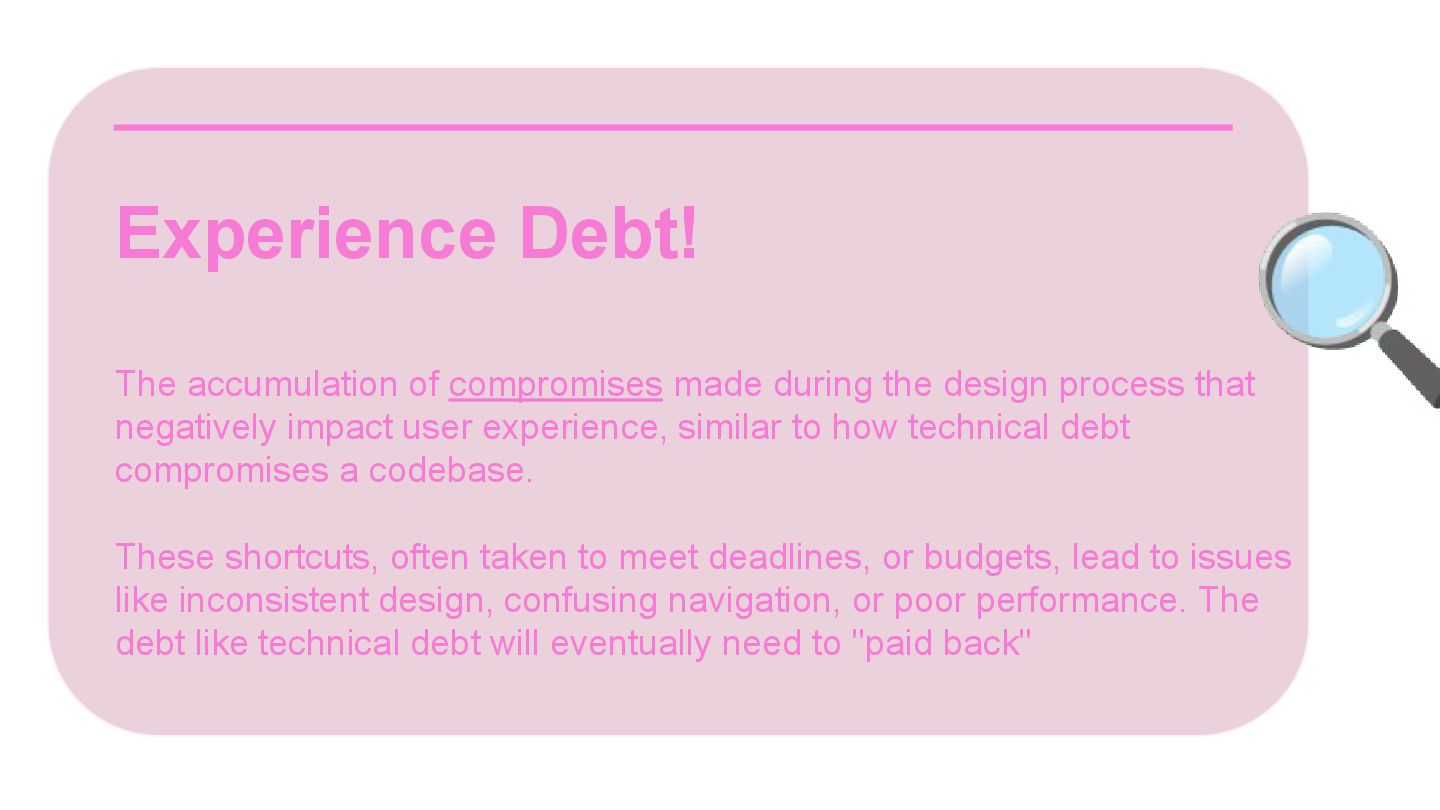
  27. 🔍 Experience Debt! The accumulation of compromises made during the

    design process that negatively impact user experience, similar to how technical debt compromises a codebase. These shortcuts, often taken to meet deadlines, or budgets, lead to issues like inconsistent design, confusing navigation, or poor performance. The debt like technical debt will eventually need to "paid back"
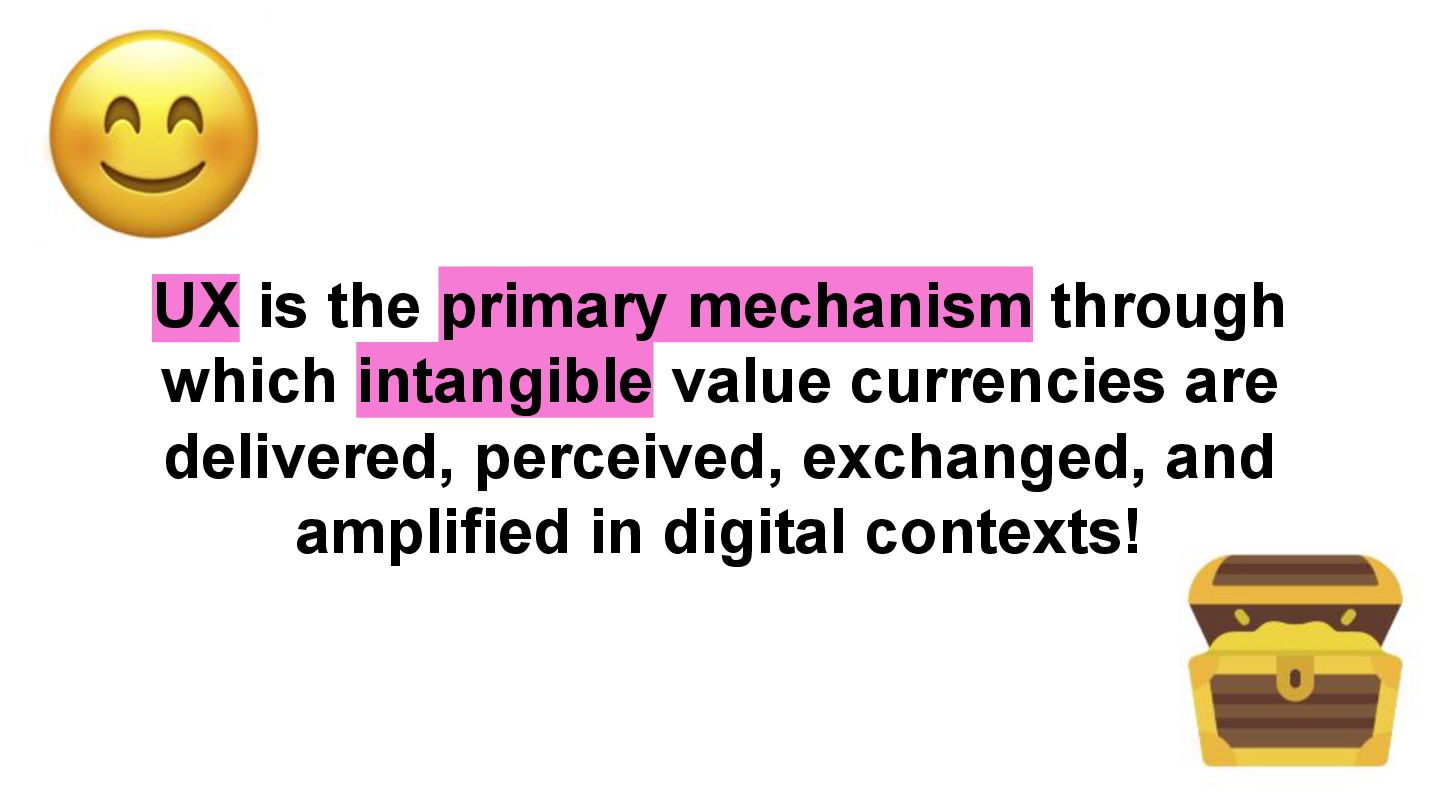
  28. UX is the primary mechanism through which intangible value currencies

    are delivered, perceived, exchanged, and amplified in digital contexts!
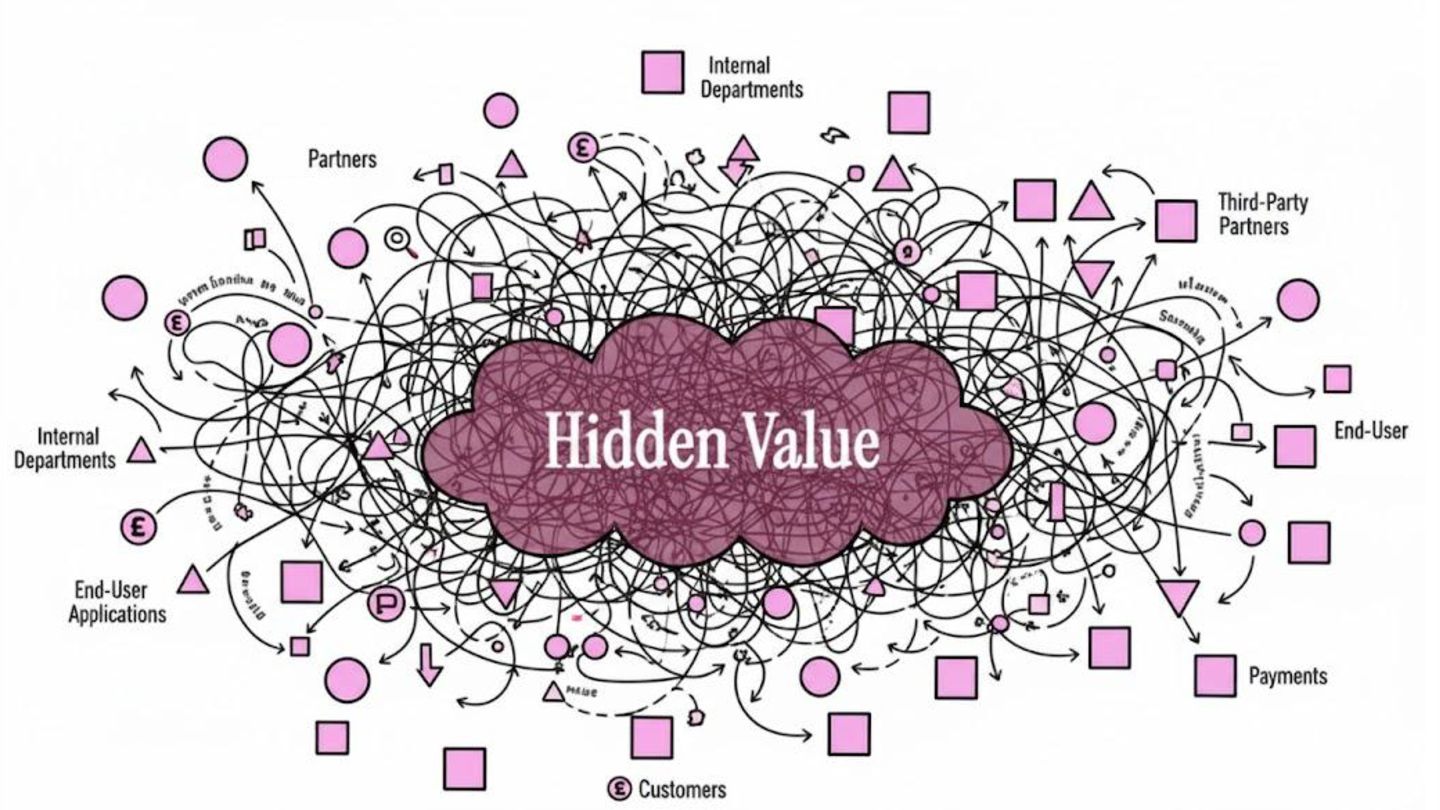
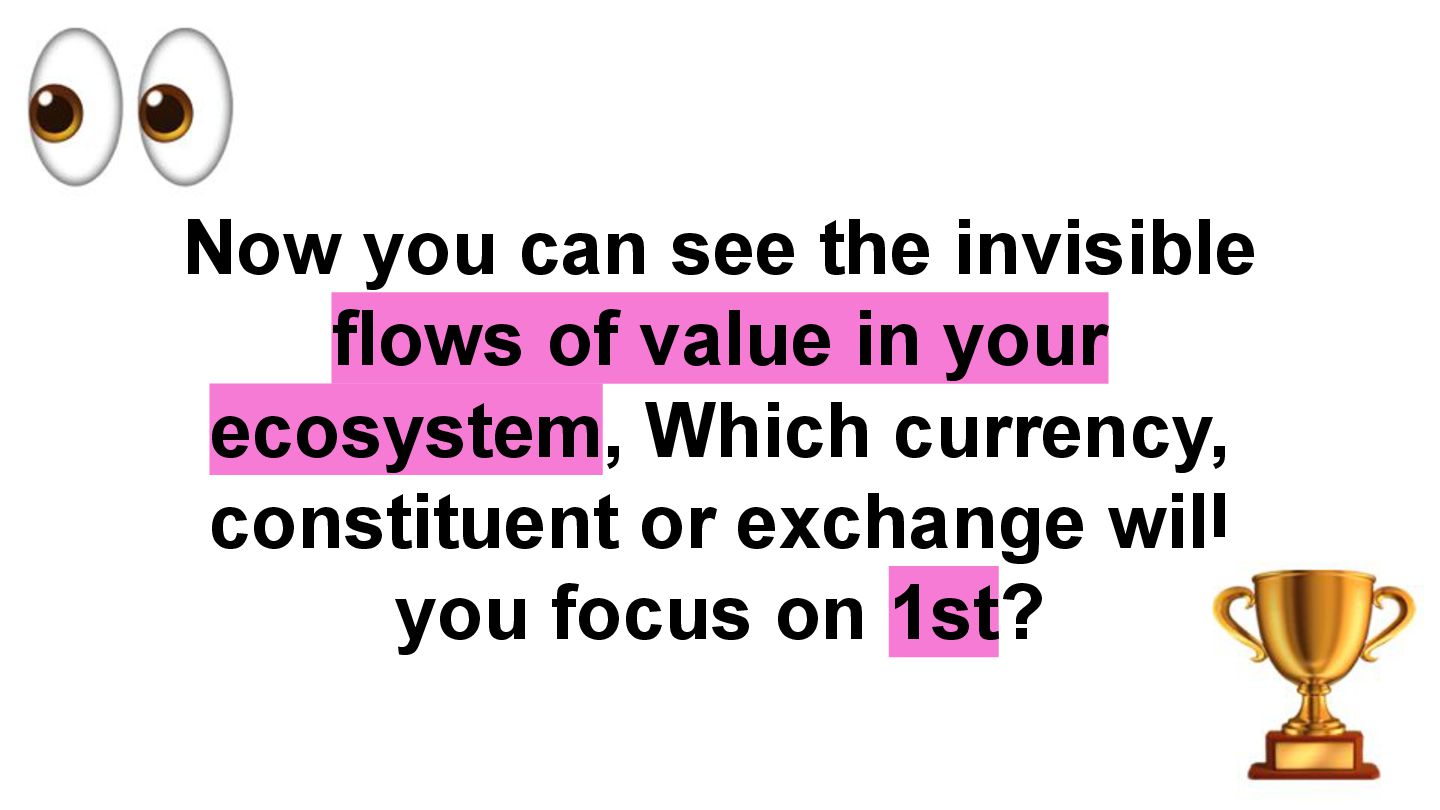
  29. Now you can see the invisible flows of value in

    your ecosystem, Which currency, constituent or exchange will you focus on 1st?
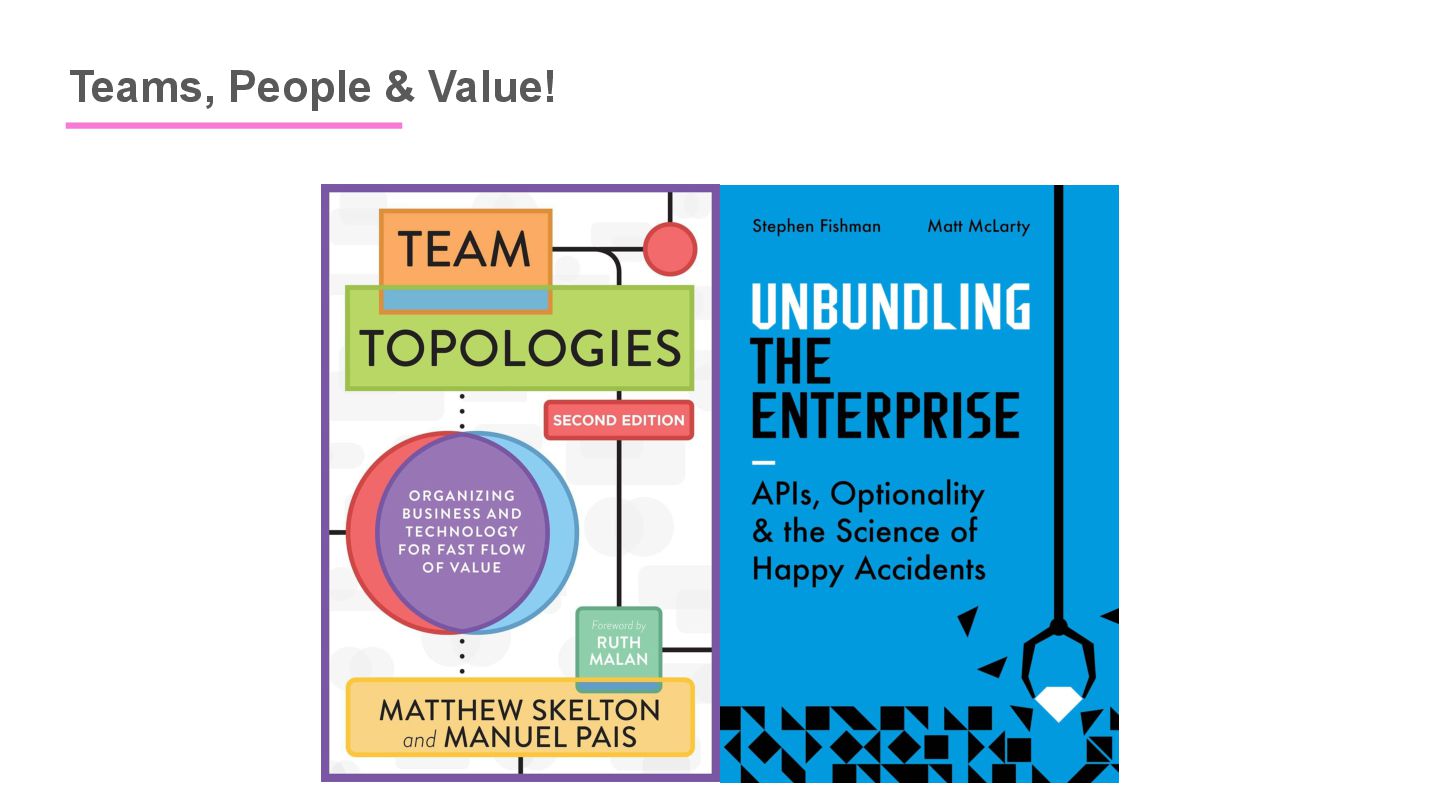
  30. Thank You!!! • For Listening! • API DAYS Melbourne! •

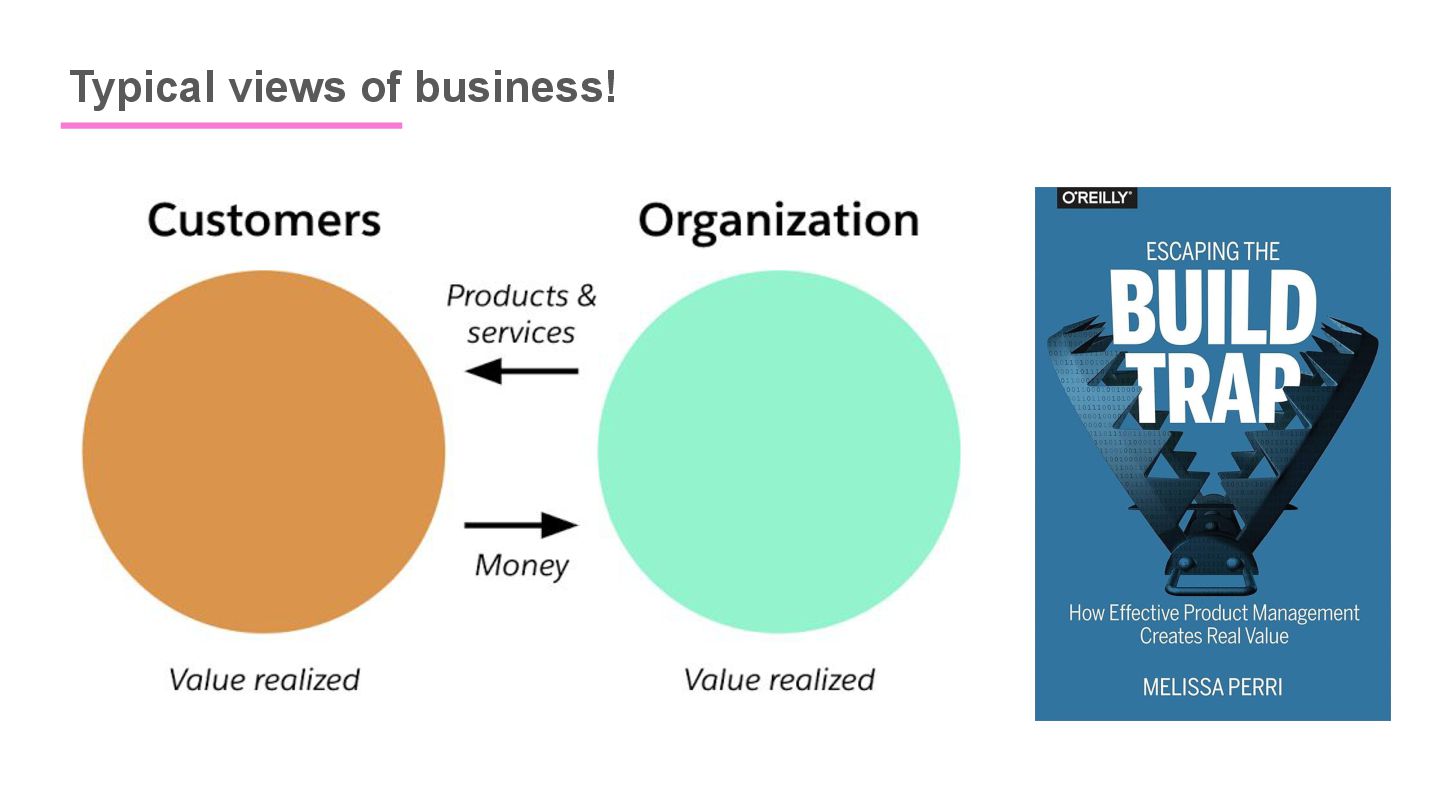
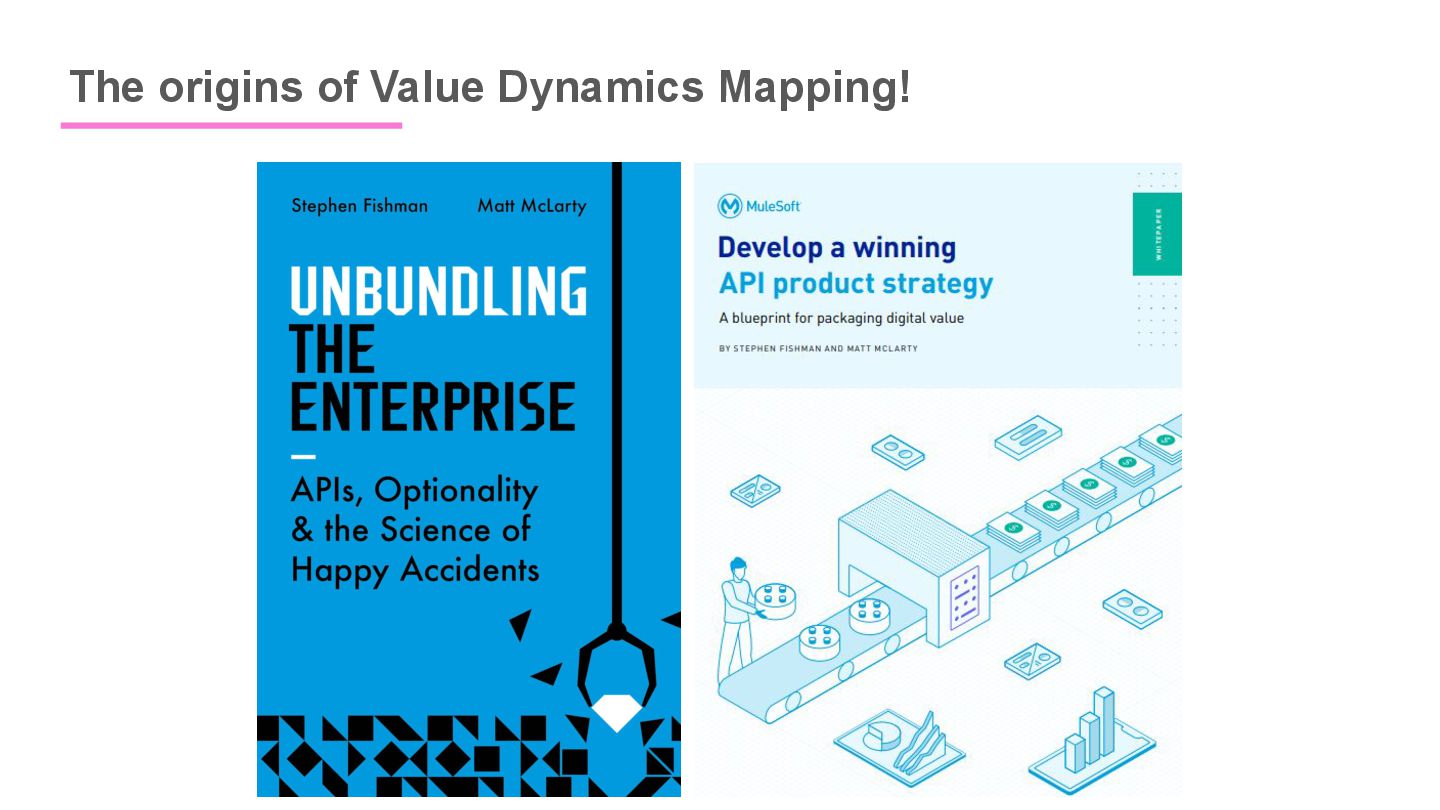
    Team Topologies - Matthew Skelton & Manual Pais. • Unbundling the Enterprise - Stephen Fishman & Matt Mclarty. • The Value Engineers (e3 Value) - Dr. Jaap Gordijn & Dr. Roel Wieringa. • The Build Trap - Melissa Perri. • Mulesoft (Winning API Strategy white-paper). • Bain and Company - Elements of Value framework. • Gemini - Nano bananas.