Upgrade to Pro — share decks privately, control downloads, hide ads and more …

Finding your garbage

Dmitry Buzdin
February 01, 2017

Finding your garbage

CMS and G1 garbage collection algorithms walkthrough

Dmitry Buzdin

February 01, 2017

Transcript

49 slides
  1. Summary • Intro to JVM Memory Areas • Intro to

    GC principles • Introducing CMS and G1 • Configuration possibilities • Measuring GC
  2. Memory Management • In languages like C++ you have to

    free memory • JVM cleans garbage after you • It does not mean that you can do whatever you want
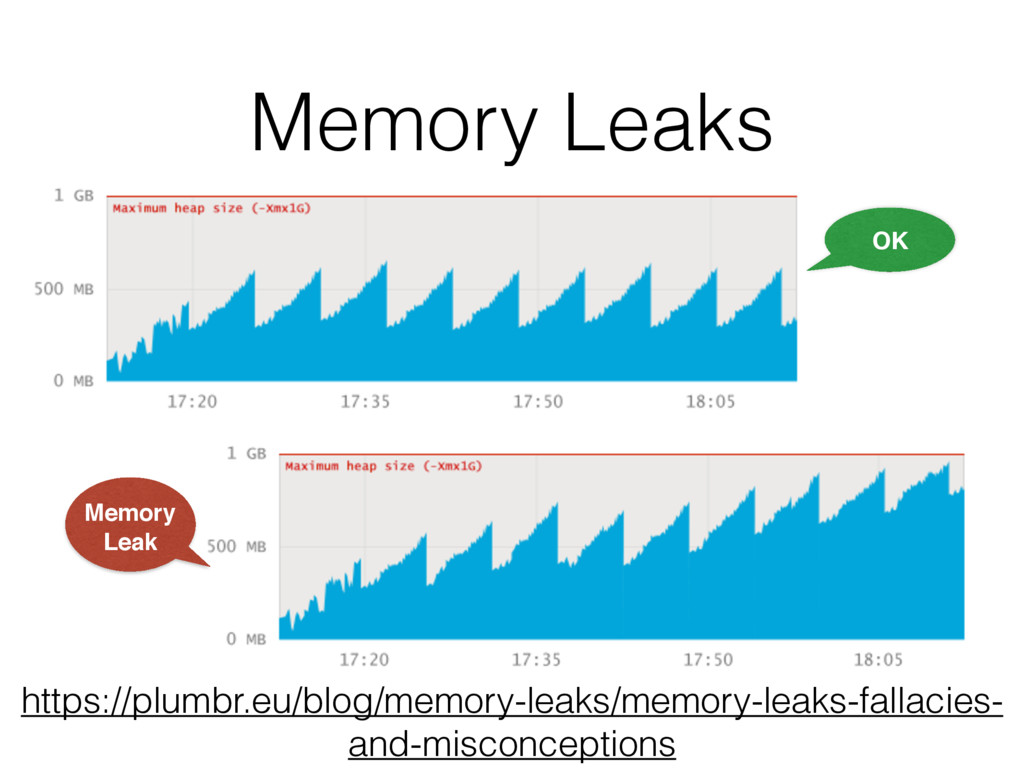
  3. Common Memory Problems • Memory Leaks • “Stop the world”

    pauses • High CPU consumption by GC • Memory fragmentation
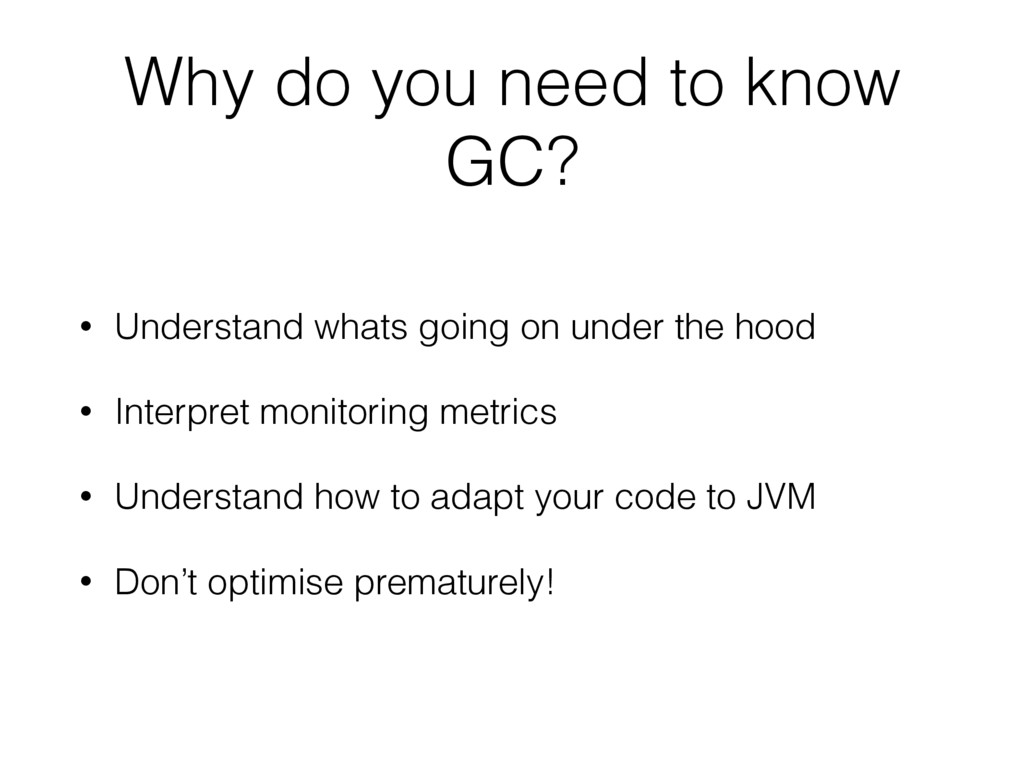
  4. Why do you need to know GC? • Understand whats

    going on under the hood • Interpret monitoring metrics • Understand how to adapt your code to JVM • Don’t optimise prematurely!
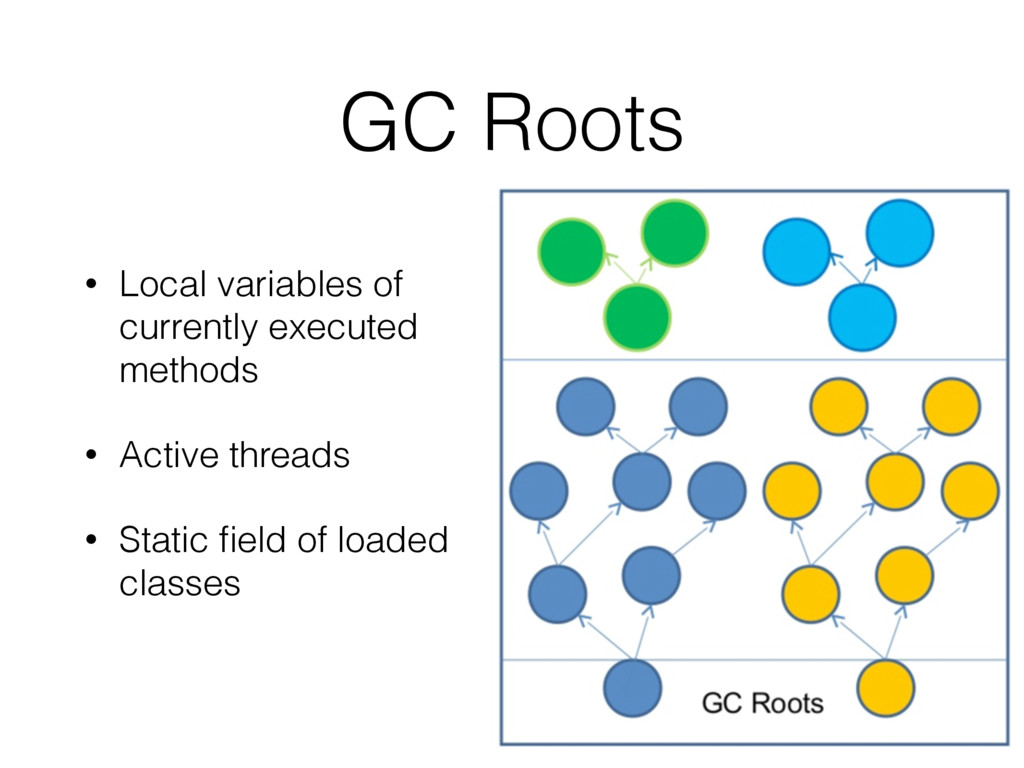
  5. GC Roots • Local variables of currently executed methods •

    Active threads • Static field of loaded classes
  6. Ideal GC Algorithm • Predictable pauses • Low latency •

    Supports large heaps • Not CPU intensive • Uses memory efficiently
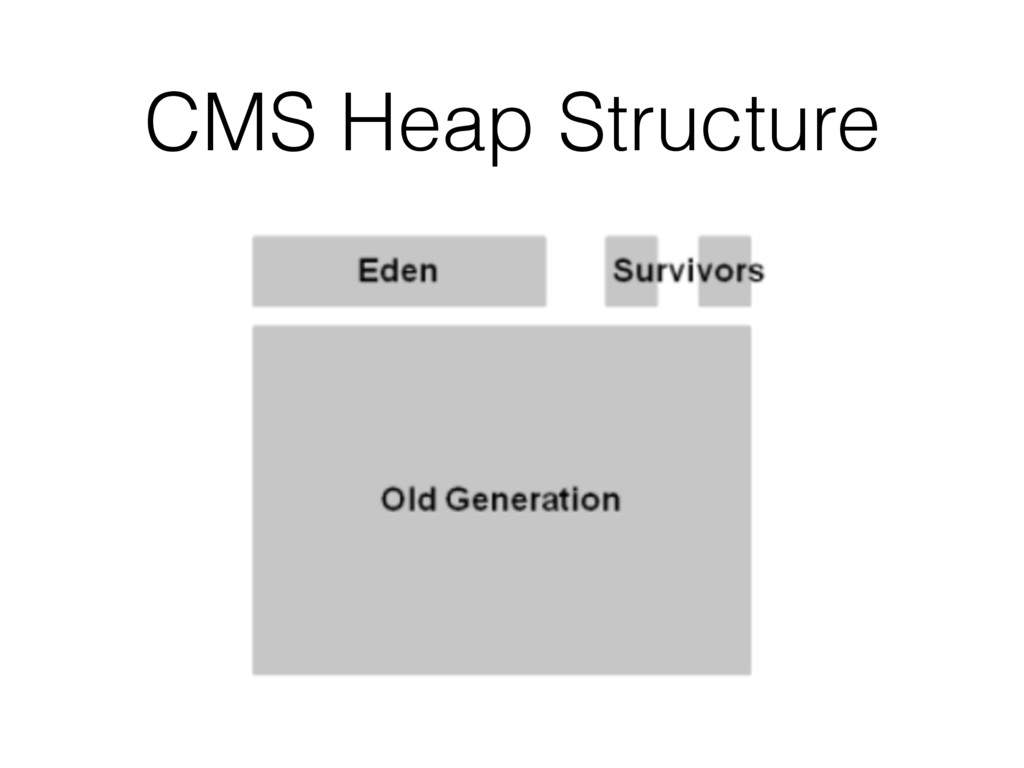
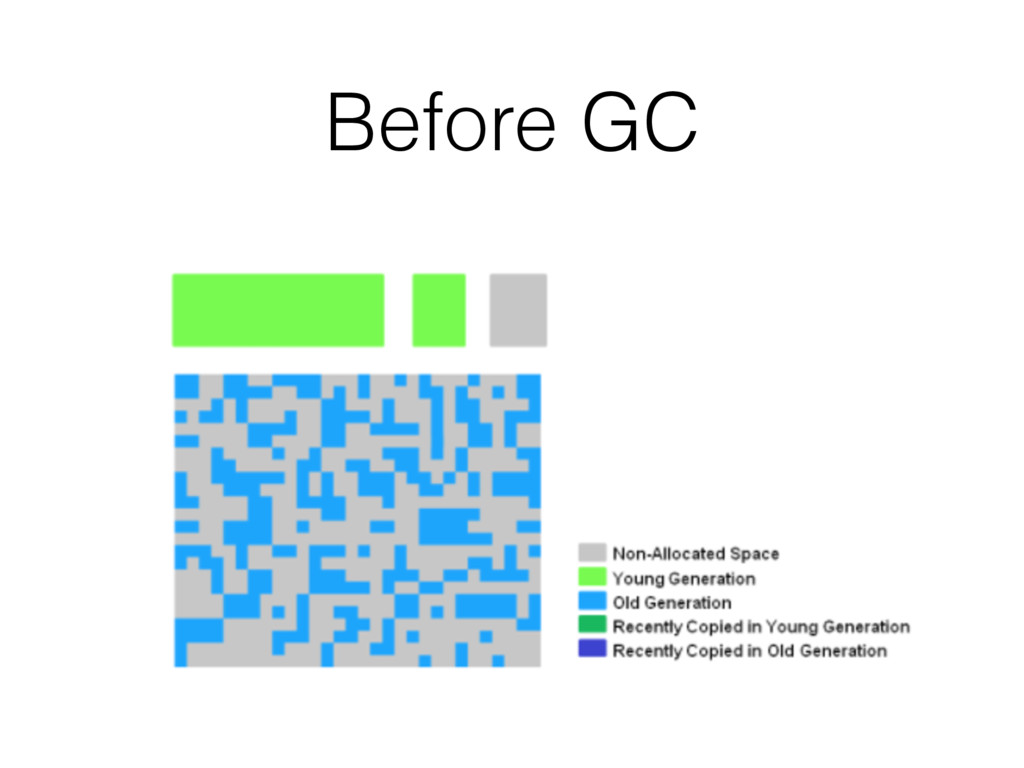
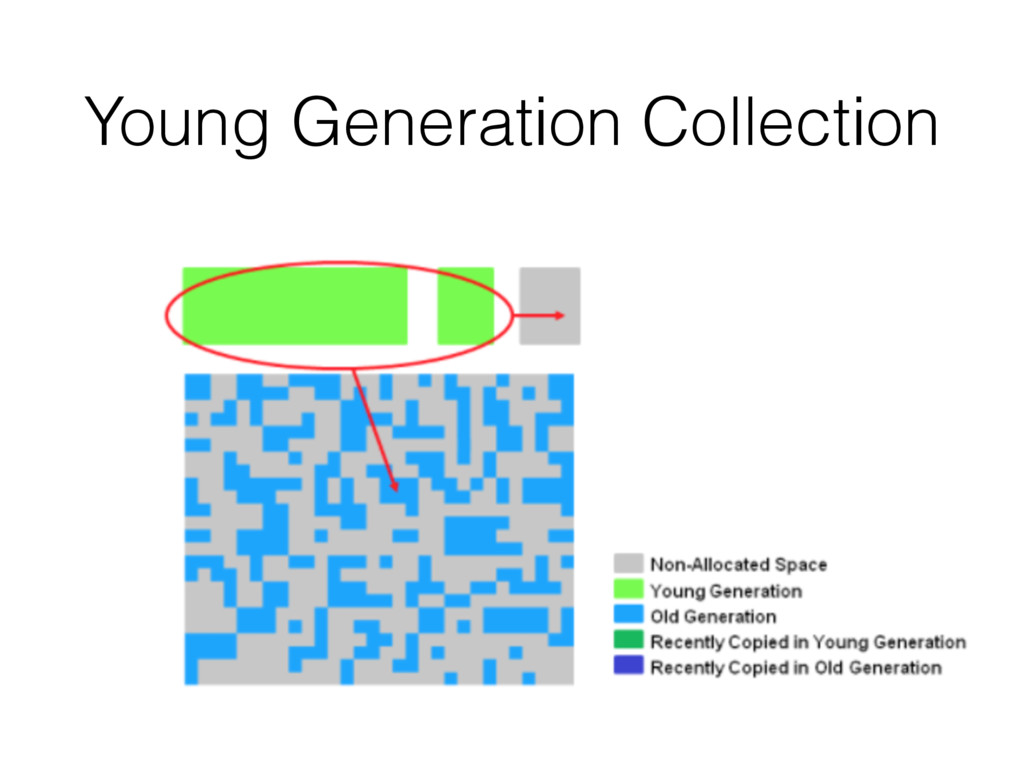
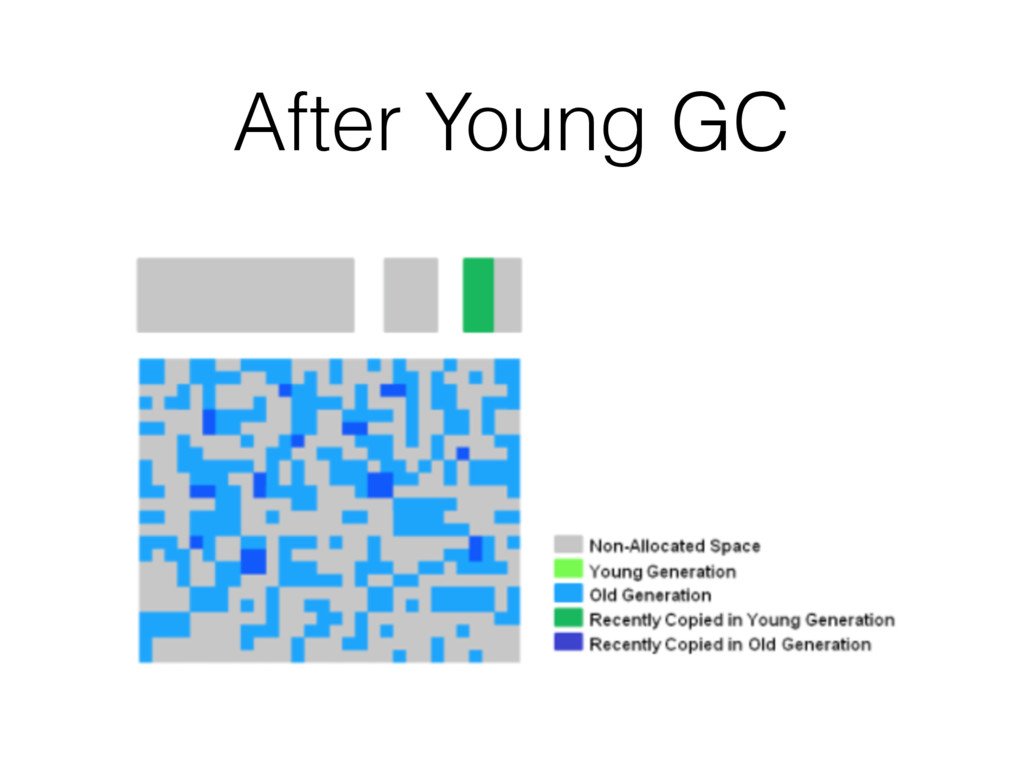
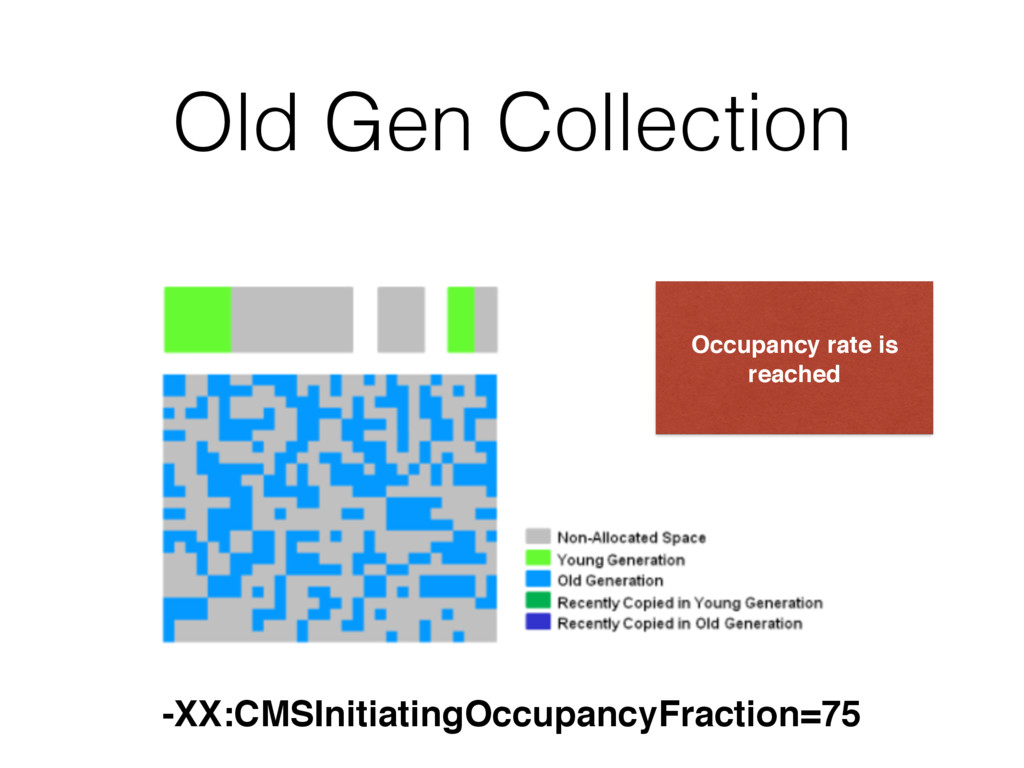
  7. CMS Algorithm • Mostly Concurrent mark and sweep • Designed

    to avoid long pauses -XX:+UseConcMarkSweepGC
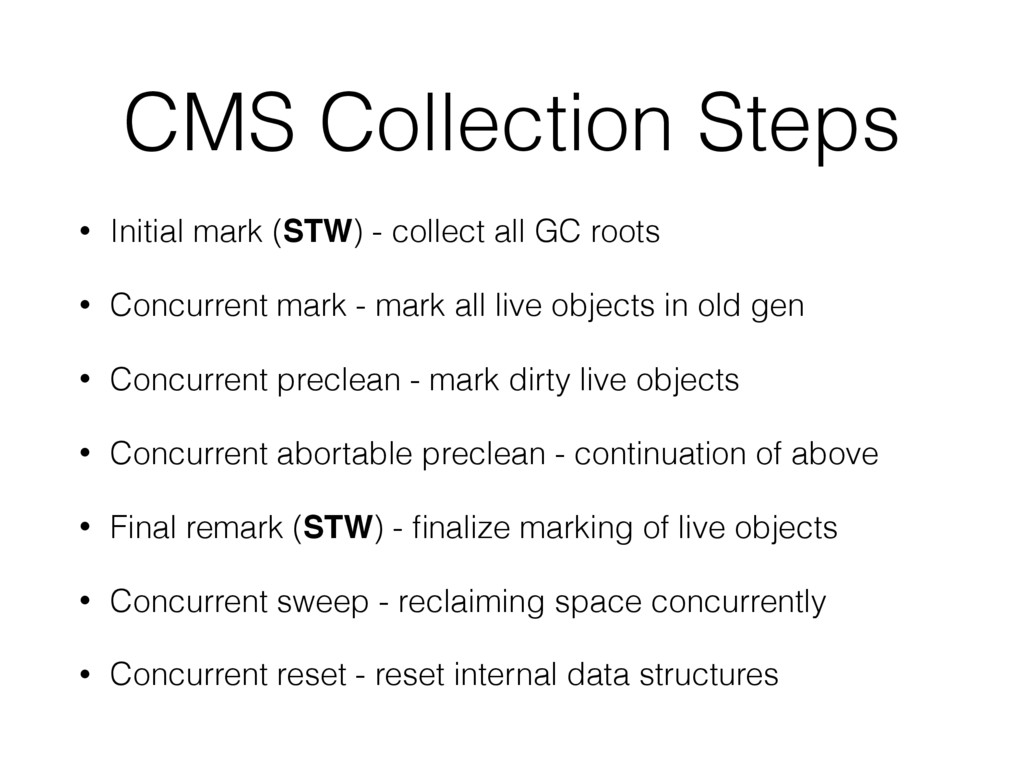
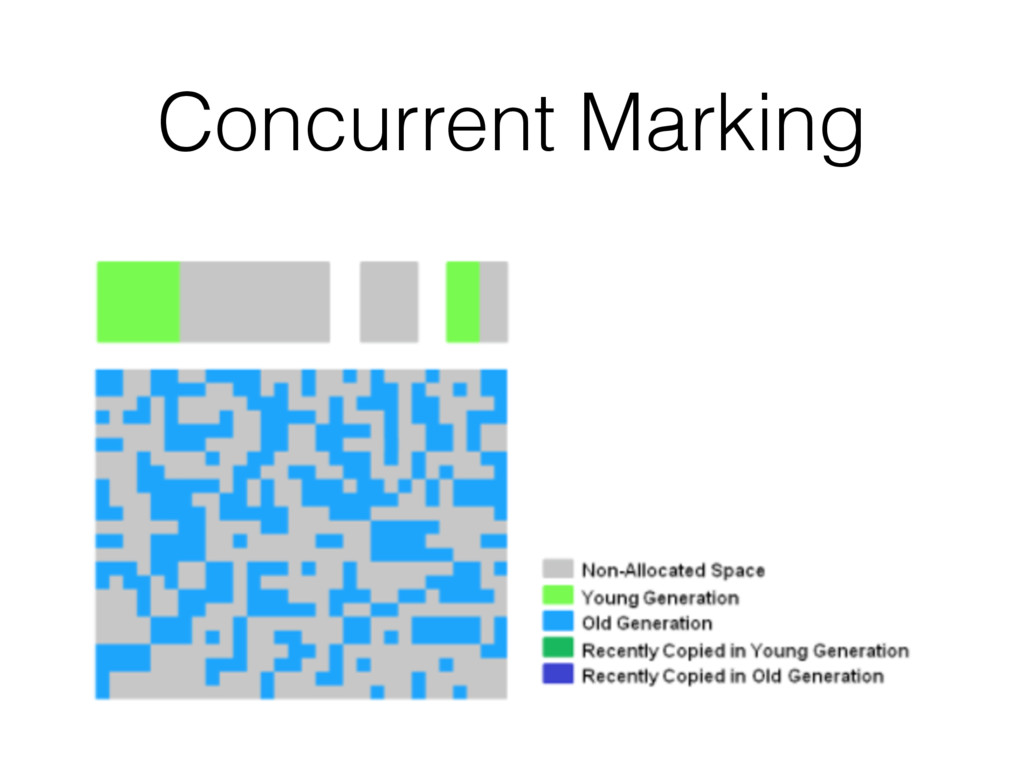
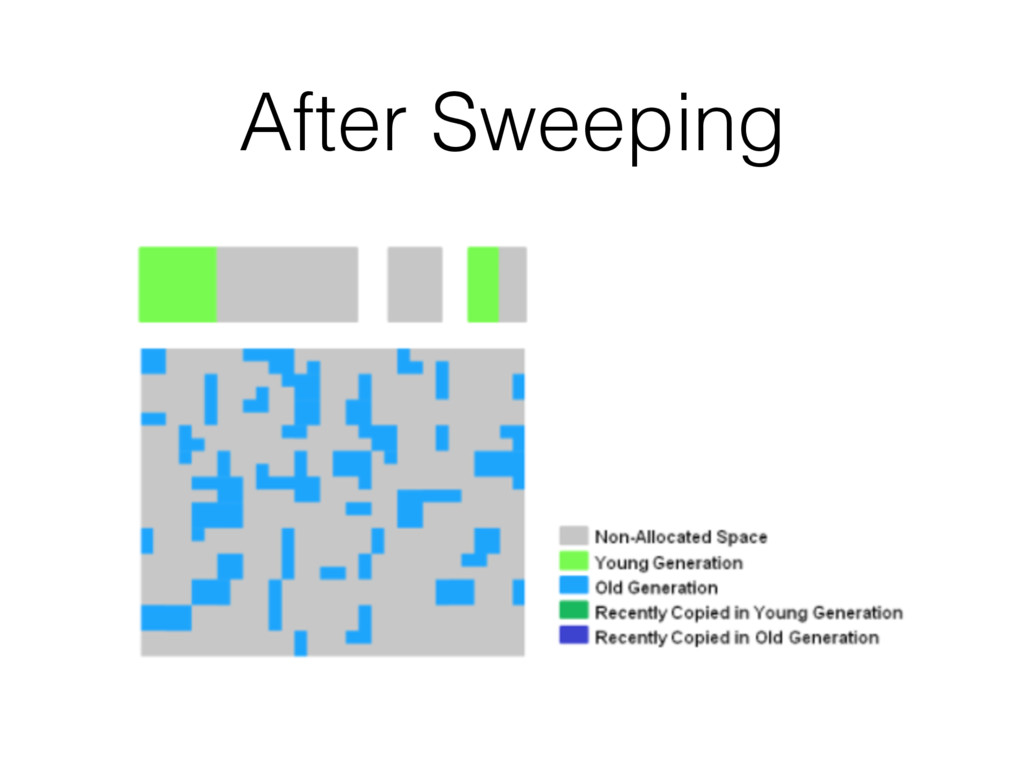
  8. CMS Collection Steps • Initial mark (STW) - collect all

    GC roots • Concurrent mark - mark all live objects in old gen • Concurrent preclean - mark dirty live objects • Concurrent abortable preclean - continuation of above • Final remark (STW) - finalize marking of live objects • Concurrent sweep - reclaiming space concurrently • Concurrent reset - reset internal data structures
  9. CMS in JDK9 • CMS is deprecated and to be

    removed in JDK 10? • Risk is that it outperforms G1 in some cases http://openjdk.java.net/jeps/291
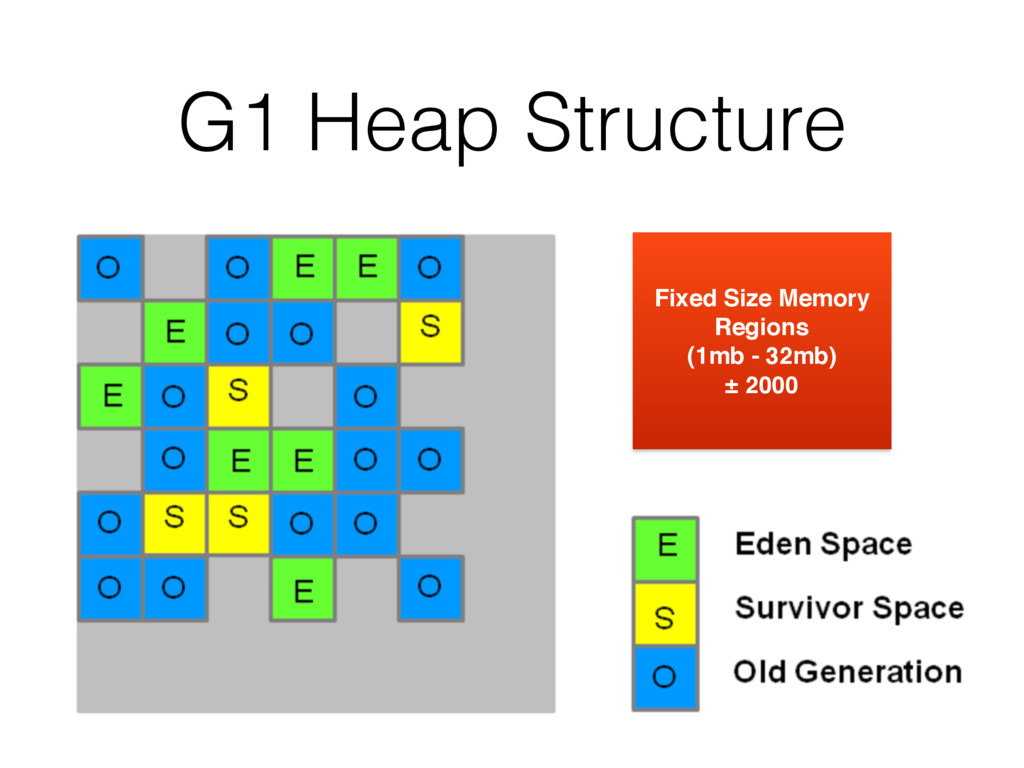
  10. G1 Algoritm • Garbage First • Lots of small regions

    instead of large ones • Predictable “stop-the-world” pauses • Large heap sizes with low latency
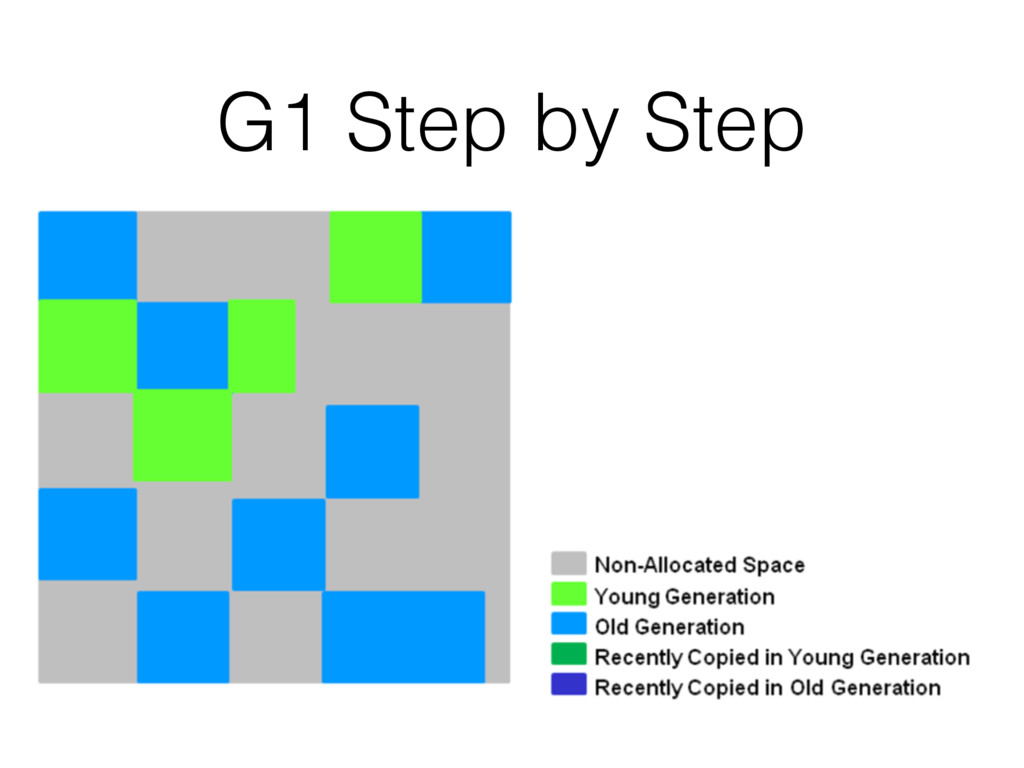
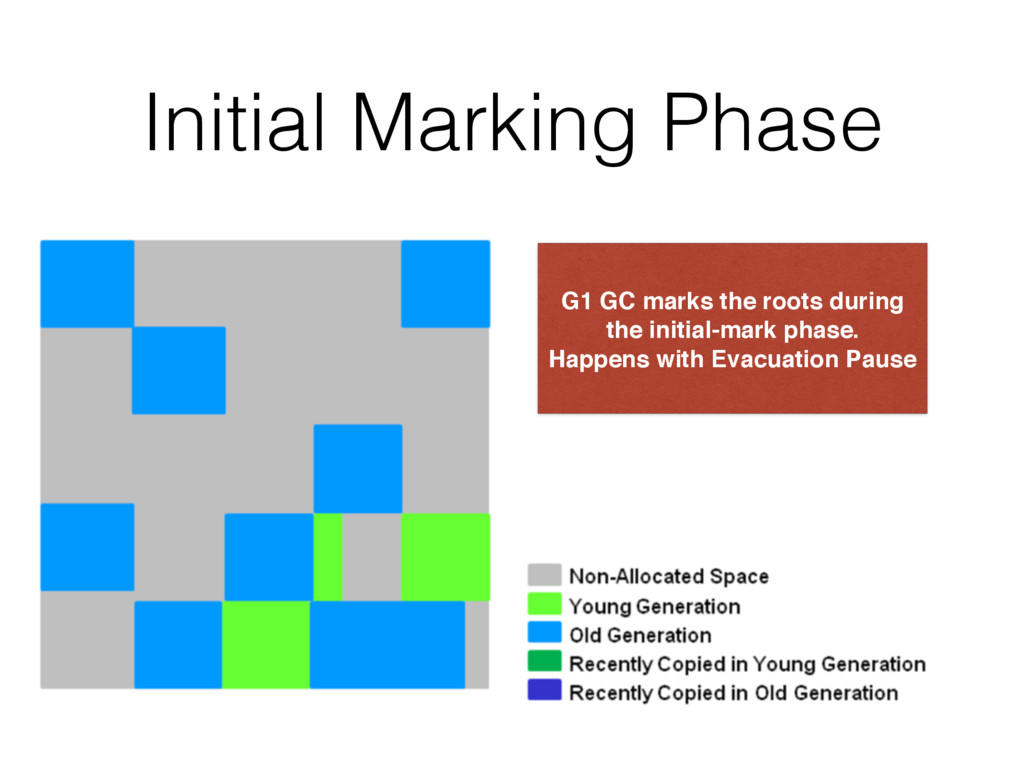
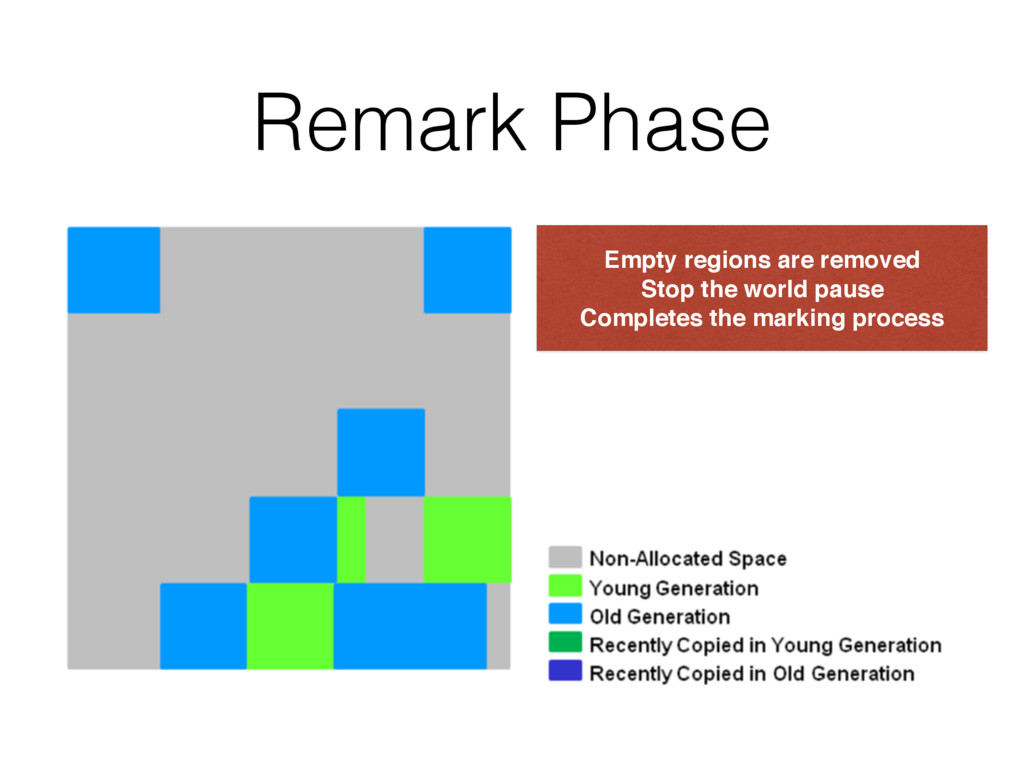
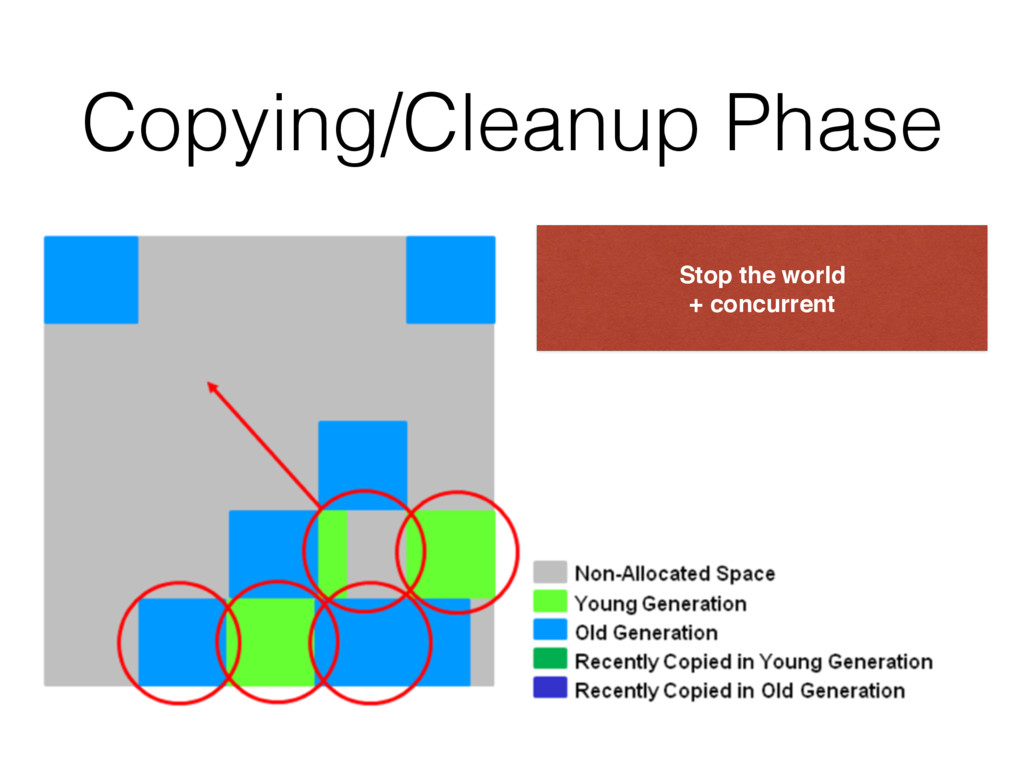
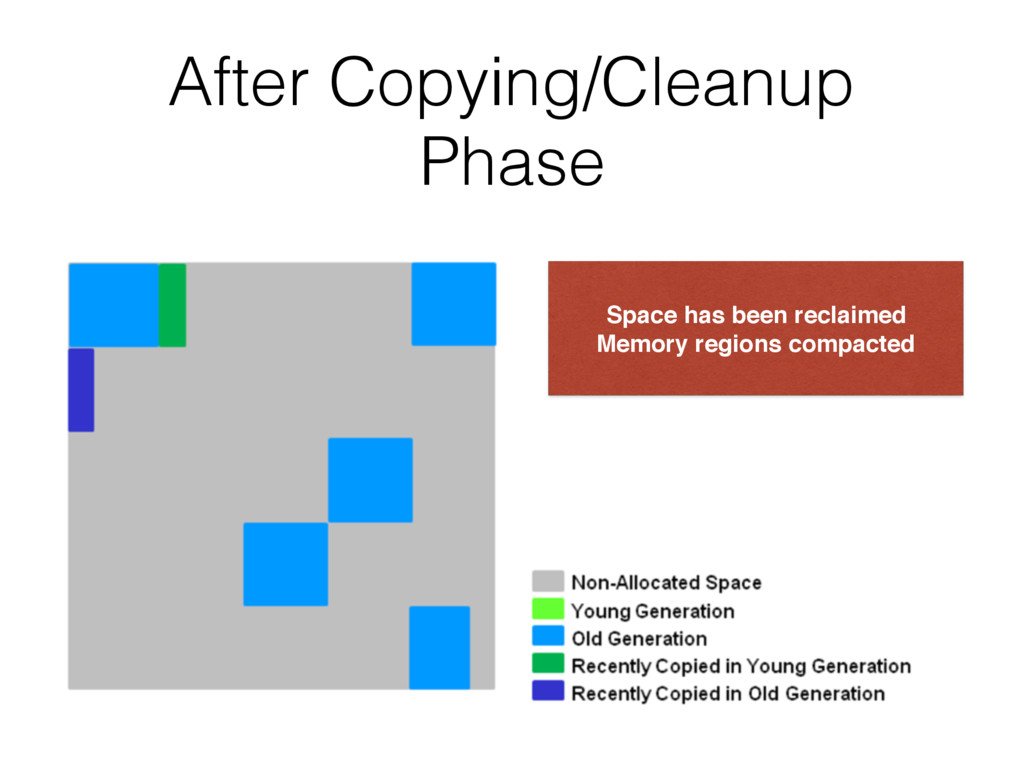
  11. Initial Marking Phase G1 GC marks the roots during the

    initial-mark phase. Happens with Evacuation Pause
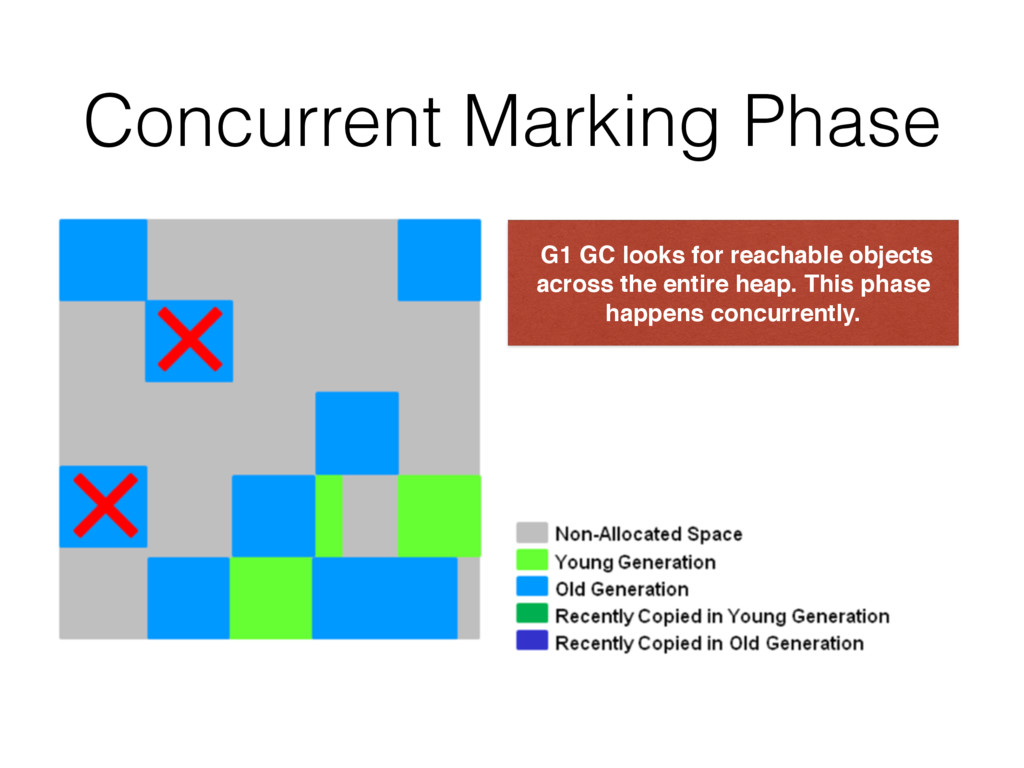
  12. Concurrent Marking Phase G1 GC looks for reachable objects across

    the entire heap. This phase happens concurrently.
  13. Configuring G1 • -XX:MaxGCPauseMillis (realistic soft limitation) • -XX:ParallelGCThreads •

    -XX:ConcGCThreads • -XX:InitiatingHeapOccupancyPercent • and more
  14. G1 Recap • Based on similar concepts as CMS •

    Additional dimensions with RSets and CSets • Support for humongous objects
  15. There is no best GC algorithm • Tradeoff between •
    Throughput • Latency • Heap size
  16. How to find the best one for your project •

    Experiment • Try different settings • Observe metrics • Understand the effect • Try again…
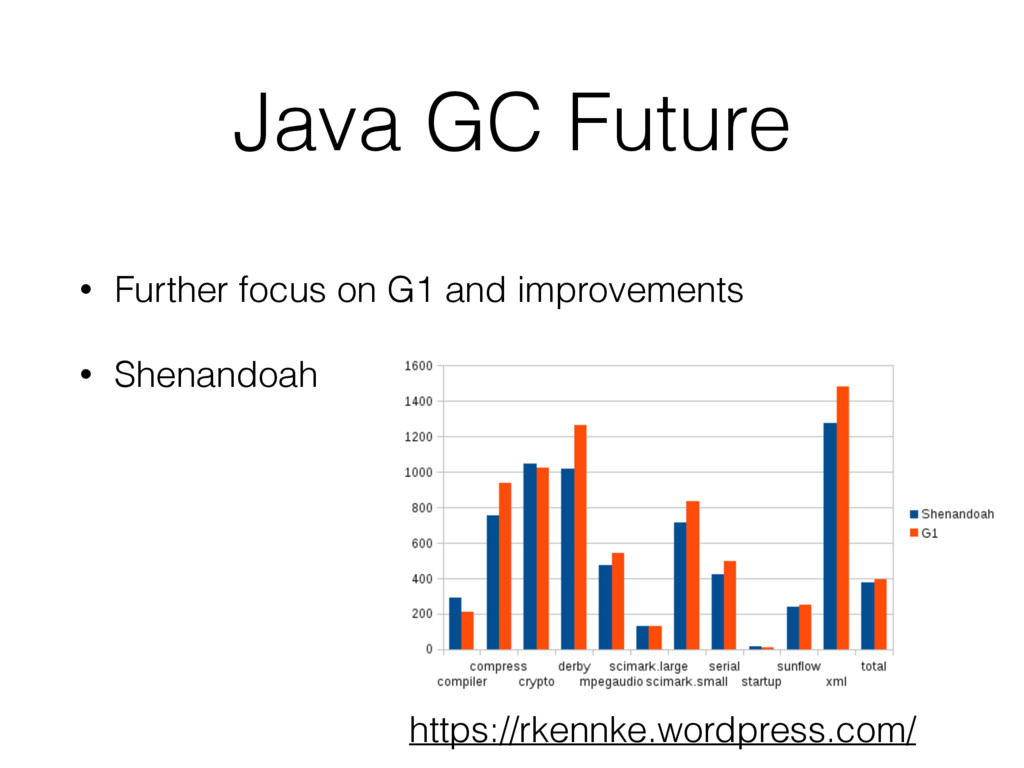
  17. Java GC Future • Further focus on G1 and improvements

    • Shenandoah https://rkennke.wordpress.com/

More Decks by Dmitry Buzdin

Other Decks in Technology