Seeks to answer the fundamental questions What are the origins of the universe? What is the universe made of? International collaboration, established in 1954 17 000 employees, 110 nationalities Collaboration with institutes in 70 countries
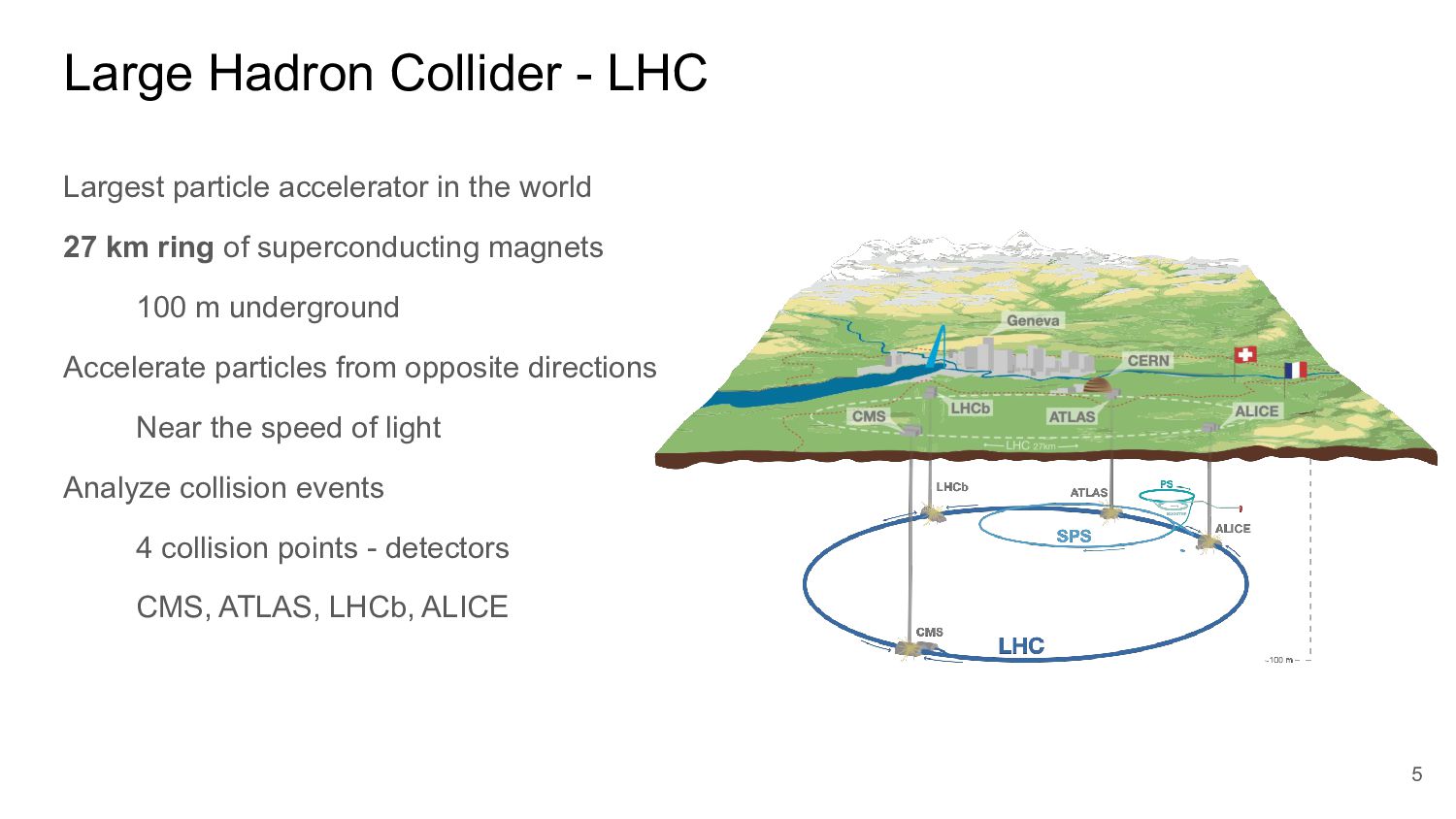
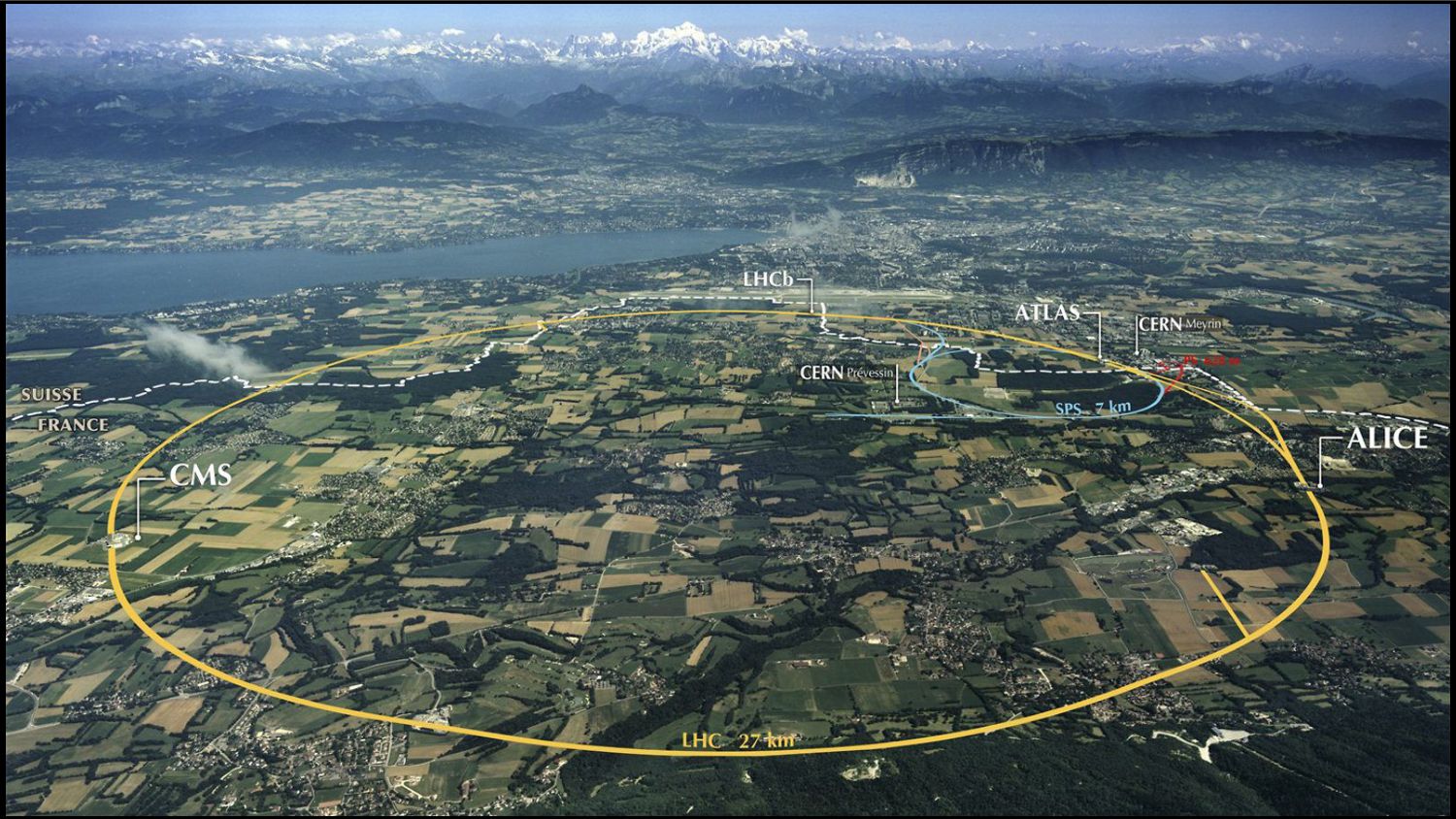
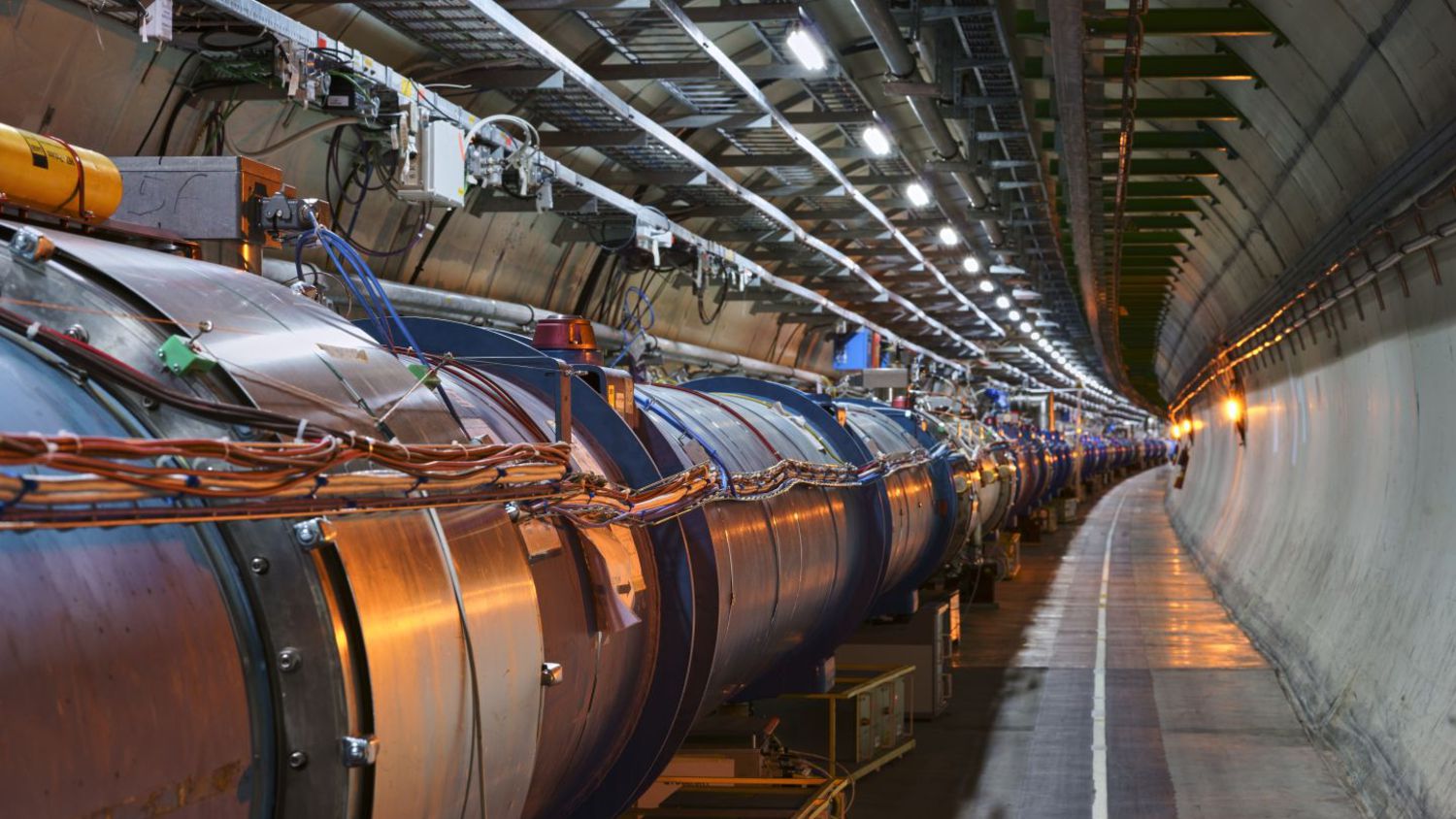
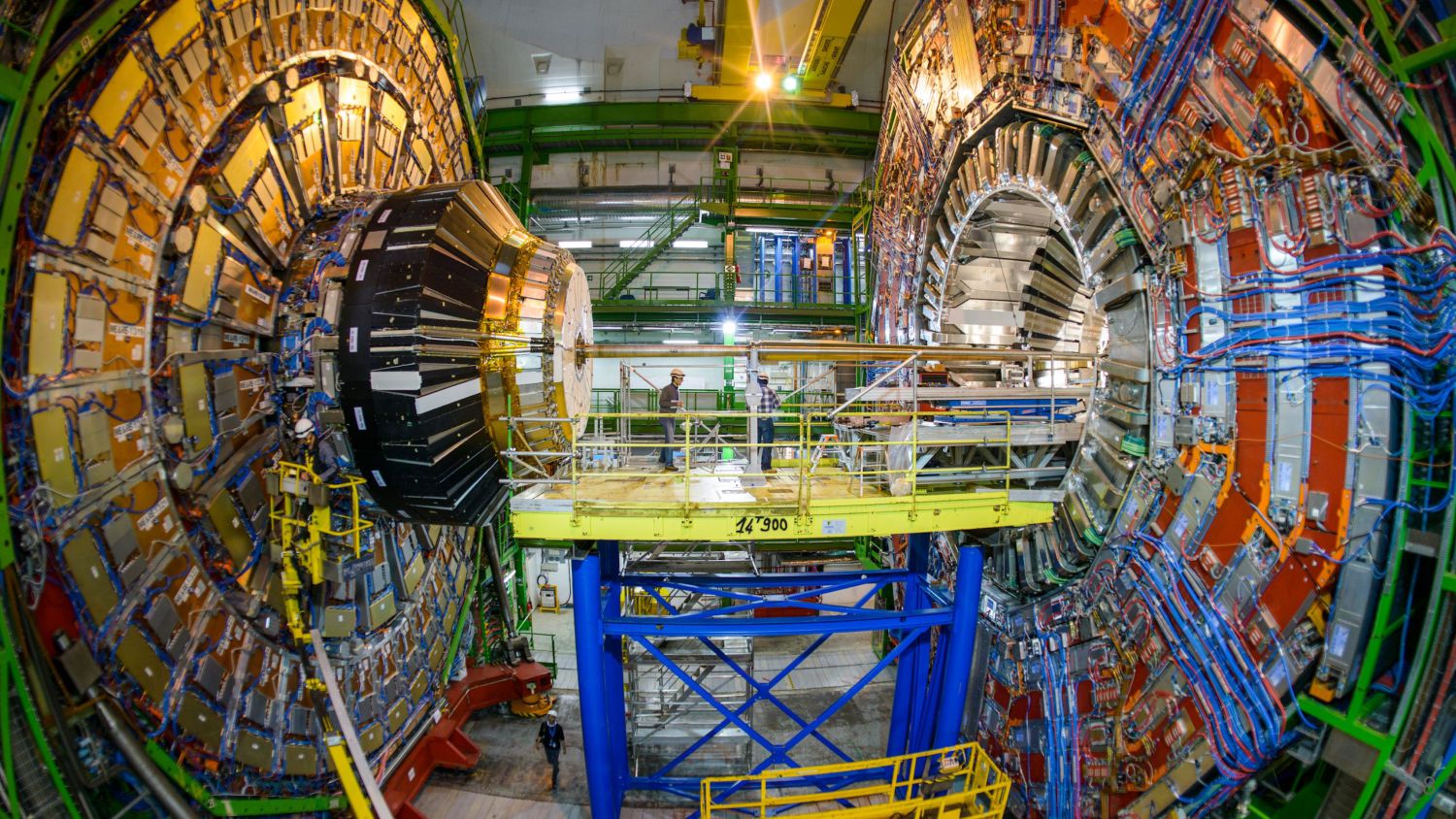
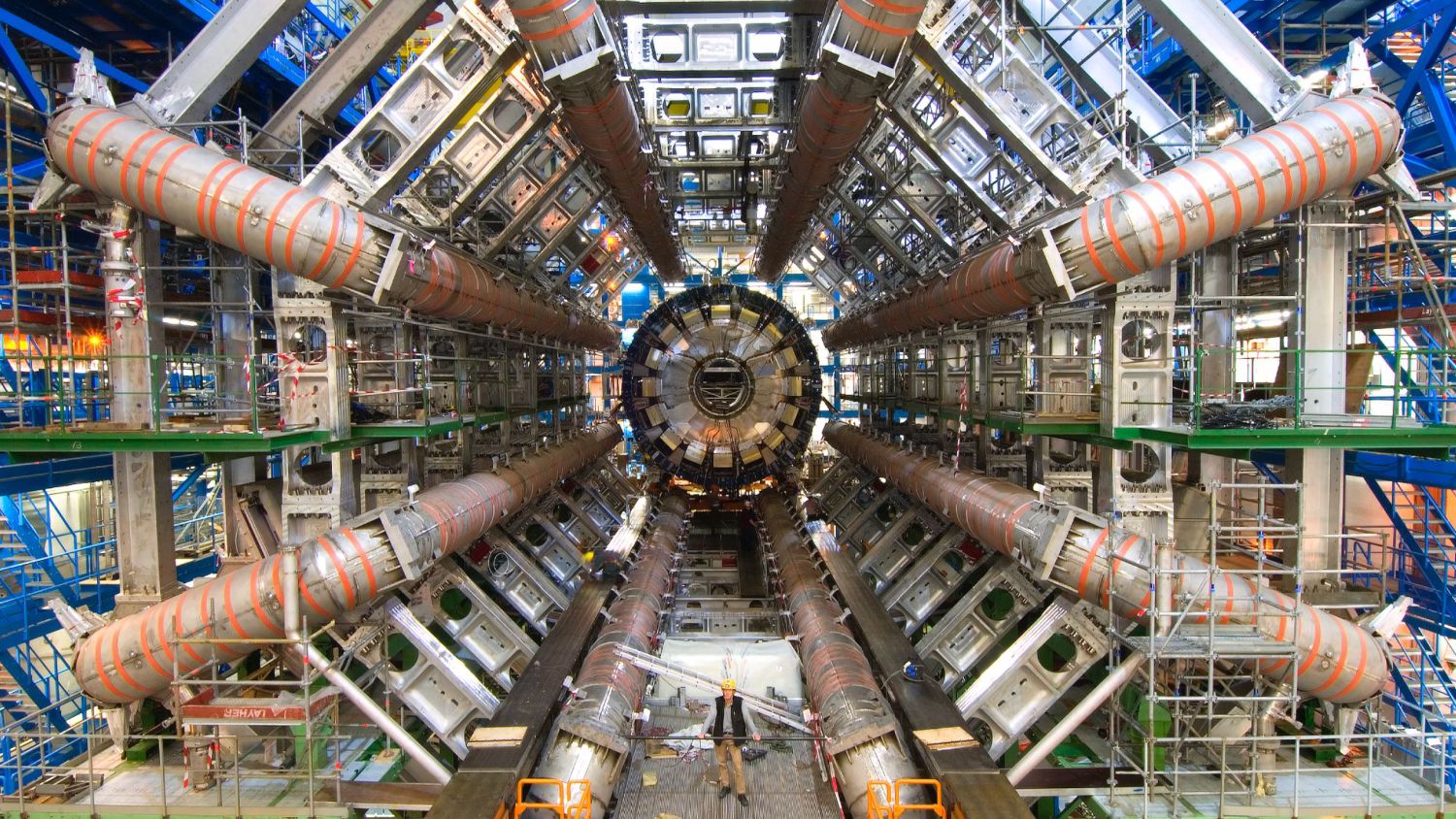
the world 27 km ring of superconducting magnets 100 m underground Accelerate particles from opposite directions Near the speed of light Analyze collision events 4 collision points - detectors CMS, ATLAS, LHCb, ALICE
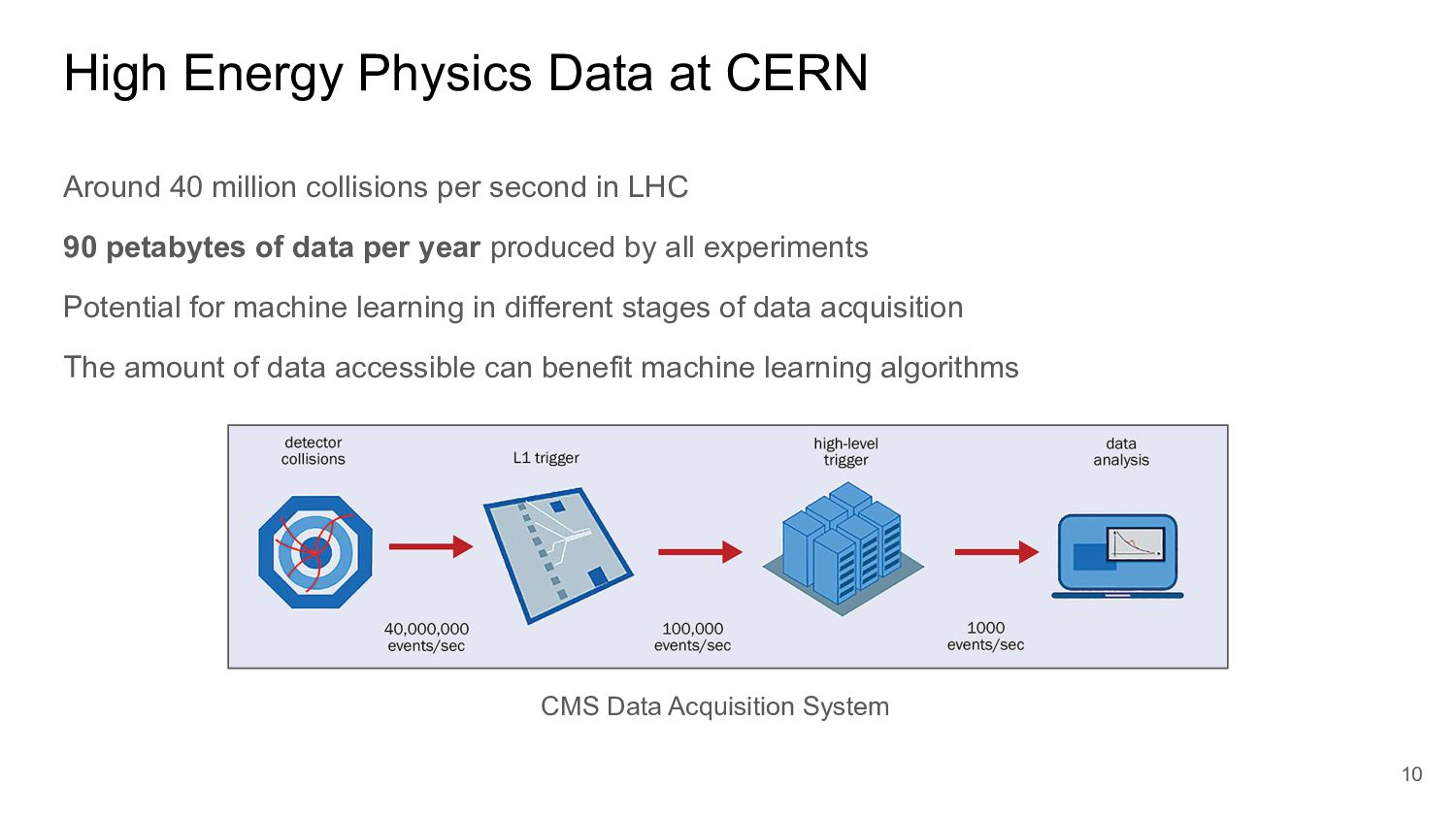
collisions per second in LHC 90 petabytes of data per year produced by all experiments Potential for machine learning in different stages of data acquisition The amount of data accessible can benefit machine learning algorithms CMS Data Acquisition System
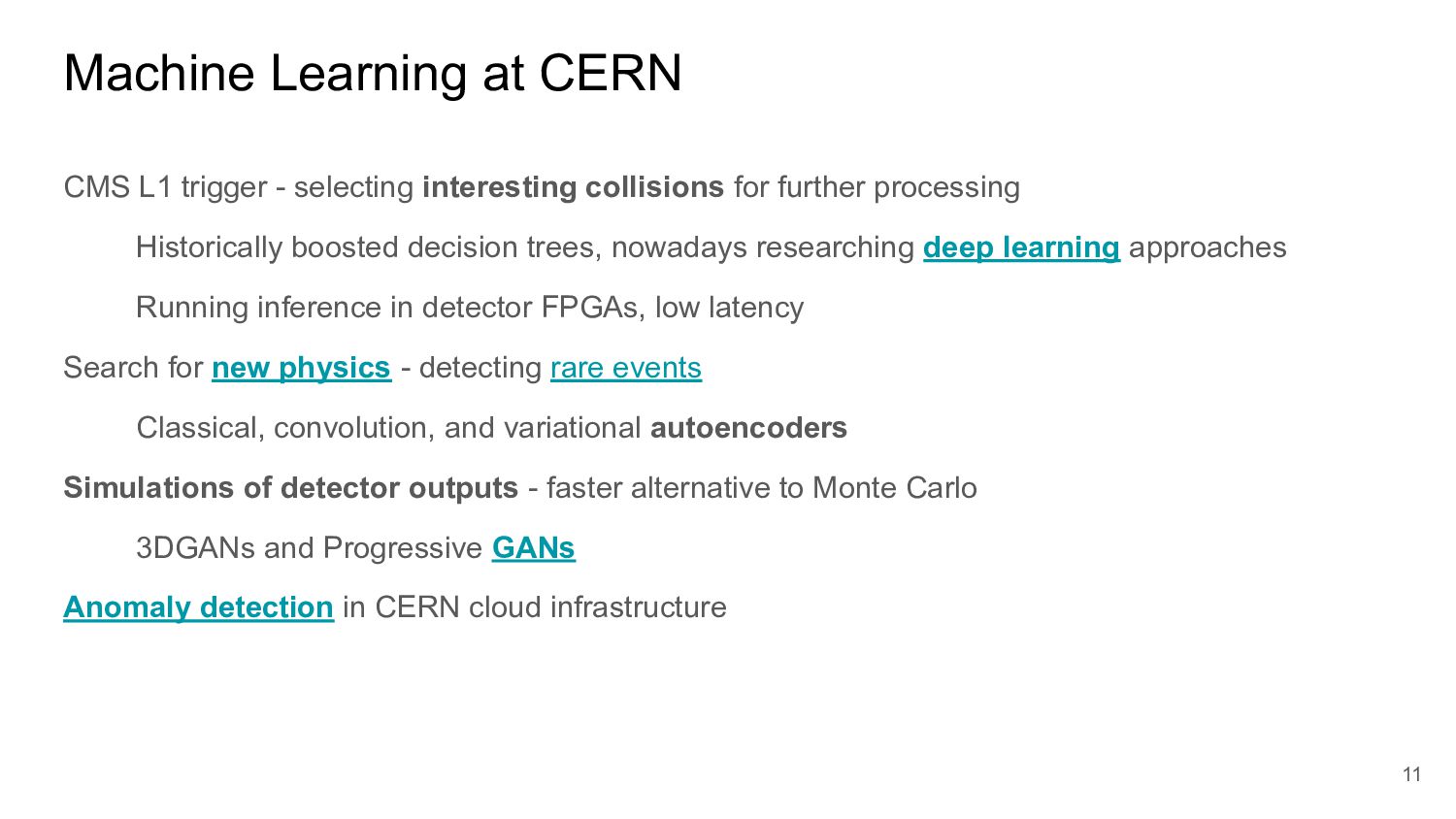
interesting collisions for further processing Historically boosted decision trees, nowadays researching deep learning approaches Running inference in detector FPGAs, low latency Search for new physics - detecting rare events Classical, convolution, and variational autoencoders Simulations of detector outputs - faster alternative to Monte Carlo 3DGANs and Progressive GANs Anomaly detection in CERN cloud infrastructure
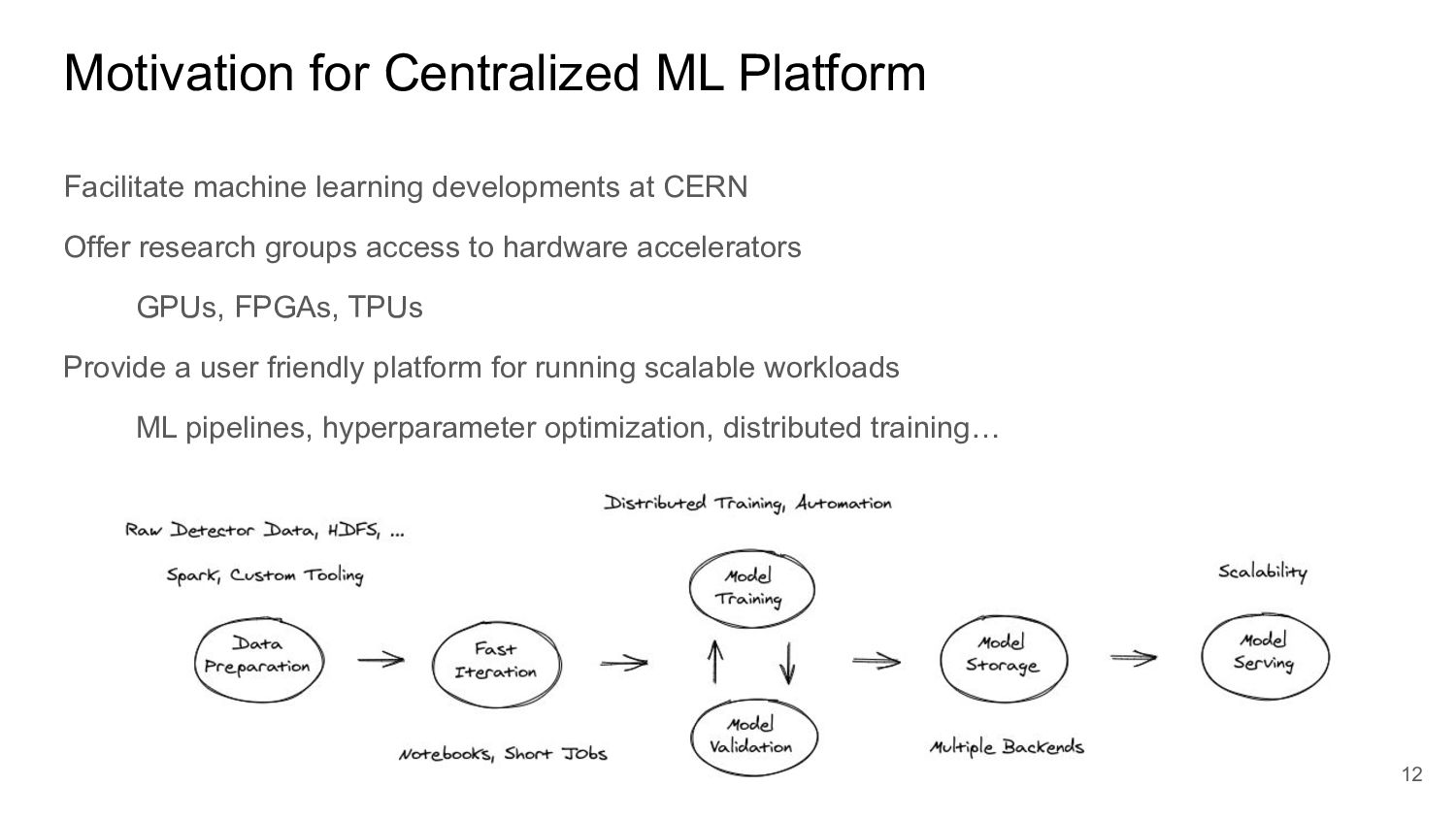
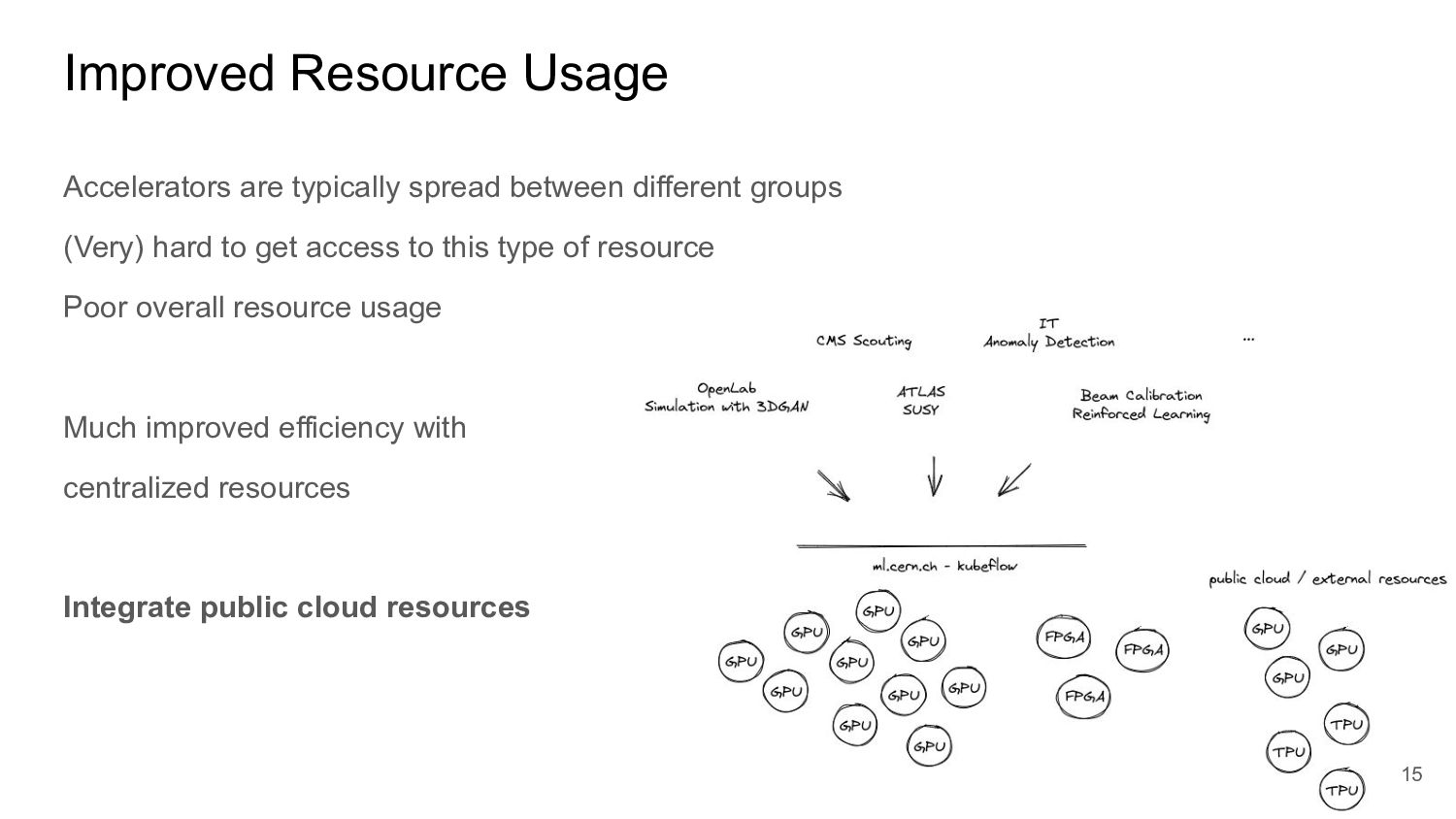
to hardware accelerators GPUs, FPGAs, TPUs Provide a user friendly platform for running scalable workloads ML pipelines, hyperparameter optimization, distributed training… Motivation for Centralized ML Platform 12
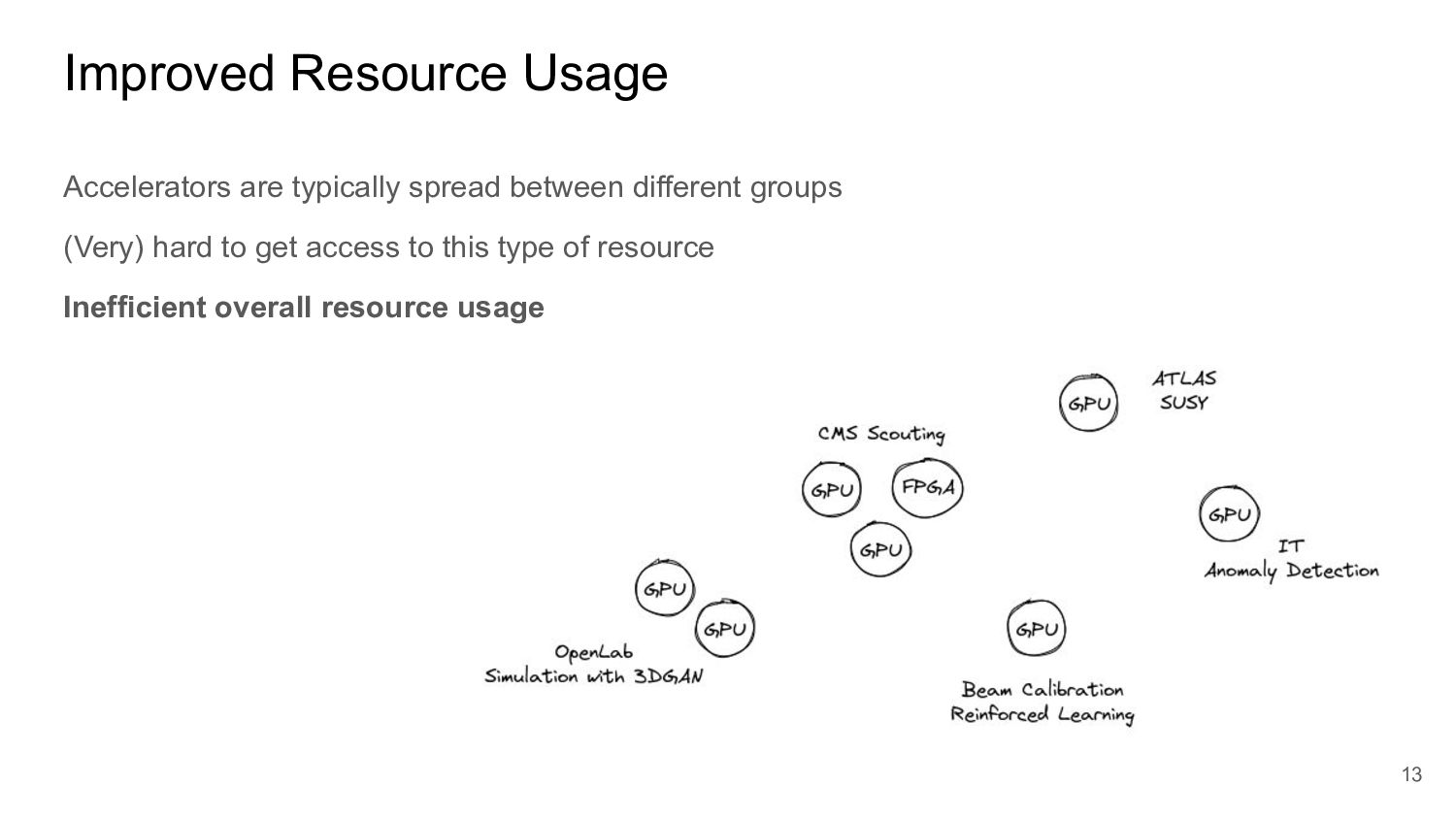
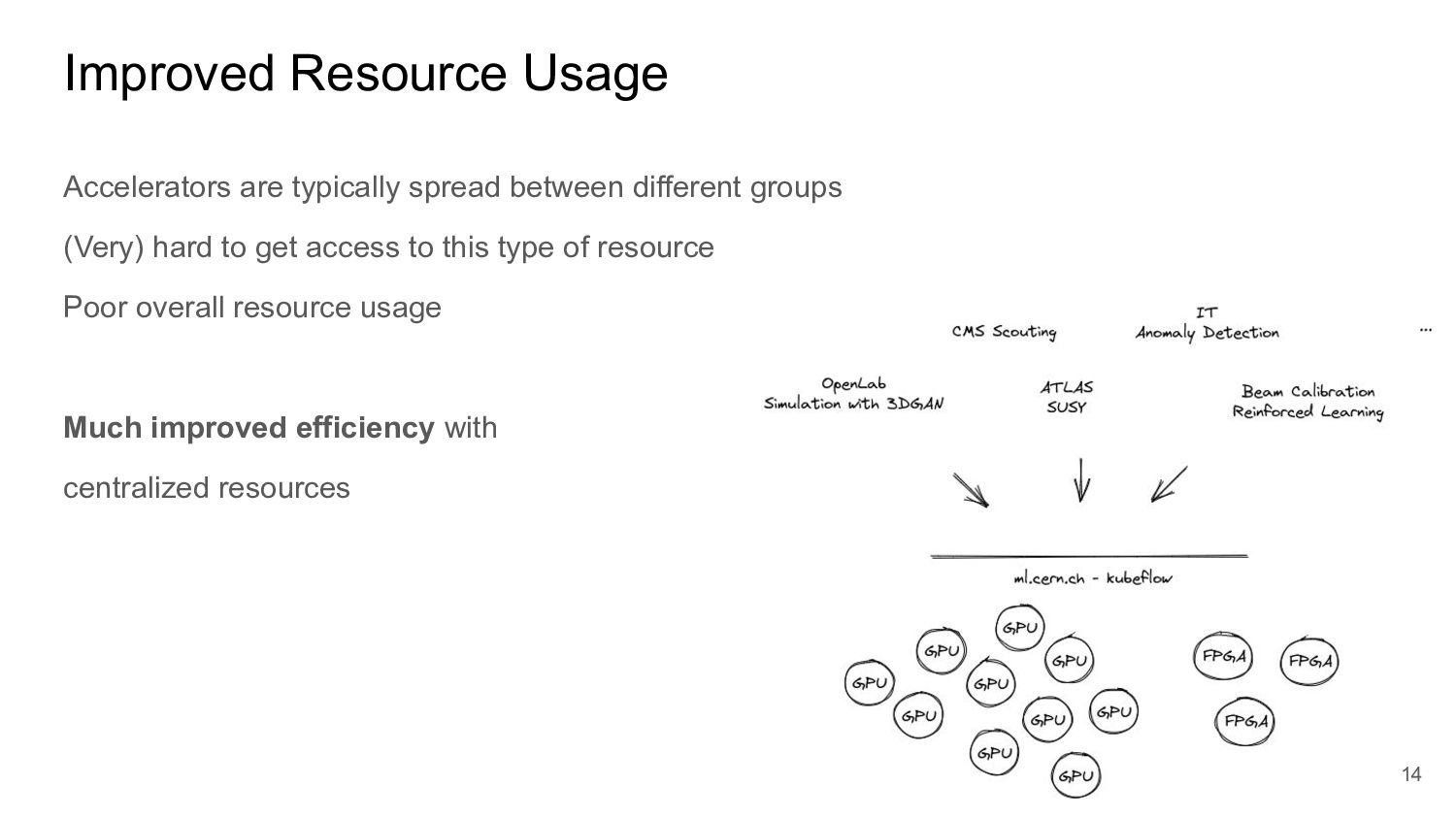
groups (Very) hard to get access to this type of resource Poor overall resource usage Much improved efficiency with centralized resources Integrate public cloud resources
announced by Google in 2017 Applied to become a CNCF incubating project in October 2022 Offering variety of components to support full ML lifecycle Notebooks, pipelines, distributed training, AutoML, inference services, tensorboards… Utilizing Kubernetes to scale the workloads Declarative API, operators, auto healing, application and cluster auto scaling
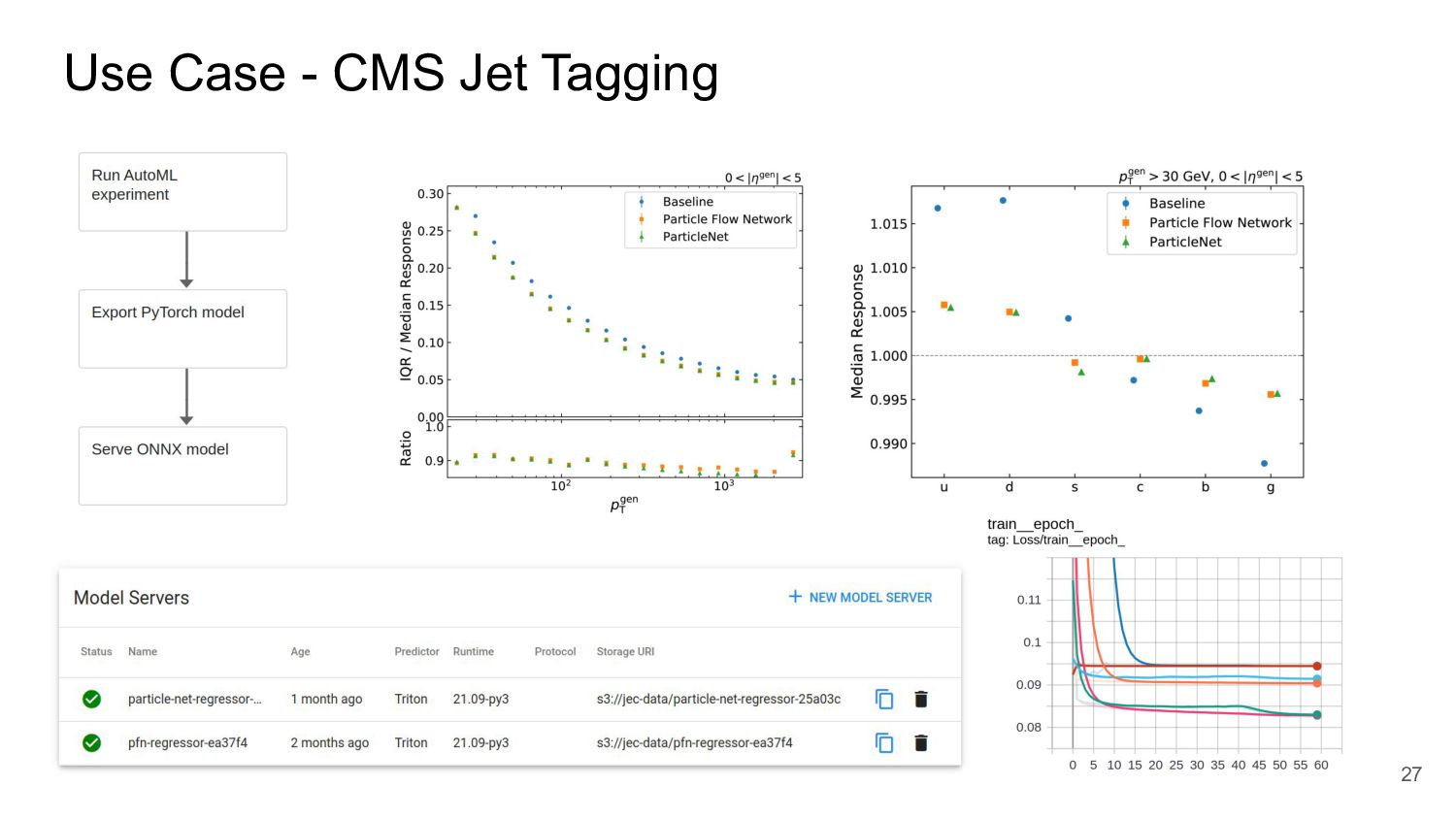
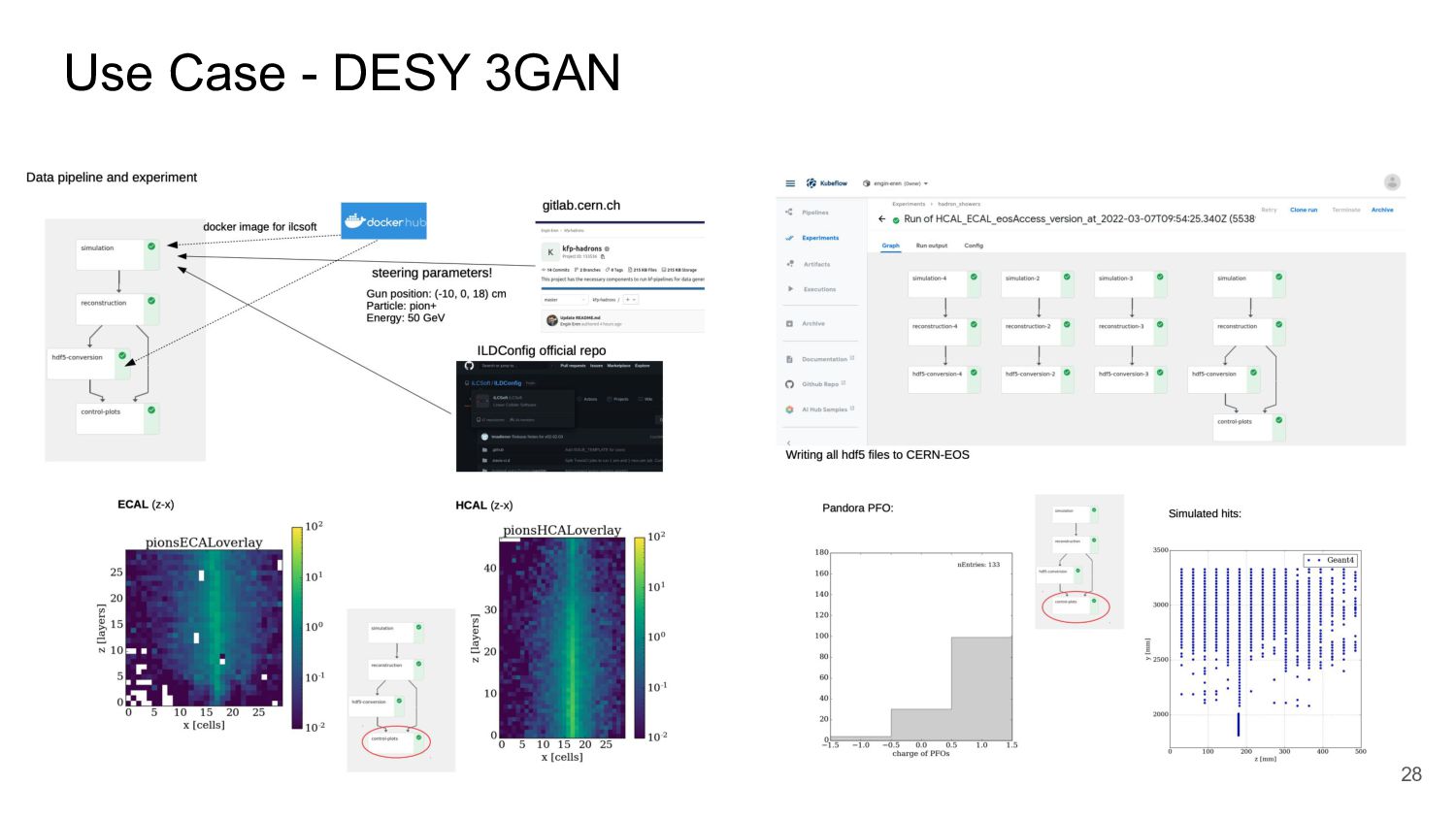
in 2019 In production since April 2021 Positive feedback from CERN scientific users Various use cases running in the cluster Number of users scaling according to available GPUs Different Kubeflow features utilized
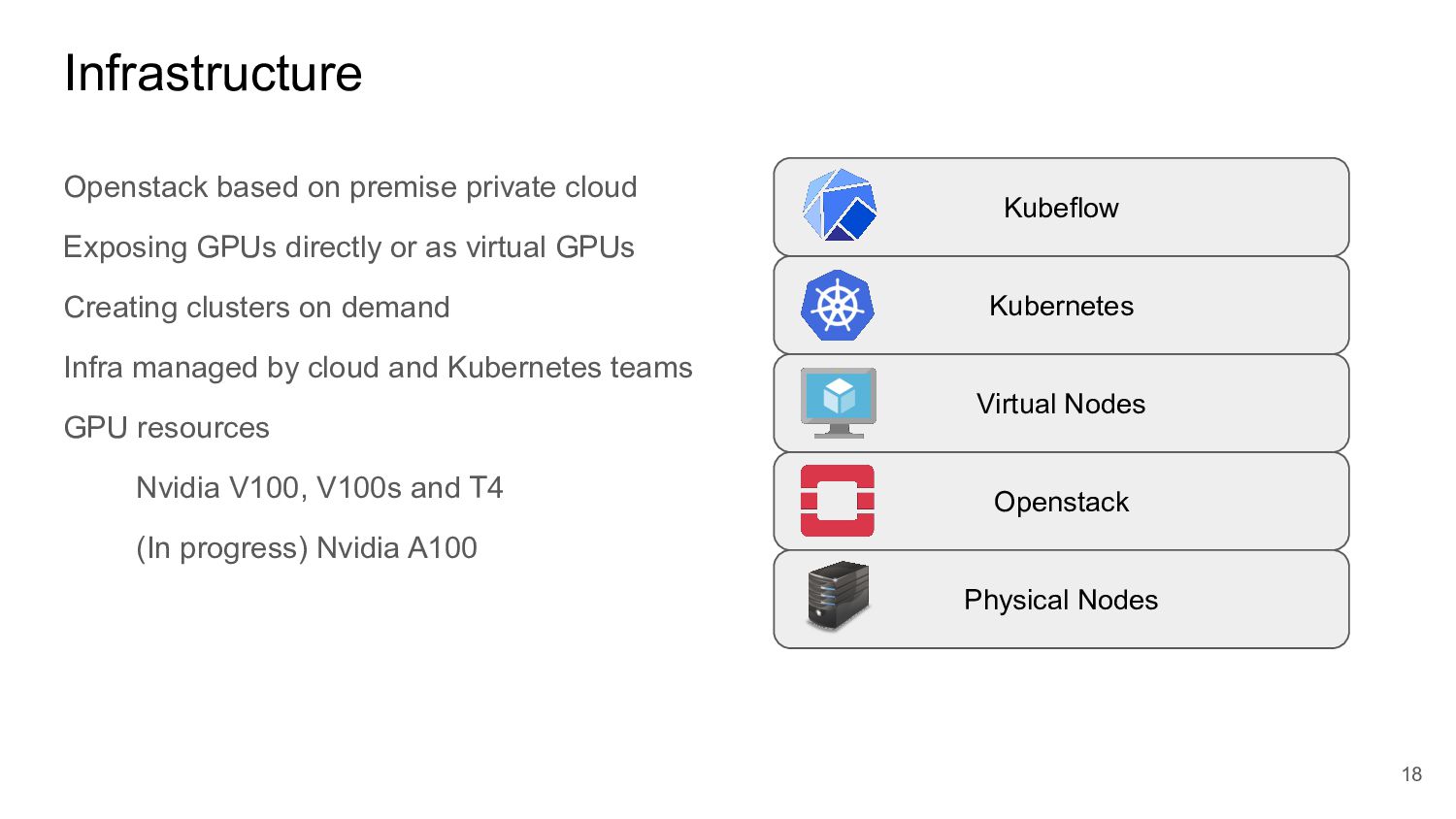
directly or as virtual GPUs Creating clusters on demand Infra managed by cloud and Kubernetes teams GPU resources Nvidia V100, V100s and T4 (In progress) Nvidia A100 Openstack Virtual Nodes Kubernetes Physical Nodes Kubeflow
instances Manage multiple instances Production, staging, gcp, azure, aws… Keep history of modification for each instance Easily deploy and manage additional applications Velero for backups Resource quotas for specific profiles Custom prometheus exporters
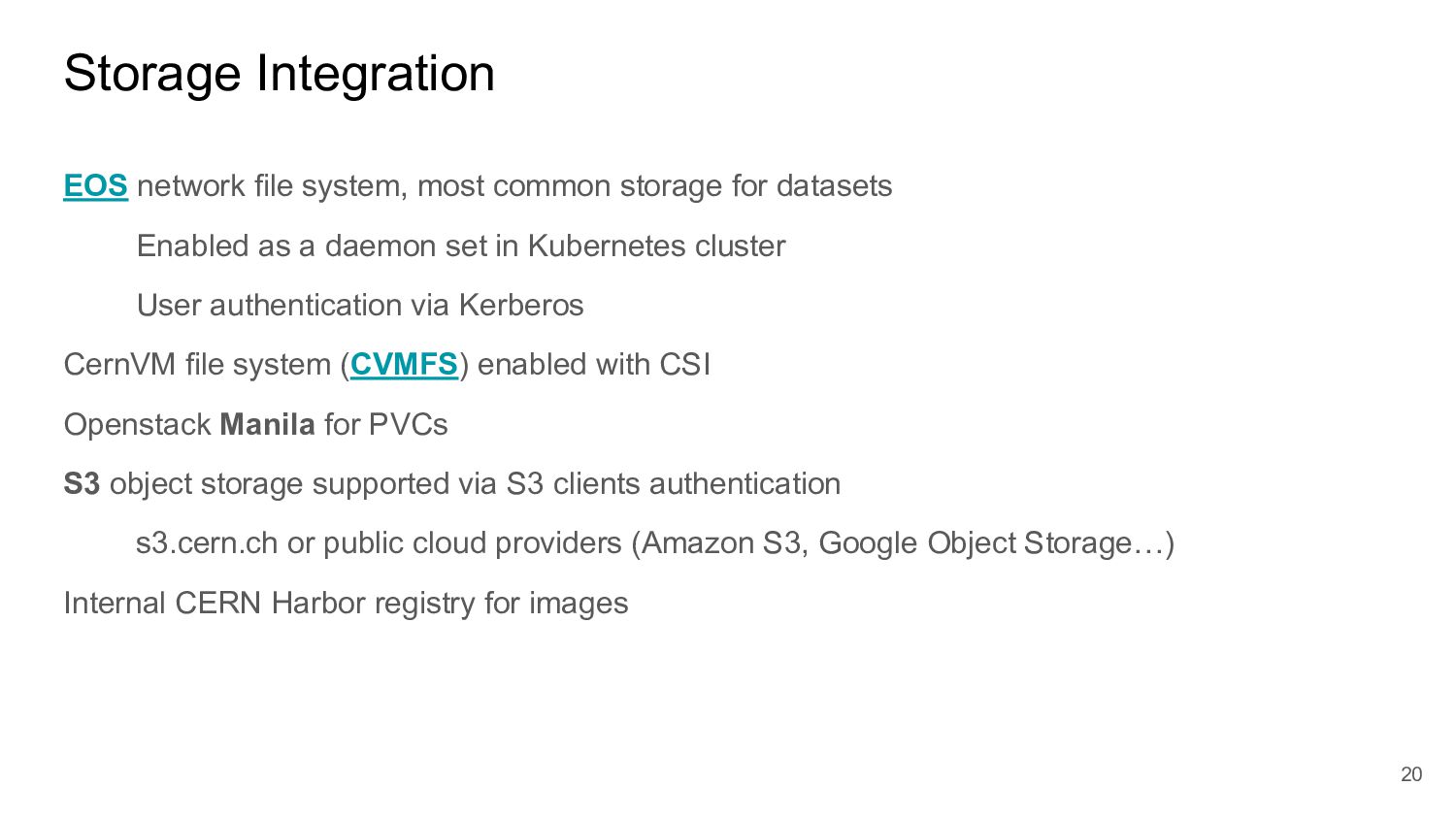
as a daemon set in Kubernetes cluster User authentication via Kerberos CernVM file system (CVMFS) enabled with CSI Openstack Manila for PVCs S3 object storage supported via S3 clients authentication s3.cern.ch or public cloud providers (Amazon S3, Google Object Storage…) Internal CERN Harbor registry for images 20 Storage Integration
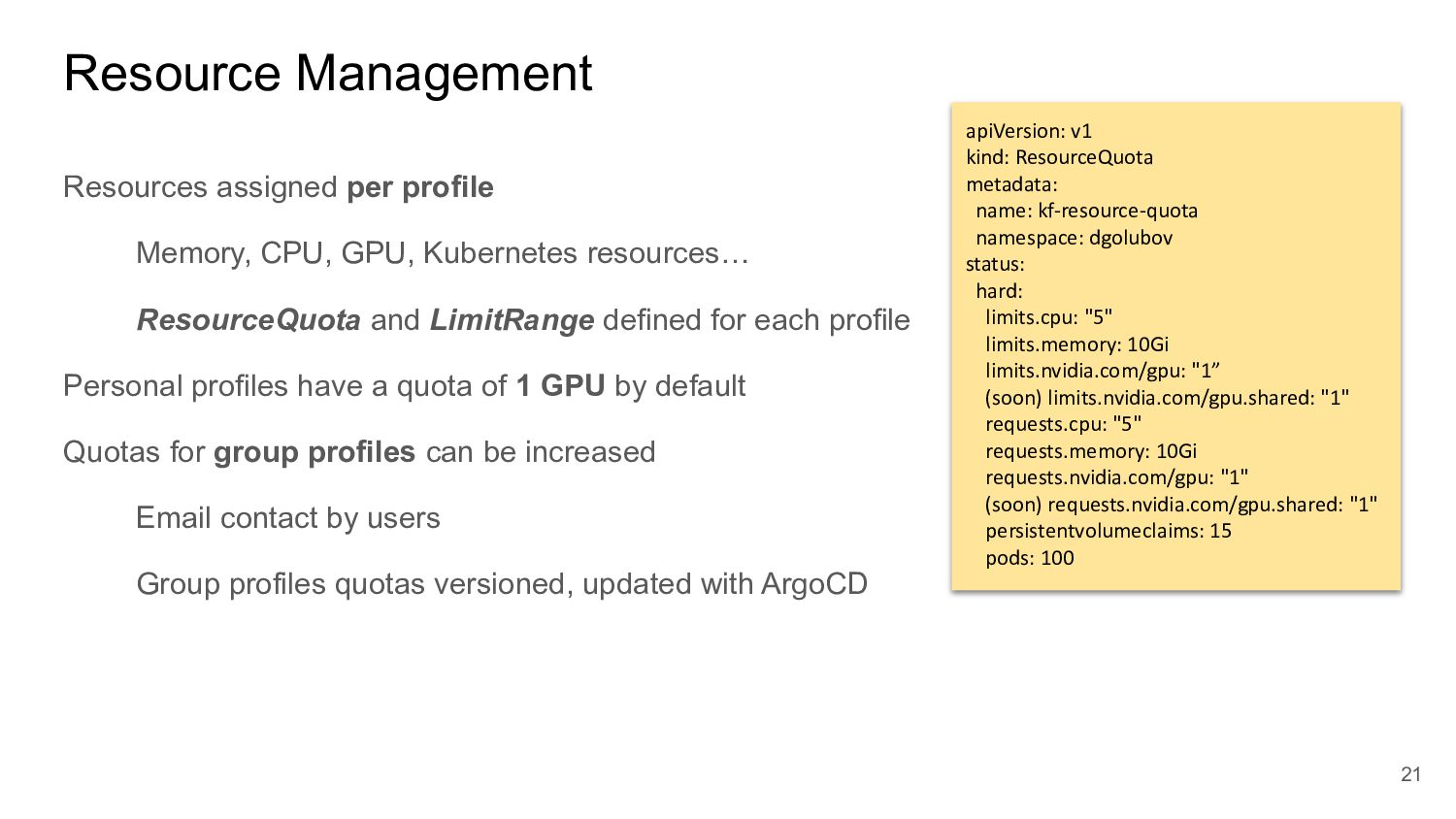
and LimitRange defined for each profile Personal profiles have a quota of 1 GPU by default Quotas for group profiles can be increased Email contact by users Group profiles quotas versioned, updated with ArgoCD 21 apiVersion: v1 kind: ResourceQuota metadata: name: kf-resource-quota namespace: dgolubov status: hard: limits.cpu: "5" limits.memory: 10Gi limits.nvidia.com/gpu: "1” (soon) limits.nvidia.com/gpu.shared: "1" requests.cpu: "5" requests.memory: 10Gi requests.nvidia.com/gpu: "1" (soon) requests.nvidia.com/gpu.shared: "1" persistentvolumeclaims: 15 pods: 100 Resource Management
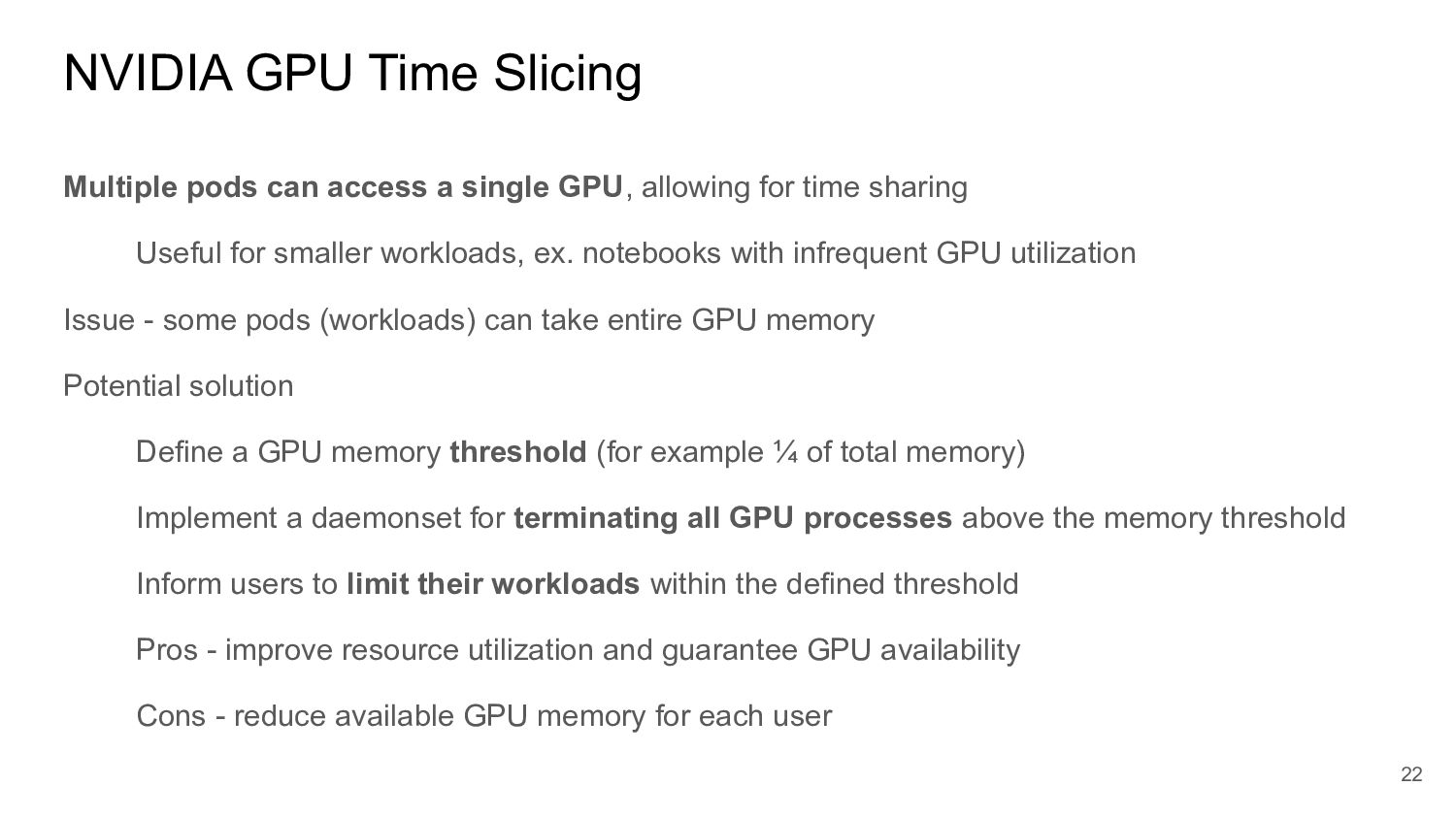
sharing Useful for smaller workloads, ex. notebooks with infrequent GPU utilization Issue - some pods (workloads) can take entire GPU memory Potential solution Define a GPU memory threshold (for example ¼ of total memory) Implement a daemonset for terminating all GPU processes above the memory threshold Inform users to limit their workloads within the defined threshold Pros - improve resource utilization and guarantee GPU availability Cons - reduce available GPU memory for each user 22 NVIDIA GPU Time Slicing
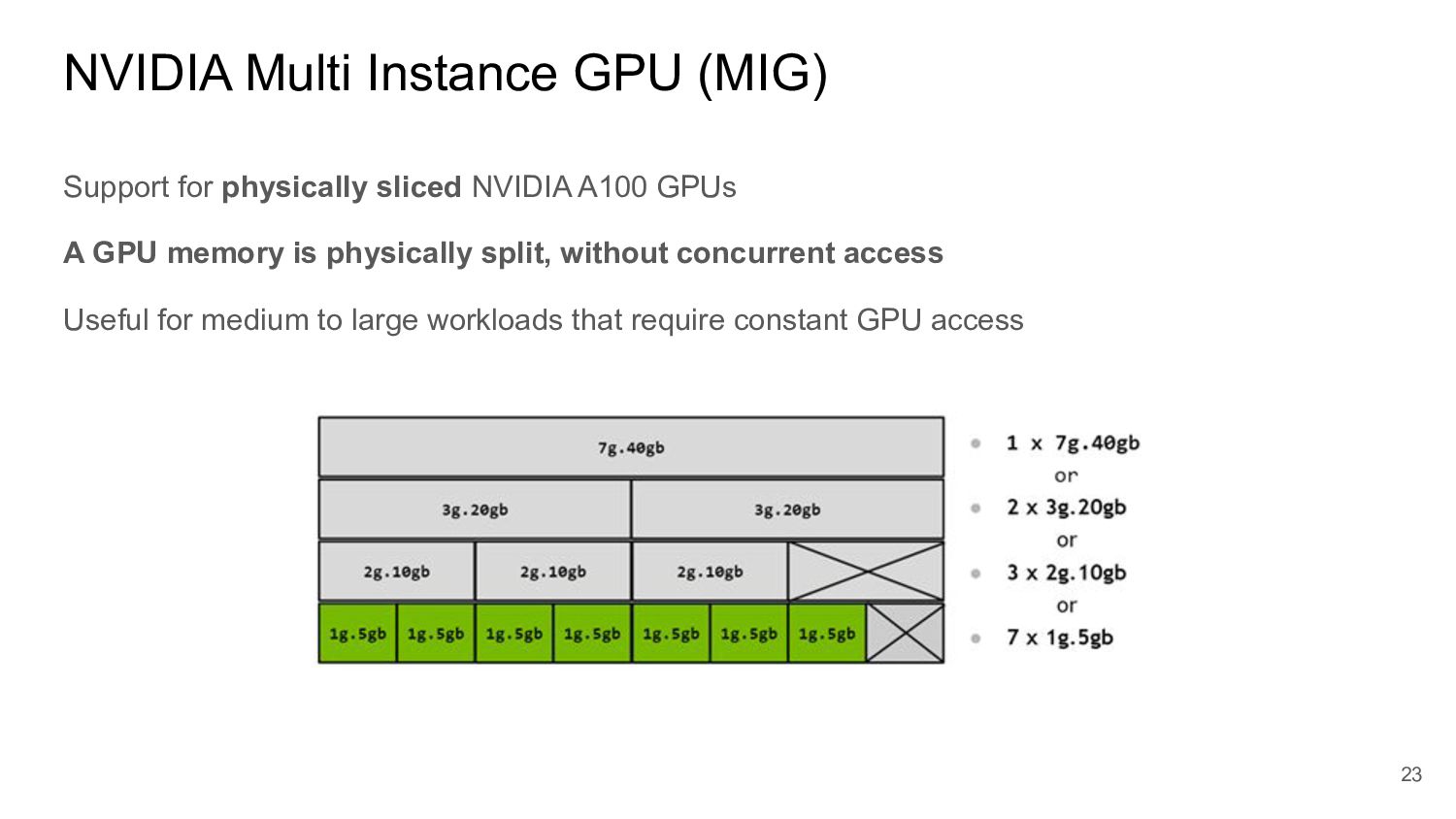
is physically split, without concurrent access Useful for medium to large workloads that require constant GPU access 23 NVIDIA Multi Instance GPU (MIG)
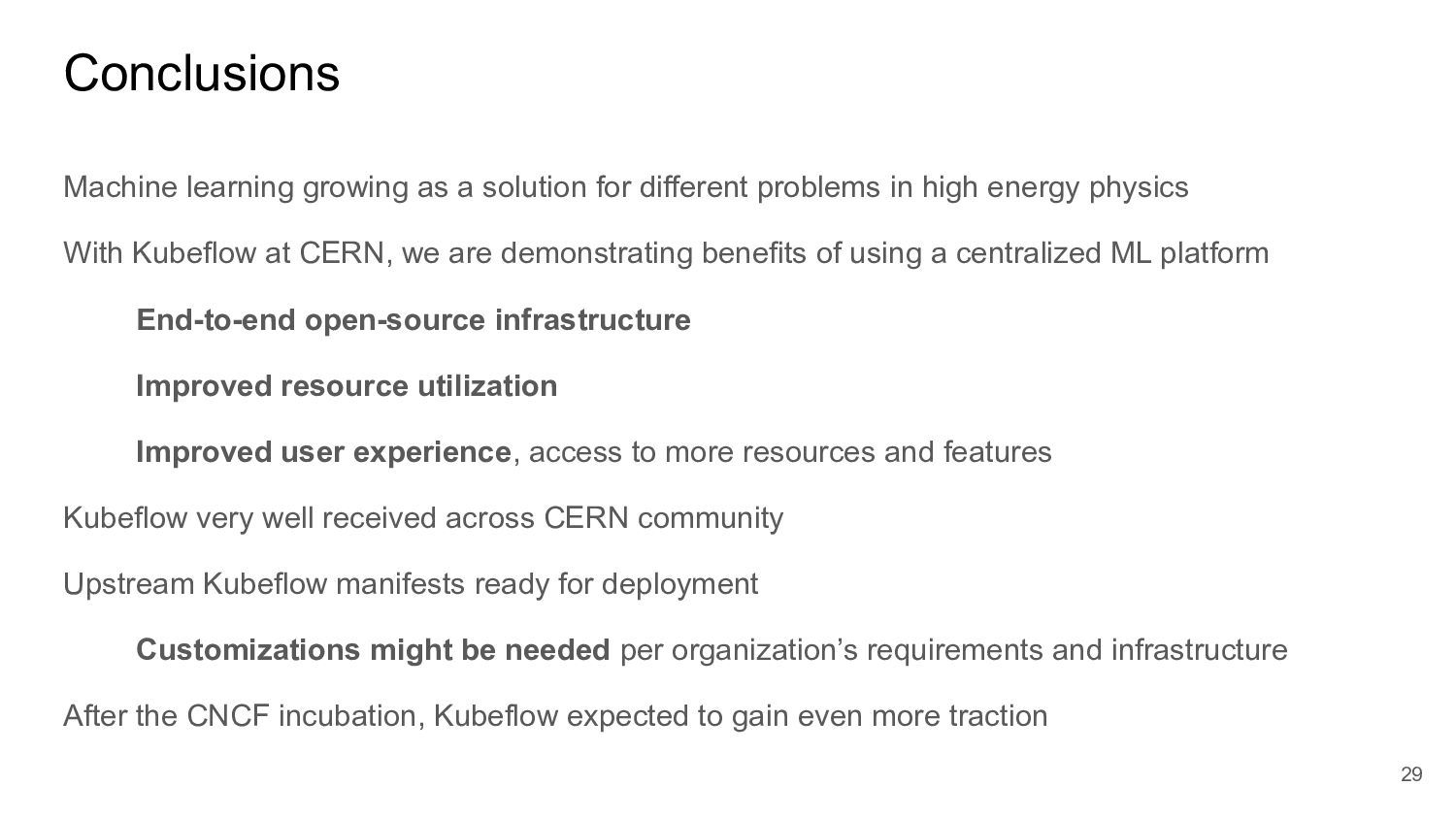
high energy physics With Kubeflow at CERN, we are demonstrating benefits of using a centralized ML platform End-to-end open-source infrastructure Improved resource utilization Improved user experience, access to more resources and features Kubeflow very well received across CERN community Upstream Kubeflow manifests ready for deployment Customizations might be needed per organization’s requirements and infrastructure After the CNCF incubation, Kubeflow expected to gain even more traction 29 Conclusions
GNN Regression using Kubeflow @ CERN KubeCon North America 2021, October 12 2021 A Better and More Efficient ML Experience for CERN Users 25th International Conference on Computing in High-Energy and Nuclear Physics, May 20 2021 Training and Serving ML workloads with Kubeflow at CERN KubeCon Europe 2021, May 6 2021 Building and Managing a Centralized ML Platform with Kubeflow at CERN 30 Previous Talks


 carta_engineering
 codmoninc
 jtakeda
 yuuuuuuu168
 pfn
 ymotongpoo
 iktakahiro
 jyouryuusui
 glaforge
 persolserverworks
 kash1064
 endonanana
 jonoalderson
 stephenakadiri
 jcasabona
 62gerente
 emna__ayadi
 wayneb77
 tmiket
 rmw
 vanstee
 bluesmoon
 portentint