Upgrade to Pro — share decks privately, control downloads, hide ads and more …

Why are bauxite and aluminum toxic to organisms?

Why are bauxite and aluminum toxic to organisms?

We all know that aluminum has no apparent use for living beings. Its toxicity lies in its ability to solubilize and diffuse rapidly into the environment, entering and interfering with biomolecules in tissues and organs. One of the largest sources of aluminum is bauxite, which can release this element through acid mine drainage. How, exactly? Find out in this presentation that, personally, I think turned out awesome (∿°○°)∿

Consider visit the published version: https://www.researchgate.net/publication/389979600_Why_are_bauxite_and_aluminum_toxic_to_organisms

Avatar for DOTkamina

DOTkamina

March 19, 2025

Other Decks in Science

Transcript

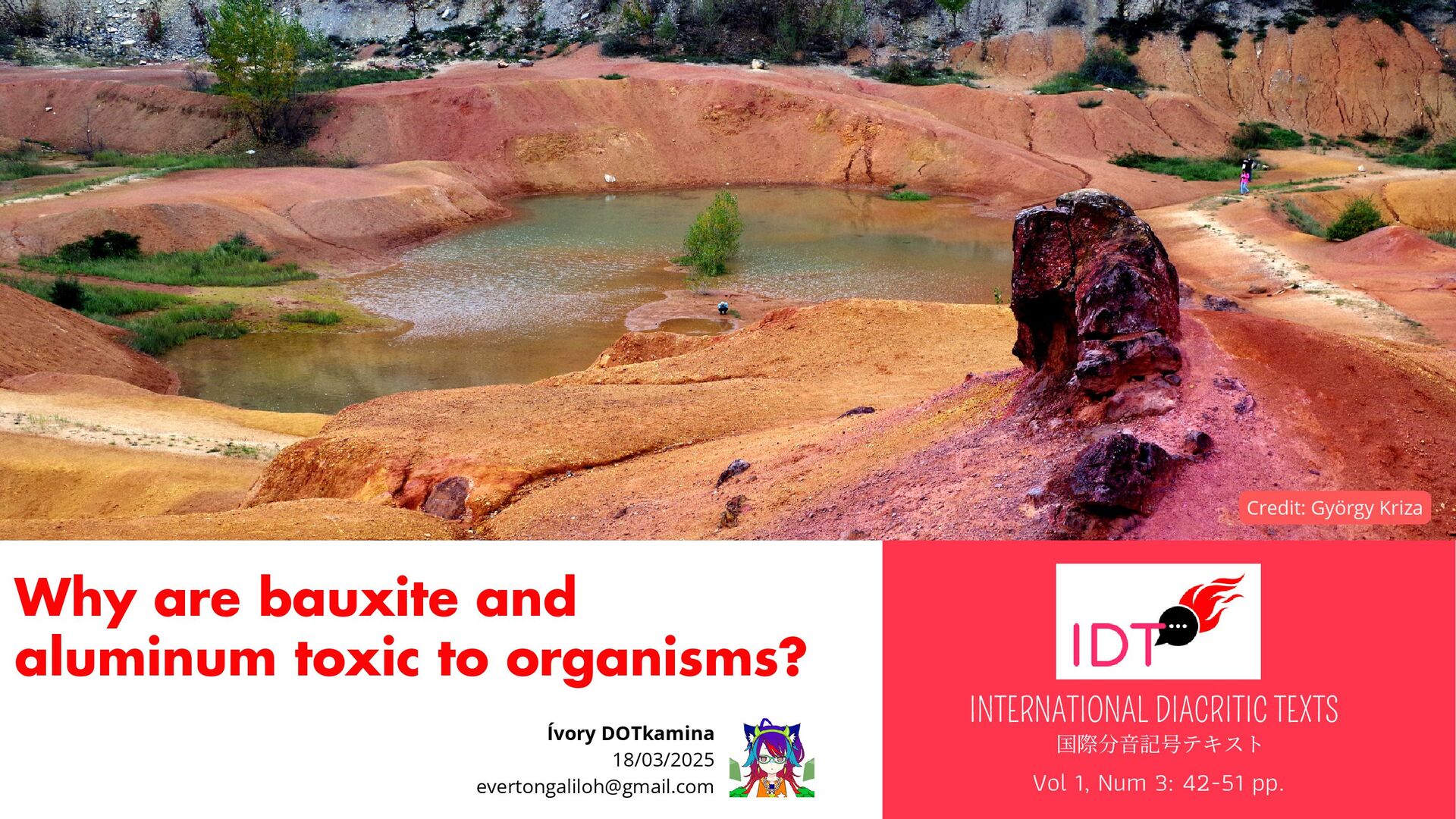
  1. Ívory DOTkamina 18/03/2025 [email protected] Why are bauxite and aluminum toxic

    to organisms? INTERNATIONAL DIACRITIC TEXTS Vol 1, Num 3: 42-51 pp. 国際分音記号テキスト Credit: György Kriza
  2. There are 3 main aluminum hydroxides that can make up

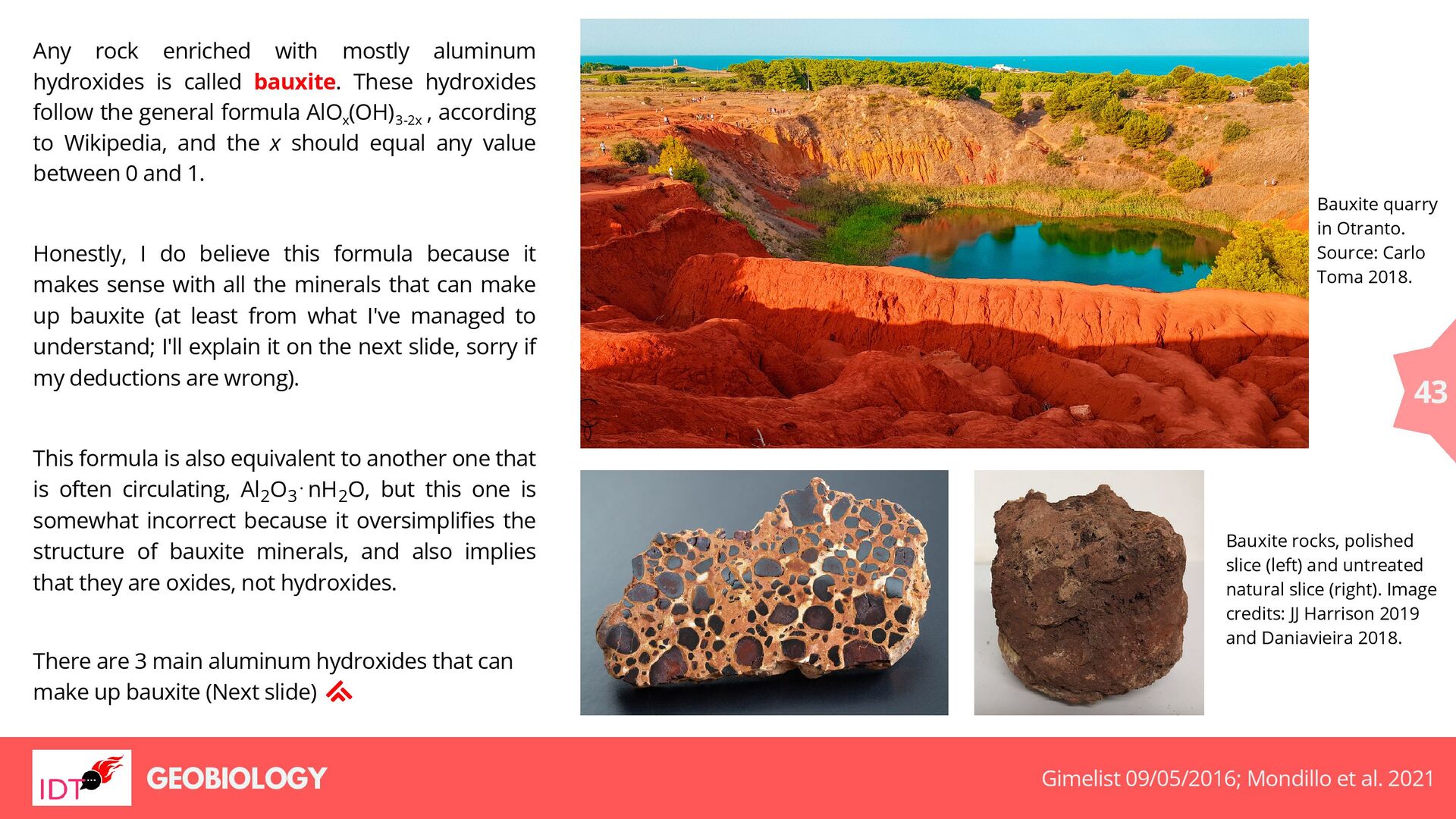
    bauxite (Next slide) Any rock enriched with mostly aluminum hydroxides is called bauxite. These hydroxides follow the general formula AlO (OH) , according to Wikipedia, and the x should equal any value between 0 and 1. Honestly, I do believe this formula because it makes sense with all the minerals that can make up bauxite (at least from what I've managed to understand; I'll explain it on the next slide, sorry if my deductions are wrong). This formula is also equivalent to another one that is often circulating, Al O nH O, but this one is somewhat incorrect because it oversimplifies the structure of bauxite minerals, and also implies that they are oxides, not hydroxides. Gimelist 09/05/2016; Mondillo et al. 2021 GEOBIOLOGY 43 x 3-2x Bauxite quarry in Otranto. Source: Carlo Toma 2018. 2 3 . 2 Bauxite rocks, polished slice (left) and untreated natural slice (right). Image credits: JJ Harrison 2019 and Daniavieira 2018.
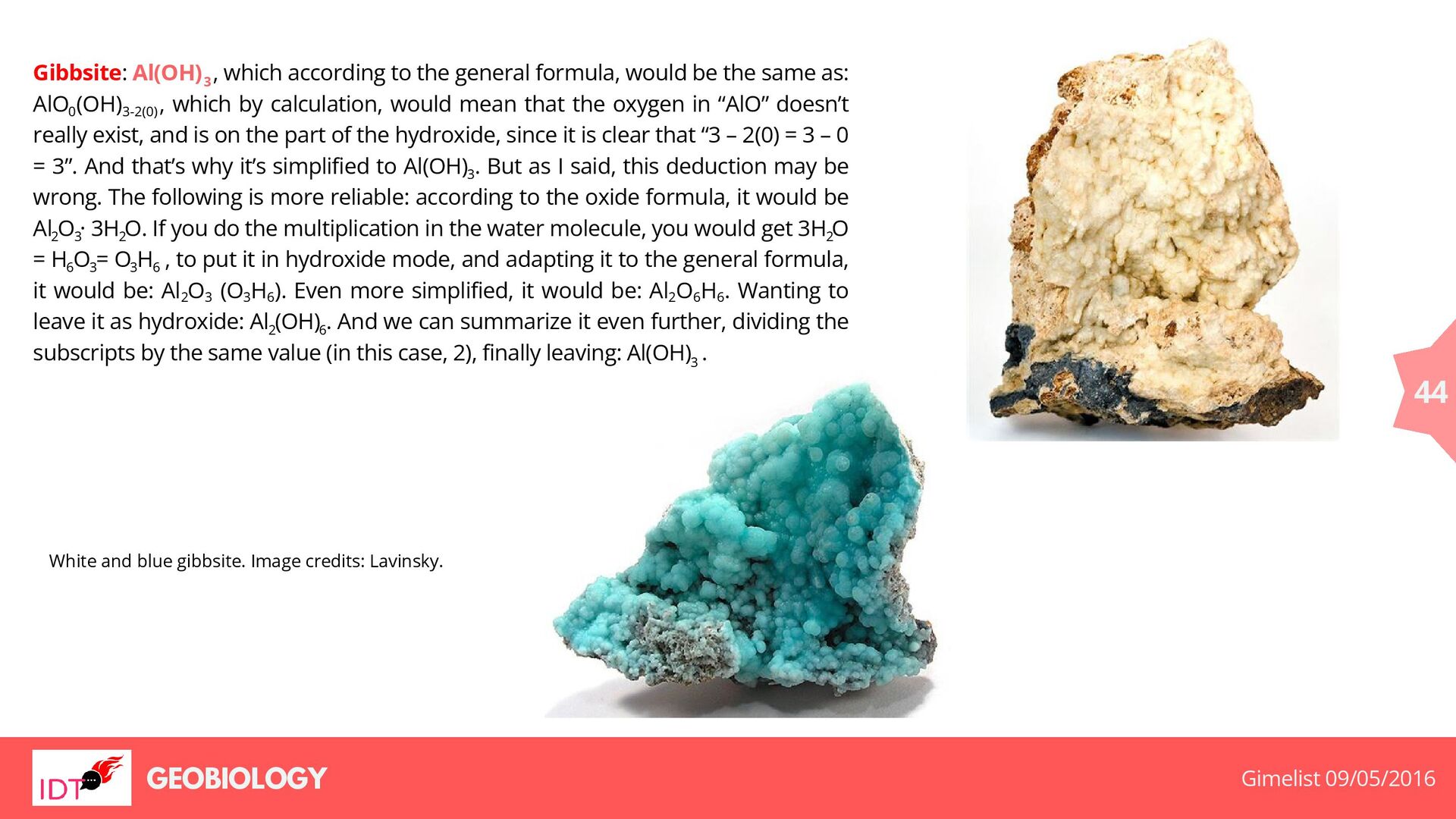
  3. Gimelist 09/05/2016 GEOBIOLOGY 44 White and blue gibbsite. Image credits:

    Lavinsky. Gibbsite: Al(OH) , which according to the general formula, would be the same as: AlO (OH) , which by calculation, would mean that the oxygen in “AlO” doesn’t really exist, and is on the part of the hydroxide, since it is clear that “3 – 2(0) = 3 – 0 = 3”. And that’s why it’s simplified to Al(OH) . But as I said, this deduction may be wrong. The following is more reliable: according to the oxide formula, it would be Al O · 3H O. If you do the multiplication in the water molecule, you would get 3H O = H O = O H , to put it in hydroxide mode, and adapting it to the general formula, it would be: Al O (O H ). Even more simplified, it would be: Al O H . Wanting to leave it as hydroxide: Al (OH) . And we can summarize it even further, dividing the subscripts by the same value (in this case, 2), finally leaving: Al(OH) . 3 0 3-2(0) 3 3 2 2 2 6 3 3 6 2 3 3 6 2 6 6 2 6 3
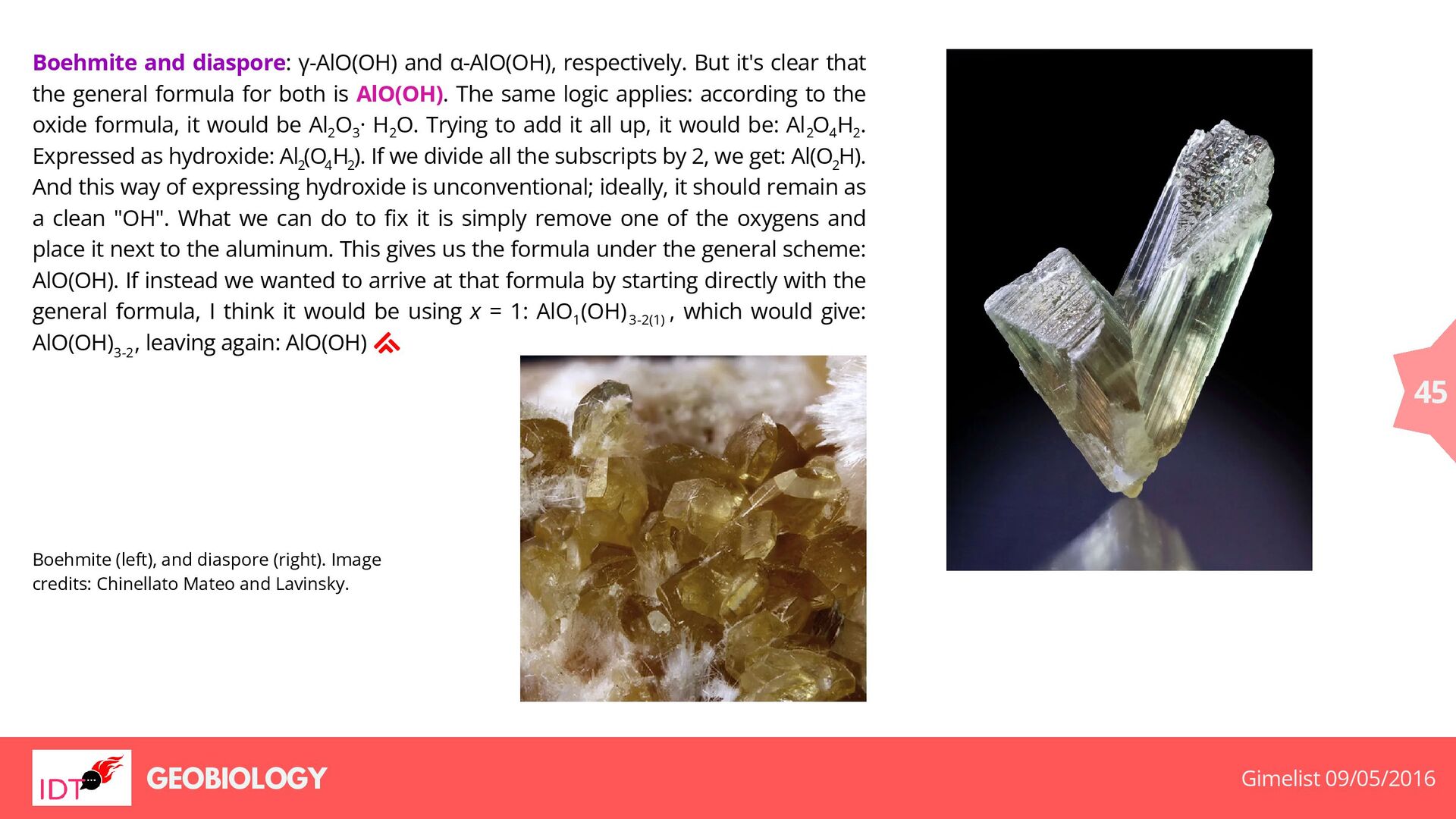
  4. Gimelist 09/05/2016 GEOBIOLOGY 45 Boehmite (left), and diaspore (right). Image

    credits: Chinellato Mateo and Lavinsky. Boehmite and diaspore: γ-AlO(OH) and α-AlO(OH), respectively. But it's clear that the general formula for both is AlO(OH). The same logic applies: according to the oxide formula, it would be Al O · H O. Trying to add it all up, it would be: Al O H . Expressed as hydroxide: Al (O H ). If we divide all the subscripts by 2, we get: Al(O H). And this way of expressing hydroxide is unconventional; ideally, it should remain as a clean "OH". What we can do to fix it is simply remove one of the oxygens and place it next to the aluminum. This gives us the formula under the general scheme: AlO(OH). If instead we wanted to arrive at that formula by starting directly with the general formula, I think it would be using x = 1: AlO (OH) , which would give: AlO(OH) , leaving again: AlO(OH) 2 3 2 2 2 4 2 4 2 2 1 3-2(1) 3-2
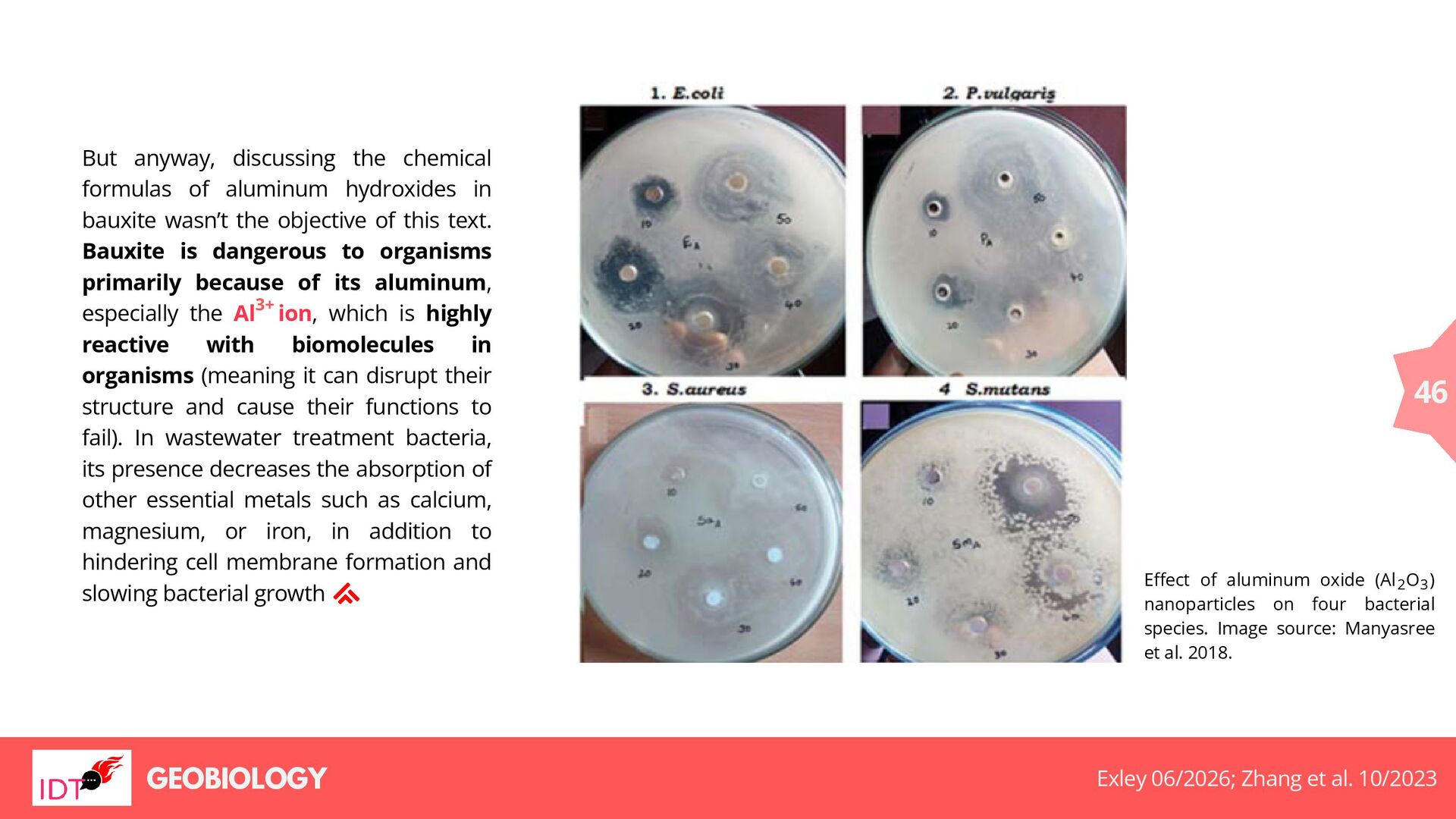
  5. But anyway, discussing the chemical formulas of aluminum hydroxides in

    bauxite wasn’t the objective of this text. Bauxite is dangerous to organisms primarily because of its aluminum, especially the Al ion, which is highly reactive with biomolecules in organisms (meaning it can disrupt their structure and cause their functions to fail). In wastewater treatment bacteria, its presence decreases the absorption of other essential metals such as calcium, magnesium, or iron, in addition to hindering cell membrane formation and slowing bacterial growth 3+ Exley 06/2026; Zhang et al. 10/2023 GEOBIOLOGY 46 Effect of aluminum oxide (Al O ) nanoparticles on four bacterial species. Image source: Manyasree et al. 2018. 2 3
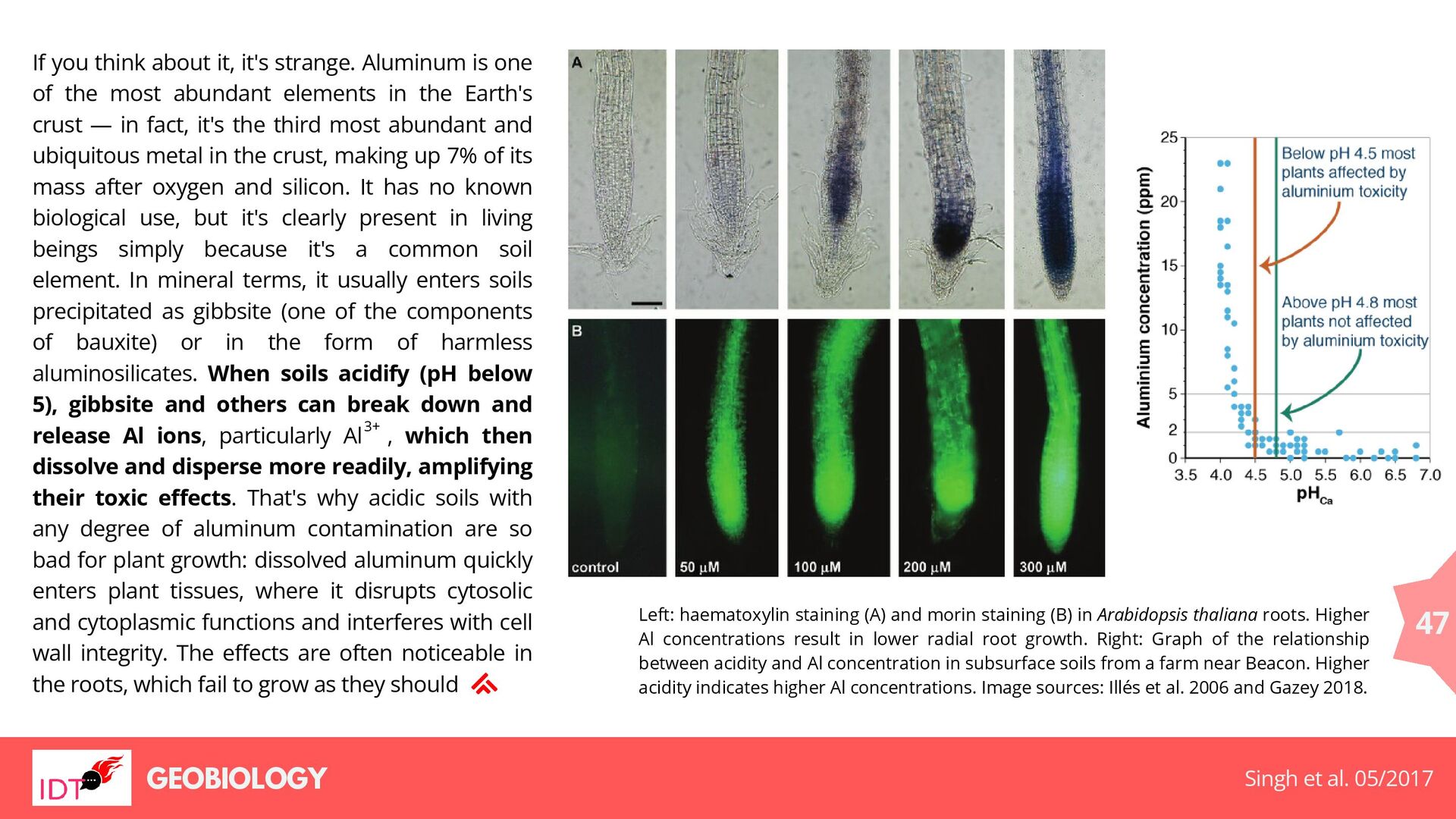
  6. Singh et al. 05/2017 GEOBIOLOGY 47 Left: haematoxylin staining (A)

    and morin staining (B) in Arabidopsis thaliana roots. Higher Al concentrations result in lower radial root growth. Right: Graph of the relationship between acidity and Al concentration in subsurface soils from a farm near Beacon. Higher acidity indicates higher Al concentrations. Image sources: Illés et al. 2006 and Gazey 2018. If you think about it, it's strange. Aluminum is one of the most abundant elements in the Earth's crust — in fact, it's the third most abundant and ubiquitous metal in the crust, making up 7% of its mass after oxygen and silicon. It has no known biological use, but it's clearly present in living beings simply because it's a common soil element. In mineral terms, it usually enters soils precipitated as gibbsite (one of the components of bauxite) or in the form of harmless aluminosilicates. When soils acidify (pH below 5), gibbsite and others can break down and release Al ions, particularly Al , which then dissolve and disperse more readily, amplifying their toxic effects. That's why acidic soils with any degree of aluminum contamination are so bad for plant growth: dissolved aluminum quickly enters plant tissues, where it disrupts cytosolic and cytoplasmic functions and interferes with cell wall integrity. The effects are often noticeable in the roots, which fail to grow as they should 3+
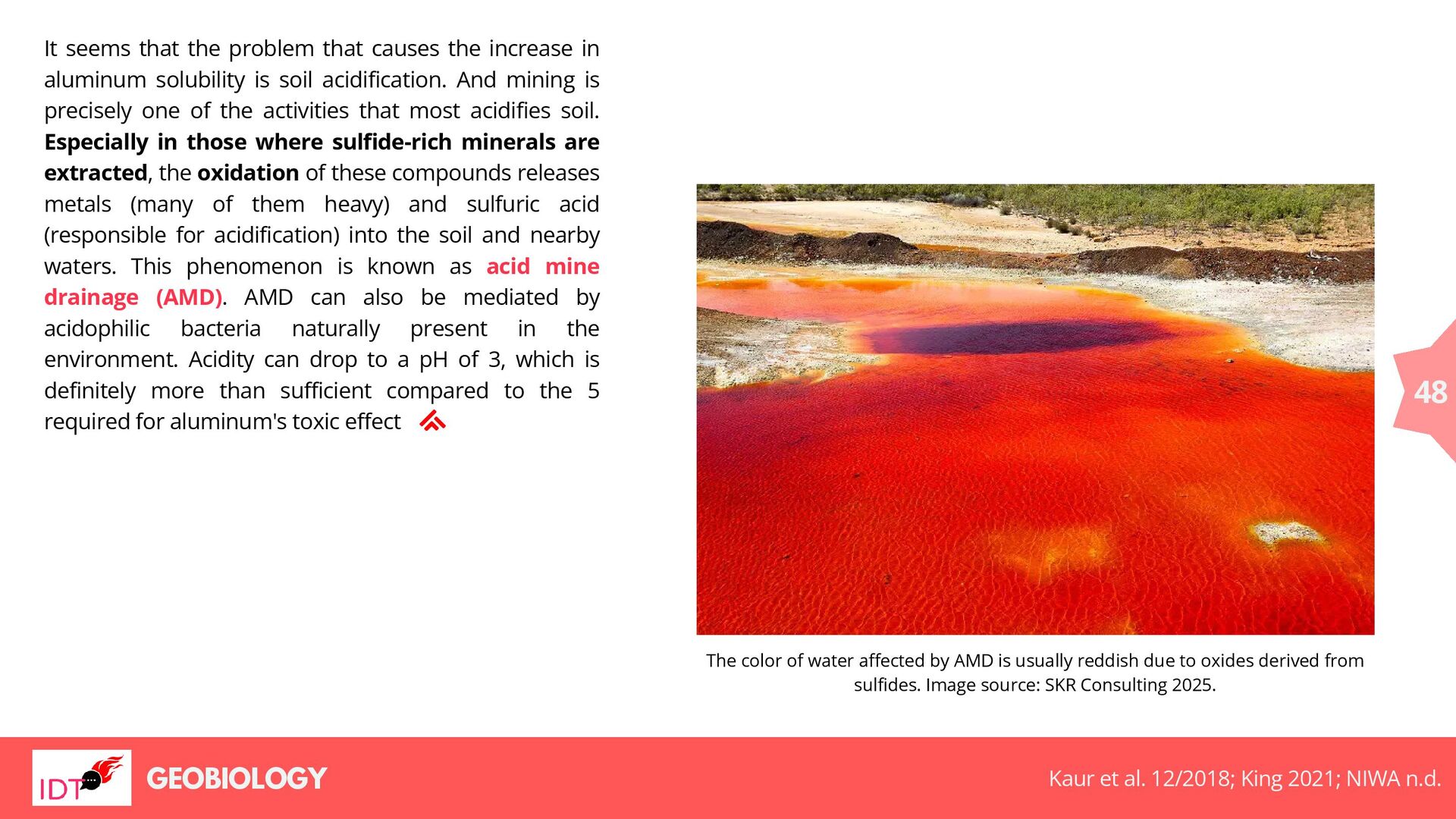
  7. It seems that the problem that causes the increase in

    aluminum solubility is soil acidification. And mining is precisely one of the activities that most acidifies soil. Especially in those where sulfide-rich minerals are extracted, the oxidation of these compounds releases metals (many of them heavy) and sulfuric acid (responsible for acidification) into the soil and nearby waters. This phenomenon is known as acid mine drainage (AMD). AMD can also be mediated by acidophilic bacteria naturally present in the environment. Acidity can drop to a pH of 3, which is definitely more than sufficient compared to the 5 required for aluminum's toxic effect Kaur et al. 12/2018; King 2021; NIWA n.d. GEOBIOLOGY 48 The color of water affected by AMD is usually reddish due to oxides derived from sulfides. Image source: SKR Consulting 2025.
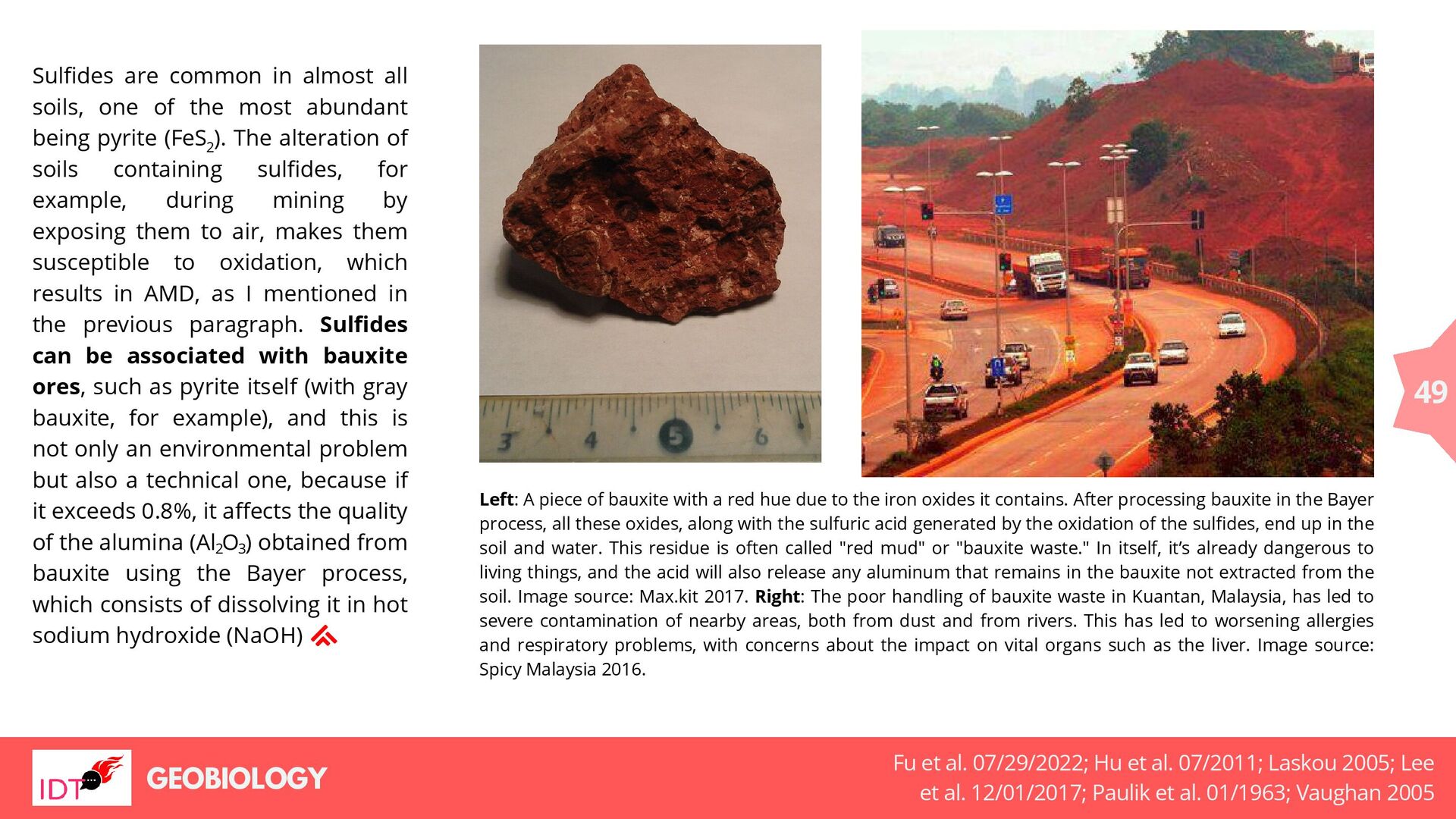
  8. Sulfides are common in almost all soils, one of the

    most abundant being pyrite (FeS ). The alteration of soils containing sulfides, for example, during mining by exposing them to air, makes them susceptible to oxidation, which results in AMD, as I mentioned in the previous paragraph. Sulfides can be associated with bauxite ores, such as pyrite itself (with gray bauxite, for example), and this is not only an environmental problem but also a technical one, because if it exceeds 0.8%, it affects the quality of the alumina (Al O ) obtained from bauxite using the Bayer process, which consists of dissolving it in hot sodium hydroxide (NaOH) Fu et al. 07/29/2022; Hu et al. 07/2011; Laskou 2005; Lee et al. 12/01/2017; Paulik et al. 01/1963; Vaughan 2005 GEOBIOLOGY 49 Left: A piece of bauxite with a red hue due to the iron oxides it contains. After processing bauxite in the Bayer process, all these oxides, along with the sulfuric acid generated by the oxidation of the sulfides, end up in the soil and water. This residue is often called "red mud" or "bauxite waste." In itself, it’s already dangerous to living things, and the acid will also release any aluminum that remains in the bauxite not extracted from the soil. Image source: Max.kit 2017. Right: The poor handling of bauxite waste in Kuantan, Malaysia, has led to severe contamination of nearby areas, both from dust and from rivers. This has led to worsening allergies and respiratory problems, with concerns about the impact on vital organs such as the liver. Image source: Spicy Malaysia 2016. 2 2 3
  9. In conclusion, bauxite mining can expose sulfides to oxidation, which

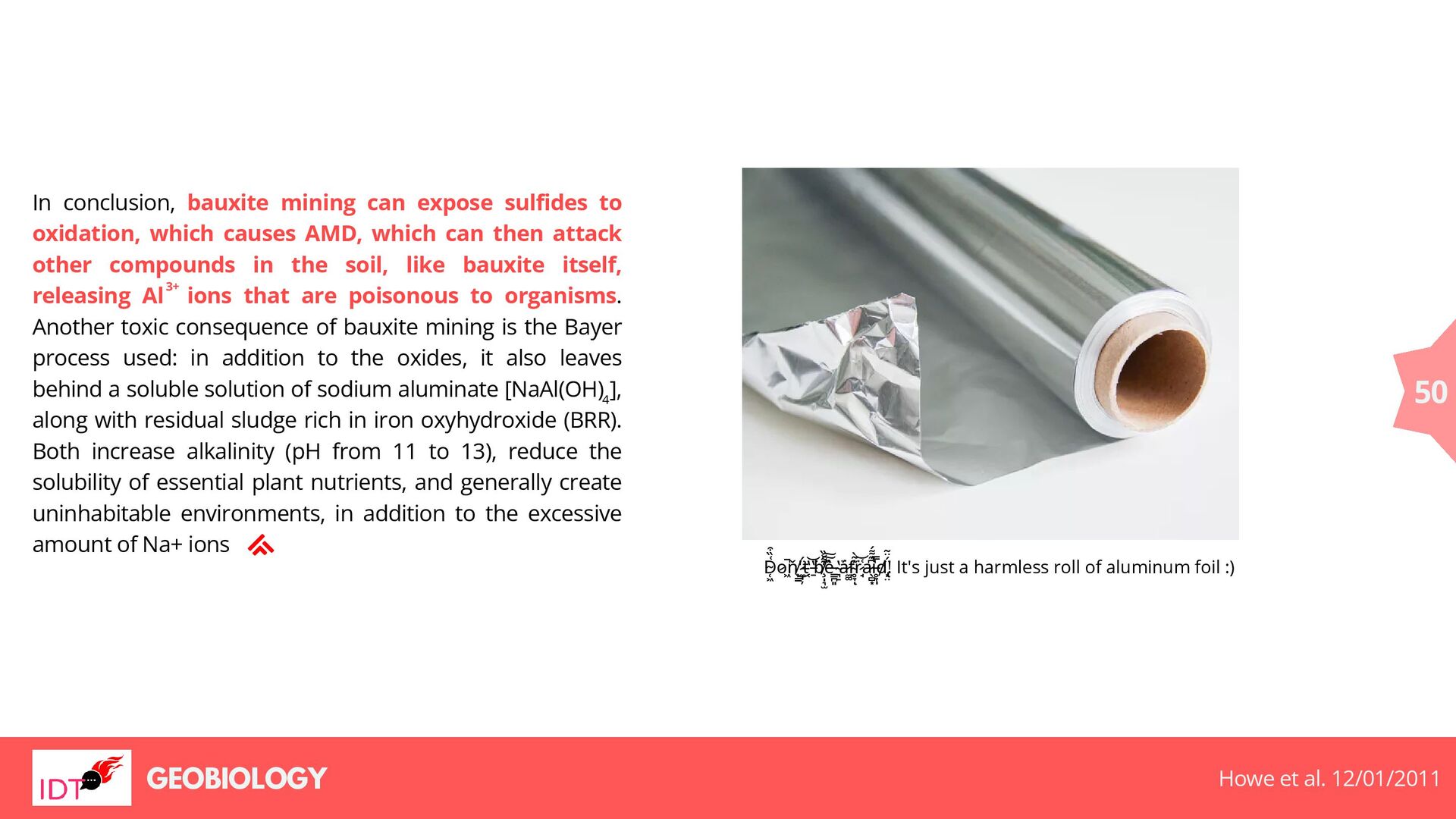
    causes AMD, which can then attack other compounds in the soil, like bauxite itself, releasing Al ions that are poisonous to organisms. Another toxic consequence of bauxite mining is the Bayer process used: in addition to the oxides, it also leaves behind a soluble solution of sodium aluminate [NaAl(OH) ], along with residual sludge rich in iron oxyhydroxide (BRR). Both increase alkalinity (pH from 11 to 13), reduce the solubility of essential plant nutrients, and generally create uninhabitable environments, in addition to the excessive amount of Na+ ions Howe et al. 12/01/2011 GEOBIOLOGY 50 D̴̜͖͑̏͒ o̷͖̚ň̸̹̳'̷̼̩̦̈́͜t̵̜̔ ̵̱̔͘͝b̸̧̩͉̫͌̆̏̕è̵͇̪͈̏͠͠ ̴͉̠̔ä̷̼͚́f̴̦̥̞͊͂̀ͅṙ̷̘͑͝a̷̖̻͙͆͊͌́ i̵̥̞̩̿d̸̢͓̤̈́̈͂ ! It's just a harmless roll of aluminum foil :) 3+ 4
  10. Exley C. 06/2016. The toxicity of aluminium in humans. La

    toxicité de l’aluminium chez l’homme. Morphologie. 100(329):51–55. doi:10.1016/j.morpho.2015.12.003. [accessed 2025 Mar 17]. https://www.sciencedirect.com/science/article/abs/pii/S1286011516000023. ISSN: 12860115. Fu H, Lv G, Zhang T, Chao X, Chen Y. 07/29/2022. Study on Iron Extraction from High Iron Bauxite Residue by Pyrite Reduction. Bull Environ Contam Toxicol. 109(1):149–154. doi:10.1007/s00128- 022-03520-8. [accessed 2025 Mar 17]. https://www.researchgate.net/publication/360268474_Study_on_Iron_Extraction_from_High_Iron_Bauxite_Residue_by_Pyrite_Reduction. ISSN: 0007-4861. Gimelist. 09/05/2016 Sep 5. What is chemical formula of Bauxite? Stack Exchange Chemistry. [accessed 2025 Mar 17]. https://chemistry.stackexchange.com/questions/58443/what-is-chemical- formula-of-bauxite. Howe PL, Clark MW, Reichelt-Brushett A, Johnston M. 12/01/2011. Toxicity of raw and neutralized bauxite refinery residue liquors to the freshwater cladoceran Ceriodaphnia dubia and the marine amphipod Paracalliope australis. Environ Toxicol Chem. 30(12):2817–2824. doi:10.1002/etc.692. [accessed 2025 Mar 17]. https://pubmed.ncbi.nlm.nih.gov/21935983/. ISSN: 0730-7268. Hu X, Chen W, Xie Q. 07/2011. Sulfur phase and sulfur removal in high sulfur-containing bauxite. Transactions of Nonferrous Metals Society of China. 21(7):1641–1647. doi:10.1016/S1003- 6326(11)60908-4. [accessed 2025 Mar 17]. https://www.sciencedirect.com/science/article/abs/pii/S1003632611609084. ISSN: 10036326. Kaur G, Couperthwaite SJ, Millar GJ. 12/2018. Performance of bauxite refinery residues for treating acid mine drainage. Journal of Water Process Engineering. 26:28–37. doi:10.1016/j.jwpe.2018.09.005. [accessed 2025 Mar 17]. https://www.sciencedirect.com/science/article/abs/pii/S2214714418303581. ISSN: 22147144. King A. 2021. Mitigating criticality, part II: Source diversification. In: Critical Materials. Elsevier. p. 161–203. [accessed 2025 Mar 17]. https://www.sciencedirect.com/science/article/abs/pii/B9780128187890000062. Laskou M. 2005. Pyrite-rich bauxites from the Parnassos-Ghiona zone, Greece. In: Mineral Deposit Research: Meeting the Global Challenge. Berlin, Heidelberg: Springer Berlin Heidelberg. p. 1007–1010. [accessed 2025 Mar 17]. https://link.springer.com/chapter/10.1007/3-540-27946-6_257. Lee KY, Ho LY, Tan KH, Tham YY, Ling SP, Qureshi AM, Ponnudurai T, Nordin R. 12/01/2017. Environmental and Occupational Health Impact of Bauxite Mining in Malaysia: A Review. IIUM Medical Journal Malaysia. 16(2). doi:10.31436/imjm.v16i2.346. [accessed 2025 Mar 17]. https://www.researchgate.net/publication/321889176_Environmental_and_Occupational_Health_Impact_of_Bauxite_Mining_in_Malaysia_A_Review. ISSN: 2735-2285. Mondillo N, Herrington R, Boni M. 2021. Bauxites. In: Encyclopedia of Geology. Elsevier. p. 694–707. [accessed 2025 Mar 17]. https://www.sciencedirect.com/science/article/abs/pii/B9780081029084000461. NIWA. Chemical contamination and mining. NIWA Taihoro Nukurangi. [accessed 2025 Mar 17]. https://niwa.co.nz/freshwater/kaitiaki-tools/what-impacts-interest-you/chemical- contamination/causes-chemical-contamination/chemical-contamination-and-mining. Paulik F, Gál S, Erdey L. 01/1963. Determination of the pyrites content of bauxites by thermal methods. Anal Chim Acta. 29:381–394. doi:10.1016/S0003-2670(00)88636-5. [accessed 2025 Mar 17]. https://www.sciencedirect.com/science/article/abs/pii/S0003267000886365. ISSN: 00032670. Singh Shweta, Tripathi DK, Singh Swati, Sharma S, Dubey NK, Chauhan DK, Vaculík M. 05/2017. Toxicity of aluminium on various levels of plant cells and organism: A review. Environ Exp Bot. 137:177–193. doi:10.1016/j.envexpbot.2017.01.005. [accessed 2025 Mar 17]. https://www.sciencedirect.com/science/article/abs/pii/S0098847217300059. ISSN: 00988472. Vaughan DJ. 2005. MINERALS | Sulphides. In: Encyclopedia of Geology. Elsevier. p. 574–586. [accessed 2025 Mar 17]. https://www.sciencedirect.com/science/article/abs/pii/B0123693969002768. Zhang L, Zheng J, Leng H, Zhang M, Pang X, Guo J, Wang J, Yang L. 10/2023. Effects of Al3+ on the microbial community, metabolic pathways, and morphological analysis of activated sludge. J Environ Chem Eng. 11(5):110627. doi:10.1016/j.jece.2023.110627. [accessed 2025 Mar 17]. https://www.sciencedirect.com/science/article/abs/pii/S2213343723013660. ISSN: 22133437. 4 REFERENCES